Past their best?

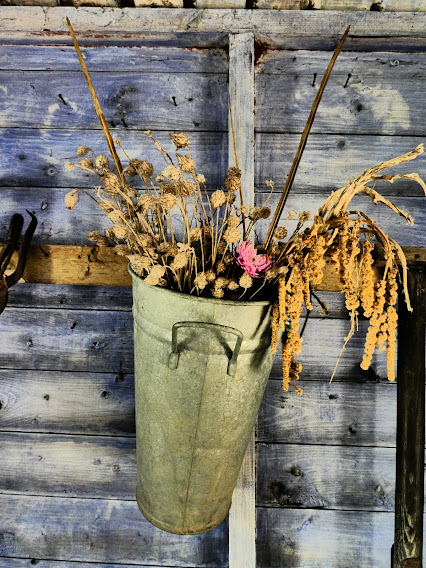
On a morning like this, with rain cascading down outside, and all is gloomy and grey, most things – me included – seem to have seen better days. Let’s go for a walk and see what we can find. A virtual walk. It’s far to wet for anything else.

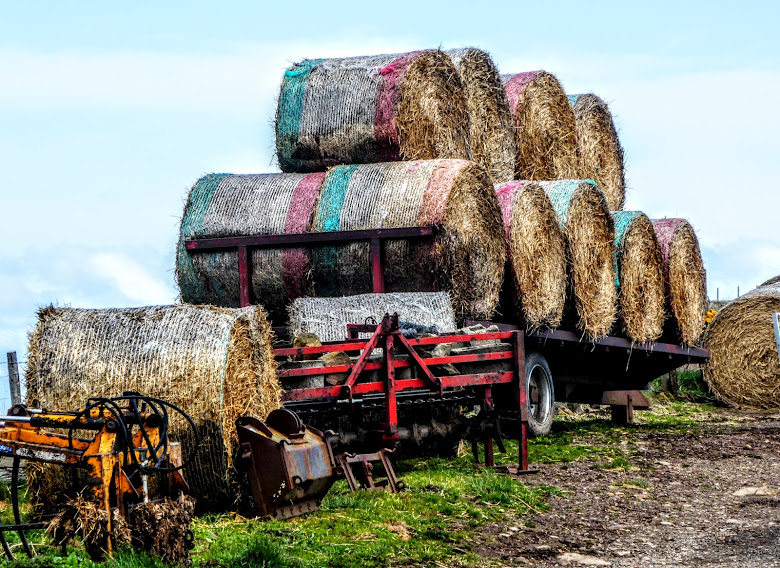
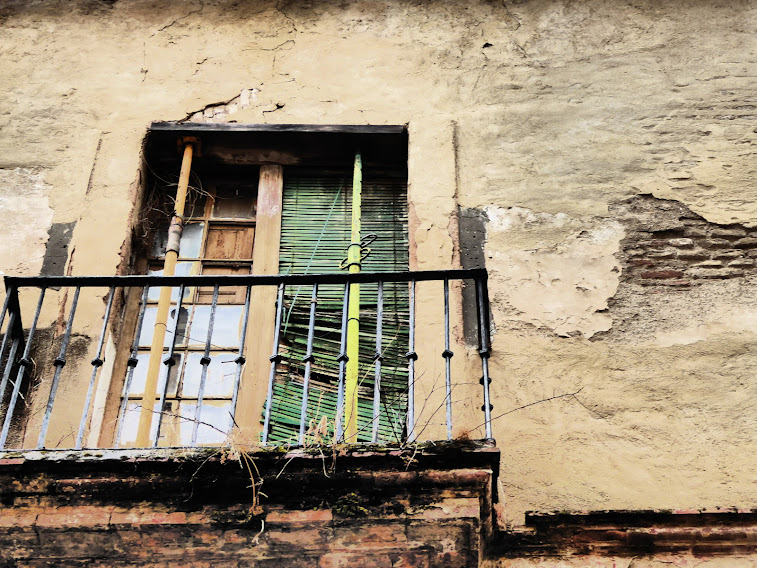
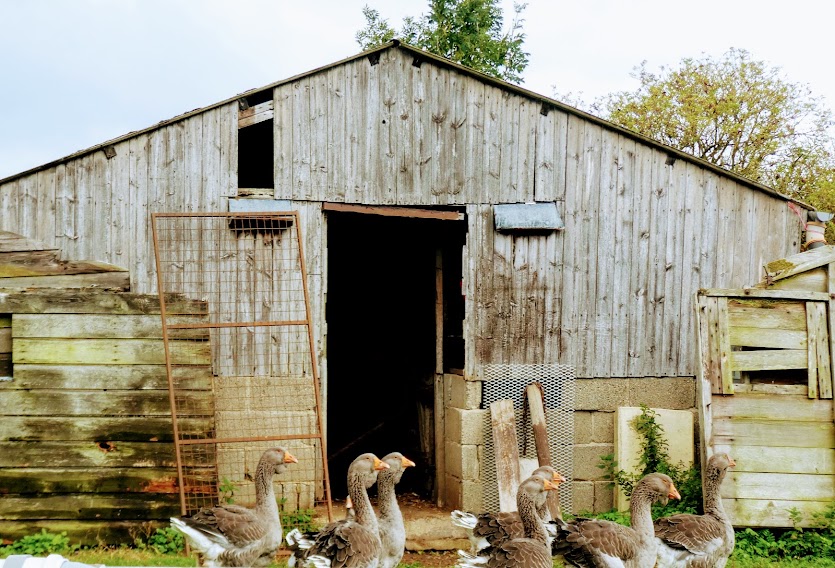
Let’s start off in the farmyard:

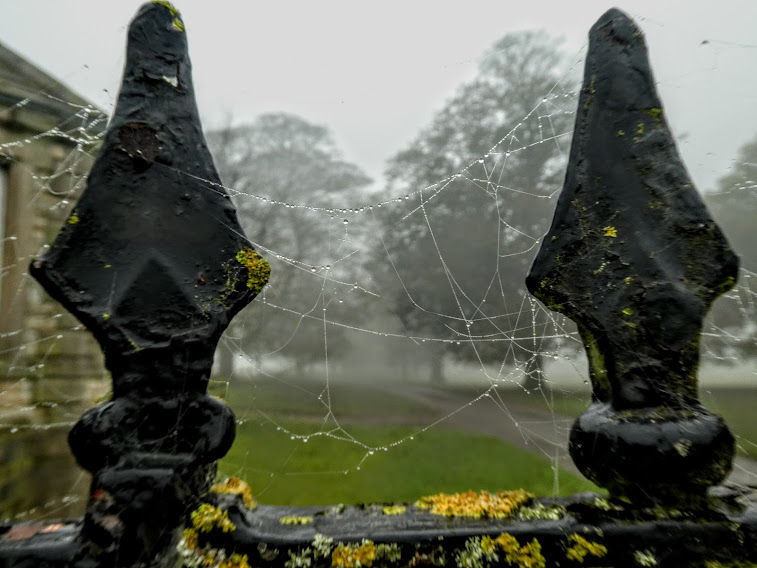
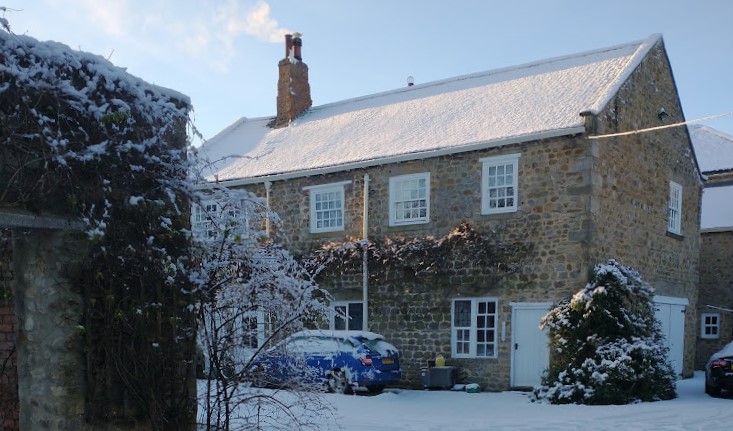
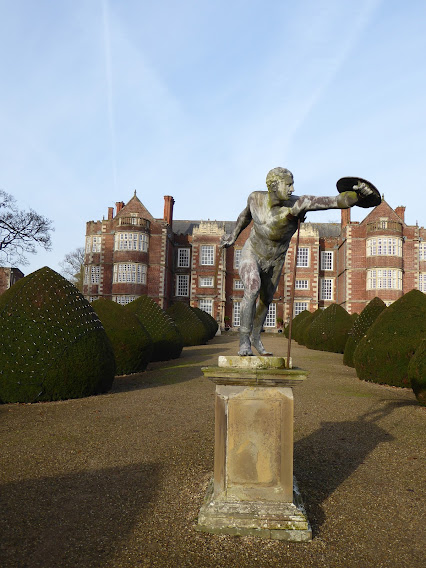
Beyond these farms is a country house, with mossy gates.

Sleningford Hall, North Yorkshire

Perfect for Hallowe’en, don’t you think?

OK. Take off your boots now, and let’s go for a city stroll instead.

Even towns have gardens. Harlow Carr is a marvellous RHS garden near Harrogate. They keep things immaculately … except in the Edwardian garden shed.

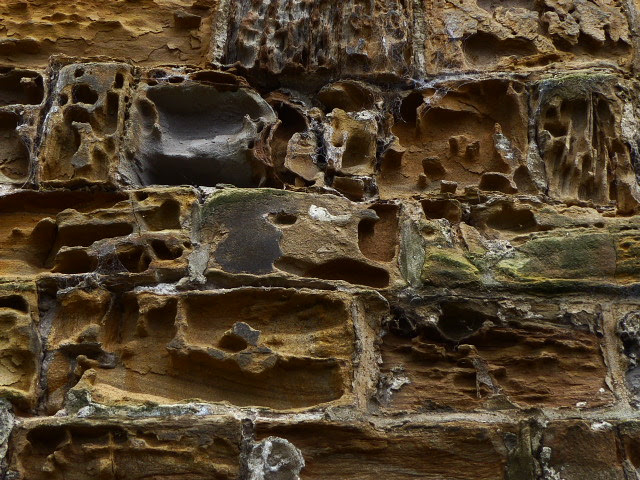
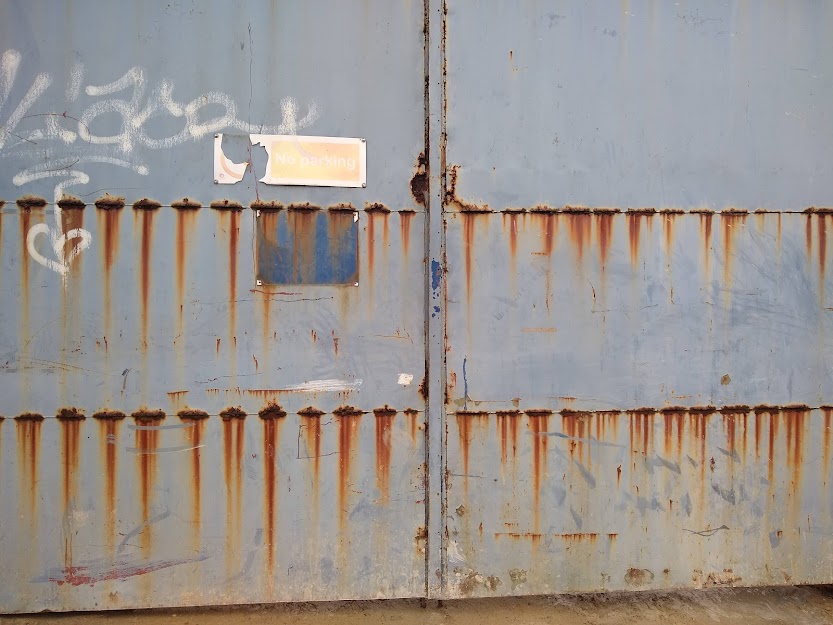
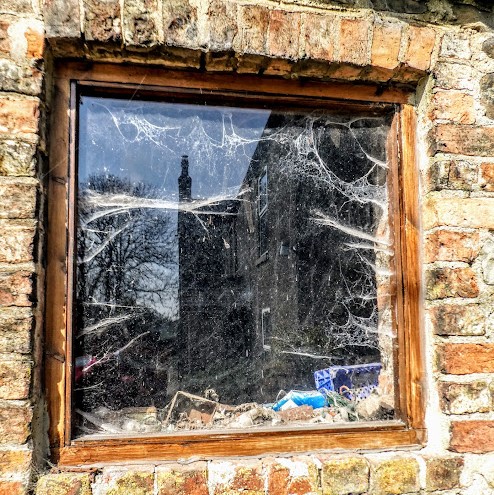
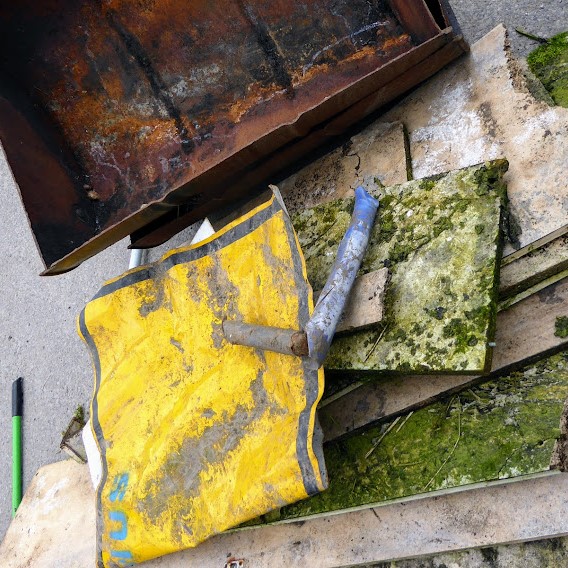
Lastly, let’s have a bit of a clean up. Here’s plenty of rubbish from the past found on a recent litter pick near a factory in Ripon. Perfect for Past Squares. Let’s find it by looking through The Square Window today (anyone remember Play School?)

That’ll do for one day I think. Time to go home and stay out of the rain.

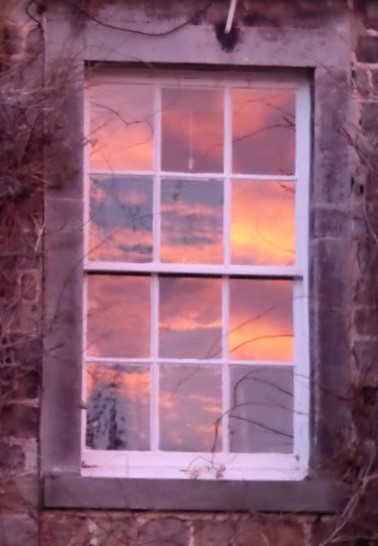
The featured photo was taken in Seville.

Lens-Artists Challenge #168: Seen Better Days

Past Squares

Six Degrees of Separation in October

‘On the first Saturday of every month, a book is chosen as a starting point and linked to six other books to form a chain. Readers and bloggers are invited to join in by creating their own ‘chain’ leading from the selected book.

Six Degrees of Separation: Kate W

The Lottery, a short story by Shirley Jackson begins our chain this month. If you haven’t read it yet, you can find it here. If you haven’t read it yet, every single one of my choices will be a Spoiler Alert.

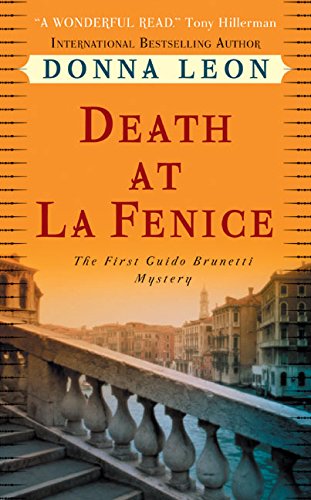
I’ve been accused, perhaps rightly, of making some dark choices for Six Degrees. And my first choice, linked to that short story, involves death, because it is a murder mystery. But I don’t read Donna Leon‘s books because I’m all that interested in the crime perpetrated. I’m more than a little in love with Our Hero, Commissario Brunetti. I’m more than a little in love with the back streets of the city he calls home, Venice: and with his wife Paola, and his adolescent children: the meals that they eat and the family occasions they share. There’s the endlessly clever Signorina Elettra at the Questura too, and a backdrop of Brunetti’s opposition to corruption and back-handers. Against these riches, the murder mystery is just a bit-part in the story. None of Donna Leon’s books disappoint, so let’s take the first one I ever read to stand in for them all: Death at La Fenice.

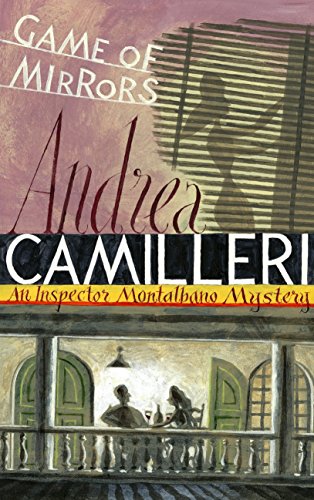
We’ll stay in Italy to meet Commissario Montalbano. Maybe you know Andrea Camilleri‘s detective from the series on BBC 4? I met him in print some years ago, and he’s older and less handsome than his TV alter ego. But still as personable. He’s keen on a good meal, keen on swimming in the sea that laps the beach near his home, and can be funny as well as insightful. I’ve just finished Game of Mirrors: an intrigue involving his neighbour, a bombed warehouse, and a trail of false clues.

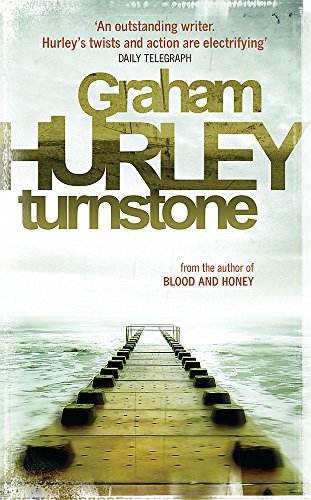
Another detective now, Joe Faraday. He lived, as I did once, in Portsmouth. He’s real enough too. His wife is dead. He has a profoundly deaf adult son, with whom he bonded in his early years of widowerhood by their shared love of birdwatching. Working with gritty crimes involves juggling paperwork and bureaucracy besides solving the conundrum of the offence, and it’s this rounded picture of Faraday’s life that I find so appealing. The first Faraday novel by Graham Hurley that I read was Turnstone. You might like to try it too.

DI Charlie Priest lived and worked in Yorkshire. His creator, Stuart Pawson was my friend and colleague when we both worked as mediators for the Probation Service: sadly he died a few years ago. Priest loved to pound the moors and fells of Yorkshire, as I do. His life involved too much work and too little play , but like the previous two detectives, he’s a rounded and believable individual. I’m choosing The Judas Sheep, because he dedicated this book to me.

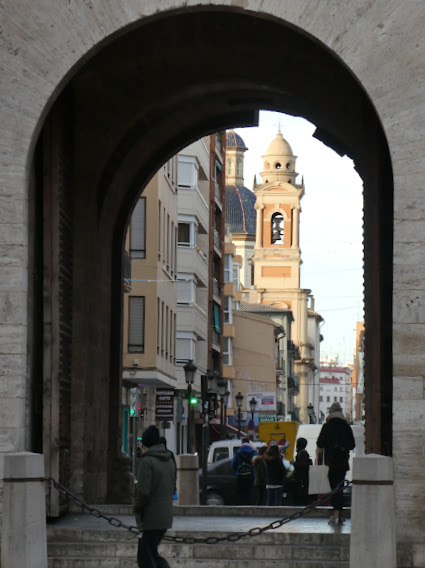
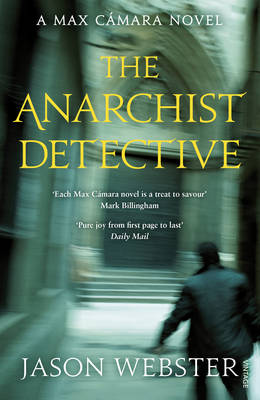
Jason Webster is an English writer living in Spain. He’s fairly recently turned his hand to detective fiction, and his hero is Max Cámara. I was interested in A Death in Valencia since this is a city I thought I knew quite well. As ever, it turned out not to be those parts of the city that I’d visited, but a much seamier place, with corruption at the heart of local government a commonplace. Add a murdered paella chef, and even the pope to the mix for another thoroughly readable story.

My last choice isn’t a murder mystery. But deaths occur, and the whole thing, like the short story we began with almost feels like a pact with the devil. Alix Nathan, in The Warlow Experiment tells us the story of gentleman scientist Charles Powyss, who in the eighteenth century sets up an experiment to study the effects on humans of total isolation. Uneducated labourer Warlow is that isolated man. Offered every comfort, decent food, books (he can barely read), all he needs – apart from human company – it all goes horribly, desperately wrong.

I began with a few murder mysteries. And I end with a death or so too. Unnecessary, bleak, as was the death with which our chain began. Next month’s choice promises to be a harrowing one. I’ll have to see whether I’m up to dealing with reading it: Sigrid NunezWhat Are You Going Through.

Defeated Dragon

The last photo I took in September was of a disabled dragon. This dragon’s glory days are all in the past. No longer can he roar, belching fearsome flames from his mighty maw. He’s a Covid-era dragon, sensibly equipped with a face mask. Scary dragons are so last millennium.

This photo is a square for Past Squares

and for Brian of Bushboy’s World Last on the Card.

Library Checkout

I have always enjoyed Bookish Beck’s monthly Library Checkout, but it had never occurred to me to join in. Partly, I’ve been outfaced by the sheer number of volumes she manages to devour. But I’ve had a busy-for-me reading month, as well as a higher number than usual of ‘Nah, not for me’, so let’s get started.

Read

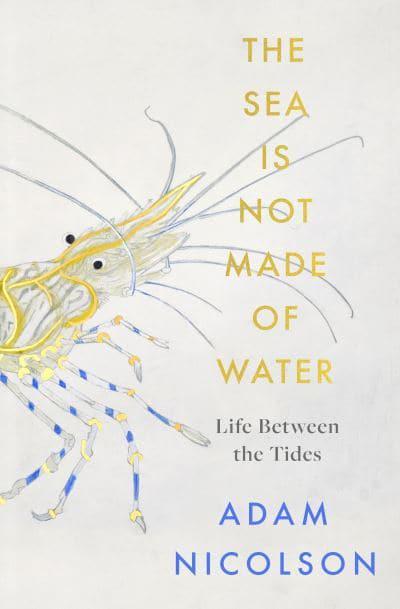
Adam Nicolson: The Sea is not Made of Water. ⭐ ⭐ ⭐ A study of what – apart from water – fills the seas. At tides, at geology, at social history and philosophy. Frequently fascinating, informative and thought provoking, but for me, the whole thing didn’t quite hang together

Frances Quinn: The Smallest Man⭐ ⭐ ⭐ ⭐ The rags-to-riches story of Nat Davy, dwarf, who avoids being sold as a fairground attraction when his father, who wants rid of him, gets a better offer for him to be the plaything to Queen Charlotte in the court of Charles I. Nat is soon at the heart of the action in the hotbed of political and religious discontent which is Stuart England. An enjoyable and easy to race through account.

Jason Webb: The Anarchist Detective. ⭐ ⭐ ⭐ Mini-review forthcoming in October’s Six Degrees of Separation.

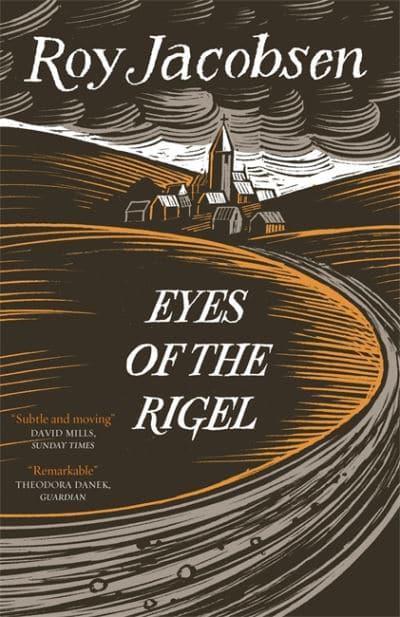
Roy Jacobsen: Eyes of the Rigel. ⭐ ⭐ ⭐ ⭐ I chose this from the library on a whim, unaware that this was the last of a series of three. It didn’t matter. Ingrid, inhabitant of a small Norwegian island sets off to find her Russian lover and father of her child in the aftermath of WWII. A discomfiting but highly readable story about the aftermath of war, about collaboration, guilt.

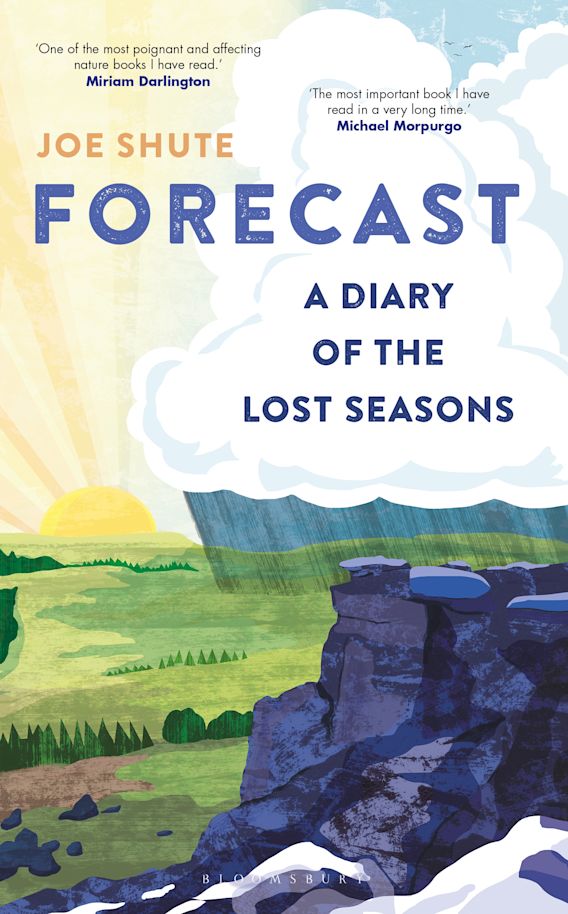
Joe Shute: Forecast. ⭐ ⭐ ⭐ ⭐ ⭐ A clear-sighted and readable account of how our seasons are no longer the four seasons we’ve traditionally recognised over the centuries, but are rapidly involving into something new, and difficult for wildlife and ourselves to adjust to. Shute has travelled the kingdom, delved into literature, folklore, plant and animal life, traditional industries, personal reminiscences, and even noted how language has changed in describing the weather. In among, he reflects upon the difficulties he and his wife have in conceiving a child: which might sound gratuitous, but isn’t, at all.

Alix Nathan: The Warlow Experiment. ⭐ ⭐ ⭐ ⭐ Mini-review forthcoming in October’s Six Degrees of Separation.

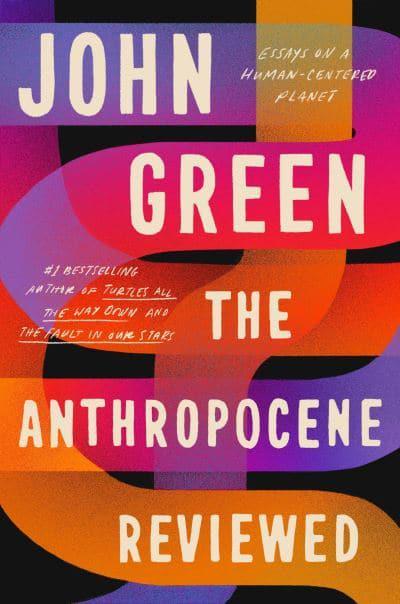
John Green: The Anthropocene Reviewed. ⭐ ⭐ ⭐ ⭐ I intended to dip in and out of these musings, developed from a podcast series about many different aspects of life on our planet. Instead, I read it from cover to cover, almost at a sitting. Green considers anything from the QWERTY keyboard to the Lascaux cave paintings, sunsets to teddy bears with his personal thoughts, anecdote, research, in a way which is at once engaging and amusing, as well as thought provoking.

Returned Unfinished

Garry Disher: Bitterwash Road. This is the gritty and well-told story of Hirsch, police whistle blower, demoted because of his actions and now the constable in a one-horse town in the Australian outback. The dialogue is slick and believable, the descriptions of characters, town life and the countryside evocative, the plot fast moving. This is a book that has everything. But after a few chapters, I’d had enough. Didn’t finish it.

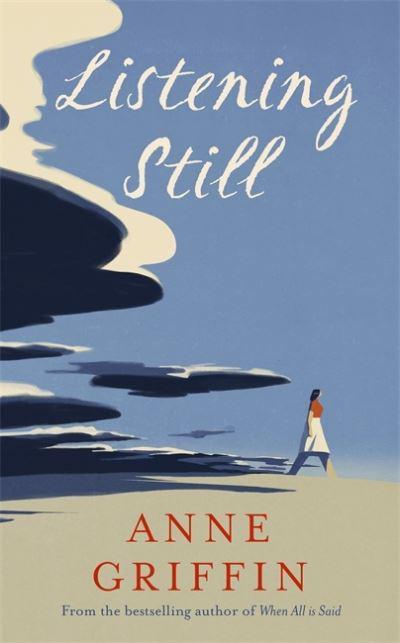
Anne Griffin: Listening Still. I’d loved When all was Said, reviewed here. But a cosy two generation family with an undertaking business, two of whom can talk to the dead briefly, before they totally expire? Just …. nah.

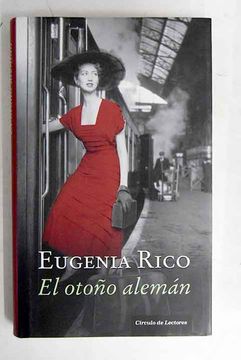
Eugenia Rico: El Otoño Aleman: I seriously overestimated my reading stamina and abilities in Spanish. Back to basics!

Borrowed, and waiting their turn.

Alastair McIntosh: An Island Journey

Janice Galloway: The Trick is to Keep Breathing.

Ian Stephen: A Book of Death and Fish.

The Decameron Project: 29 New Stories from the Pandemic

Is this a typical month? Maybe not. There’s a higher proportion of non-fiction here than usual. Have you read anything from my pile? Tempted by anything?
Window Shopping Three

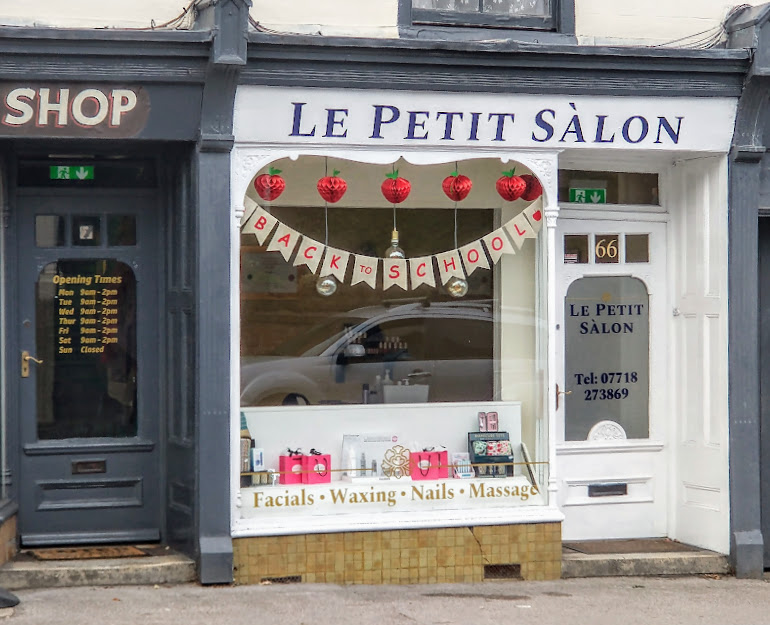
This shopping malarkey’s getting tiring, so this week, I’ll just slot in a few shots that didn’t make it into the previous two posts. Like the header shot, for instance. Who knew that facials, waxing, nails and massage were a prerequisite for returning to school?

The Yorkshire lass in me thoroughly approves of this window, spotted in Leeds.

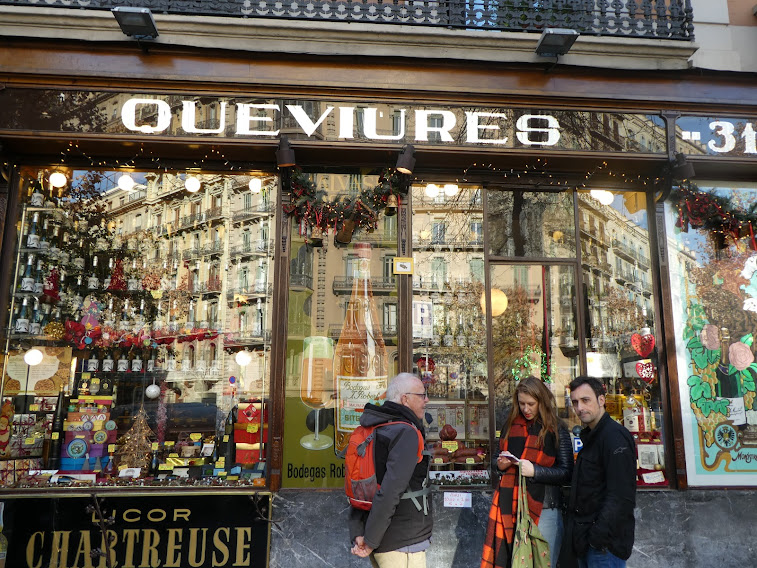
And this image from Barcelona of a rather up-market grocer, Queviures, with the reflections of the street behind remains a favourite too.

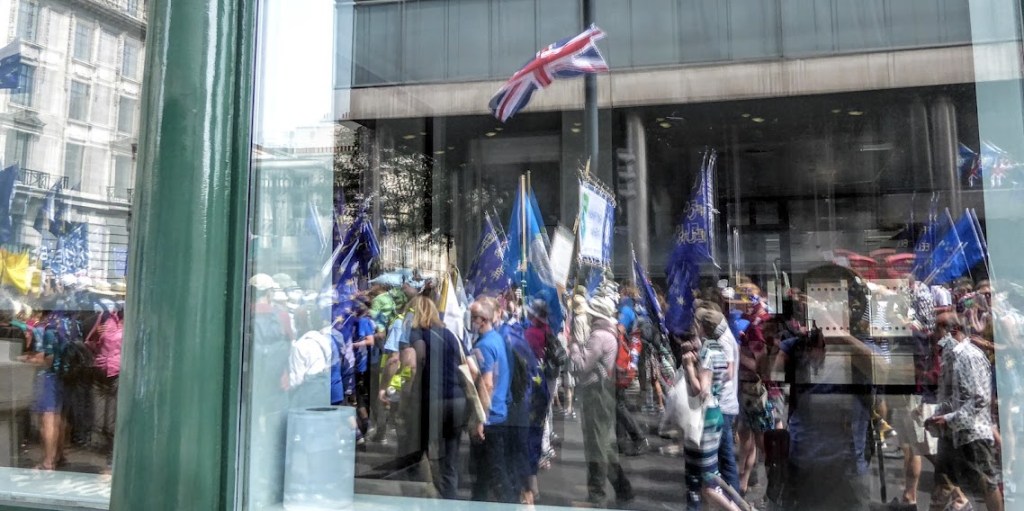
My last one may not be a shop at all – I can’t remember. It comes from a more optimistic time, when we still believed that marching in London in our thousands, and community action might help to save us from the disaster which is Brexit.

Monday Window

An inveterate food forager

I was brought up foraging. At four years old, I’d get up with my mother at half past five in the morning and go scouting for mushrooms on the now-deserted wartime air-strips near our house. At five years old, I went as part of the autumn school day to gather rosehips for Delrosa. Expert pickers got a tin badge. Smaller fry like me got nothing. Blackberrying of course we took for granted.

Later, much later, Malcolm and I moved to France. There, foraging is a way of life. Nobody leaves the house without their ‘Au cas où’ bag – ‘just in case‘ they find something for the cooking pot. It might be wild asparagus, wild garlic or Alpine strawberries in spring, cherries later, then blackberries of course. Autumn was bonanza time. This was the time to stagger home with sacks full of walnuts, of chestnuts, of sloes, of mushrooms of every kind. Autumn hikes were constantly interrupted by the need to squat down and fill a bag with yet more free food. You can read all about it here, for Fandango’s Flashback Friday, when I described how ‘all is safely gathered in’.

Sweet chestnuts

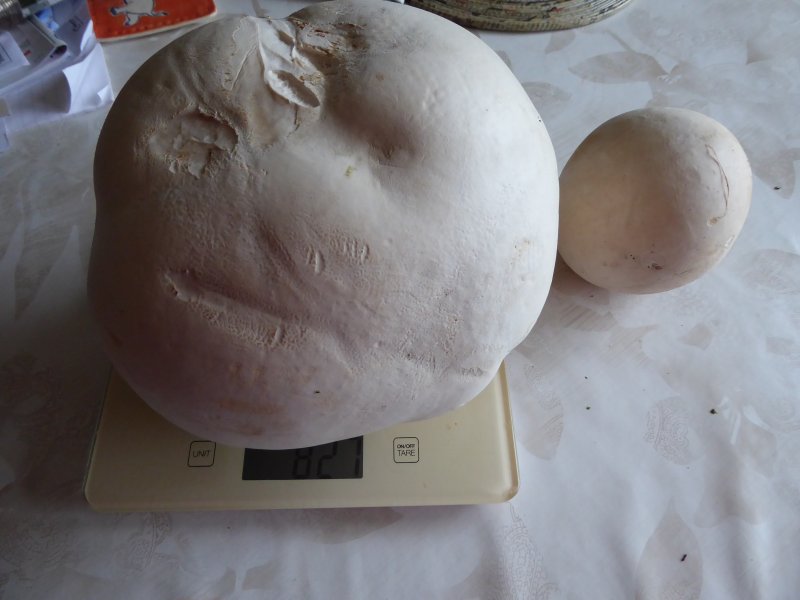
Now we’re back in England, the custom continues. I’ve discovered that locally, we’re regarded with good-humoured curiosity because of our inability to pass free food by without snaffling it. It starts with wild garlic, sometimes dandelion and nettle leaves in spring. During the last month we’ve picked several kilos of bullaces (wild plums) from Nosterfield; ditto blackberries from wherever there have been good supplies; windfall apples and crab apples from beneath village trees; a magnificent puffball weighing in at more than a kilo, which – thickly sliced and dredged first in beaten egg, then breadcrumbs and grated parmesan and fried in butter – made splendidly tasty steaks. Finally, this weekend, I glanced upwards on a familiar woodland path, and spotted golden mirabelles winking down at me. I summoned reinforcements (Malcolm, with bags, boxes and a useful stick) and now there are jars of tart but tasty mirabelle jam to see us through the winter, as well as plenty more waiting to be made into tarts and puddings.

Simple, but very real pleasures to add interest to our daily walks.

Lighting our way home

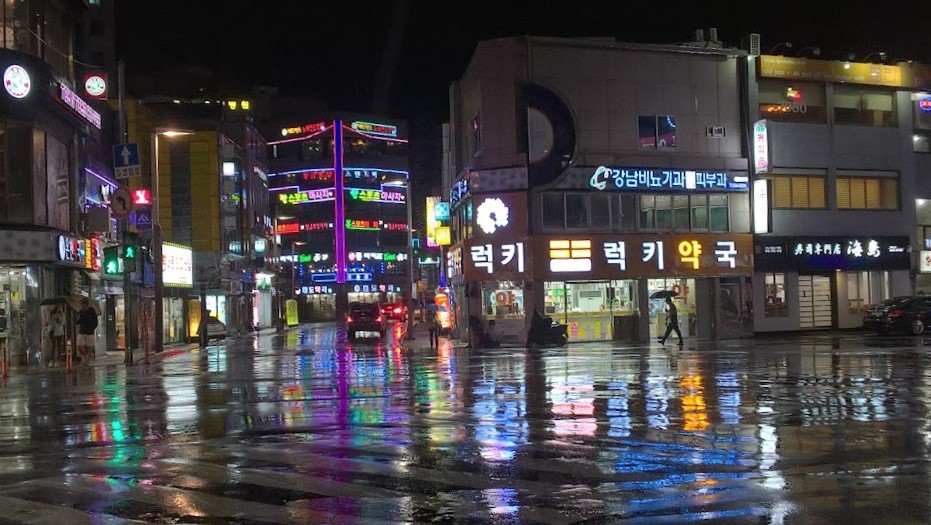
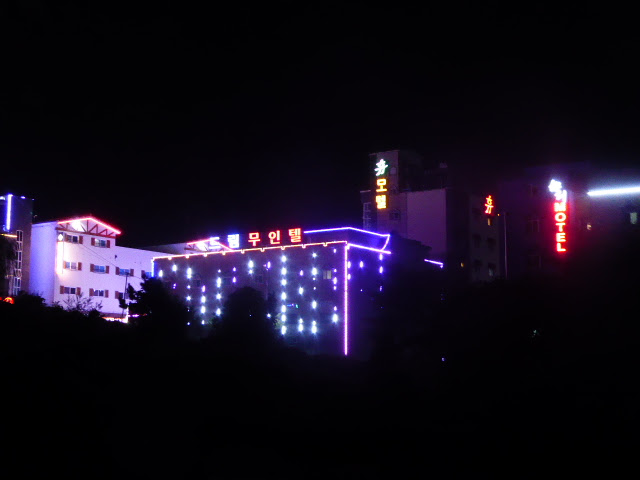
Electric light outside – as streetlights, spotlights, making our streets and subways safer: an undeniable blessing. But spotlights, bright and colourful advertising? The featured photo is of a rainy night in Busan South Korea. Cheery colours certainly, but far more than we needed to find out way round. And look at this. These hotels are out in the country, in a small mountain resort, surrounded by forest. The lights went on as dusk fell, and remained on till morning …

The JaJa, Gyeryongsang

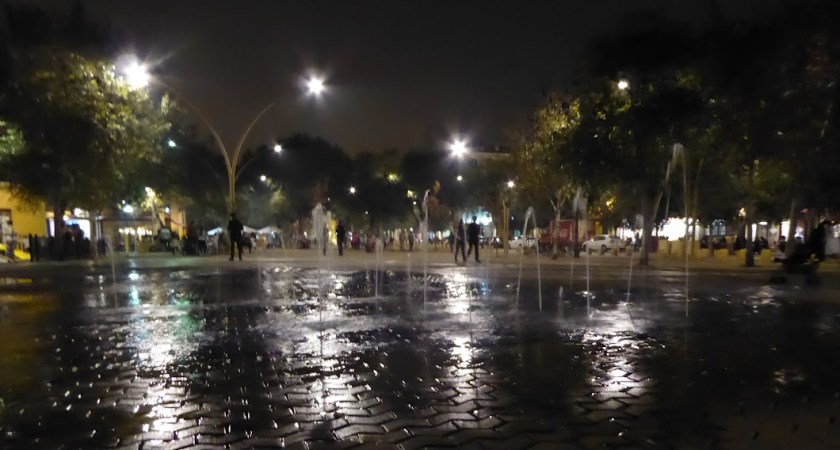
All the same, it’s hard not to enjoy streetlights reflected in the water while mooching round a city. Here are a couple of shots near the river Guadalquivir in Seville.

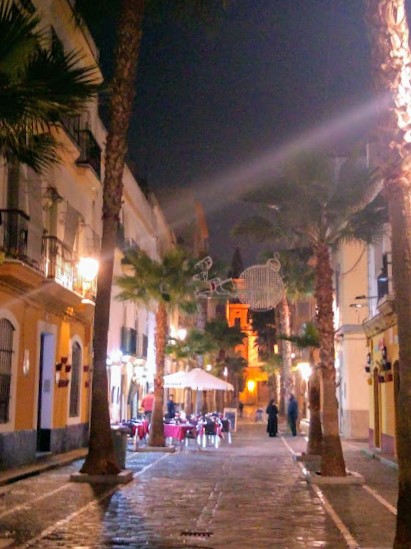
It’s mood-enhancing to see the city become a playground at night. Here are the fountains of La Alameda, also in Seville. And the neighbourhood of la Viña in Cádiz, where post-Christmas groups relax over a meal or a few drinks in the still-decorated street.

La Alameda, Seville
la Viña in Cádiz

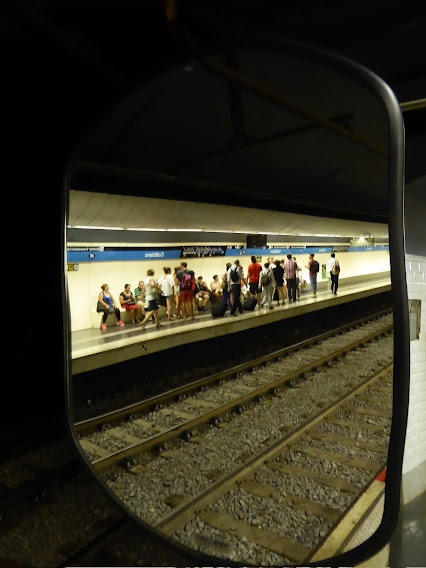
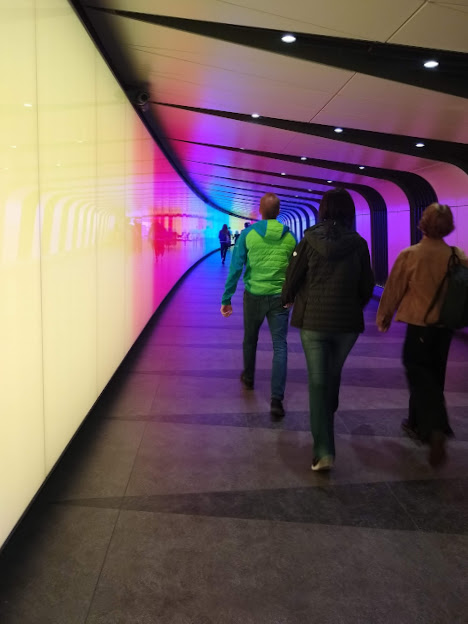
But metro stations and subways need lighting too. Here’s Barcelona, and London.

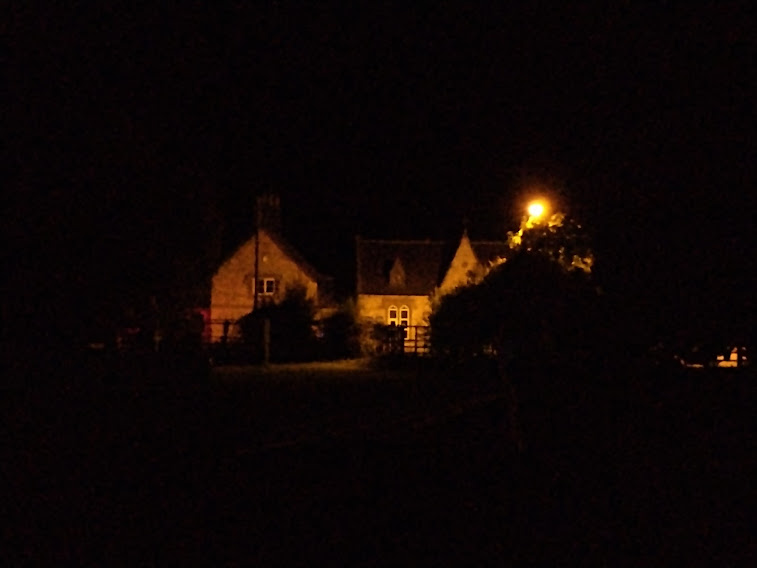
But the other evening, taking a late walk round the village, best of all was the glow surrounding the houses as families wound down for the day. A cosy, comforting and gentle radiance.

North Stainley: an evening in September

Lens-Artists Challenge #166

Window Shopping in Harrogate

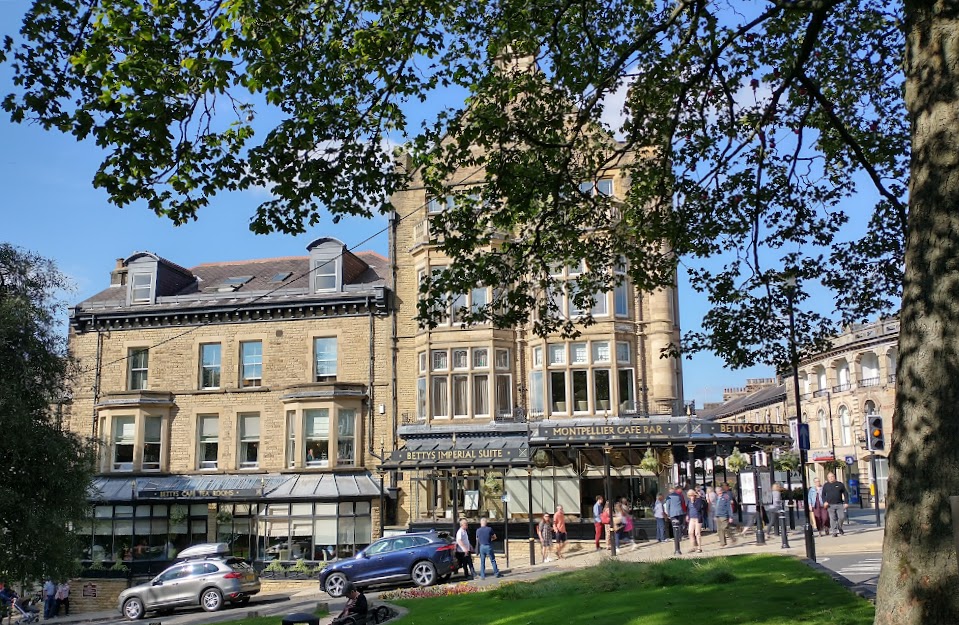
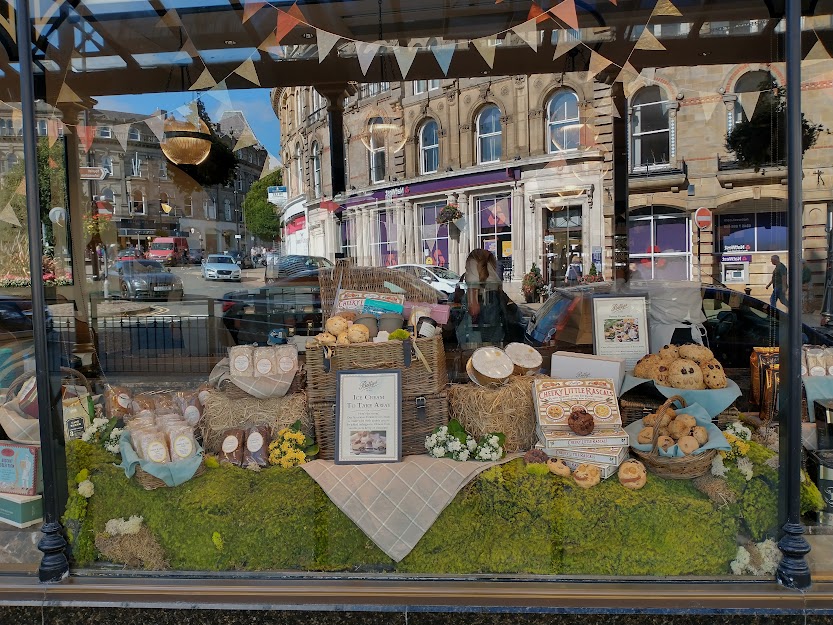
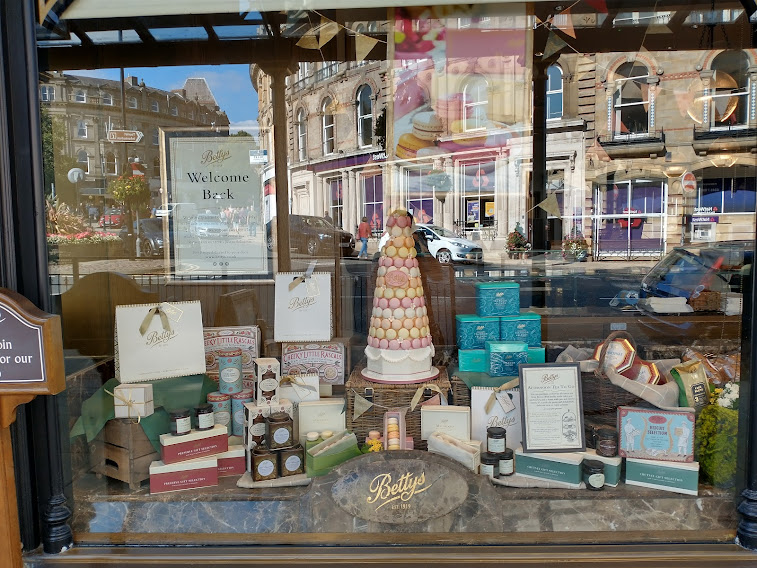
When Sheree read my post about window shopping last week, where I’d included a stop-off in Harrogate, she was disappointed I hadn’t included the windows of tea shop and bakery extraordinaire, Betty’s. I was in Harrogate again last week, and realised I had to put this right. But the sun was so high, and the light so bright that my camera got clearer views of Parliament Street behind than of the window display. Never mind. Two for the price of one.

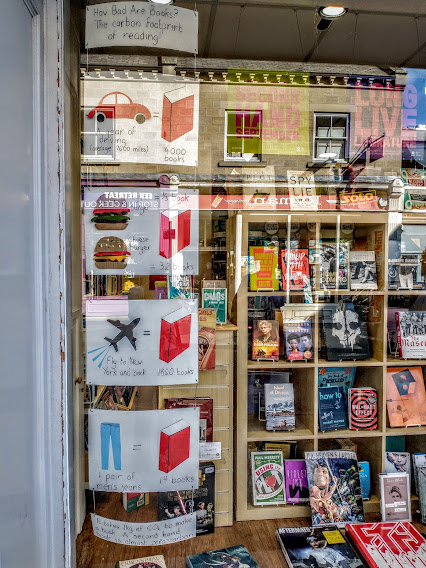
My favourite display was in the Oxfam second hand bookshop. Here’s what the signage says:

‘How bad are books? The carbon footprint of reading. A year of driving (average 1600 miles) – 4000 books. Veggie burger – 1/3 book. Cheese burger 3.2 books. Fly to New York and back – 1800 books. 1 pair of men’s jeans – 19 books. It takes 1kg of CO2 to make a book. A second hand book is almost zero carbon.’
Oxfam Books, Harrogate.

I can’t comment on the scientific observations, but I hope it’s true: I’d sooner have a book than a burger, any day. And I liked the reflections in the window too.

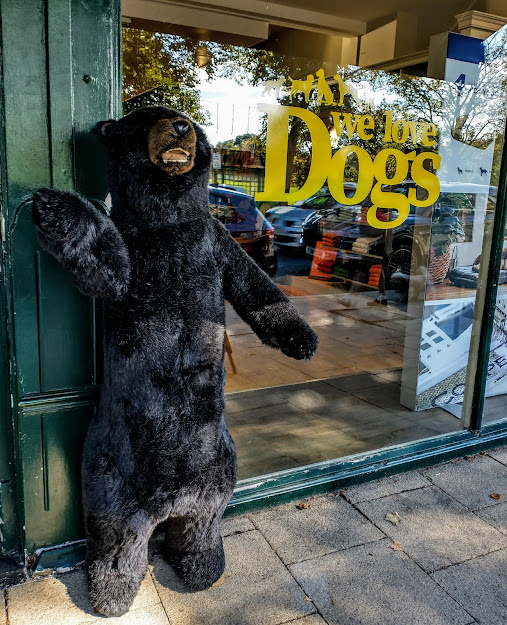
I think I’ll leave it at that – or no, let’s just look at this antique shop, where dogs are apparently welcome. Why the bear?

West Part Antiques, Harrogate

Farewell Harrogate, for the time being. Back soon.

Monday Window

Le Jardin Extraordinaire Revisited

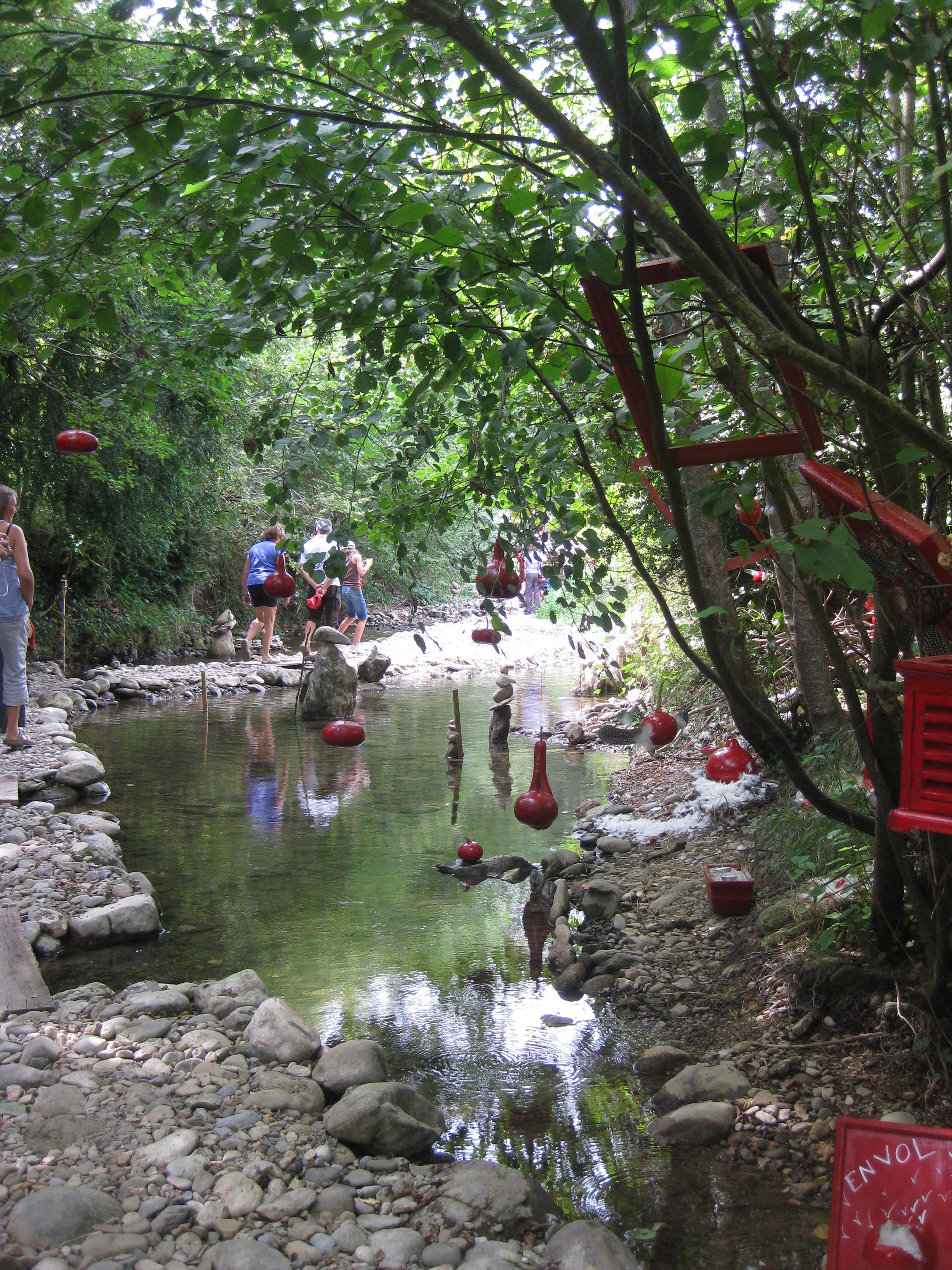
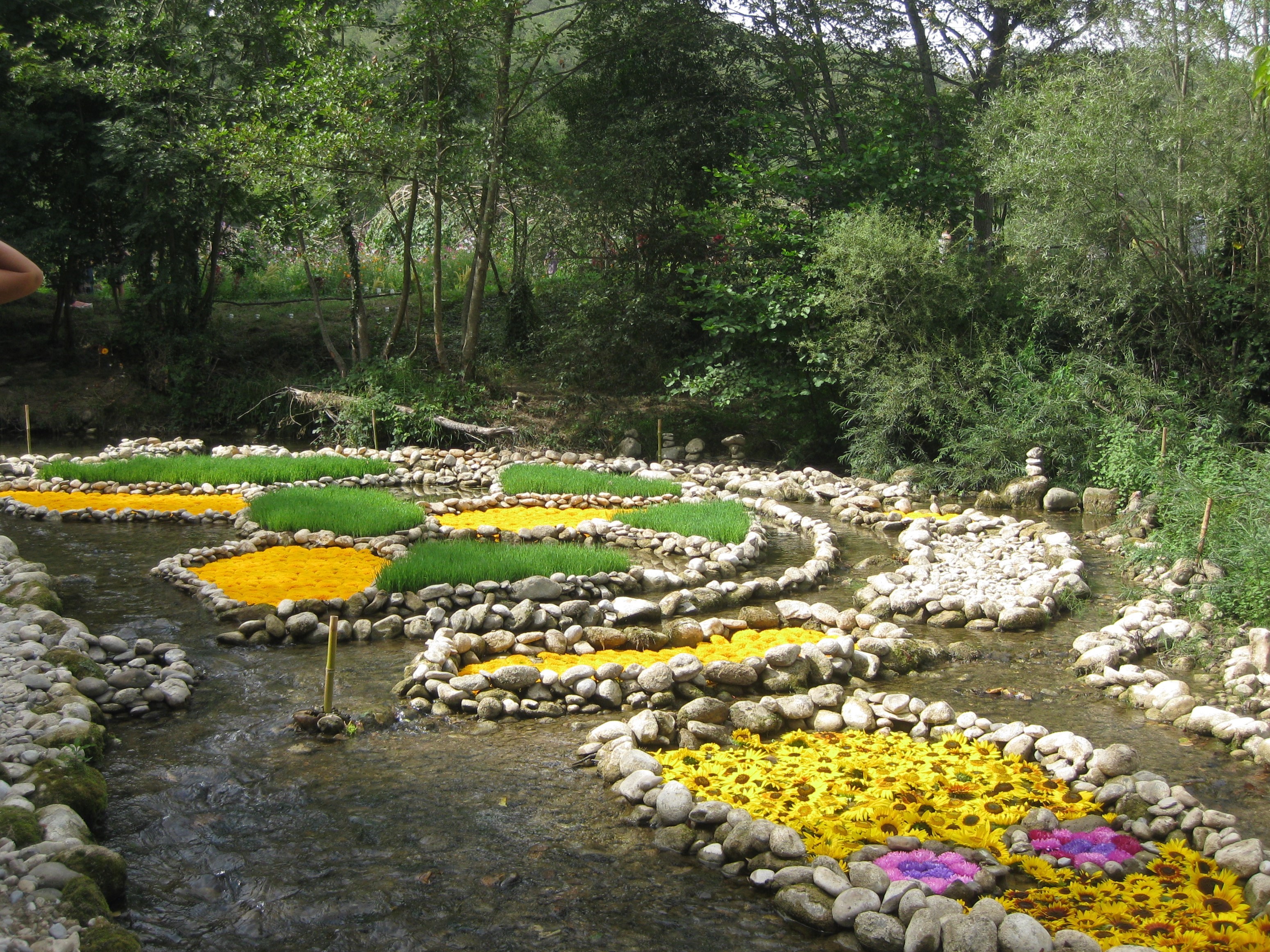
When we lived in France, a must-visit in our diary every September was a flight-of-fancy wild garden, worked on for months by artists, gardeners and imaginative people of all kinds, but open only for a few days each year. Let’s revisit it today, for Fandango’s Flashback Friday.

FOR TWO DAYS ONLY: LE JARDIN EXTRAORDINAIRE AT LIEURAC

September 2010

2009 was a first for us at Le Jardin Extraordinaire. This weekend, we were back, and we’ll be back next year too, and every year.

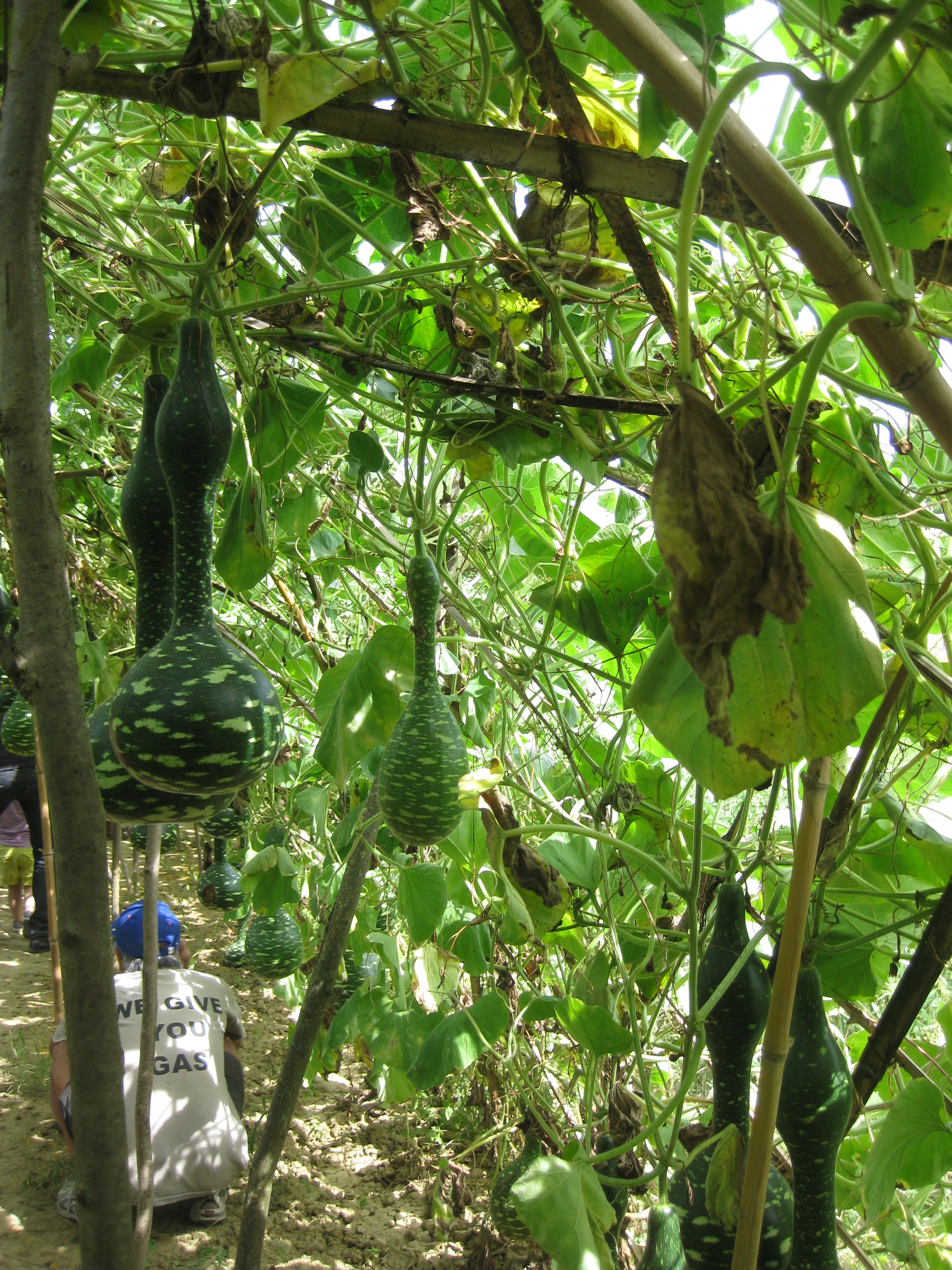
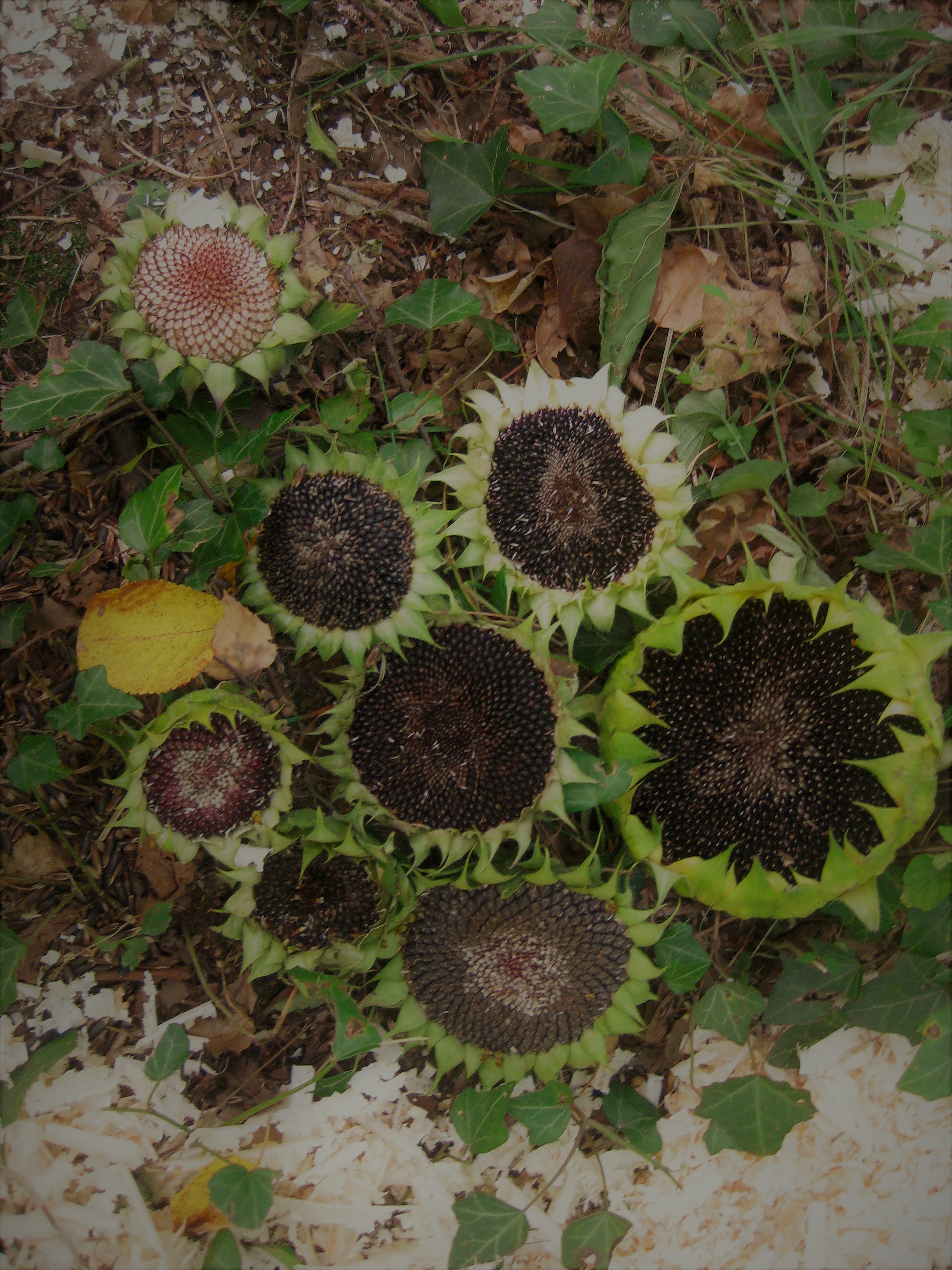
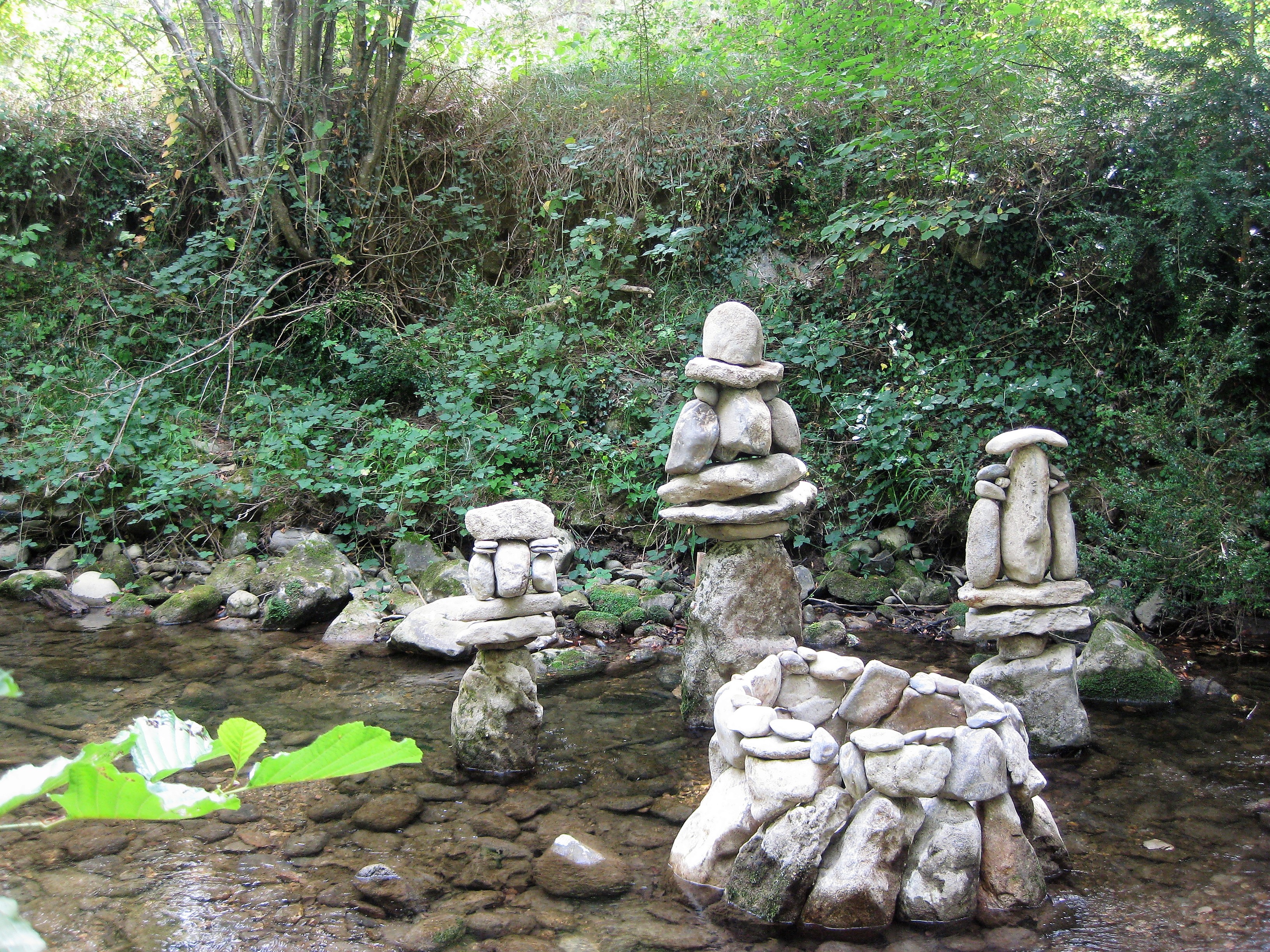
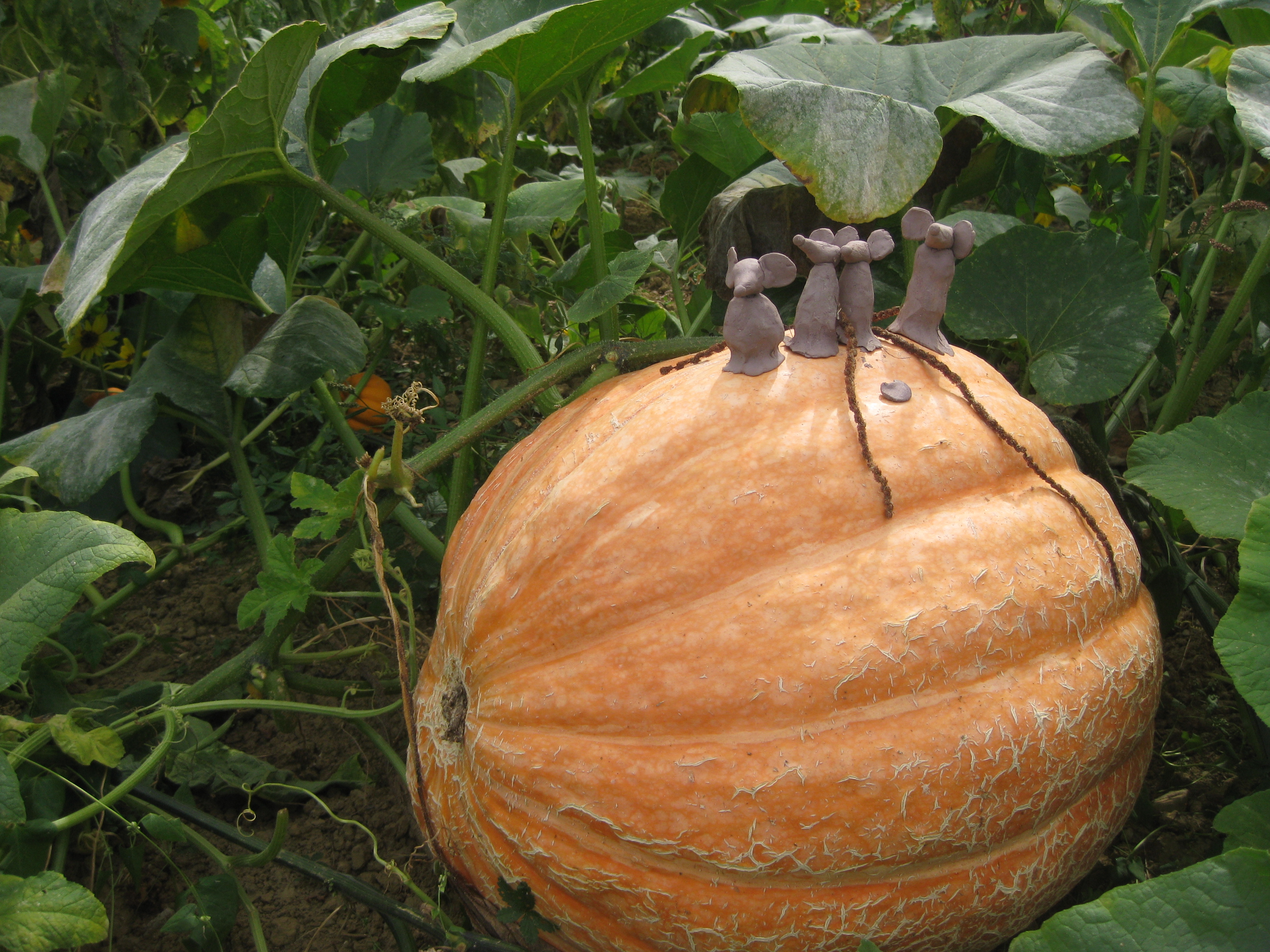
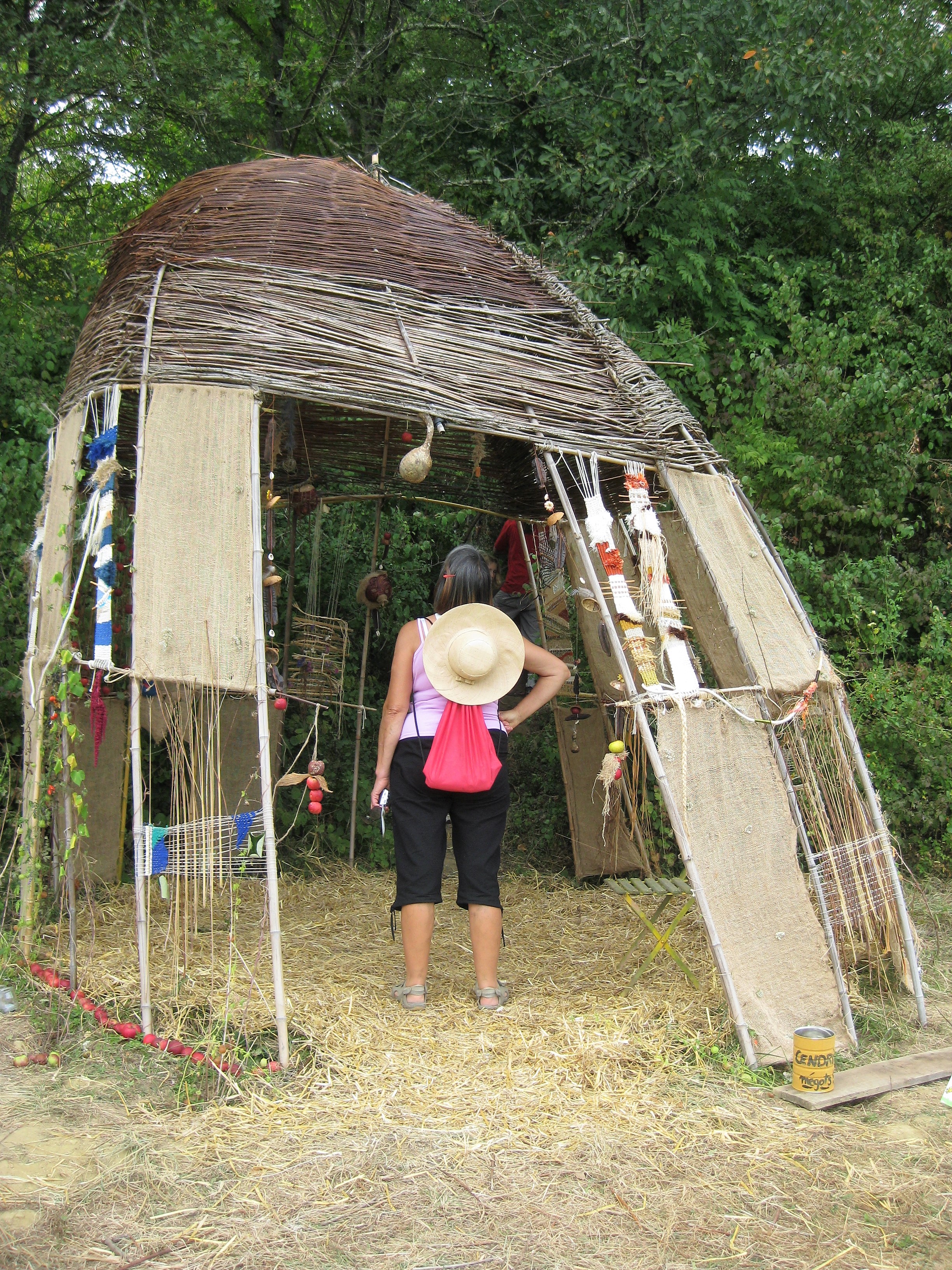
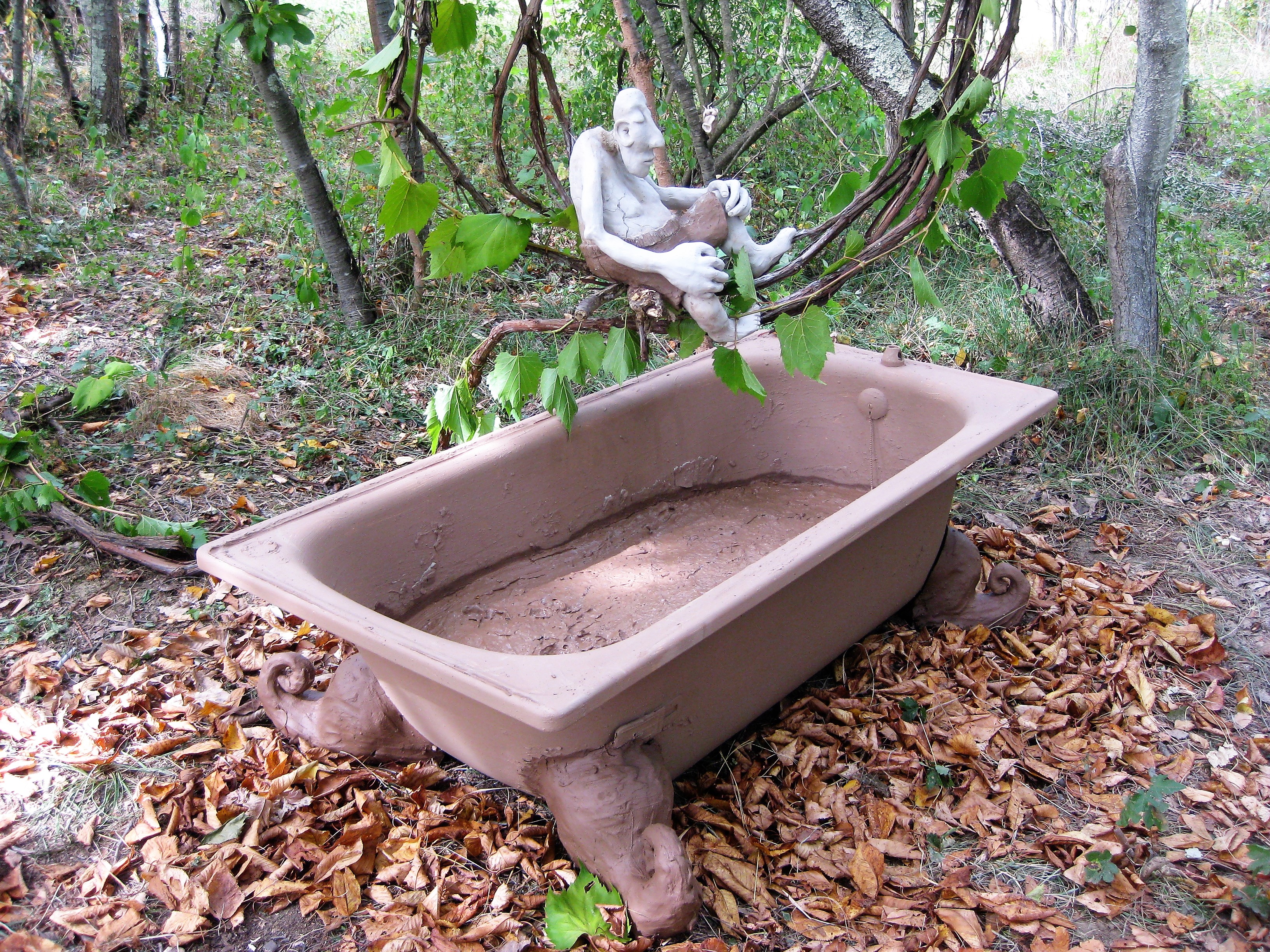
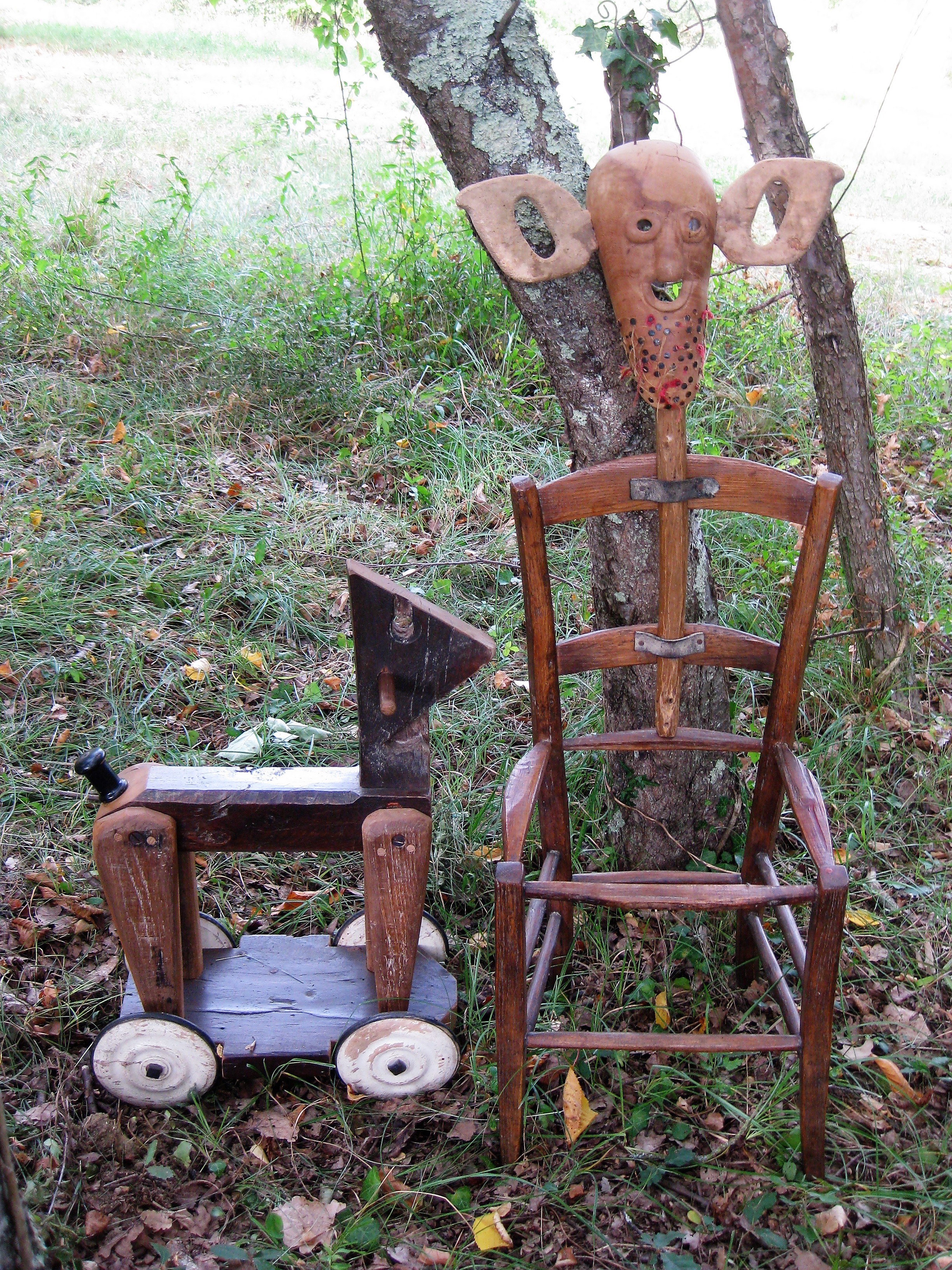
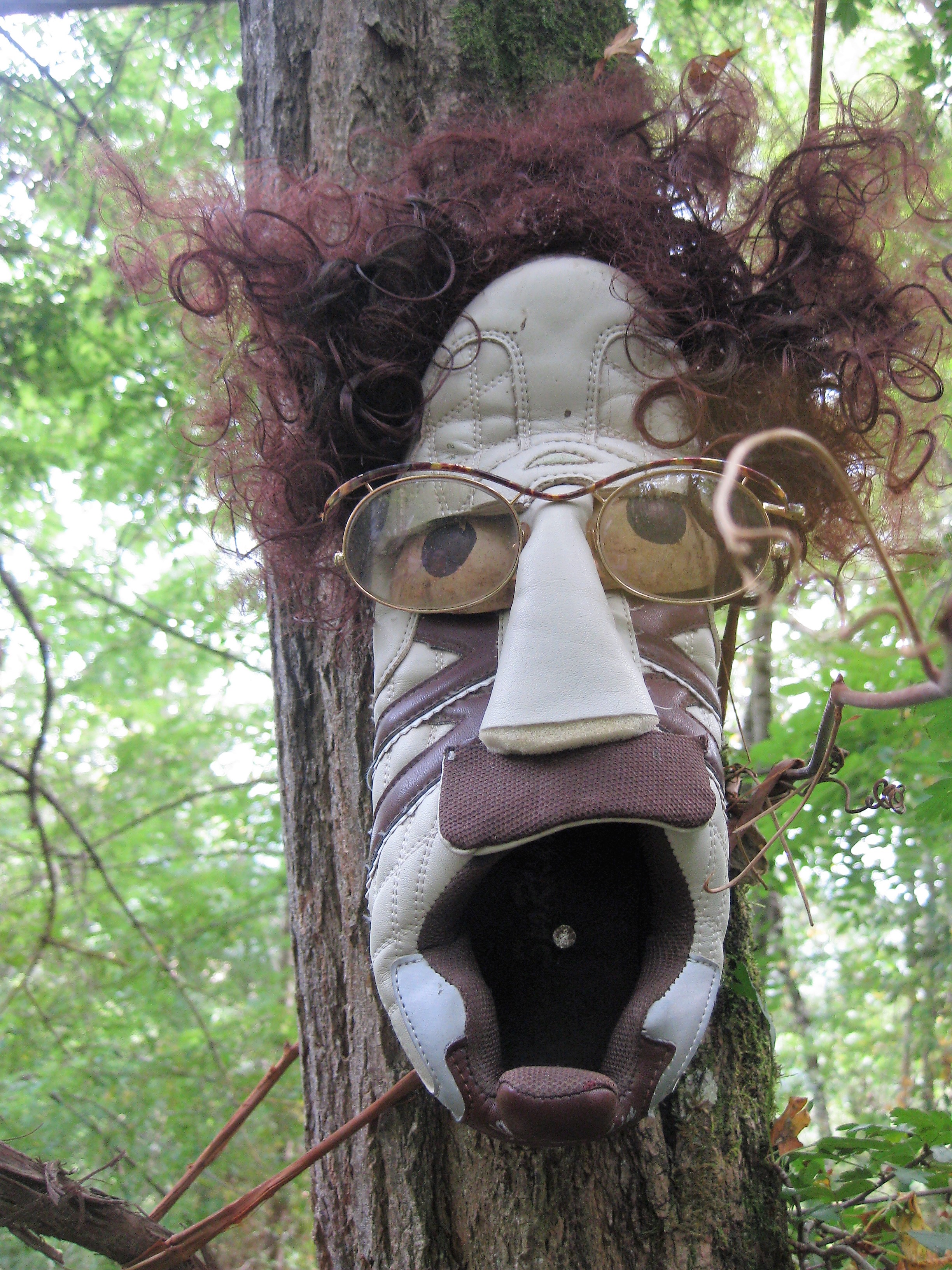
The members of Artchoum enjoy growing flowers, vegetables, plants of every kind. They relish creating beauty, fun, intrigue, from anything – a discarded table becomes a woodland creature, an ancient trainer a Grumpy Old Man, a few stones in the river a symbolic gathering.  Professional artists work alongside interested members of the public for months and weeks beforehand just for this one weekend in September.

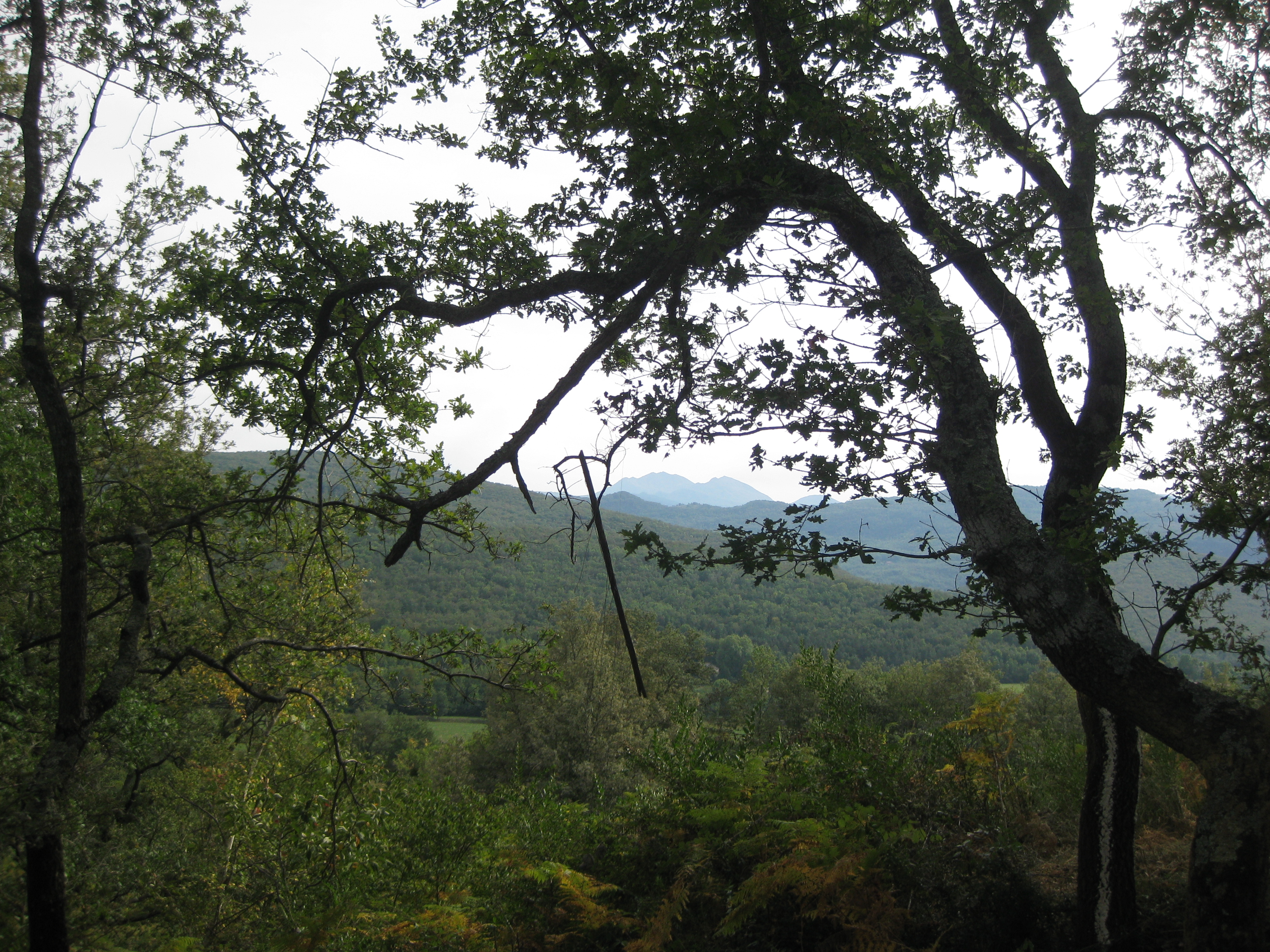
And we all turn up, in our hundreds, to explore this very special walk through woods, or along the shaded river bank, in this normally secluded spot.  Families, couples, groups of friends all come to share the atmosphere –  friendly, fun, joyful, peaceful, reflective.  Have a look at the photos, and enjoy the walk too.

For further visits to Le Jardin Extraordinaire, look here, and here.