Apples. Simply Apples

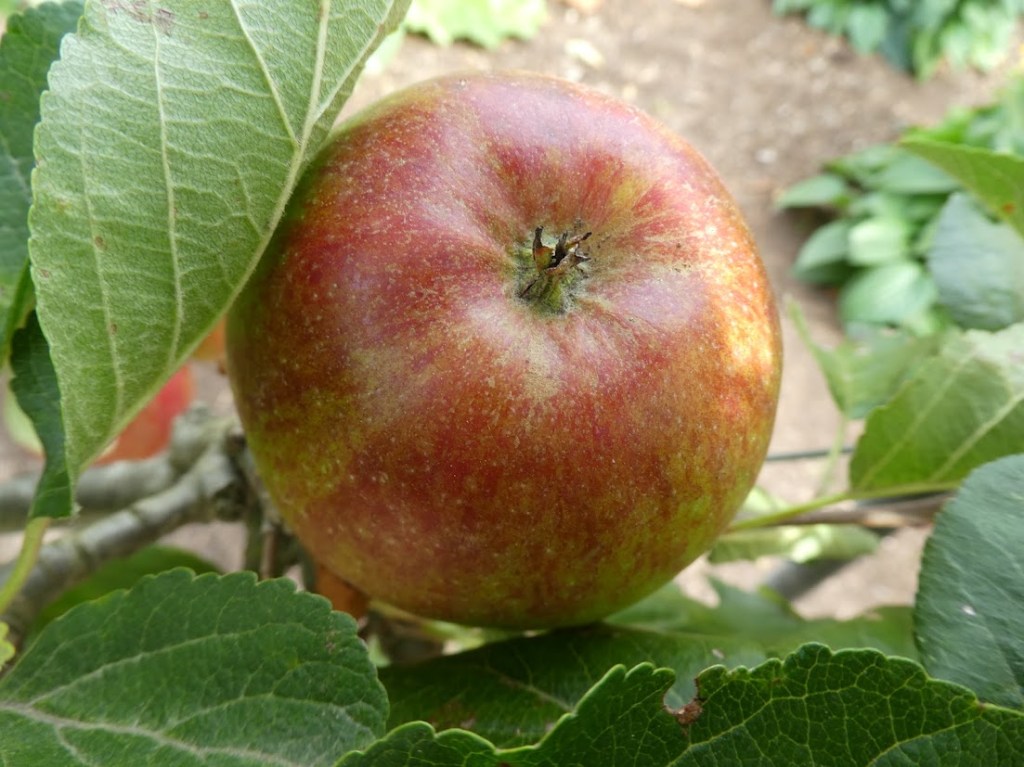
At this time of year, peak English apple harvesting season, I can’t stop lamenting the difficulty I have in buying apples from this country. And the even greater difficulty I have in buying seasonal favourites. When I was a child, I remember eagerly anticipating the very first apples of the season, and excitedly going shopping with my mother to buy the new arrivals. Beauty of Bath and Discovery apples appeared while we were still on summer holiday from school. Then it was George Cave and James Grieve, Then Worcester Pearmain, Laxton Supreme, Lord Lambourne…. Then Cox’s Orange Pippin. We still have those, but they’re not the same. We used to hold them to our ears and shake them to hear the pips rattle. They just don’t, not any more. Then Egremont Russets – still my favourites and – woo-hoo! Still available. Then finally it would be Blenheim Orange and last of all, Newton Wonder.
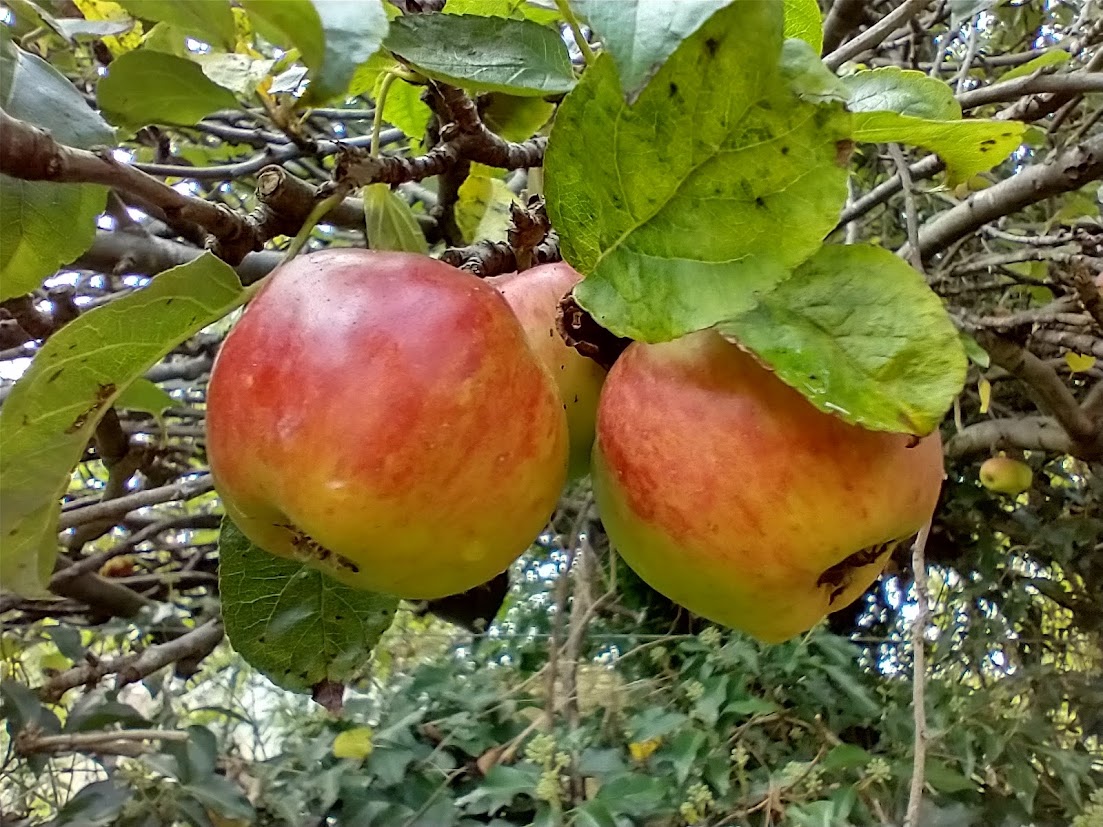
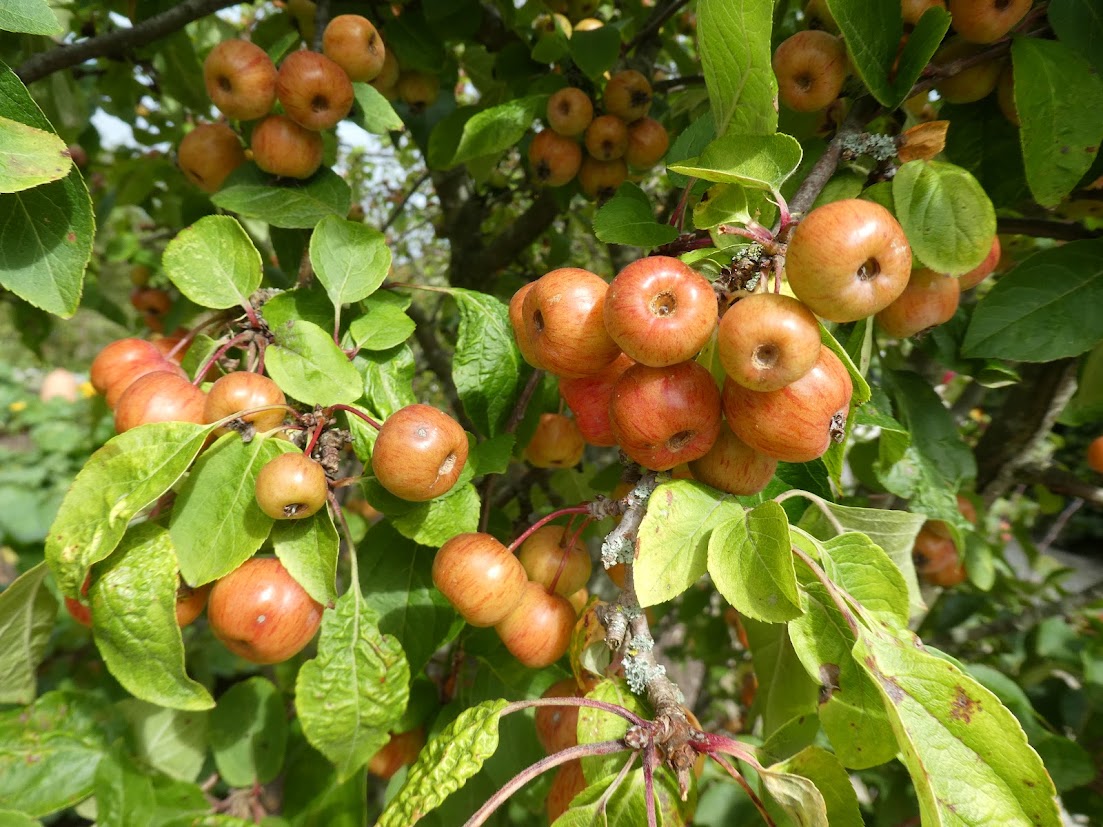
Apart from Discovery, Cox’s and Russets, I haven’t seen any of these for years and years. It’s all about Braeburns, Jazz and Pink Lady (which don’t even grow here) and a few others like Honeycrisp that hadn’t been developed when I was younger. All are crisp, juicy and pretty tasteless, compared to the old favourites. In my opinion.
Sally Coulthard has written just the book for me:  The Apple – a delicious history. She has been cut from the same cloth as me, and is a Real Enthusiast.

She begins her book by telling the history of the apple. I had no idea that the ancestry of every apple we eat can be traced back to an area in what is now Kazakhstan. I had no idea that the apple was spread farther afield over many centuries along what we now call the Silk Road, and indeed that it reached Britain relatively late in the game. She tells us how its popularity waxed and waned as fashion and tastes changed over the centuries, and shares recipes and tips from every period of history. 
The latter part of her book describes how old orchards, worldwide, have been grubbed up, and how we are all, worldwide, exposed to the same half dozen or so varieties, flown in from distant climes, year round, with no seasonal variation. She brings hope that growers are finally walking up to the dangers in pursuing this course, and in limiting the biodiversity espoused by all those dozens – no, hundreds – no, thousands – of varieties grown and formerly prized in every continent.
It’s fascinating stuff, and written with a light touch, guaranteeing that every page will be read and enjoyed. A book to be read by everyone who enjoys apples in whatever guise they are presented.
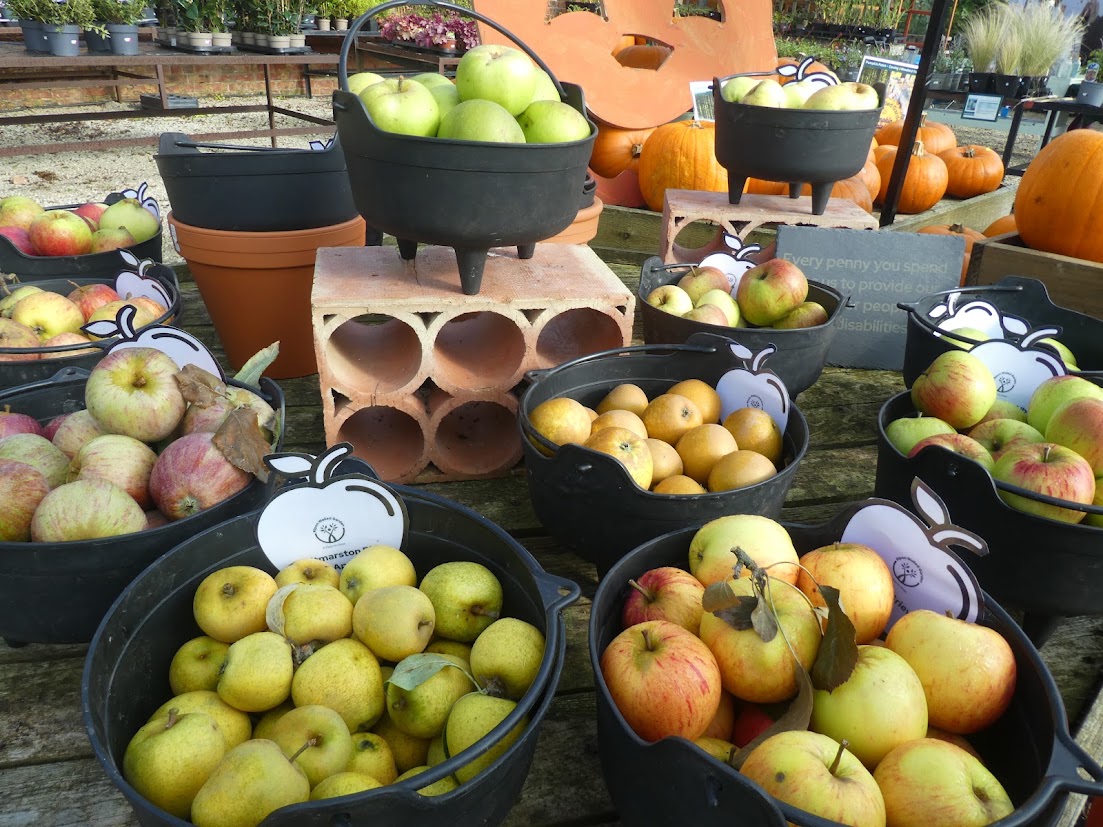
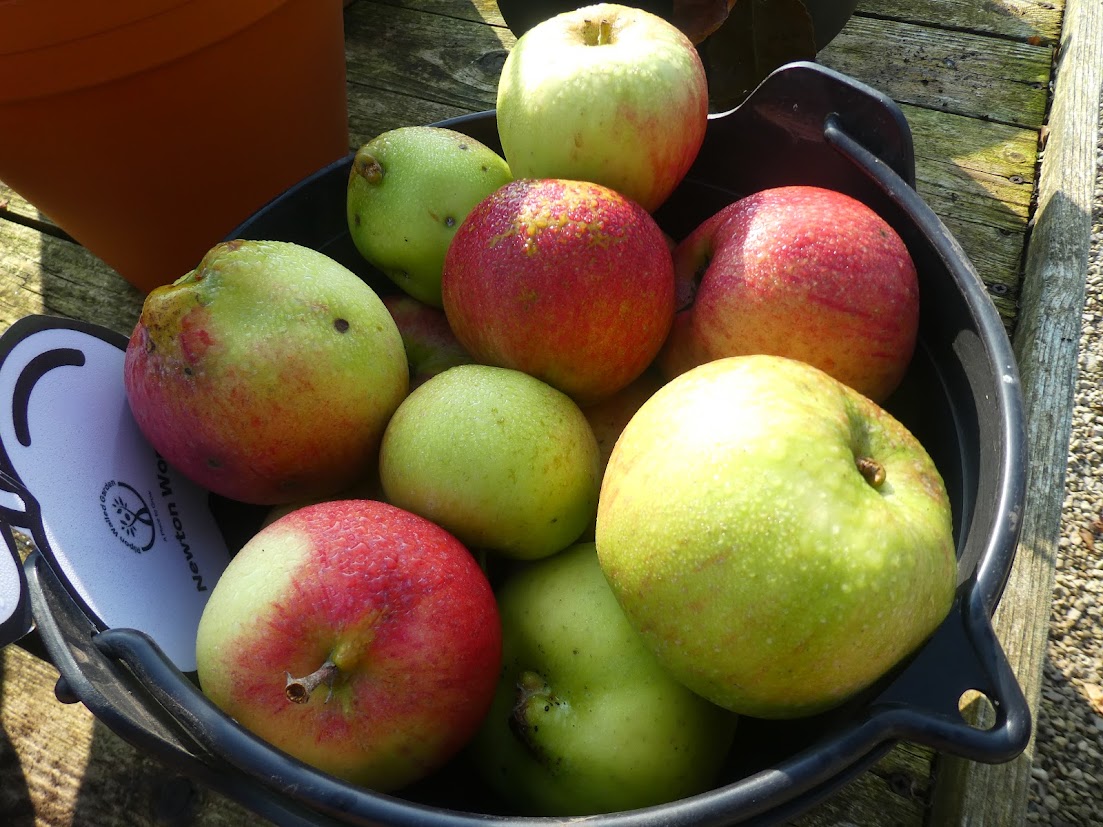
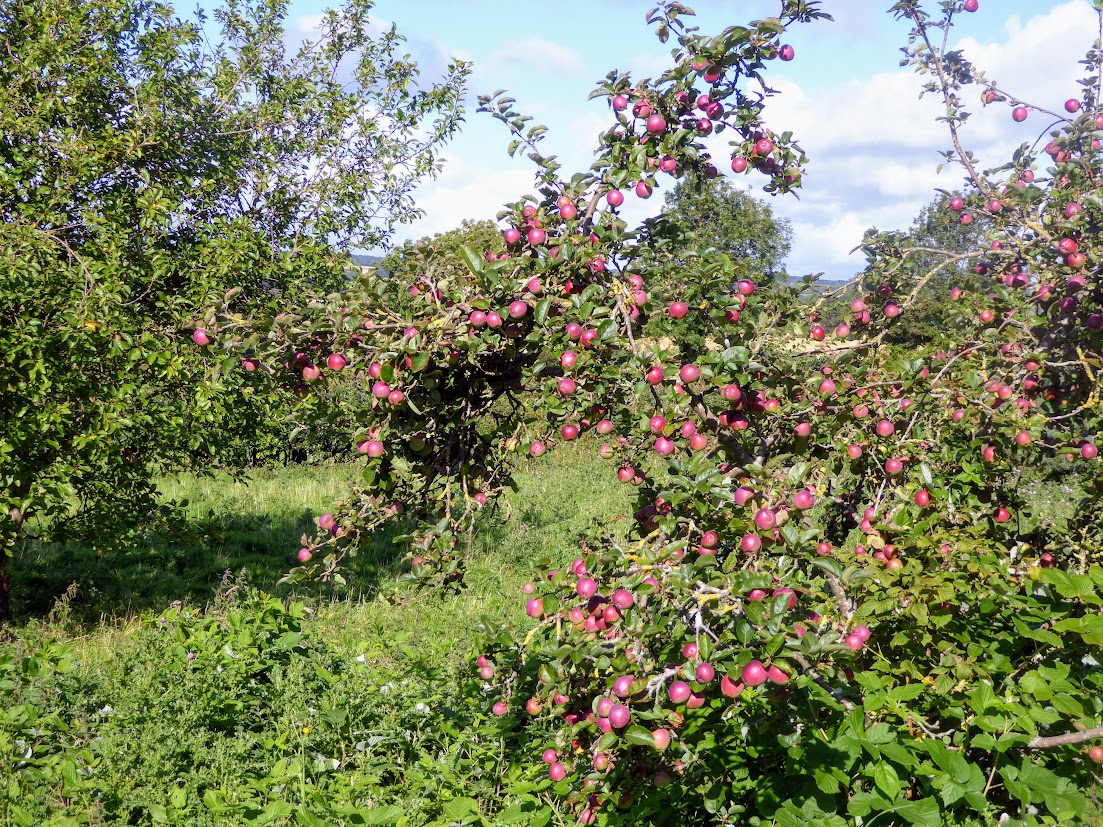
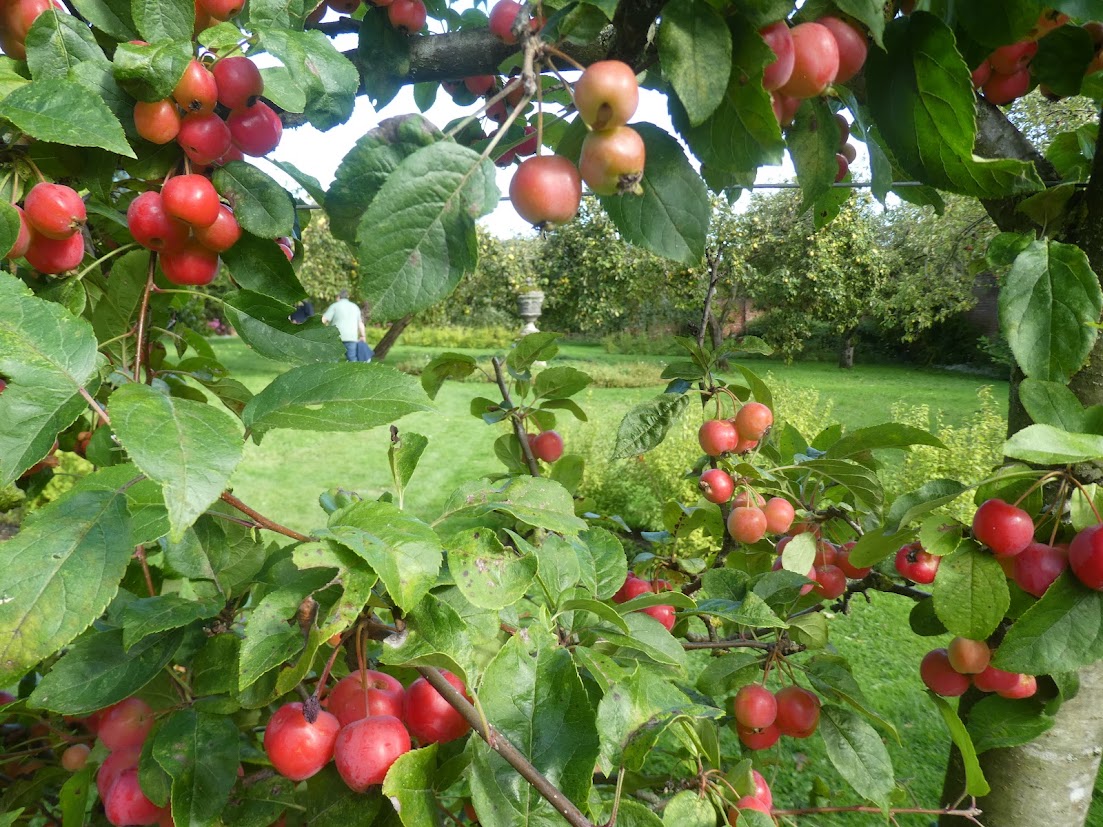
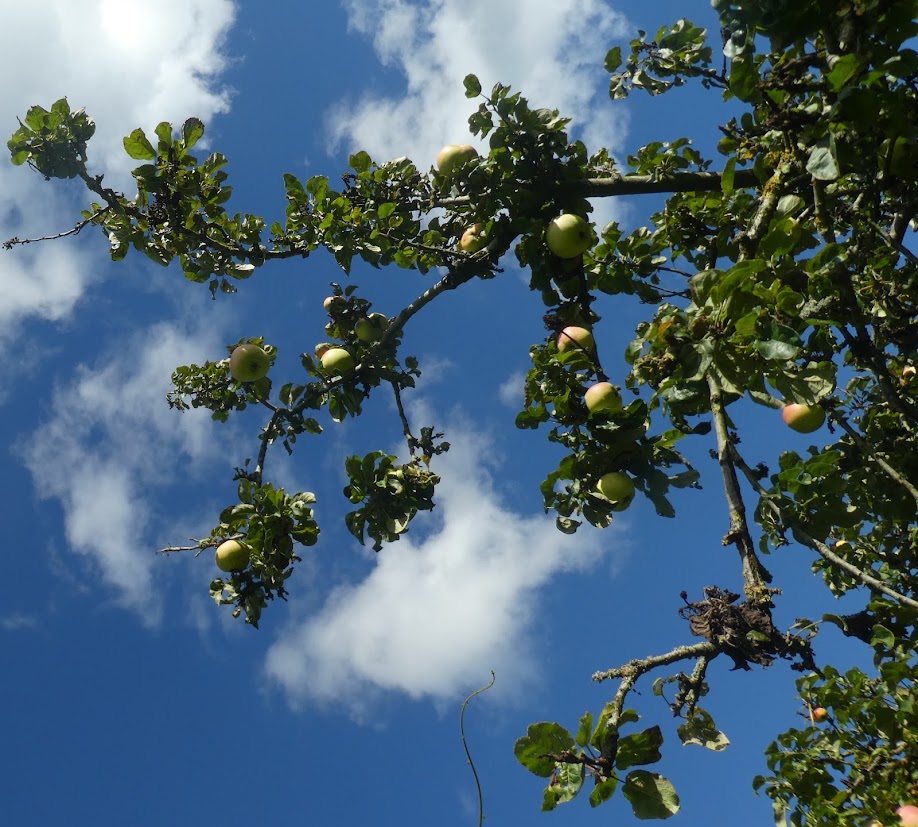
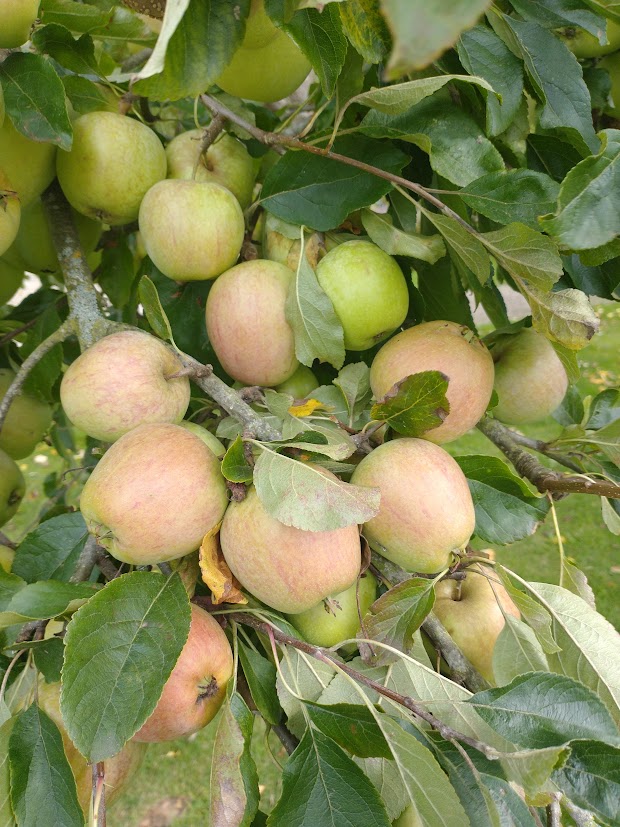
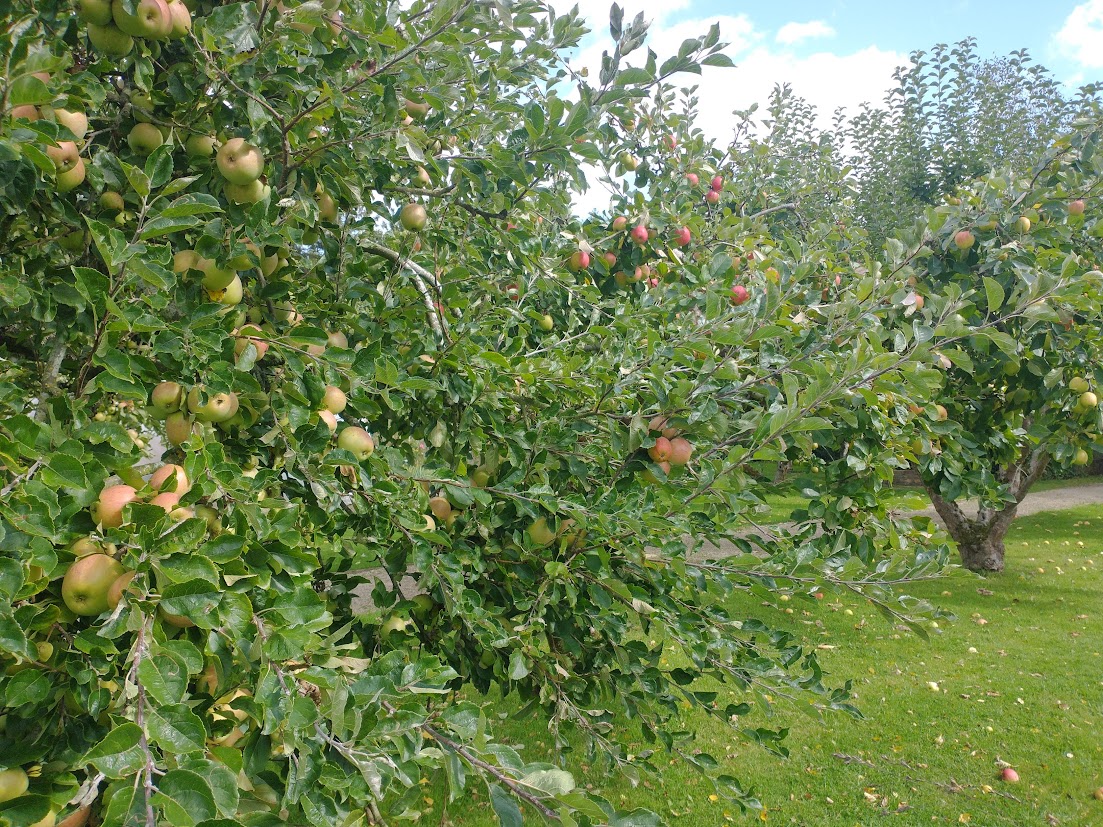
Hooray for the ancient orchards that do still exist. The Walled Garden near here, now a training centre for young people and adults with learning disabilities, used to be the Bishop of Ripon’s orchard. And praise be! The ancient apples and pears and plums grown in its heyday flourish still, are harvested and used still, and that’s where nearly all these photos come from. It’s having an Apple Day tomorrow, as it does every year, showcasing dozens of varieties of apple, selling its home-pressed apple juice, and generally involving the citizens of Ripon and beyond in discovering and celebrating something of our proud apple heritage. It’s good to know I’m not the only apple nerd.
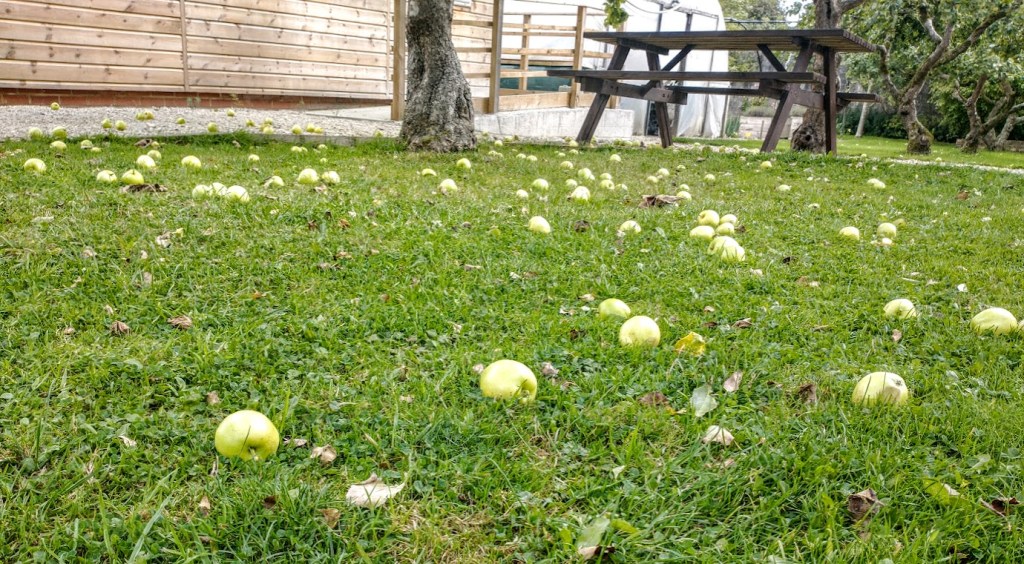
A slightly uncertain entry for Anne’s Lens-Artists Photo Challenge: .Move your Body. She wants us to get near – or distant – from our subjects by physically getting in the right place for the shot. No zoomimg and so on allowed. Have I been gymnastic enough here? Probably not.

Pottering in the Park

All my posts about Sweden seem to feature The Great Outdoors. That’s where we often wanted to be. I’m going to show you some of Gothenburg’s parks. They were a wonder. Immaculately maintained, beautifully planted. A refreshing mix of formal, informal, and wild-as-Nature-intended. Just like the parks in the other cities we visited: Stockholm, Kalmar, Malmö. Money shortages mean that many of Britain’s parks are shabbier than they used to be – even Harrogate’s former Jewel-in-the-Crown, Valley Gardens. So seeing such cared-for open spaces in Sweden was a treat and a revelation.

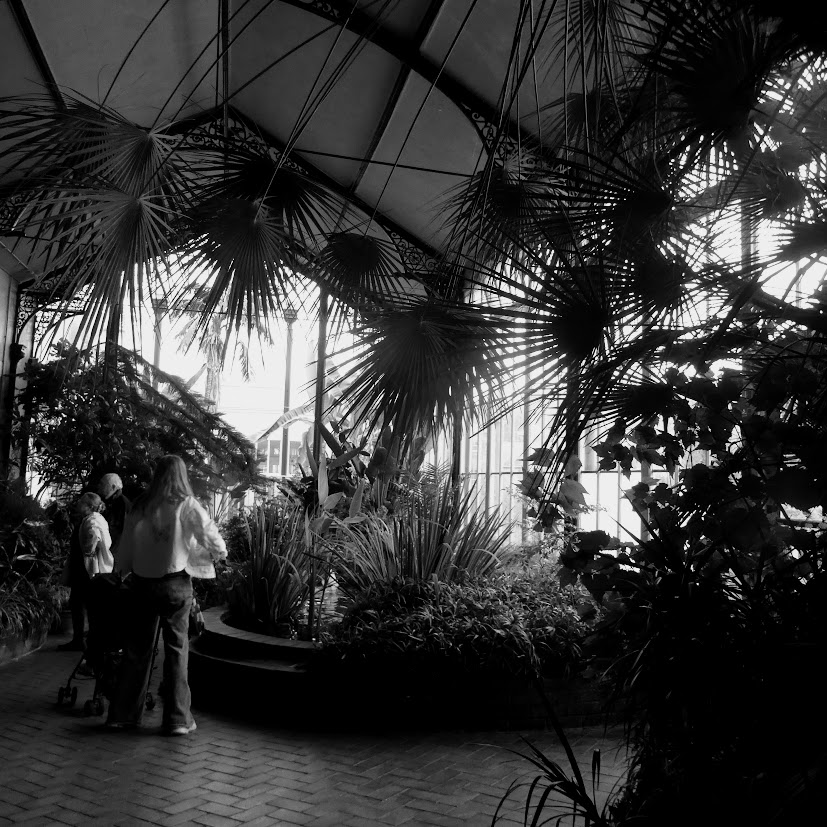
Because they were so near our hotel, we spent time in the Botanical Gardens, open every day, all year round, around the clock. But we barely scratched the surface. We went to Slottsskogen. But we only saw a tiny part of the whole (though we rather liked the maze). And on our last day, because it was right next to the station, we had a little time in Trädgårdsföreningen (The Garden Society of Gothenburg) one of the best preserved 19th century parks in Europe. Every one of these offered us open spaces; enticingly planted flower beds; water – both moving and still; palm houses; magnificent vistas. We didn’t get to explore any of them adequately, much less their wilder parts. Here’s a collage of pictures from all three parks. But please note the robot-mower which I spotted one evening in the Botanical Gardens,, moving methodically up and down an expanse of lawn, keeping it neat and tidy. When it had done what it had to do, it chuntered off and put itself to bed in its little hut.
Leaves and Petals?

It’s November, so leaves and petals in the UK have largely done a bunk. Still, maybe I can find a little spring and summer time cheer in the archives, and fulfill my obligations to Monochrome Madness‘ host this week, Dawn; as well as to Becky’s NovemberShadows.
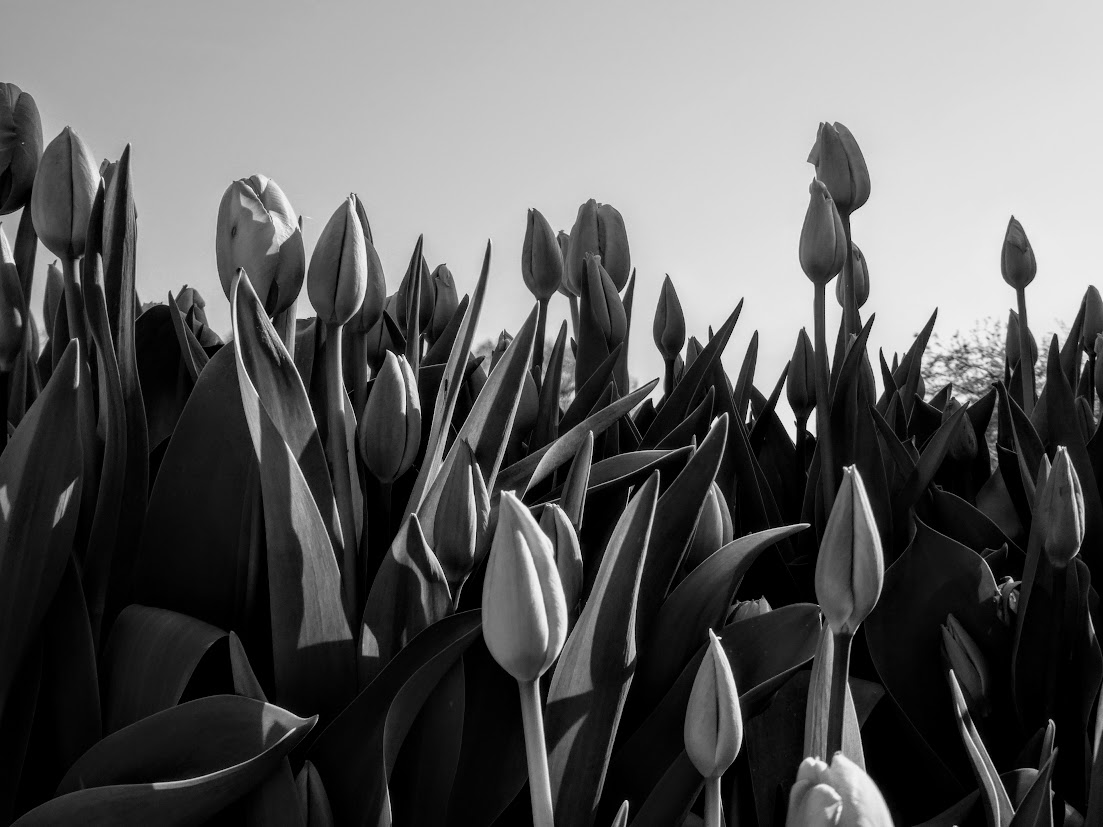
The header photograph includes both: tulip leaves shafting upwards, and topped by the simple clean lines of the tulip flower.

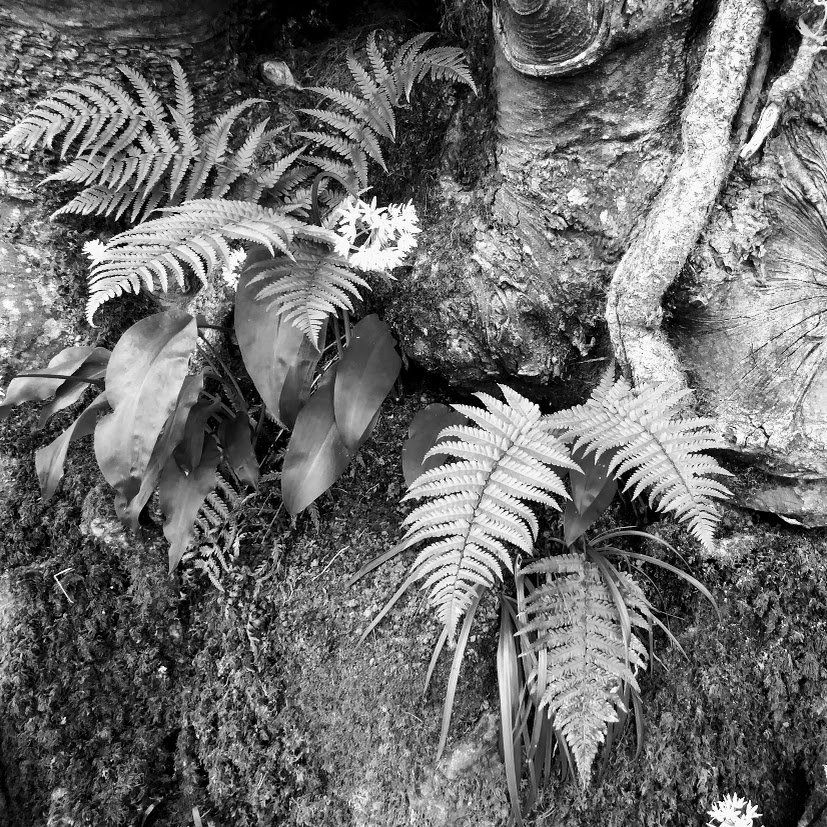
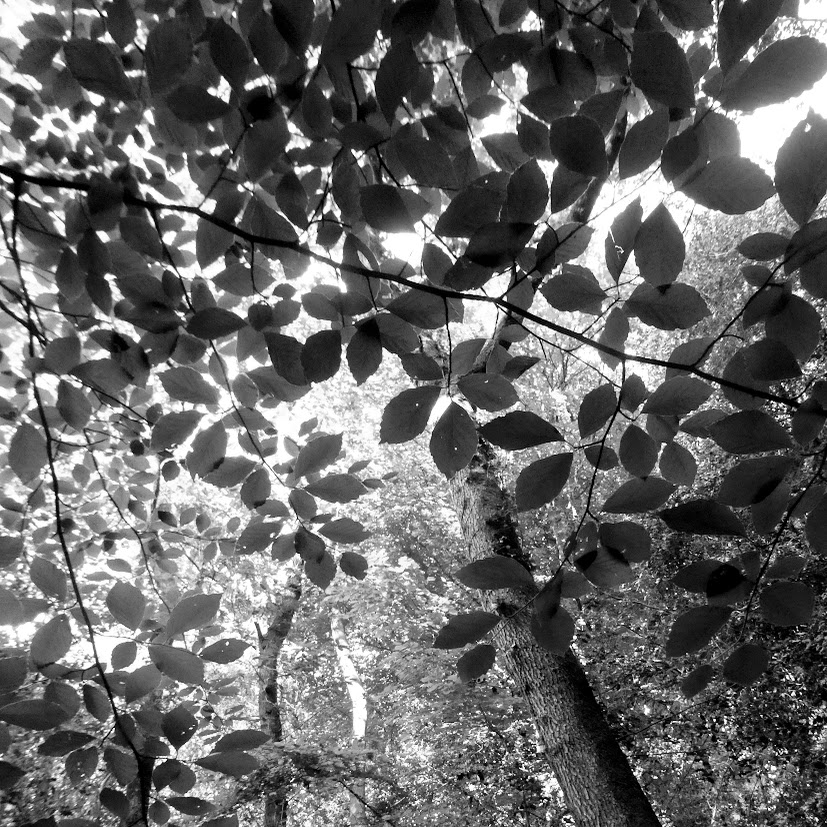
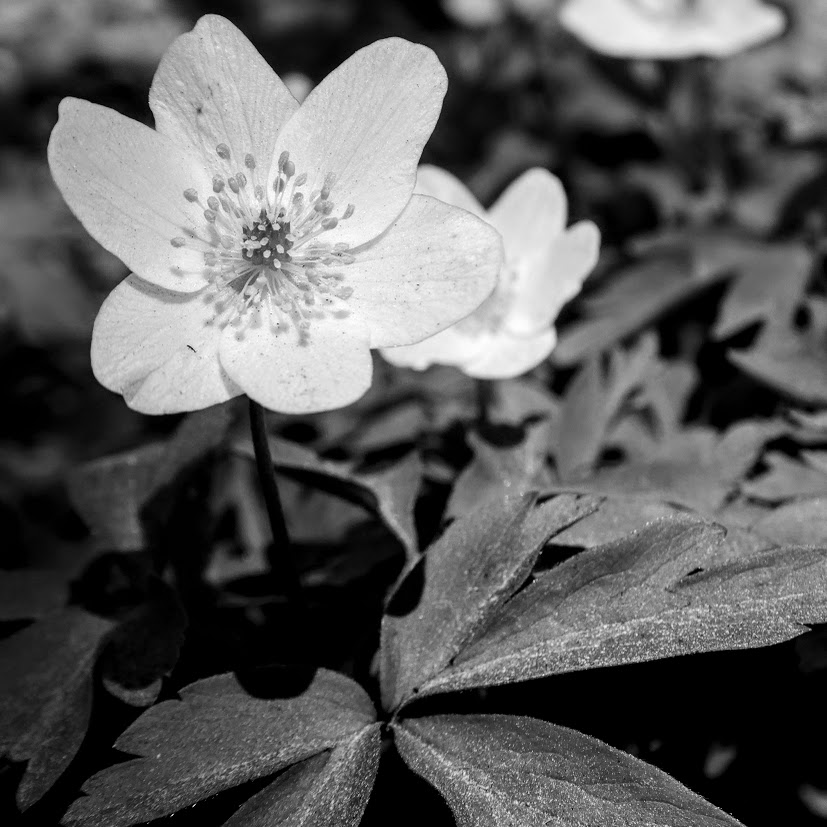
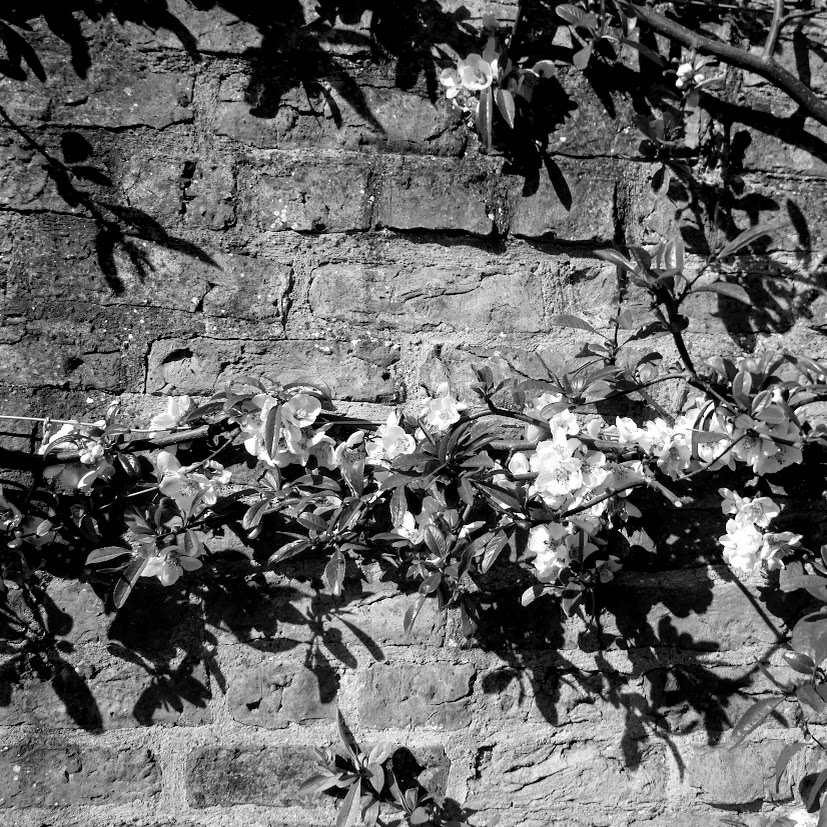
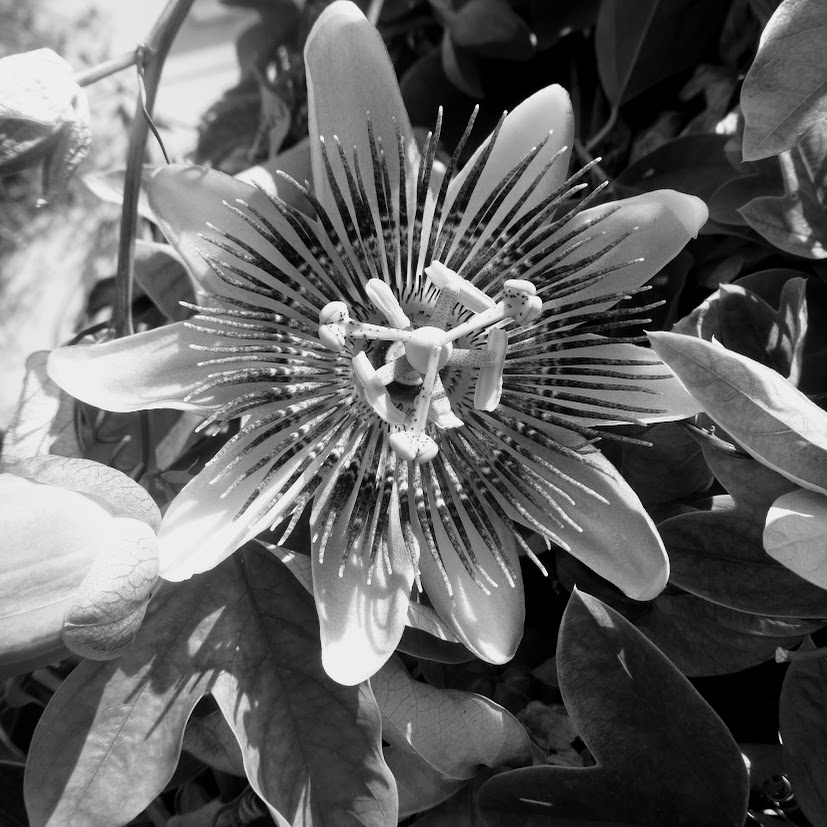
For the rest, it’s a miscellany that took my fancy. But all are either in shadow, or casting a shadow. So first … leaves…

… and flowers…

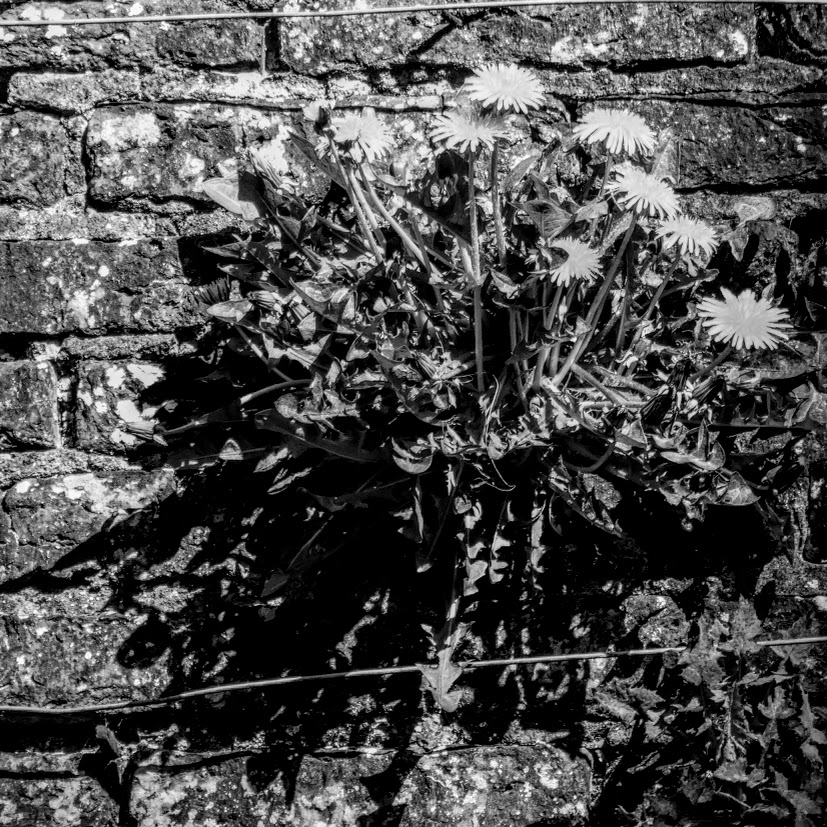
And finally, a doughty dandelion, flourishing on a brick wall in the gardens of Beningbrough Hall, near York. How it nourished all those leaves and petals is quite beyond me.

Parc del Laberint d’Horta

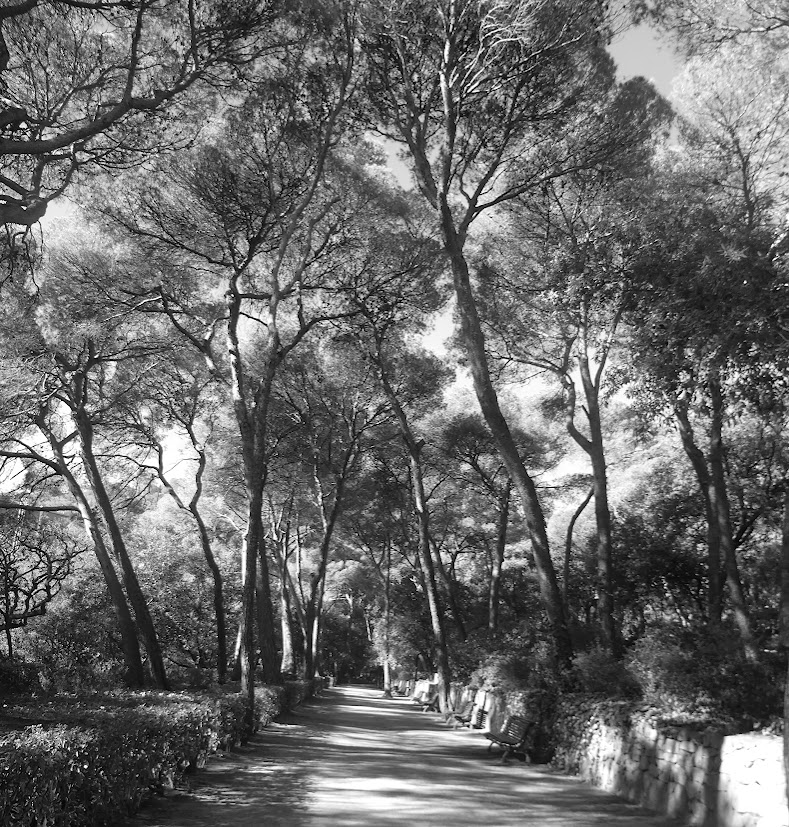
Exactly two years ago, staying with Team Catalonia, I took myself off to Parc del Labirint d’Horta in the outskirts of Barcelona, and wrote about it here. I remember a balmy day, even though it was November, with tree-lined avenues casting shadows before me as I walked.

Oh, and there was a maze too. But I wrote about it in that post I’ve just mentioned.

For Becky’s NovemberShadows.

PS. I’ve just had a birthday card from WordPress. I’ve been blogging for sixteen years! Apparently. Thanks to all of you who’ve been ‘blogging pals’ for much of that time. You’re the ones who make it all such fun.

Community Reds

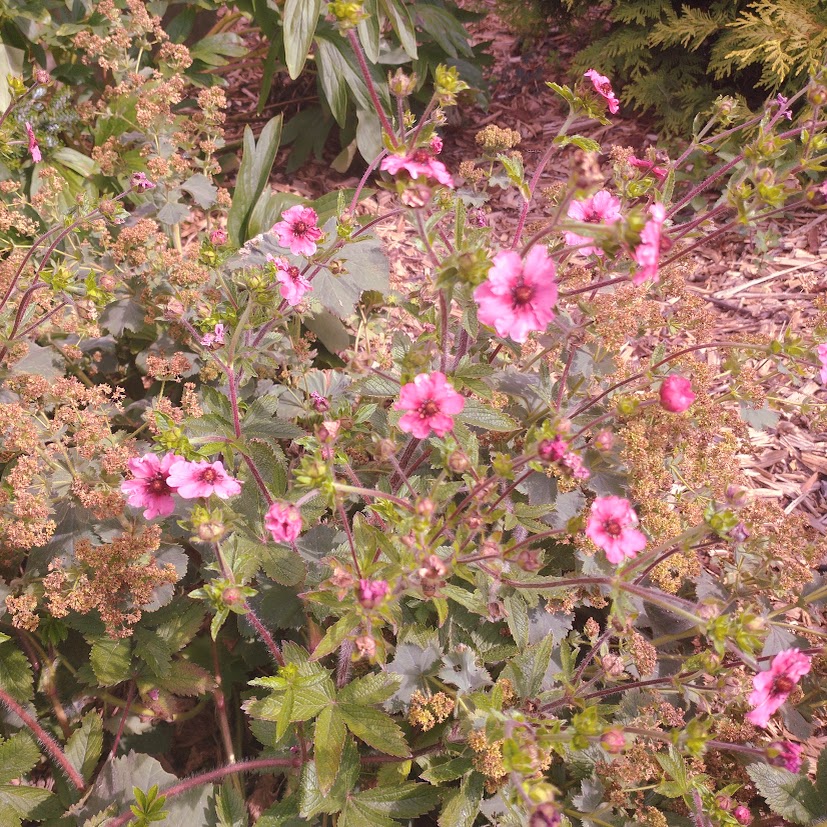
I had various Red Images jostling for position on this last day of #SimplyRed. But yesterday, enjoying a cup of coffee with friends in our village’s Community Garden, I realised that what I want to celebrate today is … Community. Specifically the one that Becky has built up, in which the Squarers in particular have the chance to visit old friends and make new ones, and just generally enjoy the world-wide connections that blogging brings to our lives. Thank you Becky. Here are some flowers from our Community Garden. Very few, unfortunately, are red. So I’ve squeezed a clump of pink ones in as well.

Also, probably the first entry of the end of the month for Brian’s Last on the Card.

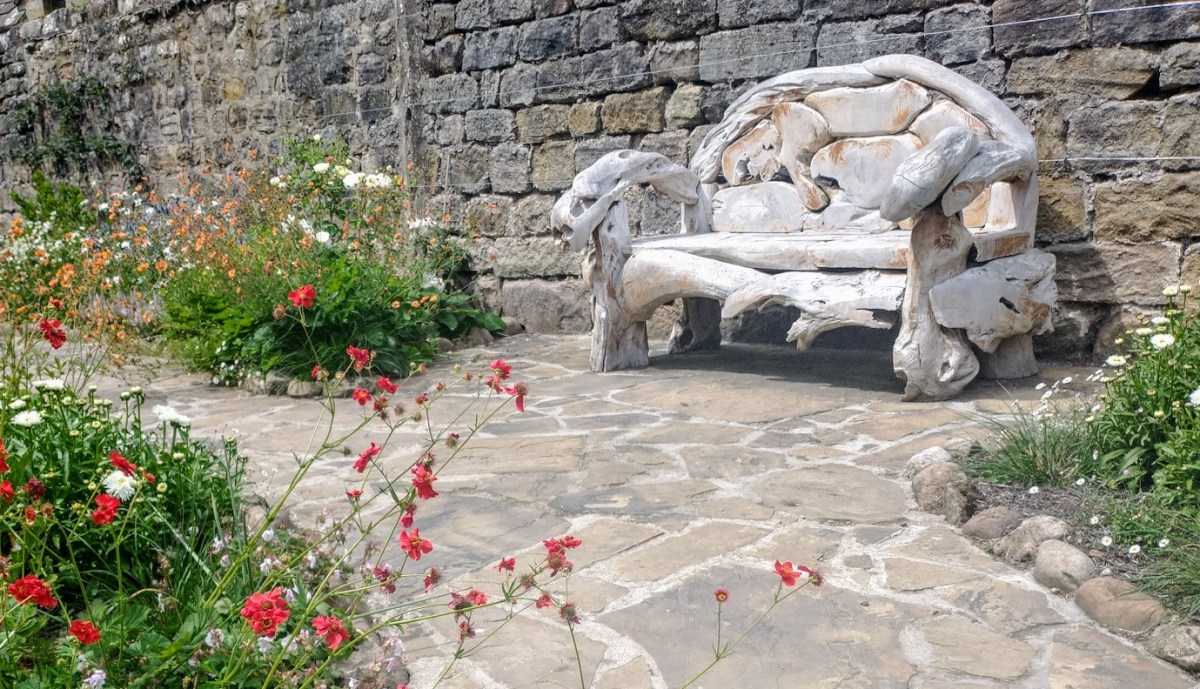
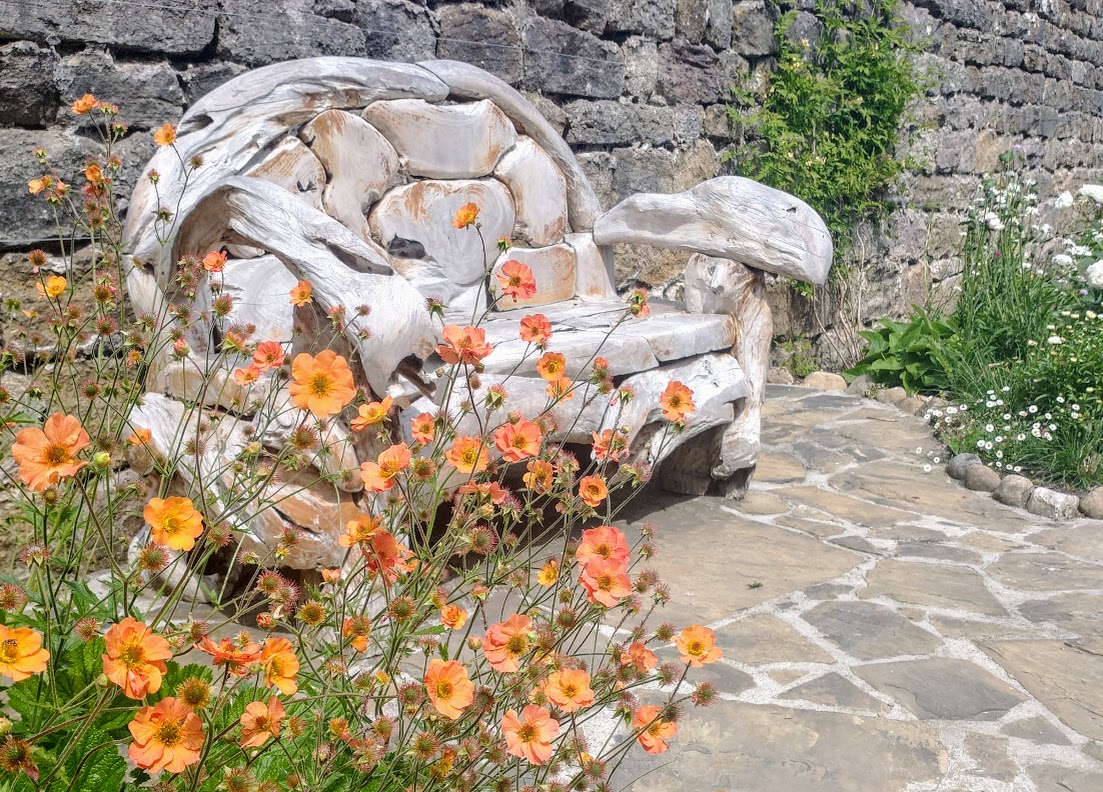
A Quiet Bench

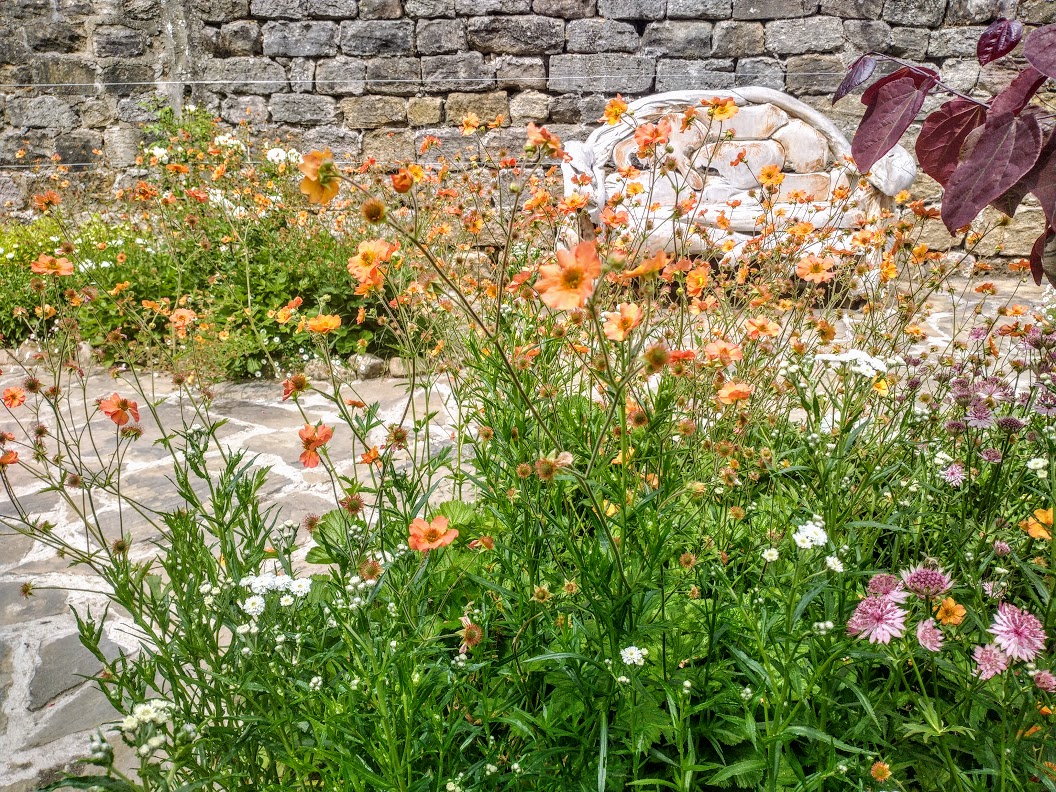
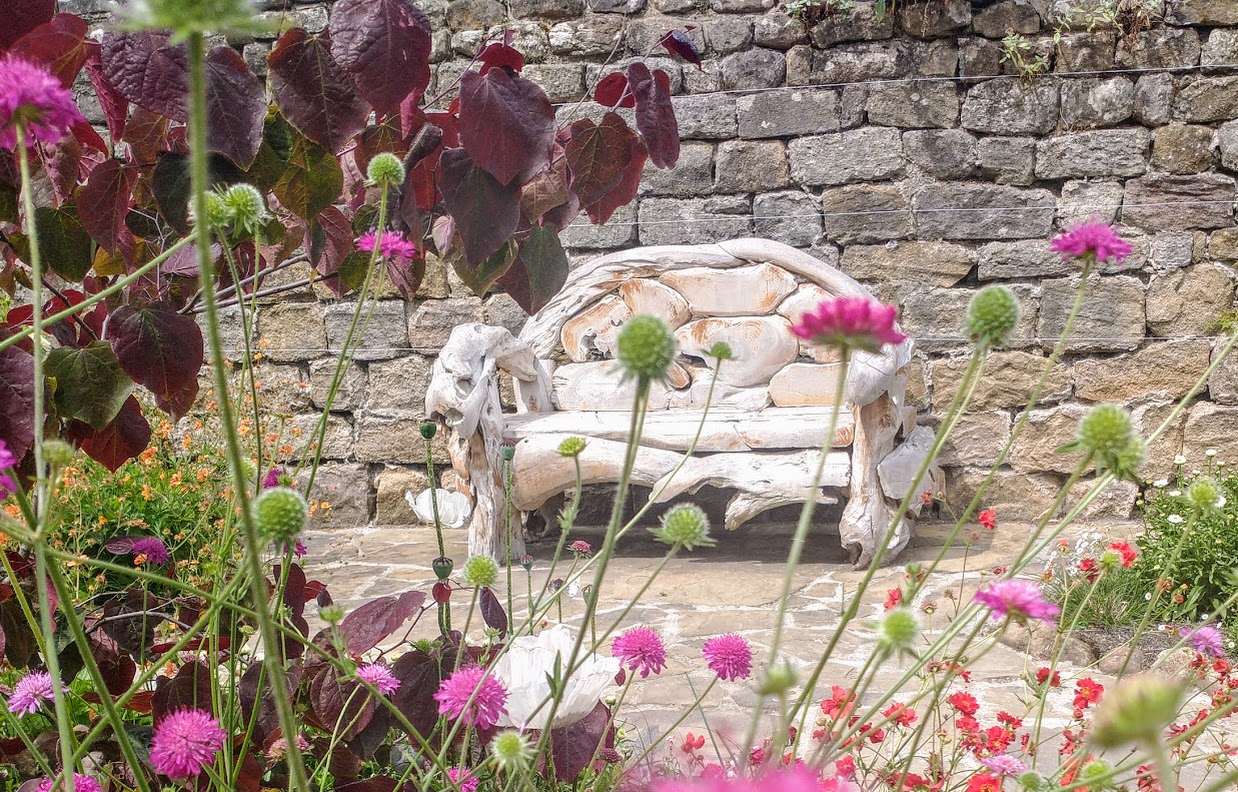
Near Fountains Hall, the early Jacobean house in the grounds of Fountains Abbey, a new garden has recently been opened. The Quiet Garden. It is indeed a peaceful haven. My favourite feature is this bench, made from the wood of now-fallen trees in Studley Royal’s deer park.

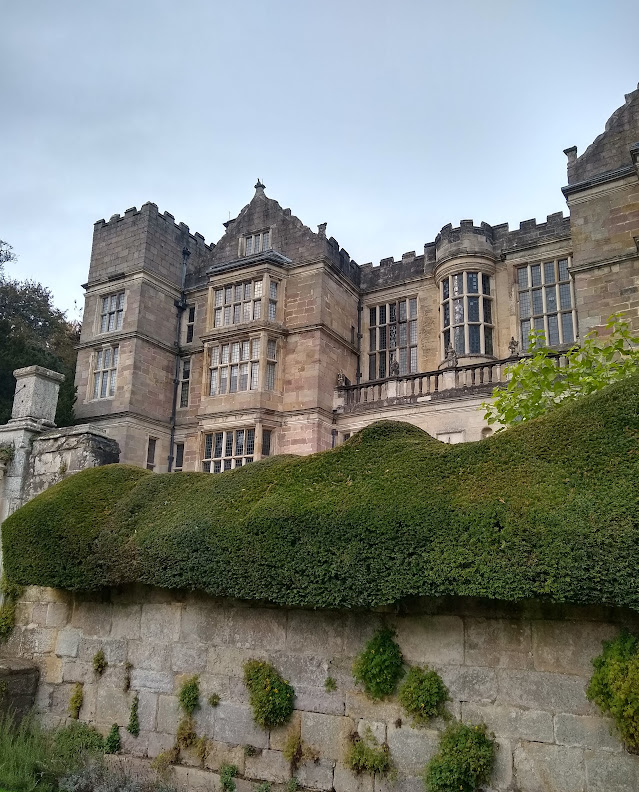
And in case you’ve not seen it before, here is Fountains Hall.

For Jude’s Bench Challenge.

Thorp Perrow in Monochrome

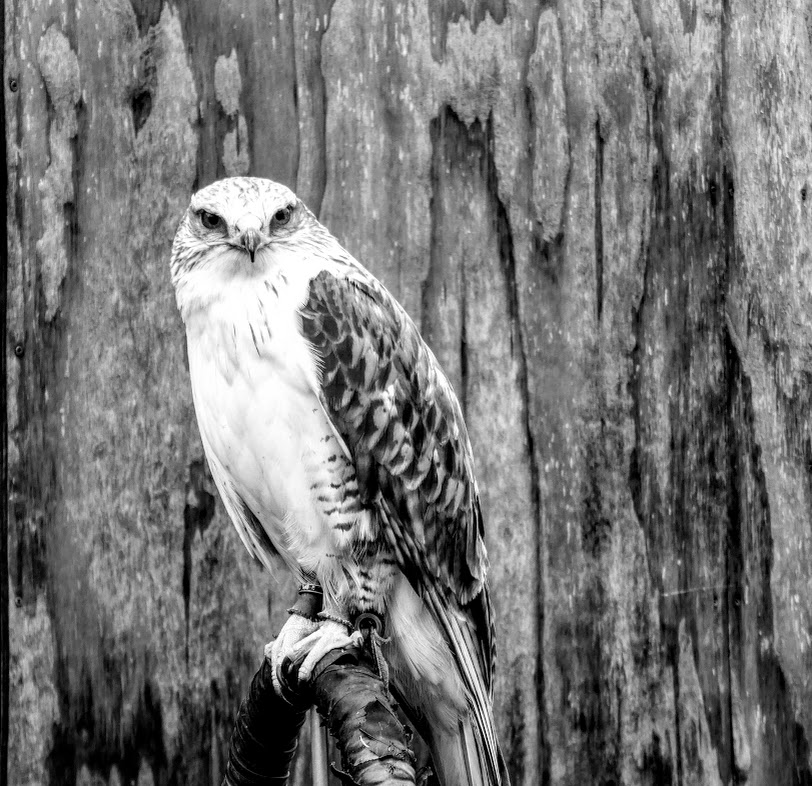
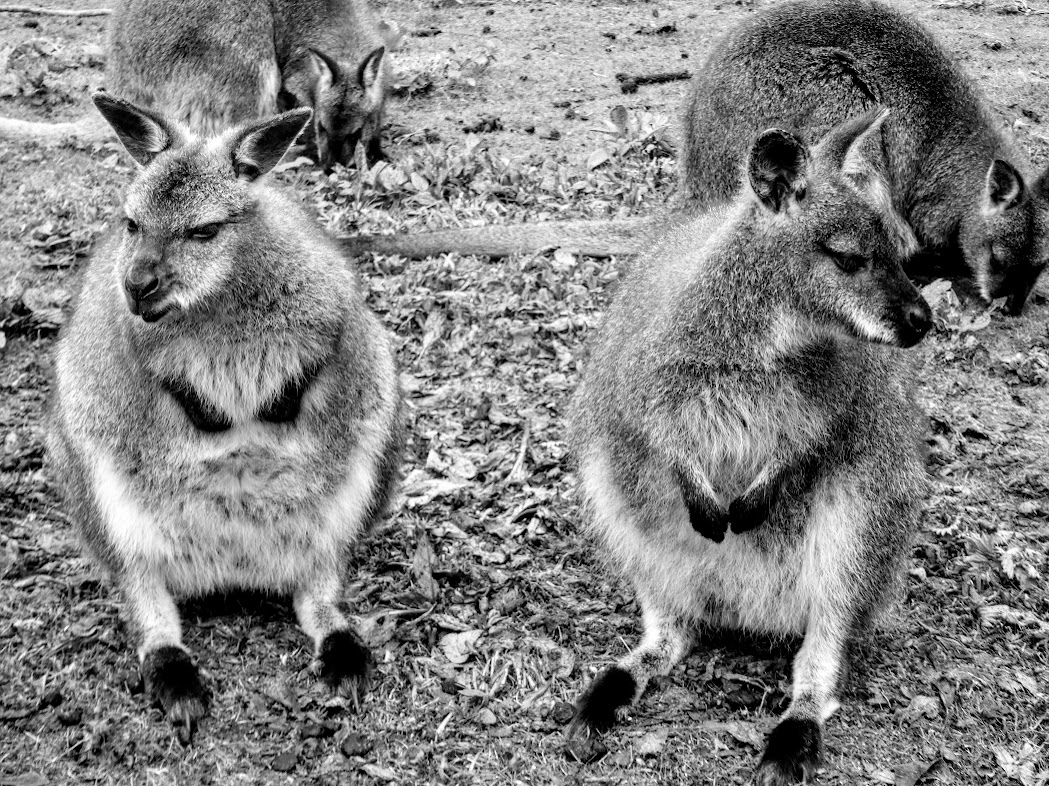
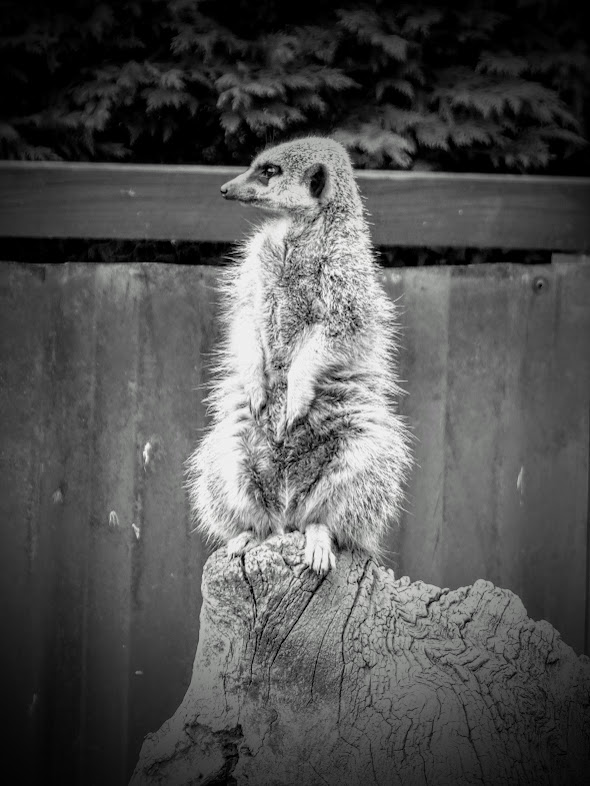
There’s an arboretum just along the road from here: Thorp Perrow. It’s the perfect place to wander along quiet paths between glades of trees. These days of course, it has to attract a wider audience than the botanist or the poet. So it now includes a rather good playground; a birds-of-prey centre; and slightly randomly, an area of woodland where meerkats and wallabies make ther home. Oh. And a cafe, of course. Come for a quick tour.

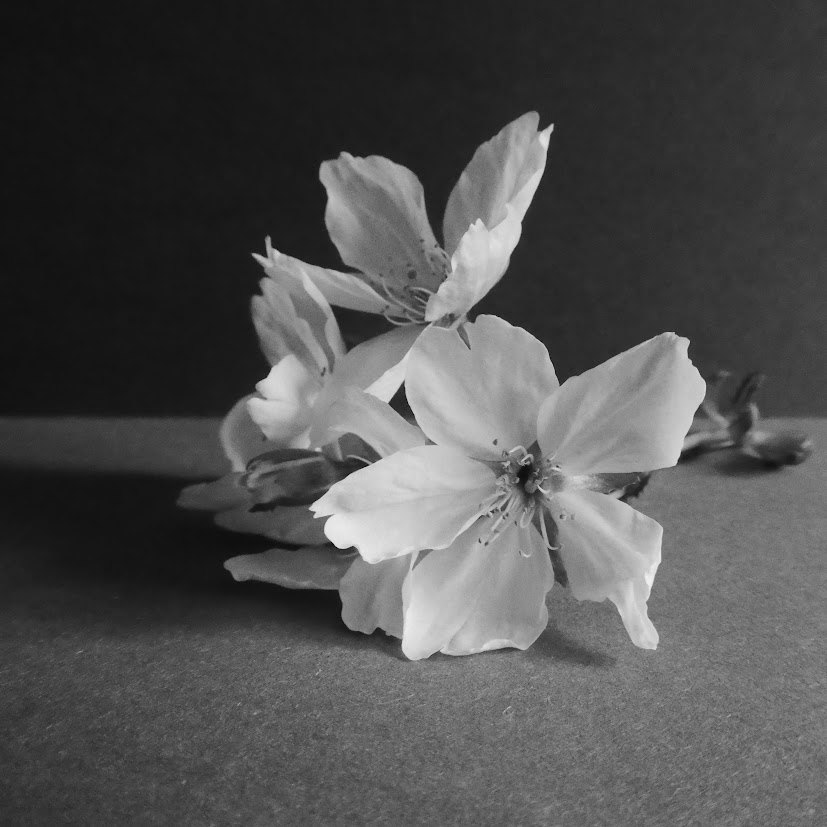
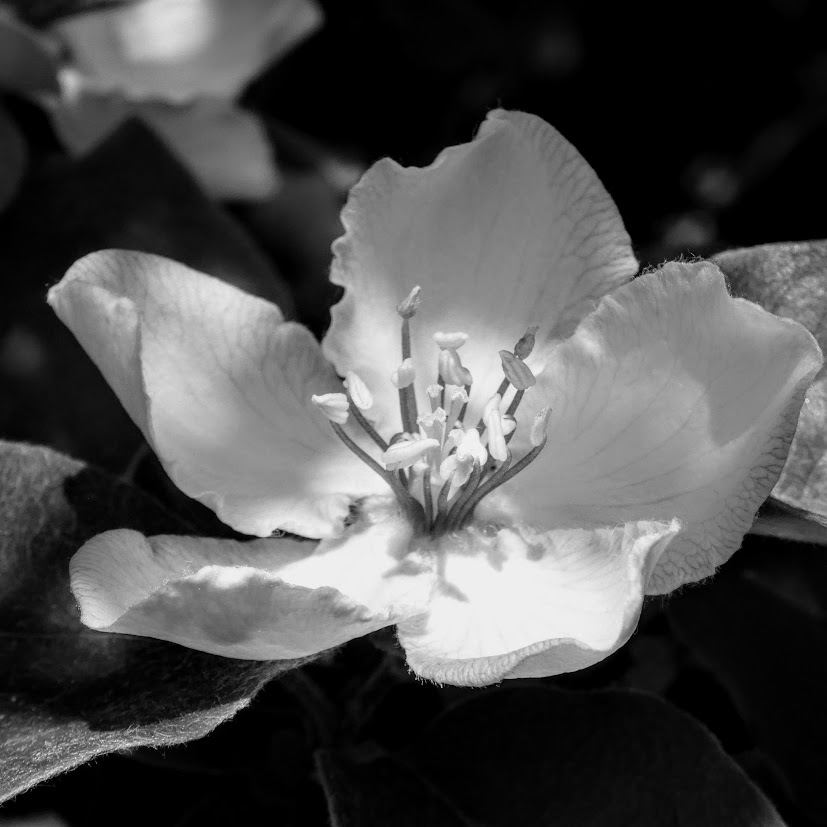
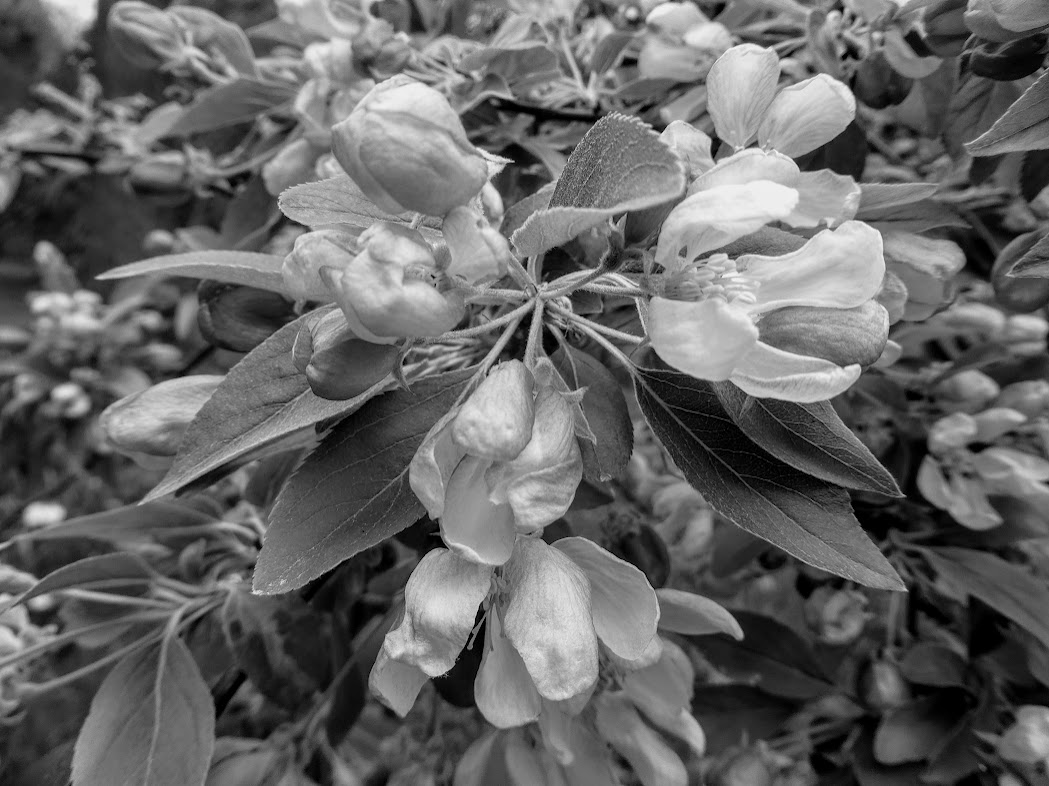
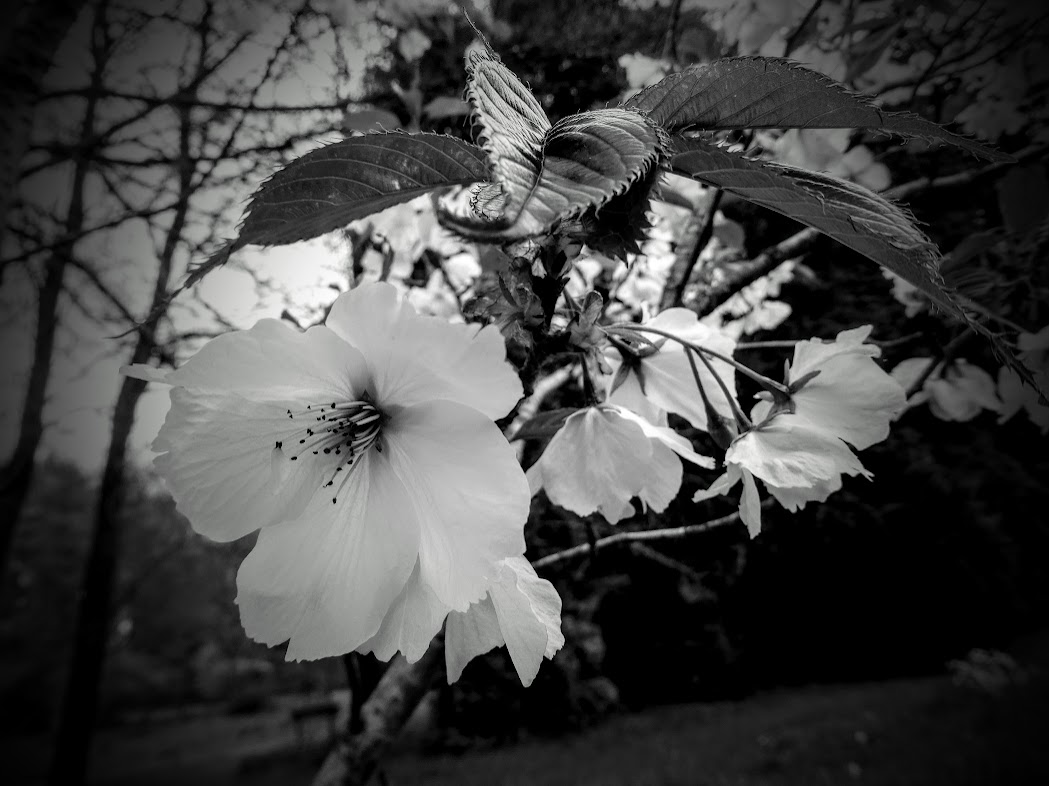
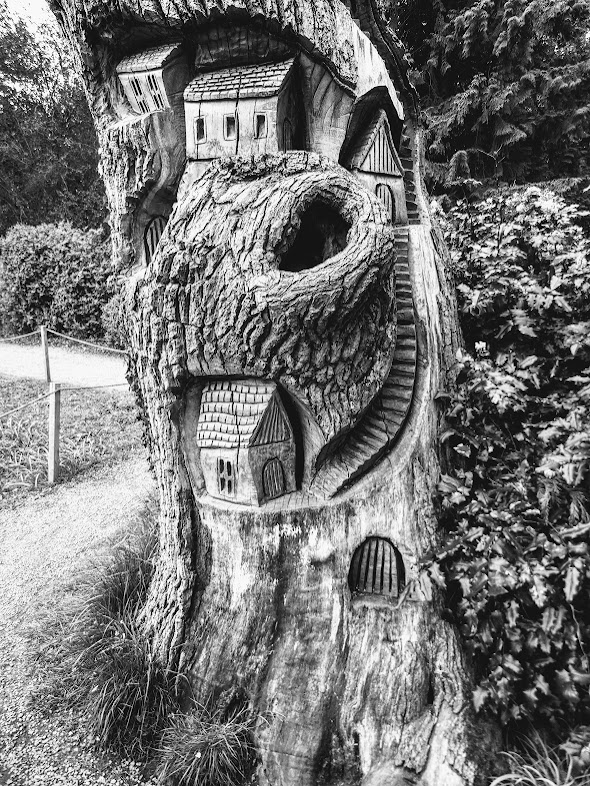
I’ve neglected the trees – in favour of one dead trunk carved to make a housing estate for pixies – to show instead the blossom that’s been at its best. But only a couple of shots – because really, who wants to see delicate pink blossoms in black and white?

The bird is a ferruginous hawk. In case you were wondering.

For Leanne’s Monochrome Madness.