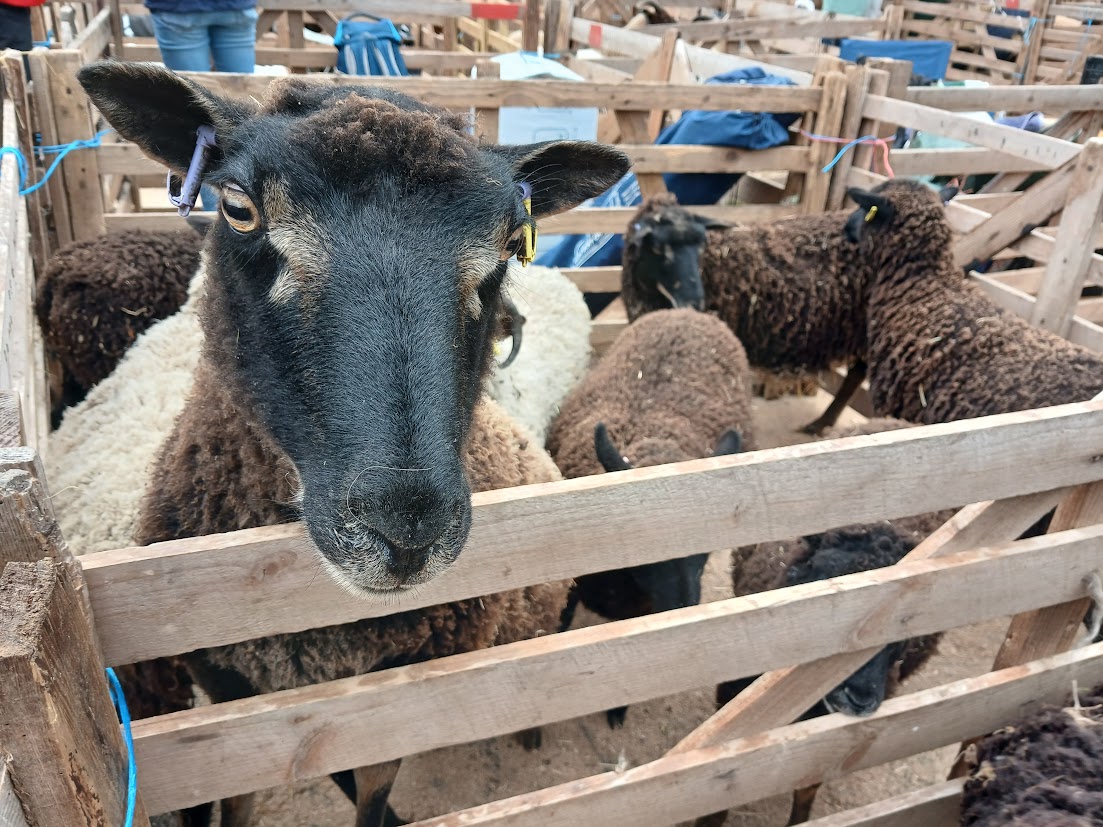
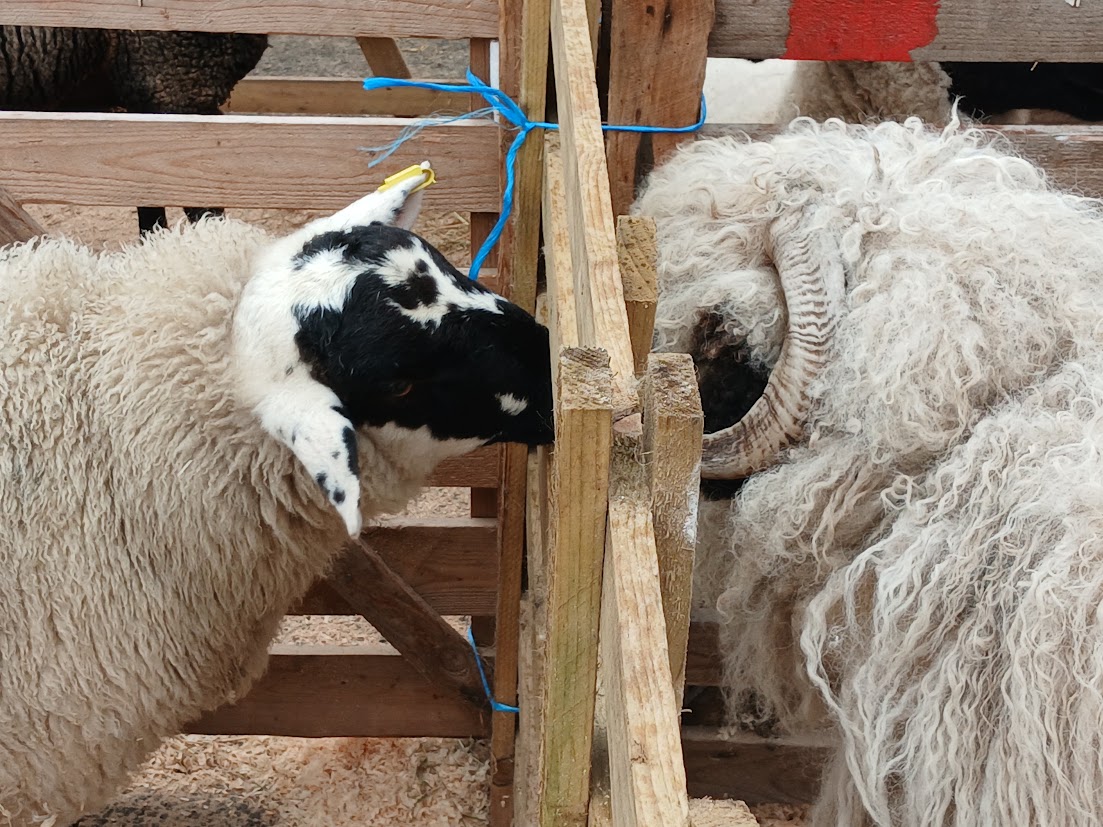
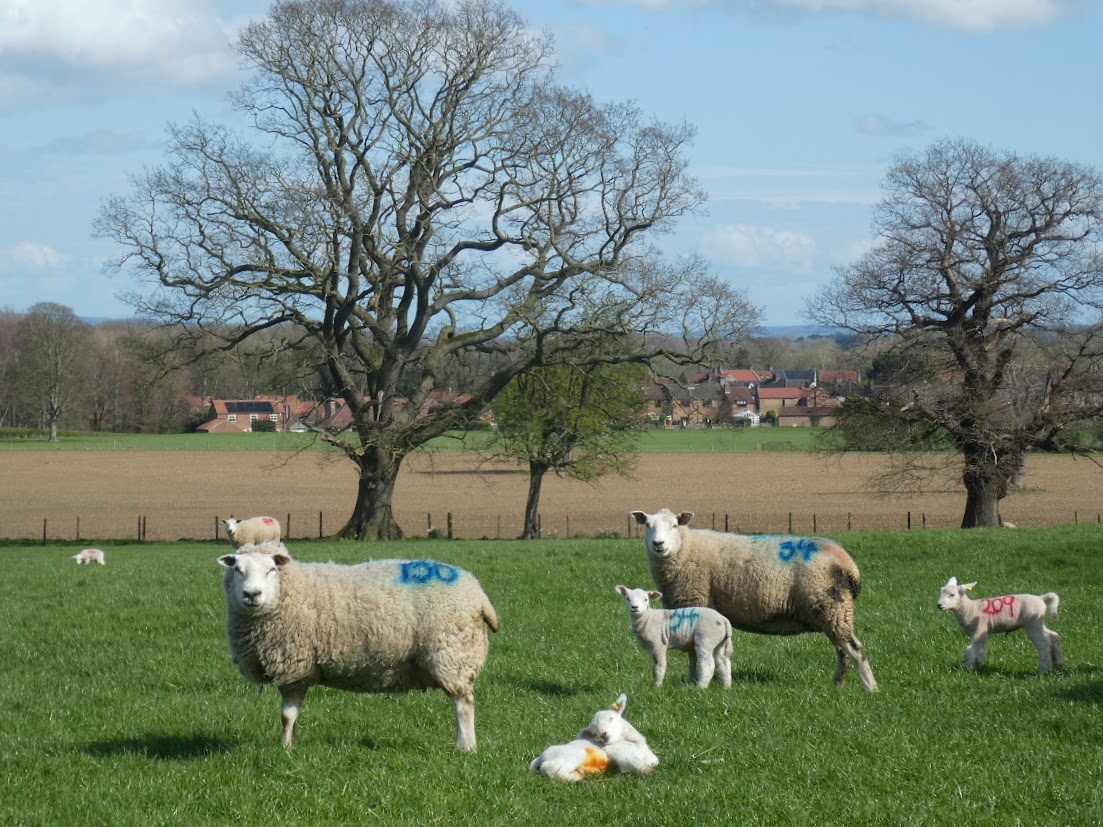
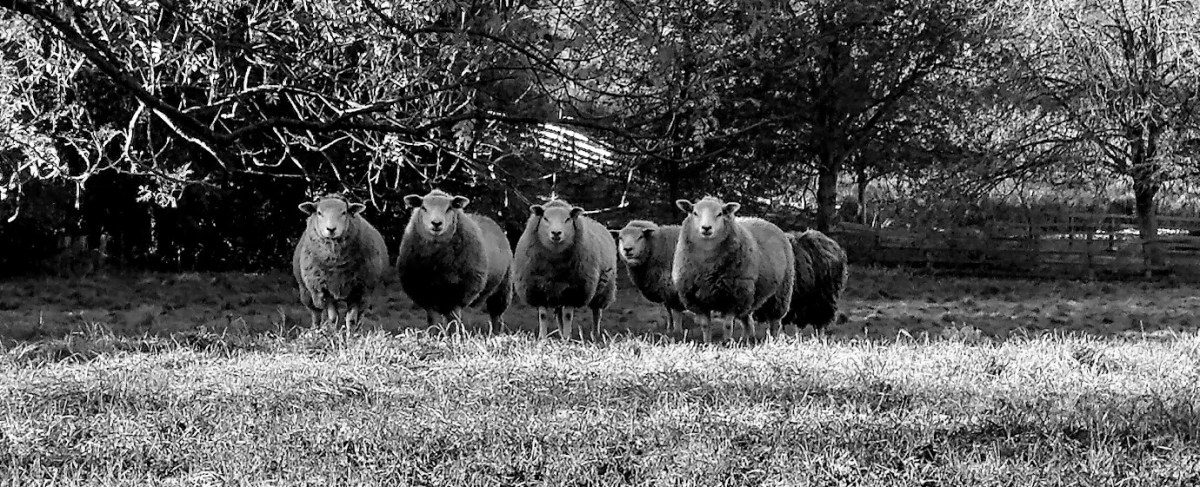
Masham Sheep Fair weekend. Big event in our social calendar. Here are some sheep curious to see what was going on. And another pair who wanted to get acquainted … but couldn’t … quite.
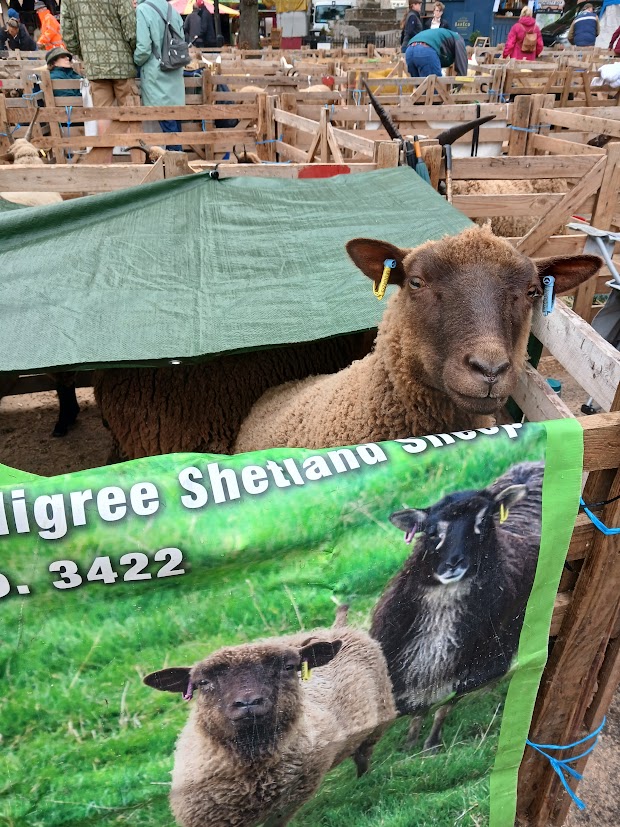
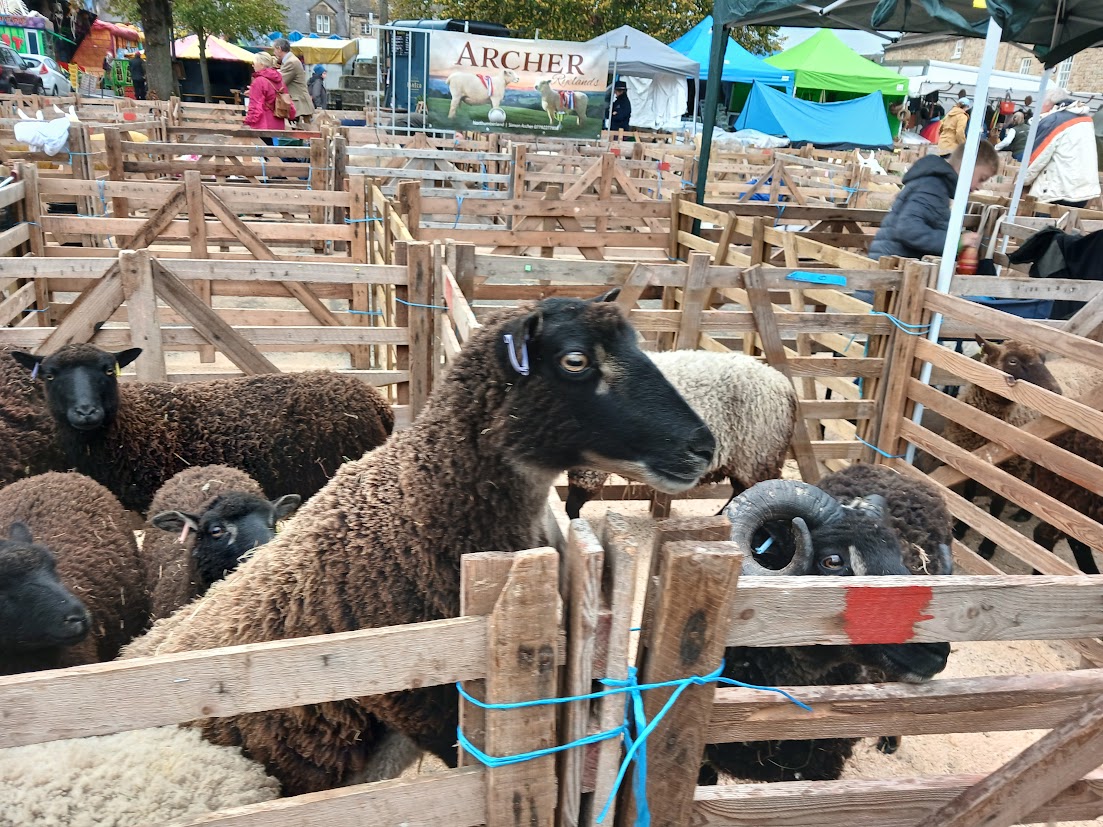
Monday Portrait.
Masham Sheep Fair weekend. Big event in our social calendar. Here are some sheep curious to see what was going on. And another pair who wanted to get acquainted … but couldn’t … quite.
Monday Portrait.
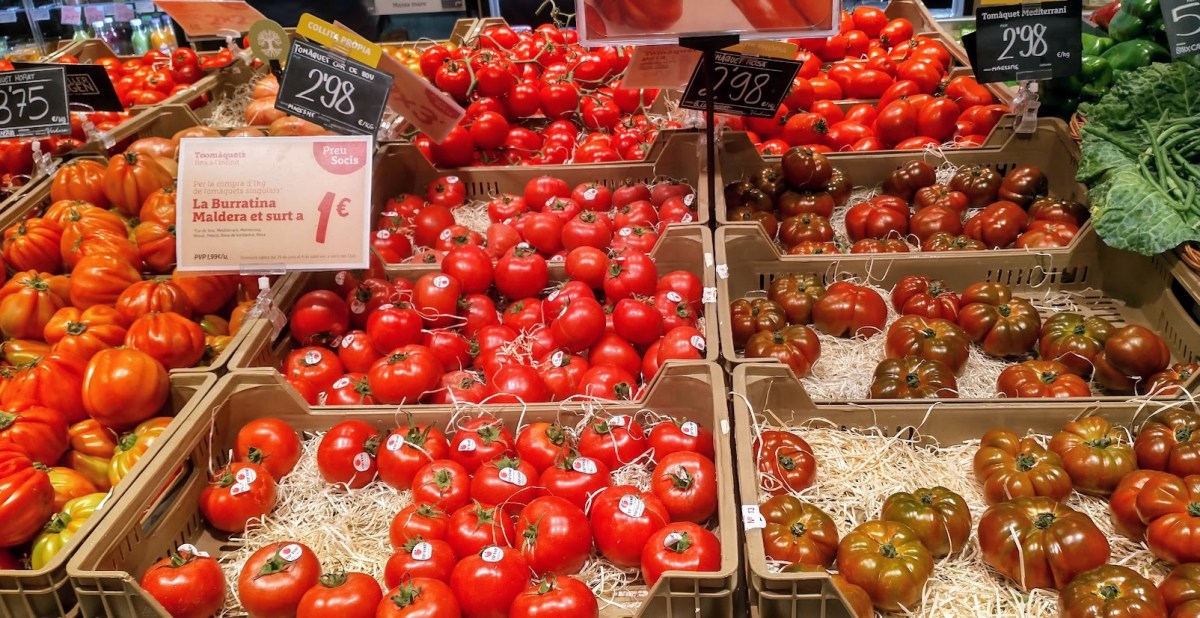
The post I’m re-blogging below popped up yesterday on WP’s ‘throwback edition‘, which is one feature of theirs I’m rather fond of, though I wish it delved further back into my blogging history. Anyway. This post struck a cord with me, because I was still quietly fuming from a shopping expedition the day before. Here we are, in peak season for home-grown fruit and vegetables. And here I was, looking at shelves packed with French beans from … Kenya. The few British packs were squeezed onto an out-of-the-way bottom shelf. In-season-in-the UK vegetables had little place alongside ones from anywhere-but -here. Tomatoes from Morocco were a quarter of the price of those from the Isle of Wight or Lancashire. And let’s not even mention the place given over to vegetables no longer in season. Asparagus from Peru, anyone?
My featured photo of home-grown tomatoes was taken in a Spanish supermarket.
You’ve come far too early – just as They’re getting us organised for the summer. You could have waited. Mind you, so could They. I’d have hung on to my woolly coat a while longer, but They decided differently. Do you realise it’s still only 1°C in the night? It’s a sheep’s life …
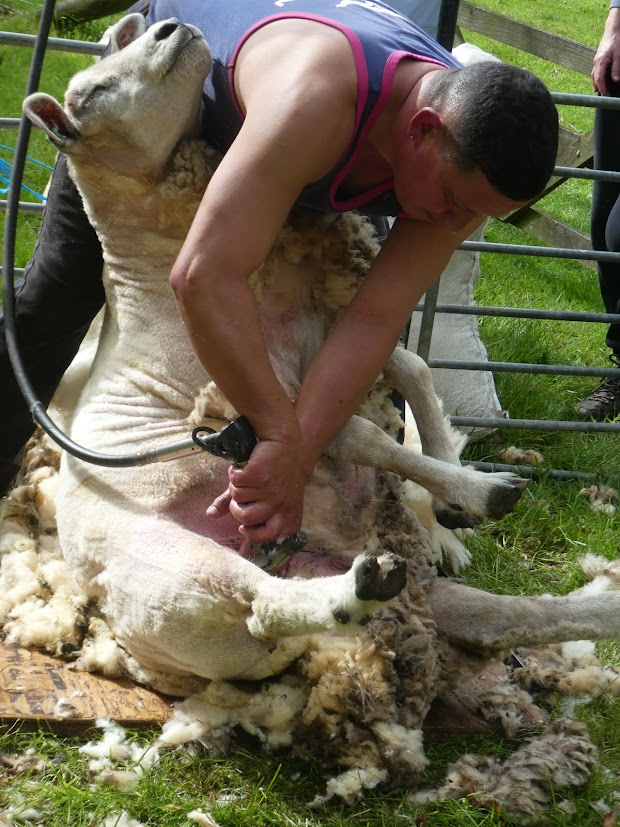
Monday Portrait.
Just down the road from home …
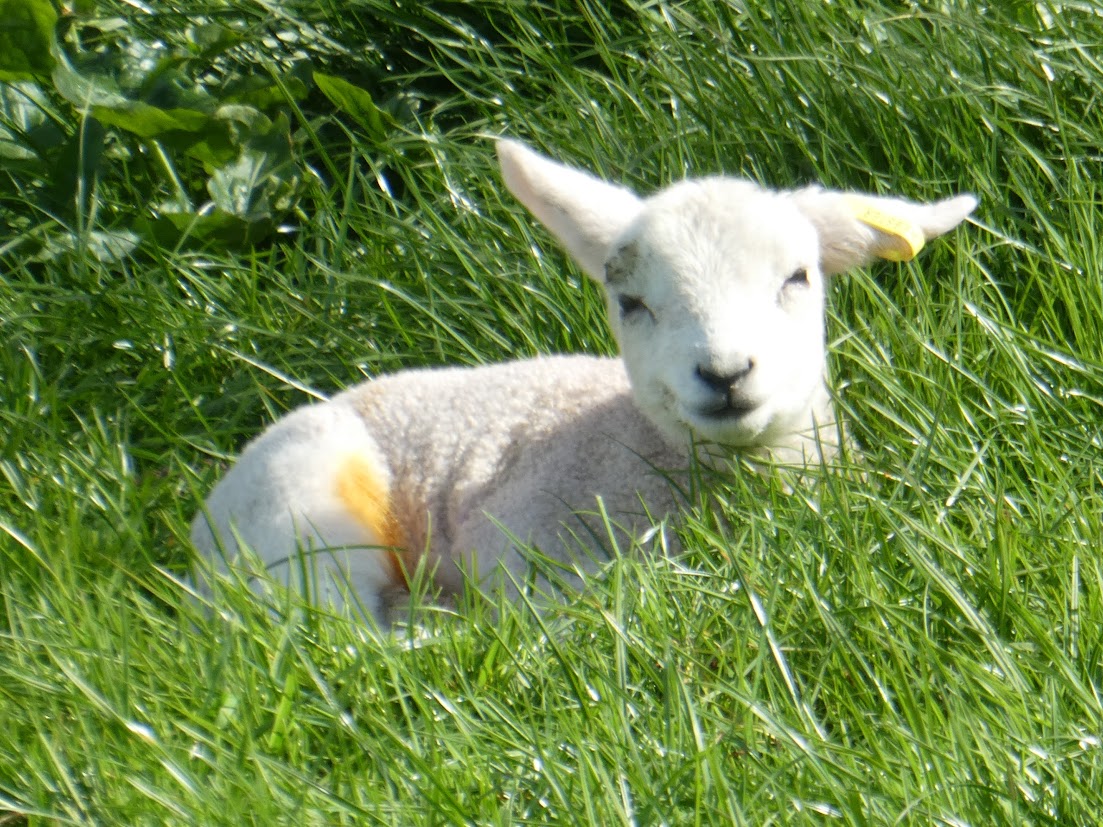
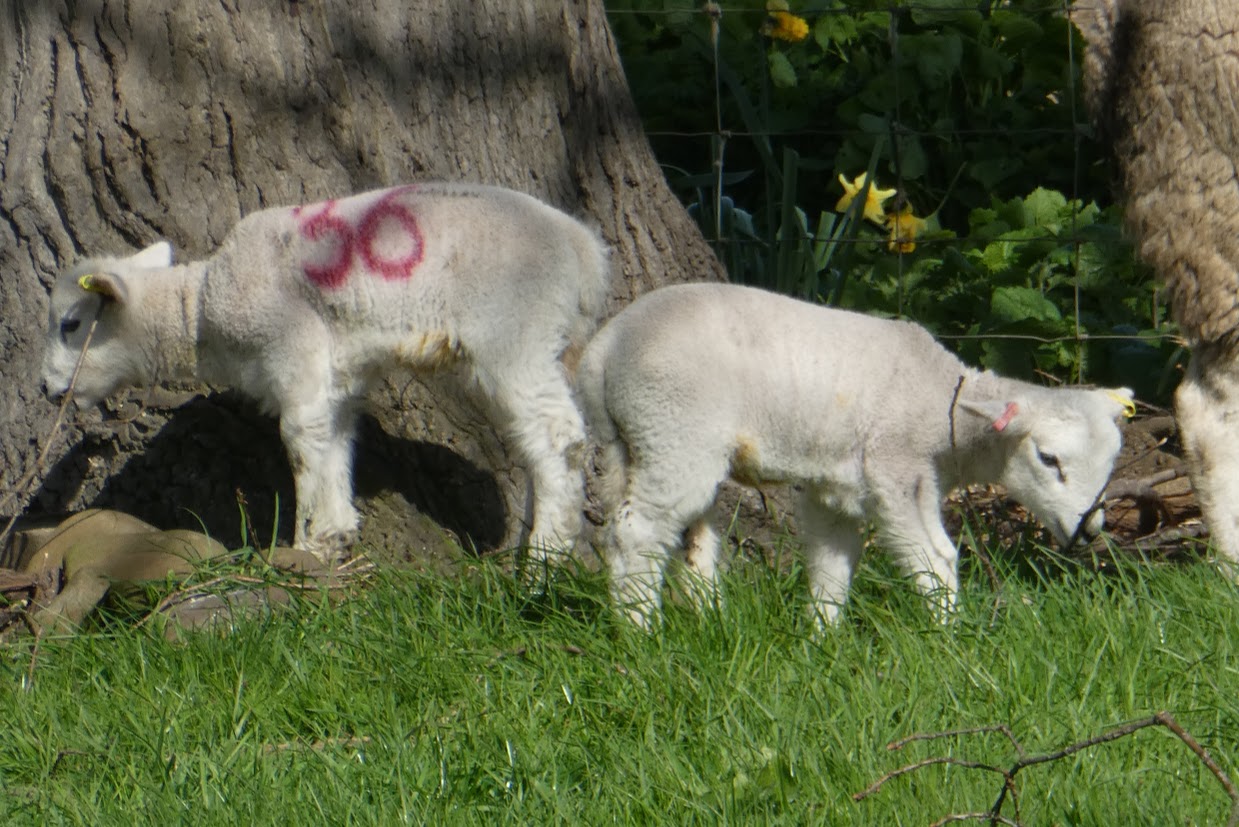
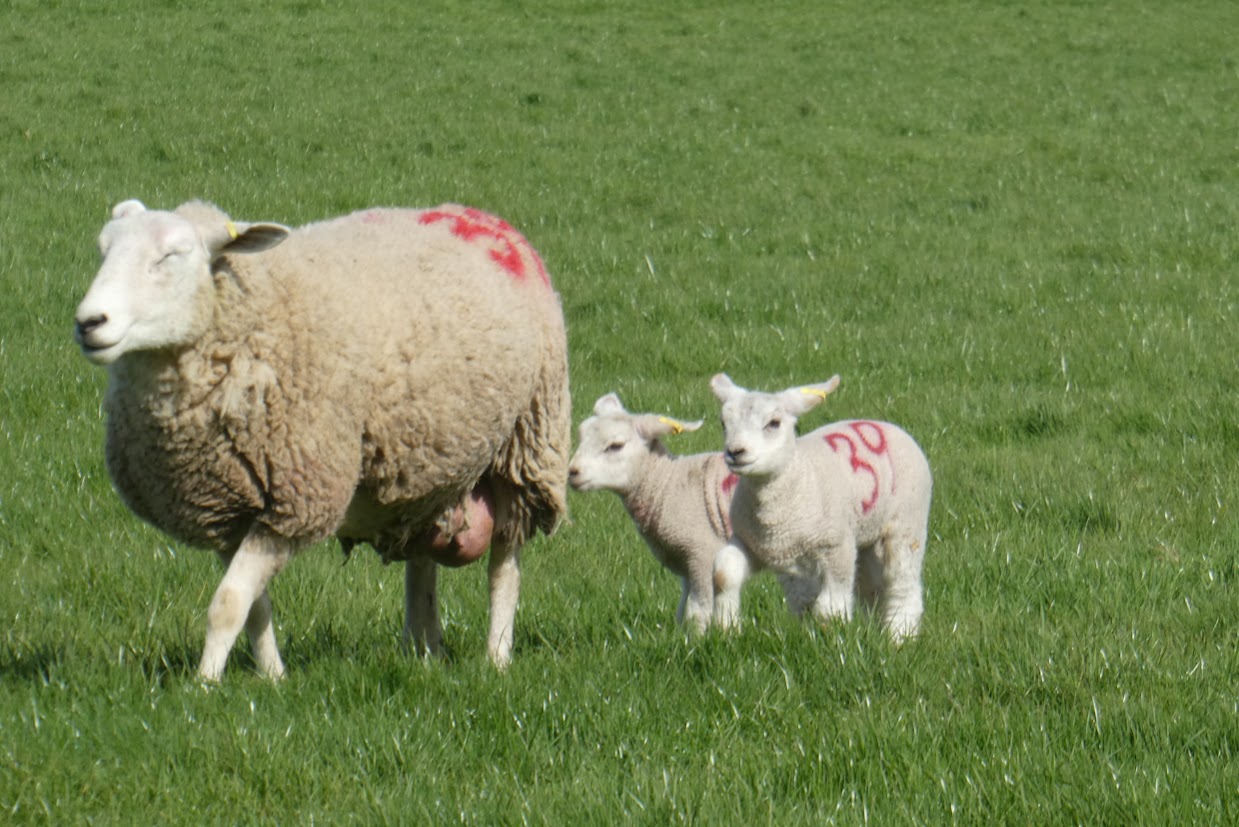
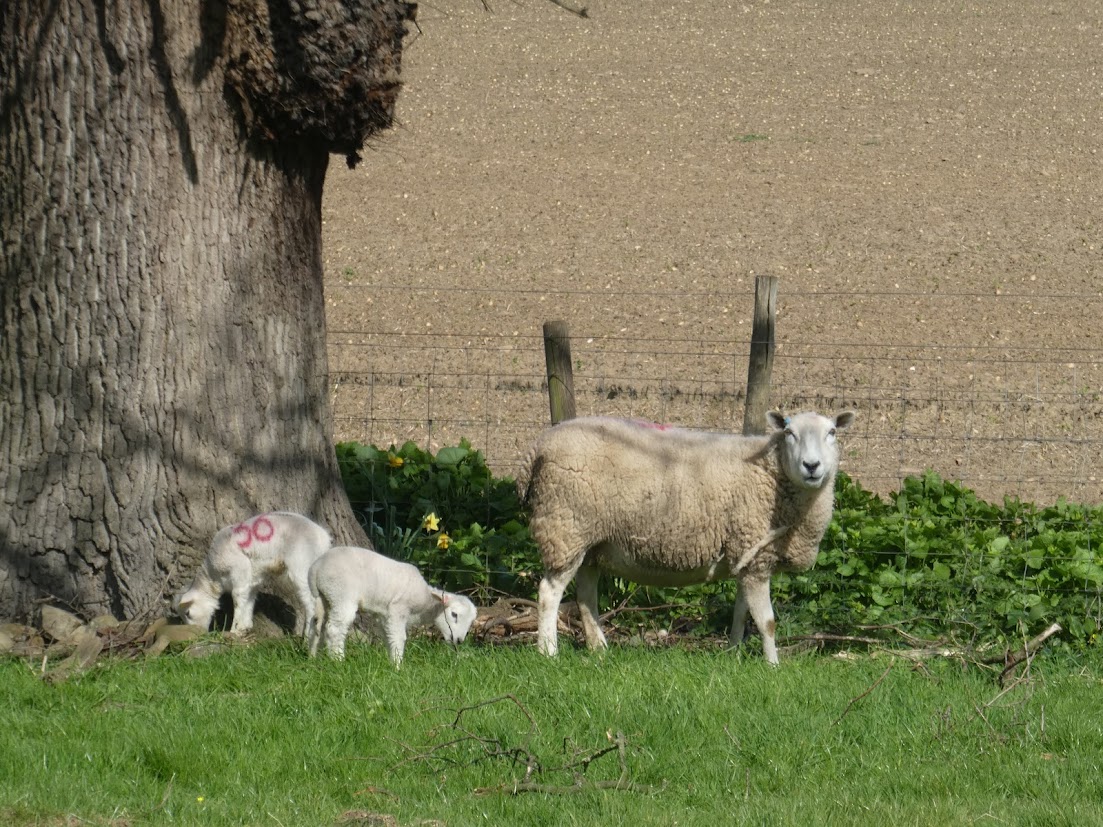
Monday Portrait(s)
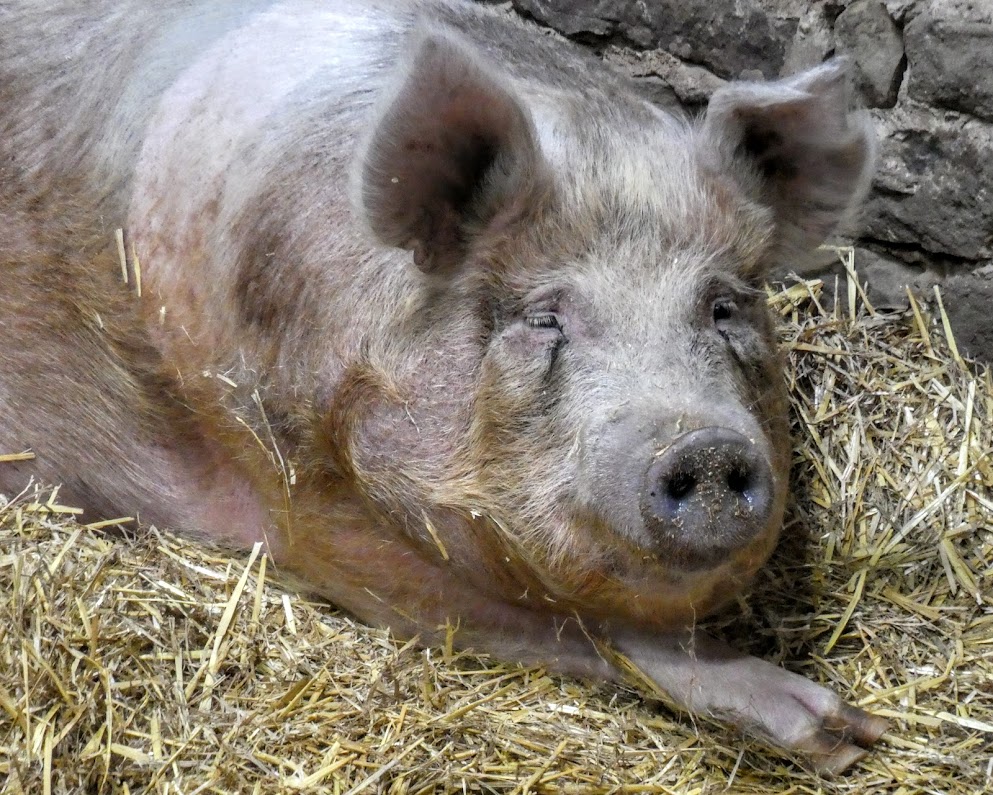
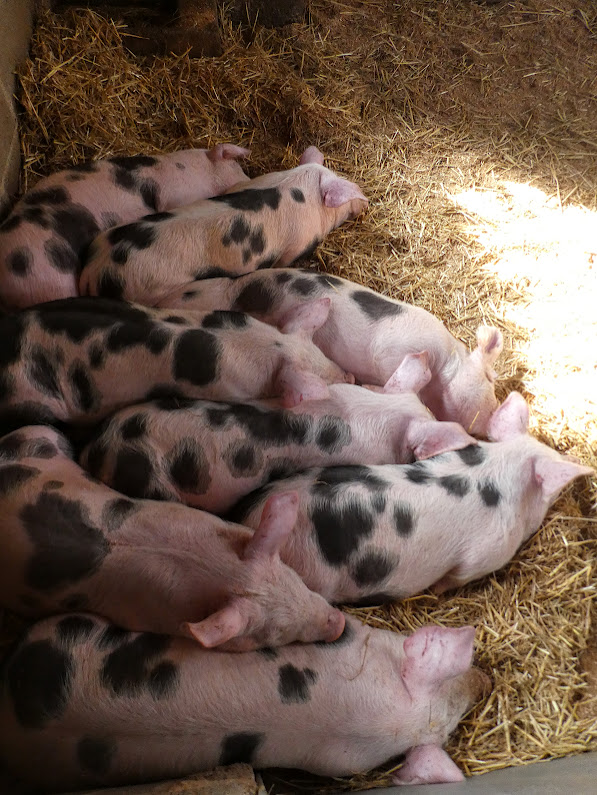
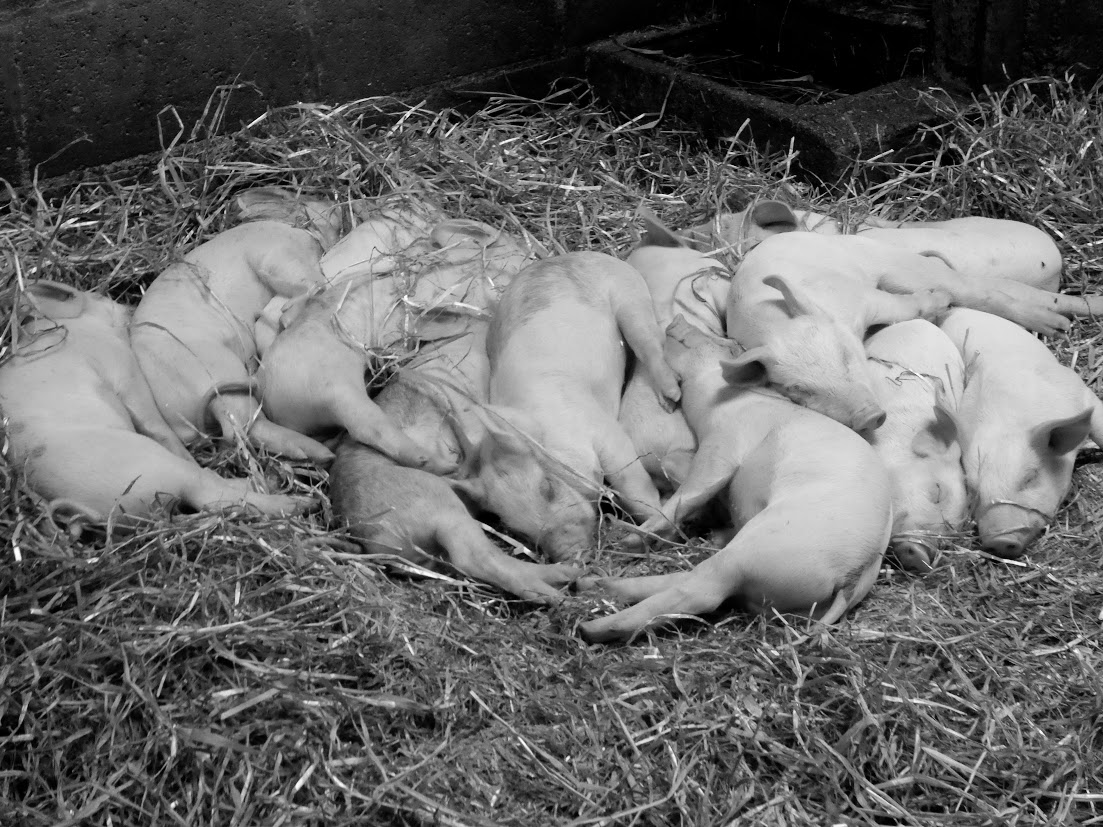
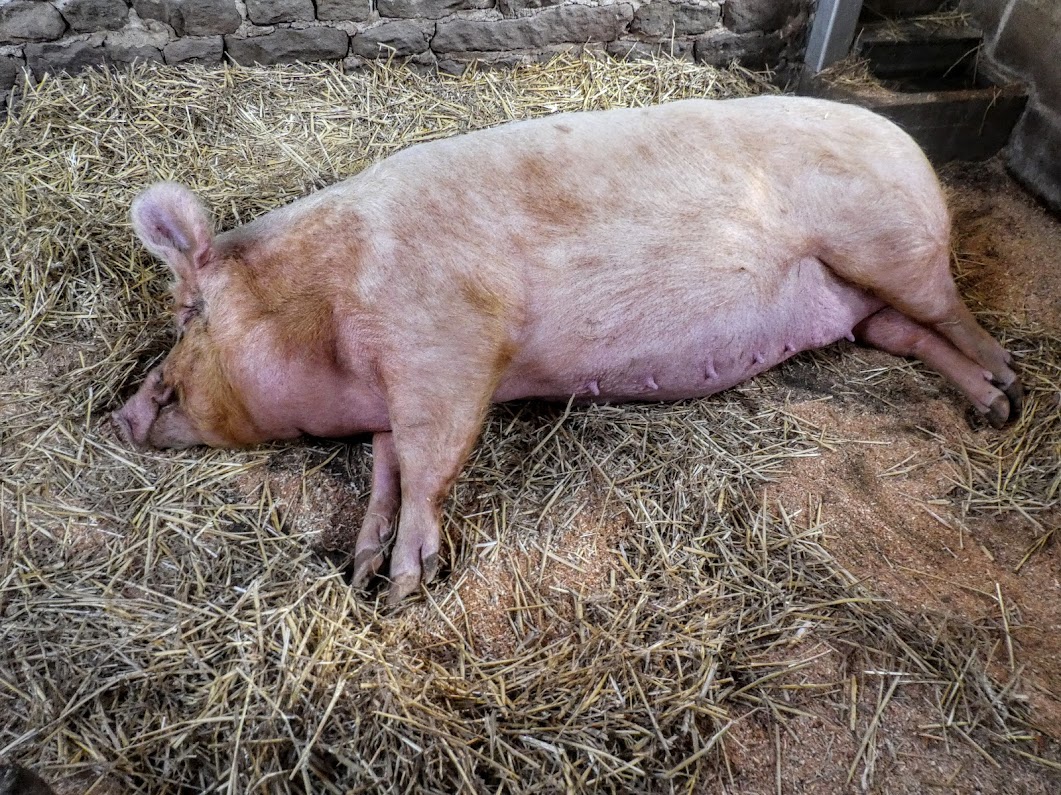
We were Down at the Farm the other day, when the Spanish branch of the family was visiting. I ought to be showing you new born lambs, since it’s Easter, but we couldn’t resist these pigs.
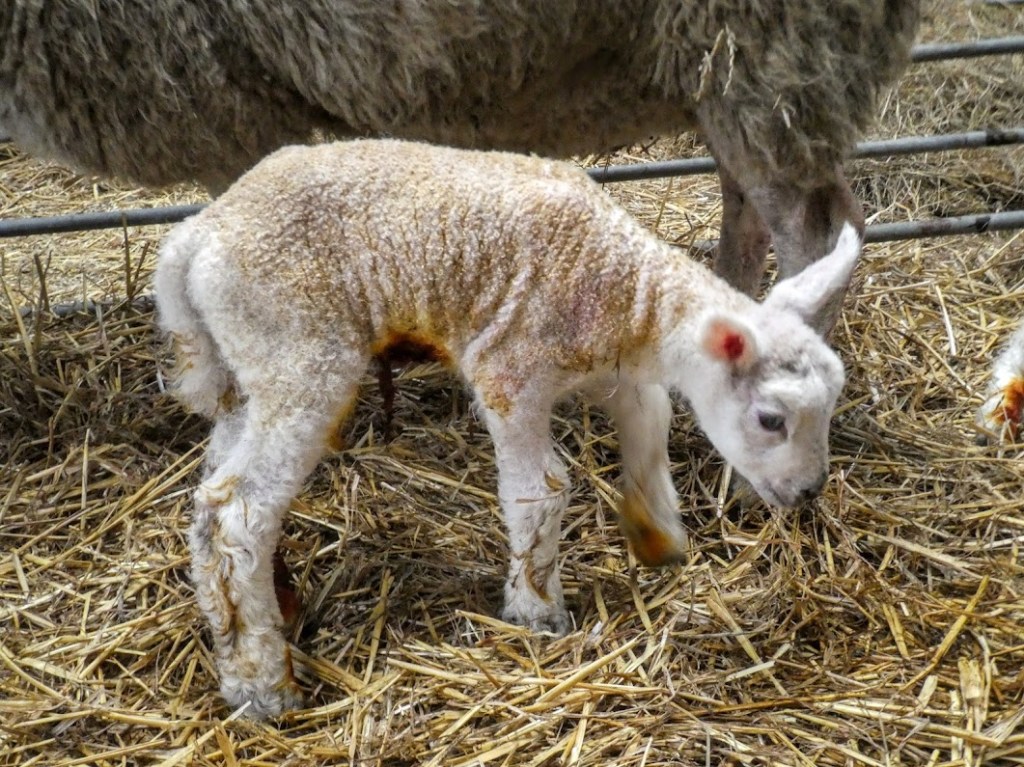
… Oh, OK then. Here’s just one lamb, only hours old.
Monday Portrait.
This week, for Monochrome Madness, Leanne asks us to stay in our home patch and show us what we can find within 10 km of our home. Well. I’m sorry Leanne, but frankly, one kilometre is as far as I can stretch today, and I may not even go that far. Let’s see. Have you met our next door neighbours? They’re in the featured photo.
We’re a bit light on neighbours generally. You might find these characters:
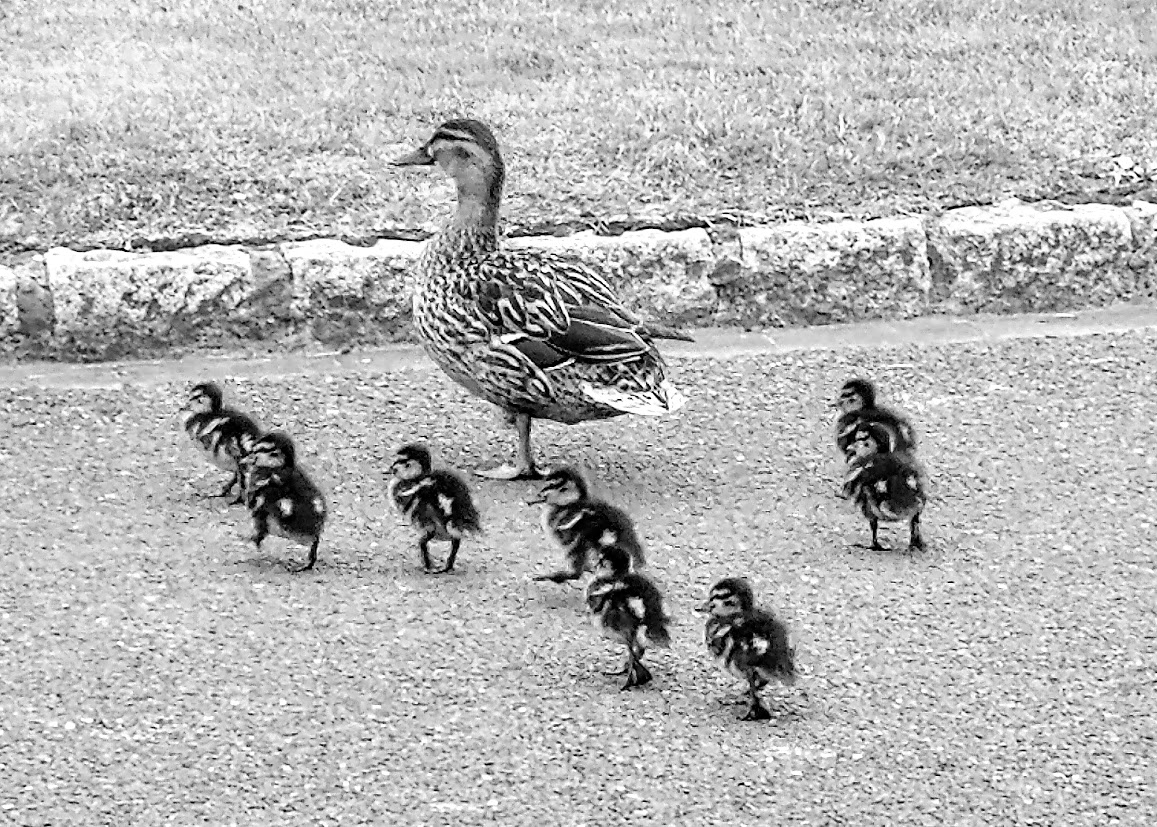
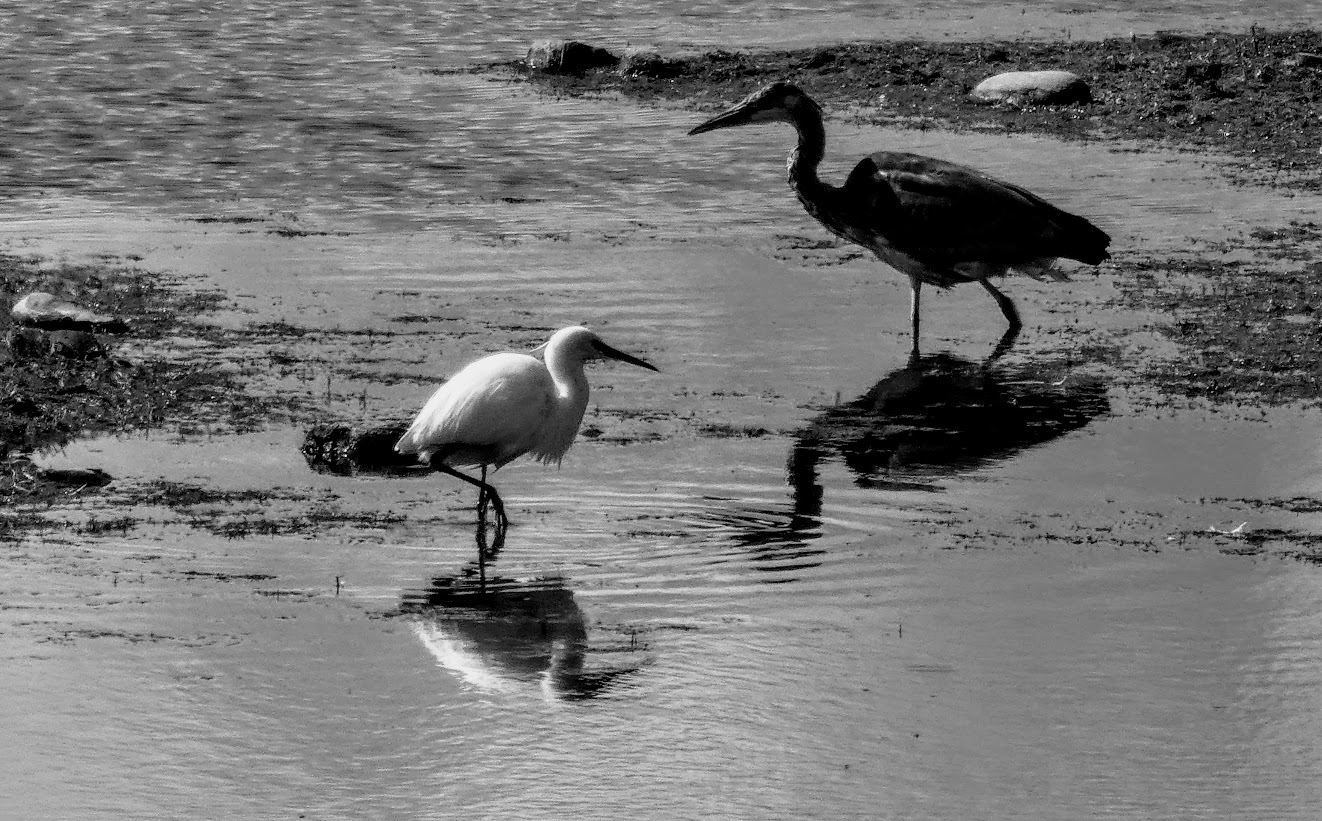
They’re from the local ponds – quite honestly the heron and egret come from just a little further up the road- but not much more distant.
Even nearer than the ponds is the River Ure.
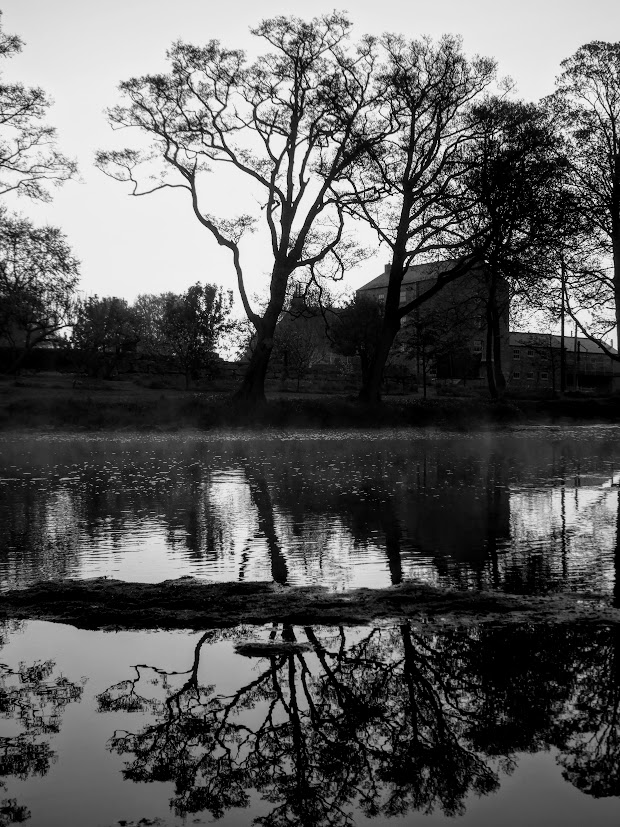
Go the other way from the house, and it’s fields and crops…
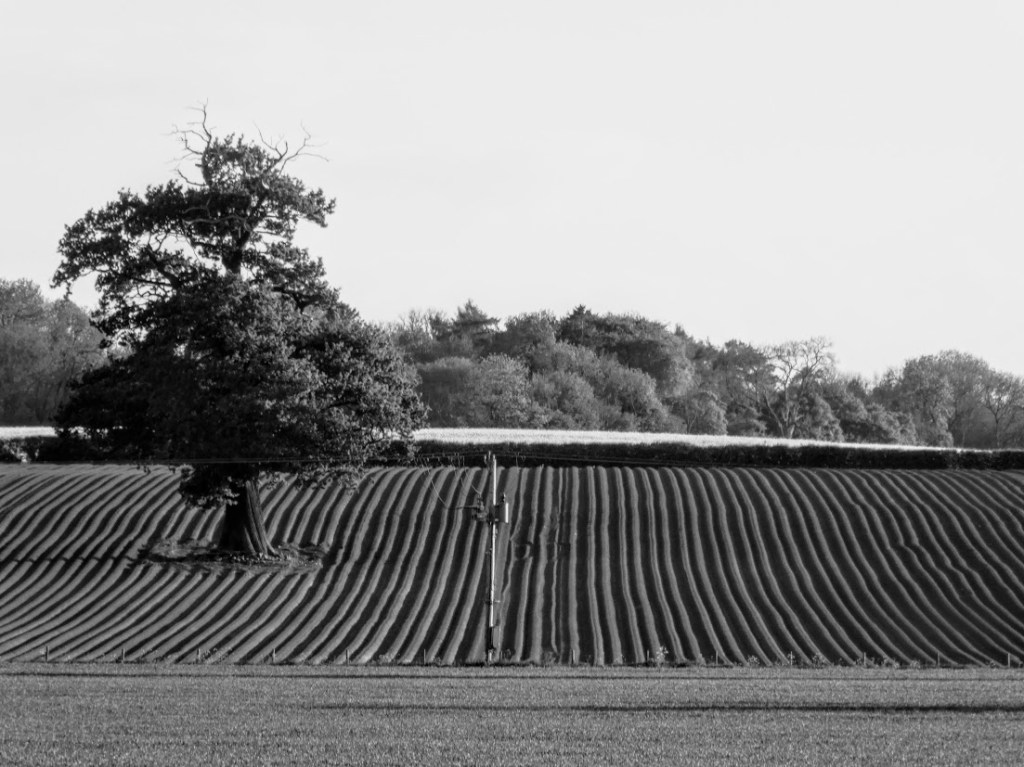
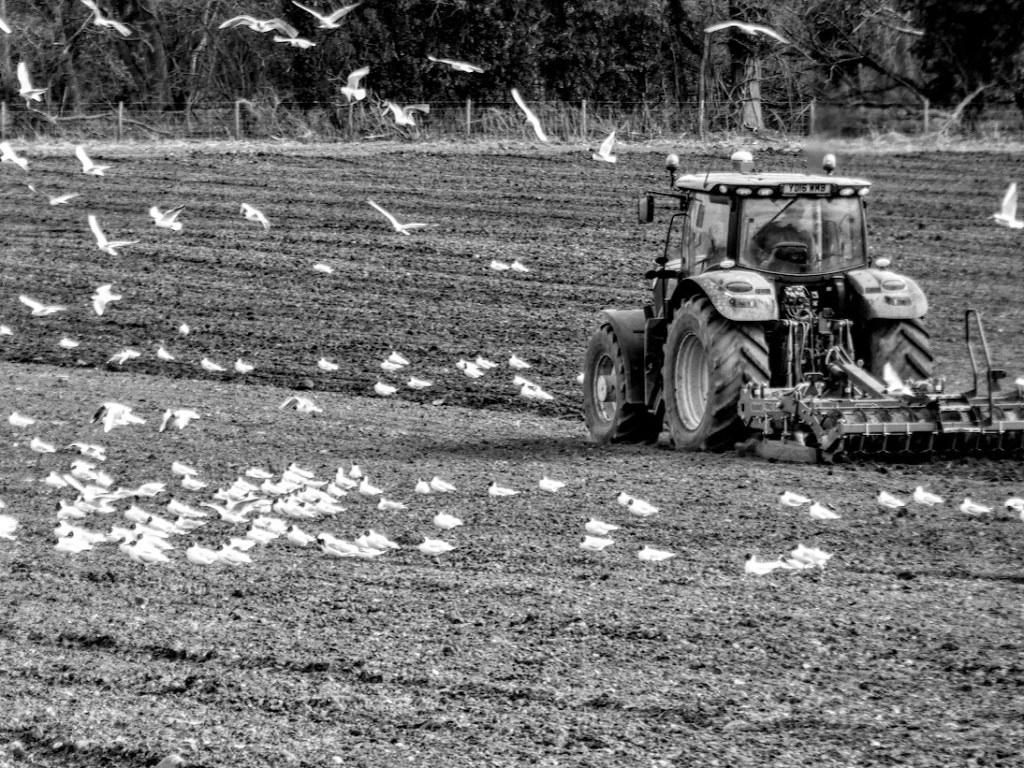
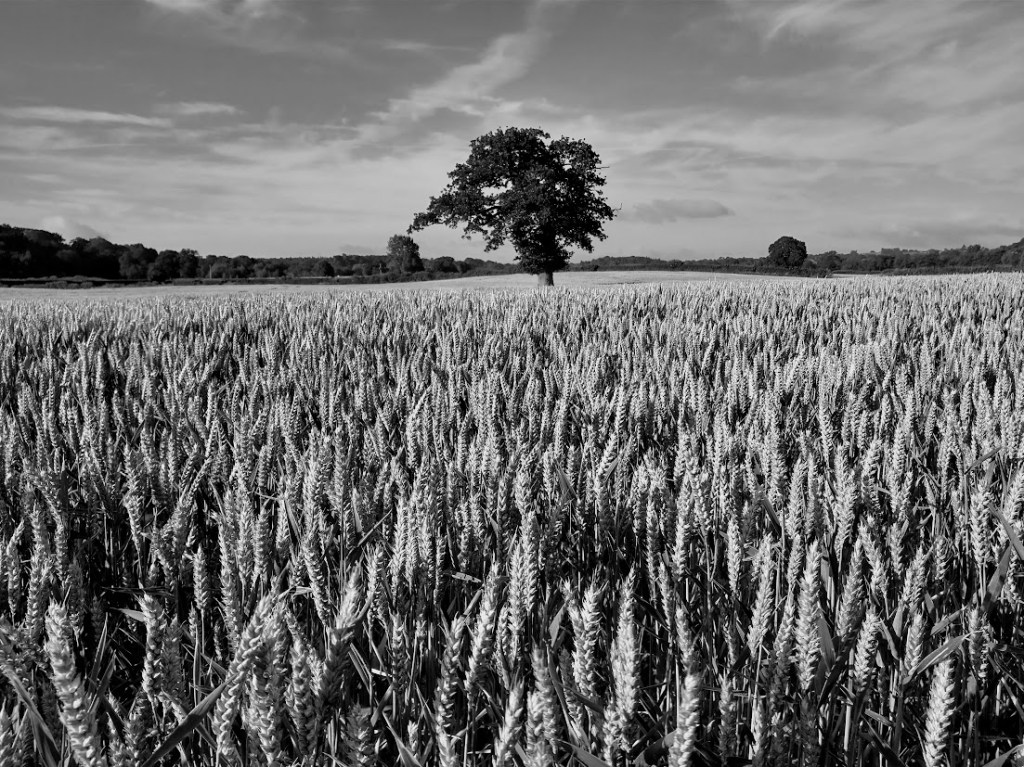
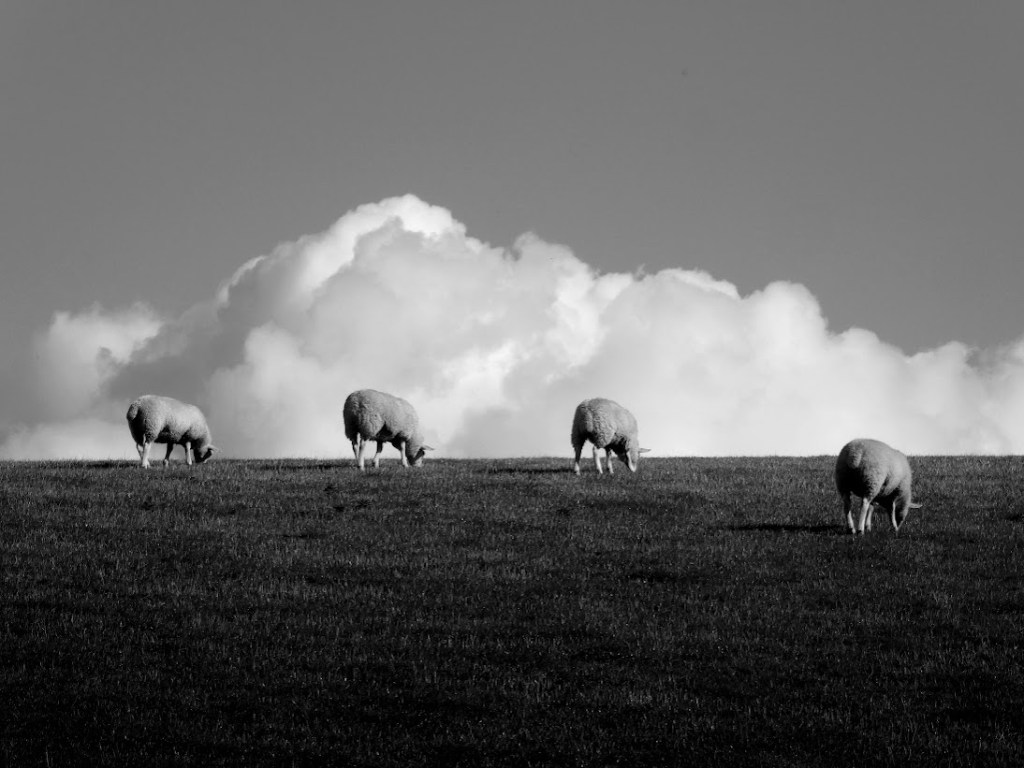
… and more sheep …
But please don’t think our life lacks drama. On Monday evening we were unexpectedly treated to a starling murmuration at the bottom of the garden. At dusk, starlings in their hundreds – perhaps thousands – swirled above us, eddying back and forth, cacophanously landing as one on the trees, which bowed under their weight, before they took off again to wheel and turn above us. Then some signal, known only to them, indicated that they should disappear and roost in the nearby reed beds. They never seem to come to the same place twice, so they weren’t here on Tuesday, and they won’t come tonight.
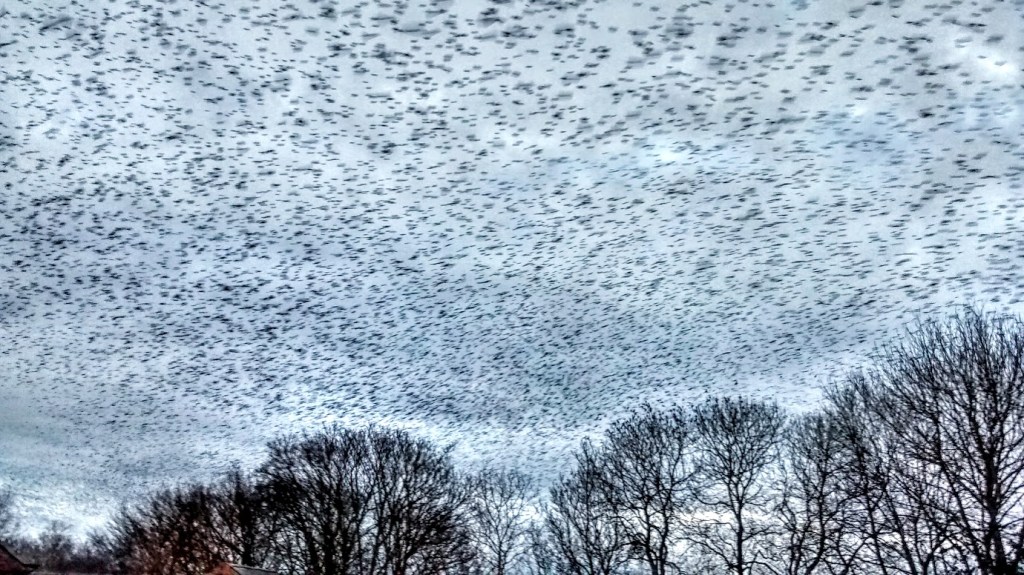
So that was our drama for the week. Just an everyday story of country folk.
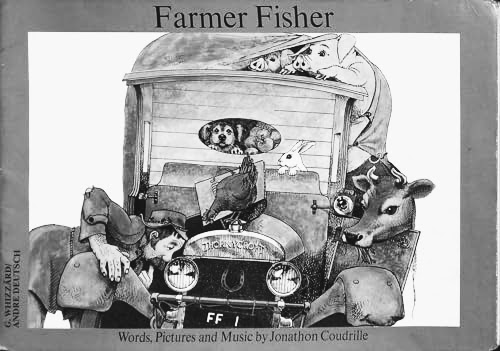
One of the first picture books to come into the house – oh gosh – more than 45 years ago, delighted all three of my children, and the adults who read it with them. It’s still sought after, this early edition, but you’ll have to shell out about £25 to get a copy. The book was Farmer Fisher.
Farmer Fisher had a fine fat truck.
You couldn't see the colour for the farmyard muck.
In the front was a rabbit and a chicken and a duck -
On the way to market.
Well. I won’t be showing you a rabbit. I haven’t got a shot of one. Or a chicken. Or a duck. Elke, for this week’s Monochrome Madness would like us to show farmyard animals, so I’m sticking to four legged examples.
Like cows …
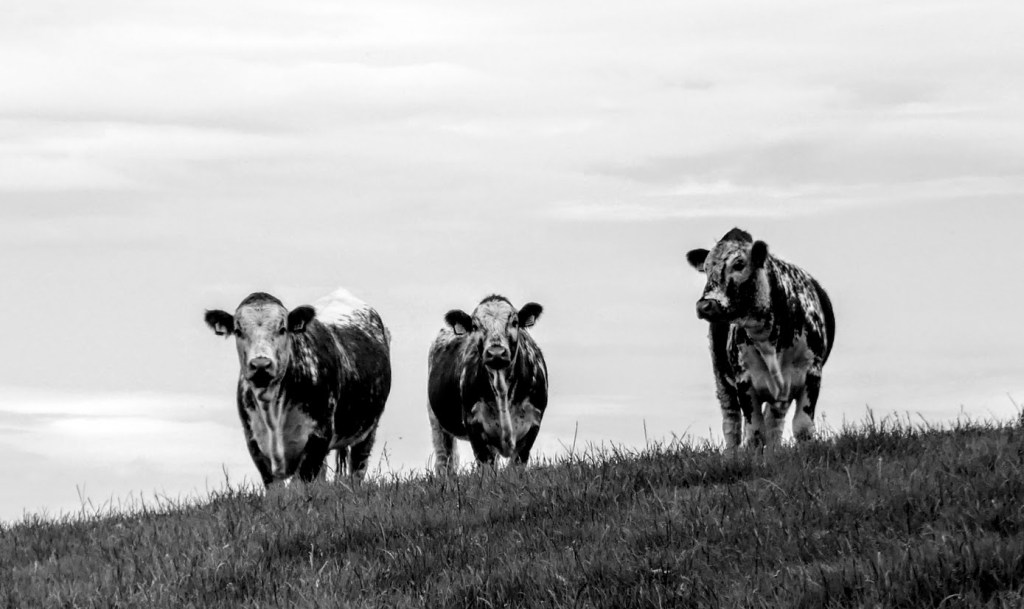
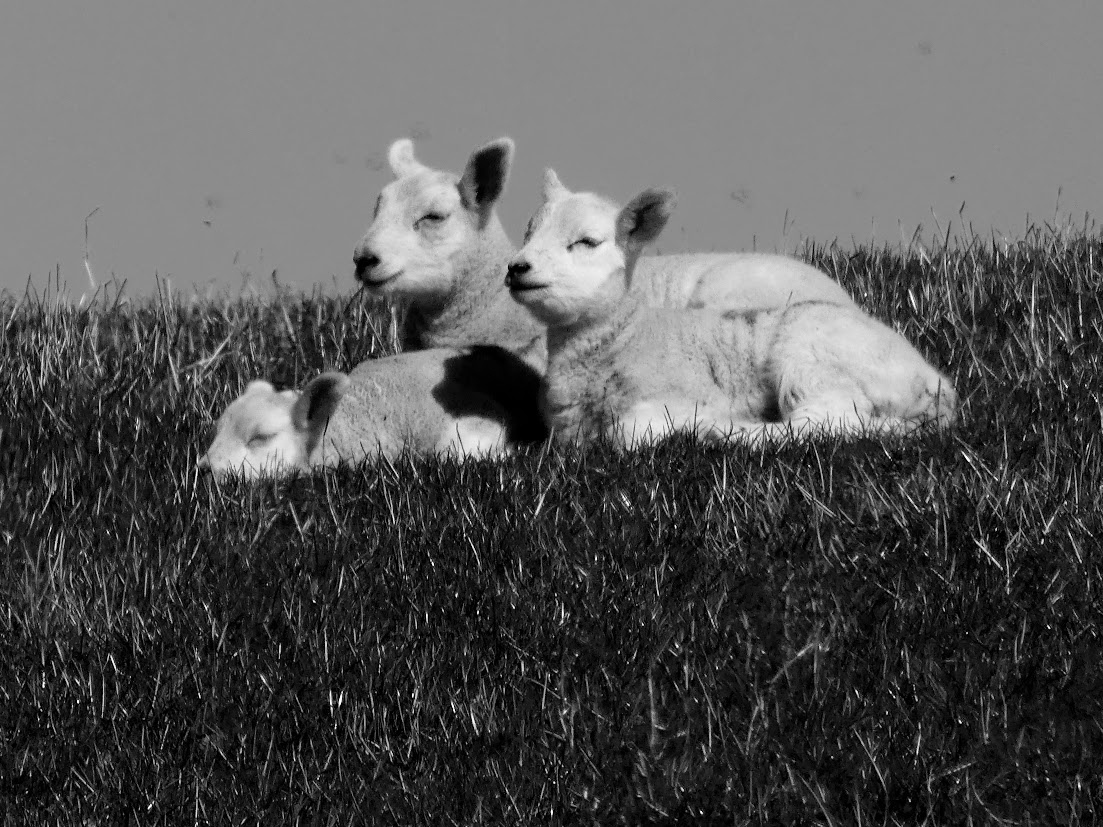
… and sheep …
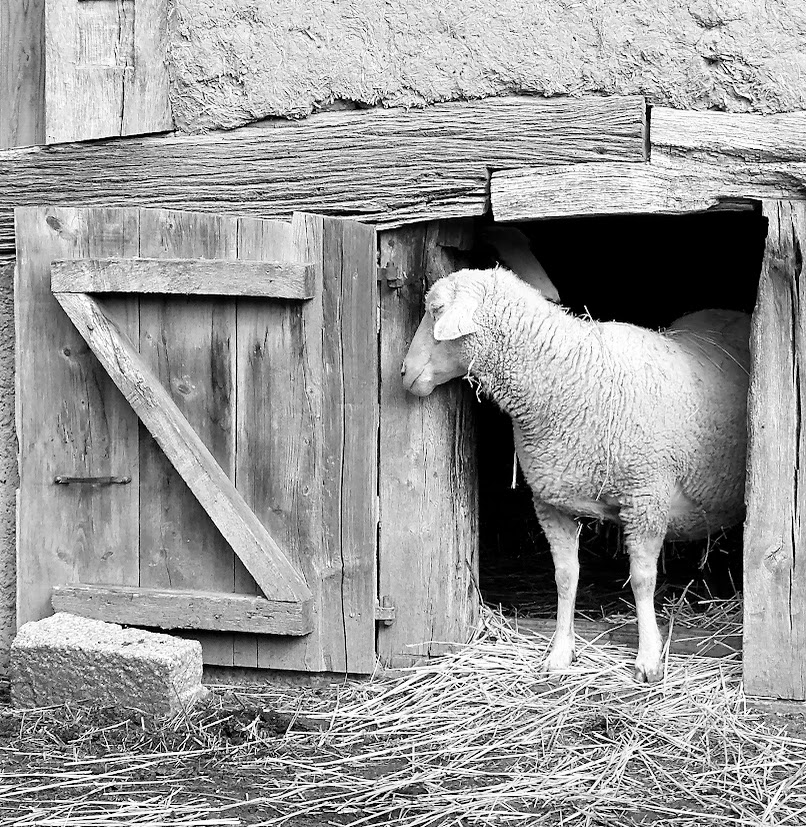
… and pigs …

… and a goat …
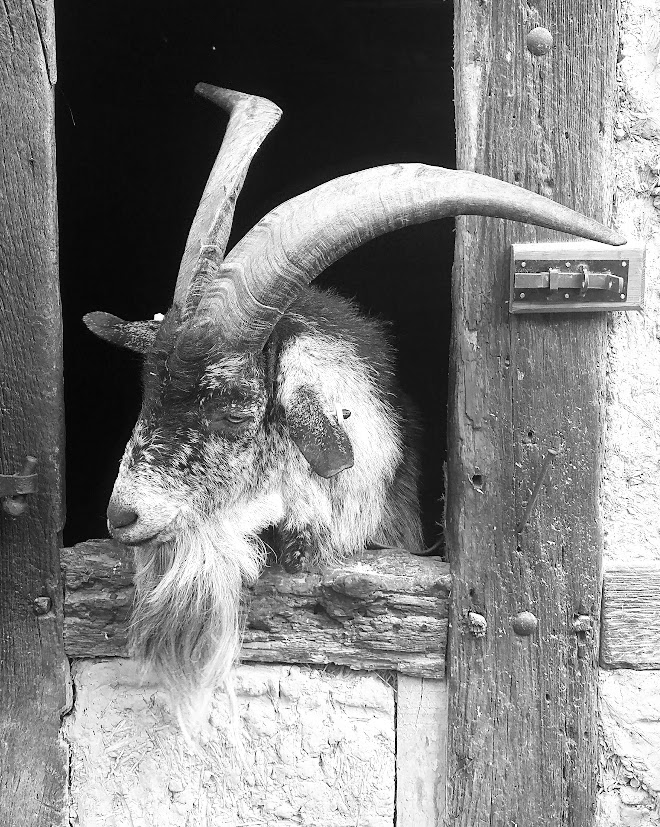
… and not forgetting donkeys. Not useful, but easy to love.
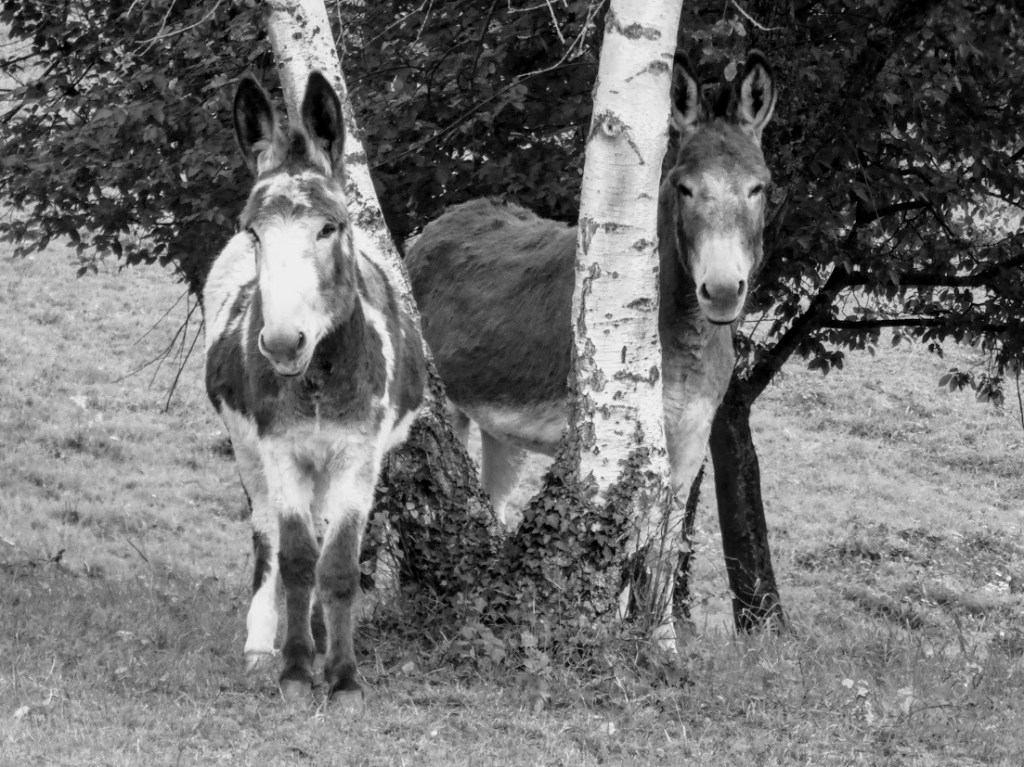
And here’s a little library of livestock to finish with.


For Leanne’s Monochrome Madness.
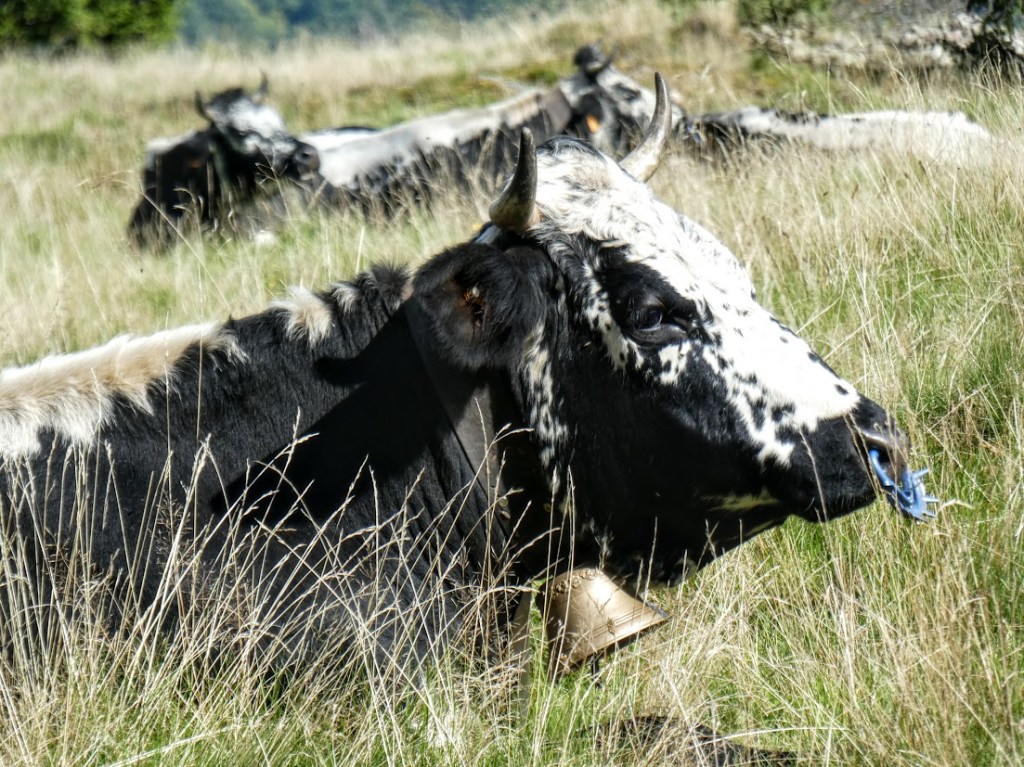
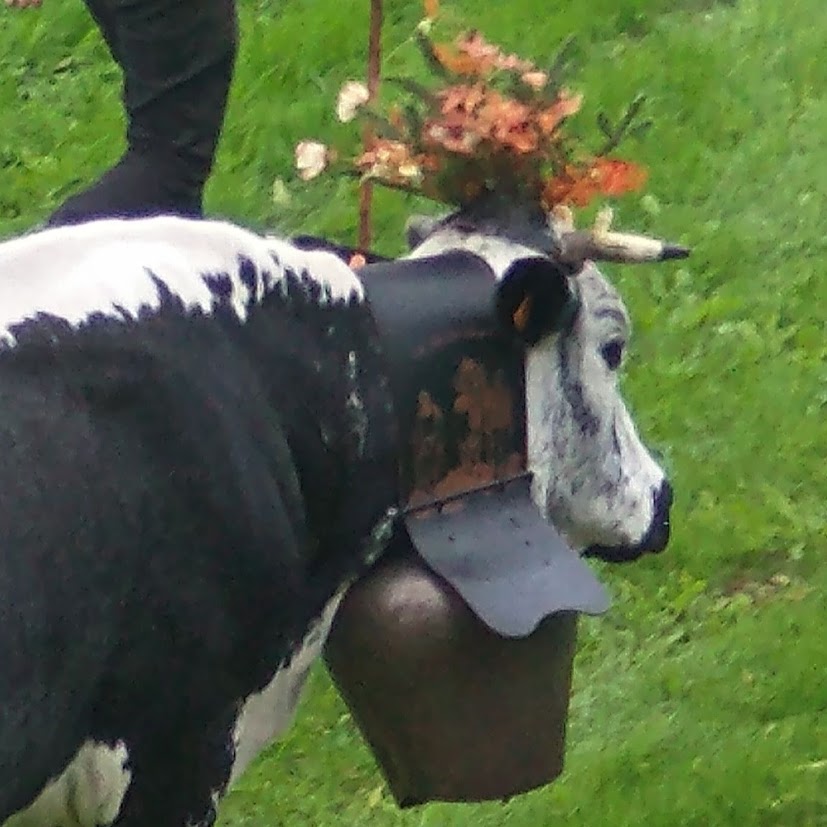
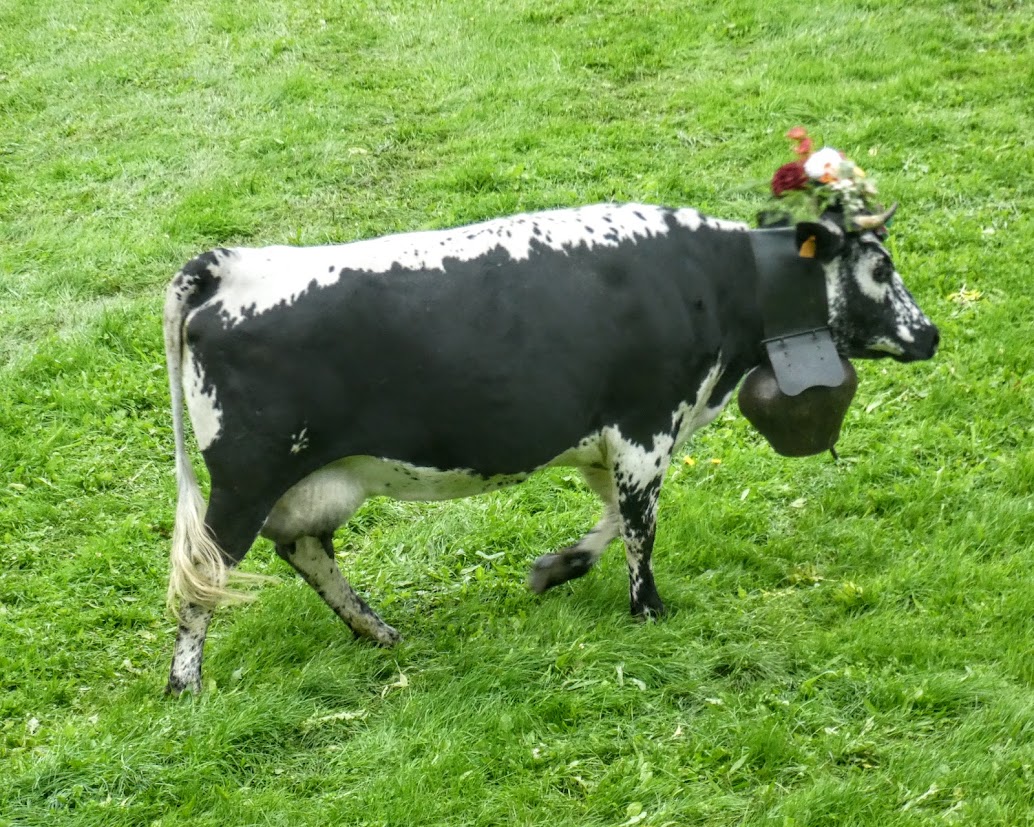
In my head, I’m still on holiday. In my head, I’m processing all the new sights and experiences of the last few weeks. Among those sights was the Vosgienne. A smallish cow, black and white with a pronounced white stripe along its backbone, it has short delicate horns. And you’ll find it – of course – in the Vosges mountains. Locals value its creamy milk in cheese production, particularly of bold-flavoured Munster cheese.
My header image is of one we saw on our trip to the Transhumance celebrations. I bet she was glad to get rid of that weighty cowbell. She’d have had one on her mountain pastures too, but it would have looked more like this one here:
We know that over in the UK you are battling with Storm Amy, so I’ll keep quiet about the fact that though it is raining here, it’s the only expected poor-weather-episode in our holiday. So we’ve decided to have an afternoon off, allowing me to send lots of postcards from the Fête de la Transhumance in nearby Muhlbach which we visited this morning, ahead of the deluge we’re currently experiencing.
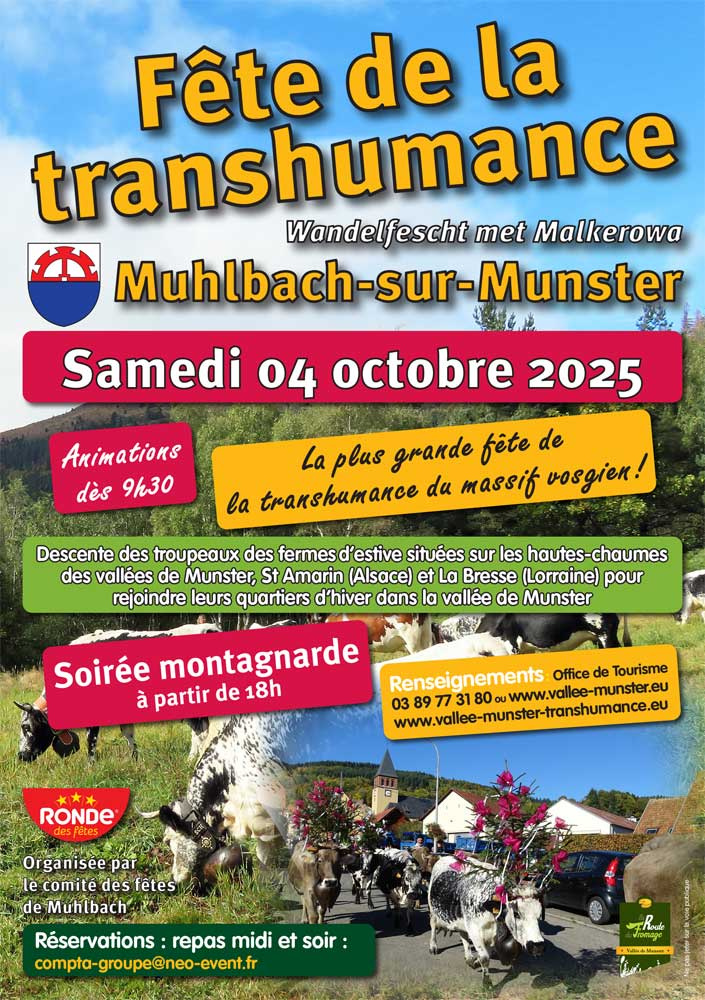
Transhumance is the practice of taking cattle to spend the summer grazing in the lush upland pasture, before bringing them back down to spend the winter in their home community, Both ends of the season are times of celebration, and here’s transhumance in Seix, from our days in the Pyrenees.
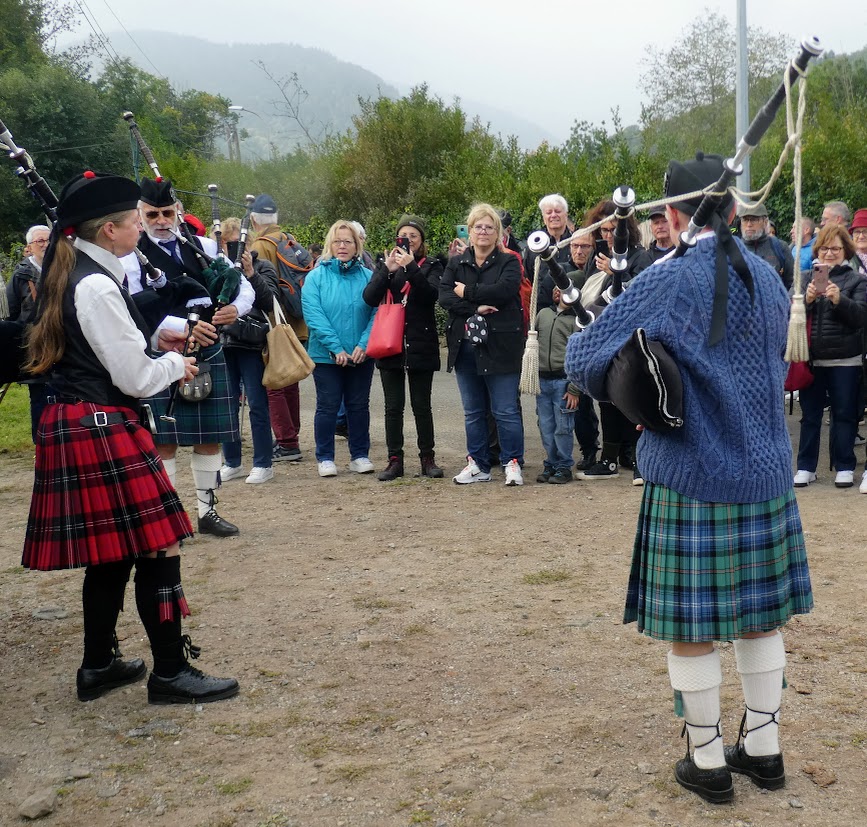
The first people we met after we’d arrived were a group of three people in kilts tuning up their bagpipes. We greeted them in French, then reverted to English, assuming they were Scottish. But no! They come from Strasbourg, speak not a word of English, but are Passionate about Bagpipes, and here they were, ready to play their cornemuses for everyone’s bemusement and delight.
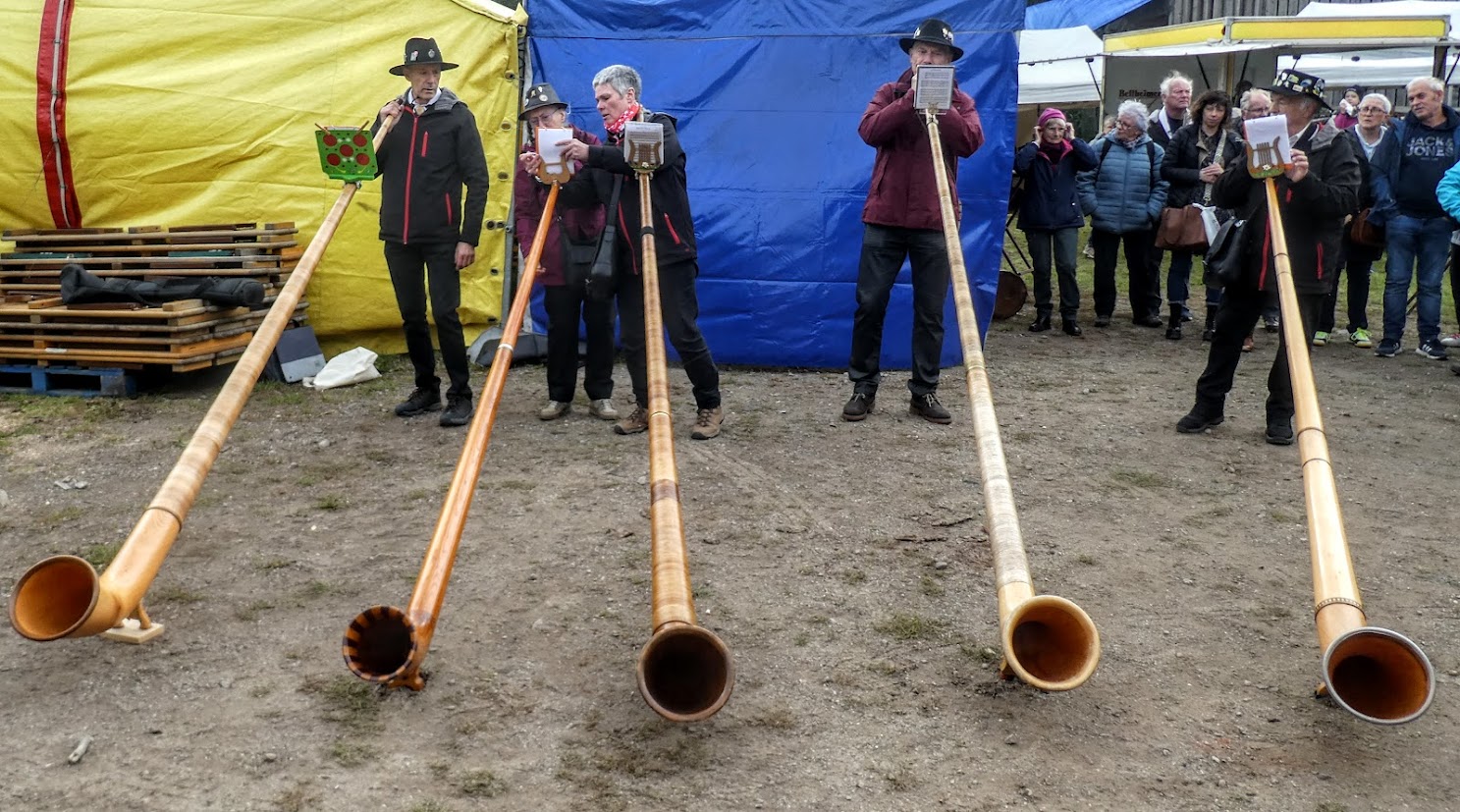
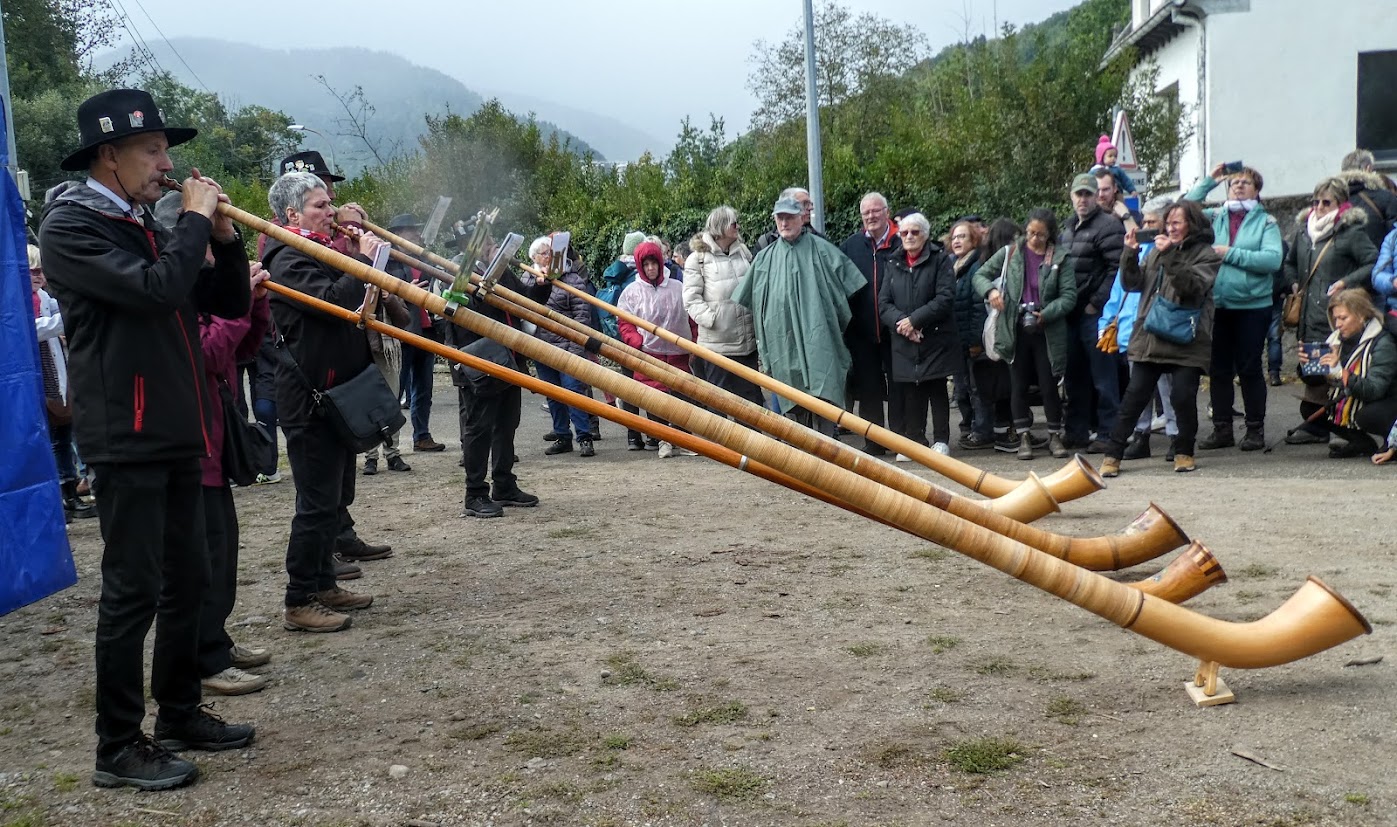
The Alphorn was originally used to call cattle. These days it’s the province of musical folklore enthusiasts and there were several bands of them playing today.
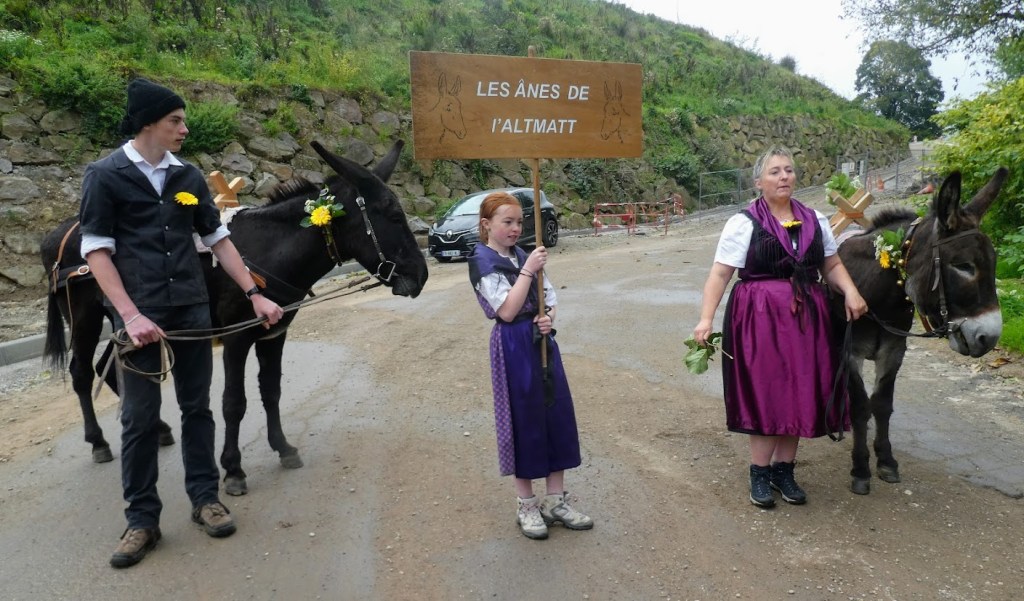
Then it was off to visit the donkeys who would be part of the procession of cattle (Don’t ask. No idea why).
On our way up to view the procession we found the tractor that carried so many of the cowbells the animals wear when in their summer pasture, to keep tabs on them.
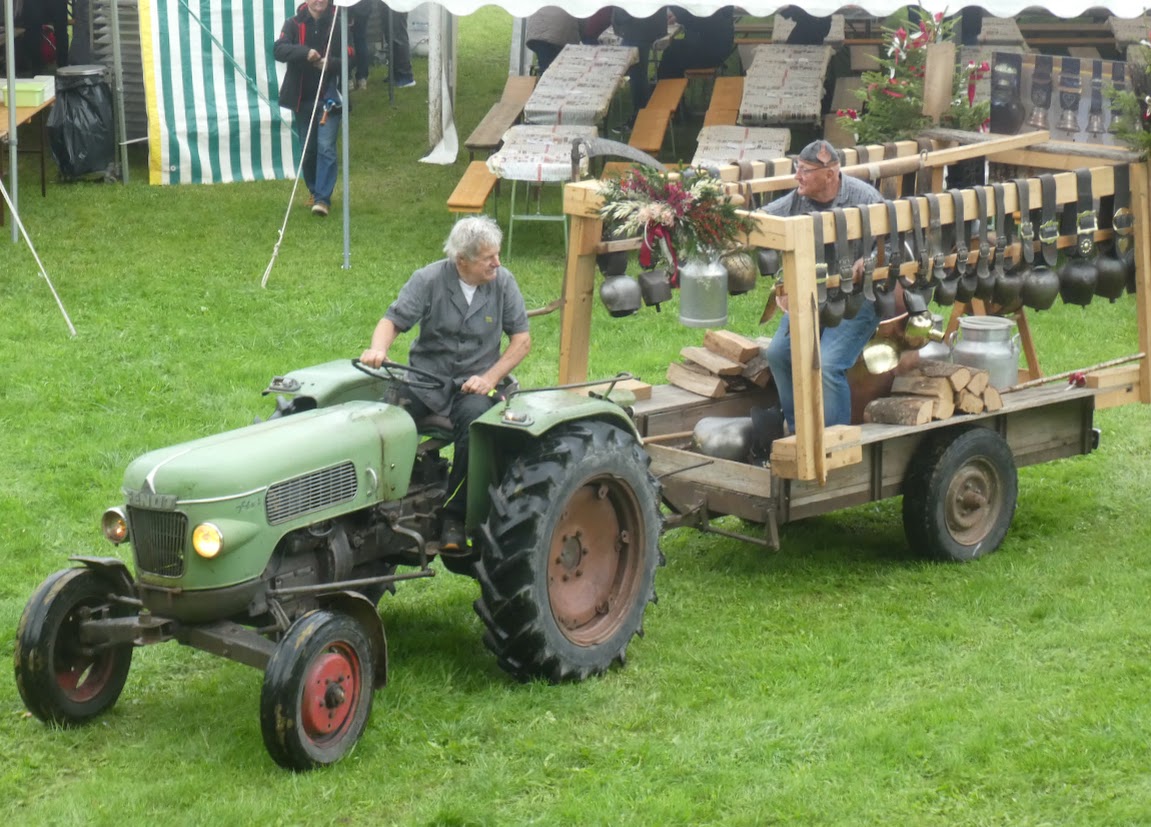
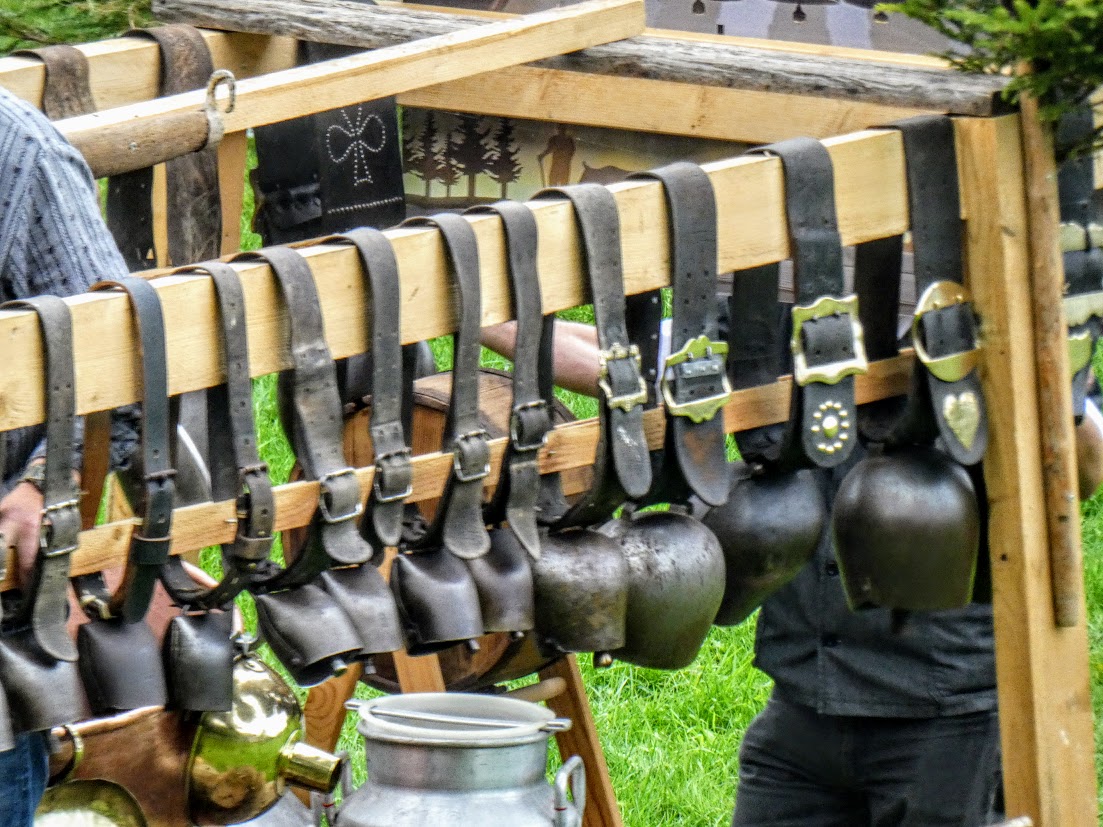
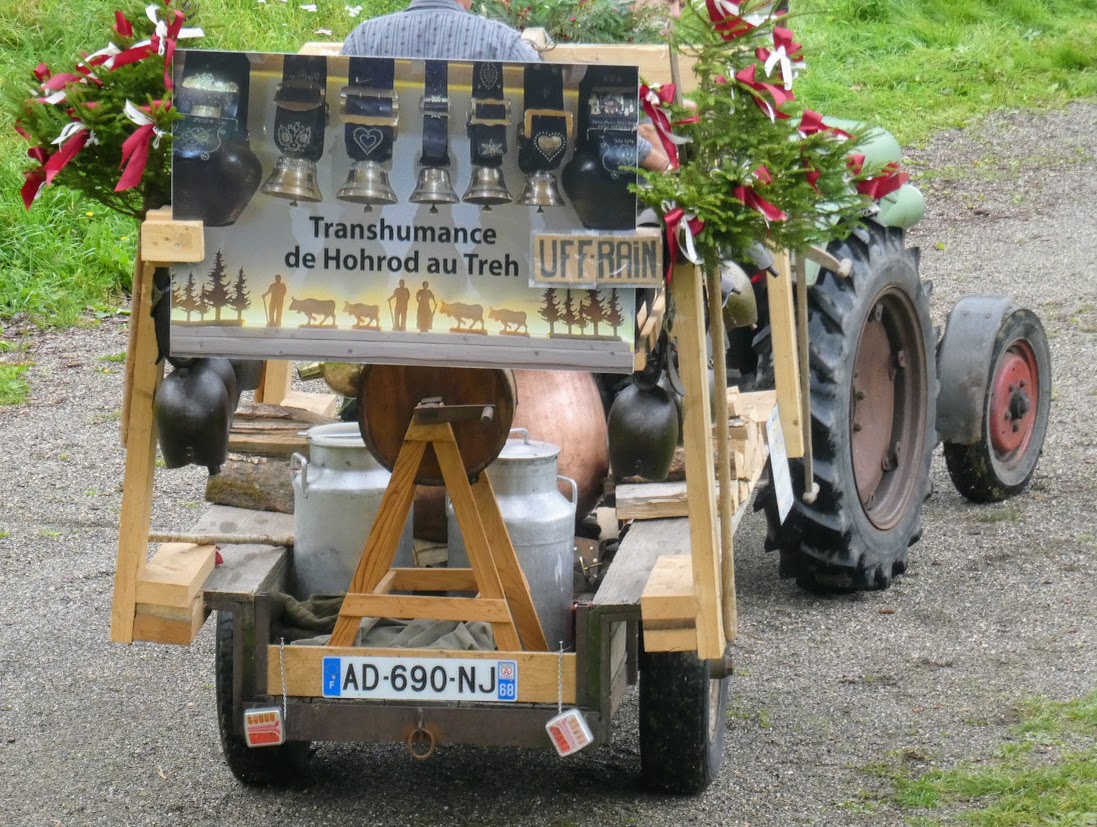
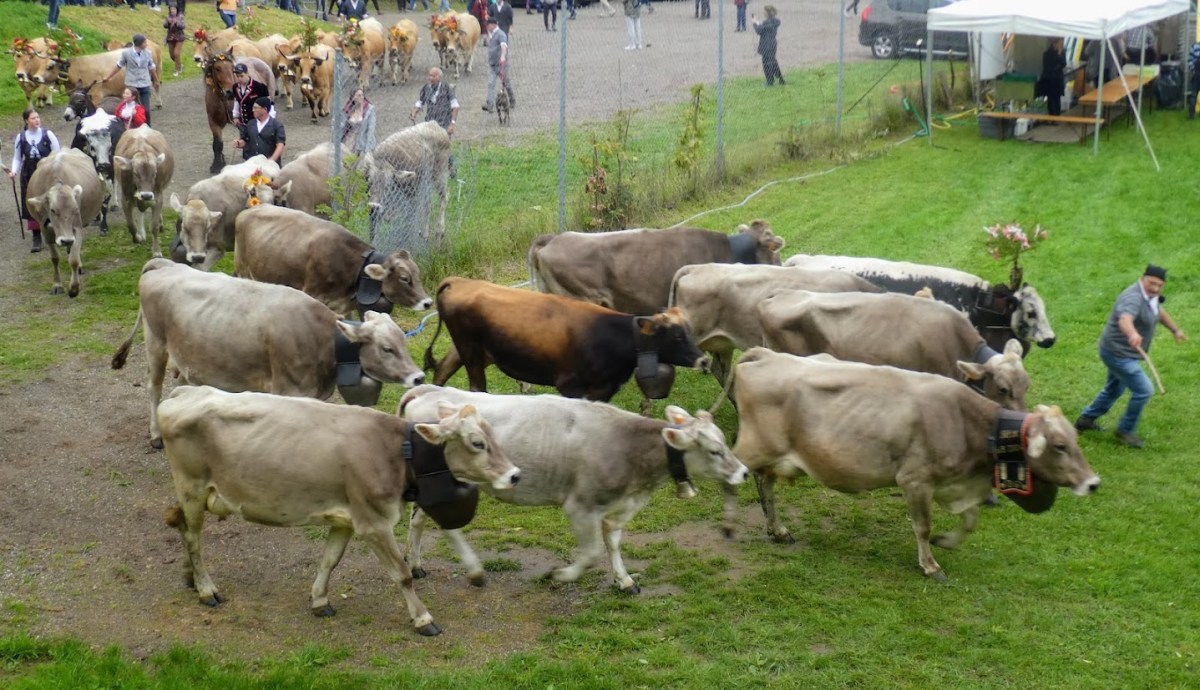
Then finally, we could hear all those cowbells clanging away, announcing that the cows were on their way. In truth the cows weren’t happy, and many of them skittered nervously about. I don’t know how much the leading cows enjoyed their fancy headdresses either: but they didn’t complain. By now it’ll be over, and they can forget all about it till next spring, when they’ll be off up the mountain again.
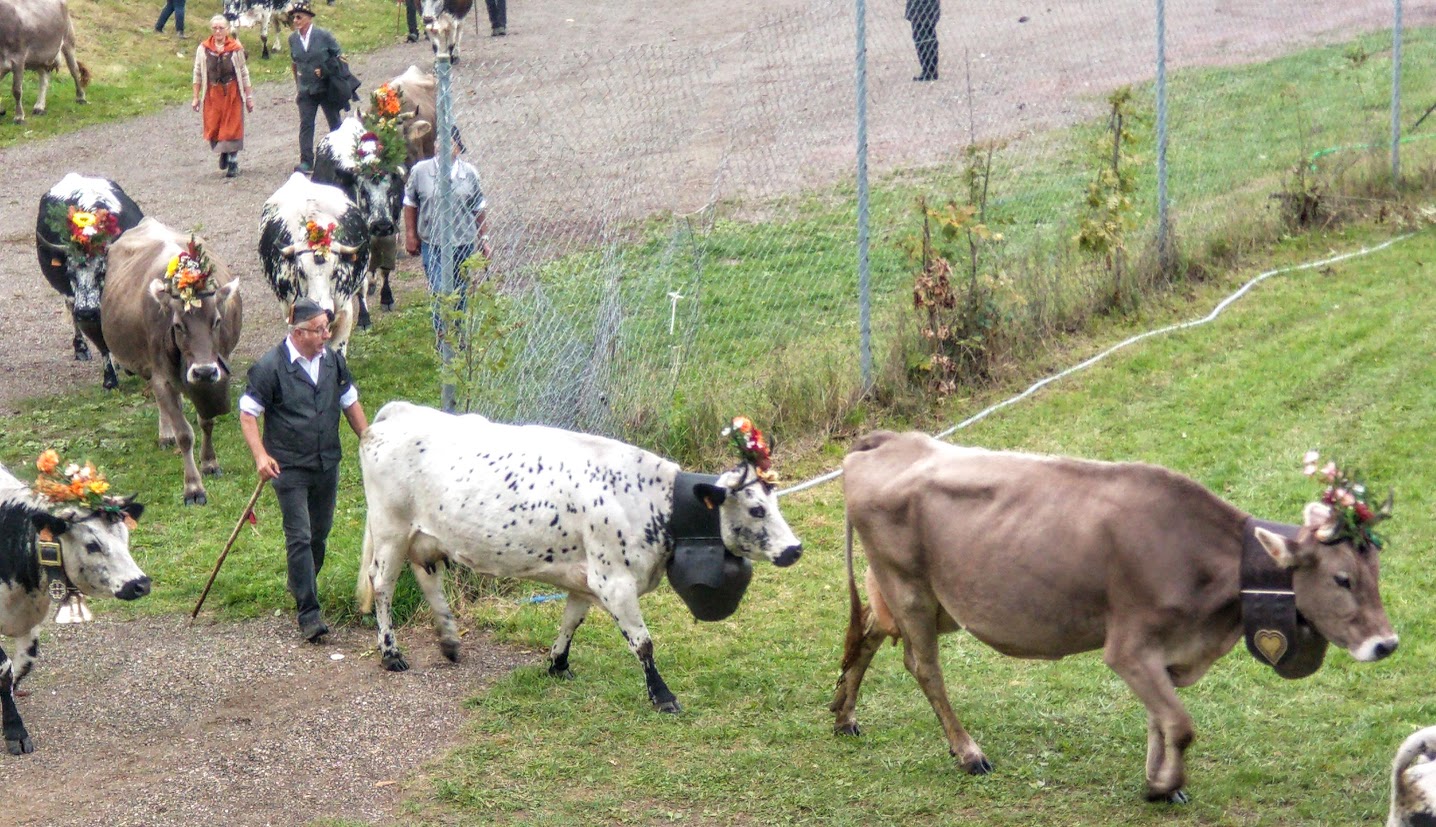
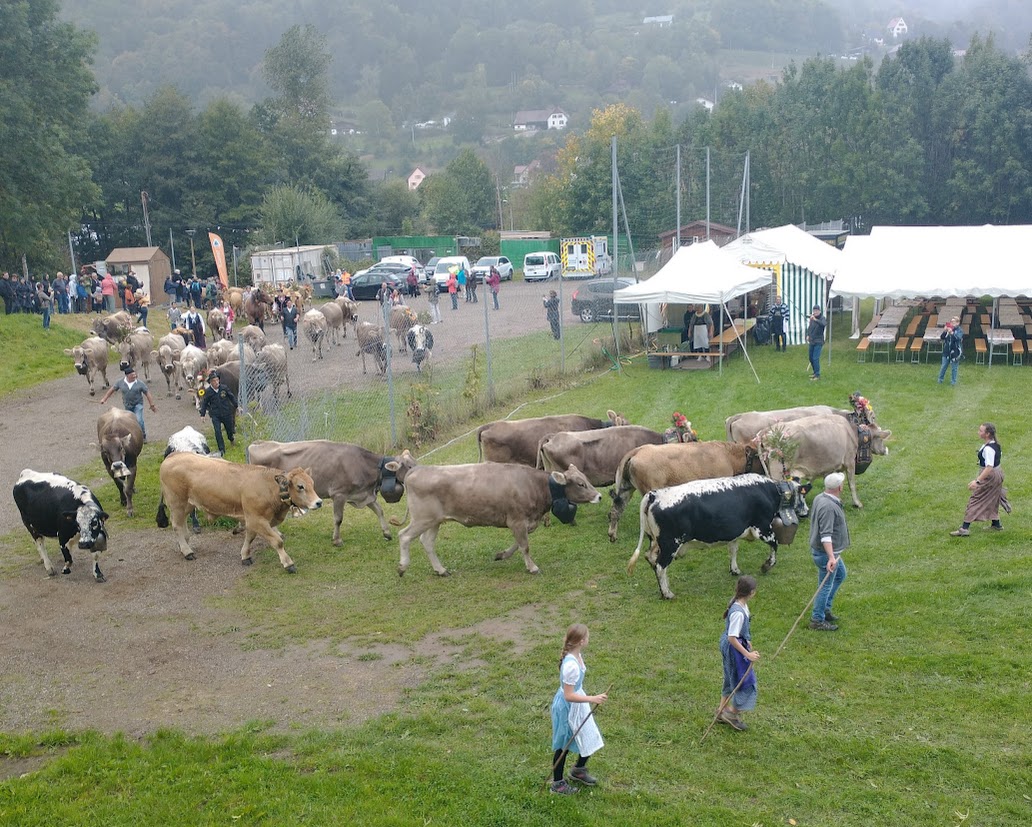
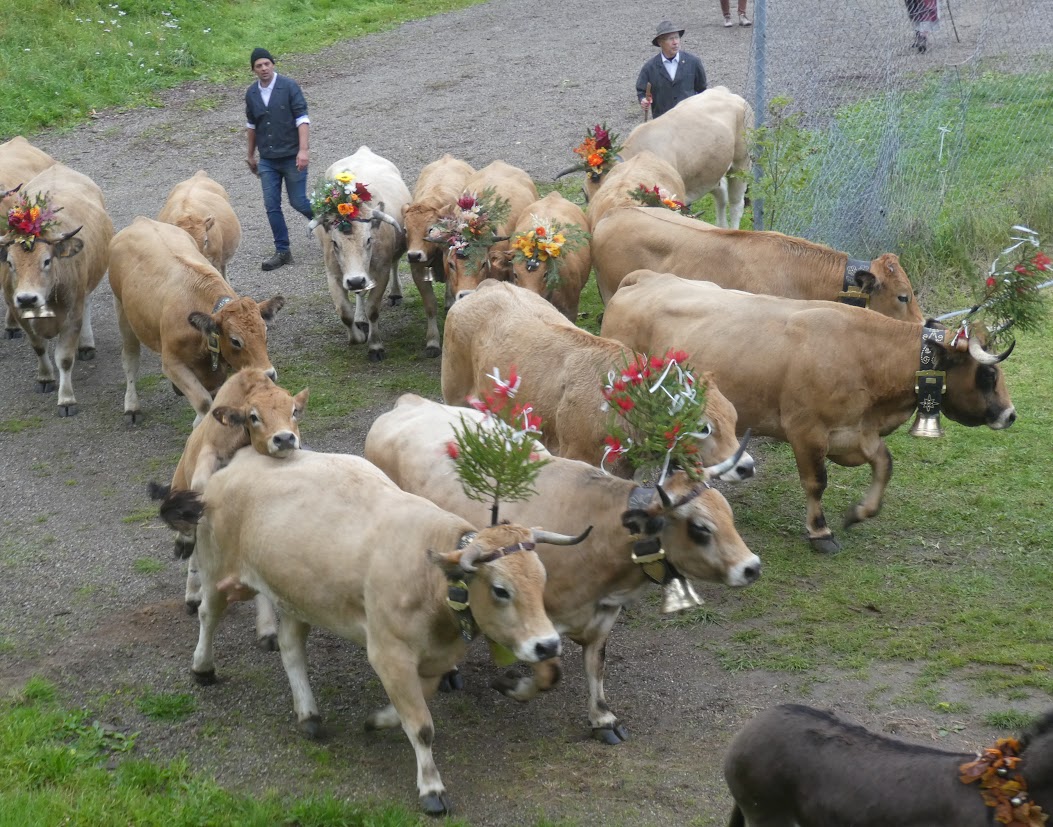
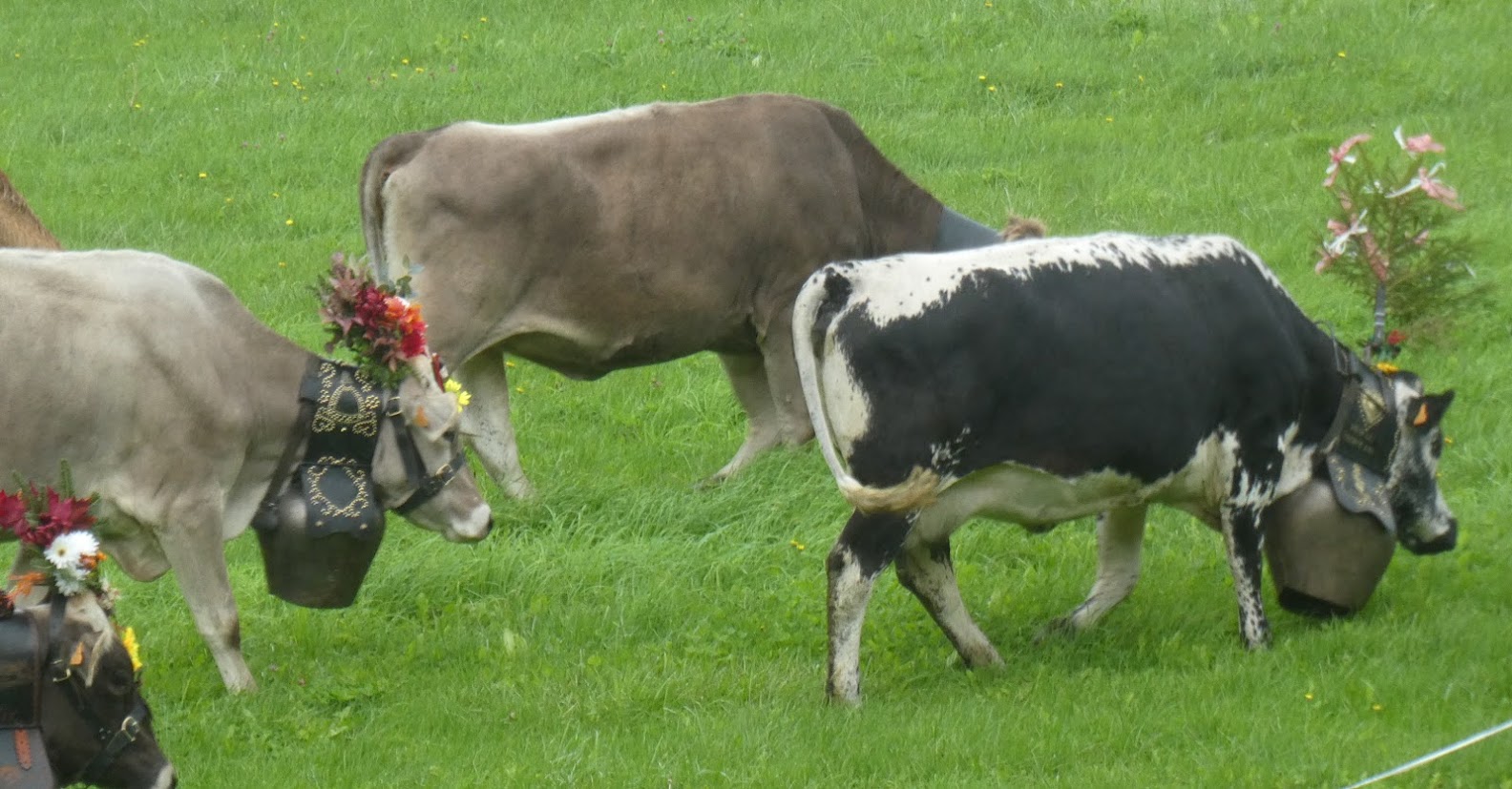
We didn’t stay for the highpoint of the event for many of the locals, the large communal meal, thankfully under canvas. But before we went, we looked round the market: local cheeses, sausage, sweetmeats – cowbells too.
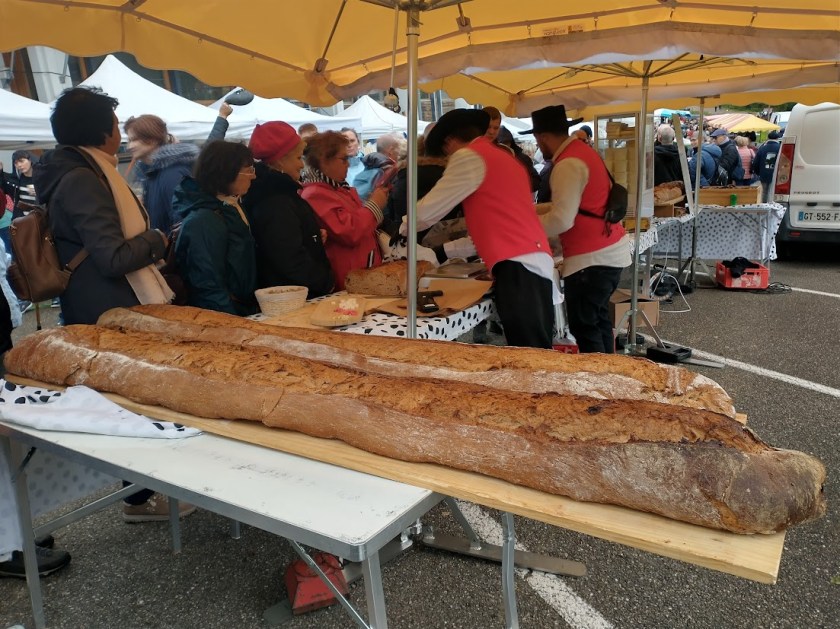
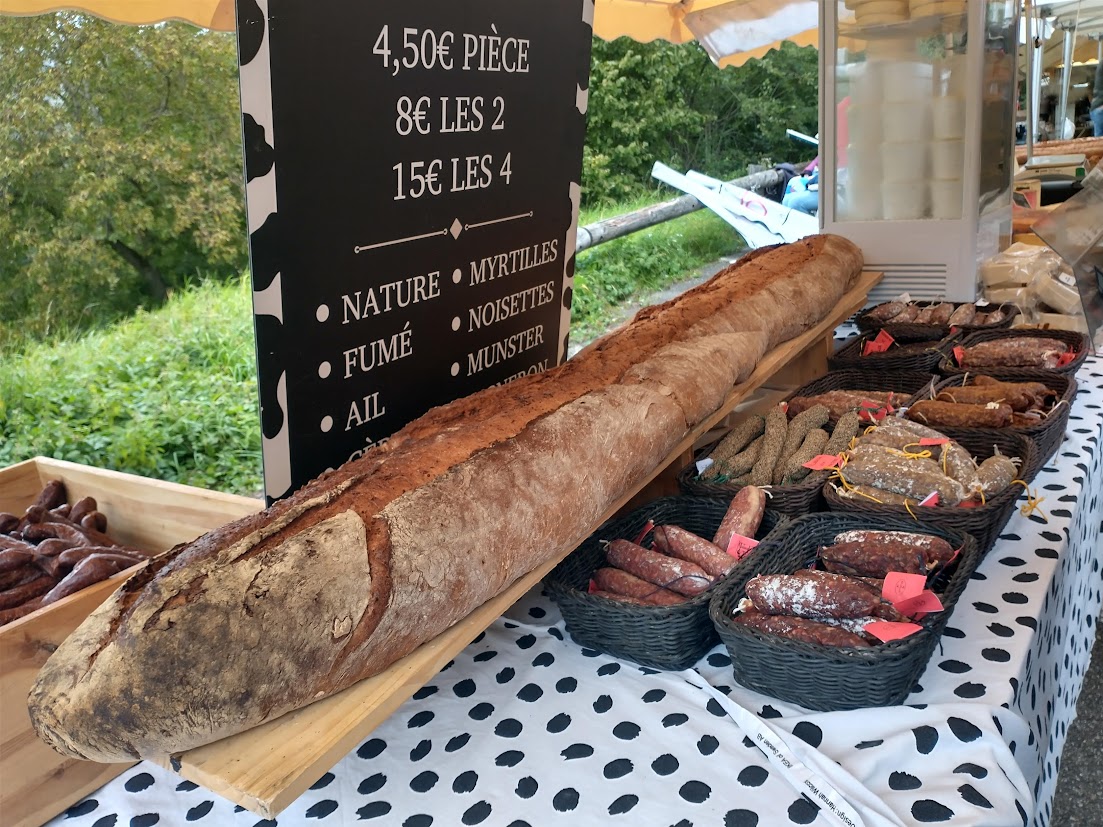
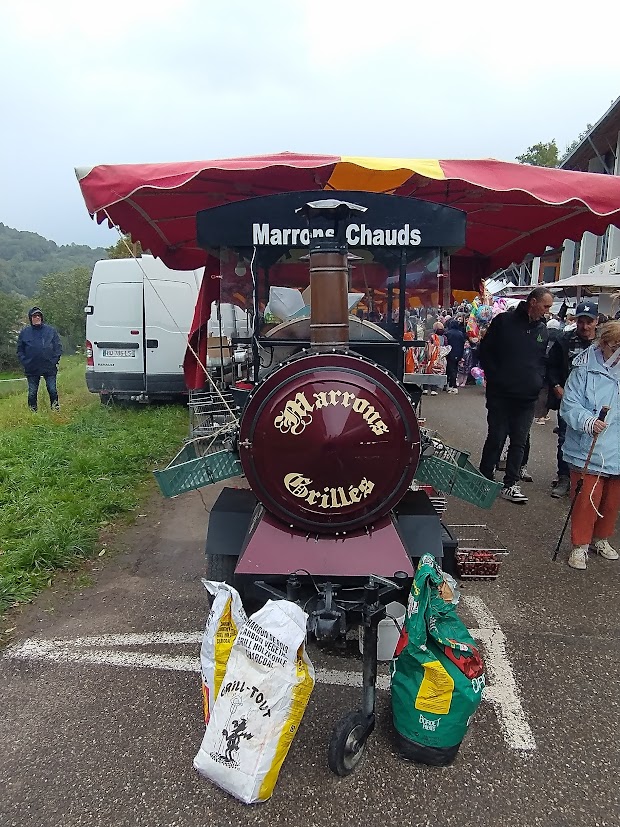
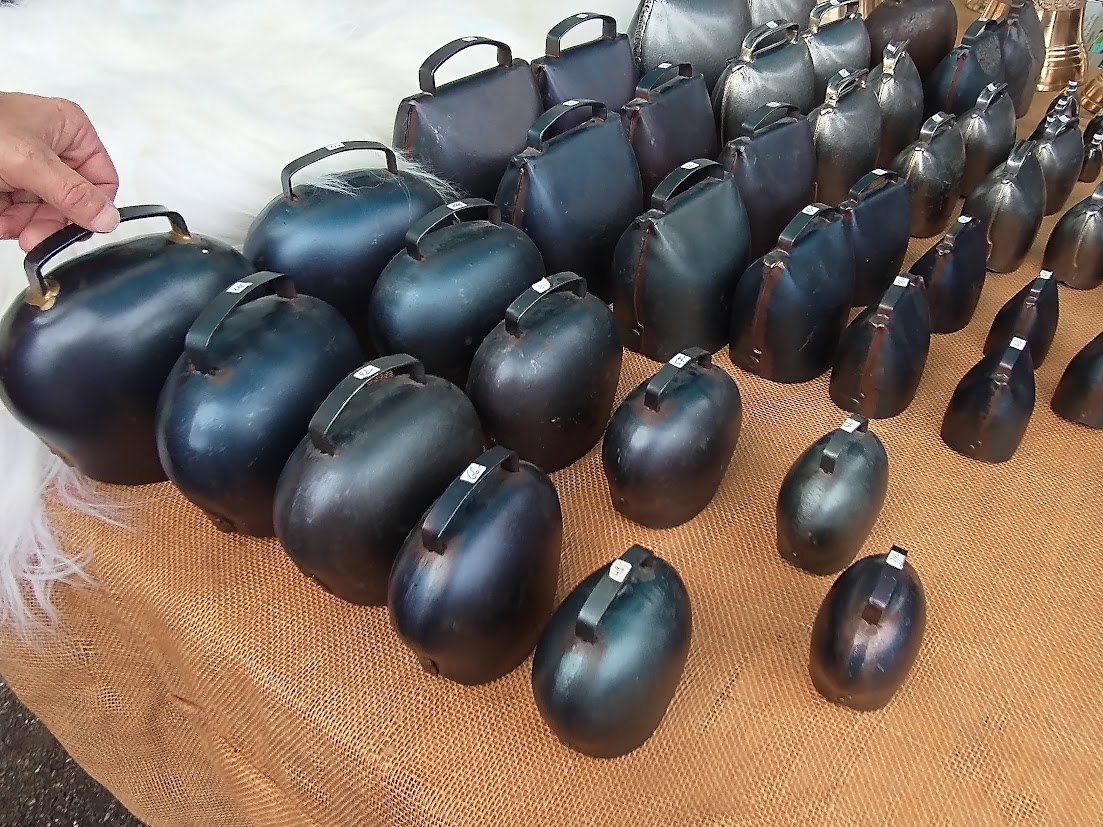
And as we were leaving, something else extraordinary. A procession of people, each holding a large cowbell, which they knocked on each knee alternately as they walked forward, producing a rhythmical cow-bell-dirge. Ouch! Poor knees!
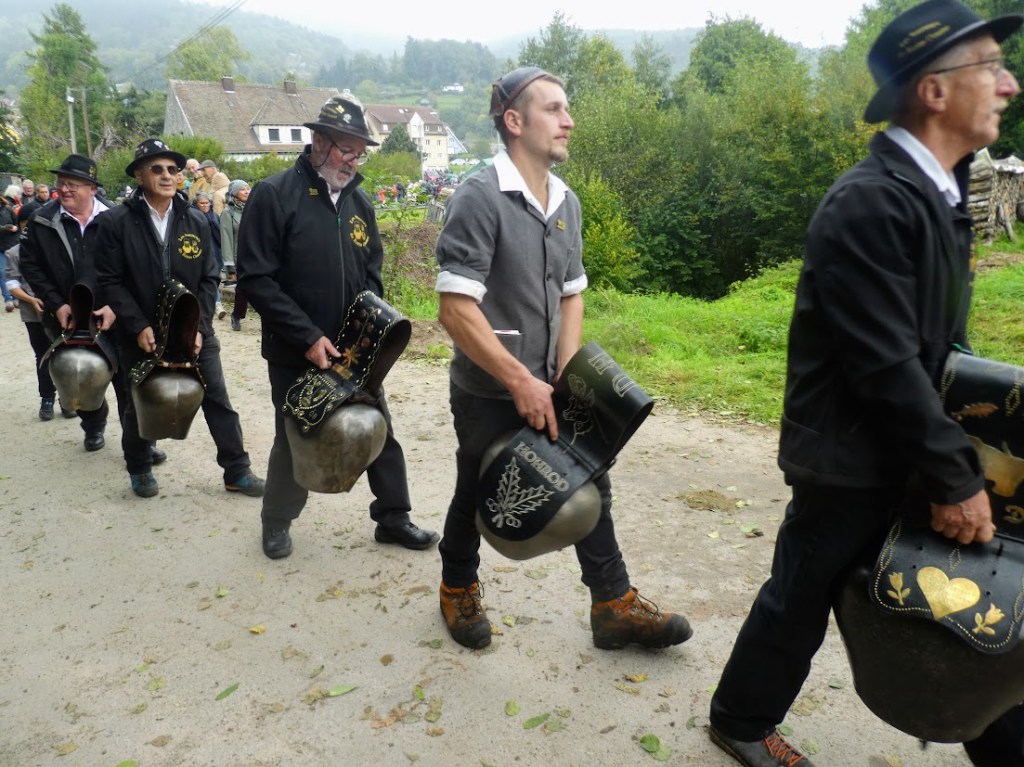
After yesterday’s experience at Colmar, which was Tourist Central, jammed with visitors (like us …) it was good to be at a local celebration: crowded to be sure, but almost exclusively with locals, many of them chatting away in Alsatian, which is widely spoken here, particularly among the older generation.
We feel as if we’ve properly arrived here now.
P.S. WP’s AI suggests the following tags: technology; art; cats.
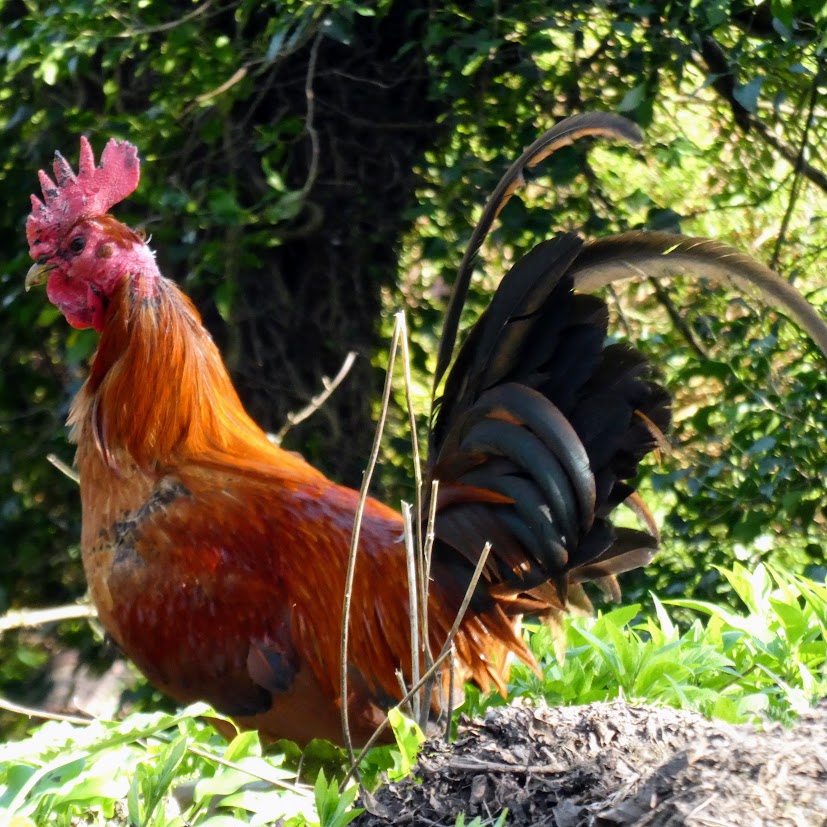
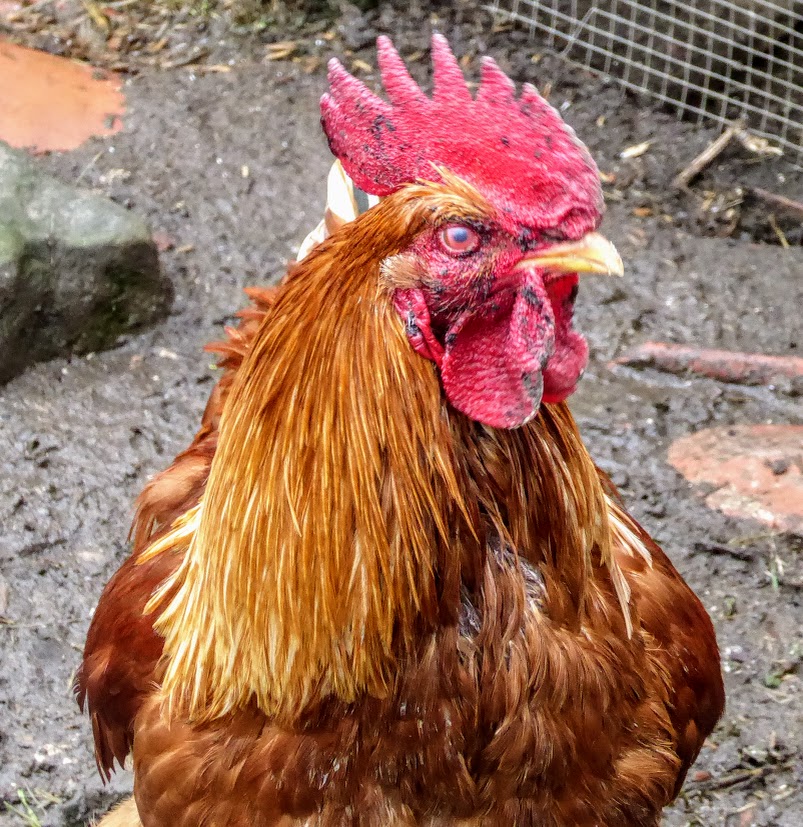
Ever-confident cocks today. You might argue that they’re orange-ish rather than red, but those wattles and combs tell a different story.

For Becky’s #SimplyRed Squares.


You must be logged in to post a comment.