A dog whose owner had parked up near the station looked us up and down through the open car window, then changed his mind, and looked up the street instead.
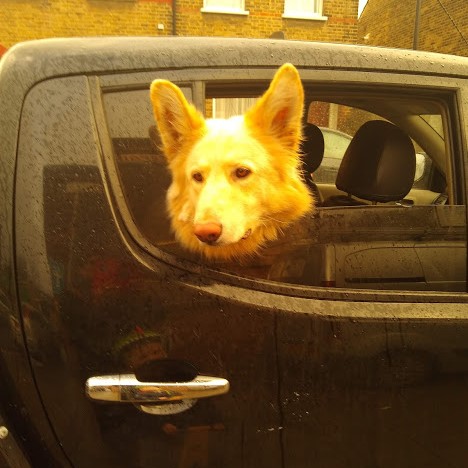


A dog whose owner had parked up near the station looked us up and down through the open car window, then changed his mind, and looked up the street instead.
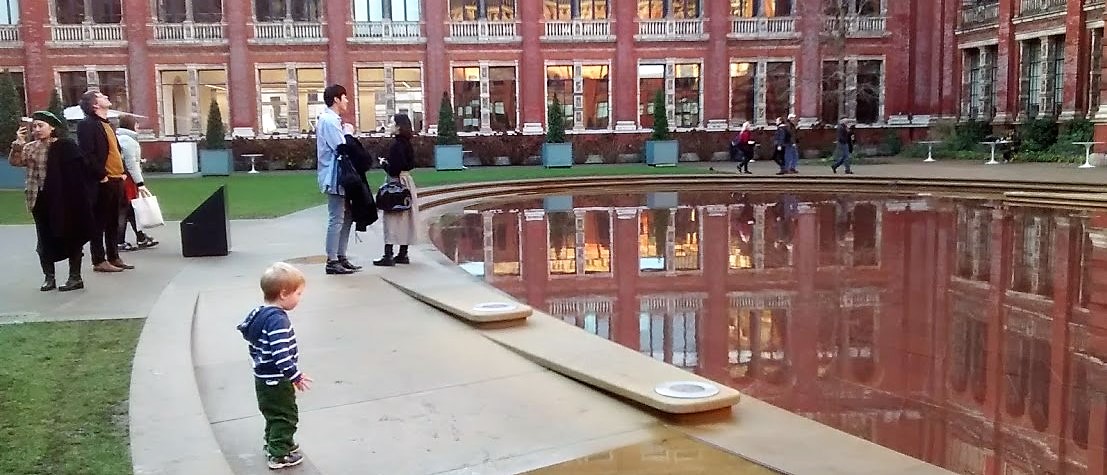
… of the V&A Museum, in London …
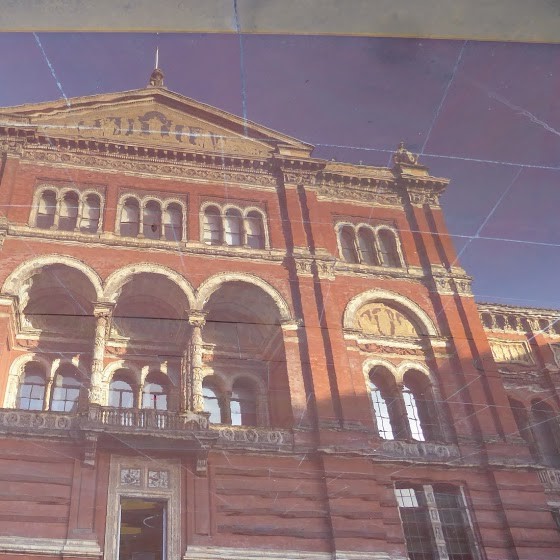
… because the image above is upside down.
This is what I really saw. Its reflection in the lake at the front of the building. But I up-ended it.
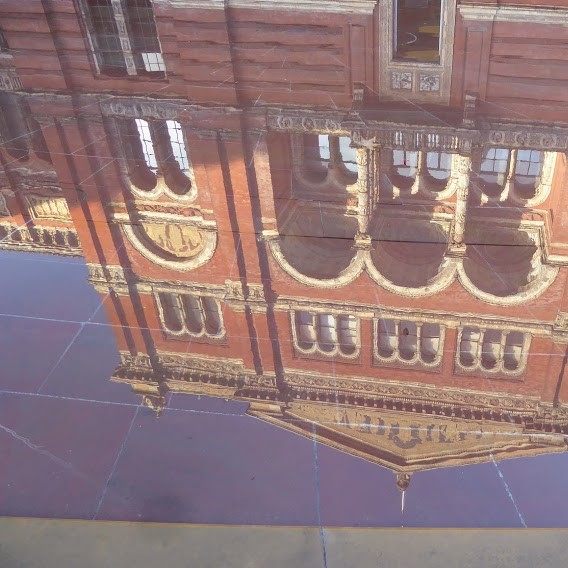
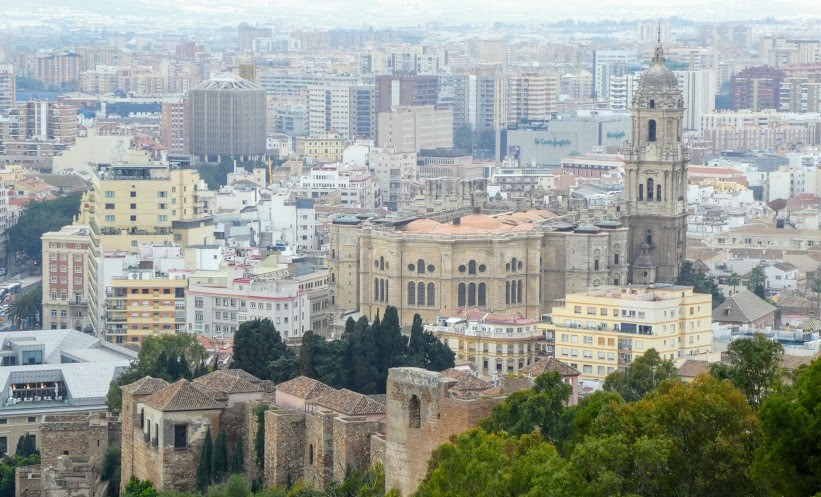
This time last year we were in Málaga. Would you like to have a look at the town centre? Here you are.
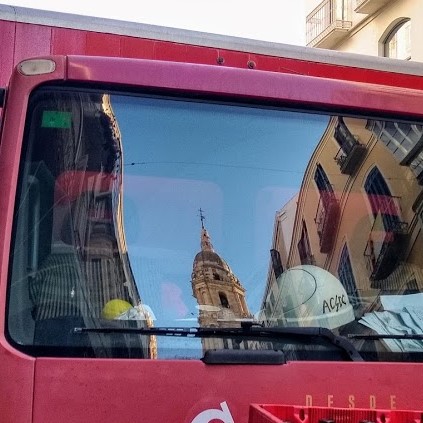
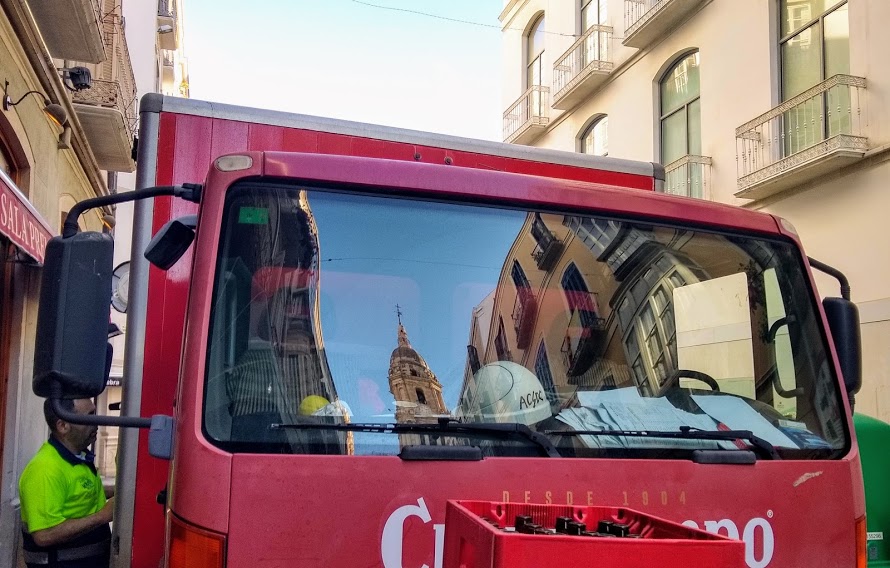
This image is a bit up-and-down-and-all-over-the-place. That’s because it’s a reflection in a delivery van’s window.
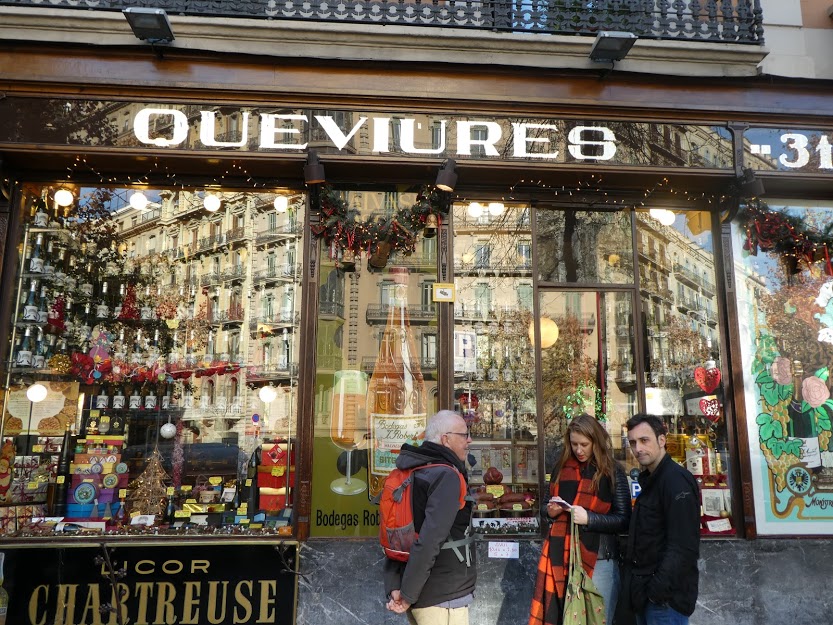
This time last year, we were in Barcelona to spend Reyes – the Festival of the Three Kings, and traditionally a bigger deal than Christmas (Presents! From the kings!) – with Emily’s Catalan family. Here we are outside what’s considered the best grocer’s shop in town, all gussied up for festive shopping.
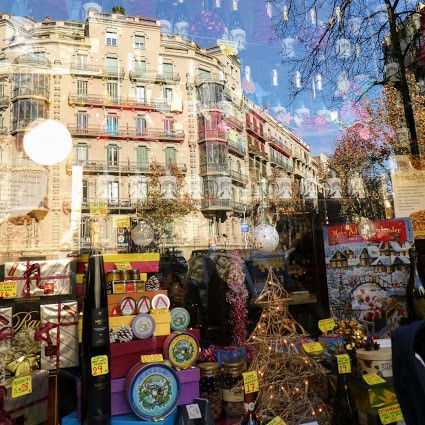
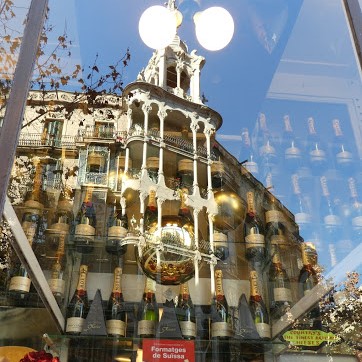
If you think I’ve muddled up my photos: well, the shop window did that, by reflecting the street scene as well as allowing us to see the goods on offer.
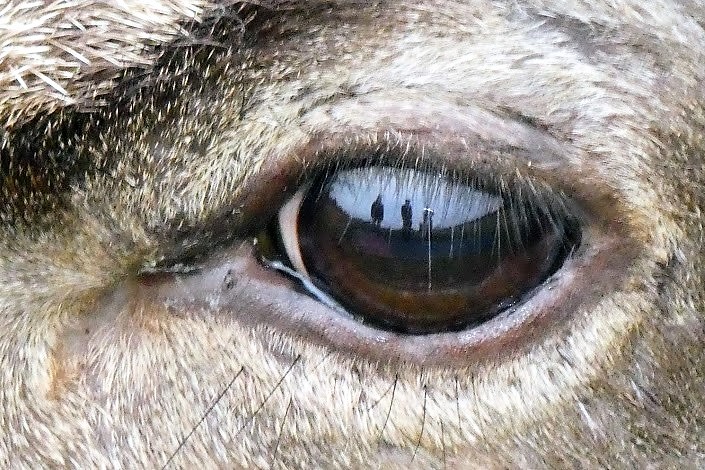
It’s been a strange Not-Quite-Christmas – in our case quite an enjoyable one, and today I’m going to offer a Not-Quite-Monday-Window. Why not? Eyes, it’s said, are the windows to your soul, and we saw plenty of eyes when we visited Knole Park the other Christmas with Team London. Those eyes belonged to some rather over-friendly sika deer. I’m not clear about whether deer have souls, but they they certainly provided a different sort of window through which we could remember our visit. Here’s a picture of me with my son and his son, as seen through the eyes of a passing deer.


There’s this blogging challenge doing the rounds. I don’t know where it started, but it’s already made a showing with Brian at Bushboy, with Su at Zimmerbitch, and then yesterday morning with Andrew at Have Bag, Will Travel. And he invited me to be next.
This is how it works. Person Number One posts a different travel picture on ten consecutive days. And on each of those days, they ask a fellow-blogger to join in too. So on Day Two, Persons One and Two post a picture, and each invites another person to join in. On Day Three …. you get the idea. I can’t fathom how to do the maths, but it seems to me it wouldn’t take long for a million people to be involved. Any ideas about the numbers involved, anybody?
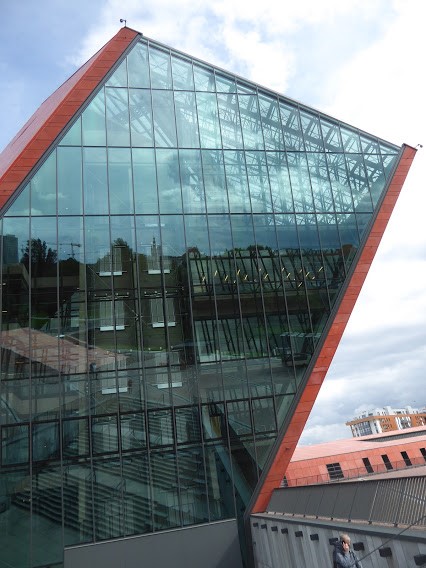
So I’ll post a photo each day for ten days. No comment, no strapline. If you want to guess where it is, tell me in the comments, and I’ll reveal the answer the following day. As today is a Monday, we’ll make the shot one of a window. I think this one’s quite hard.
Who next? Life … One Big Adventure. Do you fancy joining the party? No pressure if you’re not interested. Please link to me if you do decide to join in, just so I know.
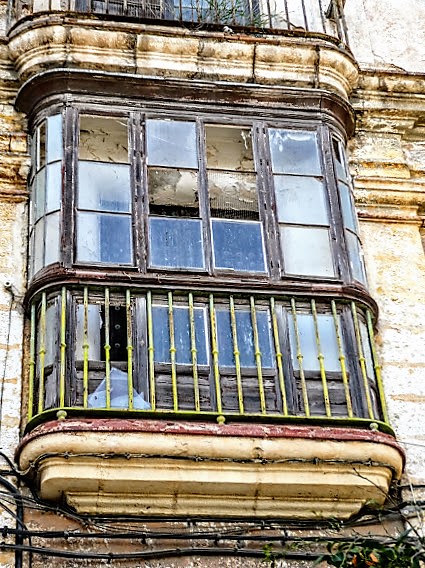
Tomorrow, for our regular Tuesday Day Out, we’re taking (another) trip to Cádiz. We’re going to spend time near the sea and pop to a couple of places in town. But today I want to take you instead to Plaza de España. Here is a handsome house in a handsome area. But now it’s down on its uppers. No longer smart, it’s still extremely characterful. I thought it deserved its fifteen minutes of fame.
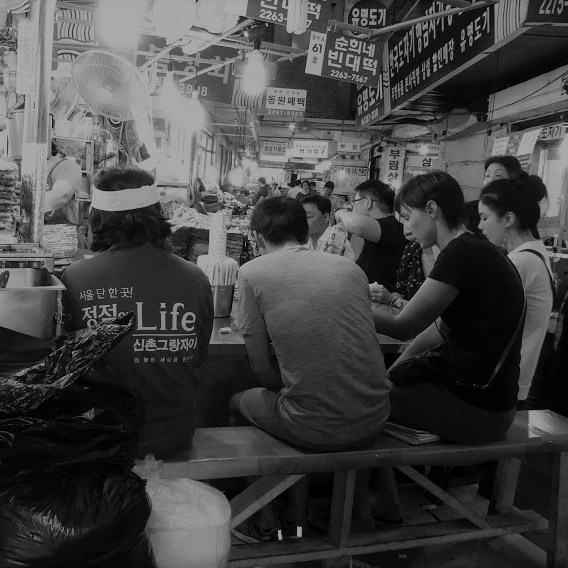
Today I’ve decided on a virtual visit to South Korea, a country we visited four years ago when our daughter was working there. I’m not – on the whole – going to take you to national monuments this week. We could go on the metro – there’s a station in the featured photo, just as clean, high-tech and efficient as you probably expected. Some metro stations are so extensive that you have to catch a train from one platform to the next when you need to change lines.
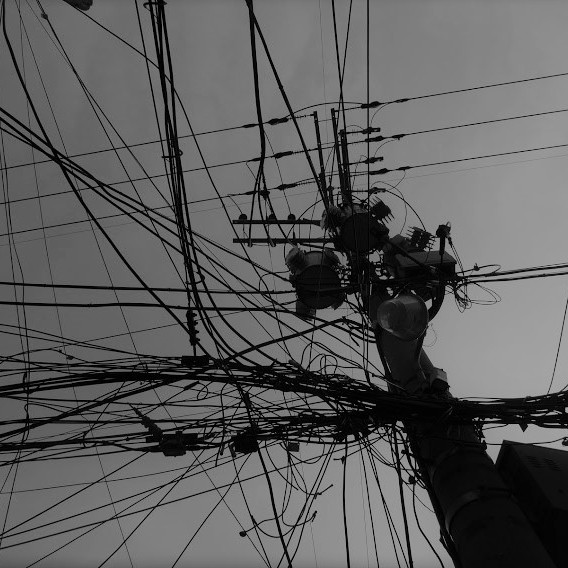
Let’s walk the streets of Seoul, where the very first thing that will strike you is the astonishing tangled knitting that is the overhead electrical wiring. We could visit the market area. Whole streets are devoted to the sale of just one product – rubber bands say (yes, really!), electrical wiring, cardboard packaging … or even spam. Since the Korean War, Americans – and spam – have enjoyed an enviable reputation. In a country where western tourists are still not all that common, we often profited from being thought of as American. In among all these workaday offerings are spacious and elegant jewellery shops – whole department stores devoted to nothing but that. We popped into one – and popped right out again.
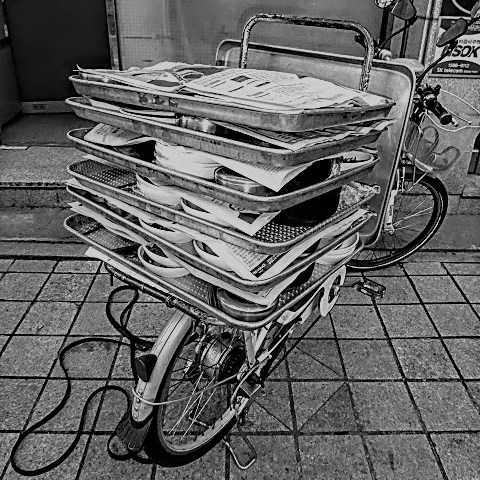
Towards lunchtime, we could peer into tiny kitchens, and watch meals being prepared, packed up, and stacked onto trays. They’ll be delivered to workers in shops and offices on bikes, or on the heads of purposeful delivery women, who’ll later collect the empties.




But let’s glimpse through a window from in one palace, at least: Seoul’s Changdeokgung Palace. You can read a short account of the troubled history of South Korea’s cultural heritage here

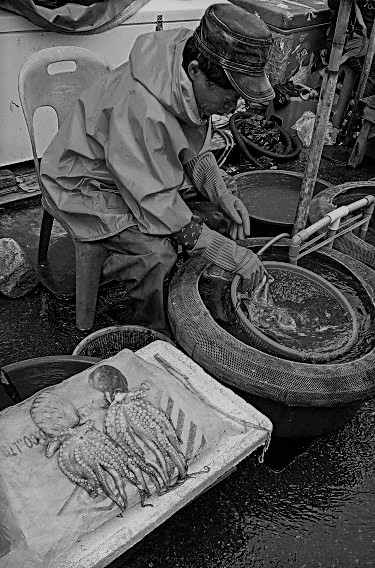
And now let’s travel south to South Korea’s second city, Busan: a coastal city and port, and Emily’s home for that year. It has one of the biggest fish markets in the world, Jagalchi Fish Market. You’ll rarely see anywhere so many fish gathered together in one place – I posted about them here.


I’ve a feeling I may have an occasional South Korean season coming on, and maybe next time in glorious technicolour. Thanks to Sarah at Travel with Me for putting the idea into my head, and to Jude, whose photo challenge this week constrains us to think of the urban environment. Country Mouse hasn’t been to town for weeks,

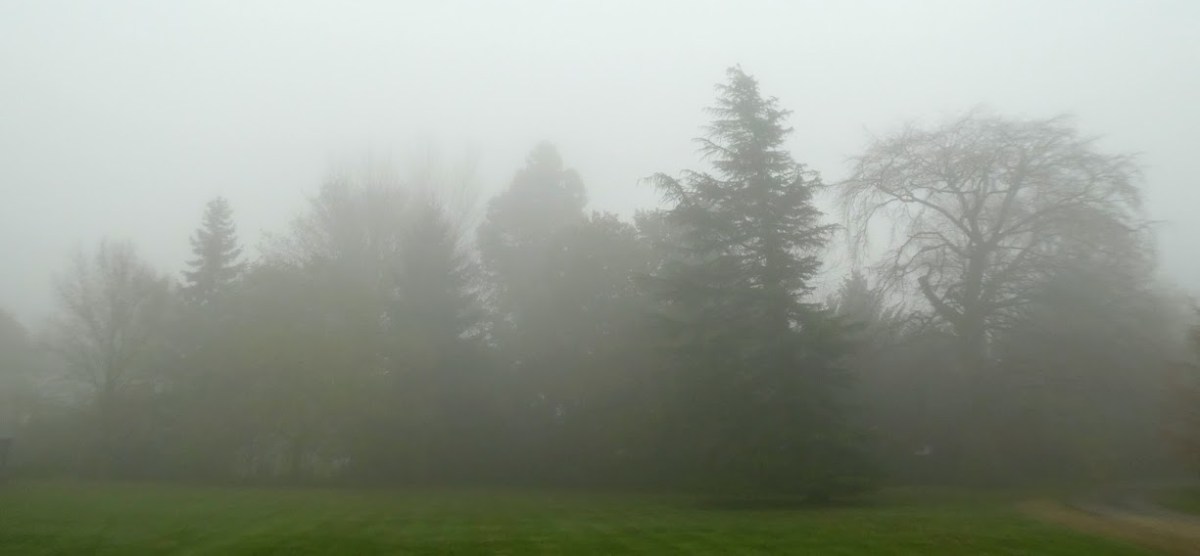
… yesterday in fact, I woke up to this.
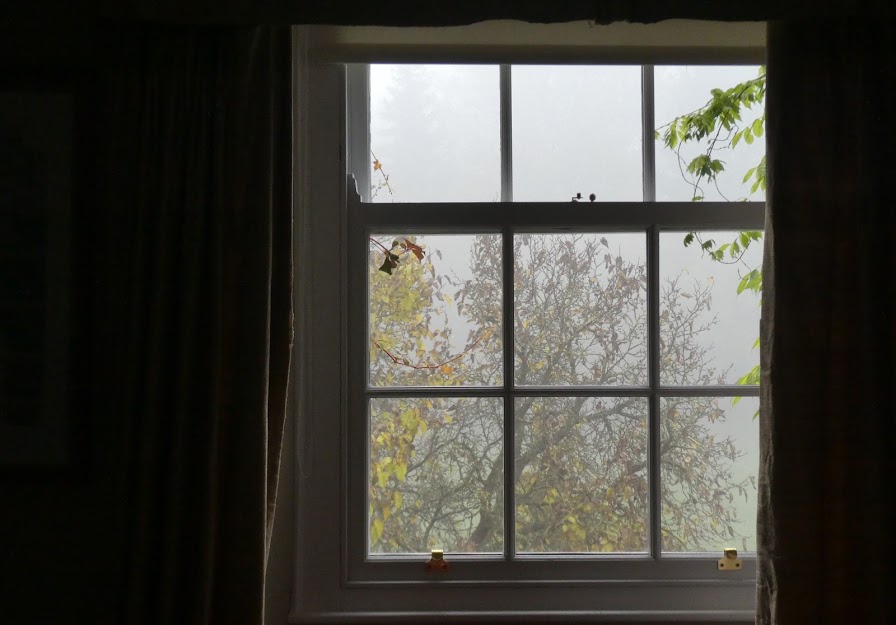
It’s the same window I showed you last Monday, but now November mist has descended. I went downstairs. This.
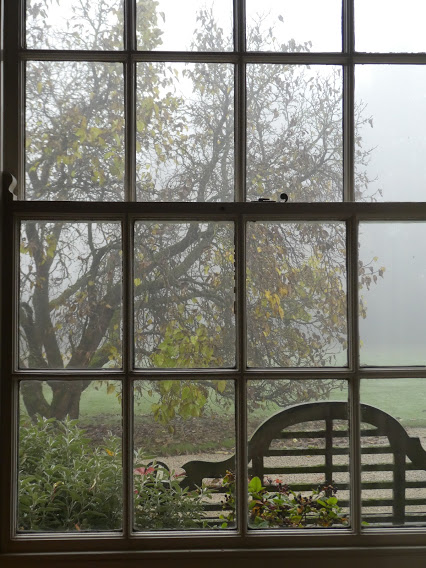
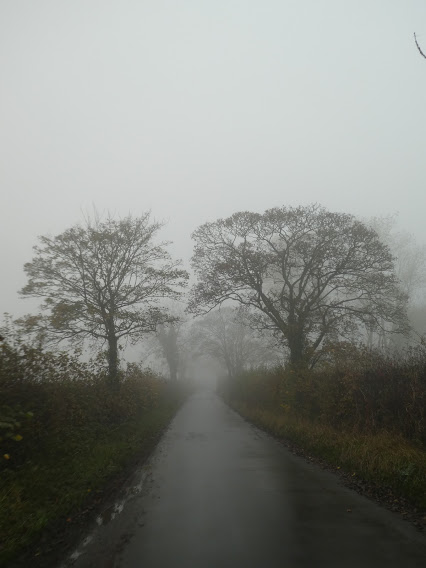
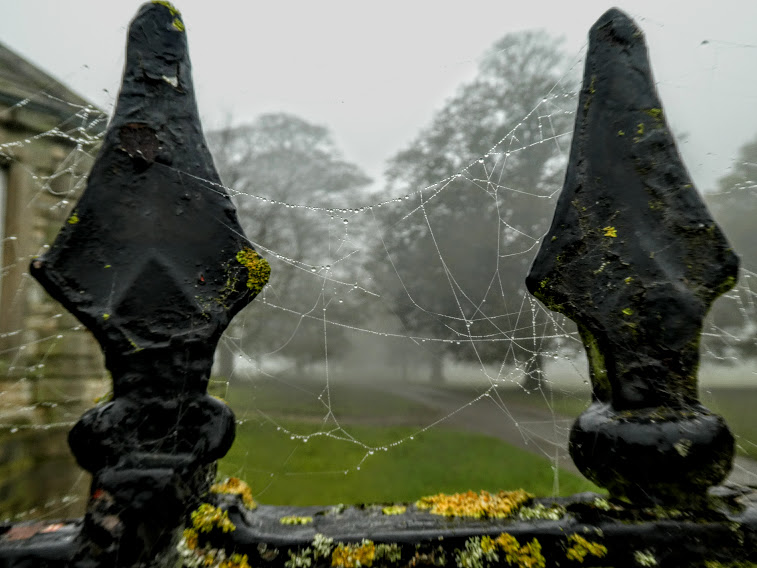
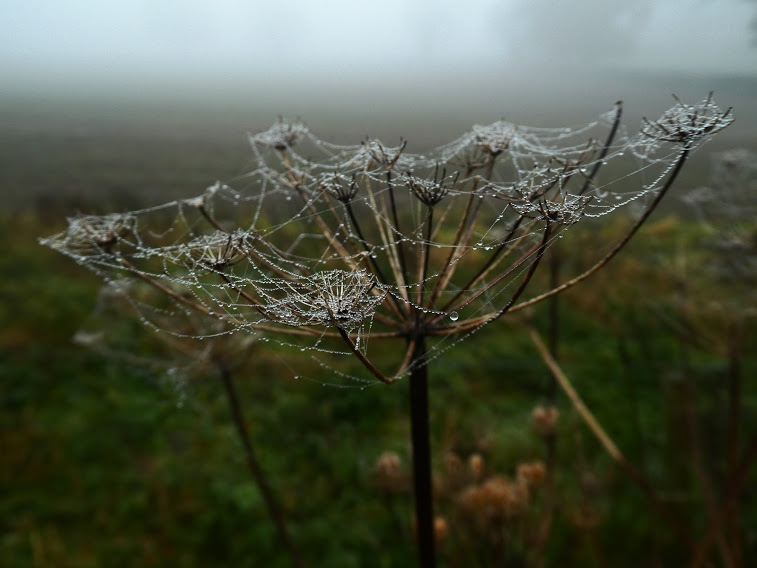
It wasn’t raining. It wasn’t particularly cold. What’s one of the Commandments of Lockdown? ‘Thou shalt exercise daily’. So I did. I took my camera, and explored the local lanes: familiar sights blotted out, as others loomed out from the general obscurity. At just 11 o’clock, I stopped, just for a while: it was Remembrance Day. I heard what a rarely notice as I walk – the constant undertow of birds murmuring and chittering on more distant shrubs and trees. It reminded me of John Lewis-Stempel’s book – Where Poppies Blow. This wonderful account examines the restorative role of nature to those soldiers confined to the trenches in the First World War. For just a fleeting instant, this was a moment I could share with them. Except I came home to a glowing wood-burning stove and a hot cup of coffee.
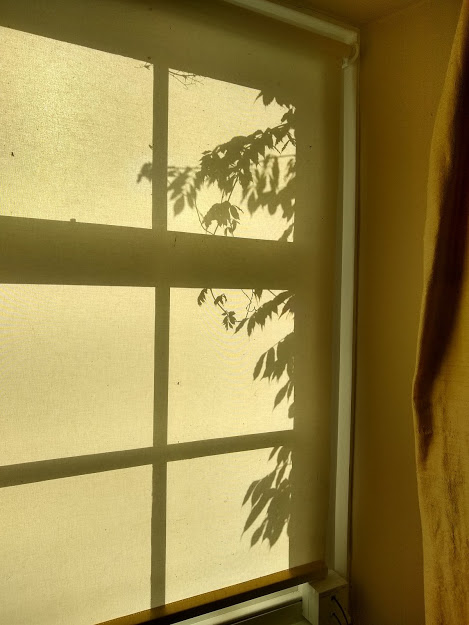
This is the view from one of our windows on a sunny morning, just before I raise the blind. Only the silhouettes of the wisteria give a hint of what’s beyond. To see what I see after that, look at the header photo.





You must be logged in to post a comment.