Many of you know about our trip to Sweden earlier this year. We Country Mice found much that was accessible in the Swedish towns we visited. Pedestrians came first, bikes second, and motorists toed the line and halted to let either of the above pass in front of them. So meandering in Malmö, going round Gothenburg, sauntering in Stockholm, knocking around Kalmar, these are a few of the sights we saw on the urban paths we choose, totally unbothered by passing traffic. There was none..
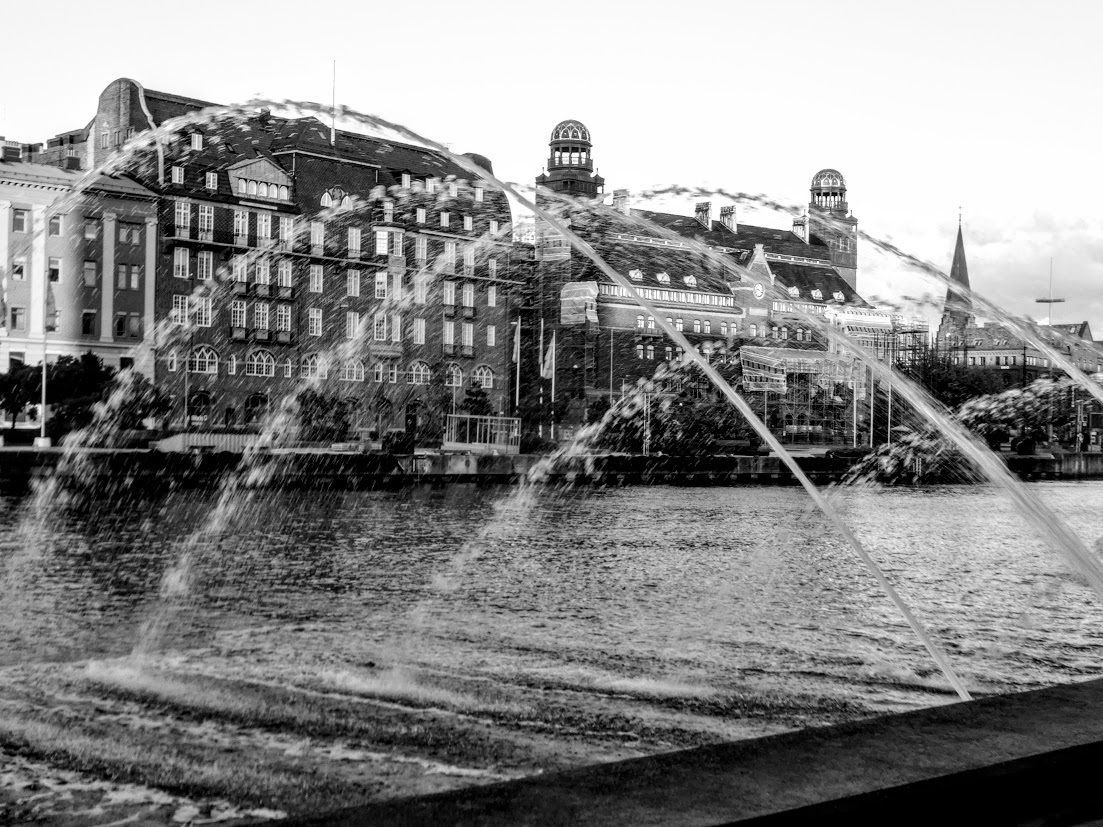
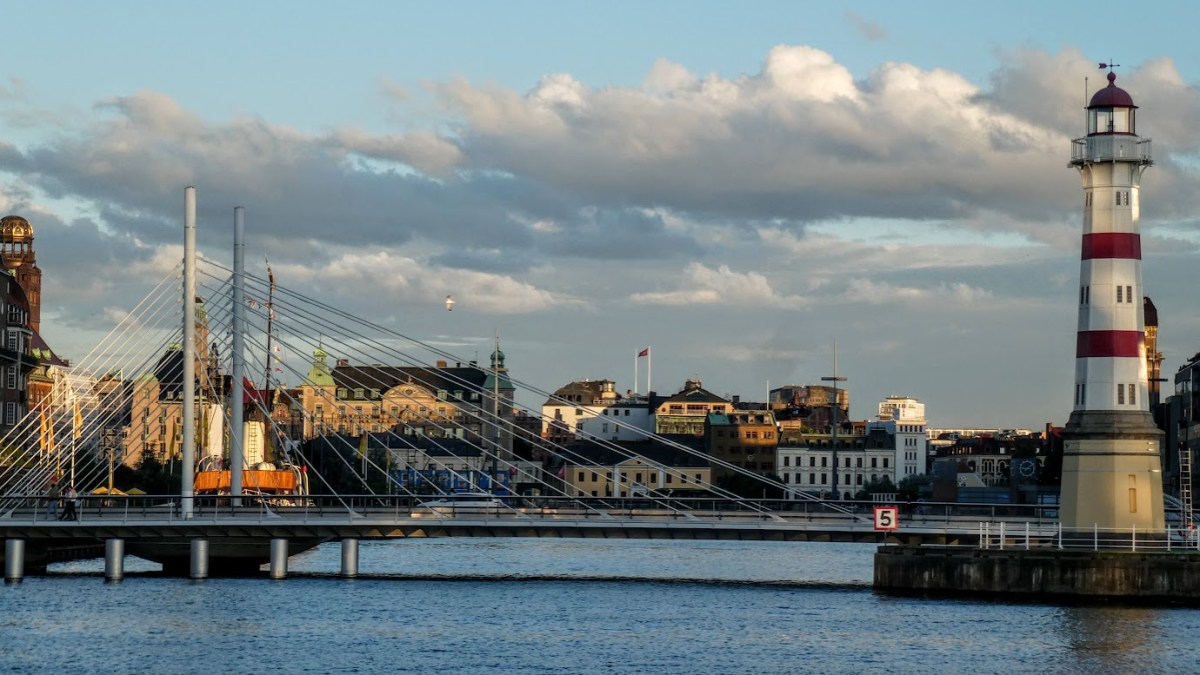
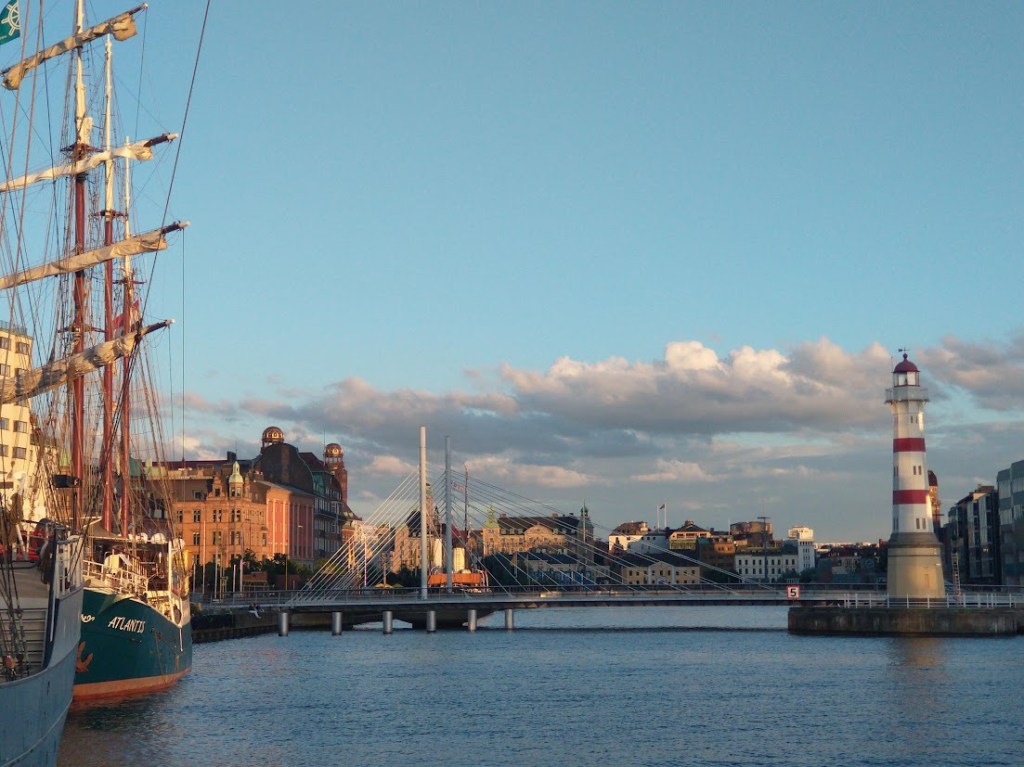
Malmö’s past and present.
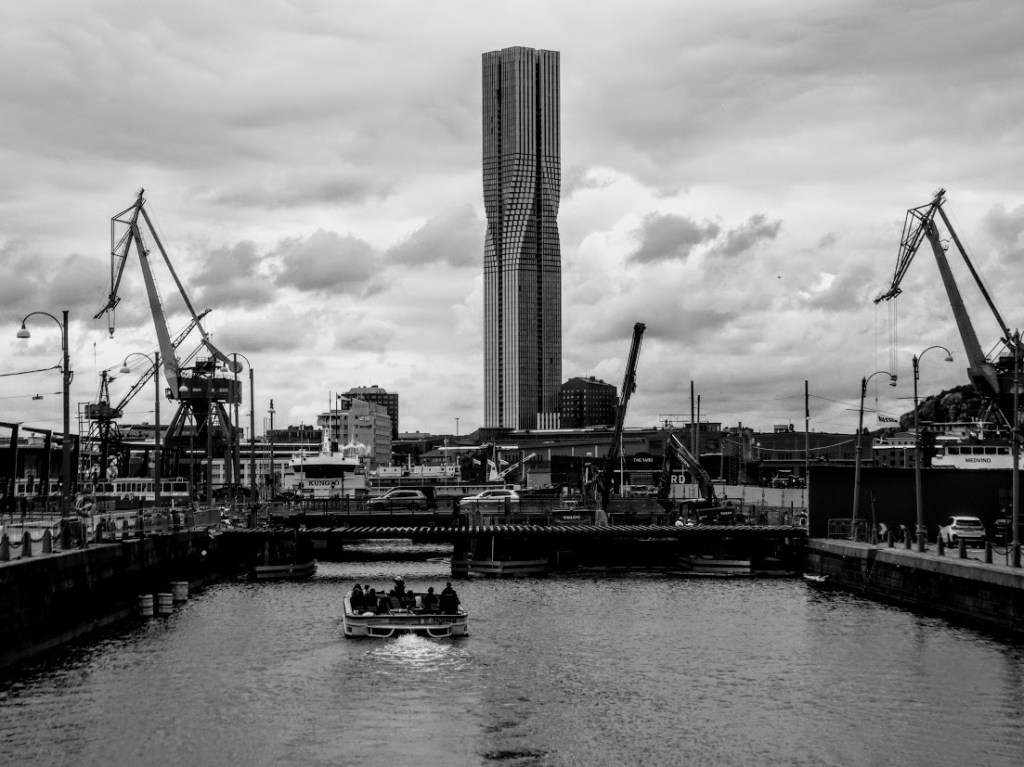
Gothenburg’s watery industrial quarter.
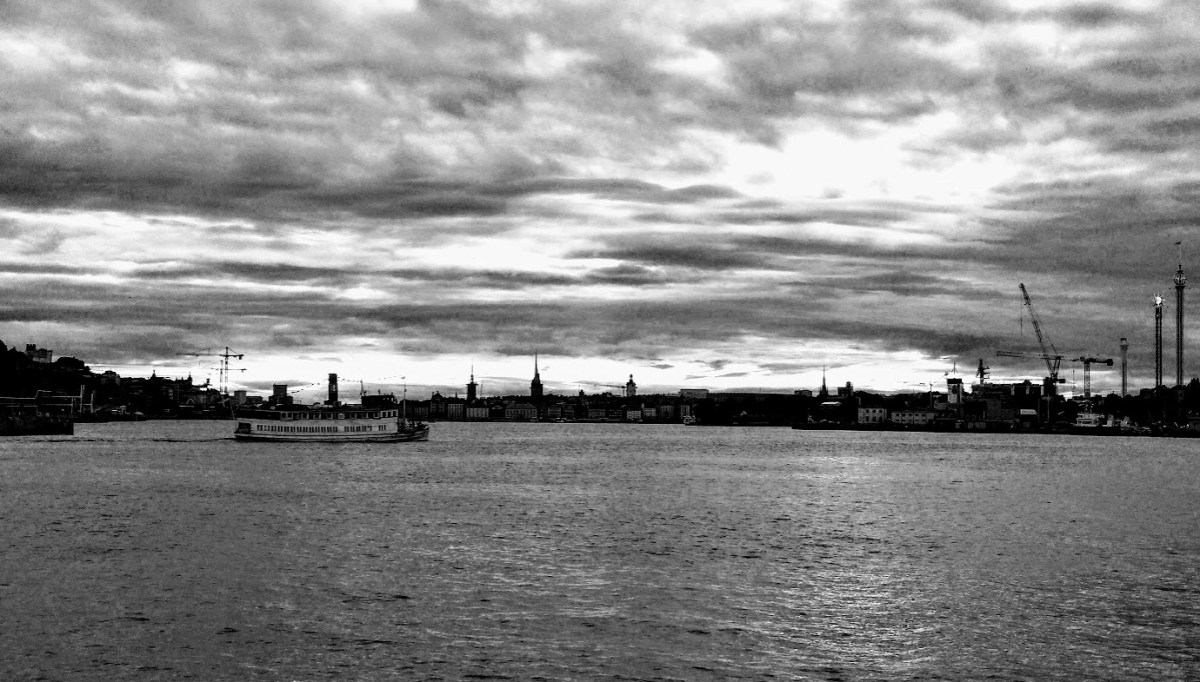
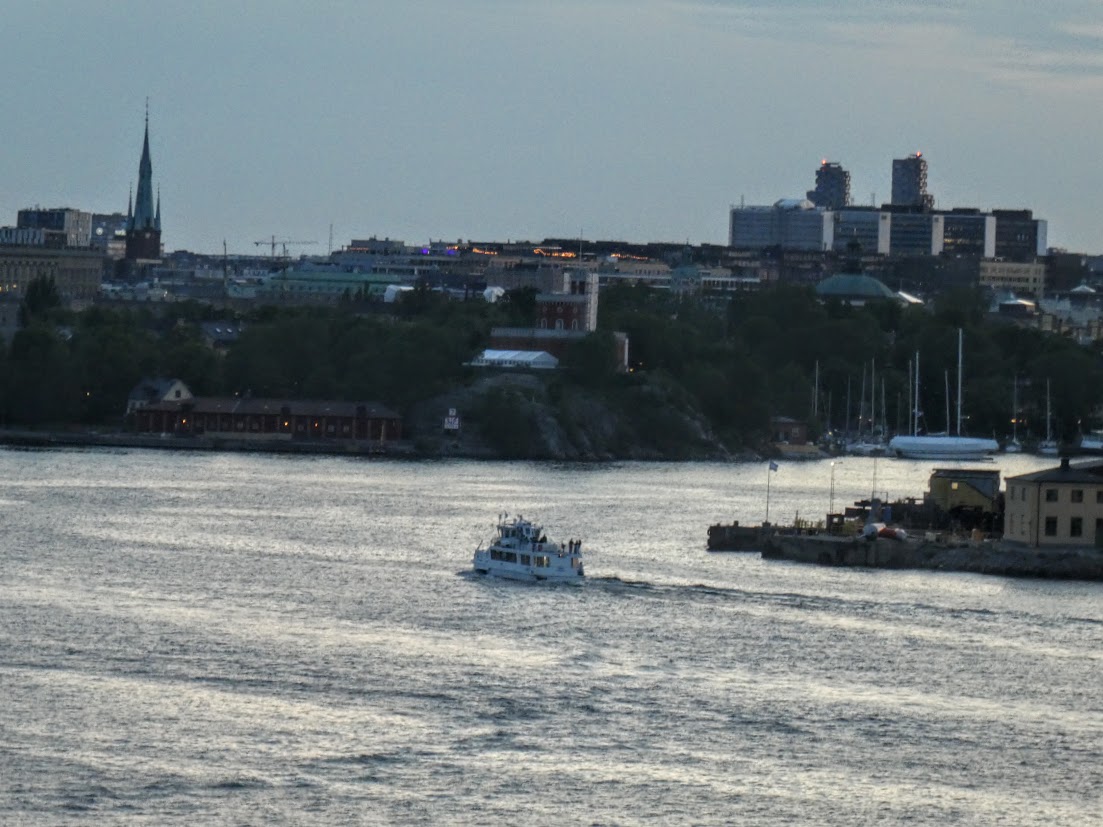
One of Stockholm’s many waterfront views. The featured photo is its skyline as seen from the coastal path below our apartment.
And finally, here we are kicking our heels in Kalmar, within metres of the railway station, the university and a busy shopping mall. Oh, and a fine castle which you’ve already seen. My kind of urban landscape.
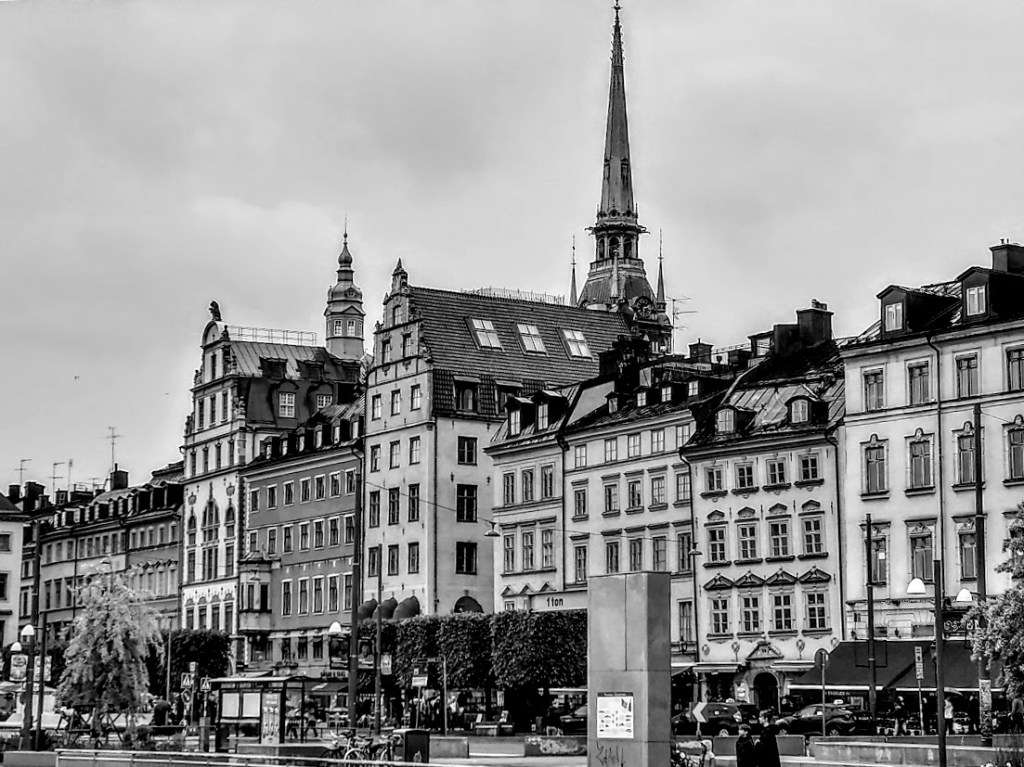
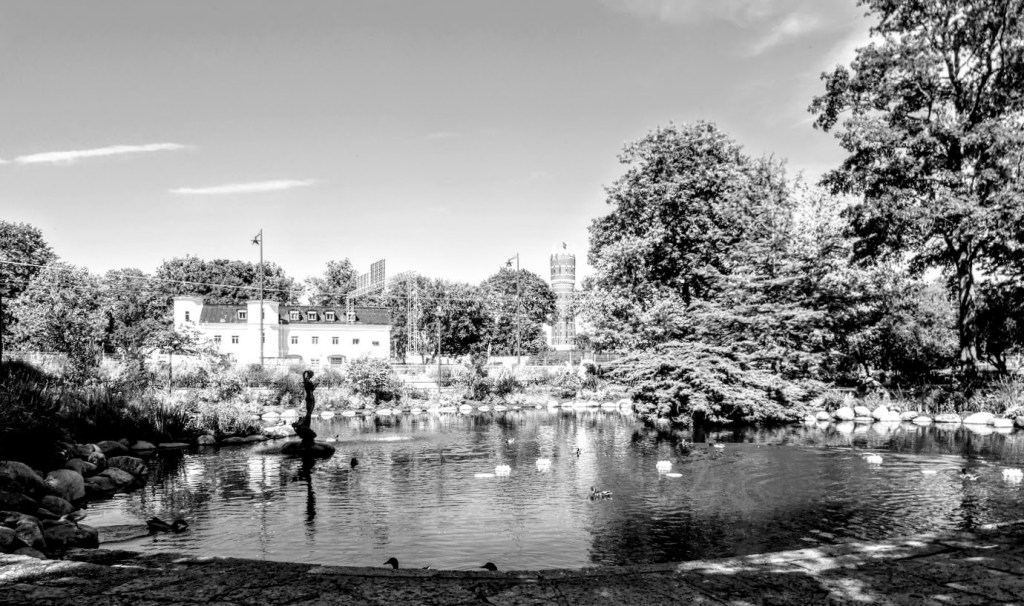
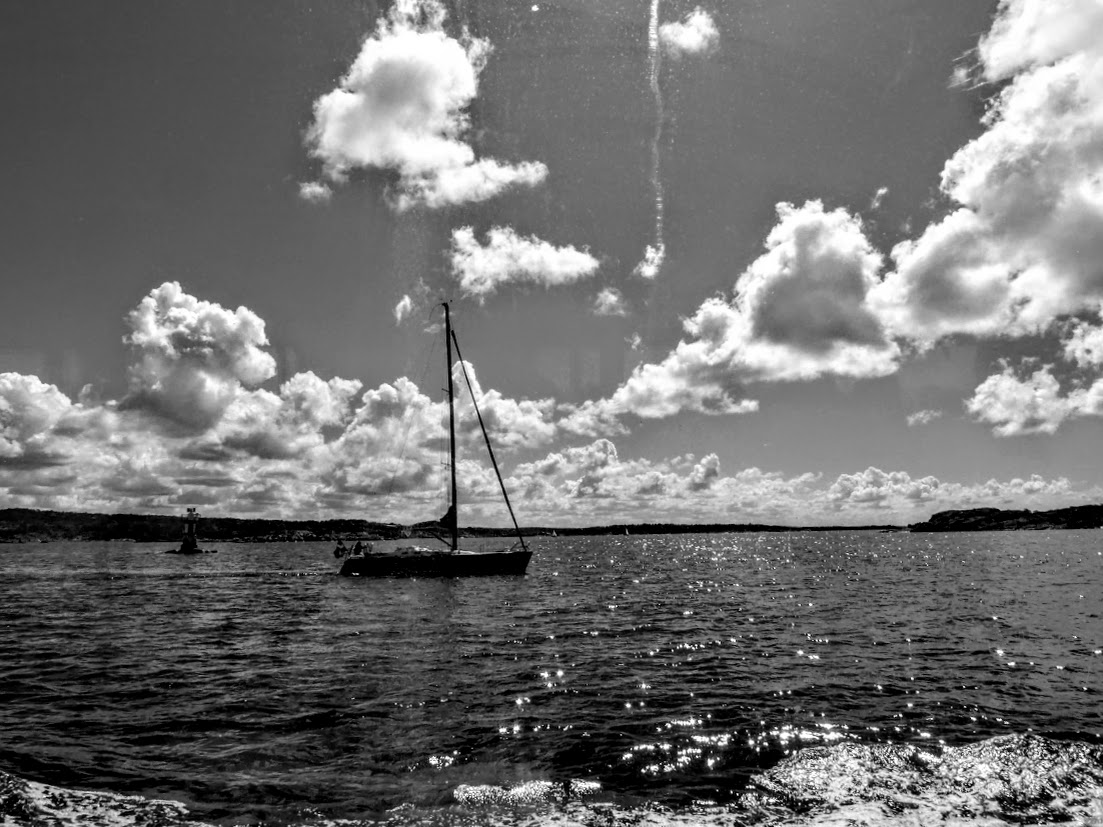
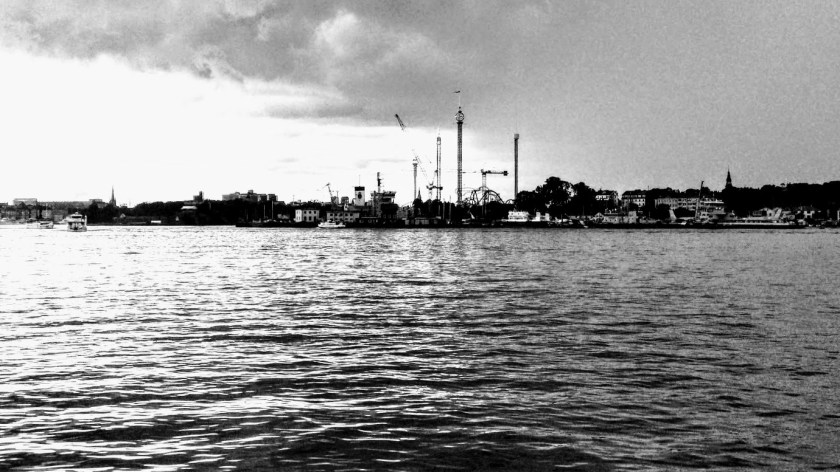
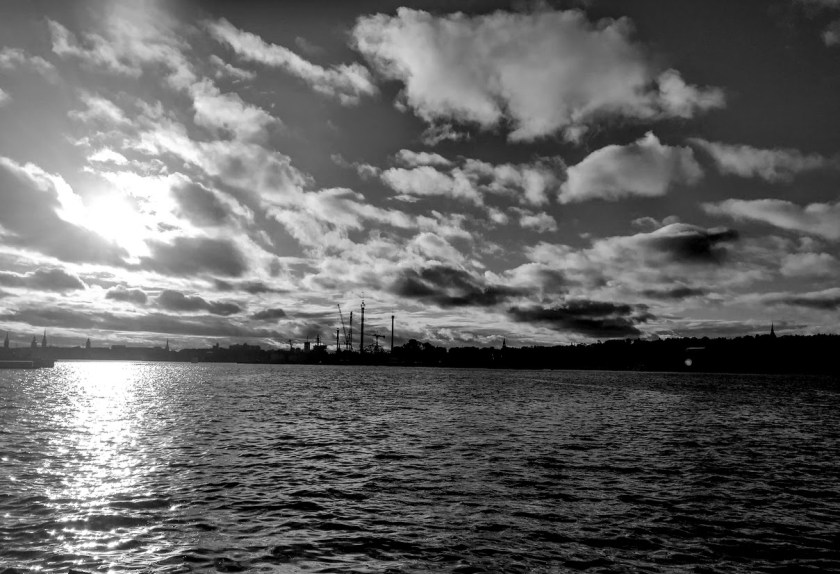
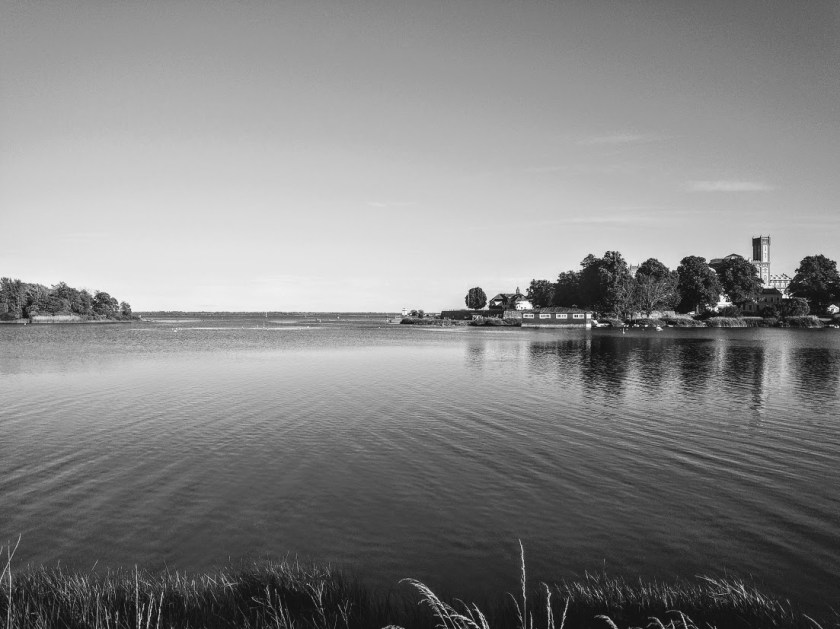
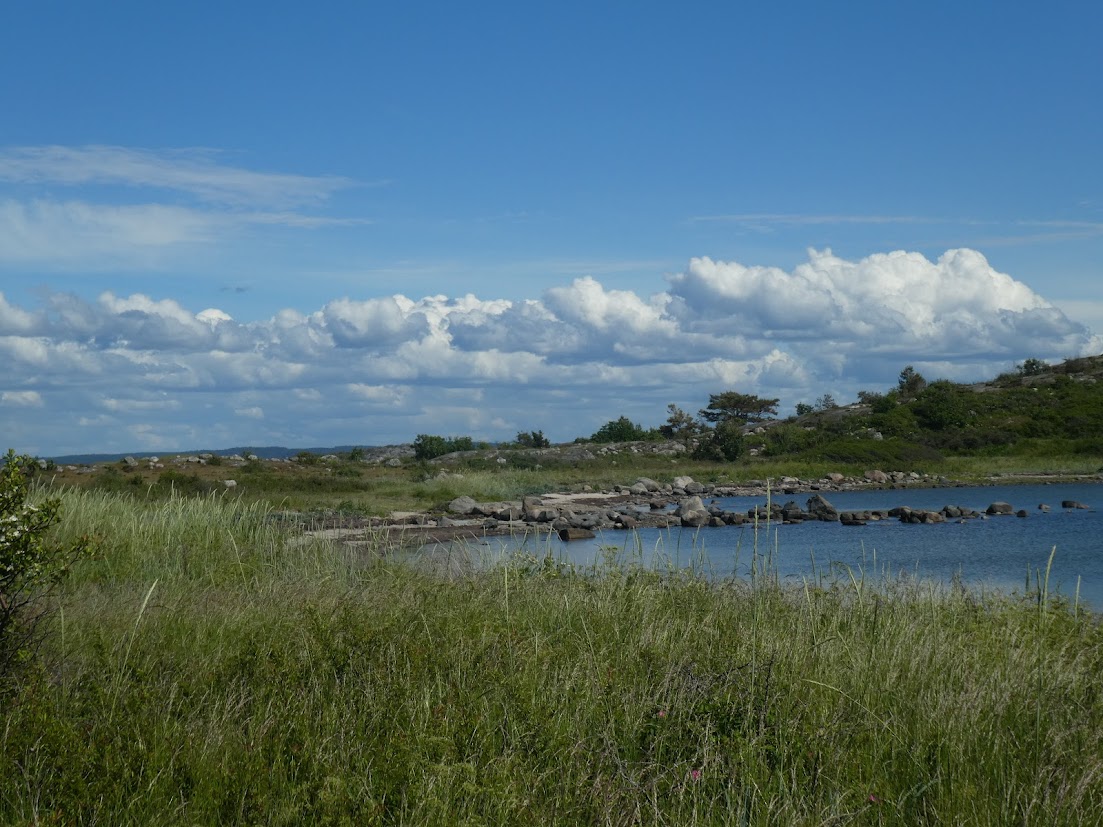
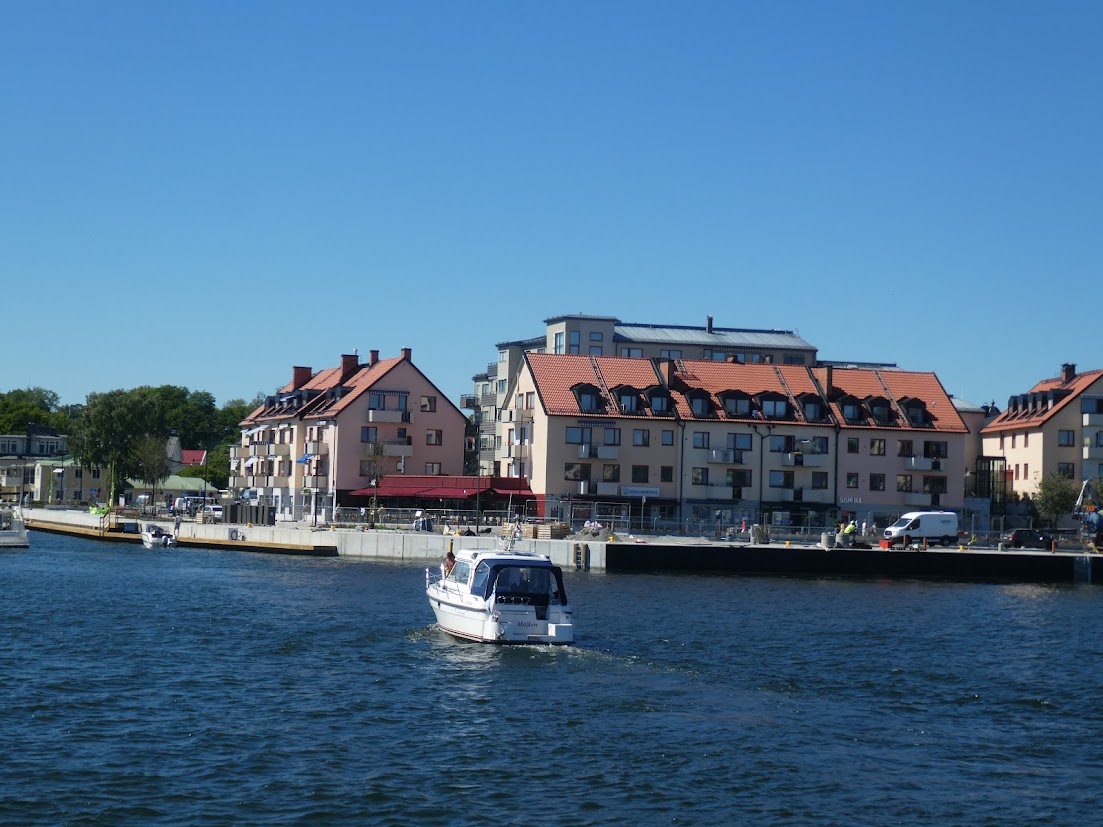
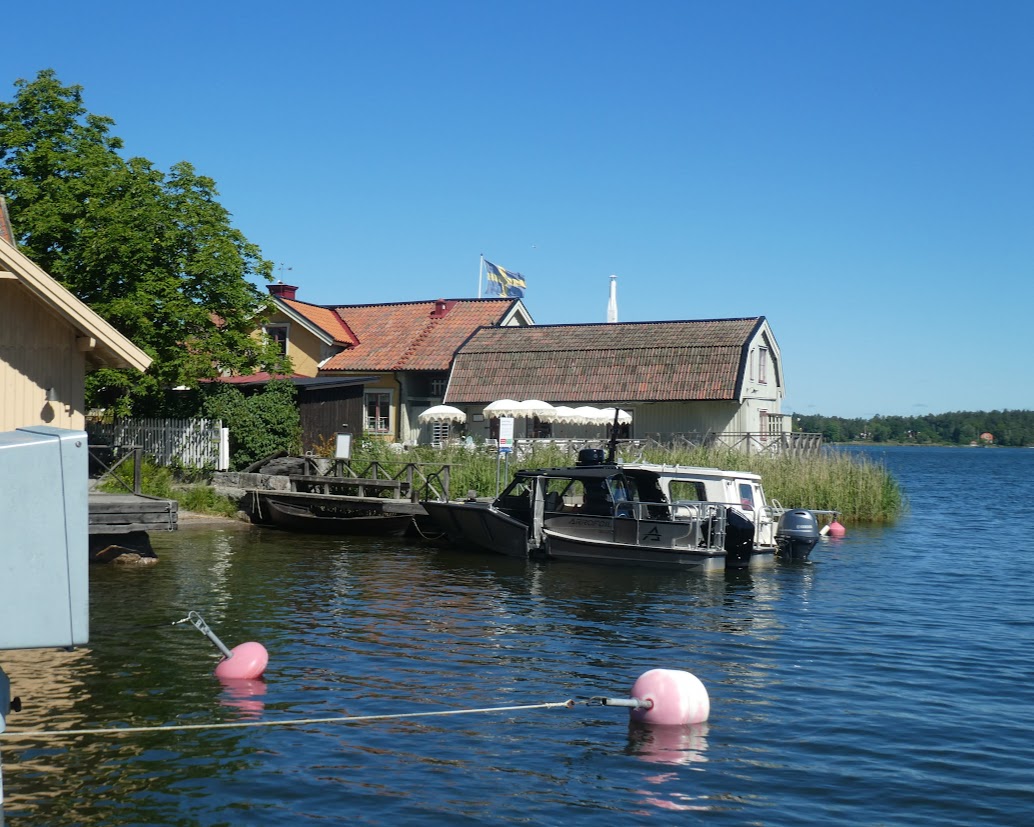
This week’s Monochrome Madness, hosted by Dawn features horizons. I decided this gave me the chance to whip us back to Sweden, which offers horizons in every glance. Mainly watery horizons, it’s true. Or are they cloudscapes? Whatever they are, they offered me, whether urban or when island hopping utter peace and contentment.
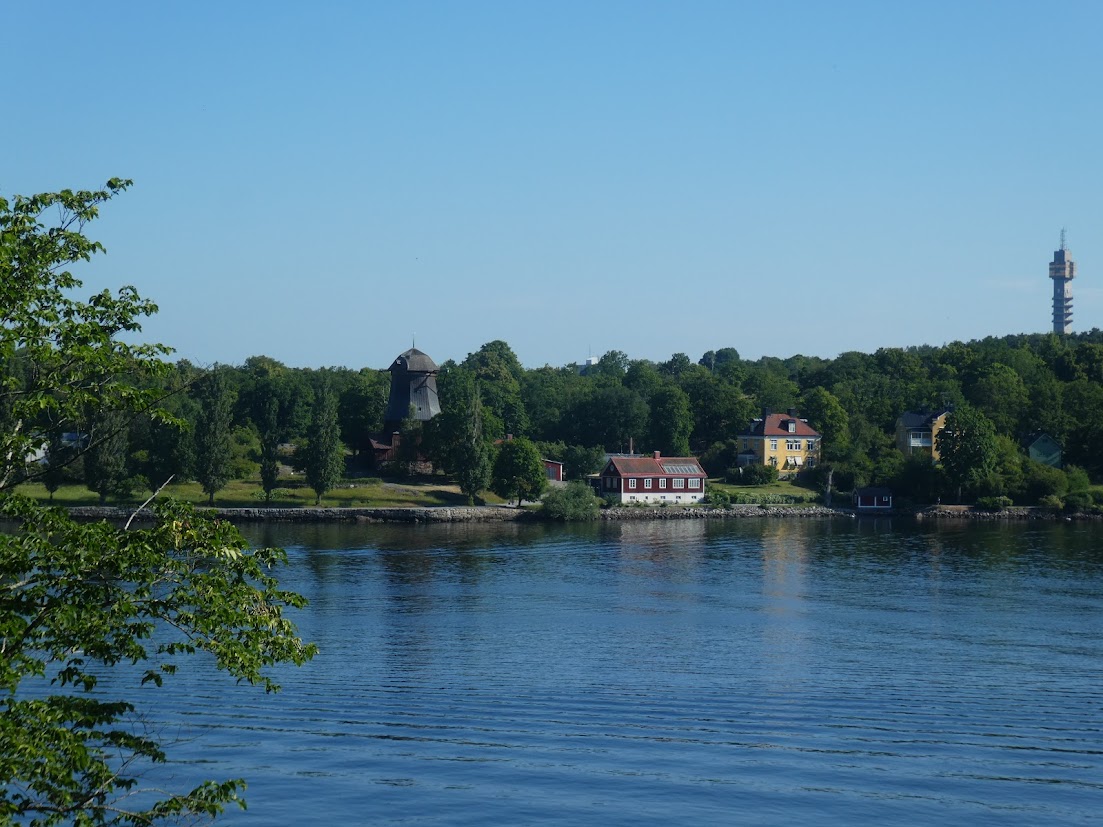
A view of Stockholm from our apartment there.A different view of the same view, and with a different cloudscape.The peaceful suburbs of Kalmar.
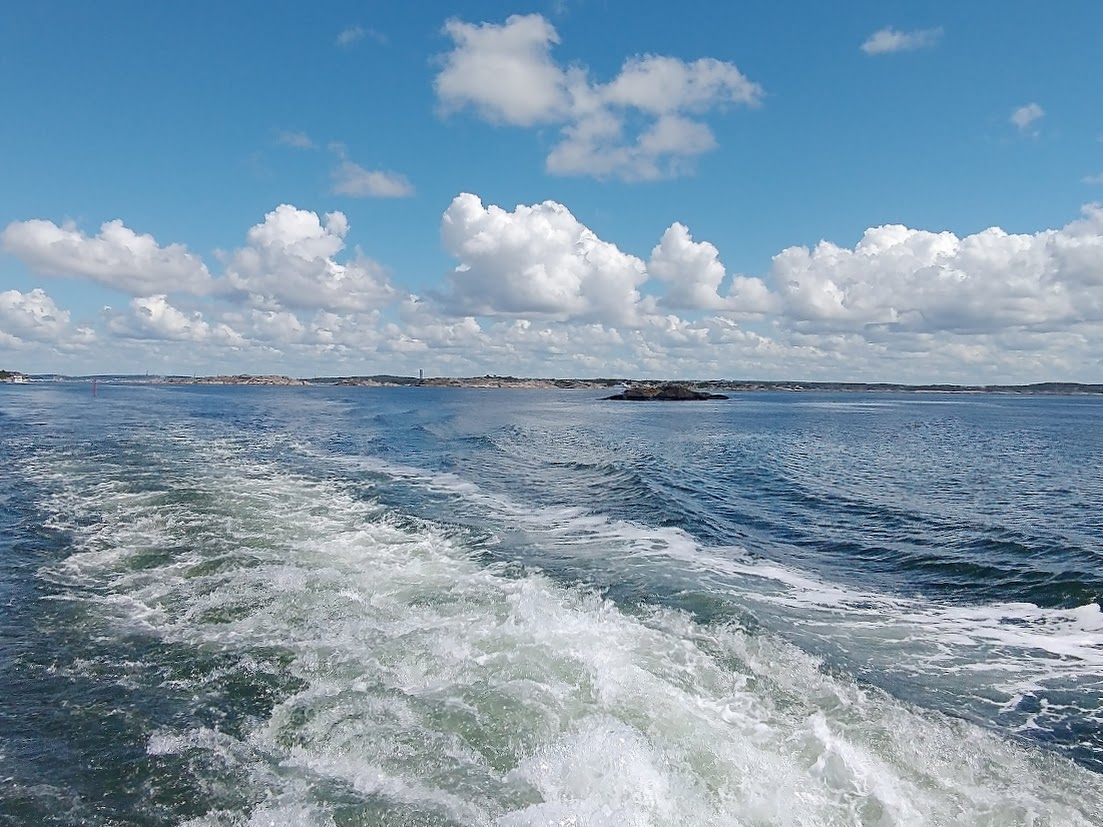
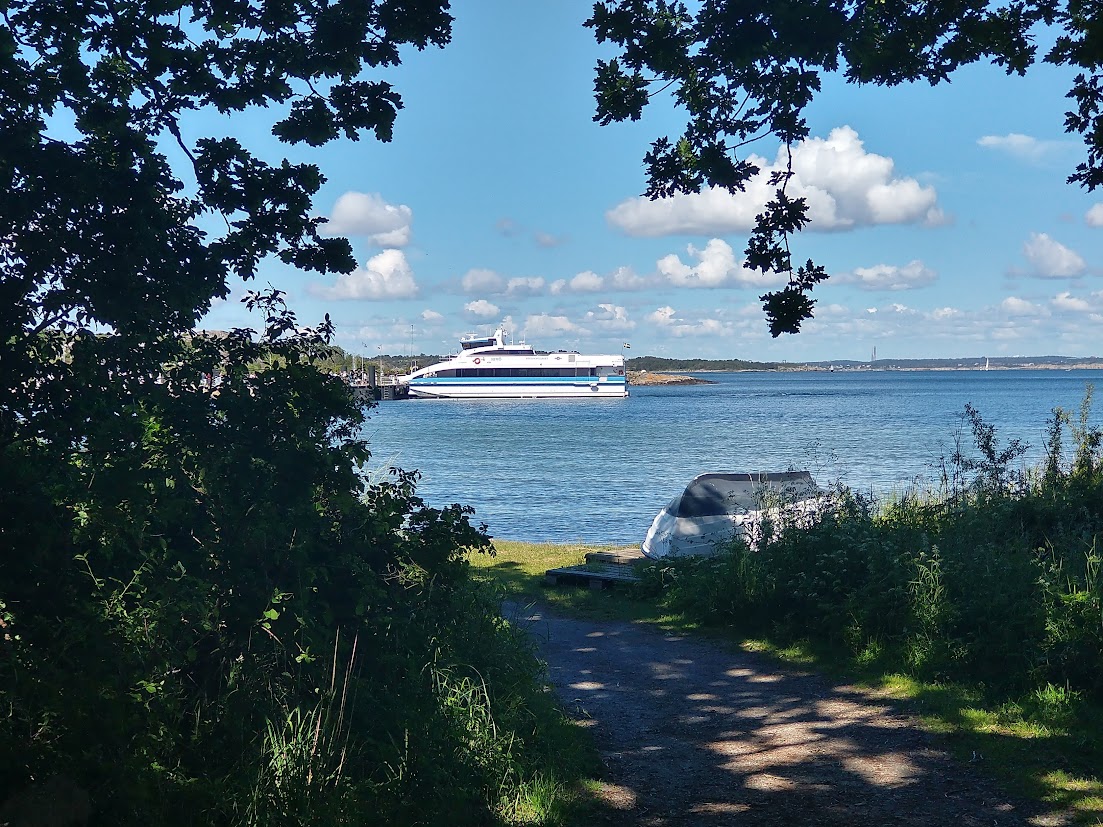
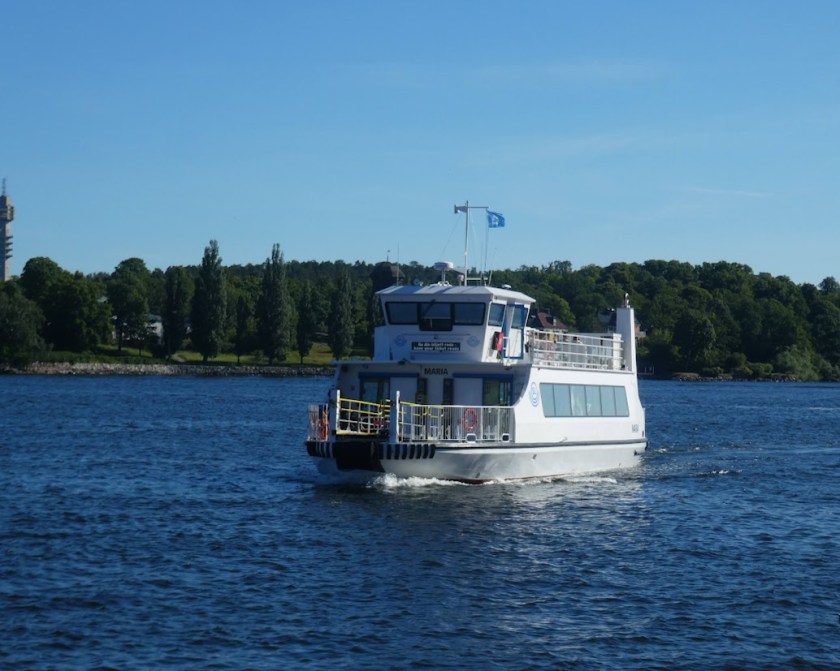
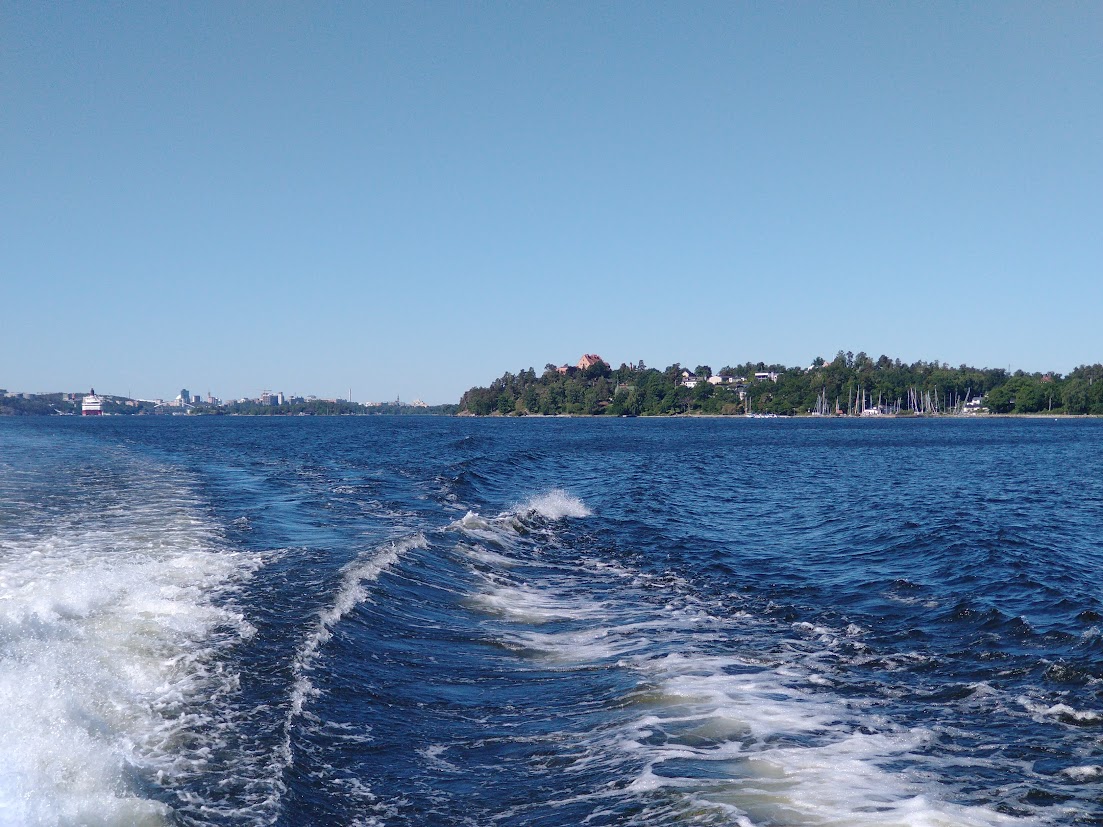
My featured photo was taken on one of our many ferry journeys, where we saw – unlimited horizons.
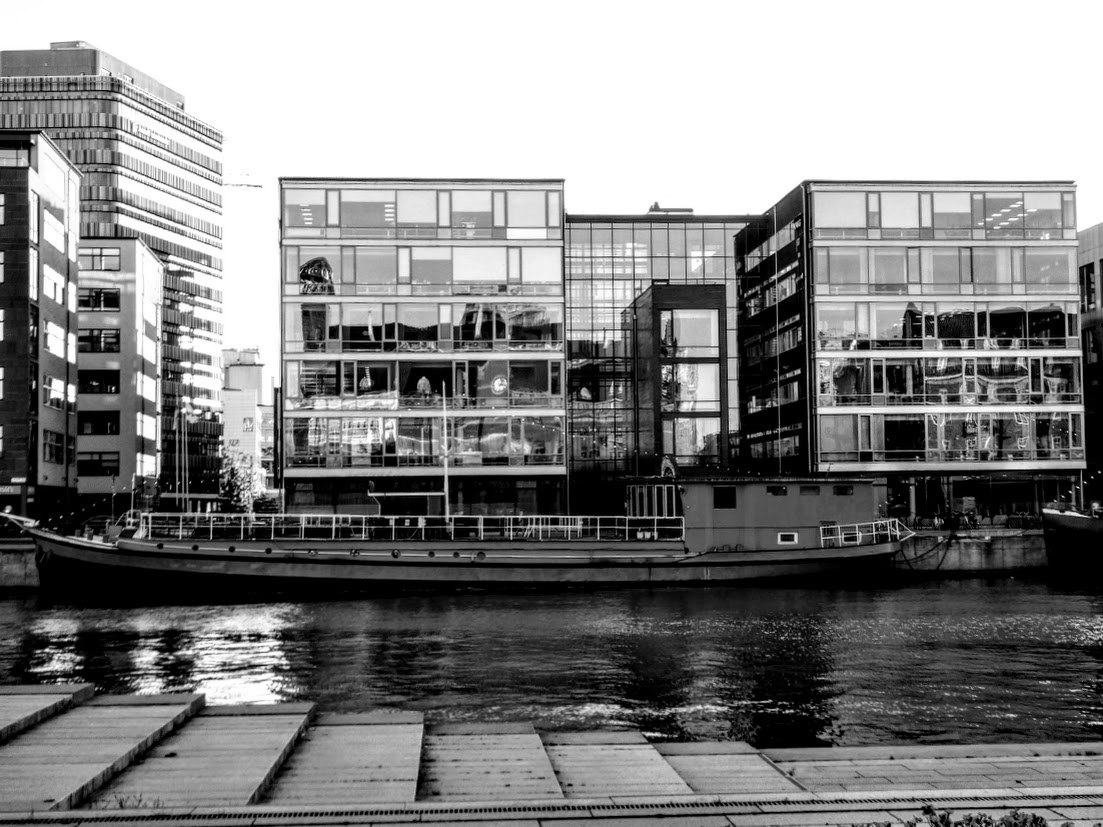
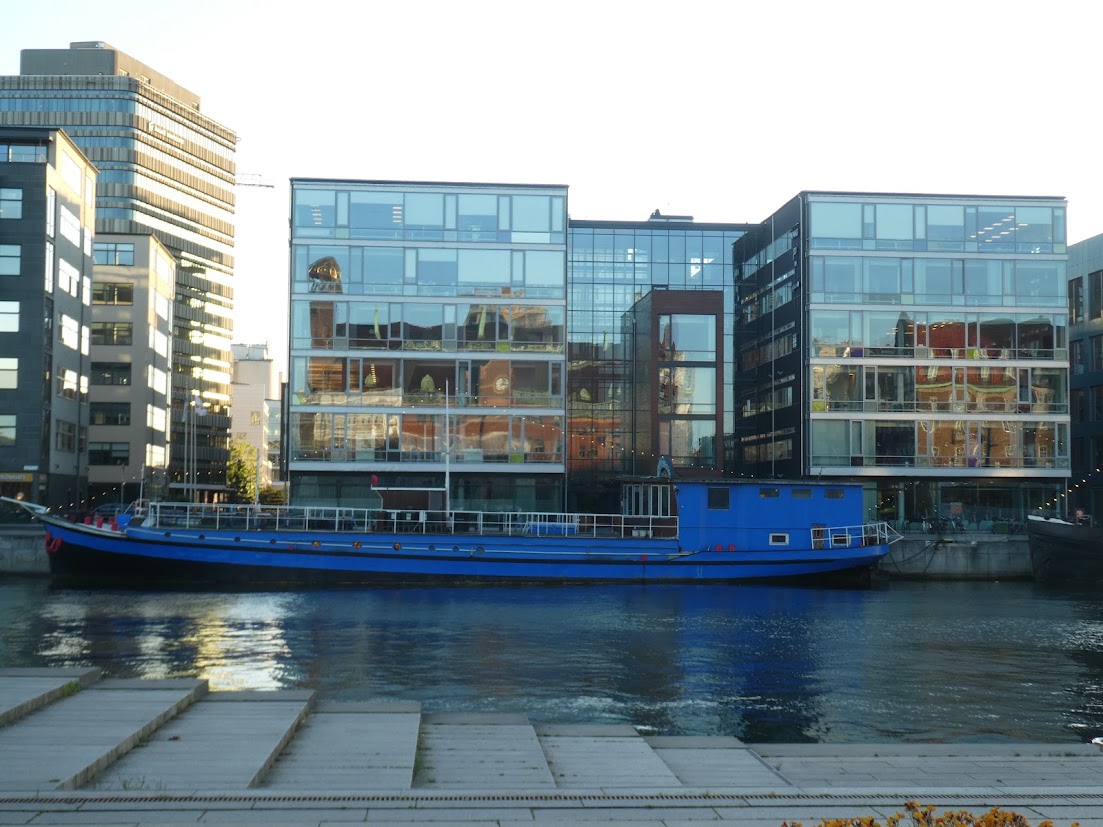
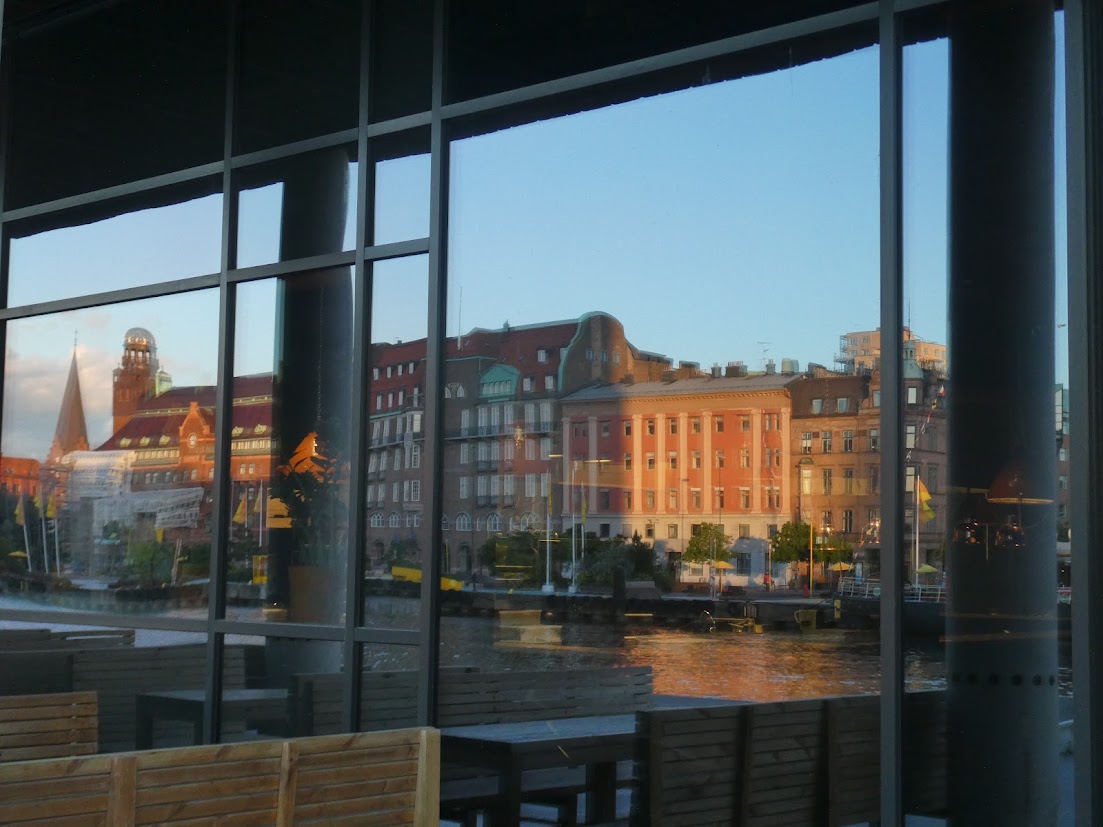
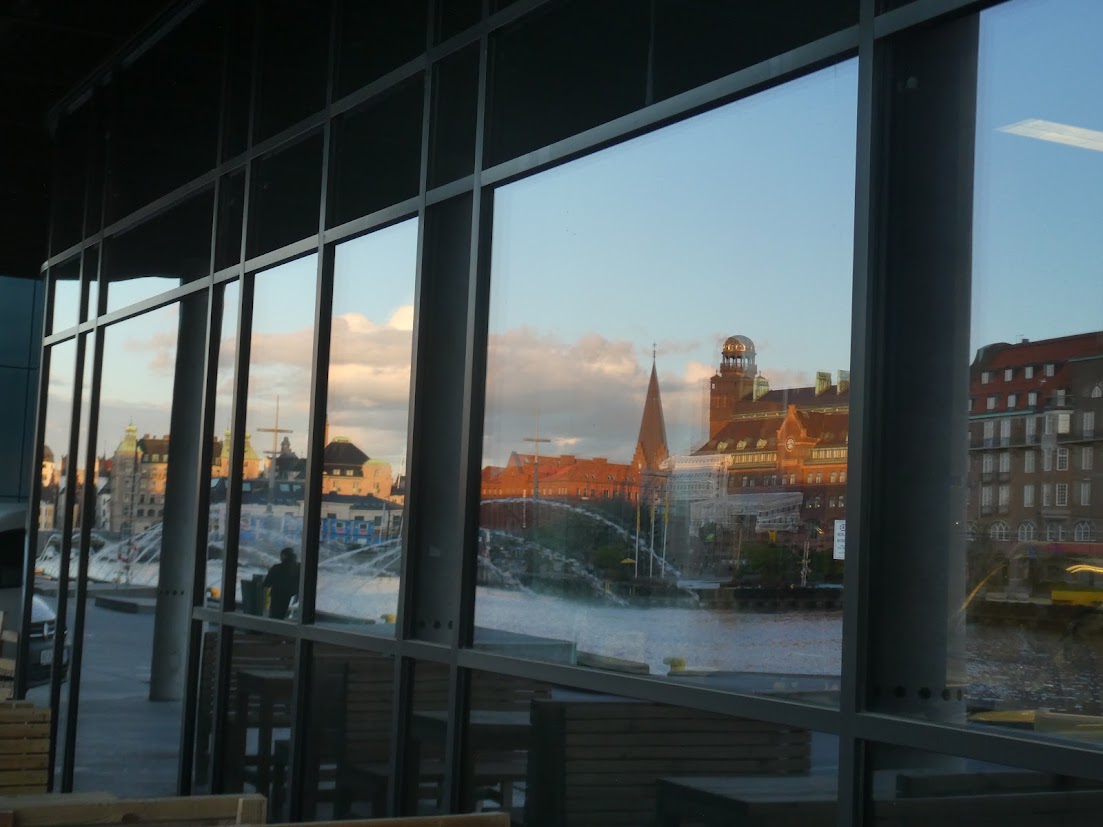
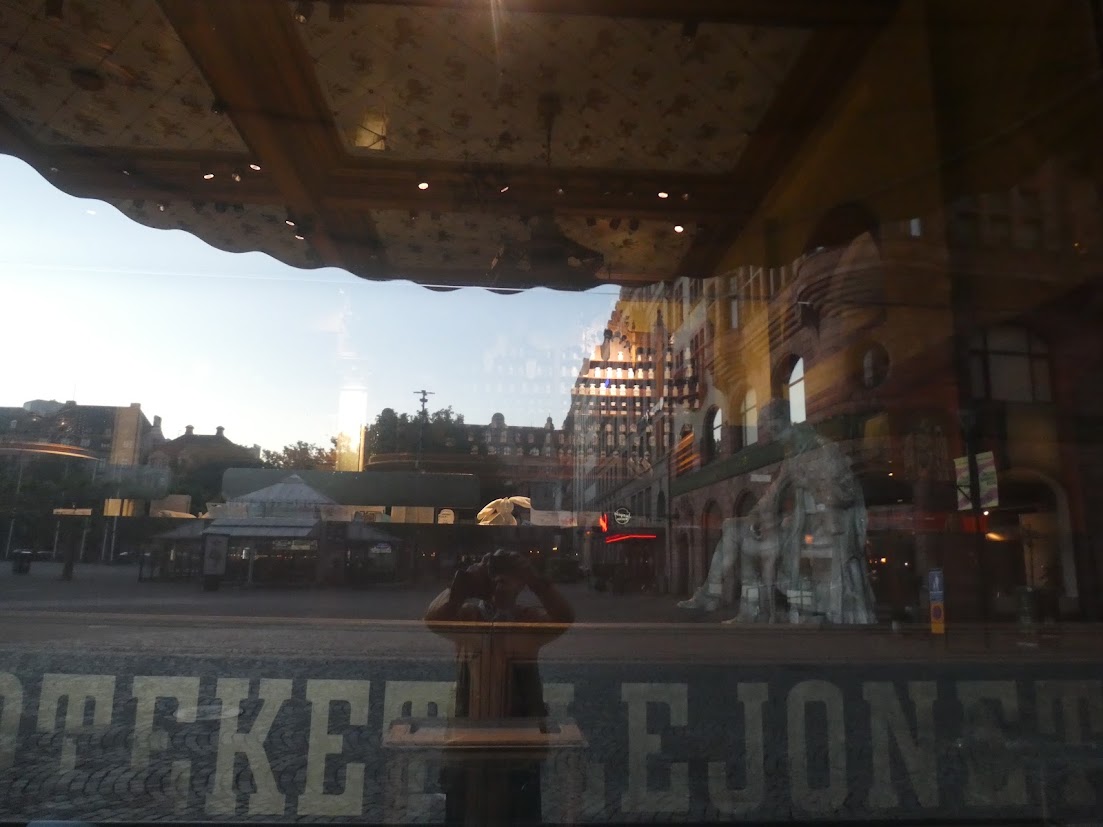
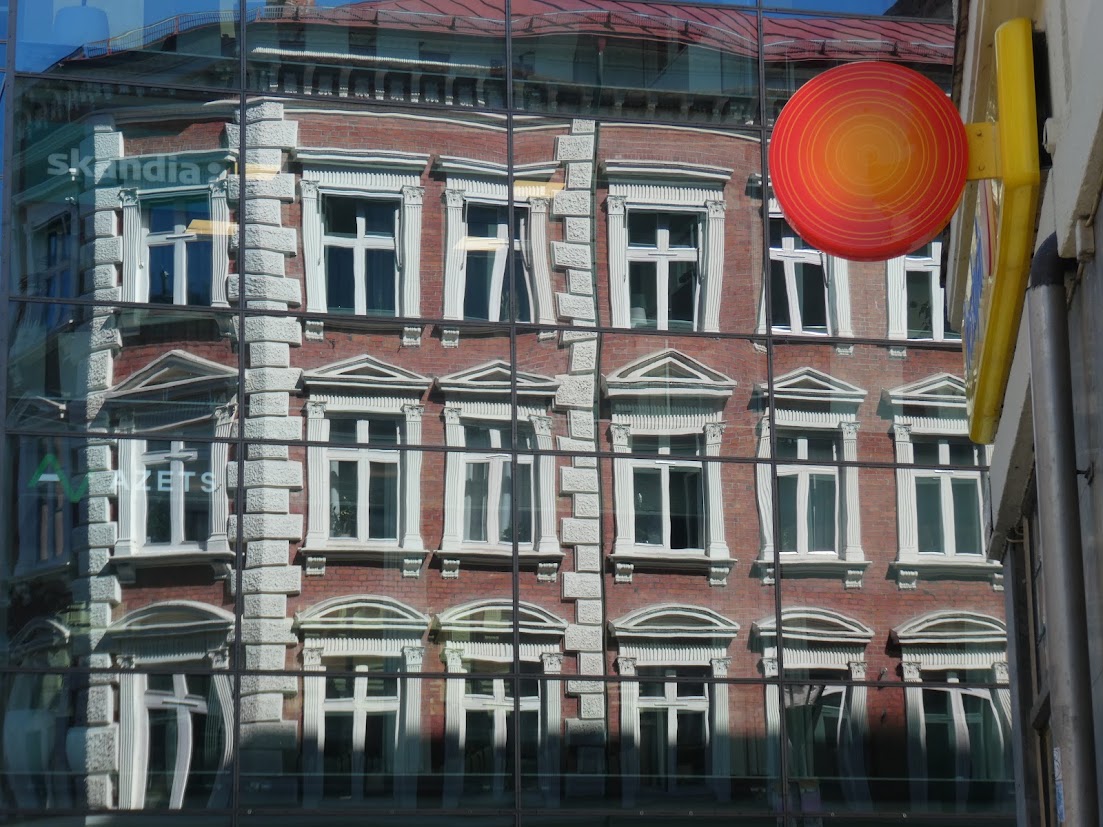
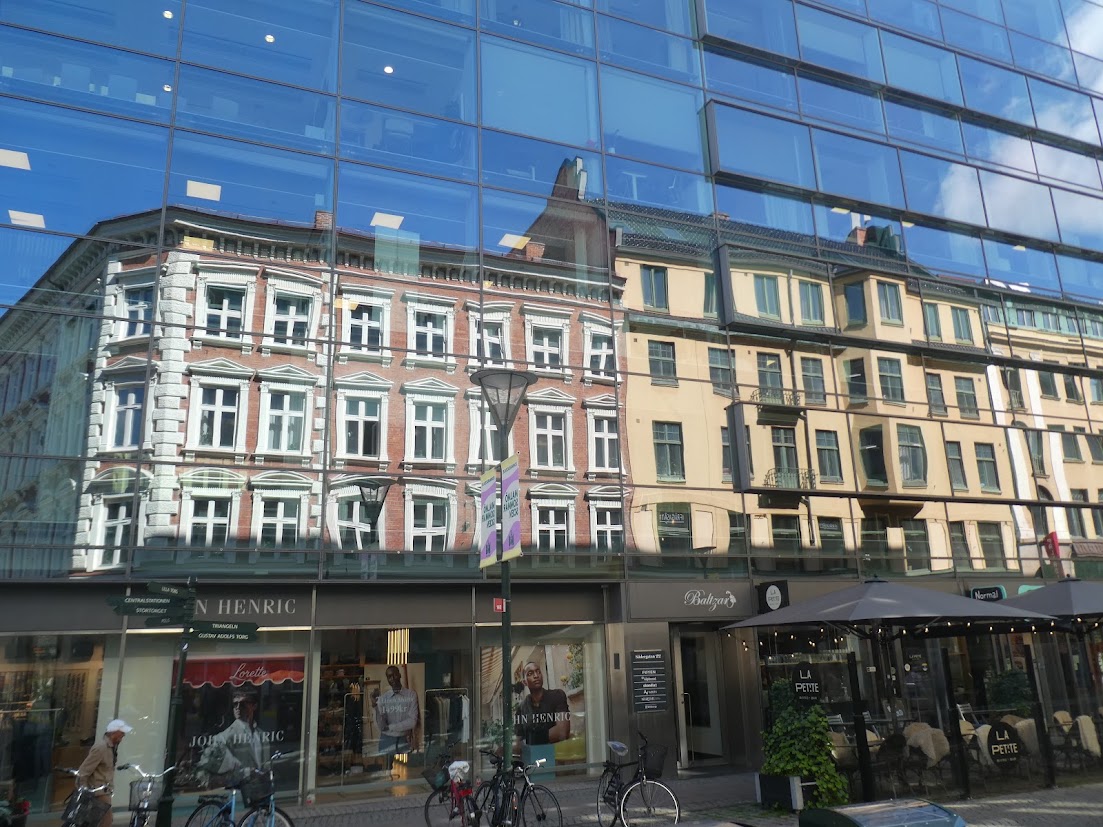
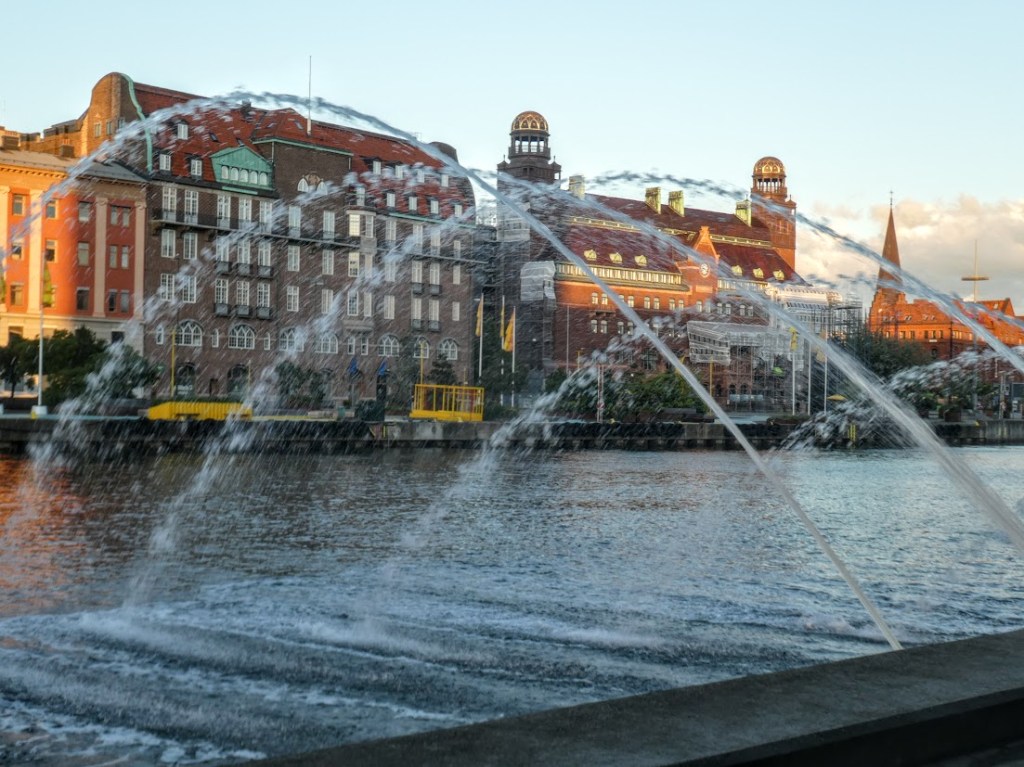
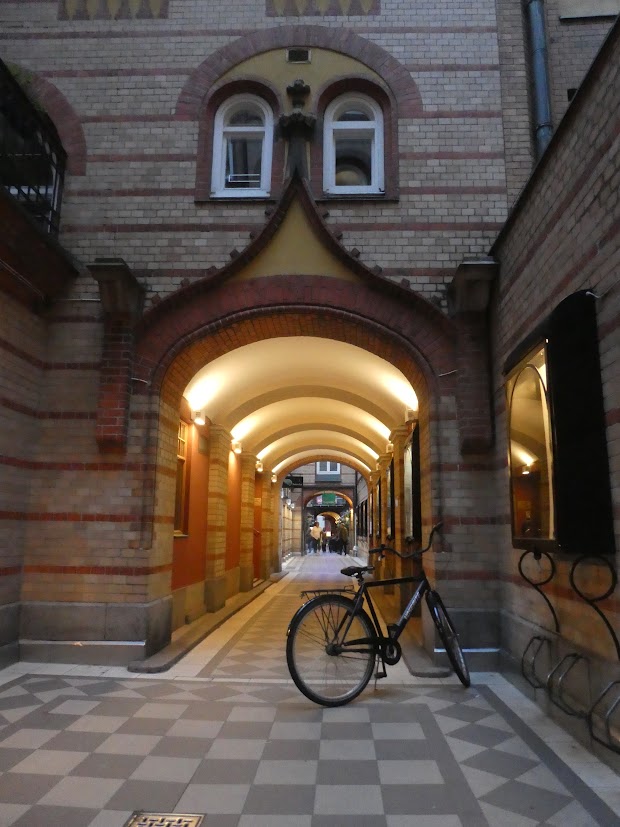
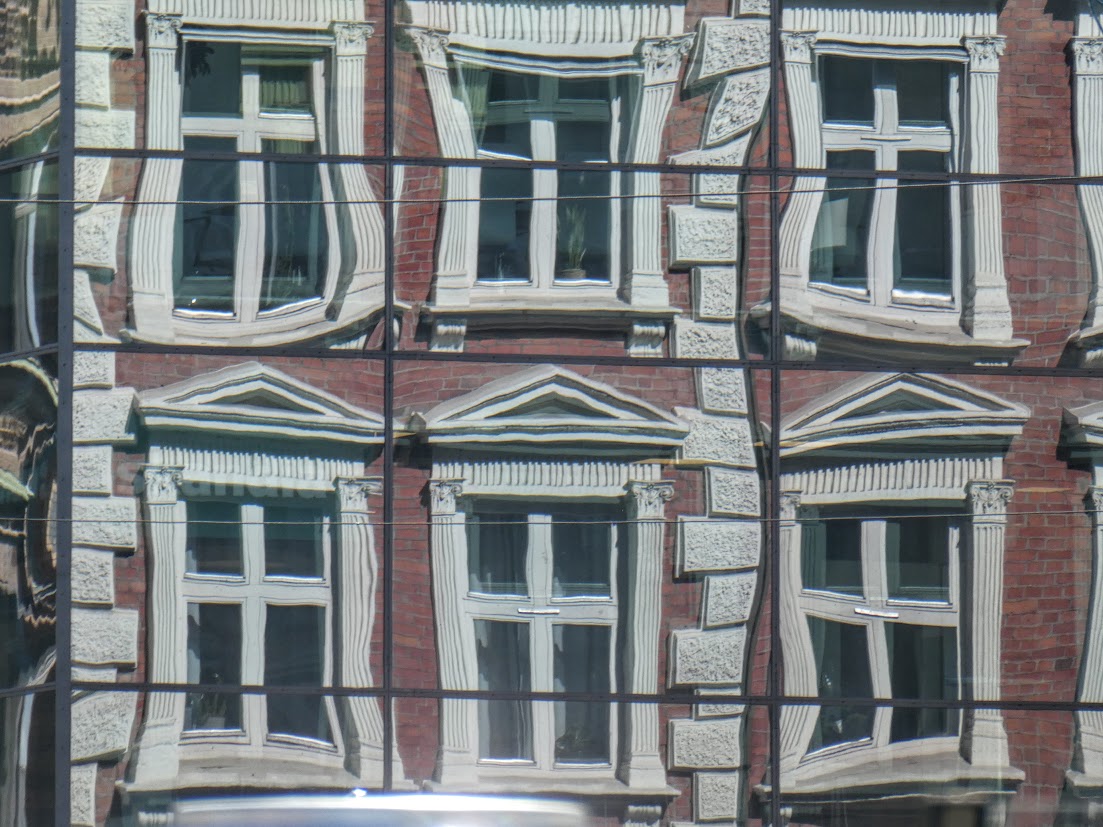
Something Malmö was particularly good at was windows and their reflections of the city beyond. For my last post in this series – though there might be one or two more later, here are some shots taken of our meanderings round the city.
And that’s me done for a while. I’ve scheduled a couple of posts, and may send the odd postcard, but for the next month I’m on Granny duty both here, and in Spain. Where it seems rather hot for comfort.
You have already had a postcard from Malmö, but here is a town that deserves more than a single-postcard mention. This city was our first Swedish stop on our Interrailing adventure: home in England via Belgium, Germany, Denmark to Sweden and back again entirely by train. Inexplicably, to add further international spice, our journey from Copenhagen was on a Polish train that had no intentions of travelling to or from Poland during its journey. Disappointingly, though we crossed the iconic Öresund Bridge, we had not a single view of its 16 mile over-sea span from Copenhagen to Malmö.
Malmö however was far from a disappointment. Like many Swedish cities, it’s designed to be walkable and bike-friendly. The station was near the hotel, near the harbour, near to so many explorable corners. In fact I’ll show the postcard I sent again. It just showcases the city as I want to remember it: an exciting blend of old and new.
An evening stroll took us past part of the university campus …
… and to the main square, Stortorget. So much to see here! Its 16th century Town Hall and Kockska Huset, the Mayor’s house. The statue of Charles X Gustav who annexed Denmark to Sweden. The old Apothecary. I can’t show everything from the city in this one post, but I hope they will get their five minutes of fame at some point. Instead, I’ll show you a couple of scenes as night fell (eventually – this WAS midsummer in Sweden!)
We were up bright and early in the morning, looking forward to meeting Ann-Christine, of Leya fame, who’s set this week’s Lens-Artists Challenge: Adventure. And what a treat it was! She’d travelled an hour from her home to meet us, and Malcolm and I relished our time with her. We strolled down streets old and new, well-tended parks and inviting cemeteries, and of course enjoyed Fika, the most important Swedish tradition demanding we relax over coffee, cake and lots of conversation. We had an outdoor table at a park cafe in the sunshine and would happily have spent even longer talking.
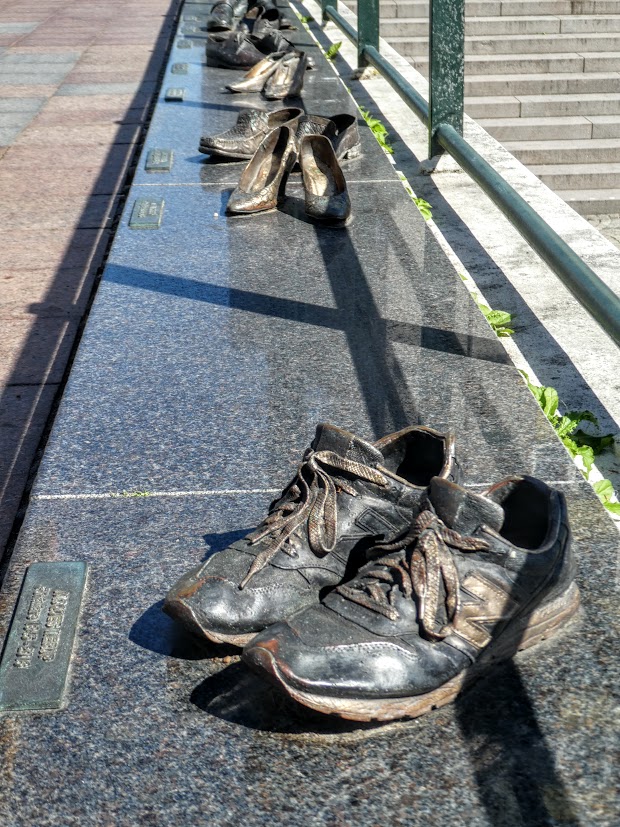
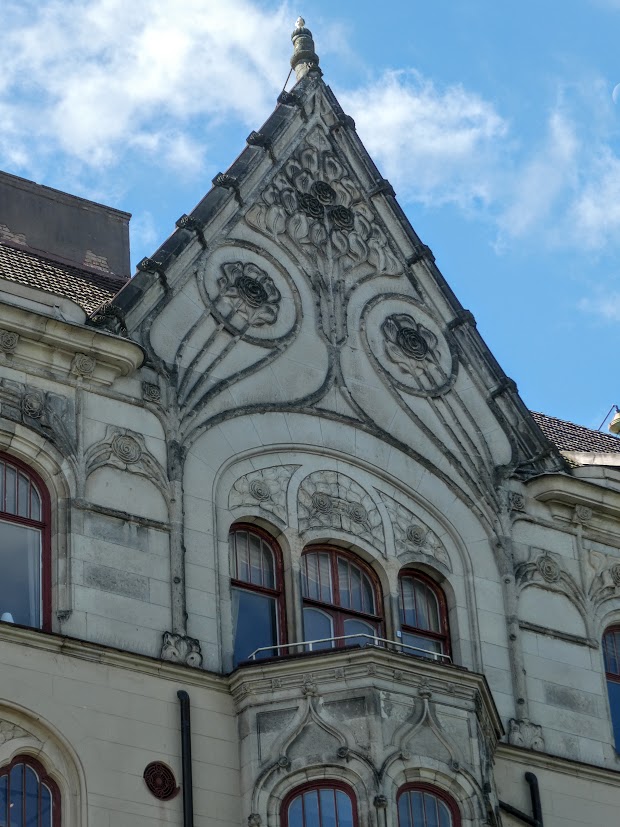
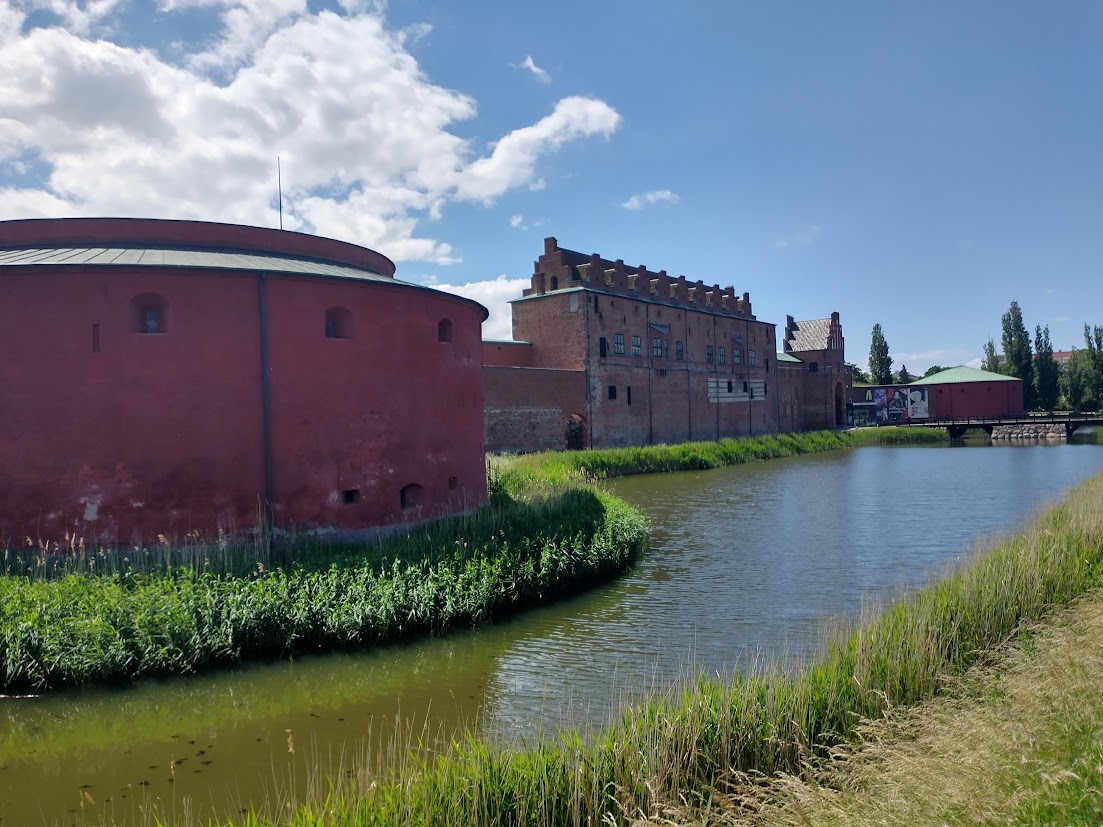
I’ve had to limit the images I show, but I’ll single out some shoes. ‘Shoes on a bridge‘ is a permanent public art installation on Davidshallsbron (Davidshall Bridge), created by Swedish artist Åsa Maria Bengtsson. It features 29 pairs of bronze shoes honoring famous artists, entertainers, and cultural figures who left their mark on the city. Besides that I feature reflections on pedestrianised Södergatan; a (to me) unknown building which took my eye; and Sweden’s oldest fortified building, Malmö Castle. And of course, you can guess the last one.
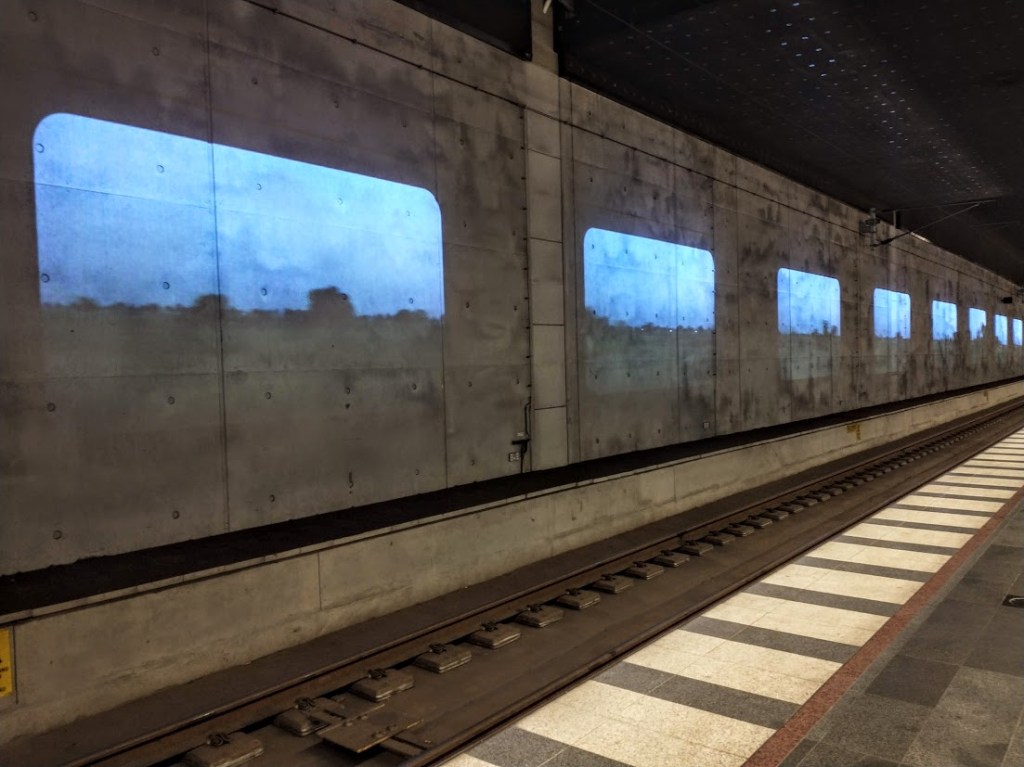
And that was Malmö. It deserved far more time than we gave it. We’ll HAVE to go back, especially if we could meet Ann-Christine again. But the city had one more surprise for us. As we waited for our trains – the two of us for Gothenburg, Ann-Christine for her home -we saw displayed and always in motion on the station wall alongside which our train would arrive, images we could expect to our onward journey.
Our last evening in Kalmar. Malcolm decided on relaxing at the hotel, but mindful that the next two days woud be entirely seated on trains, I felt a walk was in order.
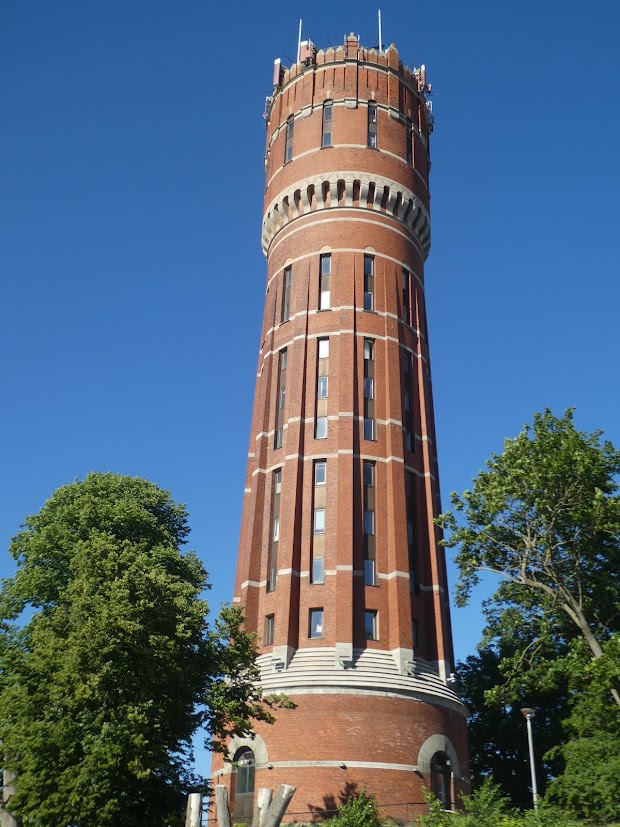
It starts very near our hotel. Kalmar’s Old Water Tower was built between 1897 and 1900 and operated until 1972. It was converted into 11 private apartments in the 1980s. The majestic brick exterior remains a central navigational sight, while I’m left wondering whether circular furniture is required.
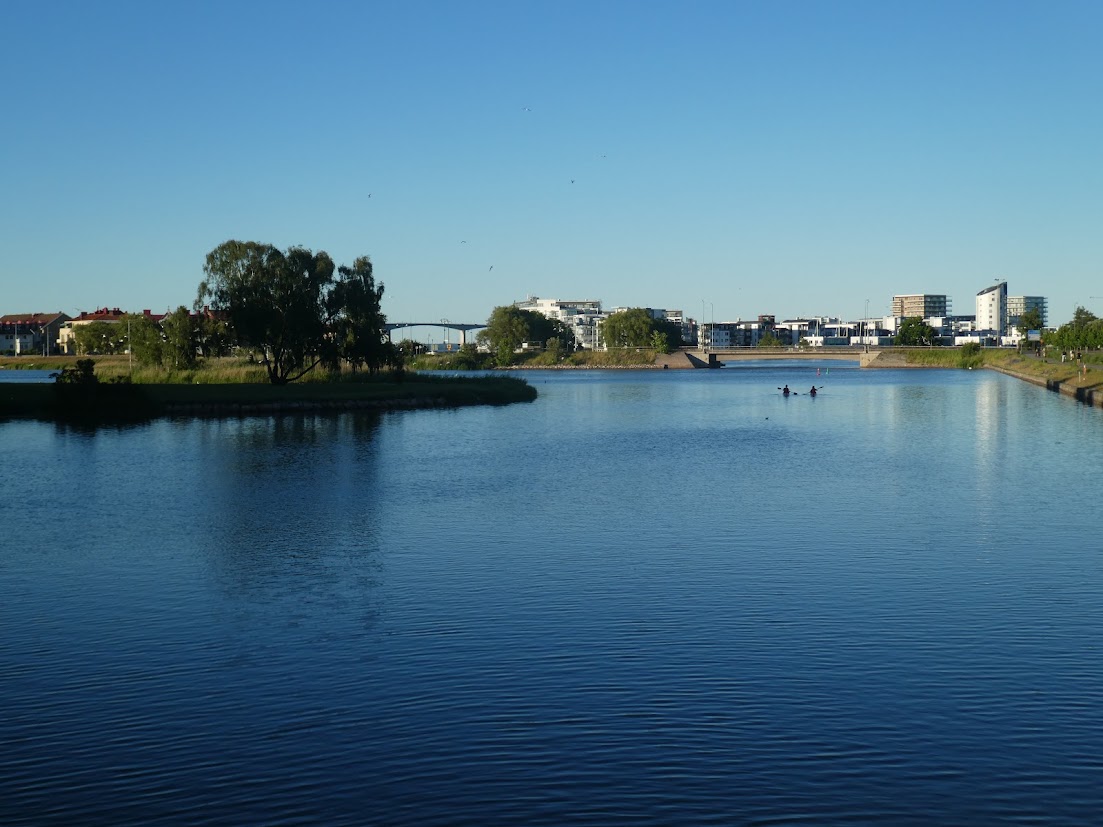
I’m actually on Kvarnholmen (the city center island), which is surrounded by the sea (the Baltic/Kalmar Strait) and the town moat. So I decide to walk as far as I please on my side of the moat and waterways, and come back as far as possible on the other side. There’s nothing better than strolling along a path that’s vaguely urban – though tree-lined and traffic free – with more open views over the water, and little islands vying to be Bempton Cliff Marks III, IV, V etc. owing to being extremely noisy with bird life.
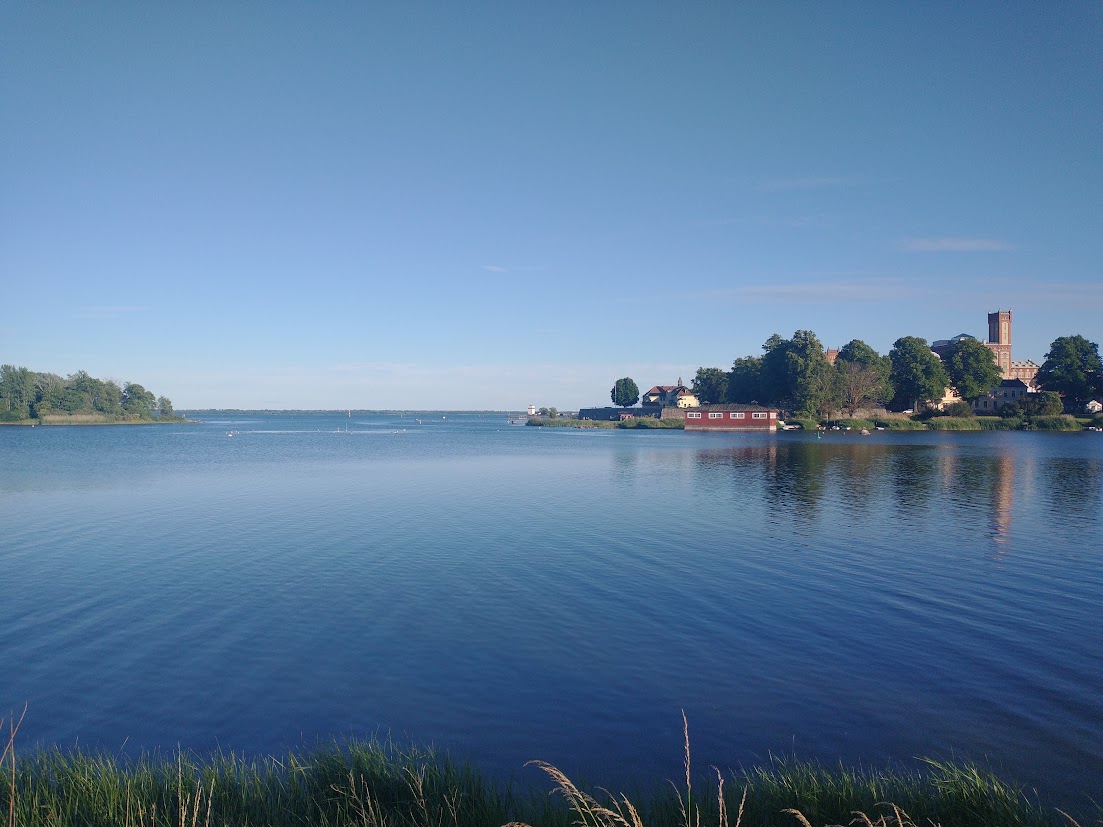
Eventually, I come to a waterway so broad it seems like a lake. I’m at the desirable suburb of Varvsholmen, and who wouldn’t want to live there with views like this, including the sight of the almost 4 mile long bridge connecting Kalmar to the island of Öland? This was once the longest bridge in Europe. We really should have gone to Öland , but … next time.
And then I pick out a route home by crossing a much more workaday bridge to find a different path. I know when I’m getting back into the home-zone, because …
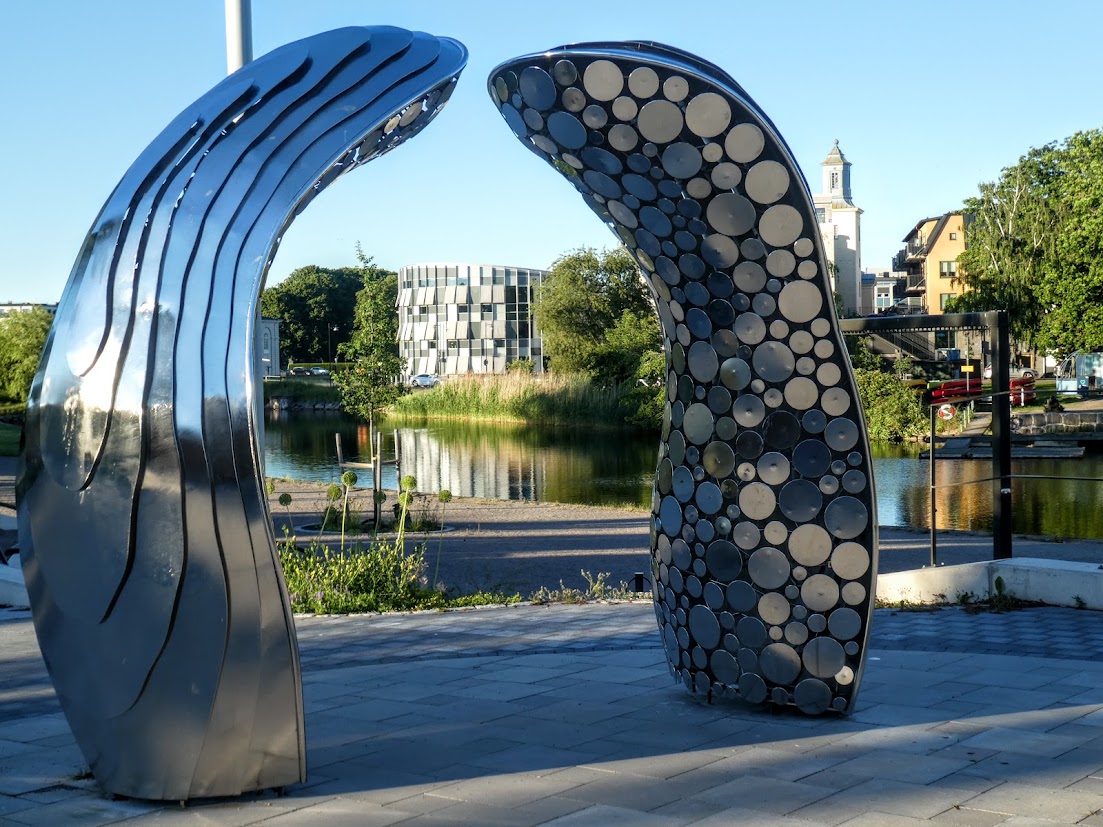
But I’m done with surprises yet. Here’s the Cultural Centre, with its library, art gallery, theatre, creative spaces – all closed that Sunday evening, but still offering me two pieces I could find out little about, but still enjoyed.
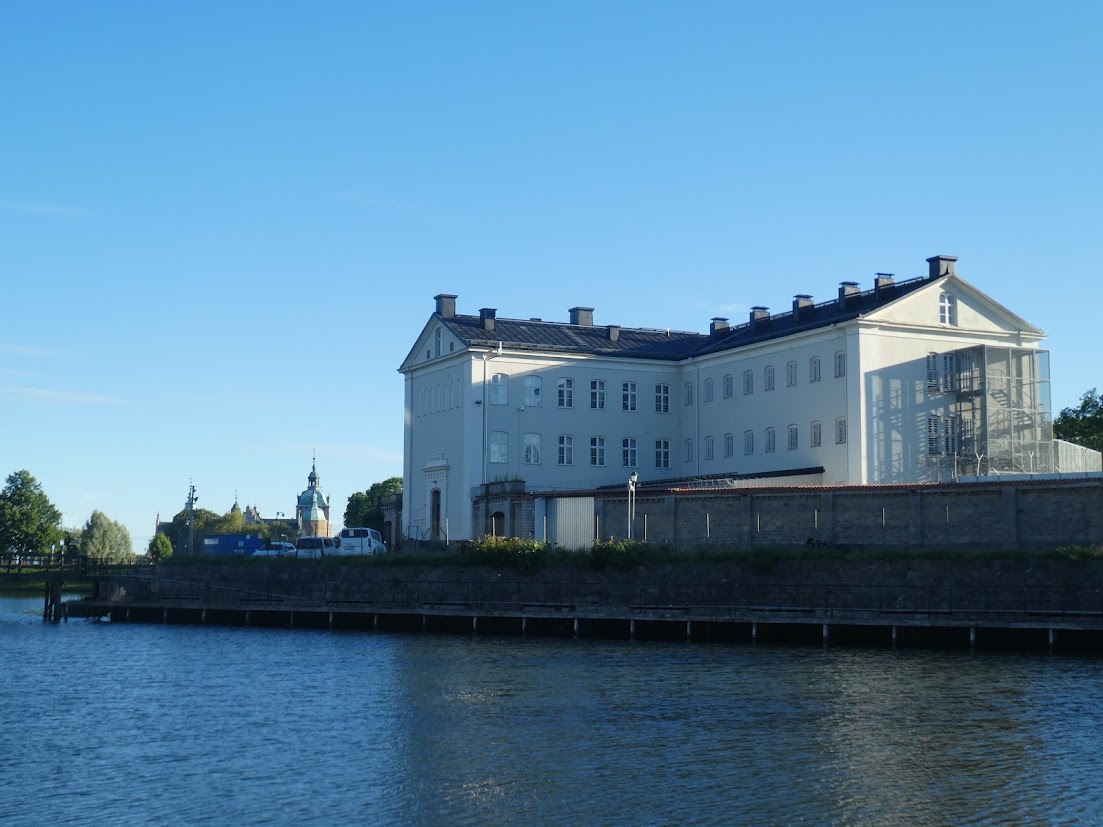
And then onwards, past the white and almost homely looking prison, and over the little wooden bridge to the town walls, the water tower, and the hotel, for our last night in Sweden.
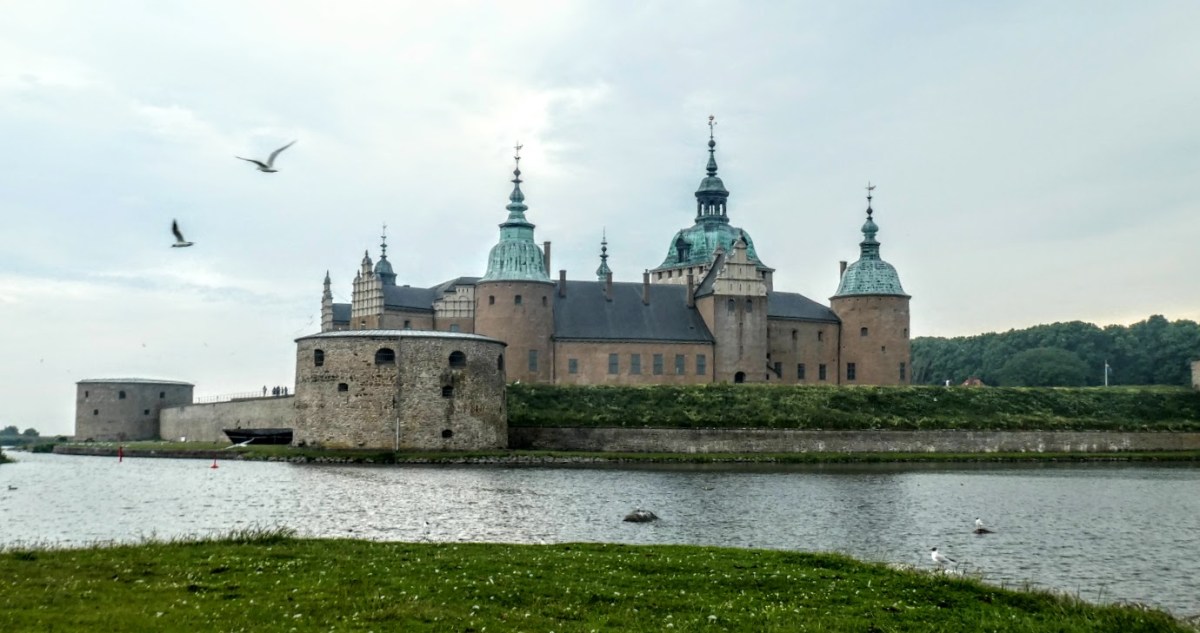
We wanted to break our journey from Stockholm back to England. Kalmar seemed the perfect spot. It’s a coastal town, and a busy one. But at its heart is a quiet community, featuring a Proper Castle.
Back in the 1180s, there were nuisance pirates. So a fortified watchtower was needed. Here, the castle began. It was strategically – and ideally -placed near Denmark.
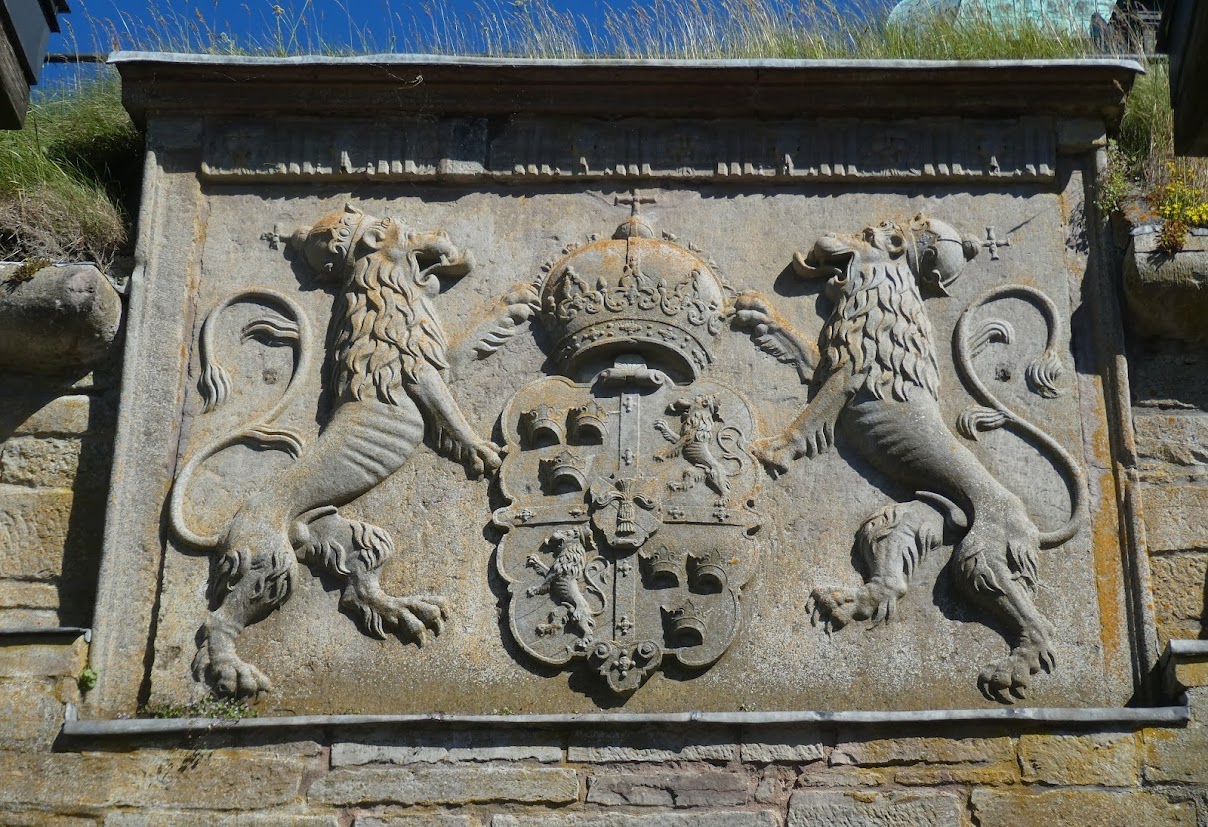
It was here that the Kalmar Union took place in 1397, a treaty signed at the castle that unified Denmark, Norway, and Sweden under a single monarch. Scandinavia’s history has long been intertwined in different ways over the centuries. Then in the 16th century King Gustav Vasa and his sons upgraded the medieval stronghold into a spectacular Renaissance palace.
That didn’t stop it being a defensive castle though. There were sieges throughout much of the first half of 17th century, though they petered out when national borders moved further south. Kalmar Castle’s strategic days were over. By the late 1600s it was used first as a prison and then – the shame! – a granary. It had to wait until the 19th and 20th centuries to be restored to glory, and recognised as a National Treasure.
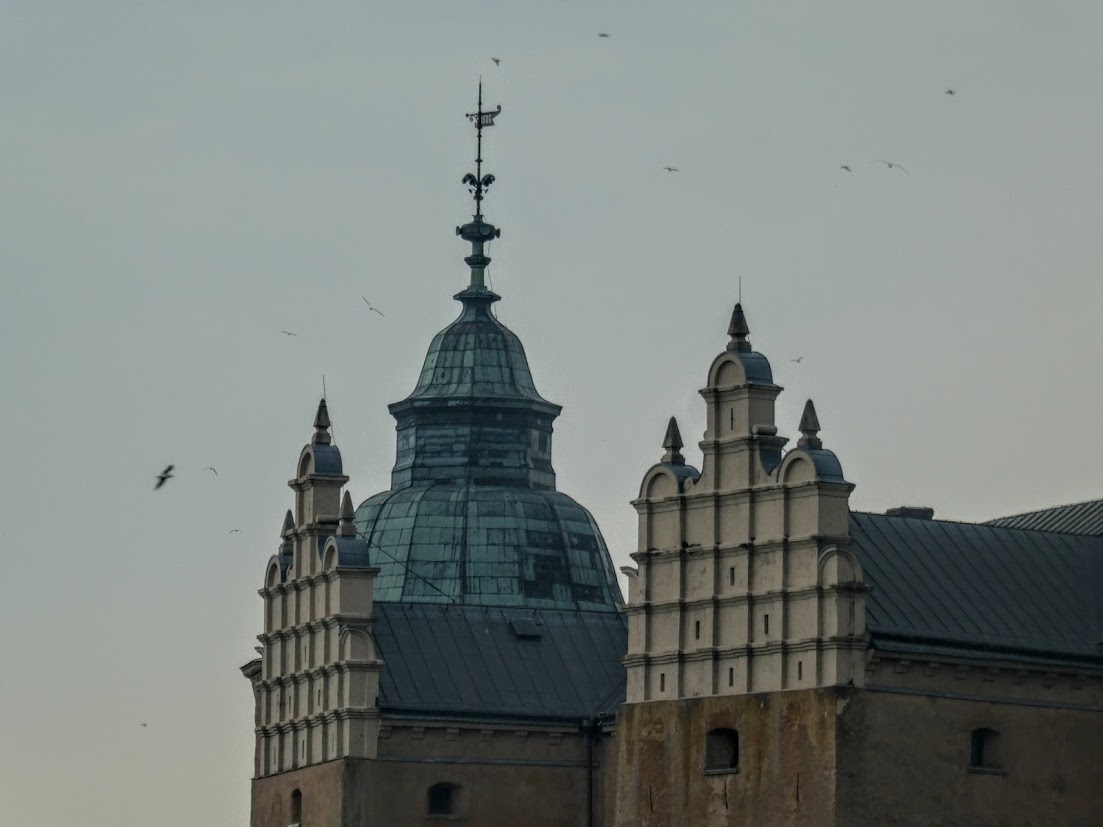
Midsummer meant that opening hours were fairly restricted, and we didn’t see inside. But we enjoyed the outside, and even some internal courtyards.
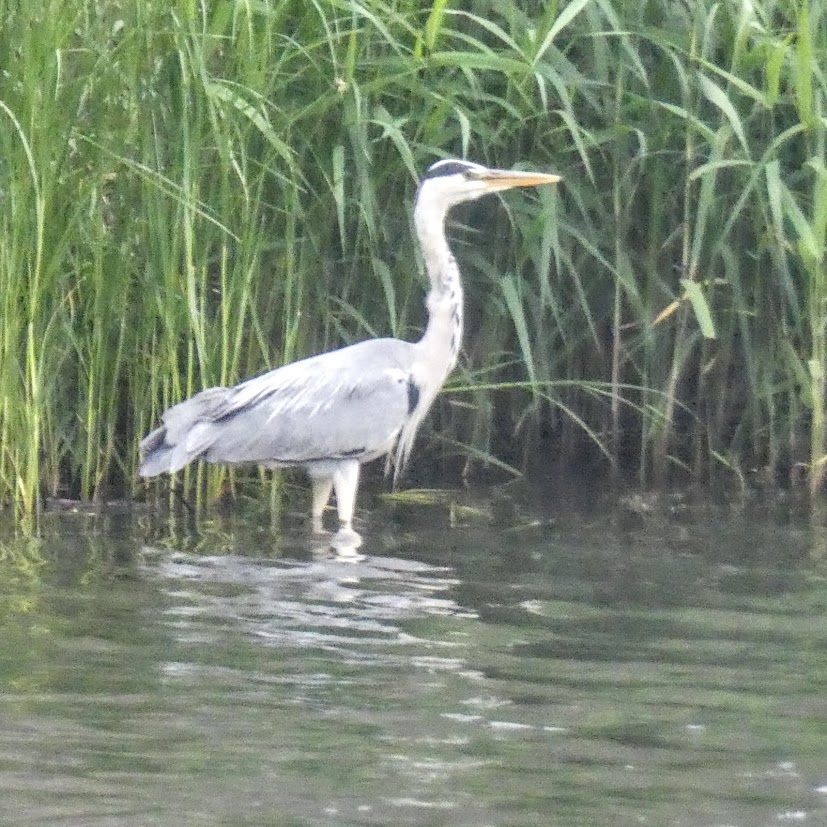
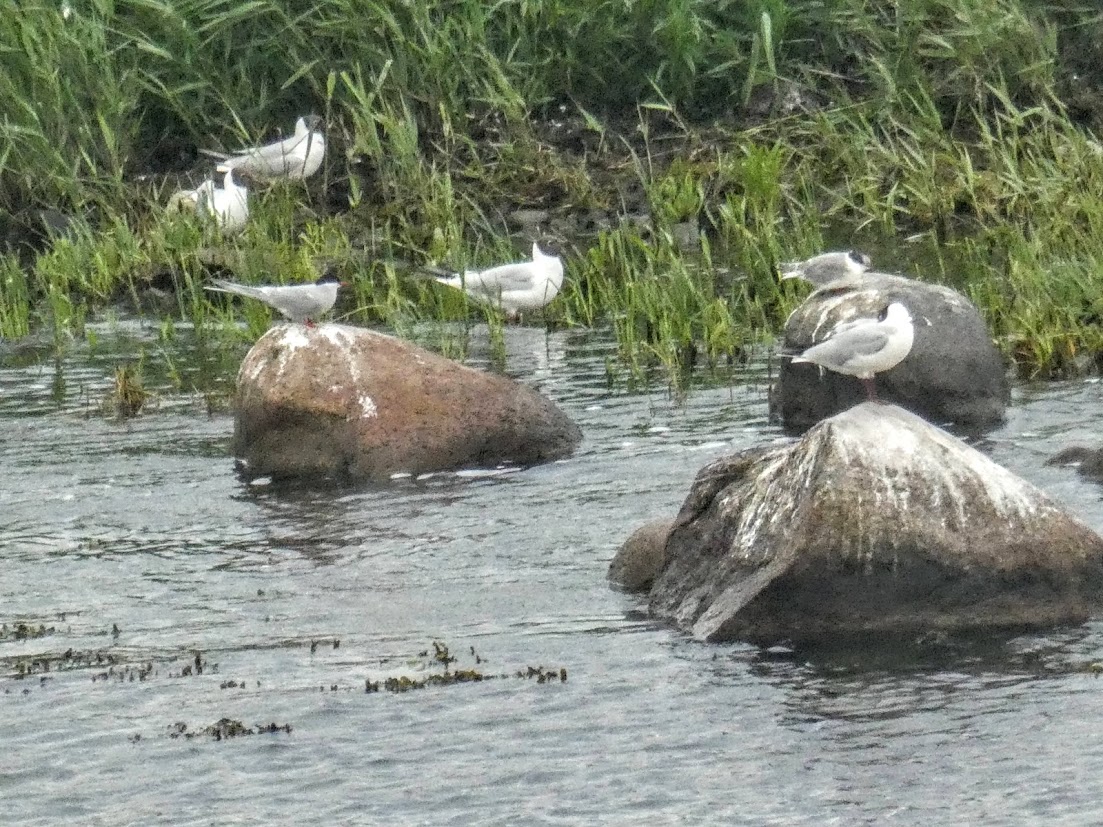
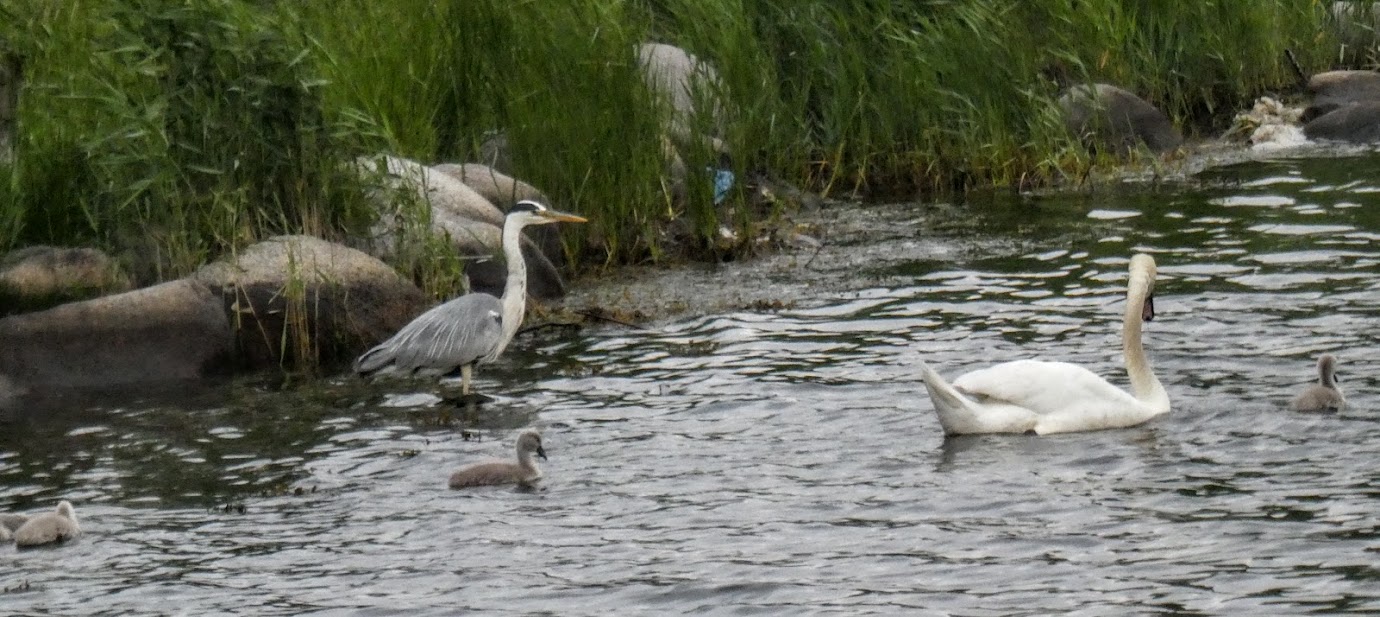
It was almost as much fun to watch the seabirds. One small island nearby was so very noisy with seaside birdlife that I promptly named it Bempton Cliffs, though there wasn’t a cliff in sight. Herons seemed omnipresent – and successful fisherfolk they were too.
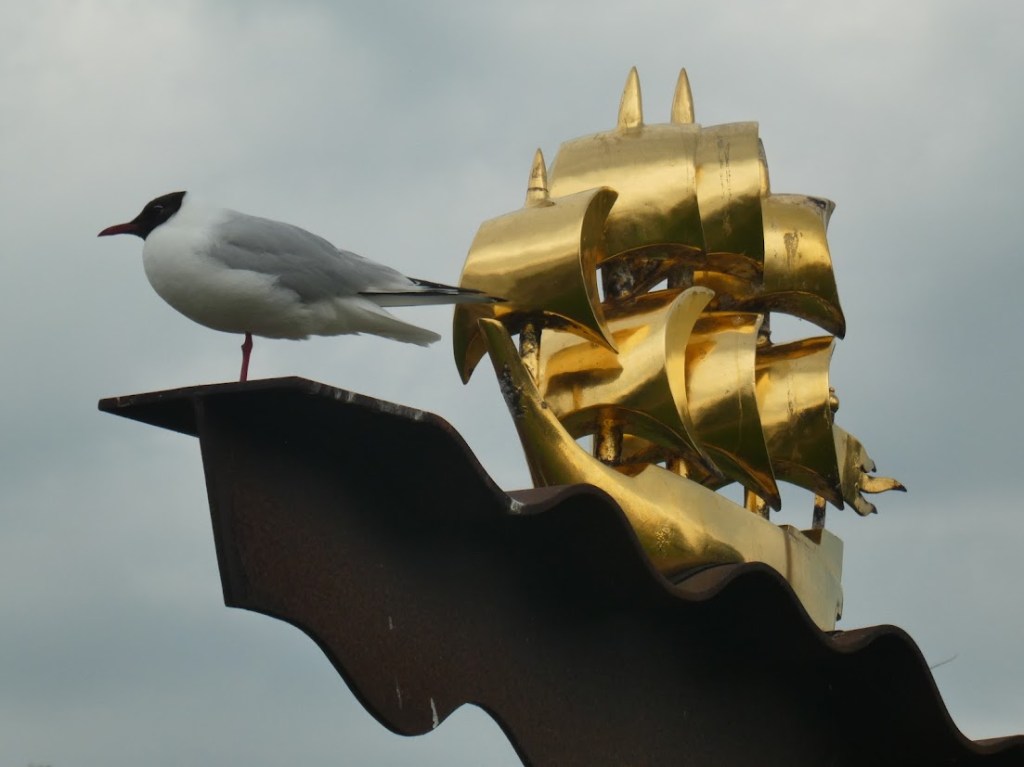
One extra bit of history, noticed by us and a black headed gull, near the castle.
This is a memorial to Kalmar Nyckel‘s first voyage to America in 1638, taking (in 4 voyages) the first Swedish colonists to America. I assumed that Kalmar Nyckel was a man. Silly me. It was a ship. Since 1963, Kalmar has been twinned with Wilmington, Delaware, the site of the New Sweden colony.
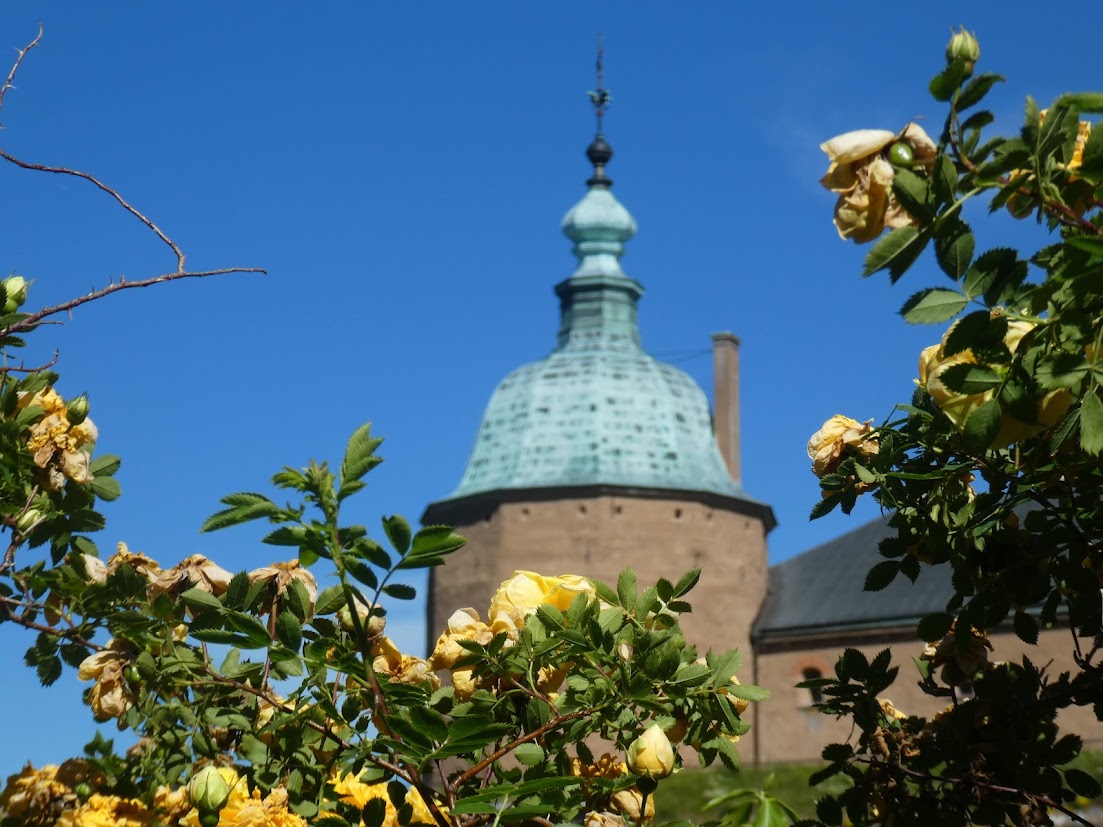
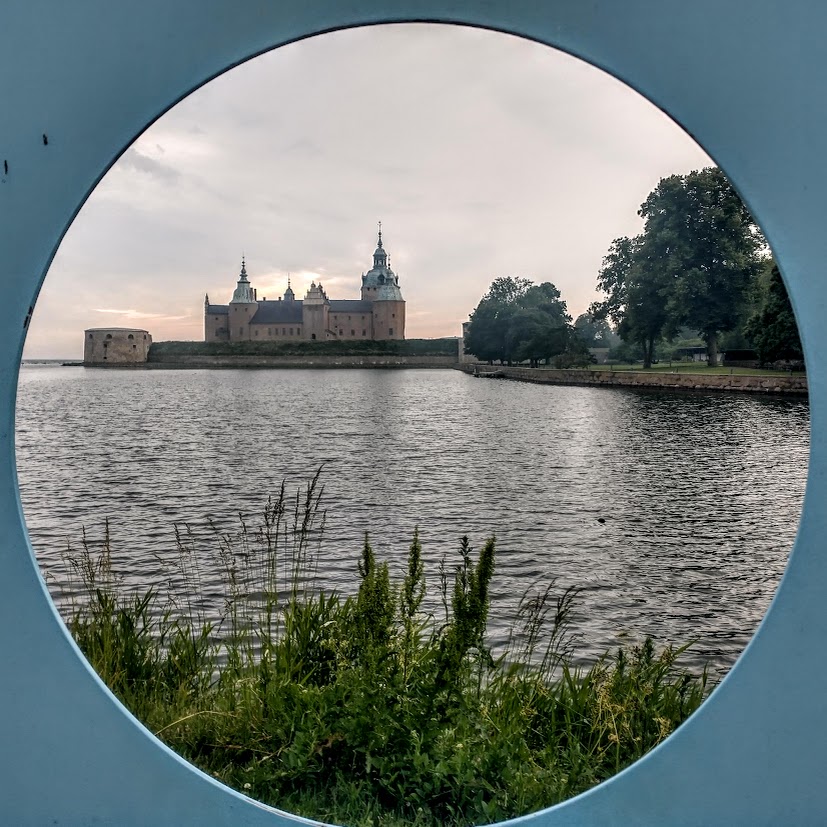
And finally, for the Instagram generation, here’s the castle again. A view through one of the helpful ‘frames’ which surrounded the castle.
I’ve probably not done with Stockholm yet. I’m jumping around our holiday as the fancy takes me.
All my posts about Sweden seem to feature The Great Outdoors. That’s where we often wanted to be. I’m going to show you some of Gothenburg’s parks. They were a wonder. Immaculately maintained, beautifully planted. A refreshing mix of formal, informal, and wild-as-Nature-intended. Just like the parks in the other cities we visited: Stockholm, Kalmar, Malmö. Money shortages mean that many of Britain’s parks are shabbier than they used to be – even Harrogate’s former Jewel-in-the-Crown, Valley Gardens. So seeing such cared-for open spaces in Sweden was a treat and a revelation.
Because they were so near our hotel, we spent time in the Botanical Gardens, open every day, all year round, around the clock. But we barely scratched the surface. We went to Slottsskogen. But we only saw a tiny part of the whole (though we rather liked the maze). And on our last day, because it was right next to the station, we had a little time in Trädgårdsföreningen (The Garden Society of Gothenburg) one of the best preserved 19th century parks in Europe. Every one of these offered us open spaces; enticingly planted flower beds; water – both moving and still; palm houses; magnificent vistas. We didn’t get to explore any of them adequately, much less their wilder parts. Here’s a collage of pictures from all three parks. But please note the robot-mower which I spotted one evening in the Botanical Gardens,, moving methodically up and down an expanse of lawn, keeping it neat and tidy. When it had done what it had to do, it chuntered off and put itself to bed in its little hut.
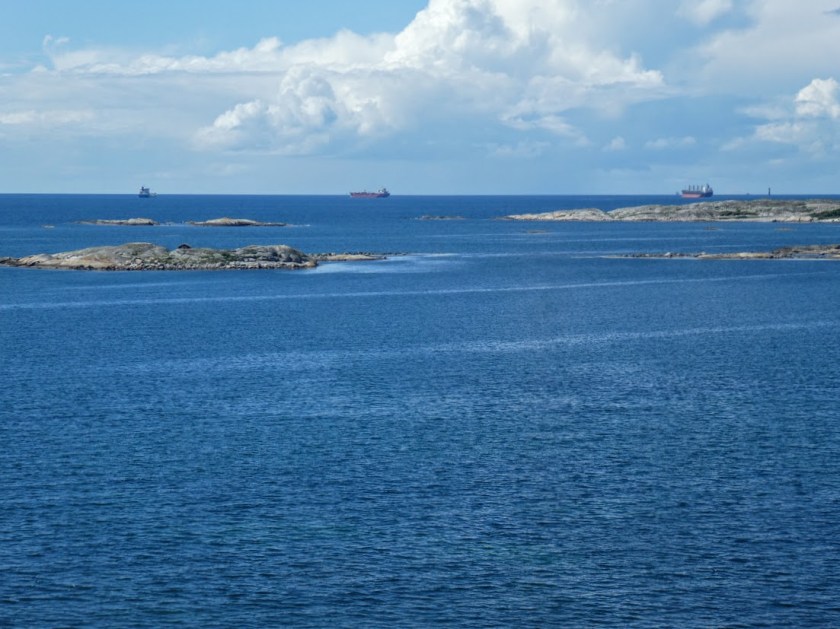
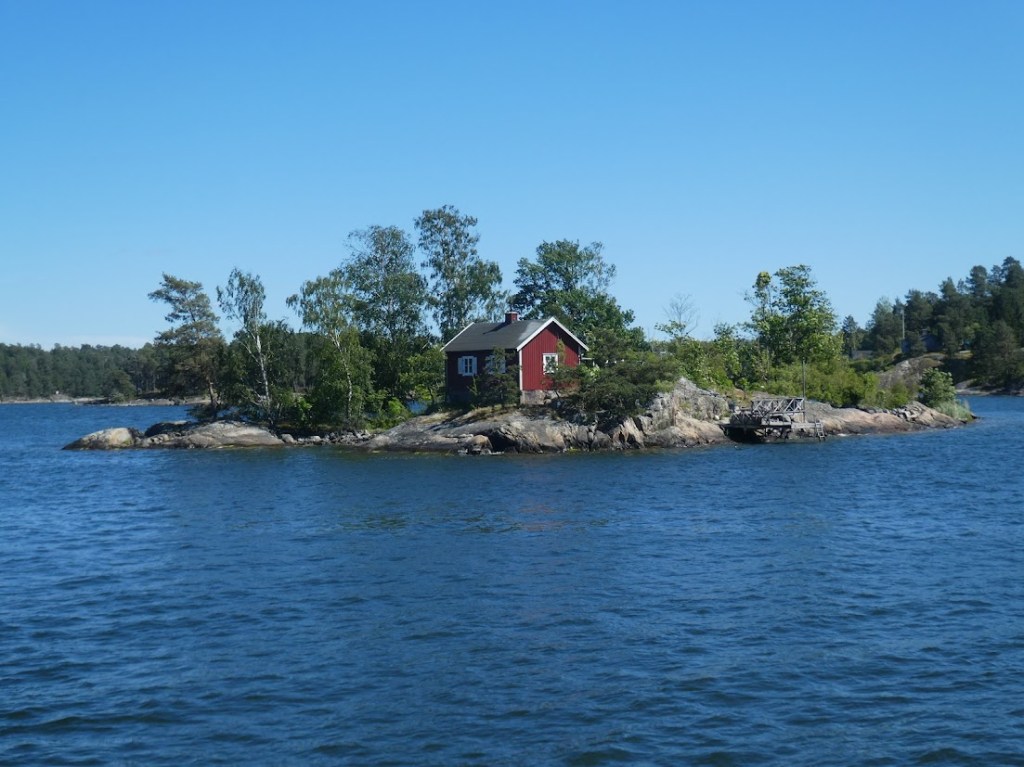
Among the pleasures of our stays in Gothenburg and Stockholm were the joys of exploring the archipelagos which are such an instrinsic part of life there. Our first experience of them was in Gothenburg. On our second day there we caught the tram to Saltholmen ferry terminal, and then a ferry to – where? Styrsö? Donsö? Vrångö? Or some of the many other islands forming the Southern Archipelago? Did it even matter? Island hopping is easy by inter-connecting ferry. What a delight to stand on deck, the breeze on our faces, the sea and sky an uninterrupted blue. We island-spotted. Some barely qualified, they were so tiny.
Some were inhabited … just about.
But we were aiming for ones with inhabitants as well as wilder spaces. Gothenburg’s Southern islands are vehicle-free, so on landing we noticed employees – electricians in this case – going on their rounds with company vehicles. Bicycles.
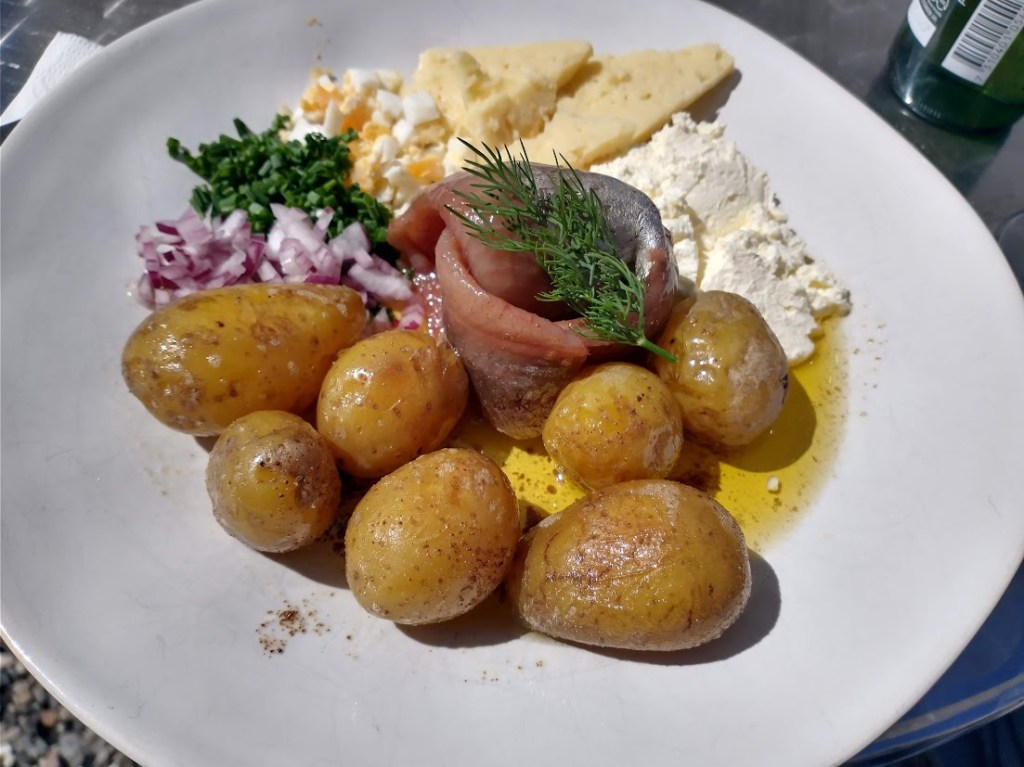
It was on one island – Donsö – that we had our lunch. It turned out to be our only properly Swedish meal, as local cooking seems hard to come by in the city.
A simple but perfect meal of herring, new potatoes and cheeses, tastily garnished.
We were after the natural world though, so headed further south for Vrångö and its nature reserve.
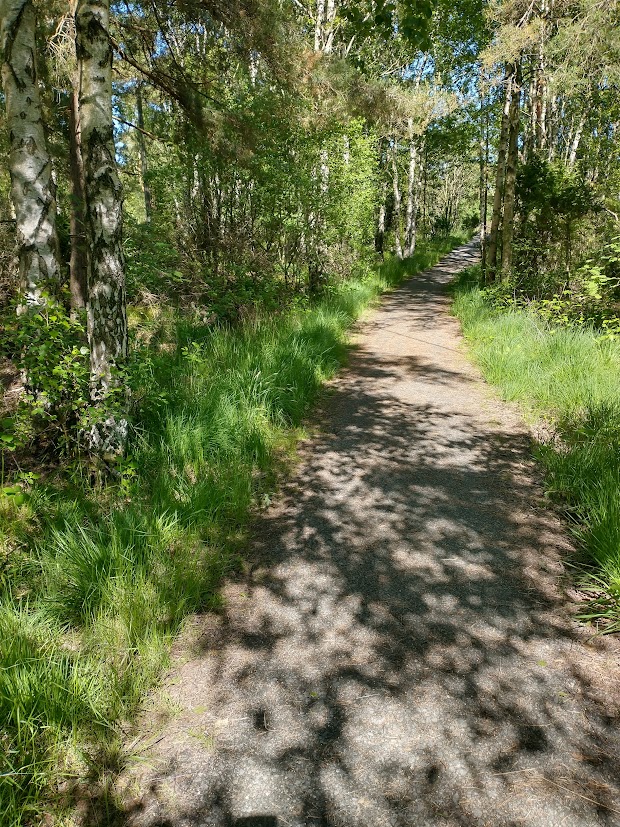
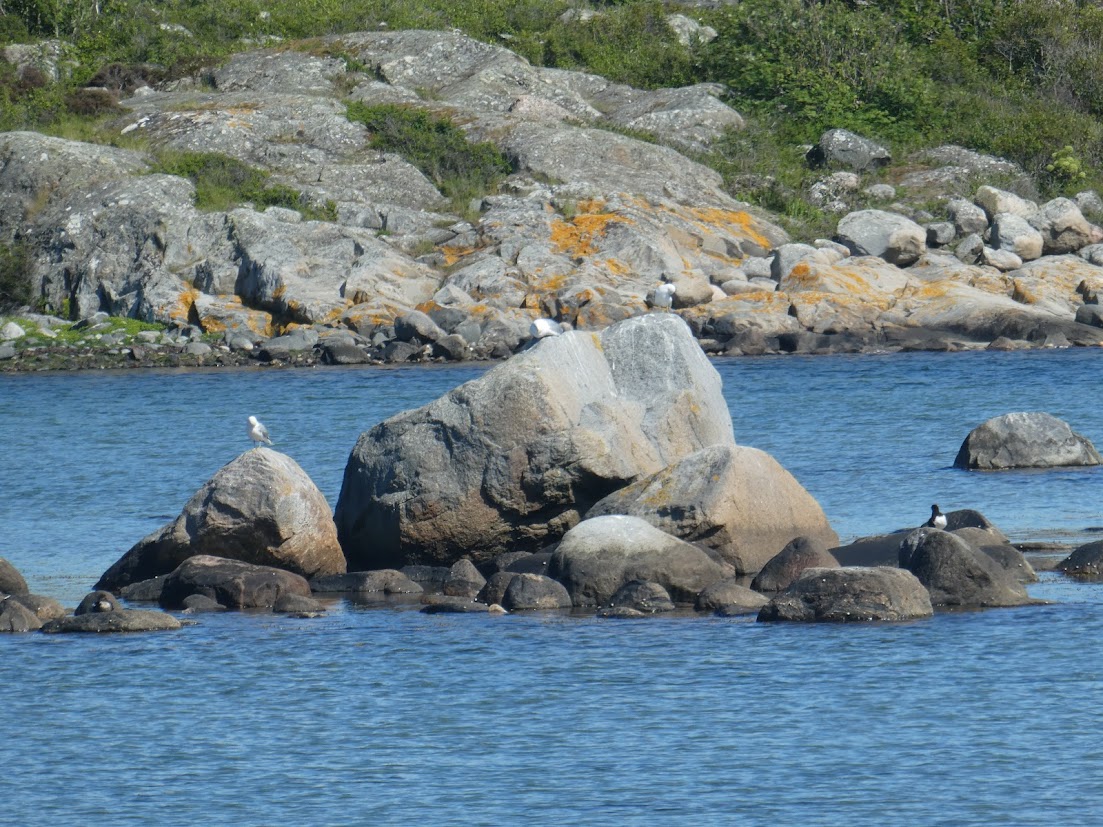
There was something special about strolling along the coastline, always having the sea in sight, but always other islands too, of different shapes and sizes.
We had similar experiences exploring Stockholm’s Archipelago. One day we settled on setting foot only on one – more distant – island, Vaxholme, which has a BIG town of 6,000 inhabitants. Its municipality includes 64 further islands, bringing its total population to some 11,000.
We wondered what it would be like to live there year round, including dark and rather cold winter, and decided we’d opt, as many do, for having our summers there before heading back to the Big City for the rest of the year.
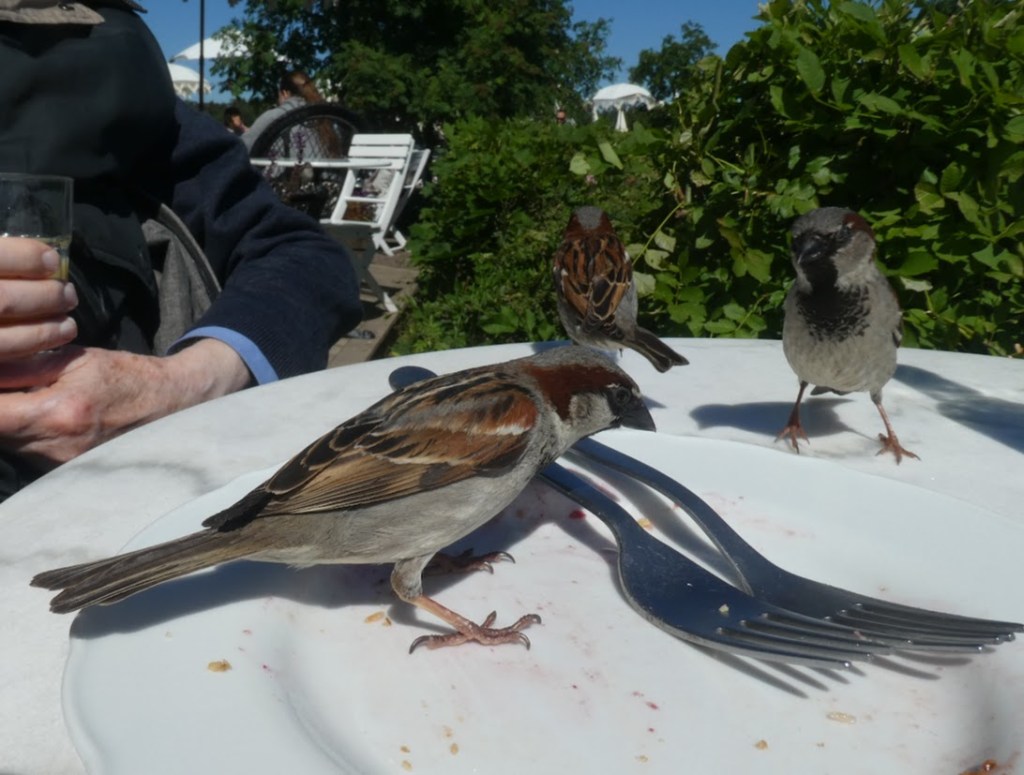
We’d arrived in time for fika, that typical Swedish tradition where you take time out of your day to pause and enjoy coffee and a snack. Look! Here was somewhere with a large terrace on the waterside, great coffee, and a range of cakes so temping that it was incredibly hard to choose. Near us was one very unfortunate couple. As they sat down, their cakes and coffee on the table, down swooped a kittiwake who made off with one whole slice of cake. All we had to deal with were sparrows, hoping for crumbs.
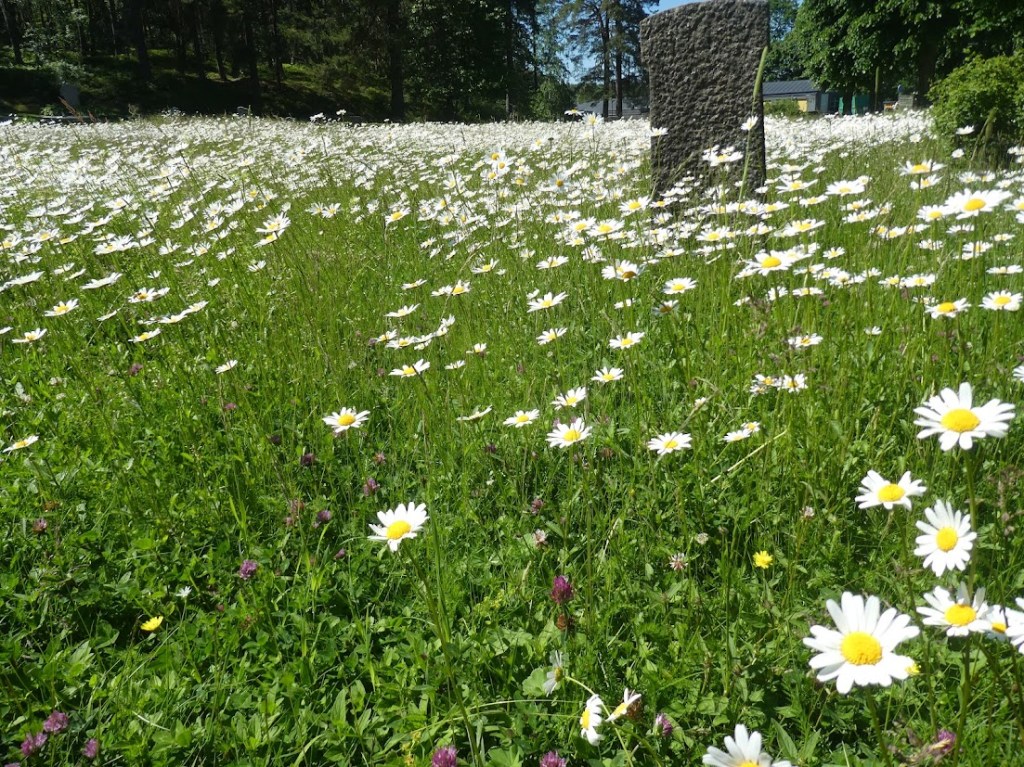
We did like the idea of being buried on Vaxholme though. Swedish cemetries are a delight, being mainly in expansive parkland where it’s quite usual to come for a family stroll. We wandered round for quite a while before searching out some wilder walking.
We dropped so lucky in our choice of accommodation in Stockholm. It ticked every box, plus some we hadn’t even thought of. Ours was a small apartment – sorry – ‘studio’, in Saltsjöqvarn. Now residential, the area has a long history of industry: shipbuilding and milling. From our point of view, there were waterfront views back to Stockholm and the more open area opposite. Leisurely long waterfront walks too. And our ‘studio’! Modern and well-appointed, with one wall overlooking the water being entirely window, there was little better to do during downtime than watch boats and ships busily ploughing to and fro, enjoying views in every direction, and sunsets every evening (and, if you were awake in the small hours, sunrises too). Commuting into Stockholm? Well, there were buses, and we used them. But it was much more fun to stroll down to the landing stage and catch the no. 80 ferry into the city. In our opinion, there’s nowhere better to stay in Stockholm. And there’s not a tourist in sight.
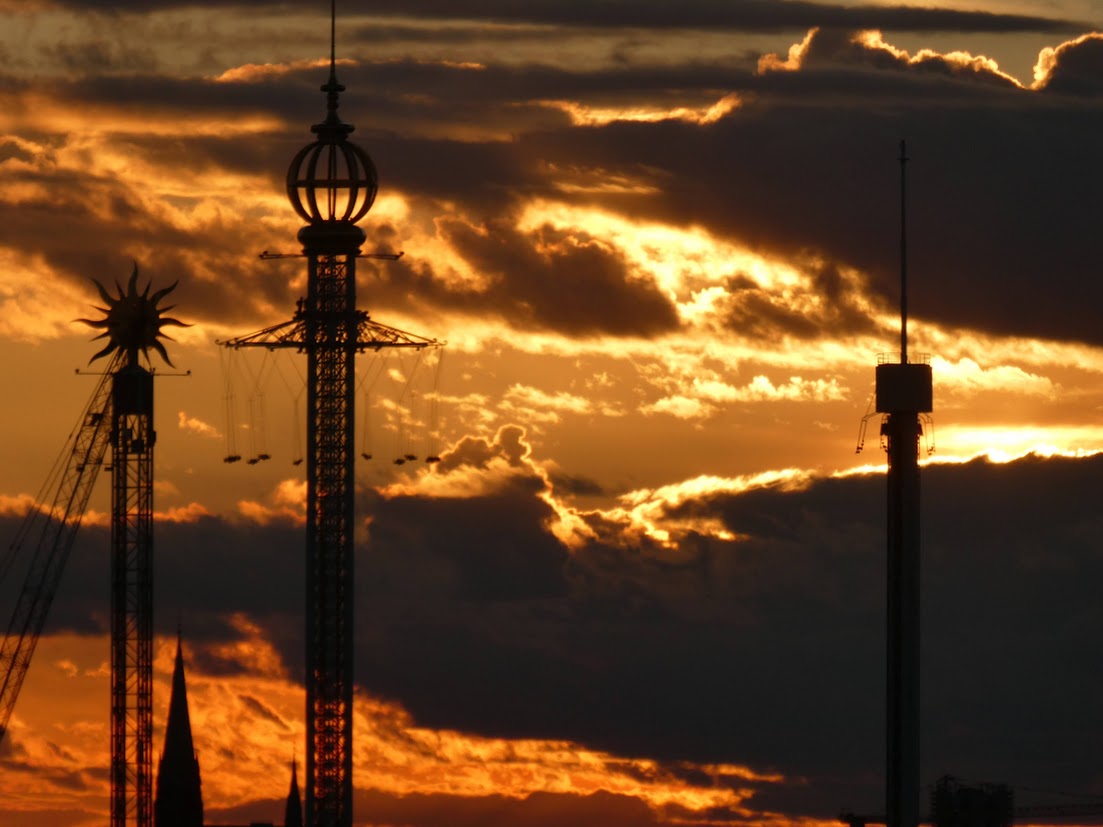
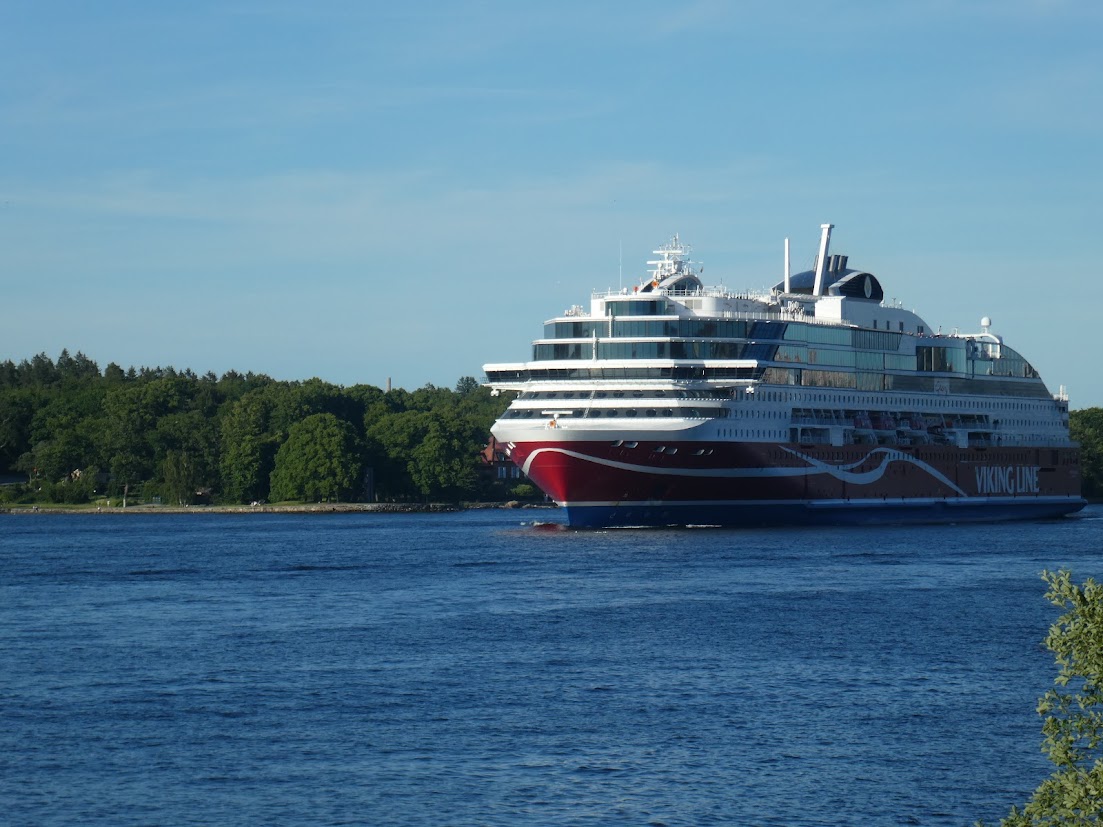
Here’s a little gallery. We should have made the bed before taking the photo that included it. But you’ll also see here the twice-daily Viking car ferry to and from (we think) Finland; a sunrise shot which includes not industrial buildings, but Gröna Lund, Stockholm’s Amusement Park. The grey skies (and chilliness) were there as we arrived in town, but soon dispersed to postcard-perfect sunniness and warmth. Wonderful memories.
And … we’re back. Our Swedish adventure has filled our memory bank with so many wonderful sights and experiences, and I’ll share some of them here. I’ll begin, not at the beginning of our holiday, but at (almost) the end.
Last Friday was Midsummer Eve. We’d planned a day of sightseeing in a part of Stockholm we hadn’t explored at all, and hopped onto a ferry – our preferred method of travel in a city built on 14 islands, with up to 30,000 more in its Archipelago. At the terminus, puzzling over our map, an American offered his help. We could tell that he was no fellow-tourist, as he had a pushchair laden with with rugs, picnic hampers and all the clutter needed for a day out with his – as it turned out – Swedish-American family. ‘You can’t go into the city! Everything’s closed!’ We’d forgotten. Swedes celebrate on the eve of a Big Day. Christmas Eve is their Christmas Day. Midsummer Eve is their Midsummer Day. He argued that we needed to jump onto a ferry bound for one of the many small islands and join in everyone’s fun. Why not follow them, and choose Sticklinge on Lidingö? It sounded like a plan.
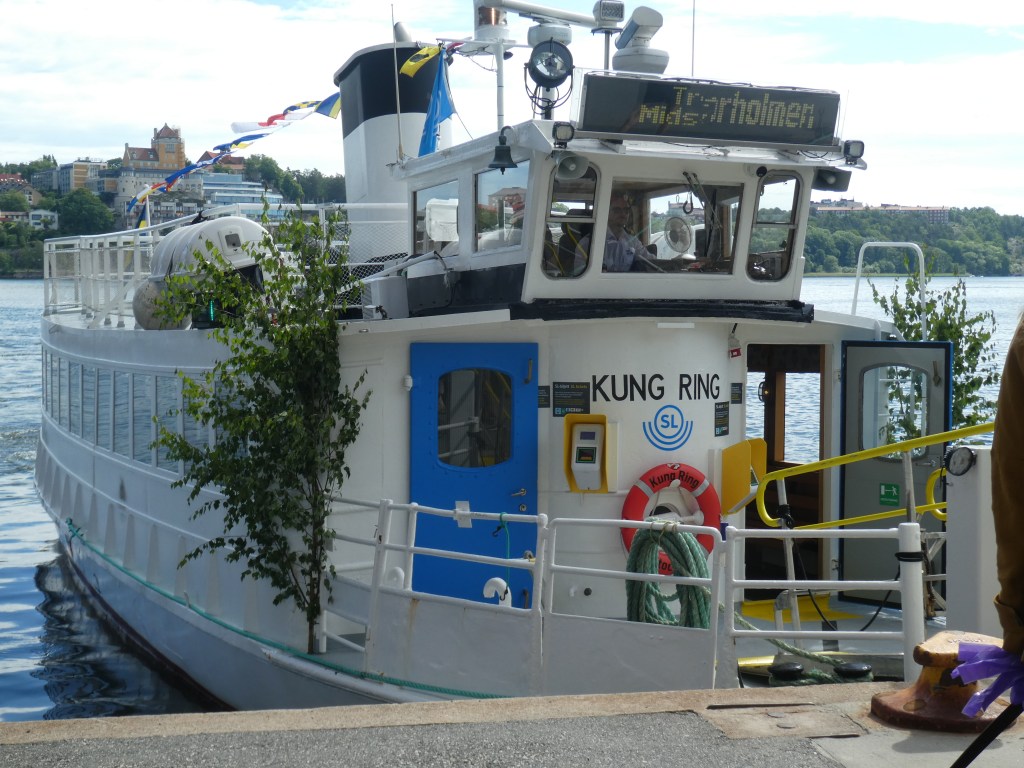
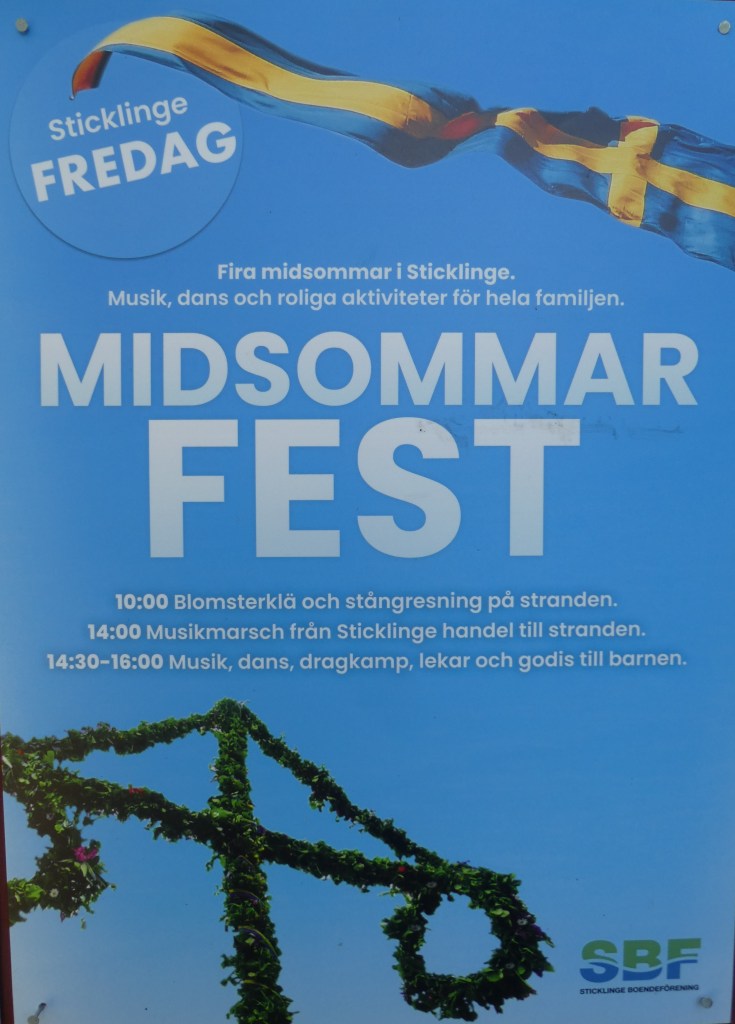
On our ferry – especially dressed with branches for the day – we met a young Swedish woman as encumbered by gifts and picnic paraphernalia as our new American friend. She said she was doing what every Swede aims to do – celebrating Midsummer on a small island with friends. Hers was a stop or two beyond ours, but she Googled our destination, and got us the programme of events.
The ferry stopped at this and then that island, where families laden with good things got off for their own celebrations, and then at ‘our’ island for the day. We were not burdened with picnic paraphenalia, so toiled off in search of an open shop. A slightly shabby convenience store yielded nothing better than nuts and biscuits, but we wouldn’t starve…
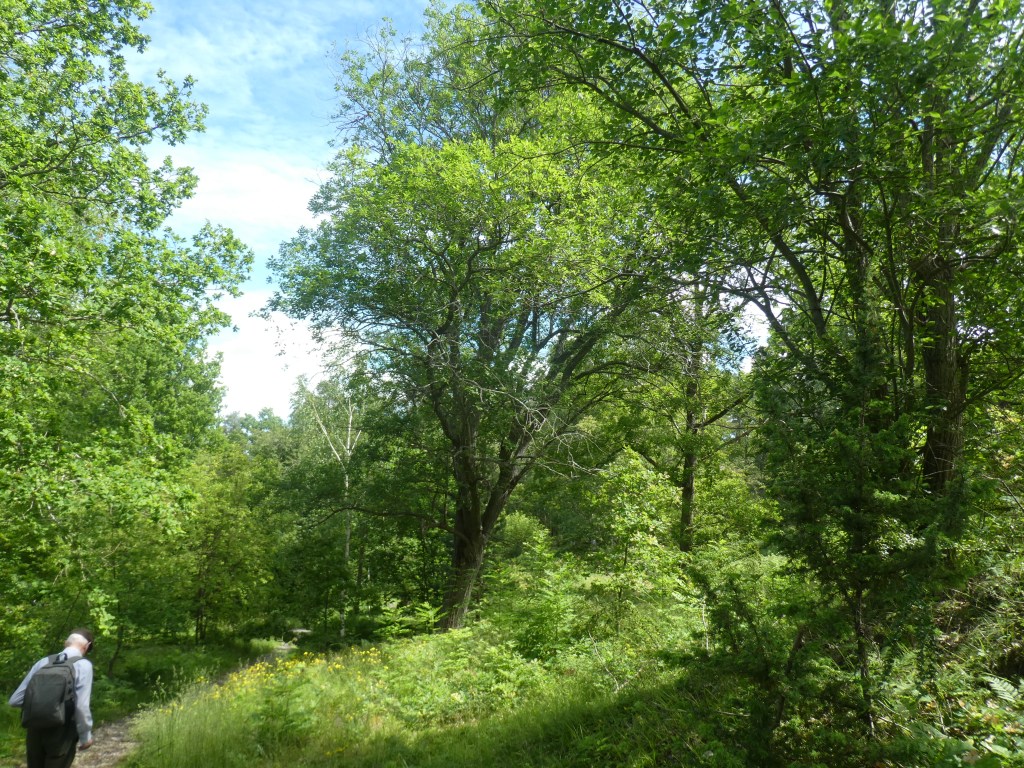
A quiet path through the woods took us to the beach.
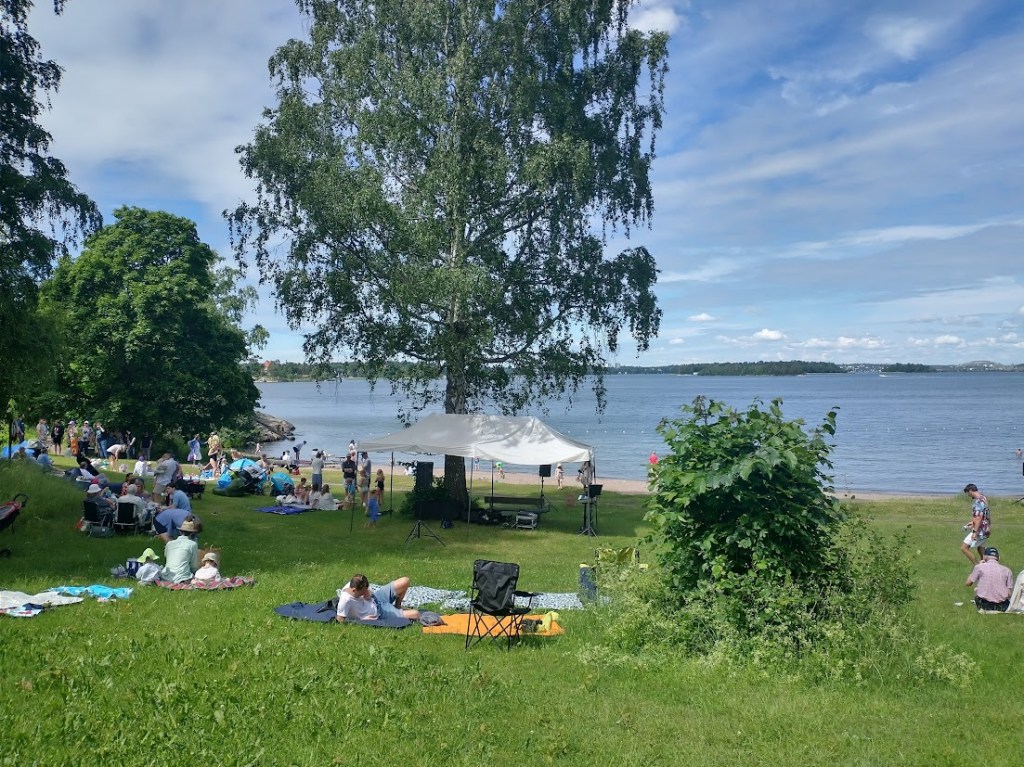
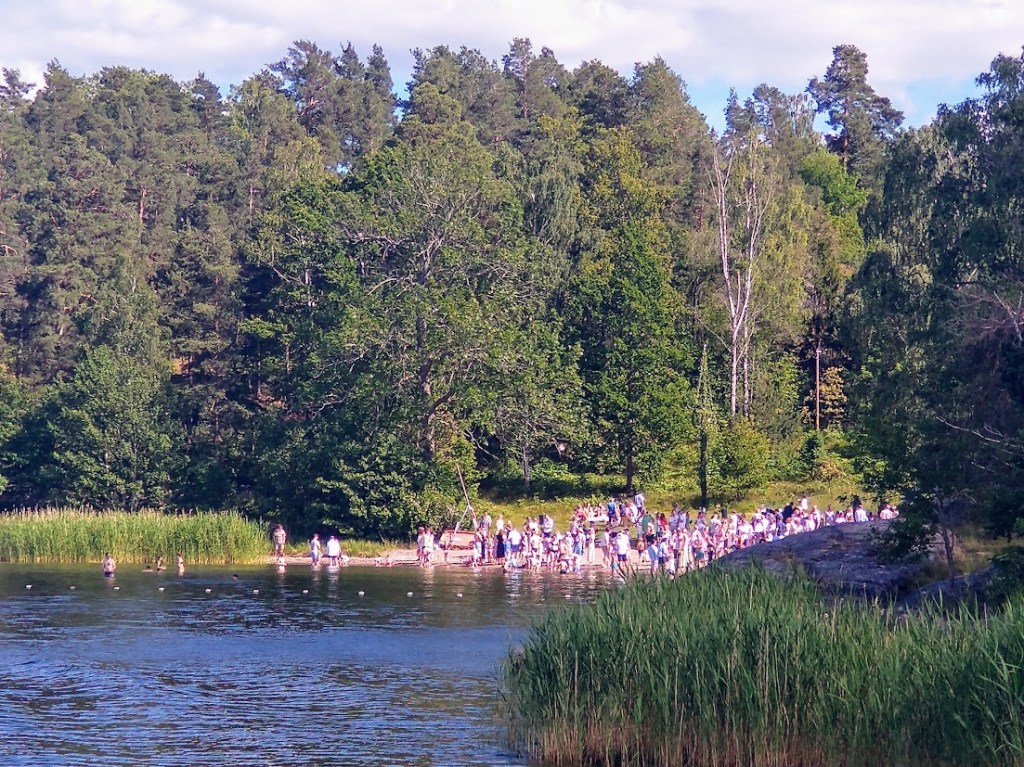
And here, we found ourselves part of low key celebrations. Families quite simply enjoying time together: eating; beach games; swimming; linking up with friends, neighbours, acquaintances. Our new American friend’s mother arrived with plates of food for us, aware we had little of our own to eat.
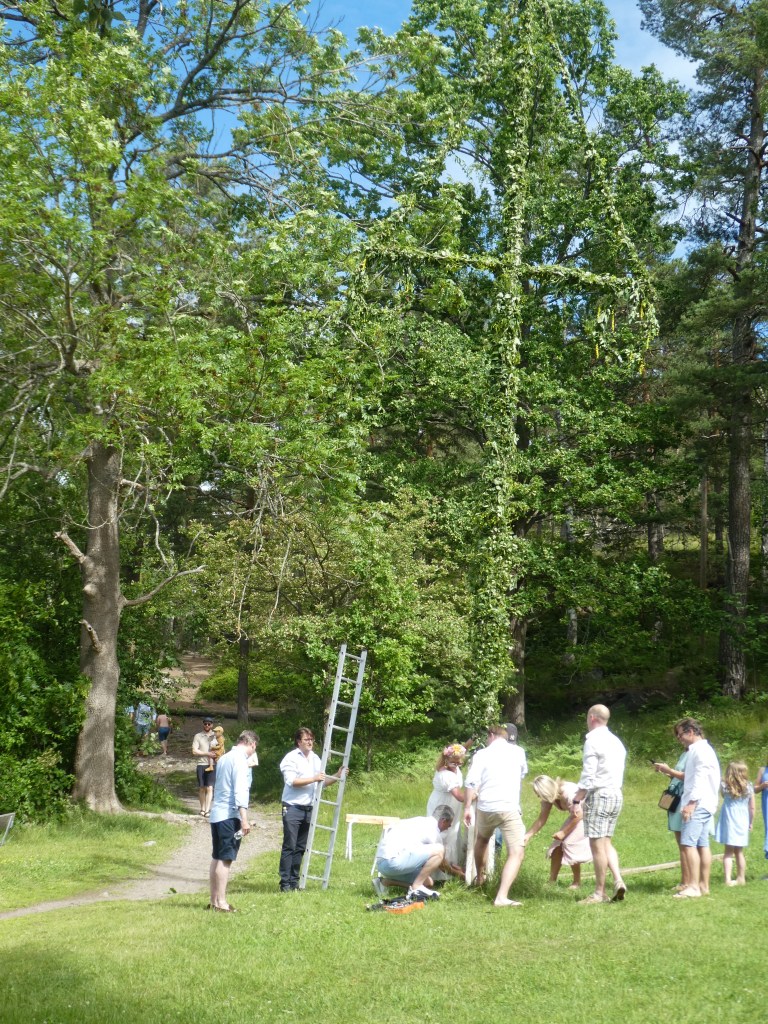
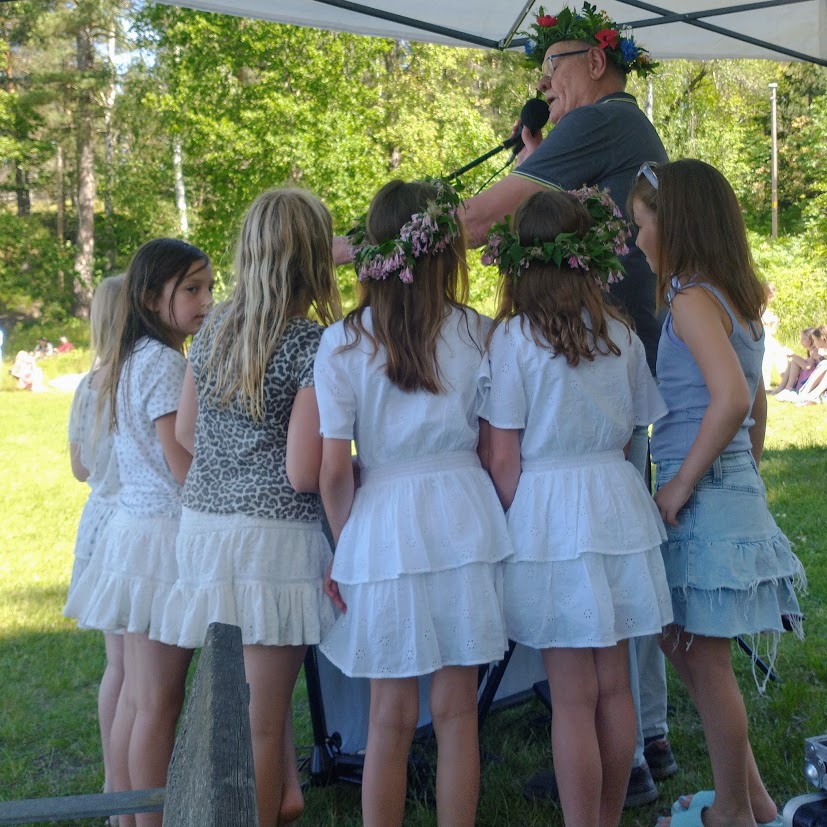
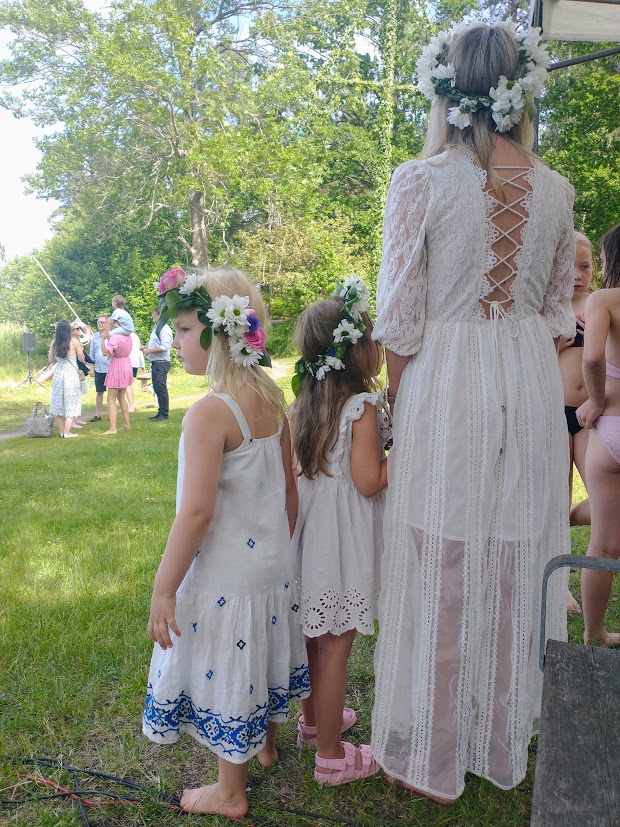
An accordian player loosely compered the event, and at two o’clock, the maypole was raised: not be-ribboned, like its English relative, but hung about with greenery. The accordian player acquired a little team of girls who wanted to sing along. More and more people arrived: women and girls – often in white, or pastel shades – and decked with home made crowns of flowers for their heads.
Raising the maypole.
Then it was time for dancing around the maypole. We had no idea what was going on- lots of miming: pretending to scrub laundry (?) or jumping as frogs during the frog song (?) We thought it best to sit it out and watch.
After that, we thought we’d go, and leave families to finish their day out together. We went for a wander in the woods, before we took the ferry that puttered back and forth collecting passengers from the many little islands here. Then it headed back to our starting point, where that lucky chance meeting had given us the gift of enjoying special Midsummer Moments.
Goodbye, Sticklinge!
I’ll now resume normal service. I’ve not been reading anyone’s blogs for the duration – sorry – though I hope I’ve continued to respond to comments.
















You must be logged in to post a comment.