Golden moments at break of day … and sunset

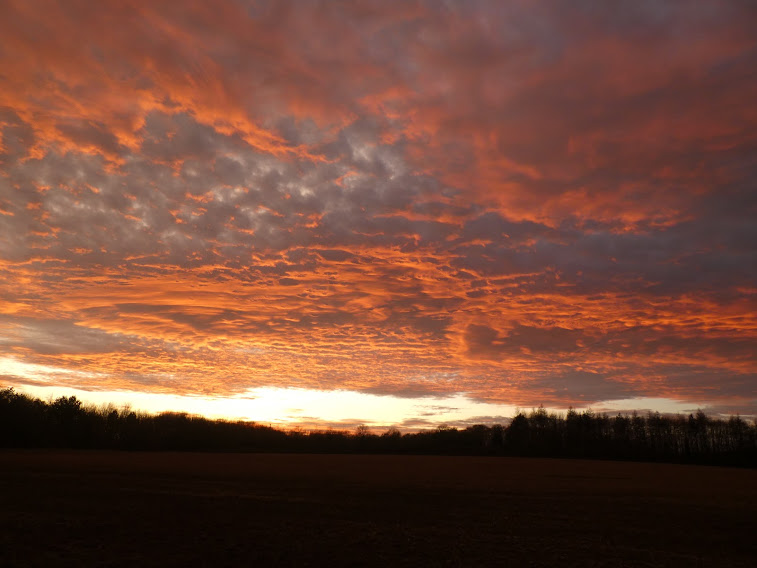
My last couple of posts have not been light-hearted. I took you for a walk across a stark and austere landscape. I invited you to read a number of stark and austere books. Since Jude’s Life in Colour is all about gold this month, I thought I’d hunt out – not very original of me, I know – a few sunrises and sunsets. These can get their golden vibe by being yellowish rather than reddish, but they’re gleaming, resplendent, hopeful, bright.

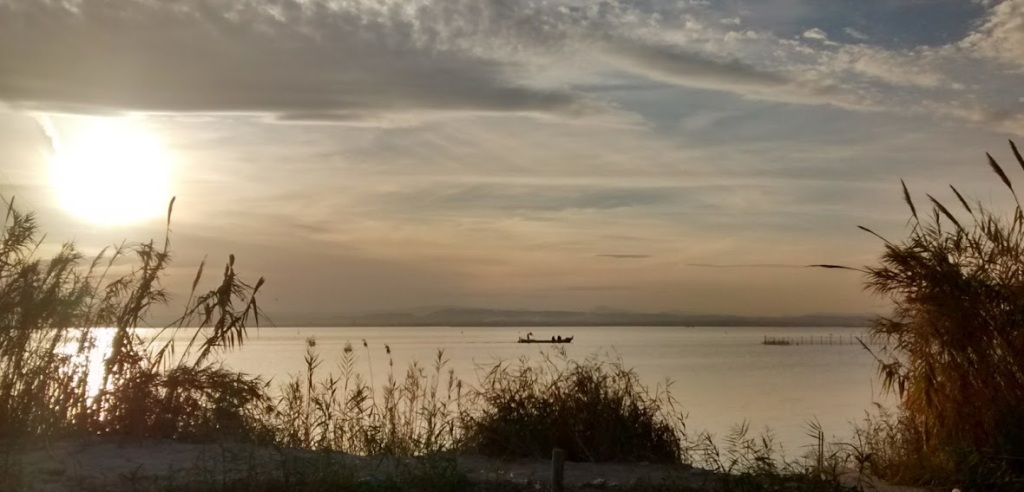
My featured photo, and the one below come from  L’Albufera de València, a natural freshwater lagoon that is home to thousands of birds – and fish too of course. Its sunsets are a wonder on any day of the year. But I particularly like the understated dirty-golden glow in these two shots.

 L’Albufera de València

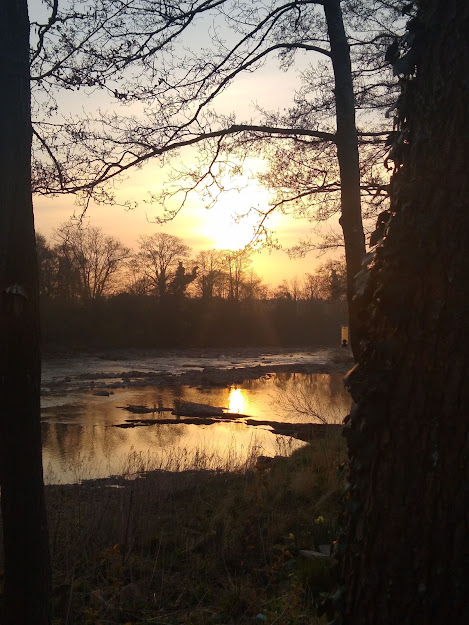
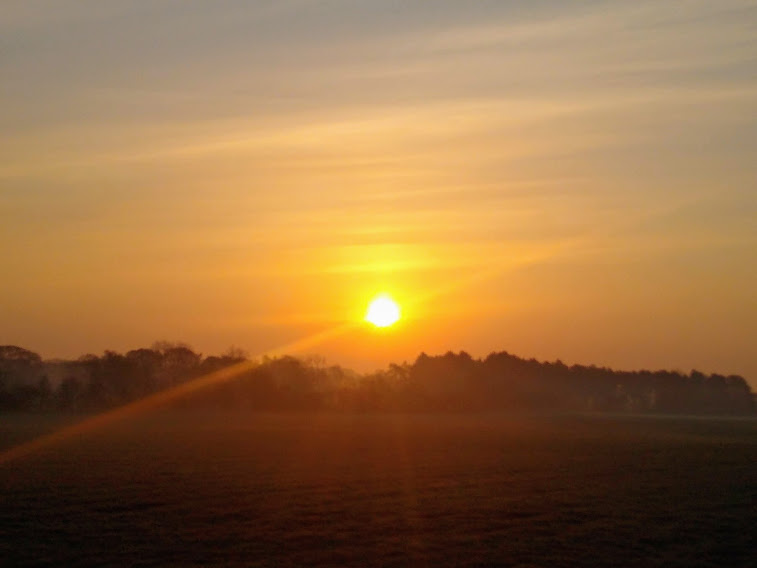
Travelling’s tough these days. Better to stay local and get up early, and enjoy the sunrise just near the house. These two shots show our river, the Ure, at daybreak in spring.

Or just a little later, in the parkland of Sleningford Hall …

Sleningford Hall

You’d still sooner be abroad? Best take a ferry then …

Rotterdam- Hull ferry: a view from the deck.

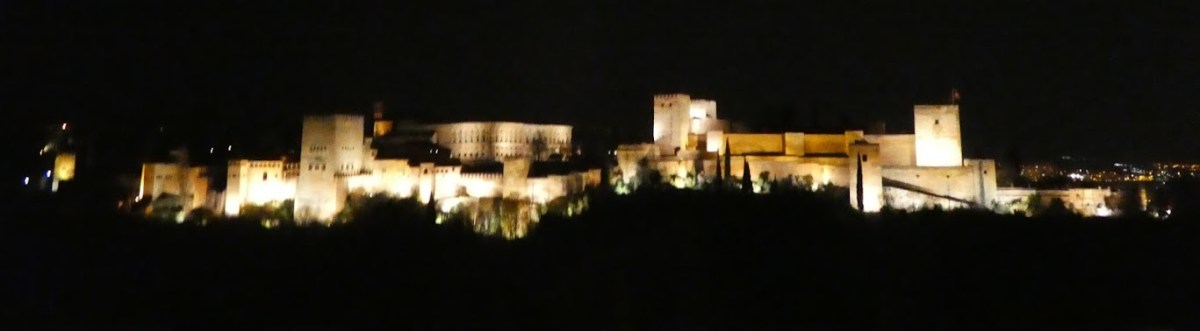
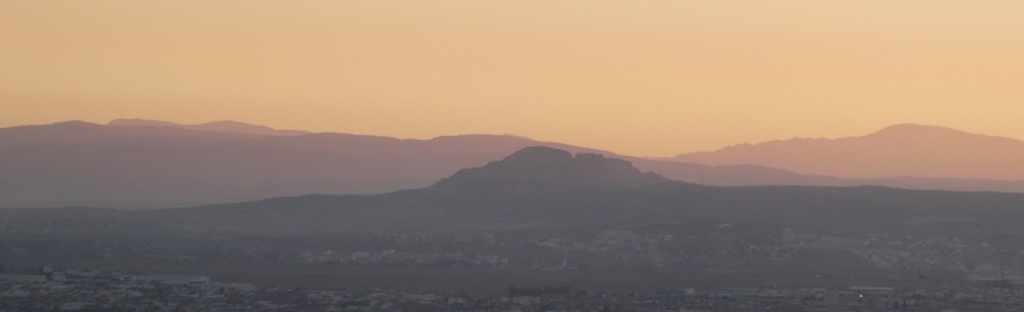
And we’ll head straight for Granada. We might get there just in time for the sunset.

Granada

A bonus from Santander …

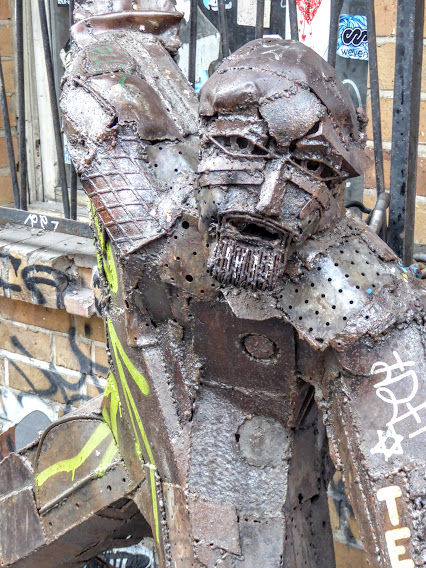
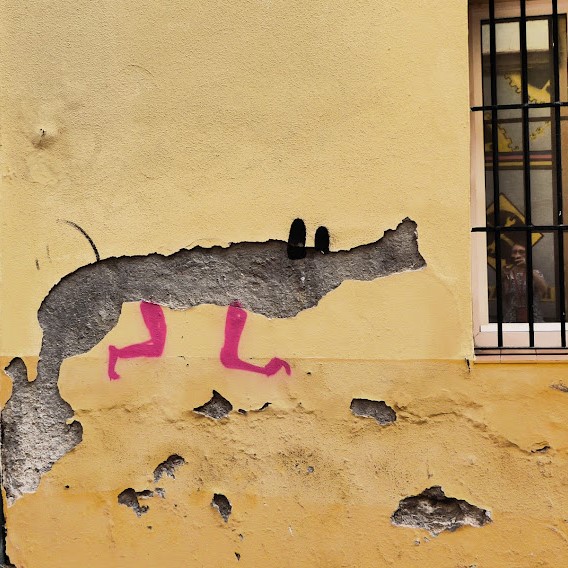
Somehow, when showing you some windows there, I forgot about this happy chappie who guarded the street where our hotel in Santander was located. I’ll show him to you now, as he fits in nicely with Monday Mural.

There was never a single moment when our friend didn’t have a car parked in front of him, so you’ll have to imagine the last foot or so.

Multi-tasking windows

Was it a month ago that we left Spain? Apparently so. Let’s relive our last day, mooching round Santander before catching the ferry for the long journey home. We could catch lots of images of the city in a single photo, in this building just alongside La Catedral de Nuestra Señora de la Asunción.

But nearby, there’s window-shopping …

…and then a picture postcard view of the multi-windowed Plaza Porticada.

Later, on board ship, there were windows on deck, designed to shelter us from the buffeting breezes. But something had gone wrong with one, and early in the voyage, it was being repaired.

But whether on land or at sea, we could spot the coastline near Santander, as shown in the featured photo.

Monday Window

A Red Letter Day?

This month, Jude is inviting us to hunt for red in her Life in Colour challenge. So let’s go on a Virtual Day Trip and hunt for red. I think we’ll travel in the bus that was conveniently parked in the next village when the Tour de France came to Yorkshire. West Tanfield is also where we see the poppies in the featured photo.

We’ll whip over to Bradford first, call in at the Bombay Stores, and get some headgear for you chaps.

Still in Yorkshire, we’ll pop in to the Yorkshire Sculpture Park to see Damian Hirst’s Virgin Mother.

Berlin next. We’ve only time to wander down a handsome street …

… before arriving for a quick visit to the Berlin Wall.

Right. That’s Germany done. Straight off to Spain. Are you peckish yet? Seeing all these peppers, tomatoes and pots of Moorish-style tea has made me think of food.

Where next? We could catch a wedding in Seville …

… and please don’t tell me we’ve come to Córdoba just to see this garage door.

We’ll forget that by visiting La Concepción Historical Botanical Gardens, Málaga.

I don’t know about you, but I’ve nearly had enough for one day. Time for a glass of wine, I think …

Then there’s just time to write a few postcards, and post them in that perky pillar box I know in Buxton.

I’ve realised that Cee’s Midweek Madness Challenge is also about the colour red. Let’s make this post multi-task!

Spanish washing lines

Andrew, over at Have Bag Will Travel has been inviting us to share the washing lines we’ve enjoyed seeing on our travels in his Monday Washing Line series. I ran out of offerings weeks ago, so decided we should go to Spain to put this right. While we were there we thought we might as well catch up with the family, as already showcased in Becky’s TreeSquares.

My feature photo isn’t a washing line at all. But I thought fish hanging out to dry would set the tone for a holiday selection. The rest are far more workaday.

Tudela

Thanks Andrew for a fun idea which has had lots of us happily hunting through our archives. Anything rather than get on with doing the washing.

A History of a Holiday in Fifteen Trees and Twenty Blues

Typical of me to miscount. This isn’t the last day of the month. But these are my last squares. Alongside my one and only square today are other shots, mainly in blue, for Jude’s monthly Life in Colour challenge. They’re all included as a final salute to our memorable month in Spain – until Monday, that is, when I’ll showcase the clothes lines that we spotted for Andrew’s Monday Washing Lines.

A palm tree in Premià: with a backdrop of the blue skies we saw day after day after day.

TreeSquare And thanks, as ever, for your Squares challenge Becky. A lovely month of choosing, squaring and sharing images of trees, ‘our most intimate connection with nature’ ( George Nakashima)

A History of a Holiday in Fifteen Trees – fourteen

Our nights in the country weren’t spent in Cantabria, but in the adjacent Basque country. We had to be within reach of San Sebastian, where we had the first of our three Covid tests required by the British government (this one within 72 hours of our departure from Spain, the other two back in the UK on Days Two and Eight), and of Santander, where we boarded our ferry back to the UK.
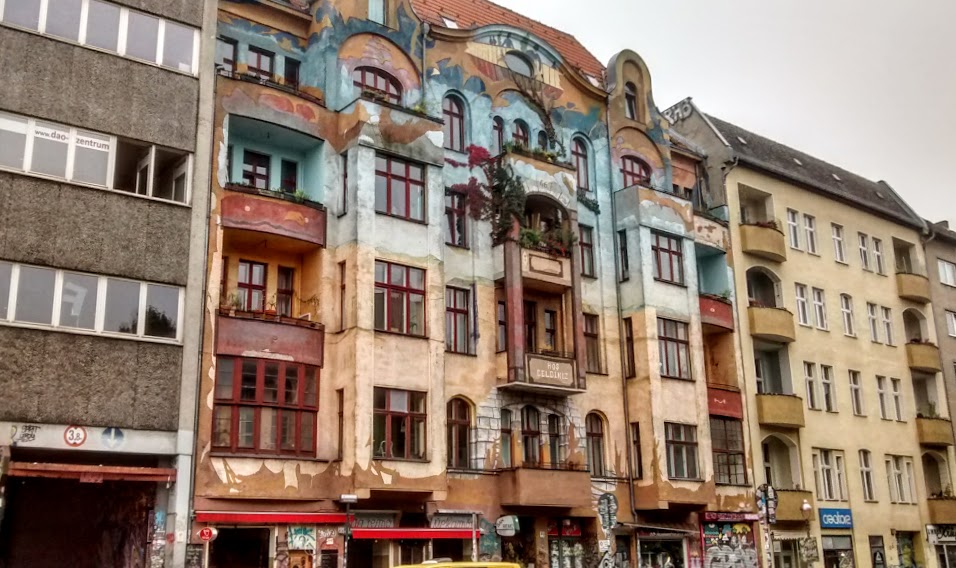
We chose Garai, a charming village of some 300 inhabitants and with the most delightful guest house, where we’d like to return with the whole family in tow.

As well as those two views from the village, I’ll give you a couple of scenes from the Parque de Cristina Enea in San Sebastian, and one from the delightful coastal road we meandered back to Garai on – but nothing from Santander, where I clean forgot to include any trees in my shots.

TreeSquare

A History of a Holiday in Fifteen Trees – thirteen

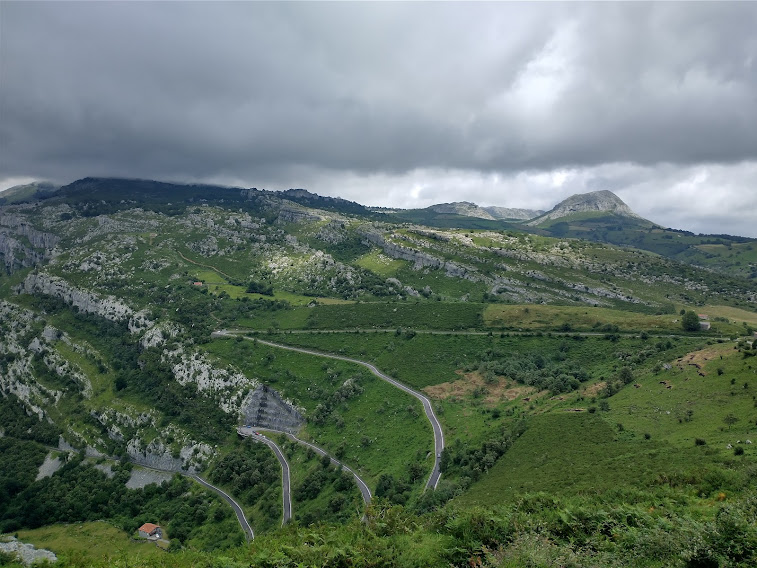
How Mr and Mrs Country Mouse had been enjoying their Spanish holiday! But they’d spent nearly all of it in towns. Their systems demanded a recharge of the kind that could only be provided by a spell in the country. They drove through rural Cantabria, enjoying the hairpin bends and rugged sights of the Collados del Asón  and the Puerto de Alisas. And trees! So many, in forests, clinging to rock faces, or clambering across the slopes….
They can feel a walking holiday coming on….

TreeSquare

A History of a Holiday in Fifteen Trees – Twelve

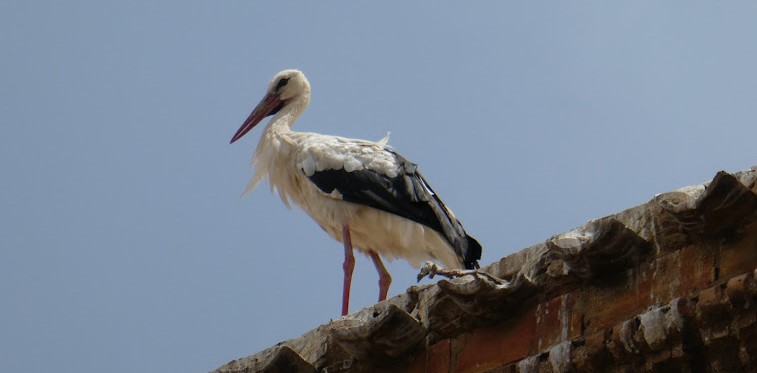
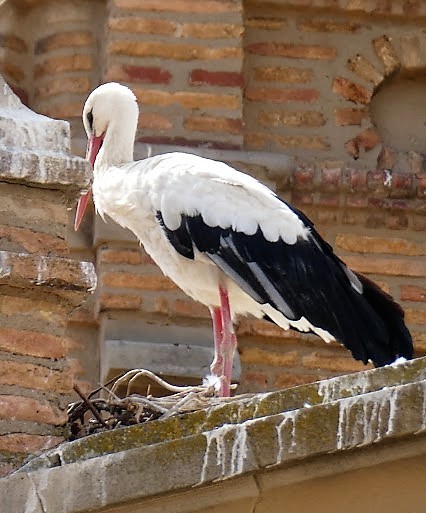
A couple of hours driving from Zaragoza took us to our lunch stop, Tudela. Sunday lunchtime is not a good time for diligent sightseeing. But it is an excellent time for strolling round a city which has interest on every street. It’s not on a main tourist itinerary, but we’ll definitely be back to explore yet another town where Romans, Moors, Jews and Christians have all made their mark. And storks. Who could fail to be seduced by a town whose every church houses yet another stork family?

Our storks provide today’s tree images. Not a whole tree today, but many hundreds of twigs: without which no self-respecting stork could build a large ungainly nest and raise a family.

And then of course there’s nothing for it but to sit in a pleasant square with a cold beer, mulling over a menu and wondering what to have for lunch.

Tree Square

A History of a Holiday in Fifteen Trees – Eleven

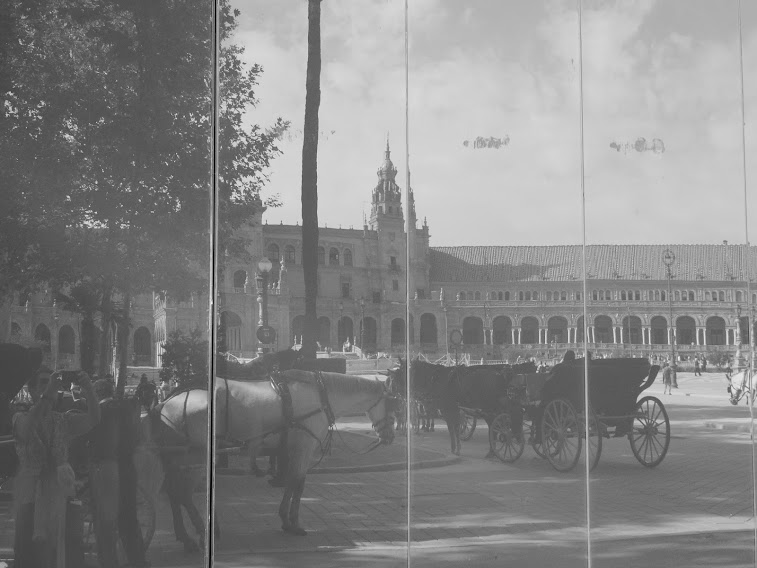
Zigzagging my way into Zaragoza’s old city centre, I came across, ahead of me, a glass canopy. A market perhaps? But no. It covered Caesar Augustus’ Roman Amphitheatre. I could inspect it quite well from the street, but on a whim, decided to pay the entrance fee and go in. ‘I’ve decided to take your word for it that you’re over 65’, the chivalrous man at the desk said. ‘It’s free for you’.

I was so glad I went. I discovered that this theatre was only relatively recently excavated. It was designed during the 1st century CE for an audience of 6,000 people (in a city of 18,000) and remained in use for some 200 years. When the Romans left, firstly the Moors covered over the site to provide extra housing space in the crowded city centre. Later, it became a Jewish quarter, and when the Jews were expelled in the 14th century, Christians moved in. And so it was until the late twentieth century. I didn’t quite understand why it had become possible to uncover and excavate this site in the 1970s. But I enjoyed exploring, and took pleasure in the unusual distorted views of it provided by the glass windows of the museum which explained the amphitheatre’s history.

Trees and the amphitheatre distorted in the museum windows.

Old meets new beyond the amphitheatre

Tree Squares

Monday Window