Water, Water: Changing Landscapes, Changing Lives

This week, for the Lens-Artists Challenge, our host John invites us to share waterscapes: scenes where water has changed the landscape, perhaps changed lives. In six images or fewer. Well. That IS a challenge.

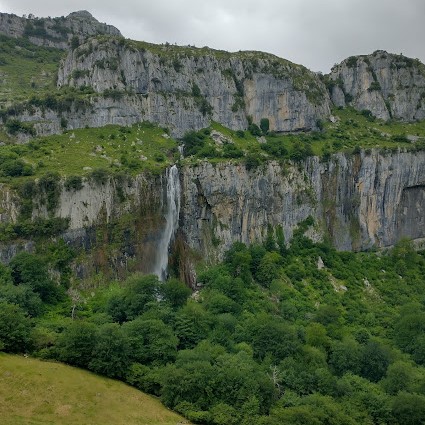
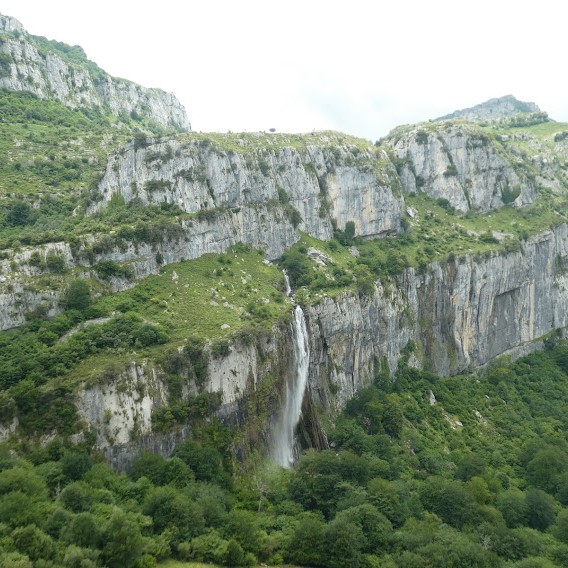
Here’s the beginning of the story for so many of the world’s great waterways: a small insignificant waterfall, tumbling downwards, eventually to become a brook, a stream, a tributary, a mighty river, coursing its way towards the sea. This one’s in Cantabria in Spain.

One of the many waterfalls in the Cordillera Cantábrica, Spain.

Soon, these little watercourses gather strength and character. Here’s stage two, in Swaledale in the Yorkshire Dales.

As it journeys on, the river becomes slower, deeper, lazier. It ploughs a straighter furrow and may even threaten to overflow its banks unless contained. The Thames in London was tidied up and forced to conform in the 1860s and 70s, under a scheme devised by Sir Joseph Bazalgette. But that wasn’t enough. The sea caused problems from the other end, surging and flooding, often every winter. So eventually the Thames Barrier was built, about a hundred years after Bazalgette’s efforts upstream. Here it is.

TheThames Barrier at Woolwich

Of course some rivers do have coastal flood plains. The Júcar and Turia rivers, near Valencia together form a deltaic flood plain which is a wildlife haven, a fishing ground, an important rice growing area … But I’ve decided to make this shot my featured photo. Look at the top of the post!

Which leaves me with two more shots. Round here, gravel extraction is an important local industry. As each seam is exhausted, the company reponsible does a pretty decent job of allowing the area to flood to become a nature reserve. Here are two grateful local residents.

An egret and a heron at Nosterfield Nature Reserve ignoring one another.

Finally – human intervention again. Not too far from here is an immense reservoir, built early last century to provide water for the fast-growing city of Bradford. Scar House changed from being hilly moorland to becoming hilly moorland surrounding a huge lake. I haven’t been there this year, but we were there at the end of the last summer when drought had hit the area, and hit it hard. I can’t imagine what it looked like this year, which was even hotter, even drier, for even longer.

A drought-stricken Scar House Reservoir, Nidderdale.

A brief tour indeed. I’ve shown you no ponds, no canals, no seas, no oceans. No boats and ships. No fisherfolk, sailors, or other workers-round-water. No pleasure-seekers or holiday makers either. But only six photos? If that’s the limit, you have to trim your sails; limit your horizons; keep your feet on the ground; lower your sights, and other relevant clichés.
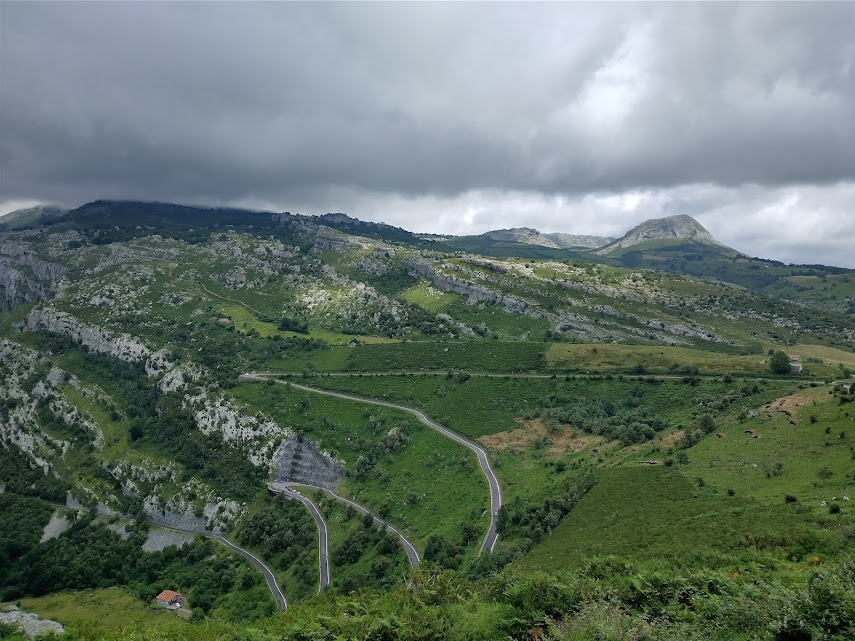
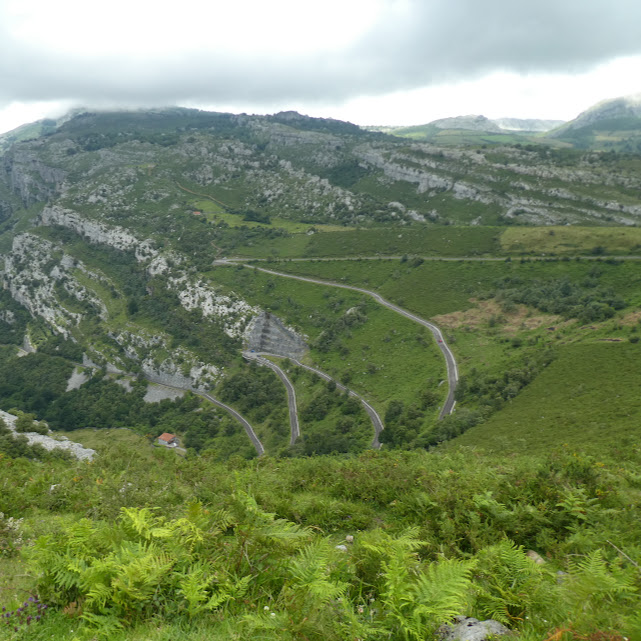
Make Haste Slowly

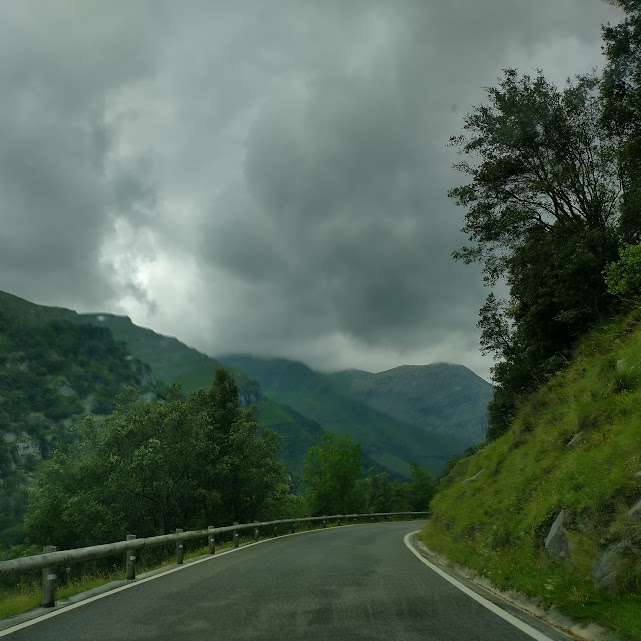
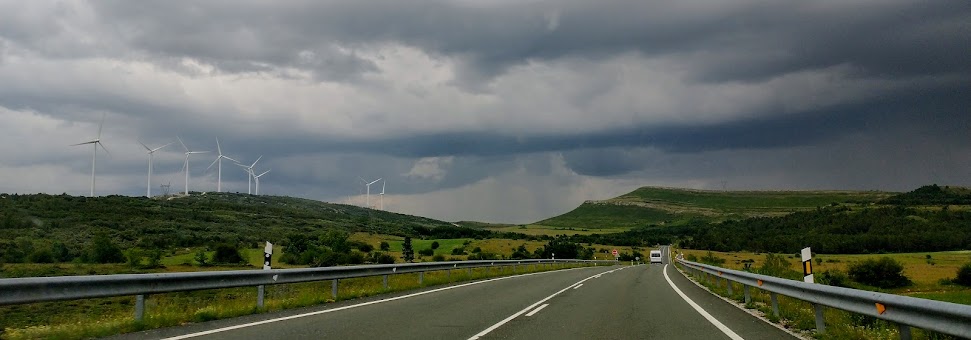
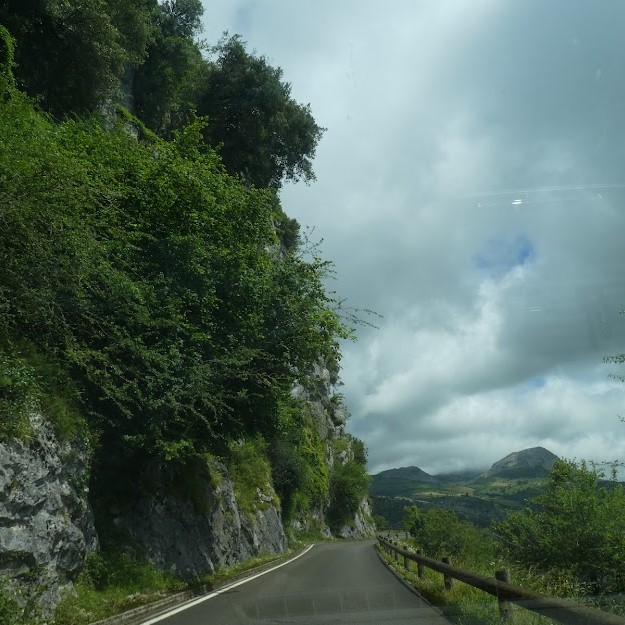
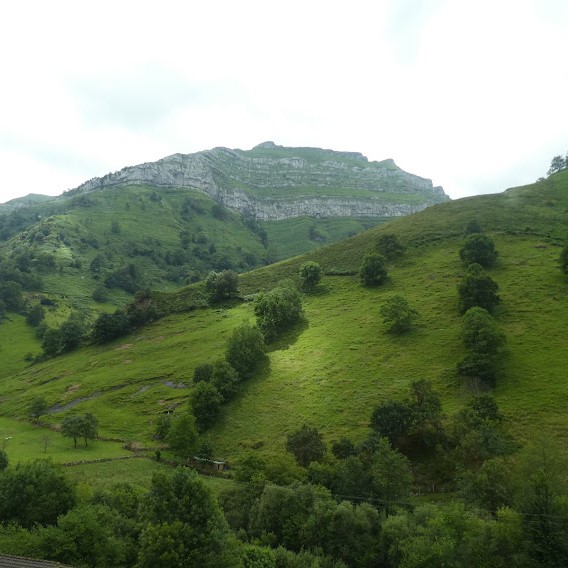
To travel in the Cordillera Cantábrica in Spain – or in any other mountain range, anywhere -is to know that in order to move forwards, you may not be – exactly – moving forwards. You’ll be going ‘this way, that way, forwards and backwards’, to quote a pirate song beloved of British pre-school children.

Here’s a tiny portion of a fairly recent journey.

For Becky’s #SquaresRenew Challenge.

What have diagonal lines ever done for me?

That is the question posed by Patti, for this week’s Lens Artists’ Challenge #228. Well, not done for me exactly, but done for my photos. Have a photos diagonal lines invited us in, encouraged us to explore the picture, or to focus on some detail?

Let’s have a look, and have a bit of a trip out too.

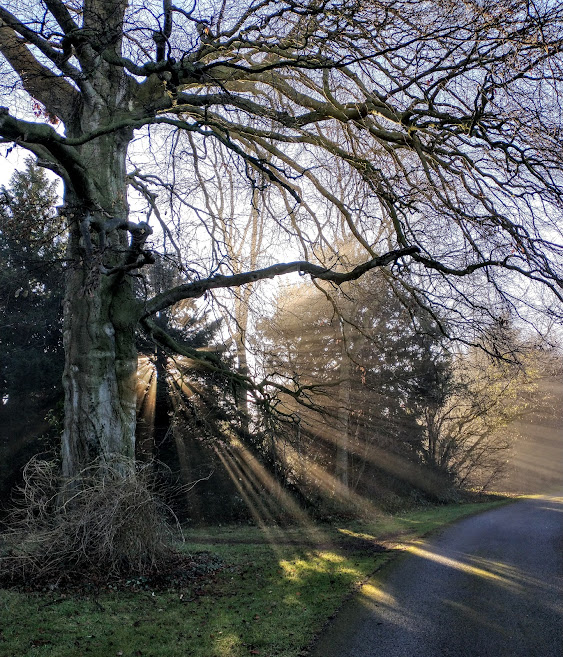
We’ll start off close to home, one cold wintry morning as I went to get the paper. Those rays of sunshine enlivened the scene, and my mood.

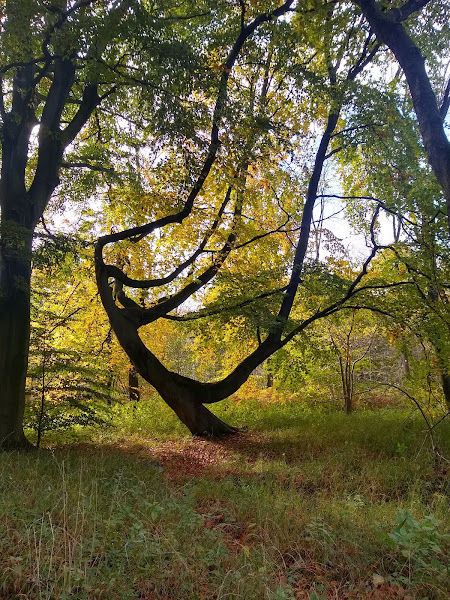
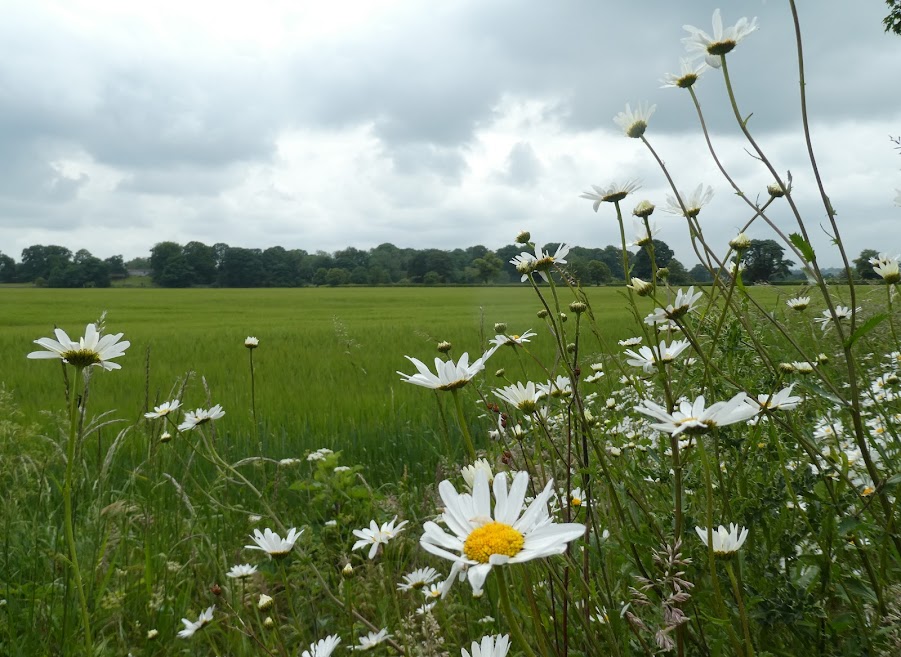
Here are two more, from just down the road. A tree which instead of reaching skywards, leans across the woods to demand a place centre-stage for the whole shot. And ox-eye daisies splicing the image in half, showing us there’s countryside, not a garden beyond.

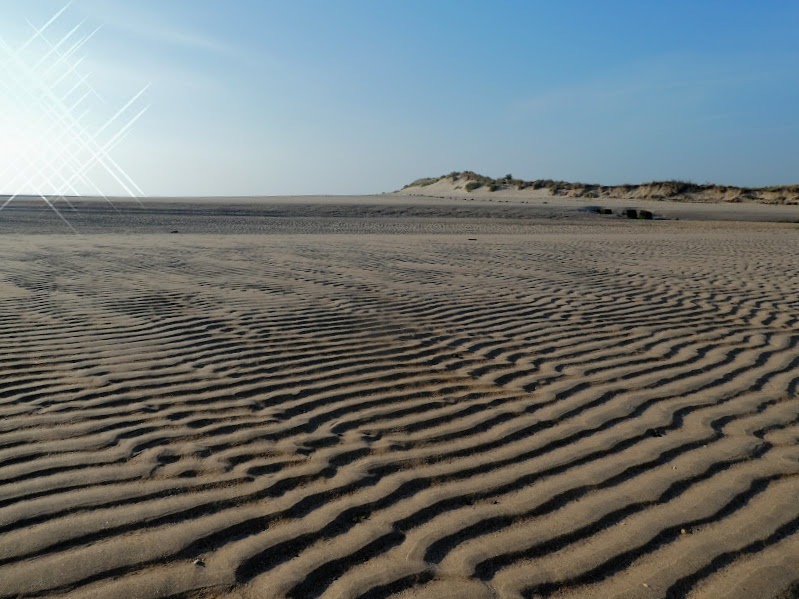
A trip to the seaside? Alnmouth in Northumbria?

This quiet beach looks dramatic when the tide’s out.

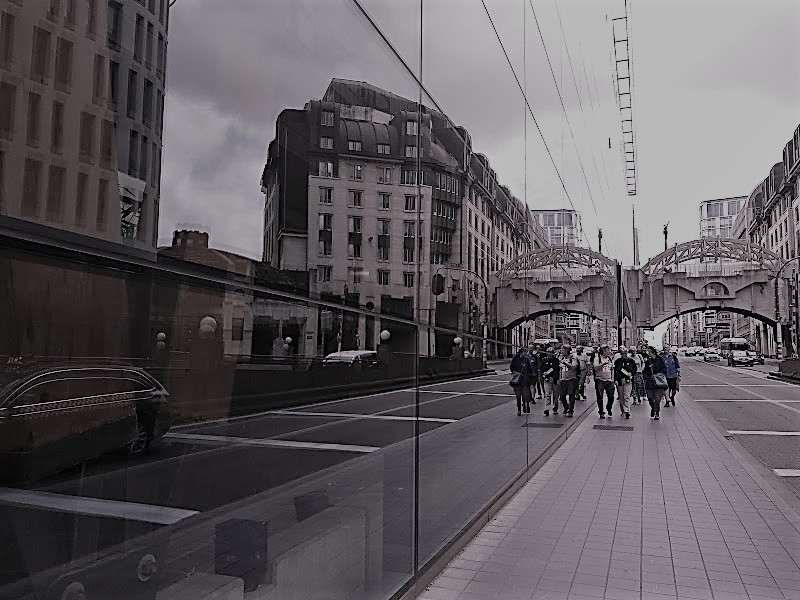
Brussels now. A bank of plate glass windows reflects the opposite side of the road to dramatic effect. Monochrome too, for Bren’s Mid-Week Monochrome.

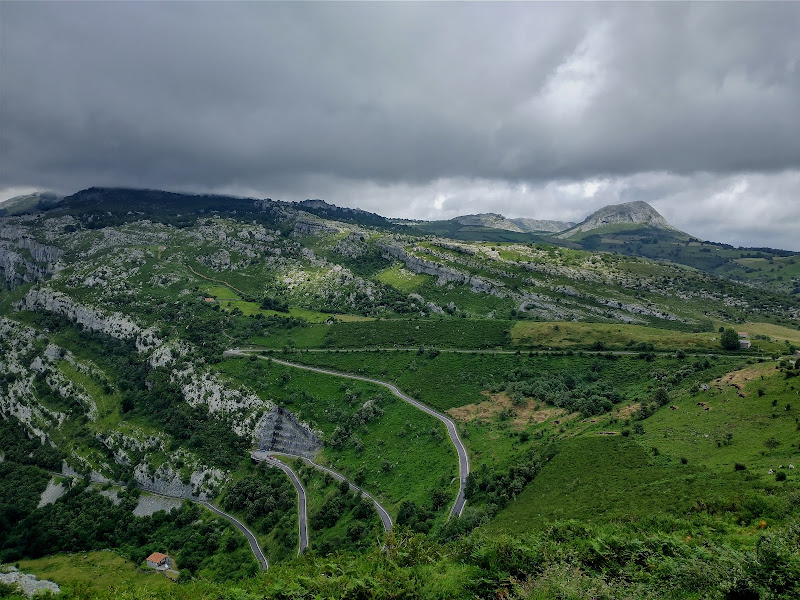
Off to Spain now. All those dizzy hairpin bends in Cantabria invite us to explore.

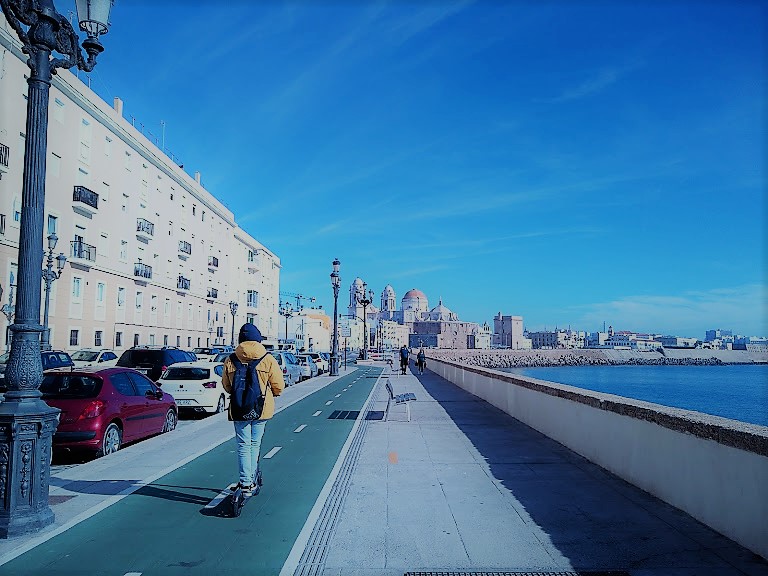
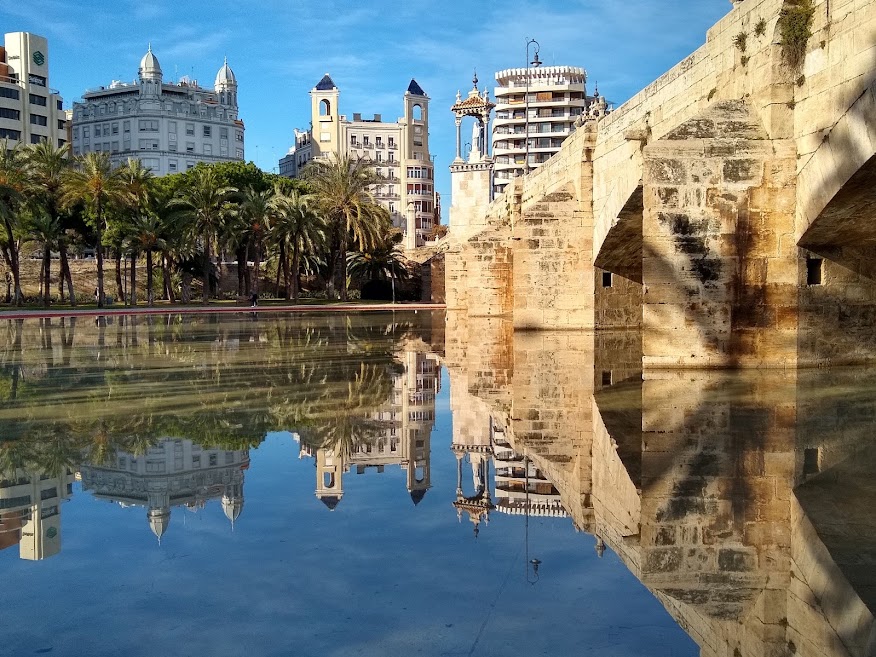
Then two more scenes – one from Cádiz, the other from Valencia. Those diagonals pull us in to explore the cathedral in one, the reflections in the other.

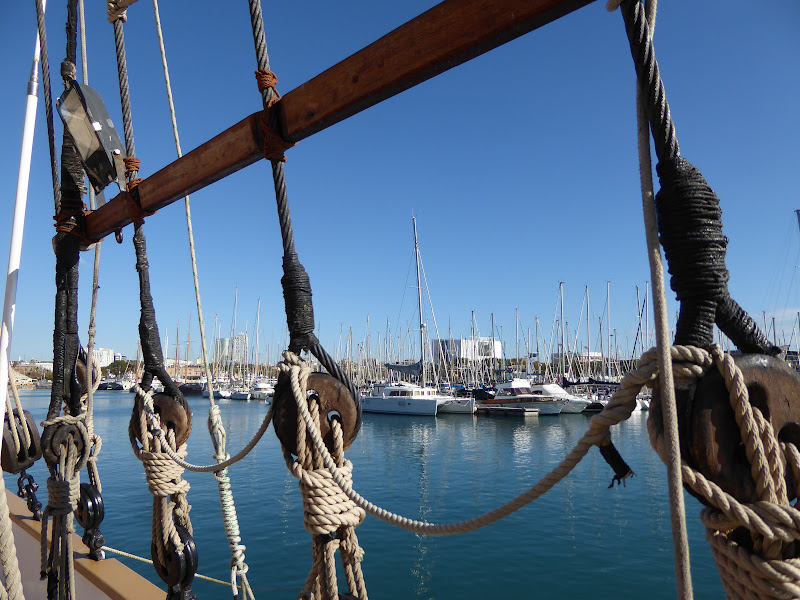
This shot, from Alicante, uses the ropes on a yacht as a frame for the scene beyond.

Alicante

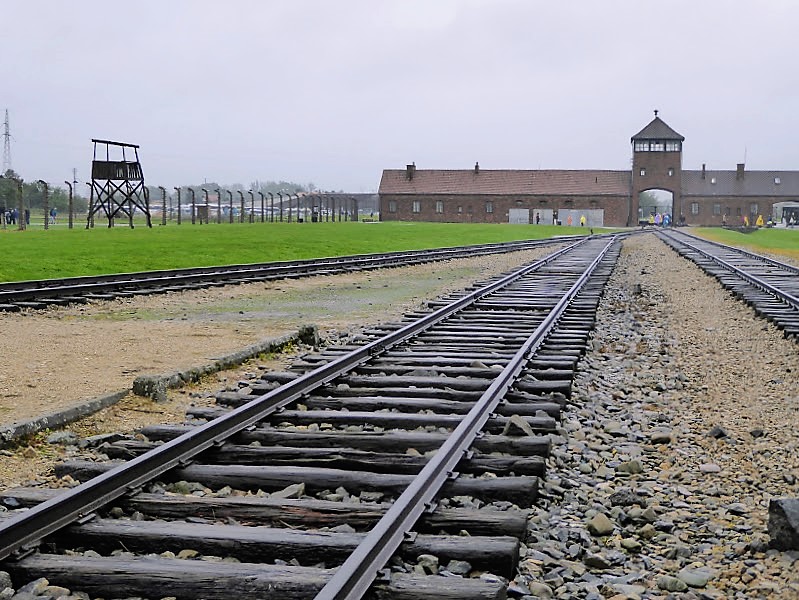
I’ve hesitated over whether to include this last shot in what is essentially a light-hearted post. But this photo – not a particularly original one as so many others have taken similar shots – has stayed with me. It’s Auschwitz-Birkenau concentration camp in Poland. These are the railway lines that brought so many thousands of Jews on their very last journey. I wrote about it here.

I decided on balance to include it, as the relative optimism I felt when I wrote that post five years ago has disappeared in the light of world events over the last couple of years: and we shouldn’t forget.

A History of a Holiday in Fifteen Trees – thirteen

How Mr and Mrs Country Mouse had been enjoying their Spanish holiday! But they’d spent nearly all of it in towns. Their systems demanded a recharge of the kind that could only be provided by a spell in the country. They drove through rural Cantabria, enjoying the hairpin bends and rugged sights of the Collados del Asón  and the Puerto de Alisas. And trees! So many, in forests, clinging to rock faces, or clambering across the slopes….

They can feel a walking holiday coming on….

TreeSquare