Six Degrees of Separation: from No One is Talking About This to The Liar’s Dictionary

‘On the first Saturday of every month, a book is chosen as a starting point and linked to six other books to form a chain. Readers and bloggers are invited to join in by creating their own ‘chain’ leading from the selected book.

Six Degrees of Separation: Kate W

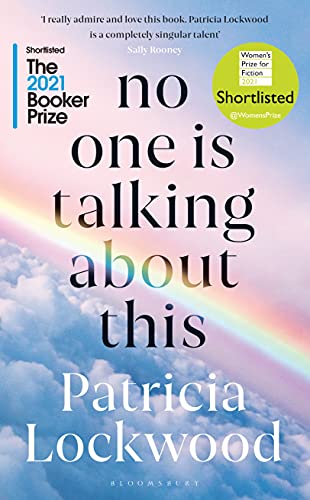
I didn’t get on with this month’s starting book for the chain: No One is Talking About This, by Patricia Lockwood.  In fact I got nowhere near finishing it, so my chain will go off immediately at a wrong tangent, as I understand the second half is very different from the first.  I thought one reason I failed to engage with this book is that its protagonist is an extreme consumer of social media.  And I don’t ‘do’ social media.
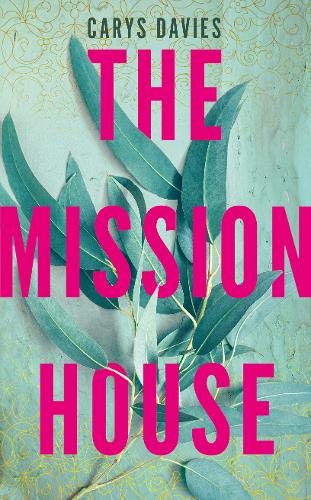
I decided, therefore that I would choose a hero who hasn’t even heard of social media, Hilary Byrd, of Carys DaviesMission House. Byrd, a slightly washed out, failed Englishman of middle years, is in India trying to escape from his pale and disappointing life. He finds himself in a town which is clearly Ooty, that haven for the English in Time of Empire. And it’s here that he meets The Padre, who offers him accommodation: and Jamshed, who becomes his driver. And Priscilla, the Padre’s adopted daughter. And Ravi, would be Country and Western singer, Jamshed’s nephew. This is the story of how their lives – all disappointing lives in many ways – come to intertwine. Beautifully written in short, sometimes apparently unrelated chapters, this is a book which had me immersed in the life and times of every character. 
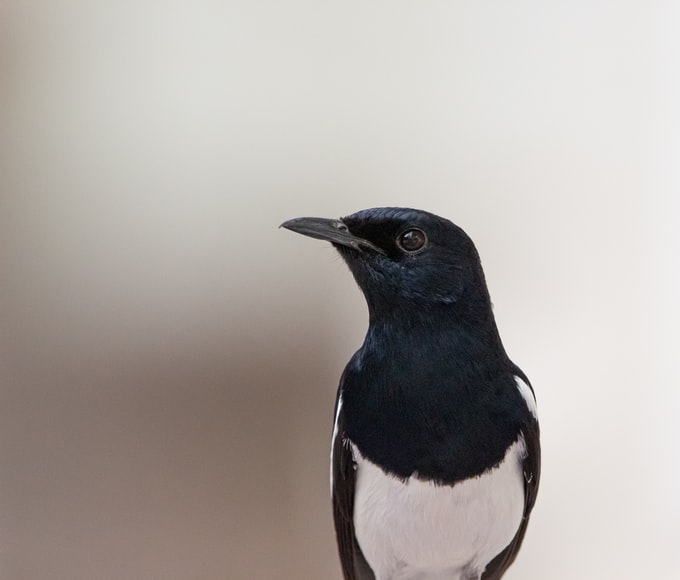
Byrd is not exactly a mainstream character.  Neither is Charlie Gilmour, who tells his own story in Featherhood.  This is an astonishingly readable book, which combines a tale of caring and raising a magpie fallen from its nest with a parallel account of Gilmour’s absent father. He too once raised a corvid, a jackdaw, but he was a far less reliable and responsible carer for his son – and several other children whom he fathered, while taking on few of the responsibilities of fatherhood. Charlie’s father, Heathcote suffered debilitating mental breakdowns and it becomes apparent to Charlie himself that he risks following the same trajectory: his late adolescence and early adulthood is peppered with difficulties which involve a spell in prison. This potentially weighty tale is leavened by accounts of the joy and mayhem which Benzene the magpie introduces to the lives of his whole family. As Charlie himself points out, Do Not Try This at Home. But his having done so has produced a delight of a book with a serious undertone.

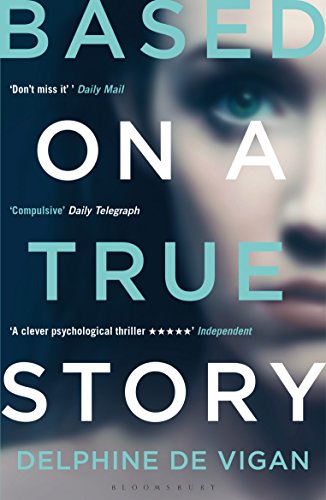
The next book is fiction, told as autobiography, and it’s another chronicle of a life in crisis.  Delphine de Vigan’s Based on a True Story.  This is not a bed time story. Instead, it is a slow burn, of the kind the French seem so good at. Written in the first person, the narrator is a successful and respected author. She’s suffering from burnout, and this is the moment in which she makes a new friend – a friend who makes herself indispensable: a friend who begins to make her doubt herself: a friend who takes away any kind of belief in herself, slowly, skilfully and insidiously. It’s a deliberately uncomfortable read, and maybe perhaps just a little too long. On balance though, it was tautly constructed and I’ll read more from Delphine de Vigan.
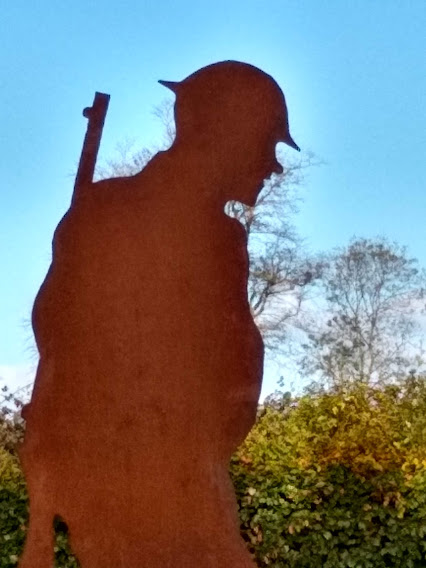
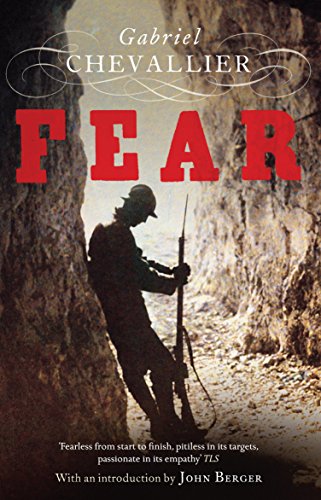
We’ll stay in France, and meet a character who has difficulties of a completely different kind.  It feels like an autobiography, and I sense that in large part, it may be.  Fear, by Gabriel Chevallier.  Over the years, I’ve read a lot of accounts of the common soldiers’ lot in WWI, and been both horrified and angry at the suffering and the waste endured. But this novel of French poilu Jean Dartemond is perhaps the most shocking I have read, and would have seemed especially so when it was published in 1930, when memories of those surviving, and their relatives, were still relatively fresh. No wonder publication was suspended during WWII. The day to day suffering, boredom and indignities, the all-too frequent horrors of witnessing disembowelled bodies, skin, bloated cadavers are described with a freshness that makes the horror very present. Towards the end, he describes how, when officers weren’t around, some German and French troops made tentative sallies of friendship across the divide, as they recognised how much more they had in common with each other than with their commanding officers, often remote and somewhat protected. This book, as so many others of its kind, is a true indictment of the horror and futility of war.  
From WWII  to the Cold War and its aftermath.  The Spy and the Traitor by Ben MacIntyre. This is a thoroughly gripping and shocking book: the story of Oleg Gordievsky, KGB agent turned British spy. The picture painted of Russian society in pre-Gorbachev days, and of the day to day life of a spy, whose life must necessarily be cloaked in such secrecy that not even those you love the most – your wife, your parents – can in any way be privy to your true beliefs and loyalties is a deeply unsettling one. This is a fine and edge-of-seat story. Only it’s not a story. The life of a spy, the machinations of MI6 and the KGB among others, the story of the Cold War and the period after are all true, all recent history, and Ben MacIntyre explains it all well, and places it all in context. I was exhausted after finishing this book. But greatly illuminated by what I’d learnt too.
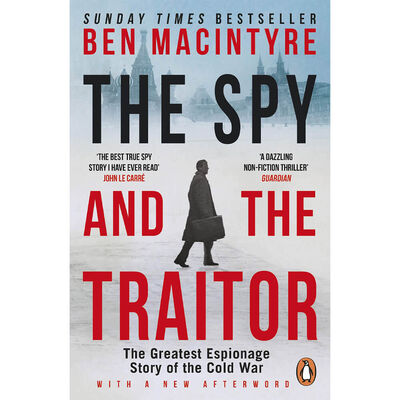
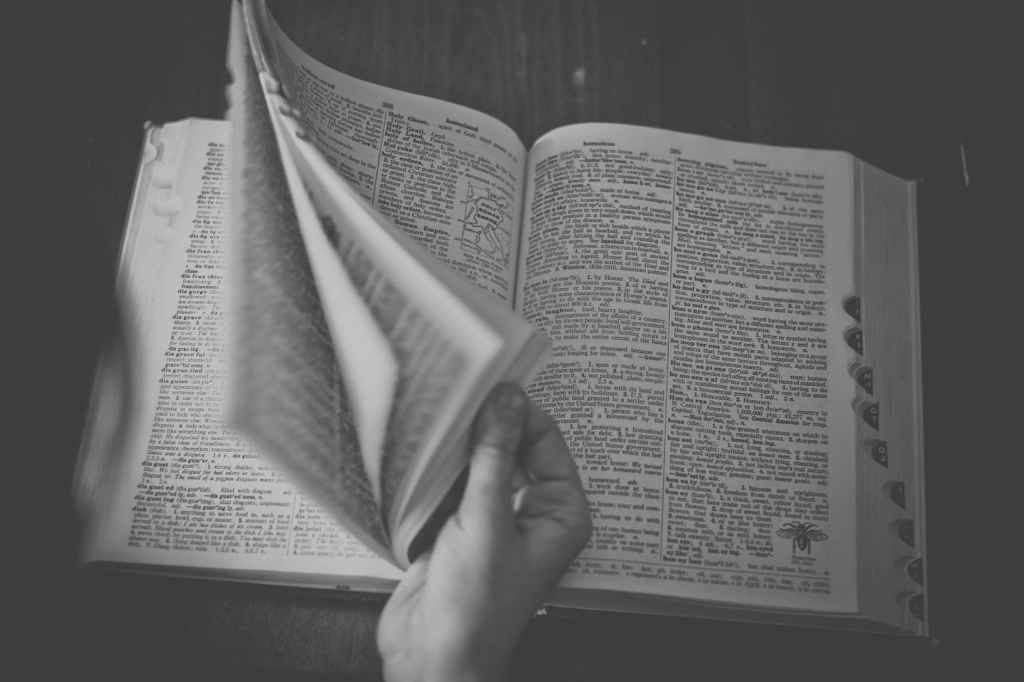
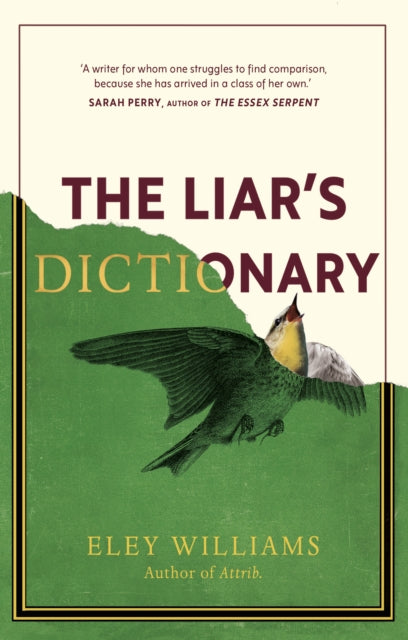
The life of a spy is, of necessity, the life of a liar.  So let’s come full circle, and mention the Liar’s Dictionary by Eley  Williams.  Dictionaries are scarcely social media, but even now, they enjoy a long reach.  I thought this book would be a sure-fire hit with me, as I’m an inveterate dictionary bowser. I tried this book once, and abandoned it after twenty pages. I tried it again, and grudgingly admired Williams’ pure enjoyment of, and fun with words, but on the whole it left me cold. This is the story of a dictionary, long in the making: and, in alternating chapters, the personal struggles of 19th century Winceworth, and 20th century Mallorie’s and their tussles with mountweazels – fake entries planted in works of reference to identify plagiarists.  For a fuller account and more positive review, read here.
The book to start next month’s chain will be Graham Greene’s The End of the Affair. I haven’t read that in years. I’d better find a copy.
Are you sitting comfortably? Then I’ll begin … a month of odds, oddness and oddities

Hands up if you recognise those first seven words. No? Then you’re not as old as me. You didn’t settle down to hear ‘Listen with Mother’ on the radio – sorry – wireless, after lunch every day when you were too young for school.

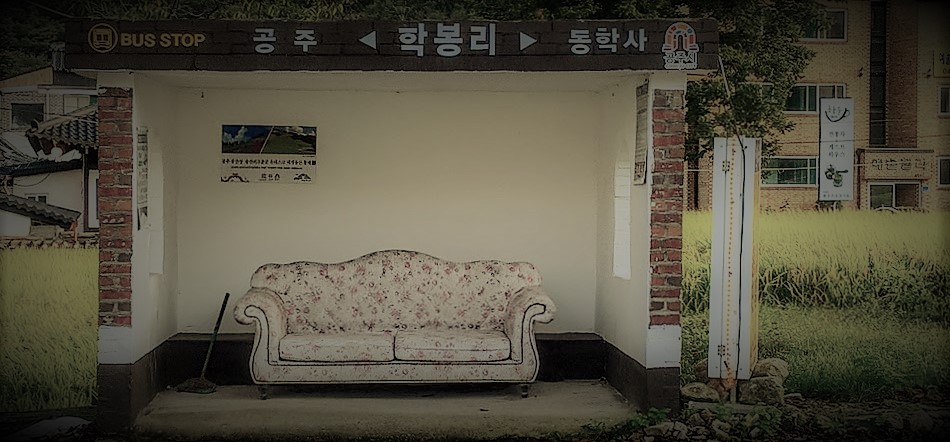
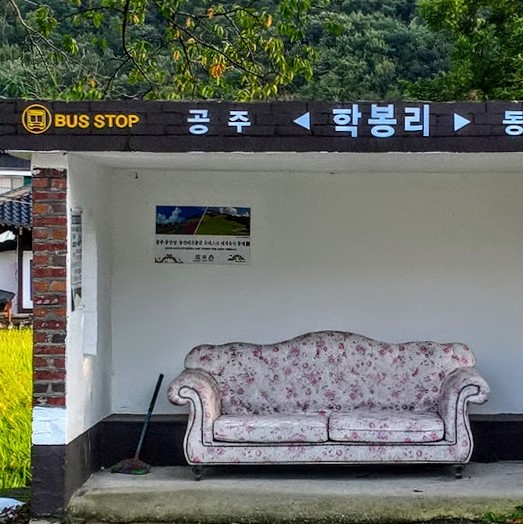
I’ve chosen this picture to be my first response to Becky’s ‘Squares’ challenge, which this month is Odd. It shows a sofa at a bus stop in Gyeryongsang, South Korea. Koreans don’t do fly-tipping, or litter. They didn’t, until recently, do sofas either. We needed to get used to restaurant meals taken seated cross legged on the floor, though thankfully, many places provided western-friendly chairs and tables too. So this thoughtful addition to the bus stop’s furnishings seemed rather odd, and worthy of a photo.

You’ve got a month of odd photos ahead. So are you sitting comfortably?

Not just for Becky’s Square Odds, but also XingfuMama’s Pull up a Seat Challenge.

Love your Library visits Valencia

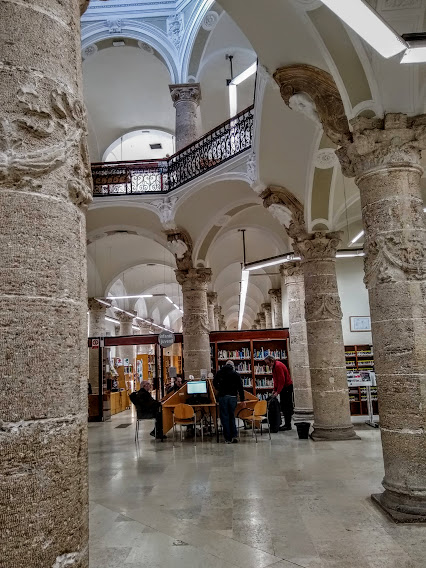
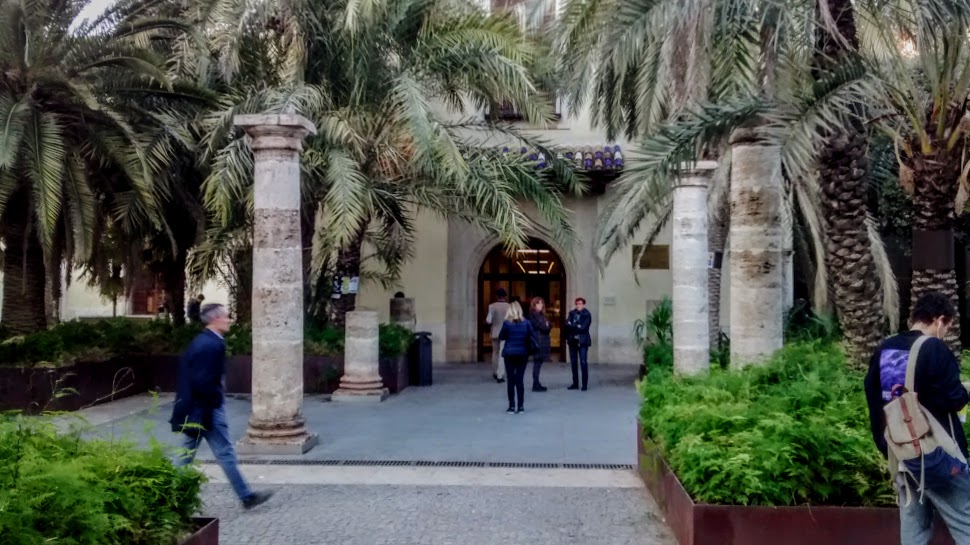
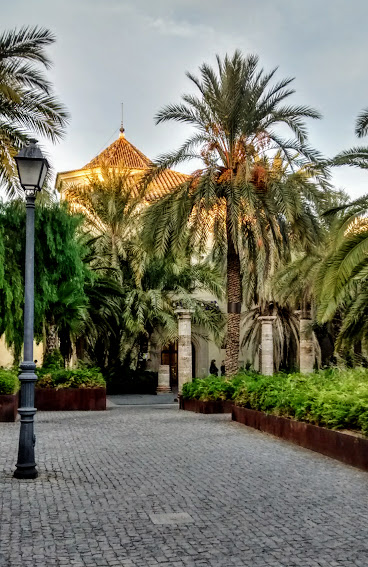
Walking down a busy main street in Valencia a few years ago, my eye was caught by a welcoming shady square. Through the palm trees I could glimpse a few columns – maybe Roman remains? and a steady stream of people drifting in and out of a handsome building.

Curious, I investigated. It was a library. The Central Public Library of Valencia. I went in.
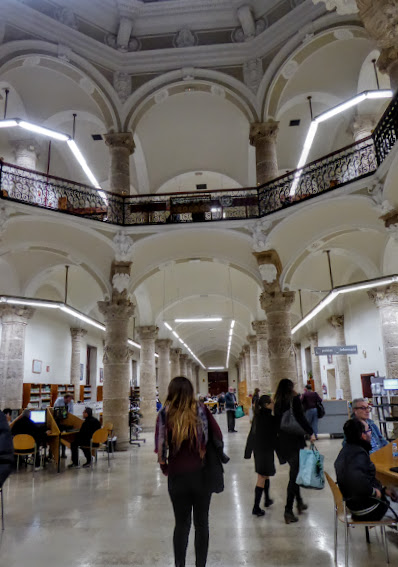
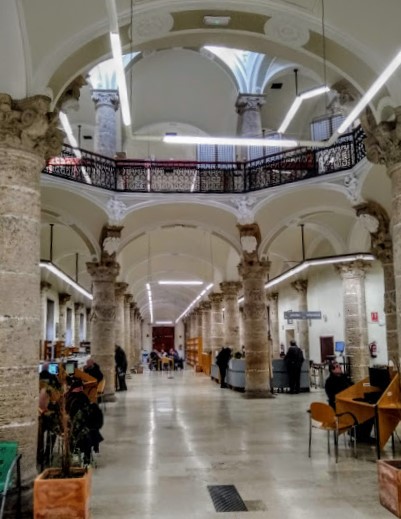
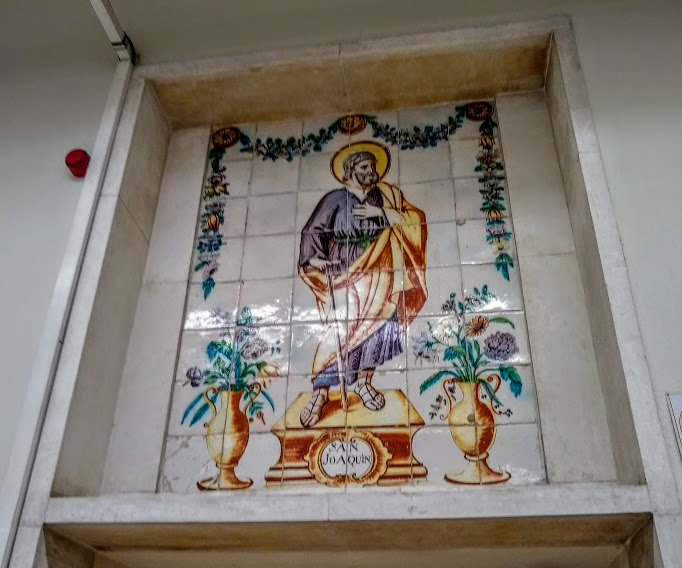
How spacious, airy, beautiful and welcoming it was! Later, I discovered that this building had once been the first psychiatric hospital in Europe, founded in 1409 as the initiative of one Friar Juan Gilabert Jofre, to care for the mentally ill. It was called Hospital de Folls de Santa María dels Pobres Innocents – the Hospital of the Poor Innocents. This actual building was begun in 1493, and was and is in the form of a Greek cross, which housed the different wings of the hospital. It added general hospital facilities in the 16th century and also suffered a destructive fire.

During the 1960s, hospital facilities were moved elsewhere in the city, and the authorities began the site’s demolition: the church, the pharmacy and old medical school are gone. There was an immense public outcry. What was left was saved, and the building retained and developed as a library and archive service. Those columns I saw outside are not Roman, but surplus to requirements when the building was redeveloped.

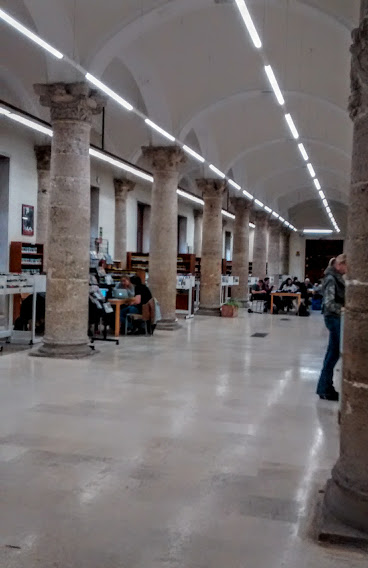
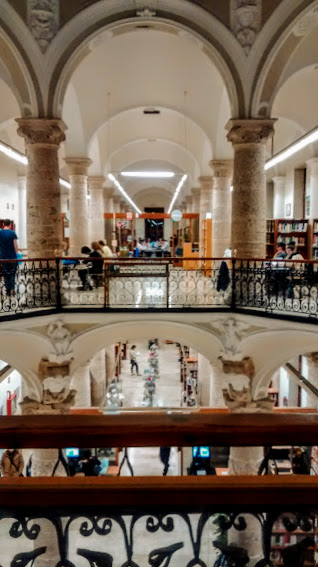
It’s a fabulous place. Not only is it a welcoming, light-filled and serene space, it’s a busy one. It’s right by two of the city’s universities, so study areas are busy with students as well as the general public. The collections seem vast: the English section, for both adults and children was well-stocked, At one point I sat down in the section devoted to newspapers and periodicals and browsed through recent copies of the Times and Sunday Times and some more academic publications in English. Of course other European nations were represented too. There were book groups advertised, including a monthly one for children in English (obviously aimed at Spanish children, rather than any resident English ones); an ‘introduction to philosophy’ group for children; reading groups for dissidents; for theatre-goers; for students of Valencia’s social history, as well as the usual more general ones; photography and cookery workshops; lectures (‘Football now and as it used to be’). I was beyond impressed. Here’s a gallery of this library community at work on one ordinary weekday afternoon – before the pandemic – I don’t know how it will have changed.

Meanwhile, what have I been reading this last month? Reviews for most of them will appear over the next few Six Degrees of Separation posts.

Fiction:

Gabriel Chevallier: Fear.⭐⭐⭐⭐⭐

Delphine de Vigan: Based on a True Story.⭐⭐⭐

Donna Leon: Beastly Things.⭐⭐⭐⭐⭐

Patricia Lockwood: No One is Talking About This.⭐⭐(abandoned)

Sakaya Murata: Convenience Store Woman.⭐⭐⭐⭐

Jane Smiley: The Strays of Paris.⭐⭐ (skim-read)

Sarah Winman: Still Life.⭐⭐⭐⭐⭐

Non Fiction

Allan Ahlberg: The Bucket⭐⭐⭐

Charlie Gilmour: Featherhood.⭐⭐⭐⭐

Ann Patty: Living with a Dead Language: My Romance with Latin.⭐⭐⭐

For Bookish Beck’s Love your Library.

I remember, I remember … the River Thames

The Lens Artists Challenge this week asks for Memorable Moments. I was all set to embark on a virtual journey to Moorish Spain, or Seoul, or Pondicherry. But then on Monday, I wrote a post about fog, and I found myself making comparisons between the smog-bound, dirty, industrial and horribly polluted Thames that I knew as a child, with the vibrant highway that has become the face of modern London.

I have no photos of 1950’s London. I’ll give you instead, with sincere apologies to John Masefield’s Cargoes, a word-picture of the working craft on that busy river – traffic which still exists today.

The Tyne coal was then. The tonnes of waste are now.

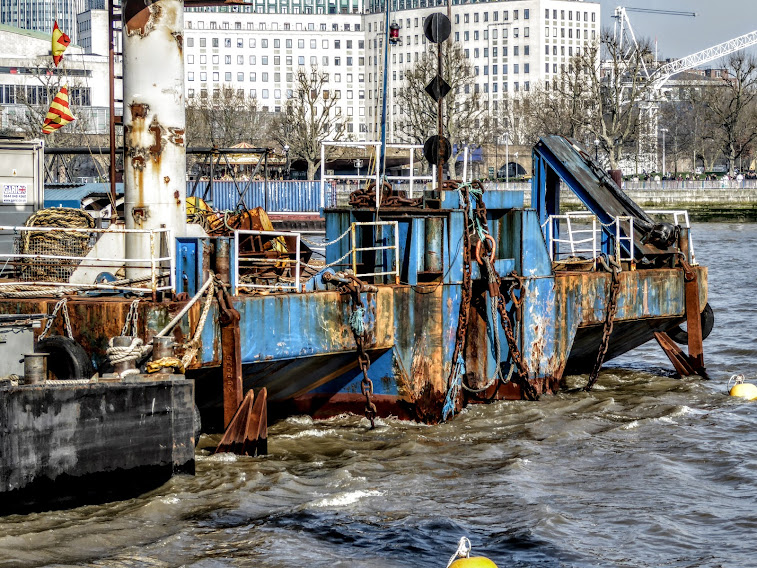
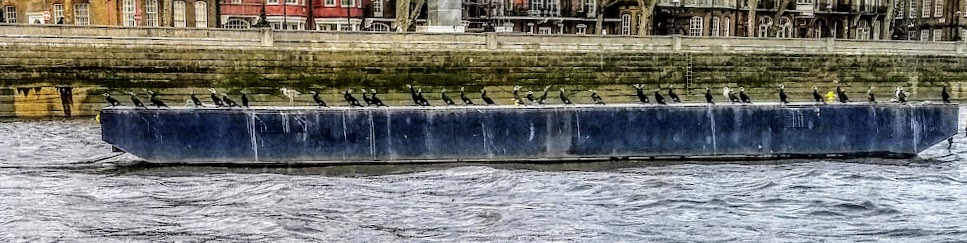
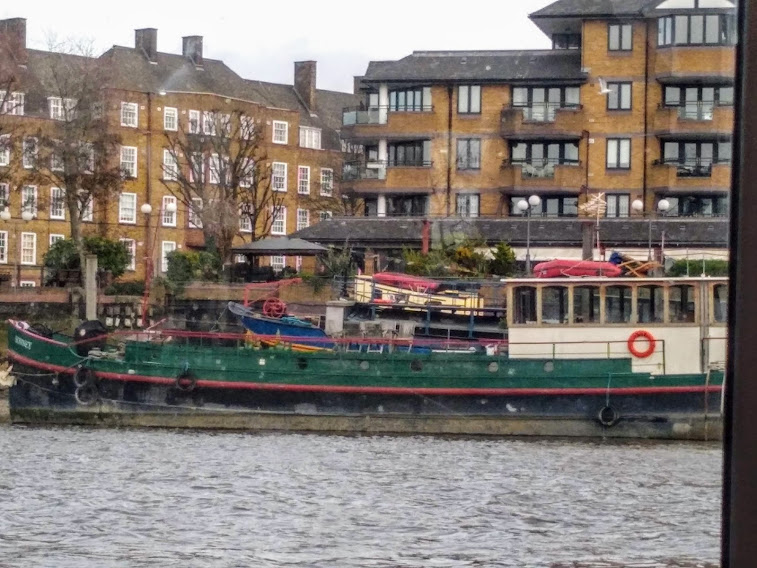
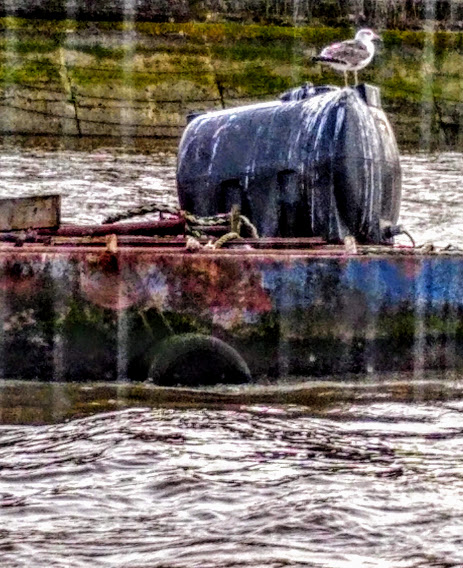
The header photo combines old and new: one of those barges, still busily doing what Thames barges have done for several centuries: with a twenty first century backdrop. The gallery below shows recent photos which contain memories of the rusty workaday river I once knew.

Any minute now, I’m going to get marks deducted for not answering the question. But I am, in my own way. Those early memories are etched into my head, and on my visits to the Big City now, every trip along the Thames in a Thames Clipper – always a treat – adds fresh memorable moments, as I savour the clash and contrast between old and new which brings piquancy and added flavour to my long held recollections.

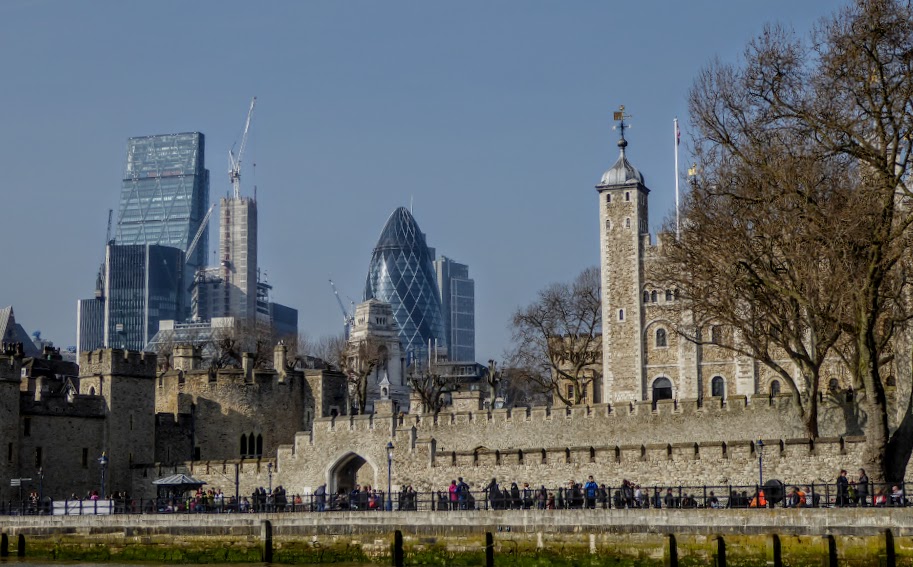
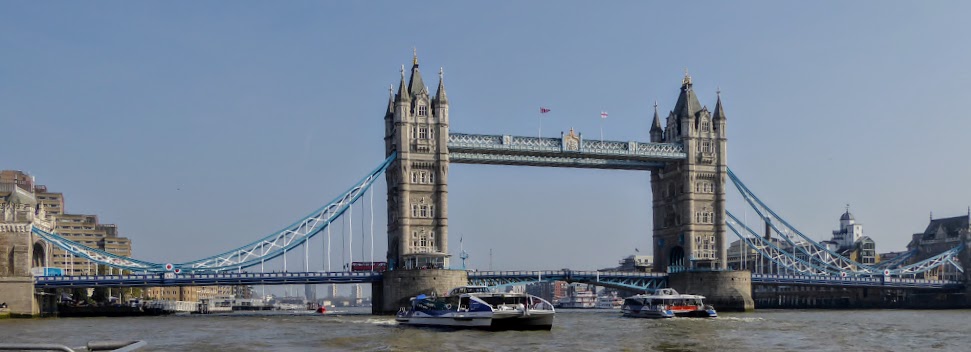
The Tower of London, founded 1066, meets the City of London, largely re-invented after WWII, and especially in the last twenty years.
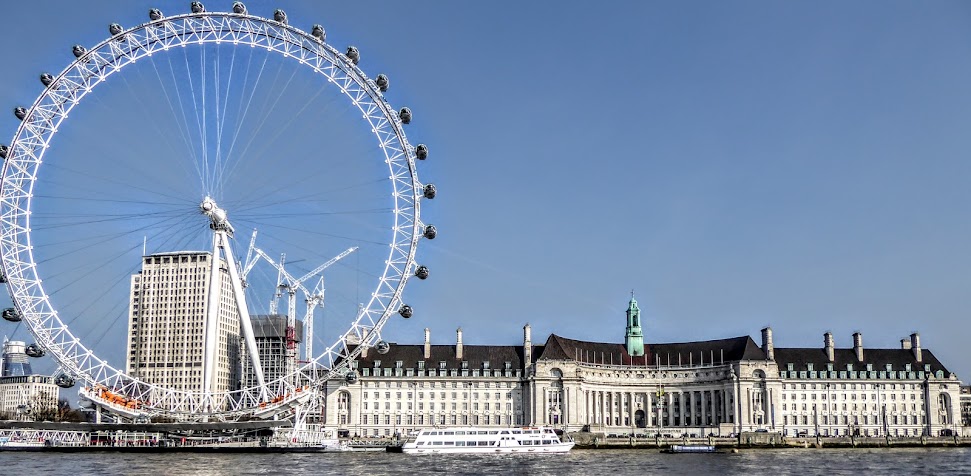
The building on the right is London’s County Hall. As a teacher, my mother had access to its wonderful library, and it’s where we often went on Saturday to choose books. Nowadays, it’s a hotel, and utterly dwarfed by The London Eye.
The Thames at Greenwich. Not much changed.
Further out still, beyond Woolwich: the flood defence of the Thames Barrier, which formed no part of my childhood.

I’m a fan …

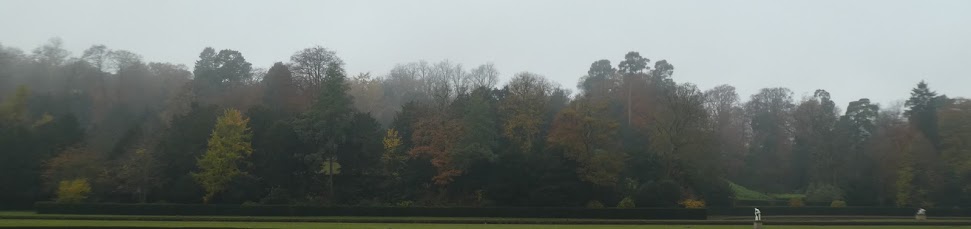
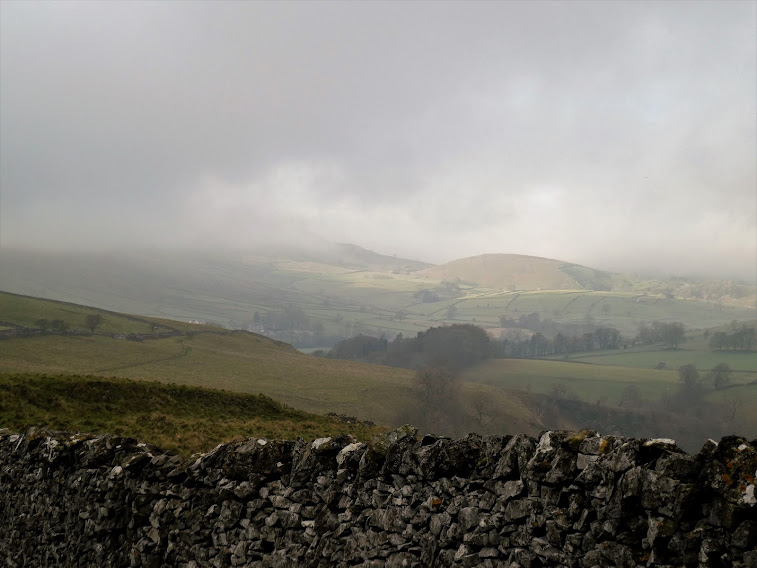
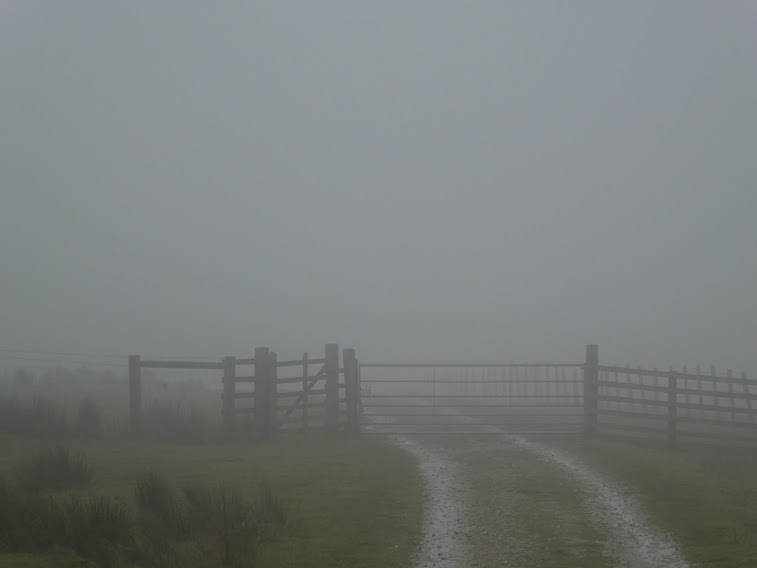
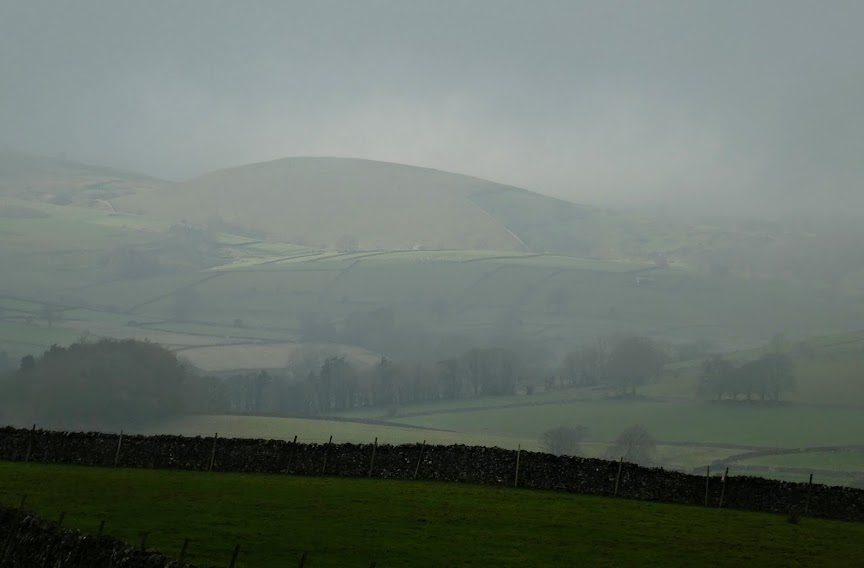
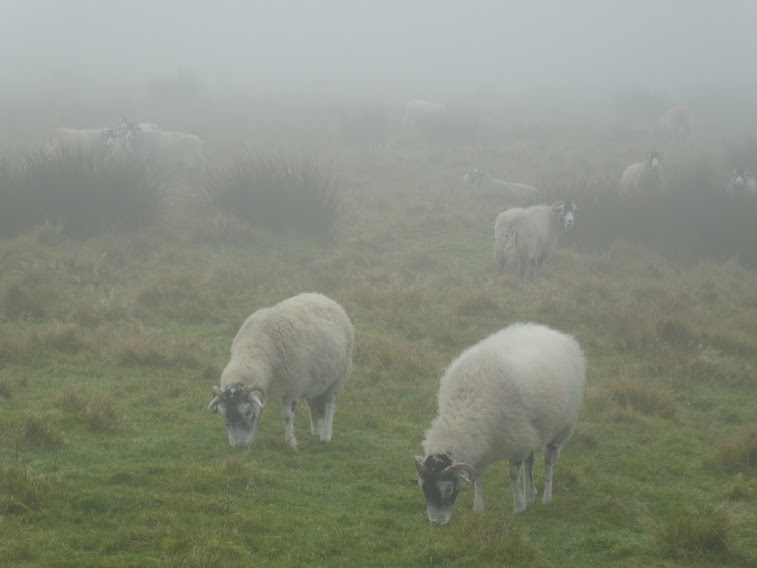
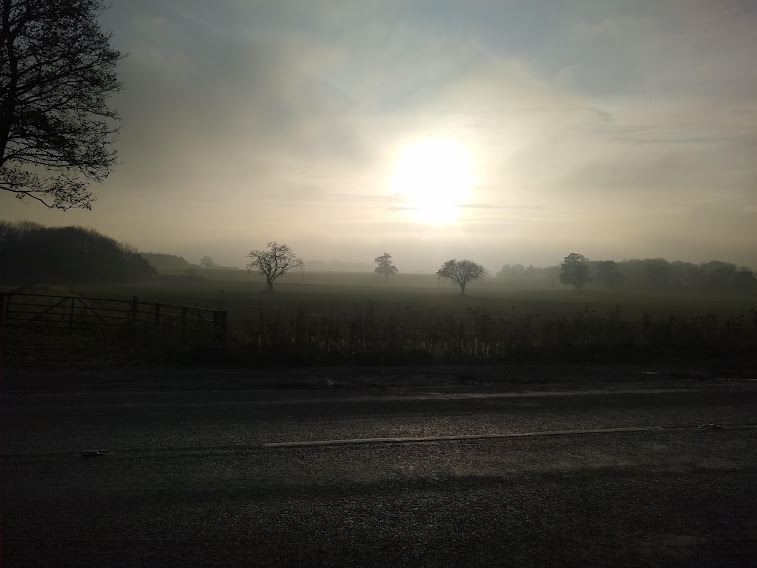
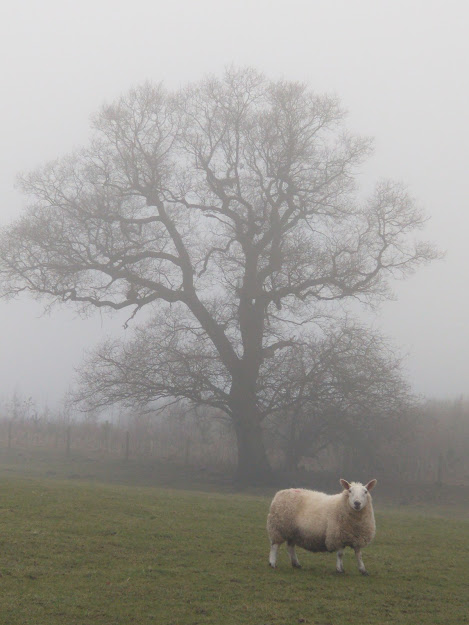
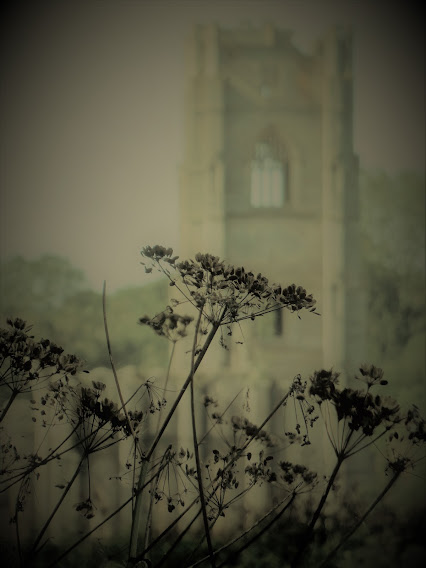
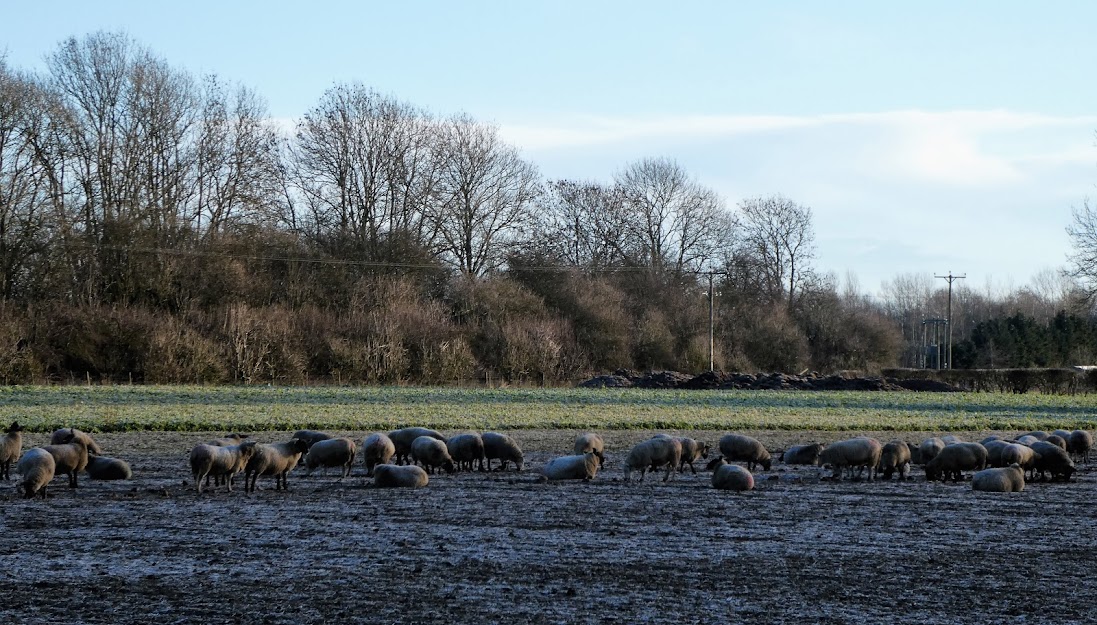
I’m a fan of fog. Not the yellowish throat-catching, grimy sooty pall that that I remember from a 1950s London childhood, which dirtied our clothing and made us cough while we waited in vain for buses, delayed by their headlights’ inability to pierce the gloom with their faint orange glow. Sometimes the conductor, carrying a torch, had to walk in front, picking out a path through the murk. No, now I enjoy peeking through the windows at a landscape softened in a mantle of greyish white. Or walking in the Dales, barely able to distinguish the path ahead, as sheep suddenly loom before us, concealed behind frozen grassy clumps.

These are all from the Yorkshire Dales, in Wharfedale near Burnsall. Here are just a few more – three taken near our house, and one, like the header photo, at Fountains Abbey.

For Jez’s Fan of … challenge

A Sunset Walk

I didn’t take my camera. I’ve done that walk from home, along the river to West Tanfield dozens and dozens of times. Late the other afternoon, I was just scurrying along to collect our car, being serviced at the garage there.

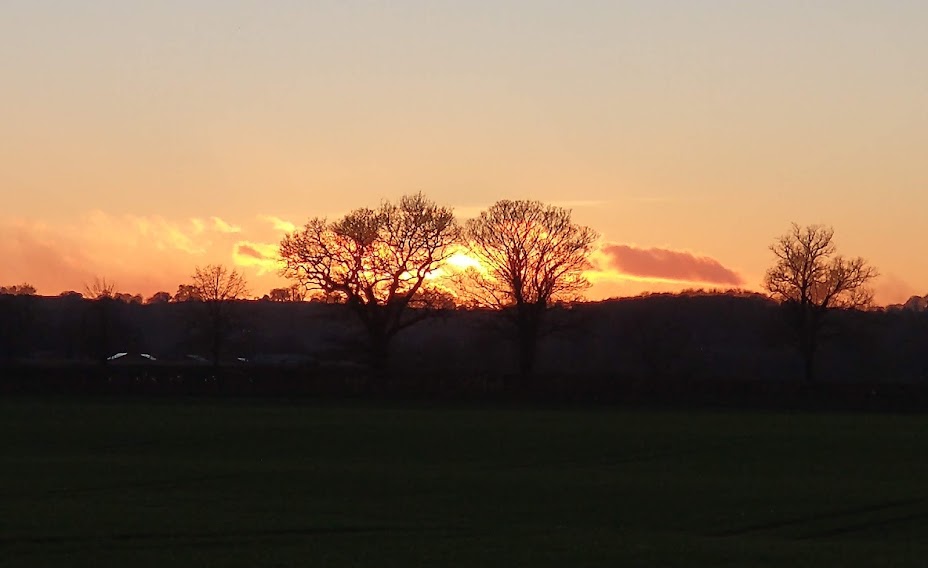
Then on my left, I saw this:

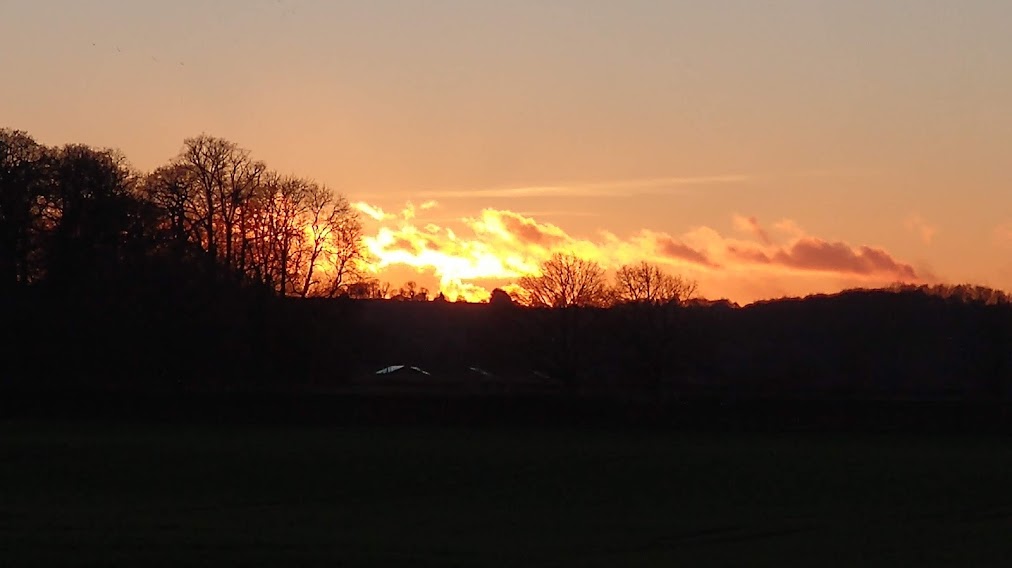
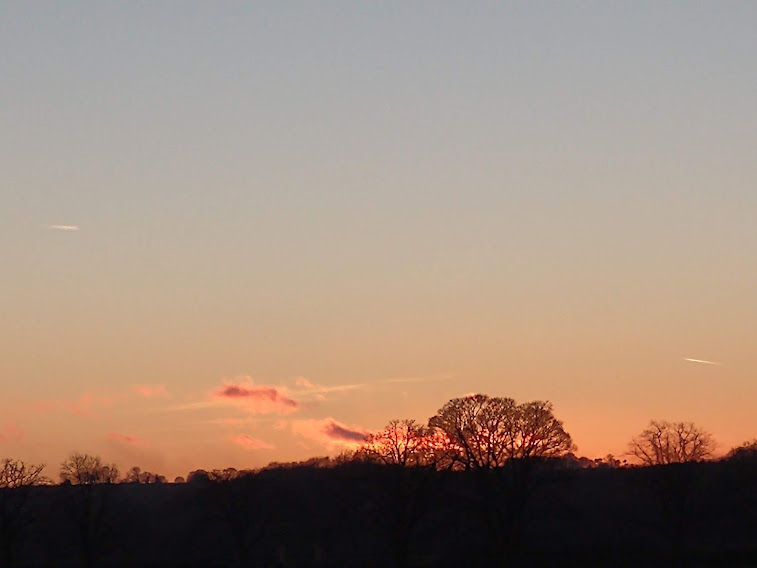
And I knew that my walk would be a dramatic one. I stopped scurrying as I watched the sun falling gently behind the clouds, behind the trees, as I changed my vantage point with every step. It wasn’t a spectacular sunset, but it was special, as every sunset invariably is. Come with me.

The sheep appeared to have wandered away: the fields were empty.

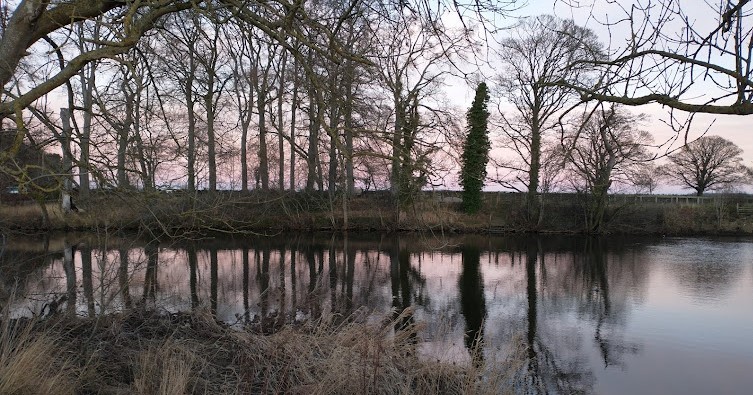
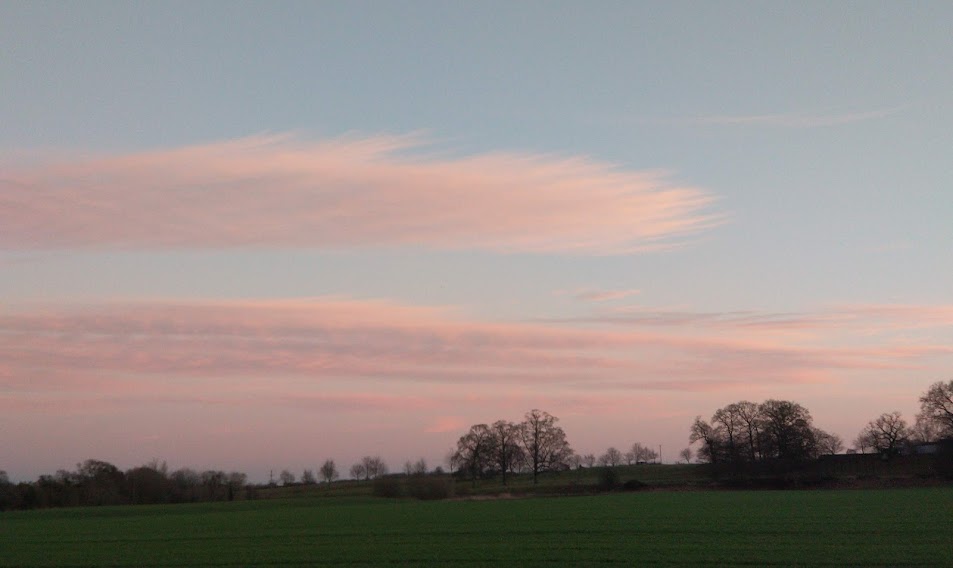
To the right of me, the river was more delicately tinted:

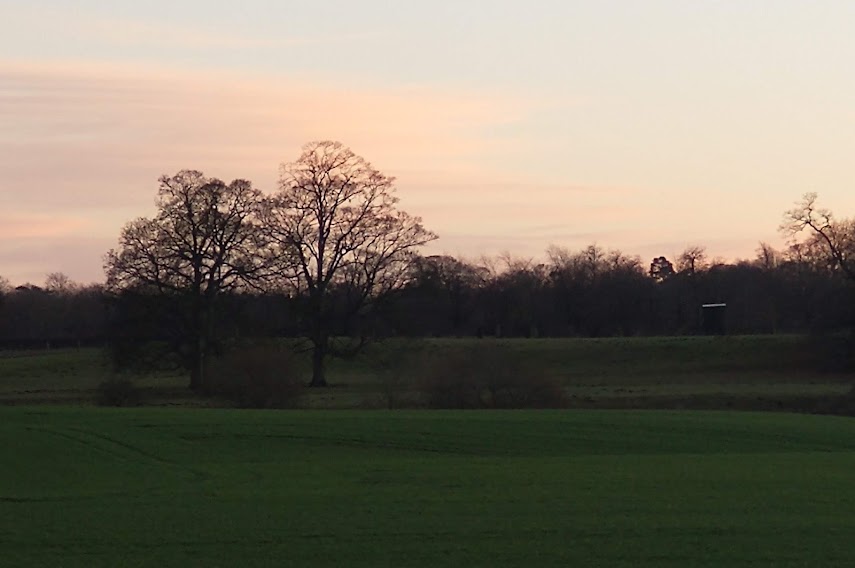
At every step, a different view: sometimes the vivid fiery tones of the setting sun: at others, the gentler, prettier powdered pinks and blues of the more distant clouds.

My walk was almost over: I crossed the bridge and arriving in the village. The river continued its journey towards the Ouse, then the Humber, without me, and the sun finally disappeared behind the trees.

For Jo’s Monday Walk and Hammad Rais’ Weekend Sky

Tracks, trails and paths

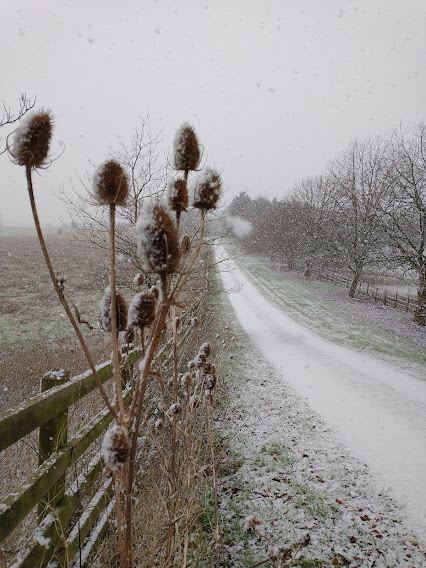
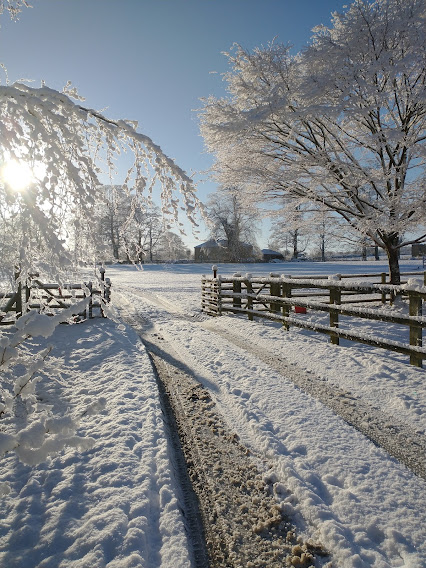
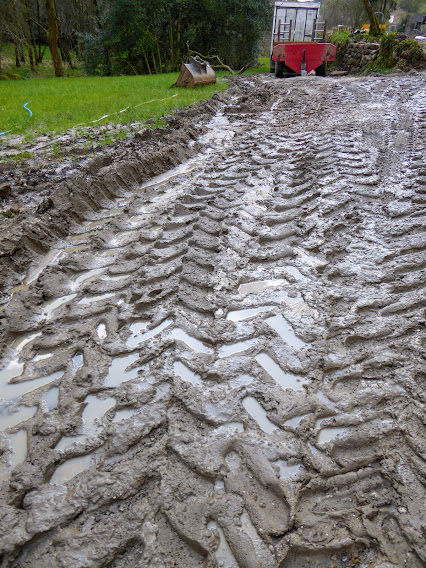
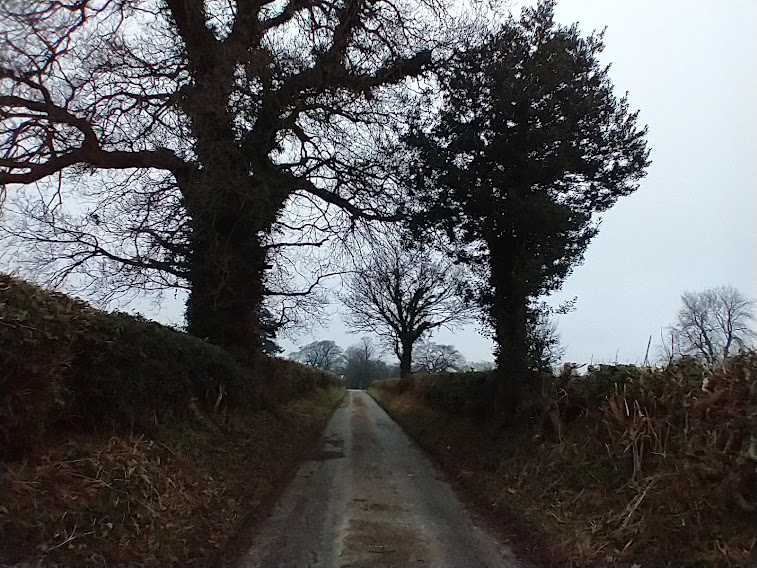
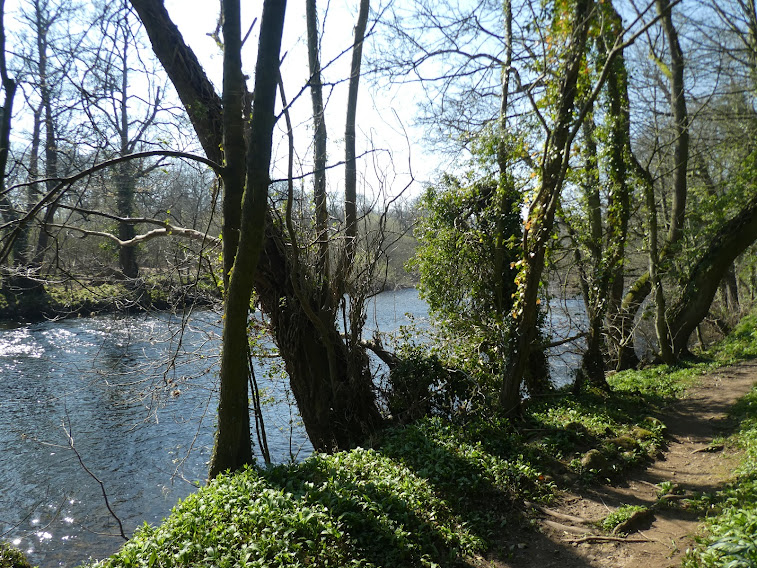
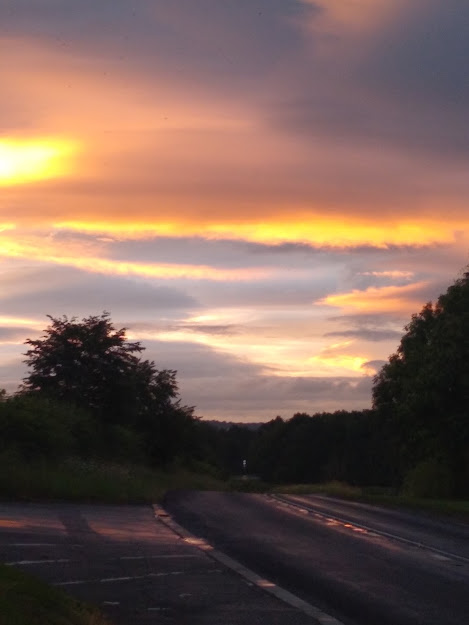
In my last post, we took a walk through my village. Over lockdown, and the weeks and months afterwards, I came to know our local paths more intimately than I would ever have imagined. But I came to see them through fresh eyes, enjoying the changes of season: the difference between a walk taken at dawn, at midday, at sunset. A sunny walk: a snowy walk: a rainy walk: a windy walk. Walks with bluebells: walks with poppies: walks in mud.

Here, for the Which Way Challenge, are some local paths and byways.

Following last week’s Lens-Artists Challenge, when we were encouraged to dip into a new challenge or two, I think I’ll give Monday over to just that – for a while anyway. I’ll revisit the challenges that were new-to-me then, as well as revisiting older favourites.