The other week, I accepted a challenge. Sammi Cox of Whispers and Echoes asked her readers to write a story in 100 words – neither more nor less. And yesterday she published my offering. Thanks, Sammi!
‘He just can’t do it any more. Miles he’d walk. Every day. Now he can hardly get to the end of the road. And food! He’s hardly eating. His digestive system seems to be shot. Just … don’t ask.’
‘Well he’s a pretty decent age you know. He’s done well. He’s not going to get any better. You might consider whether it’s time to put him out of his misery, before he really starts to suffer’.
‘To be honest, I’d been wondering myself. Just let me get used to the idea.’ said Rover, with a business-like flick of his tail.
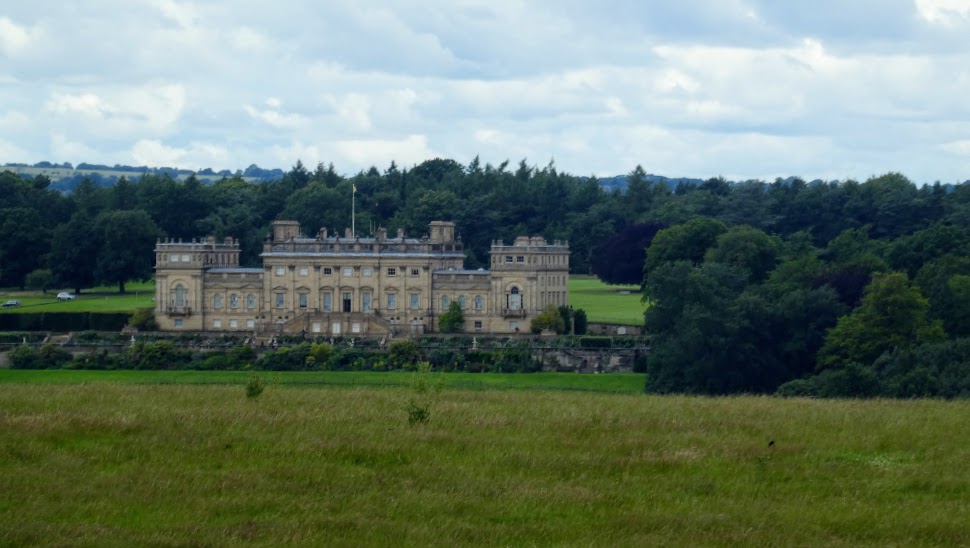
We all trotted off to Harewood House yesterday. This must-visit stately home between Leeds and Harrogate is a little notorious these days because the enormous wealth and privilege it represents was built as a direct result of the slave trade. Designed by architects John Carr and Robert Adam, it was built, between 1759 and 1771, for Edwin Lascelles, 1st Baron Harewood, a wealthy West Indian plantation and slave-owner.
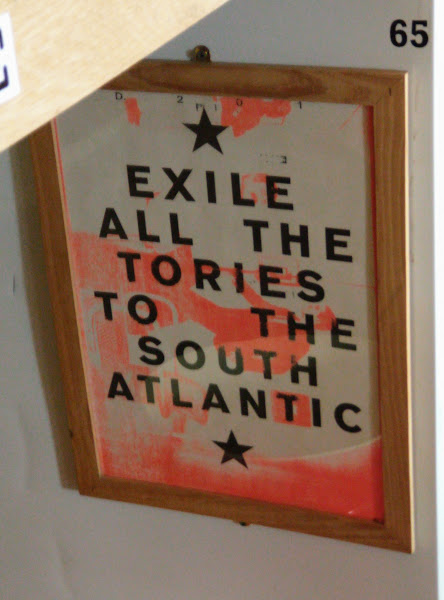
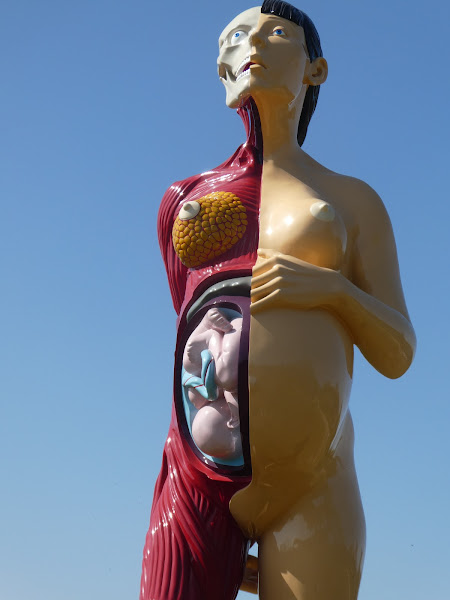
These days, the family does what it can to move on from these distasteful roots. I’ll probably write more later about a current exhibition there – Radical Acts: Why Craft Matters, which looks at a wide range of social justice and environmental issues. But I found my last photo of the month, taken there, irresistible. It’s perhaps not the sort of poster you’d normally find gracing a stately home?
For Brian (Bushboy)’s Last on the Card: July 2022. A chance to show our last photo of the month, however good, bad or indifferent.
For the last month, I’ve sometimes been a bit grumpy in the evening. It’s the same every year. The longest day comes … and then goes. And inexorably, the days get shorter and I’m reminded that winter’s on its way. I enjoy the season: the gaunt skeletal outlines of trees, the chill in the air. But I really don’t like the short days and the endlessly long nights that come with winter.
So when this week’s #Tanka Tuesday issued the challenge to write a syllabic poem entitled The Longest Day, I knew exactly what to write about, and chose to use the nonet form: a nine-line poem, that goes from 9 syllables in the first line, down to one in the last line.
Ten years ago today, long before we imagined we’d one day be living here, we were having a short break from our lives in France here in Ripon. And this is what we saw…
July 2012
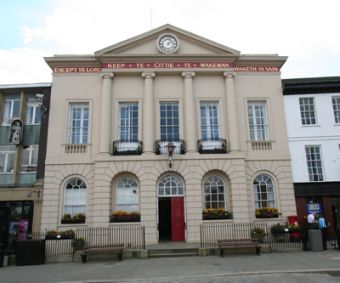
‘Except ye Lord keep ye Cittie, ye Wakeman waketh in vain’
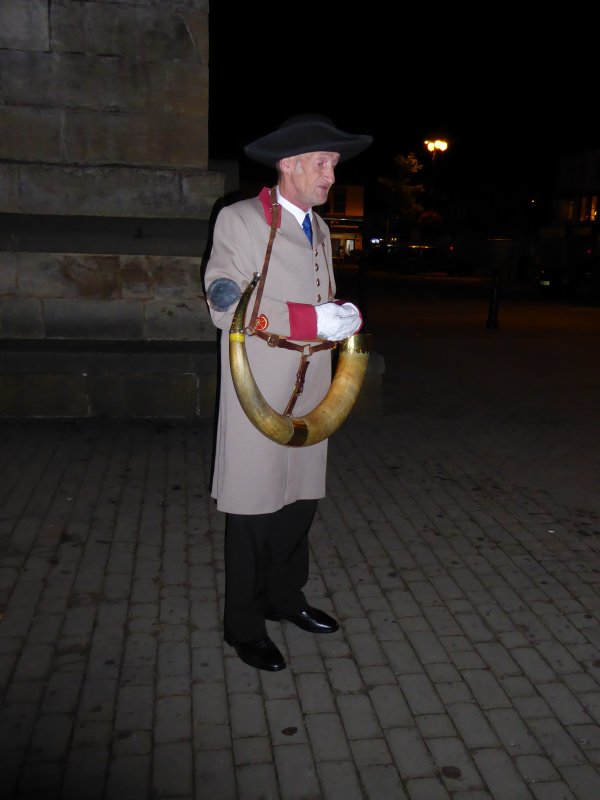
That’s the verse from the Psalms, inscribed above the town hall in Ripon, where we’re spending the next few weeks to avoid the cold and rain of the south of France (no, really, they’ve got the heating on over there). It reminds us that every evening – EVERY evening – for well over a thousand years, the Ripon Wakeman has sounded his horn to the 4 corners of the city to announce that all is well.
We had to go and check it out yesterday evening.
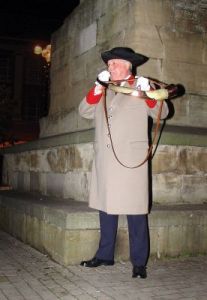
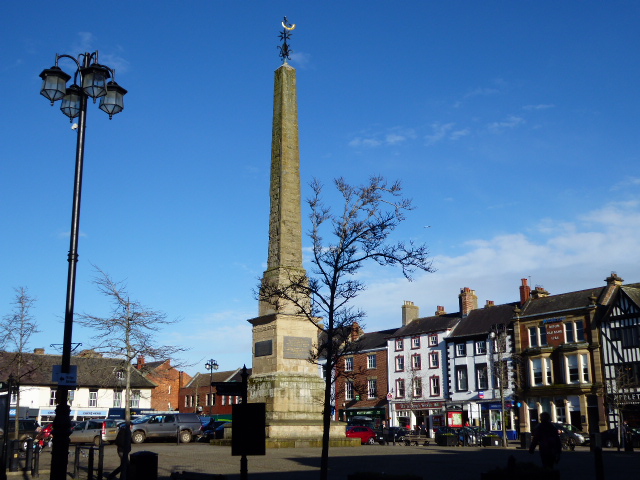
Promptly at 9, a smartly dressed individual in buff coloured hunting coat, tricorn hat and white gloves took his place before the obelisk on the Market Square and sounded his horn 4 times, once at each corner of the obelisk – one long mournful note each time.
Then he grinned at us, a small crowd of 20. ”Want to hear a bit of history?’ Well, of course we did. He made us introduce ourselves, and we found we too came from, well, about 3 corners of the world: Catalonia, Italy, Australia, even South Shields and Merton. And here’s some of what he told us:
In 886, Alfred the Great, 37 year-old warrior king, was travelling his kingdom to defeat the Vikings and to drum up support. Arriving at the small settlement of Ripon, he liked what he saw and granted a Royal Charter. He lacked the wherewithal to produce an appropriate document, and so gave a horn which is still safely locked in the town hall.
‘You need to be more vigilant, there are Vikings about’. Alfred warned. So the people appointed a wakeman to guard the settlement through hours of darkness, and he put that horn to use by sounding it at the 4 corners of the Market Cross to announce that all was well as he began his watch. The city’s now on its 4th horn.
If you want to know more, our current Wakeman, George Pickles, has written the whole tale for the BBC website. It’s a good yarn. Read it when you have a moment.
The Market Square, where the Wakeman does his job.
2022 Update: These days there’s a team of three Wakemen, and one of them is a woman. Only Lockdown – sort of – interrupted the tradition, when the nightly task was performed from the comfort of the duty-Wakeman’s garden at home, courtesy of Facebook.
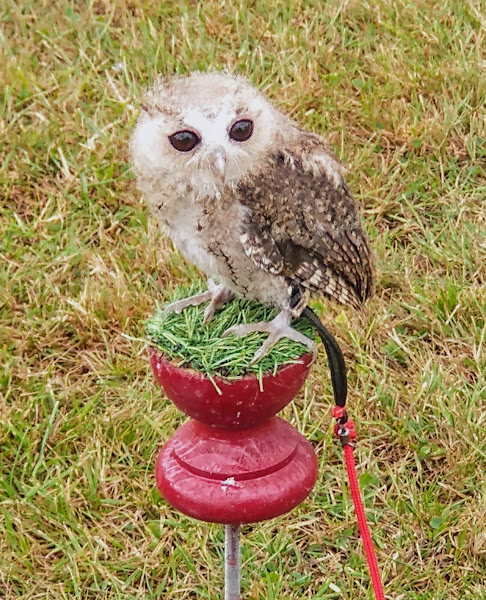
It was the first Agricultural Show of the season yesterday. A great day out for the farming community, and for all the rest of us, who can admire cattle, calves, sheep, horses, shire horses, donkeys all being judged on who knows what esoteric criteria. Tractors, machinery, country crafts and produce … and in among all that, a Birds of Prey display. I picked some owls to showcase for you today, particularly this Northern Pygmy Owl. He’s barely the size of a blackbird.
The Indian Skops Owl is hardly any bigger:
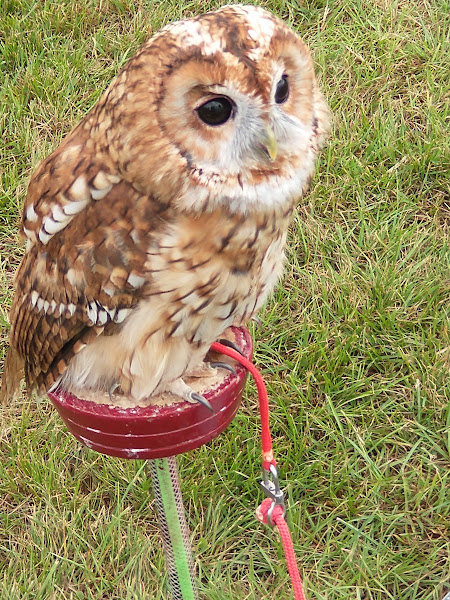
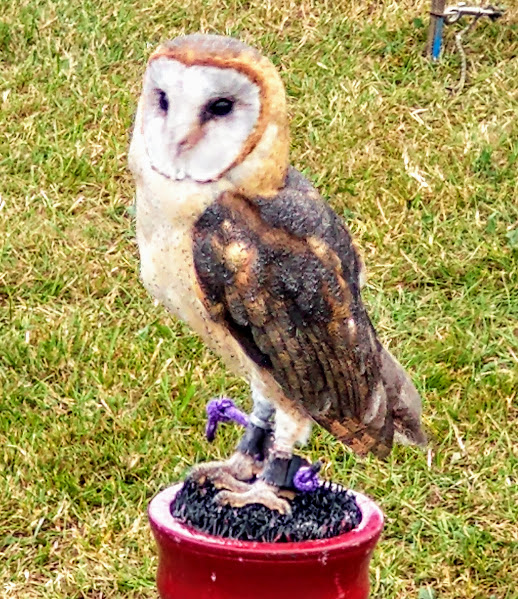
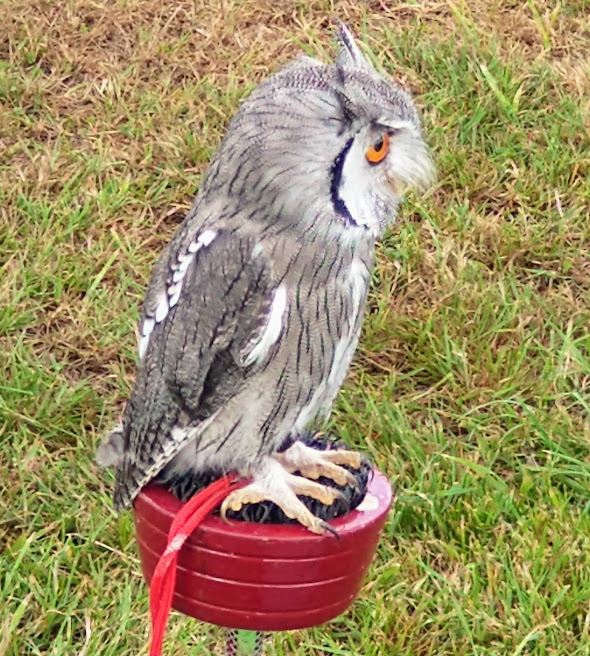
But the other three are much the size you might expect, being pretty much Barn Owl size:
Tawny OwlBarn OwlNorthern White-Faced Owl
I’ll probably bring you all the fun of the Agricultural Fair another week. As crops are gathered in, and young animals grow less dependent on their mothers, the season starts in earnest.
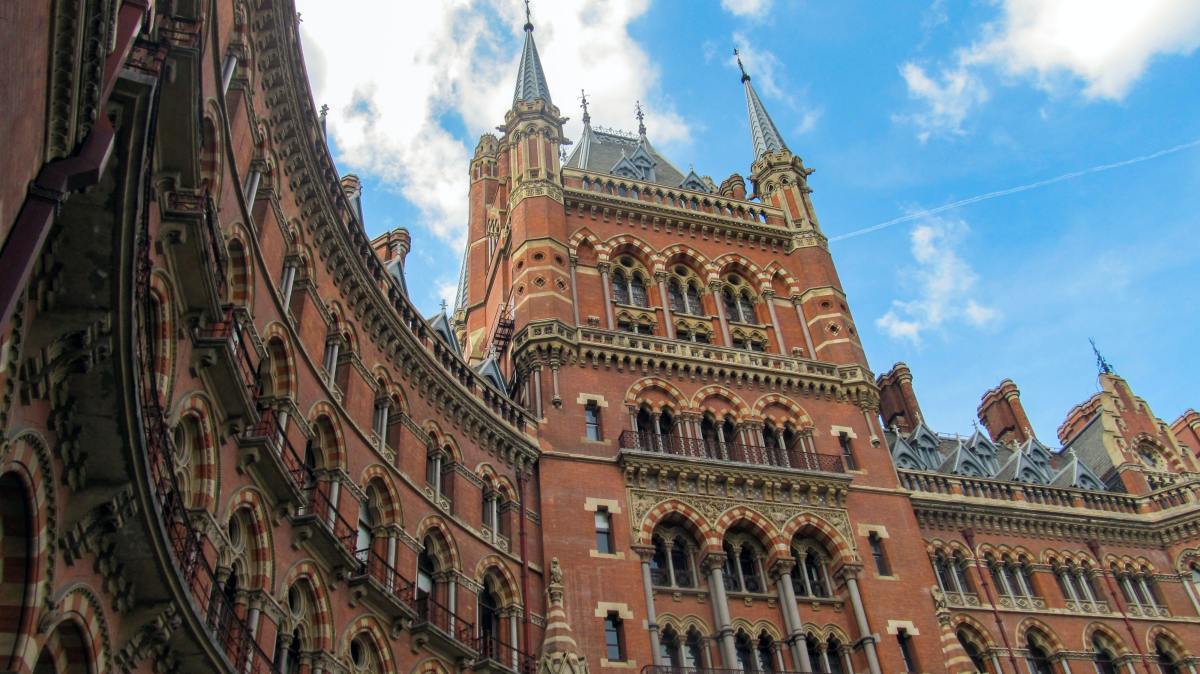
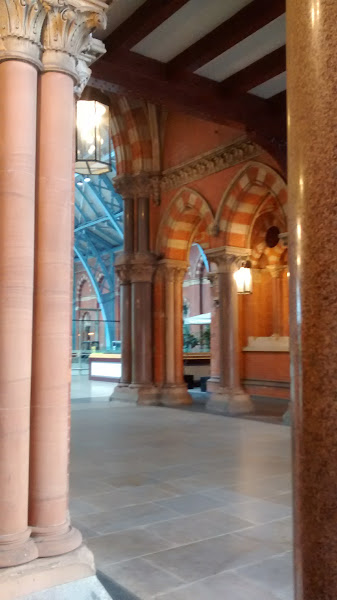
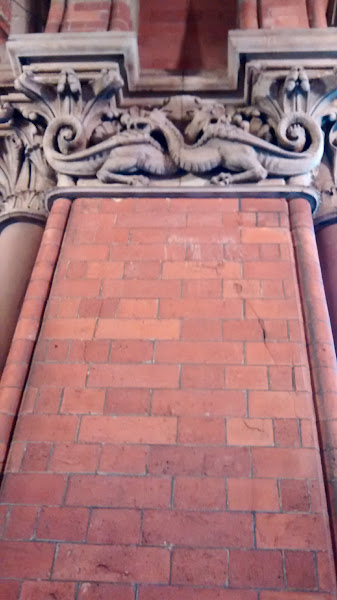
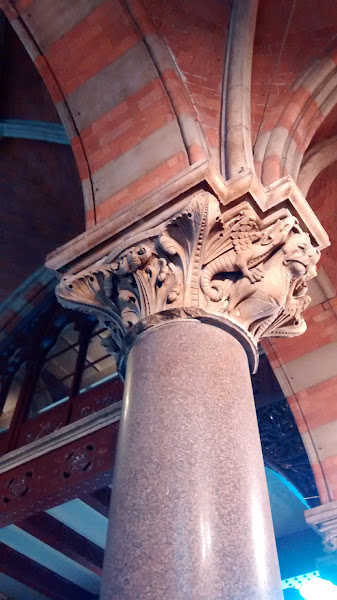
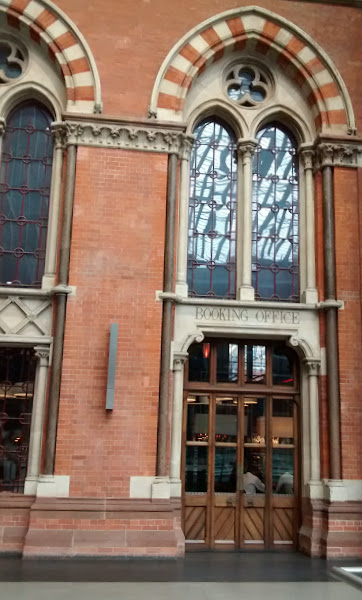
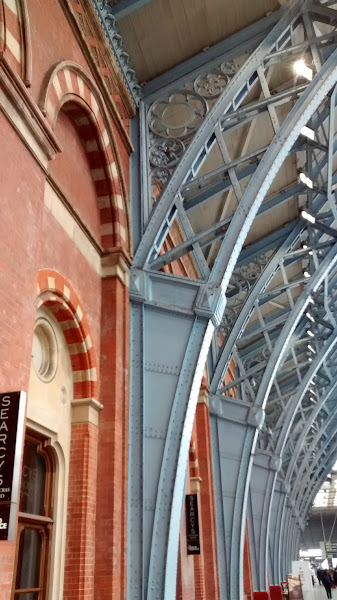
My favourite station in the UK is Saint Pancras International. It’s a masterpiece of Victorian Gothic architecture and must be England’s most elegant place from which to start a journey. It was opened in 1862, and one of its glories is its immense single span iron roof , designed by William Barlow. That wonderful facade, which includes the Midland Hotel, was designed by Gilbert Scott, and this is what you’ll see as you approach, and then wander among all the fairly up-market shops which line the concourse these days. It’s such a treat just to wander round admiring the structure, listening to travellers chatting in French as they accustom themselves to their English surroundings. Here’s a little gallery to give you as taste of the handsome brickwork, the charming attention to detail.
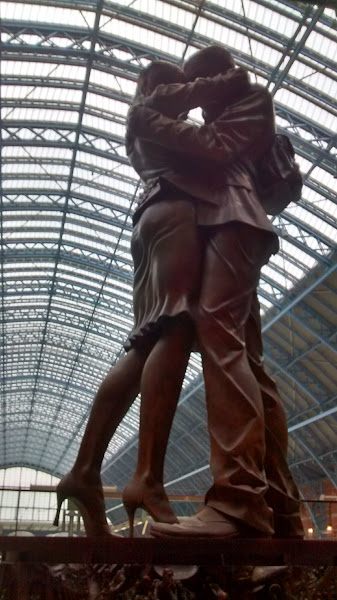
What a shock, then, to find yourself suddenly facing this statue, The Meeting Place. some 9 metres high. Designed by Paul Day and unveiled in 2007, it’s intended to encapsulate the romance of travel.
This weekend’s Tanka Tuesday Poetry Challenge invites us to use a photo of this work as a prompt for a piece of Ekphrastic Poetry (if this is a new one on you, as it was to me, you’ll find out what it is if if you follow the link). For the challenge, it has to be in syllabic form, so I chose Prime Verse. And I think my feelings about this work may be clear…
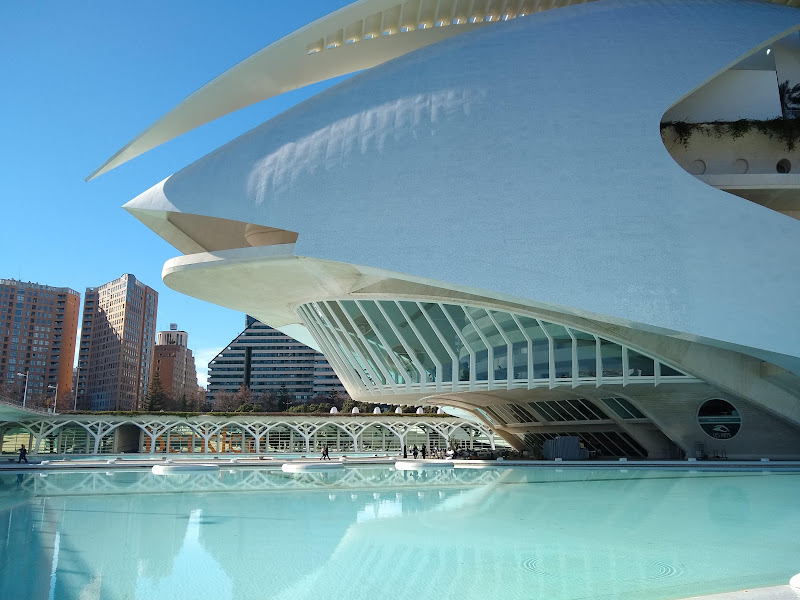
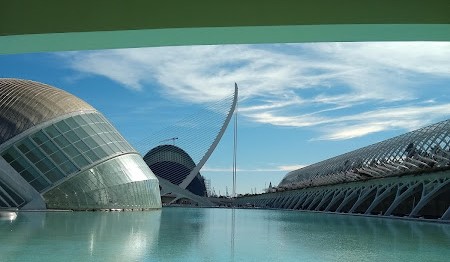
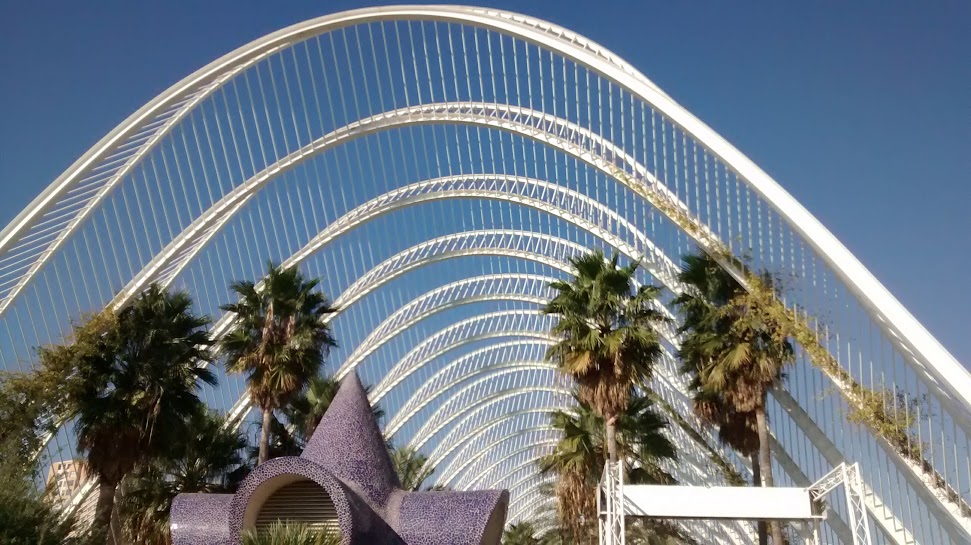
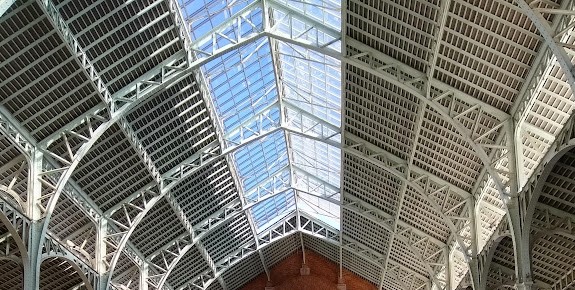
Team Spain is with us at the moment, so blogging and bloggers are taking a back seat. All the same, I’m going to take a virtual trip to Valencia, which we’ve often visited after being with the family near Barcelona. This time though, as requested by Amanda for a Friendly Friday challenge (collaborating with Frank at Beach Walk Reflections). I’m focussing on just a few of the shapes I’ve seen there.
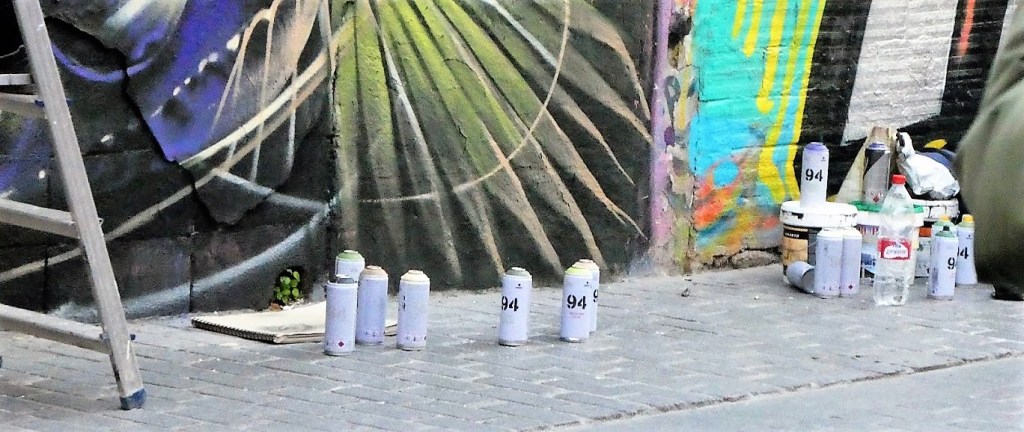
And let’s finish off with something that may no longer be visible. Valencia’s big on street art, but I liked the bold geometry of this piece under construction.
This is scarcely a Tourist Info Guide to Valencia: but it’s a glimpse of some of the places worth hunting for in any visit there.
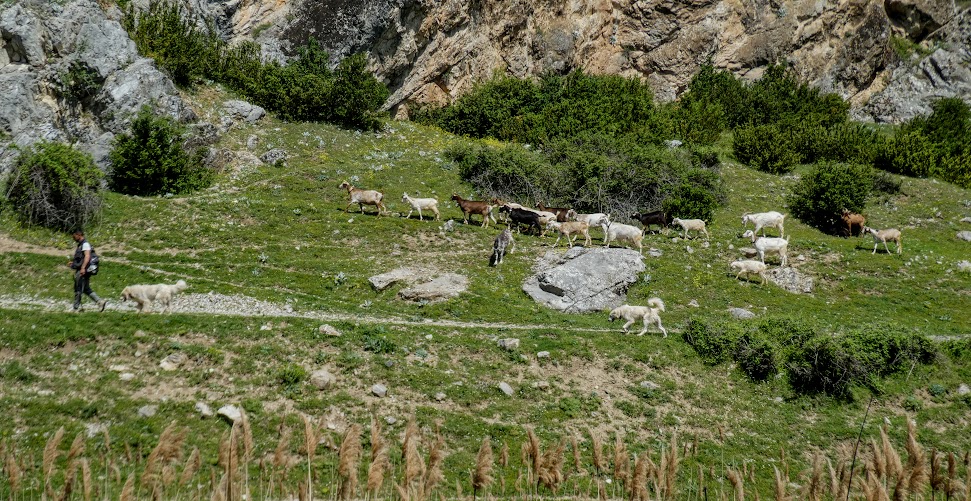
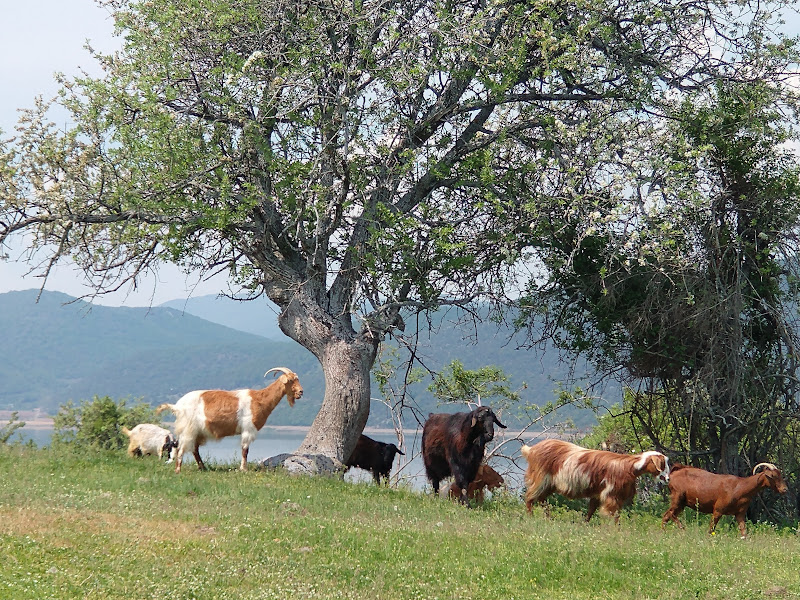
I know it’s not a Group of Goats. It’s a Flock; it’s a Herd; it’s a Drove (as in the header photo); it’s a Tribe. But Group is more alliterative.
On our Balkan journey, we got used in Albania to seeing shepherds wandering along the mountainsides with their mixed herds of sheep and goats.
In Greece though, we stayed on a small island, Agios Achillios, on Lake Prespa. Semi-nomadic practices weren’t an option. Instead the goats had to put up with lush and varied pasture on hillsides overlooking the lake, which they shared with their neighbours the pigs and the dwarf cattle of the area, and who may have their moment of fame another week.
Blame Peter. He’s the one who drew my attention to Sammi Cox and her writing prompts. And when his own post, prompted by Sammi, dropped into my in box, I thought I should have a go too. This is the prompt:
Why 46 words? Just to make life difficult I suppose. But here we go …
The Galloping Years
You’d think each year was just a year
Each one lasting twelve whole months.
And yet as I get old and grey, those weeks and months
Revolve, gain speed and pass before me faster than before.
Slow down! Don’t hurry me through my last remaining years.
About three years ago, I joined a writing group for strict amateurs: people who have no particular aspirations to publish. I’m still part of it. Our facilitator, Sheila, is inspirational and fun. I remember our very first session. She produced a bag full of dice, faced not with numbers, but letters. We threw the dice, and looked at the letters that landed face up. The task was to make a word that used as many of those letters as we could. The only rule was: this word must not actually exist. We fell to with enthusiasm. And made a word I’ve now forgotten. Next task? Define it.
Sheila’s full of strategies to get our creative juices flowing, and has transformed a small band of people with only pencils and notebooks in common into a creative, constructively critical and mutually supportive group.
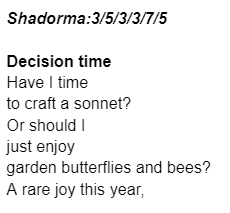
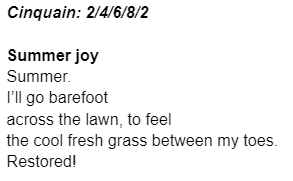
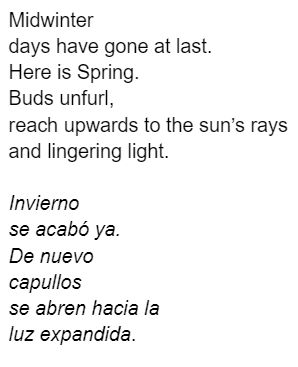
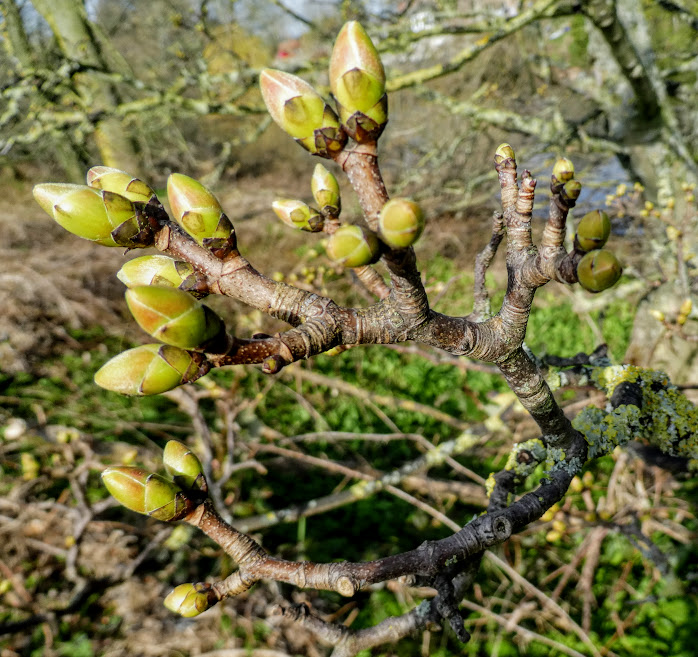
But that’s not all. Sheila’s the person who encouraged me to write my first poem. Then another, and another. Here are a couple of my more recent – and seasonal – efforts. I’m no poet, but I’ve come to enjoy practising.
In my blogging life, I’d started to follow Fake Flamenco. It turns out that each month, Rebecca chooses a poetic form and invites us to craft a short poem on the theme she suggests. And do you know what makes this so special? Before she publishes our work on her blog, Rebecca translates every single one into Spanish. I really look forward to this extra dimension, as well as the chance to share poem-making with bloggers on every continent Thank you Rebecca. I haven’t been tagging along all that long, but this singular poetry challenge has just celebrated two creative years. All bloggers welcome!
And what serendipity! Only this week, another Rebecca, a certain Lady Budd, introduced us to the work of Colleen Chesebro, who is not only a poet, but someone who loves to share the skills of poetry making here, and runs a poetry challenge, #Tanka Tuesday.
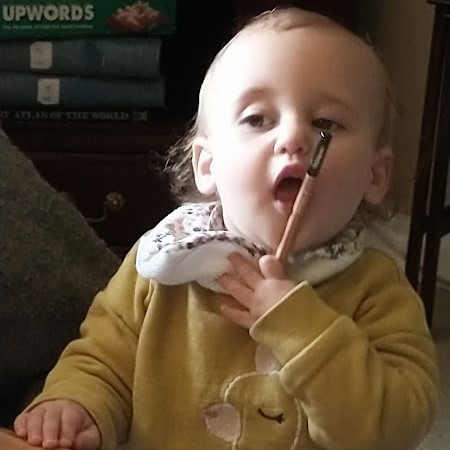
This poetry malarkey could catch on. If we start ’em young, as the header photo suggests we do, perhaps …
The post title quotes the first two lines ofAn Attempt at Unrhymed VersebyWendy Cope*



















You must be logged in to post a comment.