Some of you know that I – theoretically – have another blog besides this one, called Notes on a Family. I say ‘theoretically’, because I haven’t posted for ages, and I should. It details parts of my family’s history, as well as vignettes about growing up as one of the immediate post-war generation, This post, from December 2016 seems particularly apposite at a time when it’s rarely been more necessary to avoid rampant consumerism.
The excesses of Christmas have got me thinking about my childhood, as part of the post war ‘make do and mend’ generation.
Even without rationing being a day-to-day part of my early years, we’d have been a thrifty family. My mother was a clergyman’s daughter, and priests were notoriously underpaid until quite recently. They also tended to live in large vicarages which were fine buildings, but hard to maintain and harder to heat. ‘Making do and mending’ was a core part of her life from her earliest days.
My father was a notoriously poor provider and I can’t remember a time when my parents got on well. My mother did the housekeeping and bill-paying on her income alone. She was a teacher, but until 1961, female teachers were paid less than their male counterparts. Admittedly, there was almost no job available to her that would have paid her on the same scale as a male colleague, but the assumption was that it was men who brought home the bacon. (As a little aside, my mother once failed to get a teaching post, because she referred to it during her interview as ‘a job’. Her interviewer regarded her frostily. ‘Miss Barton, teaching is not a job. It is a profession, a calling’.)
I was brought up with the following skills:
Darning:. I’m still not good at sewing, but I’m a dab hand at darning gaping holes in socks. Though actually I don’t do it any more. Even stockings got darned in those days (tights still didn’t exist).

Turning sheets ‘sides to middle’: when sheets wear thin in the middle, they’re split in half and rejoined with the edges towards the centre. I used to help with the cutting and tacking.
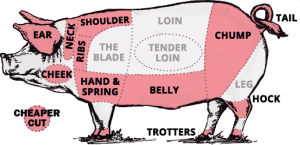
Preparing cheap cuts of meat: the meats we bought during my childhood were tougher, often bony cuts requiring long slow cooking – breast of lamb; oxtail; pigs’ heads to be transformed into brawn; skirt of beef – all helped to go further by the addition of lots of root vegetables to the pot.
Hand-making clothes: my mother made most of my clothes, though she wasn’t a natural. I used to help her, but I was even less gifted, and preferred choosing the cloth, and Butterick or Simplicity patterns, and pinning the pattern pieces to the cloth. I lost interest after that.

Taking shoes to be mended: shoes had to last. As there was a tiny cobbler’s shop near our house, I was usually the one that would take our shoes to be soled and heeled. With growing feet, I was the only one to get new footwear fairly regularly. And it was taken for granted that shoes would be polished every single day. I still do clean and shine my shoes – fairly often.
Baking: it was inconceivable that we would ever buy biscuits or cakes, though that was more to do with our preference for good food. Shop cakes and biscuits were pretty dire in those days. Some of my earliest memories involve cake mixing – always by hand, never with a fork or spoon – with the delicious pay-back at the end of ‘licking the bowl out’. Why do we ever cook cakes? That raw mixture clinging to the sides of the bowl is so much more appetising.
Saving anything that might have a future use:
The soup pot: usually those left overs formed the basis of a soup. Now, as then, there’s usually soup on the go in this house. Usually it’s based on those vegetables lurking in the crisper that really need to be used up, or something else that’s too small to make a meal in its own right. Normally known as ‘old boot soup’.
Soap: this was bought a few months ahead of its being needed, so that it could be stored in the airing cupboard, where it would dry out, and therefore last longer. I still do this.
Though I’m no longer as thrifty as my upbringing demanded, ‘make do and mend’ is a core part of me still. As I think it should be.
The feature photo shows my grandfather; my grandmother; my mother and her younger brother; and me, and is the banner image for Notes from a Family.
When I was five, and shortly after Queen Elizabeth’s coronation, my family moved from the rural North Riding of Yorkshire to London, where my Polish father had found work. What a grubby, shabby place it was. The war was long over, but still streets had jagged gaps in them, with piles of rubble on which hardy buddleia plants gamely tried to put on a floral show. It was a grimy and often unlovely experience.
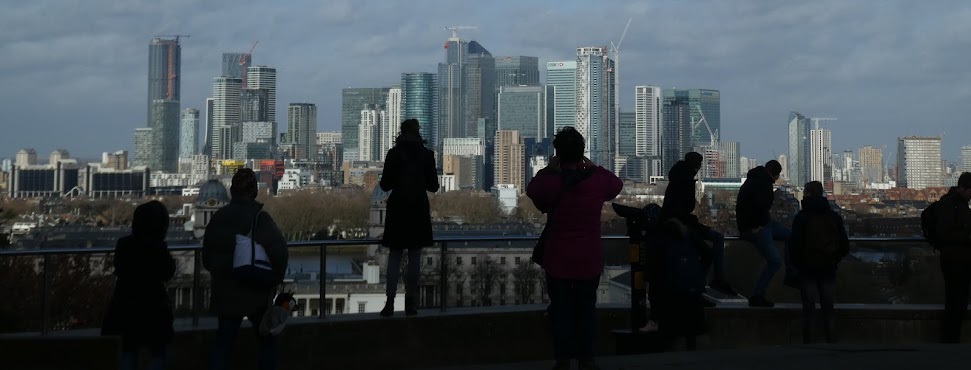
Many years later, long since moved away from London, my visits there revealed a city that had thoroughly re-invented itself, while leaving plenty of traces of its history behind. And there’s no better place to inspect it than from a boat on the Thames, or by walking one of the many paths alongside the river. Come and visit twenty first century London with me for Sofia’s Lens-Artists Challenge – Urban Environments. I’ve shown quite a few of these photos in the past, but for me, they bring memories with them.
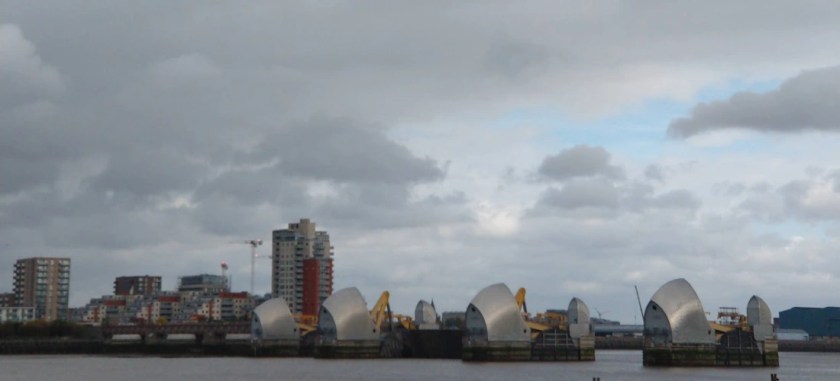

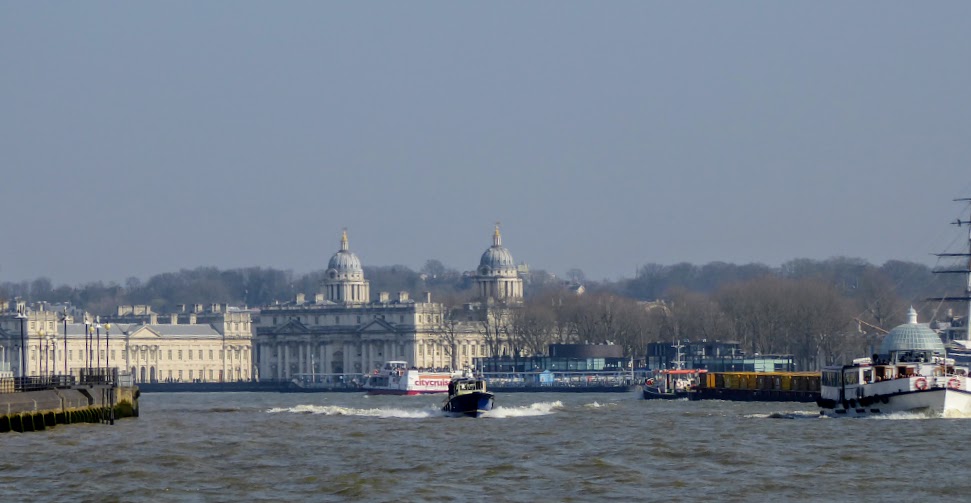
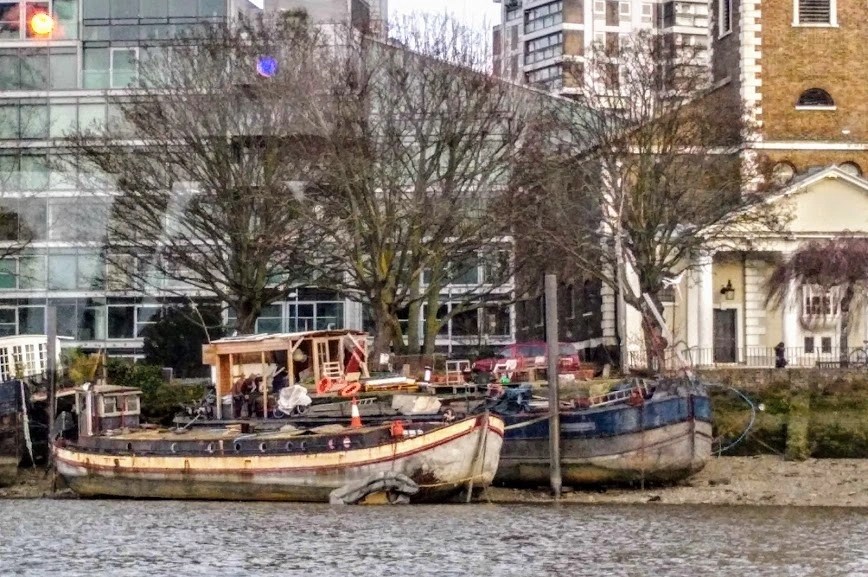
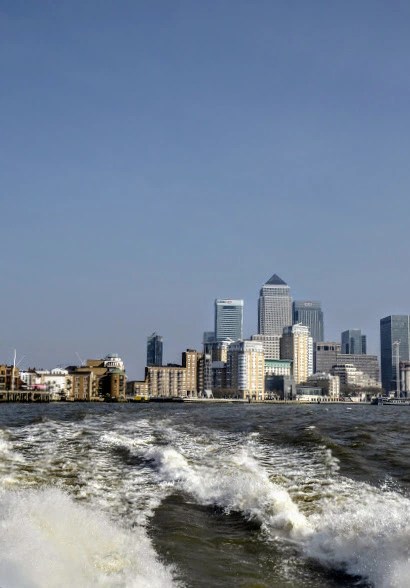
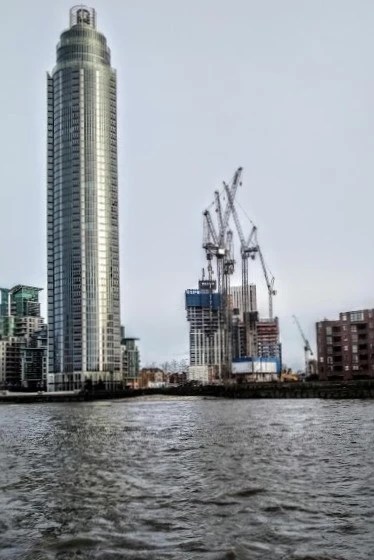


The header photo is taken – not from the banks of the Thames – but from next to the Royal Greenwich Observatory and the Prime Meridian Line.

Have you noticed? For all we’ve been focussed on day-to-day weather recently, it’s the temperature we’ve talked about, here in Europe at any rate (‘Phew it’s too hot!’), and the lack of rain (‘Oooh, my poor garden!). I realised, only the other day, that wind has been in short supply. No summer breezes, no brisk gusts, no sudden squalls.
Then Rebecca’s Monthly Poetry Challenge dropped into my in-box. She wants us to write about wind, employing the literary device of anaphora. No, I didn’t know what that was either. You can read about it here.
I could have snuck in and offered the rhyme that my children were brought up on.
When the wind is in the east,
’tis neither good for man nor beast;
When the wind is in the north,
the skillful fisher goes not forth;
When the wind is in the south,
it blows the bait in the fishes’ mouth;
When the wind is in the west,
then ’tis at the very best.
But that would be cheating.
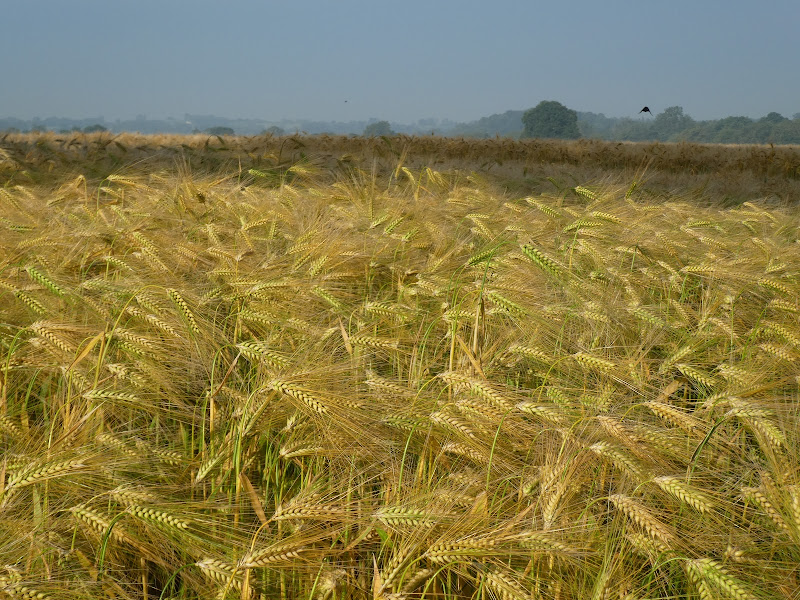
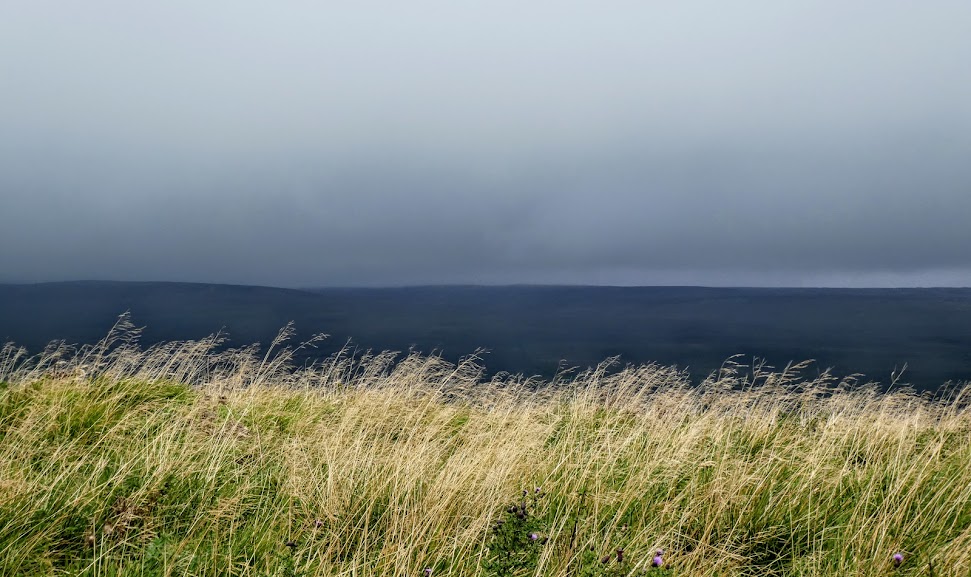
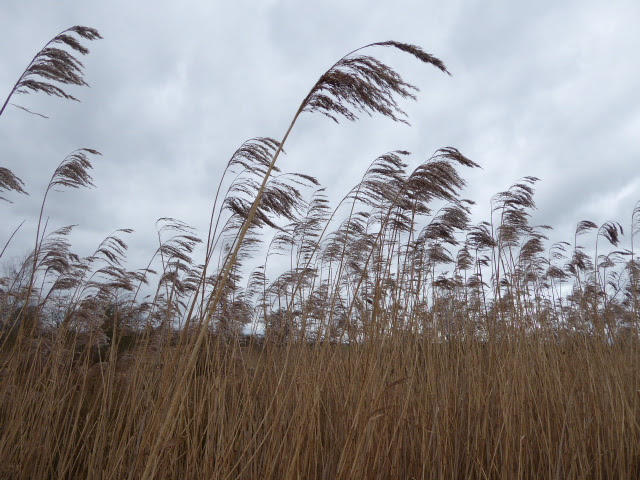
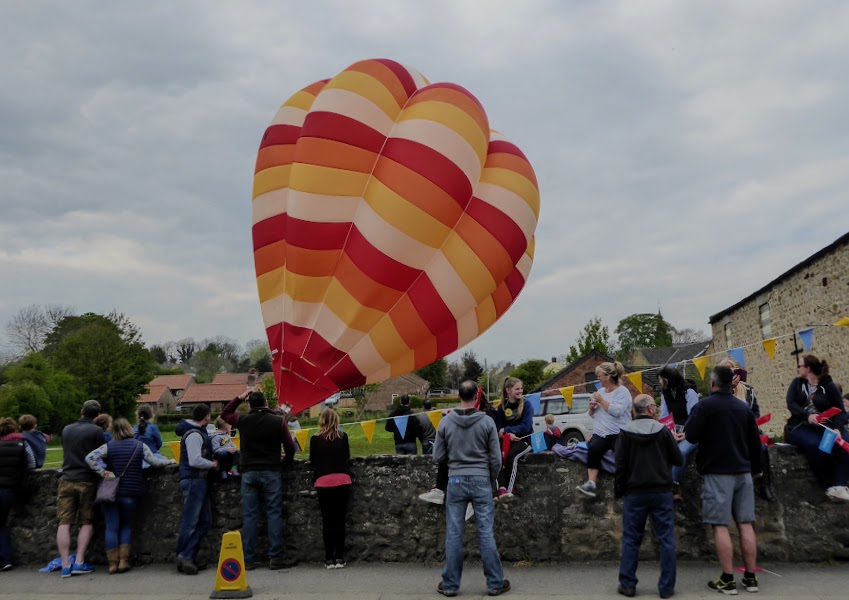
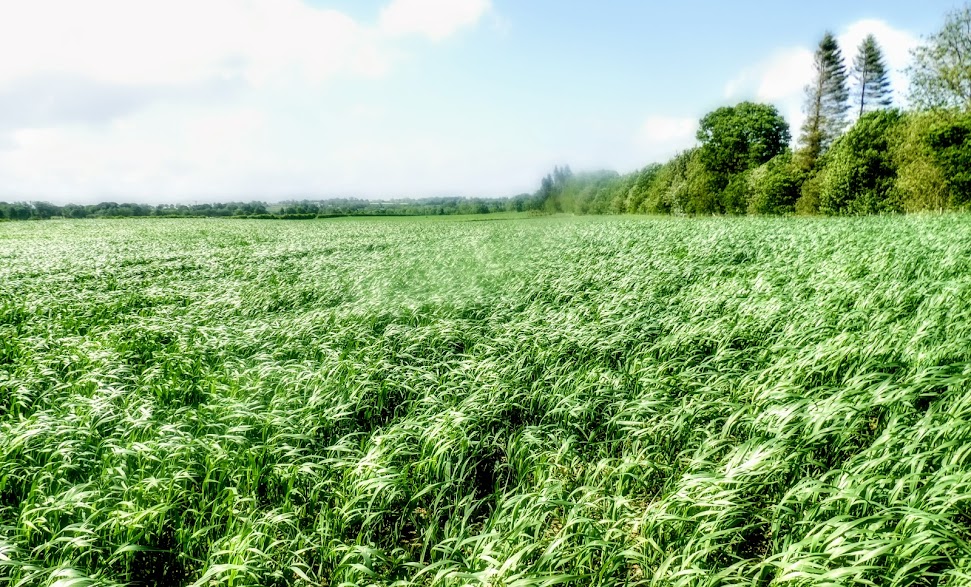
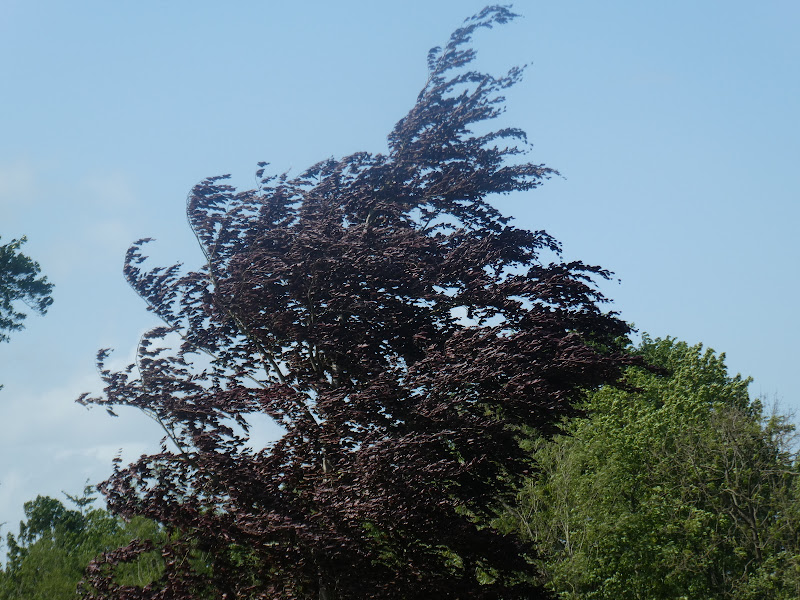
So here we are …
This is wind: softly susurrating.
This is wind: sweetly sighing.
This is wind: breezily billowing.
This also is wind: galloping gustily;
roaring and raging; shrieking and storming -
destructive; disastrous.
Here today.  Gone tomorrow.
This is wind.

And it turns out that wind is not after all an endangered species.  Yesterday was properly windy, for the first time in weeks.
The best way of travelling hopefully? Let’s see.
A bus can be fun, but that’s strictly for local exploring. Unless you can get yourself to India and hitch a lift in God’s Own Palace … Though you’re much more likely to be catching the long-distance bus whose driving seat I feature here …
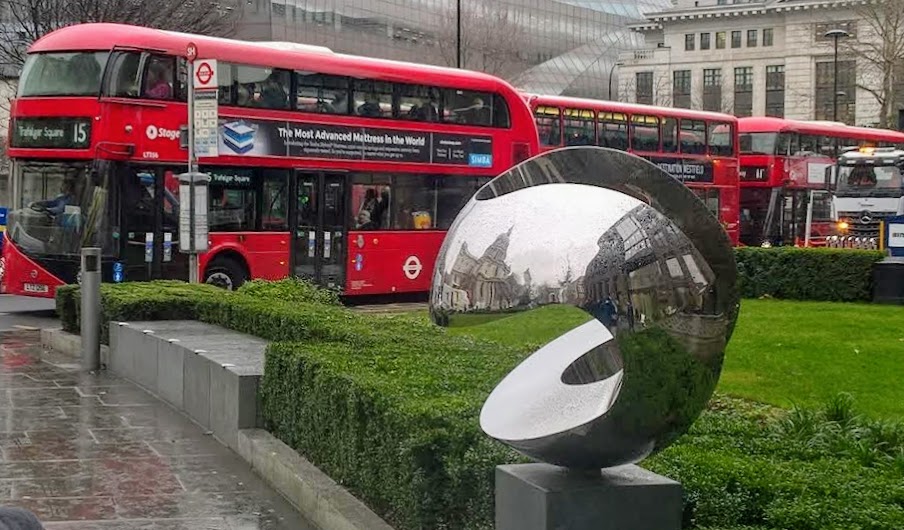

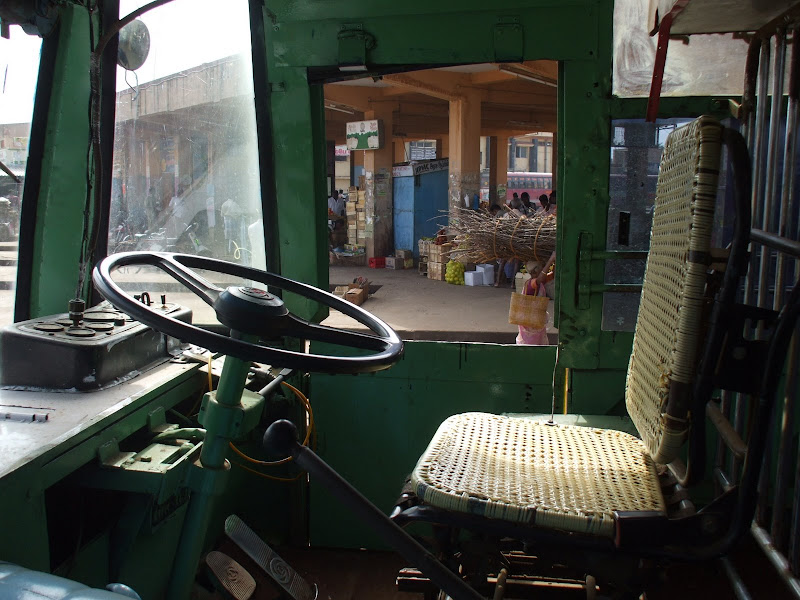
Air travel has lost its sheen, since Airport Security and Queuing became a A Thing, not to mention those CO2 emissions of which we’re now so horribly aware. Even so, there is something thrilling about watching the changing landscapes of the earth far below, and cloud formations too.

You could take to the water, and sail to your destination near or far…
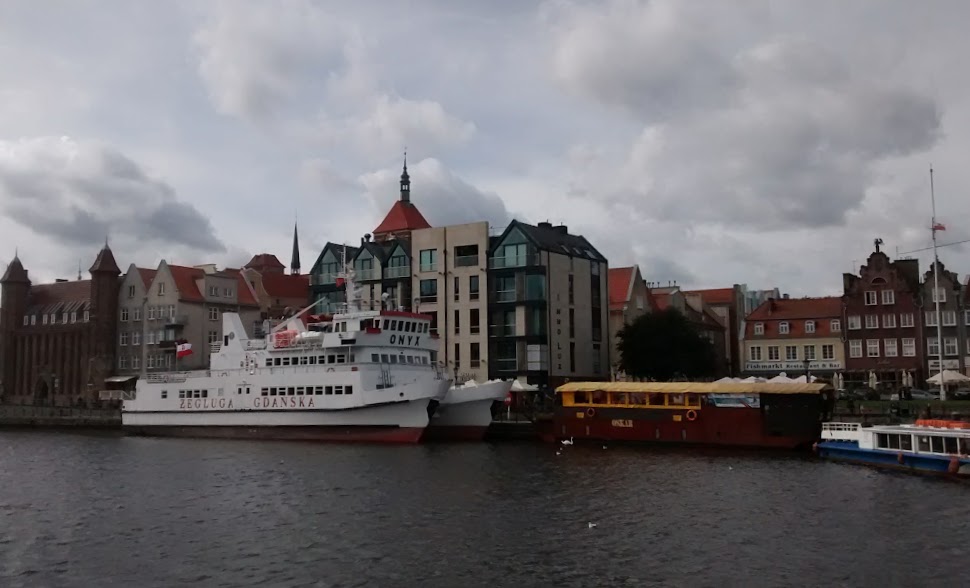
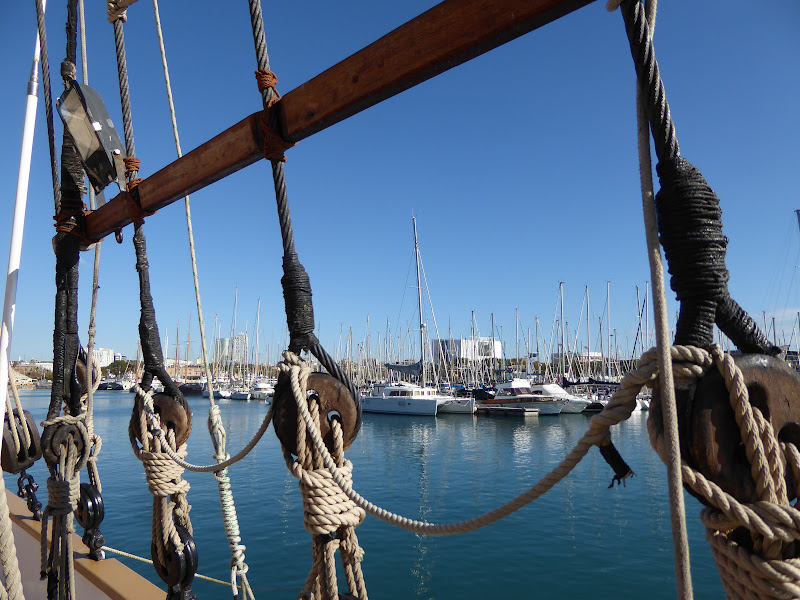

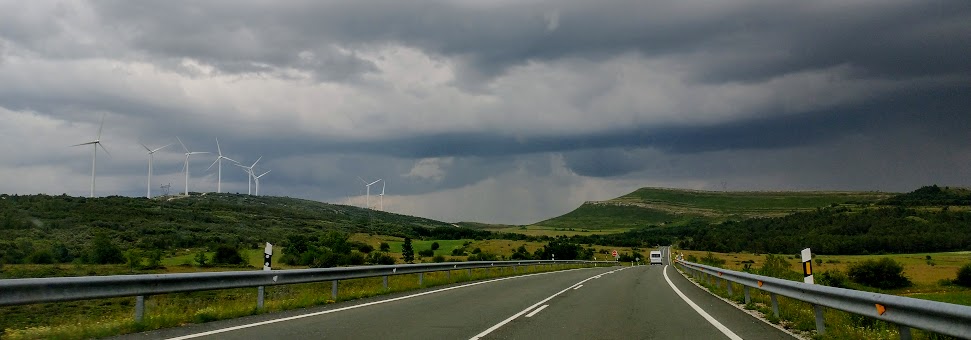
Car travel gives you the opportunity to please yourselves and follow your noses, and even to get off the beaten track, but again … all those emissions.
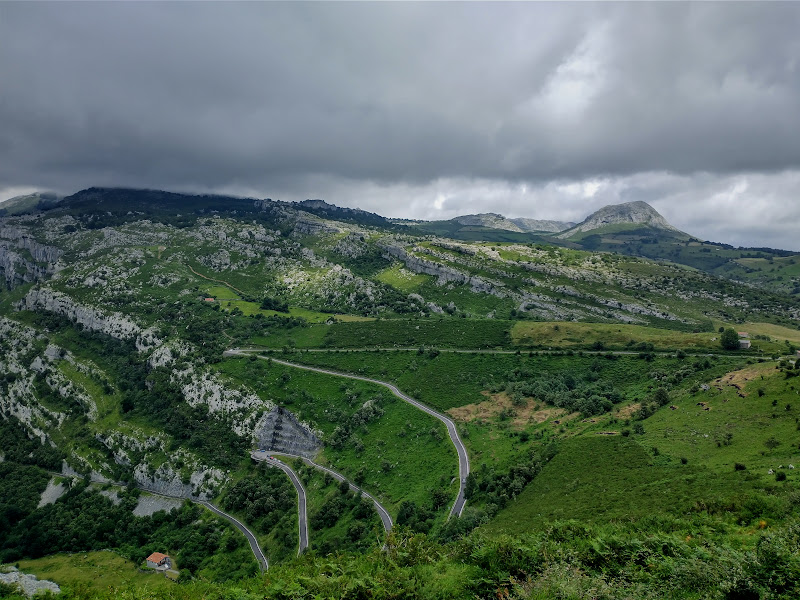
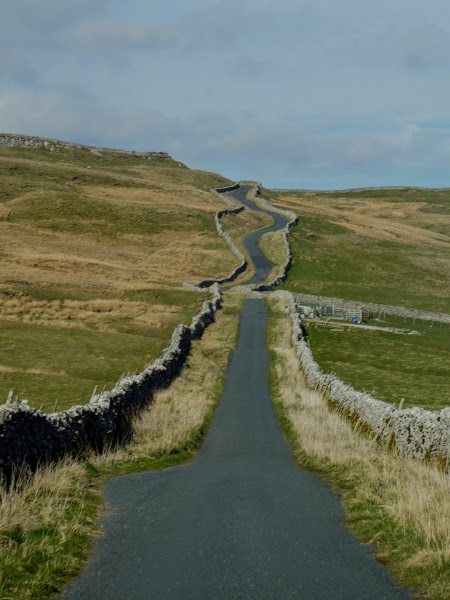
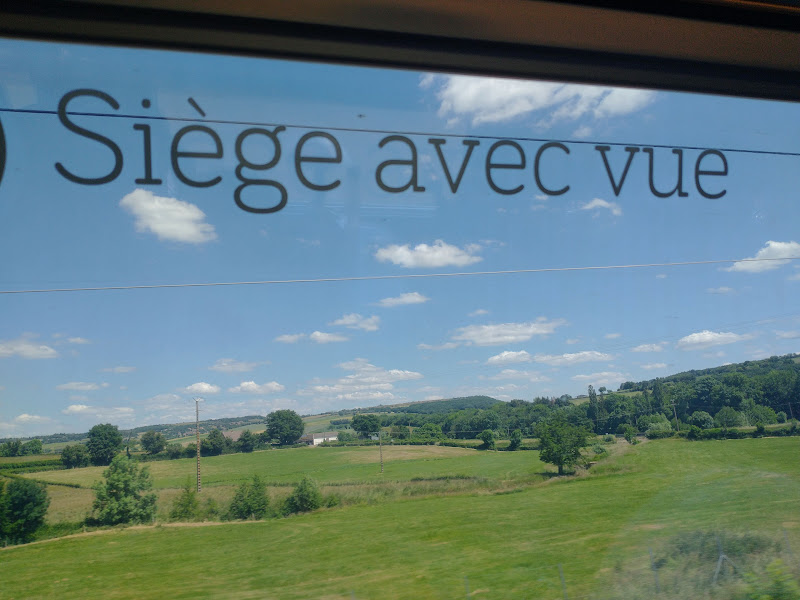
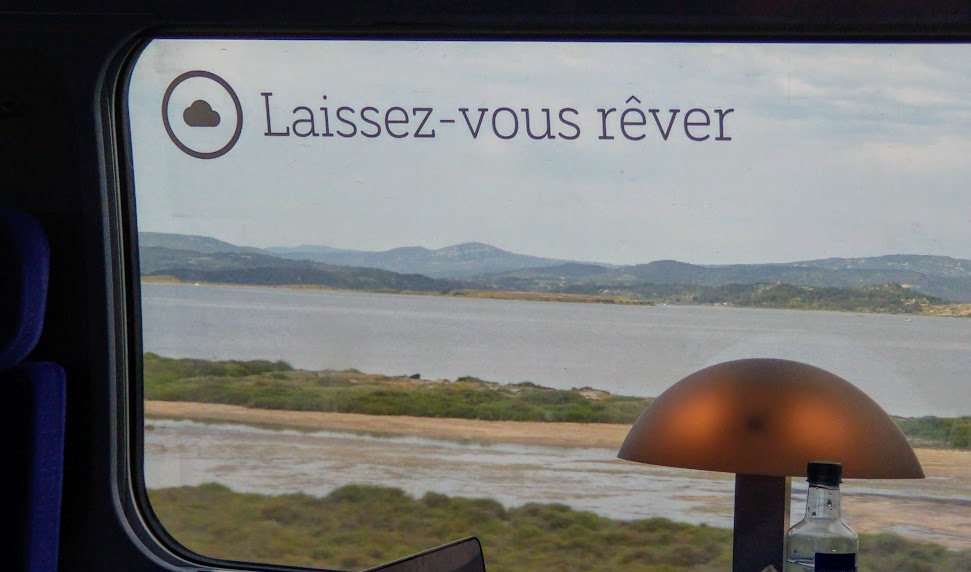
My own favourite way to get from A to a distant B is by train. I sit, I watch the world go by. I read. If I’m lucky, there may be coffee on offer. And the journey eases the transition from home to away by gradually introducing fresh landscapes, fresh outlooks. There’s something discombobulating about leaving – say – foggy England by plane and arriving two hours later – say – in sunny Spain. Here’s the TGV from Barcelona to Paris. It says it all …
Station architecture may be inspired, whether from the Golden Age of Steam, or assertively twenty first century.
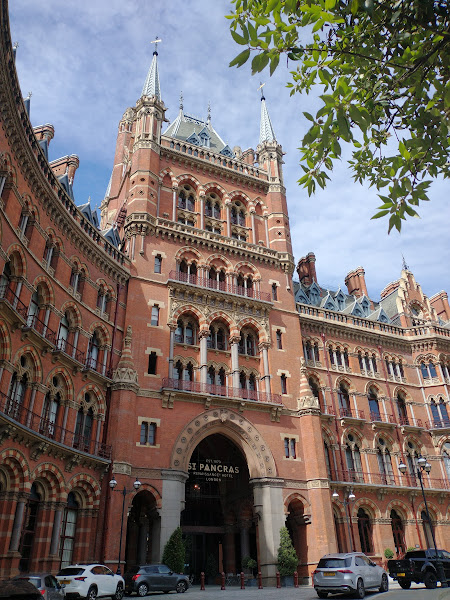
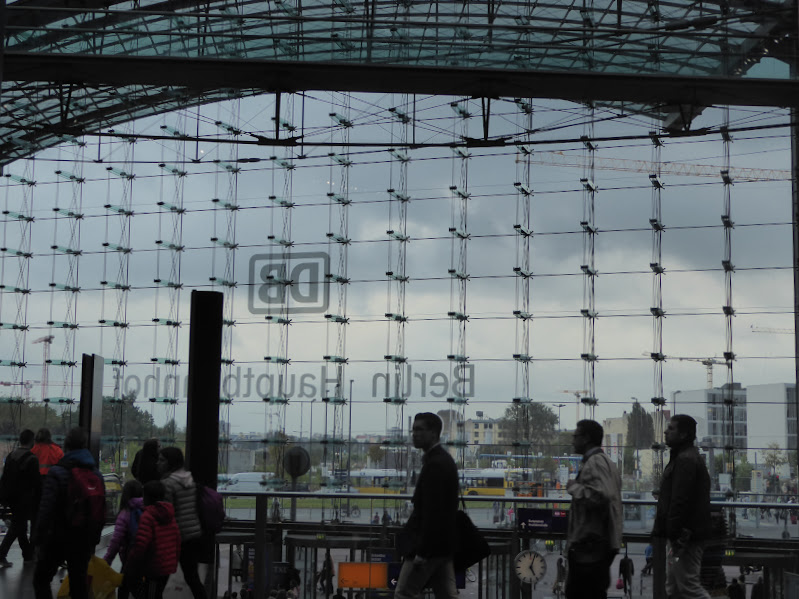
All things considered, I can’t agree with the disconsolate boredom of this particular passenger. By the way, you, get your feet off the seat!

Or … there’s always the motorbike … as spotted in their dozens and dozens outside Mysore Station.
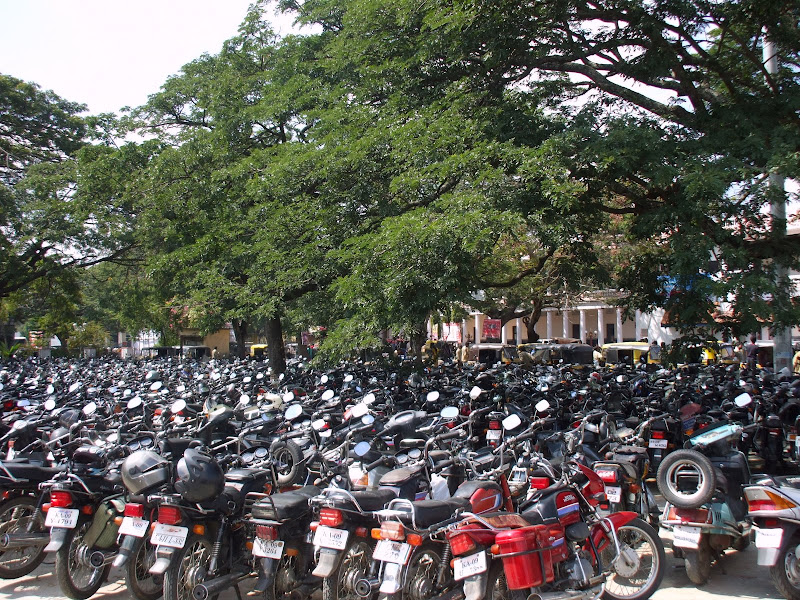
All the same, modern travel with all its advantages can seem busy, stressful. Sometimes, we might just want to exchange the traffic jam for something rather simpler.

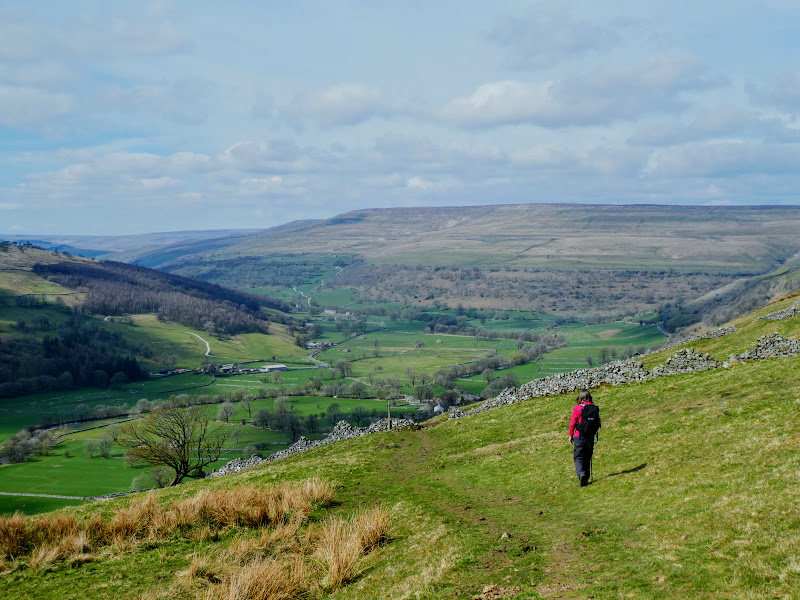
John has provided this week’s LENS-ARTISTS CHALLENGE #215 – Planes, Trains, and Automobiles, and the places they take you.
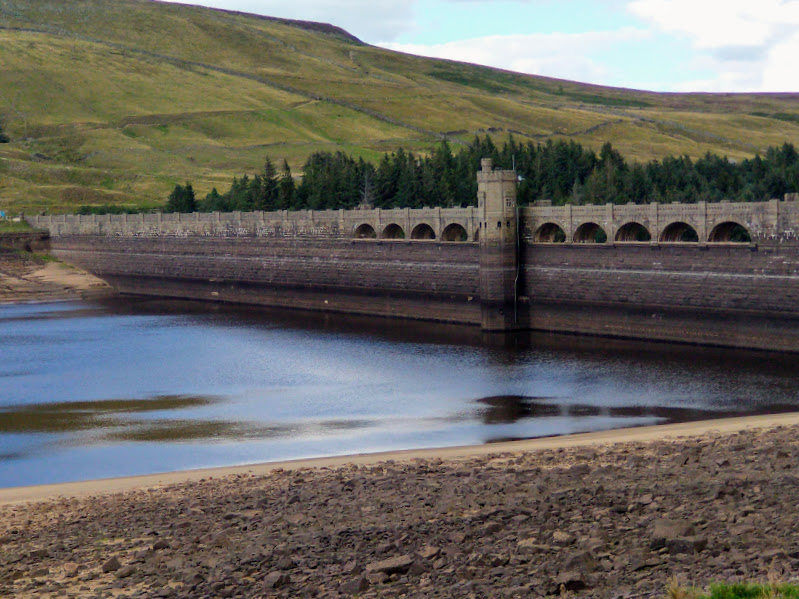
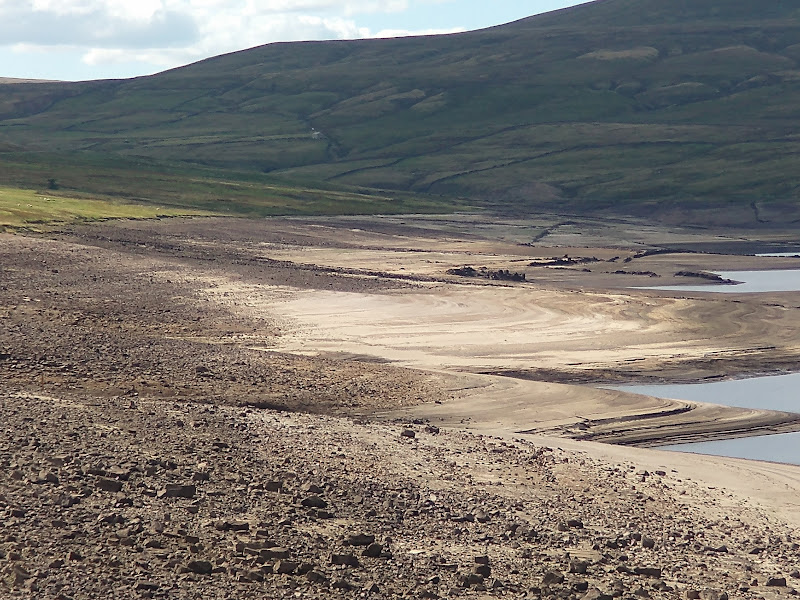
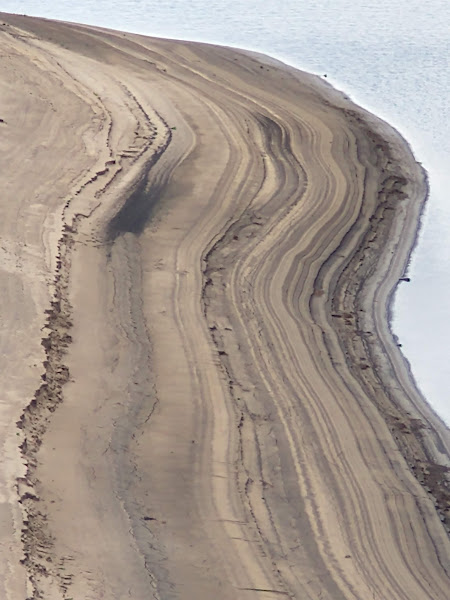
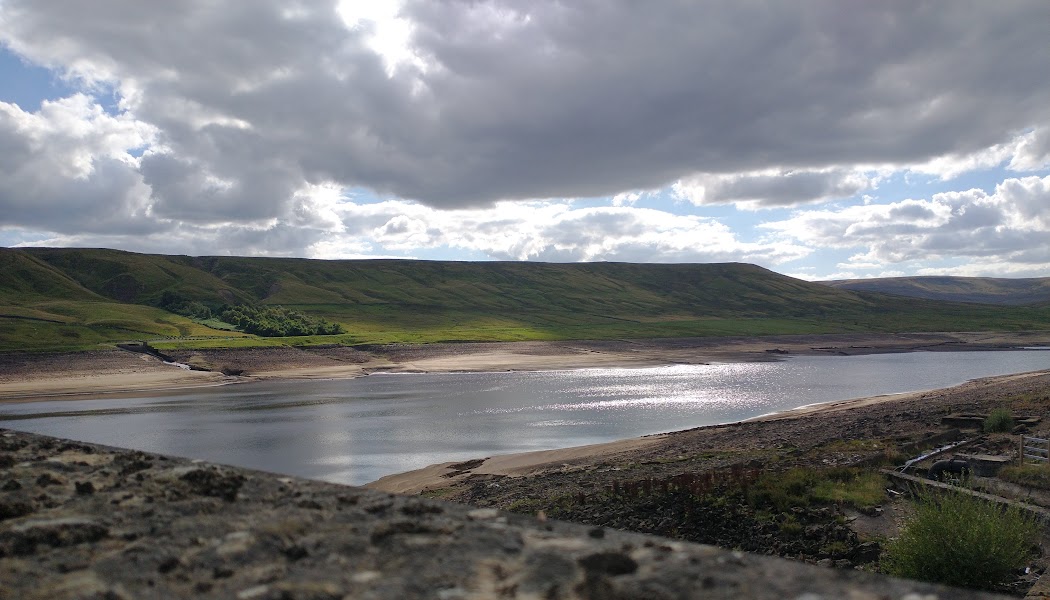
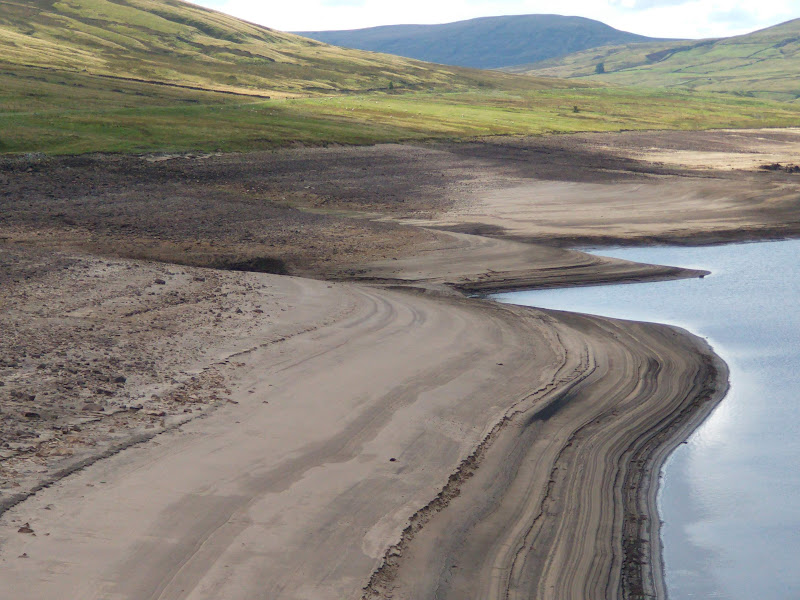
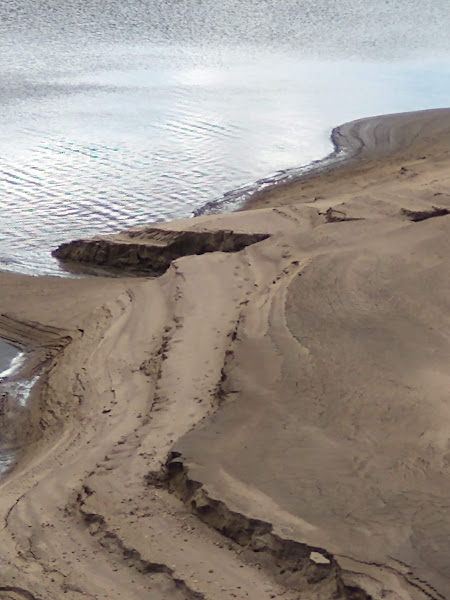
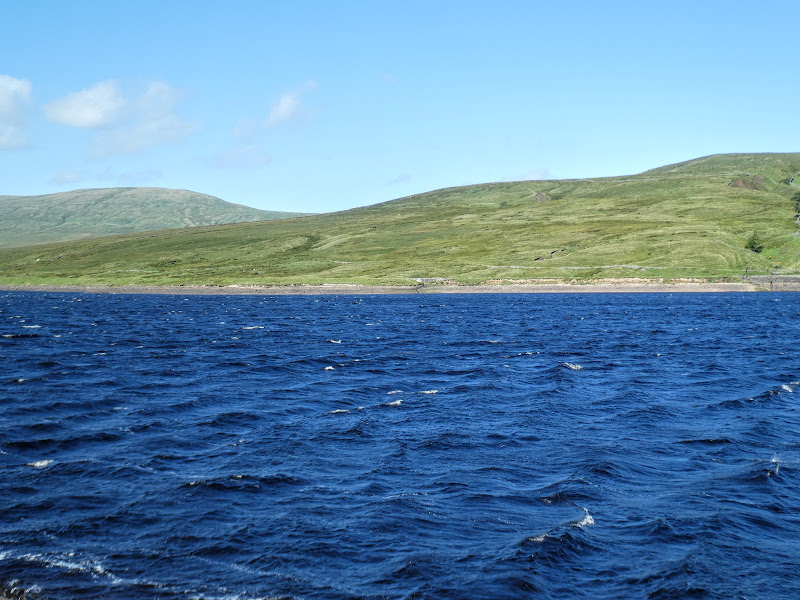
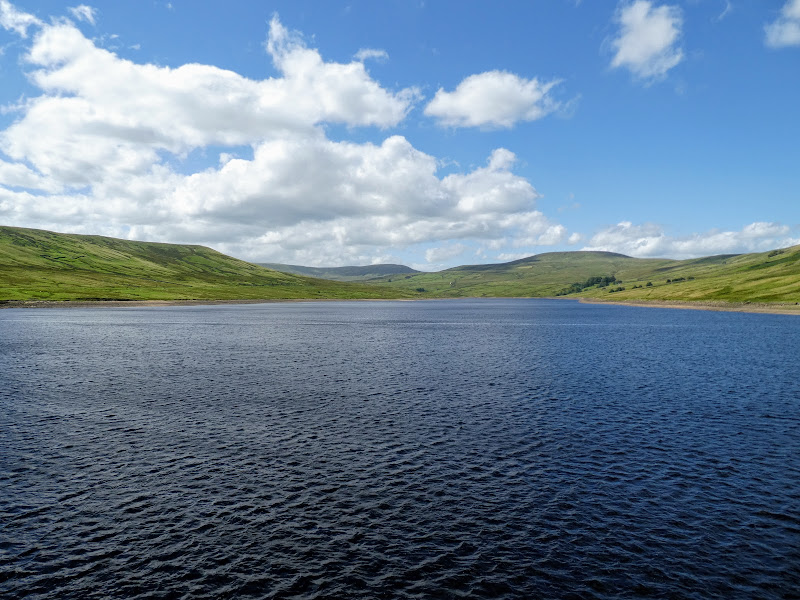
This year has offered proof after proof that the times they are a changin’. Here, harvesting was started in mid-July, and was all done and dusted for early August. Yet schools and churches will probably continue to hold their traditional Harvest Festivals in late September, early October. Blackberries have withered a whole month early, so the Devil must have been along and spat on them. Autumn-ripening apples are already at their best. And, most worryingly of all, the reservoirs are drying up. Here are some shots of Scar House Reservoir in North Yorkshire. The header photo, and the last one of all were taken two years ago. The rest, only last week.
On the first Saturday of every month, a book is chosen as a starting point and linked to six other books to form a chain. Readers and bloggers are invited to join in by creating their own ‘chain’ leading from the selected book.
Six Degrees of Separation: Kate W
My last book from last month becomes my first this month. It’s Judith Kerr’s When Hitler Stole Pink Rabbit, and it was a story everyone in the family at some point read as it could appeal to anyone over the age of nine. It is a largely autobiographical account of the author’s journey during the Second World War, as a nine year old child, from Germany via Switzerland and Paris to London, where the family finally settles in pursuit of safety.

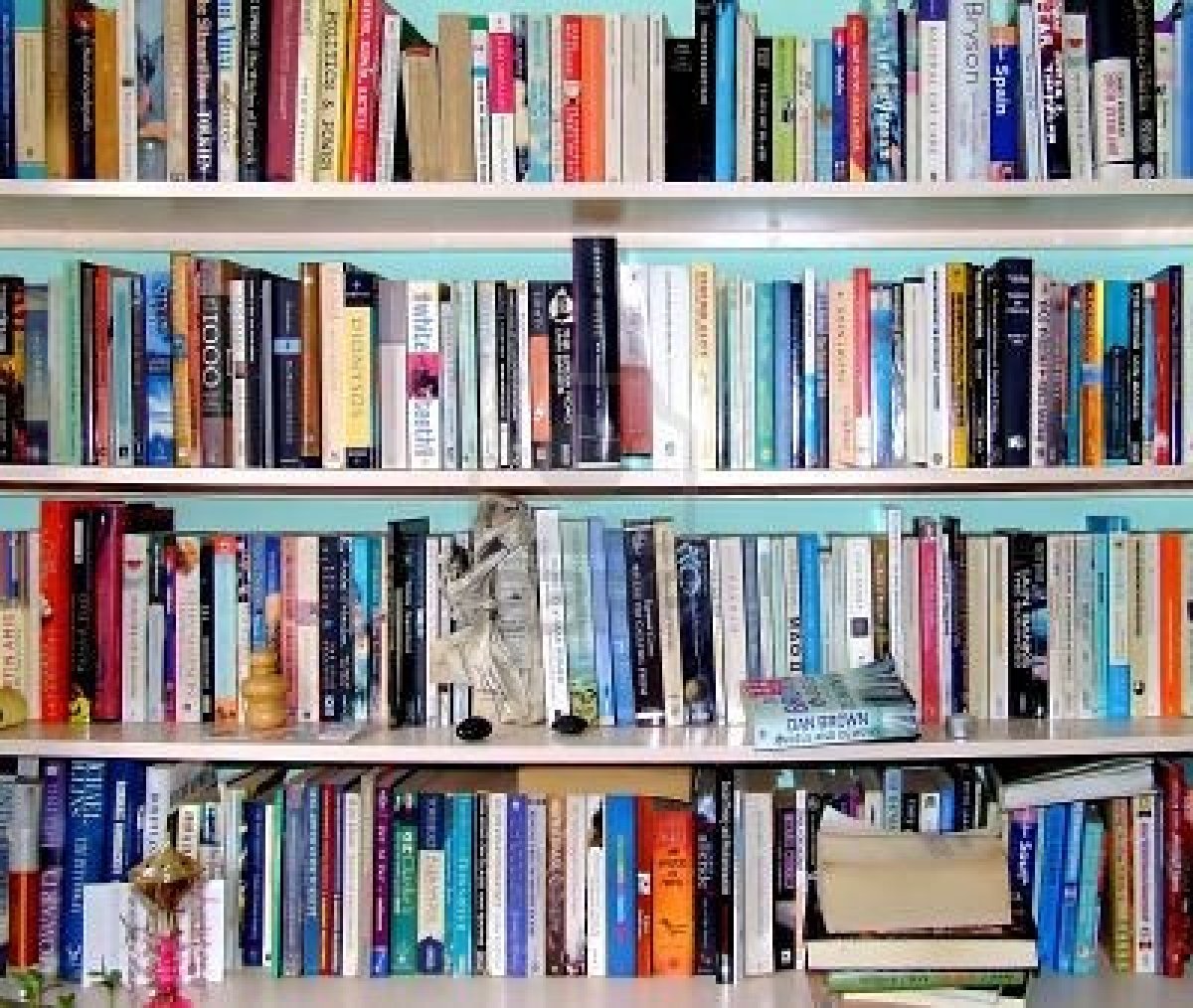
All my books this month link together. They are books which my children, now in their 40s and 30s enjoyed, which have been saved through the years and been passed down.to be read to their own children. Some books have reached their 8th custodian. They’ve done so well because back in the day, I strengthened the covers of those Puffin Paperbacks – the only publisher then dipping its toe into this particular market – with cardboard from cereal packets, and covered them with tacky back. Despite this care, a few books have disintegrated, and it’s a special pleasure when my now-adult-children scour the shops to come up with a new copy of their childhood favourite.
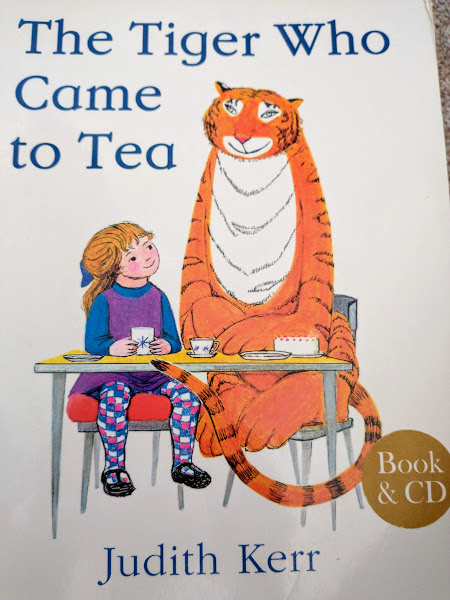
We’ll have to continue with Judith Kerr. Is there a child in England who hasn’t enjoyed The Tiger who came to Tea? A passing tiger drops in on a mother and daughter, cheerfully eats them out of house and home before thanking them politely and wandering off. And they all – probably – live pretty much happily ever after. The family’s on Copy Number Three of this book.

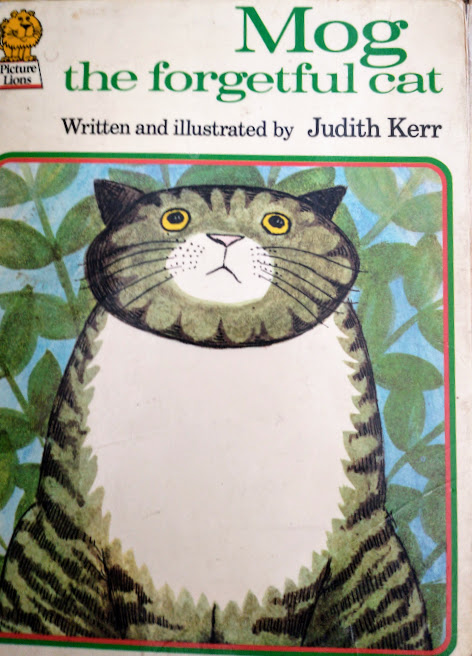
My children also enjoyed reading about Kerr’s Mog the Forgetful Cat series. This daffy but much loved cat gets herself into all kinds of domestic scrapes, but of course it always turns out comfortingly well in the end.

Another animal adventure came with The Elephant and the Bad Baby, by Elfrida Vipont – and wittily illustrated by the just-deceased Raymond Briggs. An elephant meets a bad baby and offers him a ride. They go ‘rumpeta, rumpeta, rumpeta down the road’ meeting one helpful person after another. But do you know what? The baby ‘never once said please.’ And that has consequences. Lesson eventually learned, everyone in the story has tea together on the very last page.


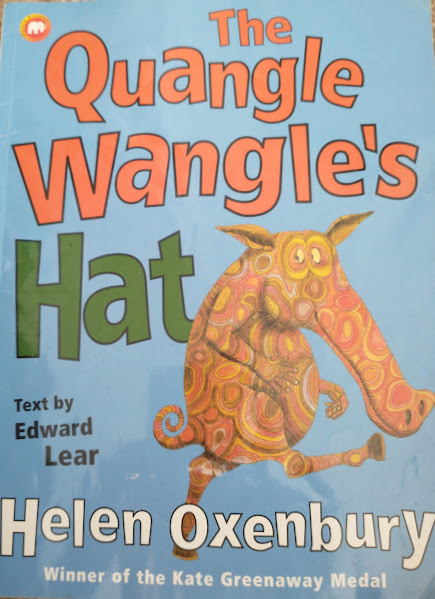
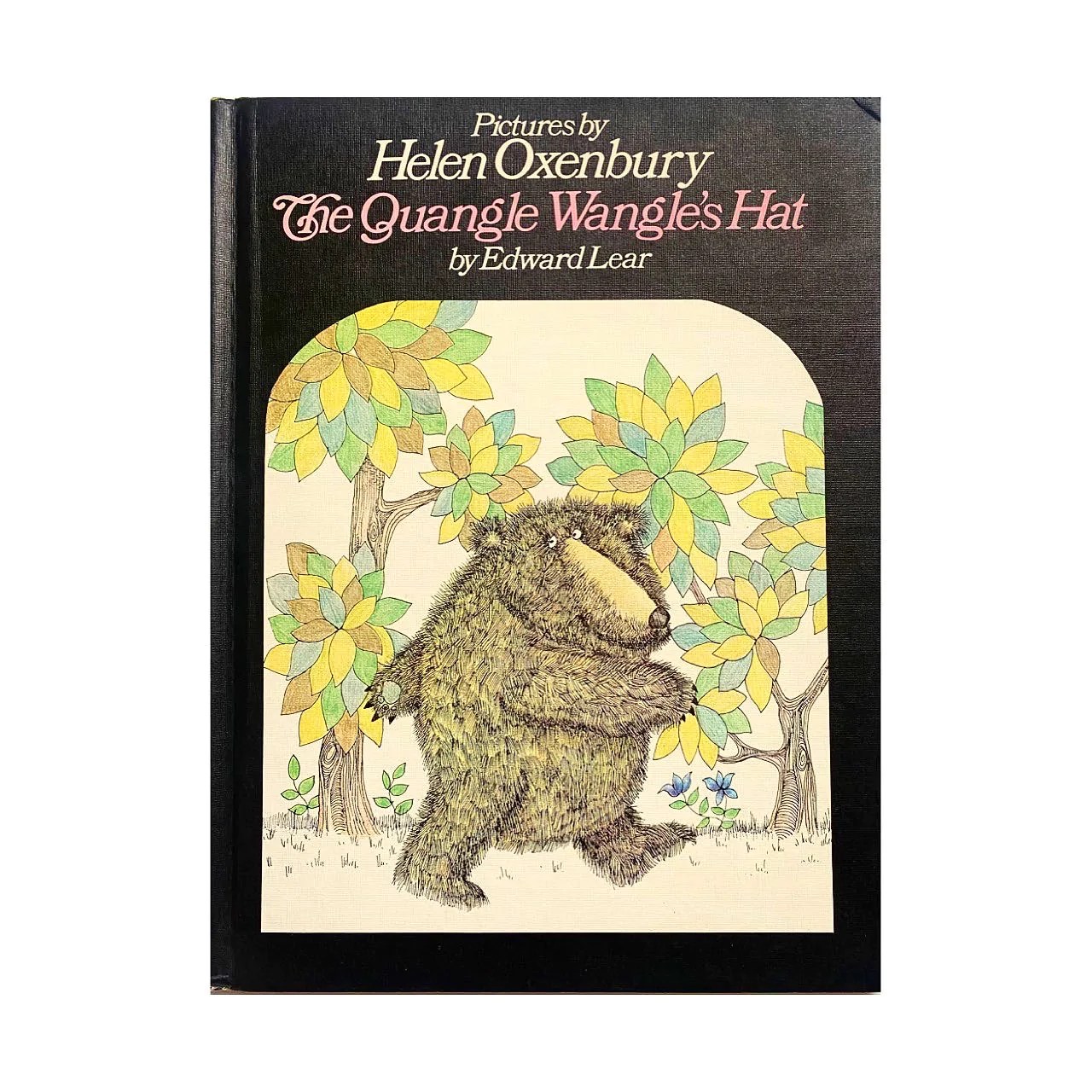
My children of course joined in the chorus of the previous book. And they joined in reciting The Quangle Wangle’s Hat, by Edward Lear, and illustrated by Helen Oxenbury, even before they could talk fluently. This book has been loved to death, and has eventually been replaced.
On the top of the Crumpetty Tree

The Quangle Wangle sat,

But his face you could not see,

On account of his Beaver Hat.

For his Hat was a hundred and two feet wide,

With ribbons and bibbons on every side

And bells, and buttons, and loops, and lace,

So that nobody ever could see the face

Of the Quangle Wangle Quee.
Who couldn’t love nonsense such as this?
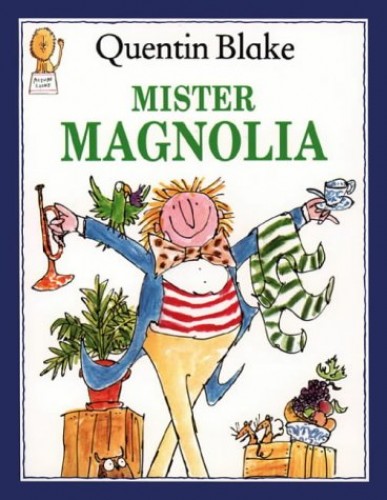
Everyone in the family knows every word of Quentin Blake’s Mr. Magnolia, and will recite it still, at the least provocation.
Mr. Magnolia has only one boot

He has an old trumpet that goes rooty toot

And two lovely sisters who play on the flute.

But ..

Mr. Magnolia has only one boot…
It’s not the same though if we can’t at the same time enjoy the joyous abandon of the illustrations.
And as a right proper northern family, we all enjoy reading about Stanley Bagshaw, by Bob Wilson.
In Huddersgate, famed for its tramlines,

Up north, where it’s boring and slow,

Stanley Bagshaw resides with his Grandma,

At Number Four, Prince Albert Row.
Lovable-but-dim Stanley’s adventures are recorded in rhyme in strip cartoon fashion. Any title tells you how improbable his adventures are: Stanley and the Twenty Two Ton Whale, anybody?

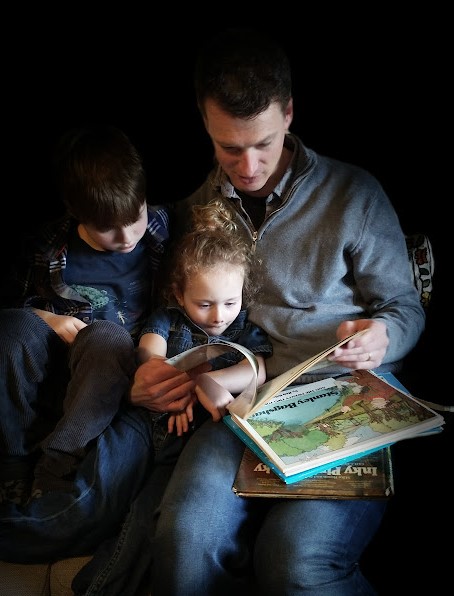
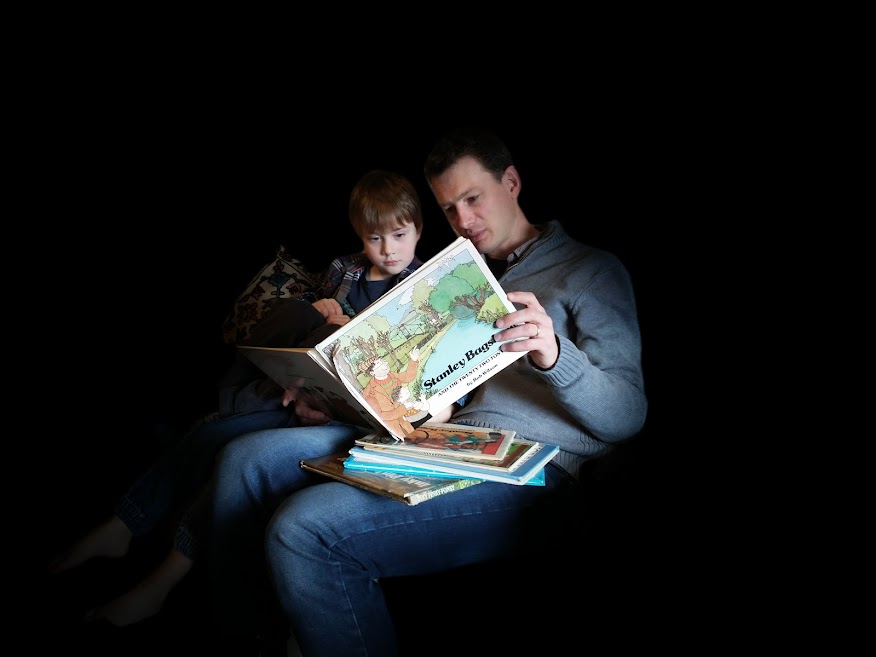
Most of these titles are still in print, a tribute to their long-standing charm and ability to engage small children – and indeed their parents.
Next month’s starting book is Zoë Heller‘s Notes on a Scandal.
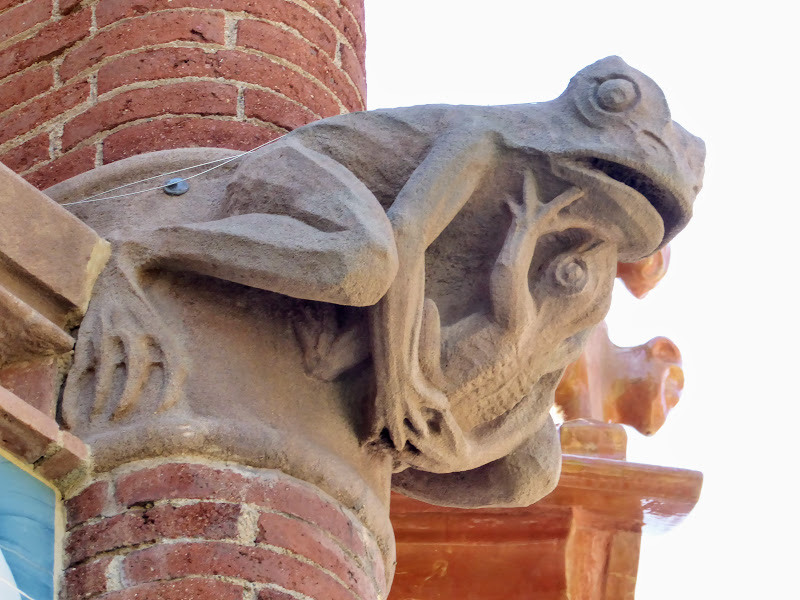
This week, Ann-Christine is urging us, in Lens-Artists Challenge #214 to indulge ourselves and our readers with Favourite Finds in our collections of photos. Well. Where to start? What to choose? I’ve settled on those things that we sometimes notice as we glance up above, or find ourselves gazing at, such as drainpipes or old walls in city streets: we’ll see everything from … well, let’s have a look …
Click on the image to discover where to find it.

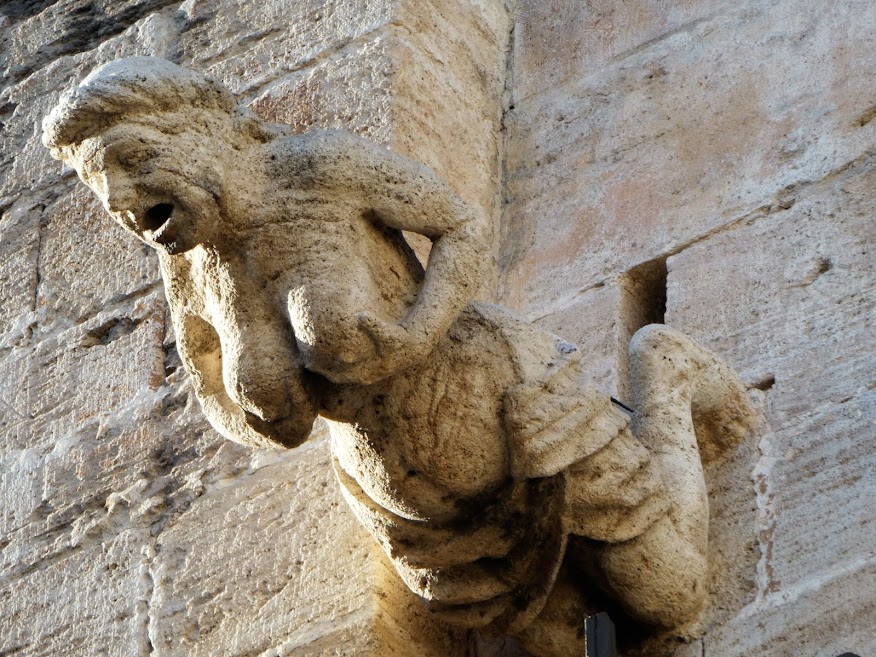
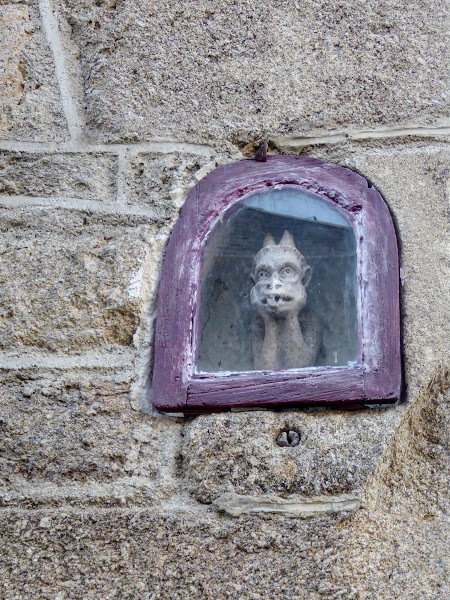
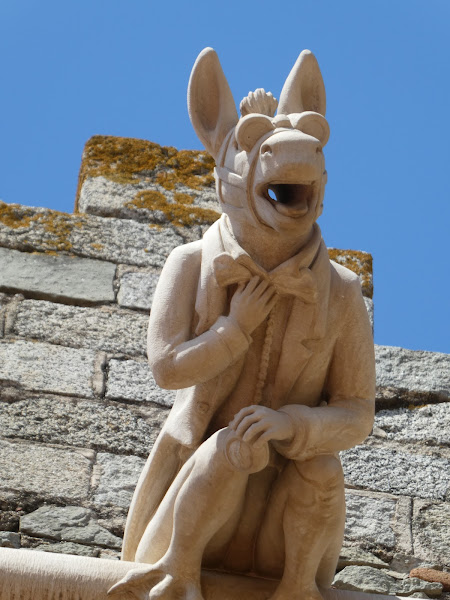
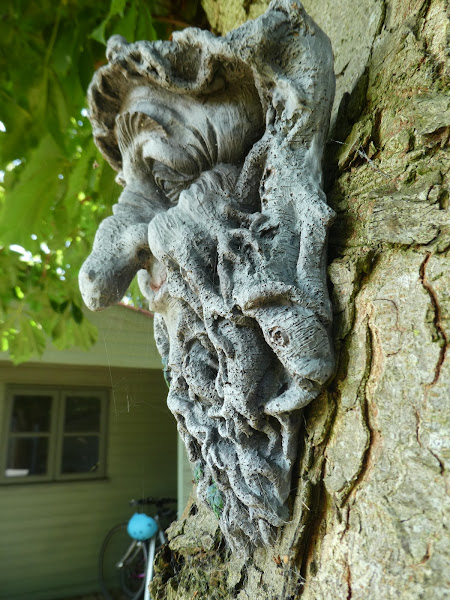
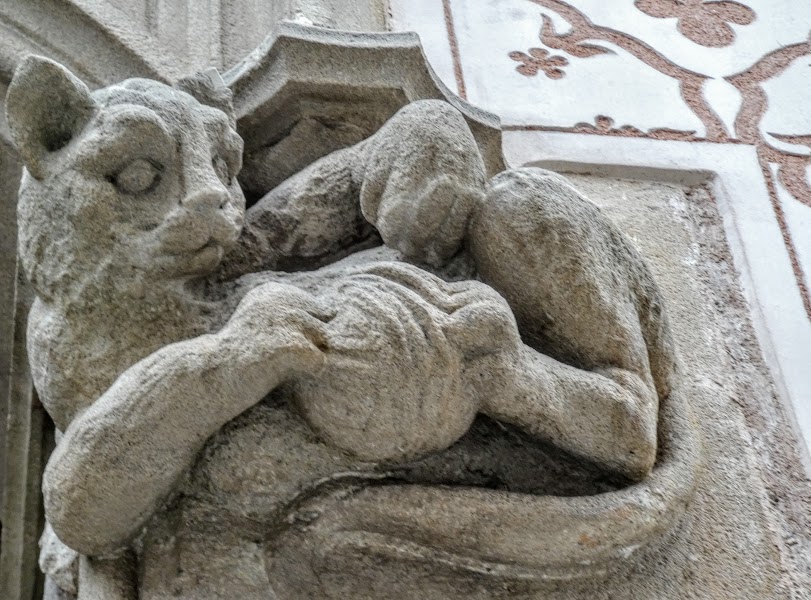
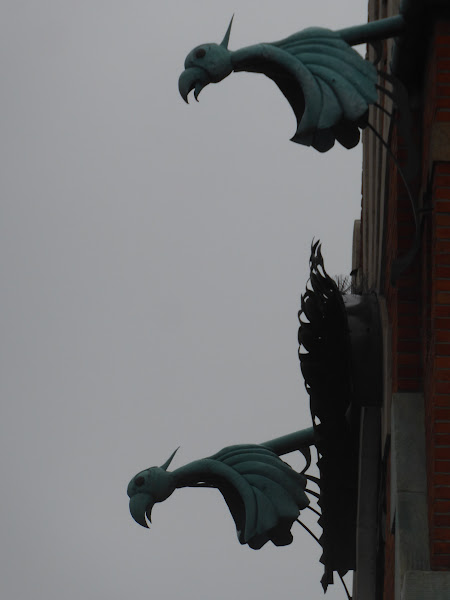
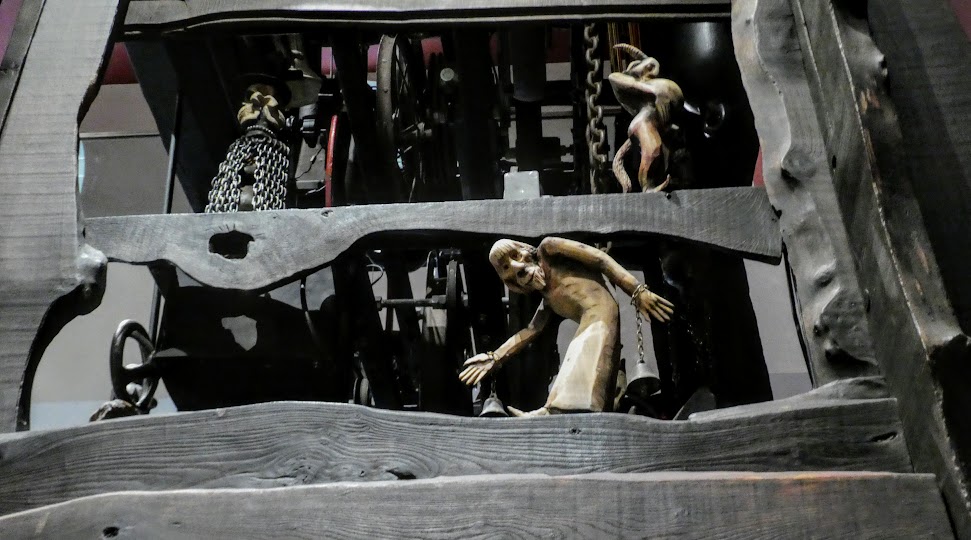
The featured image is from the Millennium Clock in the National Museum of Scotland, Edinburgh
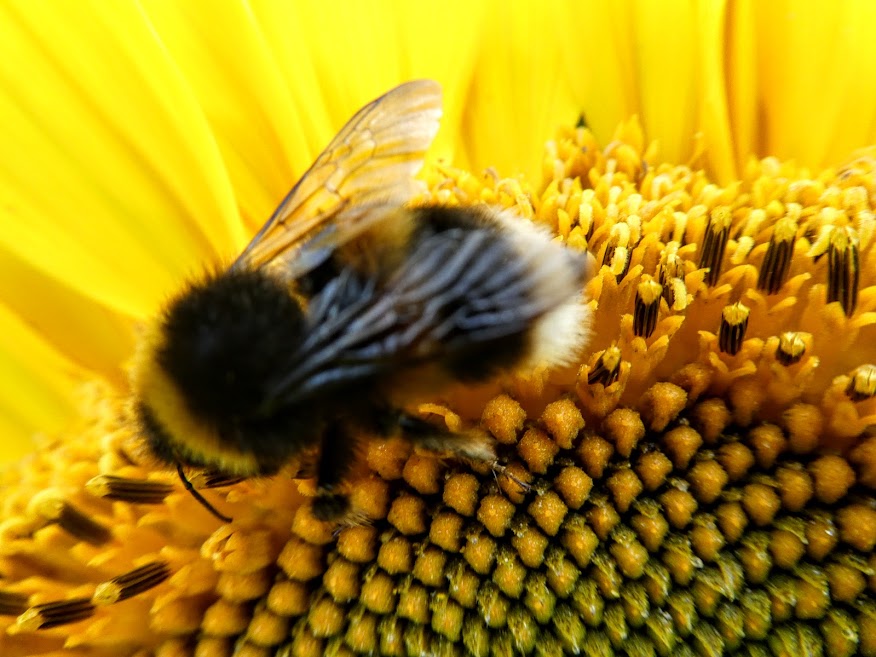
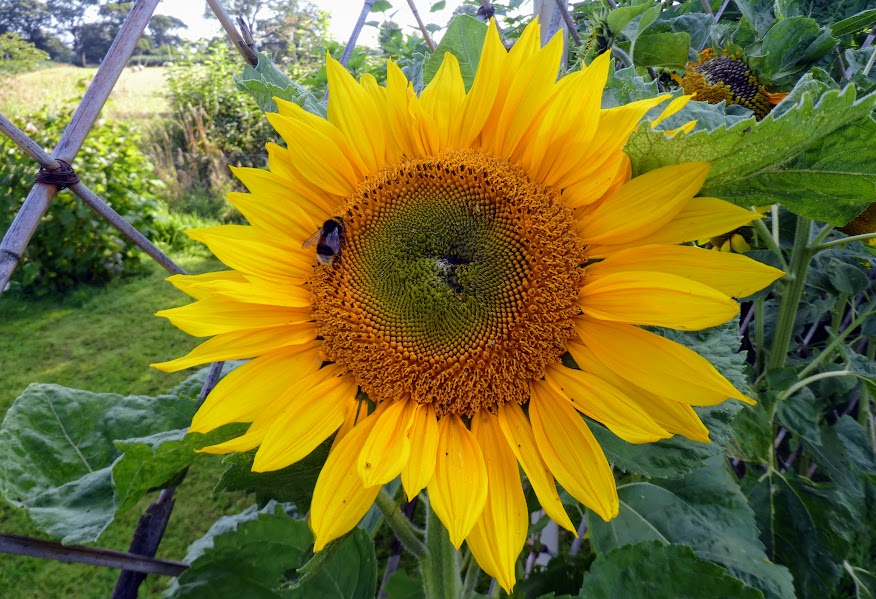
Admiring my friend’s sunflowers, I found my attention drawn to this industrious bee, minutely inspecting this specimen for nectar and pollen. Can any apiarist out there tell me exactly what sort of bee this is?



You must be logged in to post a comment.