‘Let us Sing in Celebration of a Union Proud and Free’

On Saturday, about a million of us descended on London, all committed Remainers, demanding a Final Say on the Brexit Deal, which even as we marched was being debated in Parliament with as much dissent as usual.

Our own little patch of Yorkshire sent three coaches.  Nineteen coaches from Yorkshire altogether. Everyone had their own important reasons for being there.

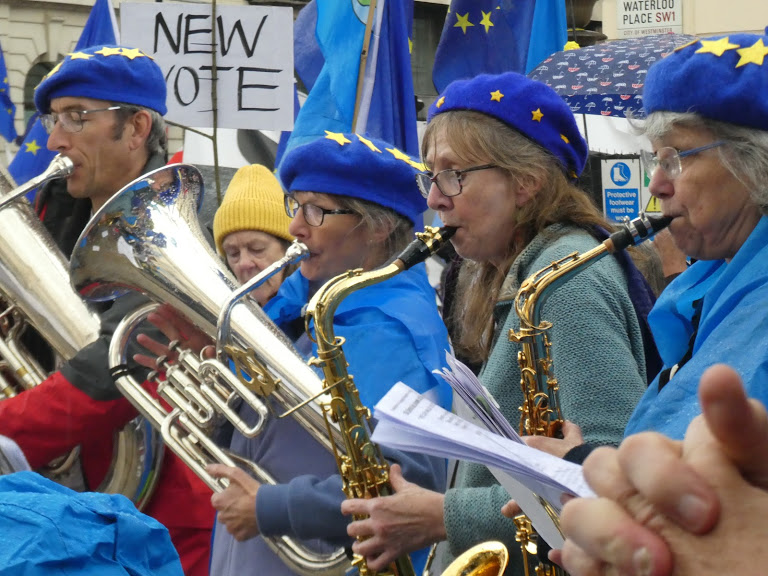
But the Yorkshire Remain Voice Choir had come to sing. We had permission to commandeer Wellington Place, right next to Trafalgar Square, and sing below the Duke of York Monument. And that’s what we did. 

We’d come into being about two years ago in two ways. Over in York for Europe, Martin and Gill were crafting clever lyrics with a view to starting a Remainers’ choir.  And in North Yorkshire we began to sing at our street stalls.  Arnold conducted a few singers, a tuba, and a guitar. Small beginnings …. but now it’s county-wide, with members from Settle to Sheffield – almost 80 miles apart. Dozens play their parts.  Composing lyrics; practising; arranging; securing singing spots; keeping song books up to date; booking coaches. 

We have SODEM’s support in London, and an official photographer in Bedford-based Chiara Mc Call. We’ve sung all over Yorkshire, in London, even (thanks to Louise in South Yorkshire) in Brussels. Whenever the going’s got tough, we’ve had North Yorkshire’s Richard S’s boundless enthusiasm and hard work to keep us going.  These days, apart from the original small team, we have a Yorkshire band’s worth of brass, and drums and various stringed instruments.

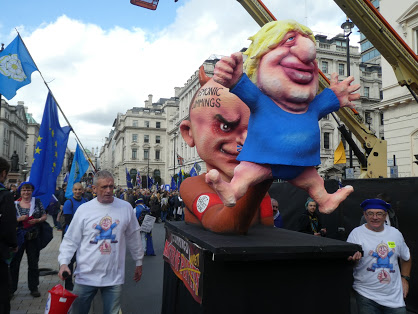
In London on Saturday, we had a large and pretty much captive audience.  Slow-motion marchers inevitably listened – enthusiastically – as they passed. Many stopped off specially to listen, applaud and join in too. Demonic Cummings and Boris Johnson, those two splendid images fresh over from Germany, unsurprisingly pushed off towards Trafalgar Square as we began.


Our audience, viewed from the choir (CM)

There are thirty eight songs in our repertoire – all, with one exception, pastiches of well-known numbers.  Our signature number is of course:

‘We’ve come from Yorkshire just to say (just to say)

Your Brexit deal is naff…‘(to the tune of ‘On Ilkley Moor’, naturally).

But we can do other folk songs:

‘What shall we do with….‘, not a ‘Drunken Sailor’, but ‘this Rotten Brexit?’

…..drinking songs: ‘I’ve been a Remainer for many’s the year’ rather than the more traditional ‘Wild Rover’.

We can do Old Time Musical: ‘I’m forever European’ (‘I’m forever Blowing Bubbles’).

Radio Two standards such as ‘Delilah’ ask:

‘Why why why deceive us?

More lies won’t appease us’.

We can reference American traditions:

‘We’ve had quite enough of Brexit it’s a con’.  (‘She’ll be coming round the Mountain’)

While ‘The Battle Hymn to the Republic’ becomes ‘Our eyes have seen the threat to all the freedoms we hold dear’.

Hymns too …. ‘Bread of Heaven’, and the Last Night of the Proms (‘Land of Hopeless Tories  ‘).

There’s one song in our repertoire that’s not original: ‘Ode to Joy’. It moves many of us to tears every time we sing it. 


Brexit or no Brexit (no Brexit please!) we’d like to continue.  A pro-Europe Choir and Band for Europe?


Photos and videos labelled ‘CM’ are by our wonderful friend and supporter Chiara McCall. Follow her on Instagram @chichi76.myreflection


Returning to my roots

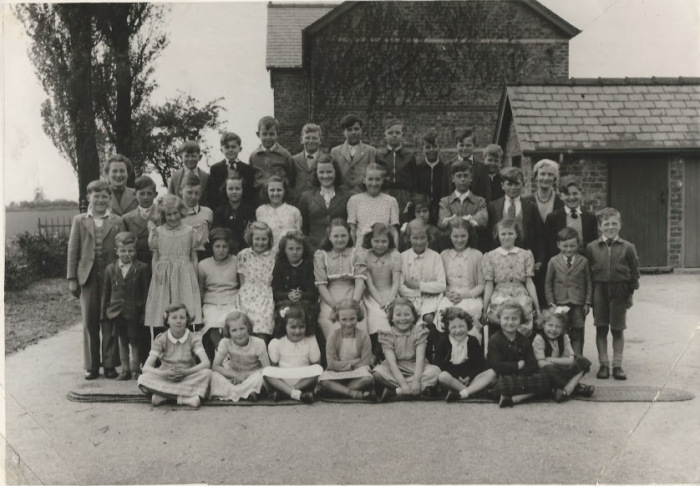
My life has come full circle.  Many of my earliest memories come from Sandhutton, current population 260, where my mother was head teacher of a two-teacher school which educated all the village children between five and fifteen years old.  These days I visit the village weekly – it’s less than ten miles away.  The school no longer exists, but my Spanish teacher lives there.

There we are. Sandhutton School, c.1951, just before I started there.

When I was five, my life changed a bit.  We went to live in London (current population 8.13 million).

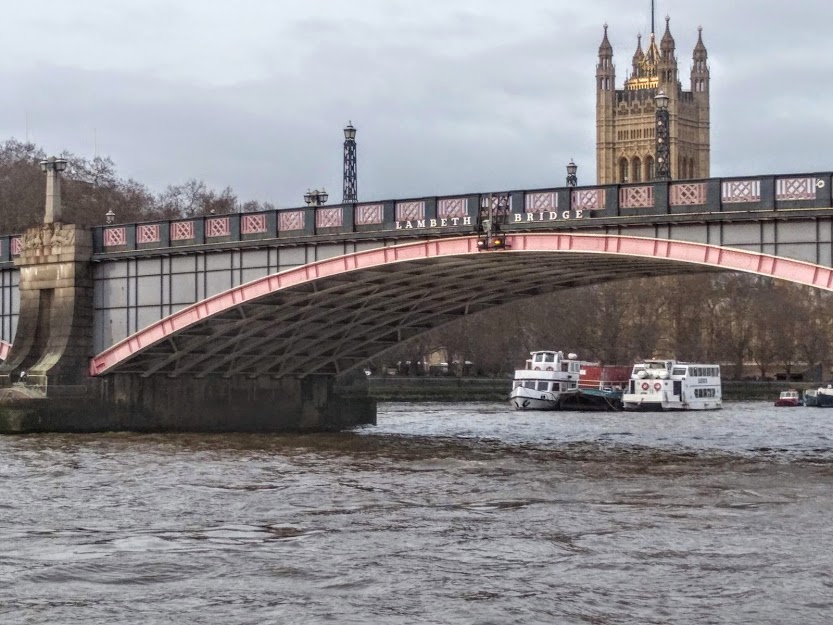
A trip down the Thames: nearly at Westminster now.

I was a student in Manchester (538,000).  Then I went on to live in Portsmouth, in Wakefield, in Sheffield, in Leeds: all cities numbering their citizens in the tens,or even hundreds of thousands.  I loved city life.  I relished the opportunities only a city could usually offer, and the diverse populations living in them.

One of my favourite places in Manchester: The John Rylands Library. Who wouldn’t feel a real scholar in these surroundings?

When we moved to Harrogate, some twenty years ago, I announced we were moving to a small town.  A mere 75,000 people lived there.

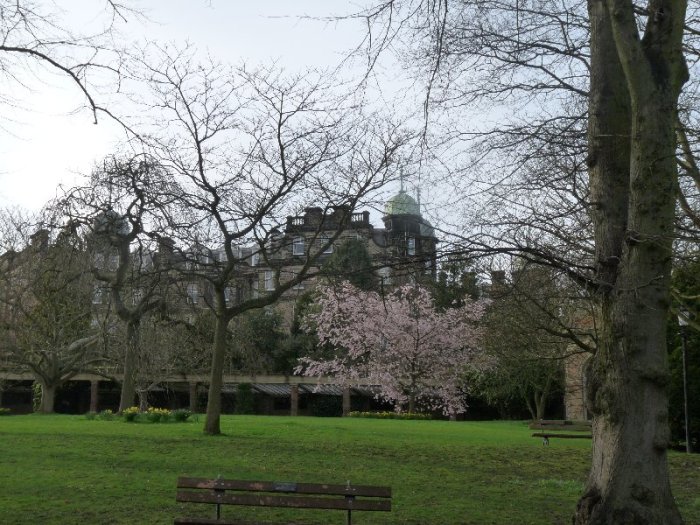
Harrogate: one of its many open spaces: the Valley Gardens.

But that was before we went to France.  Laroque d’Olmes has a population of some 2,000 people, and its county town, Foix, has only 10,000. We came to appreciate small town life: its neighbourliness and our sense of belonging – the space to appreciate the countryside and mountains beyond.

The street near the church in Laroque, with the Pyrenees in the distance.

When we came back to England, that small town of Harrogate suddenly seemed horribly large, traffic-infested and in every way untenable, despite its green spaces and lively community life.  So here we are in North Stainley, population 730.

In fact we’re not even in the village, but in a little enclave just outside, with that walled garden I showed you last week.  Population 8.  It’s perfect.
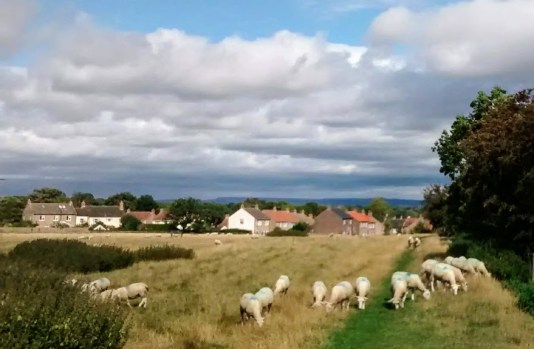
One of North Stainley’s three village ponds.


Lens Artists Photo Challenge #64: Countryside or small towns.

‘Wish You Were Here’

Summer used to be a time for postcards.  Sending them.  Receiving them. Receiving was better.  What to say to your friends and relations with only such a small space to play with?  ‘Wish you were here’ maybe?

The views were standard, wherever they came from.  The castle.  The cathedral.  The fisherman’s cove. The crowded beach.

Today I’m reviving the tradition, but with a different angle on the standard shots.

St. Paul’s Cathedral, seen reflected in Angel’s Wing (2000) by Thomas Heatherwick, Paternoster Square, London.
The Leeds-Liverpool Canal passing under a bridge near Gargrave.
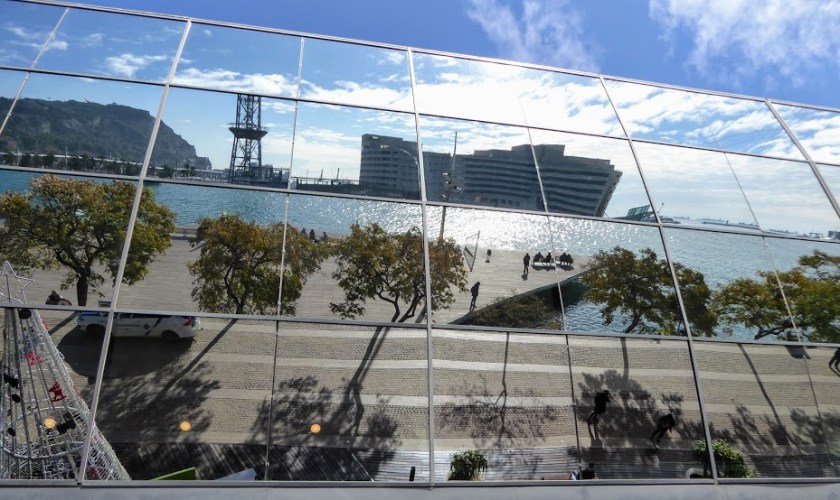
The Port Olímpic area of Barcelona seafront, reflected in nearby buildings.
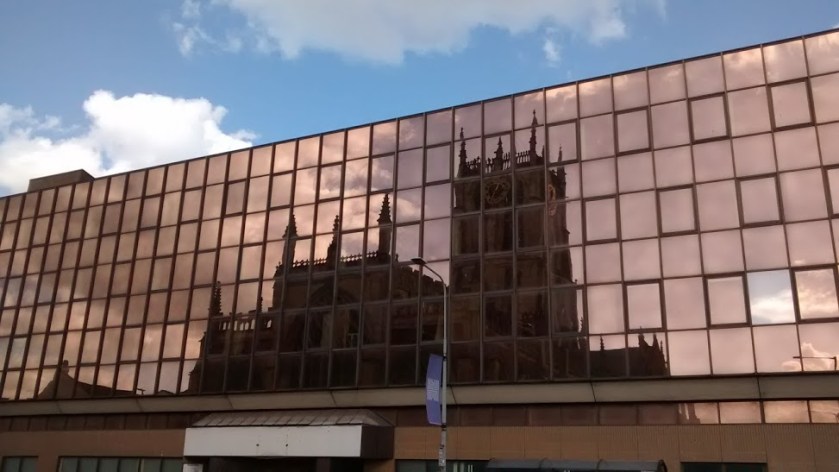
Hull Minster, as seen in a nearby office building.
An honest view of a British holiday? The countryside near Penrith on a soggy Sunday.

This is my contribution to Lens-Artists Photo Challenge #59, Angles. Leya so often joined in when I was contributing to the Ragtag Daily Prompt that it seems only fair to return the compliment.  Thanks, Leya!


My Life in Linocuts

Today I went to Dulwich Picture Gallery, with a friend I’d never have met except through my blog. We wanted to see Cutting Edge: Modernist British Printmaking. We weren’t disappointed. Dynamic and vibrant, these block-printed images, mainly linocuts, celebrate the everyday. I thought I’d use some of them, photographed there and then, on my phone of course, to illustrate aspects of my own life. I’ve mainly chosen female printmakers whom I know little about. I want to know them better now.

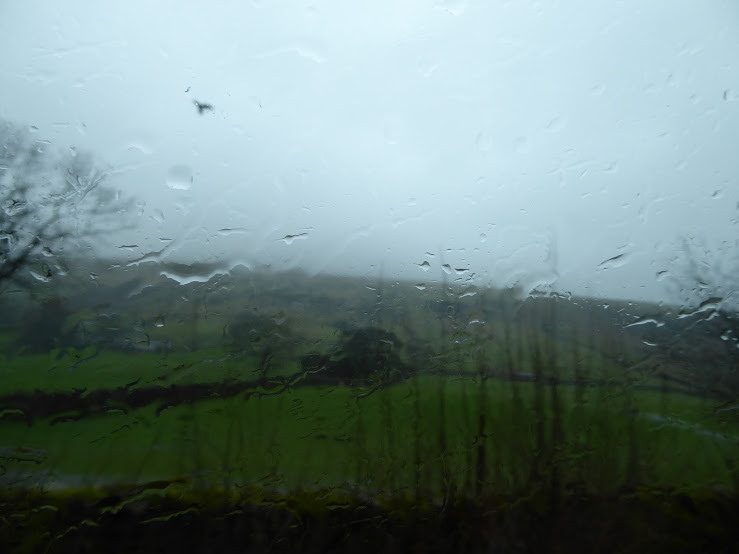
Just now, we’re all contending with Weather. Rain.

Ethel Spowers. Wet afternoon. Linocut 192930.

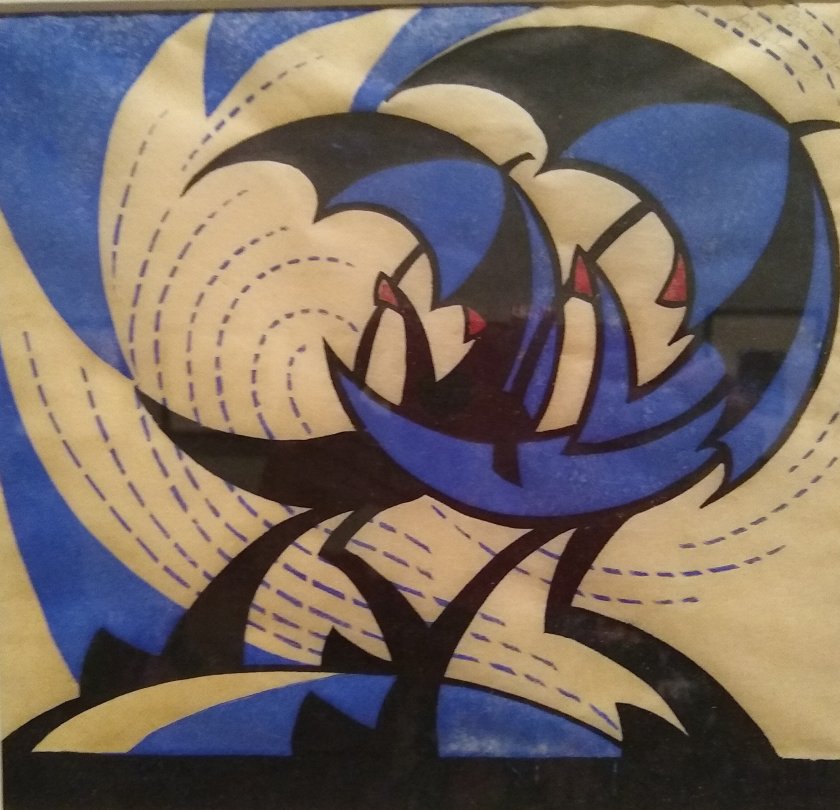
And Weather. Wind.

Sybil Andrews. The Gale. Linocut. 1930.

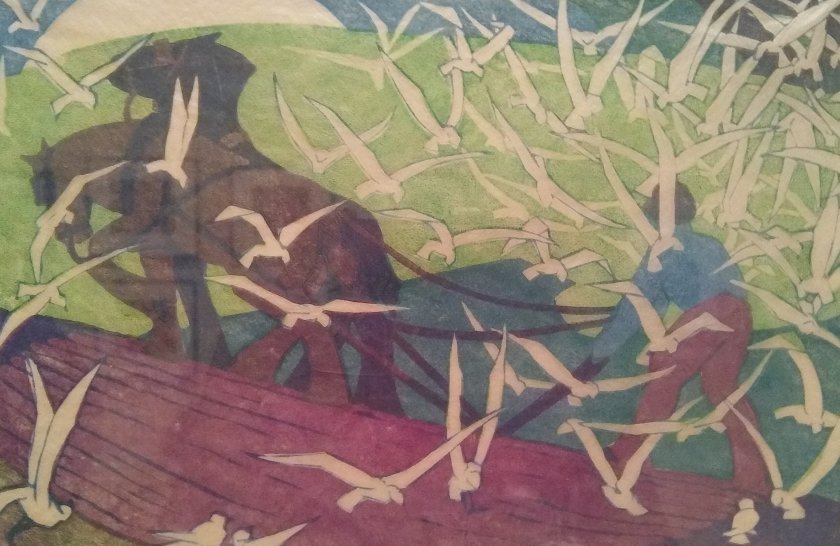
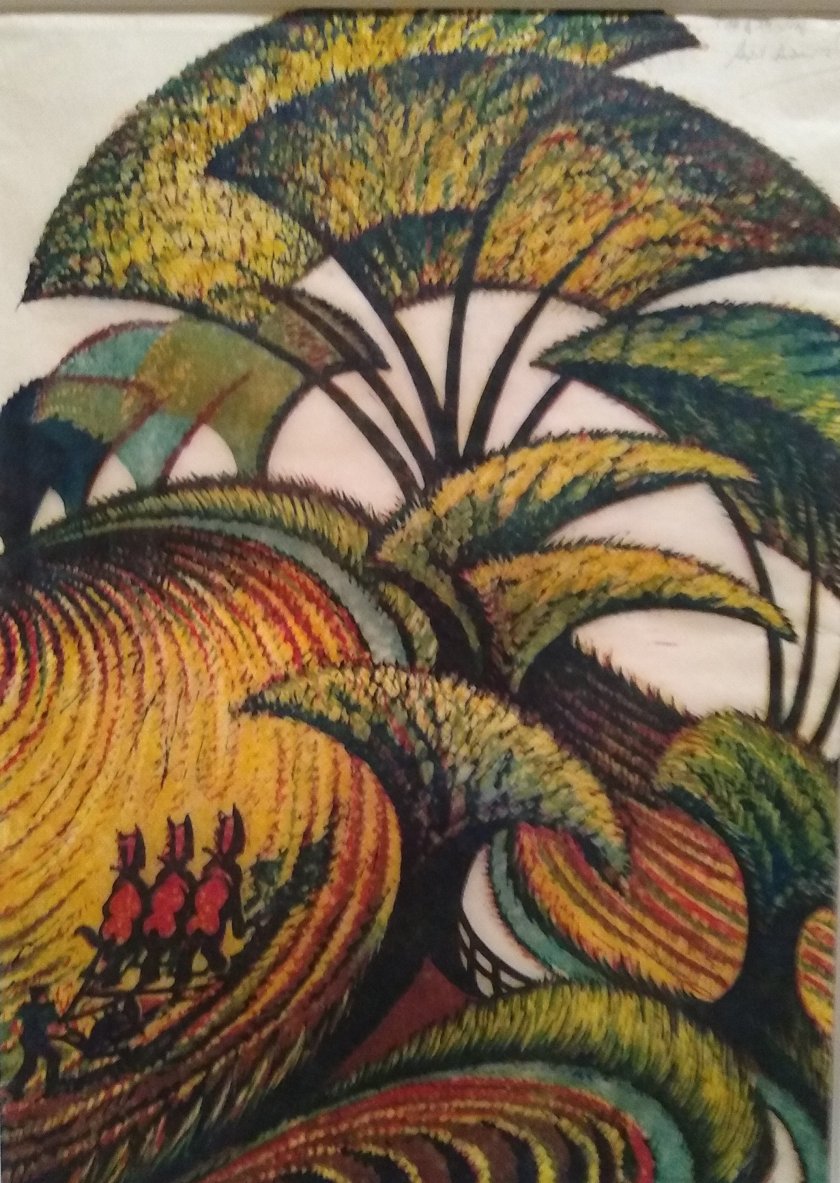
And the life of a Country Mouse was well-represented.

Ethel Spowers. The Plough. Linocut. 1928.

Sybil Andrews. The fall of the leaf. Linocut. 1934.

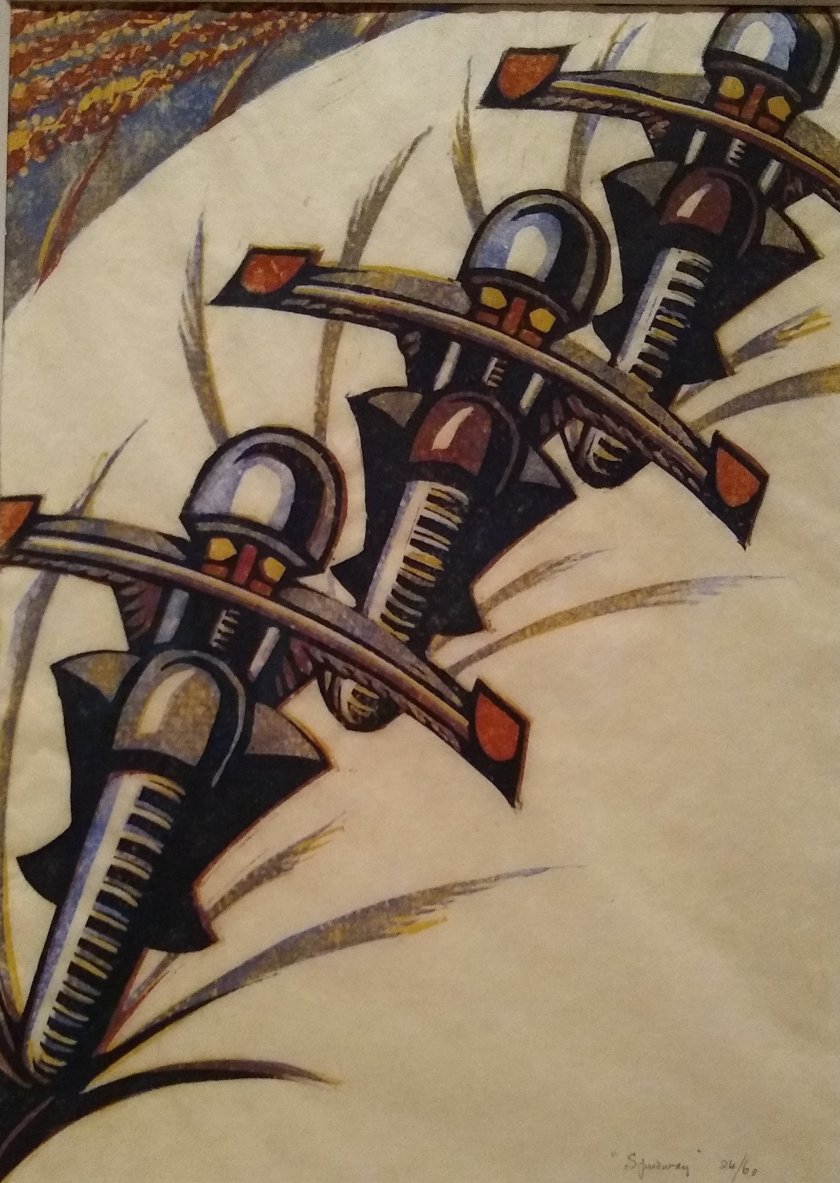
And Sunday mornings on the main roads into the Yorkshire Dales. Motorbike Central.

Sybil Andrews. Speedway. Linocut. 1934.

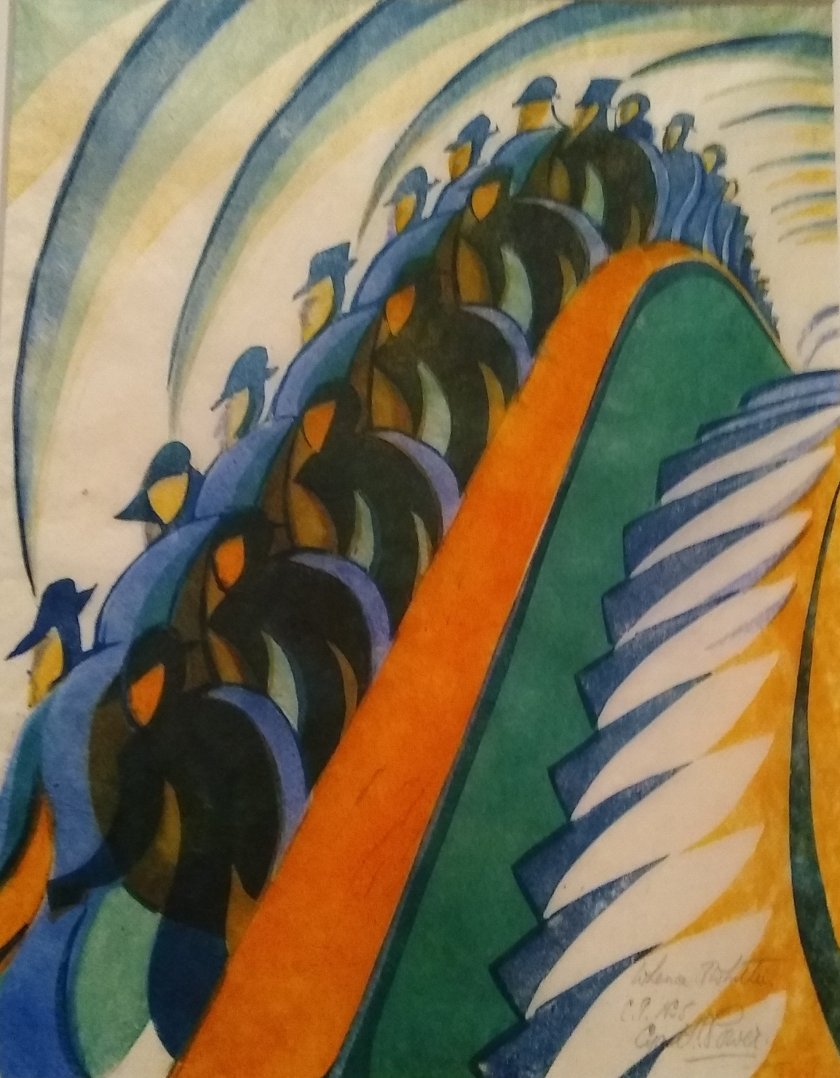
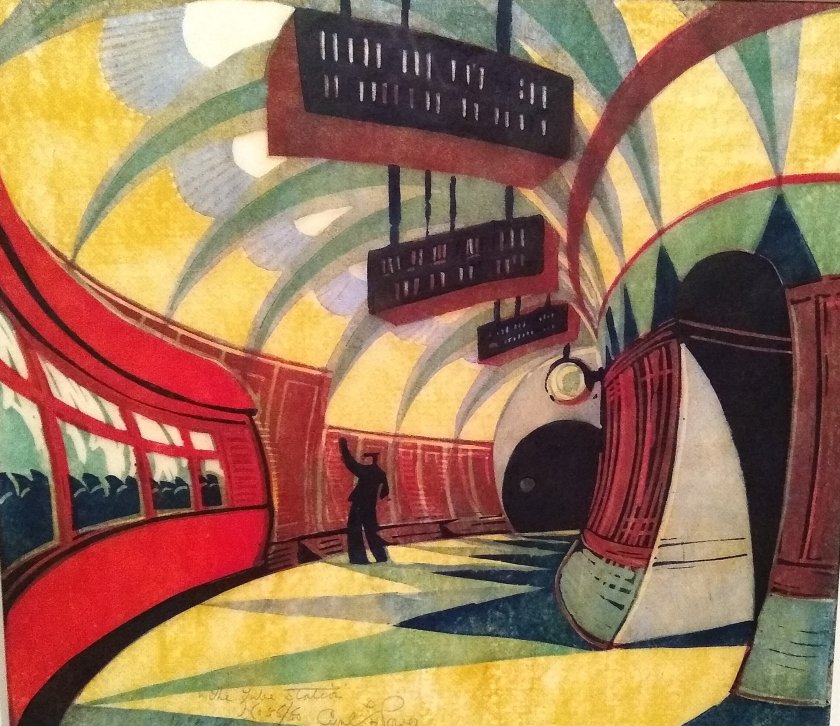
And my trips into London.

Cyril Power. Not female! Whence and whither. Linocut. c.1930.

Cyril Power. The Tube station. Linocut. c.1932.

If you’re in London before 8th September, it’s worth a visit.

Country Mouse visits the Big City

Country Mouse, Country Mouse from Yorkshire ventures south this week, to The Great Wen, the Smoke – that’s London to you.

We Yorkshire Country Mice like to put it about that we are friendly, neighbourly, affable. That them southerners on the other hand, are not. London folk, we opine, don’t know their neighbours, wouldn’t lend you a cup of sugar, and Keep Themselves to Themselves.

That’s never been my experience of London.

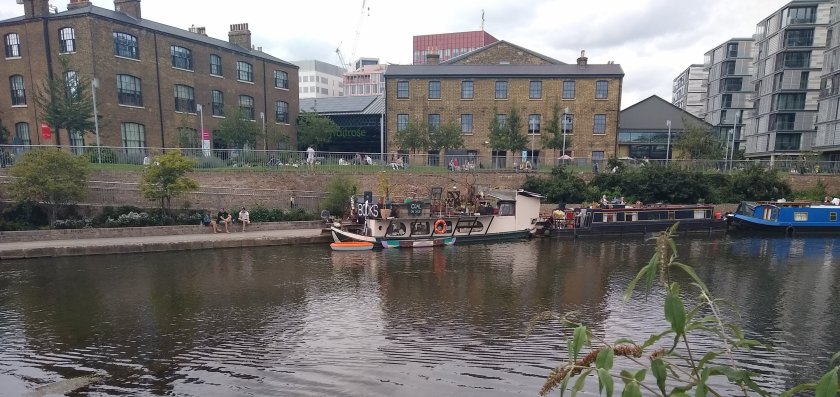
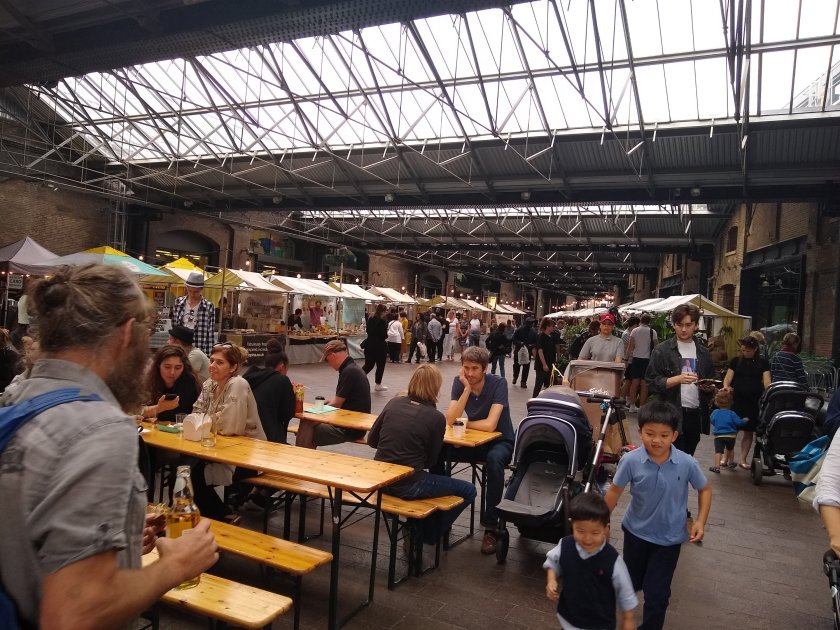
And here’s the proof. I stepped off the train and headed for Coal Drops Yard. You need a bob or two to live or shop in this newly gentrified area.

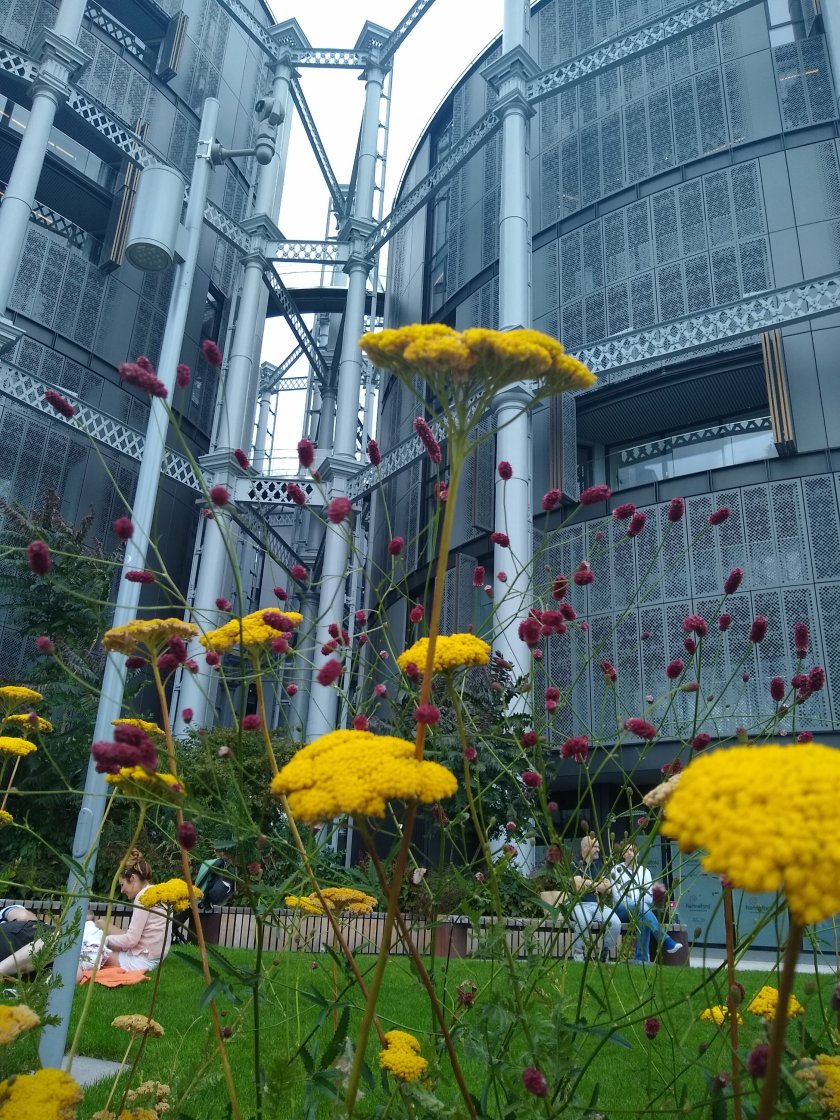
But anyone at all can and does enjoy the public spaces here: the canal side, the water play in the large open squares, the markets.

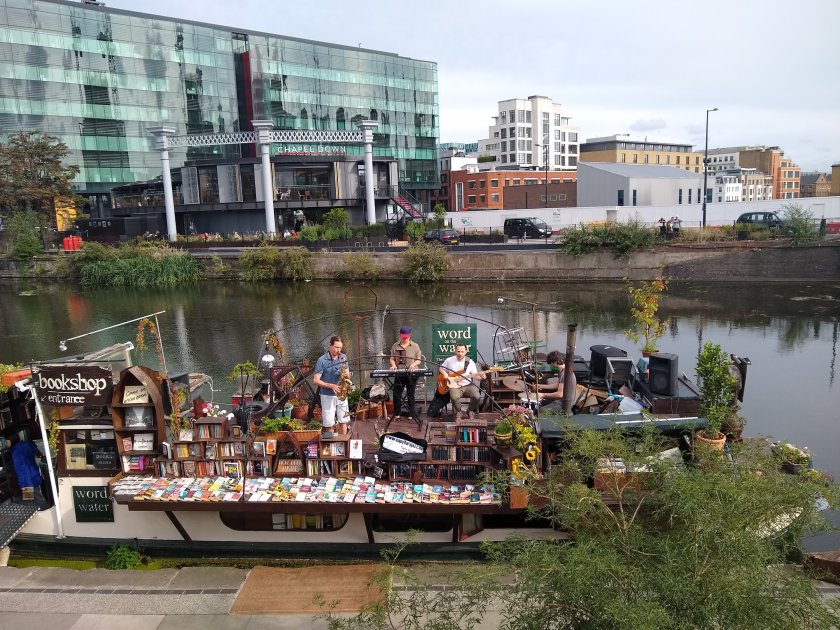
Families, tourists, couples, youngsters all amble happily, taking advantage of the open spaces, an impromptu jazz band playing on a barge (aka a second hand bookshop), and children playing in the water fountains.

My photos haven’t really captured street life. I simply can’t see what I’m taking on my phone, and my camera is in Intensive Care (the bill will be expensive: no NHS for photographic equipment). But enjoy strolling round this area, a mere five minutes from Kings Cross and Saint Pancras Stations. You’ll be in friendly company.

Jo’s Monday Walk is on holiday. But I’ll send my stroll along anyway.
Capelas, Sáo Miguel- not quite a Monday walk

The Great Yorkshire/Cornwall sing-off

For a while now, Yorkshire for Europe groups have been getting down to London once a week to support Steve Bray of SODEM, and demonstrate peacefully outside Parliament. Week by week, the Great Yorkshire Songbook has evolved, featuring such memorable numbers as ‘We’re down from Yorkshire just to say…’ to the tune of -what else? ‘On Ilkley Moor baht ‘at’, and ‘Why, why why Theresa?’ to the tune of ‘Delilah’. Cornwall for Europe does much the same, but they have a great tradition of sea shanties to draw on for their songbook (‘What shall we do with this rotten Brexit?‘).

Adrian from North Yorkshire for Europe threw down the gauntlet to Cornwall. The Great Yorkshire/Cornwall sing-off. Challenge accepted.

Yorkshire comes to London.

On Monday, two coaches arrived in London. One from the north, stuffed not only with Remainers in good voice, but Yorkshire flags by the dozen, European flags, Union flags, placards, and Mark’s tuba. Oh, and seven students from Sheffield University, hitch-hiking to Transylvania for charity, via our demo. And a coach from the south-west, idem, except that they had black-and white Cornwall flags and placards, and a Cornish bagpipe instead of a tuba. And no students.

Cornwall and Yorkshire together.

And outside Parliament, we sang. We soon learnt each other’s songs, and we sang, sang, sang. Alistair Campbell came for a while with his bagpipes. Our MEP Richard Corbett came and joined in, so did Huddersfield MP Barry Sheerman, and Lib Dem Tom Brake, who brought chocolates too.

Richard Corbett joins the two choirs.

Steve Bray, that stalwart who protests all day and every day, whatever the weather joined in the fun, and was invited to judge the two choirs. ‘52% for one, and 48% for the other!’, suggested some wit in the crowd. Steve was far too polite, and suggested a draw. Team Yorkshire thought that Cornwall had the best tunes, and were more tuneful, but we were LOUDER.

Steve Bray. And his megaphone.
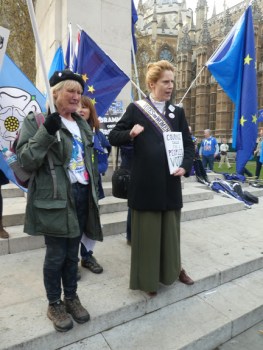
We were even joined by a suffragette….

And at 6 o’clock, we followed Steve’s daily tradition. We trooped after him and his mega-megaphone and bellowed People’s Vote slogans as loudly as possible across to the House where members were about their daily business. If you’d been watching the BBC 6 o’clock news at 6.11, you’d have seen us. And again at 10.00. A friend in Cardiff spotted us on the Welsh news.

Cornwall and Yorkshire united in protest.

During the day there were interviews with Norwegian radio and French TV (Arte is doing a full length documentary on Britain and Brexit, and have been filming in the area for 10 days).

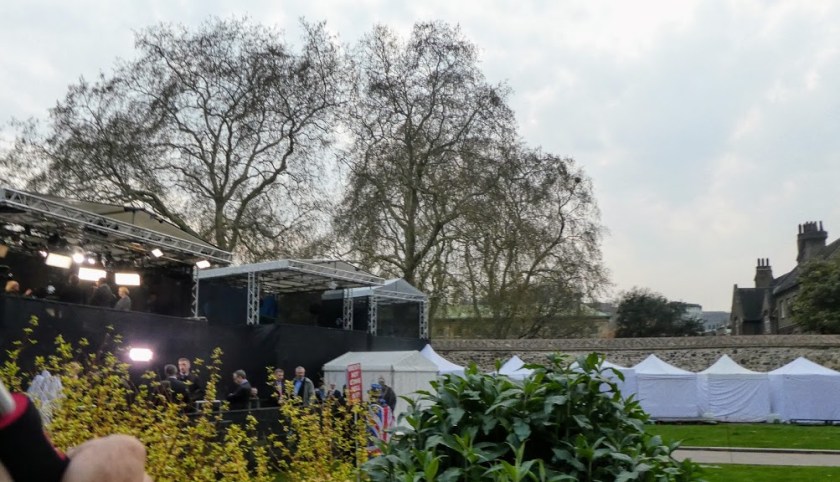
Just one more job to do before the long journey home. Get along to the press hub, and be there while Channel Four does its daily interviews on its 7 o’clock news. More flag waving, shouting and singing, and a bit of trespass onto the lawns with a placard by Steve Bray.

The press zone. Can you spot Steve Bray trespassing? Look for the placard.

We met Londoners, tourists, people from around Europe who’d made England their home and no longer feel as welcomed as they used to. We’ve had our photos taken, had discussions with dozens and dozens of passers-by. Does it make a difference? We don’t know. But we know we brought cheer to so many people who like us, hope that Brexit is not a Done Deal.

Shuffling for Europe

Last week, the one at the end of which the long-planned Put it to the People March was due to take place, the Brexit Drama went from bad to worse to excruciating.  It seemed a perfect time to go to London and make our views known.

We’d been before of course.  Twice.  We’d been last June, we members of North Yorkshire for Europe,  sharing a coach with protestors from York.  We went in October, with a coach of our own.  We went again on Saturday, with three coaches, part of a flotilla of 19 from Yorkshire and 200 from the country as a whole.

Here we are arriving, marshalling ourselves.

And here we are singing one of the nineteen songs from the Yorkshire Remoaners’ Songbook.  Our signature number is this….

We’ve come from Yorkshire just to say (just to say)

All Brexit deals are cra-ap………  

and so on, plus two other verses, obviously sung to the tune of On Ilkley Moor baht ‘at.’

Richard Sadler, Chair of North Yorkshire for Europe, and apparently Director of Music for the day.

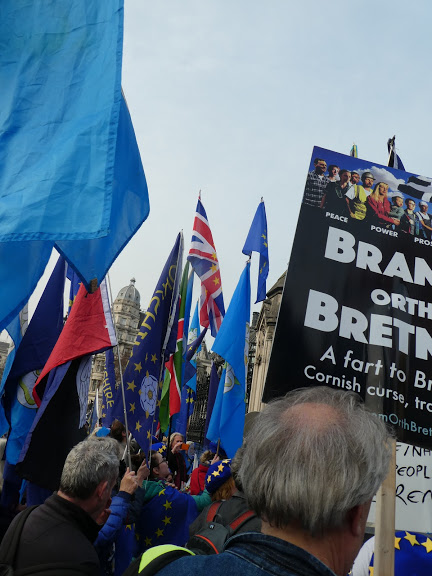
It would be untrue to say we started marching.  The crowds were such that we often didn’t move at all, and when we did, we shuffled.  We soon got split up, but it was always cheering to see that wherever we looked, there was a Yorkshire flag – the white rose on a blue ground – somewhere in sight.

Yorkshire for Europe!

There were fellow marchers to talk to – the young girl who’d chosen to spend her 13th birthday marching, the elderly Irish woman who’d come over to vent her anger at how Ireland’s particular issues were being sidelined.  There were witty posters to admire: there are a few at the end of this post.  And more here. 

A newly teenage girl protests.

On we went, making the roads on our route totally impassable for passers-by.  One hour – two hours – three hours of shuffling – we were still only in Pall Mall.  By now the speeches were beginning in Parliament Square on  the other side of Trafalgar Square, and we were still nearly a mile away.  Never mind.

Drummers struck up, and entirely unbidden, our voices, hundreds strong, spontaneously  divided as cantor and antiphon, though the words were the same: ‘Stop Brexit now!’ This little interlude seems to me to be a metaphor for how most Remainers that I know treat one another: cooperatively, in  harmony, and with mutual respect.

And then … then we had to go.  We had to find our coach, due to depart on the long road back to Yorkshire.

Although we were marching to be given a Final Vote on the Brexit Deal, there’s now equally loud pressure that Parliament should Revoke Article 50. Now.

If you’re a British Citizen, and haven’t done so already, please sign here.

And if you’d like an aeriel view of the whole thing, here you are, thanks to The Guardian.  We’re off camera.  We didn’t get to the centre of the action.

Liquid History: a Trip on the Thames

Adam’s splendid birthday cake. The design is full of allusions, only one of which will perhaps be accessible to you.

I love the River Thames, and I love a river trip.  Our friend Adam’s birthday treat to himself and all his friends was just that.  A river cruise taking in everything from the London Eye, past wharves and warehouses, parks and pavilions, bridges and Big Ben.  I didn’t take my camera, expecting not to be tempted by photography.  I was tempted though, so thank goodness for my phone.

A view from the river cruiser.

I was tempted by what always seduces me about the River Thames: the old, battered,  rusted and gritty references to its industrial and commercial past and present.  The juxtaposition with new money: glittering ultra modern towers thrusting skywards, surrounded by squadrons of cranes. Expensive new housing where during my childhood there was only industrial waste.  Even a helicopter, on duty for …. something.

Dirty-British-coasters-with-salt-caked-smoke-stacks* – or their freshwater cousins anyway, share the waterways with commuter clippers, speedboats and long, slow, rust-coloured barges.  Rotting houseboats cling to the shoreline below busy streets and assertively up-to-the minute financial districts.

There are peaceful moments too.  Here is Battersea Park, and the Buddhist Peace Pagoda.  When I was a child, our flat in Victoria looked directly across at the four imposing towers of Battersea Power station.  It’s now decommissioned, and is a housing and residential development, though looking at this image, it’s hard to believe.

A line of cormorants occupies a pontoon below Cheyne Walk, one of Chelsea’s most desirable addresses.  And seagulls choose any old rusting buoy to rest on.

We finish near the Houses of Parliament.  This view is not quite right.  One iconic element is missing, all wrapped up in the manner of a Christo sculpture.  What is it?  No prizes… not even a river trip.

Returning to our riverside mooring. Goodbye, south London.

Click on any image to view it full size.

*from ‘Cargoes’, by John Masefield


Walking in Woolwich

I was with Team William & Zoë at the weekend.  A walk in Woolwich seemed a fine Sunday outing.

Woolwich is firmly a part of London now. But it wasn’t when it was omitted from the Domesday book in 1086, on the grounds that it was part of Saint Peter’s Abbey in Ghent.

It wasn’t when Henry VIII founded a dockyard here in 1513 to build his royal ship Henri Grace à Dieu. It remained a royal dockyard till 1869. Then a Royal Laboratory, producing explosives, then a Royal Arsenal. By 1741, it had a Royal Military Academy too. Woolwich was a fine industrialised garrison town.

Royal Arsenal

Until it wasn’t. The dockyard closed first. The Academy moved to Sandhurst in 1945. The Arsenal closed in 1967, though during WWI it had employed over 70,000 workers Woolwich fell on hard times. Even though, or perhaps because it became home, in 1975, to Britain’s very first McDonald’s.

It’s beginning to recover. Those fine military buildings are finding new uses as housing. With improved transport links, Woolwich is being touted as south London’s ‘next big thing’.

We did explore. That military architecture really is pretty fine. It forms the backdrop here to Peter Burke’s Assembly, 18 cast iron figures which speak of Woolwich’s busy industrial past.

And I love a gritty urban riverscape too. We planned to walk on, to the Thames Barrier.

But it was cold. It was raw. We wanted to enjoy our exploration. So we will come back another day, when the sun is shining. And we’ll return to Vib too. The bao at this wonderful Vietnamese café are certainly worth exploring.

Walked on Sunday, published on Tuesday, this is a candidate for https://restlessjo.me/jos-monday-walk/