Wandering Away from Woolwich

I was back on the Thames Path again last week. I’ve already had two goes at it, here and here. There’s no hope that I shall walk the length of it in an ordered sequence, but no matter…. This time, I started in Woolwich once more but walked away from London. And not very far either- just two or three miles there and back again.

Woolwich fascinates me. The elegance of the fine buildings constructed during its time as a military centre of great importance contrasts with its sometimes down-at-heel tower blocks and shopping streets, and its more recent apartments which are anything but shabby.
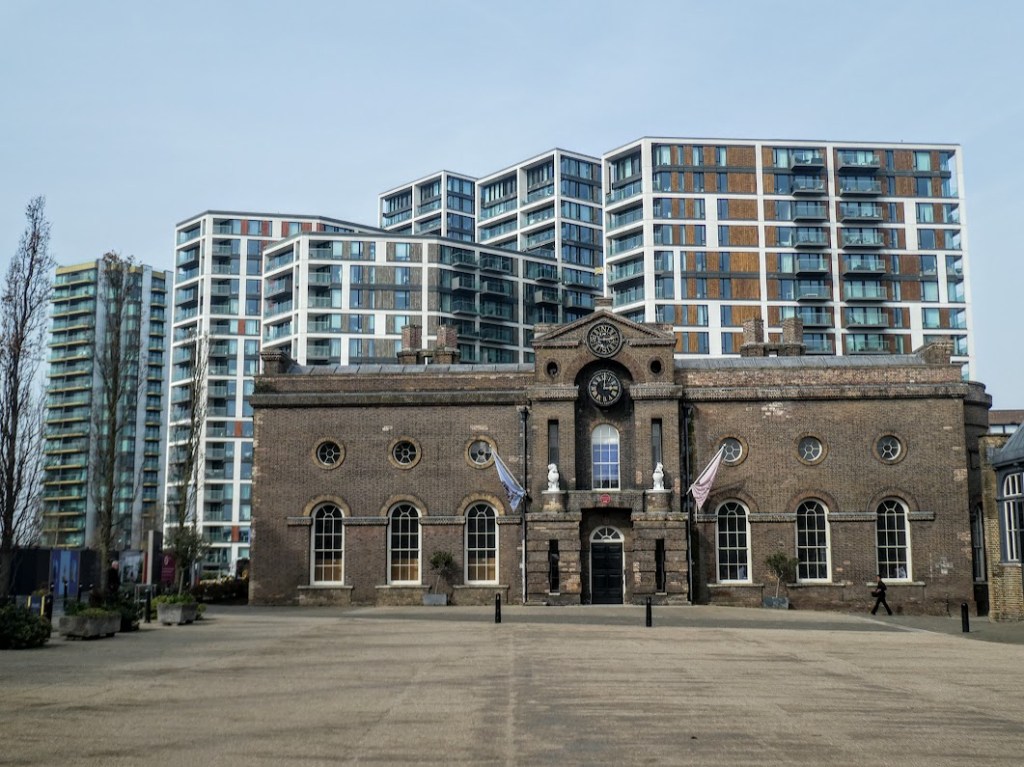
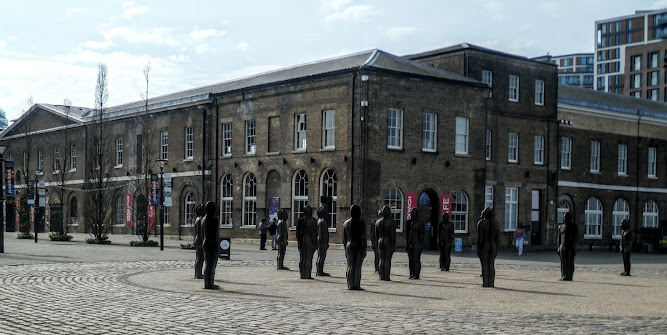
See what I mean?
I showed you a detail from’Assembly’ in a recent post. This group of men, sculpted by Peter Burke is intended to reflect the industrial heritage of the Royal Arsenal, which was previously a major munitions factory. 

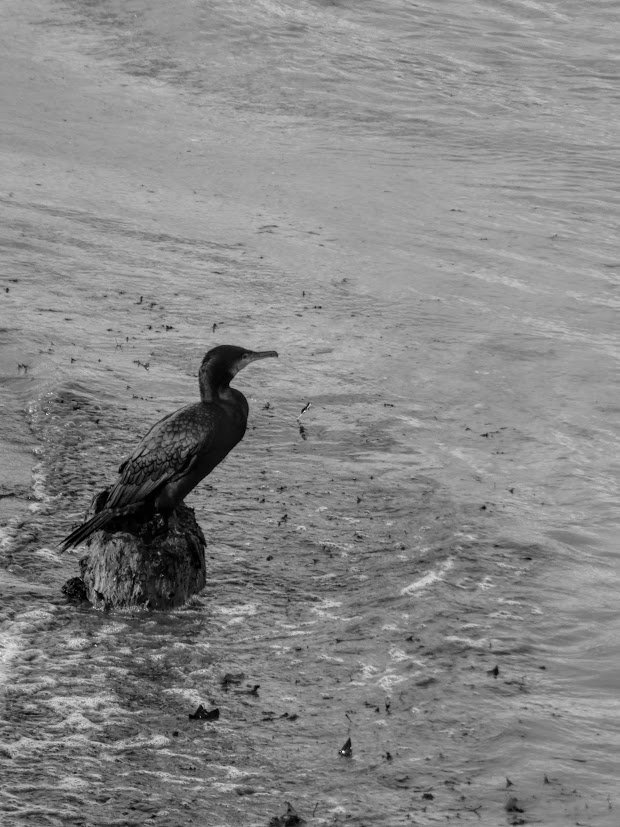
But it was the Thames that really commanded my focus. Selections of waterbirds, like this one ….
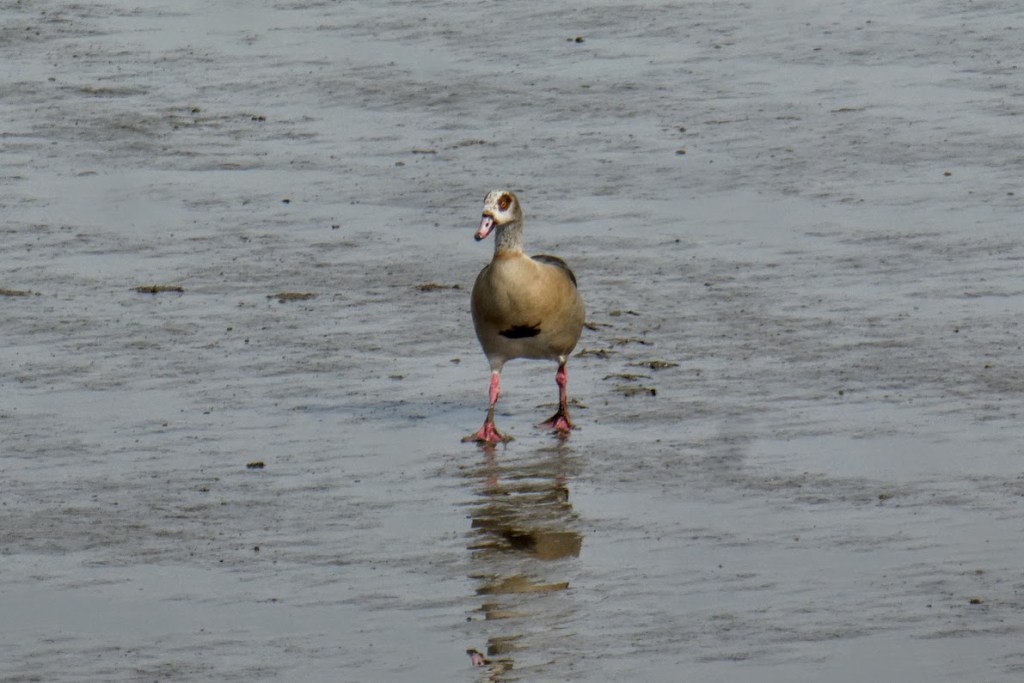
Egyptian goose

… industrial life. Look at the weight of that sand and gravel weighing down the barge purposefully ploughing onwards.
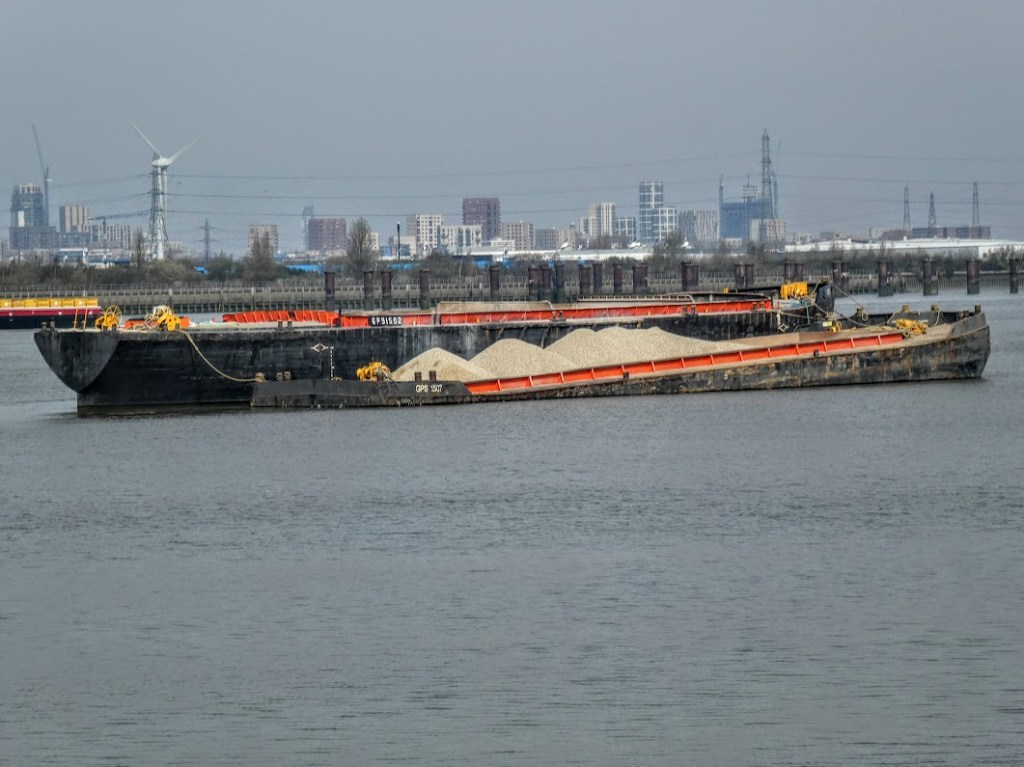
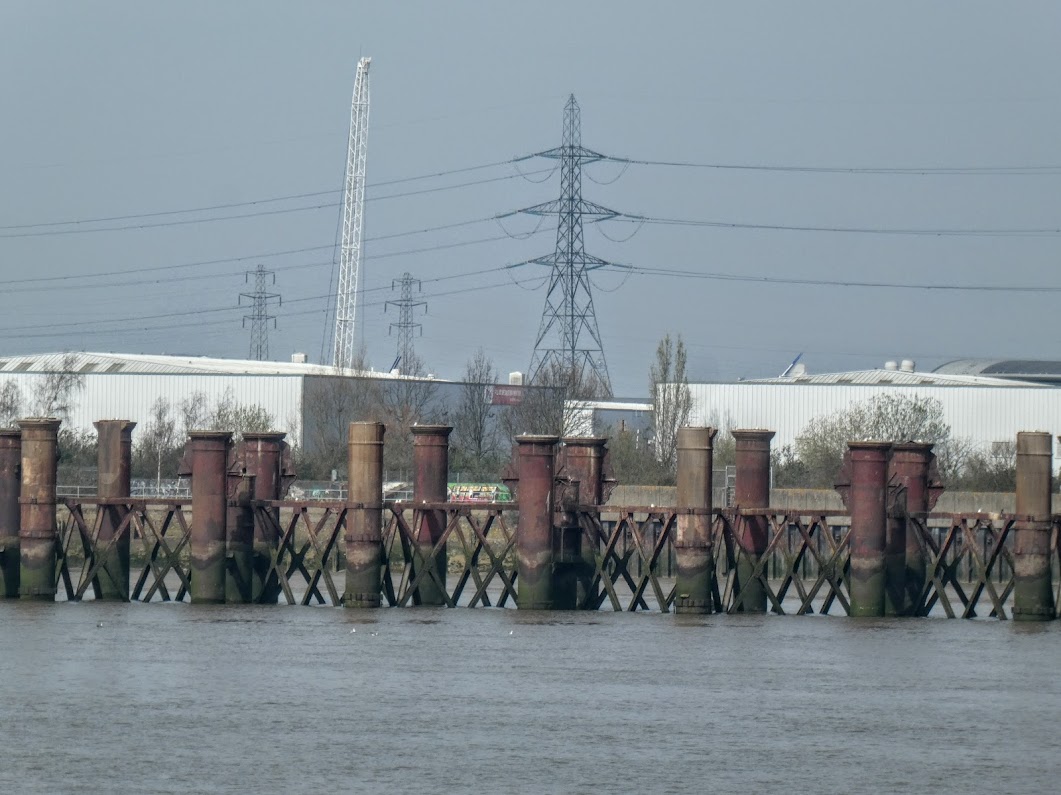
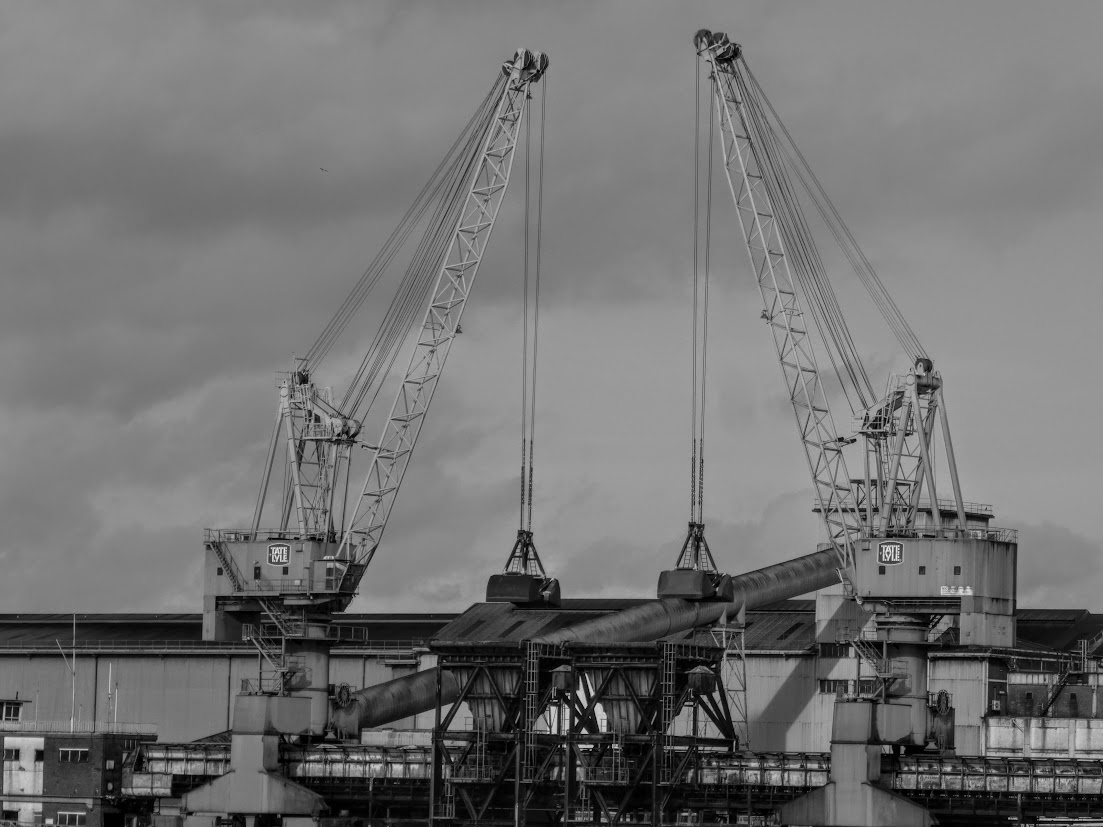
Suggestions of the river’s industrial past and present were everywhere.
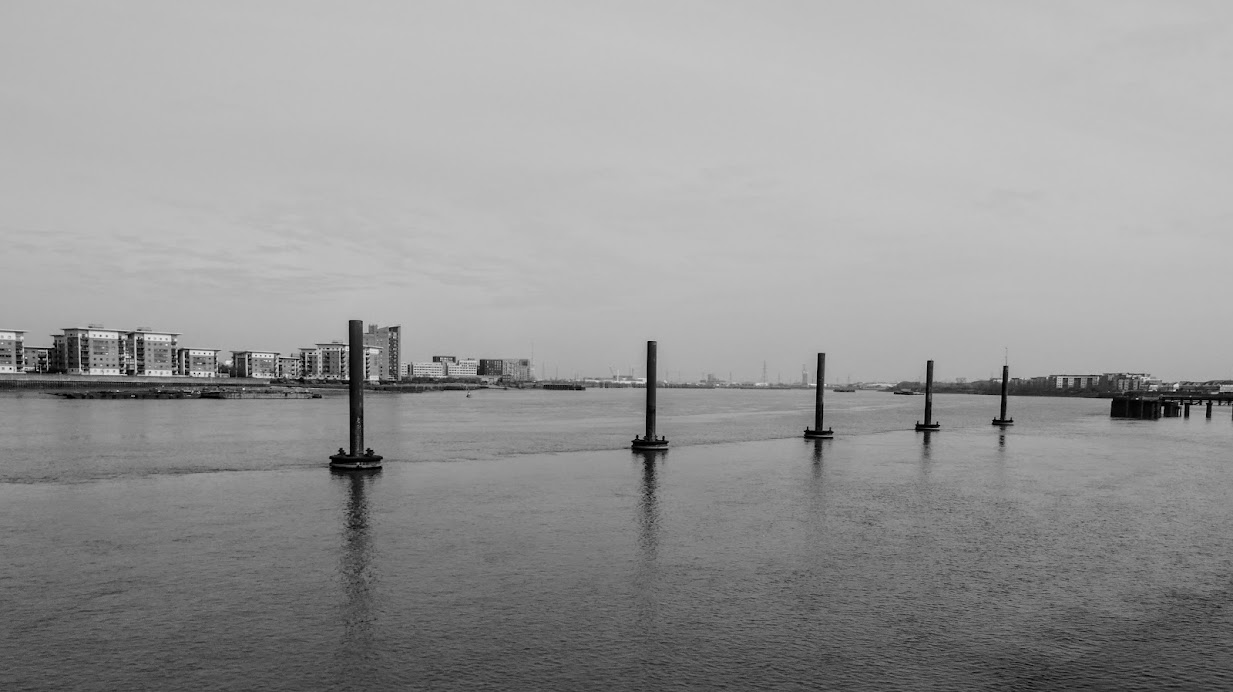
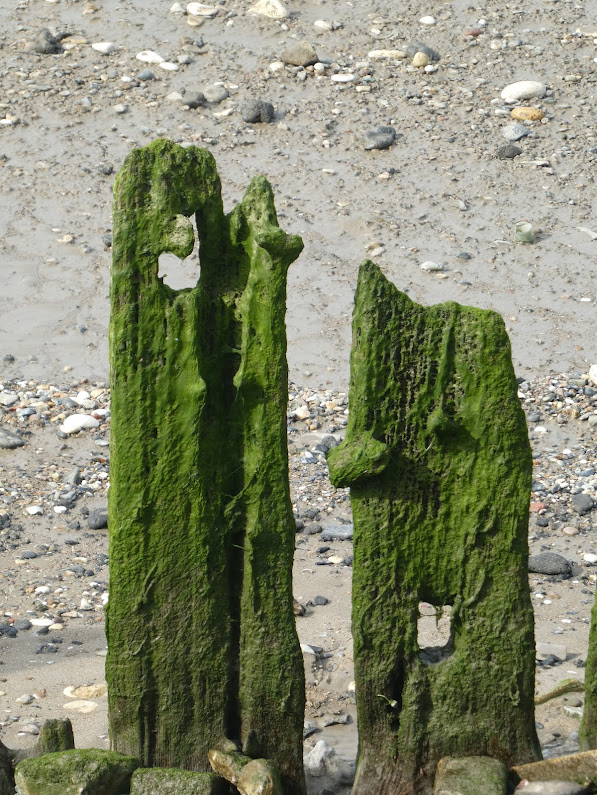
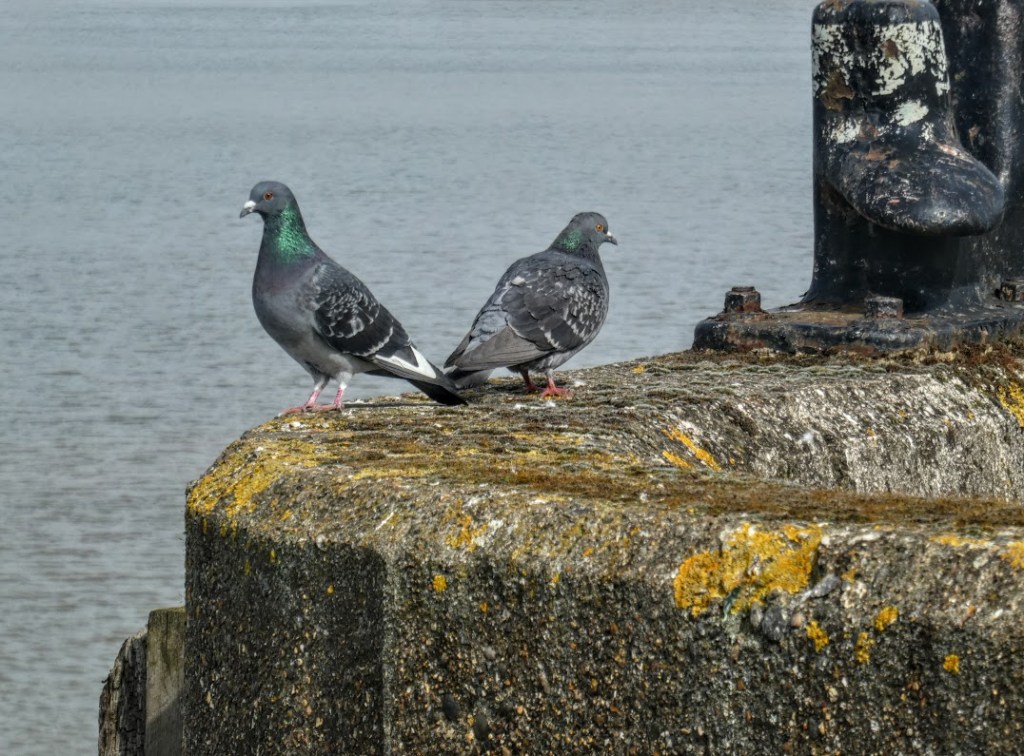
Little dramas played out before me …
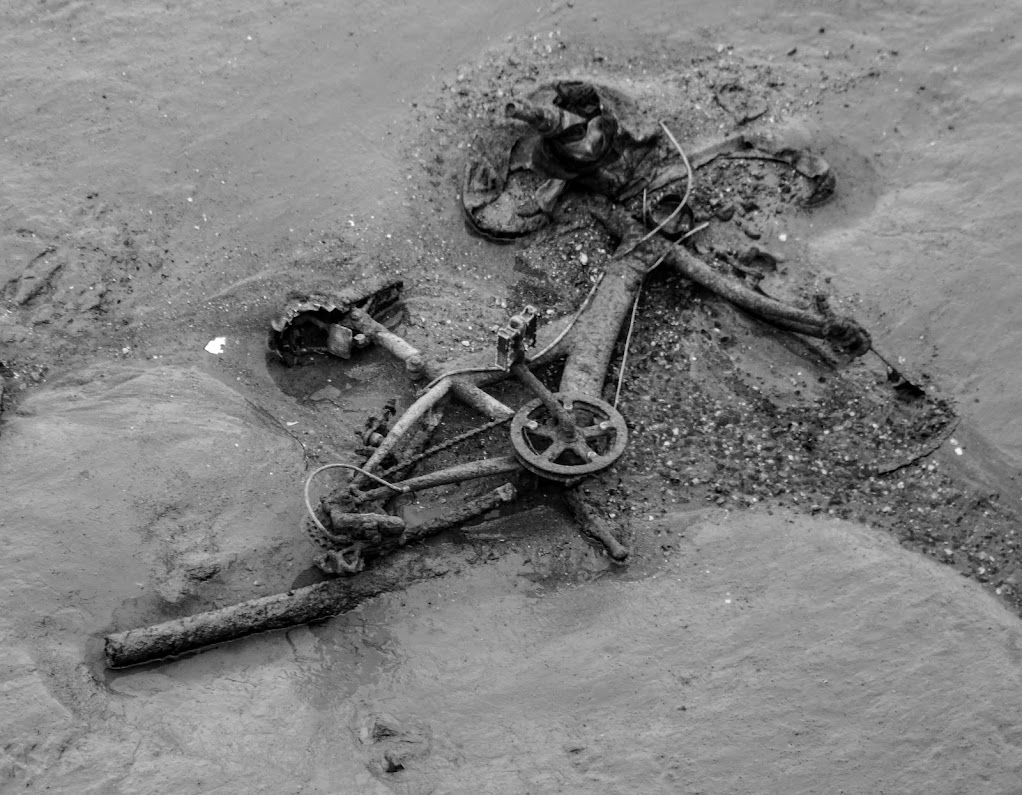
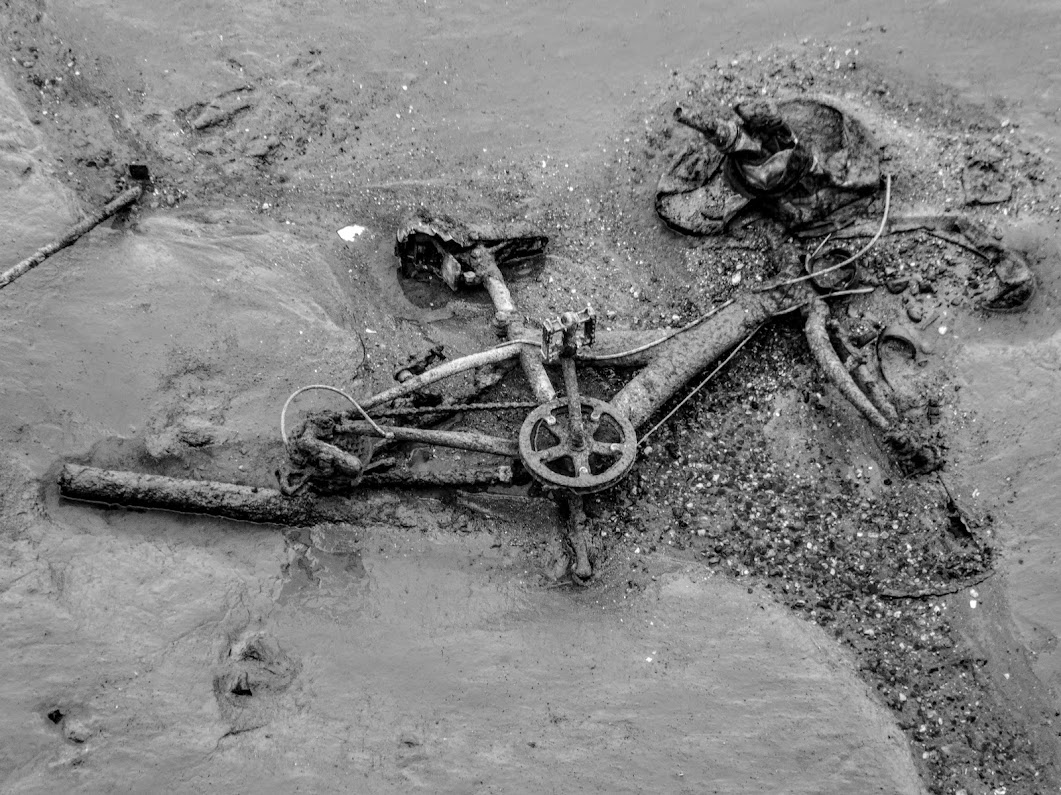
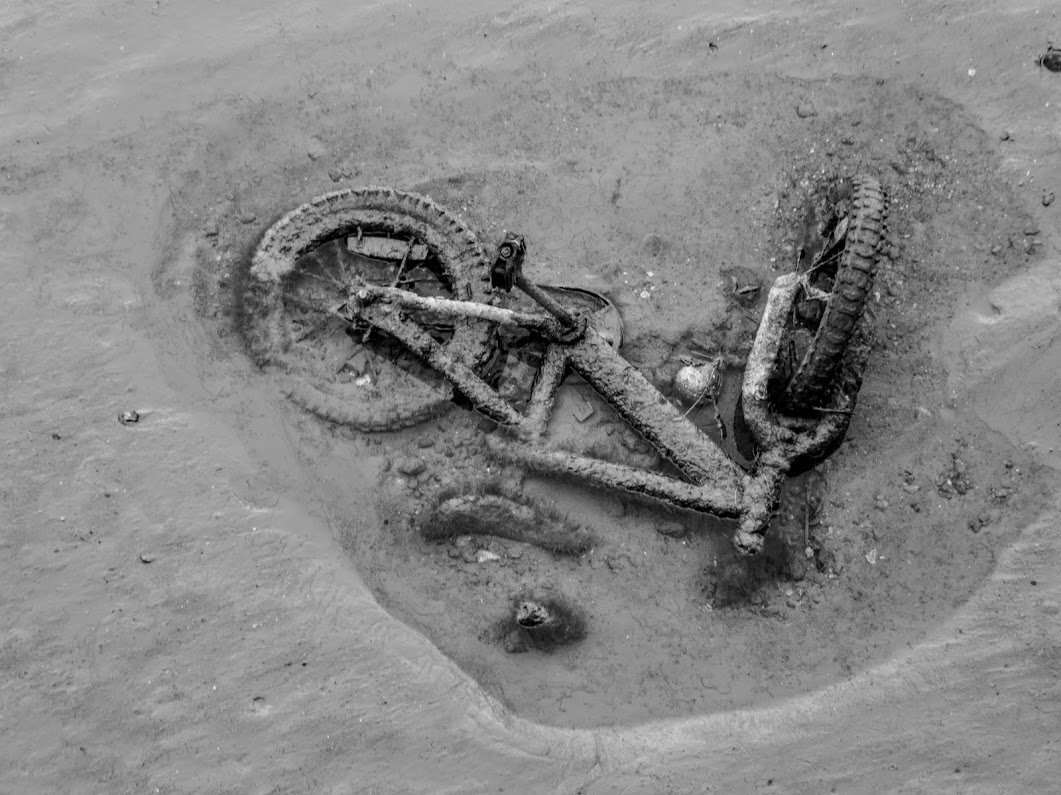
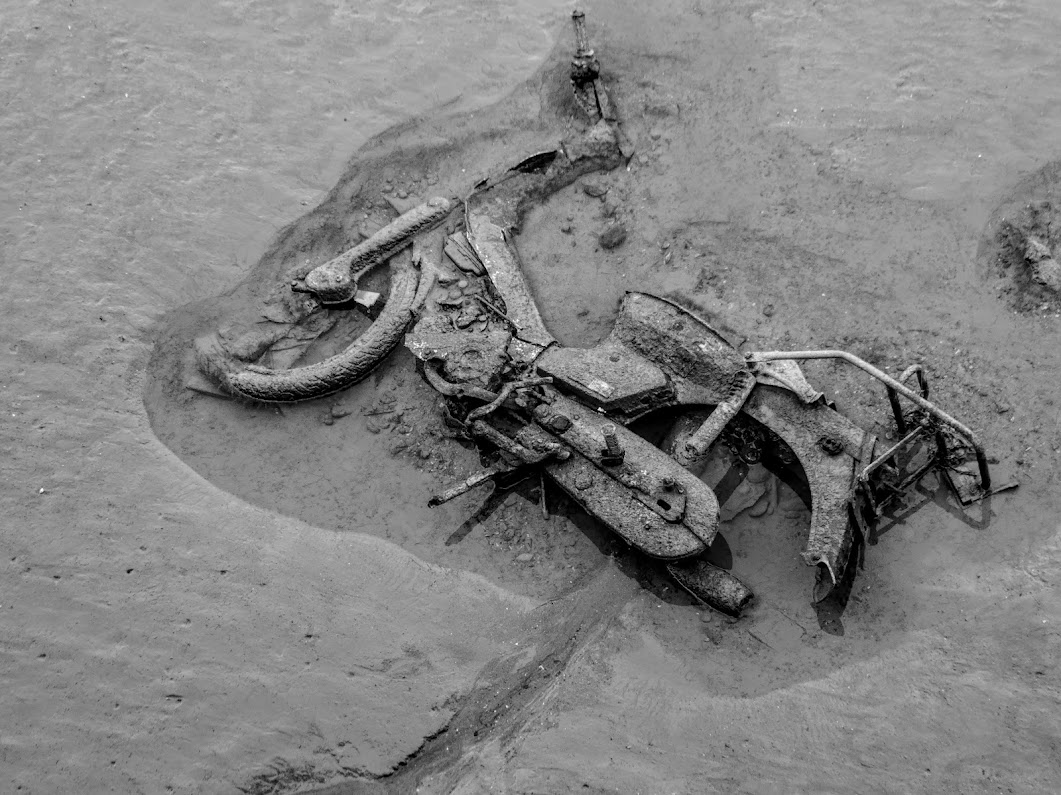
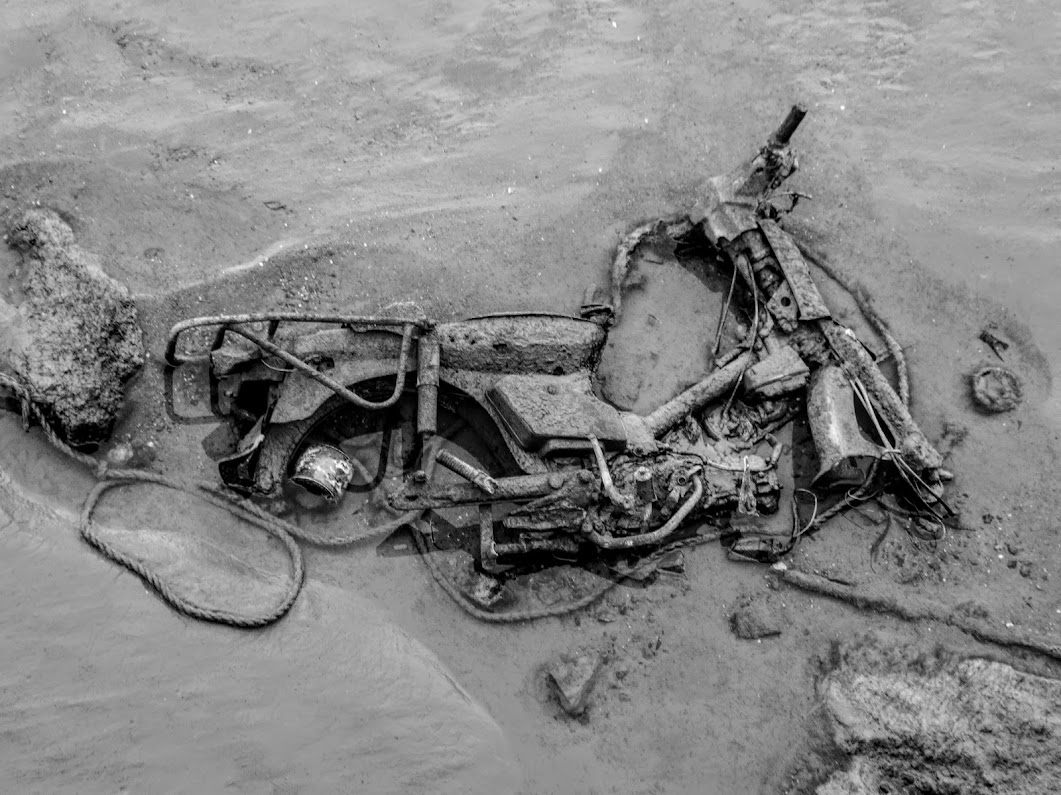
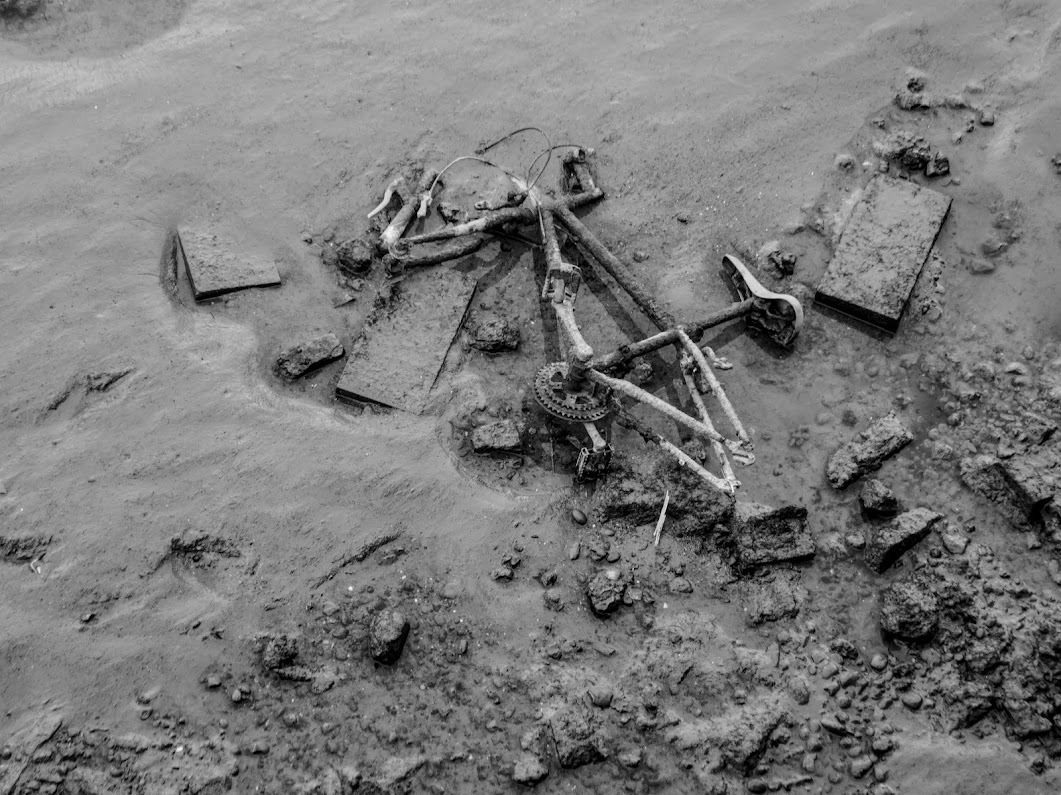
And a cemetery’s worth of abandoned bicycles spoke perhaps of thefts abandoned once the reason for taking them no longer applied.
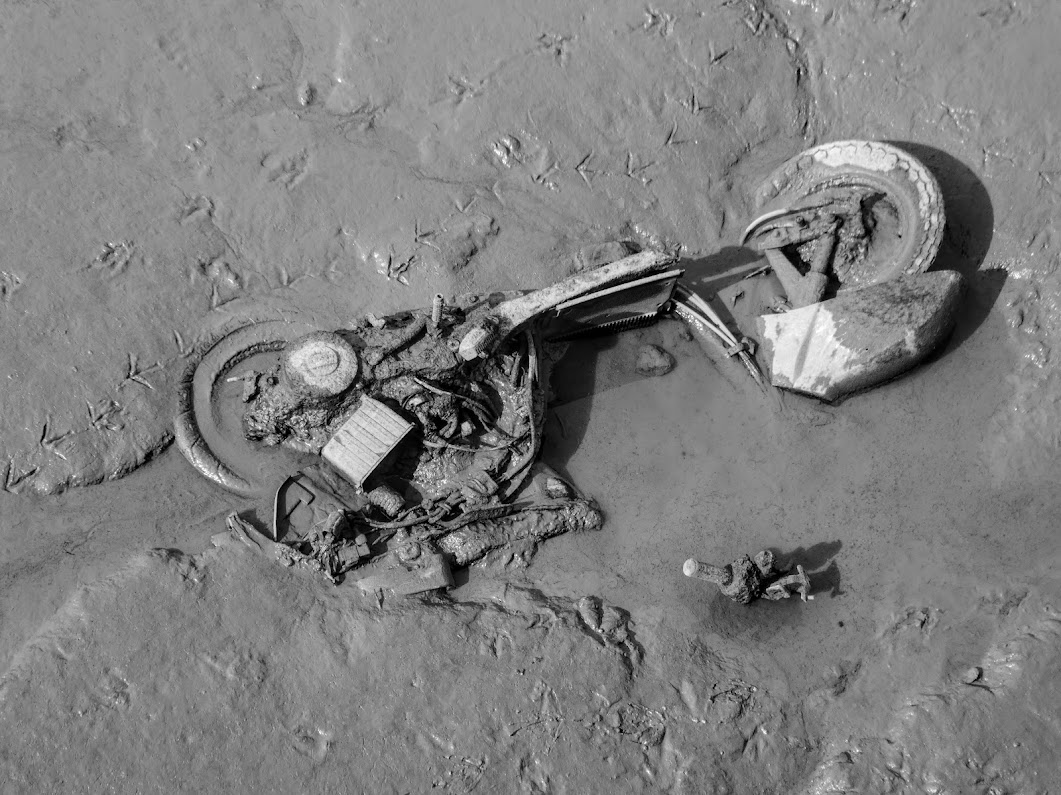

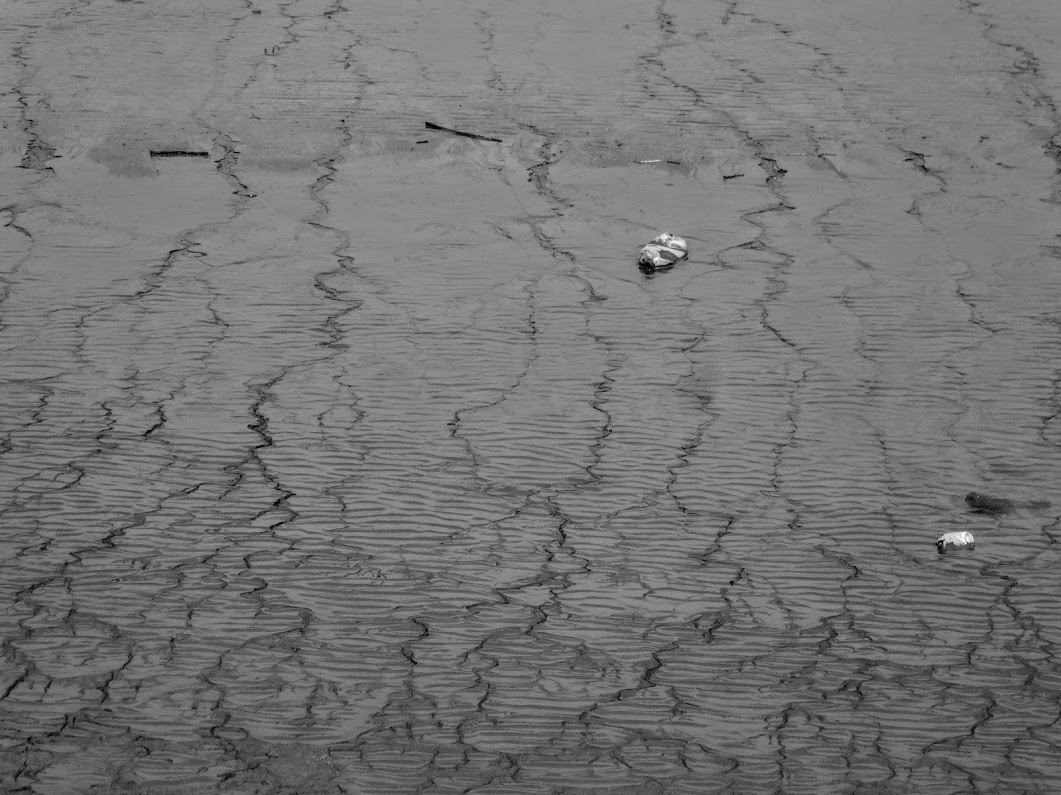
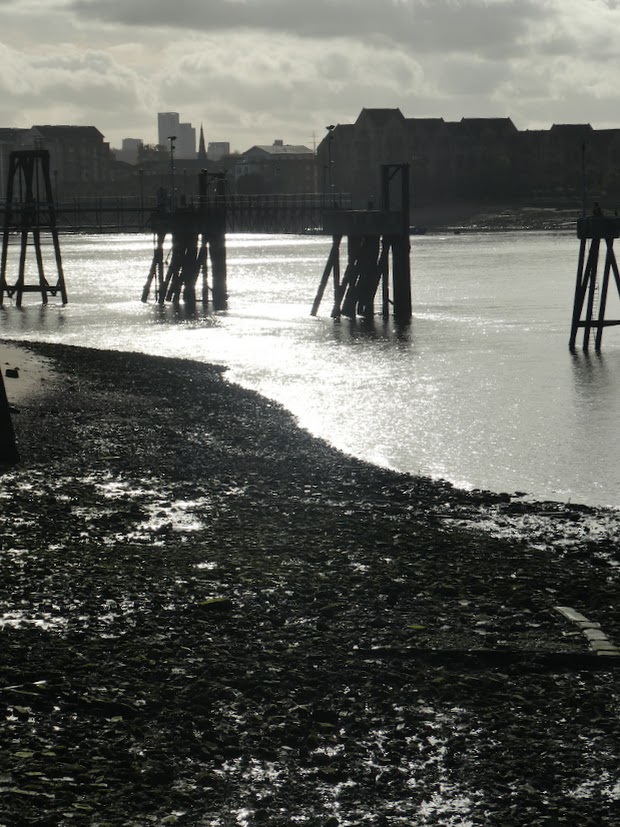
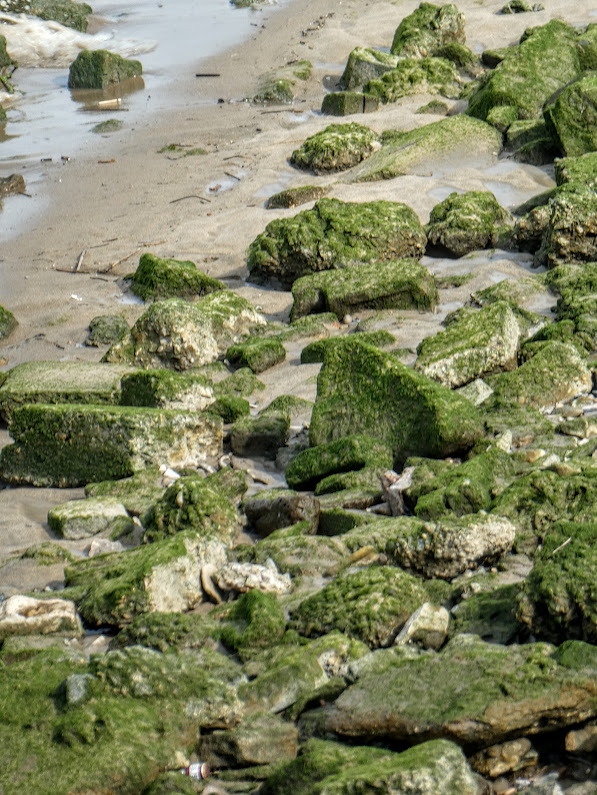
The shore itself was worth exploring …
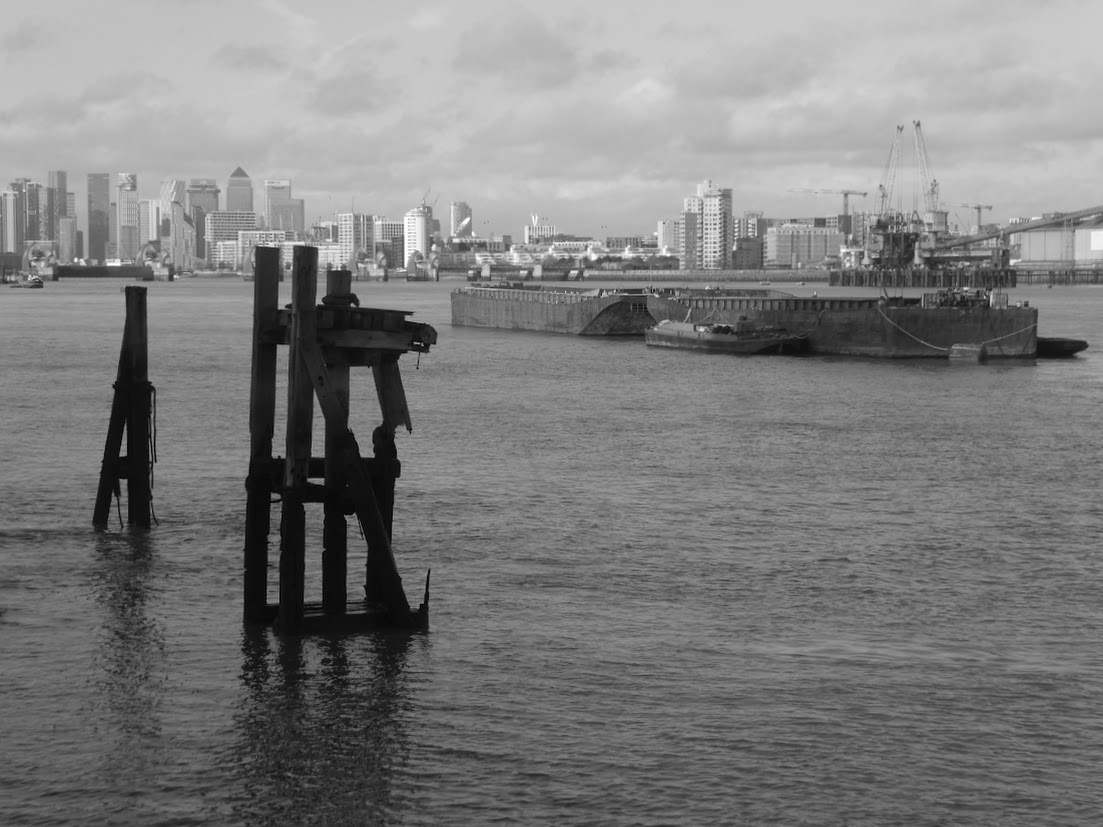
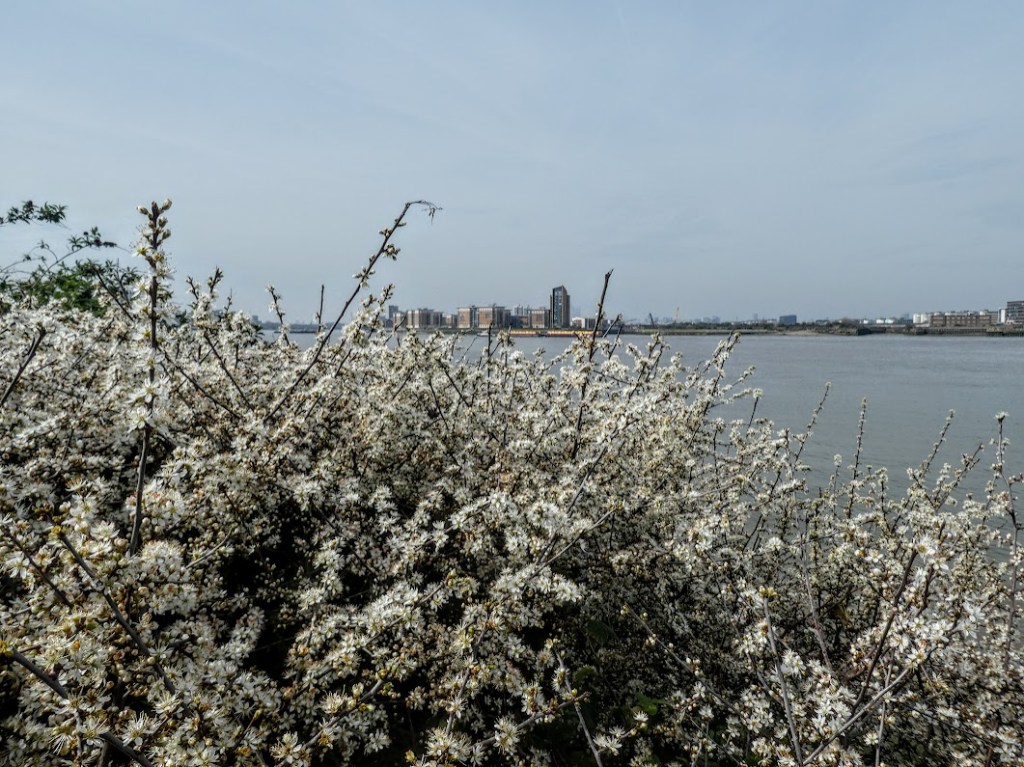
And the views back to London …
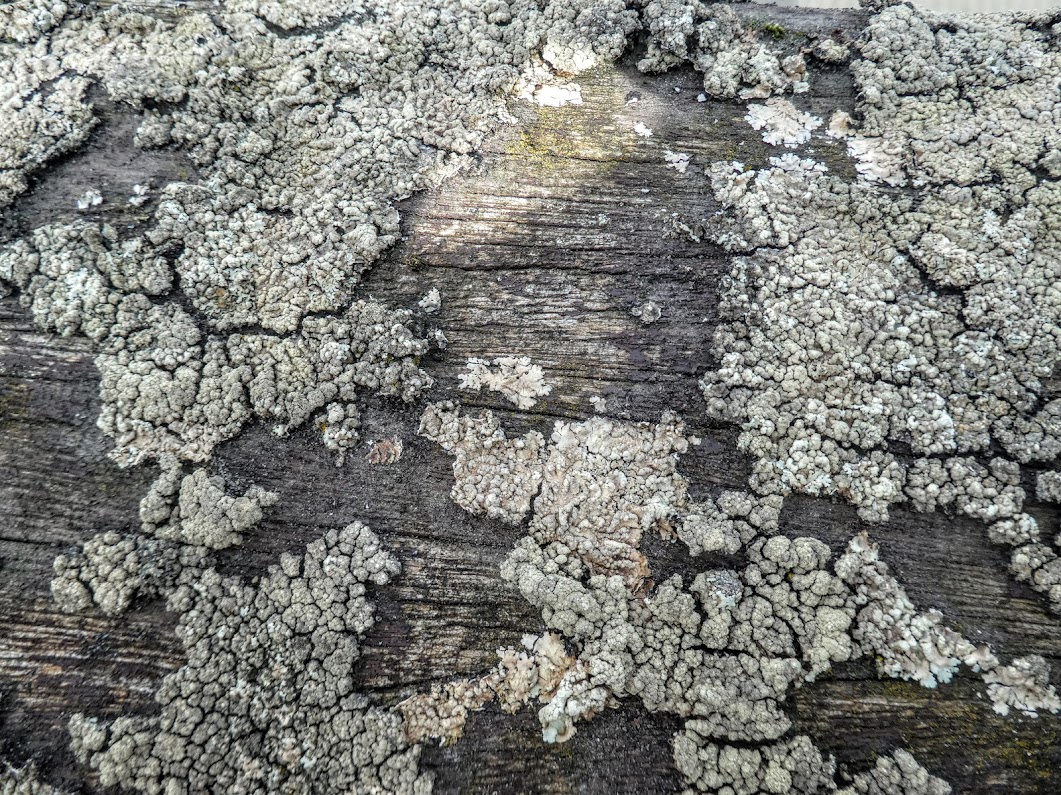
Even the lichens on the concrete walls edging the Thames merited a look.

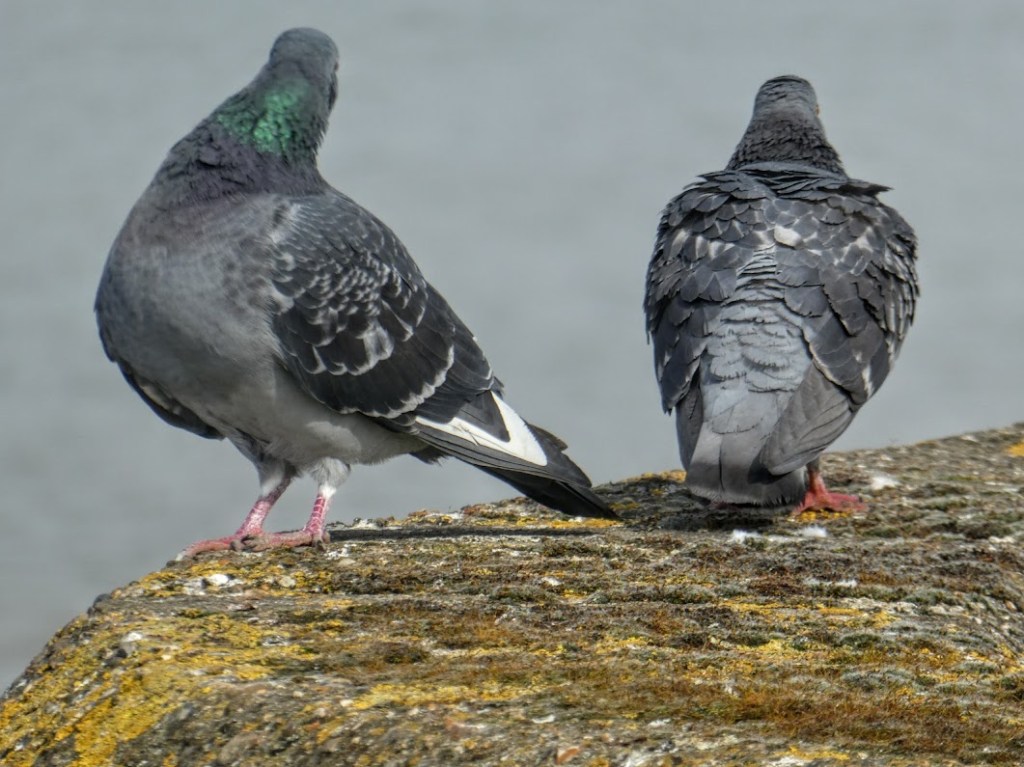
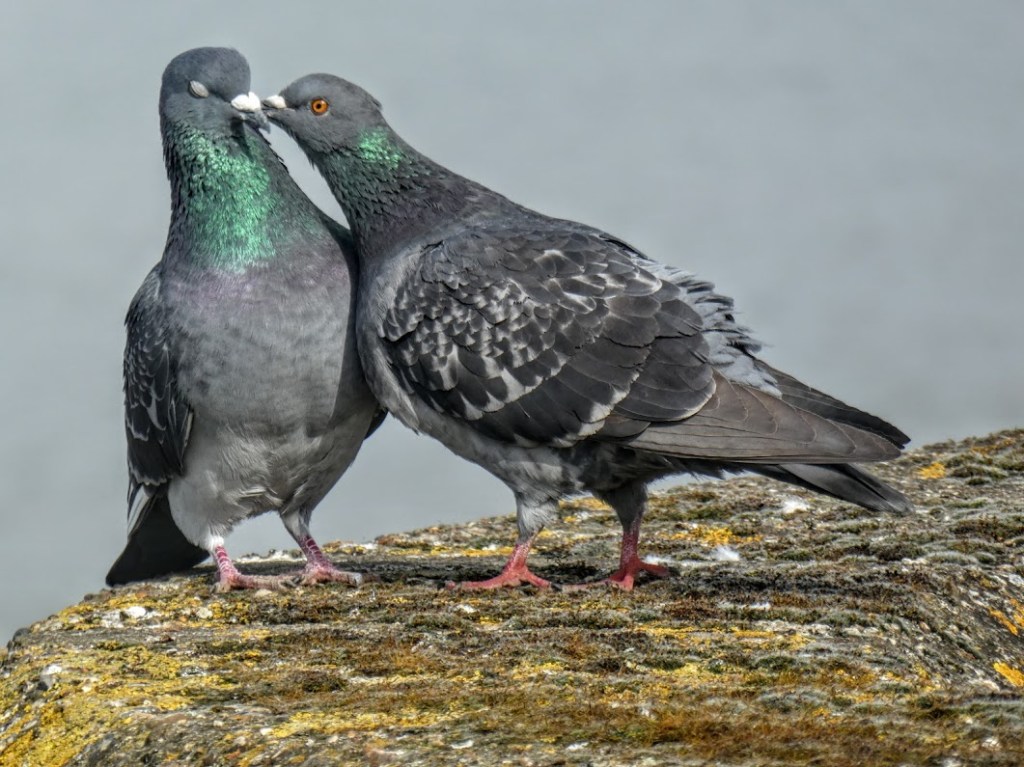
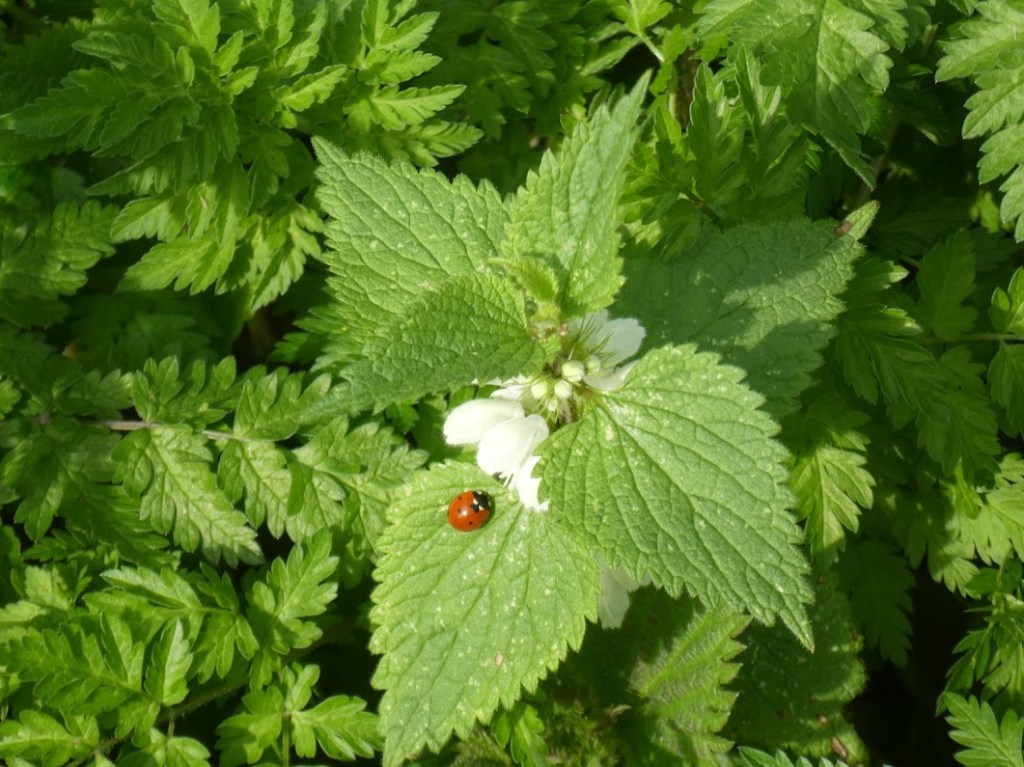
In fact there was wildlife a-plenty…
Who knew that only a few hundred yards or so away from the path, double decker buses, lorries, cars, trains, shops, pedestrians and all the trappings of city life were carrying on regardless of the tranquility I enjoyed as I explored the riverside path?

For Jo’s Monday Walk – When she gets back from her travels….

Juxtaposed in London

Juxtaposition. That’s what Patti wants from us for this week’s Lens-Artists Challenge. The unexpected frame-pairing.

I thought immediately of London, of a shot I took a while ago now showing the Gherkin, begun in 2001. Nearby, in the foreground, is one of London’s oldest still-standing buildings, the Tower of London, begun almost 1000 years before, in 1078. One, a glass and steel landmark in London’s present-day financial district: the other a foresquare stone monument to royal power, to Norman dominance, and to conquest. One is peopled by office workers – financiers. The other, once upon a time, by royals, nobility, and political prisoners. It’s my featured photo.

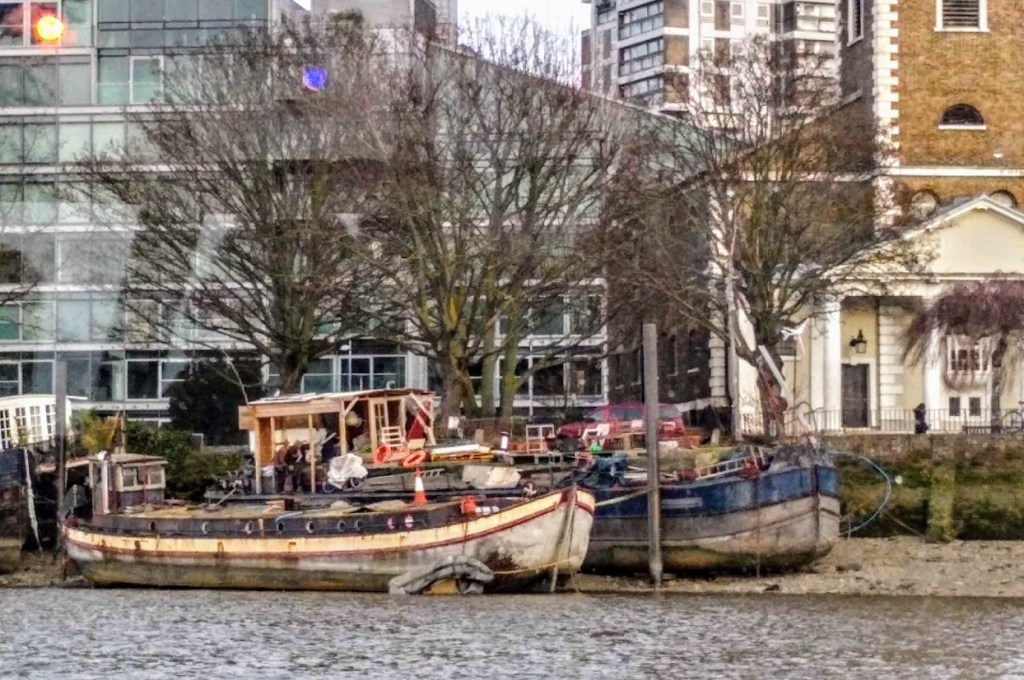
Let’s continue down the Thames on the waterbus service, the Thames Clipper. It’s easy to spot new development – apartment complexes for more moneyed citizens, with rusting old ships and barges tied up in the shallows.

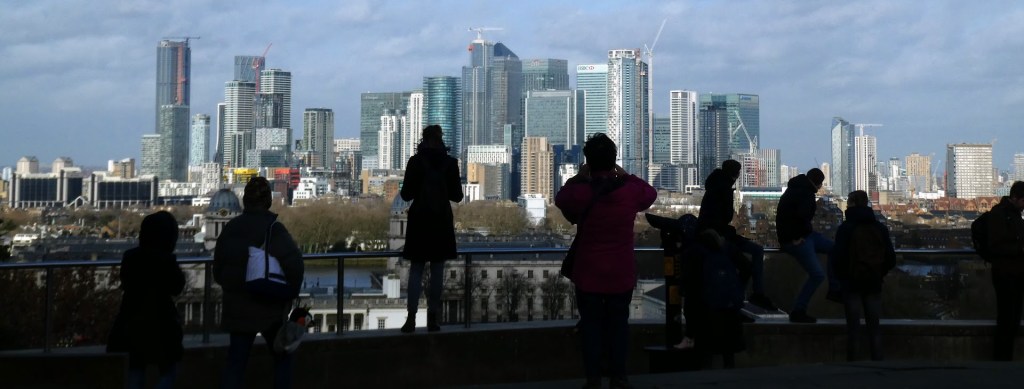
We’ll leave our Thames Clipper at Greenwich, and walk up towards the Royal Observatory. Let’s join the crowd leaning over a balustrade to look at the city beyond. They echo and complement the skyscrapers they’re looking at.

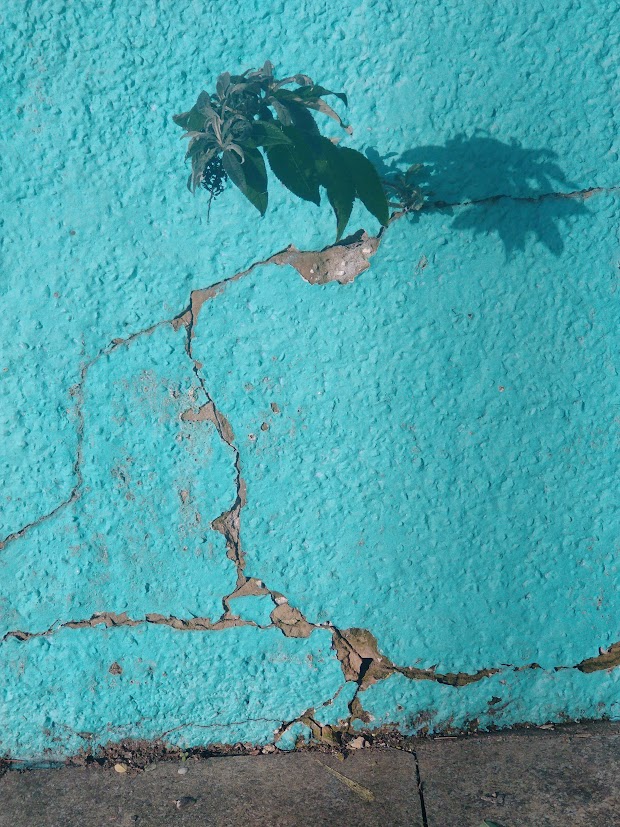
Nearby, in Woolwich, an unlikely garden. A cracked and battered wall serving as an impromptu flower pot.

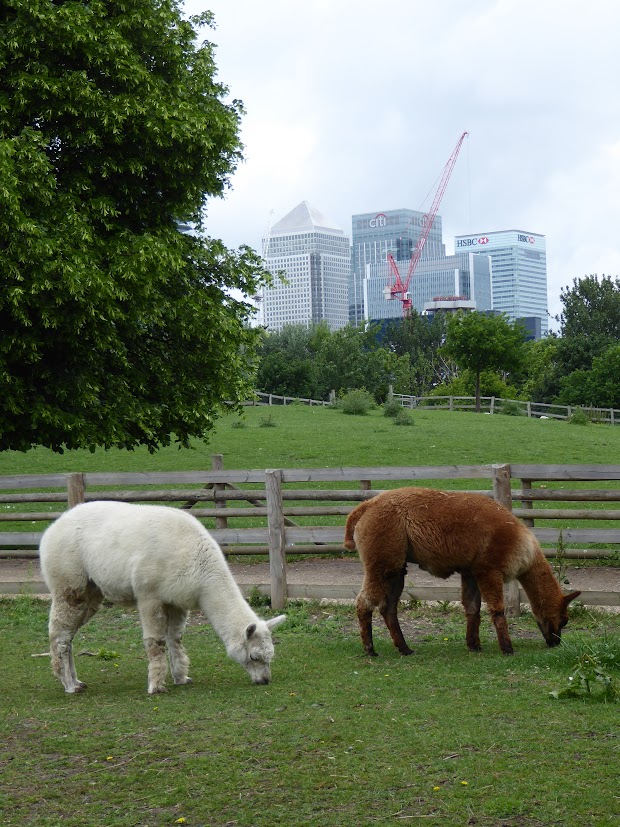
My last London shot is a slightly incongruous juxtaposition. Mudchute Farm, a community city farm and charity is on the densely-populated Isle of Dogs, surrounded by city life in all its forms – tower blocks, offices, social housing, businesses old and new. How mis-matched it feels to wander among farm animals browsing in their fields with the nearby back-drop of the high-rise development at Canary Wharf.

Thanks, Patti for an interesting challenge. I thought I couldn’t come up with anything. But I (sort of) got there in the end.

Ready to Defend: Ready to Attack

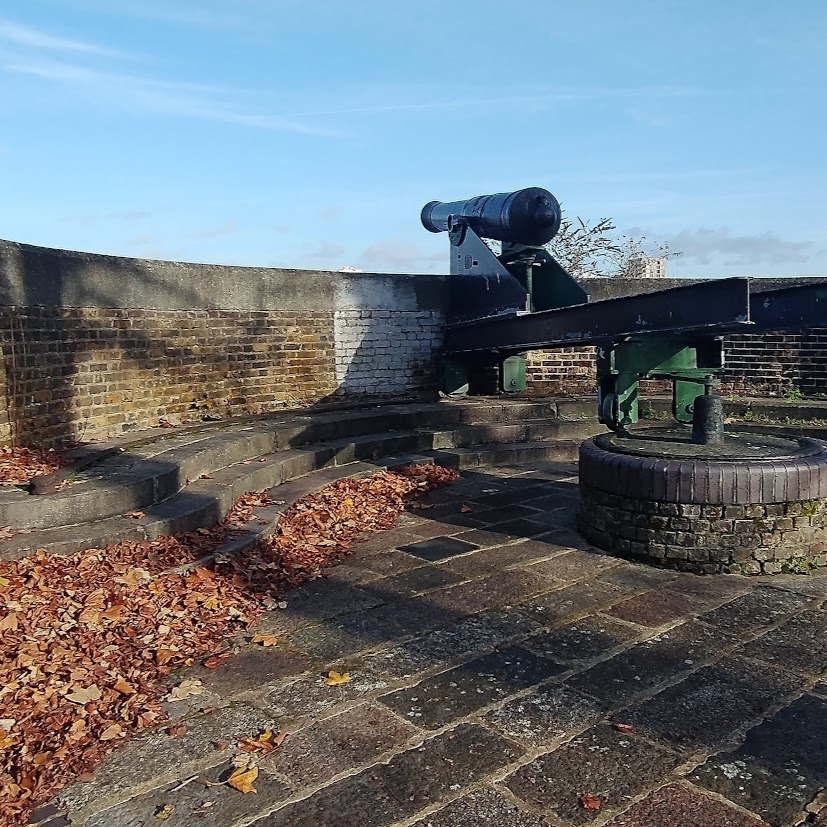
Woolwich, which these days comes over as Greenwich’s poor relation, was a critically important military base in the 18th and 19th centuries, serving as the centre for the British government’s armaments manufacturing and the headquarters for the Royal Artillery and Royal Engineers. It housed the Royal Arsenal. It had barracks. It had a military academy. It was a garrison town. No wonder then that it feared being attacked. There were cannons at the ready, as it often felt under the shadow of war. Above, you can see one still poised for a prompt response, on the banks of the Thames.

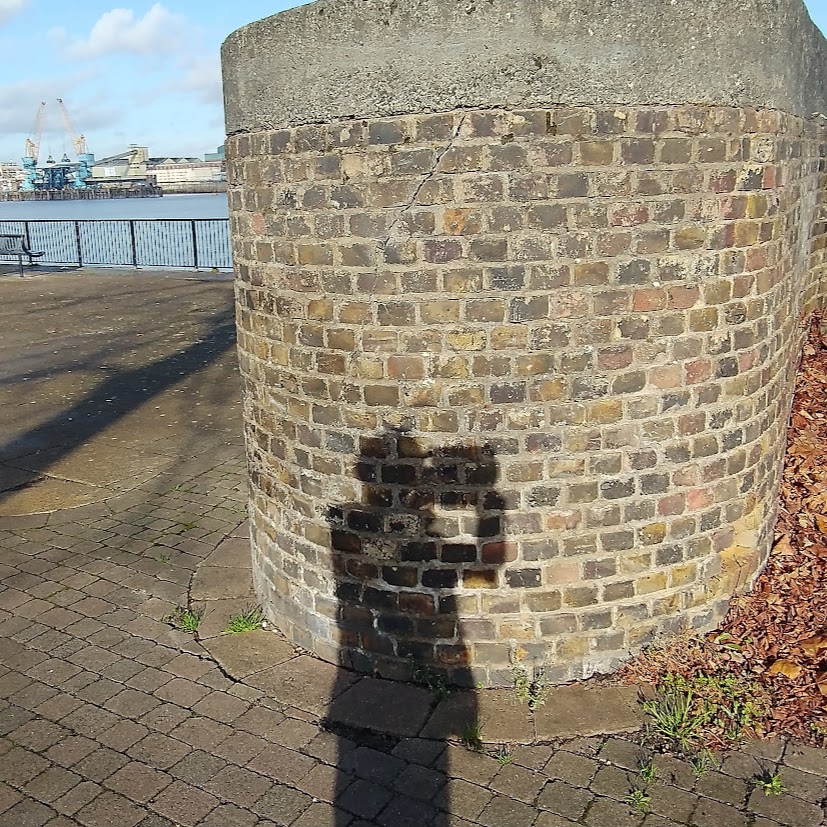
And below, here is your intrepid reporter, camera at the ready, to record any possible action.

For Becky’s NovemberShadows.

Walking in Woolwich

I was with Team William & Zoë at the weekend.  A walk in Woolwich seemed a fine Sunday outing.

Woolwich is firmly a part of London now. But it wasn’t when it was omitted from the Domesday book in 1086, on the grounds that it was part of Saint Peter’s Abbey in Ghent.

It wasn’t when Henry VIII founded a dockyard here in 1513 to build his royal ship Henri Grace à Dieu. It remained a royal dockyard till 1869. Then a Royal Laboratory, producing explosives, then a Royal Arsenal. By 1741, it had a Royal Military Academy too. Woolwich was a fine industrialised garrison town.

Royal Arsenal

Until it wasn’t. The dockyard closed first. The Academy moved to Sandhurst in 1945. The Arsenal closed in 1967, though during WWI it had employed over 70,000 workers Woolwich fell on hard times. Even though, or perhaps because it became home, in 1975, to Britain’s very first McDonald’s.

It’s beginning to recover. Those fine military buildings are finding new uses as housing. With improved transport links, Woolwich is being touted as south London’s ‘next big thing’.

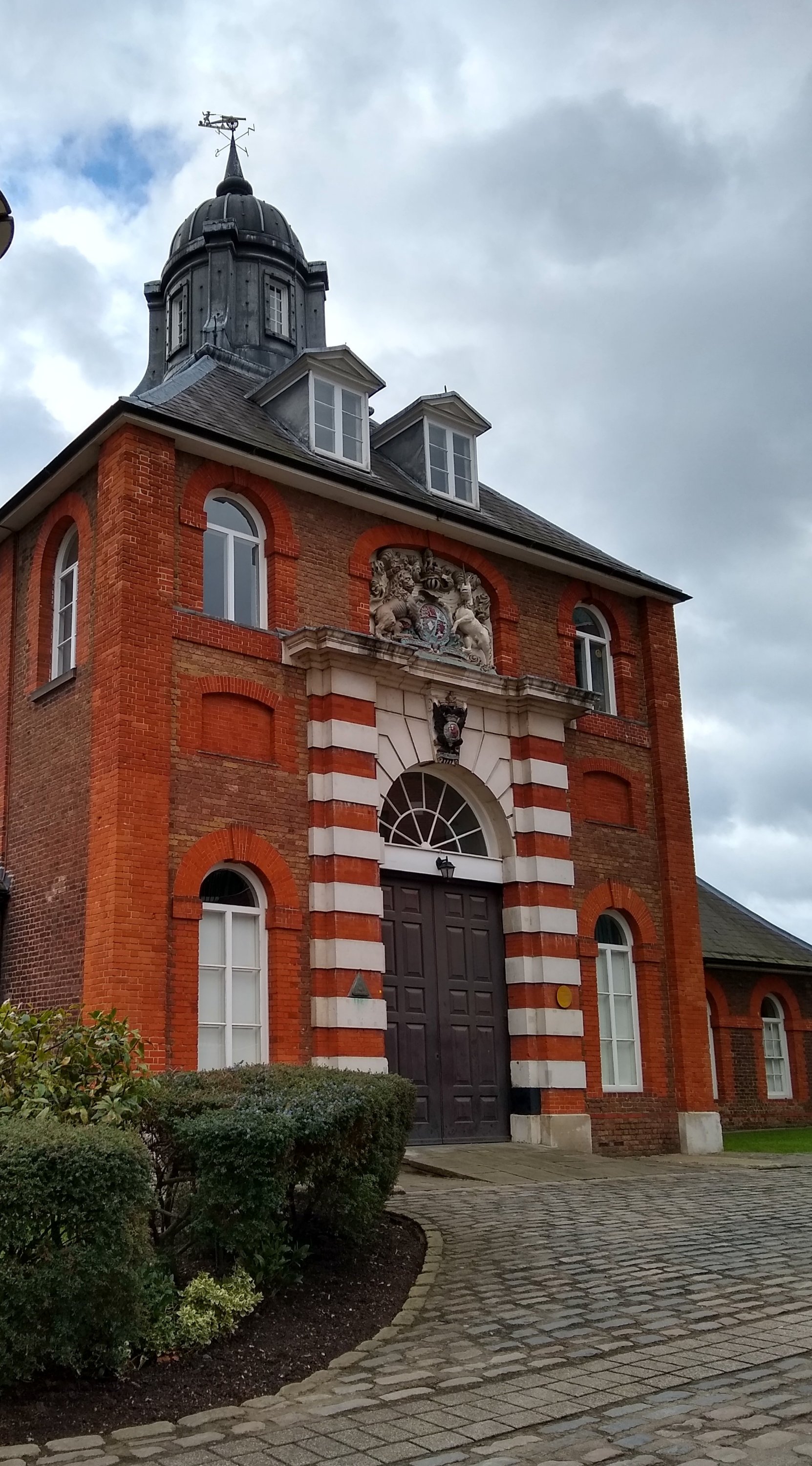
We did explore. That military architecture really is pretty fine. It forms the backdrop here to Peter Burke’s Assembly, 18 cast iron figures which speak of Woolwich’s busy industrial past.

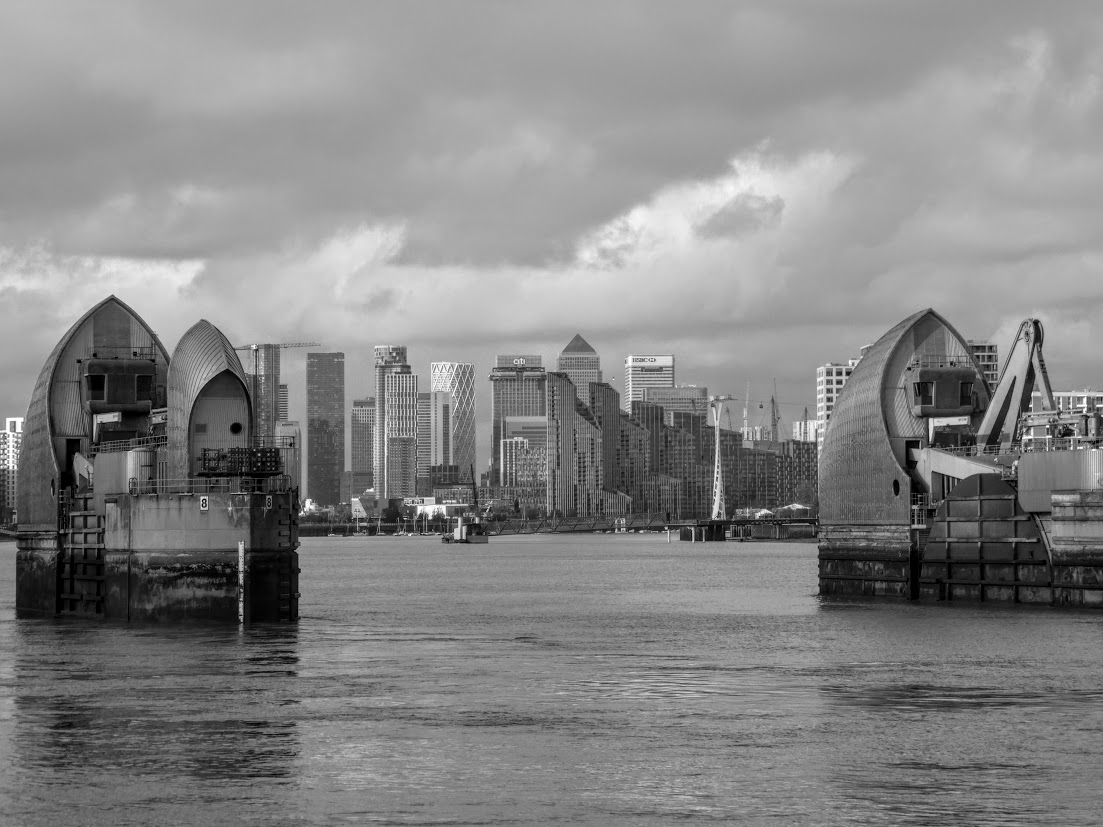
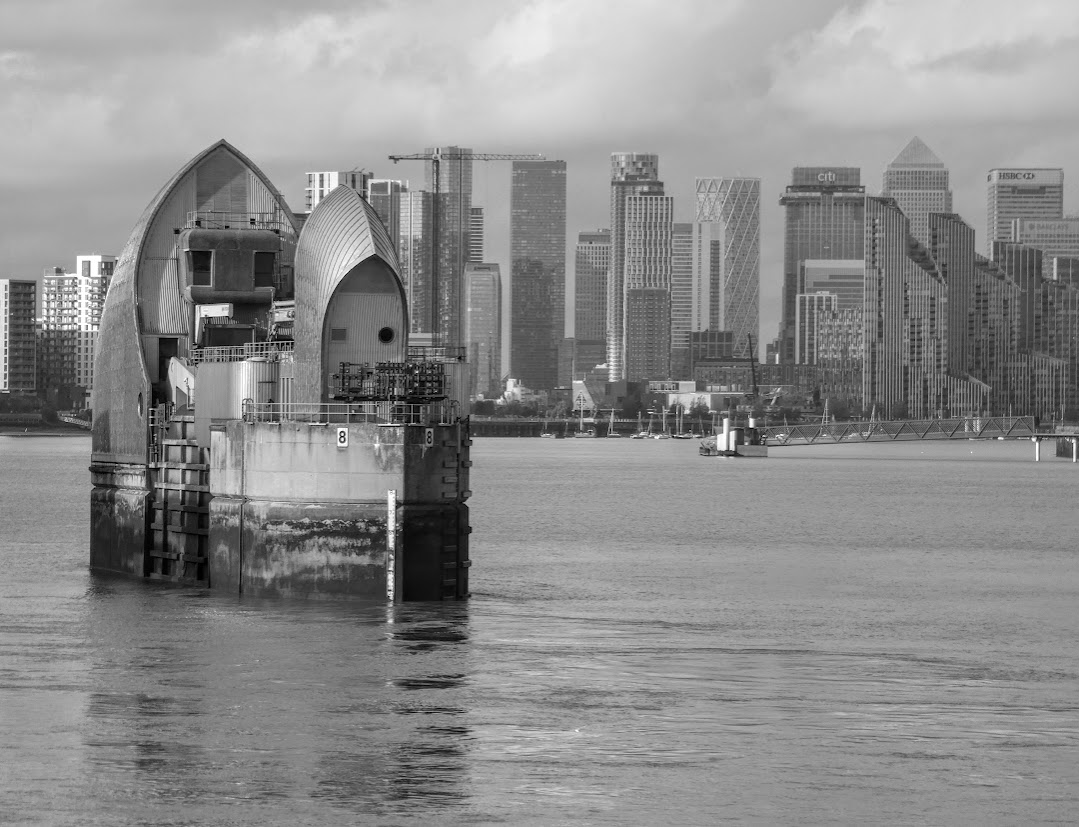
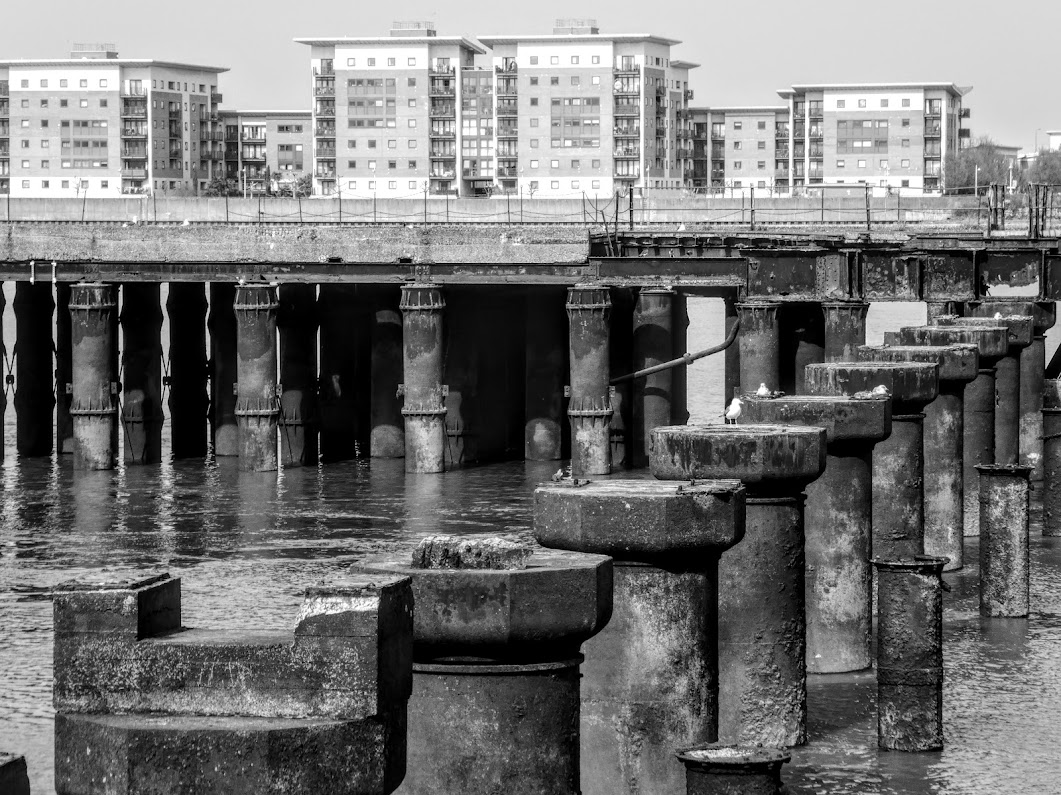
And I love a gritty urban riverscape too. We planned to walk on, to the Thames Barrier.

But it was cold. It was raw. We wanted to enjoy our exploration. So we will come back another day, when the sun is shining. And we’ll return to Vib too. The bao at this wonderful Vietnamese café are certainly worth exploring.

Walked on Sunday, published on Tuesday, this is a candidate for https://restlessjo.me/jos-monday-walk/