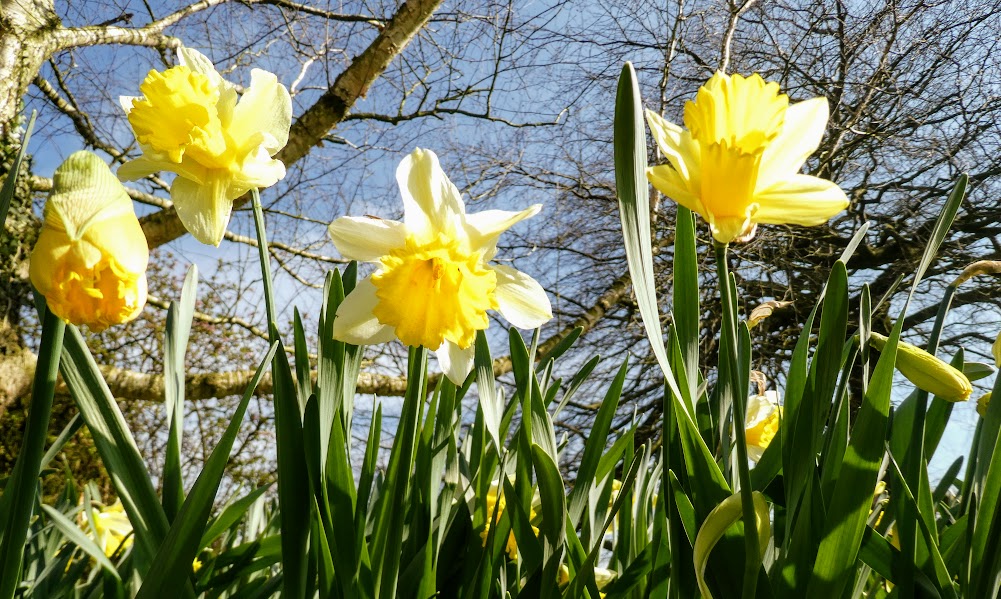
Monday portraits tend to showcase subjects from the animal kingdom. But we have just said ‘Goodbye’ to my daughter and granddaughter: a week together in which blogging played no part. Anaïs delighted in wandering among the daffodils: she’d never seen any in sunny Spain. Here’s a snapshot of one of those moments.
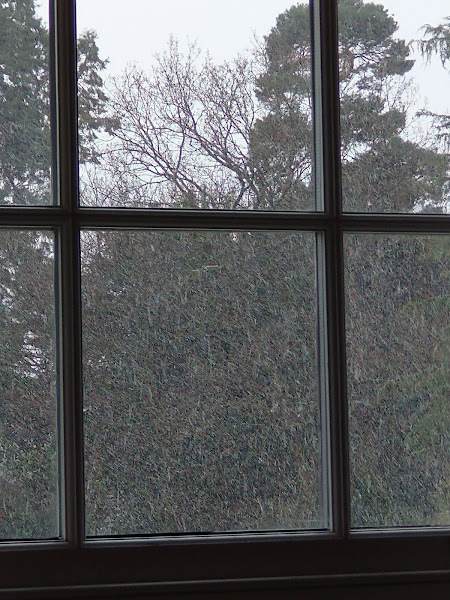
This was the last photo I took yesterday, as I was safely indoors. It was 3.00 p.m., and I thought daughter-who-lives-in-Spain would like to see what she was missing as sleet careered past the window. She didn’t appear to feel awfully jealous. .
Every culture throughout the world has its myths about how the earth, and everything that inhabits the earth, came into being. Here in the UK, historically part of the Judeo-Christian tradition, we’re most familiar with the creation story told in The Book of Genesis.
Day 1 – God created light and separated the light from the darkness, calling light ‘day’ and darkness ‘night’. And God said, Let there be light: and there was light.
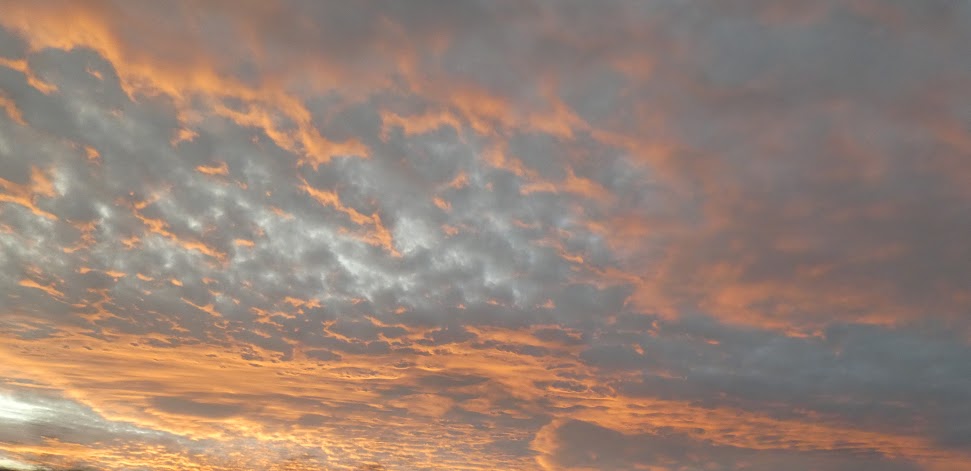
Day 2 – God created an expanse of sky to separate the waters. Let there be a firmament in the midst of the waters.
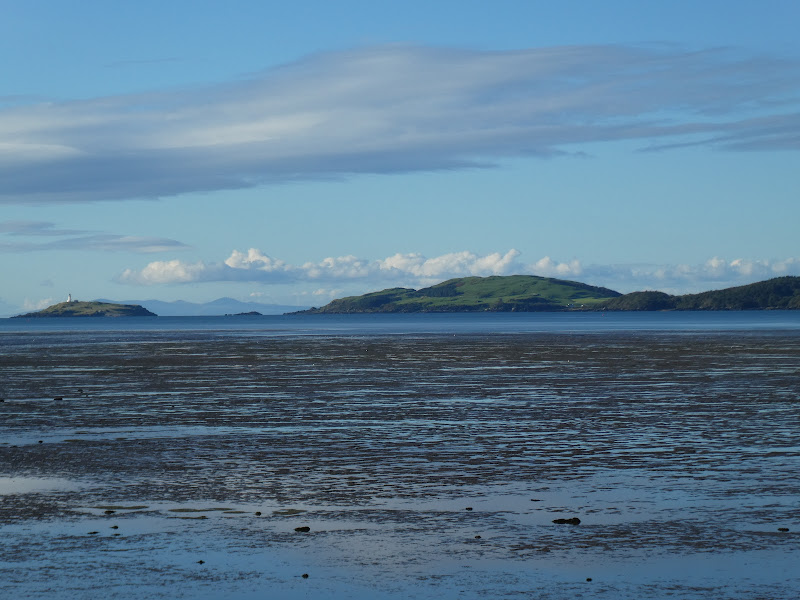
Kirkudbrightshire
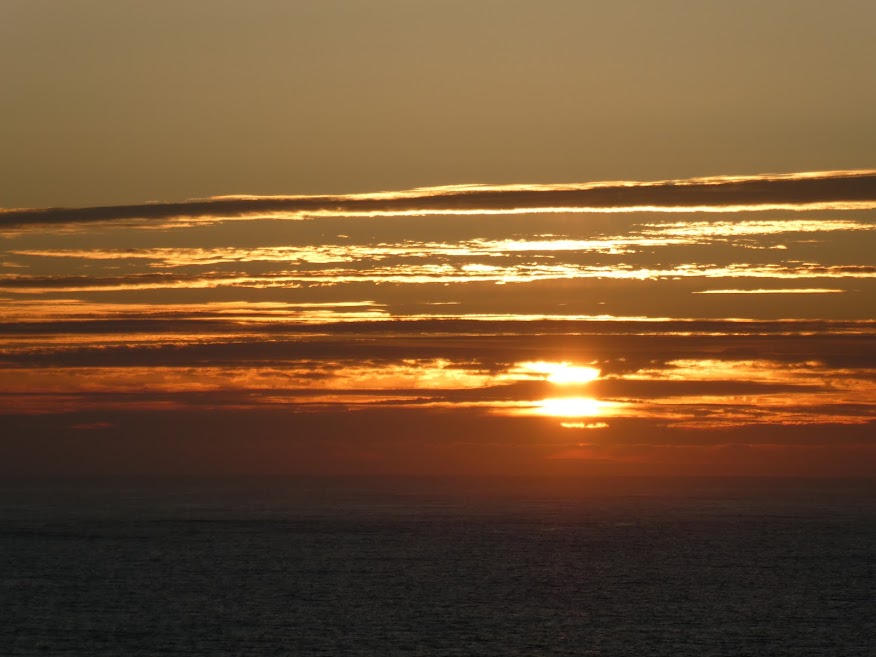
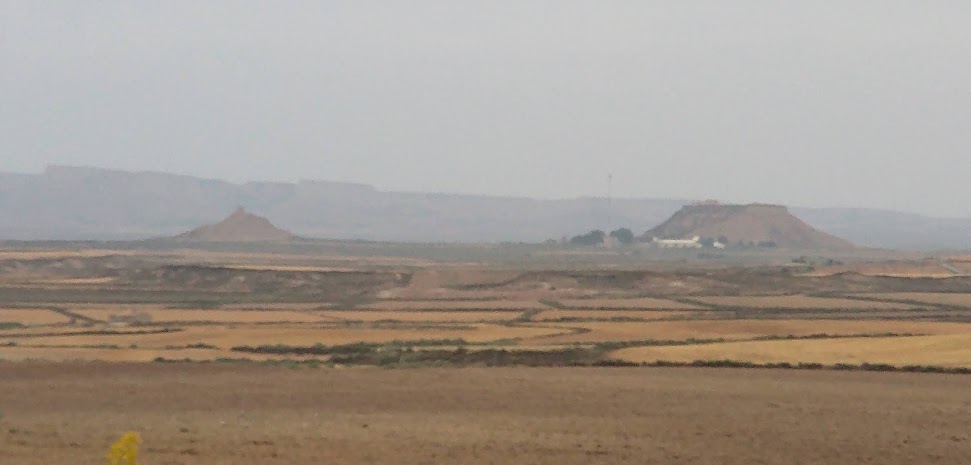
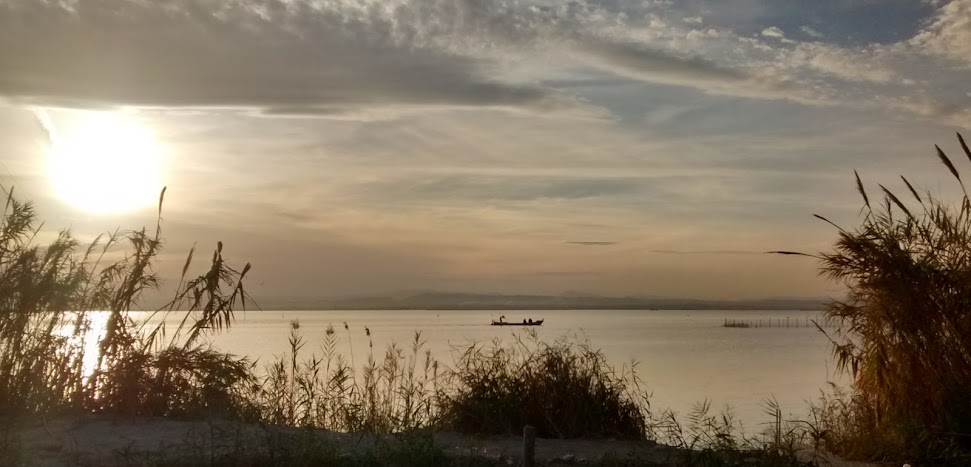
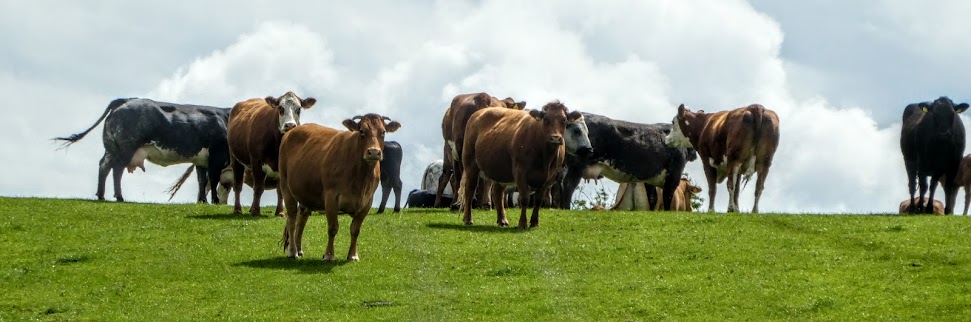
Day 3 – God created the dry ground and gathered the waters, calling the dry ground ‘land’, and the gathered waters ‘seas’. Let the waters under the heaven be gathered together unto one place, and let the dry land appear: and it was so.
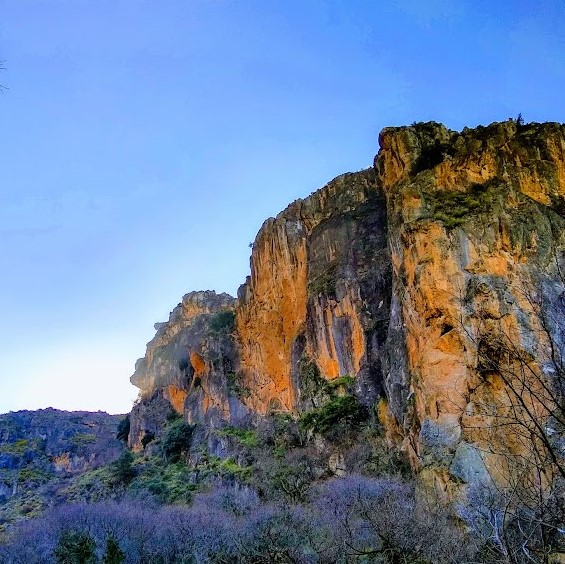
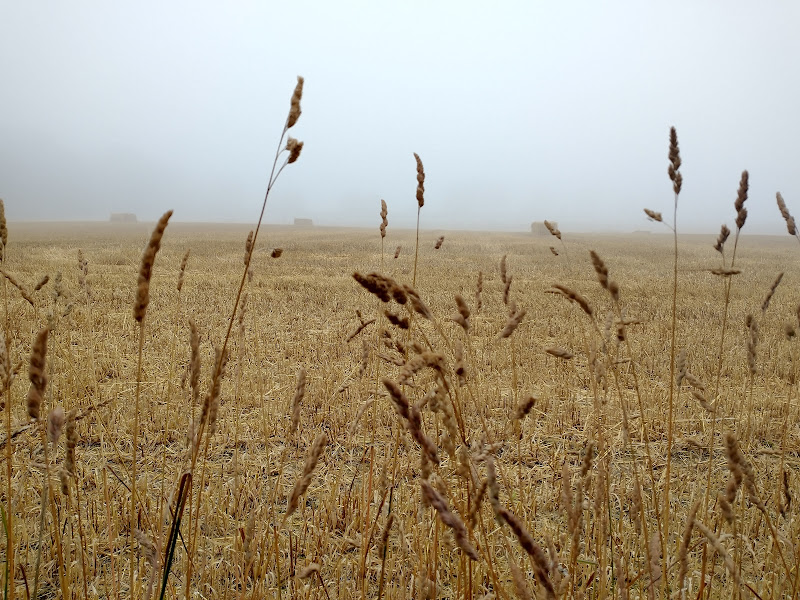
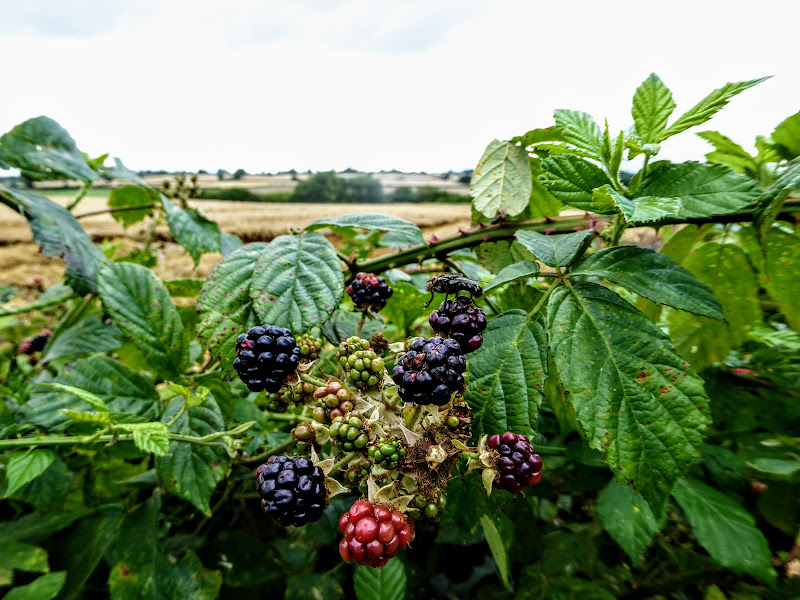
Near Monachil, GranadaBardenas Reales, NavarraAngram, near Pateley BridgeL’Albufera, near Valencia
On day three, God also created plant life. Let the earth bring forth grass, the herb yielding seed, and the fruit tree yielding fruit after his kind, whose seed is in itself, upon the earth: and it was so.
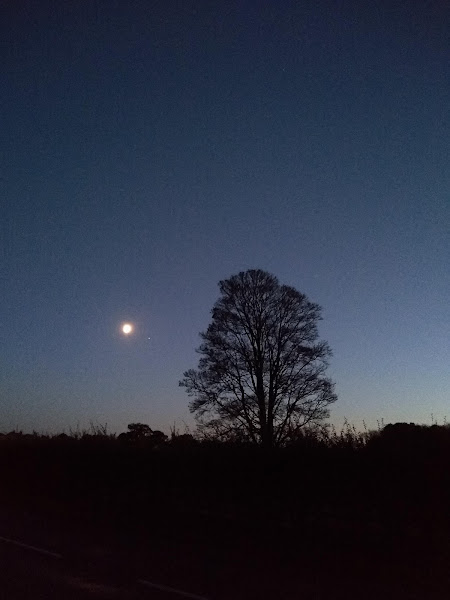
Day 4 – God created the sun, moon, and the stars to give light to the earth and to govern and separate the day and the night. These would also serve as signs to mark seasons, days, and years. Let there be lights in the firmament of the heaven to divide the day from the night; and let them be for signs, and for seasons, and for days, and years.
Near Grinton, North Yorkshire
Sleningford, North Yorkshire
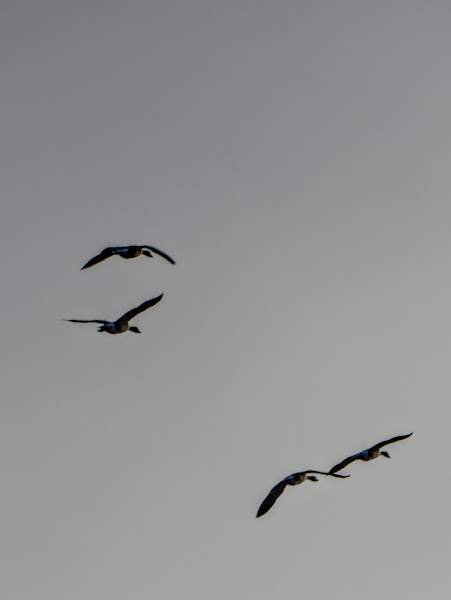
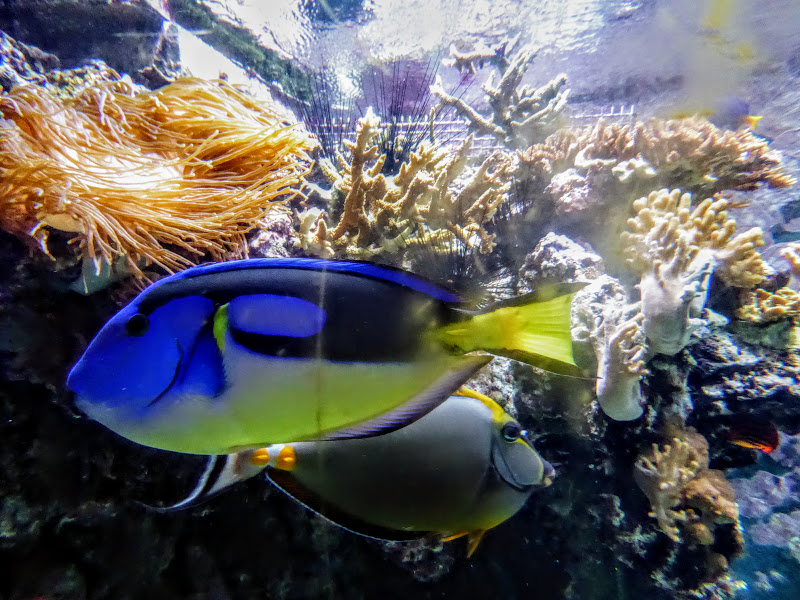
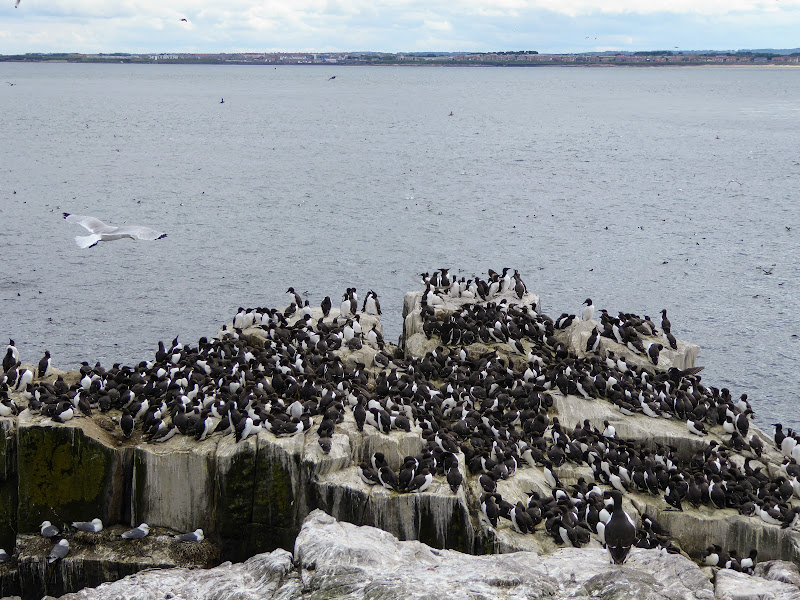
Day 5 – God created every living creature of the seas and every winged bird, blessing them to multiply and fill the waters and the sky with life. Let the waters bring forth abundantly the moving creature that hath life, and fowl that may fly above the earth in the open firmament of heaven… Let the earth bring forth the living creature after his kind, cattle, and creeping thing, and beast of the earth after his kind: and it was so.
Day 6 – God created man and woman in his own image. He gave them every creature and the whole earth to rule over, care for, and cultivate. Let us make man in our image, after our likeness: and let them have dominion over the fish of the sea, and over the fowl of the air, and over the cattle, and over all the earth, and over every creeping thing that creepeth upon the earth. Which is perhaps where it all started to go wrong …
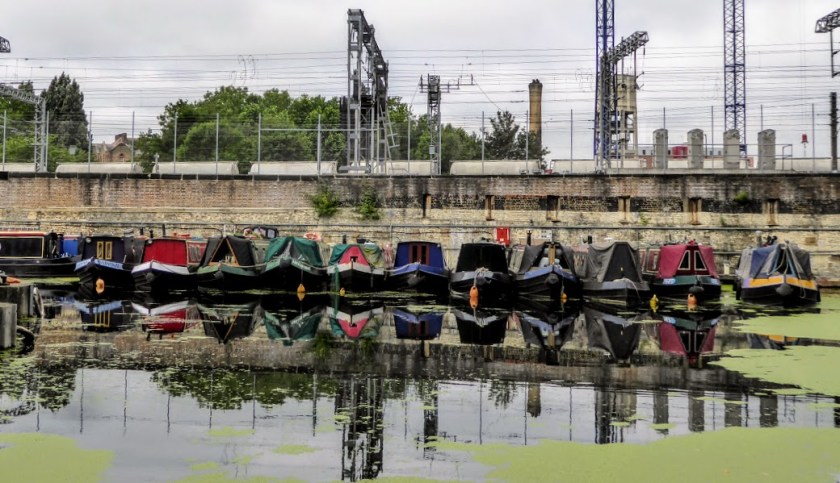
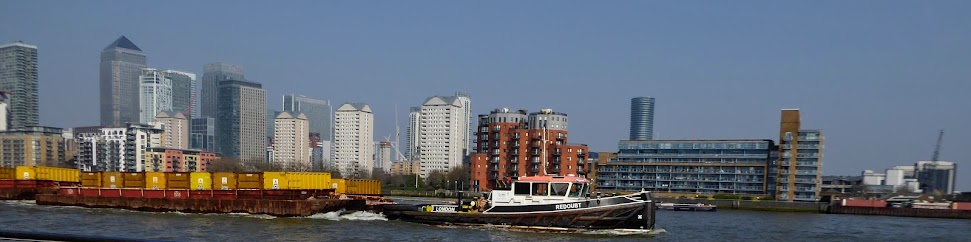
Along the River Thames in London
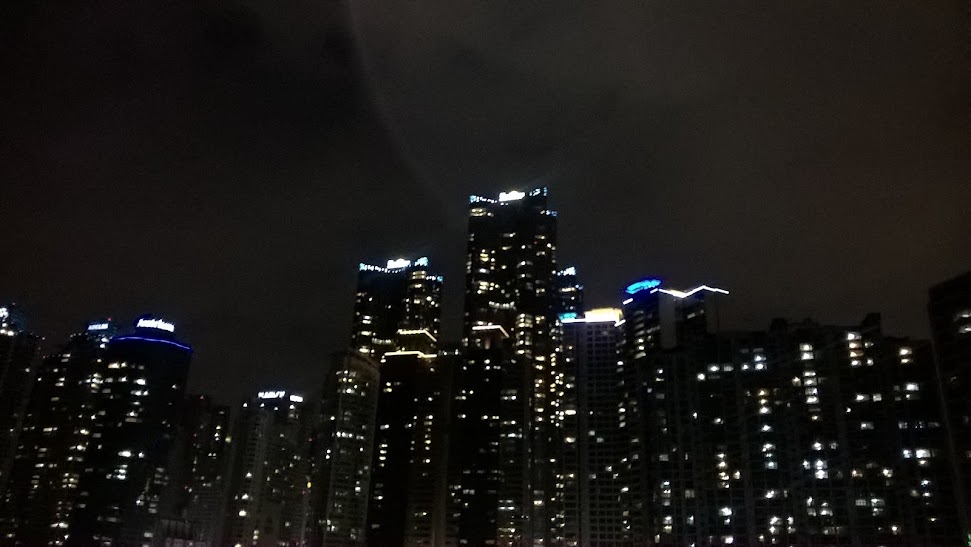
Haeundae, Busan, South Korea.
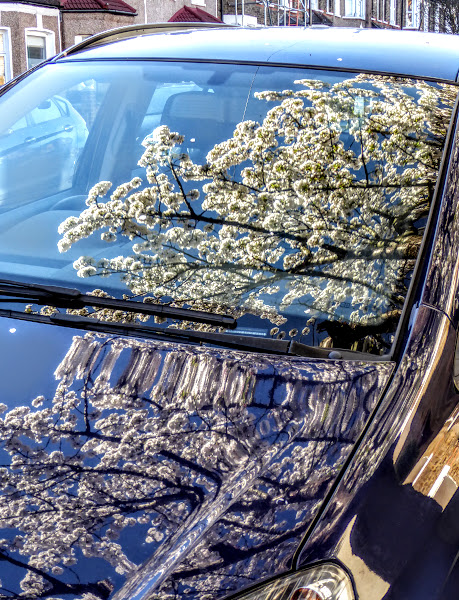
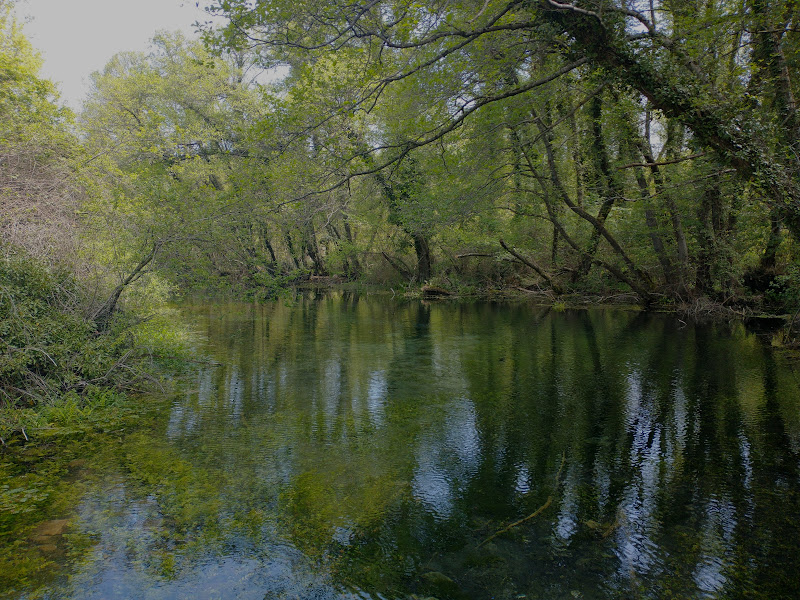
This week, for Lens-Artist Challenge #192, Amy invites us to tell Earth’s Story. So I have, with the help of the Old Testament.
PS. Thanks to your ‘likes’ on this recent post, I’ve been able to donate £28.00 on your behalf to World Central Kitchens, as they feed the dispossessed fleeing from war in Ukraine and other humanitarian catastrophes.
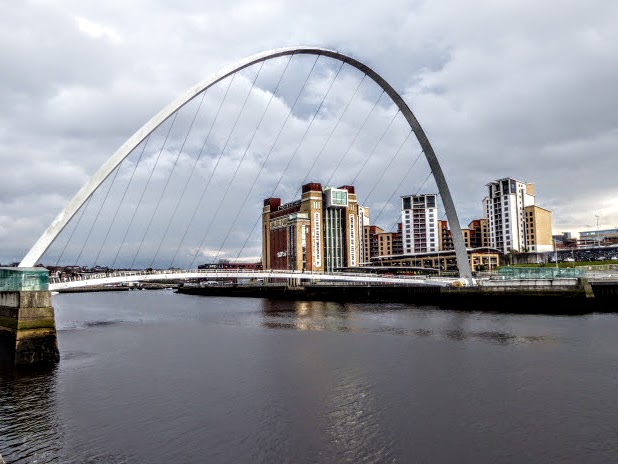
This post title is completely misleading. I’m showing you six bridges, it’s true. But only one pre-dates the eighteenth century. Only one is neither in Yorkshire or London. But there’s a footbridge, a canal bridge, a railway bridge, a transporter bridge, a road-bridge which opens, and one for the Millennium, so maybe we’re covering quite a lot of bases.
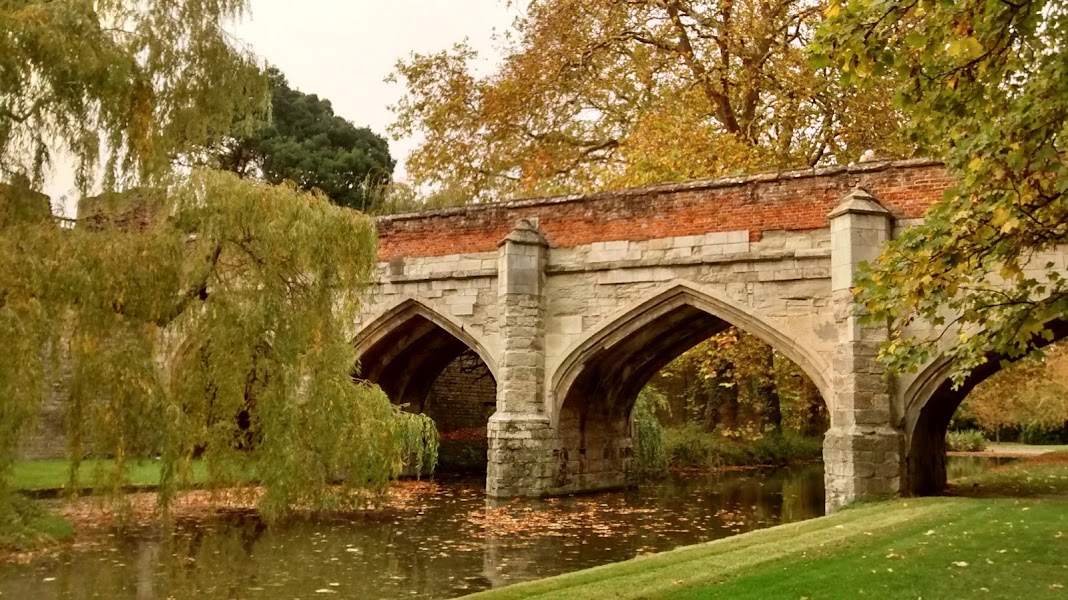
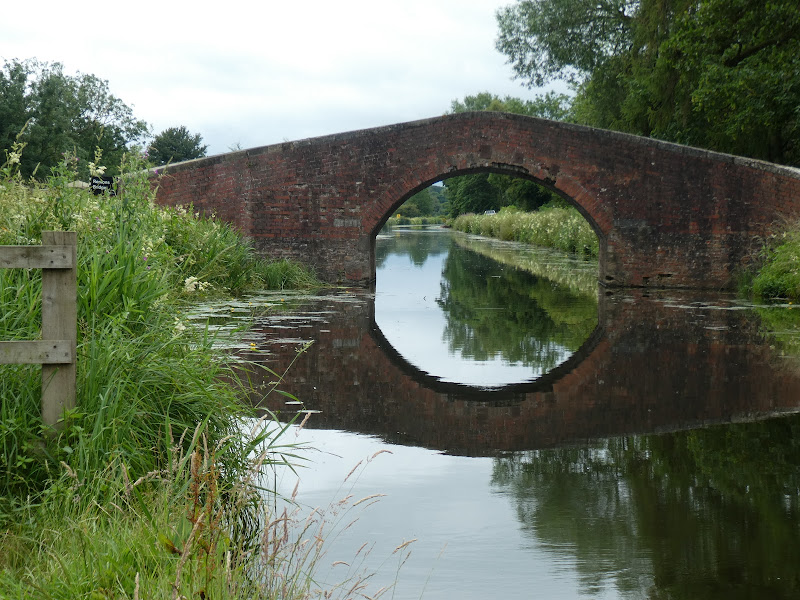
This first two are really quite small. Here’s a fifteenth century bridge, leading over the moat to Eltham Palace. Then here’s one of the bridges over Ripon Canal, opened in 1773. This canal may be the shortest in England – it’s only 2.3 miles long.
15th Century1773
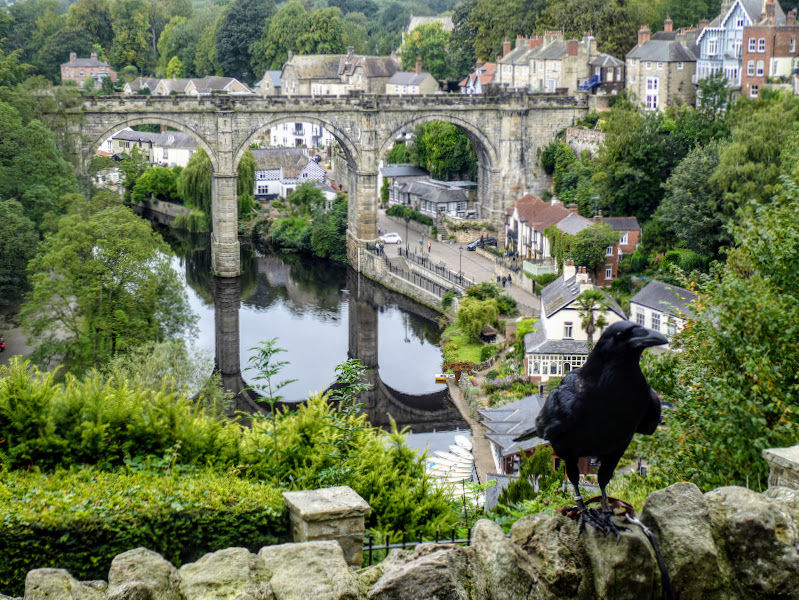
Knaresborough Viaduct is a railway bridge which spans the river Nidd in truly majestic fashion. I bet I’d have been a NIMBY protesting against such a huge change planned for the view of my town if I’d lived in Knaresborough back in the 1850s. Now I’d be joining the demonstrations if anyone suggested dismantling it.
1851
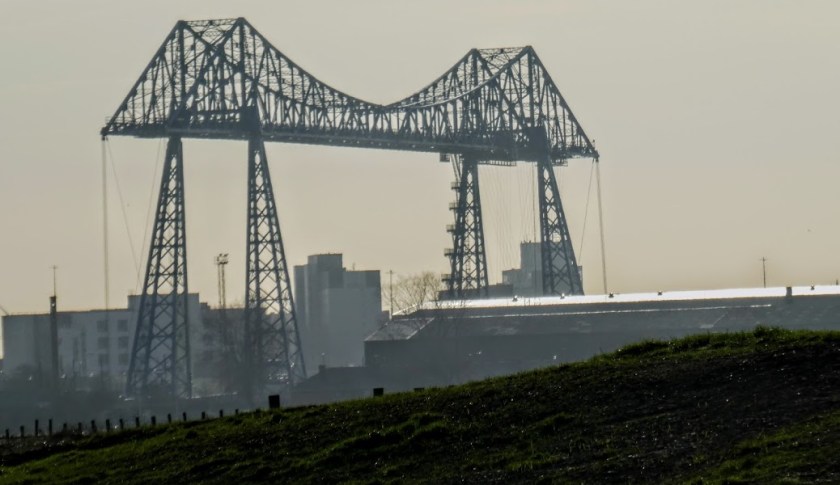
This Transporter Bridge in Middlesbrough is quite a thing. You can read all about it here.
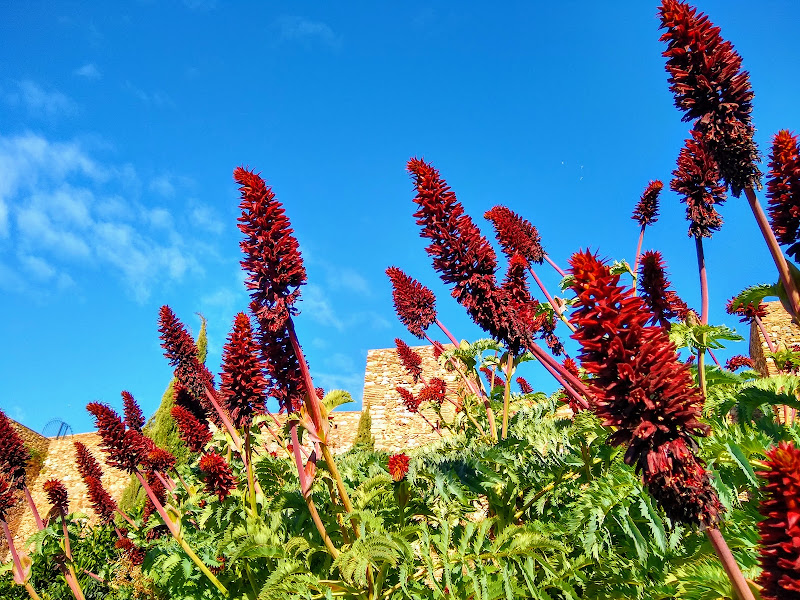
Pretty much exactly three years ago, we were in Málaga, and yomping up the hill towards Castillo Gibralfro, the fortified castle which protected the city for centuries, and shown in the header photograph.
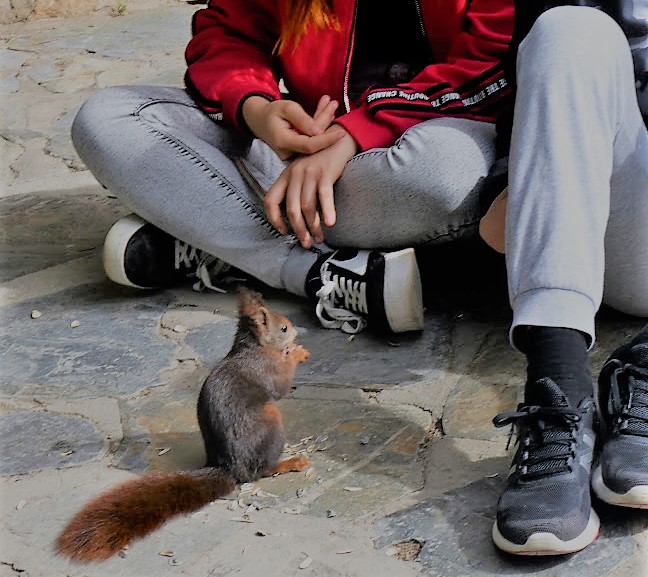
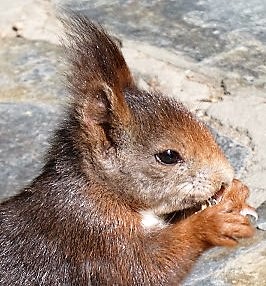
Part way up, we were charmed to be accosted by the local red squirrels, who very politely skirted round any visitors they met, asking for nuts.
This cheeky chap clearly stole the hearts of these two teenagers.
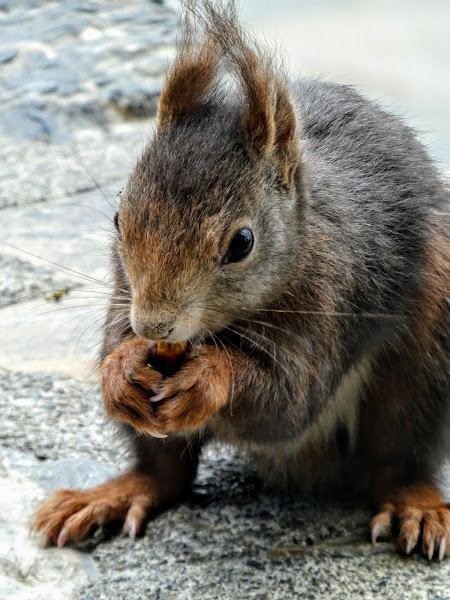
Let’s move in just a little closer ..
…. and closer still …
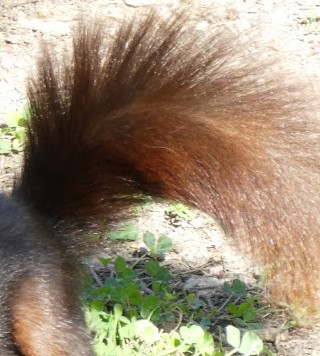
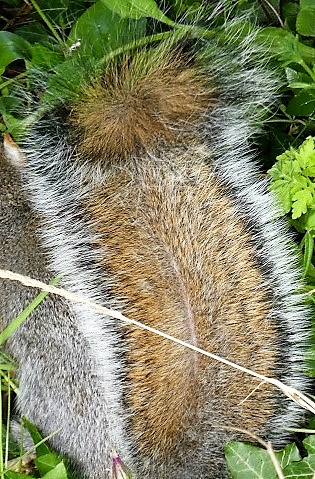
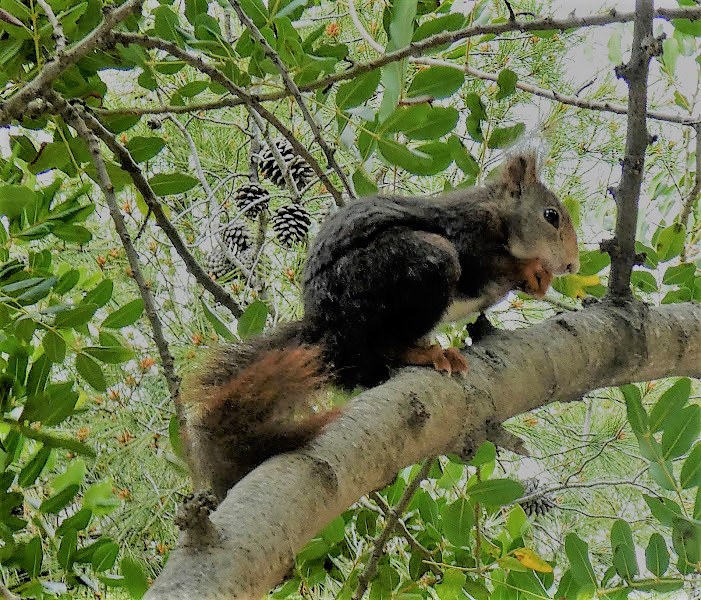
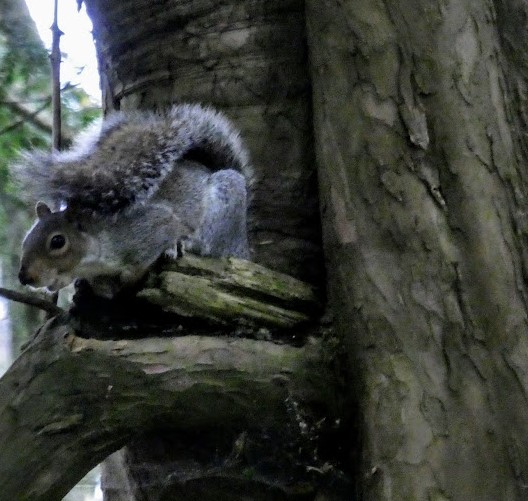
I thought of this little charmer when I was posting my Monday portrait of that irritated grey squirrel I met at Fountains Abbey. This was the ideal chance to compare the two squirrels who each lived on historic sites. They’re more different than I at first realised.
Those ears. Those eyes. They’re quite different, aren’t they?
And what about the tails?
Here they both are, back in their respective trees:
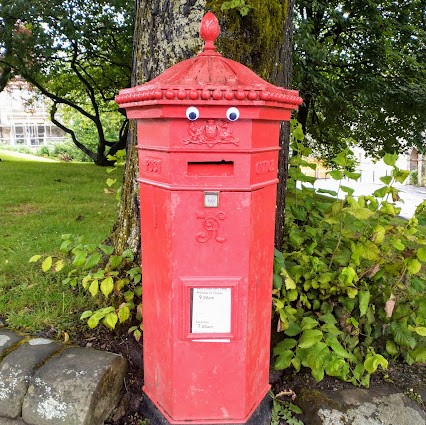
Today’s oddity is a discomfited postbox, Buxton resident. I think it must have been told about the postbox Debbie spotted in Margate, which has got itself tied up in knots.
A kaleidoscope of colour. That’s what Jude wants this month for her Life in Colour challenge. So we’ll go for a trip to Liverpool and see what we can find.
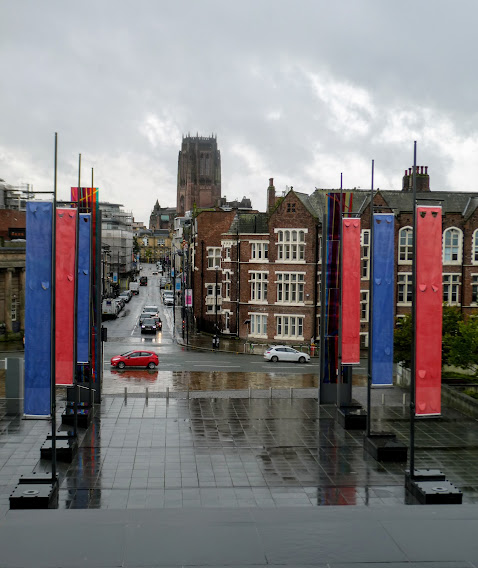
We’ll catch a bus first. It’s raining of course. Here’s the view from the window.
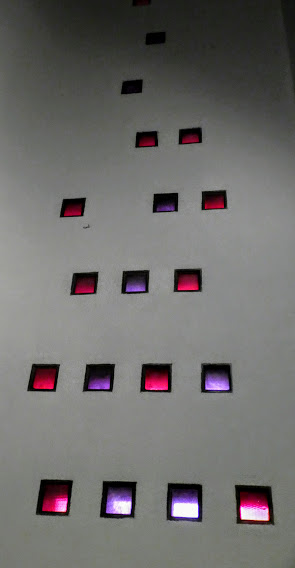
We pass the Cathedral of Christ the King: here are a couple of views of the interior, and one glancing out of one of the windows.
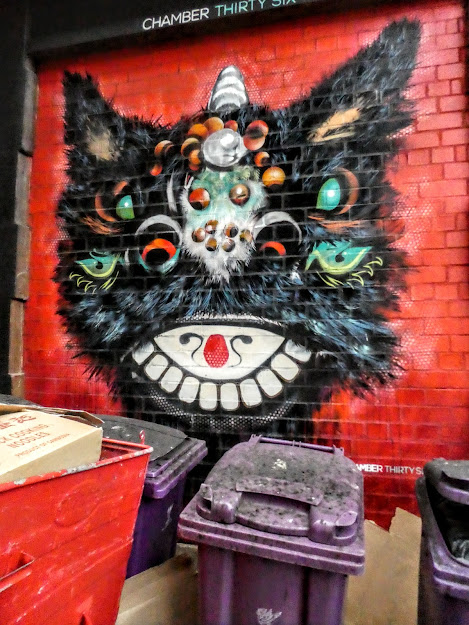
And, ooh look! Some street art.
We’re really heading for Albert Dock, however…
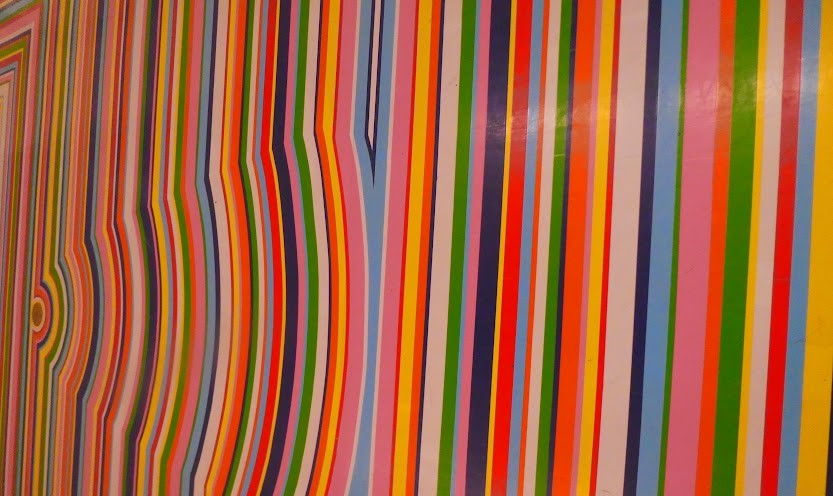
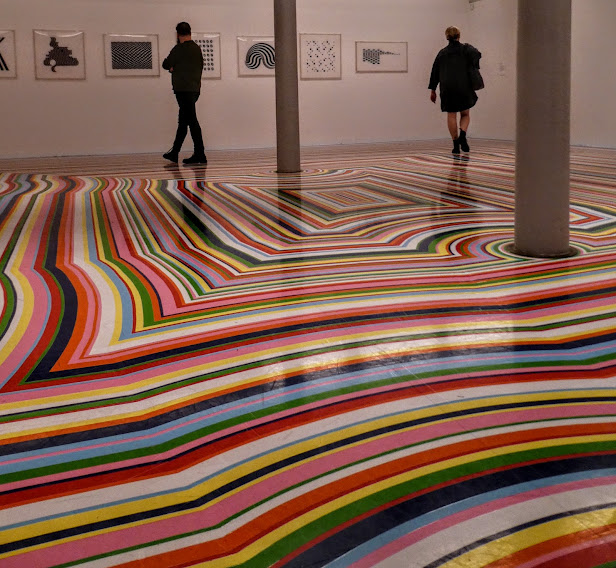
… where we go into Tate Liverpool, and find …
Jim Lambie: BobopMichelangelo Pistoletto: Virgin of the Rags
It’ll be dark soon – time to bid the Albert Dock ‘goodbye’.
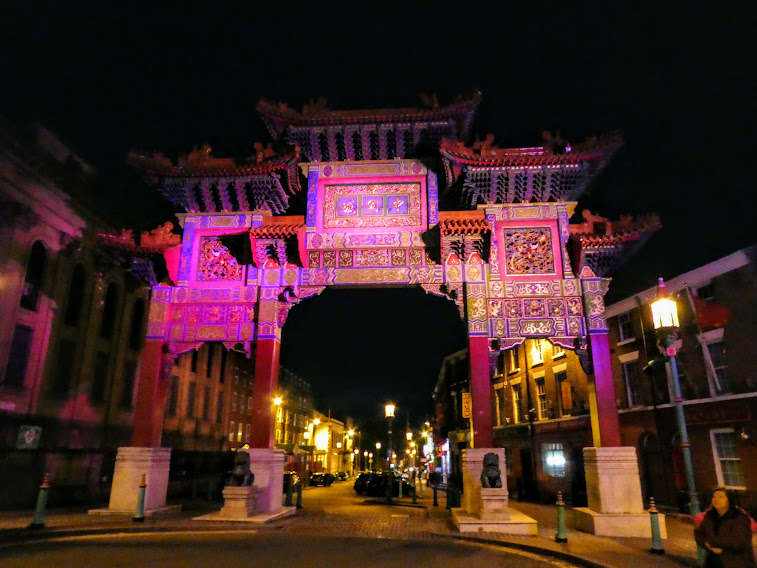
And now night has fallen, and we’re in Chinatown. We’ll find somewhere to enjoy a Chinese meal together, as soon as we’ve walked under this arch.
It is a grey Monday outside. And Jude has invited us to celebrate grey and black in this month’s Life in Colour challenge. Let’s go on one of our mini-breaks and see what we can find. We’ll start in London:
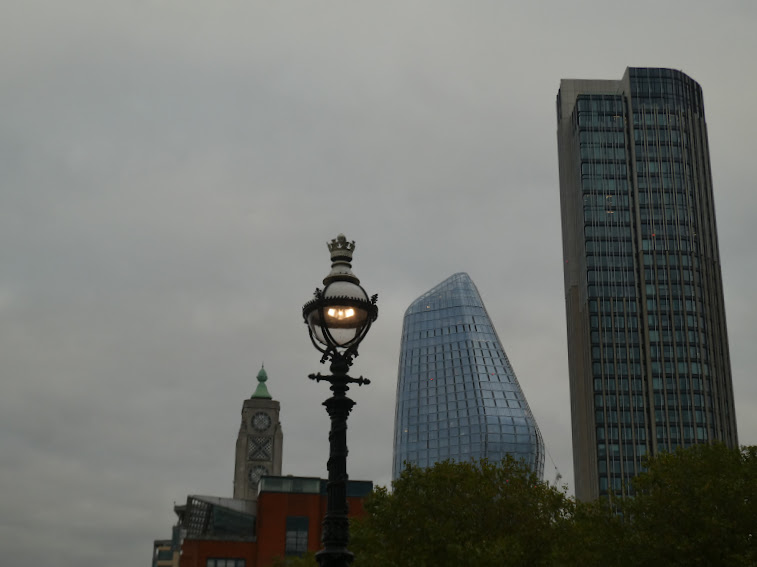
We’re walking down the South Bank here. That’s the Oxo Tower in the distance.
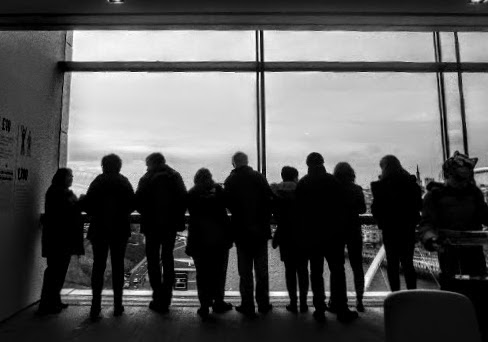
Oh, but maybe London’s too obvious as a starting place. Let’s start from Gateshead instead, and join a group gazing out of the window from the Baltic Centre.
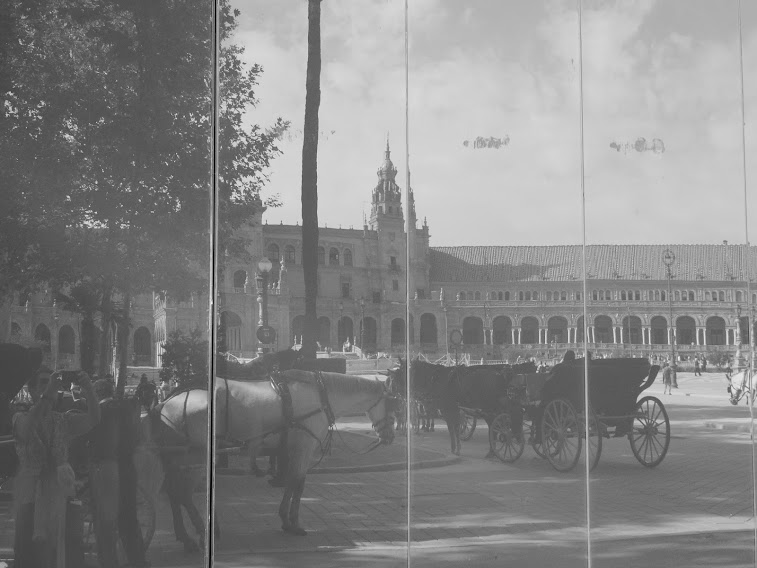
We’re off to Spain now. We’ll stop off in Seville. You may need a comfort break by now, so we’ll stop off at the public toilets in Plaza de España, and enjoy the reflections we can see in its glass walls.
Plaza de España, Seville
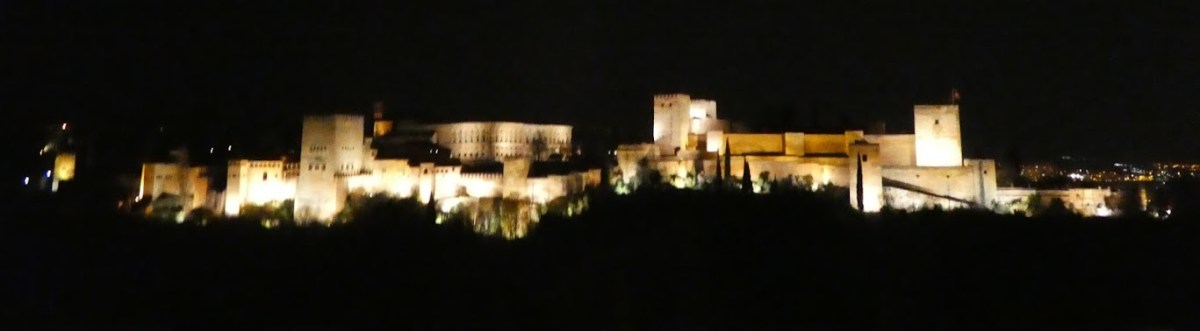
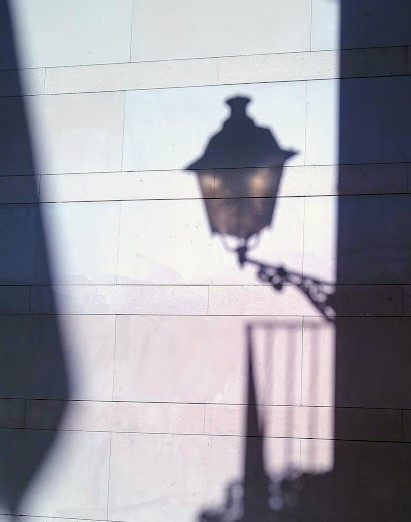
Shadows from street lights as evening falls, but we get away in time to see the Alhambra in Granada illuminated at night – it’s the featured photo.
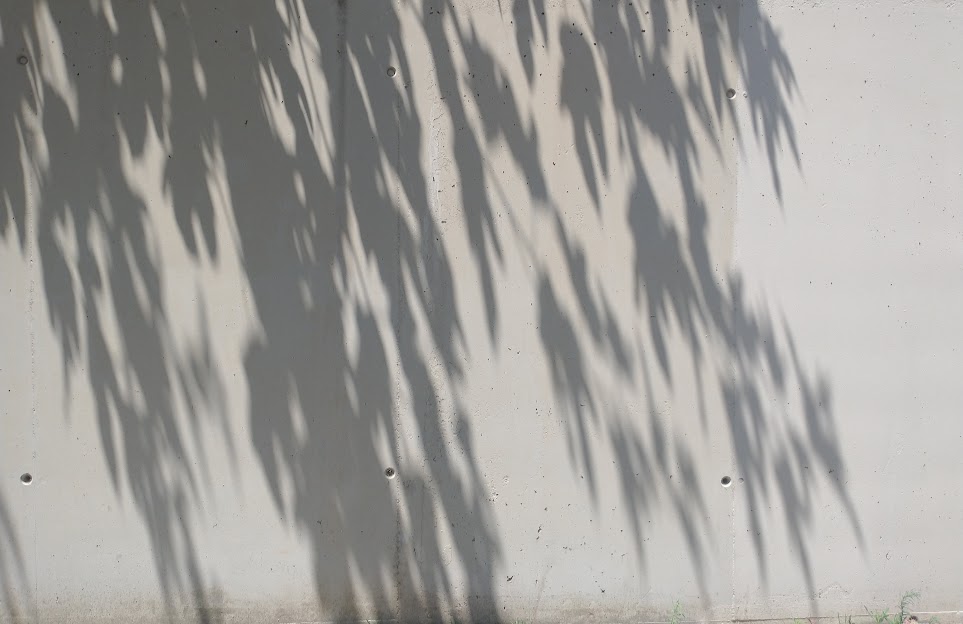
Shadows in Seville
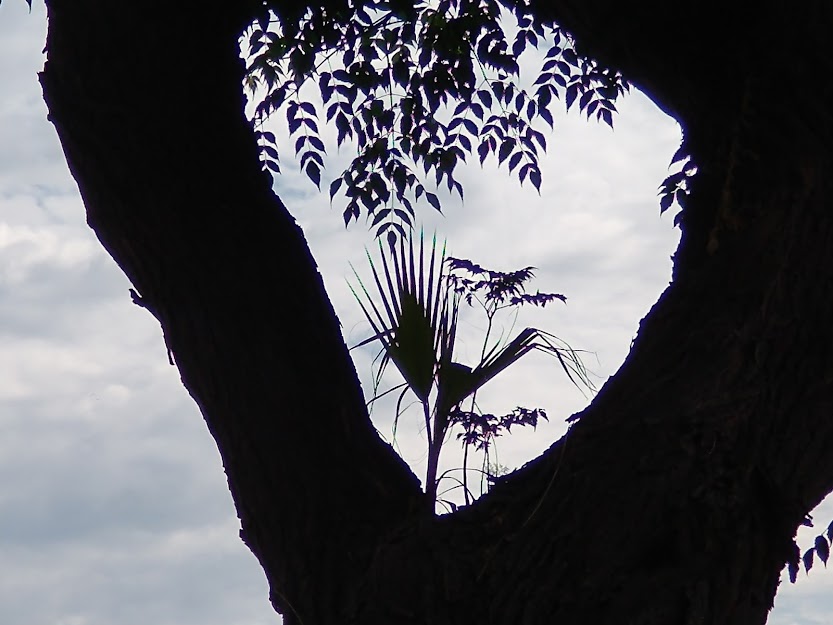
We’ll pop across the next day to see my daughter in Premià de Mar. It’s silhouettes and sunny shadows there.
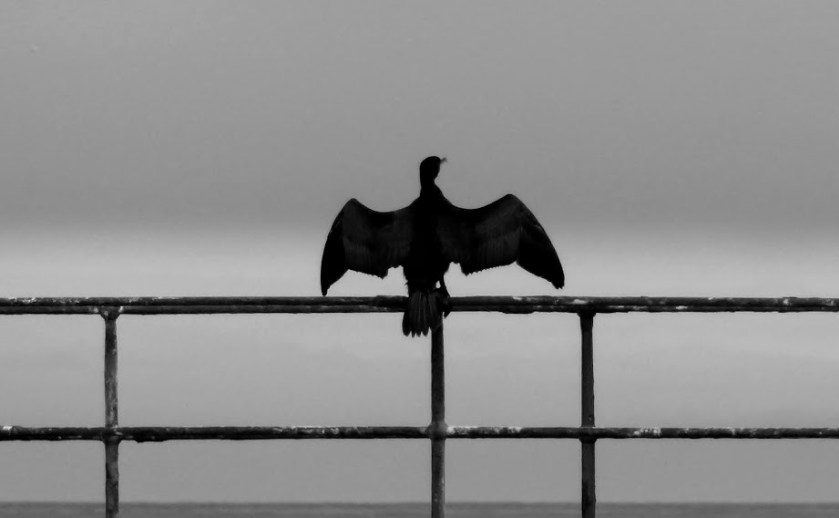
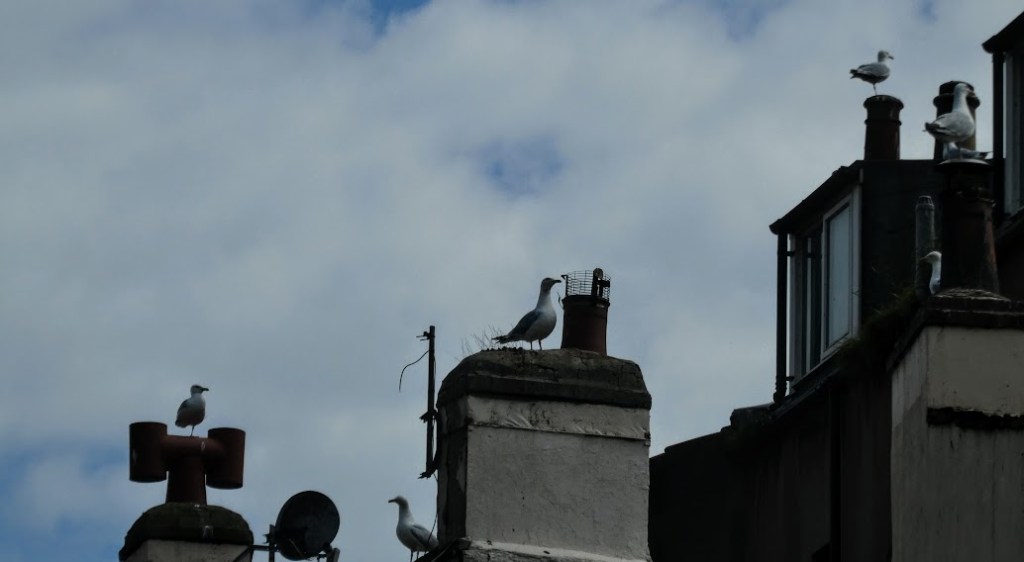
This is only a mini-break. We’ll go home via Whitby and just have a stroll to the end of the pier. There are always cormorants there. And seagulls on the rooftops.
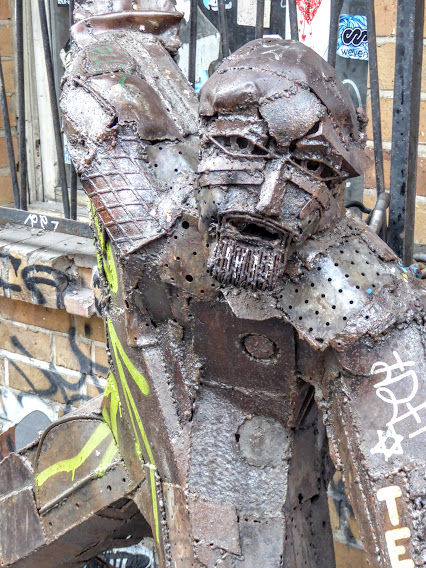
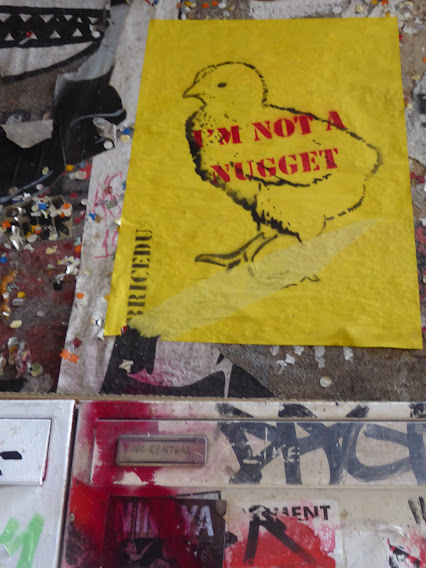
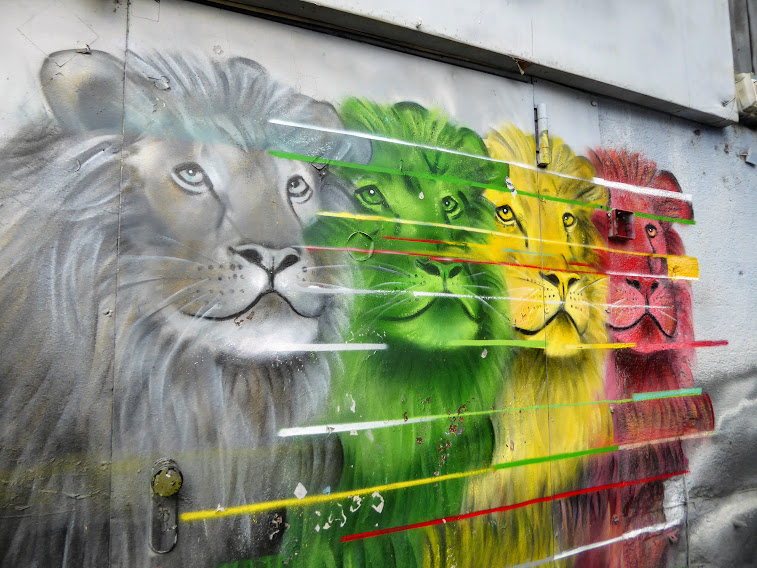
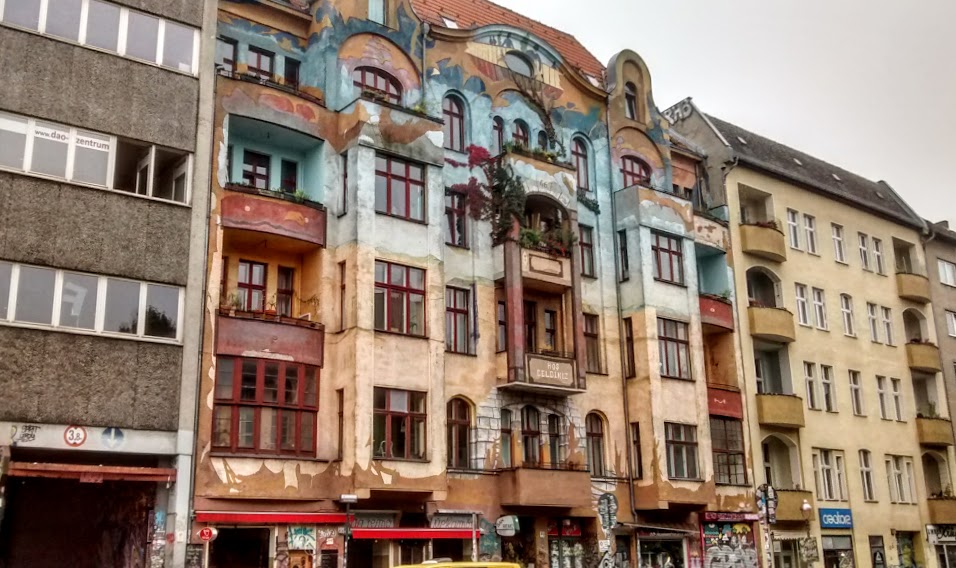
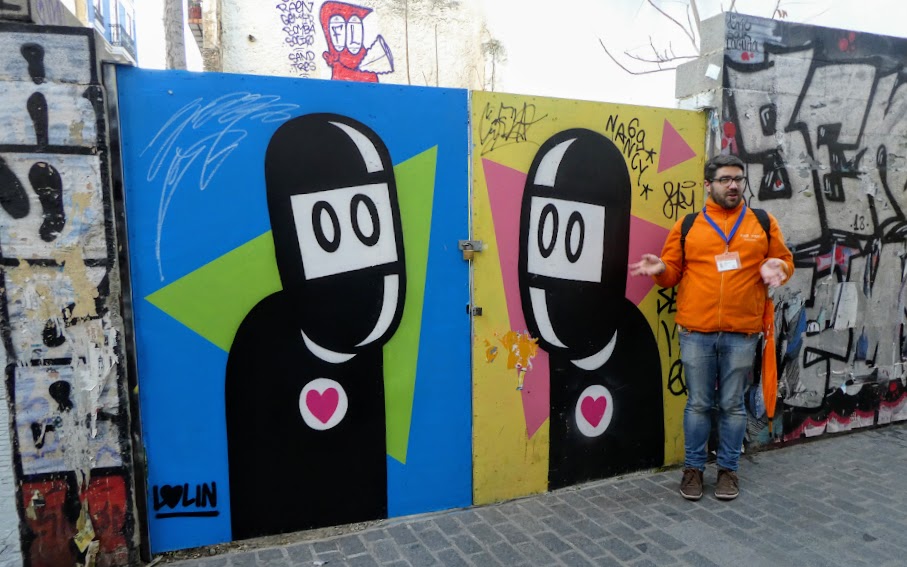
It was in Berlin that I first really discovered a love of Street Art. Maybe it’s because I got some background understanding by going out for the afternoon with Dave, of Alternative Berlin Tours. I learnt the difference between graffiti, street art, stickers and transfers, and something of the political anger and activism that can inform so much of it: particularly near the former Berlin Wall. This has now been re-invented as The East Side Gallery and I don’t show anything of that here because many of its images are so well known. Here are some examples we saw in Dave’s company, or exploring later on our own.
Having done Street Art Module One in Berlin, I was ready a year or so later to do Module Two in Valencia, It was here that I met an irrepressible type who peoples doorways and random bits of street furniture, painted by David de Limón.
Our tutor introduces us to David de Limón
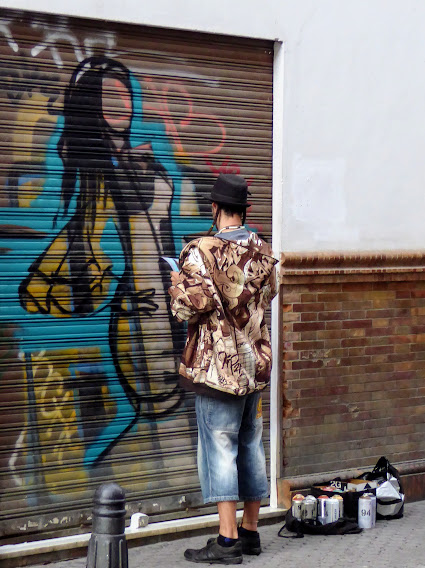
And it was here too, as we once had in Seville, that we encountered street artists doing their day – or occasionally night – job.
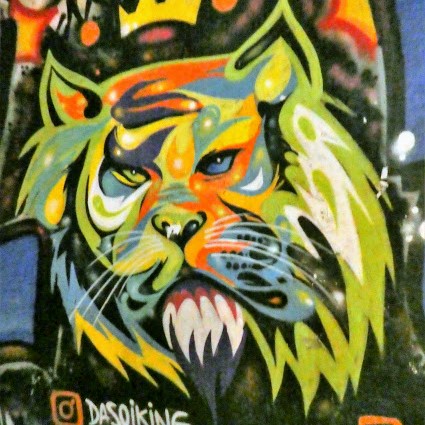
Here are a few more:
I like the way that the windows become part of the fantasy here.
And here’s one just for Past Squares …
And we’ll have a whistle-stop tour of Spain and view a few more:
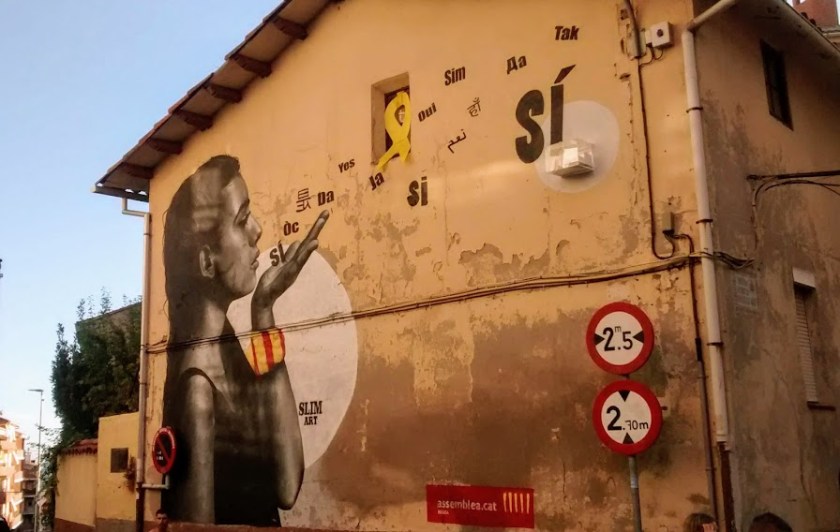
Catalan independence is always the story in Berga …
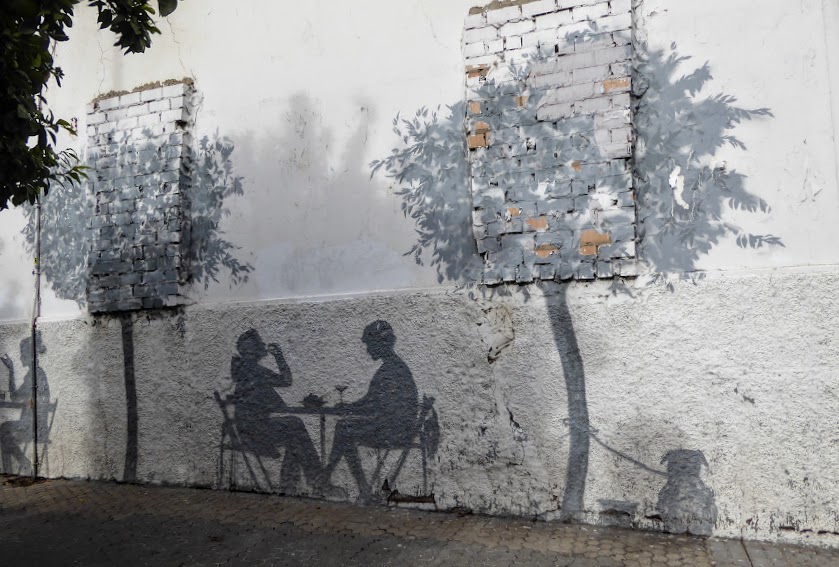
… whereas relaxing over a drink with a friend is more Seville’s style
Granada’s a place to relax too.
An ancient city with Arabic, Jewish and Christian roots, Tudela has embraced street art too
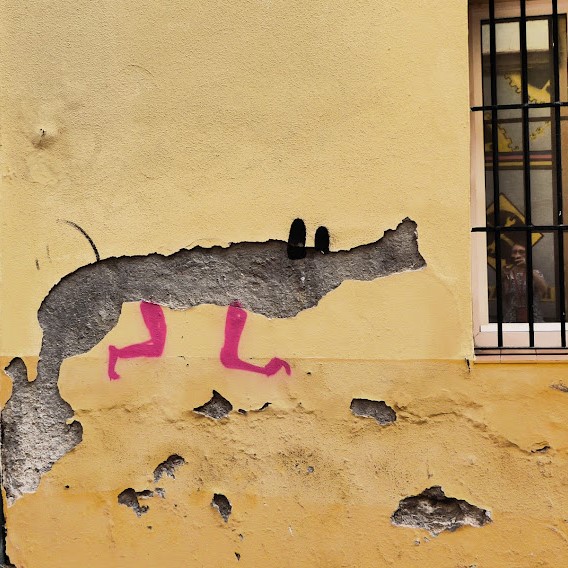
Maybe this is my favourite image of all, a bit of fun created from damaged plasterwork in Seville:
Another Past Square for Becky, and worth another outing, I think.
Although – hang on – no. My real favourite has got to be in Manor House Gardens, Hither Green, because the artist appears to have designed this image with my granddaughter in mind.
With thanks to Patti for providing us with a chance to wander city streets this week in quest of images that amuse, provoke and stimulate us. It’s the perfect moment to join the Photographing Public Art Challenge too. As well as Monday Mural. All this and Past Squares and Monday Window too … This is taking multi-tasking to a new level.
The header image comes from the top floor of an apartment block in Málaga.
























You must be logged in to post a comment.