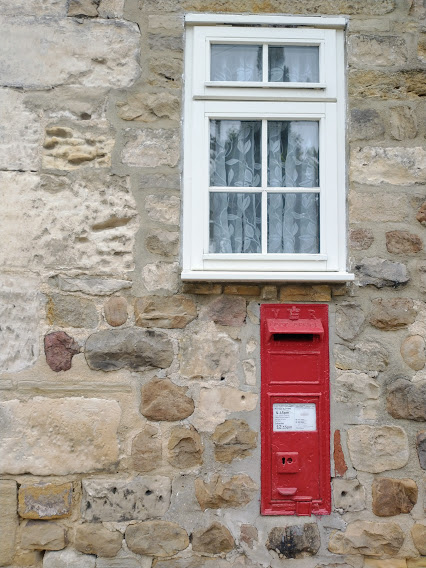
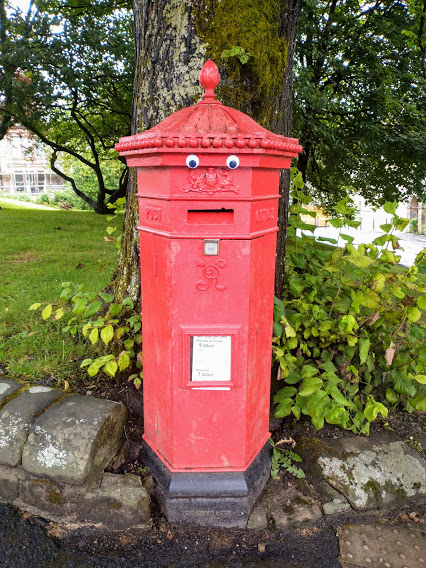
See this little window? It’s not very spectacular, being at one side of the old cottage shown in the featured photo, in the nearby village of Studley Roger. But I think it’s quite privileged. It’s just above one of the oldest post boxes in the area, one of the diminishing number of post boxes still to exist from the reign of Queen Victoria. Its design means it can’t have existed before 1857, and it’s certainly 19th century in origin. So the window earns its fifteen minutes of fame as a Monday Window, and the box itself as a bonus for Jude’s Life in Colour, which this month celebrates the colour red.
Last week we were in Shropshire, visiting good friends Perhaps soon I’ll take you with us one one of our trips but today, because it’s Fandango’s Flashback Friday, I’ll revisit a post I wrote last time we stayed with them.
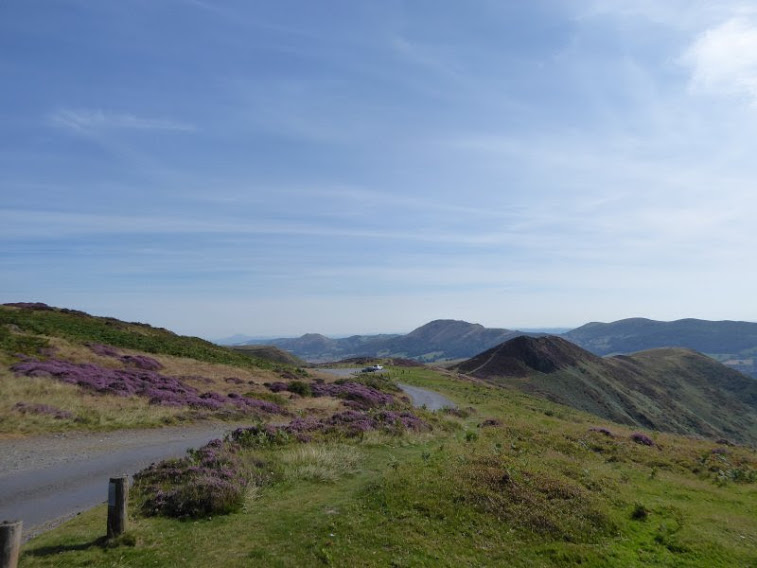
Our road from Church Stretton to the start of our Shropshire walk.
The Devil’s journey from Ireland to Stiperstones
August 2016
Shropshire’s one of England’s forgotten counties, and full of secret landscapes for the lucky traveller to discover. We found a few ourselves this week, when visiting ex-Riponian friends Hatti and Paul.
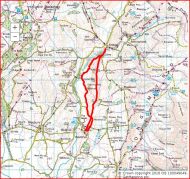
Here’s our route, as shown on the OS map.
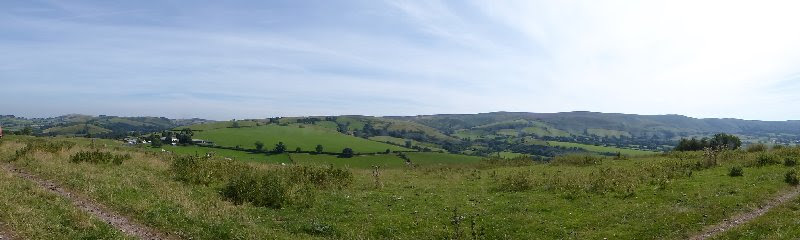
They took us on a walk along one of those characteristic long, narrow scenic ridges which offer easy walking, and wonderful long distance views to east and to west. So there we were, rambling from Wentnor to Bridges along the ridge for a rather good pub lunch, and then back to Wentnor along the valley floor.
To the right of us was the Long Mynd, a gently sloping plateau. To the left, and higher above us were the more rugged Stiperstones. Both hillsides were covered with an intensely purple carpet of flowering heather.
You’ll want to know how the ridge of Stiperstones came to be covered with an untidy tumbling of large and rugged boulders.
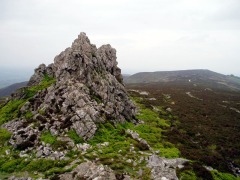
It was the devil who dropped them there. He’d once noticed an old crone carrying her eggs to market by holding them before her, nursing them in her apron. That was the way to do it! That was how he carried a large bundle of rocks all the way from Ireland to Shropshire, where he planned to drop them in the valley called Hell’s Gutter. It was heavy work, and he sat for a rest at the very top of Stiperstones on a rock known since that day as the Devil’s Chair.
The Devil’s Chair (Wikimedia Commons)
As he stood up again, his apron strings snapped. Out those rocks tumbled, all over the ridge. He didn’t bother to pick them up. They’re there to this day.
Look carefully, there on the skyline are the devil’s carelessly-lost rocks.
Climatologists and geologists have a different explanation, more credible but less fun. If you get the chance, go to Shropshire, savour its varied and delightful landscape, and decide for yourself.
This month, Jude is inviting us to hunt forred in her Life in Colourchallenge. So let’s go on a Virtual Day Trip and hunt for red. I think we’ll travel in the bus that was conveniently parked in the next village when the Tour de France came to Yorkshire. West Tanfield is also where we see the poppies in the featured photo.
We’ll whip over to Bradford first, call in at the Bombay Stores, and get some headgear for you chaps.
Berlin next. We’ve only time to wander down a handsome street …
… before arriving for a quick visit to the Berlin Wall.
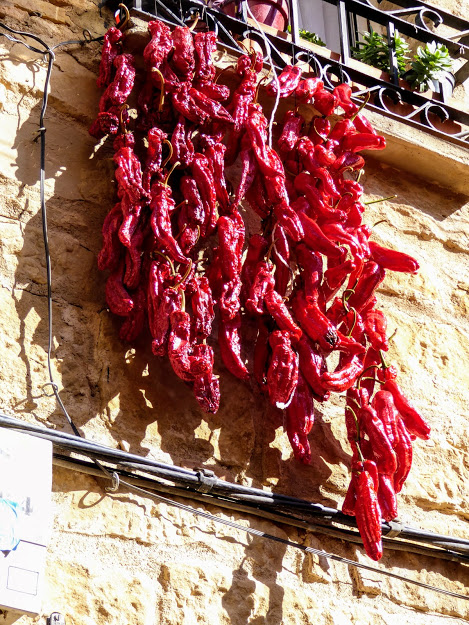
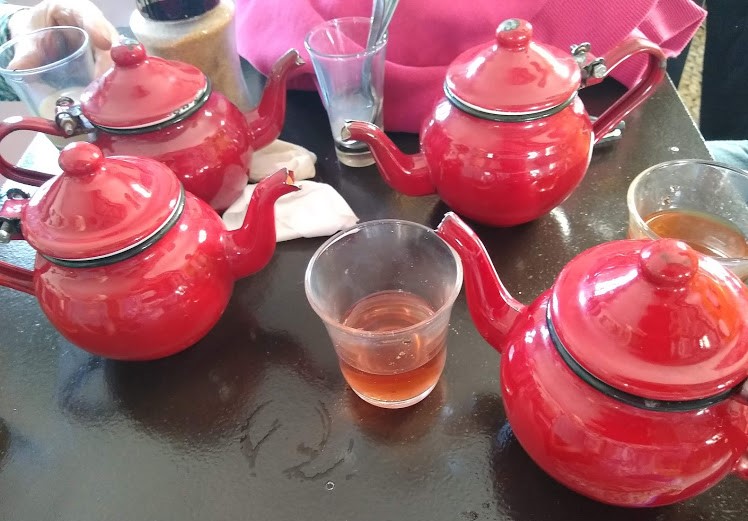
Right. That’s Germany done. Straight off to Spain. Are you peckish yet? Seeing all these peppers, tomatoes and pots of Moorish-style tea has made me think of food.
la Rioja
Premià de Mar
Granada
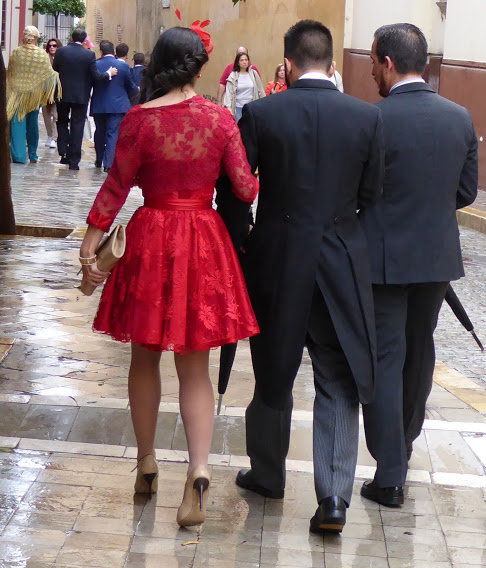
Where next? We could catch a wedding in Seville …
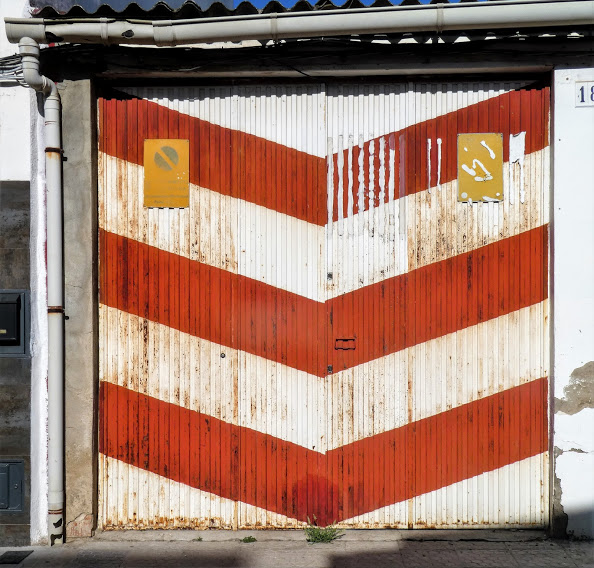
… and please don’t tell me we’ve come to Córdoba just to see this garage door.
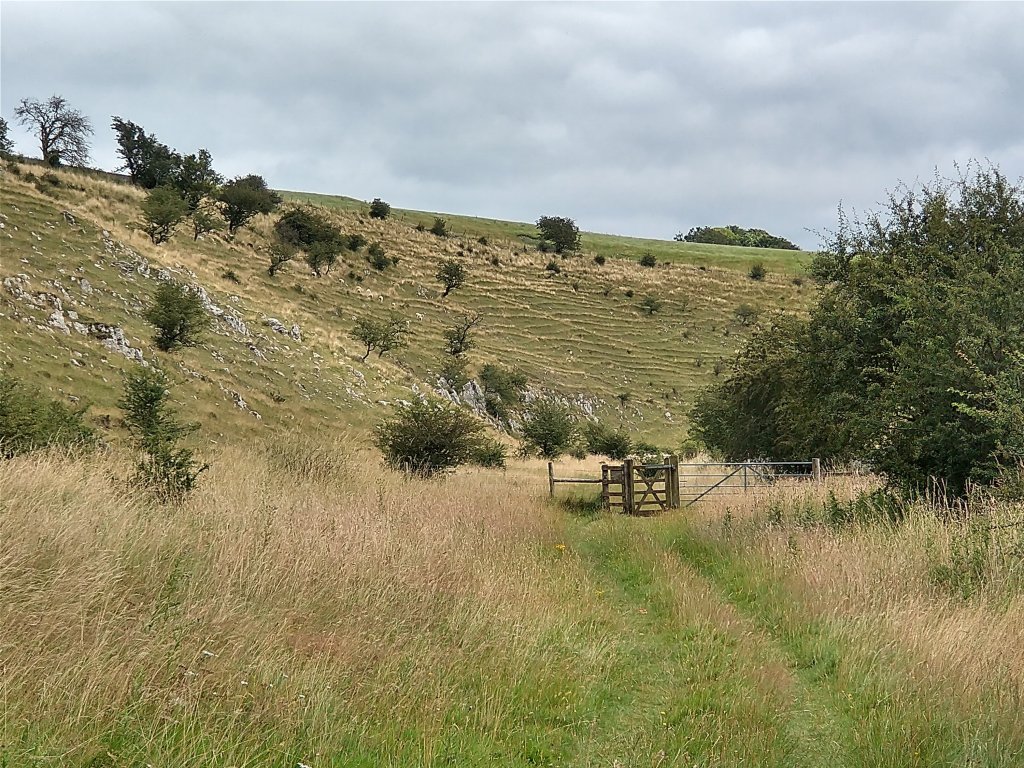
What do you think of when Derbyshire’s Peak District is mentioned? It’s a glorious area of England, part of its Pennine spine. There are old stone-built towns and villages with long histories of hard work in mining, textiles and farming. There are limestone and millstone grit uplands and escarpments, with distant forest and moorland views, and valleys and gorges cut deep into the limestone.
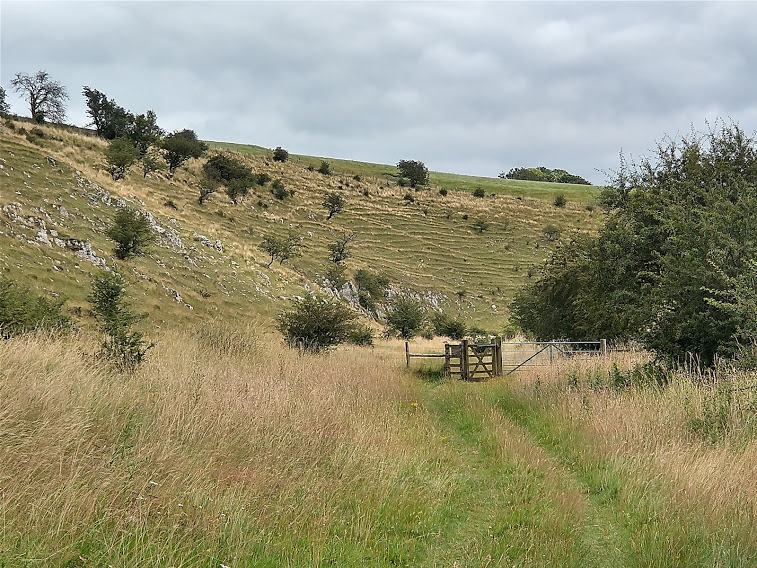
A view from Hay Dale
We were there last weekend. Not for the broad brush of those appealing landscapes, though we got those too. Instead, we were there to inspect what we could see inches, or at most feet from us, as we and a small band of like-minded people slowly wandered narrow pathways and farmers’ tracks with Mark Cocker., on a tour which he organised with Balkan Tracks.
These were the tracks of our childhood, a time when (if you’re as old as me) flowers and insects weren’t routinely eliminated from the fields by cocktails of fertilisers and insecticides. Nature Walks were the once-upon-a-time weekly staple of the village school where I began my education: a neat crocodile of children hunting curiously for leaves, berries and treasures for the Nature Table in the corner of the classroom. Our group last week formed anything but a neat crocodile, and we collected treasures through the lenses of our cameras, exchanged young eyes for our pairs of binoculars.
The places we explored with Mark often had poor thin soil. It’s not worth cultivating, but huge numbers of wild flowers seek out and colonise such spaces and it can be pasture-land too. Where there are flowers, there are insects: flying creatures of all kinds, bees of all kinds, beetles, moths, butterflies.
I knew there were a fair number of different bee species, though I had no idea that there were some 270 of them. But I thought a bumblebee was a bumblebee was a bumblebee. It turns out that there are getting on for twenty different kinds, and that some of those are cuckoos. Cuckoos? Well, yes. Cuckoo bumblebees are as wily as the birds they are named after. They lay their eggs in another bee’s nest and leave the workers of that nest to rear the young.
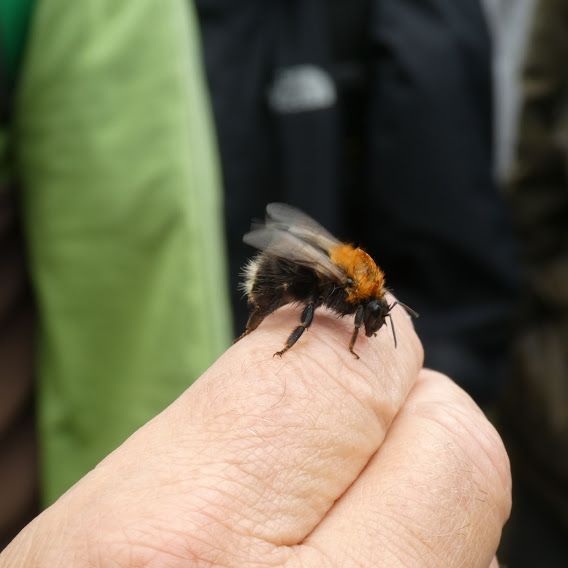
Erm… I hope this is a white-tailed bumble bee
We found caterpillars, we found flying creatures and bugs, we found moths and butterflies. Mark was excited enough about one find to write it up in this week’s Guardian.
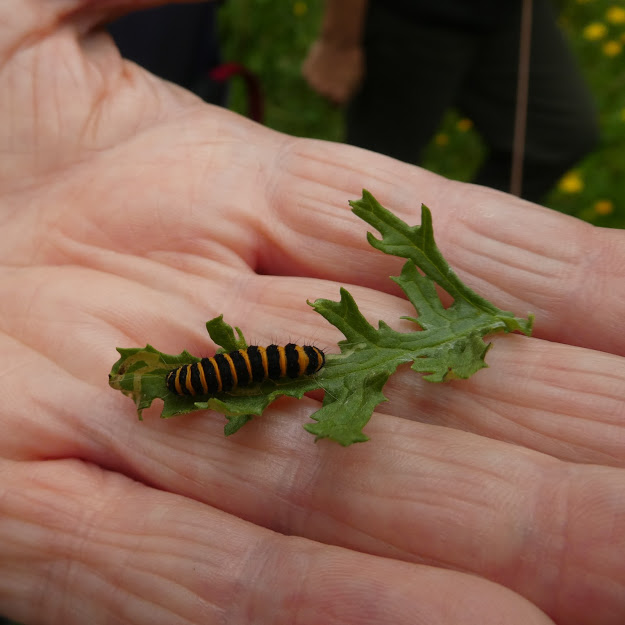
Cinnabar moth caterpillar
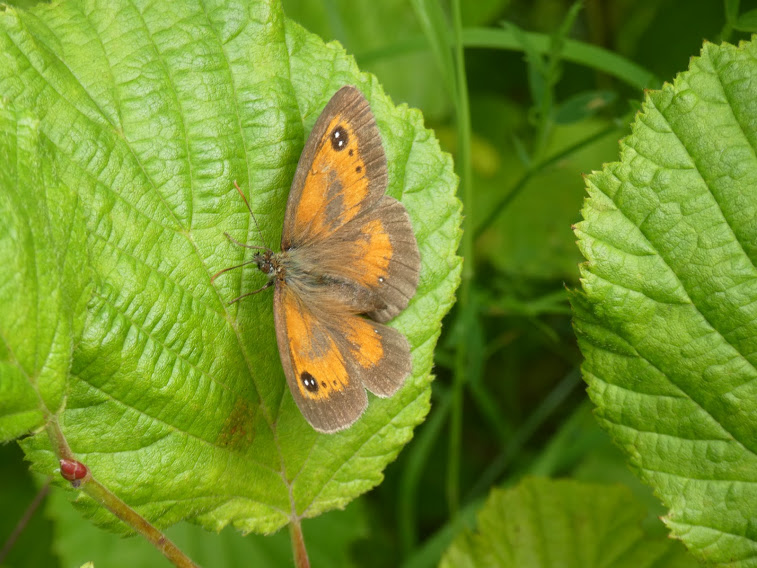
Gatekeeper butterfly
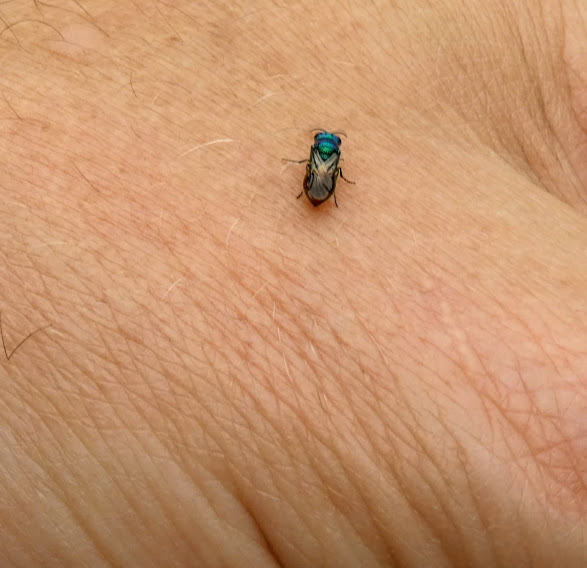
Ruby-tailed wasp
We climbed up to Solomon’s Temple. We wandered through Millers Dale, once the site of a busy railway line. We explored a now disused quarry, now colonised by a rich variety of life, including orchids, and a collection of stunted trees. Unable quickly to get the nourishment they need, they reach maturity as dwarves. We explored almost unvisited dales such as Hay Dale. All these were limestone, but we had a little time in the imposing millstone grit landscape of The Roaches, which – don’t tell anyone – is actually just in Staffordshire.
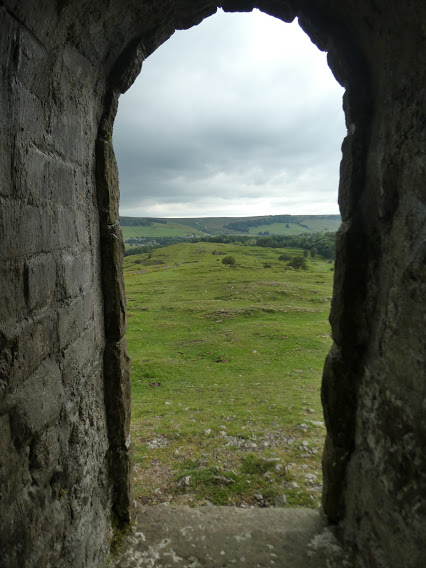
The viewfrom Solomon’s Temple
Millers Dale
This quarry just off the main trail hosted abundant flowers .. and these stunted trees
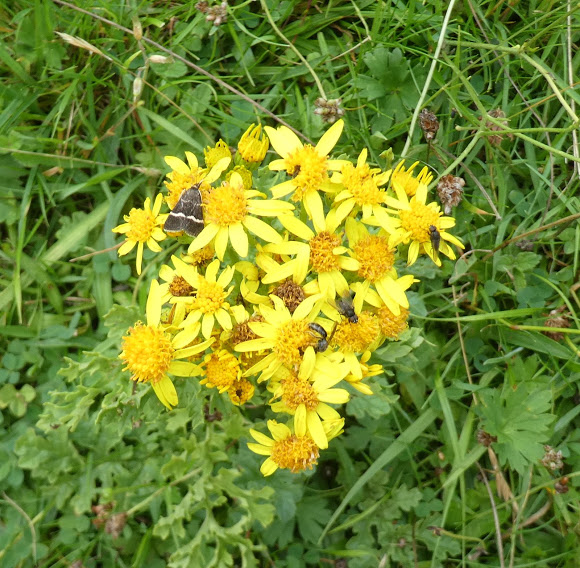
Ragwort plays host to a huge variety of insect life
Walking in little-visited Hay Dale
A view from the Roaches
Our days were far from silent. Even if it’s no longer prime bird-song season, there were spotted flycatchers, willow warblers and sightings of various finches and tits. Wheeling above us: buzzards, red kites, hobbies, while shallow rivers, busily chattering over stones and rocks were feeding stations for dippers and ducks.
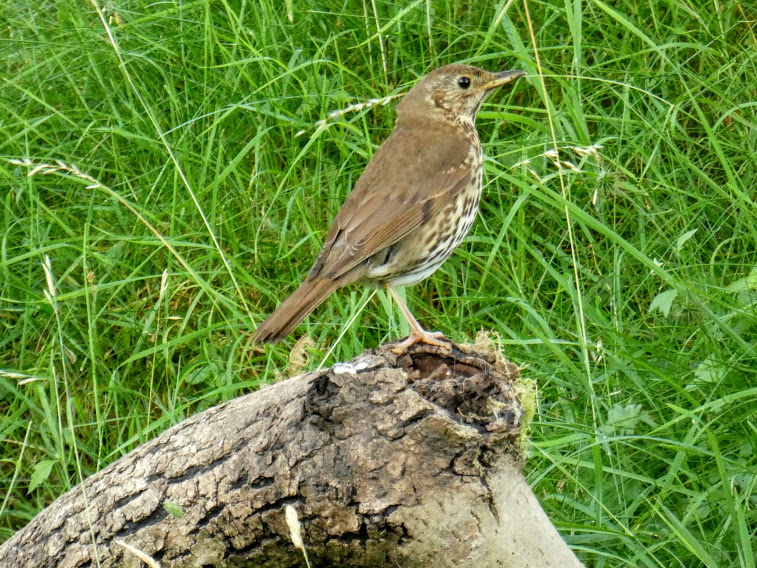
This song thrush obligingly posed for a photo
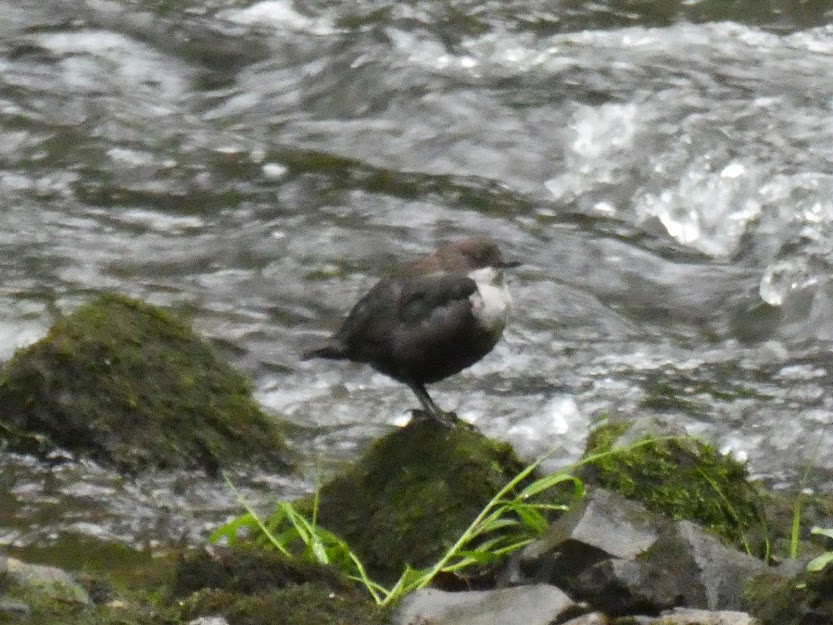
A distant dipper on the River Wye
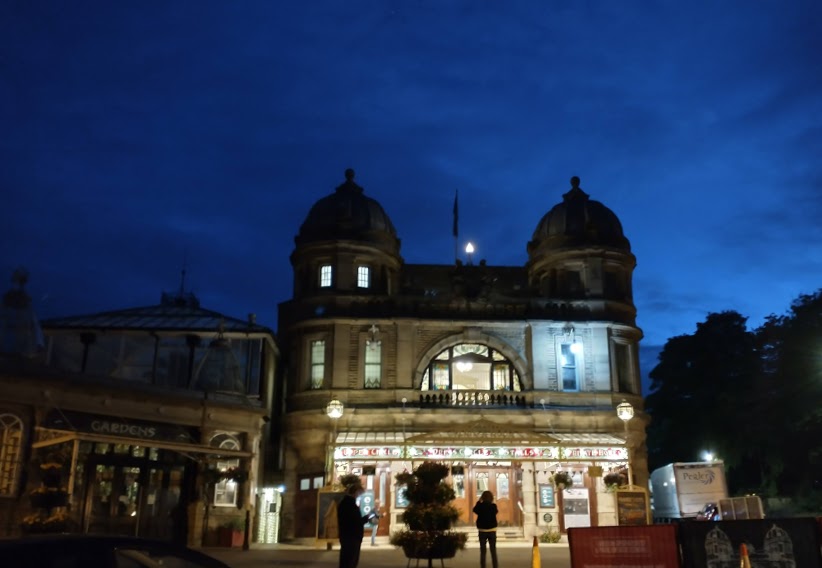
We even had a little time to explore Buxton, where we stayed, and where, each evening, we ate, talked, laughed and generally got to know each other at the (highly recommended) Brasserie.
Buxton by night
What a weekend. I’ve learnt that I still have an awful lot to learn. And our own garden is the perfect classroom.
This week’s Lens-Artists Challenge is Taking Flight. What to choose? I thought of hot air balloons I’ve seen. I thought of planes. I thought of bubbles magically released into the sky to delight children and adults everywhere. In the end, two ideas insisted on their fifteen minutes of fame.
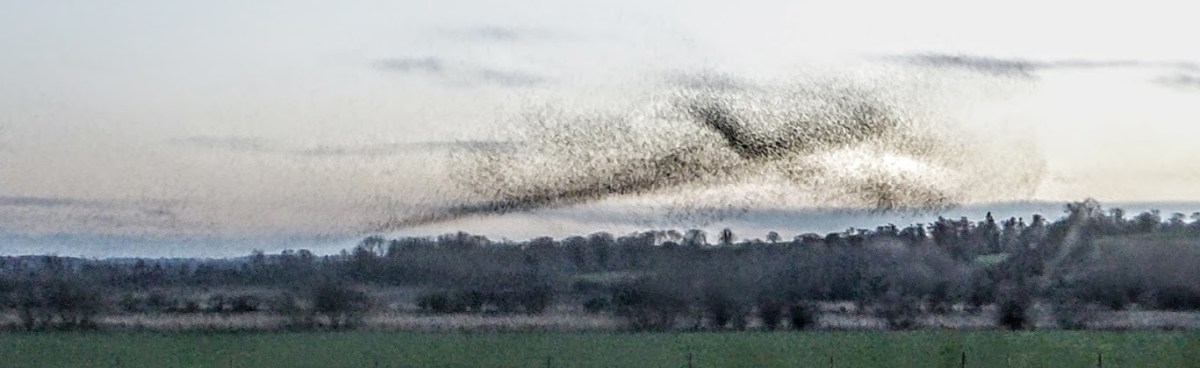
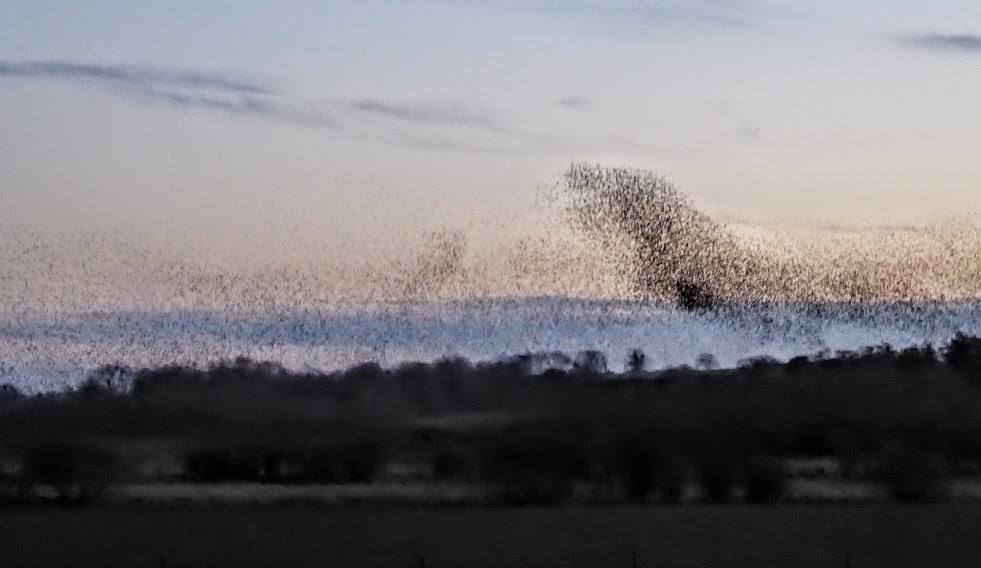
The first is the starling murmurations which are such a feature of life here early every spring. Once, one even took place over our garden. We were entranced until we saw the state of our car afterwards. Have you seen one? Murmurations take place towards evening, when thousands of starlings swoop and swirl in the sky above their chosen roosting site for that night. Are they keeping predators at bay? Exchanging information before nightfall? Nobody’s sure. But as suddenly as it begins, the display stops, and the birds descent to their roosts, and it’s over for another night. Here are a few shots – and look at the featured photo too.
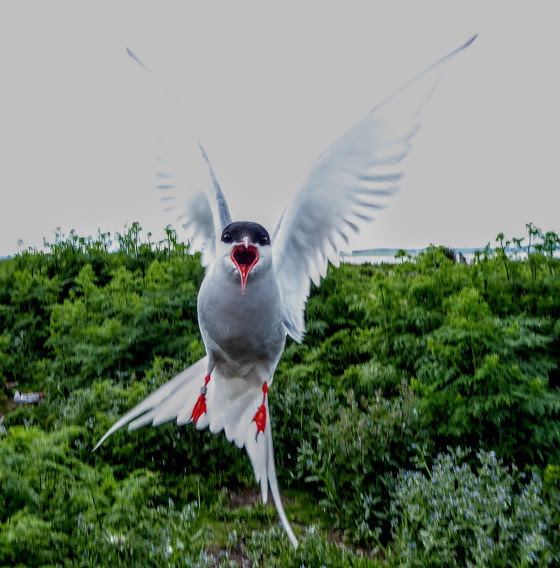
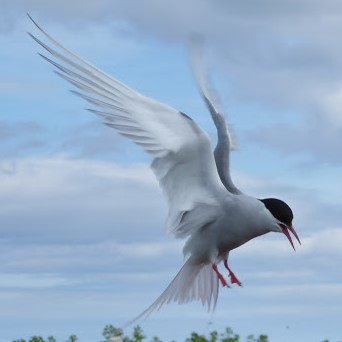
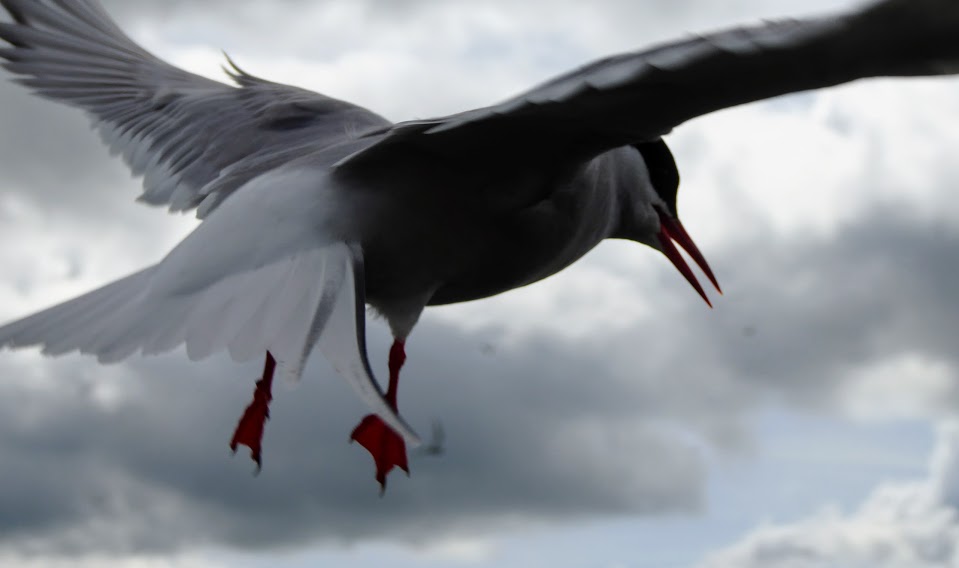
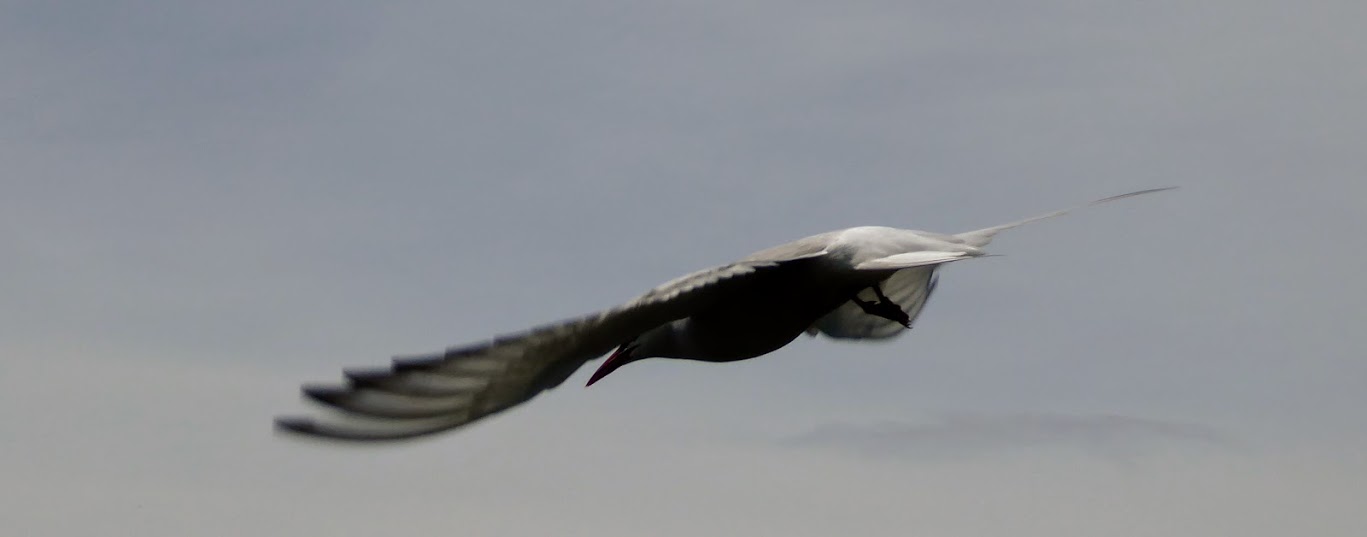
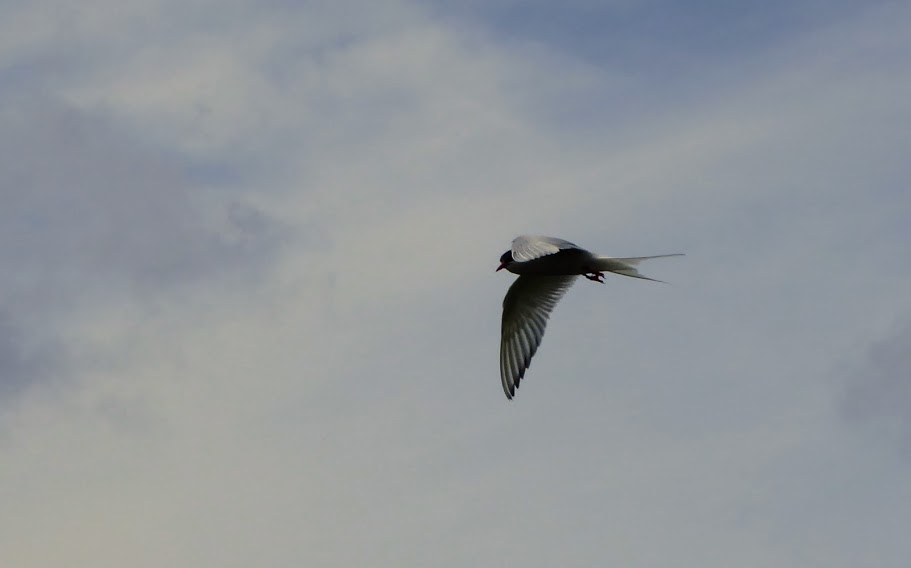
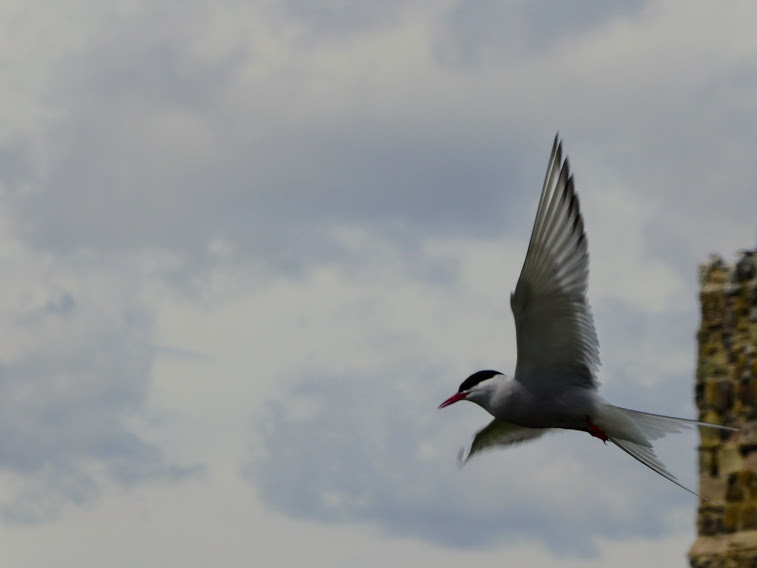
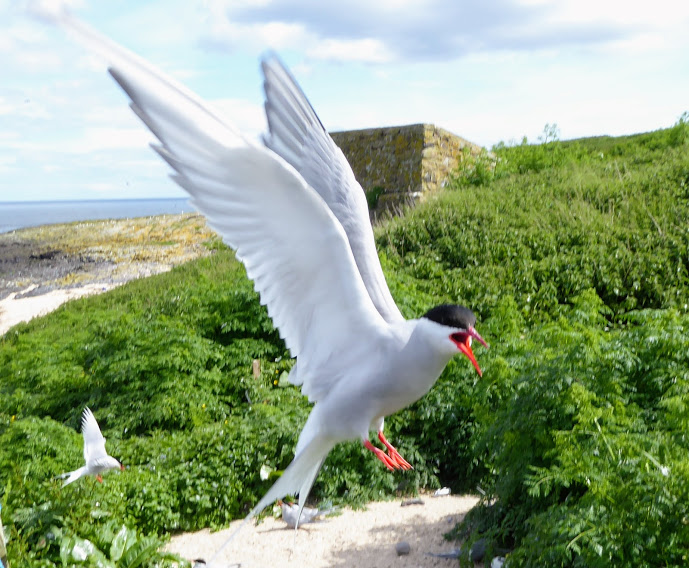
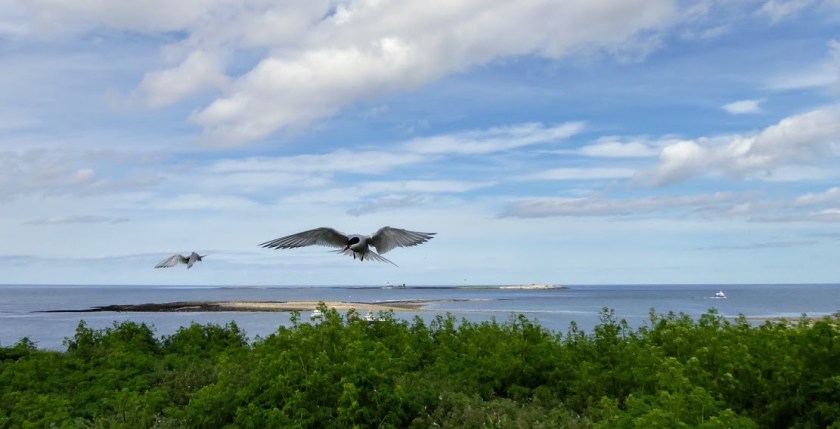
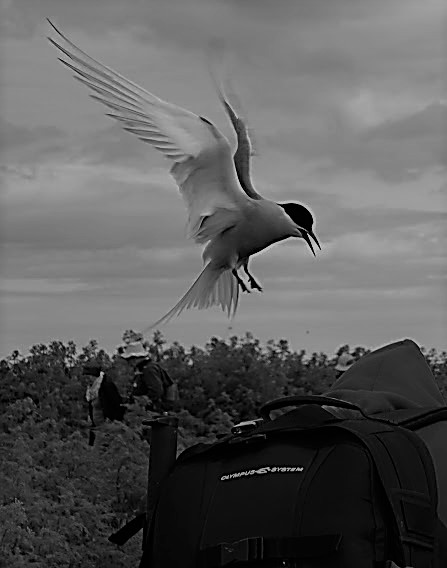
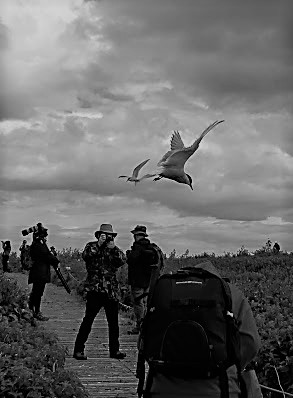
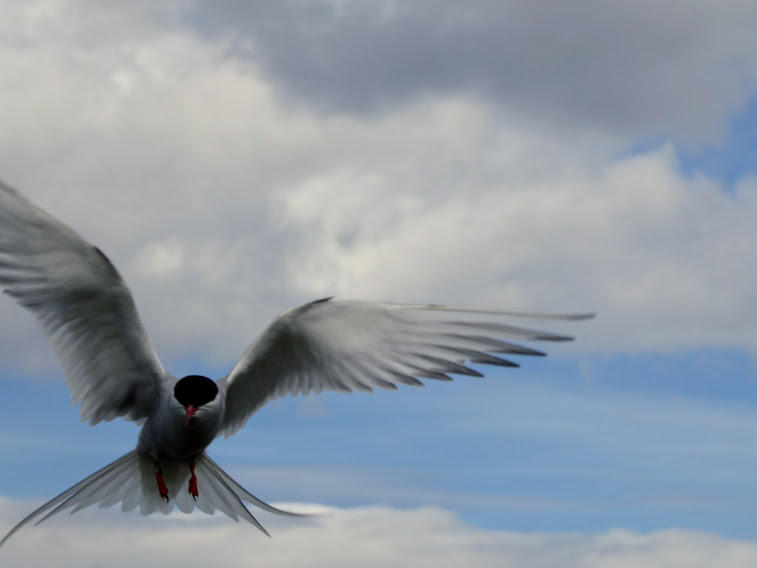
Then there was our visit to the Farne Islands, a protected National Trust bird reserve off the coast of Northumbria What an afternoon we had here. We saw puffins, we saw razorbills, guillemots, eider duck, fulmars …. sea birds of so many kinds. But if it’s flight you want to see today, we’ll just stick with the Arctic Terns, with their brightwhite and grey plumage and orange beaks.
Arctic terns are feisty, aggressive birds, fiercely protective of their young, as these pictures may suggest. They are impressive migrants, flying between 44, 000 – 59, 000 miles a year to reach their European breeding grounds from the Antarctic.
Pink. When I was a girl, I couldn’t be doing with it at all. Pink went with frilly dresses, white knee socks and patent leather shoes. Pink went with ballet lessons and Violet Elizabeth Bott. I utterly despised it, even though I was far too much of a wimp to be a proper tomboy. These days, I’m far less hard line. I treasure the first glimpses of spring time blossom, and all the glorious blooms of summer. I love a magenta sunset. I even have a pink jumper – though I don’t like it very much.
Today, let’s look at the streets. We’ll go to Spain, France, the UK, and South Korea in search of not-too-pretty in pink. The featured image is a scene from Cádiz.
Las Arenas, once a bullring and now a shopping centre in Barcelona.
A back street in Seville.
Street art in Valencia.
Protesting against Brexit in more optimistic times (2018)
The London Marathon 2018, the year when one of my daughters ran the course.
The publicity caravan of the Tour de France passes our house in France 2013
And the market in Cádiz
Here’s one for Becky’s Bright Squares: a young Korean woman, bright and pretty, wearing traditional hanbok for the festival of chuseok.
And finally, a sunset above my grandson’s London primary school.
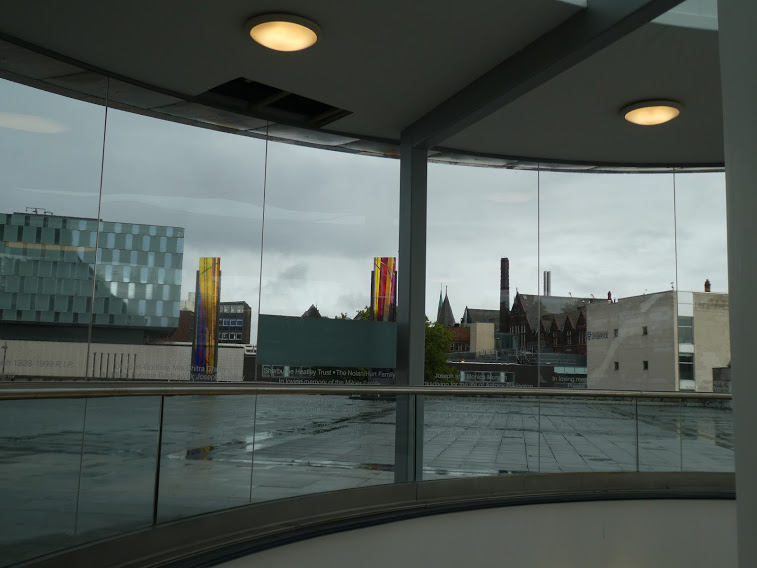
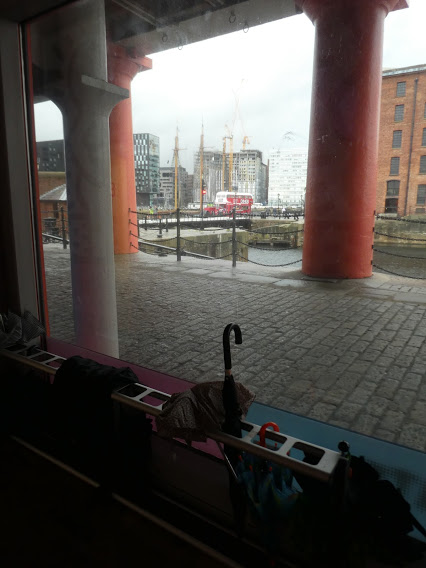
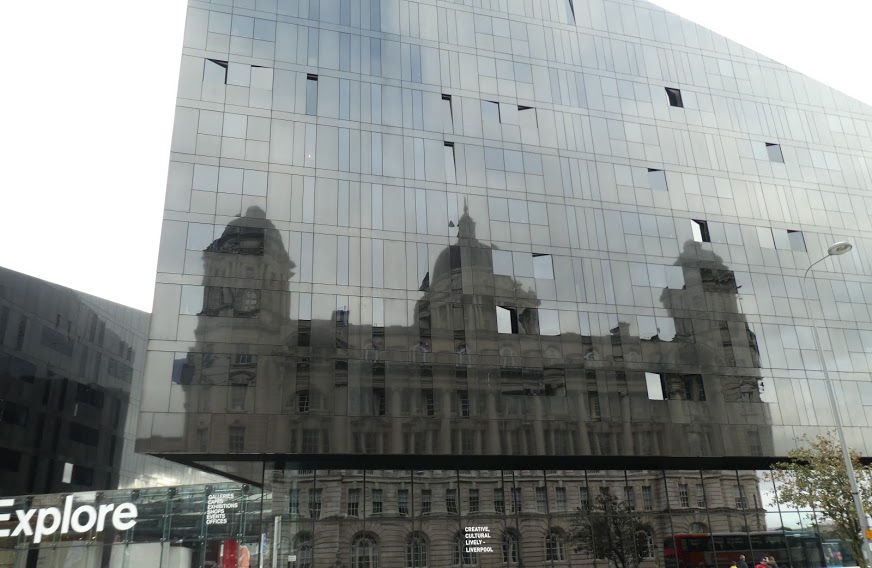
Today, simply a collage of views-of-a-window-or-through-the-window taken in Liverpool. No stories, no explanations. Just a short saunter through a city full of surprises and views worth noticing.
Annoyingly, this type of gallery won’t allow for captions. Still, if you don’t know the city, perhaps it’ll whet your appetite to go and explore for yourself.
At the moment, we all need the glow, the zing that a good splash of yellow can provide. Luckily, Jude has provided the perfect opportunity for us to hunt down all our yellow-rich images, in her challenge Life in Colour. Let’s have an injection of gutsy, vibrant lemon, amber and gold alongside our long awaited Covid vaccines.
I’d thought of showing those springtime flowers we all love – aconites, daffodils, primrose, tulips and kingcups. But maybe I’ll save those for another day. Here’s a complete hotch-potch of yellows to cheer up a day which, here at least is thoroughly and dismally grey.
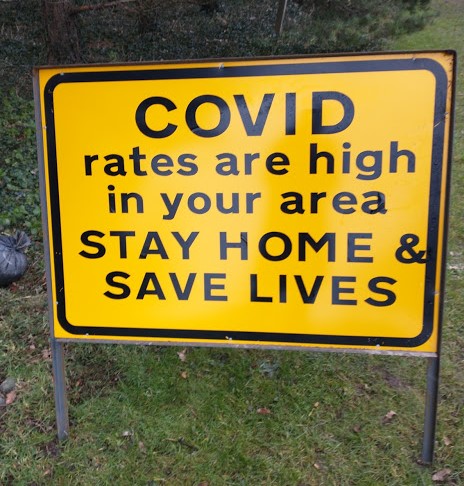
The sign that greets me whenever I leave the house
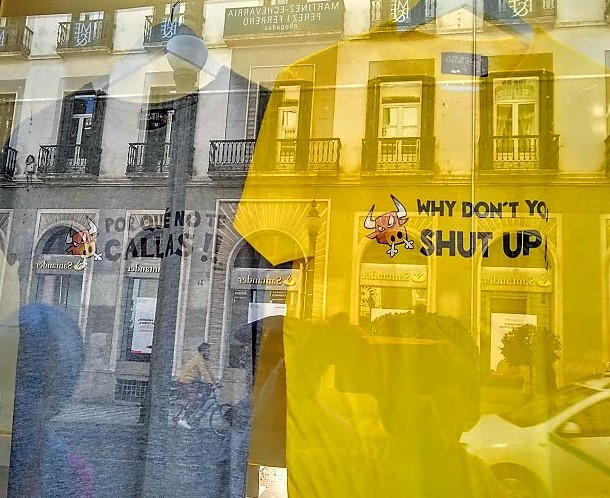
A shop and its reflections in Granada
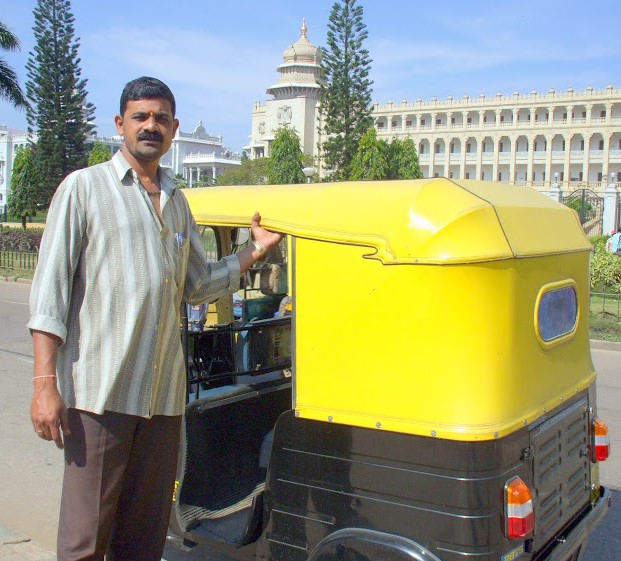
My first friend in Bangalore: the rickshaw driver who took me on a tour of the city
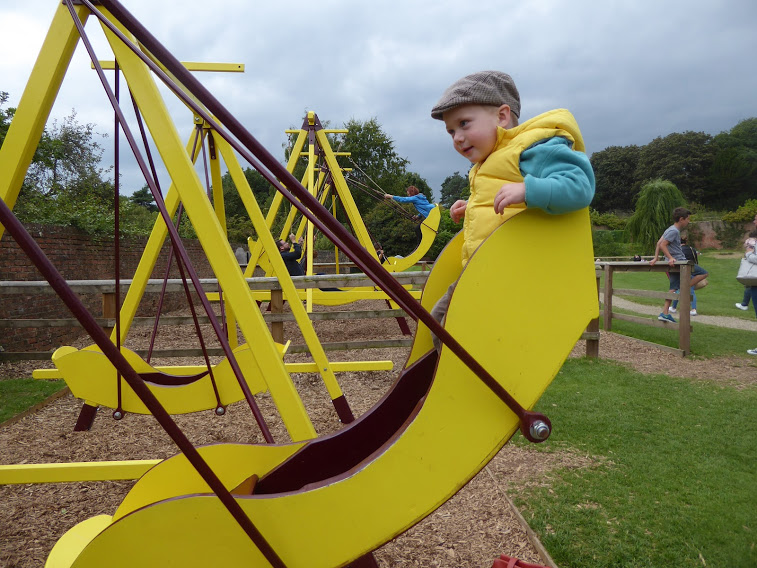
William, obligingly wearing yellow, at Newby Hall.
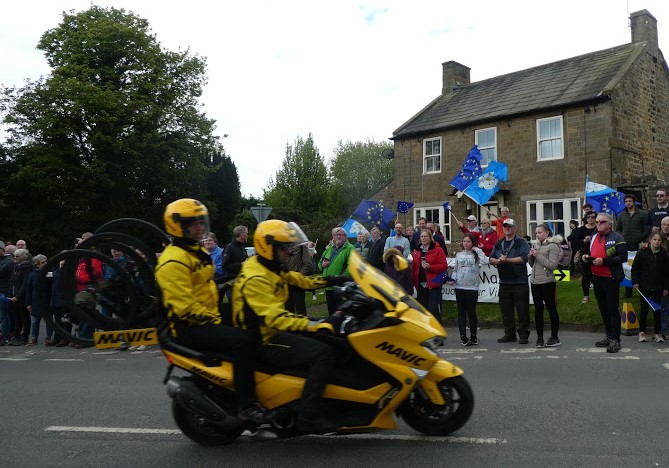
Advance guard at Le Tour de Yorkshire
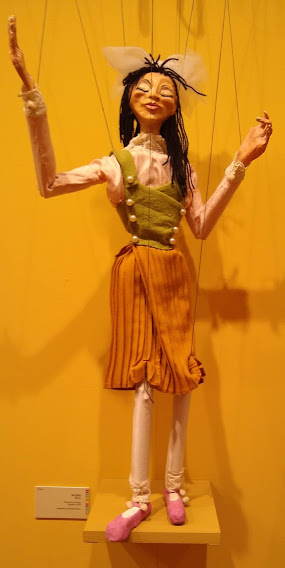
A puppet at the Museo del Titere, Cádiz
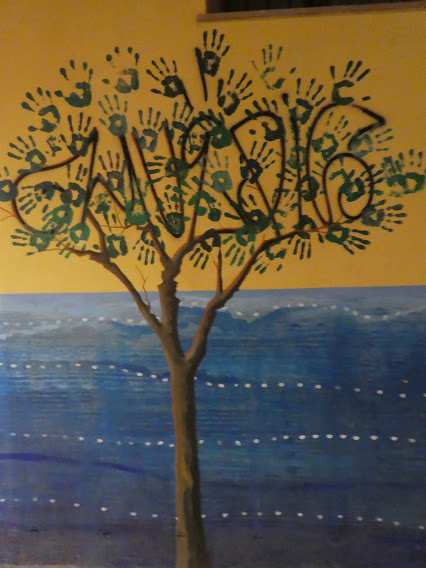
A pinted door in Valencia.
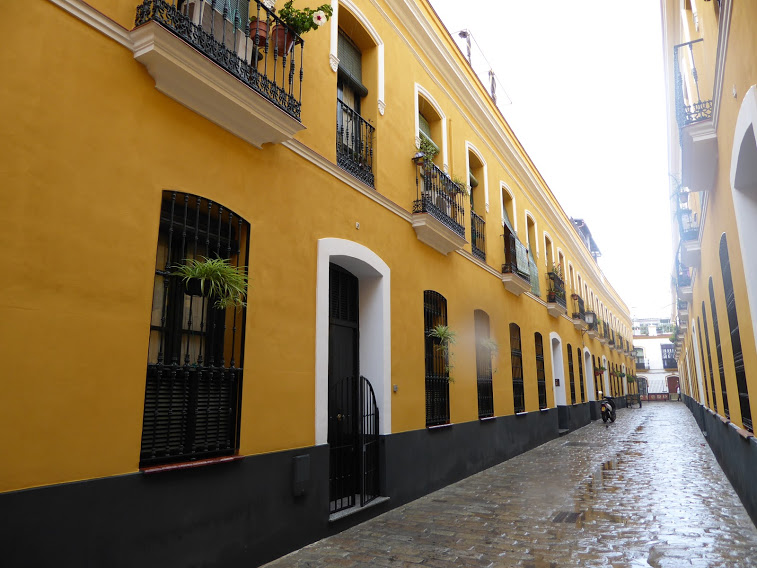
A back street in Seville.
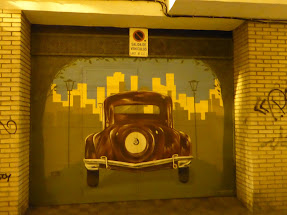
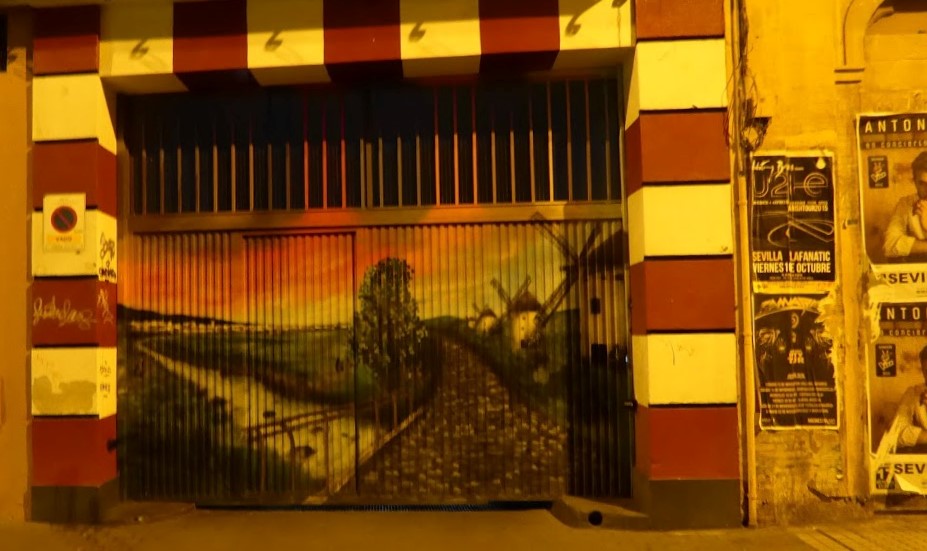
Garage door in Seville.
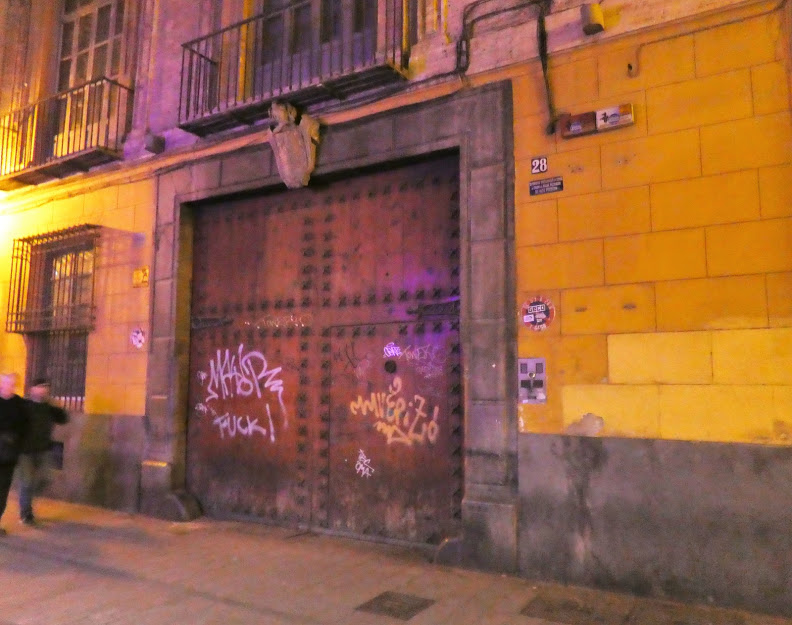
Another Seville door
Valencia
A Seville building in need of a make-over gets one …
To view any image full size. just click on it. The quotation of the post title is by Vincent Van Gogh. No wonder he liked sunflowers. And the header photo shows one word from another quotation. Wander round the St. Paul’s area of London and you’ll eventually uncover the whole sentence, from Virginia Woolf’s novel, Jacob’s Room: ‘What are you going to meet if you turn this corner?‘ What indeed? In this area of London, enough to fill an entire guide book.























You must be logged in to post a comment.