The best way of travelling hopefully? Let’s see.
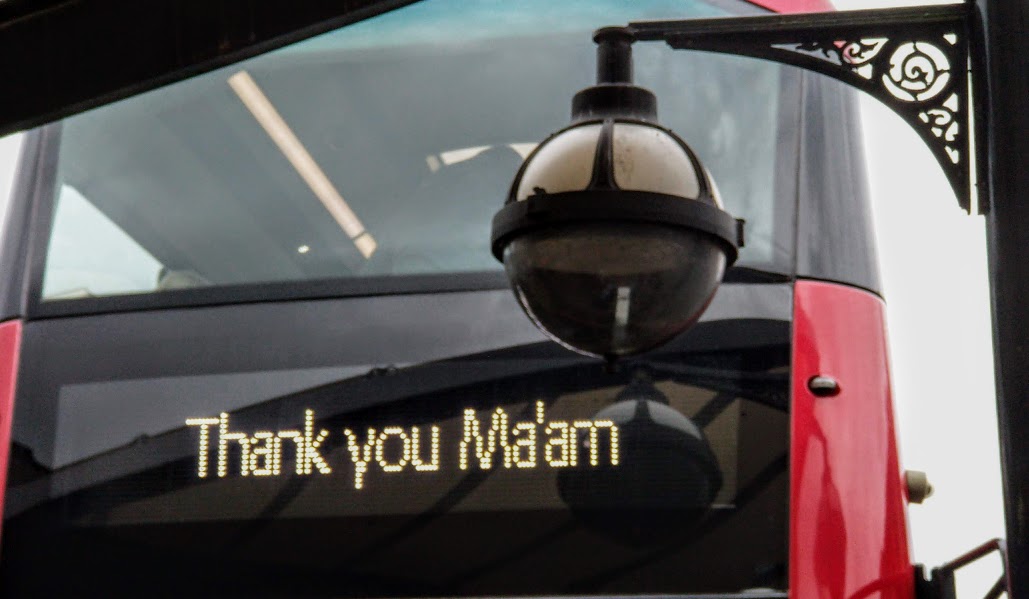
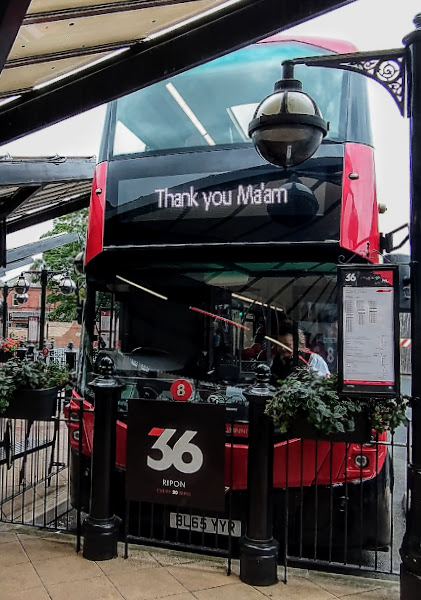
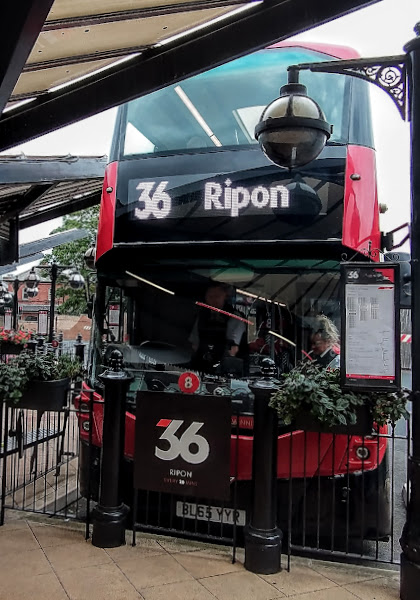
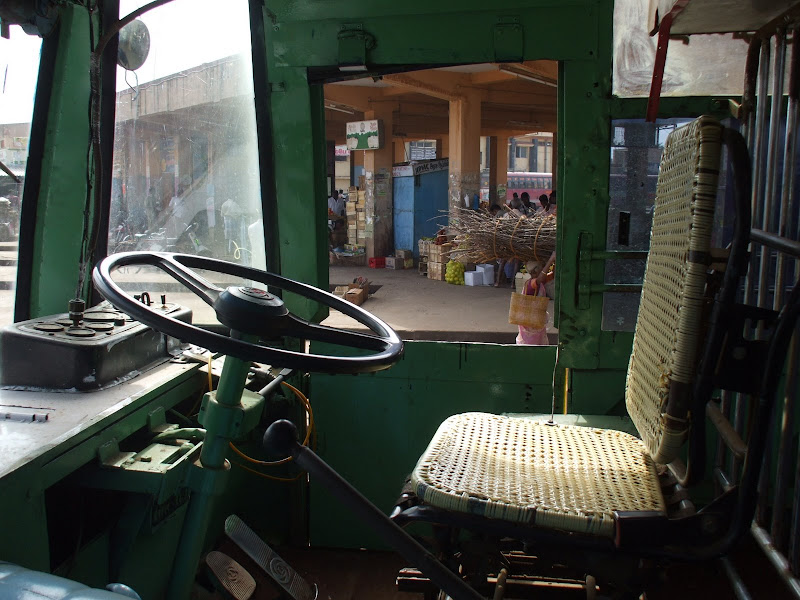
A bus can be fun, but that’s strictly for local exploring. Unless you can get yourself to India and hitch a lift in God’s Own Palace … Though you’re much more likely to be catching the long-distance bus whose driving seat I feature here …
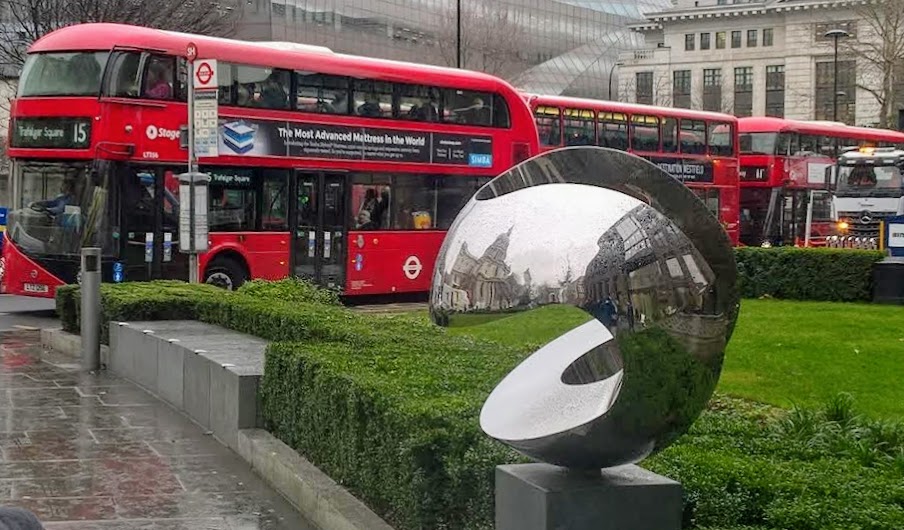

Air travel has lost its sheen, since Airport Security and Queuing became a A Thing, not to mention those CO2 emissions of which we’re now so horribly aware. Even so, there is something thrilling about watching the changing landscapes of the earth far below, and cloud formations too.

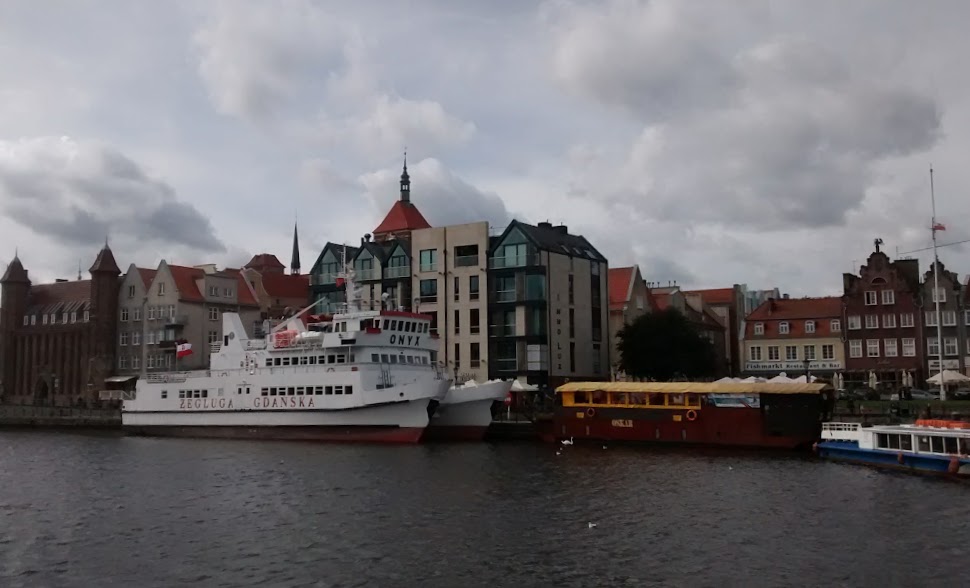
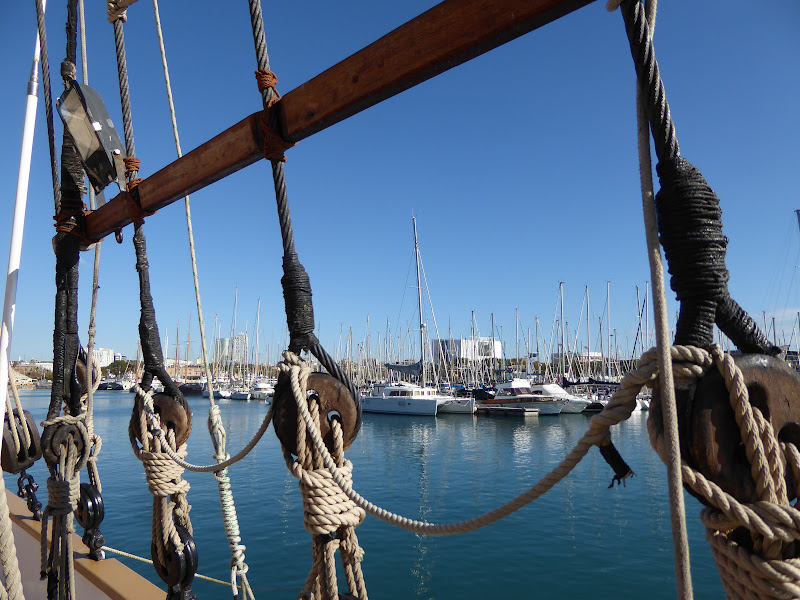
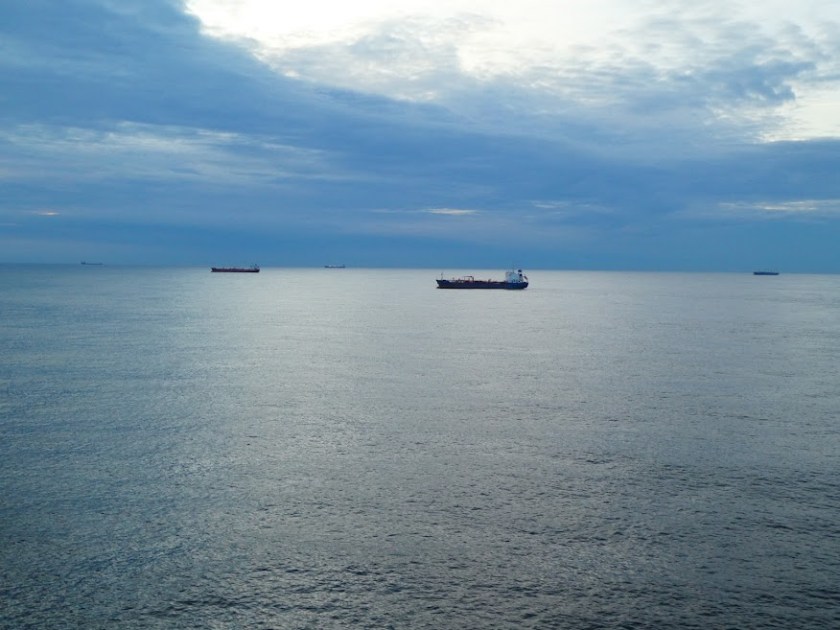
You could take to the water, and sail to your destination near or far…
Car travel gives you the opportunity to please yourselves and follow your noses, and even to get off the beaten track, but again … all those emissions.
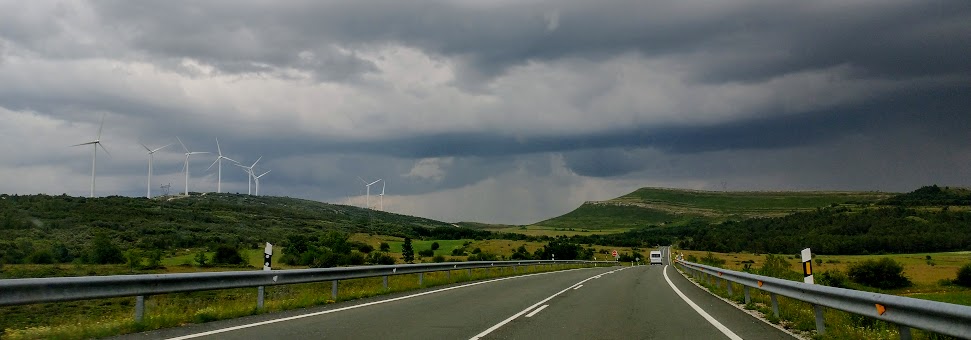
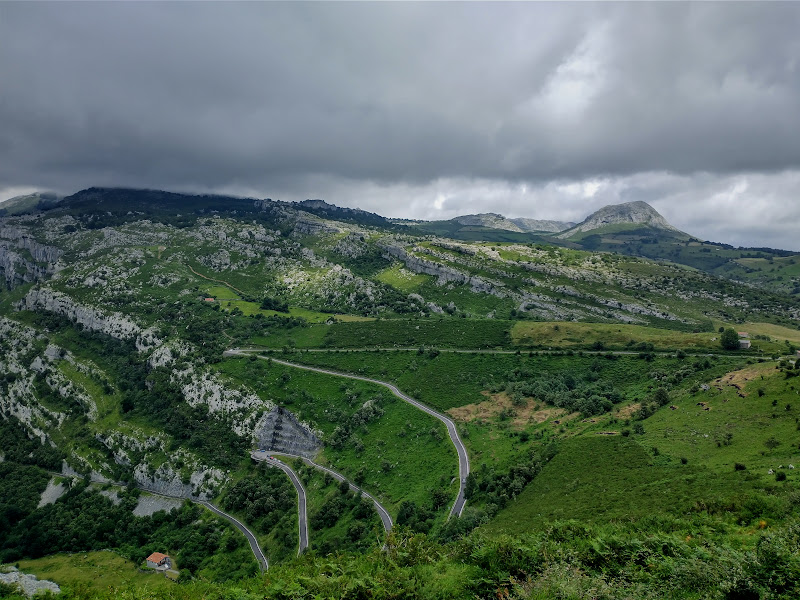
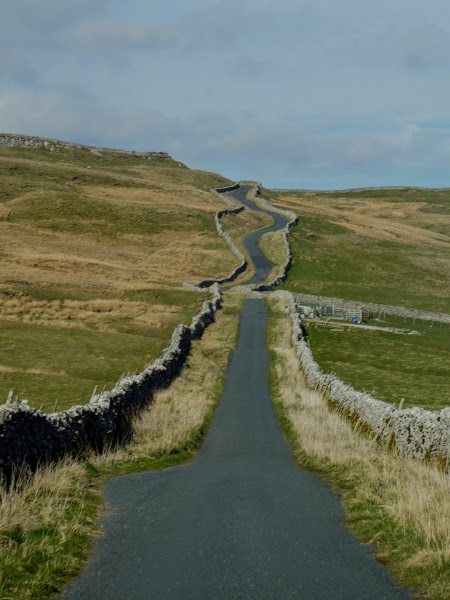
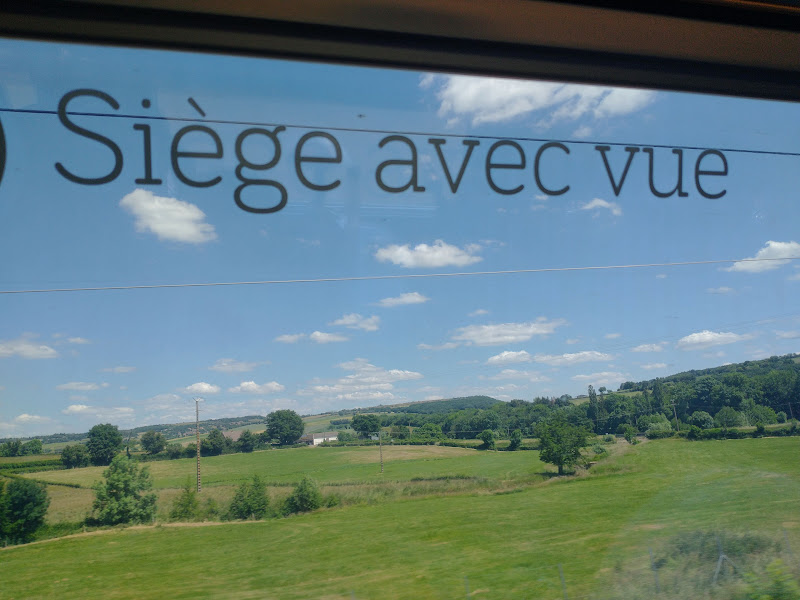
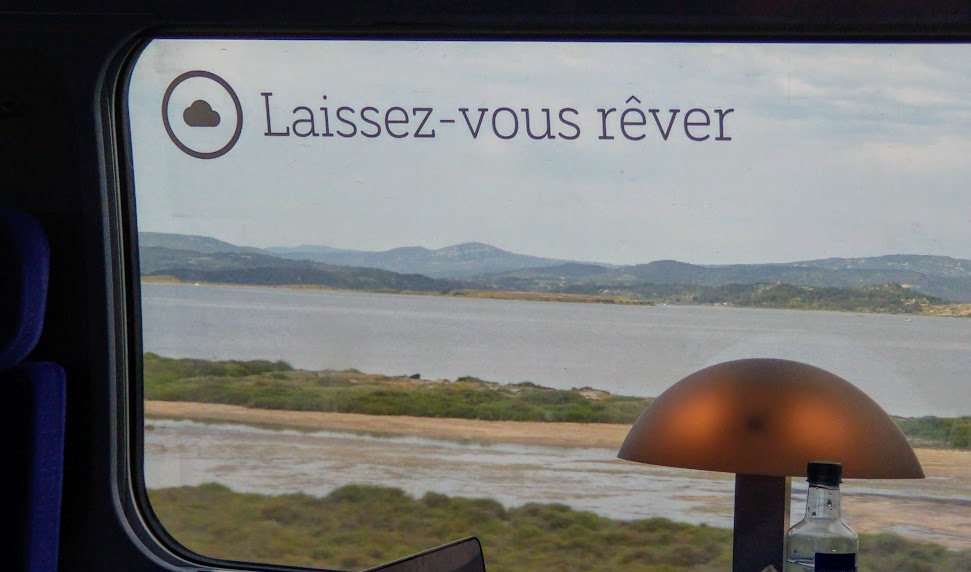
My own favourite way to get from A to a distant B is by train. I sit, I watch the world go by. I read. If I’m lucky, there may be coffee on offer. And the journey eases the transition from home to away by gradually introducing fresh landscapes, fresh outlooks. There’s something discombobulating about leaving – say – foggy England by plane and arriving two hours later – say – in sunny Spain. Here’s the TGV from Barcelona to Paris. It says it all …
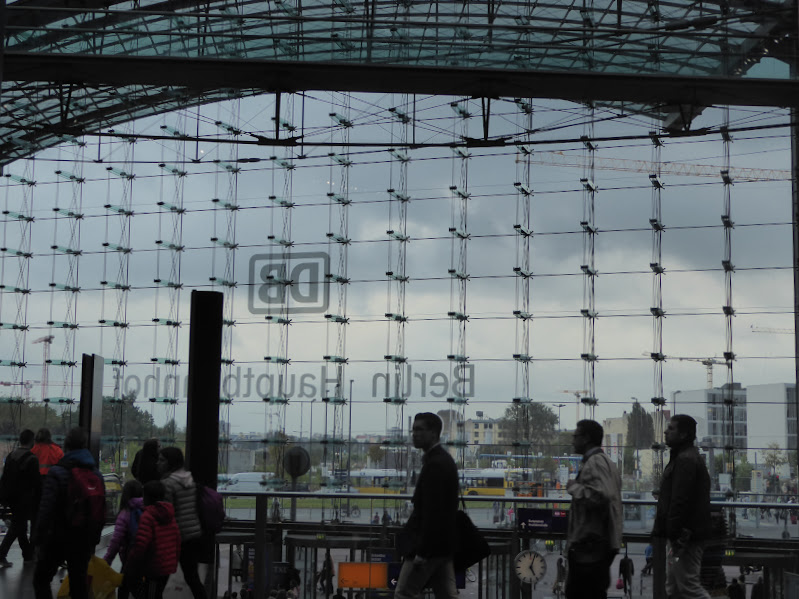
Station architecture may be inspired, whether from the Golden Age of Steam, or assertively twenty first century.
All things considered, I can’t agree with the disconsolate boredom of this particular passenger. By the way, you, get your feet off the seat!

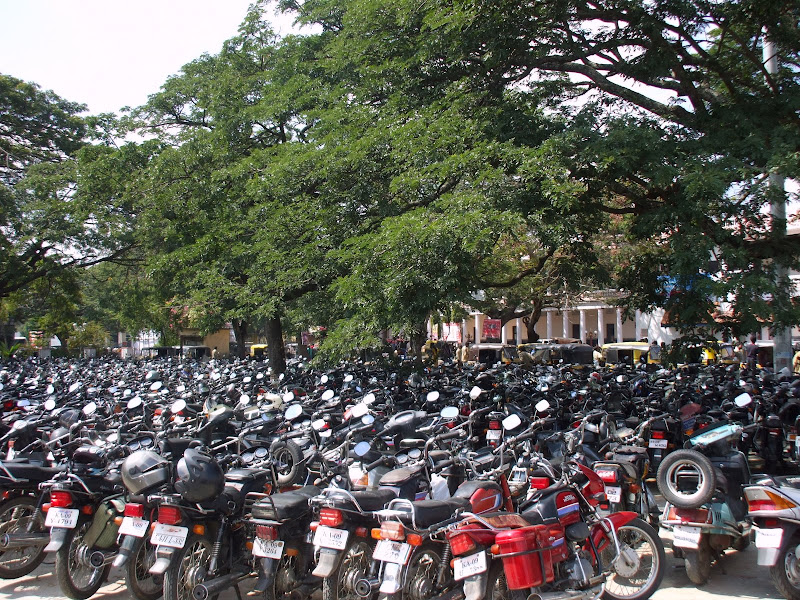
Or … there’s always the motorbike … as spotted in their dozens and dozens outside Mysore Station.
All the same, modern travel with all its advantages can seem busy, stressful. Sometimes, we might just want to exchange the traffic jam for something rather simpler.

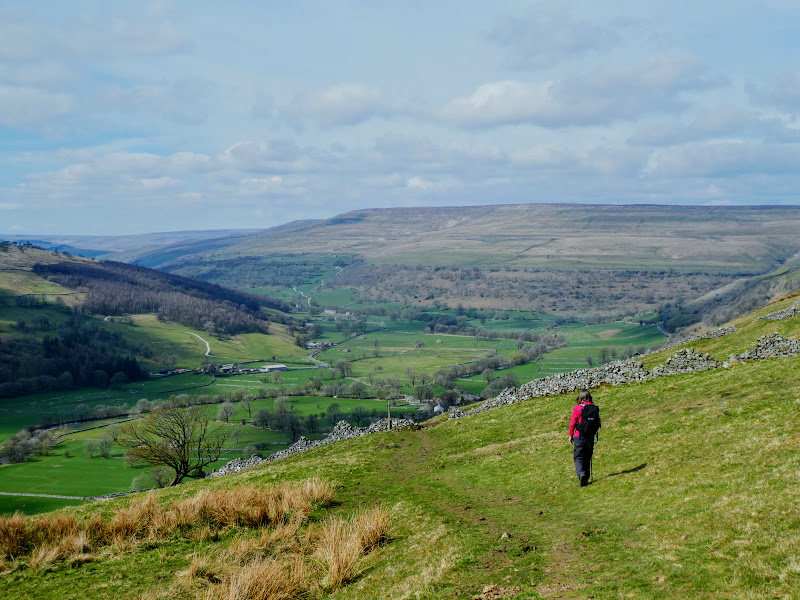
John has provided this week’s LENS-ARTISTS CHALLENGE #215 – Planes, Trains, and Automobiles, and the places they take you.
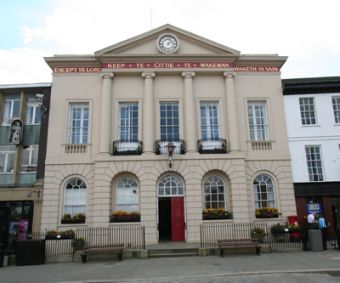
Ten years ago today, long before we imagined we’d one day be living here, we were having a short break from our lives in France here in Ripon. And this is what we saw…
July 2012
That’s the verse from the Psalms, inscribed above the town hall in Ripon, where we’re spending the next few weeks to avoid the cold and rain of the south of France (no, really, they’ve got the heating on over there). It reminds us that every evening – EVERY evening – for well over a thousand years, the Ripon Wakeman has sounded his horn to the 4 corners of the city to announce that all is well.
We had to go and check it out yesterday evening.
Promptly at 9, a smartly dressed individual in buff coloured hunting coat, tricorn hat and white gloves took his place before the obelisk on the Market Square and sounded his horn 4 times, once at each corner of the obelisk – one long mournful note each time.
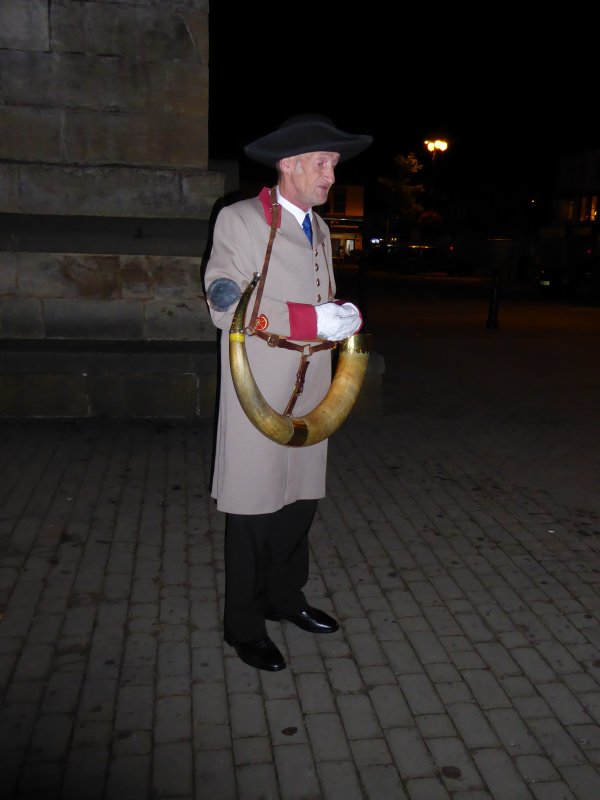
Then he grinned at us, a small crowd of 20. ”Want to hear a bit of history?’ Well, of course we did. He made us introduce ourselves, and we found we too came from, well, about 3 corners of the world: Catalonia, Italy, Australia, even South Shields and Merton. And here’s some of what he told us:
In 886, Alfred the Great, 37 year-old warrior king, was travelling his kingdom to defeat the Vikings and to drum up support. Arriving at the small settlement of Ripon, he liked what he saw and granted a Royal Charter. He lacked the wherewithal to produce an appropriate document, and so gave a horn which is still safely locked in the town hall.
‘You need to be more vigilant, there are Vikings about’. Alfred warned. So the people appointed a wakeman to guard the settlement through hours of darkness, and he put that horn to use by sounding it at the 4 corners of the Market Cross to announce that all was well as he began his watch. The city’s now on its 4th horn.
If you want to know more, our current Wakeman, George Pickles, has written the whole tale for the BBC website. It’s a good yarn. Read it when you have a moment.
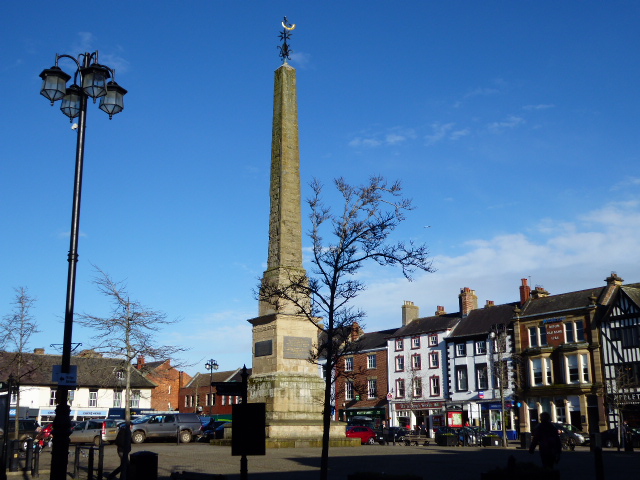
2022 Update: These days there’s a team of three Wakemen, and one of them is a woman. Only Lockdown – sort of – interrupted the tradition, when the nightly task was performed from the comfort of the duty-Wakeman’s garden at home, courtesy of Facebook.
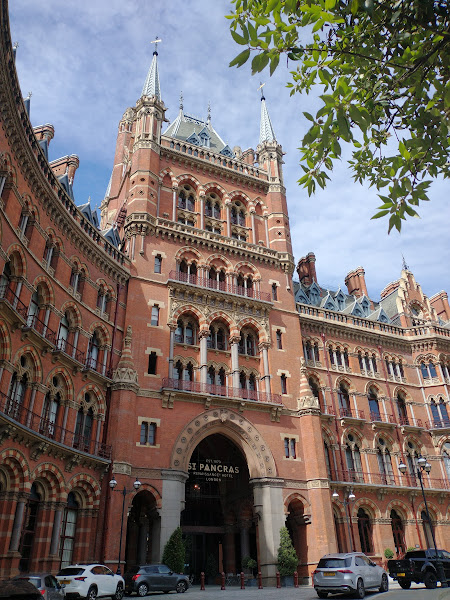
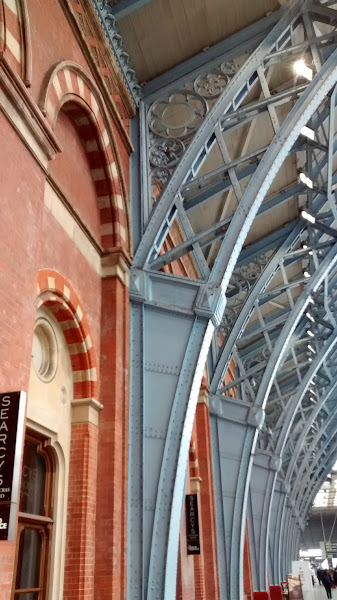
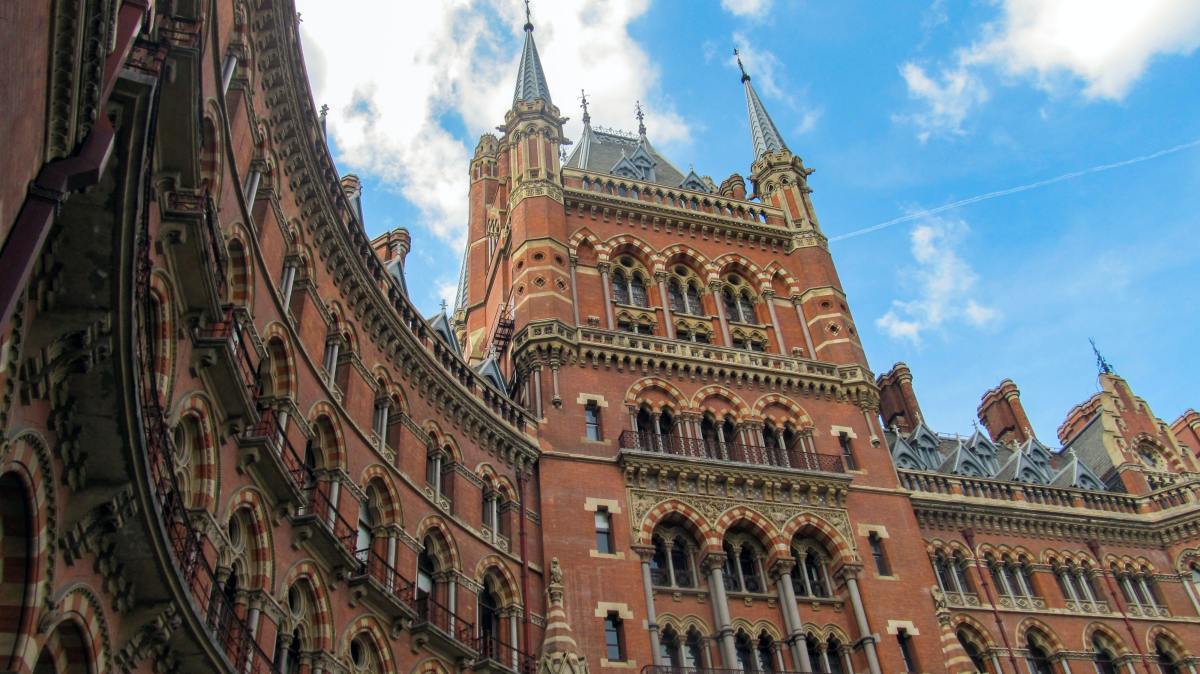
My favourite station in the UK is Saint Pancras International. It’s a masterpiece of Victorian Gothic architecture and must be England’s most elegant place from which to start a journey. It was opened in 1862, and one of its glories is its immense single span iron roof , designed by William Barlow. That wonderful facade, which includes the Midland Hotel, was designed by Gilbert Scott, and this is what you’ll see as you approach, and then wander among all the fairly up-market shops which line the concourse these days. It’s such a treat just to wander round admiring the structure, listening to travellers chatting in French as they accustom themselves to their English surroundings. Here’s a little gallery to give you as taste of the handsome brickwork, the charming attention to detail.
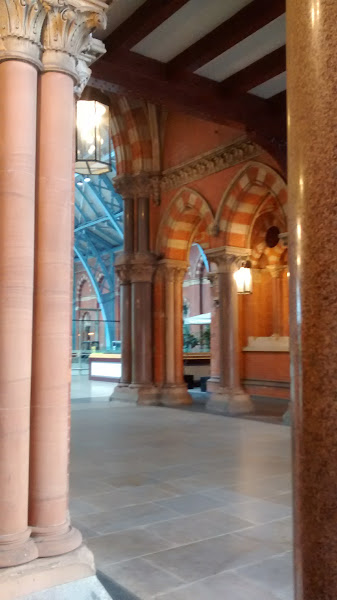
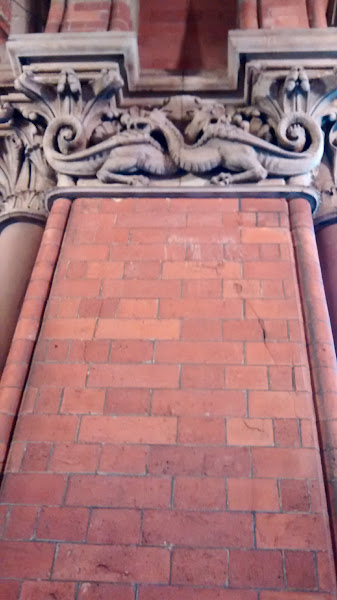
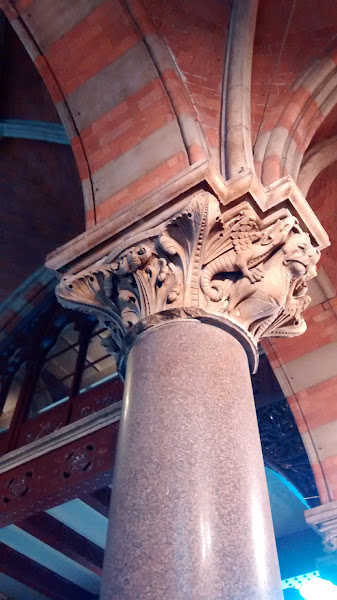
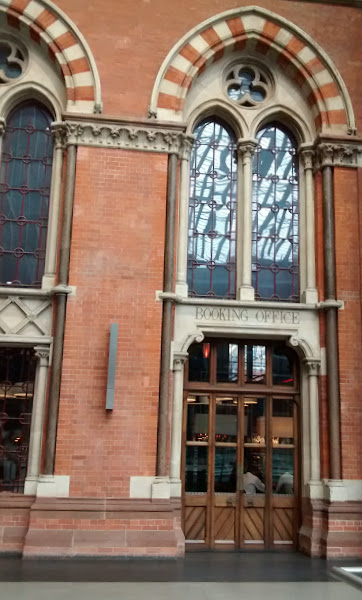
What a shock, then, to find yourself suddenly facing this statue, The Meeting Place. some 9 metres high. Designed by Paul Day and unveiled in 2007, it’s intended to encapsulate the romance of travel.
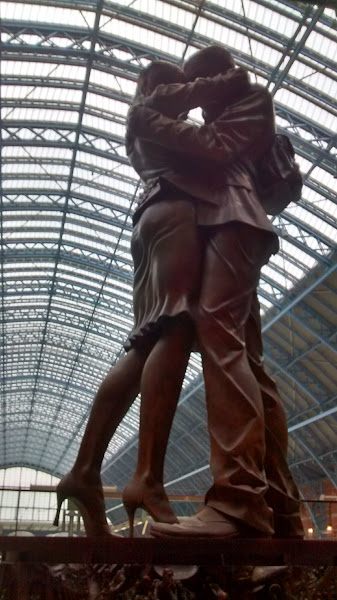
This weekend’s Tanka Tuesday Poetry Challenge invites us to use a photo of this work as a prompt for a piece of Ekphrastic Poetry (if this is a new one on you, as it was to me, you’ll find out what it is if if you follow the link). For the challenge, it has to be in syllabic form, so I chose Prime Verse. And I think my feelings about this work may be clear…
Saint Pancras and the lovers.
A magnificent
Victorian masterpiece.
Elegant springboard of a thousand journeys –
Saint Pancras Station.
What greets you here?
A schmaltzy piece of kitsch:
a statue of two lovers who embrace
as they meet once more.
A crude mawkish piece, whose presence I abhor.
The featured image is by Daniela Paola Alchapar via Unsplash.
Getting two images for the price of one. That’s this week’s Lens-Artist Challenge, hosted this week by Jez. I’m keen on seeing double like this.
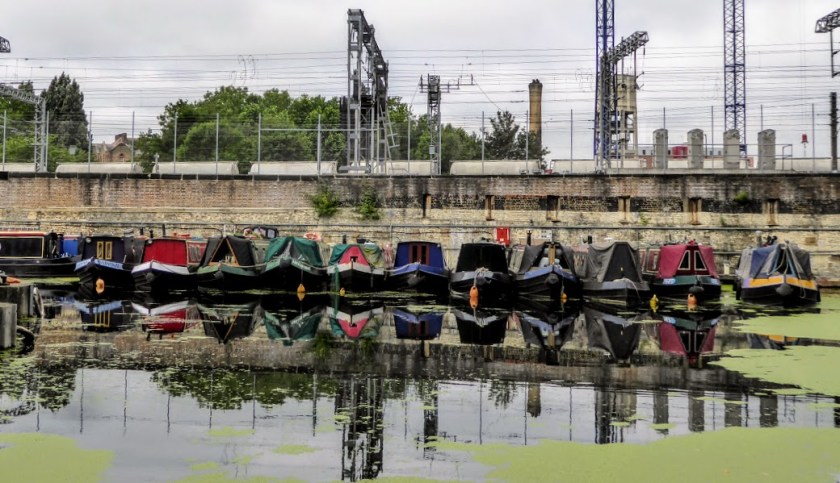
Do I prefer a simple canalscape?
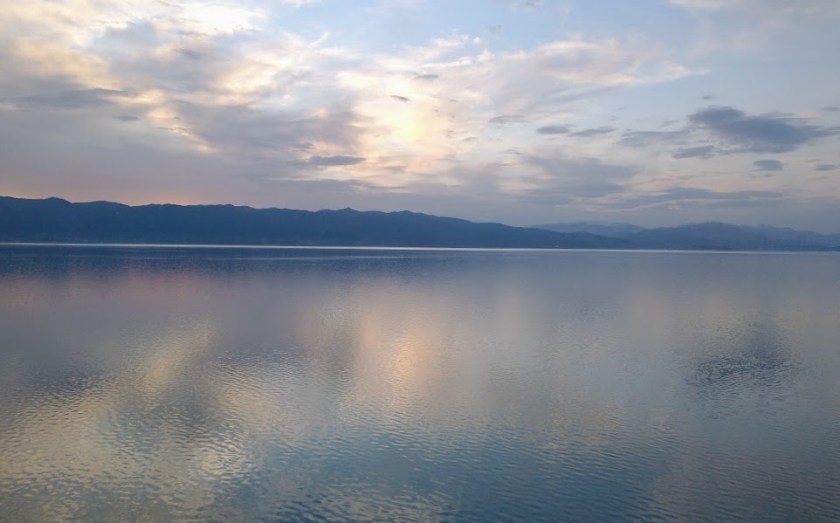
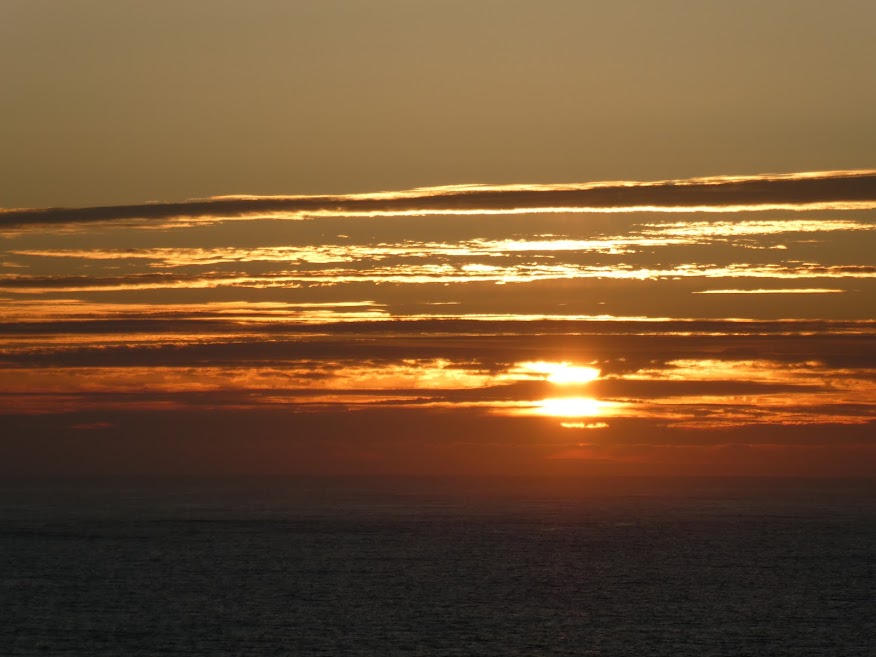
Or a cloudscape?
A few birds could add some interest …
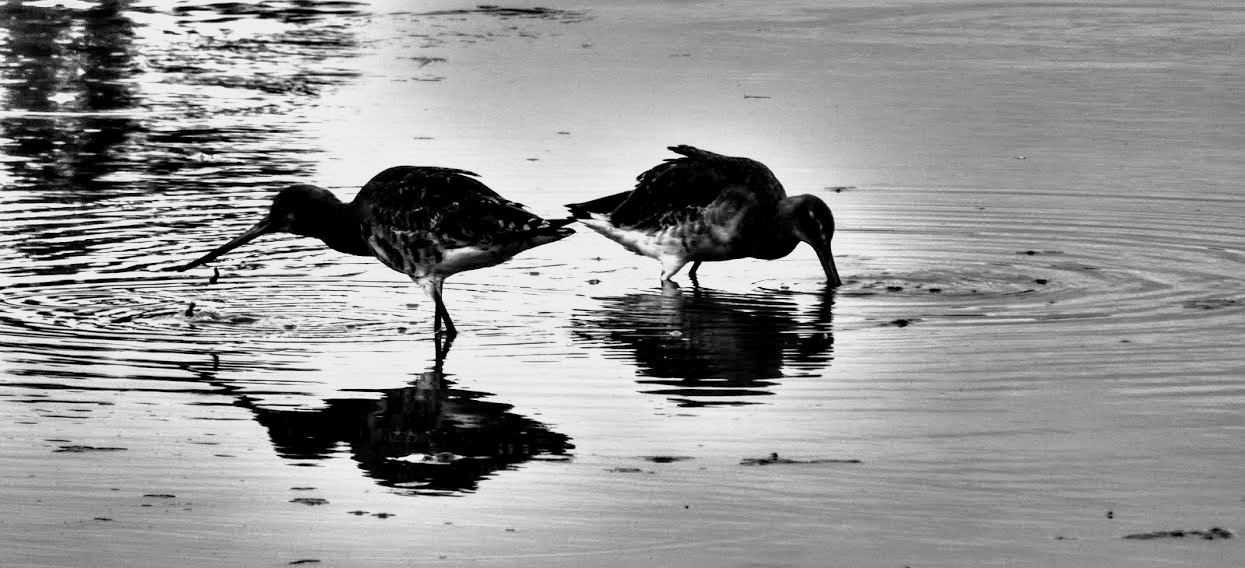
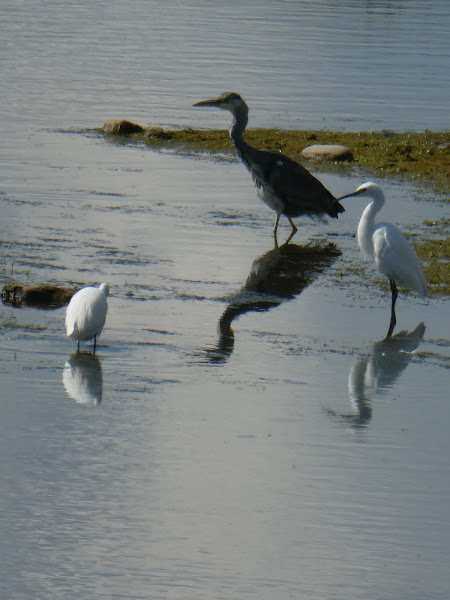
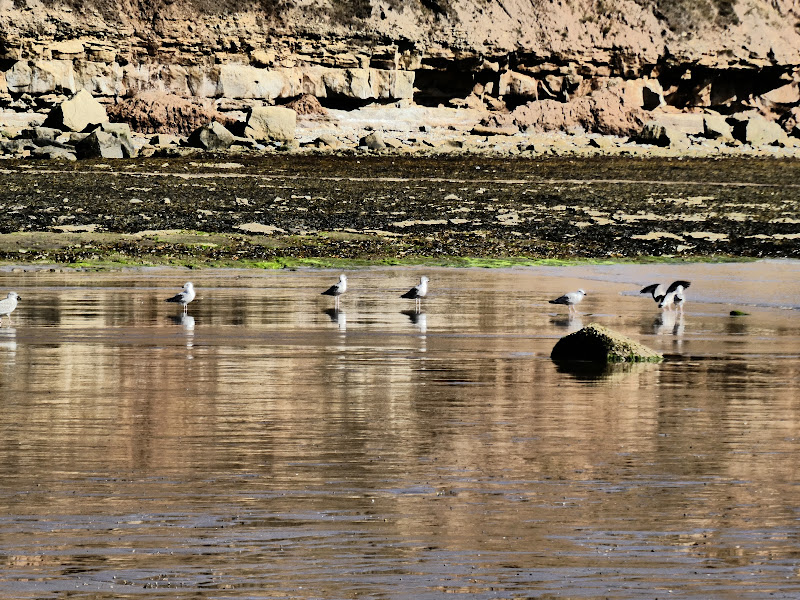
I often like urban reflections …
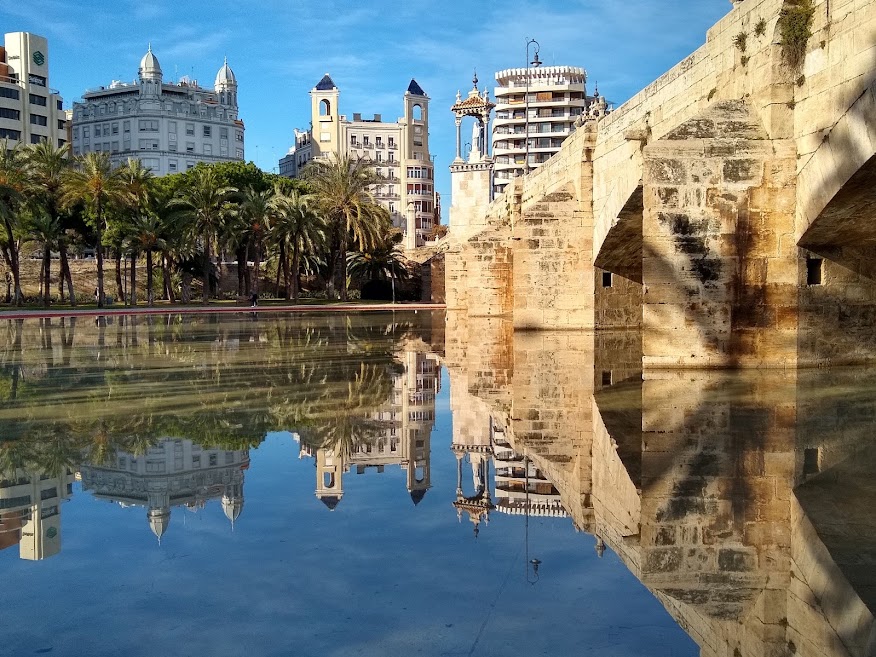
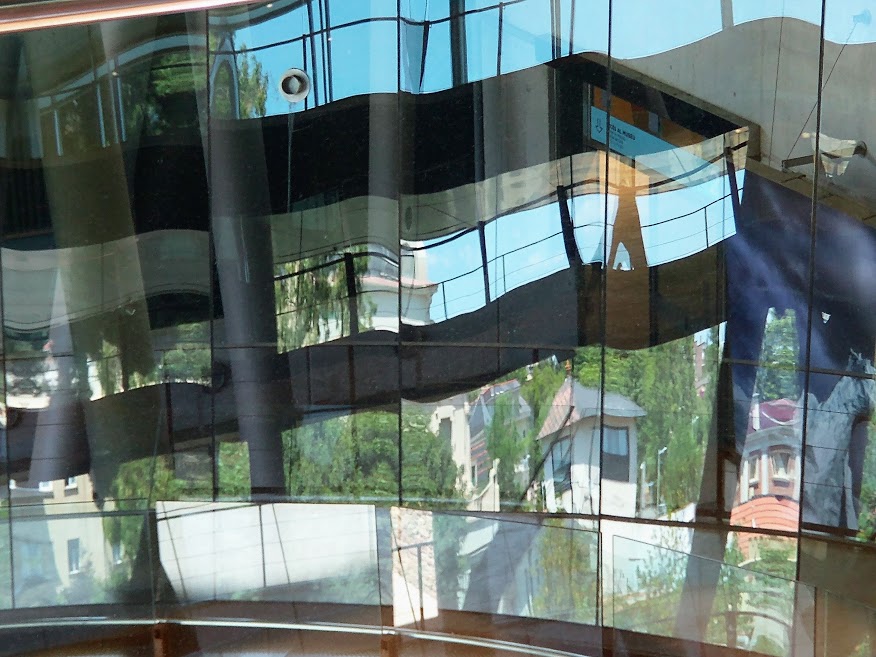


… or surprising reflections …
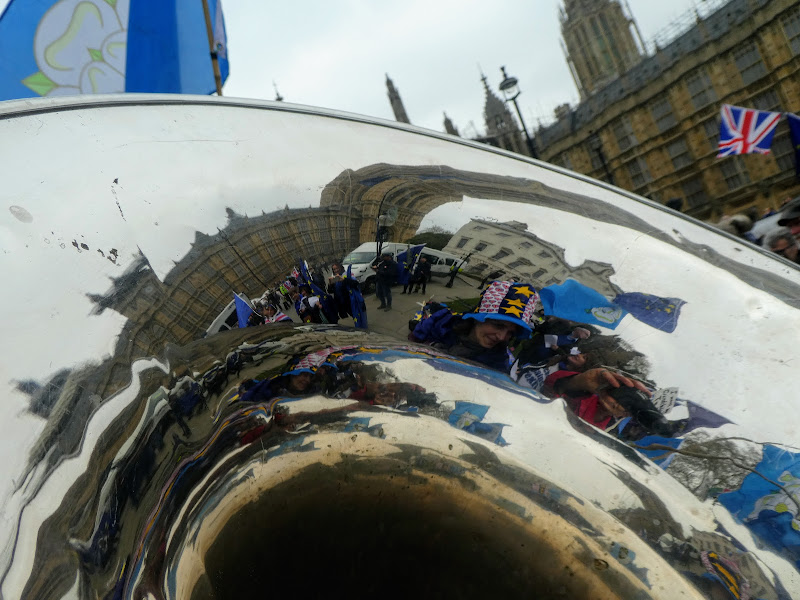
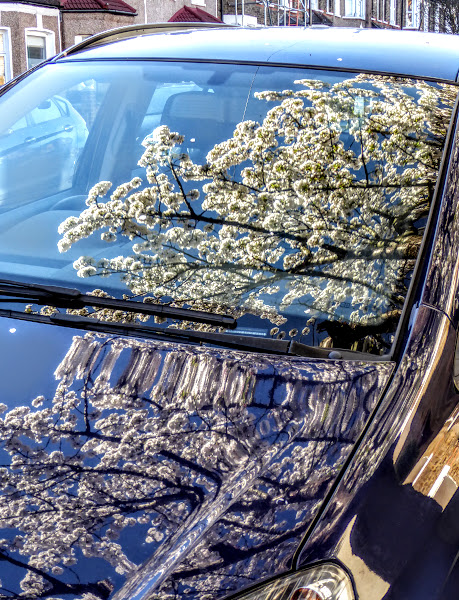
… or just a peaceful scene by a river …
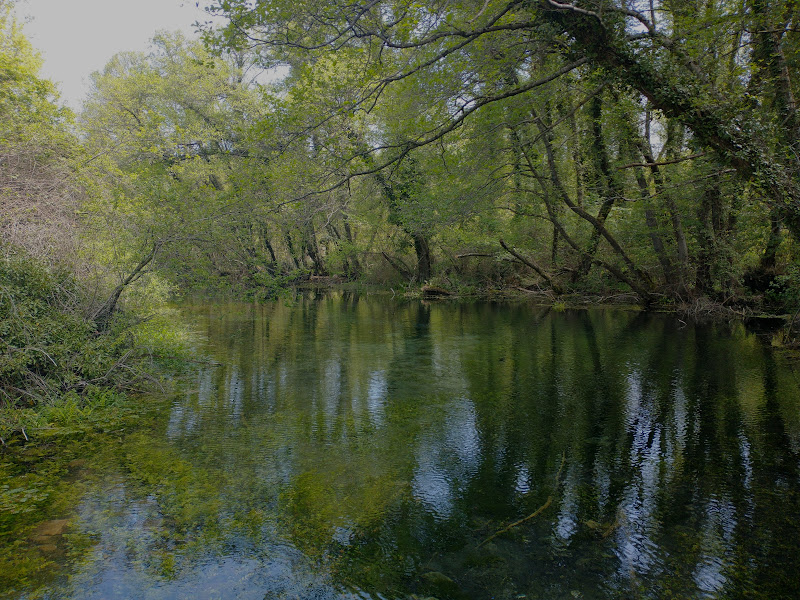
… which is where we started. The featured photo is from a boat on the River Guadalquivir in Seville.
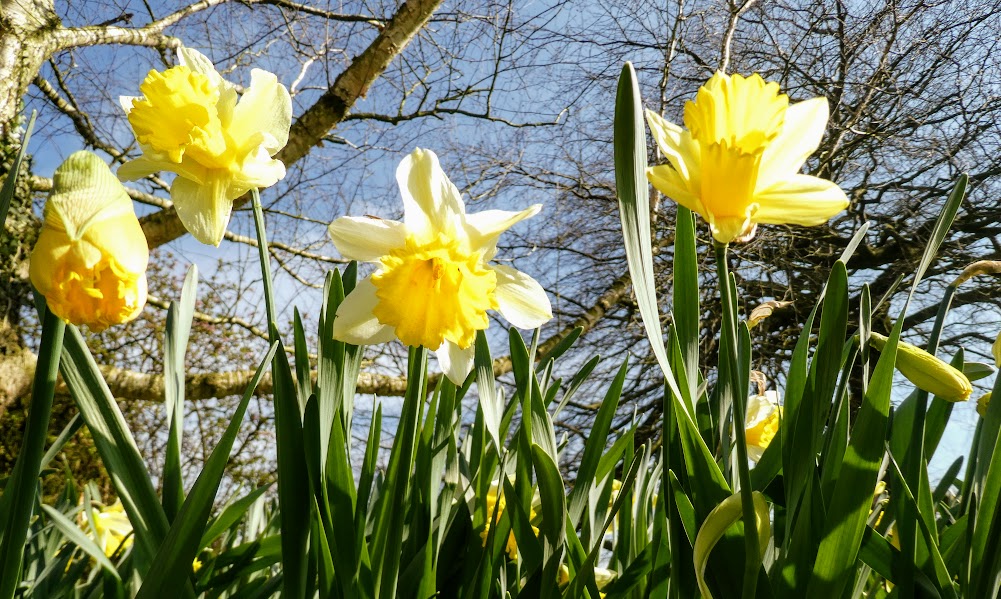
Monday portraits tend to showcase subjects from the animal kingdom. But we have just said ‘Goodbye’ to my daughter and granddaughter: a week together in which blogging played no part. Anaïs delighted in wandering among the daffodils: she’d never seen any in sunny Spain. Here’s a snapshot of one of those moments.

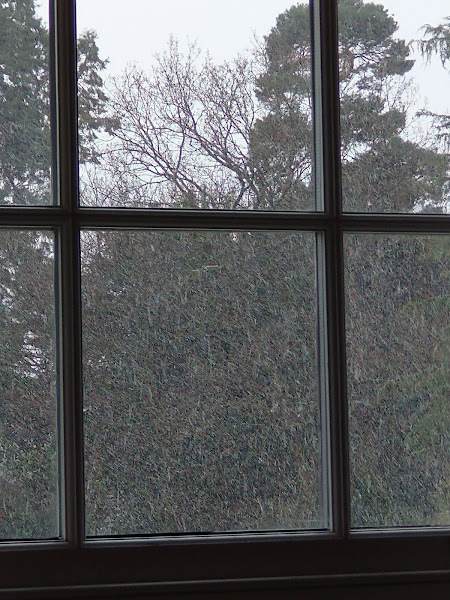
This was the last photo I took yesterday, as I was safely indoors. It was 3.00 p.m., and I thought daughter-who-lives-in-Spain would like to see what she was missing as sleet careered past the window. She didn’t appear to feel awfully jealous. .
For Brian at Bushboy’s World’s Last on the Card

Every culture throughout the world has its myths about how the earth, and everything that inhabits the earth, came into being. Here in the UK, historically part of the Judeo-Christian tradition, we’re most familiar with the creation story told in The Book of Genesis.
Day 1 – God created light and separated the light from the darkness, calling light ‘day’ and darkness ‘night’. And God said, Let there be light: and there was light.
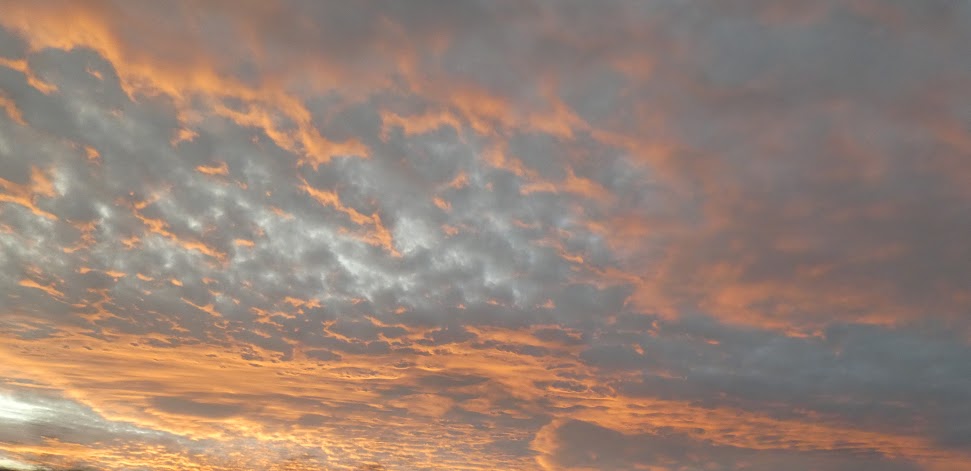
Day 2 – God created an expanse of sky to separate the waters. Let there be a firmament in the midst of the waters.
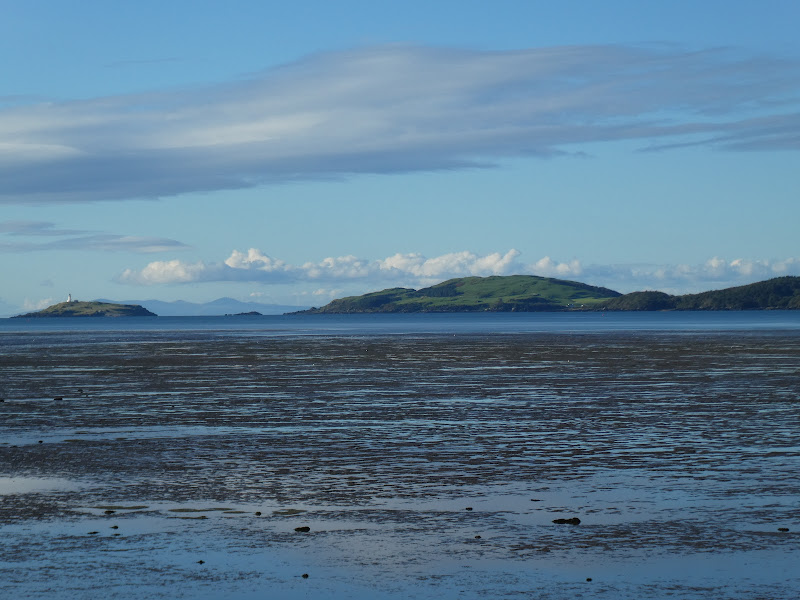
Day 3 – God created the dry ground and gathered the waters, calling the dry ground ‘land’, and the gathered waters ‘seas’. Let the waters under the heaven be gathered together unto one place, and let the dry land appear: and it was so.
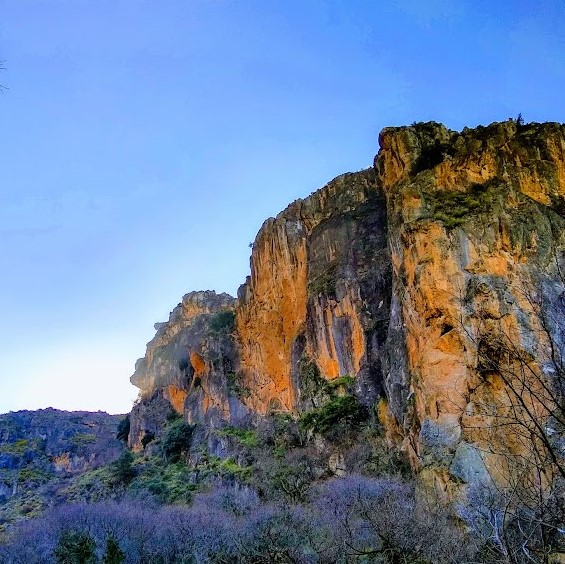
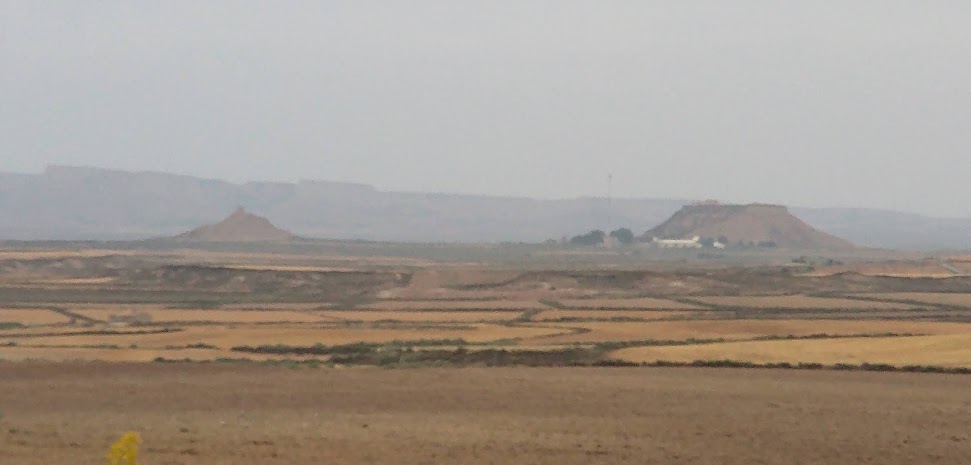

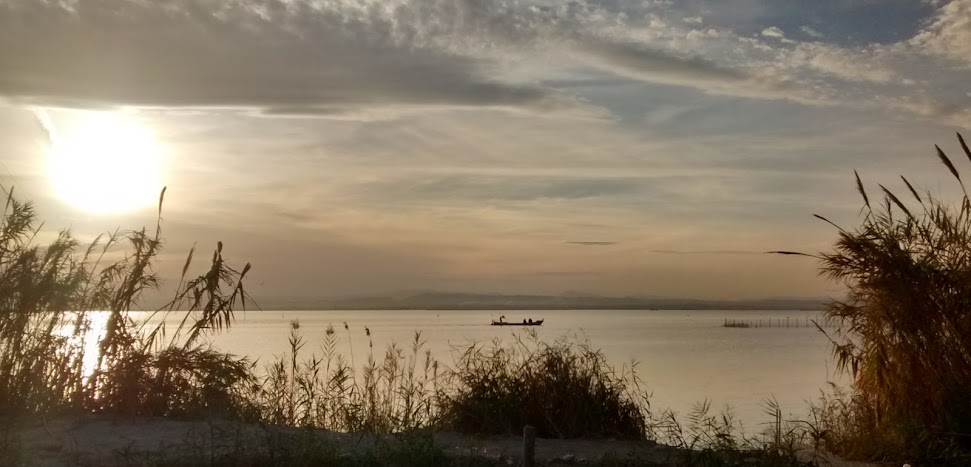
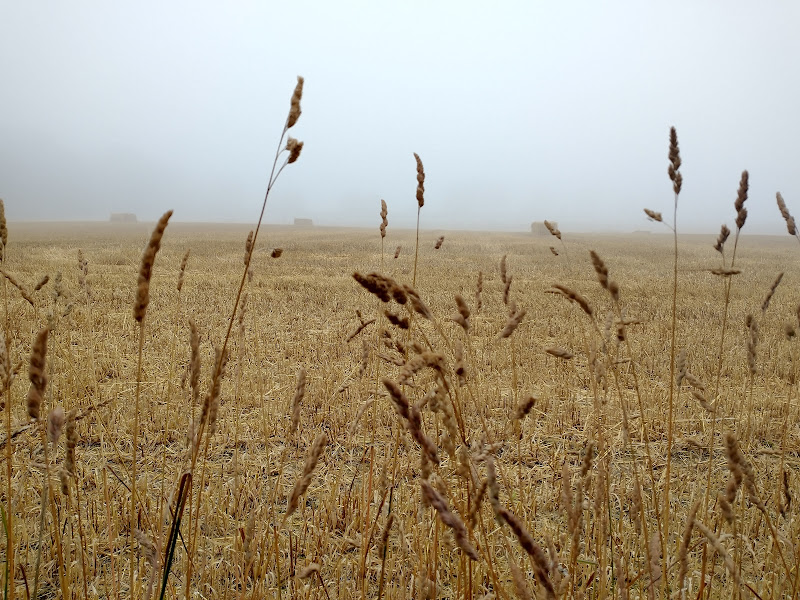
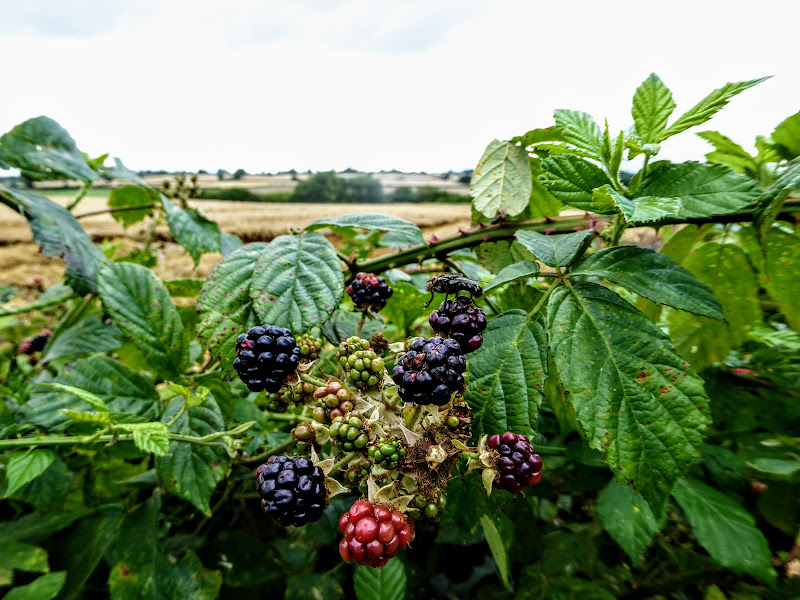
On day three, God also created plant life. Let the earth bring forth grass, the herb yielding seed, and the fruit tree yielding fruit after his kind, whose seed is in itself, upon the earth: and it was so.
Day 4 – God created the sun, moon, and the stars to give light to the earth and to govern and separate the day and the night. These would also serve as signs to mark seasons, days, and years. Let there be lights in the firmament of the heaven to divide the day from the night; and let them be for signs, and for seasons, and for days, and years.

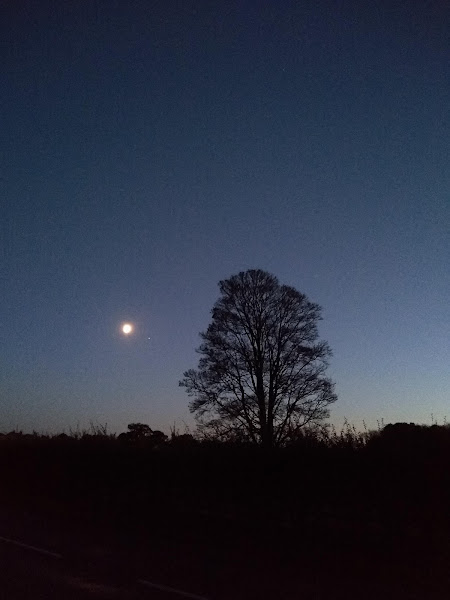
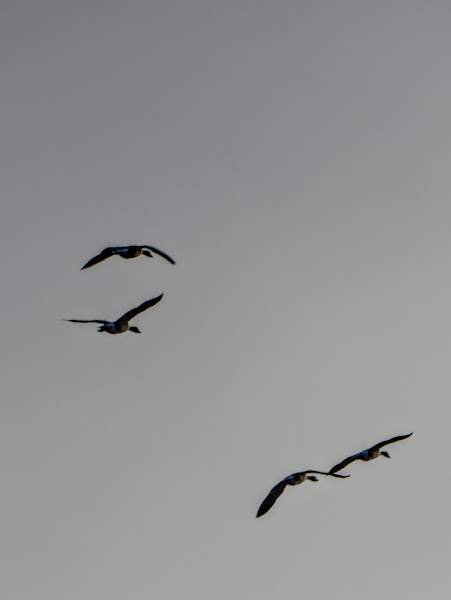
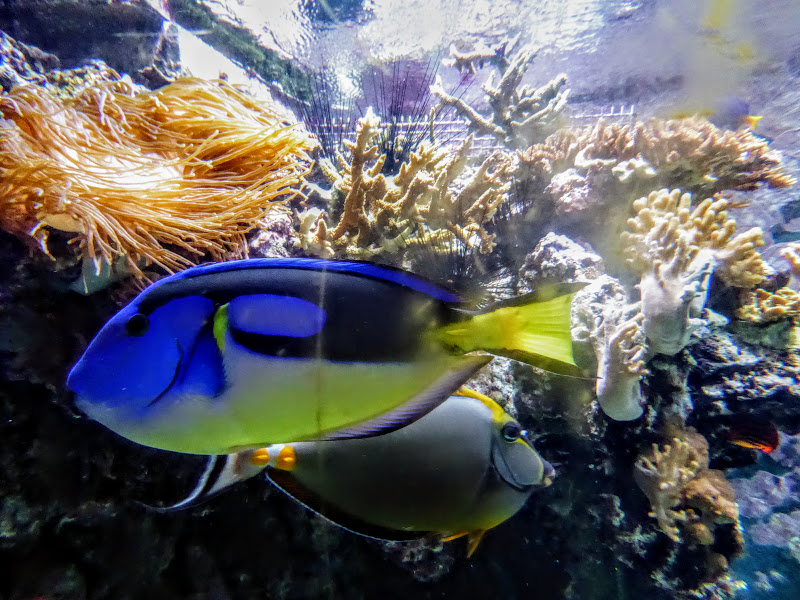
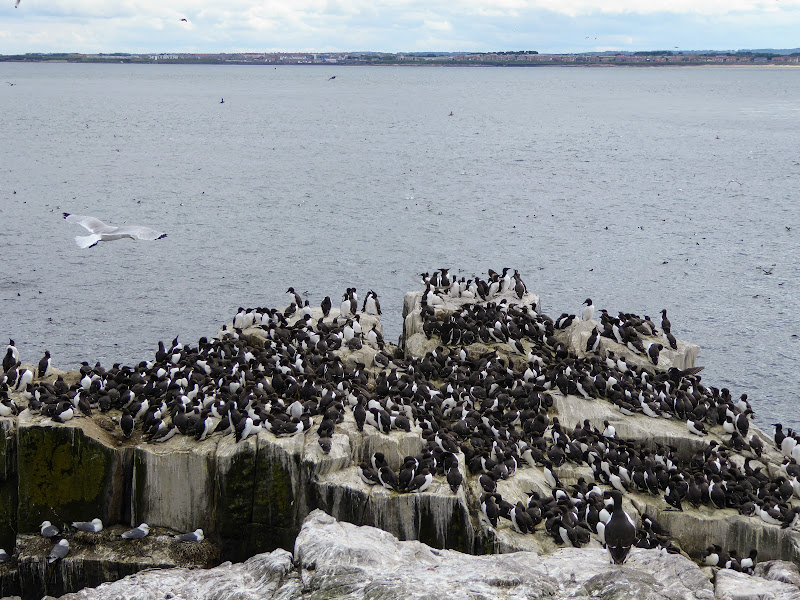
Day 5 – God created every living creature of the seas and every winged bird, blessing them to multiply and fill the waters and the sky with life. Let the waters bring forth abundantly the moving creature that hath life, and fowl that may fly above the earth in the open firmament of heaven… Let the earth bring forth the living creature after his kind, cattle, and creeping thing, and beast of the earth after his kind: and it was so.

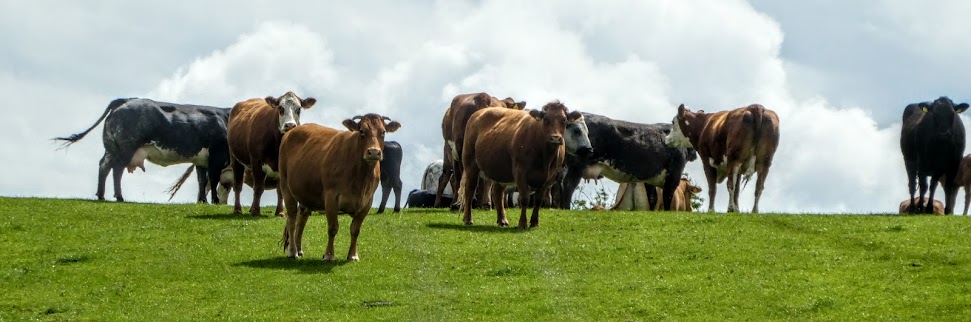
Day 6 – God created man and woman in his own image. He gave them every creature and the whole earth to rule over, care for, and cultivate. Let us make man in our image, after our likeness: and let them have dominion over the fish of the sea, and over the fowl of the air, and over the cattle, and over all the earth, and over every creeping thing that creepeth upon the earth. Which is perhaps where it all started to go wrong …
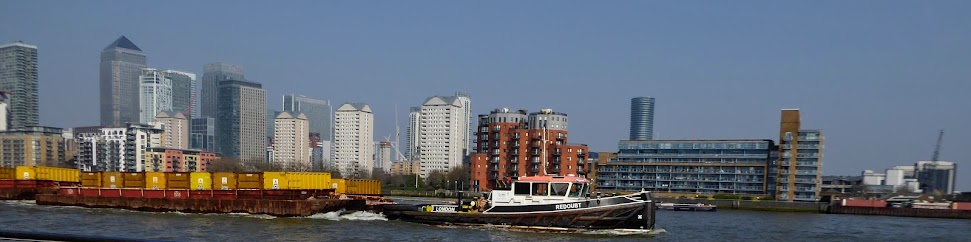
This week, for Lens-Artist Challenge #192, Amy invites us to tell Earth’s Story. So I have, with the help of the Old Testament.
PS. Thanks to your ‘likes’ on this recent post, I’ve been able to donate £28.00 on your behalf to World Central Kitchens, as they feed the dispossessed fleeing from war in Ukraine and other humanitarian catastrophes.
This post title is completely misleading. I’m showing you six bridges, it’s true. But only one pre-dates the eighteenth century. Only one is neither in Yorkshire or London. But there’s a footbridge, a canal bridge, a railway bridge, a transporter bridge, a road-bridge which opens, and one for the Millennium, so maybe we’re covering quite a lot of bases.
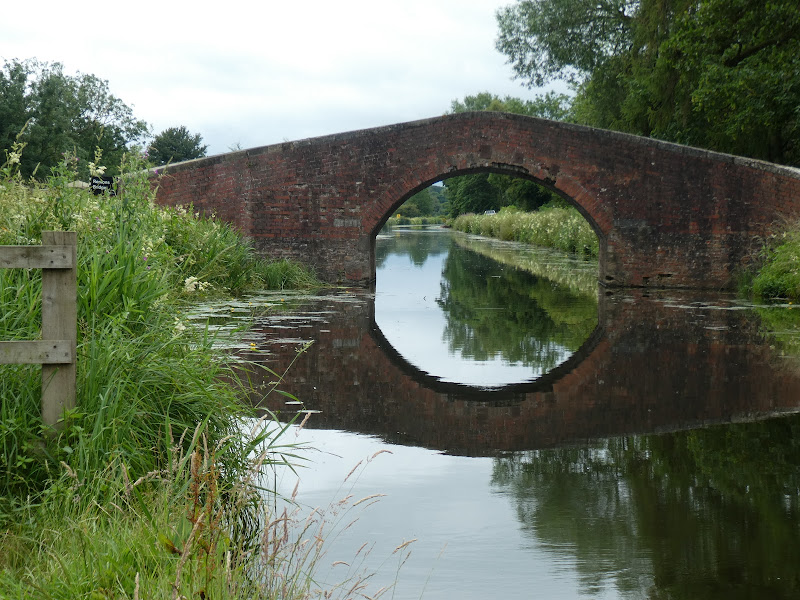
This first two are really quite small. Here’s a fifteenth century bridge, leading over the moat to Eltham Palace. Then here’s one of the bridges over Ripon Canal, opened in 1773. This canal may be the shortest in England – it’s only 2.3 miles long.
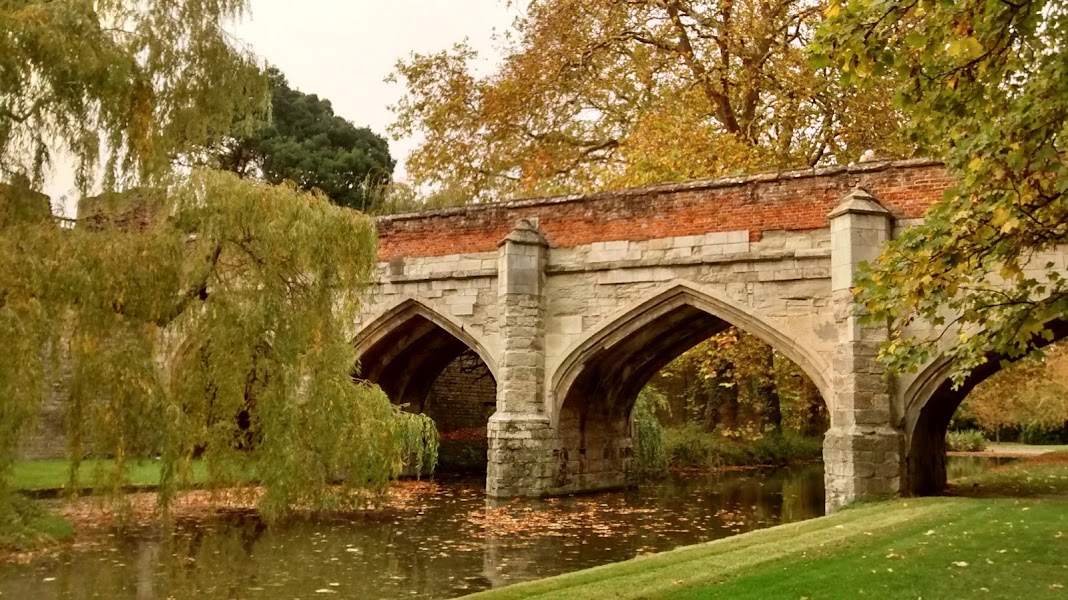
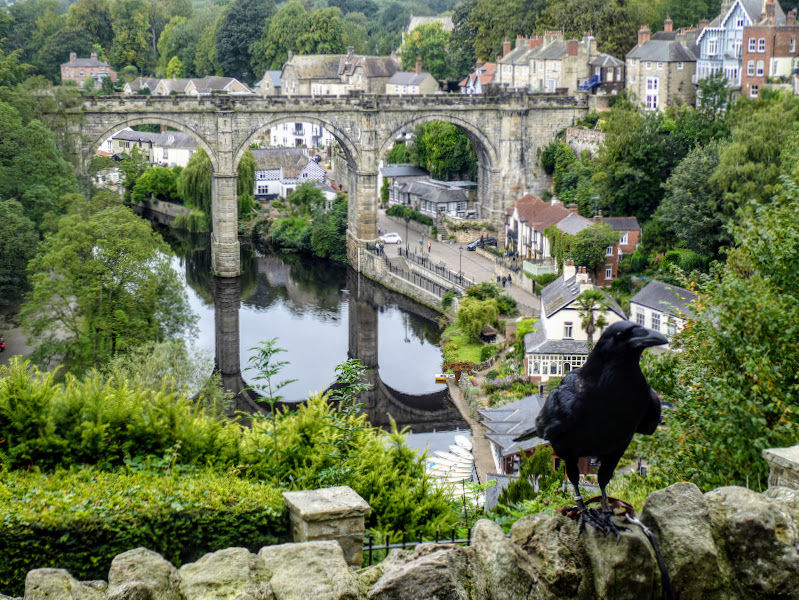
Knaresborough Viaduct is a railway bridge which spans the river Nidd in truly majestic fashion. I bet I’d have been a NIMBY protesting against such a huge change planned for the view of my town if I’d lived in Knaresborough back in the 1850s. Now I’d be joining the demonstrations if anyone suggested dismantling it.
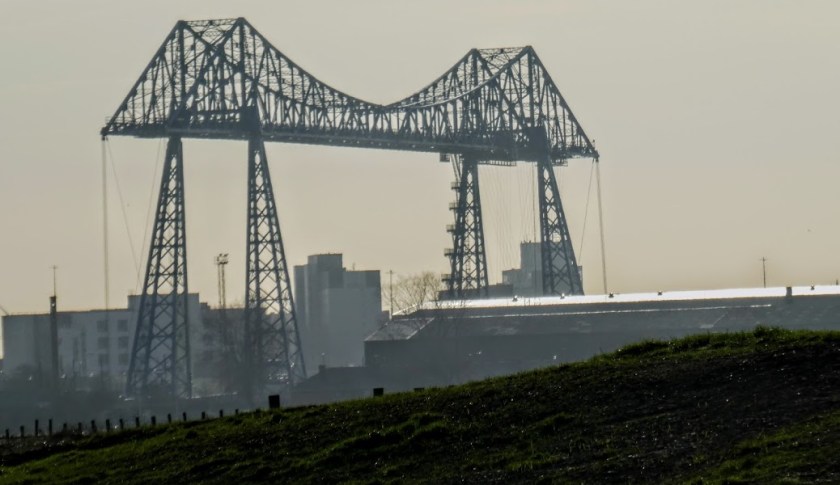
This Transporter Bridge in Middlesbrough is quite a thing. You can read all about it here.
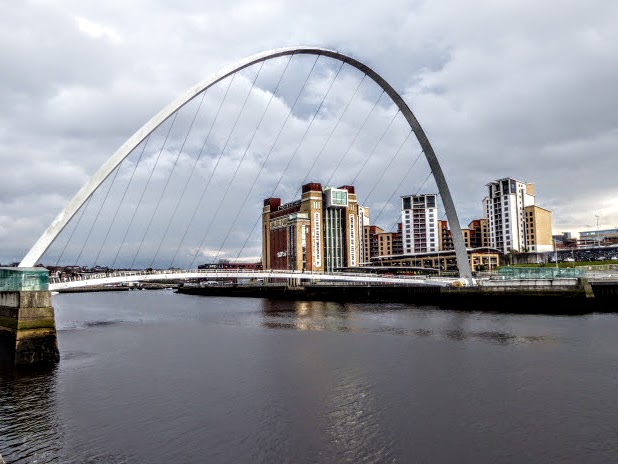
Last of all – my favourite: the world’s first and only tilting bridge – Gateshead Millennium Bridge.
The header photo shows what may be England’s most famous bridge: Tower Bridge, opening and closing for London’s shipping since 1886.
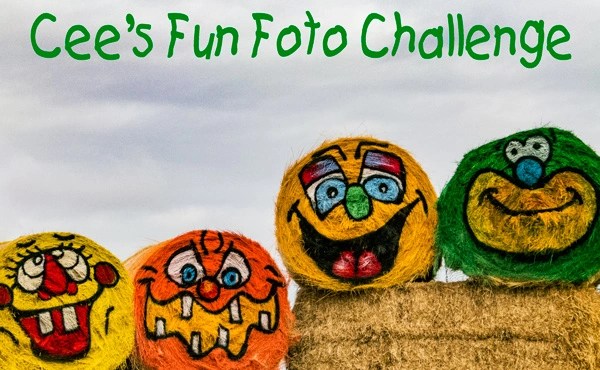
For Cee’s CFFC: Bridges
… and Alive and Trecking’s Which Way Photo Challenge.

Pretty much exactly three years ago, we were in Málaga, and yomping up the hill towards Castillo Gibralfro, the fortified castle which protected the city for centuries, and shown in the header photograph.
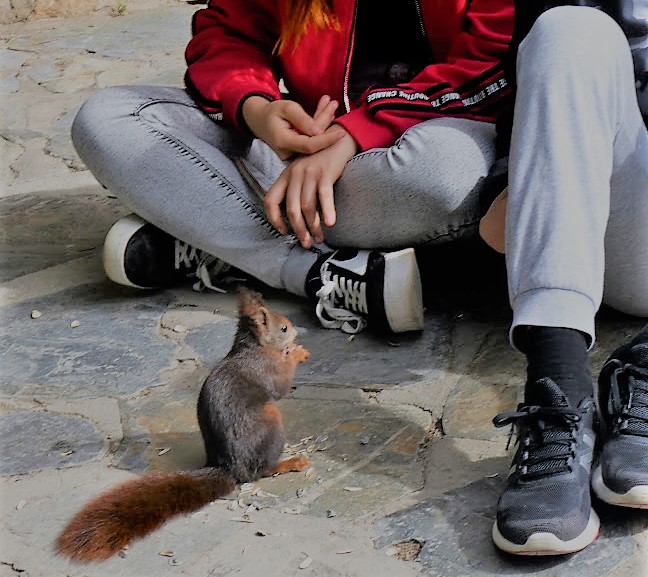
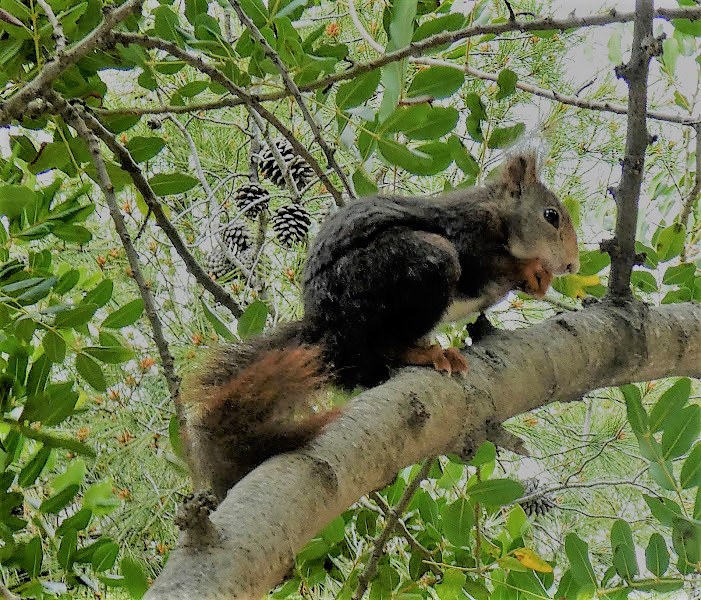
Part way up, we were charmed to be accosted by the local red squirrels, who very politely skirted round any visitors they met, asking for nuts.

This cheeky chap clearly stole the hearts of these two teenagers.
Let’s move in just a little closer ..
…. and closer still …
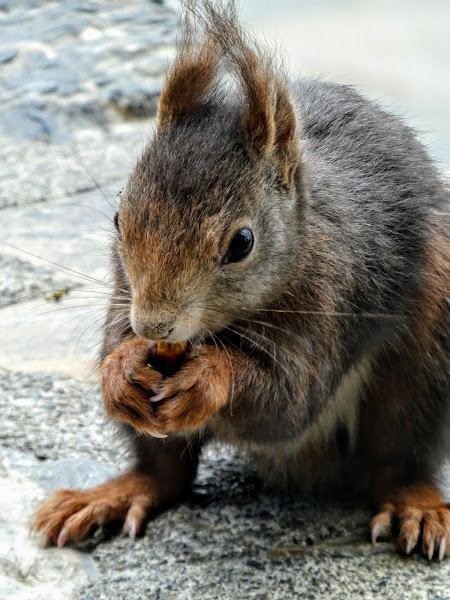
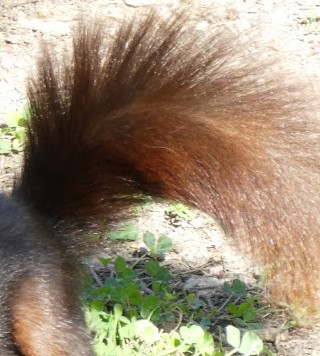
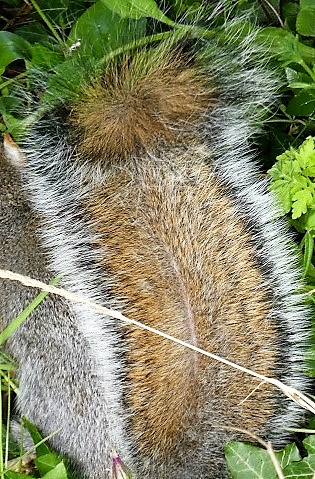
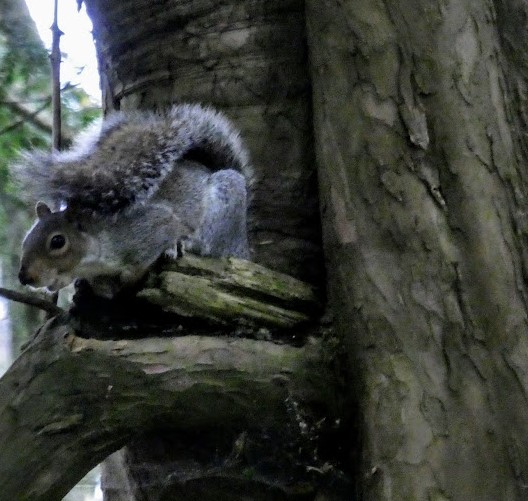
I thought of this little charmer when I was posting my Monday portrait of that irritated grey squirrel I met at Fountains Abbey. This was the ideal chance to compare the two squirrels who each lived on historic sites. They’re more different than I at first realised.
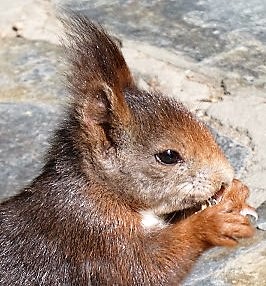

Those ears. Those eyes. They’re quite different, aren’t they?
And what about the tails?
Here they both are, back in their respective trees:
For Patti’s Lens-Artists Photo Challenge #190: Close and Closer



 From Pyrenees to Pennines
You must be logged in to post a comment.