Premià de Dalt is Premià de Mar’s slightly posher sister, just up the hill from here. It has an older town centre, with a church dating from the 10th century, and tantalising views of the sea far below. And a population of only 10,000.
I went to explore by myself on Friday. Malcolm wasn’t feeling so good, and that very night, Emily and I were due to fall victim to a thoroughly nasty sickness bug. It’s been that sort of holiday. Weather (i), transport limitations (ii) and ill- health (iii) have all been conspiring against us. (i) is about to hit again, (ii) are still with us, and (iii) is still afflicting Malcolm.
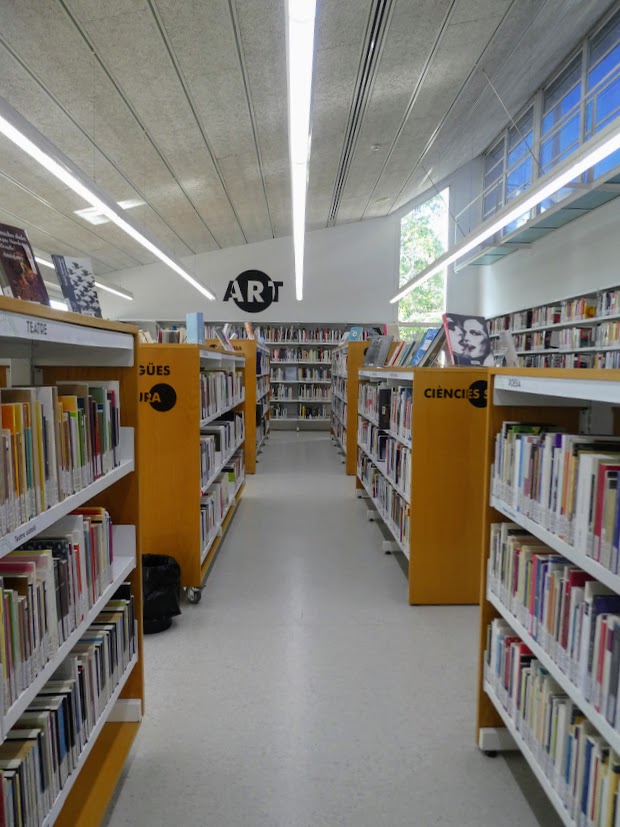
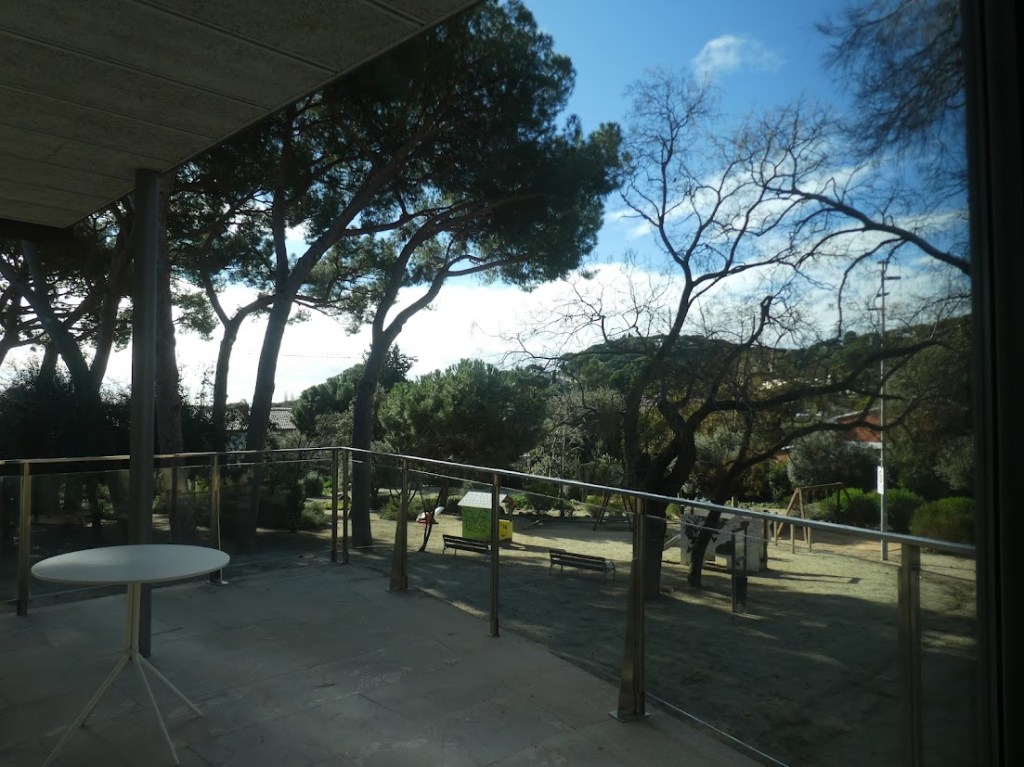
One of my discoveries was the town’s library. I was impressed. It’s situated by a local park, and there’s a large balcony with tables and chairs so you can read or study there in the fresh air.
It’s well-stocked.
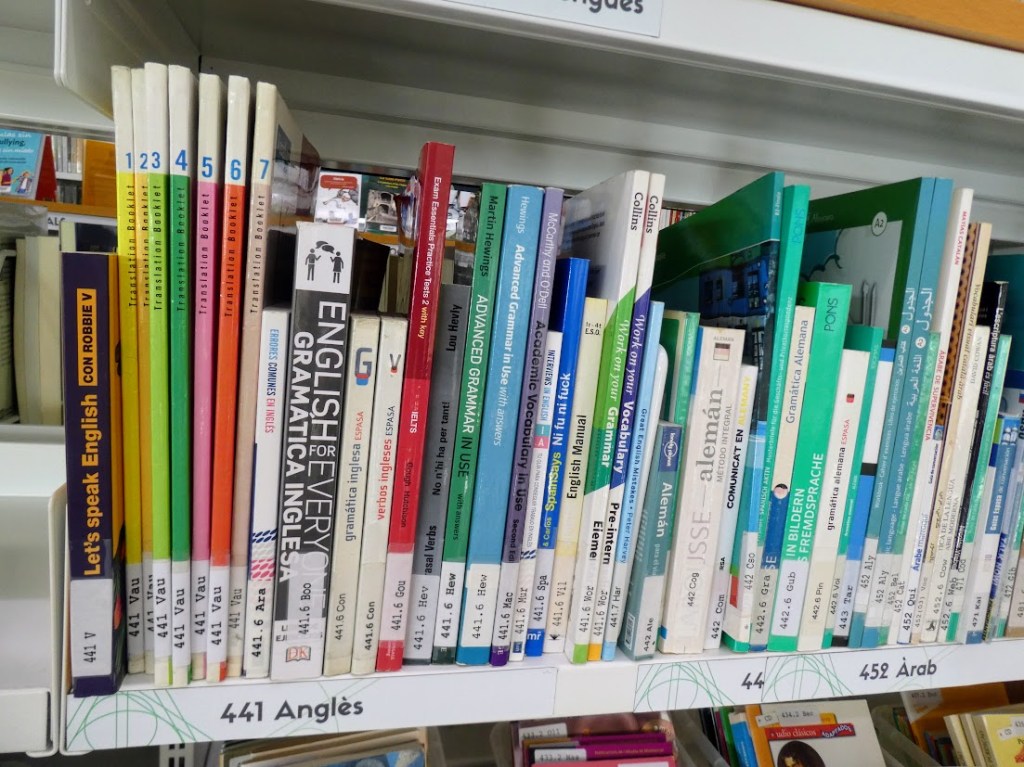
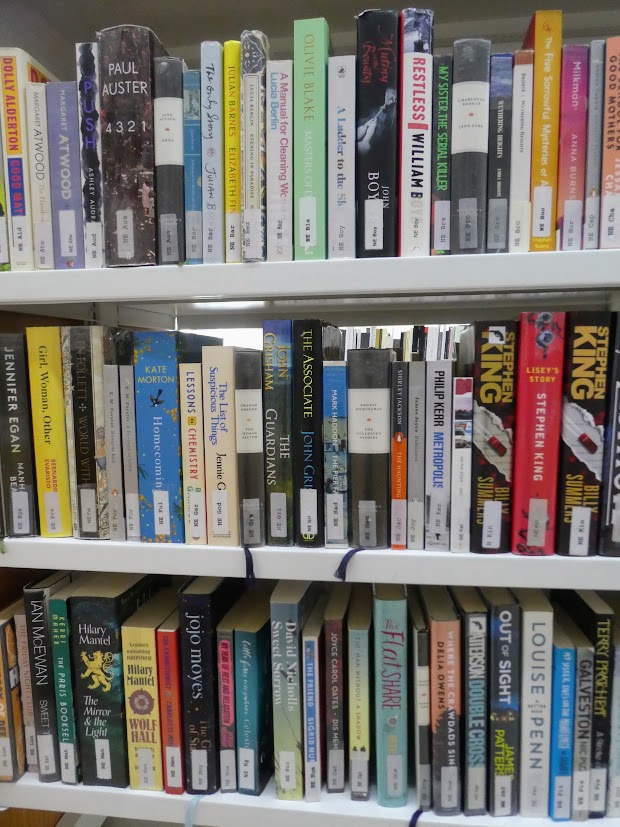
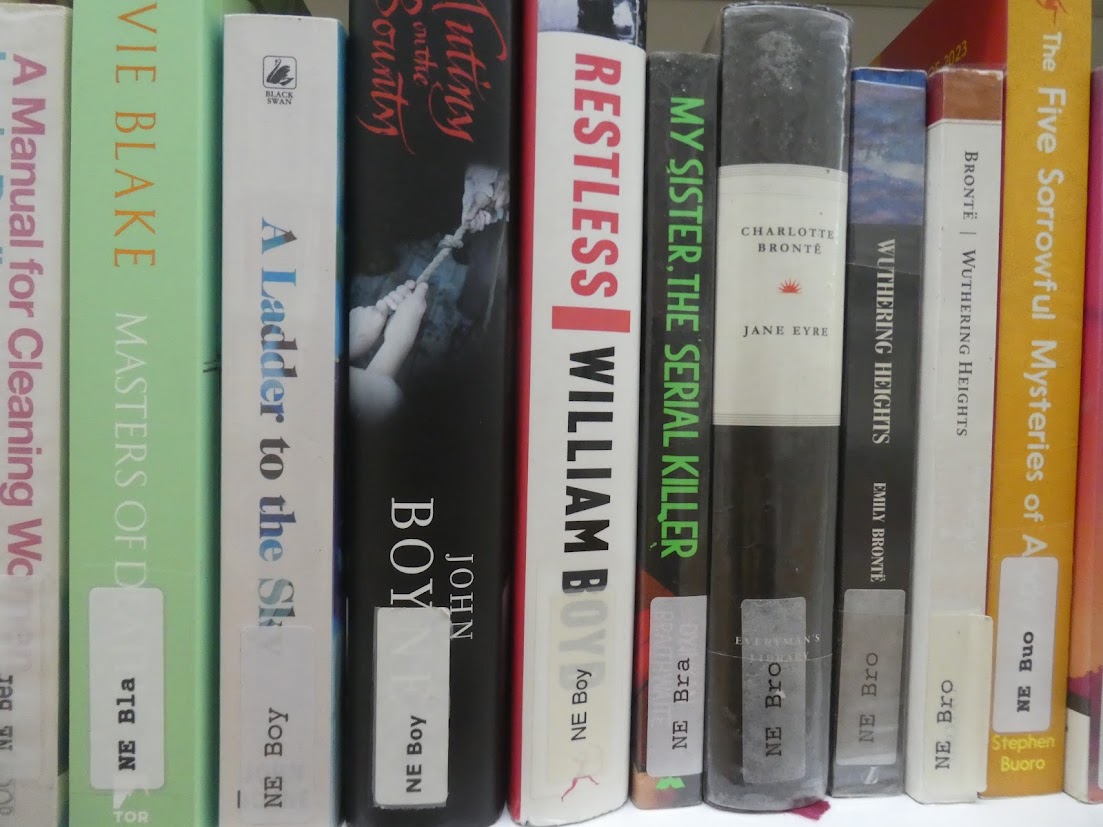
Here are the books available if you’re studying English:
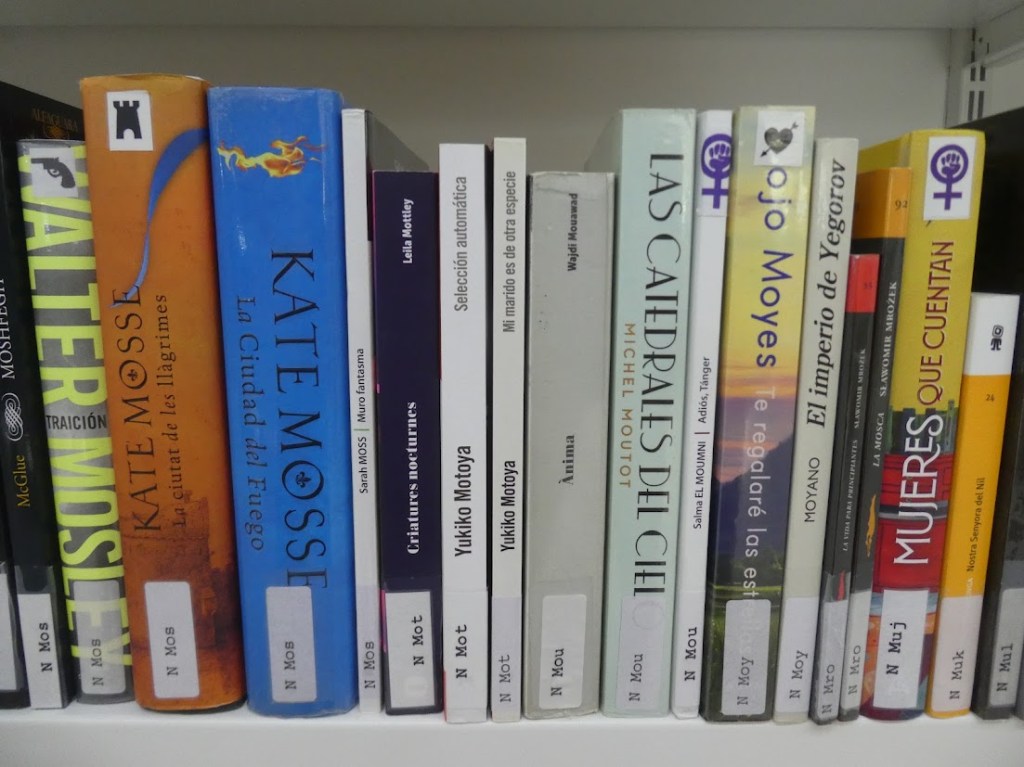
… or just reading in English. There were about 100 books to choose from – the old classics and up-to-the-minute reading choices.
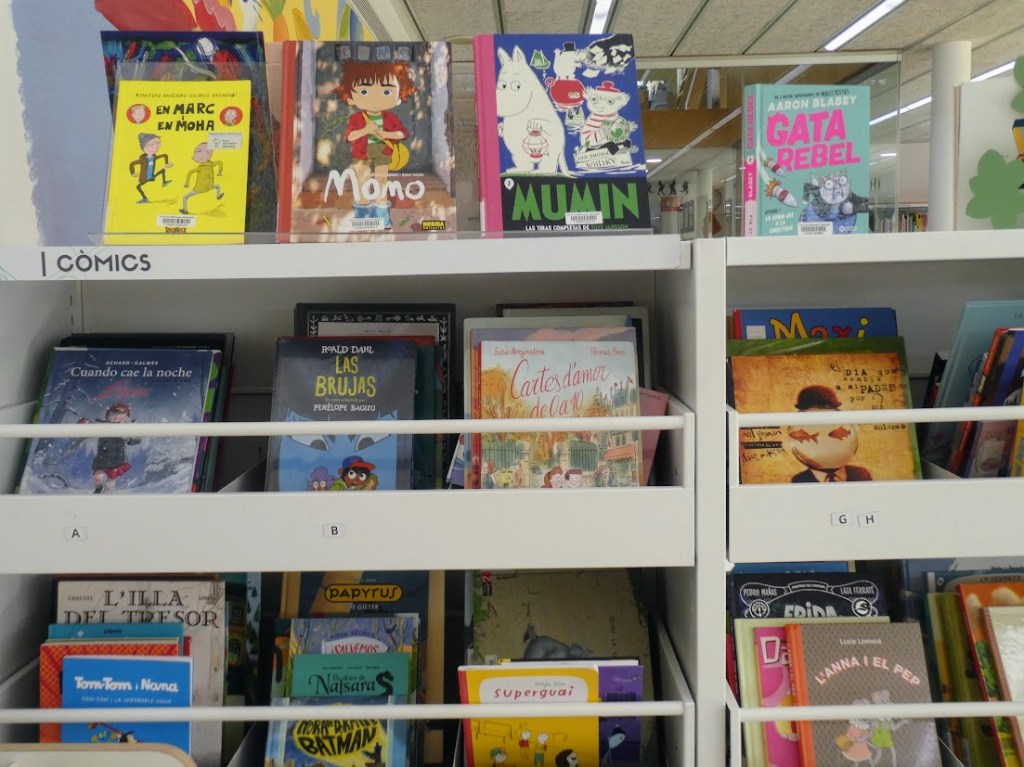
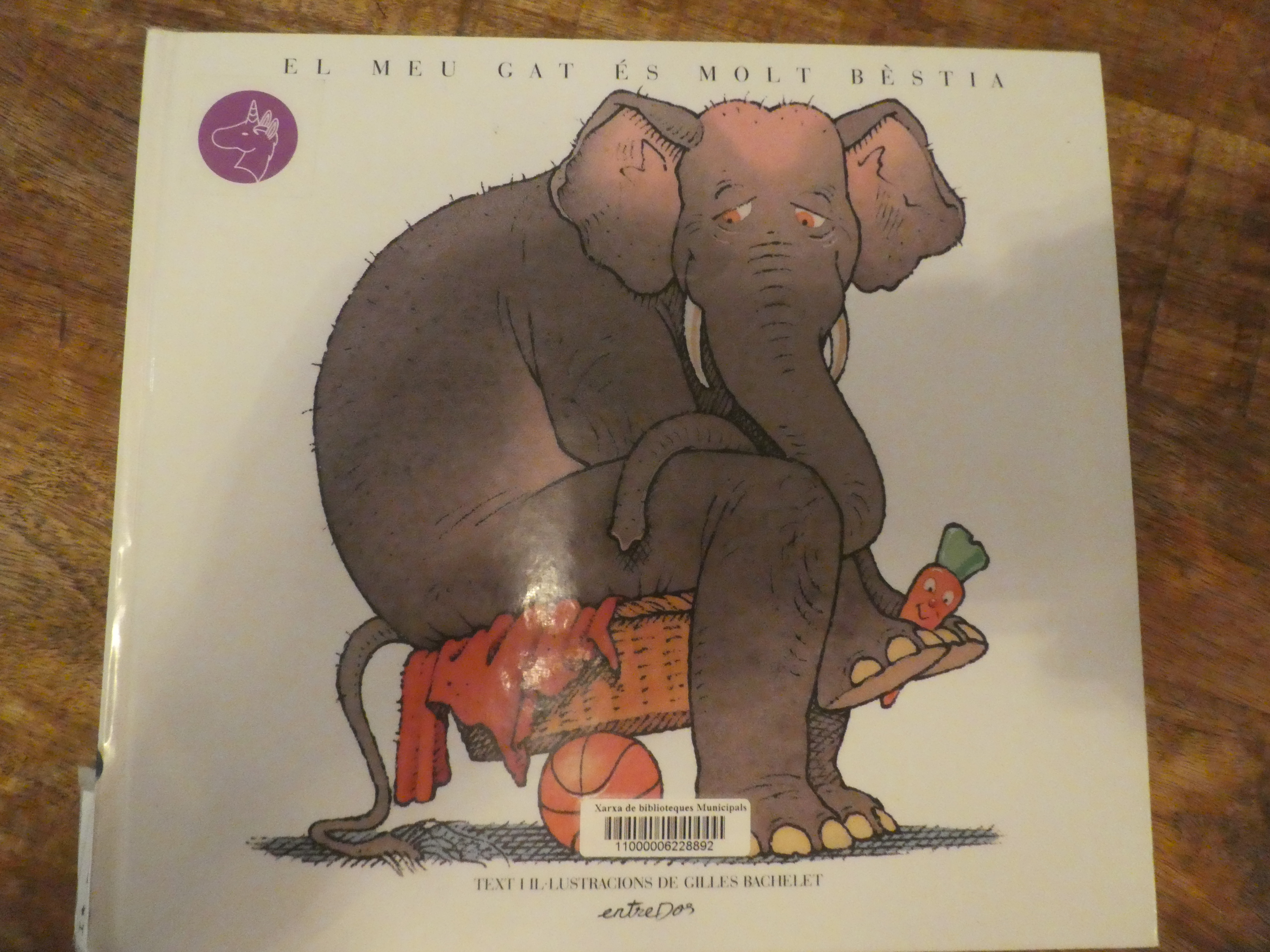
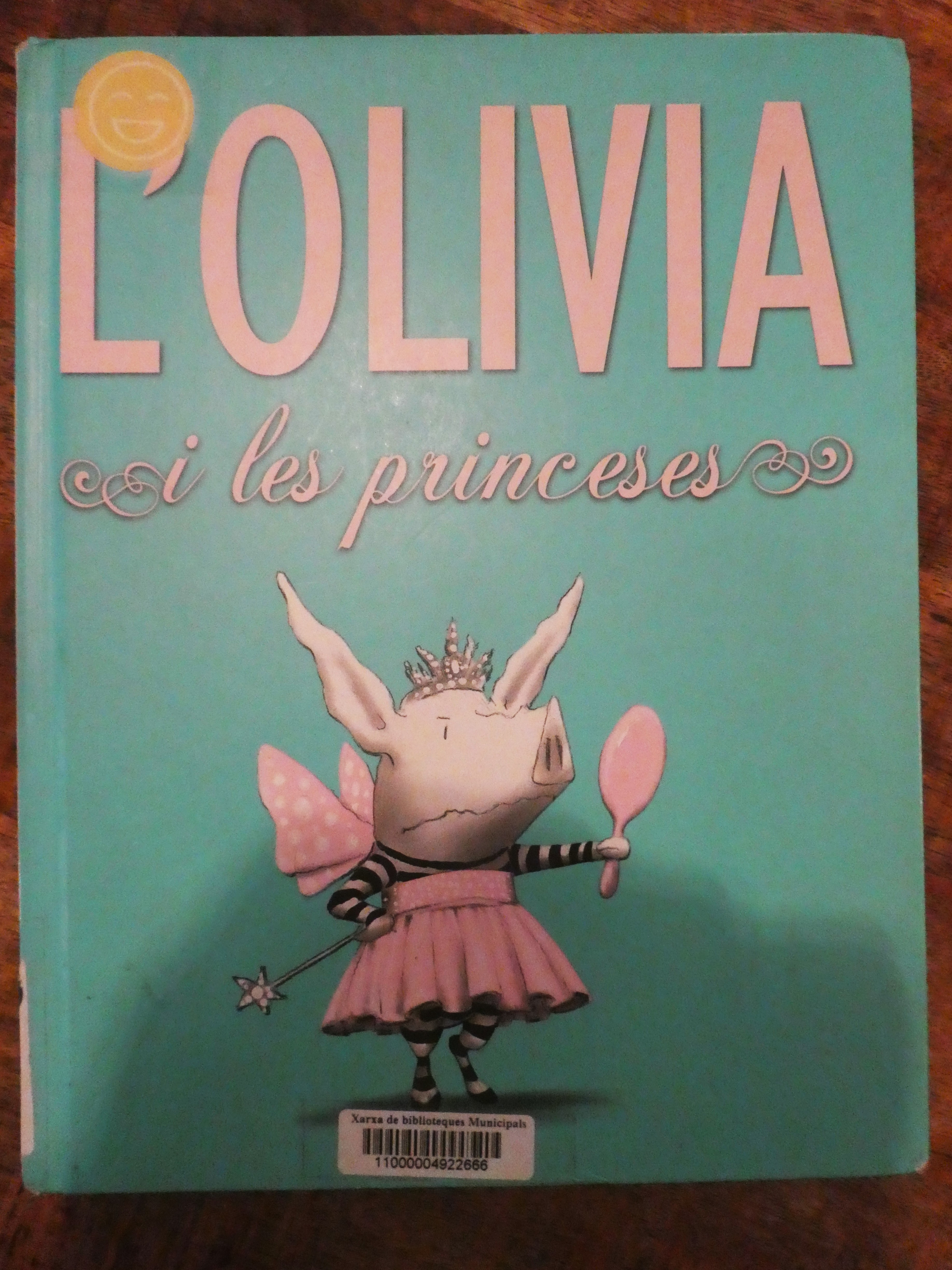
I couldn’t take photos of the study area or the children’s library without expressly seeking permission from those using the spaces. So here’s a display from the chidren’s area.
The feel is very different from a British community library. When I’m ‘on duty’ in our local one, we talk about our tasks together in normal speaking voices, chat with friends who come to exchange their books, and take little notice as the children in the Junior Library enjoy a noisy morning music session or listen to stories on certain mornings of the week. Here in Spain are notices encouraging silence, in the way I remember from my childhood. I’m happy with both.
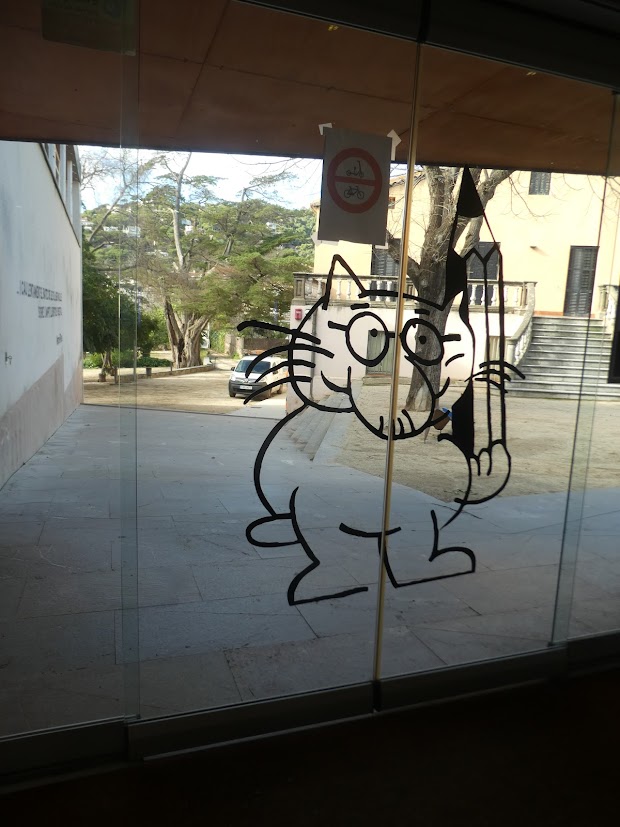
But in case it all sounds a bit serious to you. Here’s the fellow who welcomes you into the library, then shepherds you out.
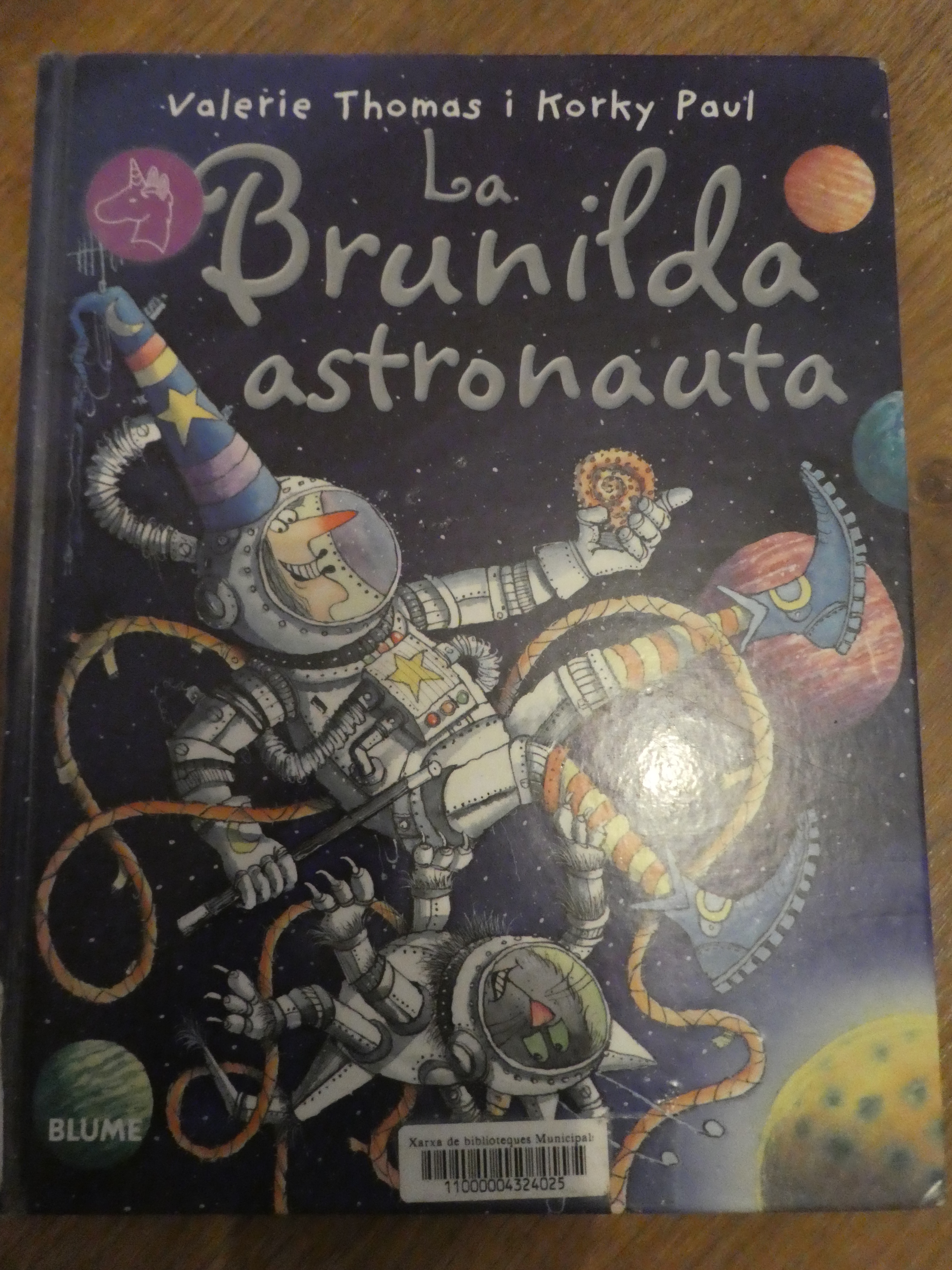
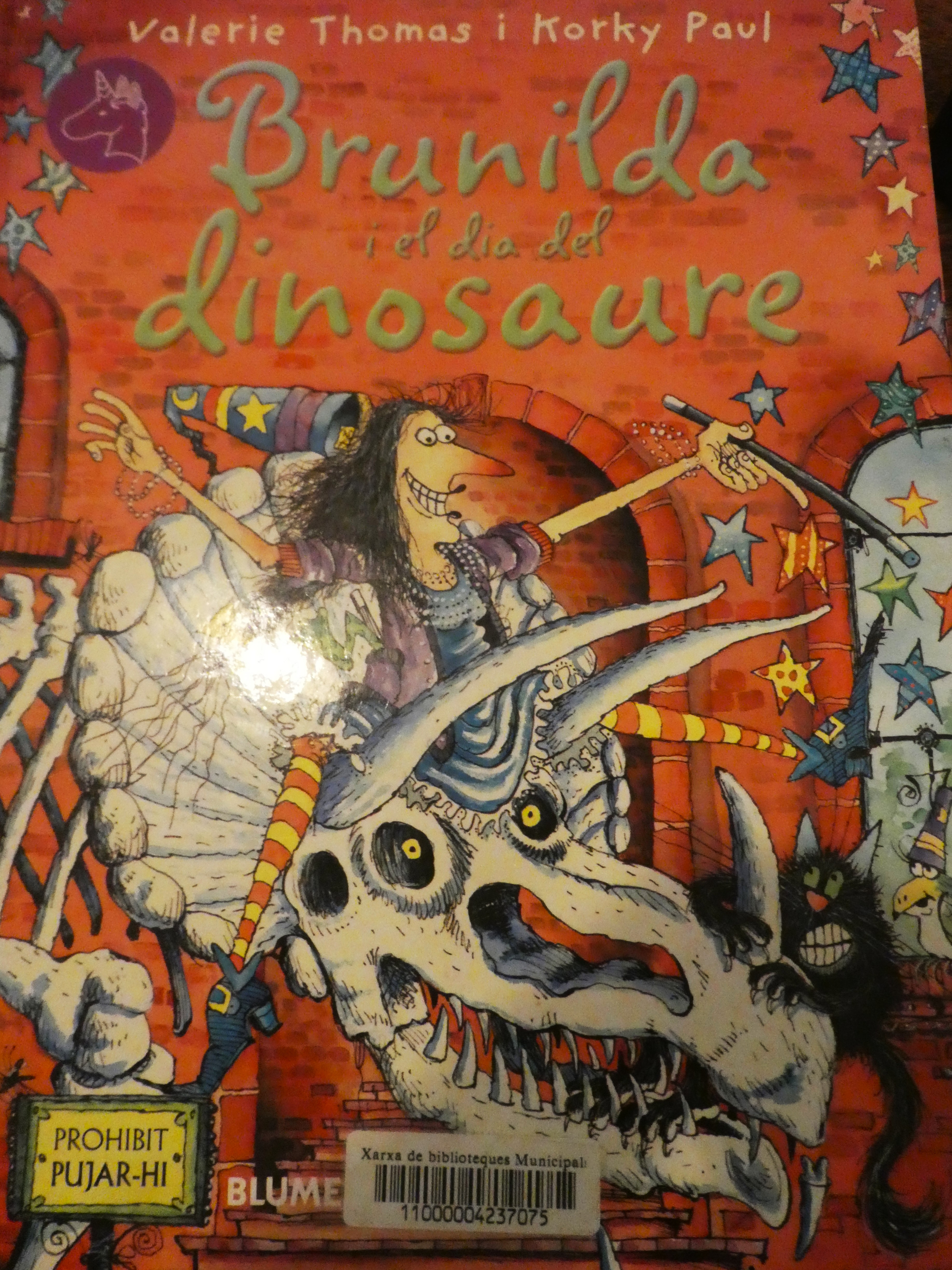
Meanwhile, on her way home from work, Emily had popped into their local library to get books for the children.
Who knew that Winnie the Witch would be called Brunhilda in Catalan? Or that she would be so popular for so long? My children, all parents themselves, enjoyed her books decades ago.
I’ll hold over my own reading choices. They’ll keep.
What a lightweight. A mere seven library books read in December. To be fair, I also read – and almost finished in December – another book, from The Library of a Friend. But that may not count.
But I had some Right Good Reads.
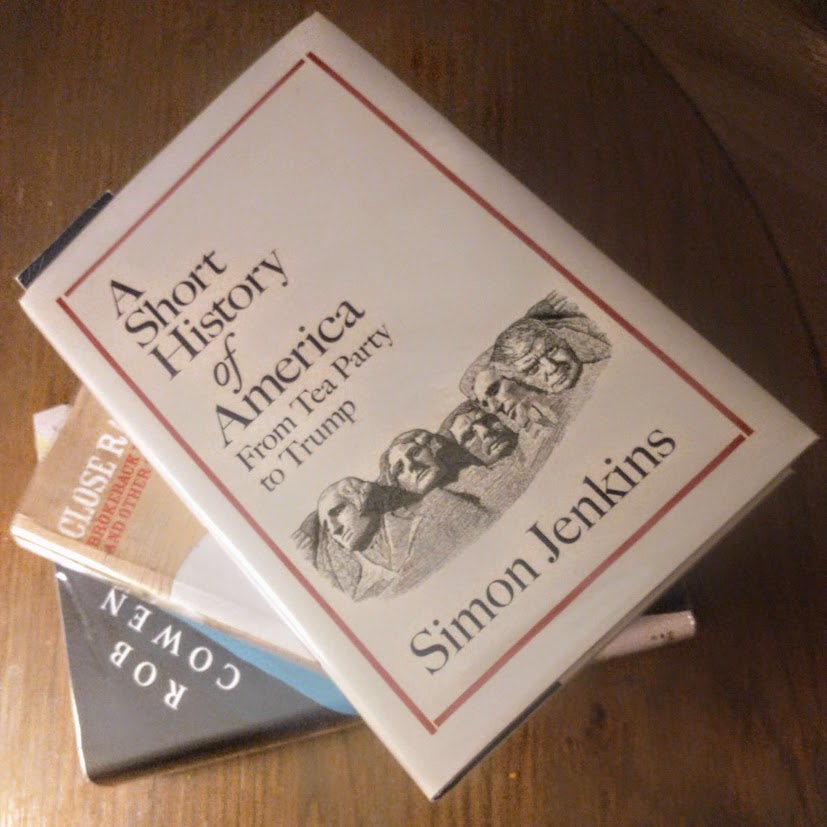
Simon Jenkins‘ A Short History of America: from Tea Party to Trump got a mini- review here and a ⭐⭐⭐⭐⭐rating .
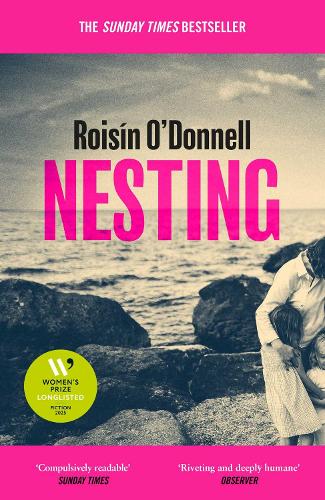
I fairly raced through Roisín O’Donnell‘s Nesting which details the story of Ciara, as she attempts to escape her controlling, domineering husband Ryan with her two small daughters. When she plucks up the courage to go, even finding a bed that first night is a major achievement. This book describes her attempts to move on as she attempts to keep two children fed, clean and entertained from the bedroom of a hotel partly dedicated to the homeless. A difficult subject tackled with verve and compassion by O’Donnell. ⭐⭐⭐⭐
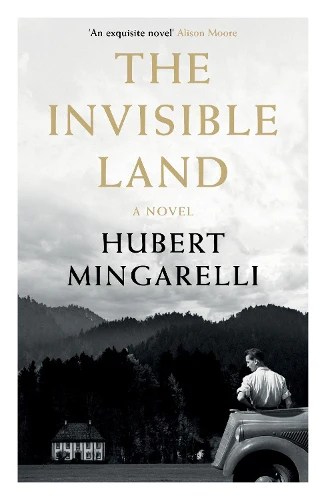
The Invisible Land: Hubert Mingarelli (Translated by Sam Taylor). An unnamed photographer has, just before the book begins, been documenting the liberation of a concentration camp. Now he wants to document ordinary German villagers. What he saw in the camps simmers away, quietly enraging him. We see, as he does, the bucolic calm of the countryside, as an impertinent and shocking contrast. A compassionate exploration of the – often unseen -consequences of war.⭐⭐⭐⭐
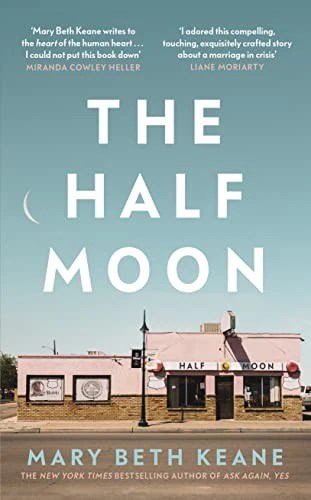
The Half Moon: Mary Beth Keane. Malcolm and Jess are in crisis. She’s just left the marriage for a breather and to take stock. There’s a blizzard in town. Theiy have financial worries. They’ve run through shocking amounts of money spent on unsuccessful IVF treatment – Jess can’t leave aside her dream of having a family. And Malcolm has taken on more financial commitments than he’d let Jess know about when he bought The Half Moon. The bar isn’t now doing well. The books backs and forths through their lives – Jess’s law degree, the community and families that surround them, Jess’s tentative exploration of a new relationship. This is a small town. Everyone knows everybody else’s business. How will things pan out? Only one way to find out. Read the book.⭐⭐⭐⭐
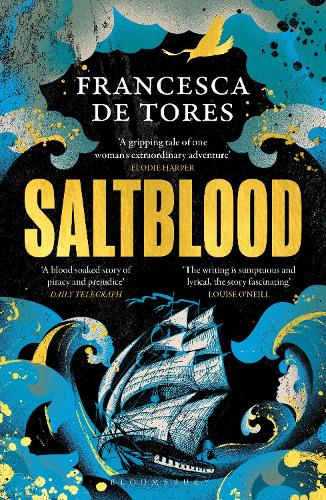
Francesca De Tores’ Saltbloodfollows the life story of an actual historical figure, Mary Read. Little is known of her but the barest of biographical details, but de Tores fleshes out her entire life to tell an engaging and richly atmospheric tale. Raised as a boy (that’s a story in itself) Mary/Mark first works in service. Then she joins the navy, and later the army – always concealing her female identity in these most male of environments. Read, who narrates her own story, is thoughtful and reflective, describing both humdrum days and moments of danger and adventure . There’s her marriage, her return to the sea, finally as a pirate … This is a well-written and realised drama which brought to life seafaring – and indeed day-to-day existence on land both in Europe and the Bahamas. Transatlantic trade and piracy were part of everyday life. I believe it’s historically correct, and it’s certainly a nuanced and compelling story inviting sympathy for anyone joining this remittingly tough way of life: especially if she’s a woman. ⭐⭐⭐⭐⭐
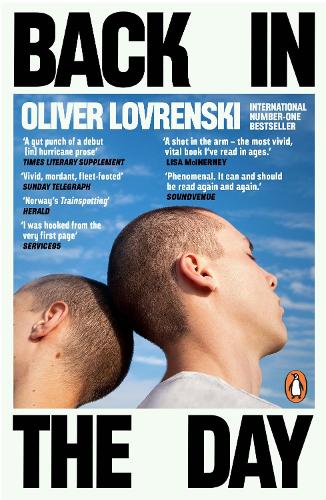
Back in the Day: Oliver Lovrenski. I want to draw attention to the quality of the translation by Nichola Smalley. Largely innocent of capital letters and full stops, this breathlessly episodic story is told in the street argot of the young immigrant who tells this tale. And Smalley has this language, and style of presentation off to a T. The four protagonists have come with their families as immigrants from various parts of the world. Clever and ambitious, they lose interest in school when they overtake their classmates and remain unchallenged. Dreams of becoming lawyers are exchanged for knives and protecting other family members. Drug dealing leads to institutional care for one, and a slippery slope to violence, machetes and guns. Will eventual grief and remorse result in a turning point? This is a tough, intense yet rewarding read by a young Norwegian of Croatian heritage who wrote it when he was just 19. I hope there’s more from him, and from his talented translator. ⭐⭐⭐⭐⭐
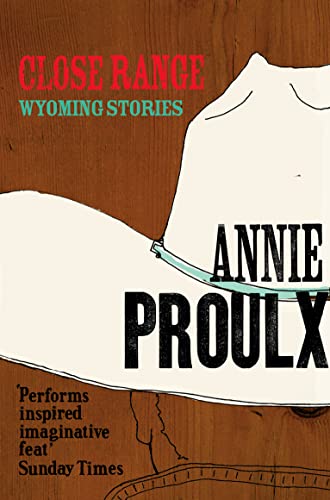
And finally, Annie Proulx’sClose Range. This isn’t so much a review as a place-holder as I haven’t read every story in this collection yet. Mainly because, much as I was enjoying them, I need a break from the colloquial style in which they’re written every now and then, even though it’s precisely this that brings the stories to life and makes them vivid. They’re about insular rugged people living tough lives in an unforgiving landscape – often lonely and contending with daily hardship. This doesn’t make for a bleak read however. The tone and language of the stories brings them vividly to life. More later when I’ve read the lot!
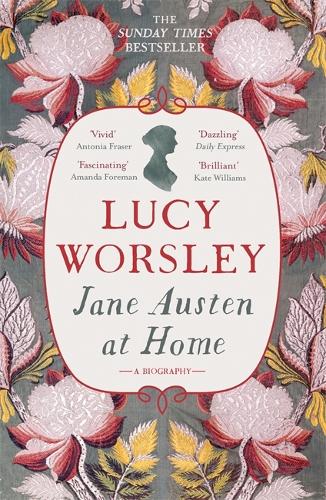
And that other book, lent by a friend? A brilliant evocation of Jane Austen’s life and times, immaculately researched, but immensely readable, by Lucy Worsley: Jane Austen at home. It had to be read, with the airwaves full of Austen memorabilia last year, the 250th year of her birth. ⭐⭐⭐⭐⭐
Unbelievably, I only have two books on loan at the moment. The first, plucked from the shelves on a whim, is proving utterly absorbing: Craft Land – a journey through Britain’s lost arts and vanishing trades, by James Fox. And the next is a doorstopper: Erika Fatland‘s High- A journey across the Himalaya through Pakistan, Indai, Bhutan, Nepal and China. I might need a big dose of fiction after that little lot.
Rebecca of Bookish Beck fame has a monthly challenge – Love your Library. She uses her own post to tell us what she has read, what she is reading, what she gave up on or never even started, and what she’ll read next. That’s what I’ll do too.
But first. Why do I love my library? Well, I’m lucky. Our County Council still prioritises books. It’s not often that we have a week when no new stock comes into our branch. New releases; books that have won some literary prize; works in translation; books from small indie publishers; old favourites and non-fiction of all kinds all get a look in.
These days, our libraries run on a mixture of professional staff and volunteers: some smaller libraries are entirely volunteer-run. And I’m a volunteer at our local, bigger library. I love it. First of all, it’s easy to get first dibs on new stock. But the tasks are varied. Processing books from other libraries requested by our own readers. Sending copies of books we stock to other libraries who’ve requested them. Helping the public with queries about books; parking; local clubs; photocopying …. And shelving. Always shelving. But that’s OK. Being shallow, I often judge a book by its cover, and I rarely get through a morning without finding something appetising to borrow. To go with the dozen or more I usually have on reserve.
And anyway, on the morning I usually volunteer there’s a pre-school music group in the children’s section, and I’ll find myself singing along (strictly to myself) to ‘Hola! A todos aqui‘, or ‘Row, row, row your boat‘, as I wander round with my book trolley, shelving. Friends turn up to change their books. We have a quick chat. The morning passes quickly.
So. What have I read during November? Normally I’ll do a mini-review, but this post is quite long enough already, so star-ratings will have to do.
Magpie Murders: Anthony Horowitz ⭐⭐
Carte Blanche: Carlo Lucarelli (Translated by Michael Reynolds) ⭐⭐⭐⭐*
Peace on the Western Front: Mattia Signorini (Translated by Vicki Satlow) ⭐⭐⭐*
A Station on the Path to Somewhere Better:Benjamin Wood ⭐⭐⭐⭐
The Rich People Have Gone Away: Regina Porter ⭐⭐⭐
The Dinner Party: Viola van de Sandt ⭐⭐⭐
The Frozen River: Ariel Lawhon ⭐⭐⭐⭐
Run Me to Earth: Paul Yoon⭐⭐⭐⭐
The Penelopiad: Margaret Atwood ⭐⭐⭐⭐⭐*
The Wax Child: Olga Ravn (Translated by Martin Aitken) ⭐⭐⭐⭐⭐*
The Silver Book: Olivia Laing ⭐⭐⭐⭐
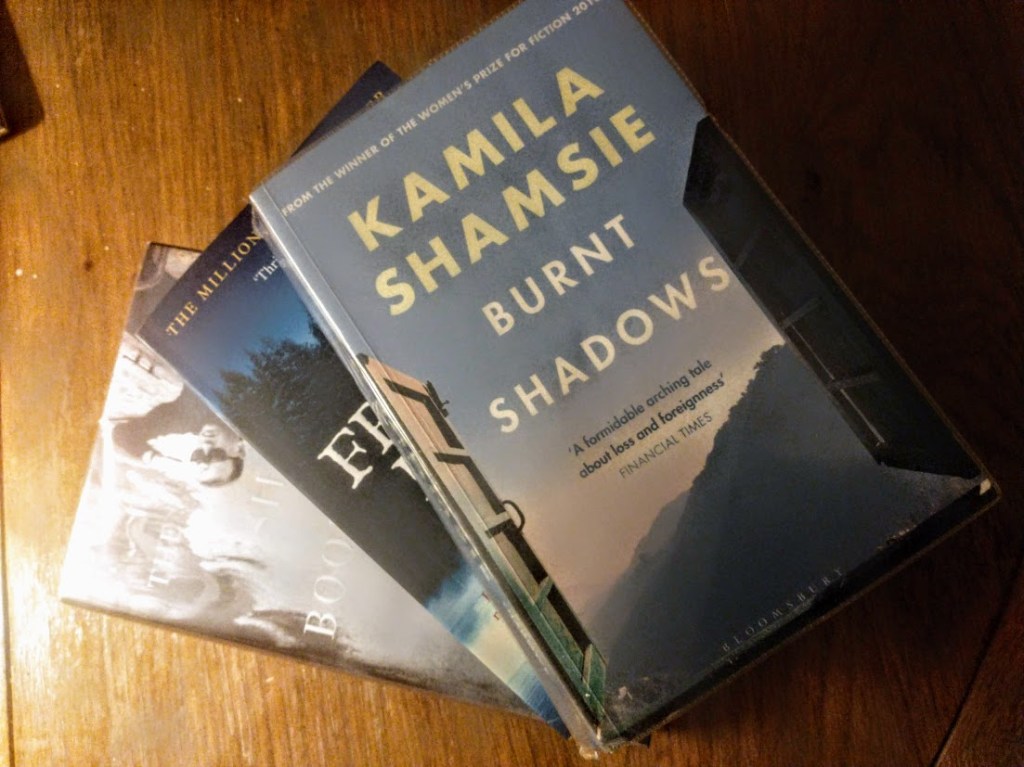
Burnt Shadows: Kamila Shamsie ⭐⭐⭐⭐⭐
Before you say that seems a lot, remember that 4 (marked *) are novellas, and therefore short, reviewed here. But you’re right. This has been a book-heavy month.
Borrowed and yet to be read, or currently being read:
A Short History of America: from Tea Party to Trump: Simon Jenkins
Reward System: Jem Calder
Close Range: Wyoming Stories: Annie Proulx
The North Road: Rob Cowen
As I have nine books on reserve, it’s possible some of the already-borrowed books may end up unread. You can never tell. Some books I reserve come straight away. Some take so long I’d forgotten I’d reserved them. One hasn’t even been published yet!
I DID abandon a couple of books, but I forgot to note them down, and they went out of my head the second they got back to the library.
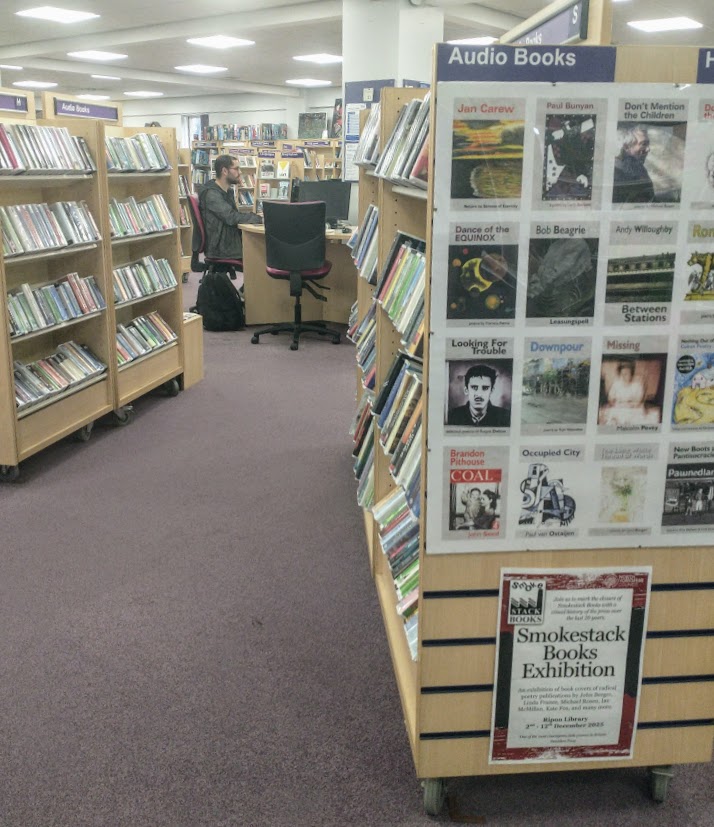
So that’s my month in books … and in my library. I took most of the shots in the minutes before the library opened, in order not to ruffle any feathers. Actually, it’s well-used and should look rather more peopled. But at least nobody’s been upset by being photographed on a bad-hair day.
There are some fun memes popping up among book bloggers as 2022 ends, All you have to do is answer (almost certainly untruthfully) a questionnaire, using only the titles of books you have read this last year. I’ve chosen two.
2022 was the year of: The sweet indifference of the world (Peter Stamm)⭐⭐⭐⭐
In 2022 I wanted to be: That bonesetter’s woman (Frances Quinn) ⭐⭐⭐⭐
In 2022 I was: Taking stock (Roger Morgan-Grenville) ⭐⭐⭐⭐⭐
In 2022 I gained: Small things like these (Claire Keegan) ⭐⭐⭐⭐⭐
In 2022 I lost: Miss Benson’s Beetle (Rachel Joyce)⭐⭐⭐
In 2022 I loved: My phantoms (Gwendoline Riley) ⭐⭐⭐⭐
In 2022 I hated: Red milk (Sjón) ⭐⭐⭐⭐
In 2022 I learned: To cook a bear (Mikael Niemi) ⭐⭐⭐⭐
In 2022 I was surprised by: Things that fall from the sky (Selja Ahava)⭐⭐
In 2022 I went to: The Underground Railroad (Colson Whitehead) ⭐⭐⭐⭐
In 2022 I missed out on: Midnight at Malabar House (Vaseem Khan)⭐⭐⭐⭐
In 2022 my family were: Between the assassinations (Aravind Adiga) ⭐⭐
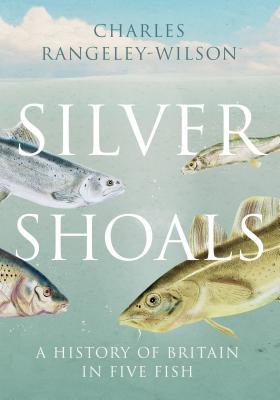
In 2023 I hope (for): The romantic .. (William Boyd) … Silver shoals (Charles Rangeley-Wilson). Both ⭐⭐⭐⭐⭐
Because all but four of these books were borrowed from North Yorkshire Libraries, which continues, even now, to buy a wide range of appetising new books, I dedicate this post to Bookish Beck’s Love your Library
One of the things I most enjoy about being a volunteer at my local library is the chance it gives to poke about on shelves I’d never normally look at. Without having had to shelve books after someone else had read and returned them, I’d never have found this:
I was entirely and unexpectedly engaged by this book, an exploration of our nation’s iconic fish: cod, carp, eels, salmon and herring. This is a story of the fish themselves; of fishermen; of the consequences of greed and the way back from it; of geology; meteorology; our nation’s social history as it relates to food and farming; of corruption and political will. Combining research and personal experiences, this book both absorbed and enthralled me. And I’d never have found it, because 799.1094 is not one of my Dewey numbers of choice. And it was the cover that did it for me.
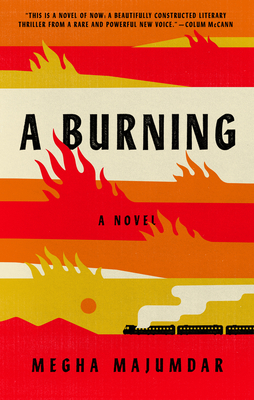
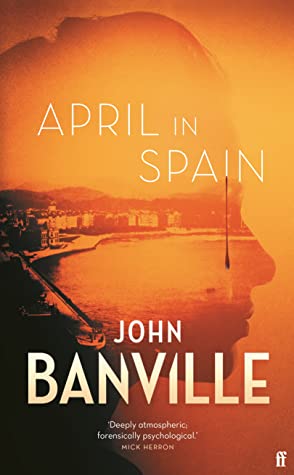
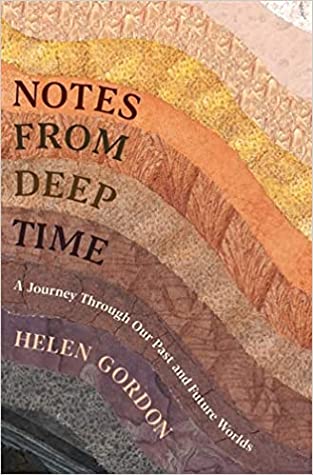
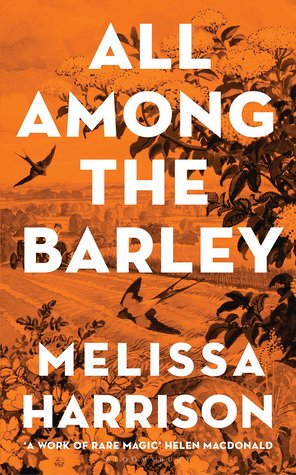
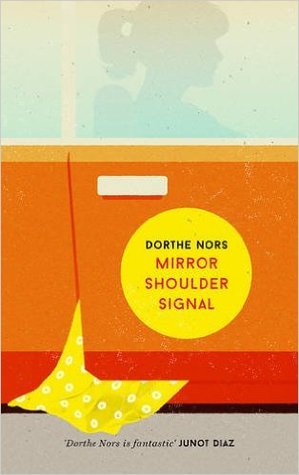
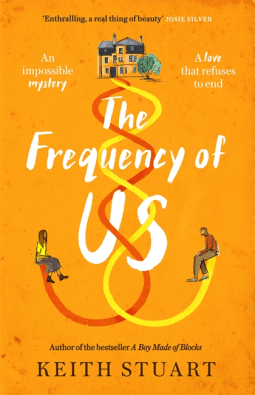
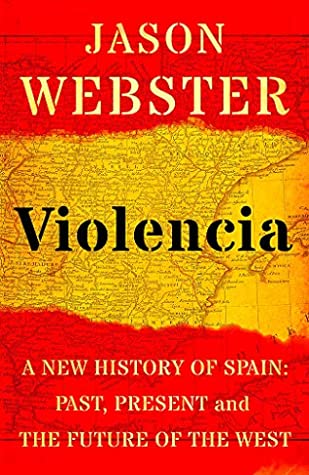
And it’s the cover that often makes me pause and look. Just to show how random- yet satisfying – these choices can be, I’m picking some of the orange-covered books I’ve found – and read – from the library in response to the challenge ‘Hazy and Hot’ Friday Face Off, brought to my attention by Words and Peace. Yes, I know it’s no longer Friday. But I’m fewer than 9 hours late.
All reasons to Love your Library, a monthly celebration hosted by Bookish Beck.
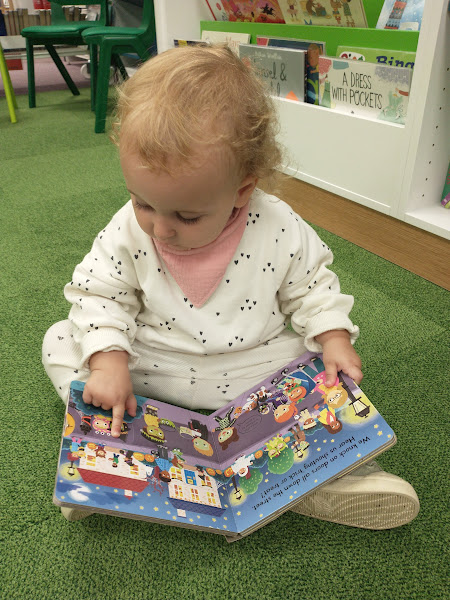
When I was a child, I’m sure you couldn’t have a library ticket until you were five. There would have been no point anyway. The great age of the pre-school picture book illustrated by the likes of Quentin Blake, Chris Riddell and Emily Gravett hadn’t yet arrived. Until we were old enough to enjoy hearing about Winnie the Poo and Milly Molly Mandy there was nothing for very small children on the shelves.
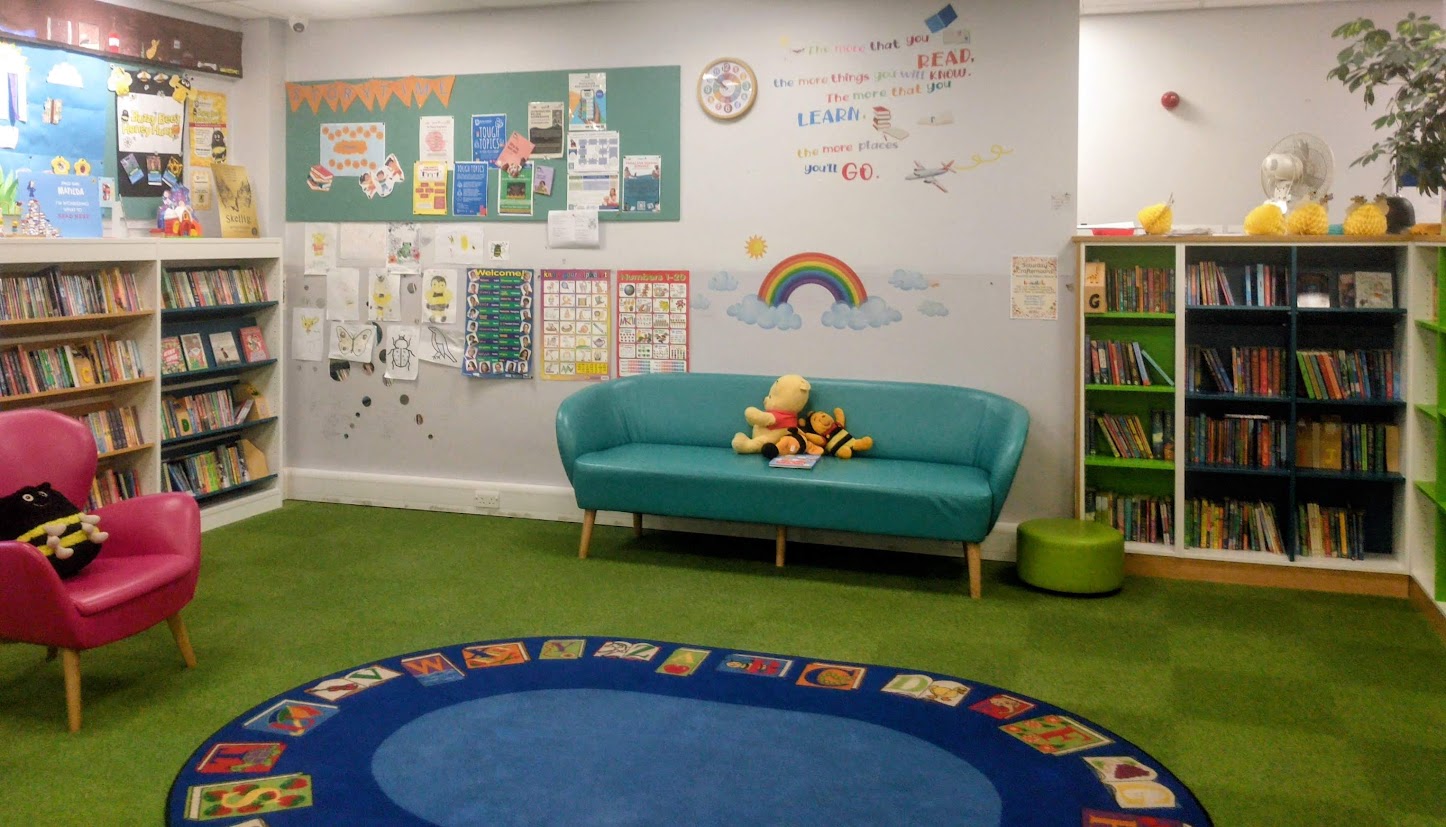
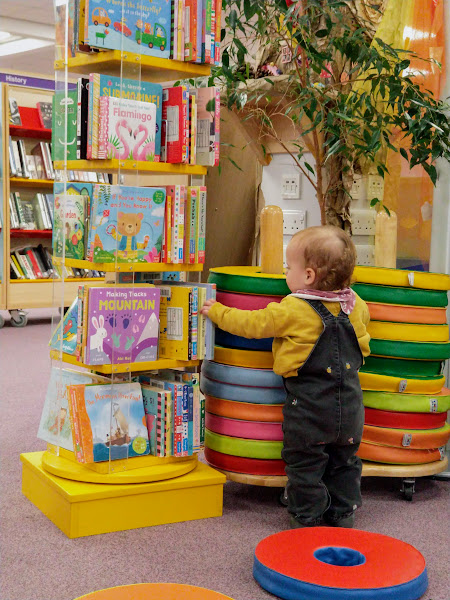
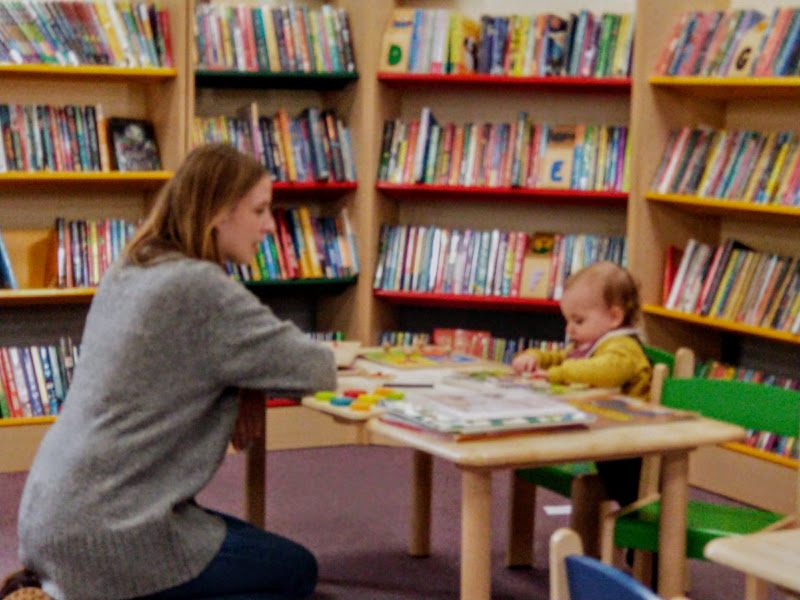
These days, pre-schoolers are welcome. Parents are urged to enroll their babies. There are story times and sing-along sessions, jigsaws, bright paper, coloured pencils – and cheerful rugs to sit on. So one very rainy day while fourteen month old Anaïs was staying, off to the library we went.
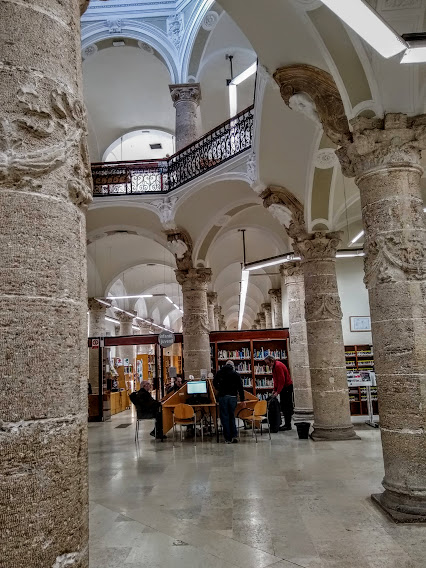
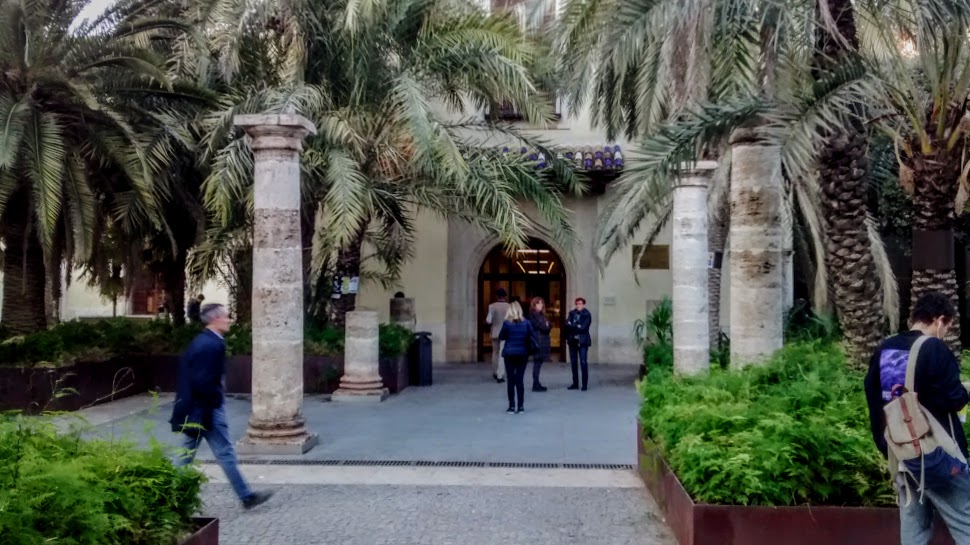
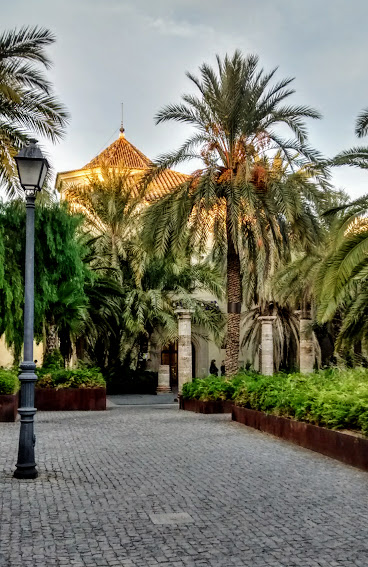
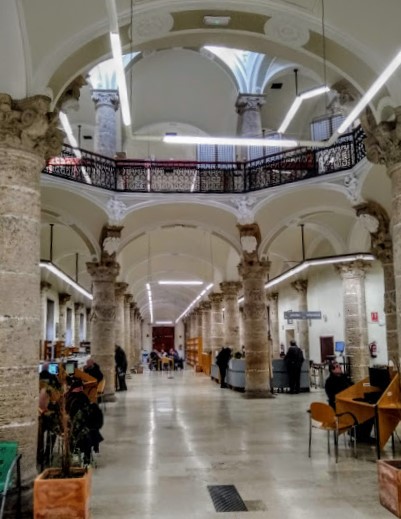
Walking down a busy main street in Valencia a few years ago, my eye was caught by a welcoming shady square. Through the palm trees I could glimpse a few columns – maybe Roman remains? and a steady stream of people drifting in and out of a handsome building.
Curious, I investigated. It was a library. The Central Public Library of Valencia. I went in.
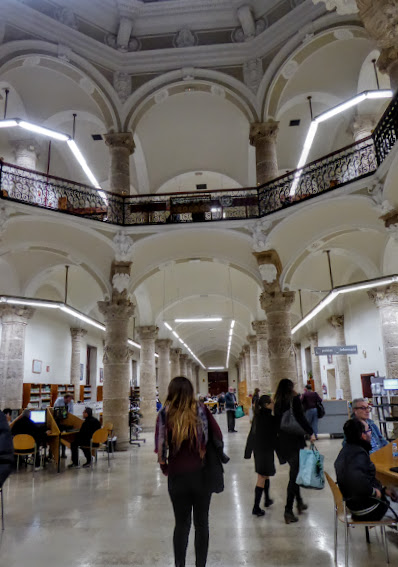
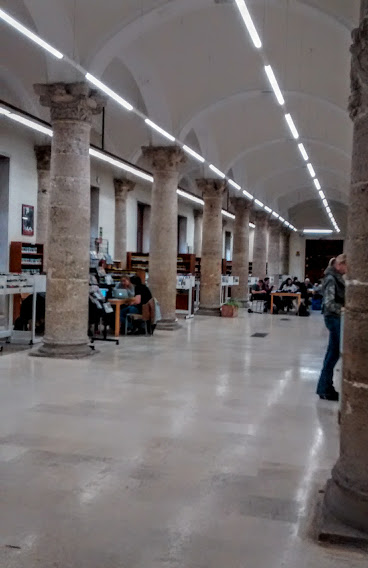
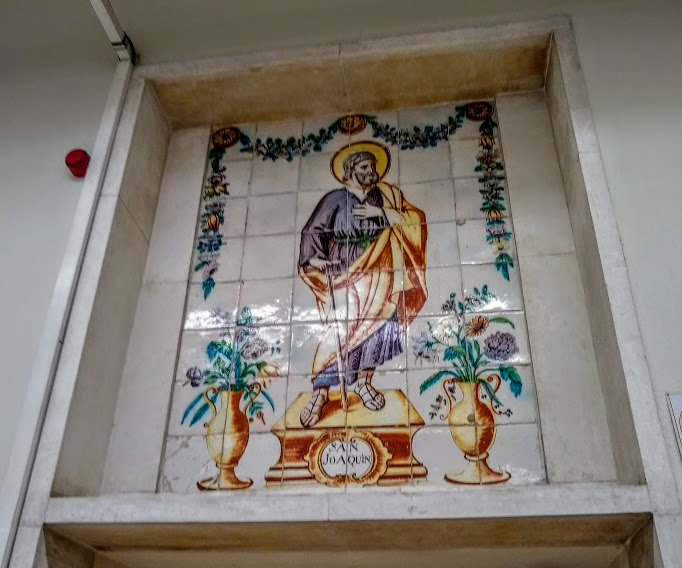
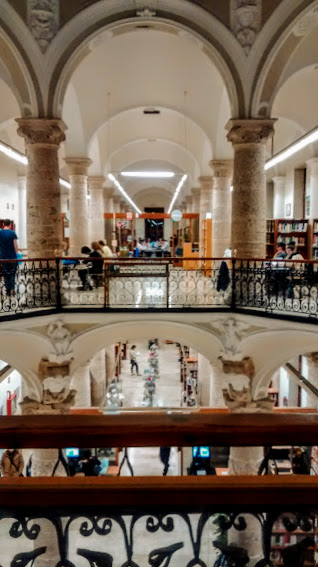
How spacious, airy, beautiful and welcoming it was! Later, I discovered that this building had once been the first psychiatric hospital in Europe, founded in 1409 as the initiative of one Friar Juan Gilabert Jofre, to care for the mentally ill. It was called Hospital de Folls de Santa María dels Pobres Innocents – the Hospital of the Poor Innocents. This actual building was begun in 1493, and was and is in the form of a Greek cross, which housed the different wings of the hospital. It added general hospital facilities in the 16th century and also suffered a destructive fire.
During the 1960s, hospital facilities were moved elsewhere in the city, and the authorities began the site’s demolition: the church, the pharmacy and old medical school are gone. There was an immense public outcry. What was left was saved, and the building retained and developed as a library and archive service. Those columns I saw outside are not Roman, but surplus to requirements when the building was redeveloped.
It’s a fabulous place. Not only is it a welcoming, light-filled and serene space, it’s a busy one. It’s right by two of the city’s universities, so study areas are busy with students as well as the general public. The collections seem vast: the English section, for both adults and children was well-stocked, At one point I sat down in the section devoted to newspapers and periodicals and browsed through recent copies of the Times and Sunday Times and some more academic publications in English. Of course other European nations were represented too. There were book groups advertised, including a monthly one for children in English (obviously aimed at Spanish children, rather than any resident English ones); an ‘introduction to philosophy’ group for children; reading groups for dissidents; for theatre-goers; for students of Valencia’s social history, as well as the usual more general ones; photography and cookery workshops; lectures (‘Football now and as it used to be’). I was beyond impressed. Here’s a gallery of this library community at work on one ordinary weekday afternoon – before the pandemic – I don’t know how it will have changed.
Meanwhile, what have I been reading this last month? Reviews for most of them will appear over the next few Six Degrees of Separation posts.
Fiction:
Gabriel Chevallier: Fear.⭐⭐⭐⭐⭐
Delphine de Vigan: Based on a True Story.⭐⭐⭐
Donna Leon: Beastly Things.⭐⭐⭐⭐⭐
Patricia Lockwood: No One is Talking About This.⭐⭐(abandoned)
Sakaya Murata: Convenience Store Woman.⭐⭐⭐⭐
Jane Smiley: The Strays of Paris.⭐⭐ (skim-read)
Sarah Winman: Still Life.⭐⭐⭐⭐⭐
Non Fiction
Allan Ahlberg: The Bucket⭐⭐⭐
Charlie Gilmour: Featherhood.⭐⭐⭐⭐
Ann Patty: Living with a Dead Language: My Romance with Latin.⭐⭐⭐
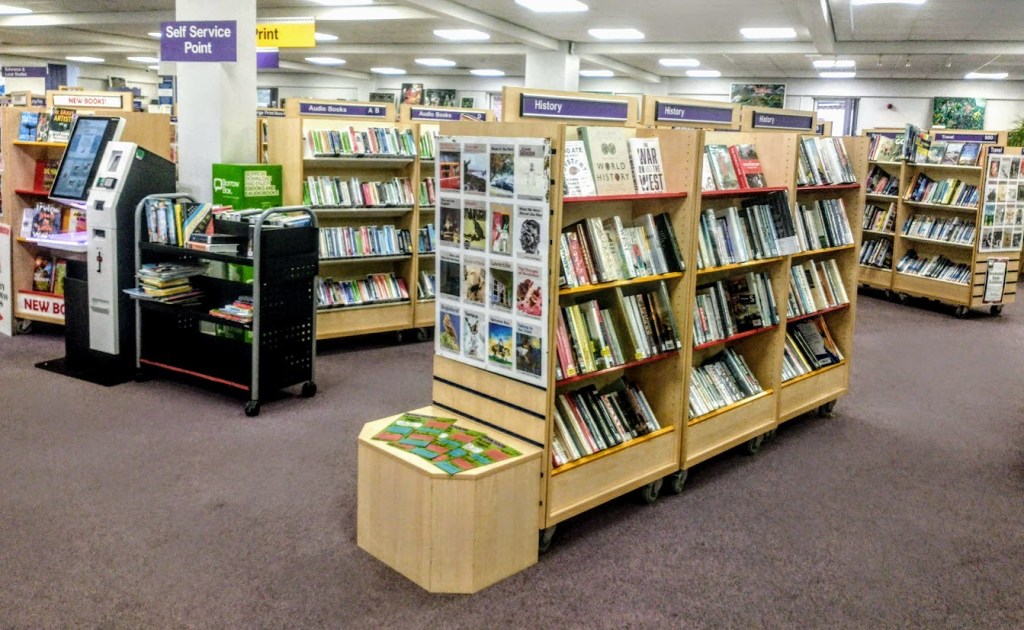
How times have changed. Back in 1966, I’d just left school, and was planning to work as an au pair in Italy before going off to university. For a bookish teenager, becoming a library assistant at Surbiton Library seemed just the job to allow me to save up for my trip. And it was – £10 a week was a fortune, allowing me to give my mother board money, save, and still have enough left over to have fun. It was of course a very different experience from the just-a-few-hours-a-week job I have now, as a volunteer assistant at Ripon Library.
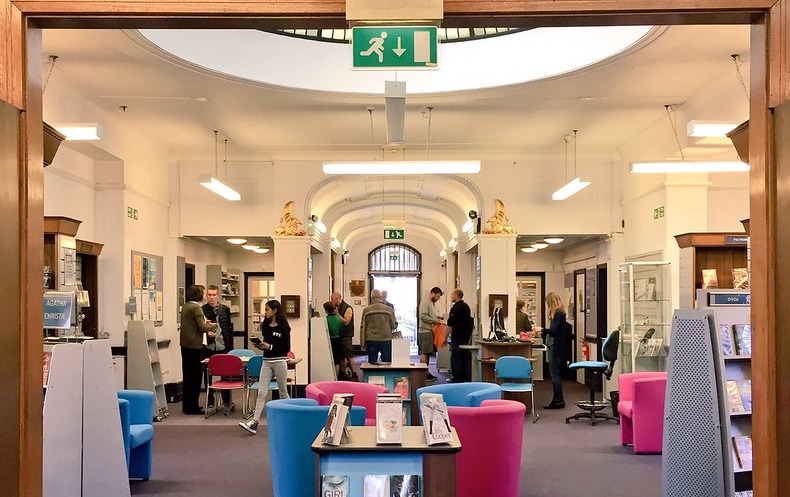
Surbiton Library now. Then, the counters were left and right beyond the pillars, and there was not a pink or blue seat in sight. Image courtesy of the Surrey Comet.
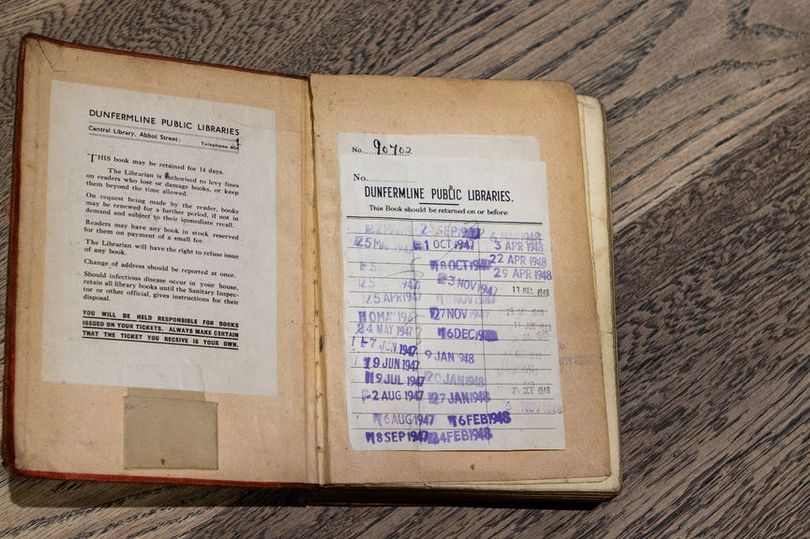
Then, we stood behind a somewhat forbidding counter, rifling through neatly organised columns of book identity cards to release the library ticket(s) to the reader so they could go off and choose more books. When they’d made their choices, we’d open their books and date-stamp, with a satisfying ‘thunk‘, the page pasted in the flyleaf.
Image courtesy of Wales Online
Now, readers (Oops, sorry, ‘customers’) have it all to do, checking books in and out themselves courtesy of a space age bar-code reader, which accepts fines and reservation payments too.
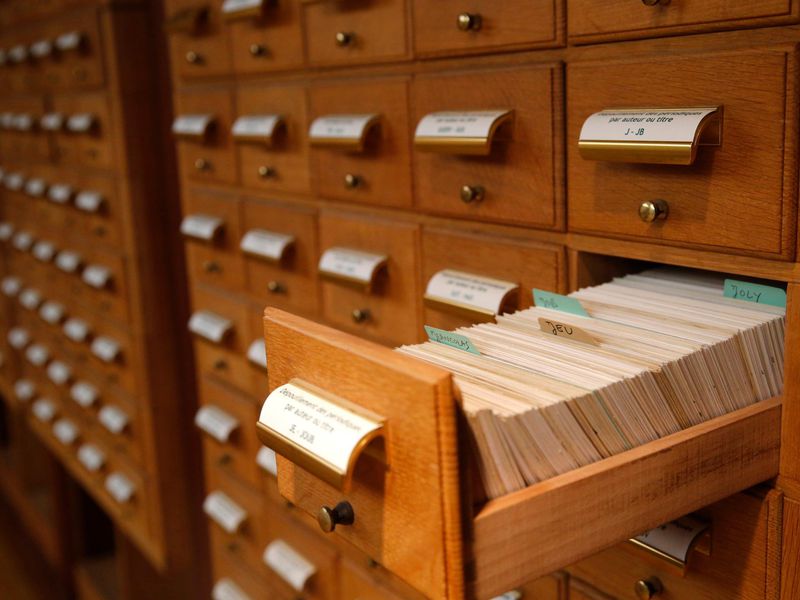
Still, then as now, we build relationships with regular readers, like the ones who lean over confidentially and ask you if there are any new nice romances in, by which they mean Mills & Boon. Or the ones who need their personal details changing because they’ve moved. Then? Write out new cardboard tickets. Now? Change their details on the database. Or the ones who need help using the catalogue. Then? A large chest filled with drawers and drawers of card-indexes. Now? Yes, the computer database. Then? Books. Now – books of course, but also DVDs, audio books, large-print editions, jigsaws and a range of services on line such as e-books and magazines.
Card-index courtesy of University of Toronto Library.
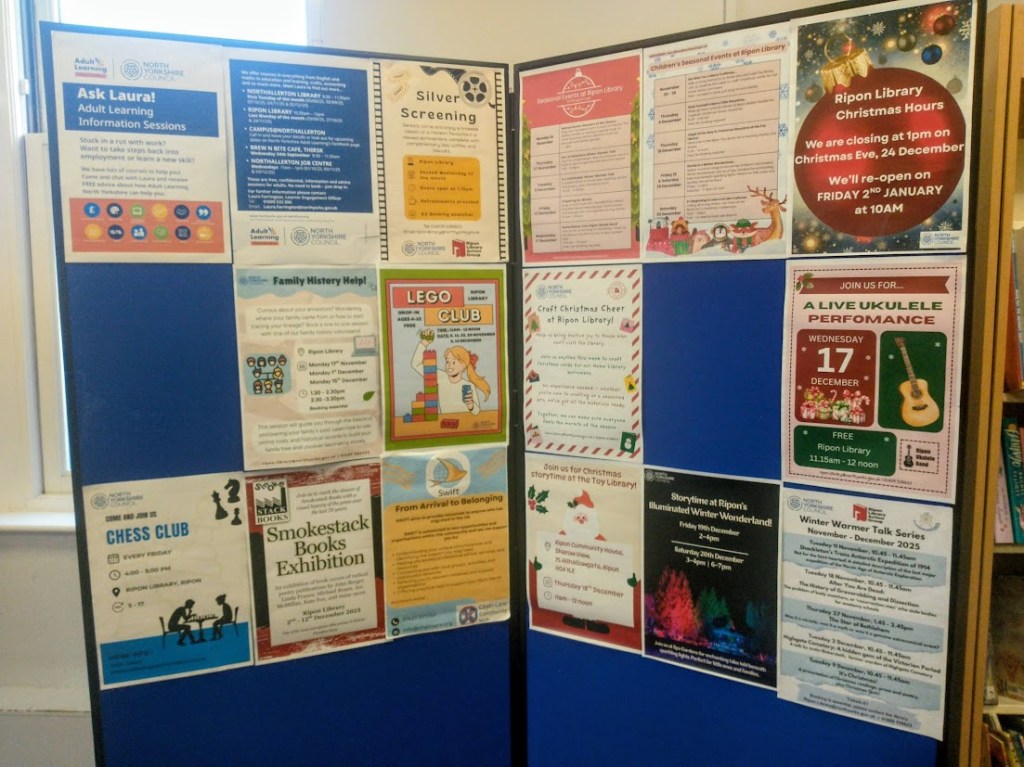
Then, the library was largely a silent place, with necessary conversations carried out in a low murmur. A couple of hard chairs I seem to think, maybe a table or so, but otherwise, little furniture apart from the bookcases. Now, when you come into the library, there may be a children’s story time in progress, with a circle of children sitting on the carpet at the feet of a cheerful soul leading a spirited rendition of ‘Old MacDonald’. Or adults and teenagers occupying one of the many computers as they do their admin. or homework. Or a coding club. Or a book group. Lots of squashy chairs. A coffee machine.
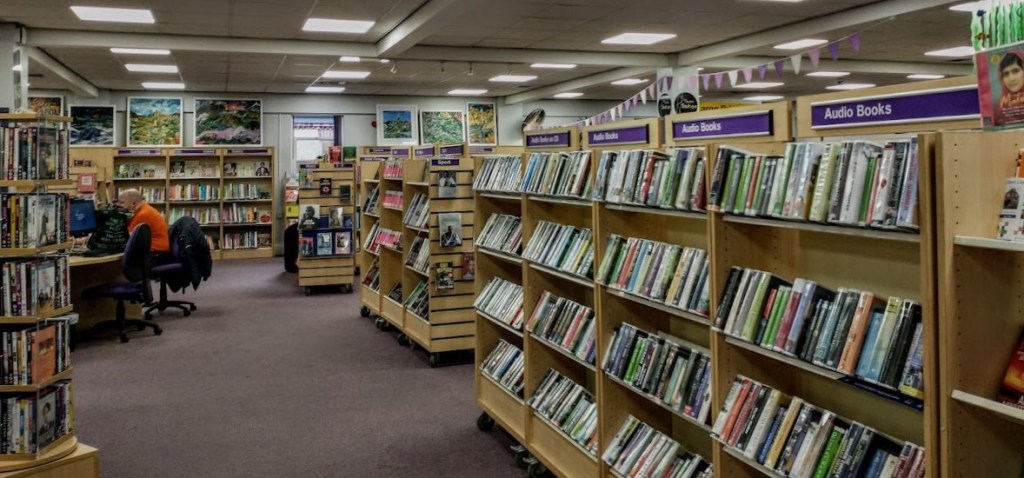
Ripon Library
Some things never change. All those returned books need to be replaced in the right place on the shelves. Then, we prided ourselves on ranging a neat line of 12 or more books along the length of our left arm, and plucking the one on top to shelve as we reached the right spot. Now (Health and Safety) we have trolleys to trundle the books round on.
One thing we never have to do in Ripon is prepare new books for issue. In Surbiton in 1966, the library closed every Thursday afternoon. Not so we could have time off, but so that we could all go to the work room, and encase the covers of new books in those paper-and plastic sleeves, enter their reference numbers, and paste date-stamp sheets and identity pockets on. Tatty books would be mended with the right kind of sticky tape, and any stains removed. We loved it. It was a chance to sit down and talk as we worked.
I don’t remember ever looking for books for inter-library loans, or returning books to other branches, but surely we must have done. I don’t remember ever being entrusted to do a display: marketing our stock to the reading public didn’t seem necessary. I don’t remember a book-delivery service for the housebound, or handing out community information such as a bus timetable or the phone number for Citizens’ Advice, all of which come as standard now.
And of course – staff. Then there was a qualified librarian, and a team of paid library assistants like me. Now the paid qualified staff have been most severely pruned, and the assistants are all volunteers prepared to offer a few hours a week. It’s a congenial voluntary occupation, and we’re well trained and supported. But how has local government come to this, that core services cannot continue without bands of volunteers? That other services, such as Home Care, have been squeezed and squeezed … I shan’t go on. This is neither the time nor the place.
What have I been reading this month?
Lana del Rey: Violet Bent Backwards over the Grass.⭐⭐
Lucy Newlyn:The Craft of Poetry.⭐⭐⭐⭐
Janice Hallett: The Appeal⭐⭐⭐
Frances Brody: A Murder Inside⭐⭐
Edith Wharton: Ethan Frome⭐⭐⭐⭐⭐
Mercè Rodoreda: In Diamond Square⭐⭐⭐
Javier Cercas: Lord of all the Dead⭐⭐⭐⭐
Ralf Rothman: To Die in Spring⭐⭐⭐⭐
Gail Honeyman: Eleanor Oliphant is Completely Fine⭐⭐
Currently Reading
Robin Ince: The Importance of Being Interested
Sophie Divry: Madam Bovary of the Suburbs
Mini-review service will be resumed next month, but at least four of these books will find themselves in my Six Degrees of Separation this month.
Bookish Beck is encouraging us to share why we Love our Libraries, and perhaps share some stories to show why. I’m a volunteer at our local library, though I dropped off for a while during the pandemic. This means that I have a constant supply of books which I end up bringing home to read rather than putting them back on the right shelf. And why not? I probably can’t plough through the number of books that I bring back – there aren’t enough hours in the day – but I can sample things I might not usually have considered. Some I win, some I lose, but it keeps the borrowing figures up, and that’s important when libraries battle with every council service for a share of the limited money-pot.
My post is just squeezed in for the October deadline.
Currently Reading
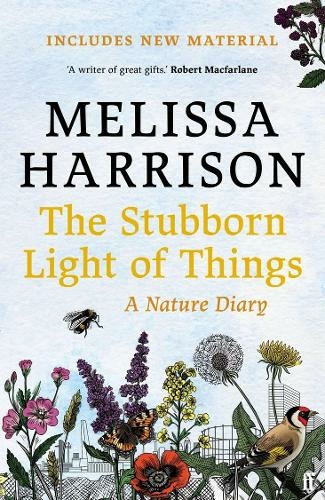
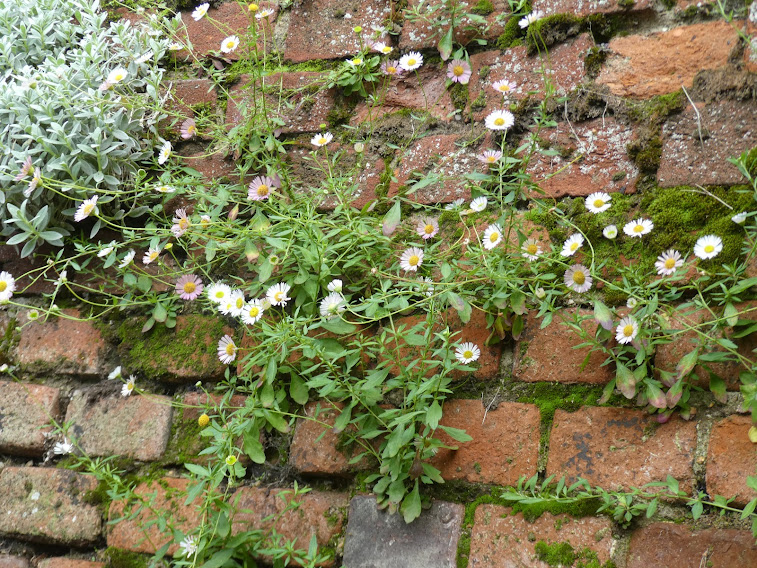
Melissa Harrison: The Stubborn Light of Things. I really have only just started this, but it’s promising. This is a selection of Harrison’s Nature Diaries for The Times from the last few years . She’s living in London in the section of the book I’m reading now, and discovering that Nature can thrive in the most unpromising of circumstances.
Flowers don’t need much to find a toe-hold.
Read
What did I bring home this last month?
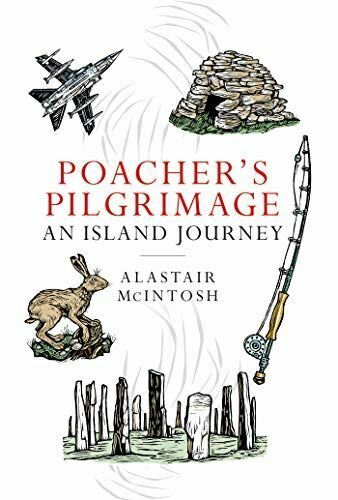
Alistair McIntosh: Poacher’s Pilgrimage – An Island Journey.⭐⭐⭐⭐ A powerful exploration of a sense of place. McIntosh returns to the Outer Hebrides of his youth, and undertakes a 12 day walk – a pilgrimage – from Harris to the Butt of Lewis. Not a place I know, but which I’d now like to explore, for its harshness, its Celtic roots, its community deeply rooted in its landscape and traditions. The book is part travelogue, part exploration of the island’s religious past, part exploration of ideas round war and pacifism. It’s a bit of a slow burn, but ultimately rewarding as an exploration both of a place, and one man’s mind.
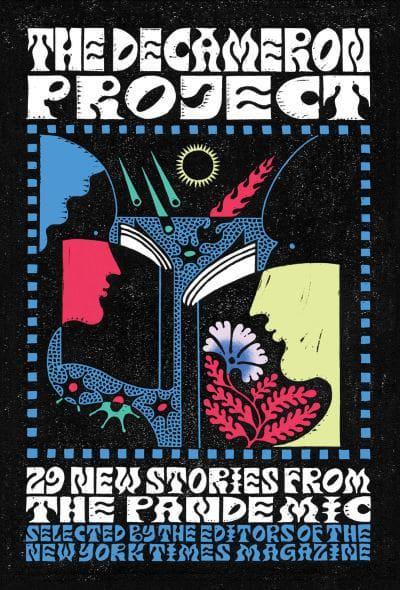
The Decameron Project: 29 New Stories from the Pandemic.⭐⭐⭐⭐In a world overwhelmed by a global pandemic, The New York Times approached authors to contribute a short story encompassing their take on this discomfiting period. It brings Lockdown galloping back into my mind, even though few stories tackle this directly. The strangeness of the world at that time is brought into focus by a visit to a Barcelona dog owner with John Wray, or Colm Toibin bicycling in Los Angeles. Not every story is a success. I wasn’t a fan of Margaret Atwood’s Impatient Griselda. But as a memorial to a moment in history, with fine writing as standard, this collection is unbeatable.
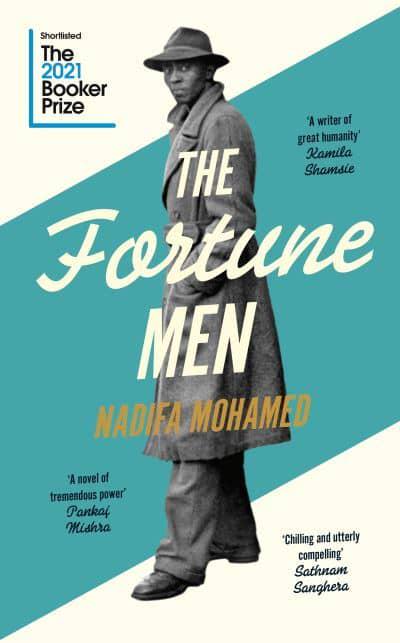
Nadifa Mohamed: The Fortune Men. ⭐⭐⭐⭐⭐ Mini review forthcoming in November’s Six Degrees of Separation
Francis Spufford: Light Perpetual.⭐⭐⭐⭐ Mini review forthcoming.
Alice Zeniter: The Art of Losing: ⭐⭐⭐⭐⭐Mini review forthcoming.
Barbara Demick: Nothing to Envy. ⭐⭐⭐⭐⭐A readable and illuminating account of the famine years of the early 20th century in North Korea, as seen through the eyes of six escapees. Not all of these people had long been critical of the repressive, totalitarian regime under which they had been brought up. They accepted unquestioningly that there was nothing to envy beyond the country’s borders, despite the fact that education, career ambitions, love and home life were under constant surveillance and minor ‘offences’ could result in lifelong unpalatable consequences for themselves and their families. An eye opening look at a largely unknown world.
Peace Adzo Medie: His Only Wife. ⭐⭐⭐ Afi is a young seamstress from a not-at-all-well-off family. The chance of marriage to a wealthy man from Accra whose family disapprove of the woman who is the mother of his child changes all that. Her marriage takes place without the groom being present , and though he installs her in a luxury flat in Accra and makes sure she wants for nothing, it’s a while till she even meets him. When she does, she falls in love. But will that be enough to win him back from his other life with that other woman? I was only partly engaged in this tale. As someone who doesn’t know Africa at all, it seems to paint a believable picture of both bustling big city and small town life. But Afi seemed to me to achieve career success unbelievably easily, and I didn’t quite believe in her apparently deep love for Eli. I enjoyed the family relationships described, but on the whole, this was a book I was never fully committed to though I read it willingly enough.
Returned Unfinished
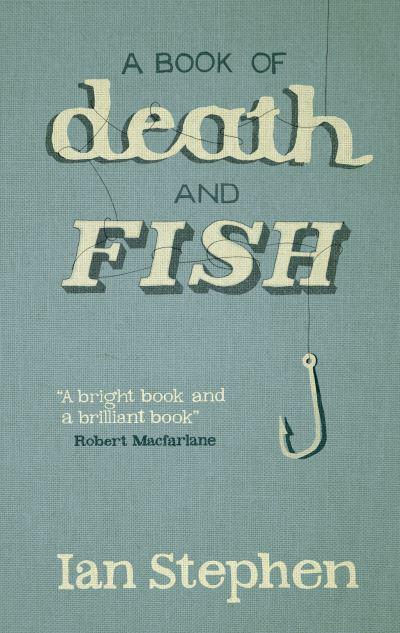
Ian Stephen: A Book of Death and Fish: I haven’t anything like finished this book. But I can tell that it celebrates language, and the telling of a good tale. I’m not in the market for a long immersive read at the moment, but I know I will come back to this book.
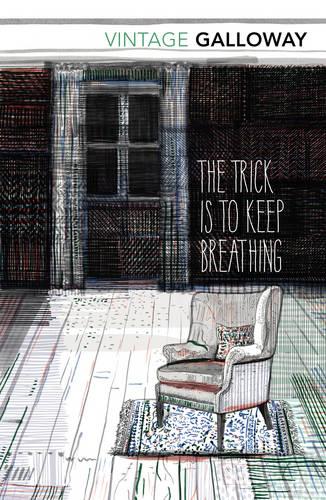
Janice Galloway: The Trick Is To Keep Breathing. Goodness knows, I’ve tried to finish this book. I can’t. It’s just too painful. Claustrophobic, disturbing, this is a story about a woman’s inner collapse on the death of her lover. As the ‘other woman’, she can neither be acknowledged nor supported. I’ve only once had depression, of the post-natal variety, and I was well supported, unlike isolated Joy. But the contact with this unwelcome world where everything is just too damn’ difficult and exhausting was more than I could bear. I don’t even know if there is any kind of happy ending to this suffocating tale.
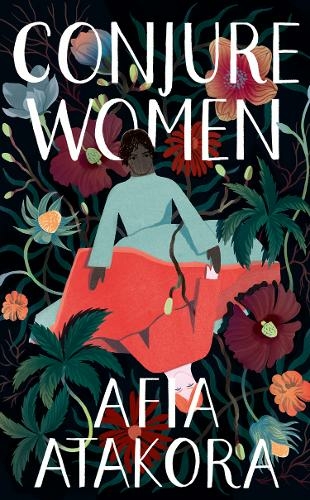
Afia Atakora: Conjure Women. I didn’t finished this book, but abandoned it at about page 50. I found the narrative hard to follow, and wasn’t invested in it sufficiently to try. Reading the reviews, I’ve missed out. Note to self. Try again later.
Borrowed, and waiting their turn
Ann Morgan: Reading the World.
Lana del Rey: Violet Bent Backwards over the Grass.








 From Pyrenees to Pennines
You must be logged in to post a comment.