Six Degrees of Separation: from Yesteryear to Prophet Song.

On the first Saturday of every month, a book is chosen as a starting point and linked to six other books to form a chain. Readers and bloggers are invited to join in by creating their own ‘chain’ leading from the selected book.

Kate:  Books are my Favourite and Best

This month’s starter book, Yesteryear, by  Caro Claire Burke attracts me not at all. Here’s what Google’s AI Overview has to say about it: Yesteryear is a darkly satirical thriller about Natalie Heller Mills, a high-profile ‘tradwife’ influencer who glorifies a romanticised, 19th century farm life. Behind her curated, cottagecore Instagram feed lie hidden modern appliances, paid nannies, and a crumbling, fame-obsessed marriage.’ 
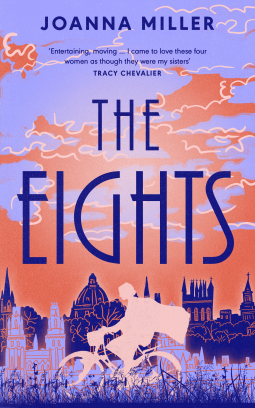
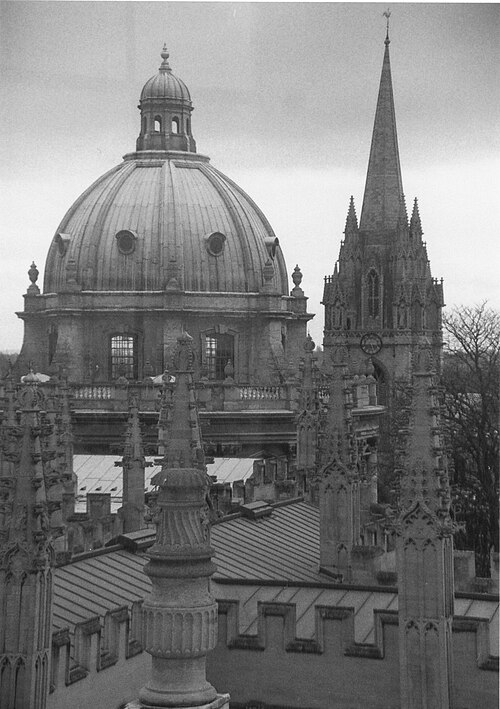
I thought I’d run away immediately to a group of women whose young lives could hardly be more different from our own Instagram-able days. The Eights, by Joanna Miller, follows the fortunes of 4 young women admitted to Oxford University in the very year – 1920 – in which they would be able to study towards a degree, a possibility until then denied to female students. They face petty and strict rules about their day-to-day lives, prejudice and family difficulties. This is their story.
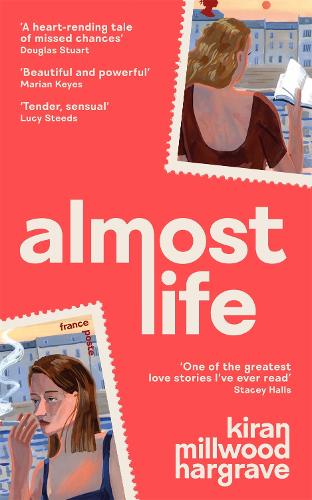
Two women , in Almost Life by Kiran Millwood Hargrave show how women’s possibilities change during the twentieth century. English (bi-sexual) Erica comes across French (lesbian) Laure one summer morning in 1978, on the steps of Sacré Coeur when Erica smiles at Laure after spotting they’re reading the same book. They become lovers then part – often. Erica is in her mid 30s as the story reaches its climax, and the social change that characterises both French and British society between the 70s and the very early 2000s is subtly yet vividly made a living part of the narrative.
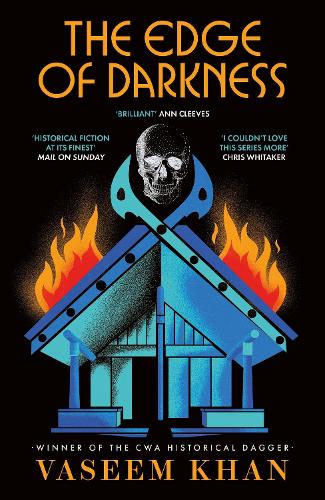
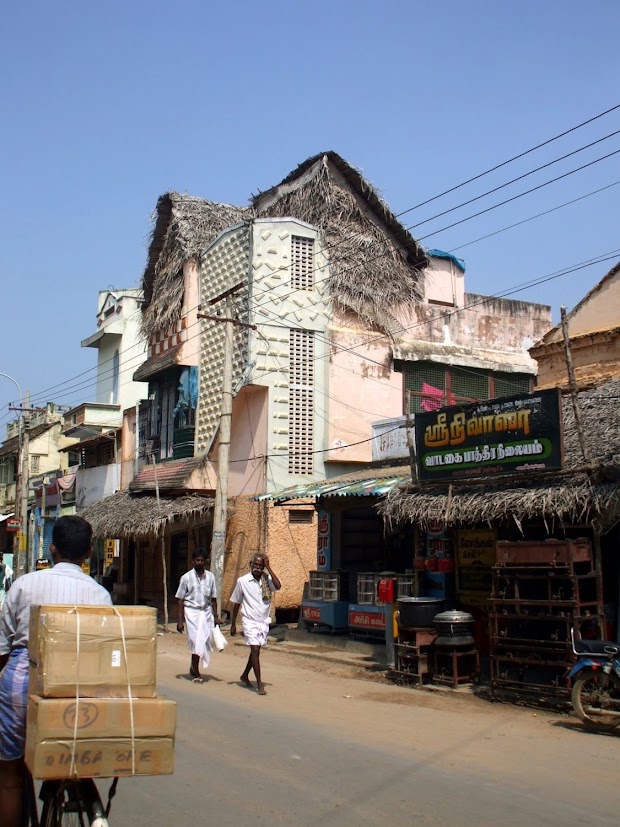
In Vaseem Khan‘s Edge of Darkness, another female is treading new paths for women. We’re in just-post-partition India, and Persis Wadia is India’s first female detective. She faces the same kind of prejudice and condescension faced by the Oxford students. Persis is determined, principled and awkward. She thinks outside the box, but has very little support, with the possible exception of her new second-in-command. Solving the murder of a prominent politican isn’t something you should leave in the hands of a mere woman. Or is it? This is the sixth book In which Persis is Our Heroine, and I’ve loved every single one of them.
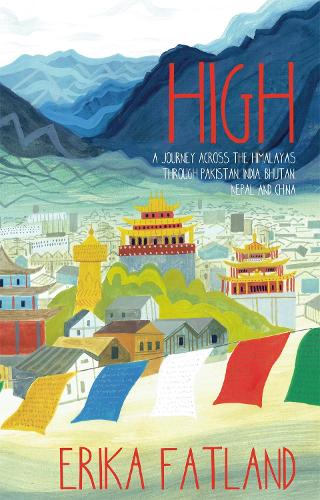
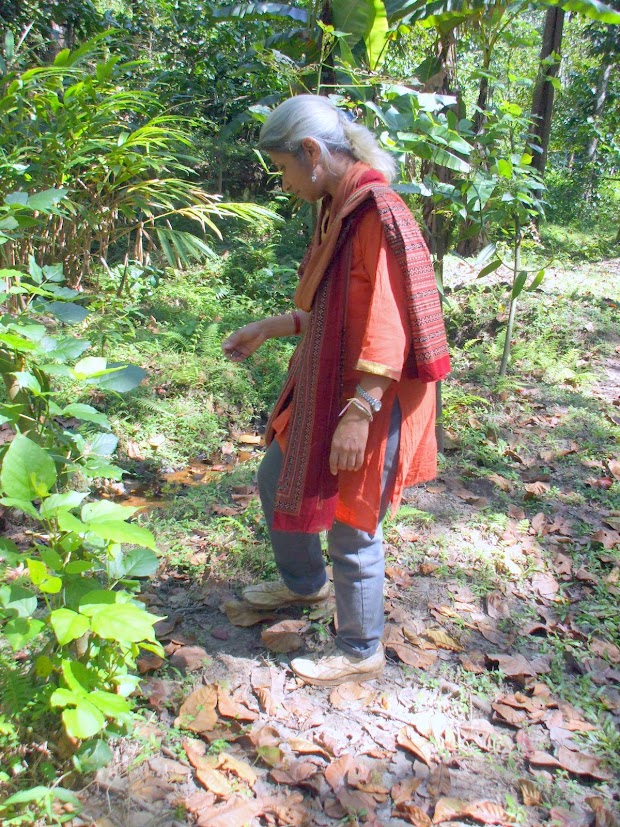
We’ll stay on the Indian sub-continent, but change the mood completely, and look at a real door-stopper: High: A Journey across the Himalayas, through Pakistan, India, Bhutan, Nepal and China: by Erika Fatland (translated by Kari Dickson). Erika Fatland is a Norwegian anthropologist. She’s undertaken here quite a journey: the one outlined in the title of her book. She observes the sights and sounds of – often very remote -cities, towns and villages on her travels, describing her meetings with locals. These can be the inhabitants of these communities, or religious leaders, nuns, bureaucrats, countryside rangers – even a king: even the dispossessed. In particular, women’s lives are still on the whole greatly impacted by tradition and custom. A big chunk of a book, this is nevertheless highly readable and accessible, and engagingly translated.
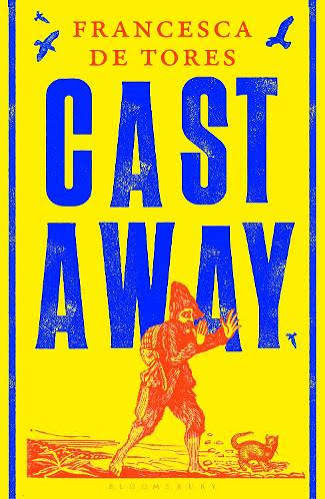
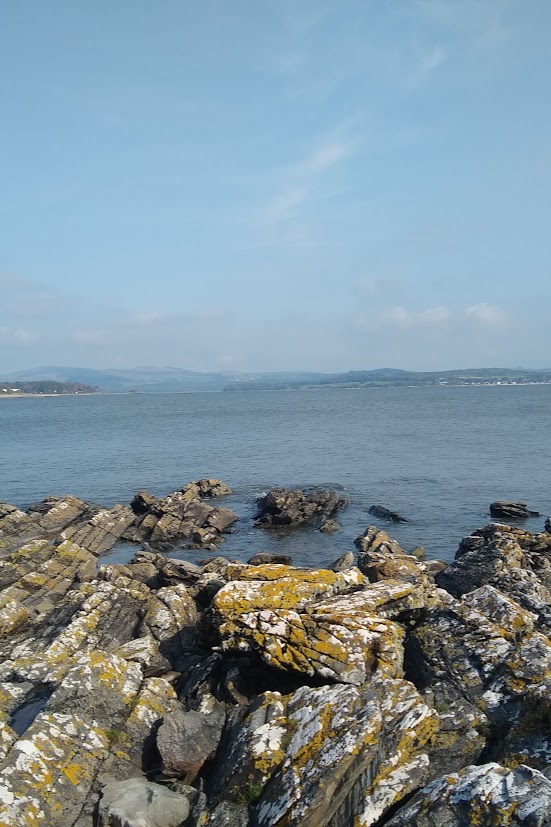
Travel in unfamiliar places always brings challenges of one kind or another. None more so than when you are deliberately abandoned on a deserted and inhospitable island in the South Pacific. This was the fate, in the early 18th century, of Alexander Selkirk. His misadvenures have already been imagined by Daniel Defoe, in Robinson Crusoe. Now Francesca de Tores has done it again, in Castaway. I’m reading it now. And it’s no swashbuckling adventure, I can tell you. Think rats, mosquitos, and not a single mod con, 18th century style, to help you along. (For ‘mod con’, read eating or drinking vessel, knife, axe, change of clothing, blanket ….).  Over time, Selkirk’s back story is trickled into the story. Our task as readers is to observe this man reveal himself as he comes to understand himself better.
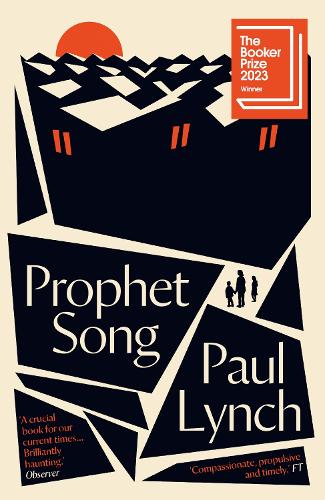
Paul Lynch greatly enjoyed Francesca de Tores‘ previous book, Saltblood, and as I got a lot from reading his Prophet Song, I’ll end my chain with it. It was one of my winning reads of 2024.  It’s set in Ireland in the near future, after a fascist government has been elected to power. Long breathless paragraphs, light on punctuation, drive the story on as everyday wife, mother and daughter Eilish ‘s decision making and relationship with her children and family gradually becomes increasingly erratic, as the government increases its stranglehold on everyday life, as violence and the impossibility of everyday living increases. It’s a deeply uncomfortable read. Perhaps even more so now than when I first read it.

One way or another, I’ve wandered pretty far from the starting point this month. What will happen next month, I wonder, when our starting point is a book already on my TBR list:  Maggie O’Farrell‘s Land?


Love your Library in December

What a lightweight. A mere seven library books read in December. To be fair, I also read – and almost finished in December – another book, from The Library of a Friend. But that may not count.

But I had some Right Good Reads.

Simon JenkinsA Short History of America: from Tea Party to Trump got a mini- review here and a ⭐⭐⭐⭐⭐rating .

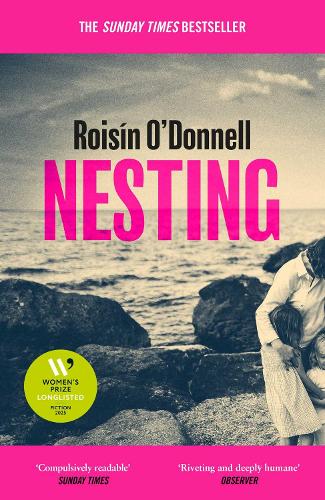
I fairly raced through Roisín O’Donnell‘s Nesting which details the story of Ciara, as she attempts to escape her controlling, domineering husband Ryan with her two small daughters. When she plucks up the courage to go, even finding a bed that first night is a major achievement. This book describes her attempts to move on as she attempts to keep two children fed, clean and entertained from the bedroom of a hotel partly dedicated to the homeless. A difficult subject tackled with verve and compassion by O’Donnell. ⭐⭐⭐⭐

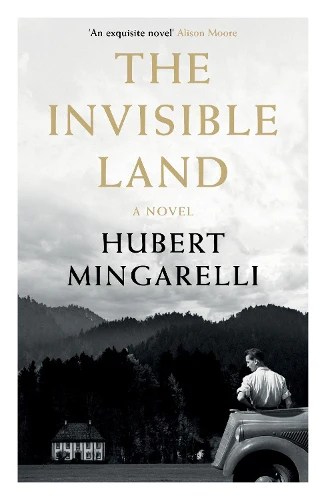
The Invisible Land: Hubert Mingarelli (Translated by Sam Taylor). An unnamed photographer has, just before the book begins, been documenting the liberation of a concentration camp. Now he wants to document ordinary German villagers. What he saw in the camps simmers away, quietly enraging him. We see, as he does, the bucolic calm of the countryside, as an impertinent and shocking contrast. A compassionate exploration of the – often unseen -consequences of war.⭐⭐⭐⭐

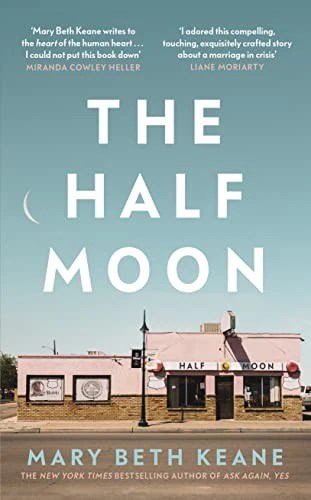
The Half Moon: Mary Beth Keane. Malcolm and Jess are in crisis. She’s just left the marriage for a breather and to take stock. There’s a blizzard in town. Theiy have financial worries. They’ve run through shocking amounts of money spent on unsuccessful IVF treatment – Jess can’t leave aside her dream of having a family. And Malcolm has taken on more financial commitments than he’d let Jess know about when he bought The Half Moon. The bar isn’t now doing well. The books backs and forths through their lives – Jess’s law degree, the community and families that surround them, Jess’s tentative exploration of a new relationship. This is a small town. Everyone knows everybody else’s business. How will things pan out? Only one way to find out. Read the book.⭐⭐⭐⭐

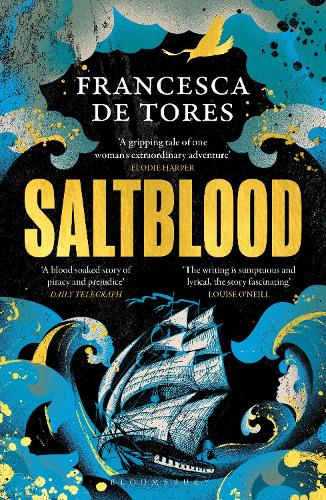
Francesca De Tores’ Saltblood follows the life story of an actual historical figure, Mary Read. Little is known of her but the barest of biographical details, but de Tores fleshes out her entire life to tell an engaging and richly atmospheric tale. Raised as a boy (that’s a story in itself) Mary/Mark first works in service. Then she joins the navy, and later the army – always concealing her female identity in these most male of environments. Read, who narrates her own story, is thoughtful and reflective, describing both humdrum days and moments of danger and adventure . There’s her marriage, her return to the sea, finally as a pirate … This is a well-written and realised drama which brought to life seafaring – and indeed day-to-day existence on land both in Europe and the Bahamas. Transatlantic trade and piracy were part of everyday life. I believe it’s historically correct, and it’s certainly a nuanced and compelling story inviting sympathy for anyone joining this remittingly tough way of life: especially if she’s a woman. ⭐⭐⭐⭐⭐

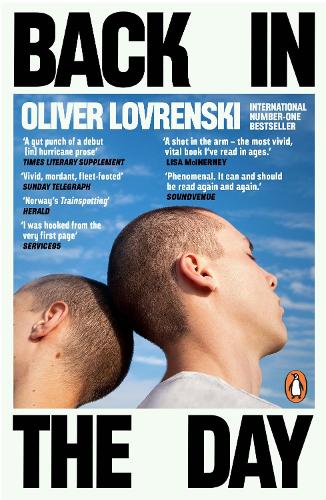
Back in the Day: Oliver Lovrenski. I want to draw attention to the quality of the translation by Nichola Smalley. Largely innocent of capital letters and full stops, this breathlessly episodic story is told in the street argot of the young immigrant who tells this tale. And Smalley has this language, and style of presentation off to a T. The four protagonists have come with their families as immigrants from various parts of the world. Clever and ambitious, they lose interest in school when they overtake their classmates and remain unchallenged. Dreams of becoming lawyers are exchanged for knives and protecting other family members. Drug dealing leads to institutional care for one, and a slippery slope to violence, machetes and guns. Will eventual grief and remorse result in a turning point? This is a tough, intense yet rewarding read by a young Norwegian of Croatian heritage who wrote it when he was just 19. I hope there’s more from him, and from his talented translator. ⭐⭐⭐⭐⭐

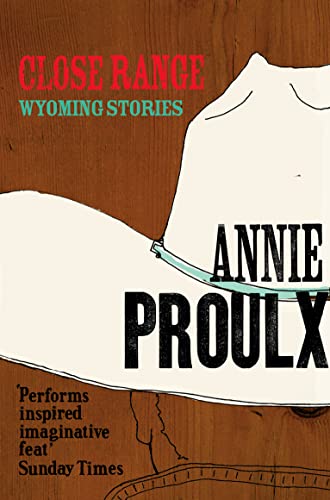
And finally, Annie Proulx’s Close Range. This isn’t so much a review as a place-holder as I haven’t read every story in this collection yet. Mainly because, much as I was enjoying them, I need a break from the colloquial style in which they’re written every now and then, even though it’s precisely this that brings the stories to life and makes them vivid. They’re about insular rugged people living tough lives in an unforgiving landscape – often lonely and contending with daily hardship. This doesn’t make for a bleak read however. The tone and language of the stories brings them vividly to life. More later when I’ve read the lot!

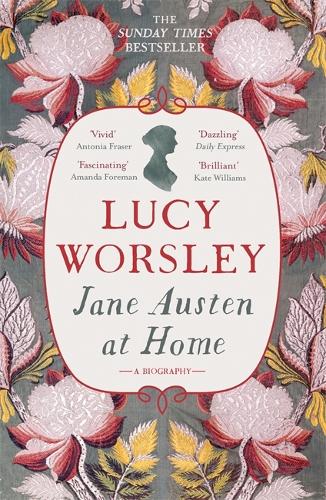
And that other book, lent by a friend? A brilliant evocation of Jane Austen’s life and times, immaculately researched, but immensely readable, by Lucy Worsley: Jane Austen at home. It had to be read, with the airwaves full of Austen memorabilia last year, the 250th year of her birth. ⭐⭐⭐⭐⭐

Unbelievably, I only have two books on loan at the moment. The first, plucked from the shelves on a whim, is proving utterly absorbing: Craft Land – a journey through Britain’s lost arts and vanishing trades, by James Fox. And the next is a doorstopper: Erika Fatland‘s High- A journey across the Himalaya through Pakistan, Indai, Bhutan, Nepal and China. I might need a big dose of fiction after that little lot.

For Rebecca’s Love your Library