Les Gorges de la Carança

I’d half written this post in my head before we even set off for our weekend away.  It was going to be all about how, despite my pretty high-maintenance vertigo, I managed to defeat my terrors and have a day’s climbing up vertical ladders and swaying bridges, inching along narrow paths high above the vertical drop to the bottom of les Gorges de la Carança.

We went there, I did all of the above, and astonishingly, I was never once gripped up by that all-too-familiar fear which prevents me from peeking over the edge of any castle battlements or church towers I’m foolish enough to ascend.

It was the Rando del’Aubo who proposed this overnight trip, high up into the Cerdagne region of the Pyrénées Orientales.  It’s a gorgeous area of high steeply sloped and densely forested mountains and wide deep valleys, green and fertile.  This is Catalan France, with a strongly Spanish feel, where Catalan is written and spoken almost as much as French, and the cuisine is very different from our homely Ariègeois farmyard and hunter’s fare.

We were tourists on our first day – that’s for a later blog.  Sunday was the day of the gorges.  A spectacular drive from our overnight accommodation, a few decisions to take about how much clothing to wear (early in the day, it was already hot), and we were off.

I wish my pictures told a better story.  It’s hard to convey the grandeur of the scenery, to show how very vertical and high the gorge sides are, and therefore how nerve-wracking parts of the walk were.  We enjoyed our six hour day, but it’s possible to spend two days exploring the area.  We were merely amateurs.

We spent much of the morning scrambling up craggy paths alongside a tumultuously noisy stream: and then there were scary catwalks clinging to vertical rock faces; ladders and suspension bridges, high above the water, often almost enveloped in the trees.  It wasn’t till the afternoon that we walked the Cornice, the narrow walkway hacked into the (vertical, of course) rock face – with a 400 metre drop to the bottom of the gorge.  The rewards, if you don’t frighten yourself to death by looking down, are the views of the peaks; craggy, splintered rocks of grey, white and ochre; of stunted and deformed trees clinging and growing with unexpected vigour to tiny fissures in the rock; the plant life, similarly finding footholds in this very challenging environment, and the butterflies, fluttering in huge numbers everywhere we looked.

It was a wonderful experience:  for the views, for the physical challenge of the roughy-toughy climbs and descents, for the feeling of risks overcome.  Yesterday too, we felt very lucky to have spent the day there.  It was hot, but pleasantly so in this forested place at an altitude of not too far from 2000 metres.  As we drove homewards and the temperatures increased, we realised just how unbearably hot and sweaty we’d have felt if we’d just stayed at home and loafed around the garden.
This slideshow requires JavaScript.

Summer solstice, Montségur

All this time we’ve been here, we’ve not seen the sunrise over Montsegur.  Today, midsummer day, I decided to change all that.  Me and 99 others……

I arrived at the car park just after 5 o’clock,  at the same moment as a hare which had for at least two frantic minutes been trying to out-run me.  And realised I was not alone.  It was still dark, and quite a difficult business to trek up a steep, slippery rocky path.  Other more provident people had torches, and everybody helped one another.

The route to the top. Still pretty dark

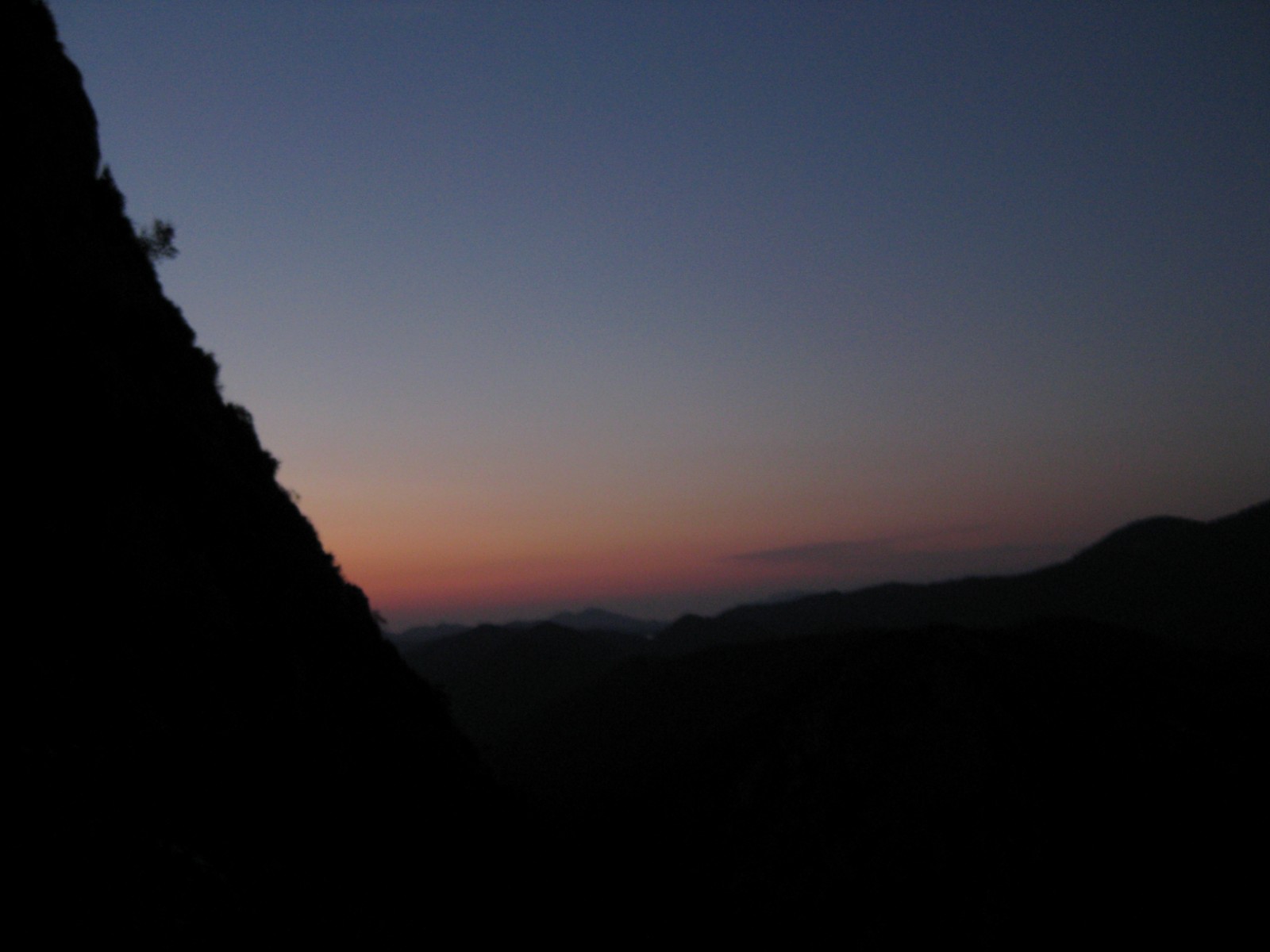
Towards the top, the night sky was slowly washed from inky blue to delicate blues, pinks and greens by the sun which was still well below the horizon.

The sun first appears. It’s just after 6 o’clock

I found a couple of friends there, and a vantage point relatively distant from the crowd crammed into the castle ruins.  They had come to see something special- the rays of the sun as they poured through the ruined windows.  I decided it was too packed with people to feel special in there.  I’ll come back another day soon, to see for myself.

And again, a very few minutes later

What I saw was quite wonderful enough: a rich copper disk slowly mounted above the line of mountains in the distance,  tinting the sky ochre, rusty-red, sugar-pink, finally emerging so fiery bright I could no longer look at it.  Some locals burst – quite beautifully – into song.   Occitan/Ariègeois stalwarts, ‘Quand lo Boièr ven de laurar…’ and,inevitably, ‘Se Canto’.

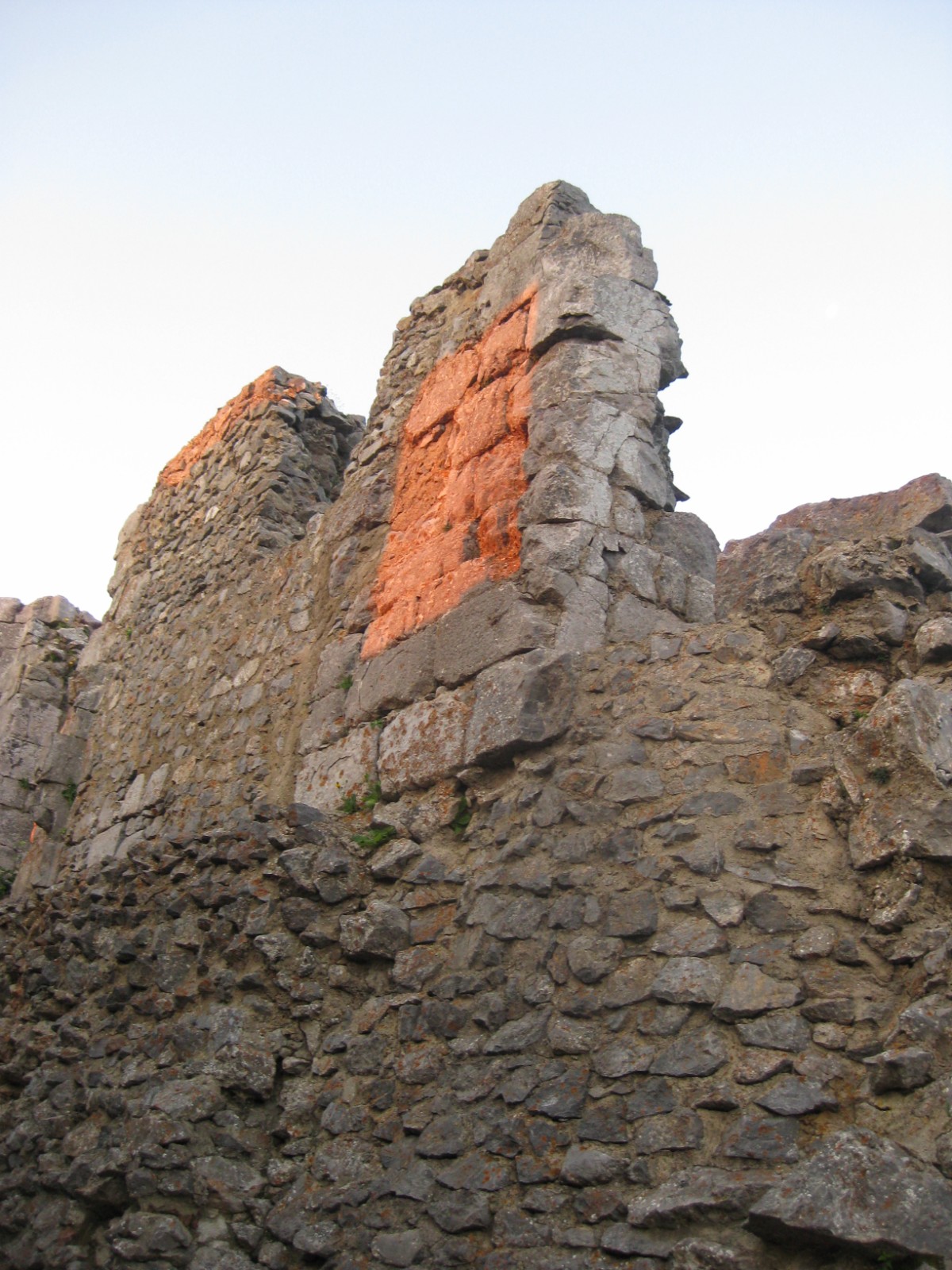
The rising sun, shining through a ruined window, casts an image on the castle wall

Gradually the whole sky lightened and brightened, turning the entire landscape crisply clear.  I strolled round the summit – it was surprisingly easy to get-away-from-it-all, before skidding and climbing my way down to the car park again….

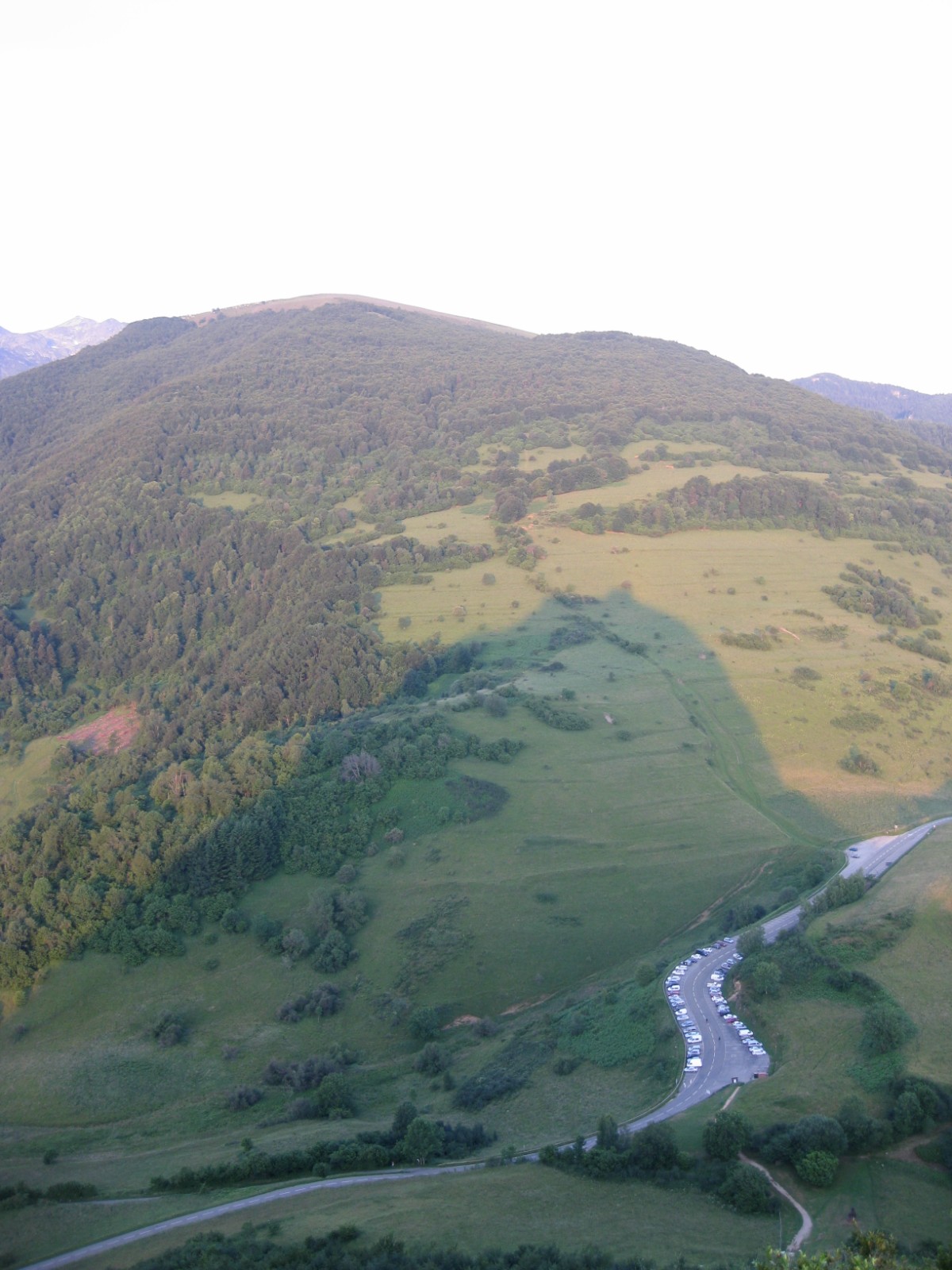
Montségur casts a shadow on the hillsides beyond. The car park’s still full.

….and there were my companions who’d provided torchlight.  They were hitching, because their car had failed to start.  We journeyed back to civilisation together, ready to resume normal service.  It was 7.30 a.m.

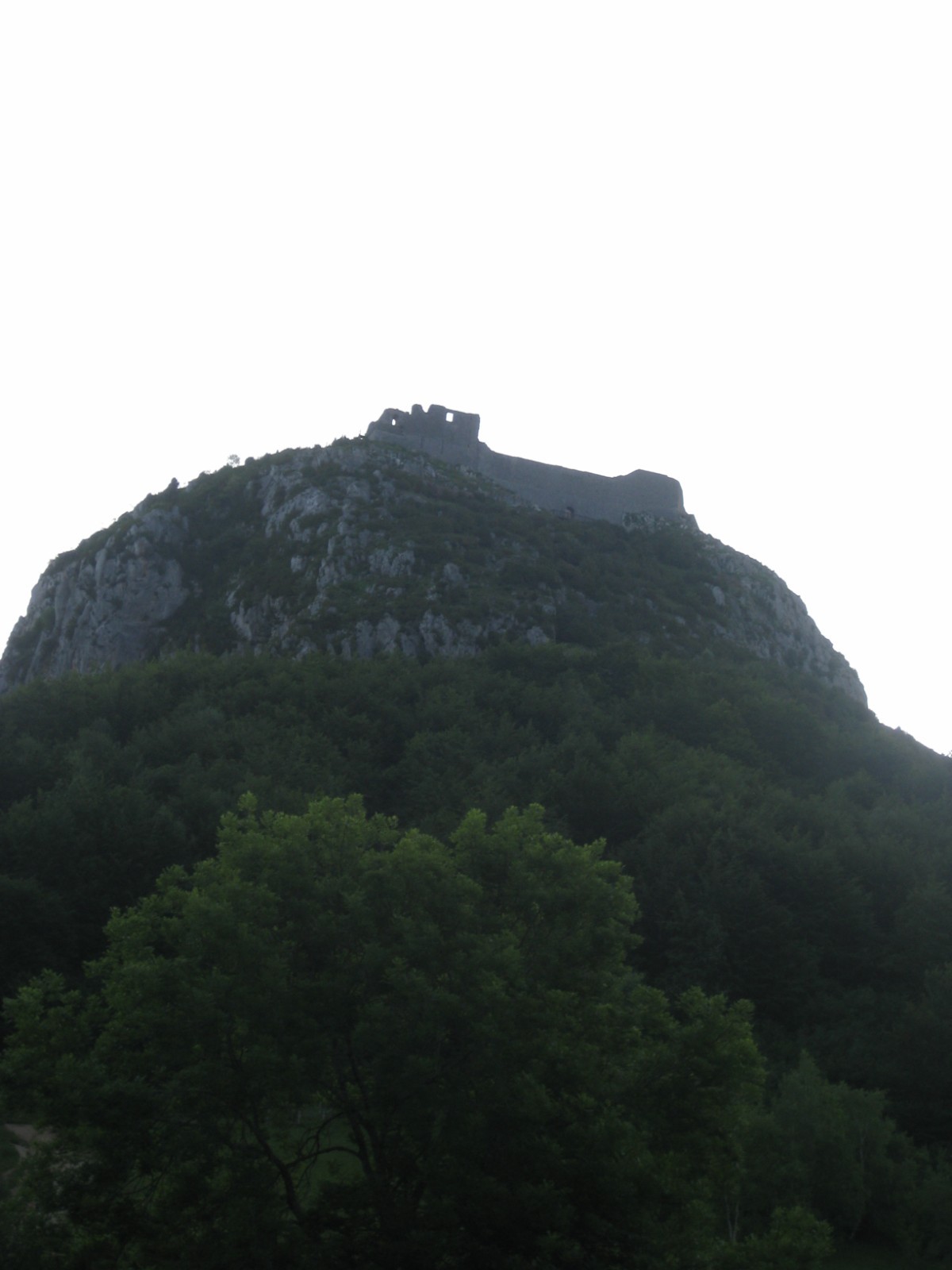
Almost deserted again, Montségur in the early morning light

La Remise des Diplômes.

Over the decades, Laroque has enjoyed a reputation as a musical town.  With hardly more than 2000 inhabitants, and horribly in debt, it still nourishes its Music Centre.  Children (some adults too) come first of all to sing, then perhaps to try their hand at an instrument, before moving on to play in ensembles, the orchestra, or the regionally well-regarded LDO Big Band.  Some people make a family thing of it.

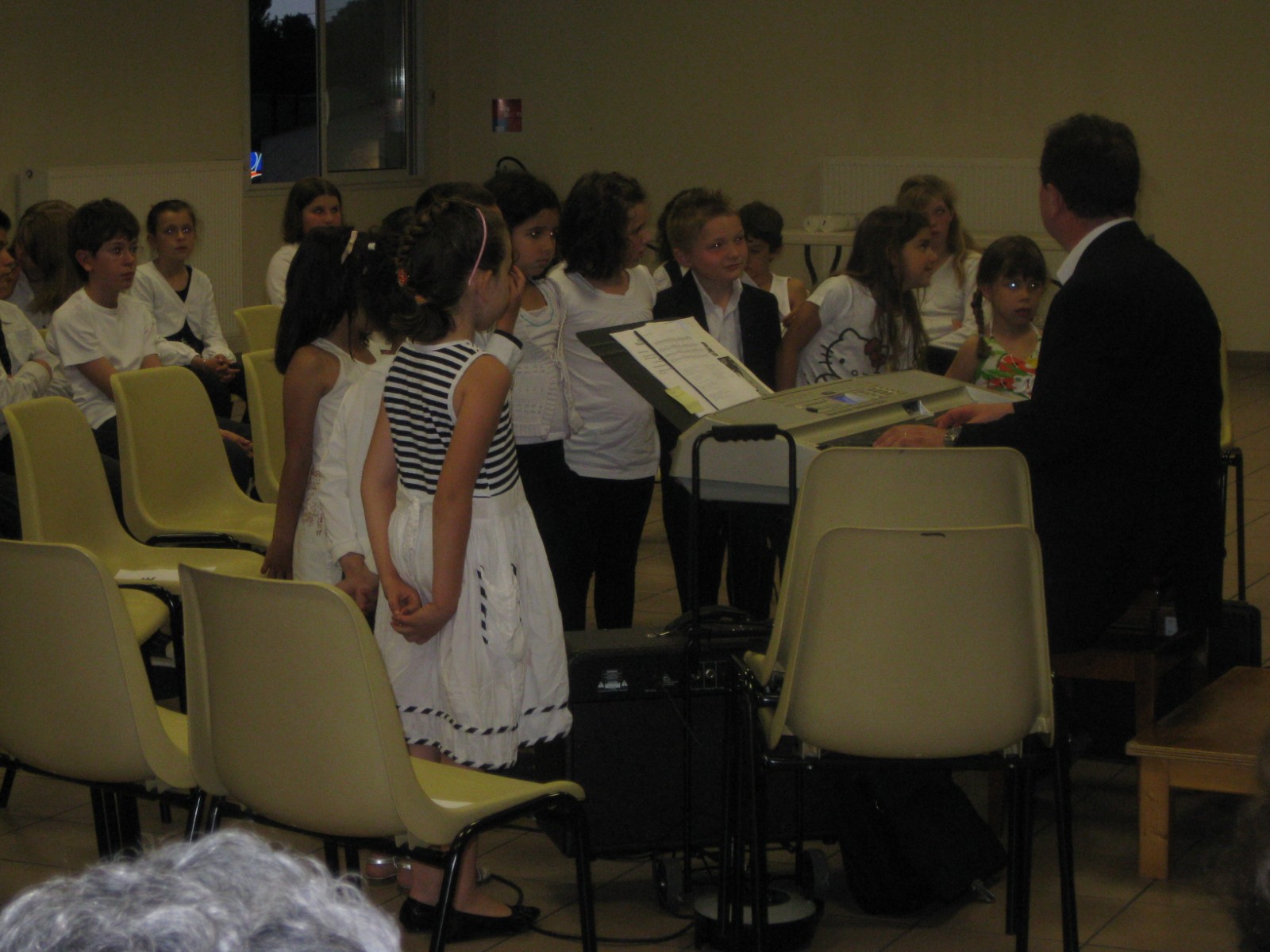
The littlest children of all take centre stage

The baker, for example, is always there at rehearsals and concerts with his trumpet, and his daughters joined him some time ago: wind instruments are their preferred choice.  Louis in the choir plays the sax as well as singing with us.  His son’s pretty good on the piano, and now his wife’s decided it’s not too late to learn to play the organ.  The Ribas family turn out singers, percussionists, and sound technicians….and so on.

Last night was prize-giving time for the Music Centre, la Remise des Diplômes.

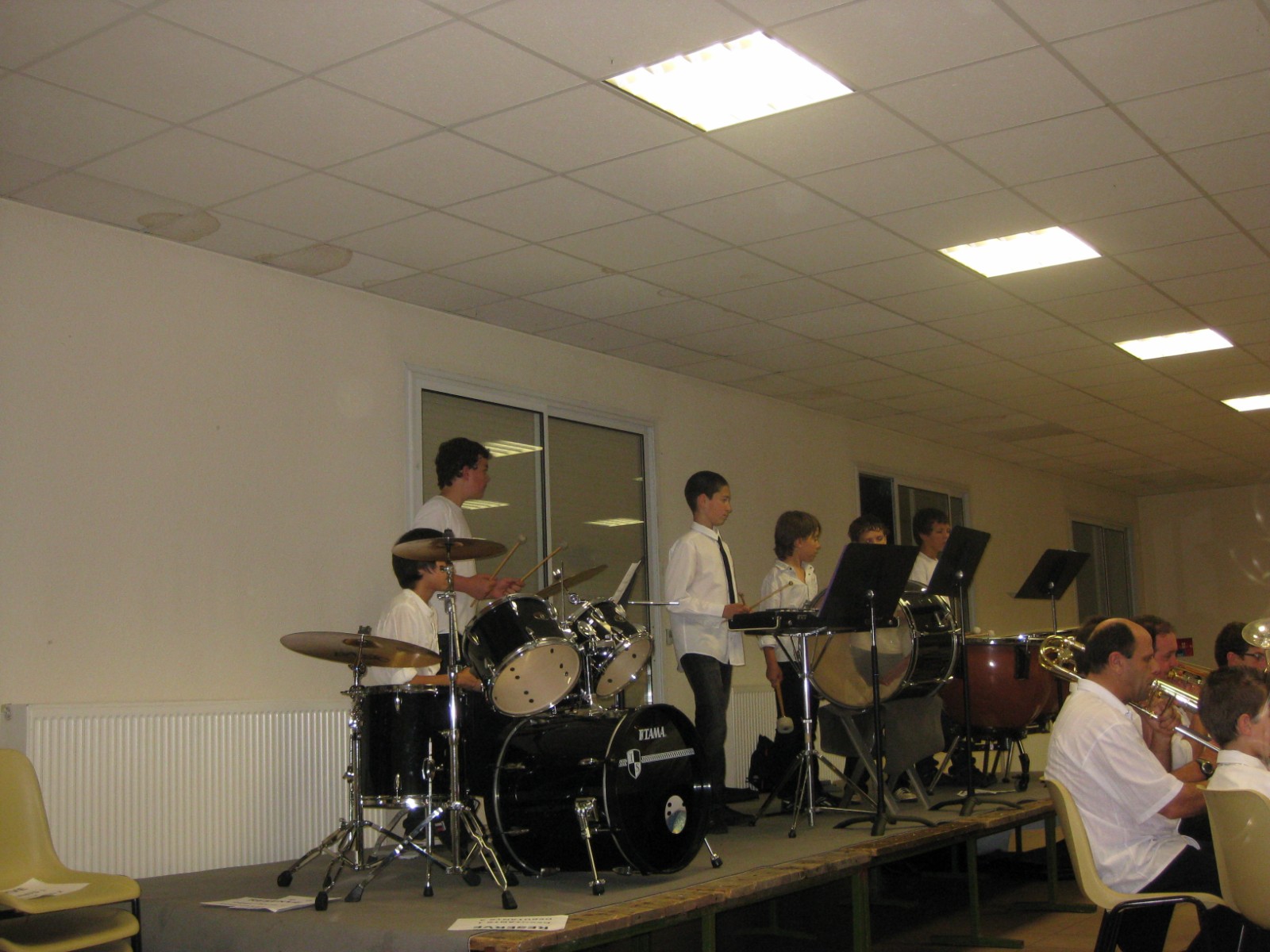
What is it about boys and percussion?

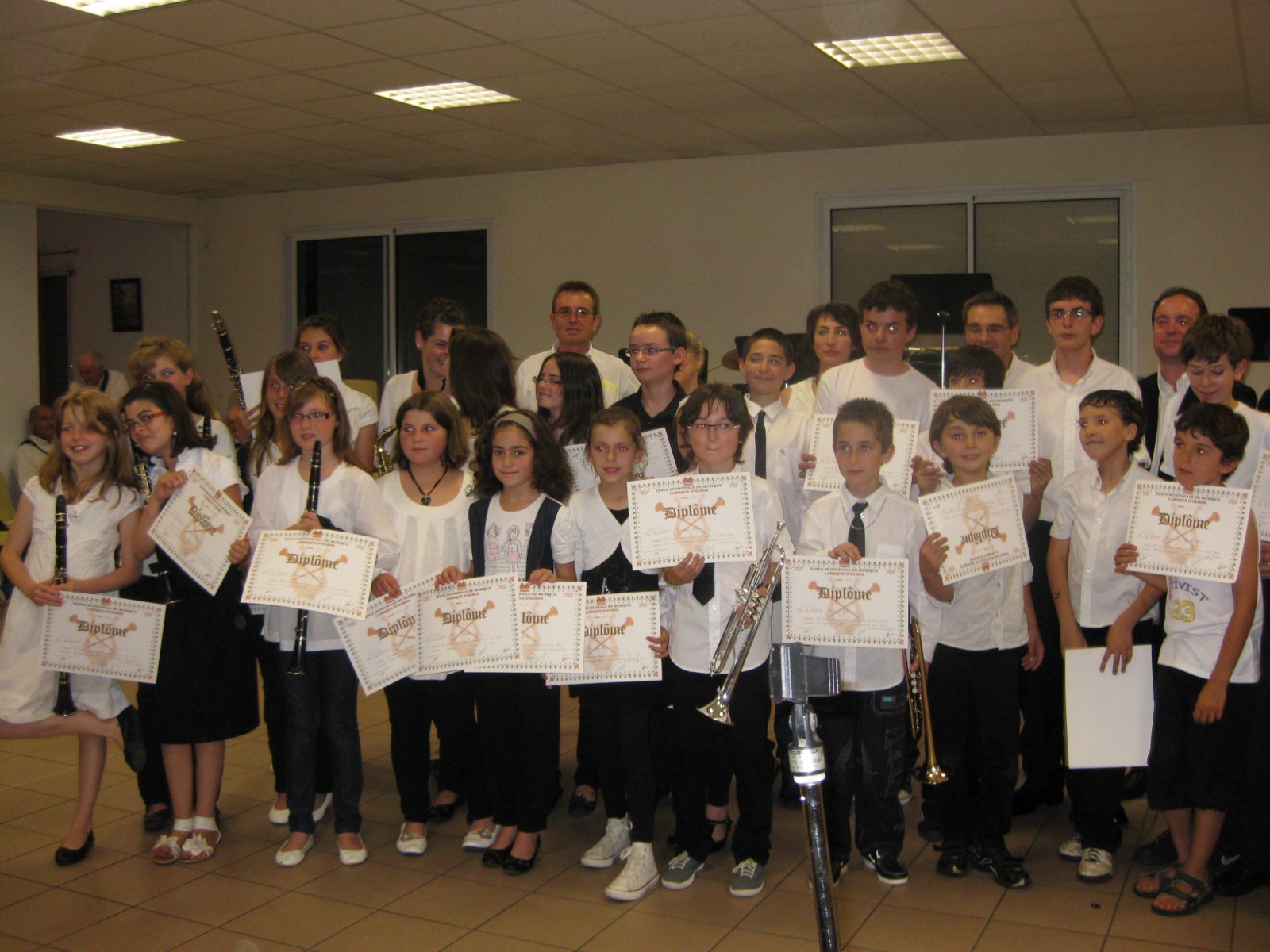
Everybody had their chance to be heard on stage: even our choir, la Chorale des Adultes, and we didn’t even get any certificates.  The children, however, had endured exams, so it was only fair that they should have diplomas for their efforts.  Lots of them got ‘mention bien’, ‘mention très bien’, and even ‘félicitations du jury’.

They seemed pretty happy to be there, even before they got their prized bits of paper.  A good evening for Laroque

Diplomas awarded: everybody happy

Transhumance in the Haut Salat

Transhumance.  It’s that time of year where here near the Pyrénées, the cattle and sheep are moved from their winter quarters down on their lowland(ish) farms up to the lush summer pastures in the mountains.  They’ll stay there till Autumn, and then be brought down again.  And each time, it’s the excuse for a party.

On Saturday, we joined in, and went over to Seix to meet friends who live there.  The Transhumance celebrations in Haut Salat last three days, but we made do with Saturday morning.  We nearly arrived late – very late – because we found ourselves behind a herd of cattle making their steady way along the road.  Overtaking’s not an option: the cows commandeered this route hundreds of years ago.  But we managed to zip down a side road and make a detour.  A whole hour later, after coffee with our friends, the herd reached the edge of Seix and passed their door….

…and finished their long walk into town.  We went too, and arrived just as the last flocks of sheep were arriving, to be corralled like the cattle, at the edge of the town square.  For a while, and probably much to their relief, they were no longer centre stage.

Instead it was jollity of the traditional kind. There were processions of large solemn plaster effigies, local bands.  Dancers from Gascony, the Basque country, the Landes made sure we all had fun, and Malcolm and I even joined in some Basque dancing.  Stars of the show for us were the shepherds from the Landes.  Theirs is flat, marshy country, and they used to keep their eyes on their roving flocks by ranging round on stilts.  But this was a day for dancing, and that’s just what they did, up high on those stilts.  Have a look at the photos.

We went off for lunch at the end of the morning.  But there was more celebrating, more meals to be shared, particularly by those farmers and country people who over the centuries have welcomed the fellowship of Transhumance as a break from the routines of an often lonely life.

This slideshow requires JavaScript.

The tale of the cherries and the peach

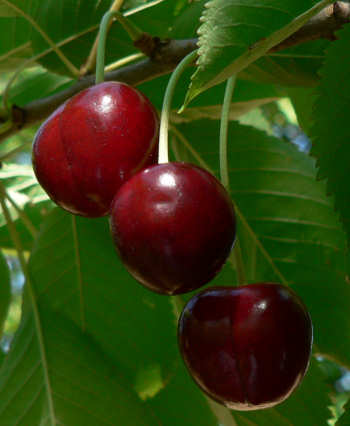
While we were in England in May, Léonce wrote and said the local cherry harvest had been and gone.  The fruit, thanks to the early heat wave, was wizened, dry, and had peaked far too early.  We wrung our hands in displeasure at having missed the offerings from the two mighty cherry trees in our garden, and tried to forget about it.

On Tuesday, when we got back to Laroque, I went to the garden.  And there were our trees, branches grazing the ground with the weight of their fruit.  I started to pick.  Five minutes later, it was raining.  Stair rods.  I scuttled home with some treasured cherries.

Wednesday morning dawned clear after a rainy night, and straight after breakfast we were up at the garden with buckets, eager to pick all that lovely fruit.  Almost every single cherry had turned mouldy overnight.  We managed to pick a few, half a bucketful.  But back at home, they didn’t stand up to close inspection and we had to discard almost all of them.  So that was that.

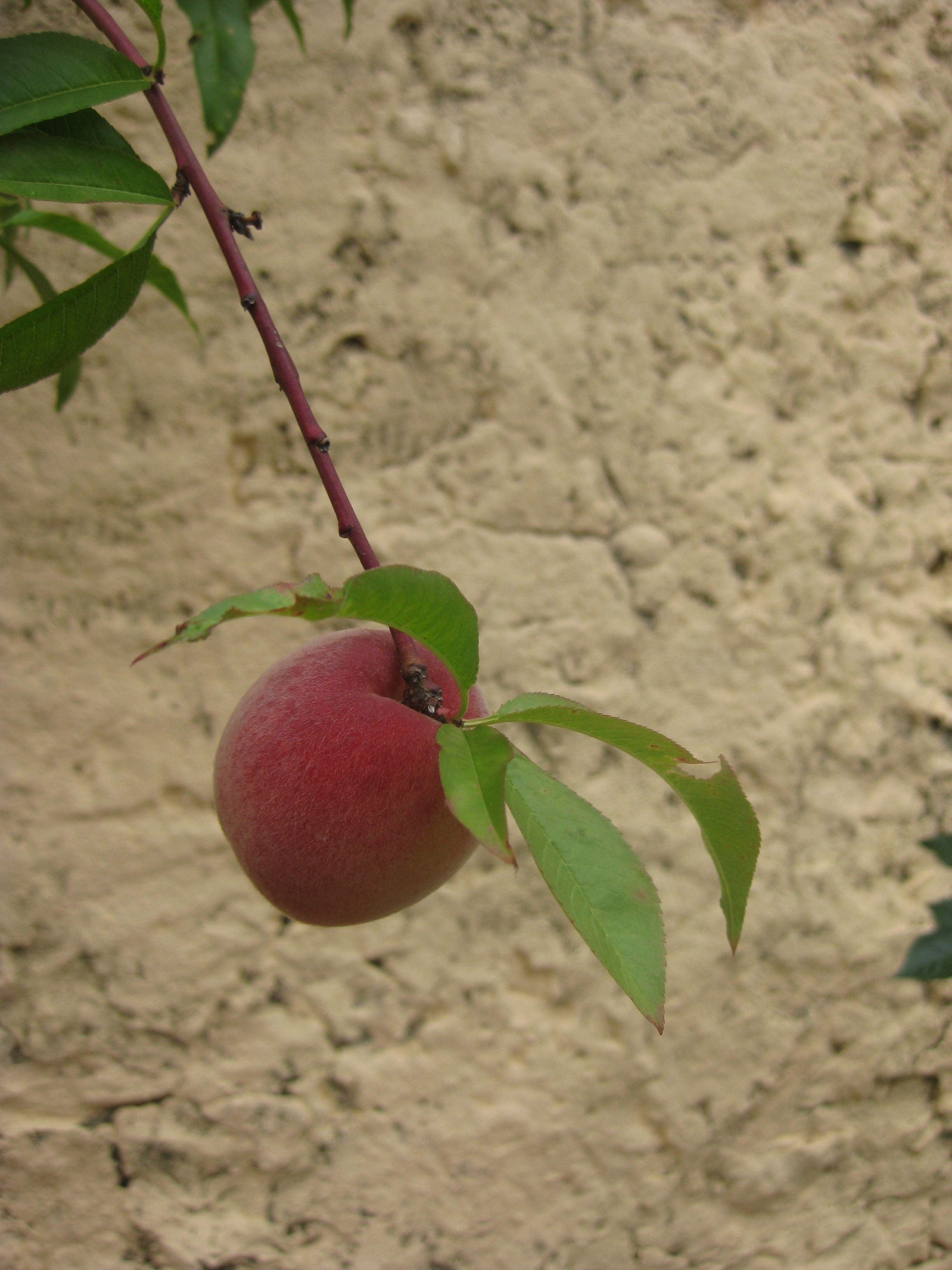
Now for the good news.  In early spring, we bought a peach tree.  We planted it. It prospered.  It flowered.  To give it the best start in life, so the tree would give its energy to putting down roots rather than nourishing its fruits, we removed every single blossom.  Or so we thought.

When we went out to see our little tree on our return, this is what we found.

We ought to pick it and throw it away I suppose, but we haven’t the heart.  Come and visit us in August, and you might get a bite of our very first home-grown peach

Diminishing Returns

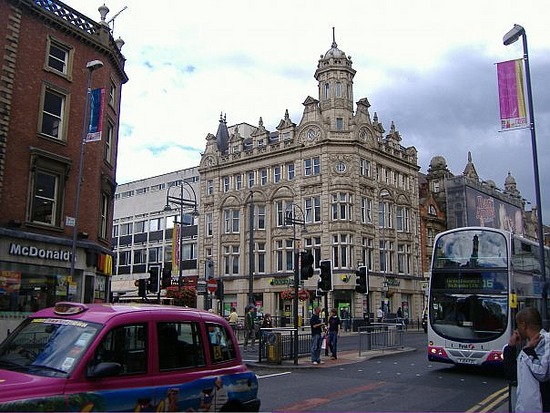
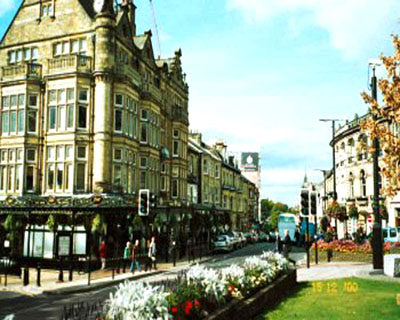
About 15 years ago, we moved from Leeds (pop. 716, 000)……. to Harrogate ( pop.72,000).    How charming and manageable in size it seemed!Now we’ve moved to Ripon (pop. 16,000).  Its cathedral gives it city status, though it’s so much smaller than Harrogate.And of course, we also live in Laroque d’Olmes (pop. 2, 600)Where next?  A farmstead on a remote hillside?

Next stop: Ripon

After that outburst last week, we had a think.  And then we thought some more.  And some more.  And we realised that we really need a base here.  For us, and for our daughter.  Home-hunting was as depressing as it always is.  Until we had an idea.

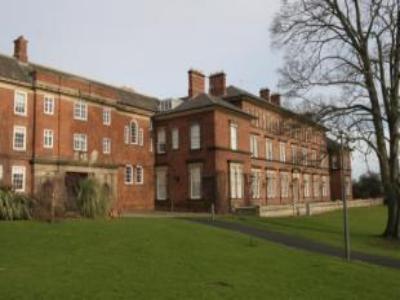
Our new flat's near here

Would Ripon, a mere 10 miles from Harrogate, but too far for regular commuters to Leeds, Bradford and York provide a more affordable answer?  It did, in the very first flat we looked at to rent. It’s small, but the complex has been thoughtfully developed on the site of the old College of Ripon and York St. John. Its trees and parkland have been preserved.  By car, it’s out of town.  On foot, it’s a ginnel or two away from the town centre.

And we love Ripon.  It’s so near to Harrogate that we can easily maintain our relationships there, but it has a different centre of gravity, with the open spaces  of North Yorkshire so near to explore, and Fountains Abbey as a near neighbour.

Market Square

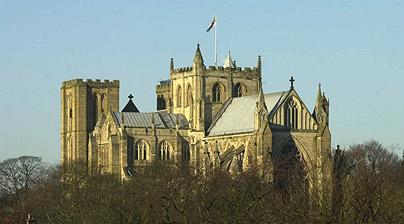
For over a 1000 years, it’s been a market town.  Its Thursday market is still busy and lively and there are plenty of independent shops in the  ancient streets clustered round the market square.  It has a Cathedral, and a lively cultural life.  I’ve just discovered it’s twinned with Foix, departmental capital of the Ariège.  I think we’re going to be happy here as we divide our time between France and England.

Ripon Cathedral seen from the River Ure

A love affair

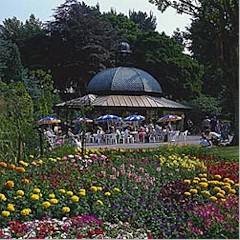
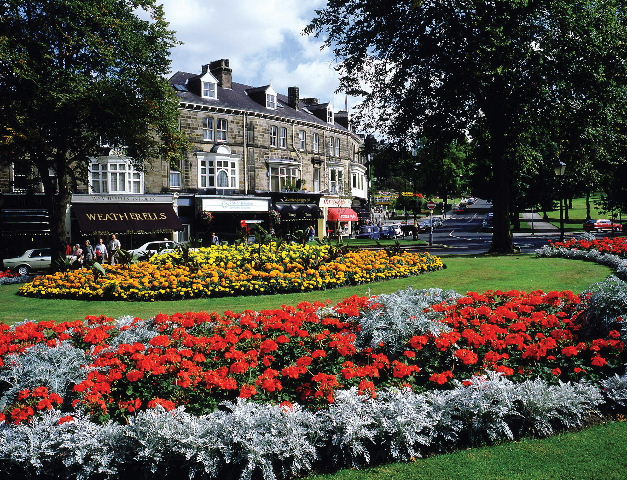
Valley Gardens

Every time we come back to England, I realise how much it is, quite simply, ‘home’.  Our house  is rented out, we have few personal effects here, but still I routinely and unconsciously speak of it as ‘home’, and Laroque as ‘back in France’.  So you don’t have to be a genius to work out where my heart really is. My daughters, grown-up, mature, independent, make no secret of the fact that they’d prefer us to be around more.  It’s difficult not to agree.

England itself works its way under my skin every time I return.   We’re staying in a friend’s house on the Valley Gardens in Harrogate.  Daily walks in the park, easy access to the Stray, and the busy neighbourhood shops of Cold Bath Road have put a much more positive spin on the town than when we lived in our house in the suburbs.  Yesterday we spent walking near Grassington, along the River Wharfe, where baby ducklings and a heron held our delighted attention.  But the landscape of windswept green hills, drystone walls, sheep with their lambs, and late in the afternoon, the bluebell woods, captivated us as only ‘God’s Own County’ can.

A walk round Grassington


I’m happy in Laroque, very happy:  and I don’t want to leave.  Not yet.

Three French Hens

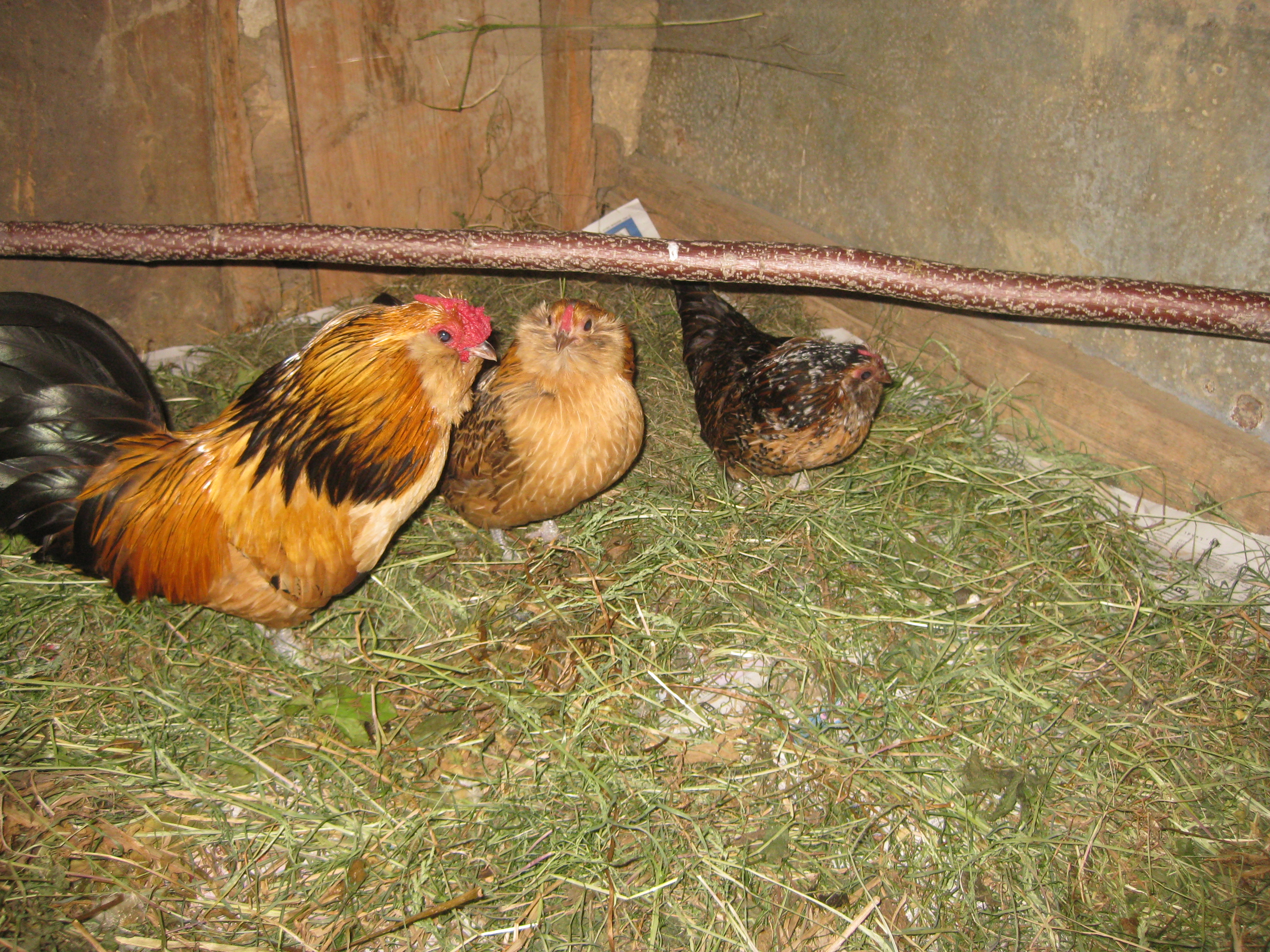
Léonce and I have long wanted hens.  But she’s beaten me to it.  A friend of Henri’s keeps quite a brood: lately, one of the cocks has been having a go at a quiet little trio – a cock and his two hens.  So Henri’s friend decided, sadly, that they’d be better off elsewhere.

We went for a tour of inspection last week.  Léonce was charmed by their pretty colours and diminutive stature and promised to buy.

She’s got the hen house finished off, and now….because of what’s happening over in the UK this week, she’s named the new additions to her family.  Let me introduce William, Kate…..and Queenie