Goodness me. Christine and Max, our French friends from our days in Laroque arrived on Saturday, and it’s only Tuesday today. Look what we’ve crammed in….
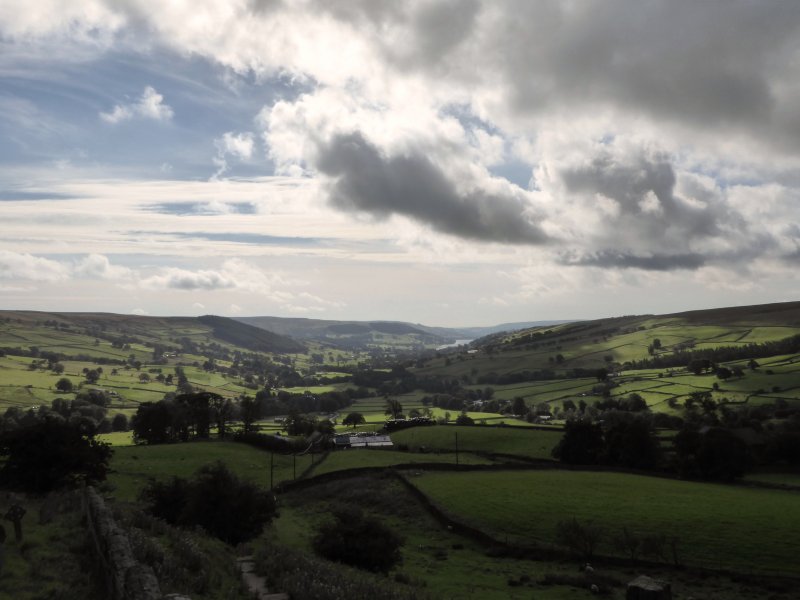
An orientation session in Nidderdale, taking in a few views….
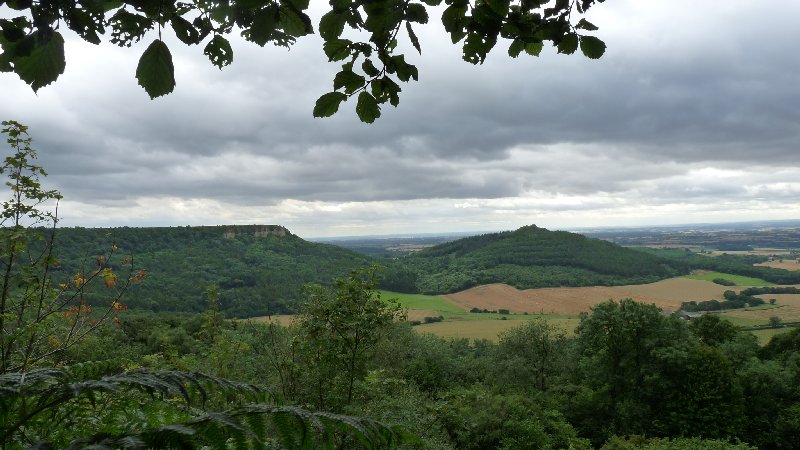
The view from Middlesmoor, Nidderdale.
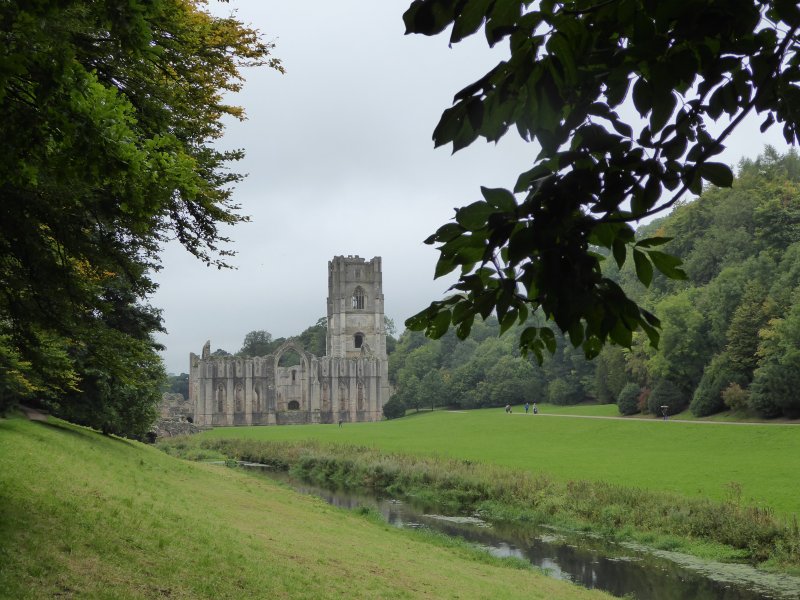
A peaceful morning at Fountains Abbey and Studley Royal……
Fountains Abbey.
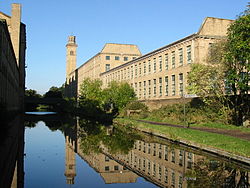
A visit to another UNESCO World Heritage Site, Salts Mill in Saltaire……
Salts Mill, Saltaire (image courtesy of Wikimedia Commons)
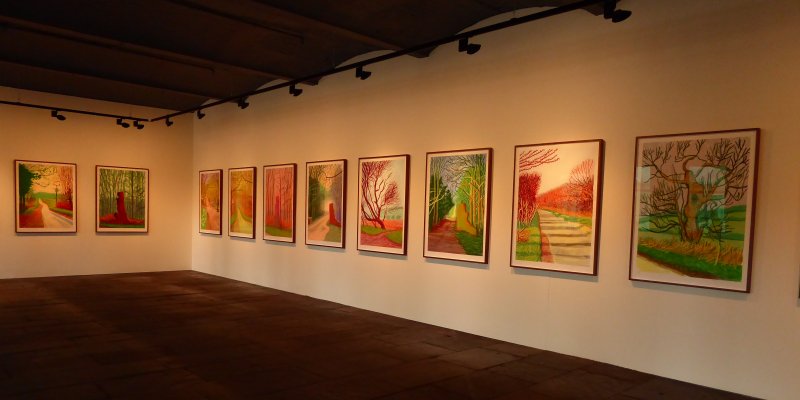
…. where we enjoyed David Hockney’s Arrival of Spring exhibition, featuring the Yorkshire Wolds…
David Hockney at Salts Mill.
The Five Rise locks at Bingley: a narrowboat was making its slow upward progress through the five locks as we arrived…
All five of the Five Rise locks at Bingley.
A mooch round Haworth, home to the Brontë sisters….
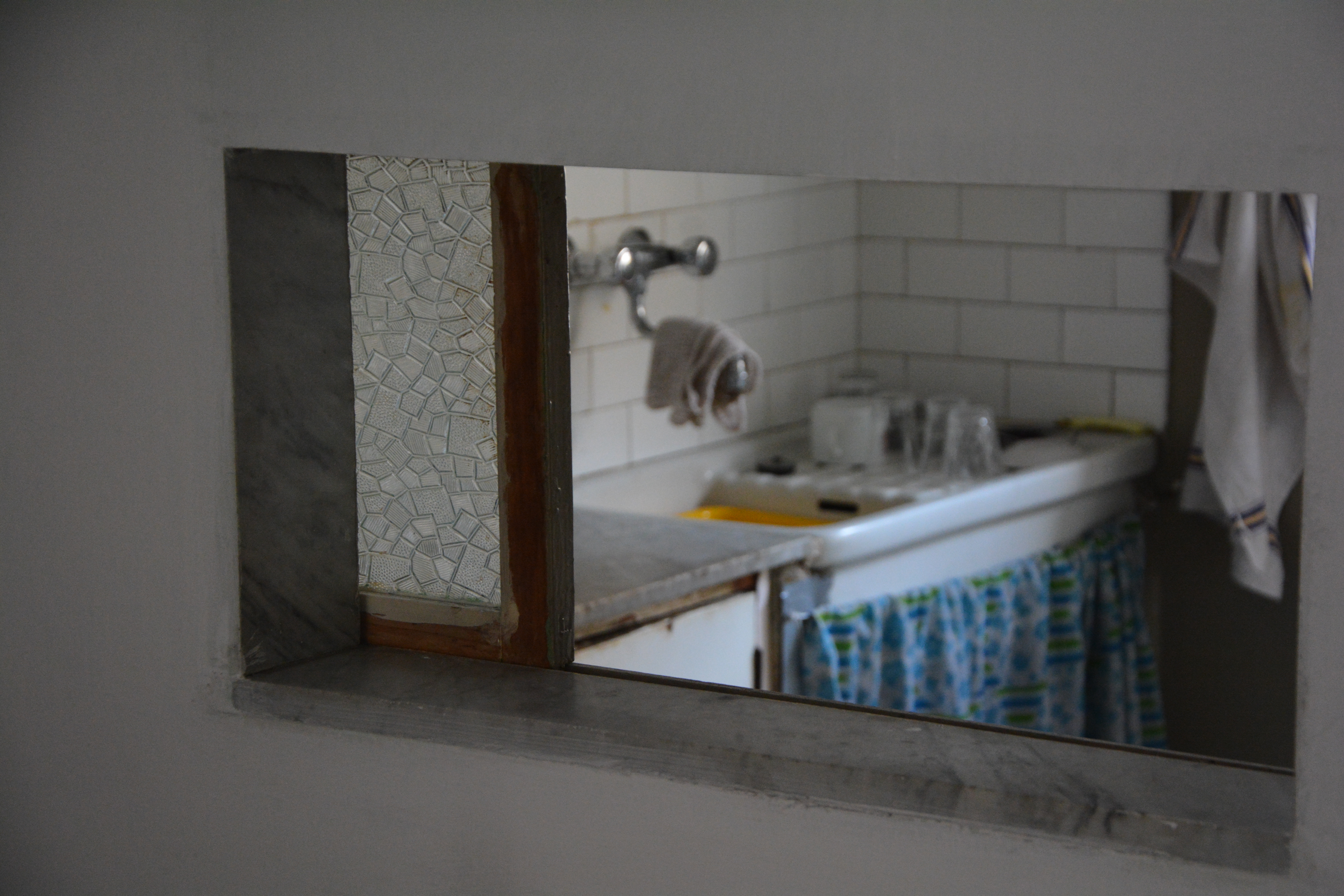
Peeking through a doorway in Haworth.
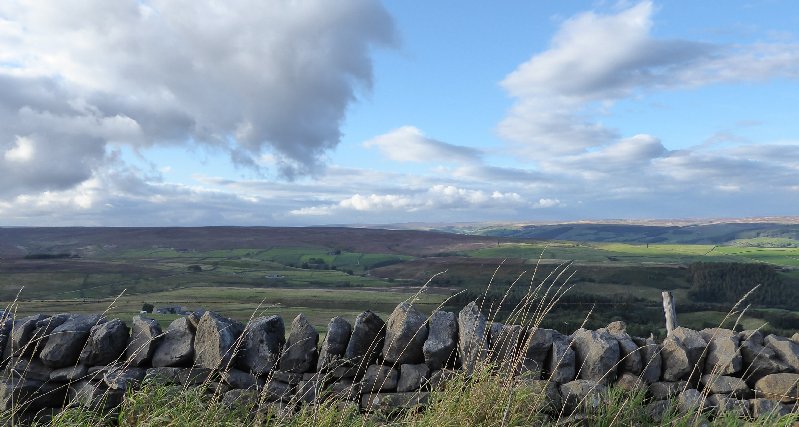
And views, views, always vast, always bounded by drystone walls, always different.
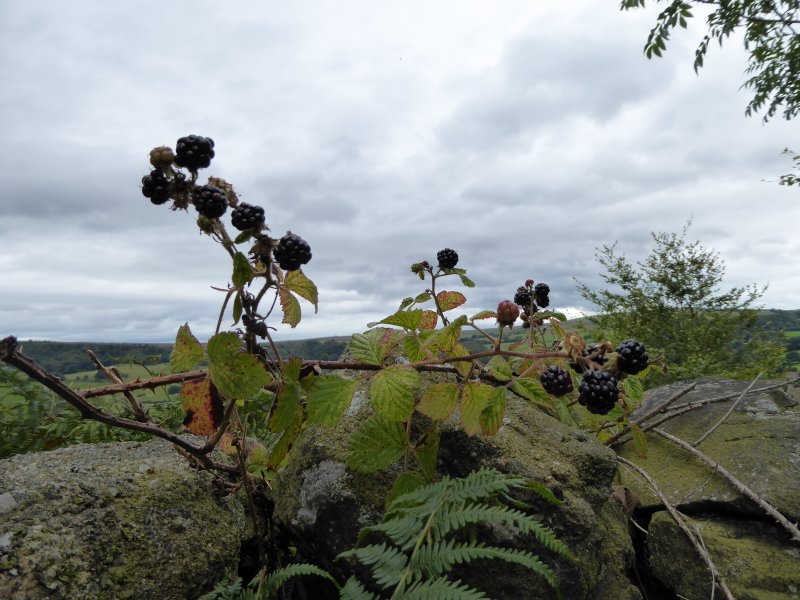
Blackberries in a landscape, ready to be picked and eaten.
I’m not a fashionable forager. You won’t find me back in the kitchen preparing to fry hogweed, or blitzing ground-ivy into my mayo. I’m a bit conventional, and I stick with what I know. A month or two back it was elderflowers for cordial. Just now the blackberry season is in full swing, and cob nuts are there if you know where to look. Friends with big gardens invite me to forage beneath their apple and pear trees for windfalls, and as soon as the first frosts strike, I’ll be looking for sloes to make a batch of sloe gin, and maybe I’ll make some rosehip syrup too..
I like to look for mushrooms too, though I’m only confident to identify two or three kinds of fungi at most. There are field mushrooms for the taking at the bottom of the garden.
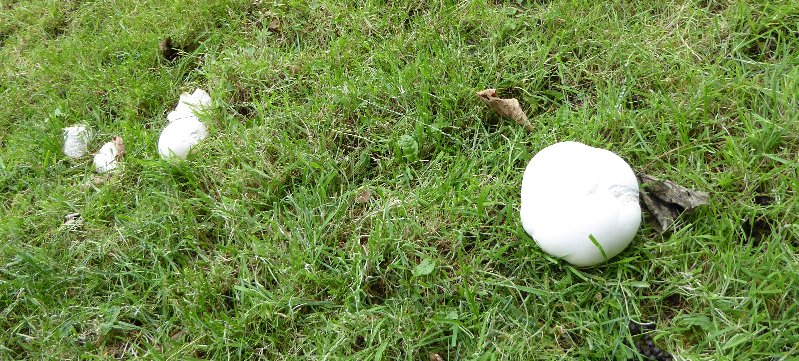
Refugees from the sports pitch? Or puffballs?
But last Thursday I was out walking with a friend when we saw something that put any existing evening meal plans on hold. Over there in the corner of that meadow – look! A white football, miles from any football pitch or recreation ground, with a tennis ball alongside, and a couple of golf balls next to them too. Except we knew they weren’t lost property accidentally abandoned by sportspeople . They were puffballs, those extraordinary giant white mushrooms which have no open cap with spore-bearing gills. And they are barely attached to the ground, with no apparent stem. My friend didn’t want them: she’s married to an amateur mycologist and sees quite enough of mushrooms without eating the wretched things, thank you. But I did. I reorganised my rucksack to accommodate the football and the tennis ball , and left the golf balls to grow up to be footballs in their turn.
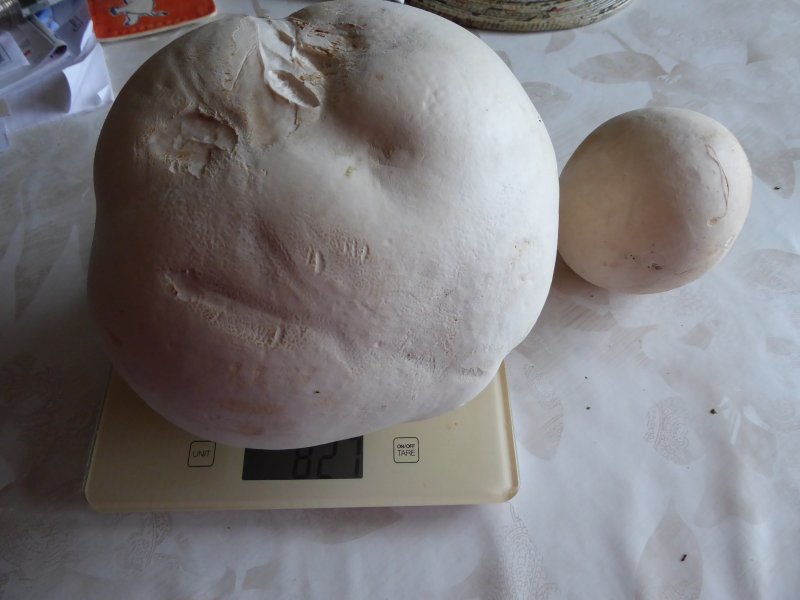
My pack seemed unexpectedly heavier for the last mile or two of our walk. It was hardly surprising. My football weighed in at 827 grams – well over 1 1/2 lb. It made a wonderful supper, fried in thick slices in butter with lardons and parley and lemon zest, with just a hint of garlic. I gave a big chunk to friends who had us round to forage for apples and plums the next day, and the rest made a vast vat of soup. Who said there was no such thing as a free lunch?
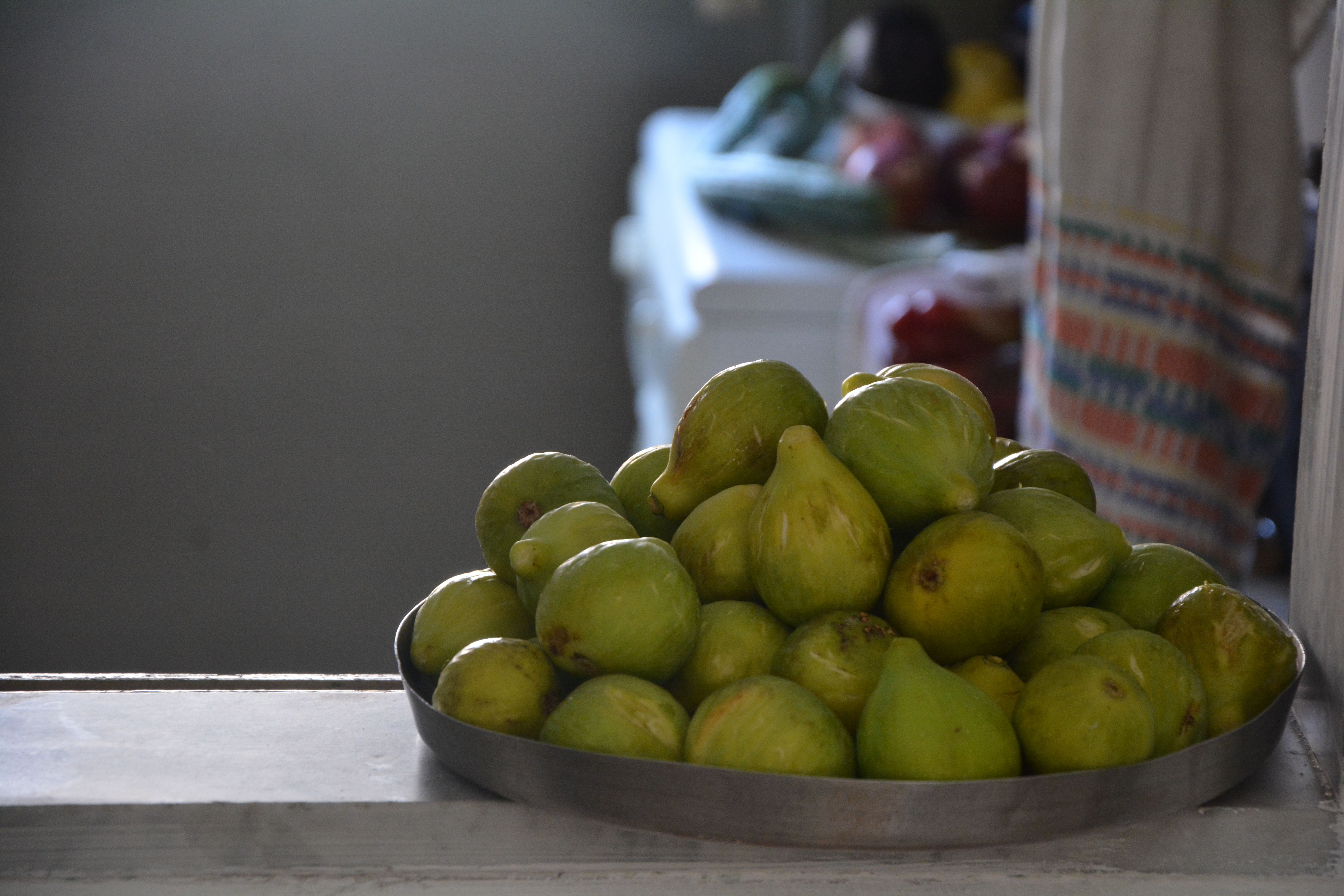
Here’s our bigger puffball, on the scales and weighing in at 827 grams.
‘Food for Free 2’ to distinguish it from a post I wrote in April 2011, when I did indeed join in foraging for some rather odd items of wild food
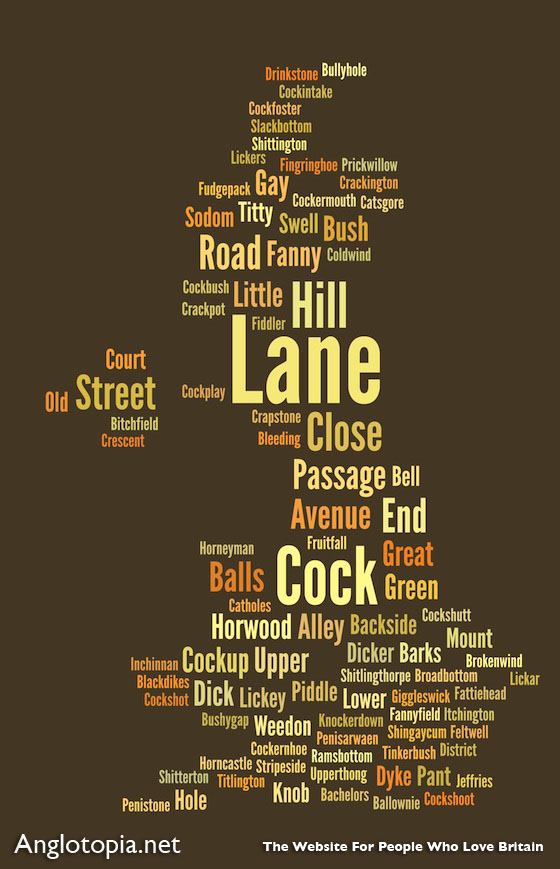
What could be more fun than pottering round the back roads of England on a sight-seeing outing? Even more memorable than charming village greens, ancient market towns, and ever-changing scenery are certain English place names.
Image courtesy of anglotopia.net
What about Affpuddle (Dorset), Barton-in-the-Beans or Burton-le Coggles (both in Lincolnshire), Dirty Gutter (Staffordshire), Dirdle Door and Gussage St. Michael (both in Dorset), Great Cockup (Cumbria), Lower Slaughter and Tomtit’s Bottom (both in Gloucestershire), Oh Me Edge (Northumberland), Ryme Intrinseca (Somerset), Sheepy Parva (Warwickshire) or Wyre Piddle (Worcestershire)? Or dozens and dozens of others.
Somehow, the names themselves give a clue about where in the country they’re situated, to those of us born and bred here. Yorkshire, for instance, often has a gritty edge to the names of its towns and villages, which are characterful, rather than pretty. Blubberhouses is where the houses by the bubbling streams were found: Grimwith was the wood haunted, once upon a time, by ghosts and goblins. And Arncliffe never used to be simply a well known landmark beloved of rock climbers and ramblers, but was instead the eagle’s cliff.
These place names should intrigue us. As elsewhere, those in Yorkshire reveal a history in which migrants from Celtic, Viking and Saxon lands, from Rome and from France populated the teritory, making homesteads and small holdings in a landscape which was not always welcoming.
Long before the Romans, the whole area was dominated by a powerful Celtic tribe, the Brigantes. They could be found in Ireland too, and even the Greek geographer Ptolemy had heard of them. They gave us place names still important round here: Pen-y-ghent – one of the Three Peaks – reminds us that to the Celts, ‘penno‘ meant ‘hill‘. They named three rivers too: the Nidd (‘brilliant‘), the Wharfe (‘winding‘) and the Ure (‘strong’, or ‘sacred‘).
The Romans had a large presence in Yorkshire – especially in York itself – and we live quite near another large and important settlement, Aldbrough. They left artefacts, buried settlements, fragments of their long straight roads, but here in Yorkshire, no place names.
When the Romans left, Eastern England was the destination of waves of invaders from Germanic peoples we now know collectively as Anglo-Saxons. They came, they conquered, they settled. They made homes – ‘hams‘ -for themselves (Clapham), and farms: ‘tun’ means farmstead (Horton). They made clearings in the woodland (‘leys’), and small towns grew up – Leyburn. They were the first to identify Yorkshire as a large geographical entity, and divided the area into Thyrdings, which we later called Ridings. Read all about it in the Anglo-Saxon Chronicle of 1065!
During the same period, Vikings also came from Scandinavia. We think of them swashbuckling their way across the land, raping and pillaging and laying waste to all in their path. But the fact that 2/3 of settlement names in Yorkshire can be traced back to Old Norse tells a different story. The Vikings too wanted land on which to settle and make a living. Their names include terms like ‘slack‘ (‘hollow‘), keld (‘spring‘), ‘gill‘ (‘ravine‘) and ‘foss‘ (‘waterfall‘). In particular, those very many settlements whose name includes ‘– thorpe‘(‘outlying farmstead‘), ‘– thwaite‘ (‘clearing‘) and ‘– dale‘ (‘valley‘) betray their Viking origins.
And then it was 1066 and All That. The Normans came and they conquered. In particular, Wiilliam conducted a campaign of ‘harrying of the north’, systematically devastating the countryside in order to isolate and destroy his enemies. Unsurprisingly, there is little French influence on Yorkshire place names – apart from that left by the monks. Several Cistercian Abbeys in Yorkshire have left their names behind: Jervaulx (that means ‘by the River Ure‘) and Rievaulx (‘the valley of the river Rye’), as well as Fountains Abbey – ‘font‘ meant ‘spring‘ in Norman French, and the area on which the abbey is built is rich in water sources.
So by this time, most settlements in Yorkshire had acquired the names by which we recognise them now. Here are a few of my favourites. Enjoy their names, enjoy their meanings, and maybe add a few more of your own favourites?
Appletreewick (pronounced ‘Aptrick‘): dairy farm by the apple tree. (OE)
Arkengarthdale: the valley where Arkil (ON personal name) had his enclosure.
Buttertubs: perhaps named after the potholes used by the farmers to cool their butter on the way to market.
Conistone Cold: the King’s farm exposed to the cold (ON &OE)
Crackpot: the crevice where crows nest (ON & ME)
Giggleswick: Gikel’s (OE personal name) dairy farm.
Gordale: the dirty valley or the valley covered in manure: (ON &ON/OE)
Hardraw: the shepherds’ row of cottages (OE)
Ingleton: the farm on the hill (OE)
Langstrothdale: the valley with a long stretch of marsh overgrown with brushwood (OE &ON)
Muker: small cultivated field (ON)
Settle: a dwelling place (ON)
Swinithwaite: a clearing made by burning (ON)
Trollers Gill: troll’s arse ravine (ON &OE)
Whernside: the hillside where querns (millstones) were found (ON)
ON – Old Norse
OE – Old English
ME – Middle English
The landscape of Buttertubs, only a little tamed since Viking times.
* Faggergill: the ravine in a sheep enclosure (ON)
^ Scaleber: The hill with the shieling (hut or high pasture) (ON& OE)
I’m not so blinkered as to believe that Yorkshire has all the best bits of scenery. I’ve had days to recharge the soul in every English county from south to north, from west to east, enjoying stirring uplands, gentle verdant hillsides, sky-filled flatlands, slowly-flowing rivers and tranquilly tinkling streams, and the constantly-changing views from the beach at the seaside.
All the same, what we saw whilst out walking today gave every picture postcard of anywhere outside the Yorkshire Dales a run for its money.
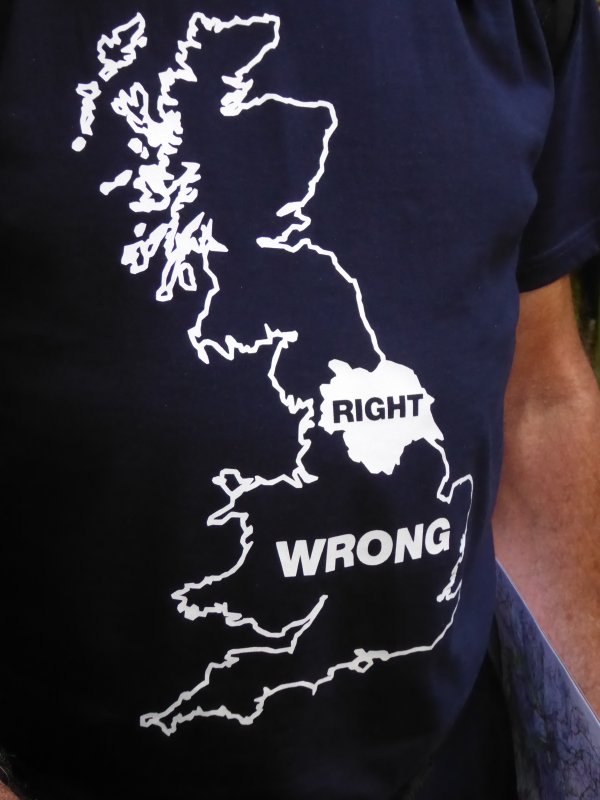
John’s view of Yorkshire, as described on his T-shirt, is the correct one.
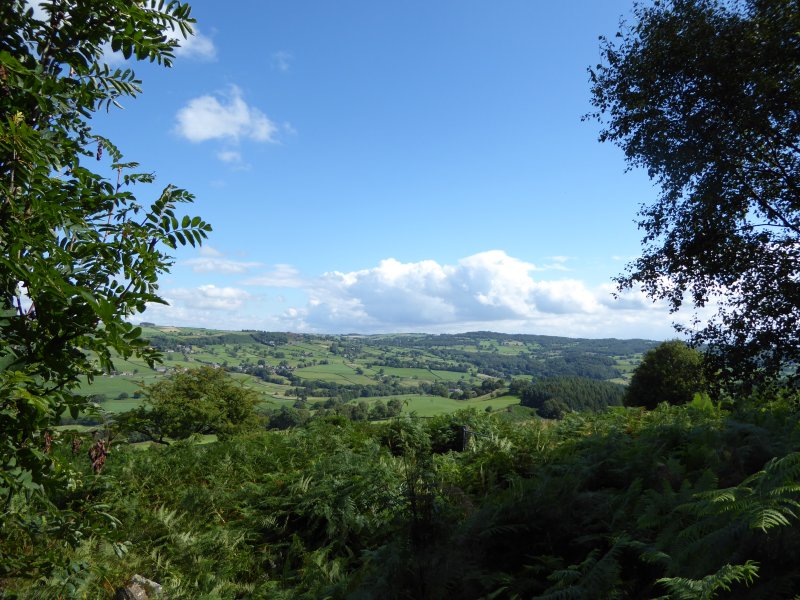
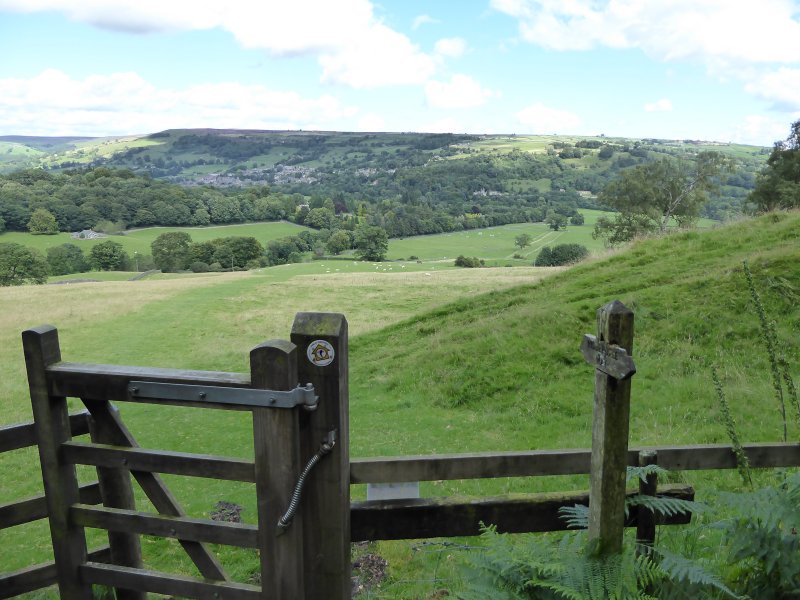
From Pateley Bridge, set in the heart of Nidderdale (Area of Outstanding Natural Beauty), we energetically panted and clambered through Guisecliff Wood, whilst looking down at the village of Glasshouses below. We emerged, puffing for breath at the top, One way, we could look across the Daleside landscape of ancient field systems and stone-built settlements, to the vale of York beyond.
Looking across towards the Dales.
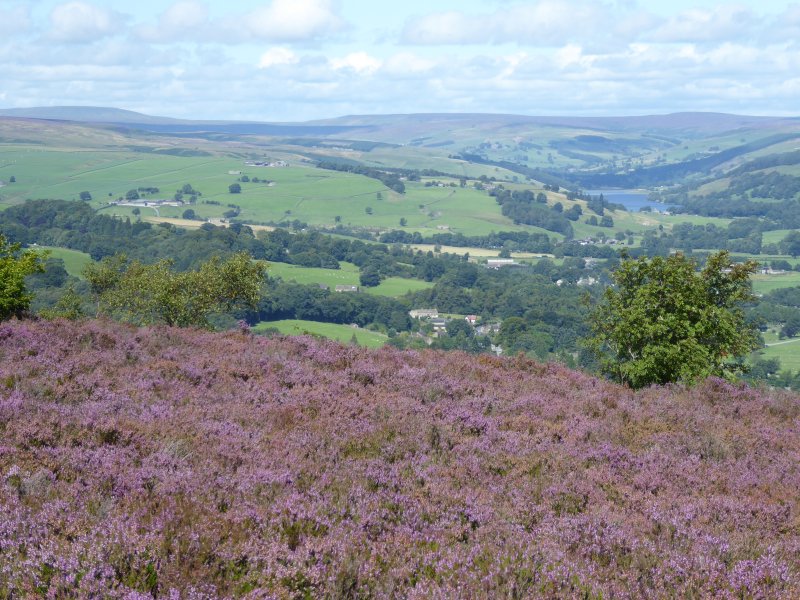
The other way were the moors, no longer bleak, because this is heather time. We breathed in the intoxicating smell that I like to buy potted up as rich, almost peaty flavoured heather honey. We stared, almost mesmerised at those carpets of blooms stretching away from us, mile after mile: not lilac, not lavender, not violet nor damson – simply that special low-key subtle purple that only heather can deliver.
Marching through the heather.
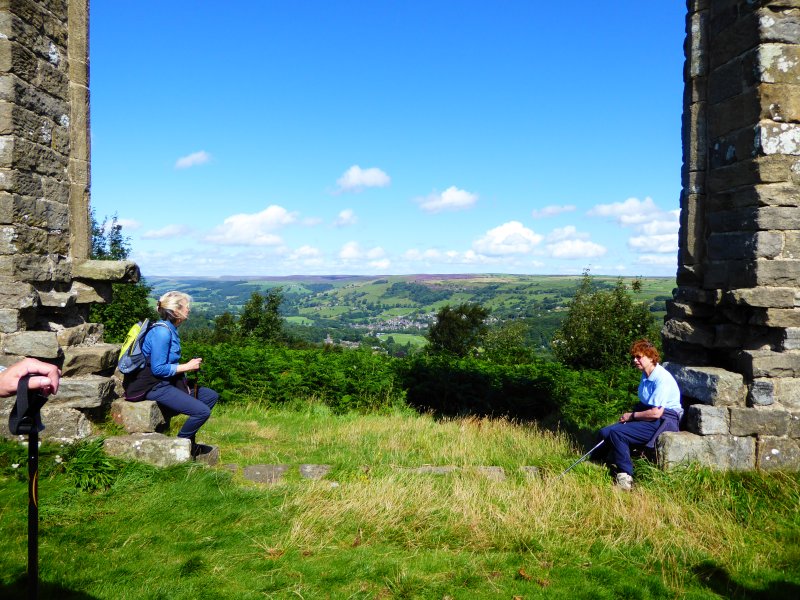
Past Yorke’s Folly: it’s said it was built in 1810, commissioned by the local landowner, John Yorke of Bewerley Hall, who was casting about for some means to keep his labourers in employment in a time of economic depression. These men received a shilling and a loaf of bread a day for their efforts.
Yorke’s Folly: a resting place for weary walkers to enjoy the view.
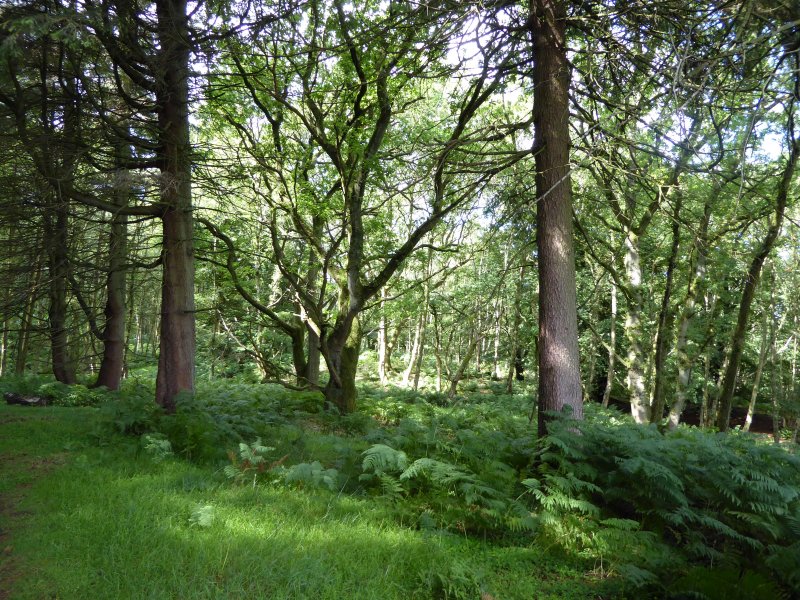
Then it was back to woodland again – very English woodland, with a full green canopy, not yet ready to turn to autumnal colours. Skrikes Wood, Nought Bank, Fishpond Wood.
Skrikes Wood.
Then back along a few final paths before returning to Pateley, and a very welcome pub lunch.
Regular readers will know I’m a huge fan of Rachel Roddy, and her tales of life and cooking in Rome, as told in her blog ‘rachel eats’. Well, here she is in Sicily. And if you’re reading this under a sullen English August sky, you might like to take a virtual trip with me, and join her there.
Hello. We are in Southeast Sicily in a town called Gela. I have written a piece about this for the FT Weekend magazine, which is beautifully illustrated by Luke Best. If you would like to read it, here is the link. More here soon – R
I’m feeling ‘Off-Black’, as Farrow & Ball might style it.
‘Off-Black’. From the Farrow & Ball shade card.
Or possibly rather ‘Down Pipe’: that’s grey-black to you.
‘Down Pipe’ from the Farrow & Ball shade card.
My camera’s gone bust. Just as I was coming to the most photogenic bits of a walk yesterday, and just as I was about to take a shot of some unusual fungi to show to a mushroom-geek friend, my camera declined to switch on. Or off. The toggle simply wobbled about a bit. It’s going to have to be sent away for repair, and I shall be camera-less for…. oh I dunno, a couple of weeks I suppose. I can’t even download the photos I’d already taken, and it’s all going to be somewhat expensive. And how can I write a blog post without photos, hmm?
To add to my woes, we’re just getting to the final brush-strokes of decorating our bathroom, to which our landlords have recently offered a make-over. I can’t show you our efforts here, which may be just as well, because our previous well-known lack of enthusiasm for painting and decorating has turned into sullen resignation. Let’s just get it over and done with, ASAP. I’ve even been heard to say I’d rather take in ironing to earn money so someone else could do it. And if you know anything at all about my lack of enthusiasm for ironing, you’ll know that things are really serious.
So this is all I can show you of the bathroom. The shade we are covering the walls in. It’s called ‘Cat’s paw’. Nothing to do with cats, apparently: ‘Cat’s Paw is not named after the animal but after a complicated knot. The perfect name for this colour as it is the darkest accent for the often knotted String and Cord’. The theory is that this naturally cold room will feel warm and nurturing on those cold winter days which seem to be marching towards us already, even though it’s mid-August. We like it, anyway, and perhaps by the end of today we’ll be able to pack up our paint brushes, fold up the dust sheets, and give the lot away to anyone who’s made enough to be planning a painting project any time soon.
I was looking on the internet for something just now, when I found myself staring at this blog post that I wrote more than three years ago. And it suddenly made me homesick for a little bit of France. Not the friends, or the food, or the scenery or any of the finer things that France can offer. No, what I suddenly missed was the mangled version of English which is the stock-in-trade of every magazine and newspaper article there. I wonder what the must-have words of 2015 are?
Stuck in a waiting room with a pile of magazines between me and my appointment time, my idea of hell is a choice between fashion mags and ones about cars.
Less so in France, at least as far as the fashion ones are concerned. It’s not that I’m more interested in being stylish and chic here. I simply have fun reading the articles and noting the ‘English’ words and phrases on almost every line.
Are you a sophisticated lady? Cool? Relax et sexy? Show-off? Perhaps you aim for le twist sporty-glam, or like le mix et le match, le style ‘street’, or le fun et le trash.
Down at the shops are you looking for un look color block, le style boyish ou girly, arty-trendy, crazy doll, grungy girl? If you’ve any sense, you’ll have made a…
My goodness. I haven’t been on a walk like that since we left the Ariège. Over there, in the foothills of the Pyrenees, you knew you’d very likely have to struggle up and down through at least 600m in the course of a day’s march. Over here in Yorkshire, the hills and dales are generally much more forgiving, and I’ve got unused to climbing…. and descending.
All that changed yesterday. We went to Sutton Bank. You know what you’re going to be up against even before you arrive. The main road leading to the top has a gradient of 1 in 4, caravans are banned, and HGVs regularly get caught out on the way up. Yet the summit is a mere 298m. above sea level.
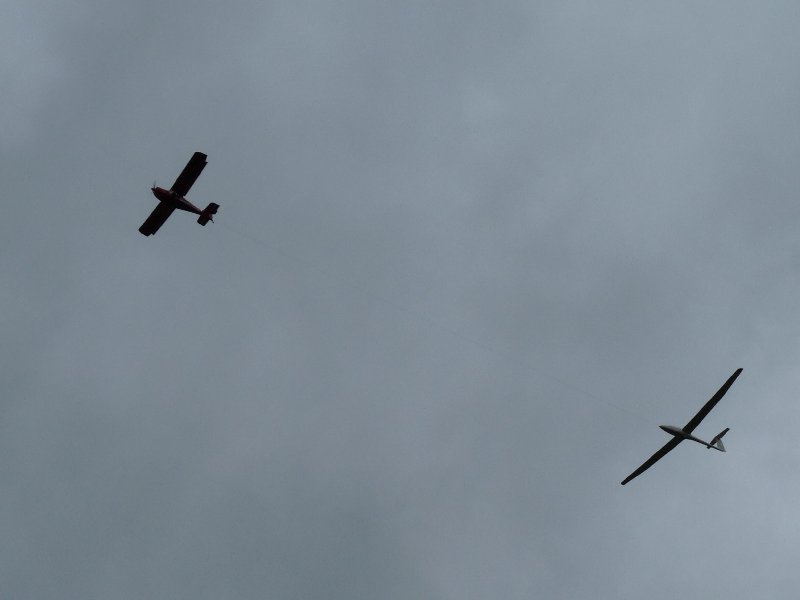
But it really is all about the gradient, this walk . And the wind. Not for nothing does the Yorkshire Gliding Club site itself at the top of the escarpment, all the better to enjoy the wind, the thermals and the views over North York Moors National Park. It made for an entertaining beginning to the walk, watching gliders being towed to a height of 600m. before being detatched to begin their slow and graceful descent to earth.
A glider is towed upwards on a windy day.
But this walk was all arse about face to someone accustomed to those Ariègeois walks. There, you started at the bottom, panted doggedly till you got to the top, where you had lunch, and then you skittered down again. Yesterday, we started at the top, and having waved the gliders goodbye, set off down the escarpment, through English woodland, with tantalising views across to the plain beneath. It wasn’t as mad as it seemed though. The path was steep enough to be slippery and uncertain, and it felt good to do this while we were still fresh. Climbing, later in the day, though tough, was the lesser challenge.
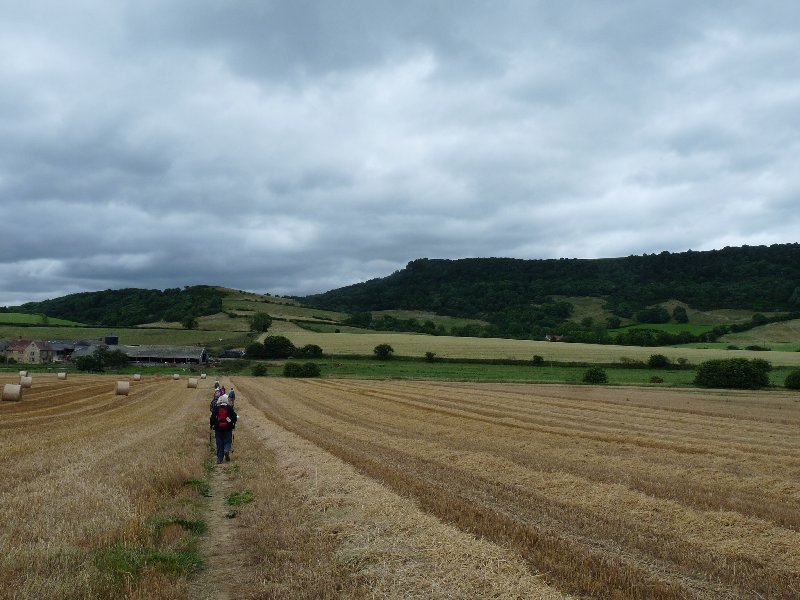
A level walk across the fields.
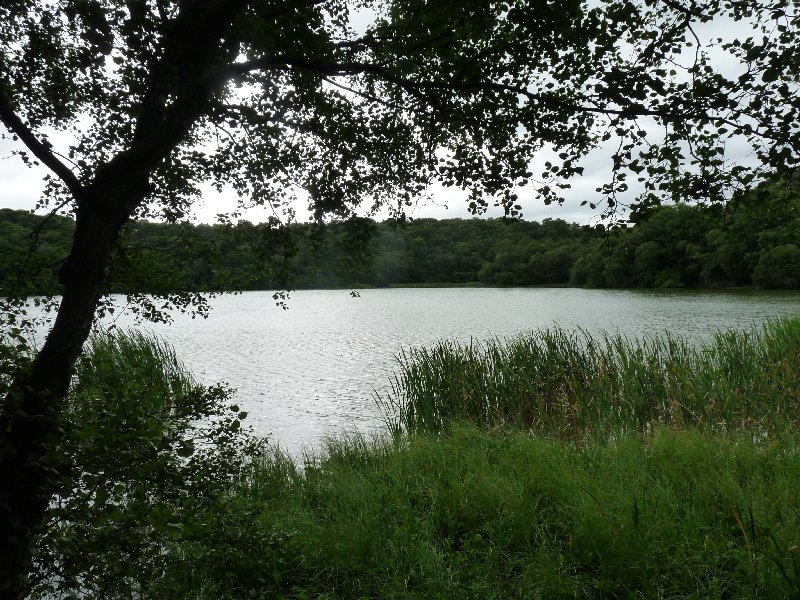
Soon after our lunch break, we were striding across fields set about with recently harvested bales of straw and hay, enjoying the views . This was to break us in gently for a thoroughly vertical-seeming climb, with steps among the tree roots to help us upwards. About half way up, we had a reprieve, because extraordinarily, there is a lake. Lake Gormire was formed in the last ice age, when a gigantic ice sheet scoured out a deep hollow in the crags. The southern end got trapped by landslips, and water from springs at the base of the escarpment allowed water to collect. It’s a lovely, secret place, and a haven for wildlife.
Lake Gormire.
A final effort, and we were there, at the top of the escarpment once more. A short walk along the top brought us to journey’s end, but not before we had stopped to admire the view which locals modestly call the finest view in England. Well, it’s certainly very fine.
Almost at the top of Sutton Bank and journey’s end.
We were glad to have had this challenging walk. Our muscles and air-waves reported they’d had a fine work out. We should do this more often.
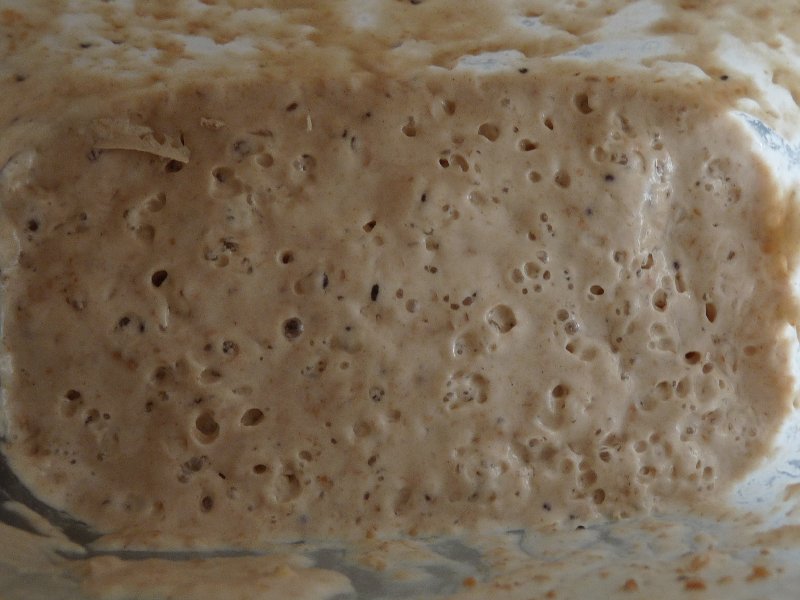
We’ve got a genie living in the corner of our kitchen. He’s not very prepossessing. He’s a kind of fawny-beige colour, and he just sits there, fidgeting and occasionally burping quietly in his pot. He’s just a little smelly. If we just left him, he’d quietly expire, and probably get a bit more pungent. But I do feed him, every two days or so. I spoon a couple of measures of flour and a glug of tepid water into him, and give him a soothing stir, because I’m very fond of him. We eat a little bit of him every day.
The sourdough genie.
Here’s how. Whenever we need a new load of bread, I split our genie in two, and return half of him to his pot, with a little meal of flour and water. The rest I turn into a bowl, add a loaf’s worth of flour, salt, and some tepid water. And I knead this exceedingly sticky mess until it becomes an obedient ball of soft, rather floppy dough. Then it’s into a warm place with it for a few hours, till it’s grown a whole lot bigger.
Then it’s time to knock the dough back, form into a nicely loaf-like sphere, and pop it into a well-floured basket: the sort you might have acquired on holiday in France a few years ago to pop your morning croissants into. Leave it to rise again.
When it’s nearly ready, turn the oven on, good and high. Put a dish of hot water on the oven floor. Get a baking tray ready.
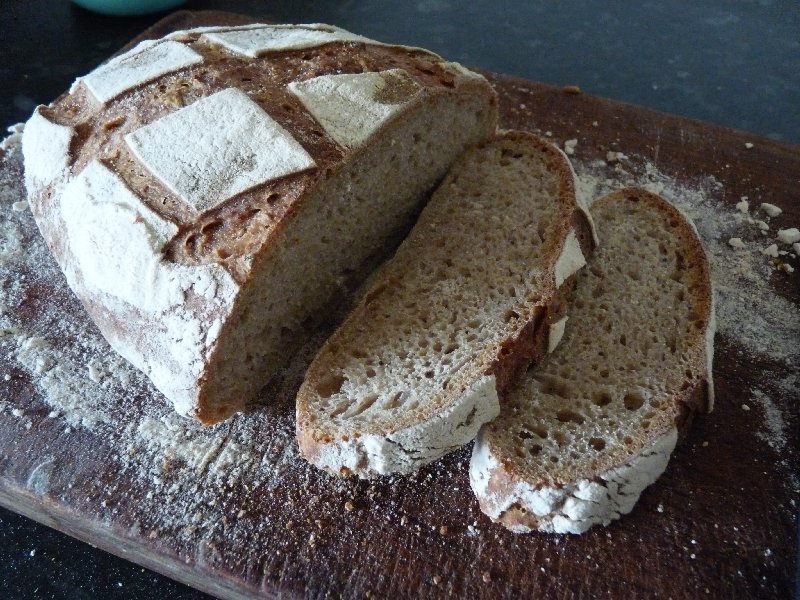
Here’s the scary bit: inverting the basket so the dough falls, but doesn’t tumble heavily, out of its basket and onto the tray. Slash the top of the loaf with a few deep cuts, pop it in the oven, and you’re done. Forty minutes later, there’s your very own loaf of sourdough bread.
Sourdough loaf, fresh for breakfast.
The hardest bit is getting your sourdough genie into the kitchen in the first place: it’s a bit of a faff rather than difficult. Here’s how it’s done: though Googling ‘sourdough starter’ will deliver a dozen or more ways of getting going. What you’ve done in making your very own sourdough starter is introduce wild, local yeasts into your flour and water mixture. So your starter will be different from mine. The one you’re making now will be different from the one you make in the middle of winter. I have a friend who’s been known to take his sourdough starter on holiday with him, to get his yeasts making friends with exotic foreign strains.
I’m having a bit of a sourdough moment. It’s only a phase. One day soon, I’ll forget to feed our little genie, or worse, I’ll get fed up and let him die. Meanwhile, I enjoy the particular magic of creating the conditions for yeasts I can neither see, touch nor smell to come into my kitchen and help me create our daily bread.
Pateley Bridge, population just over 2,000, is slap in the middle of Nidderdale, an AONB (Area of Outstanding Natural Beauty) appreciated for its landscapes, its rich flora and fauna, and its now hard-to-spot industrial past. But if you were there this last weekend, it might not have been to use the town as a base to explore the Yorkshire Dales. You might instead have been coming to Niddfest, a new family-friendly festival offering a weekend of talks and outside events for nature lovers, and especially book-loving nature lovers, of all ages. That’s why we went, on Saturday, and again on Sunday. We had a pretty busy weekend there, but it turns out we weren’t busy enough.
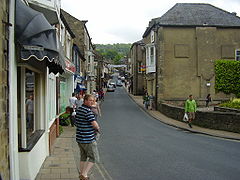
Pateley Bridge High Street (Wikimedia Commons)
We weren’t there when Poet Laureate Carol Ann Duffy and National Poet of Wales Gillian Clarke introduced the festival, reading from their work. We were absent from the sessions when the likes of Piers Torday, Katharine Norbury and Michelle Harrison were reading from and discussing their books. We didn’t go on the Moor Safari, or on the river walk along the Nidd, or foraging for wild edible plants. We didn’t commandeer our grandsons so they could explore for bugs at Studfold Adventure Trail, or go den-building in the woods.
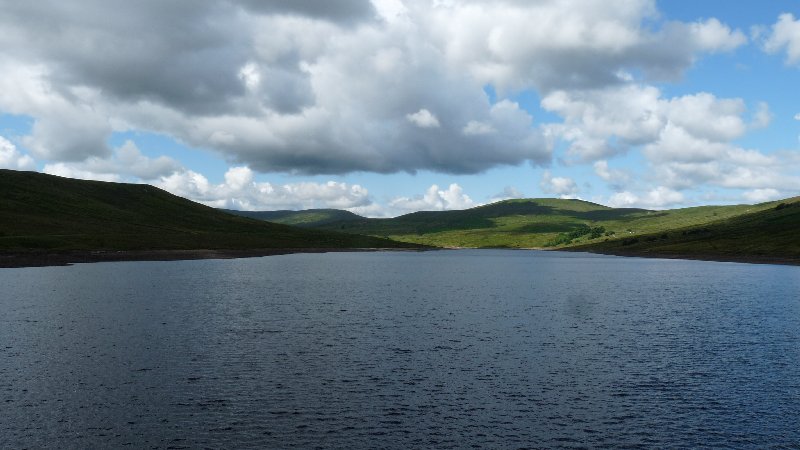
Scar House Reservoir, scene of our bird-watching walk.
What we did do was go on what was billed as a bird-watching walk with Mark Cocker and the Nidderdale Bird watchers’ group. And what a way to start. A young cuckoo landed on a fence post, and was immediately followed by his unwitting foster-mother, a meadow pipit, who spent frantic moments stuffing food down his always-open throat. Bear in mind that a meadow pipit is some 15 cm. long, and weighs in at 15 g . The cuckoo wasn’t far from its adult size of 33cm, and 110 g.
With a start like that, the rest of the morning might have been a let-down. But it wasn’t. We saw an old shed where a colony of swallows had begun their days, and learnt that they, like most swallows, would end up wintering in a reed bed somewhere near Durban, South Africa…. some twelve and a half thousand kilometres away. We saw house martins, goldfinch, and quantities of ‘red’ birds – red kites, redpolls, redstarts. We learnt to distinguish thistle varieties, and learnt which ones bees favour. We began to understand just how many varieties of bees, beetles, flies and other insects populated this limited corner of Nidderdale. All this thanks to the bird watchers and especially to Mark.
Then we hurried up to Middlesmoor – to hear Mark again, in conversation about his books. Do look at his website – here – to learn more. His nature writing is something special. He celebrates wildlife in its day-to-day environment, but believes the natural world is far more than an interesting and quite engaging backdrop to our lives. It’s fundamentally important, and environmental issues need to assume an equal, if not a greater importance in political decision-making than, for instance economic affairs. Instead, they are sidelined if not totally disregarded.
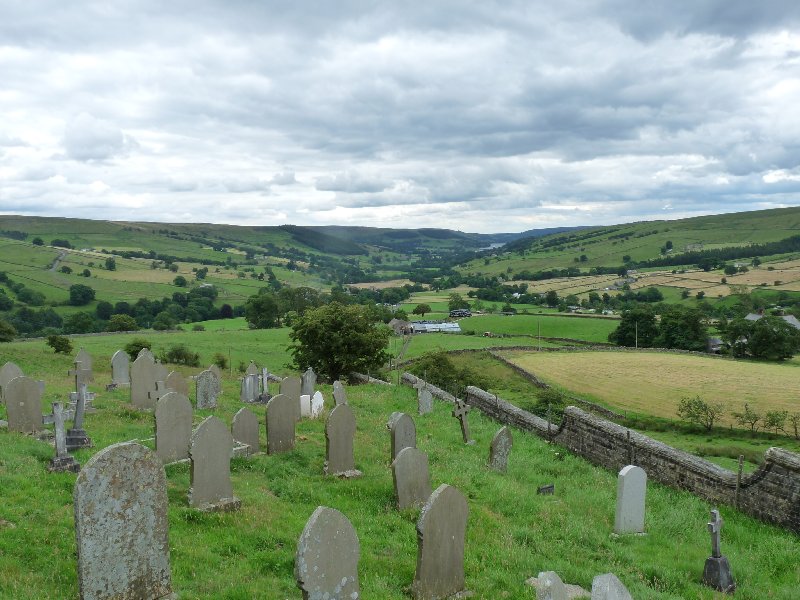
Middlesmoor churchyard.
This politics-with-a-small-p approach continued the next day, when we heard Oxford graduate and Cumbrian shepherd James Rebanks speak about his bestseller ‘The Shepherd’s Life’. He has many strings to his bow (adviser to UNESCO for instance) – farming in the Lake District simply doesn’t pay. He points out that our desire for cheap food, our disconnection from where our day-to-day nourishment comes from is putting traditional farming, where animals are treated well and with respect at risk.
And then it was Rob Cowen. How could we not be fascinated by his book ‘Common Ground’? He has become forensically interested – almost obsessed – by a small patch of green space just at the edge of Harrogate. This small area was our own ‘green lung’, only yards away from our front door when we too lived in Harrogate. He weaves the story of his growing infatuation together with more personal notes about the baby he and his wife were expecting. It’s clear his well-being depends upon his developing close relationship with this edge-land, this little piece of woodland, river and grass still clinging on to the top corner of a busily expanding town. Nature writing with a difference.
What a rich feast we had. In some ways we’re sorry we didn’t cram in more of what was on offer. But as you see, we had more than enough to digest. A brilliant festival. It had better come back next year.











 From Pyrenees to Pennines
You must be logged in to post a comment.