I’ve got two daughters who have the acting gene: who’ve often performed and entertained on stage over the years. Where did they get this gene from? Not me. I was a servant once in a school play, and spoke two whole lines. That’s my Drama CV.
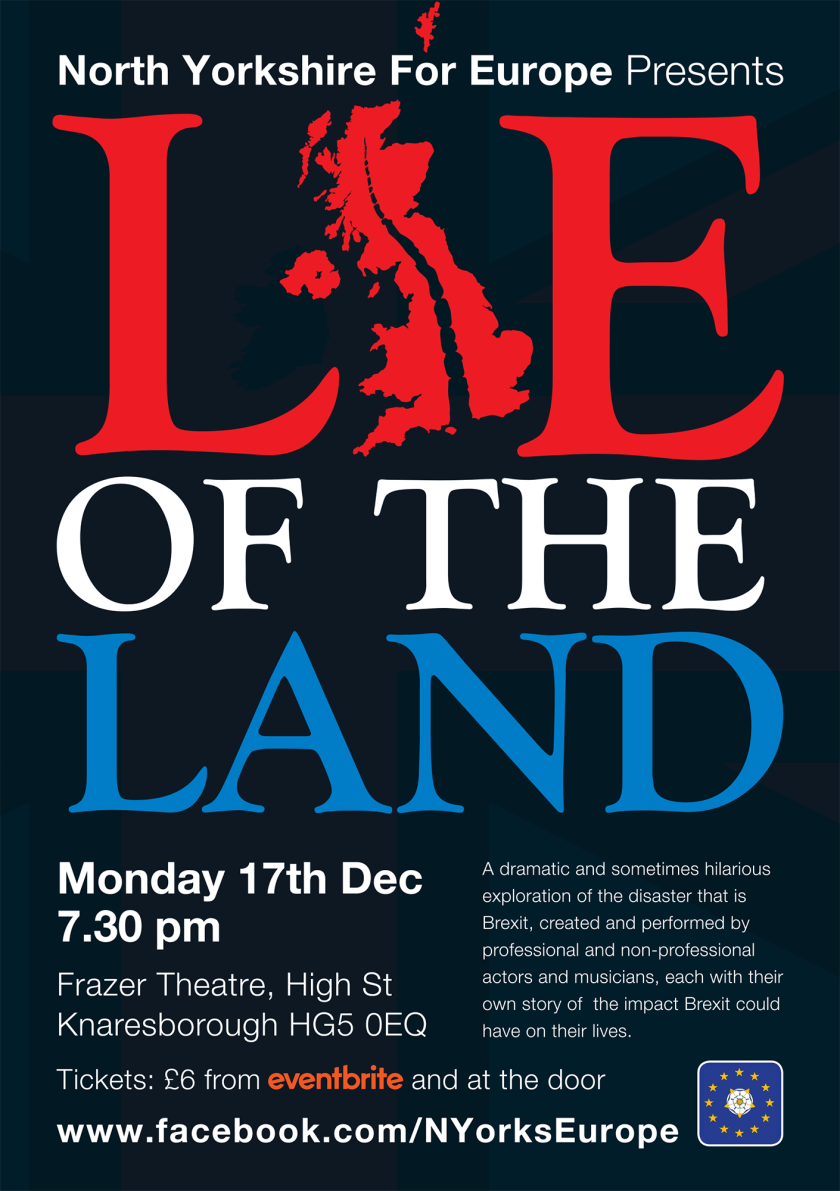
Yet apparently, Malcolm and I will be part of a troupe appearing on stage for one night only at the Frazer Theatre Knaresborough, to perform an improvised drama about … well, what else?… Brexit.
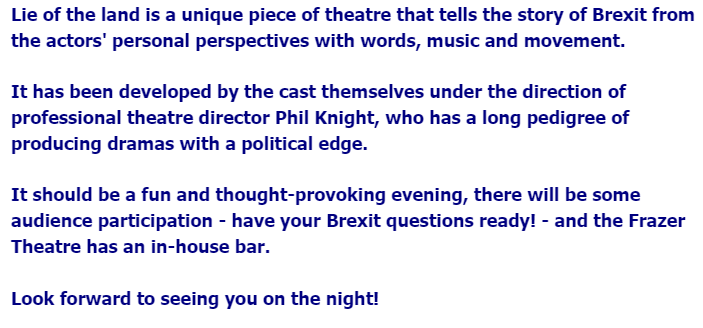
It was Phil’s idea. He’s a professional theatre director, and he’s one of our People’s Vote team. He thought we needed something to entertain the campaigning troops all over North Yorkshire and bring us and a wider public together for something a little different. Adrian, also part of the team, offered practical and technical expertise.
And suddenly … there we were, rehearsing, about a dozen of us. Most of us had never met each other before. No script. No lines. No clear idea where this might go…. yet. This was to be Improvised Theatre. We played games. ‘Think of one thing you like about being part of Europe.’ (Just one?) ‘Now make a statue of it.’ We’ve made more statues, taught our poses to others, worked with them to make vignettes. We’ve played ball games, word games. We’ve told stories about our own experiences of Europe and of the-Brexit-to-be, and with Phil, woven these into scenes and tableaux . We’ve sung a sea shanty, improvised ‘Question Time’. Phil and Adrian persuaded someone to confect a video. All this weekend, we’ll be working solidly to pull everything together. Well, Phil will. He’s got an eye for when there’s a nugget worth mining for, a gem worth polishing.From the latest North Yorkshire for Europe newsletter.
On my way to yoga last Friday I was stopped in my tracks. There, high above me was that unmistakeable raucous calling that only flying geese can deliver. I watched, as ever transfixed by the cooperative and graceful weaving flight of these birds. They maintained their traditional V shape as they journeyed on, but I realised they weren’t constantly following the same Top Goose. First one, then another would fly forwards, only to be succeeded by another, only moments later. Always, however, they remained connected, a purposeful team.
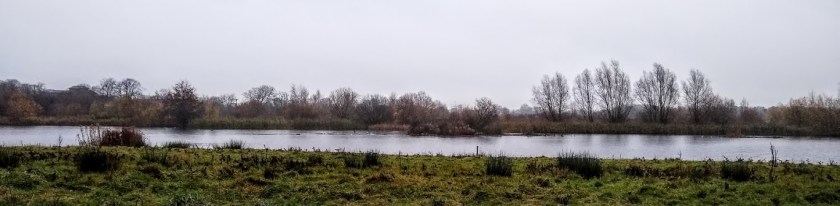
I saw these geese at Marfield Wetlands exactly this time last year. Disobligingly, they did not formed perfect Vs for me.
Later, lying on my back in the yoga group, I glimpsed a red kite, wheeling and diving directly above the skylight.
Red kite (Wikimedia Commons)
A Good Morning.
These photos were taken this time last year. I still have no camera….
Ragtag Tuesday. It’s still there. As is Ragtag-every-other-day-of-the-week. Have a look. But I’ve moved to Saturday’s Ragtag Daily Prompt.
Everyone knows I’m a Christmas Refuser. Oh, I enjoy Christmas alright. I made our cake weeks ago, and Malcolm and I regularly ‘feed’ it with doses of brandy to make sure it’s good and sozzled. I’ll happily rehearse Christmas music at choir too.
But that’s about it. I do an about turn in any shop belting out Christmas Muzac and leave immediately. I haven’t bought a single card or present, nor shall I until …. oh…. about the end of next week . Then it’ll all get done in a flurry of cheerful activity, and I’ll enjoy it, because I haven’t been thinking about it since September.
Then the other day, I came across this six-years-old blog post, written in France. Simpler times, simpler customs. I wonder how often the window displays I wrote about here are seen these days? Innocent pleasures….
December 9th, 2012
Christmas on the High Street
It was 5 years ago when we were first in Laroque round about Christmas time. There were no signs of its coming until well into December, and we thought it wonderful: no decorations, no adverts, merchandise or muzak, just a bustle of festive activity from about two or three weeks beforehand.
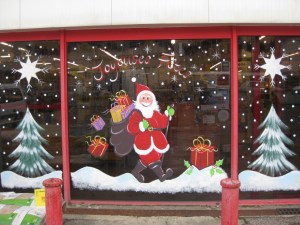
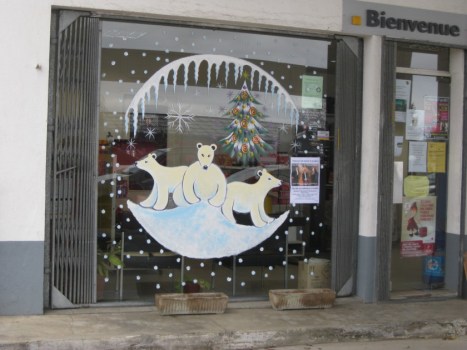
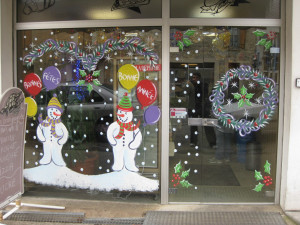
The first signs, as in England, were in the shops. Unlike England however, most shopkeepers didn’t usually buy tinsel, baubles, and several packs of cotton wool to introduce a Christmas theme into their window display. Instead they had a seasonal design applied directly to the window. We once saw a scene-painter busily decorating a local window, and wondered what he did the rest of the year. Shops in small town high streets like Laroque’s would all be unified by being the same but different. The same folksy interpretations of Christmas motifs, the same limited palettes of white, red, greens and yellows. Some would choose scenes of reindeer amongst the Christmas tree forests, others Father Christmas, snowmen, or radiant candles.
Garage in Laroque
Five years on, hardly any shopkeepers are keeping up this tradition. They’re decorating their shops, but in their own way: dressing up their window display with baubles, snowflakes and Santa Claus figures. They’re nicely done too, but I miss the particularly French idea, which I’ve seen nowhere else.
Here are the few traditional window scenes I’ve been able to find this year. Maybe next year even these will be part of the past.
It was my turn to lead our walking group on a hike on Saturday. When I was planning what to put in the programme a few months ago, I had an idea of taking the group on a pleasant wintry walk along frost-rimed canal paths with delicate fine sheets of ice coating any puddles we met. A weak sun would glimpse through downy dove-grey cloud, and we’d walk briskly in the cold clear air.
Well, that didn’t work. Last week, we’d had four days of largely non-stop rain. And Saturday was no different. Anybody with any sense would have rolled over in bed that morning and gone back to sleep. I got up, and took myself off to our rendezvous, completely confident that nobody would be there waiting for me. I’d come home and toast my toes by the fire.
Five would-be walkers greeted me. Yes, they did want to walk. No, they didn’t think it was too wet. We’re here now. Let’s get on with it.
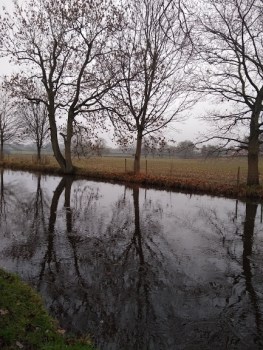
The Ripon Canal was still looking inviting as we began our walk.
So we did. We’re an amiable bunch who like one another so the conversation flowed. We got in our several-thousand-steps for the day. But we also couldn’t see much as our glasses got wetter and wetter. Our rain gear kept the rain out and the sweat in. Our over trousers dripped and sulked. Our boots got damper and damper. The canal tow path, normally a fine surface for a winter’s walk, slipped and oozed. The trees dumped giant water drops on our heads to add to the rain’s constant spillage
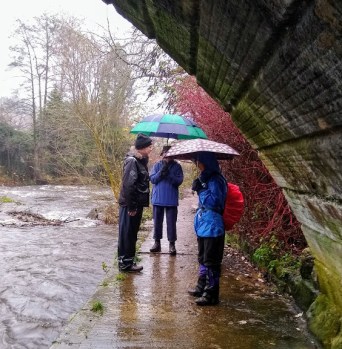
Those umbrellas were a mighty fine idea.
We got to our half-way point in record time. We got back to base in an even more record time.
‘Now honestly,’ I said to my fellow-martyrs as the end drew nigh.’If you had your time over again, knowing what you know now, would you have come?”Of course!’ they all said. And they meant it. Not me. I scuttled off home to my fireside, and stayed there for the rest of the day.
This bridge by the River Skell provided much needed shelter as we said our goodbyes at the edge of Ripon.
Yesterday, I published a post about My Old Notebook. It got plenty of readers, so I was a bit puzzled not to get any comments from the usual suspects, or indeed from anybody at all. Dan Drews of Life as I See it with One Eye Closed – thanks Dan – told me that somehow, comments have been disabled. I’ve been battling with WordPress Help to get to the bottom of this, and …. I’m stuck. Are any WP users able to help? Comments are still open on my previous posts, which is how Dan made it through, as I assume they’ll be closed on this one too. Grrr.
I’ve known this notebook all my life. It’s battered, scruffy … and almost empty. I could use it for shopping lists or for all kinds of casual notes. But I don’t. And I don’t because this little book turns out to be an historical document, a recipe book from times when recipes were about so much more than food.
Here’s the book….
And here are the marbled endpapers.
And here are some of the blank pages.
Here are instructions for making horse powder (what?); cow drink; paste blacking (in fact several recipes for blacking); blue ink; black ink and crimson colour for show bottles (eh?). There are instructions for making stomach pills; an efficacious receipt for the rheumatism; red oils for bruses (sic) and sprains and two cures for cholera. If you read this little book, you’ll know how to etch on glass; clean brass, copper and tin – and note that brass is spelt the old-fashioned way, with an ‘f‘ in place of the first ‘s‘ when writing ‘brass‘. This spelling fell out of use in about 1800 in England: and yet the index pages of this book are machine-cut.
On the other hand, cholera didn’t arrive in England till 1832, and was rife until 1854, when John Snow discovered the connection between contaminated water and the disease. Does that date my little book to somewhere between the mid 1830s and 1850s?
I’ll leave you with one recipe, because I know you will want shiny black shoes in time for Christmas.
SUPERIOR BLACKING FOR BOOTS & SHOES
Ivory black 1 lb (that’s black pigment made from charred ivory or bone)
When we pop over to Bolton to do an overnight babysit for Ellie (er, not babysitting. Thirteen year old twins require a taxi-service rather than child-minding), dog walking is part of the deal. Here’s Sunday’s walk….
My grandfather Charles Barton is a shadowy figure: someone I can’t really flesh out into a real person. Partly it’s because he died sixteen years before I was born. Partly it’s because my mother beatified him and painted an unrealistic picture of a man who was beyond criticism.
Charles was a second generation Londoner. His own father Joshua had been born in Suffolk in a village called Layham. So had all his relatives before him on his father’s side: I’ve plotted them back to the 1600s. Every single man had been an agricultural labourer. Some of them had wonderful names like Shadrack or Meshack: but not, apparently Abednego.
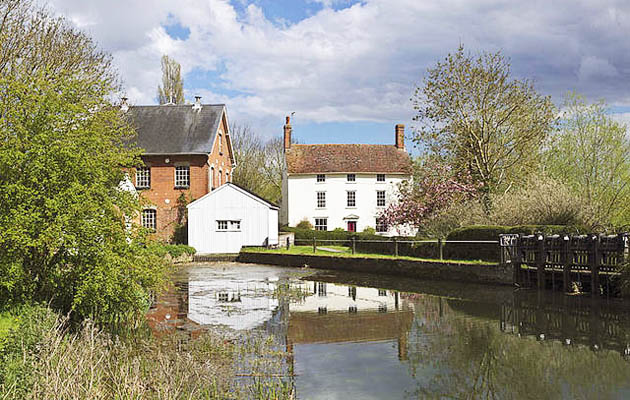
Layham may not have been so idyllic when endless generations of Bartons lived here (Image from Country House magazine)
Joshua was born at a time when a series of bad harvests had made a tough country life even tougher. As a young man he took his chance, went to London and became – who knows how – a wine cooper. He married a local girl, Maria, and they had ten children.
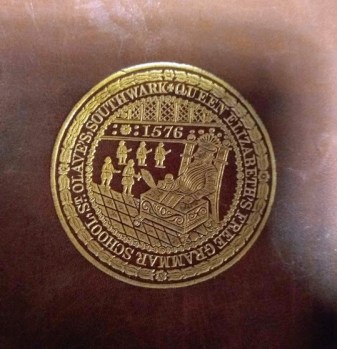
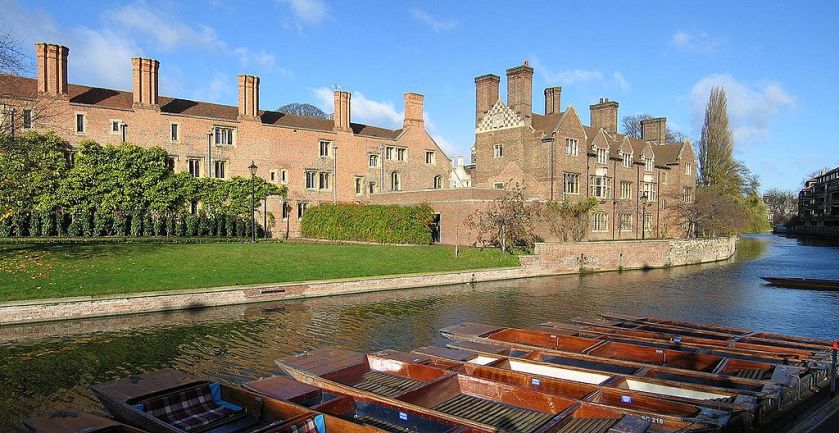
The family was probably what Theresa May patronisingly calls Just About Managing. The children grew up to become gardeners, coachmen, clerks, seamstresses. All except Charles and Harry, sons numbers two and three. I’ll never know the story of how they got places at Saint Olave’s Grammar School and then won scholarships to Cambridge University. I still have books that Charles won as prizes at school, and while studying at Magdalene College. I wonder how two working class boys from a relatively poor background enjoyed their experiences in these privileged environments?
This is a prize from school: Sophocles, the Plays and Fragments. It’s in the original classical greek.Magdalene College Cambridge (Wikimedia Commons)
Harry became a schoolmaster but Charles felt called to be a priest. He worked in a succession of grubby industrial or manufacturing Yorkshire parishes: Hanging Heaton, where he met and married my grandmother Annie; then mining village Sharlston where my mother was born.
Charles and Annie’s wedding in 1910: from a family album.
The marriage of Charles and Annie announced in the local paper.
St. Luke’s Sharlston. (geograph.org.uk)
Charles taught my mother Betty at home in his new parish in Roberttown until she was eight, and then when she started school pushed and pushed her to achieve academically. Younger brother Arthur, who was less bright wasn’t given this hothouse treatment.
Charles acquired a reputation for injecting vigour into failing parishes. It was a full time calling. No days off for him. Ever. Yet parish magazines and local papers at the time give a picture of a lively parish life: plays, bazaars, meetings, fundraising schemes, discussion groups, clubs all flourished in St Peters Morley when he was rector there, and he was clearly liked and respected.
Then, in 1931, he fell ill, aged only 56. My mother was in the throes of applying for a place at Oxford University: still quite an unusual goal for a young woman in those days. He lived to know that she had been accepted. When he died my grandmother refused to let my mother take her place up. She was needed at home. My mother raged and stormed and so did her school. Annie stood firm. Or almost. Eventually, she agreed that if Leeds University would have her, Betty could be a day student there. And that is what happened.
My mother never forgave Annie. I didn’t ever meet my grandmother, who lived until I was about 14. In my mother’s eyes she was the sinner, Charles the saint.
I was brought up on Any Questions, a topical radio debate programme which has been a firm part of the BBC Radio 4 schedules on Friday evenings for getting on for 70 years. Our family always listened when I was younger, but I don’t these days as it does terrible things to my blood pressure when right-wing Daily Mail readers take to the podium.
All the same. It was coming to Masham, the town-next-door. A loose cohort of us got free tickets. That’s not quite true. Malcolm and I didn’t, but meeting in the pub beforehand, we started to feel left out, and managed to snaffle two late-returns.
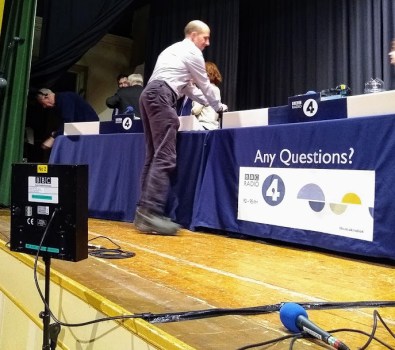
Getting ready for the action in Masham Town Hall.
You have to turn up easily an hour ahead of transmission. If you want to, you write a question which might get included. You have to be warmed up. Radio Leeds presenter Andrew Edwards schooled us in the gentle art of clapping, cheering and booing to make our views clear to the listening audience (‘No heckling please’). The lucky questioners were announced. Two of our team made the cut, though in the end, only passionate 17-year-old ‘It’s our future’ Charlie had her question dealt with on air. I made the nearly-got-included list.
It was all fascinating stuff. Star of the show was probably the CEO of Siemens UK, Jurgen Maier: measured, lively and likeable. A Remainer, but desperate for business certainty, he’d back the current Brexit deal. Leaver Jake Berry, Northern Powerhouse Minister, actually said ‘I don’t think any of us knew what we were going to get when we voted Leave….’, but nevertheless isn’t in favour of a People’s Vote on the Final Deal which Lord Adonis is campaigning for. There was Labour’s Shadow Brexit Minister, Jenny Chapman and the other MP was John Redwood (‘fervent Brexiteer’). He really is from the Dark Side. Uncivil, dogmatic, he didn’t attract much enthusiasm even from those who subscribe to his reactionary, long-held views in favour of Leave.
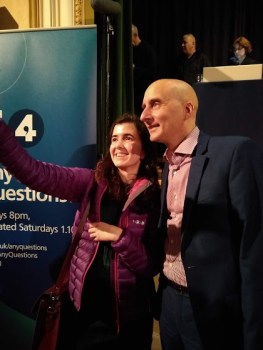
Charlie needed her selfie with Andrew Adonis.
If you want a flavour of the debate, you can listen here if you’re eligible to listen to BBC transmissions.
And the next day, we went back to Remoaning in Harrogate again…
Goodness. Who’d be a British citizen at the moment? We’re in need of good cheer. And I’ve found some, in a post I wrote from Laroque in November, seven years ago. Times were much simpler then …. read on.
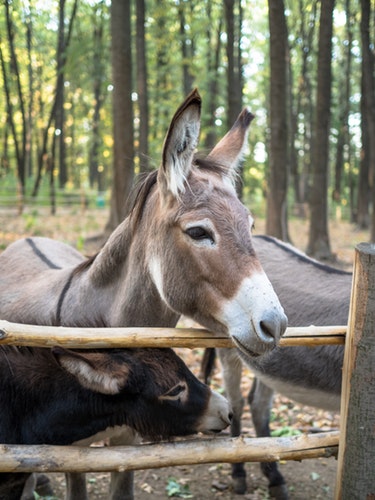
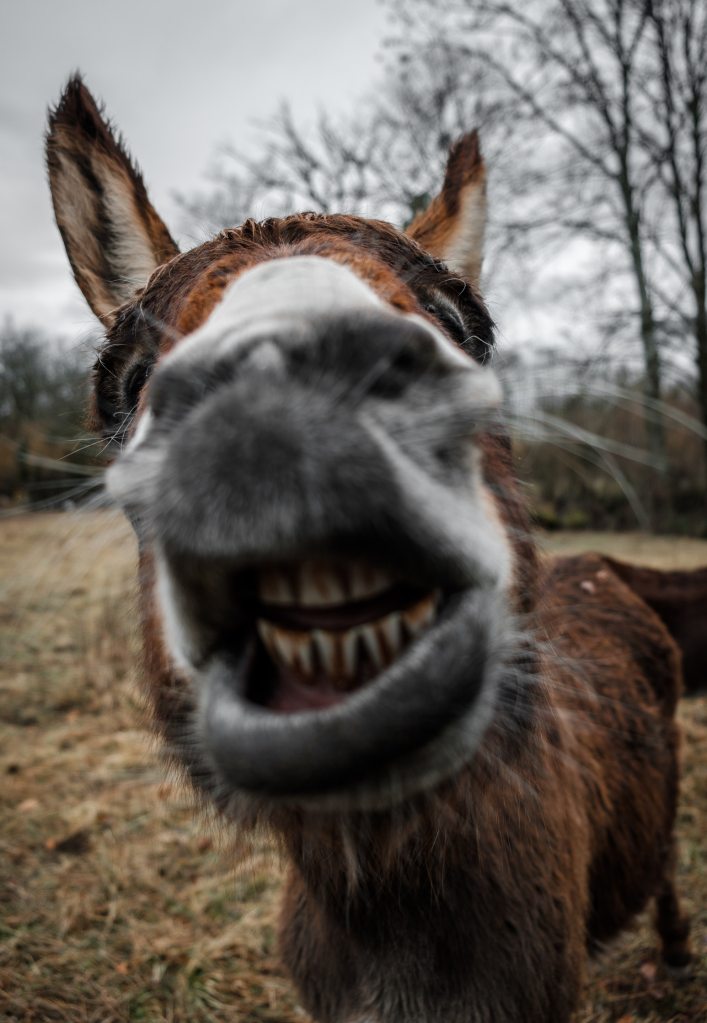
Little Donkey: An Everyday Story of Country Folk:November 26th 2011
Every now and then, in among all the banns of marriage and planning notices on the information board at the town hall here in Laroque, there’s a poster about a stray dog that’s been found. Not cats or hamsters. Just dogs.
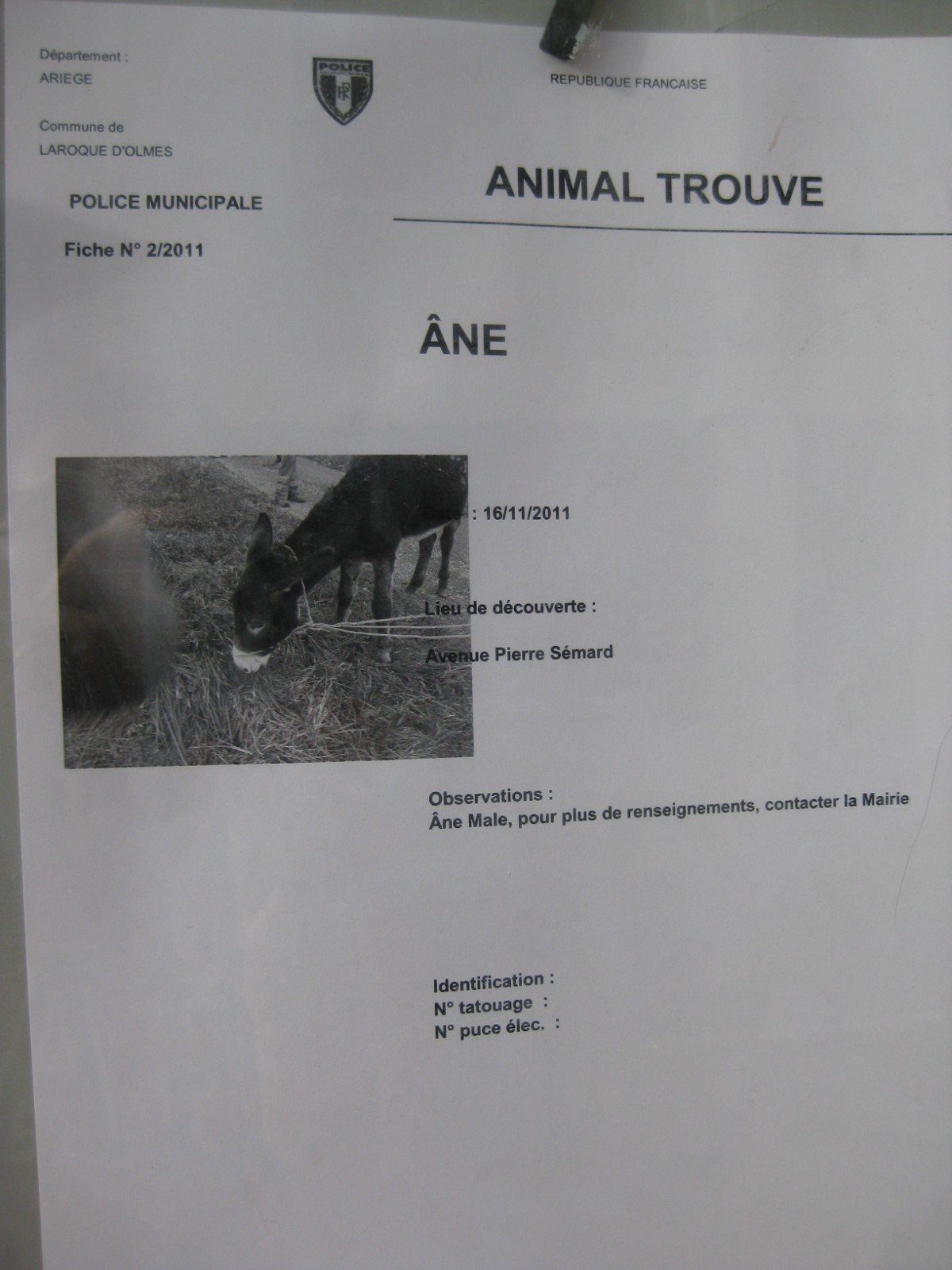
Last week, though, my eye was caught by this:How does anyone lose a donkey? And what do you do with it whilst you put out an appeal for the owner? ‘Oh he’s fine’, said Thierry, our Community Copper, ‘We’ve put him to work in the office in the Mairie’. I decided against saying the obvious, that he would be bound to be doing a far better job than the Mayor.
Image from Unsplash.
It took a week for his owner to show up. He – the donkey that is – had an exciting time. First of all he was rounded up by the three blokes who first spotted him in the road just outside town, but who had no idea how to set about the job. Then he was frisked for tattoos or identity chips. None. Next he was sent to stay with our friend Henri’s donkeys (Thierry was fibbing about the office work). That had to stop when Henri’s female donkey got all excited at the new arrival and came on heat. Then he went to stay with the vet’s partner. He escaped. Amateur detectives all over Laroque and Lavelanet tried to find out where he came from. Eventually, after a week, his owner showed up, really rather cross. ‘Why didn’t anyone think to get in touch with me?’
There we are. That’s our excitement for November over.
Image from Unsplash.
For non-British readers: Little Donkey is a Christmas song much favoured by UK muzak producers at this time of year. One reason to avoid shopping there during November and December. Whereas ‘an everyday day story of country folk’ is ‘The Archers’, a daily radio soap opera full of story lines such as the one above. It’s been a permanent part of the BBC schedules since 1951. You could join the fan club.
 I’ve got two daughters who have the acting gene: who’ve often performed and entertained on stage over the years. Where did they get this gene from? Not me. I was a servant once in a school play, and spoke two whole lines. That’s my Drama CV.
 From the latest North Yorkshire for Europe newsletter.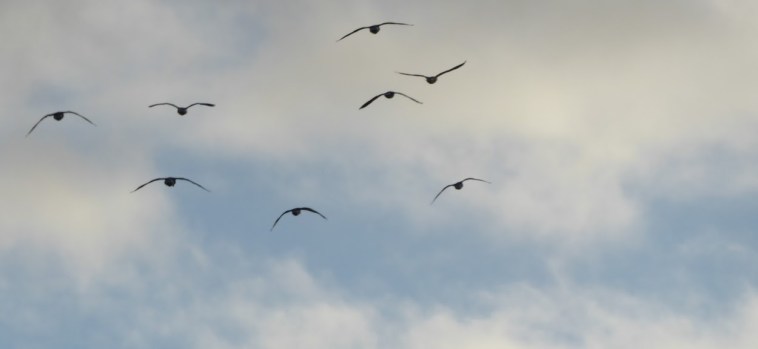










You must be logged in to post a comment.