


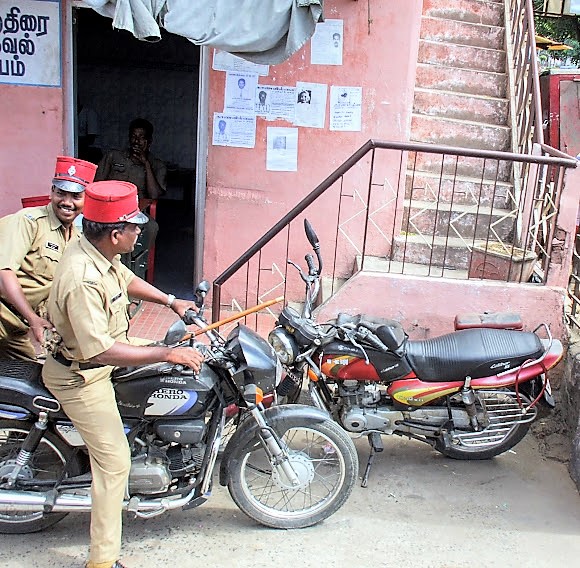
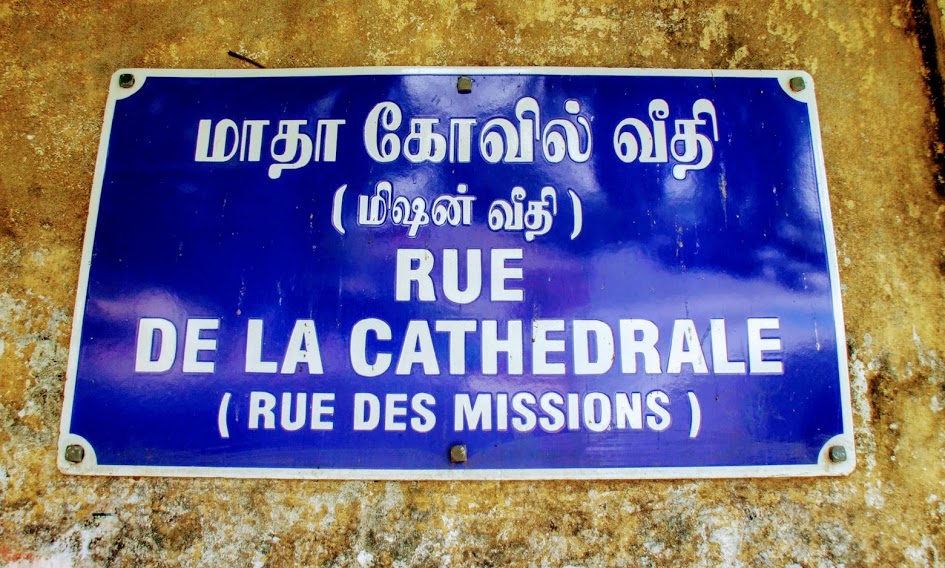
My last sortie to India for the present shows just a few souvenirs of Pondicherry as it looked when it was part of France’s colonial empire. Those days are long gone. Only the older inhabitants were taught in French-medium schools. These days, as throughout India, English is the first foreign language taught. But policeman still look reassuringly French in style, wearing a smart kepi: a military hat with horizontal peak.


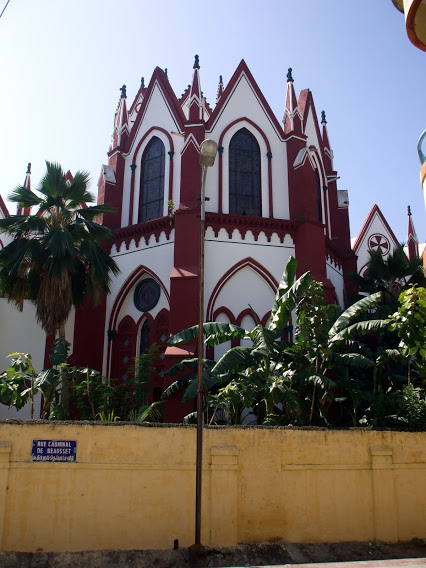
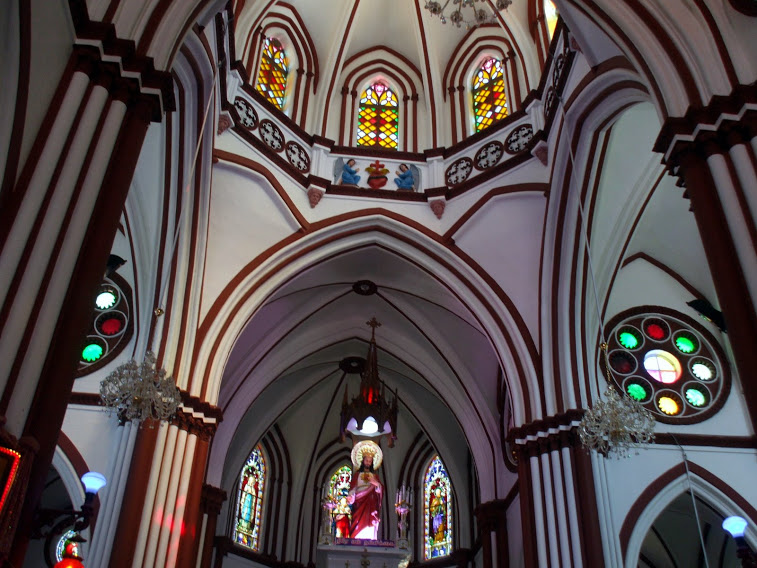
And while the Basilica of the Sacred Heart of Jesus (Basilique du Sacré-Cœur de Jésus de Pondichéry), at the end of the street where my hotel was, might look European-inspired rather than specifically French, it was the then Archbishop, and two parish priests, all French, who were responsible for its inception in 1895.
Well, this is awkward. Just One Person from around the World is supposed to feature a single person in the main photo. But a second policeman got himself into the frame here Never mind. The school entrance features just one security guard, the Department of Public Works just one visitor. I may just get away with it.
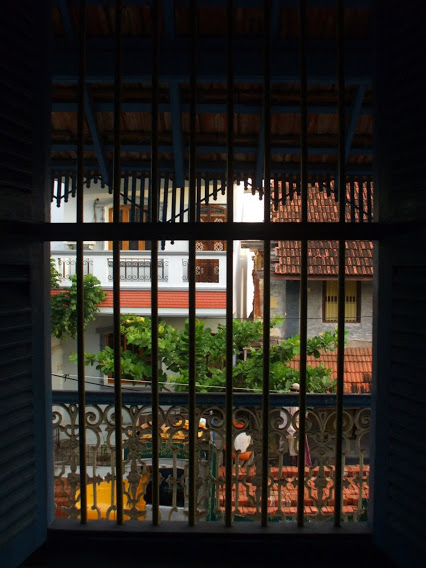
Those builders hard at work just beyond my hotel room in Pondicherry weren’t the only slice of life I saw through my window there. The featured photo shows the view I had just after midnight every night (I told you I didn’t sleep), My camera – or the way I handled it anyway – wasn’t good at night-time vision, but I like the dream-like quality of this scene.
Can you see a group of five women – four of them in blue, seated in the road? Until just before I took this shot, they’d been busily sweeping all the streets round and about, equipped only with short brooms of the kind that witches in western fairy tales normally use . They made cheerful conversation, calling to each other so they could hear and be heard. Now though, it was time for a break, and the women simply sat down and rested in the road, their voices falling to a rippling murmur of chatter and laughter.
This intimate moment, sharing something with these women who were certainly unaware they were being observed, remains one of my treasured memories of India. These women, I’m sure, had little enough, and yet their easy relaxed movements suggested contentment with what their lives gave them. And above them is a washing line. All that day’s washing was blue, apparently.
Here are the windows through which I observed the scene.

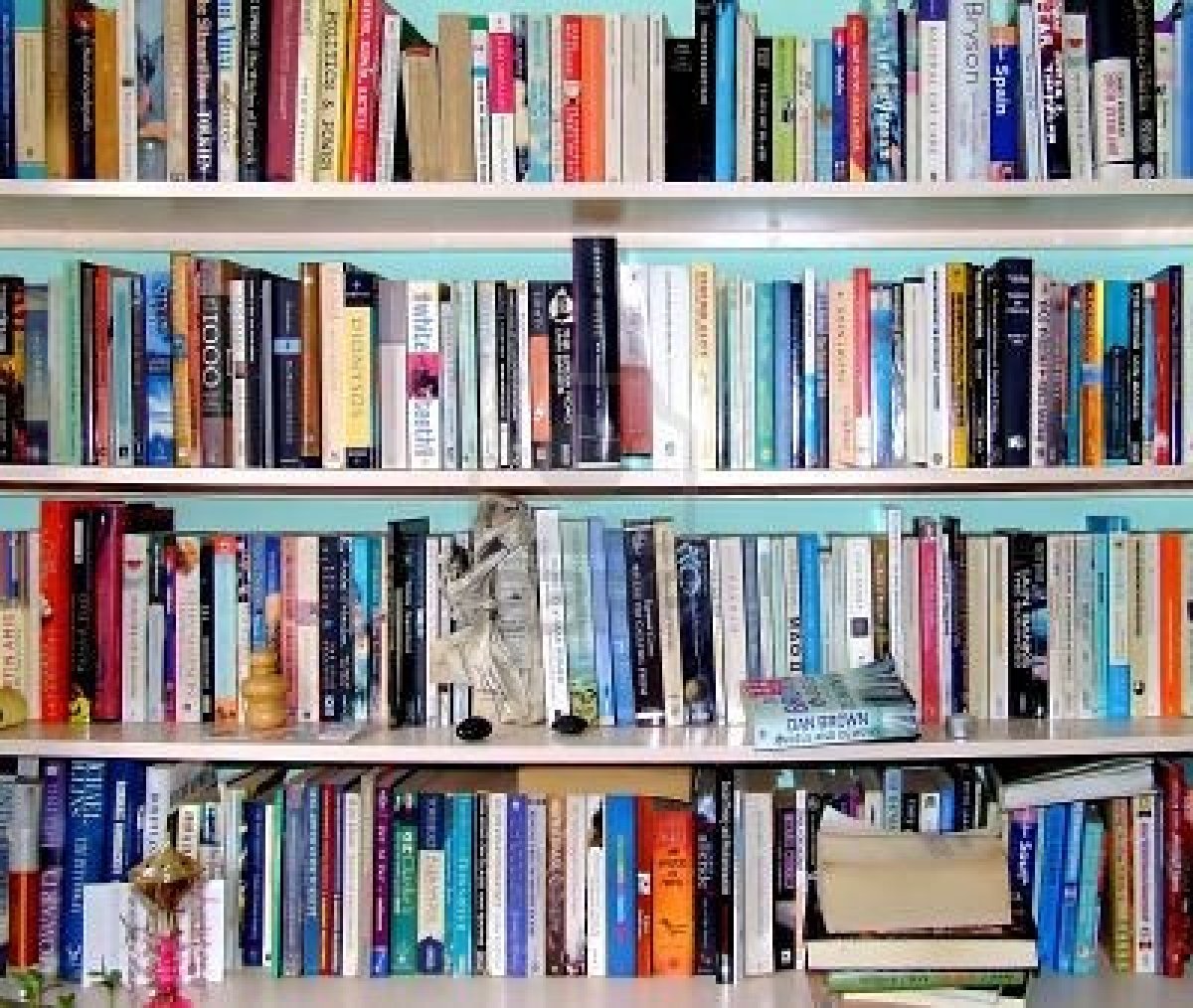
I haven’t yet read the book which starts this month’s Six Degrees of Separation chain for the very good reason that it hasn’t been released in the UK yet. However, Phosphorescence, by Julia Baird is apparently about finding grace and awe in the ordinary and in the world around us.
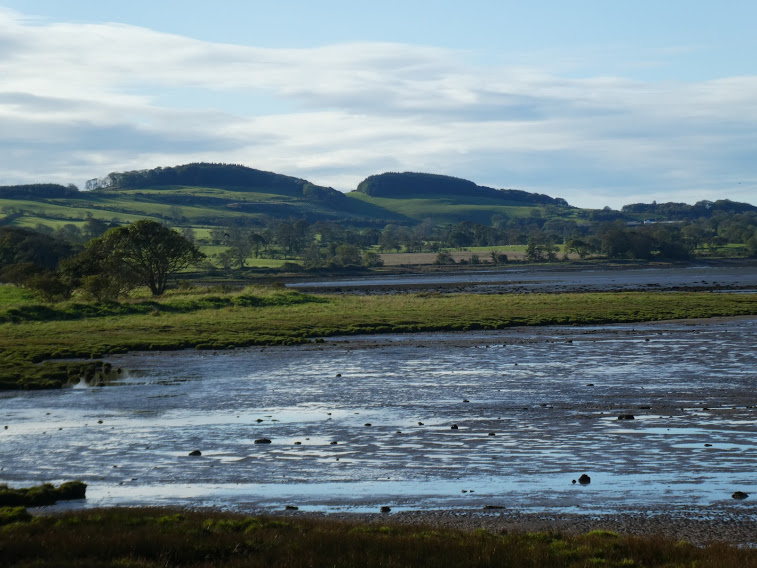
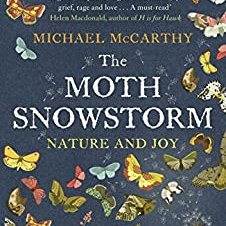
So I’ll start with Michael McCarthy’s Moth Snowstorm: Nature and Joy. How to describe this book? It’s part nature writing, part memoire, part polemic, and a powerful and affecting read. The book first got under my skin when defining ‘joy’, which McCarthy sums up as a moment of true happiness, with a spiritual, selfless, outward looking dimension. McCarthy’s first experience of joy was as a boy, learning to love the landscape and wildlife of the Dee Estuary. His nature writing is richly observed, pictorial, highly sensory. He is angry at the galloping pace of destruction of so many species and habitats. He demands that we observe too, and experience joy in our own ways as we explore the natural world.
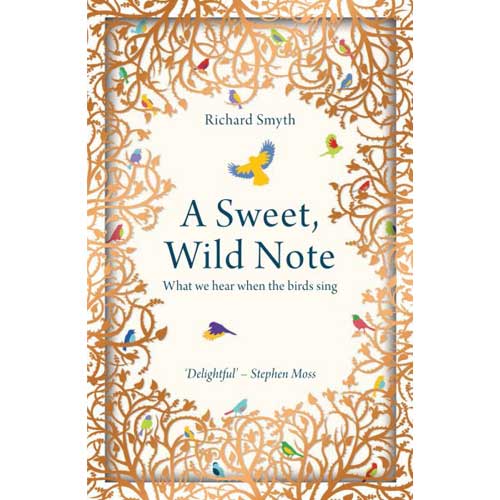
Richard Smyth’s A Sweet Wild Note: What we Hear when the Birds Sing is a delightful, idiosyncratic and fascinating book about the place of bird song in our lives. Smyth is a wry, self-deprecating writer who draws not only on his own experience, but on music – all kinds of music from every period, on literature, on social history, on science, on previous students and lovers of birds, on landscape, to develop this entertaining yet well-researched read.
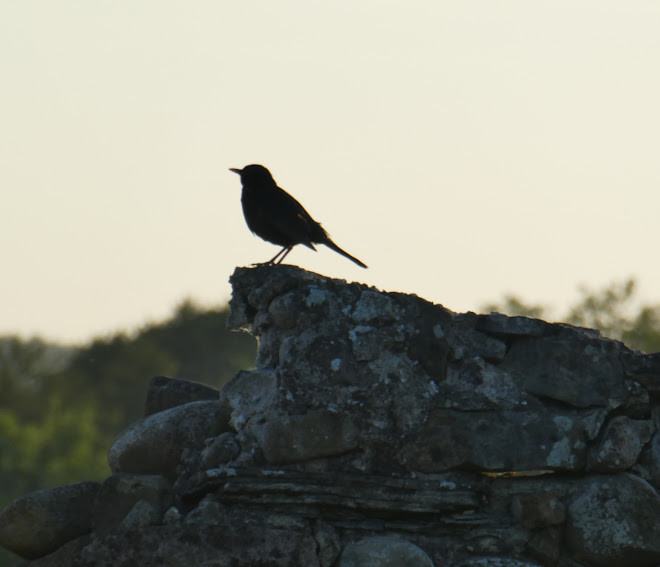
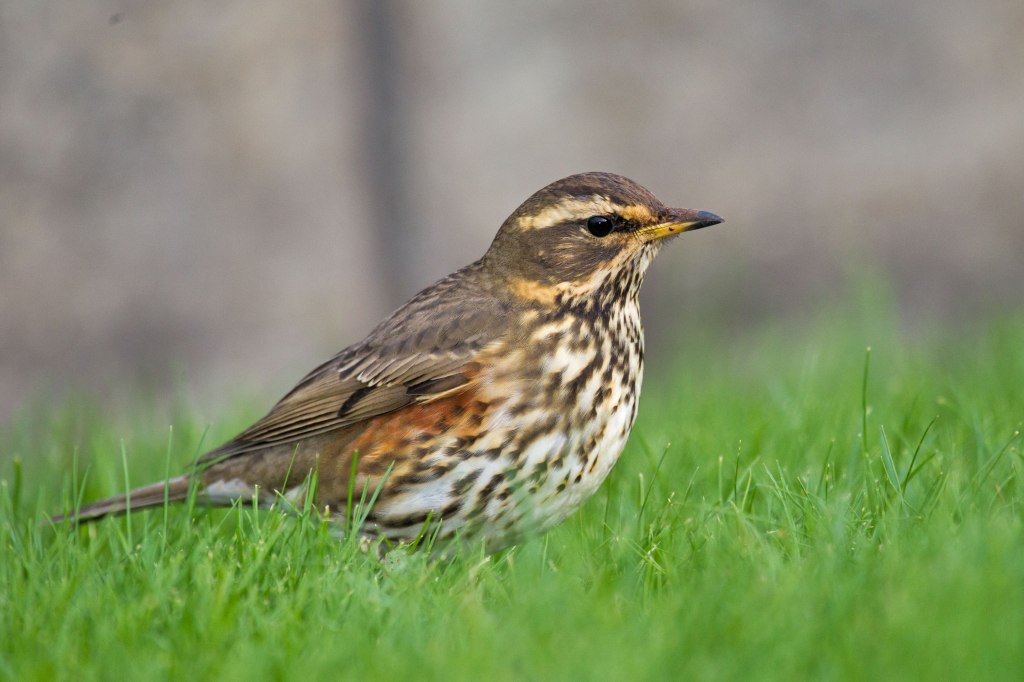
This leads me to my only nod to fiction this month: Helen Humphreys’ The Evening Chorus. I picked this book from the library shelf on a whim. What a gem. Inspired by, though not based on three true events, this lyrically told story sees the war and its aftermath from the perspective of three people, each intimately bound in each other’s lives, but ultimately dealing with what confronts them in their own way, alone. It begins with James in his German POW camp, finding solace in his intimate record of the lives of the birds, the redwings he can just about see from the camp confines. There is Rose, his wife in an English village; Enid, his sister, living and working in London. Constance, Rose’s difficult mother … and the POW camp’s Kommandant. All have their roles in this story in which the actual horrors of war have no place, but which illustrates vividly its power to alter lives, to constrain, and yet to offer hope too.
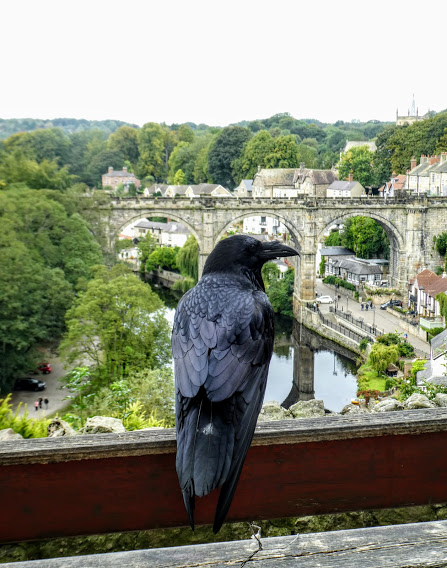
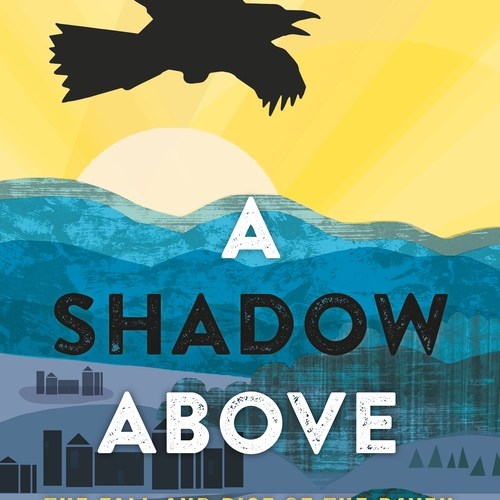
From redwings to ravens: A Shadow Above: The Fall and Rise of the Raven, by Joe Shute. Shute loves ravens. I loved this book. Part natural history, part history, part an exploration of the many legends that this bird has fostered, part investigative journalism, part personal history, this is an engaging, immersive read that goes a long way towards explaining why ravens have a special place in our history, and that of many other nations – even giving many locations their place name. It’s beautifully, often poetically written (though it could have had a better proof-reader) as well as being informative. I finished this book with an increased respect for an intelligent, fascinating bird, besides understanding why it inspires fear and loathing in almost equal measure.
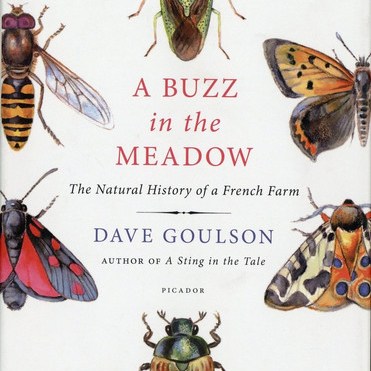
And now from birds to bugs: A Buzz in the Meadow: The Natural History of a French Farm by Dave Goulson. This book is a delight from beginning to end. The catalyst for writing it is Goulson’s home in the Charente, bought so he could provide home, in the form of an extensive meadow, to a huge variety of wildlife, specifically insects. This is no Aga saga of a Brit in France, but a mixture of reminiscence, hard scientific fact, vivid stories of his own experiments and research, and the work of others. It’s a page turner and a tale well told with humour, and an eye for the telling detail. I’m no scientist, but I was absorbed from start to finish.
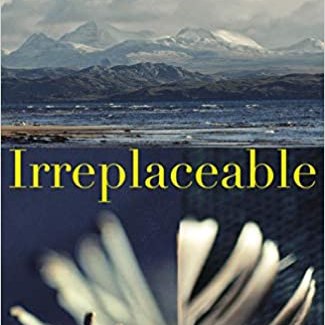
My last book is Irreplaceable: the Fight to Save our Wild Places, by Julian Hoffman. An important book, lyrically written, about our disappearing habitats. Hoffman has travelled the world in search of such places. But whether it’s an Indonesian island with exotic flora and fauna, or a London allotment, the message is the same. Once the habitat has gone, it’s gone. He describes such losses eloquently and movingly. Ultimately though, there is hope. And this hope is vested in ordinary people who care about the piece of the planet that they live on, and who campaign, and simply roll their sleeves up and do whatever is practically necessary to ensure the continuing diversity and richness of the area they know and cherish so well. Some are educated scientists or campaigners, but more are simply citizens, doing what they can to ensure the continued future of the habitat they love. Read this book.
I didn’t expect to produce a non-fiction bonanza about the natural world, but here we are. If you never normally choose books like these, I urge you to give any one of these titles a try. They’re each as absorbing as any good work of fiction, and they all tell stories that are important for us, and for the planet.

In India, Pondicherry was one of my must-visit destinations. In was a French colonial settlement till 1954, and still has a well-preserved French quarter, with French-style colonial villas and characterful tree-lined streets. I stayed in one of these – a charming guest house called Le Rêve Bleu.
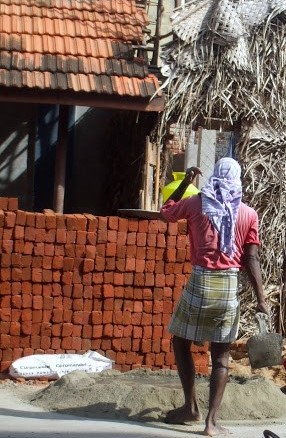
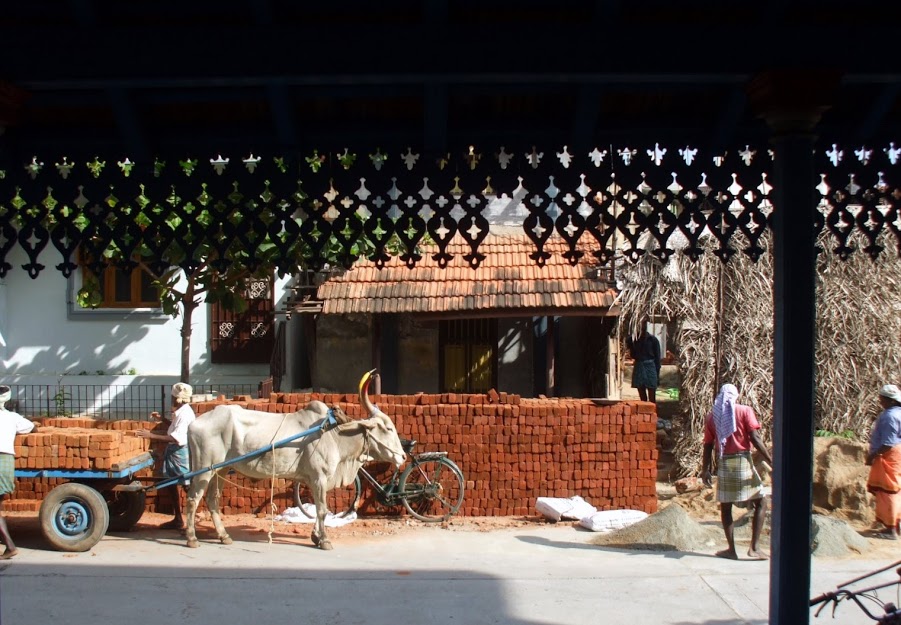
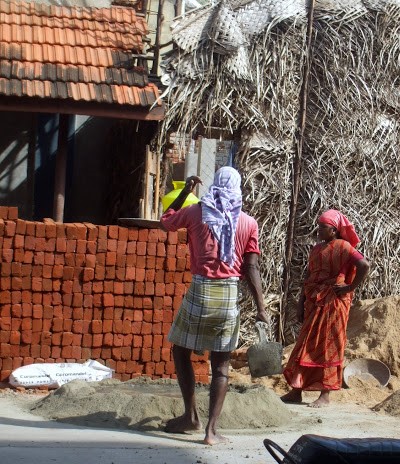
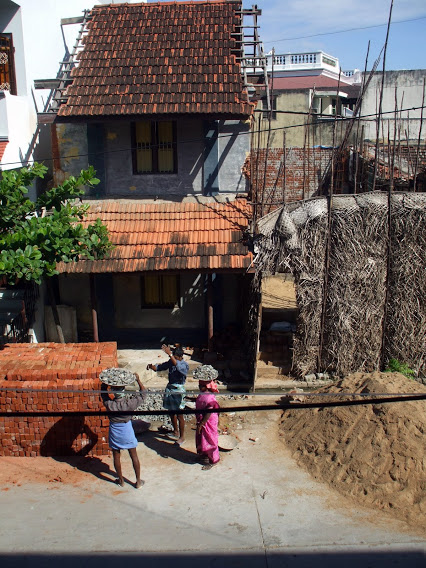
My room looked out over a building site. Was I dismayed? Not at all. Look at these scenes of builders – at least half of them women – at work from 6.30 every morning. I’d long been woken up by then, by the daily Muslim Call to Prayer, announced over a very loud tannoy system at about half past five,
About three years ago, we were in Sants, Barcelona. The flat where Emily and Miquel then lived was too small to accommodate us for too prolonged a stay, so an apartment in Sants it was – a part of the city we didn’t knw at all, but came to like a lot.
Once a village, by the nineteenth century it was industrialised – the textile industry – and home to Barcelona’s biggest textile factory. Now it’s home to Barcelona’s biggest station and travel interchange.
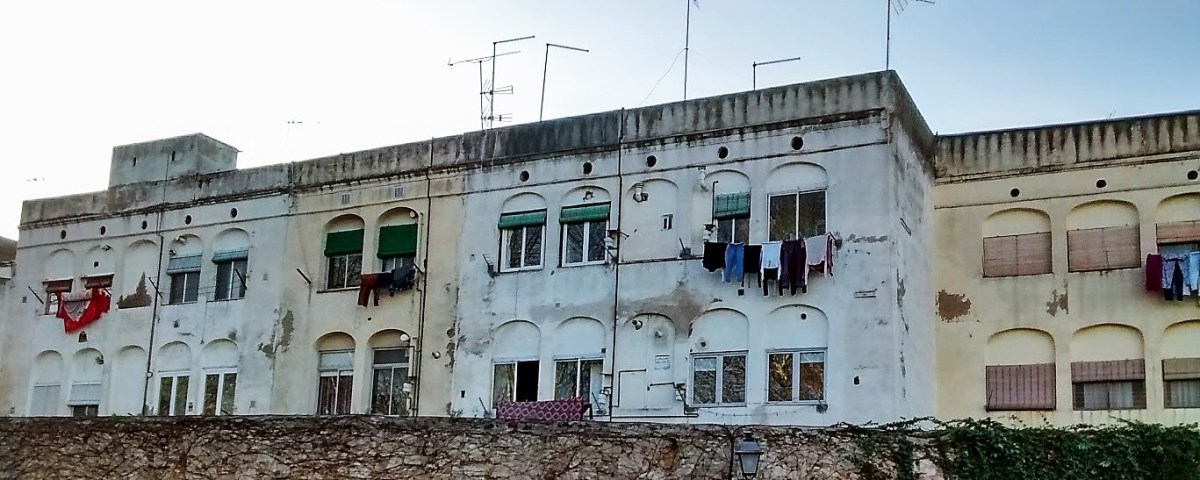
For us though, it was simply a busy working community, full of independent shops, a market, housing old and new. Let’s go and walk the streets for a while, and admire the often elegant windows. And as the feature photo shows, there’s washing. There’s always washing to hang out.

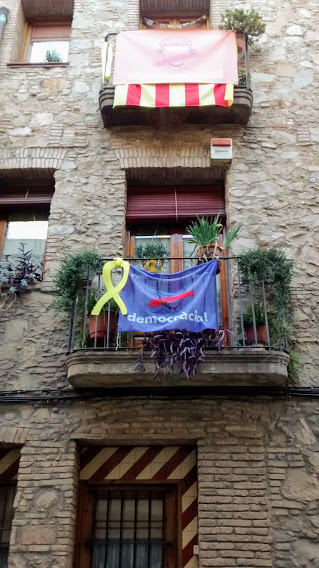

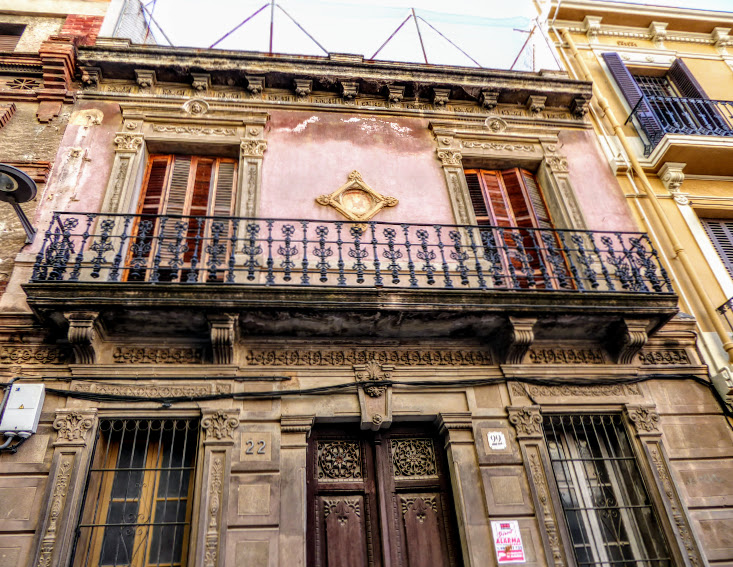
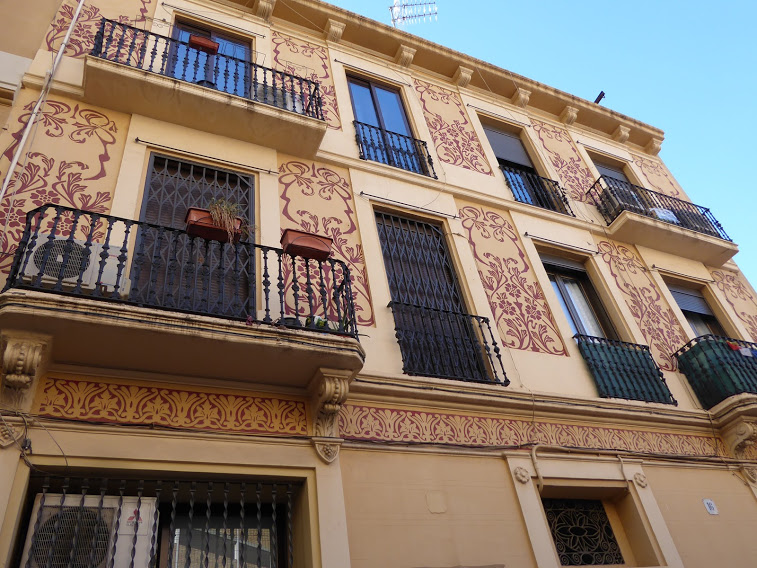
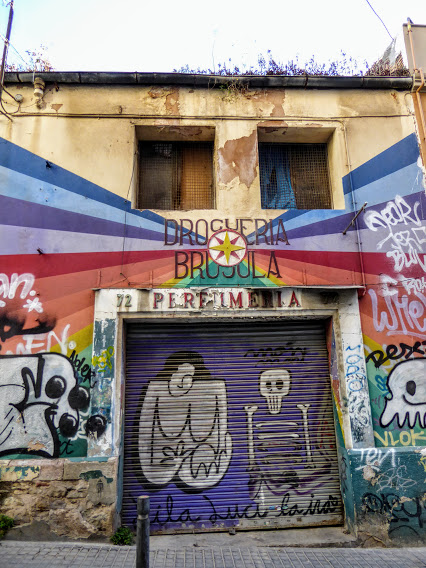
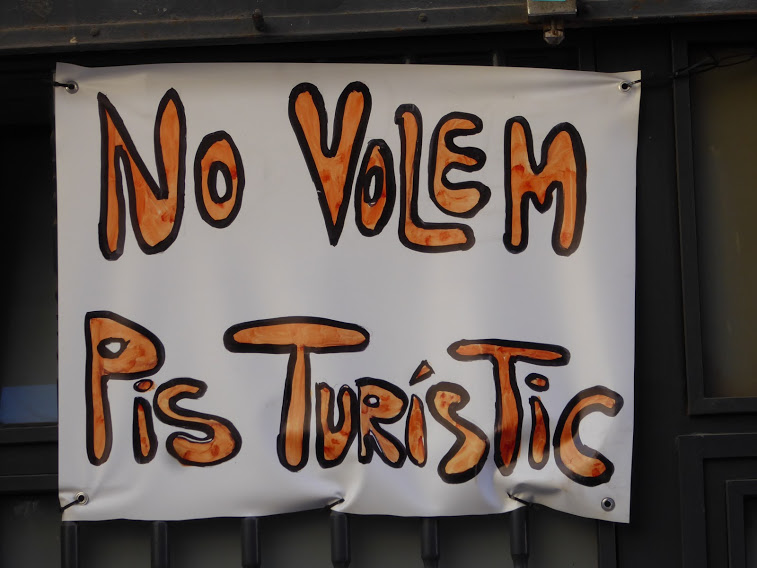
It’s an assertively independista part of the city: hence the Catalan flags and yellow ribbons. And they don’t welcome the destruction of their community by tourists that come and go. So we did our best to spend in neighbourhood shops bars and restaurants, and also hoped that, since we’re all-but Catalan in-laws now (and now, even Spanish grandparents), we might pass muster.
Monday Window – mañana
Monday Washing Line – mañana
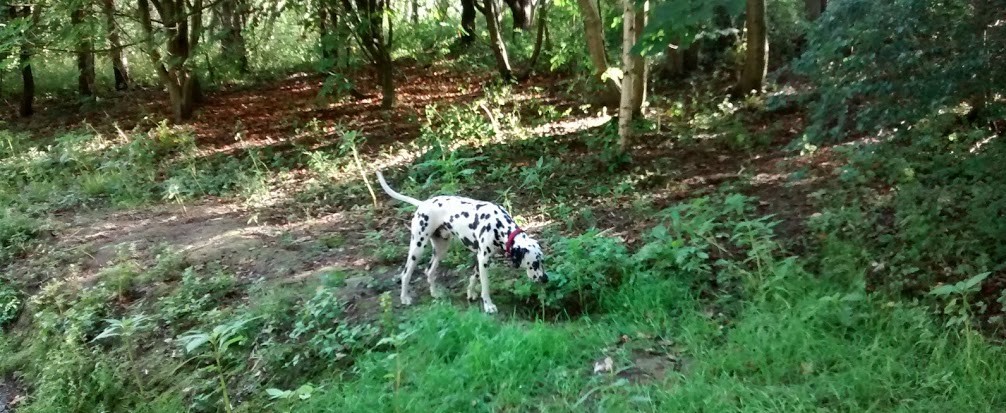
I have shamelessly engineered the last photo on my phone for February to be the one you see below. I wanted to showcase my Virtual Dog for March. Some of you may remember that to make sure I go out walking each and every day, I’m making sure of having a Virtual Dog who needs to be exercised. It’s a big ask of these dogs, so I think a month is enough.
In January, I had my friend Barbara’s lovely dog Dilys. In February, I (virtually) nicked the dog from Ai Weiwei’s Circle of Animals at Yorkshire Sculpture Park. And this photo here, the last on my phone, is to be my Virtual Dog for March. I think she could be a bit of a handful, a bit keen on running after rabbits, but we’ll see.
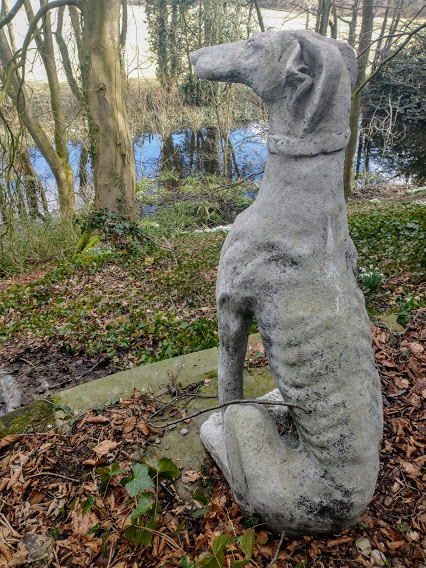
Going out every day with Virtual Dog is definitely working for me. I’m out every single day, whatever the weather, and I now have 252.8 miles (406.84 km) under my belt this year. But I have nine more months after this to fill. I invite applications from interested dog-owners. Your dog will not have to leave your side, whether you live in England, America or Australia, but will join me daily for walks through the Yorkshire countryside, often in woodland, often by the river. There’ll be lots of chances to be off the lead, but especially during lambing season. will have to stay closely to heel across farmland. The only reward, apart from the walks themselves, will be the chance for your dog to feature on this blog.
Last on the Card. Here you are Brian. I know you’ve had a dig at those of us who don’t like to include our less-than-wonderful last images. But to misquote Bill Shankly: ‘Some people think that the last photo is a matter of life and death. I assure you, it’s much more serious than that.’
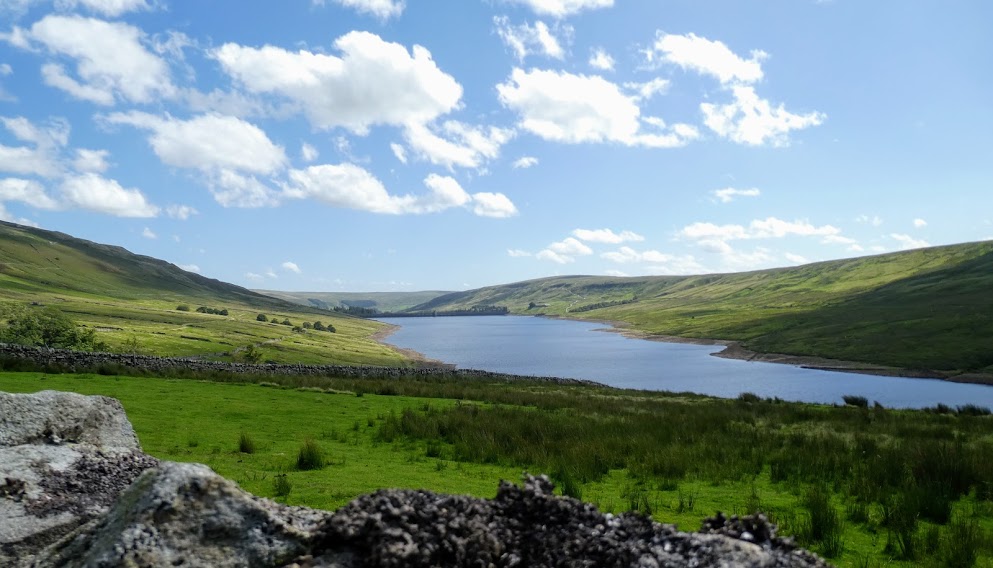
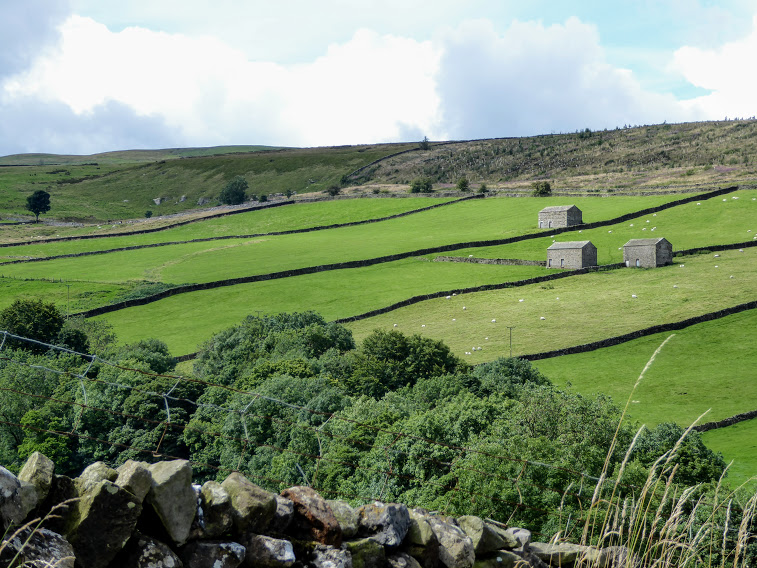
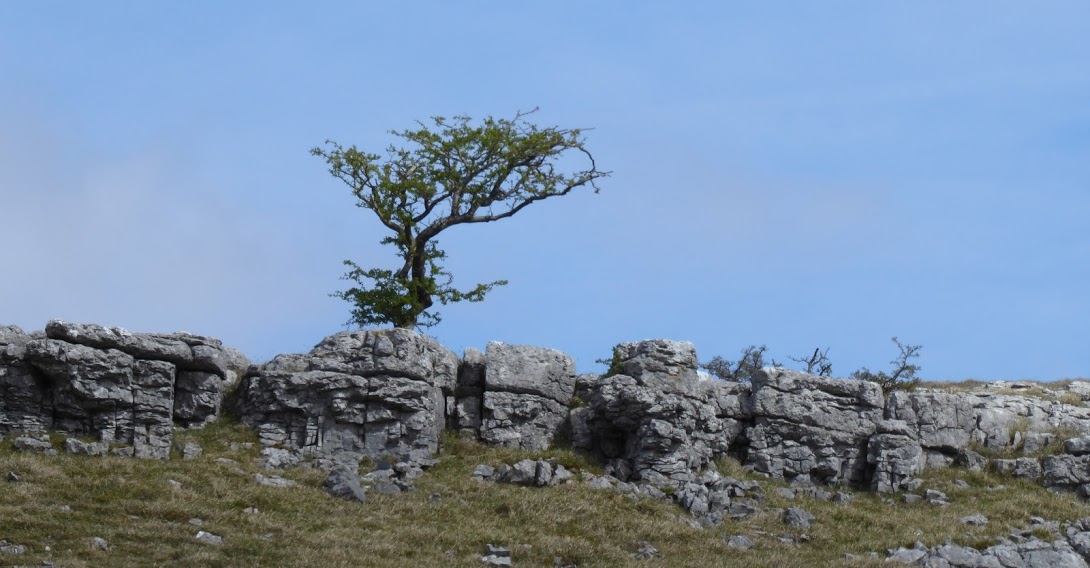
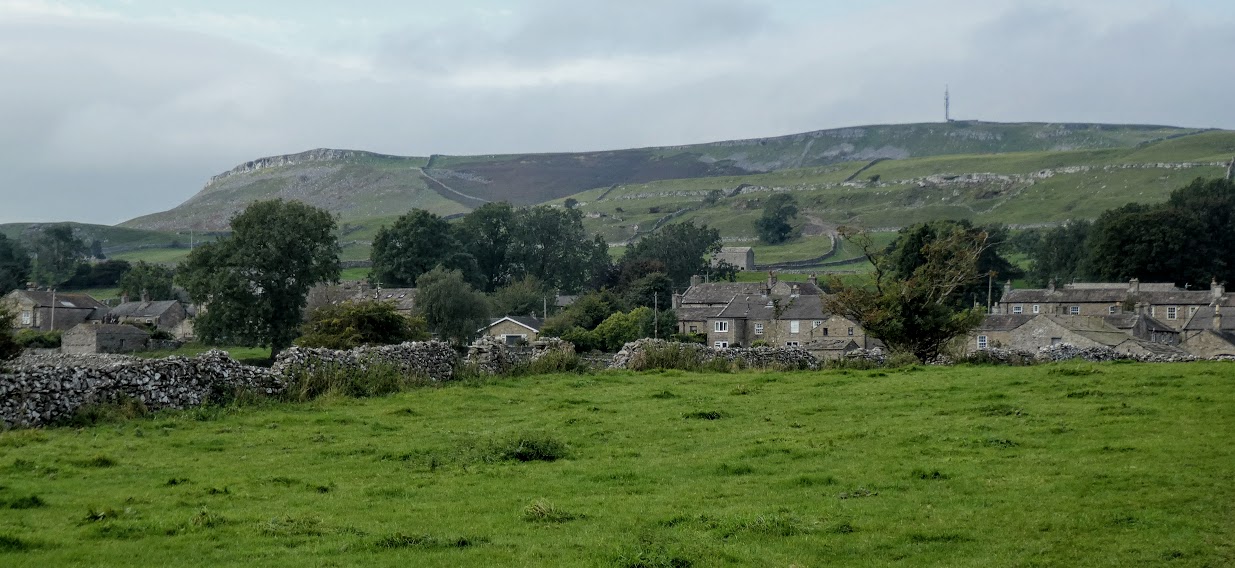
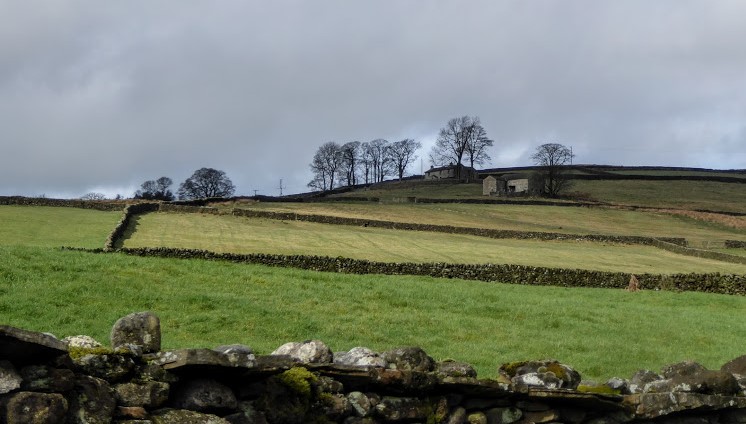
With apologies to John Masefield, here’s my take on missing the Yorkshire Dales, just as he missed the swelling seas in Sea Fever. If I’m not allowed to go walking there at the moment, a few pictorial memories will have to do
DALES FEVER
I must go up to the Dales again, to the lonely hills and sky.
And all I ask is a packed lunch, and a map to steer me by:
and drystone walls and the wind’s song and the curlews shrieking
and a soft mist on the moor’s face, and the grey dawn breaking.
I must go up to the Dales again, for the rippling of the brook
is a glad sound and a clear sound I cannot overlook.
And all I ask is a windy day with the white clouds fleeting,
and the springy turf and a distant view and the young lambs bleating.
I must go up to the Dales again, to the vagrant hiker’s life:
to the hare’s way and the kite’s way where the wind’s like a whetted knife;
And all I ask is a merry yarn from a laughing fellow-rover,
and quiet sleep and a sweet dream when the long day’s over.


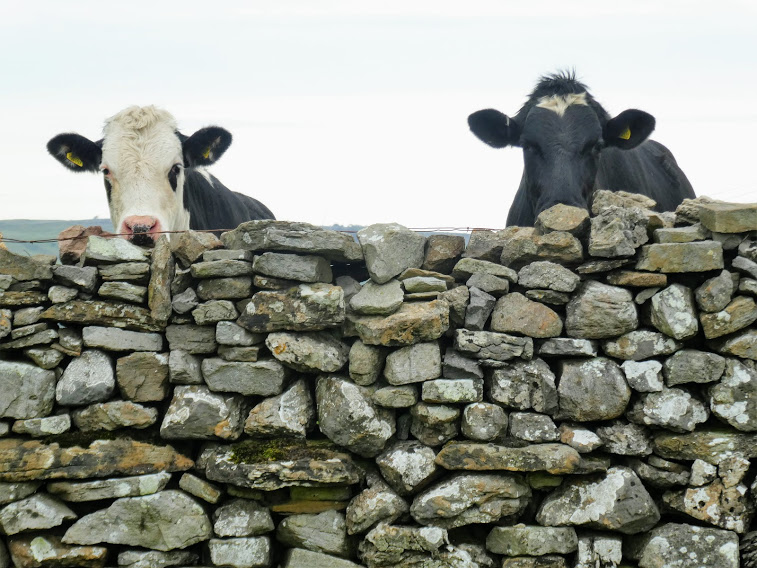
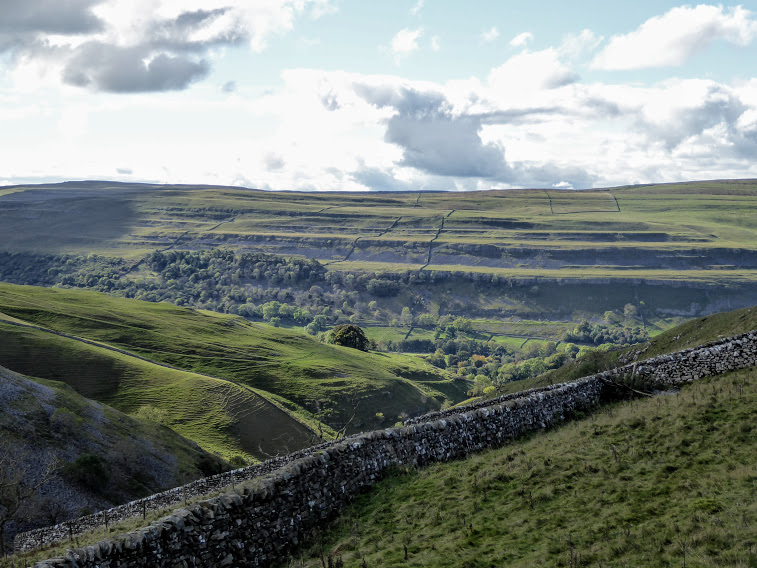
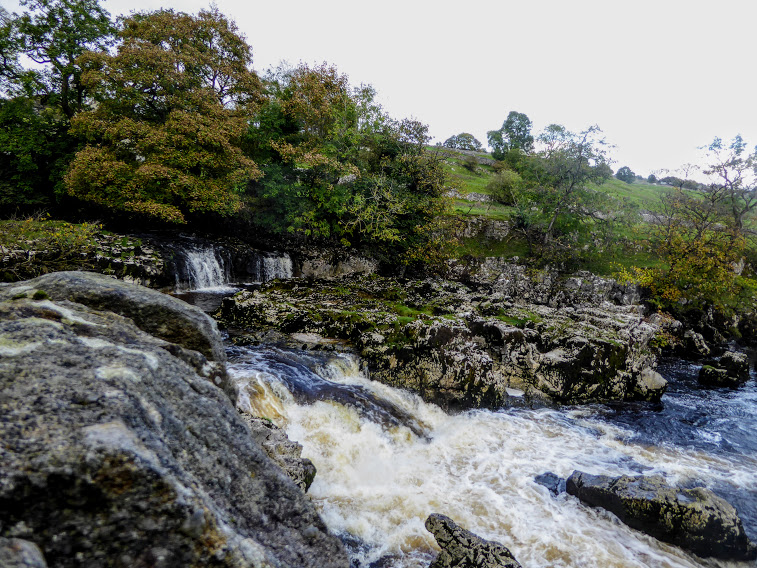
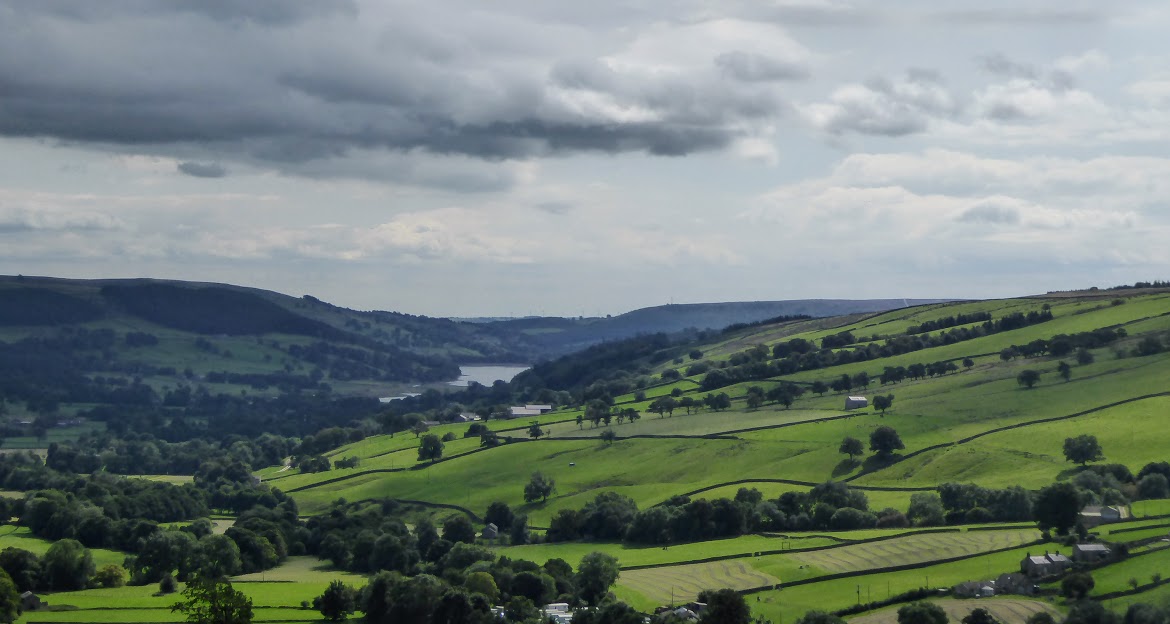
From time to time, some of you ask me how it was that we came to live in France for about seven years. This post, written on this day eleven years ago, tells the tale.
A WALK IN THE AUDE
February 26th 2010
Last Sunday, we went off as usual with our walking group, Rando de l’Aubo. We went a mere 20 km eastwards into the neighbouring Aude. What a difference a few miles makes. The rugged forests, with hillside pasture for cattle and sheep, fields of maize and feed crops in our own department are exchanged for an almost Tuscan landscape, with little hillside towns overlooking ranks and ranks of vineyards delineating the contours. Both departments are lovely, but we hicks from the Ariège tend to prefer our less manicured and somewhat wilder countryside.
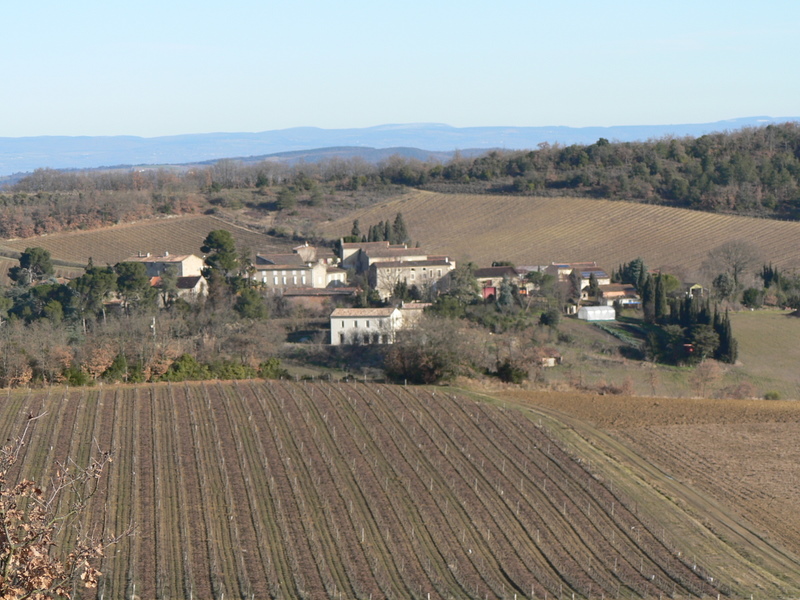
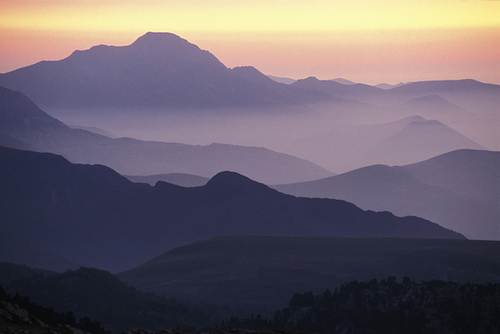
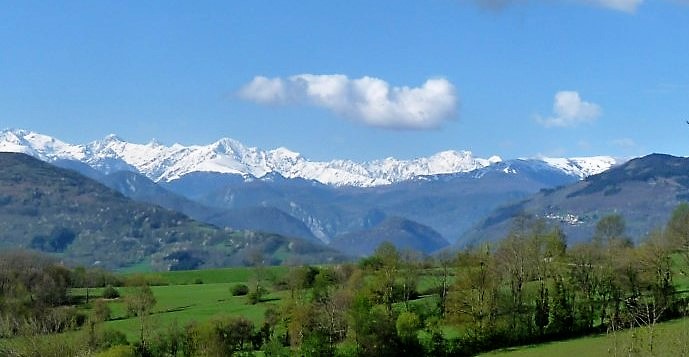
Still, Sunday’s walk was quite a sentimental journey for Malcolm and for me, because we walked through the village, Ferran, that was our first introduction to this part of the world. A few years ago, an old friend of Malcolm’s sent him an email. In his letter, he said that it was February, and he’d been sitting outside in his shirtsleeves, gazing out at his perennial view of the distant Pyrenees, at that time covered with bluish-white snow. Did we fancy a visit to him in Ferran? We did. We were of course seduced by those hillside towns, those vineyards, and especially by those views of the Pyrenees. Not too long after, we came over again, to house hunt, and of course didn’t find that elusive, perfect spot. Only after we’d returned home did our friend’s wife, who’s an estate agent, spot the possibility that we just might like the butcher’s house in Laroque where we now live.
It was crazy really. We bought it without really knowing the first thing about the area. But we’ve never regretted it. We’ll never finish exploring the hillside pathways, always deeply mulched with fallen oak and beech leaves, or the craggier routes up mountainsides, or the gently undulating lower paths through meadowlands, bright with orchids and other flowers, as well as butterflies, throughout the spring and summer.
But that’s the Ariège. Ferran and the other villages we skirted last Sunday are typical of the Aude. Colour washed houses and farms in shades of barley, corn and almond perch high on the hillside, looking down over their vineyards, and beyond – one way to the Montagne Noire, the other to the Pyrenees. The hills roll away into the distance, not so blanketed by forest as our hills are, but at this time of year, green and lush. Though we only walked about 13 km, by the end we were exhausted, because throughout the day we’d been buffeted by the winds for which the Aude is known. But how lucky we are to have two such very different kinds of countryside within such easy reach of our homes.
The first elephants I met in India were in Karnataka, at Dubare Elephant Camp. Nowadays it seems to be a holiday lodge destination with added elephants, but when we visited, it was still largely home to elephants who’d given years of service to the state’s Forestry Department as log-hauliers.
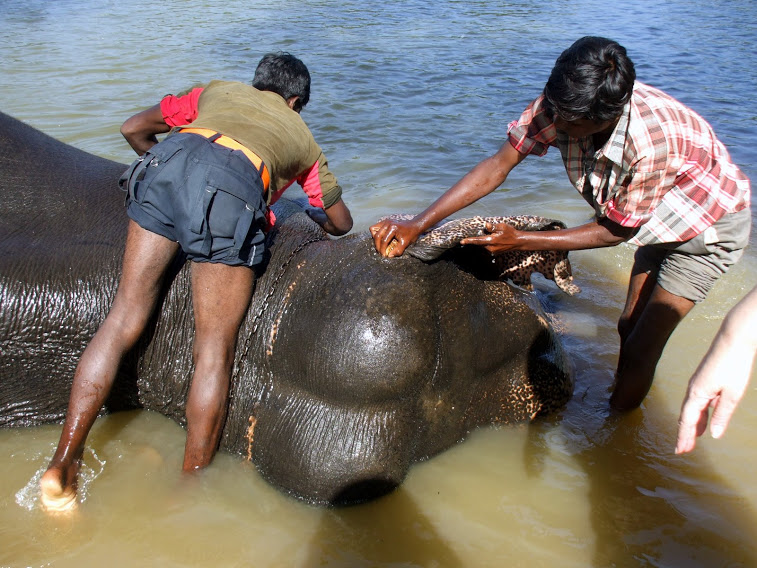

As we arrived, the elephants were being a good old scrub in the River Cauvery, It was clear they relished having their hard leathery hide scrubbed, their hard bristly hair scratched. And it was obvious their minders were enjoying it too. After that – breakfast. Here’s a picture of a cook in the cookhouse. He’s boiling up an appetisng concoction of jaggery (dense dark sugar), millet and vegetation before rolling it into giant balls which the men feed to the expectant animals.
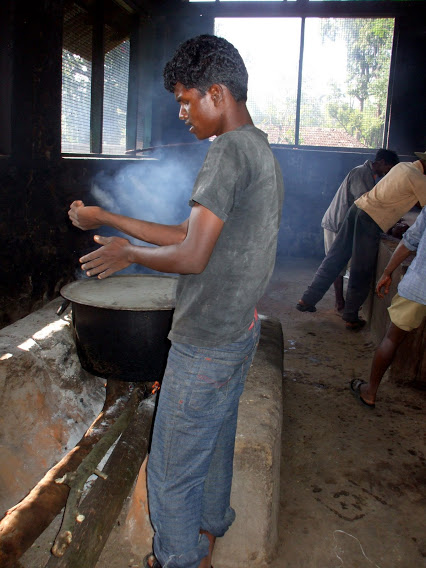
And here’s feeding time. And that was it really. A short but memorable experience.

I had a very different time about ten days later, at Kumbakonam, where my new American friend had taken me to visit some of the eighteen – EIGHTEEN – temples in this small town. I’ll take you for a tour another time. This time I’ll introduce you to the elephant who, at one of the temples, was available to bless visitors in exchange for a few coins for the temple’s finances. Gwen took me to meet her. As I stood before her, she lifted her trunk and laid it gently in my shoulder. I did indeed feel blessed.
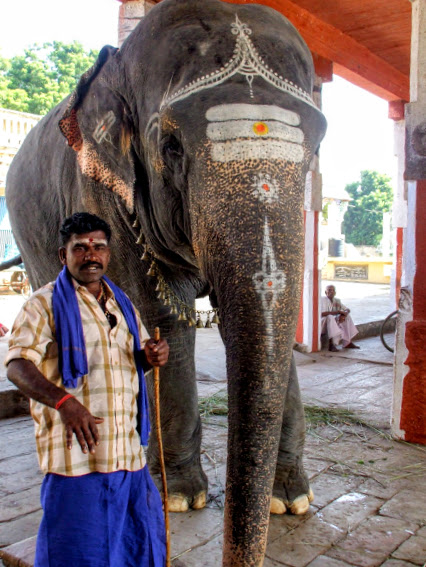
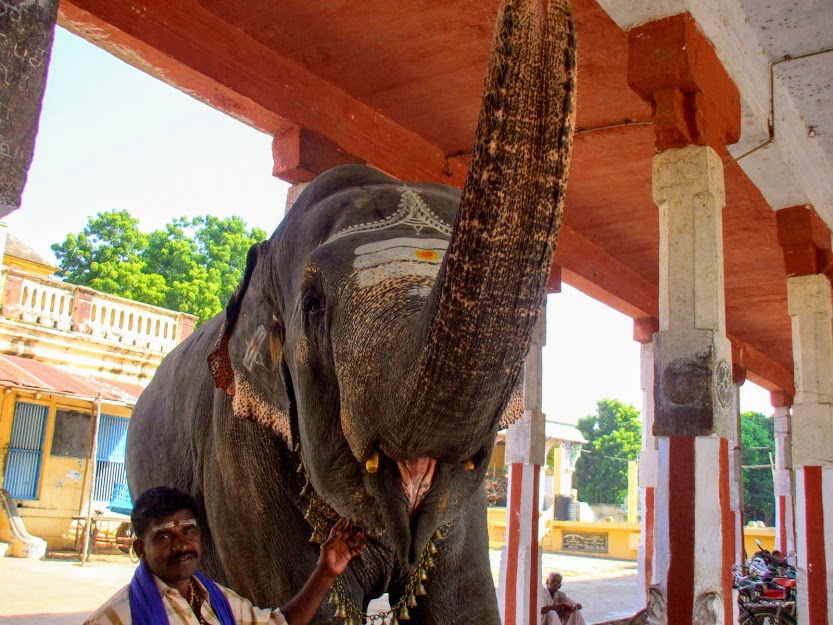
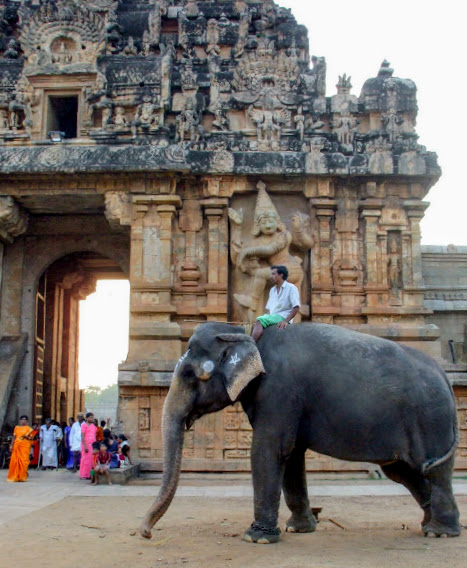
Temple elephants are a common sight – here’s one in Thanjavur.
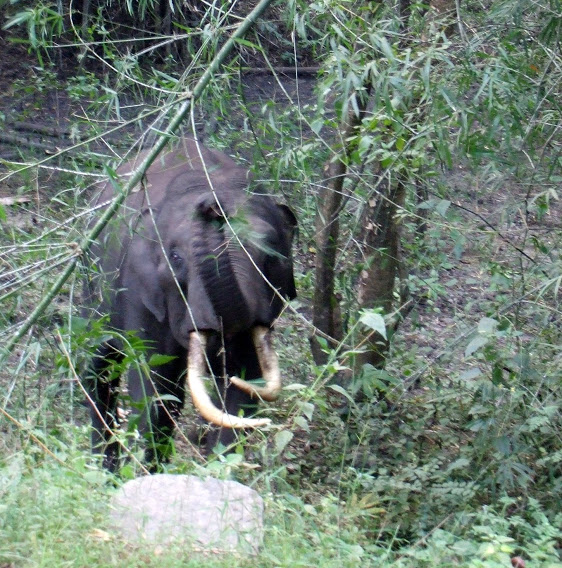
But only once did I see one in the wild, a youngster crashing through the undergrowth and feeding at the edge of a forest.
With thanks to That Travel Lady in her Shoes, whose challenge Just One Person from Around the World has had me rifling through my archive hunting for memories of long-gone adventures.




You must be logged in to post a comment.