Restoration & Renewal

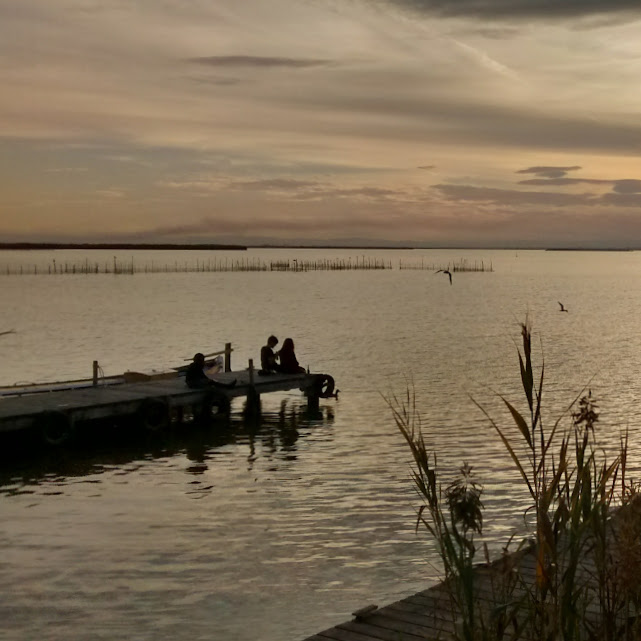
I have chosen to end this month’s Squares series with another visit to l’Albufera. It was there that I went on my last afternoon in Valencia some years ago. I’d gone to learn Spanish, for two weeks only, staying in the home of a Spanish woman who spoke no English – which was challenging, since I’d started my stay on Page One of the Spanish book provided by my language school. I’d had an exciting time exploring the city in my free time, but the experience was pretty full-on. A bus journey to nearby L’Albufera, a natural park set amongst lagoons seemed to offer a perfect last afternoon. And so it proved. I’ll never forget the sunset I enjoyed there, as one of a very few passengers on a lazily wandering boat, puttering gently through the reedbeds. It was renewing, transformative, and throughly reconstructed my somewhat battered mind.

Thank you Becky, thank you everyone who has contributed to this #SquaresRenewal. I’ve seen so many interesting, beautiful, thought-provoking posts: and all thanks to Becky, who after a long and understandable break has once more launched and managed this month of photos, fellowship and fun. Looking forward already to the next month of Squares

Still Life: a Gallimaufry

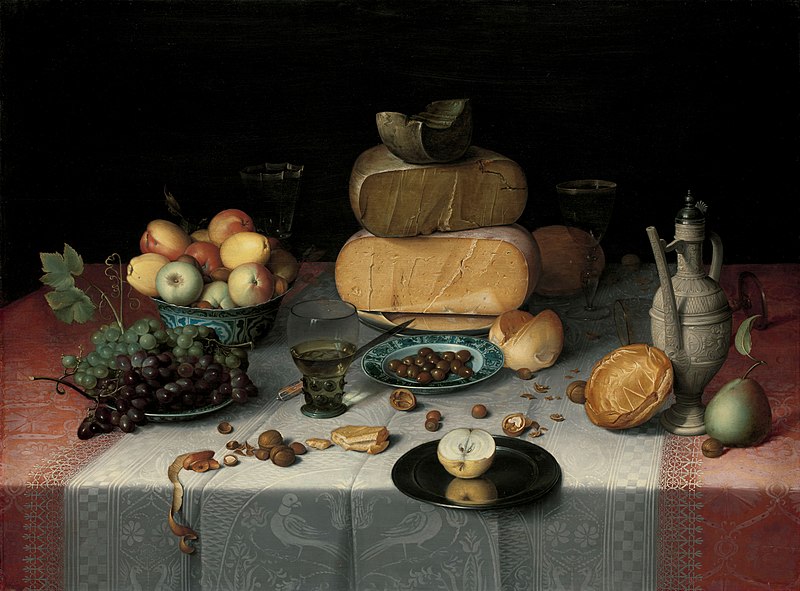
If I said ‘Still life‘ to you, I’d bet you’d immediately think of those ultra-realistic studies of fruits, cheeses and other good things cascading artfully from a shelf or plate in a painting by one of those 17th and 18th century Dutch painters who specialised in painting them. Like this, for instance, by Floris van Dijk in the Rijksmuseum:

Patti, who’s challenged us to produce still life images for this week’s Lens-Artists Challenge #246 isn’t going to be a bit impressed by anyone who blogs only about images of Old Masters whose work happens to be in the public domain. She wants our own efforts. We can compose them; or we can find them, the unselfconscious efforts of others which we’ve spotted, and seized, and made our own.

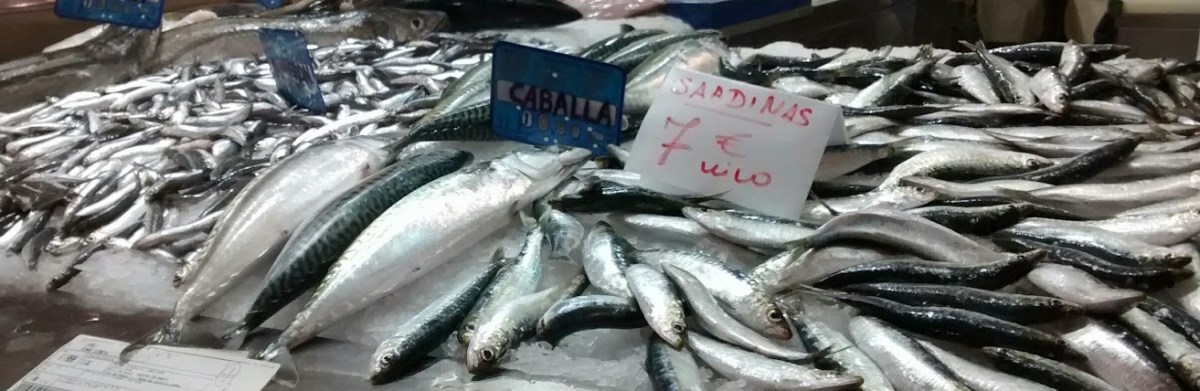
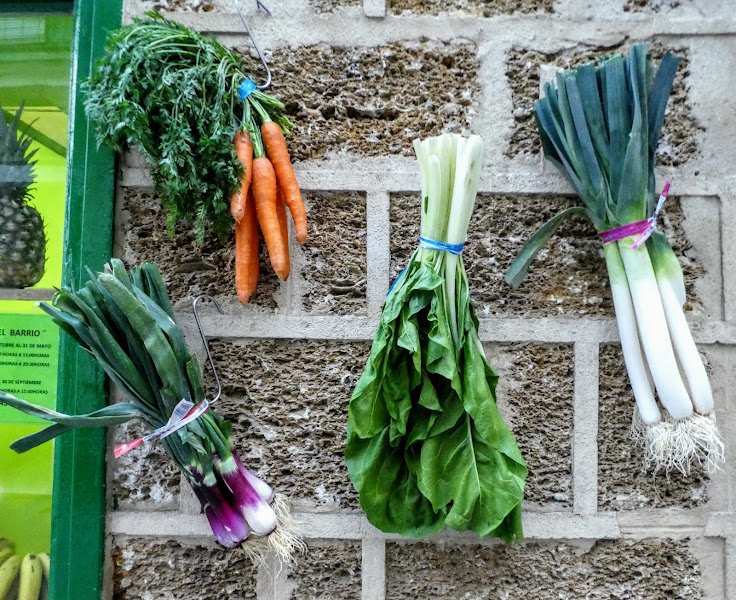
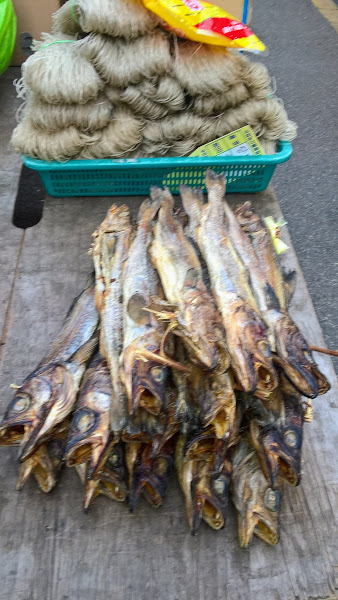
I’ve got a rag-bag of images for her. The fish stall in Valencia which is my feature photo. The marvellous greengrocer in Cádiz, who daily displayed on the wall outside his tiny shop a tableau of some of the goods he had to offer:

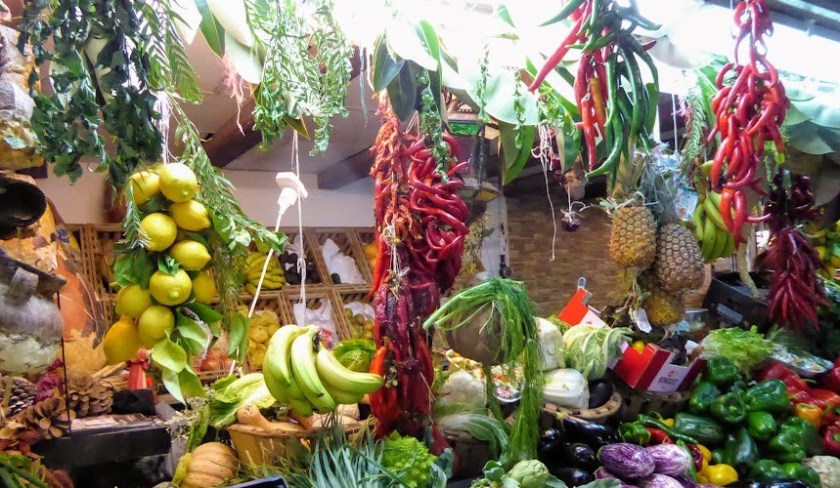
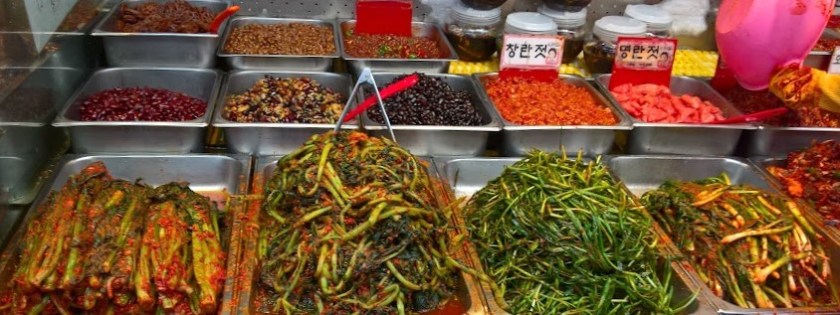
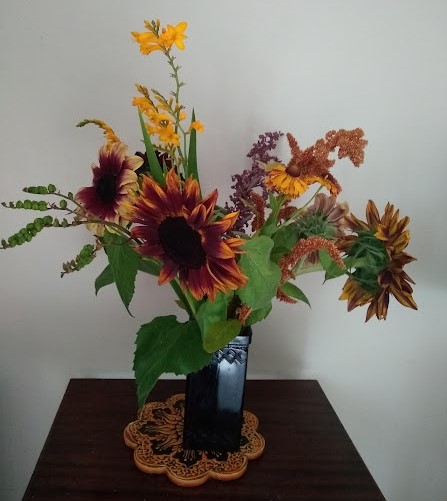
Fruit and veg. from Spain; fermented and pickled vegetables from South Korea; and dried fish from there too. As well as a vase of flowers from home. All these in homage to Dutch Old Masters.

Market in Alicante
Market in Busan

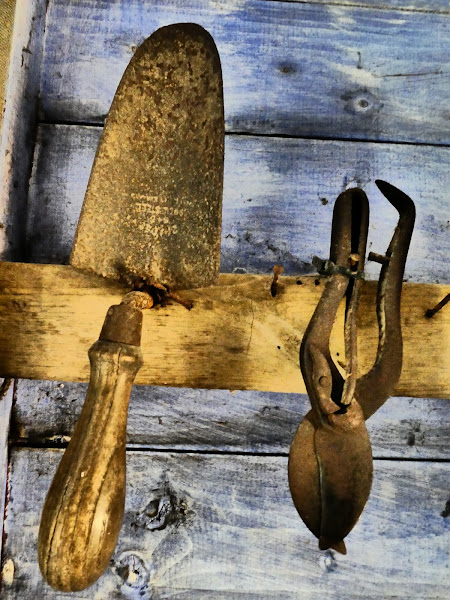
Harlow Carr Gardens in Harrogate, England has a display in an Edwardian gardener’s shed. I was rather taken by these rusted tools.

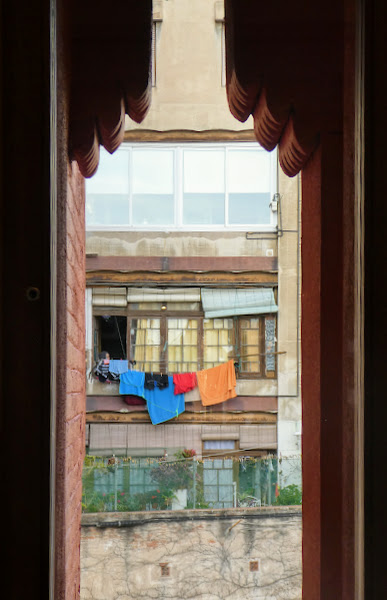
In Barcelona, temporarily totally ignoring all the wonders on display in Gaudi’s Casa Vicens, I glanced out of the window to see a washing line still life:

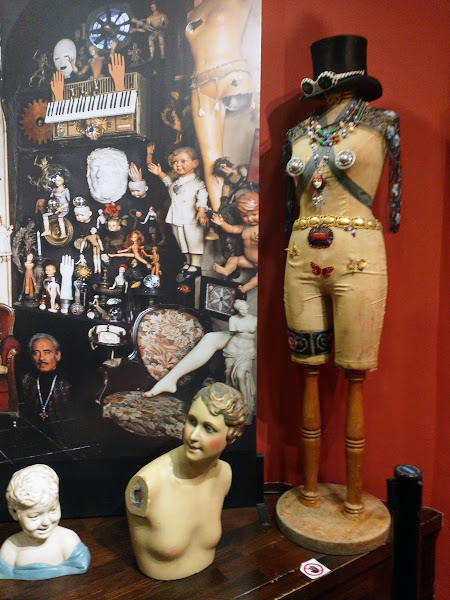
And only the other week, in Canet de Mar, Catalonia, in the museum dedicated to Lluis Domenech i Montaner (Note to self: get that post about him written), I found an extraordinary still life with which to finish this post: the ephemera gathered into the studio of early 20th century photographer Eugenie Forcano.

Well, Patti, I can’t speak for anyone else, but I’ve had a lot of fun. Thanks.

Perfect patterns

It’s been a busy week, and I’ve a feeling I shan’t be blogging again before Christmas, but I just had to have a go at posting a few photos for Ann-Christine’s Lens-Artists Challenge this week : Perfect Patterns. I’m going to let the images speak for themselves this time. We’ll have two galleries: man-made patterns, every one of them from Spain …

And now the natural world, not one of them from Spain, or indeed from outside the UK:

Click on any image to get its label: and only a label this time: no stories, no history, no nothing. Sorry!

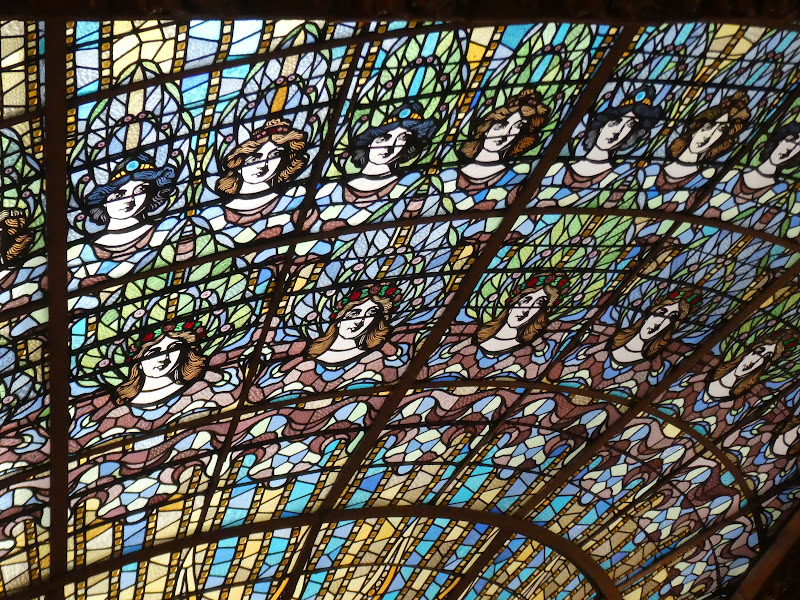
The featured image is a ceiling in the Palau de la Musica, Barcelona.

What have diagonal lines ever done for me?

That is the question posed by Patti, for this week’s Lens Artists’ Challenge #228. Well, not done for me exactly, but done for my photos. Have a photos diagonal lines invited us in, encouraged us to explore the picture, or to focus on some detail?

Let’s have a look, and have a bit of a trip out too.

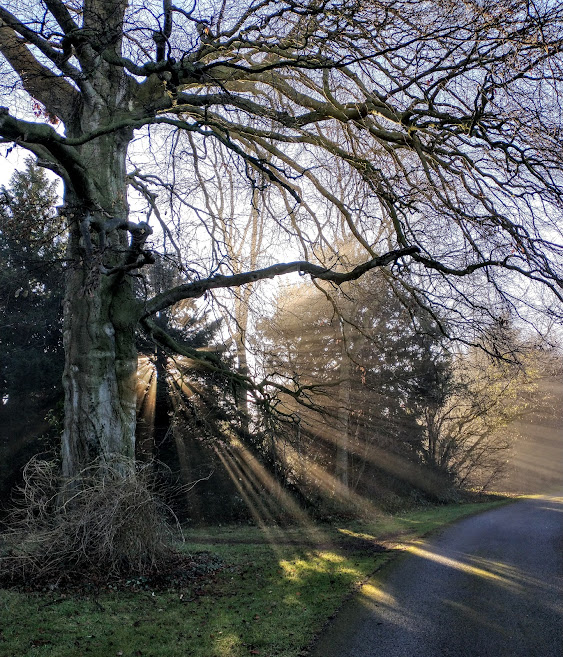
We’ll start off close to home, one cold wintry morning as I went to get the paper. Those rays of sunshine enlivened the scene, and my mood.

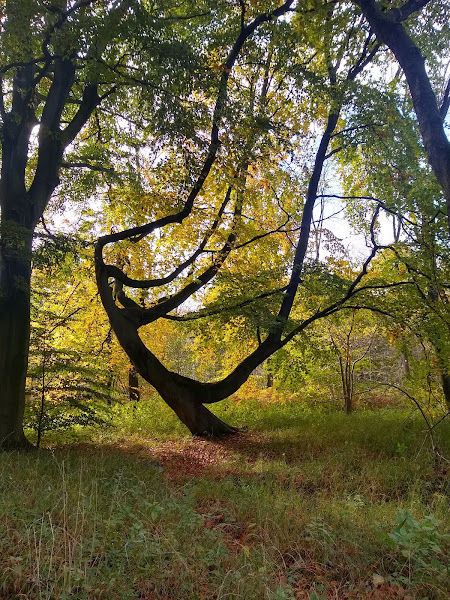
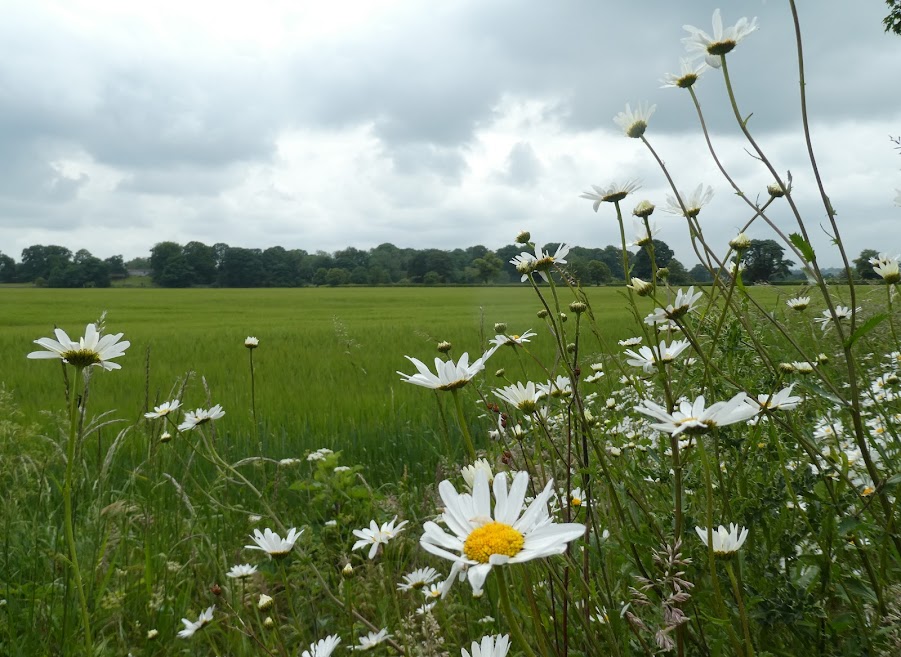
Here are two more, from just down the road. A tree which instead of reaching skywards, leans across the woods to demand a place centre-stage for the whole shot. And ox-eye daisies splicing the image in half, showing us there’s countryside, not a garden beyond.

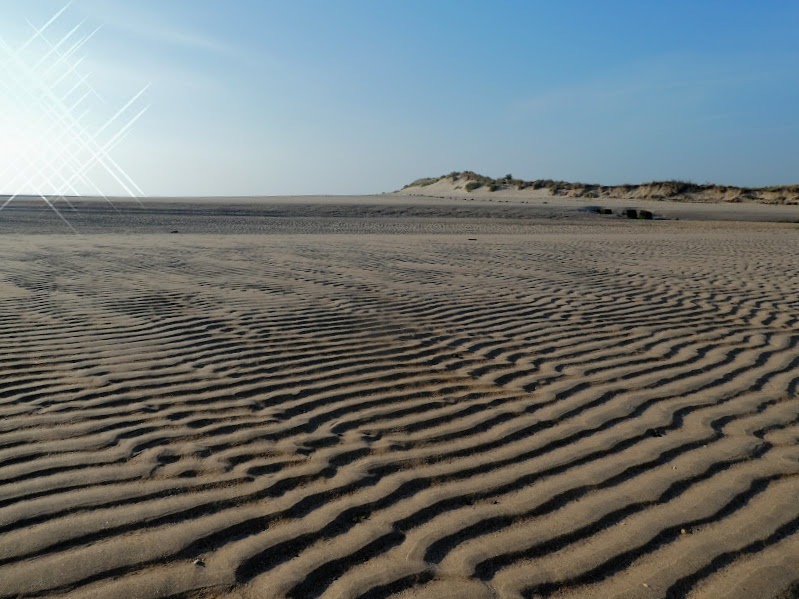
A trip to the seaside? Alnmouth in Northumbria?

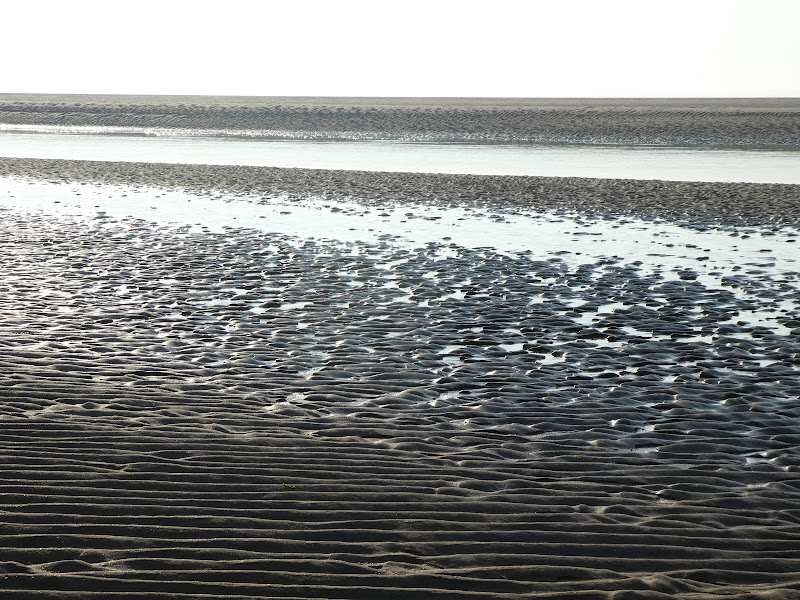
This quiet beach looks dramatic when the tide’s out.

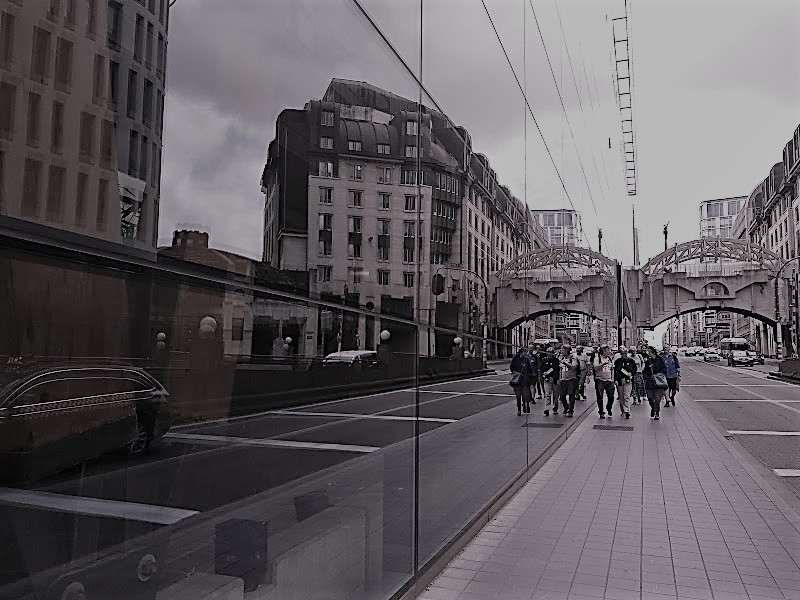
Brussels now. A bank of plate glass windows reflects the opposite side of the road to dramatic effect. Monochrome too, for Bren’s Mid-Week Monochrome.

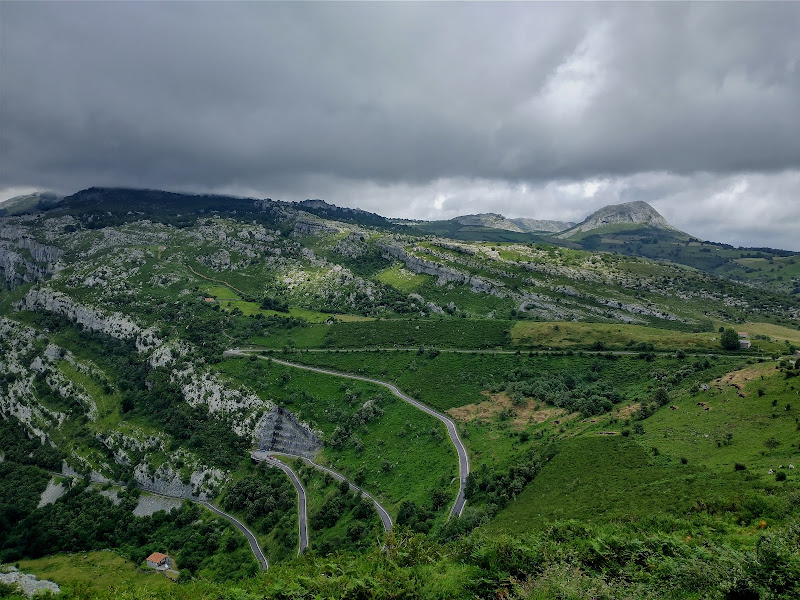
Off to Spain now. All those dizzy hairpin bends in Cantabria invite us to explore.

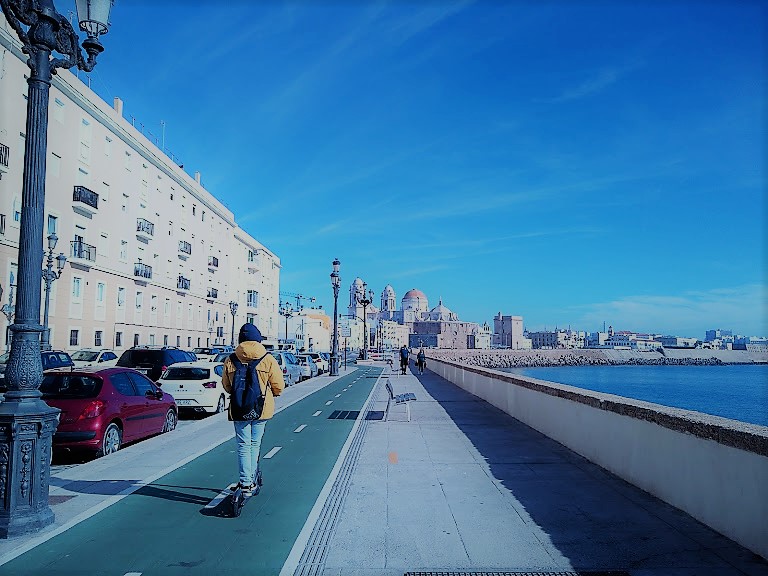
Then two more scenes – one from Cádiz, the other from Valencia. Those diagonals pull us in to explore the cathedral in one, the reflections in the other.

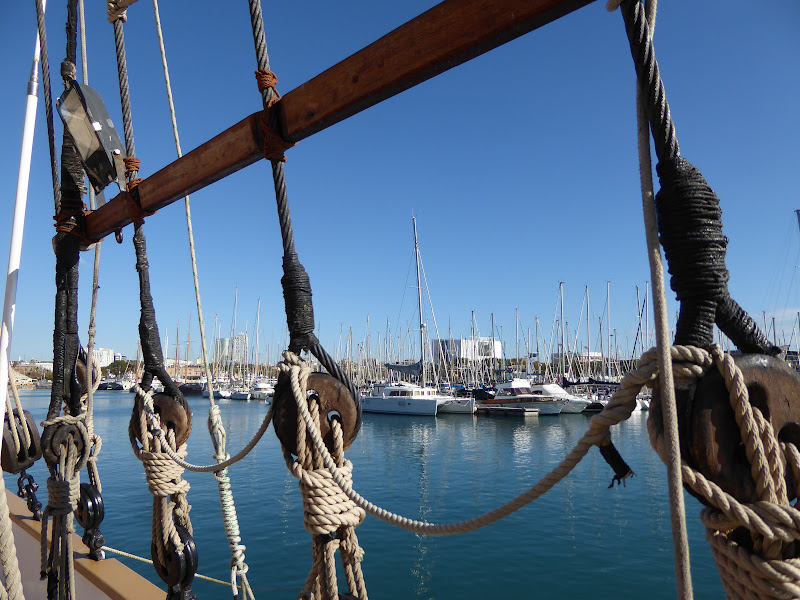
This shot, from Alicante, uses the ropes on a yacht as a frame for the scene beyond.

Alicante

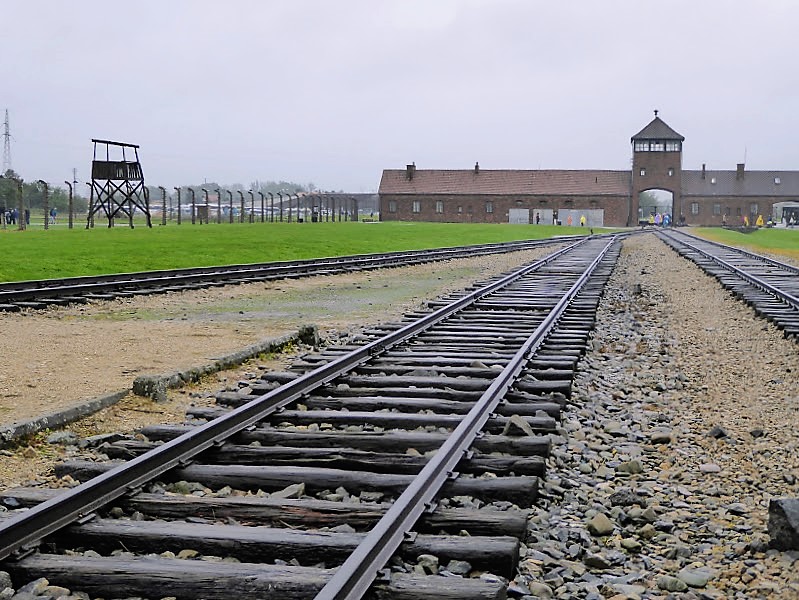
I’ve hesitated over whether to include this last shot in what is essentially a light-hearted post. But this photo – not a particularly original one as so many others have taken similar shots – has stayed with me. It’s Auschwitz-Birkenau concentration camp in Poland. These are the railway lines that brought so many thousands of Jews on their very last journey. I wrote about it here.

I decided on balance to include it, as the relative optimism I felt when I wrote that post five years ago has disappeared in the light of world events over the last couple of years: and we shouldn’t forget.

The Abstract Geometry of Valencia

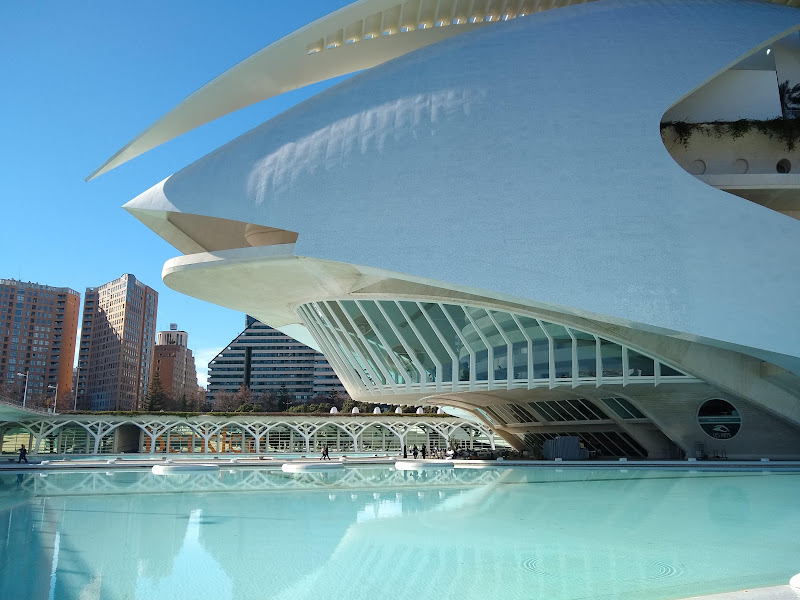
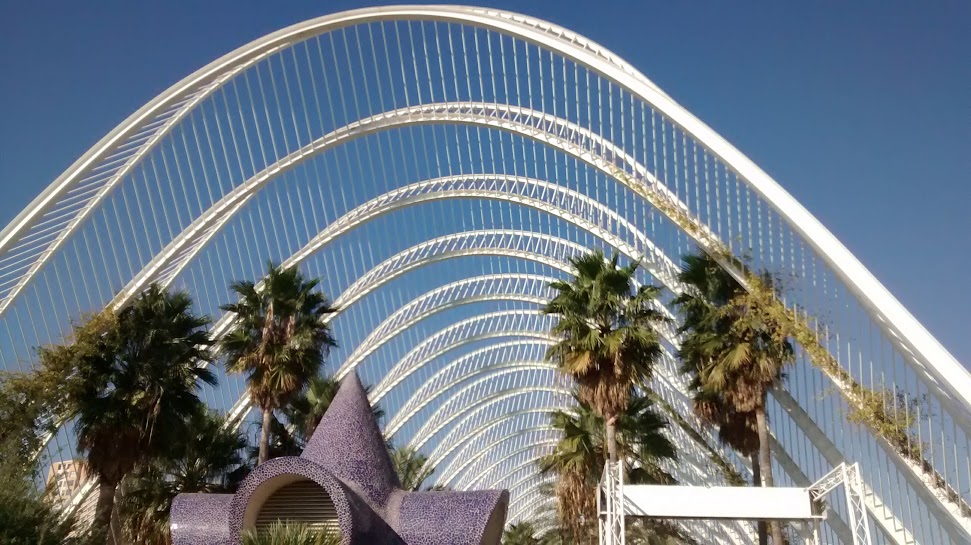
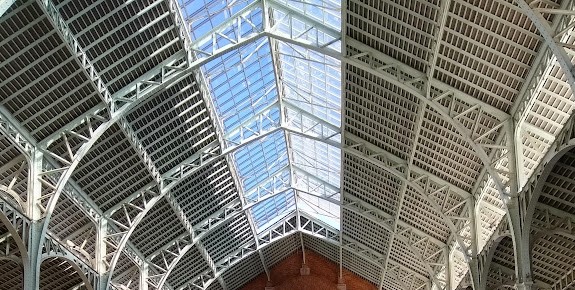
Team Spain is with us at the moment, so blogging and bloggers are taking a back seat. All the same, I’m going to take a virtual trip to Valencia, which we’ve often visited after being with the family near Barcelona. This time though, as requested by Amanda for a Friendly Friday challenge (collaborating with Frank at Beach Walk Reflections). I’m focussing on just a few of the shapes I’ve seen there.

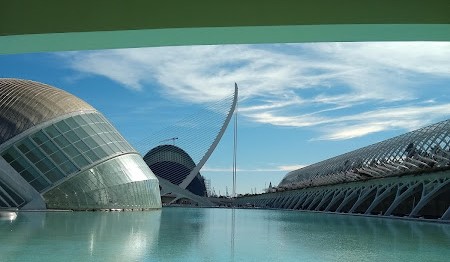
And where better to start than the futuristic Ciutat de les Arts i les Ciències?

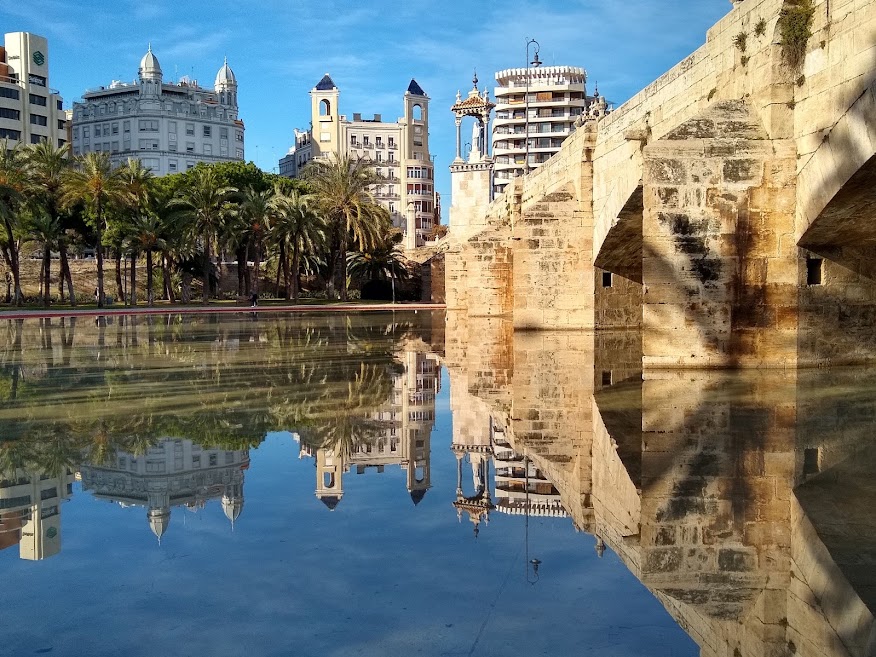
And quite nearby, in the Turia Gardens, you’ll find this bridge. which I highlighted recently. But this is a closer view.

Roof spaces: How about the Mercat de Colom? Or the so-very-different La Lonja – the old Silk Exchange?

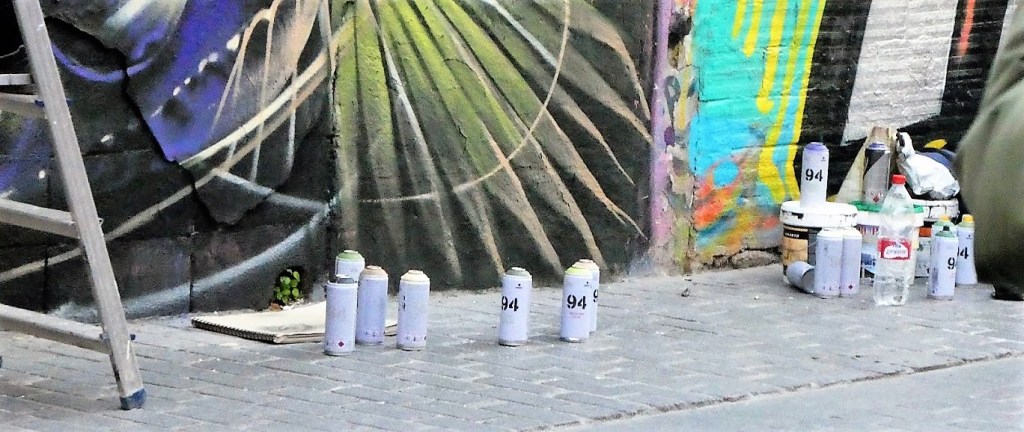
And let’s finish off with something that may no longer be visible. Valencia’s big on street art, but I liked the bold geometry of this piece under construction.

This is scarcely a Tourist Info Guide to Valencia: but it’s a glimpse of some of the places worth hunting for in any visit there.

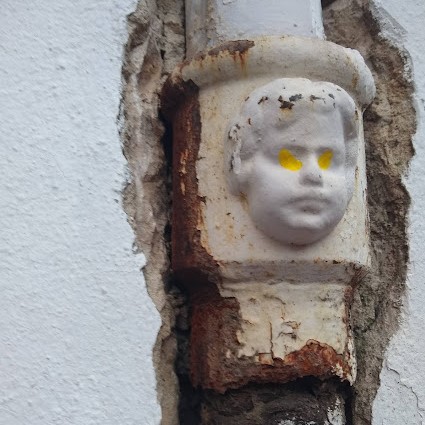
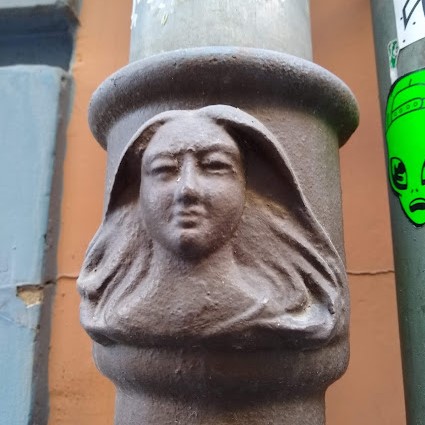
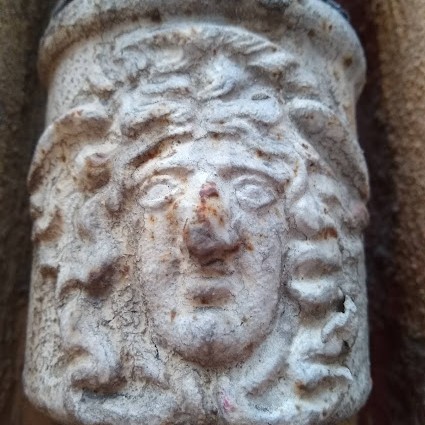
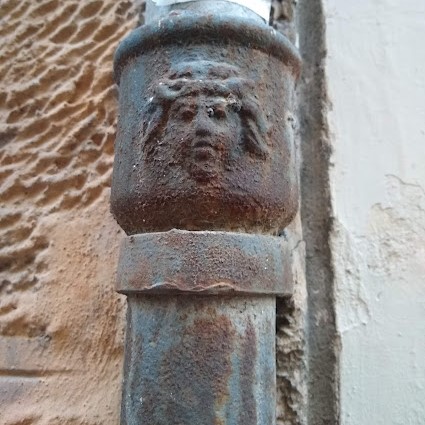
The oddly charming drainpipes of Valencia

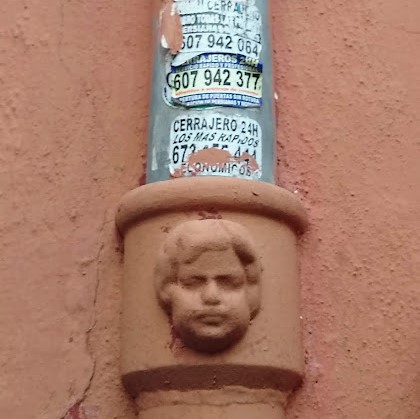
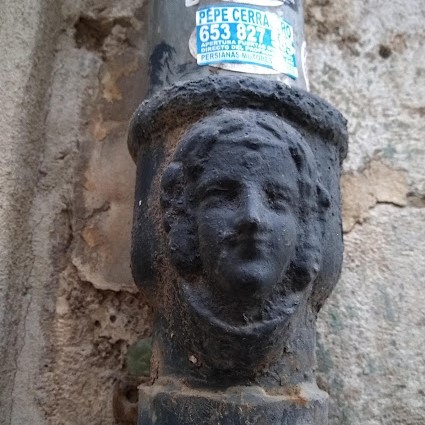
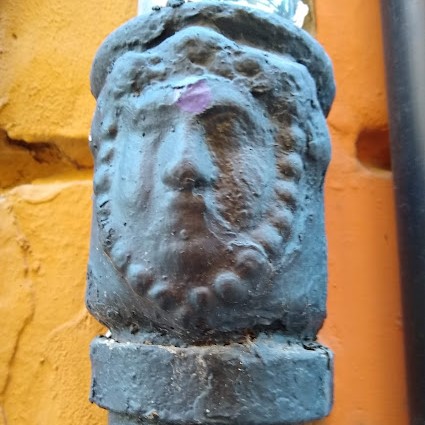
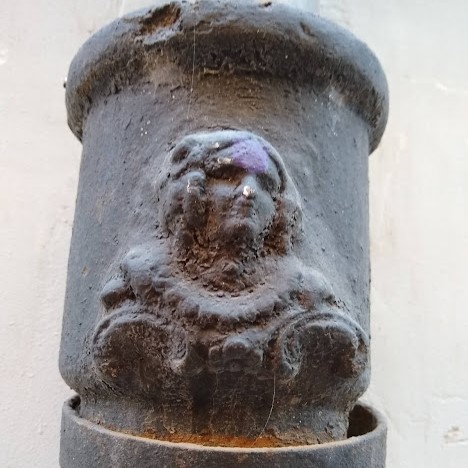
Mooching round Valencia old town, you may notice at roughly eye-height, little faces adorning the drainpipes. Quite what they’re for is in dispute: they may be the logos of local metalworks from the late nineteenth to early twentieth centuries, or they may be some kind of local tradition connected with warding off evil spirits. A few are fairly new, but mostly, they’re beginning to vanish as old and rusting fixtures and fittings disappear. It’s a shame, because these are charming: if a little odd.

For Becky’s Square Odds.

And Marsha’s Photographing Public Art Challenge #36

A Pair of Oddballs

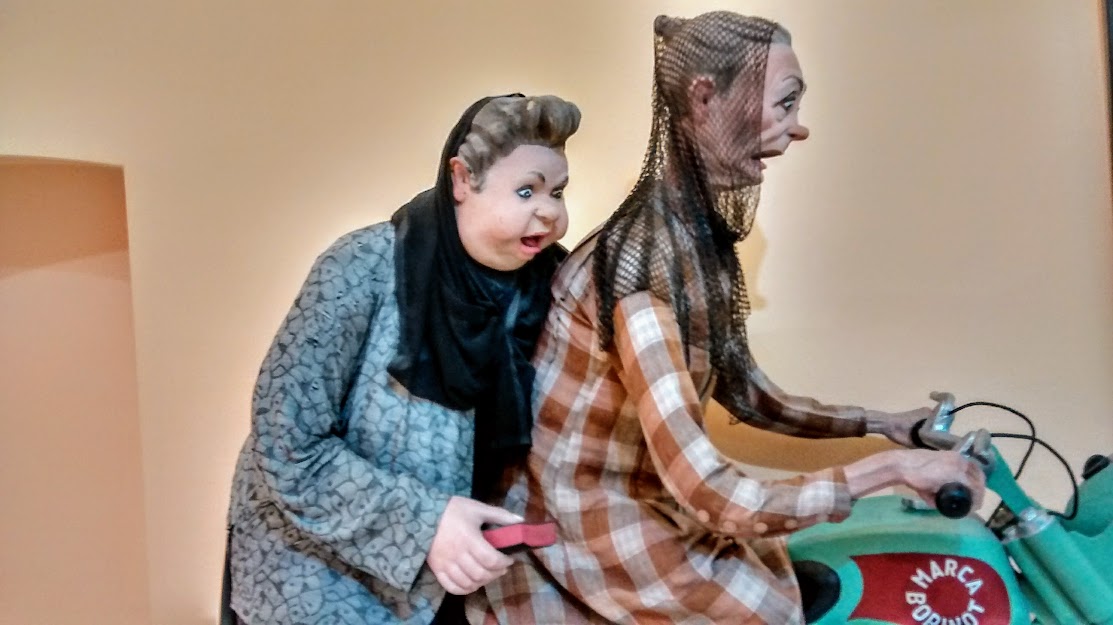
This year, it’s not too early to go to the fantastic street carnival, Las Fallas, which takes place in Valencia in February and March every year. You’ll find fanciful figures, fireworks and fun. But if travelling’s still tricky, we can join this pair of oddballs on their motorbike, whom I found a few years ago in the museum devoted to this special festival.

For Becky’s Square Odds

With thanks to Sue of Words Visual, for reminding me about this doughty pair of old crones,

Love your Library visits Valencia

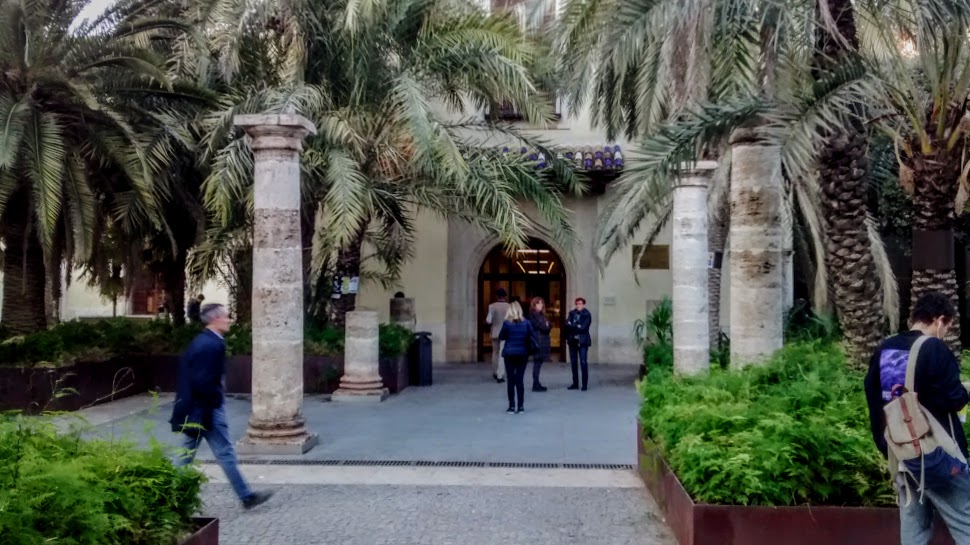
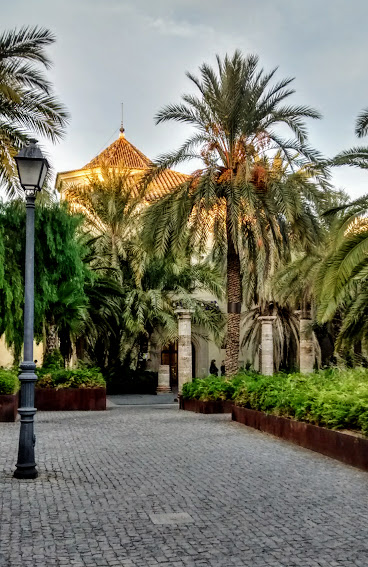
Walking down a busy main street in Valencia a few years ago, my eye was caught by a welcoming shady square. Through the palm trees I could glimpse a few columns – maybe Roman remains? and a steady stream of people drifting in and out of a handsome building.

Curious, I investigated. It was a library. The Central Public Library of Valencia. I went in.
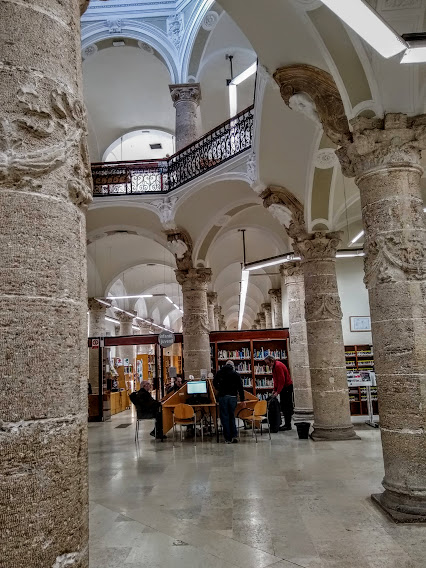
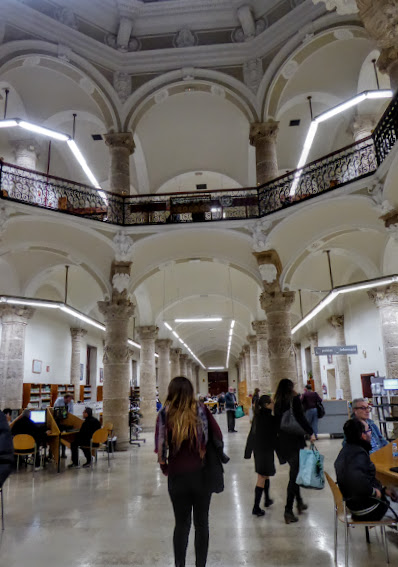
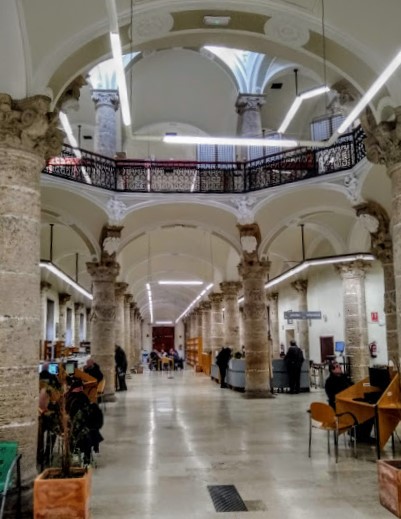
How spacious, airy, beautiful and welcoming it was! Later, I discovered that this building had once been the first psychiatric hospital in Europe, founded in 1409 as the initiative of one Friar Juan Gilabert Jofre, to care for the mentally ill. It was called Hospital de Folls de Santa María dels Pobres Innocents – the Hospital of the Poor Innocents. This actual building was begun in 1493, and was and is in the form of a Greek cross, which housed the different wings of the hospital. It added general hospital facilities in the 16th century and also suffered a destructive fire.

During the 1960s, hospital facilities were moved elsewhere in the city, and the authorities began the site’s demolition: the church, the pharmacy and old medical school are gone. There was an immense public outcry. What was left was saved, and the building retained and developed as a library and archive service. Those columns I saw outside are not Roman, but surplus to requirements when the building was redeveloped.
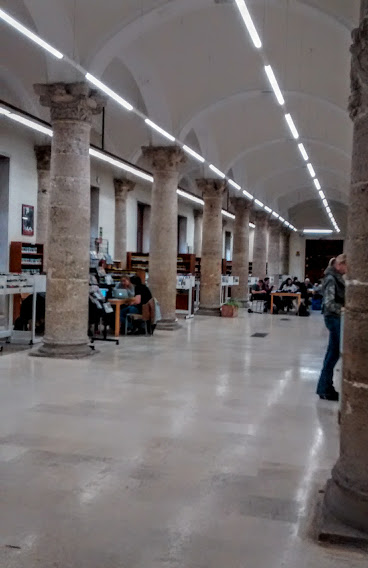
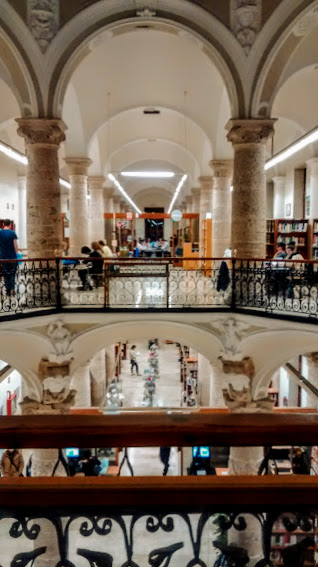
It’s a fabulous place. Not only is it a welcoming, light-filled and serene space, it’s a busy one. It’s right by two of the city’s universities, so study areas are busy with students as well as the general public. The collections seem vast: the English section, for both adults and children was well-stocked, At one point I sat down in the section devoted to newspapers and periodicals and browsed through recent copies of the Times and Sunday Times and some more academic publications in English. Of course other European nations were represented too. There were book groups advertised, including a monthly one for children in English (obviously aimed at Spanish children, rather than any resident English ones); an ‘introduction to philosophy’ group for children; reading groups for dissidents; for theatre-goers; for students of Valencia’s social history, as well as the usual more general ones; photography and cookery workshops; lectures (‘Football now and as it used to be’). I was beyond impressed. Here’s a gallery of this library community at work on one ordinary weekday afternoon – before the pandemic – I don’t know how it will have changed.

Meanwhile, what have I been reading this last month? Reviews for most of them will appear over the next few Six Degrees of Separation posts.

Fiction:

Gabriel Chevallier: Fear.⭐⭐⭐⭐⭐

Delphine de Vigan: Based on a True Story.⭐⭐⭐

Donna Leon: Beastly Things.⭐⭐⭐⭐⭐

Patricia Lockwood: No One is Talking About This.⭐⭐(abandoned)

Sakaya Murata: Convenience Store Woman.⭐⭐⭐⭐

Jane Smiley: The Strays of Paris.⭐⭐ (skim-read)

Sarah Winman: Still Life.⭐⭐⭐⭐⭐

Non Fiction

Allan Ahlberg: The Bucket⭐⭐⭐

Charlie Gilmour: Featherhood.⭐⭐⭐⭐

Ann Patty: Living with a Dead Language: My Romance with Latin.⭐⭐⭐

For Bookish Beck’s Love your Library.