Dumfries & Galloway is our new favourite place. We felt as though we’d discovered it and had it all to ourselves. We explored the wildly beautiful and seemingly remote Cairnsmore of Fleet National Natural Nature Reserve. We found ancient cairns. We slogged up hills for the sake of views over the Solway Firth. And we enjoyed the beaches. We’ll take a virtual seaside trip today: there’s not a fairground ride, amusement arcade or kiss-me-quick hat in sight. There’s not even a chippie. Just us, the rocky shore, and the sea, advancing or retreating with the tide.
Let’s begin at Mossyard Bay. I sent you a postcard from there just last Thursday.
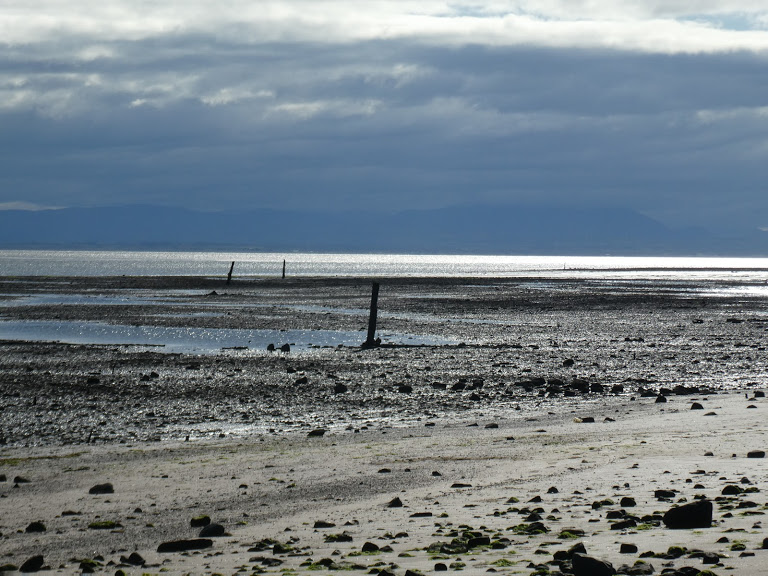
A rocky shore
So many shells.
The tide’s just gone out.
There’s sand as well as rock.
This seemingly ancient labyrinth was constructed in 1990 on a small island that develops every time the tide comes into Mossyard Bay.
Plants cling to any dry shard of rock.
Near Mutehill, Kirkudbright, early one morning.
Finally, Carsethorne, near Dumfries. It’s a small hamlet now, but it used to be a busy port, shipping people to Liverpool, to the Isle of Man and to Ireland on their way to a new life in the New World.
I love bleak. Typically rolling English countryside is lovely. And you can’t beat a verdant Daleside vista, criss-crossed with dry stone walls dividing its pastureland, its river along the valley floor edged with trees. But here in Yorkshire, every now and then, I have to have my fix of bleak.
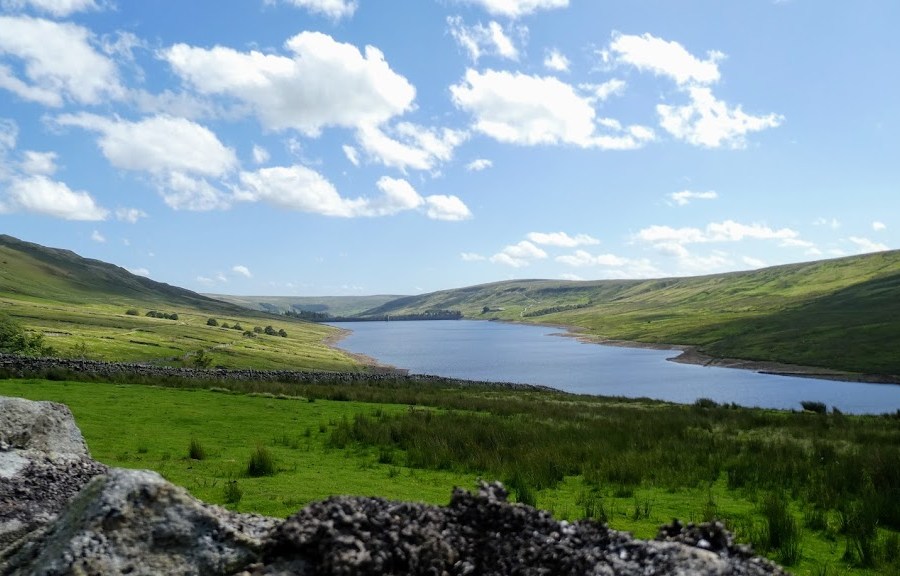
And one way to do this is to go over to Angram and Scar House reservoirs, both constructed in Nidderdale during the inter-war years last century, to provide water for the citizens of Bradford. Here are slopes, sculpted by long-gone streams and the often savage weather. These hillsides are covered in thin, tussocky grass – and not much else. Few trees. Few buildings – the odd hunting lodge or barn. But there are sheep, and birdlife too. One of our memories of walking here was once seeing a small meadow pipit struggling to feed ‘her’ baby, a cuckoo fledgling three times her size.
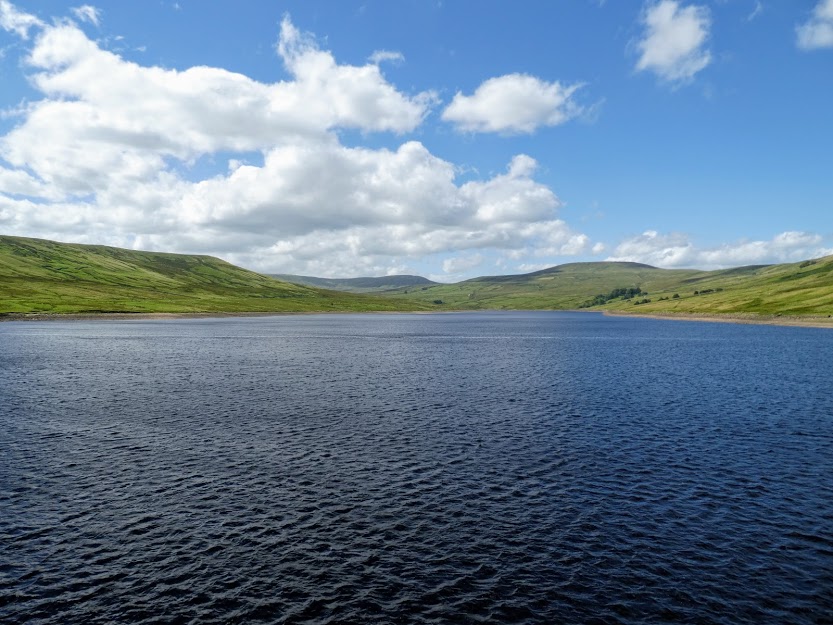
My friend Sandra and I went there this week. The day was perfect. Not too hot and not too cold. Briskly breezy. And as we arrived , the reservoir was as blue as we’ve ever seen it, almost cobalt in its intensity. We planned to walk our way round both reservoirs.
Scar House Reservoir
Which way though? Clockwise? Anti-clockwise? Sandra counselled clockwise, and Sandra won. That way, we’d get a slightly boring bit of track over and done with. We’d get the wind-in-our-faces over and done with. And most importantly, we’d get the squishier, less managed paths of Angram Reservoir over and done with.
It’s rained a lot lately, so walking round Angram involves some wet pathways. Not muddy, just paddleable. Juncus grass lining the route offered the odd springboard to drier grassy ground. But with water to right of us, bald barren hillside to left of us , the route is easy to see. And each reservoir terminates in a stout dam, each worthy of walk in its own right, and in Angram’s case, with water tumbling to its sister reservoir below.
Scar House Dam.
Angram Dam
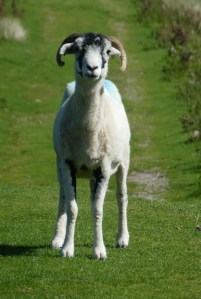
Finally we left our wet pathways behind, and joined the springier drier turf pathways of Scar House Reservoir where sheep kept us company.
But even though we knew from the car park that we weren’t alone, we felt that this particular expanse of hillside, sky and water was ours and only ours for the six and a half mile walk in the middle of nowhere.
Just look at that. Twelve words. I have to weave those twelve random words into a single poem.
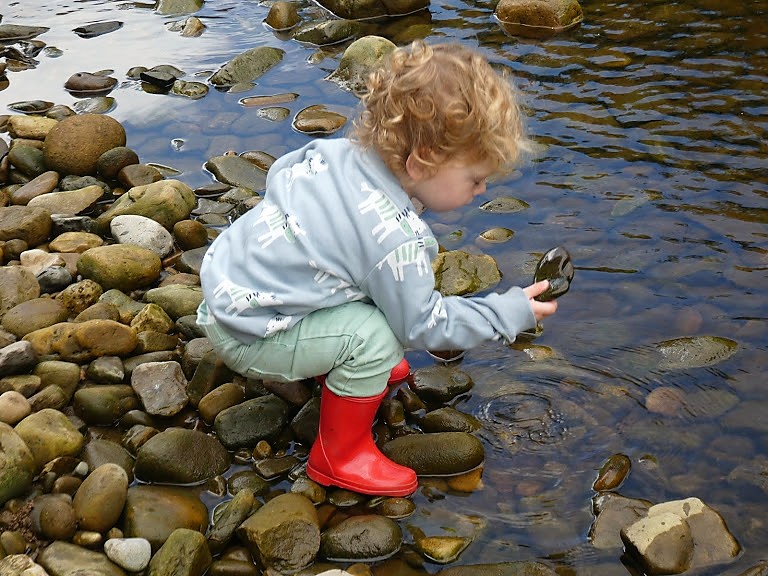
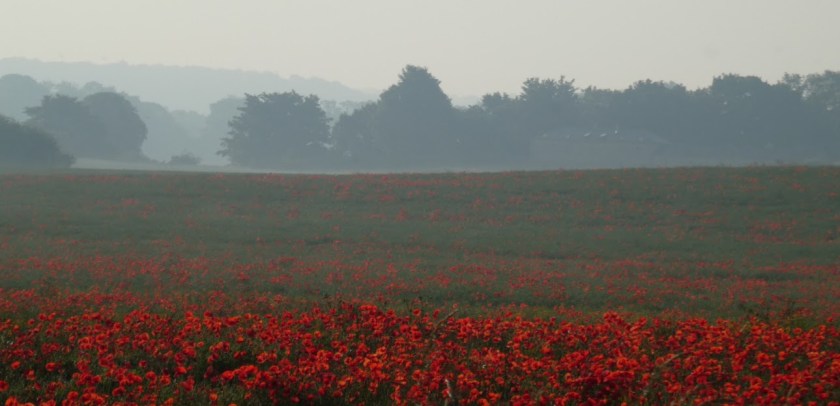
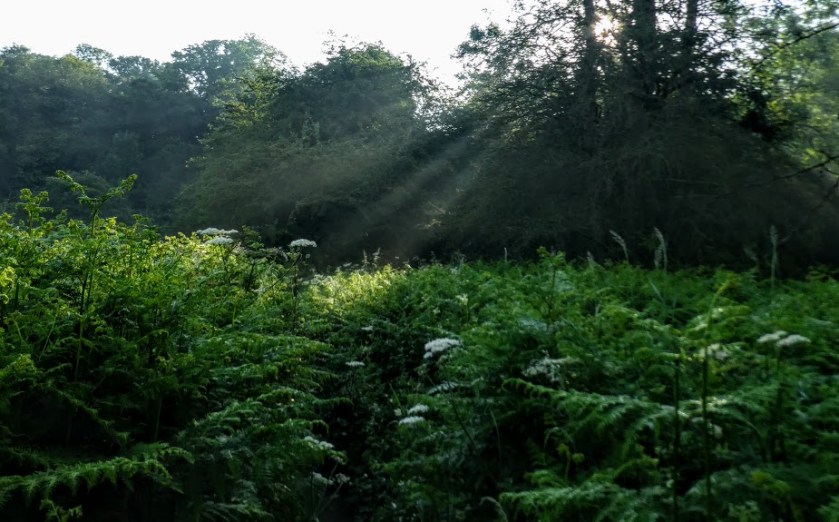
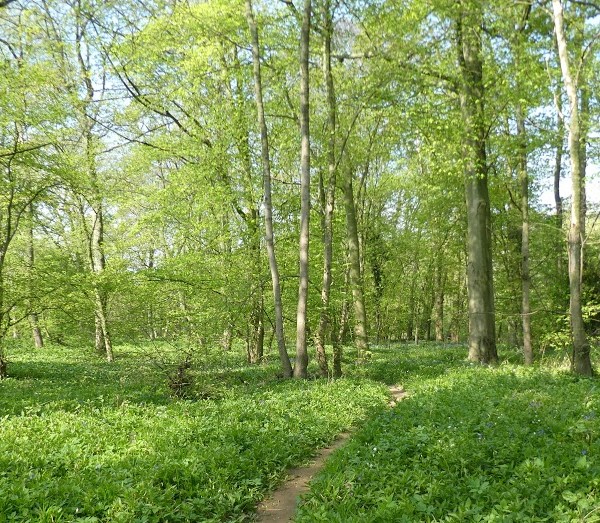
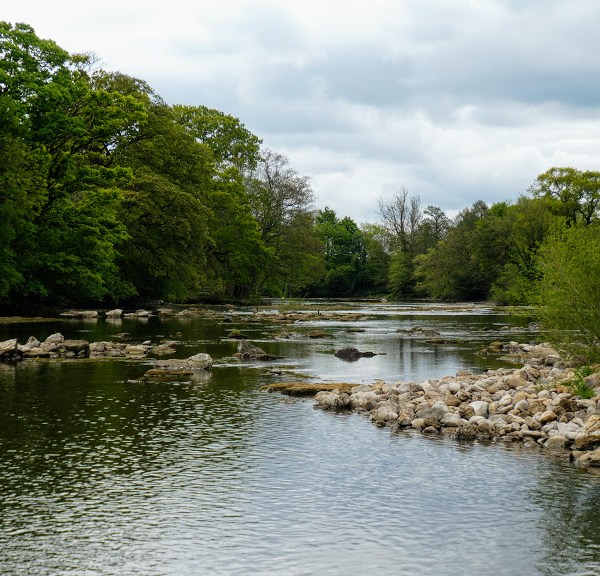
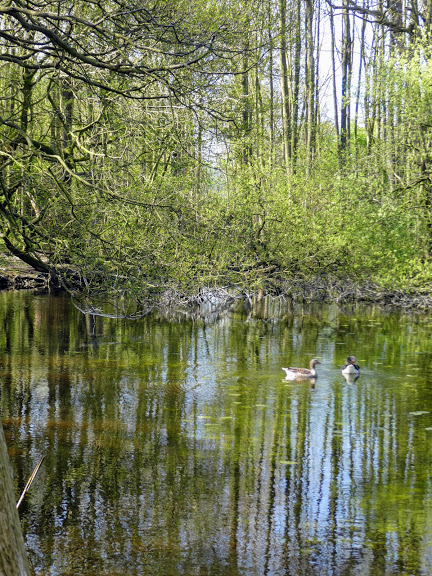
Our U3A writing group is one of the few things that’s continued throughout lockdown. It’s a positive activity at a somewhat negative time. But what CAN you do with a list like that? This, it turns out. I’m not too displeased. And here too are a few photos to illustrate the day.














You must be logged in to post a comment.