I only finished off our Simnel Cake yesterday, traditionally decorated with almond paste and eleven eggs – one for each of Jesus’ disciples, but excluding Judas, who betrayed him – then lightly toasted. Sadly, we can’t actually share it with anyone this year, but please enjoy a Virtual Slice.
It’s time to play Six Degrees of Separation again. Those of us who join this challenge start with the book for the month, and see what books suggest themselves to us as links in a chain leading away from the original. You can bet that not one single participant will have made the same choices as you. That’s what makes it so interesting.
The starting point this month is Douglas Stuart’s Shuggie Bain. This compelling and uncomfortable book, set in a Glasgow brought low by Thatcherism in the 1980s is the story of a single family. More particularly it’s the story of Agnes Bain and one of her sons Shuggie. It’s the story of living in inferior housing, surrounded by inadequate or non-existent facilities and schooling. It’s the story of one woman’s descent into alcoholism, and the profound effects this has on her own life and that of her family. I was fully involved in this book, unable to leave it unread. At the same time, it left me feeling depressed and impotent, and I think it’s a testimony to the quality of the writing that it involved and affected me so deeply.
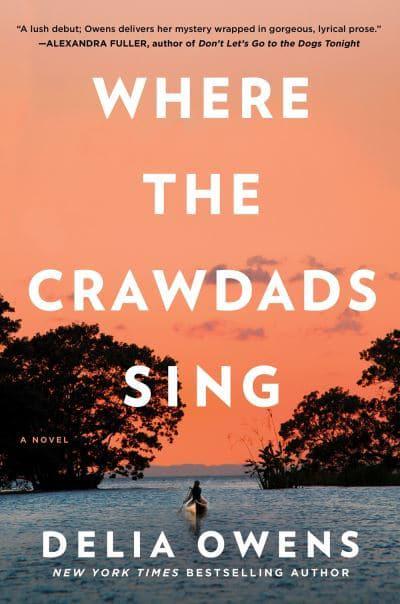
Delia Owens’ Where the Crawdads Sing is about another young inadequately parented loner. The perfect novel? Perhaps. It’s got something for everyone: a coming-of-age story about a young friendless girl, Kya, abandoned by her family and siblings, who has to make her own way in the world as ‘Marsh girl’, living in a shack on the shoreline. It’s a mystery story. Though this element unfolds slowly, once it developed, it had me gripped until the very last page. It’s beautifully evocative nature writing too, informed yet lyrical, capturing the soul of a North Carolina marshland shoreline rich in bird and other wildlife.
Carolina coastline: Omar Roque, Unsplash
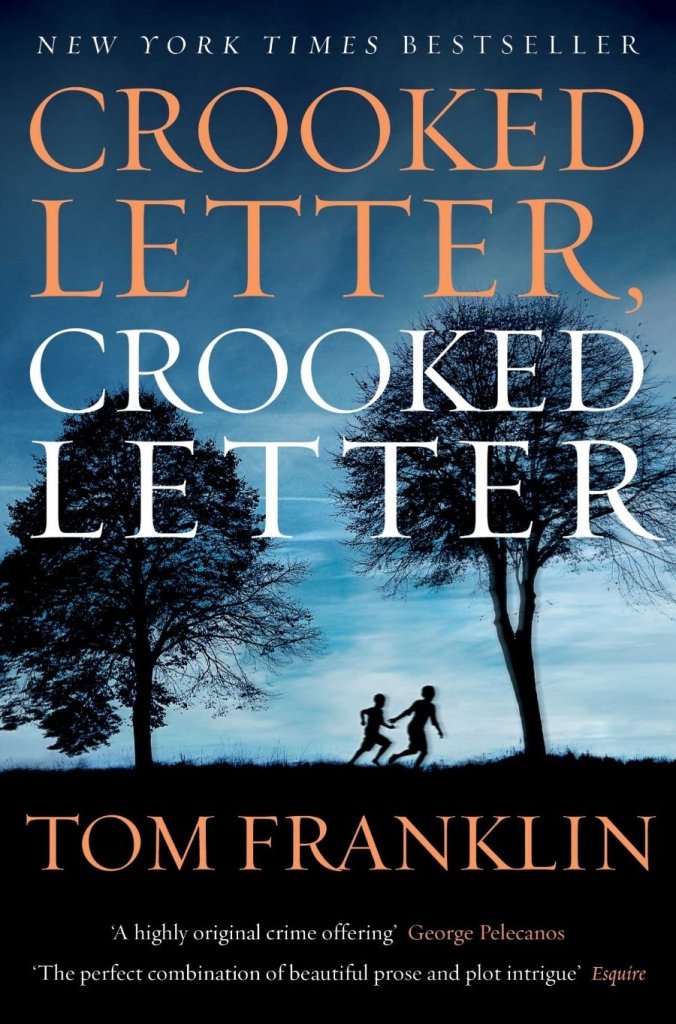
Another loner. Crooked Letter, Crooked Letter by Tom Franklin is set in small town Mississippi. Larry, who’s white, and Silas, who’s black become friends against the odds in a community where such relationships are not so much frowned upon as simply not even thought of. The relationship sours, the boys become teenagers, and misfit Larry, again against the odds, gets a date. He takes the girl out, and she is never seen again. Nothing is ever proved against Larry, but from this moment, this loner becomes quite simply ostracised, and lives a life of complete solitude, taking comfort from his compulsive reading habit. Silas becomes a police officer, and the years pass. What happens next? You’ll have to read it to find out. This is a convincing read, and one with an unerring ear for dialogue. I loved it.
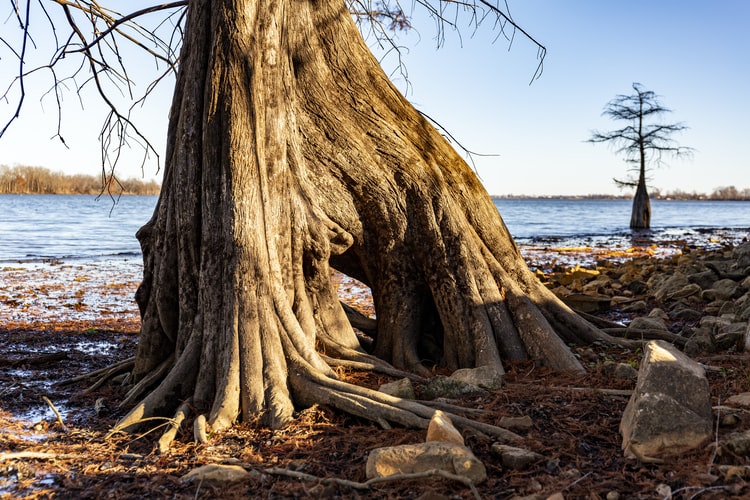
Eagle Lake, Mississippi: Justin Wilkens, Unplash
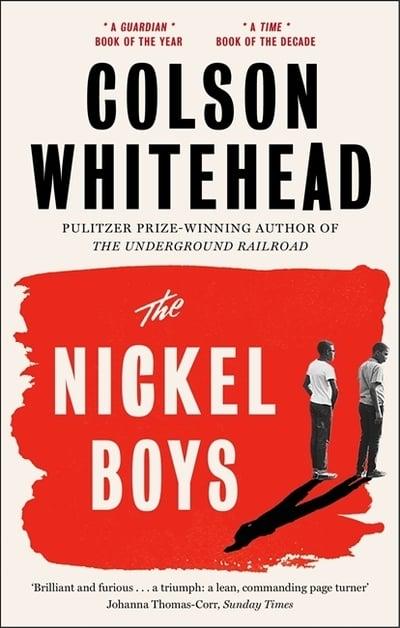
Living a life under suspicion leads me to The Nickel Boys, by Colson Whitehead, a tautly-written account of one black boy’s experience of reform school in segregated 1960s America. Bright, studious Elwood Curtis finds himself there, having been in the wrong place at the wrong time. Its cruelties and injustices, the differences between the experiences of black boys and white boys incarcerated at the Nickel Academy are always understated, never dwelt on. A few characters apart from Elwood’s are developed, but the strength of the story derives from its understating the horrors of the system it describes. The central premise is that racism was so endemic it wasn’t even recognised as such. It’s all very well resolving to be good, keep your head down and play the system, but nobody can work out how to do this. A thoughtful book, with an impact that remains long after the last page has been turned.
Dormitory at the Dozier School, on which the Nickel Academy was based: Photo courtesy of CBS News
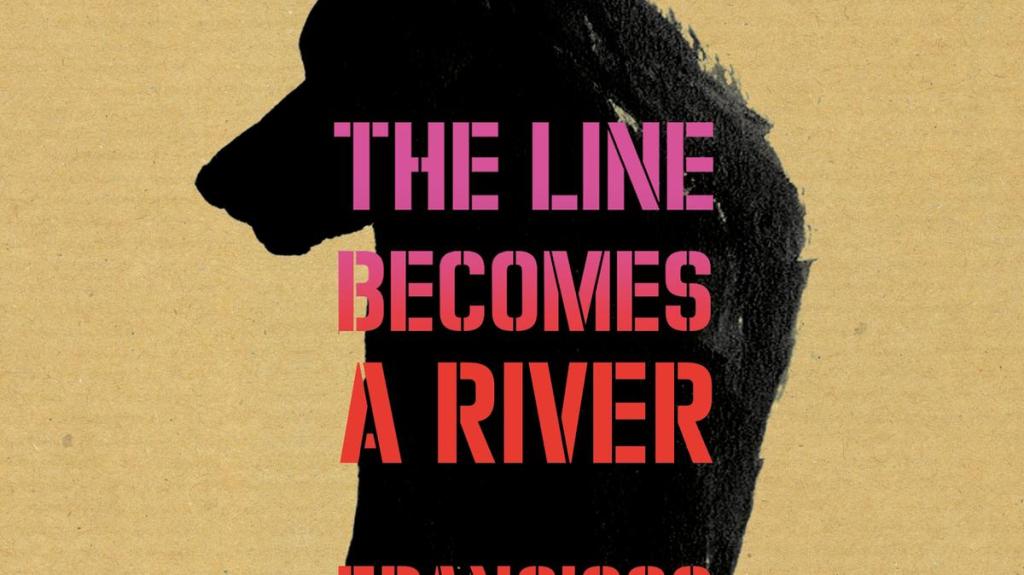
There’s law enforcement of a different kind in The Line Becomes a River. Francisco Cantú was a U.S. Border Patrol agent in Arizona and Texas for four years. He stalked, captured and processed those Mexican citizens seeking a new life in the US. A few were criminal. Most weren’t. Cantú was good at his job, but it stressed him beyond measure. Eventually he quit to return to an academic life. It was then, funding himself by his job as a barista that he met an illegal immigrant, José Martínez, a diligent, God-fearing family man who had been with his family in the US for decades:. This man returned to Mexico to see his dying mother. And could not get back. Cantú and many others fought unceasingly to have him released to his family in America. For Cantú the battle was a way of seeking absolution, as he now saw it, for his four year career in inhumanity. Stuck in Mexico, unable to see or communicate with his wife and three sons, Martinez tries repeatedly to cross the border in attempts which he knows may result in his losing his life. By the end of the book, he has not succeeded.
Border fence: Greg Bulla, Unsplash
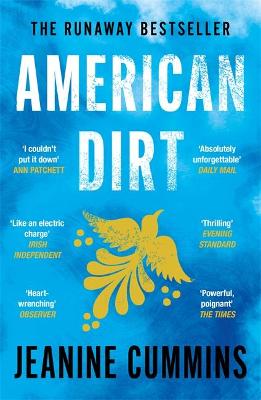
It’s an obvious leap from Cantú’s book to American Dirt, by Jeanine Cummins. This is a compellingly readable account of how even a comfortably middle-class family from Acapulco – journalist husband, bookshop-owning wife Lydia, eight year old Luca – can have their lives thrown into complete disarray. Lydia and Luca become migrants seeking safety in the United States after their entire extended family is murdered. And in their flight, they discover that their education, their money brings no extra privileges. Their day to day struggles to reach el norte are as real as those of the least privileged migrant. I understand that the book has raised controversy in the Latino community: that many feel the characters are stereotypes, the plot little better than disaster porn. I’m not qualified to judge. But it did open my eyes to the difficulties faced by those who make the dangerous journey despite the odds stacked against them, and this vividly told story has engaged my interest in a way that more serious and informed journalism might not have done. I’m more likely now to want to know more.
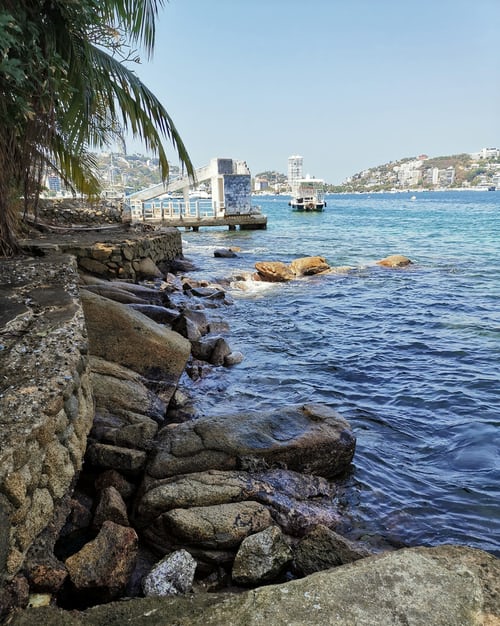
Acapulco – Four Loco, Unsplash
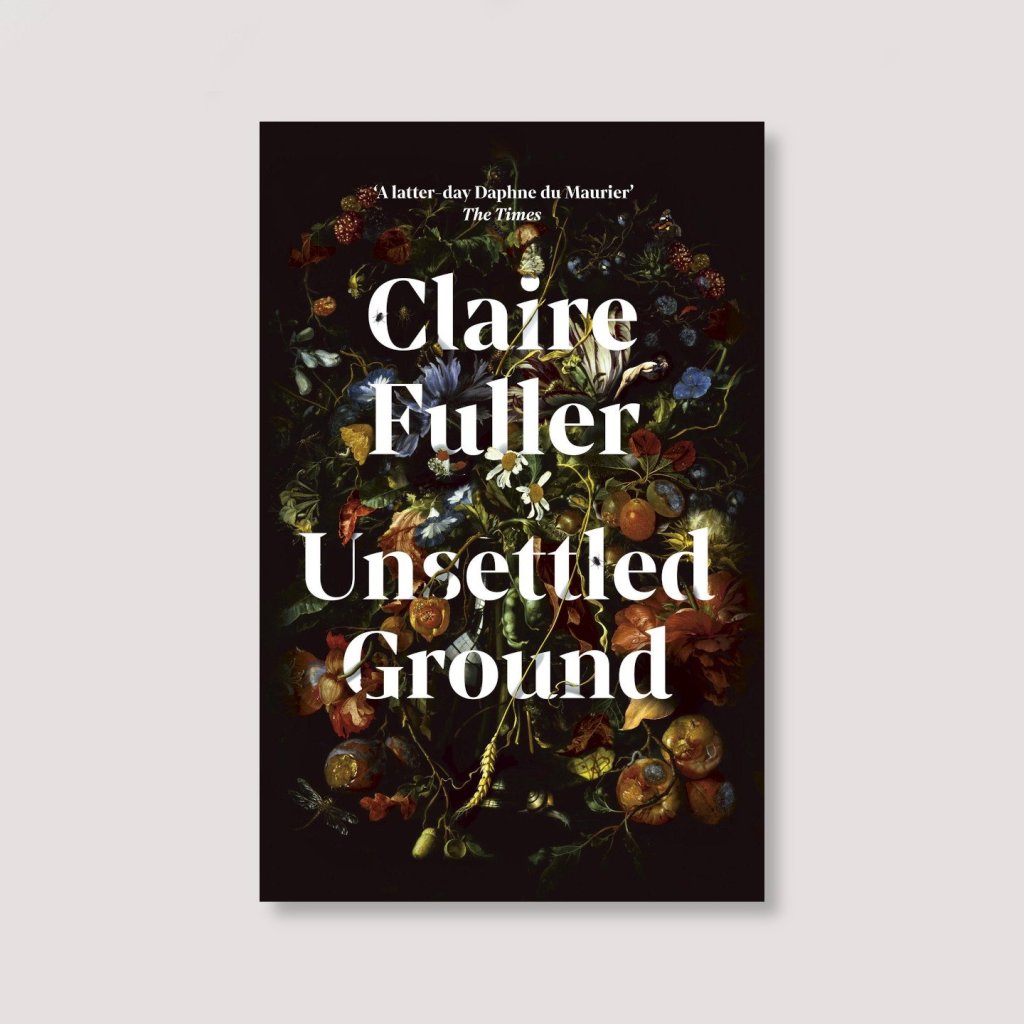
Let’s finish with a book I’ve just this week finished, as it too deals with a pair at real risk of being dispossessed of what they thought they had: Claire Fuller‘s Unsettled Ground. 51 year old twins Jennie and Julius Seeder have always lived with their mother, largely self-sufficient and in some seclusion at the edge of a village. Then their mother dies, and their lives slowly fall apart. Their poverty, their unworldliness and reluctance to fit in with an ordinary 21st century existence leaves them exposed to the fragility of their way of life. Only their talent for, and love of music links them to moments of being carefree, and to a wider world. Here is a book about family secrets, about threats which seem overwhelming to such an unworldly pair; about poverty so constricting that impossible choices have to be made at the village shop; about friendships old and new and about the limitations imposed by lack of education and unworldliness. An involving and satisfying narrative.
Markus Spiske, Unsplash
I don’t seem to have made a cheerful chain for this Easter weekend. Every one of these books is well-worth reading. Just … not one after the other.
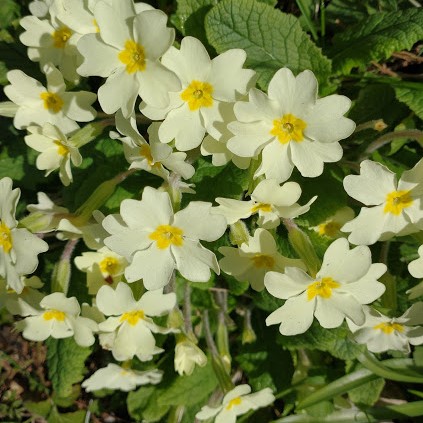
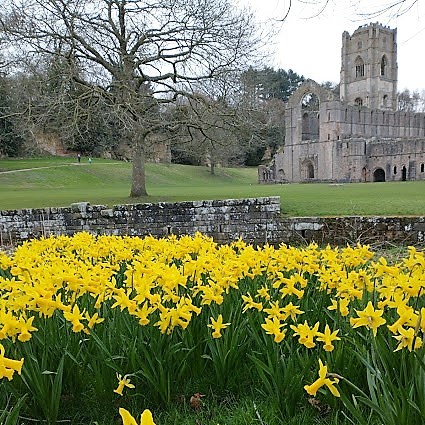
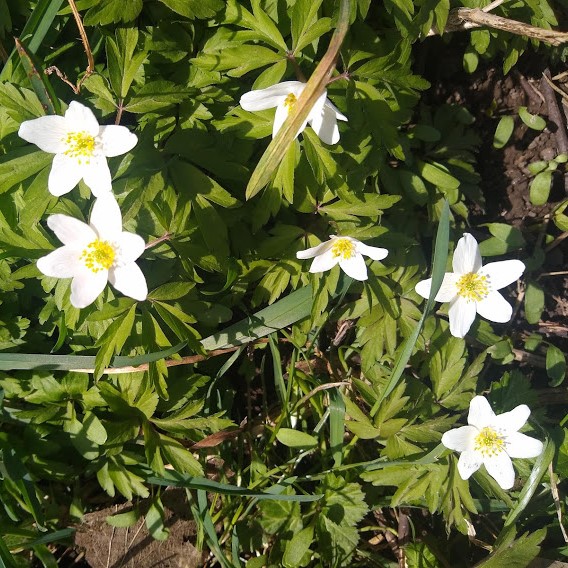
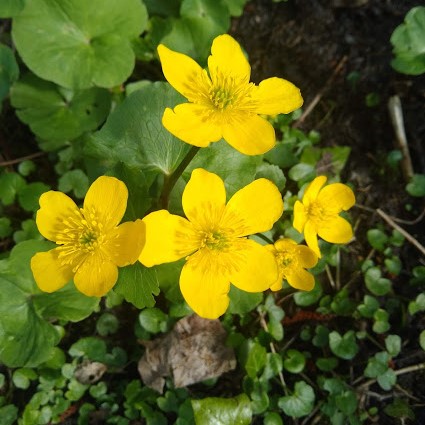
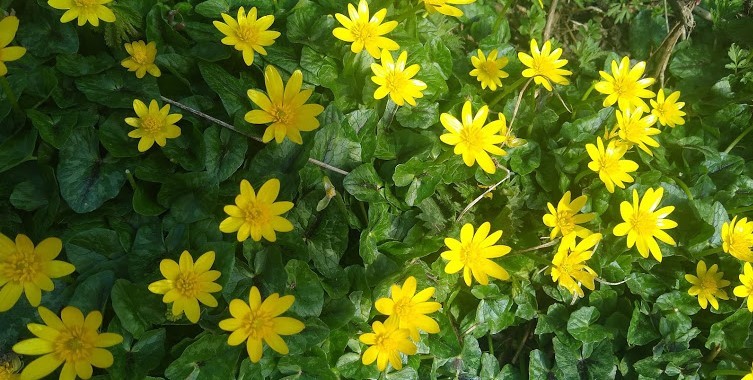
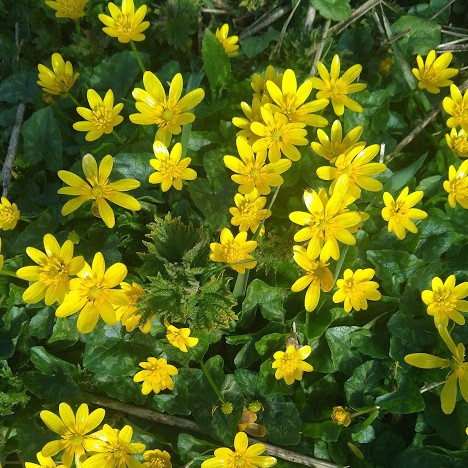
March was a month like every other since last March, in that every day, I walked. March was a month like no other – except perhaps last March – because spring arrived. And that’s what I’ll celebrate here, in a simple photo gallery that shows the last of the snowdrops, the first of the blackthorn: and all stops in between via primroses and first daffodils and clematis (in the featured photo) and wood anemones and kingcups and cherry blossom.
Last of the snowdrops on the Ripon Rowel
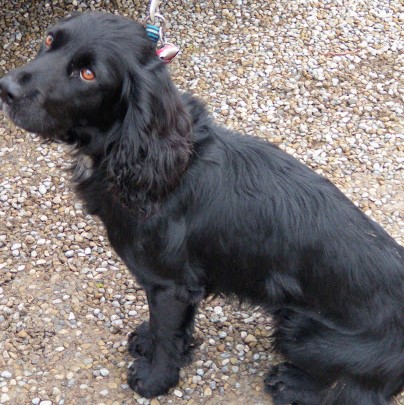
I made a new friend in March, Monty, and he is my Virtual Dog in April. He’ll make sure I’m out whatever the weather. He’ll make sure I work towards my walking goal of 500 miles before June. Actually, ahem, I should make it. I’m on 425 miles now. Which probably means that Monty is on 1000 at least.
Bright as a button Monty, who walks or runs four miles at least to every one any human ever manages.
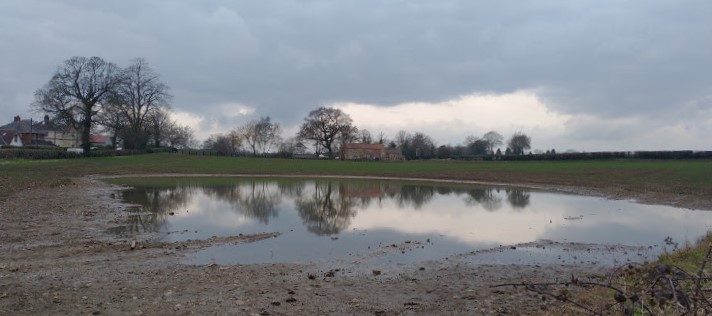
Here are some of the landscapes I explored. There’s still a lot of mud around. And we don’t have as many lakes and ponds as you might think. They’re just Super-Puddles.
These images are all taken with my not-so-very-smart phone. Just click on any images that you want to see full size. This March showcase is for Su Leslie’s Changing Seasons. All the flower shots – and indeed Monty – qualify as Bright Squares. Another multi-tasking post.
A bright start to Becky’s BrightSquare Challenge. And as it happens, my very last photo in March, for Brian-the-Bushboy’s Last on the Card Challenge (but I did have to edit it into a square)
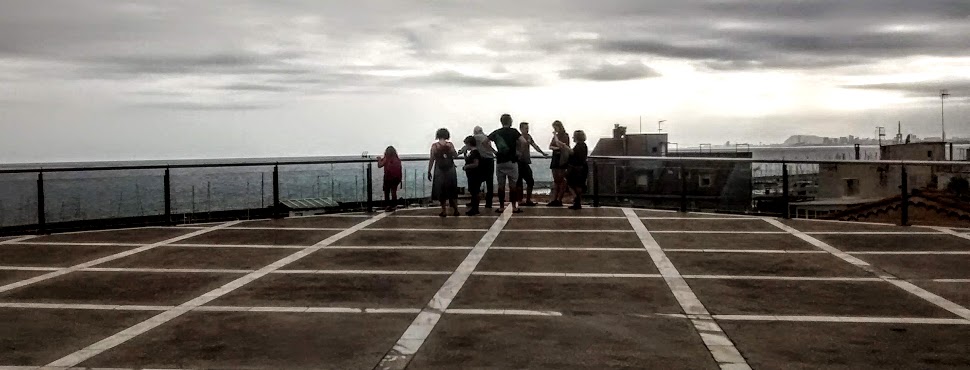
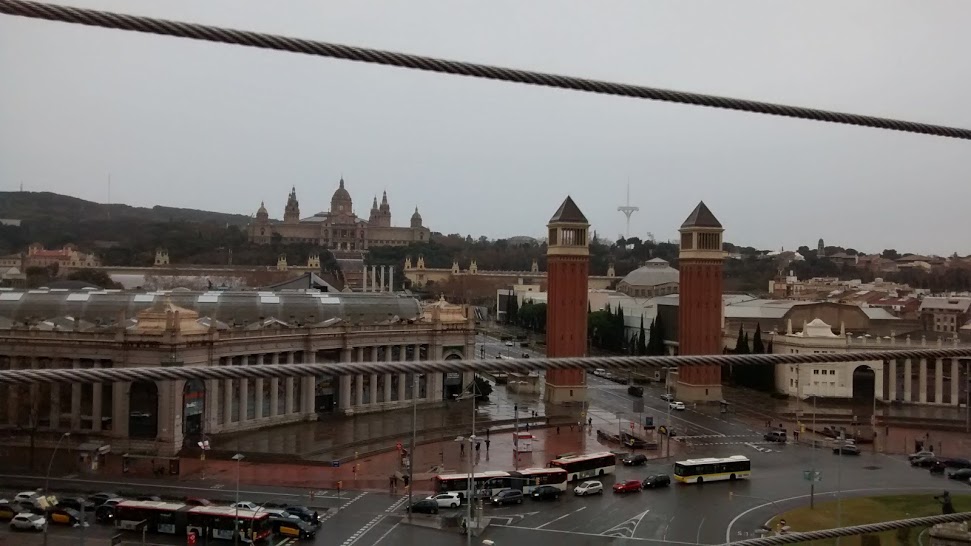
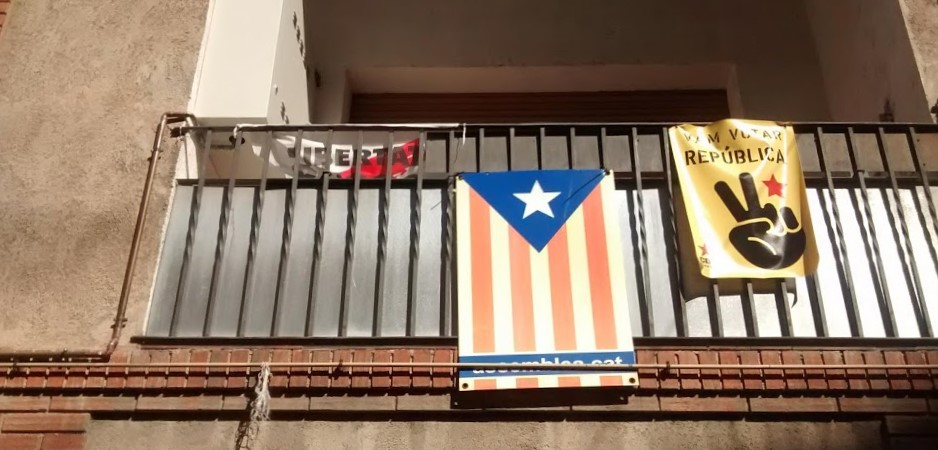
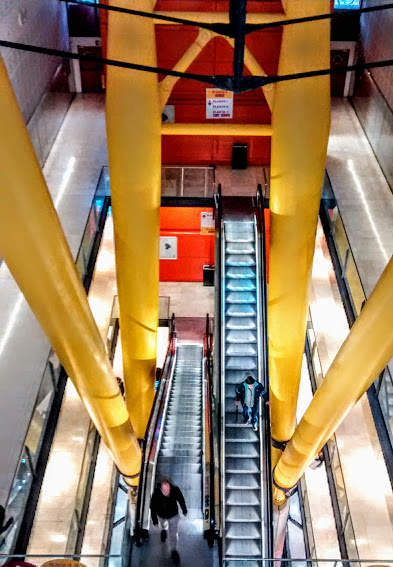
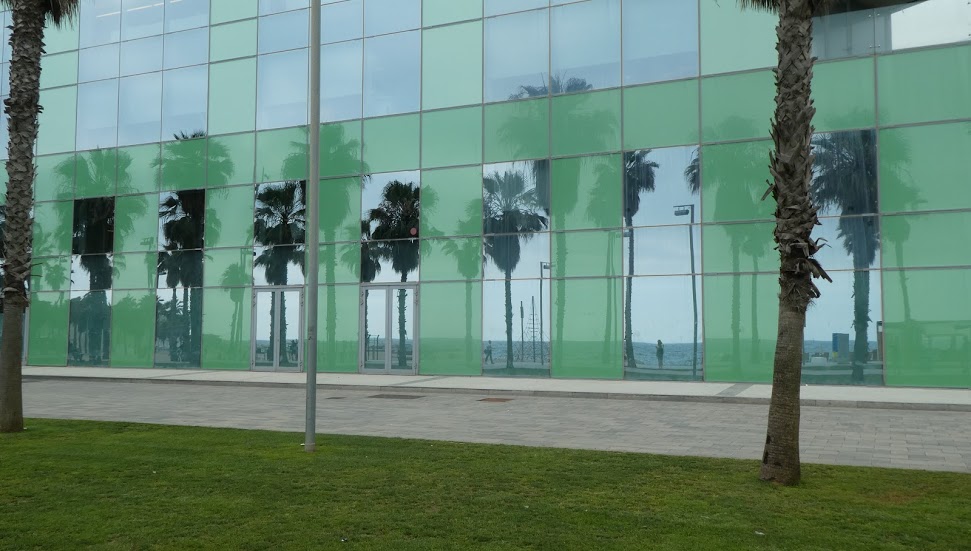
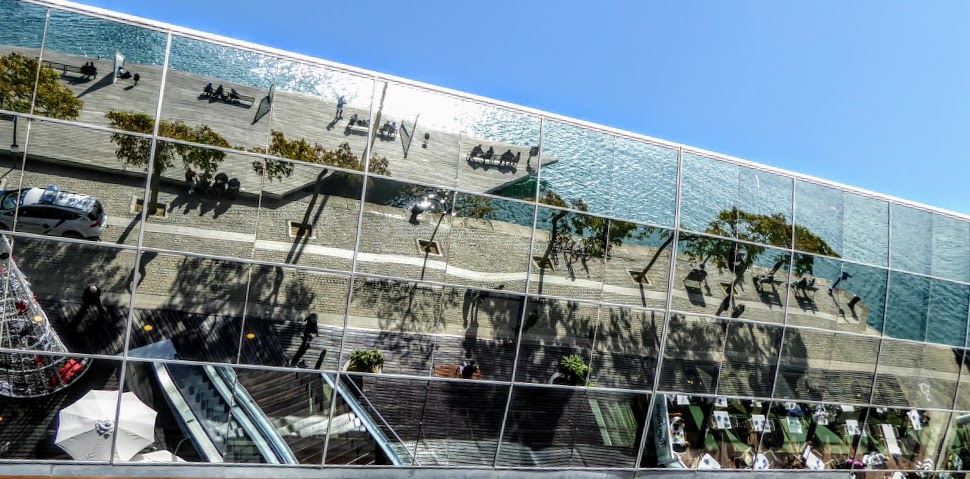
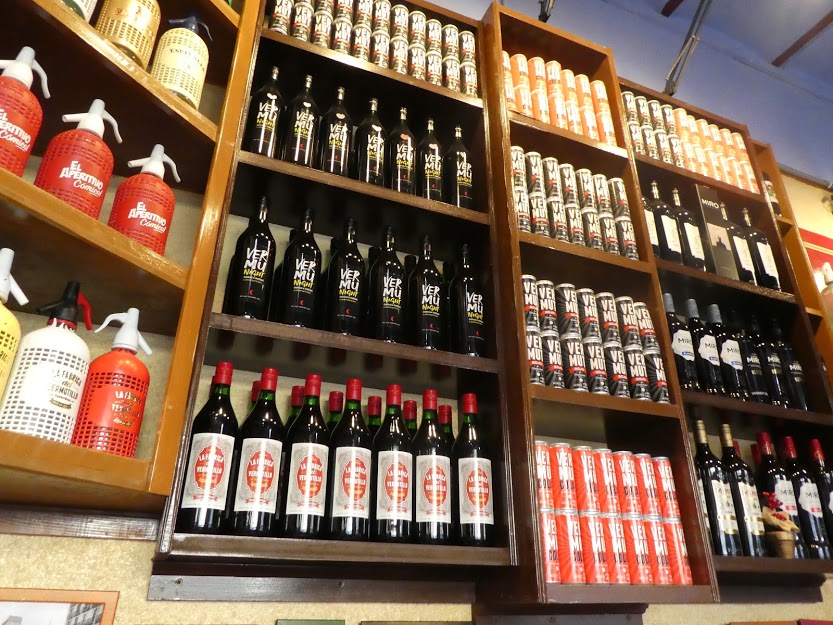
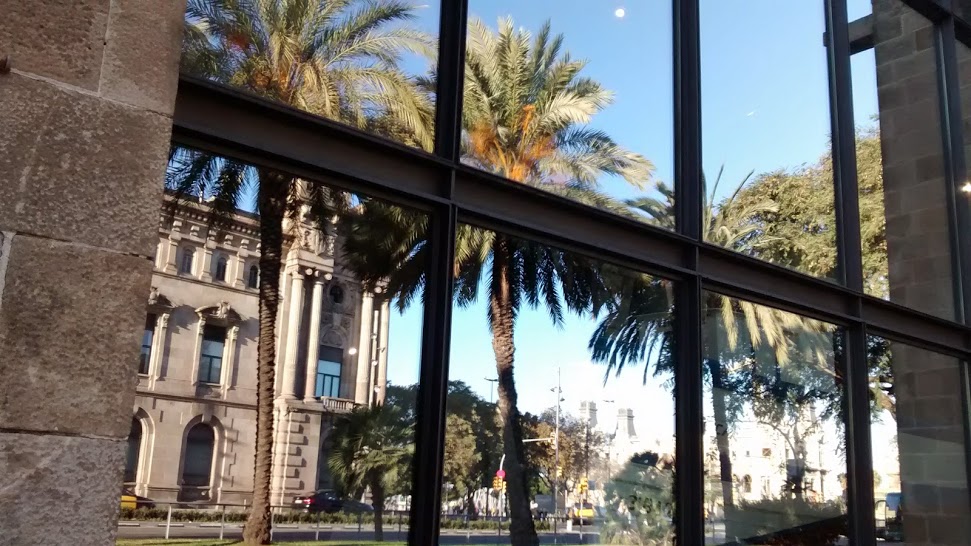
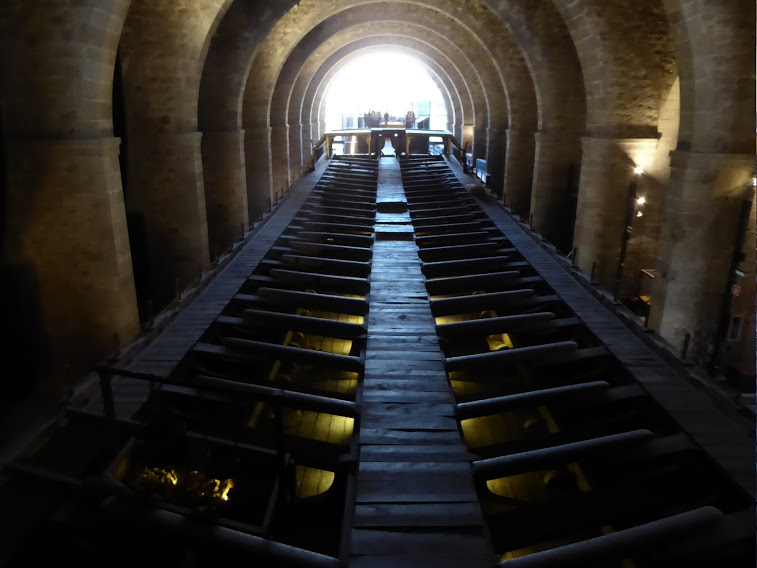
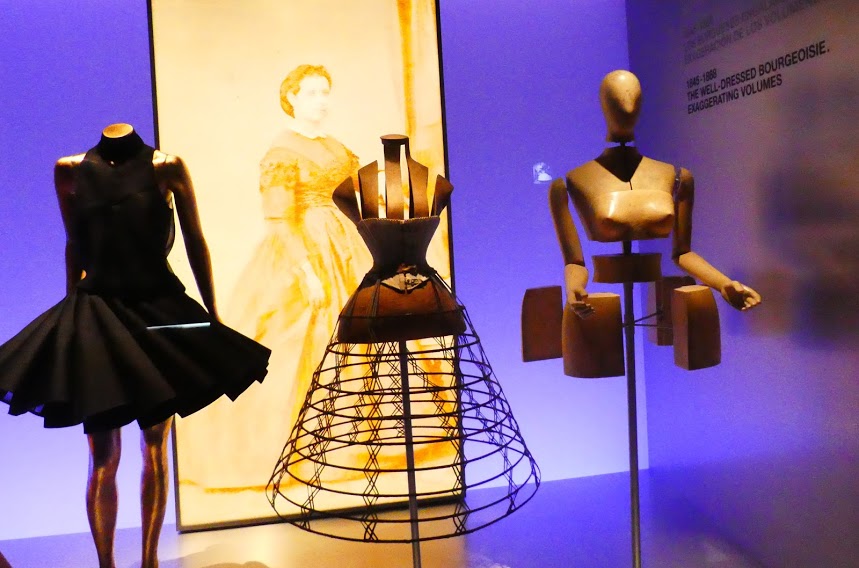
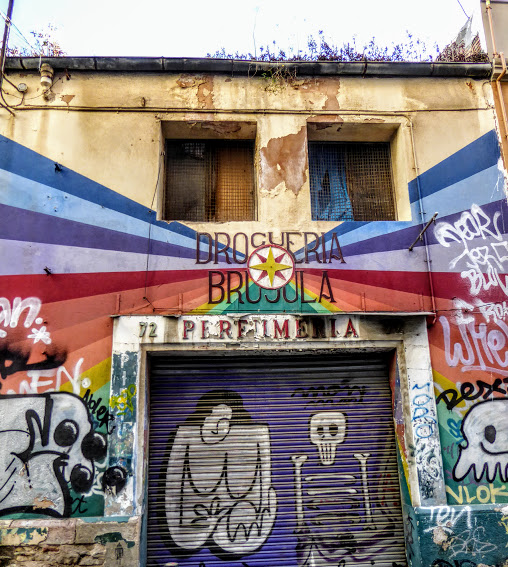
I haven’t joined in the Lens-Artists Photo Challenge in a while: I wouldn’t like to fall out of the habit completely. What to offer? A miscellany? Maybe. Focus on one country – maybe Spain with its wonderful Moorish past? Maybe, but others have already offered wonderful images on this theme. Barcelona then, my daughter’s home? OK, why not? But this time, maybe not its must-see architecture, from Gothic to Gaudí. Let’s just walk the streets, travel the metro, visit maritime Barcelona, and see what we can see.
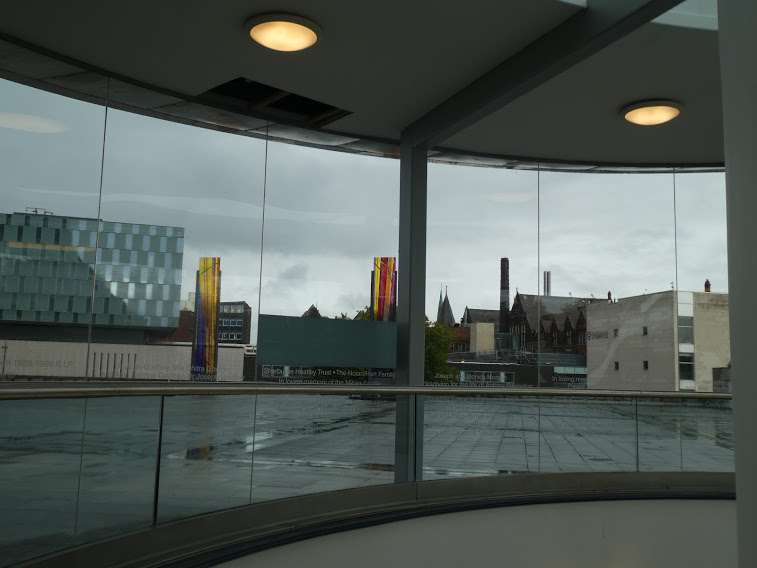
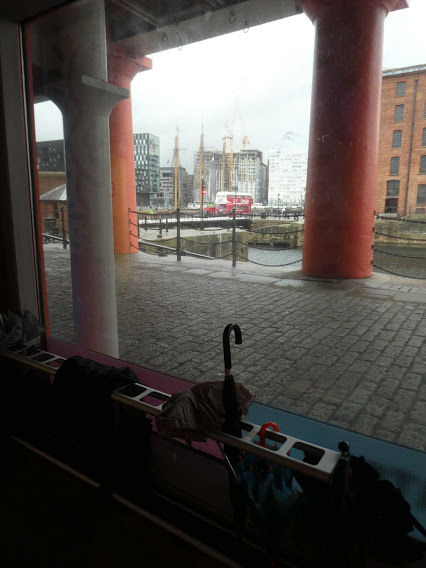
Today, simply a collage of views-of-a-window-or-through-the-window taken in Liverpool. No stories, no explanations. Just a short saunter through a city full of surprises and views worth noticing.
Annoyingly, this type of gallery won’t allow for captions. Still, if you don’t know the city, perhaps it’ll whet your appetite to go and explore for yourself.
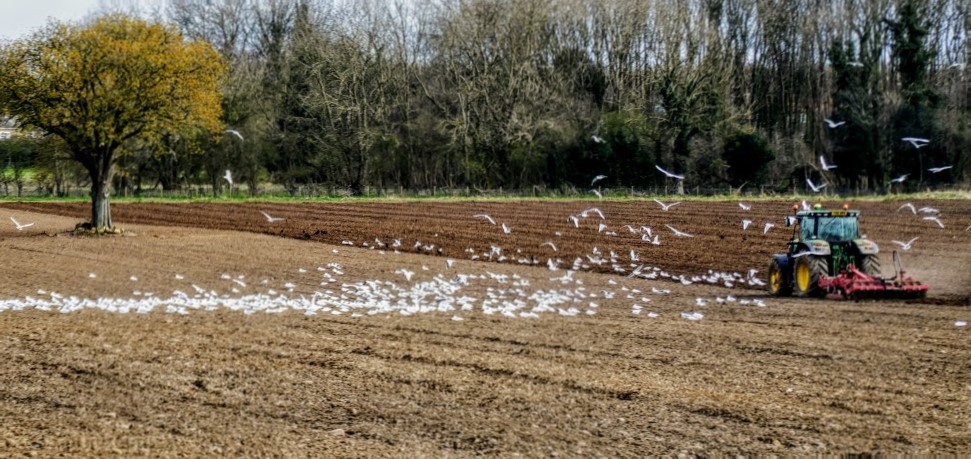
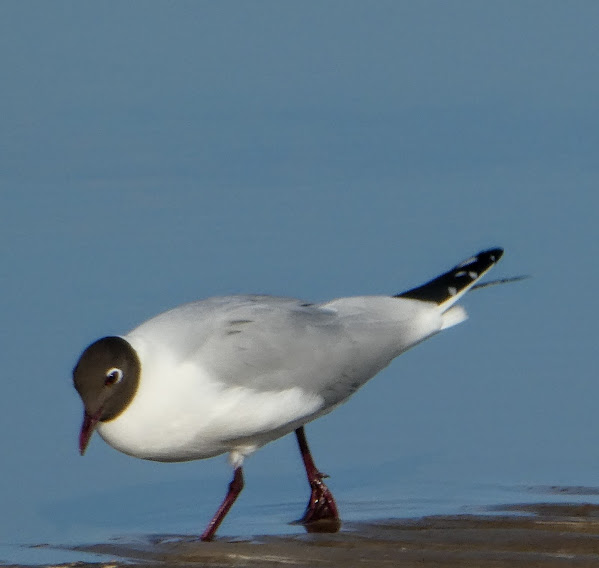
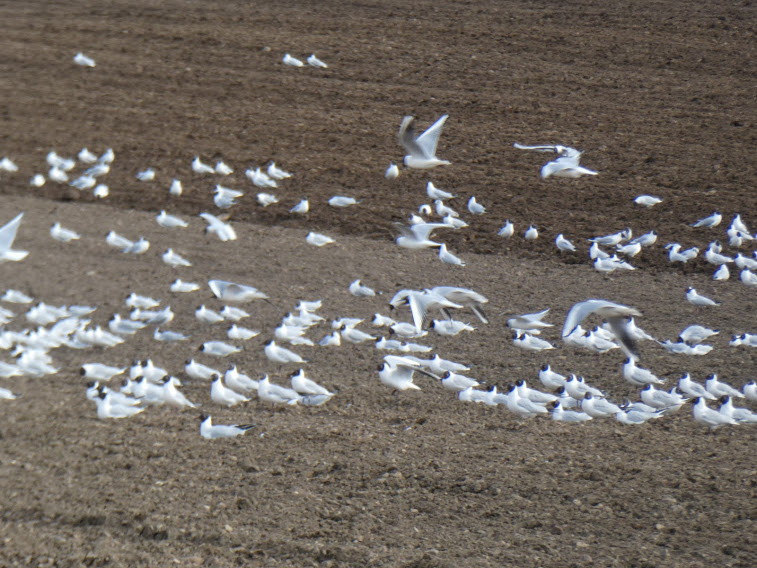
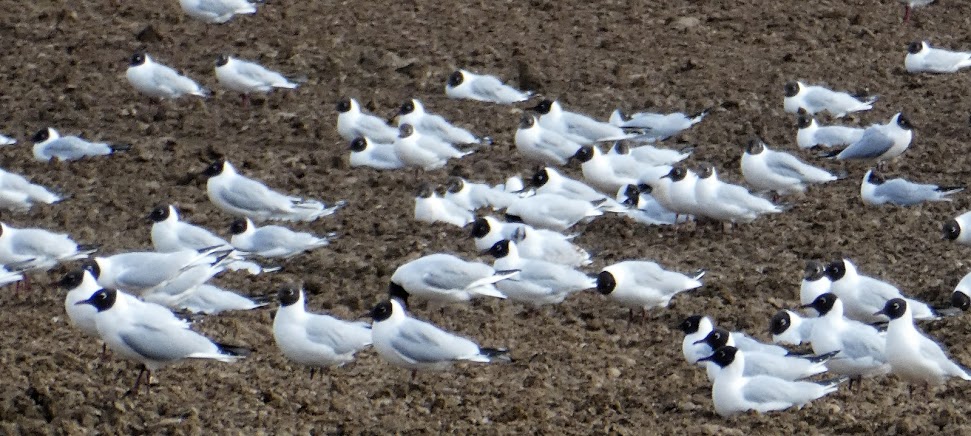
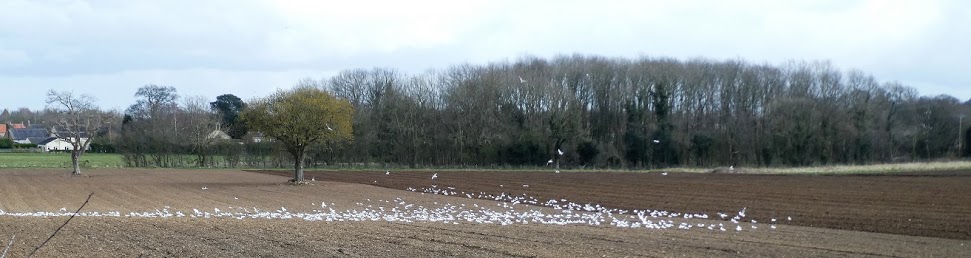
I was one of those ignorant types who thought ‘gull’ and ‘seagull’ were interchangeable terms. In fact ‘seagull’ is a fairly meaningless word, though often used to describe herring gulls. But not, definitely not black headed gulls. These birds we so commonly see round here, some fifty miles from the sea, are quite at home here in the fields. They’re sociable: they’re quarrelsome: they’re noisy. And they’re happiest snatching a meal when tractors are out and about, sowing seeds or harvesting and generally making free food available. As you can see. These scenes are from exactly this time last year, from a farmer’s field just up the road.
I thought a ditty, a bit of doggerel was called for, helped along by memories of a Harvest Festival hymn.
They plough the fields and scatter
the good seed on the land.
Black-headed gulls will follow -
rapacious thieving band!

‘All good gifts around us come from the farmers’ fields
We’ll scoff the lot, not care a jot and decimate your yields.’

We’ve had some snow in winter.
The gulls have had it rough.
Now seeds and rain and sunshine
mean life’s no longer tough.

‘All good gifts around us come from the farmers’ fields.
We’ll scoff the lot, not care a jot and decimate your yields.’

Six Word Saturday
Today I’m taking you to Jagalchi Market, in Busan, South Korea, to one of the largest fish markets in the entire world. We’ll go first into the village-sized hangar where more stalls than you could possibly count are selling single fish, several fish, restaurant loads of fish to buyers who come here knowing that what they choose will have only left the sea a very few hours previously.
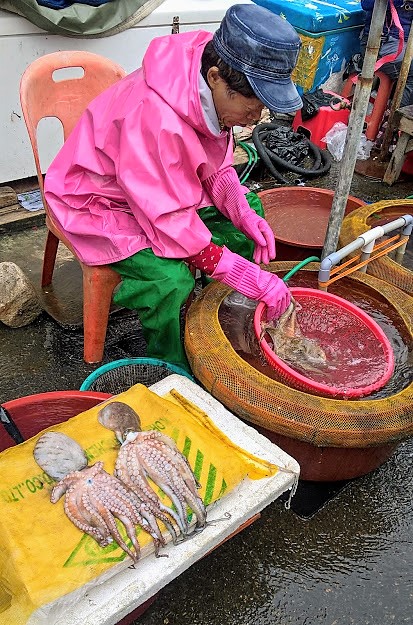
More interesting though are the stalls outside. Here are small-time stallholders who come with the family catch, in among larger set-ups who specialise in certain kinds of fish and seafood. I’d like you to meet this woman. She has squid to sell. And I can assure you they’re fresh. I know this because they’re still alive, and they spend their entire time breaking out from their surroundings to lope off down the street, until Our Woman in Pink retrieves them, until the next time … or until they’re sold and become somebody’s supper.
It astonishes me that there are any fish still left in the sea. Look at the header photo. These tiny dried fish are sold in vast quantities by any number of stall-holders, and garnish many of the dishes we ate there.
Everybody but us was there to buy what they needed that day. We contented ourselves with eating what someone else had brought and prepared as our wanderings came to an end, at a neighbourhood restaurant just down the road.
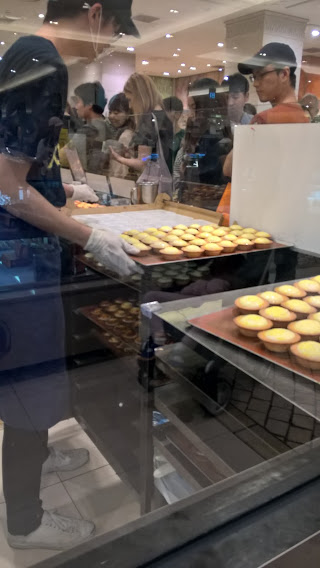
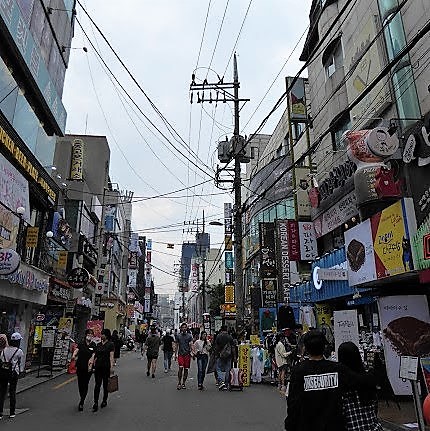
Last Monday in South Korea we went shopping for string, elastic bands and spam – oh, and books.. Today we’ll go instead to one of the large shopping centres – Shinsegae in Seoul maybe (where I was astonished to find a branch of Waitrose) or Lotte Trevi (yes really) in Busan. We could spend the day there, strolling around the sleek and elegant displays. Maybe we’ll stay for lunch in the food hall, and choose from the many outlets featuring foods from around the world, though particularly from the Far East. Out of town shopping centres like these are popular, as in Europe, but the average city shopping street is busy from morning till late into the evening too, with young people toting large carrier bags full of new clothes . ‘Shop till you drop’ seems to be the motto.
Spotted through the large windows of the shopping centre, this version of the Trevi Fountain – minus water – doesn’t have the same vibe as the original in Rome.




































 From Pyrenees to Pennines
You must be logged in to post a comment.