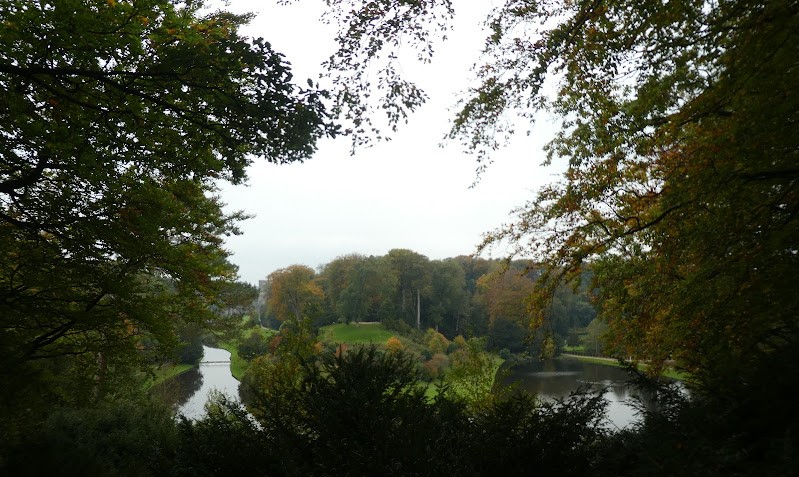
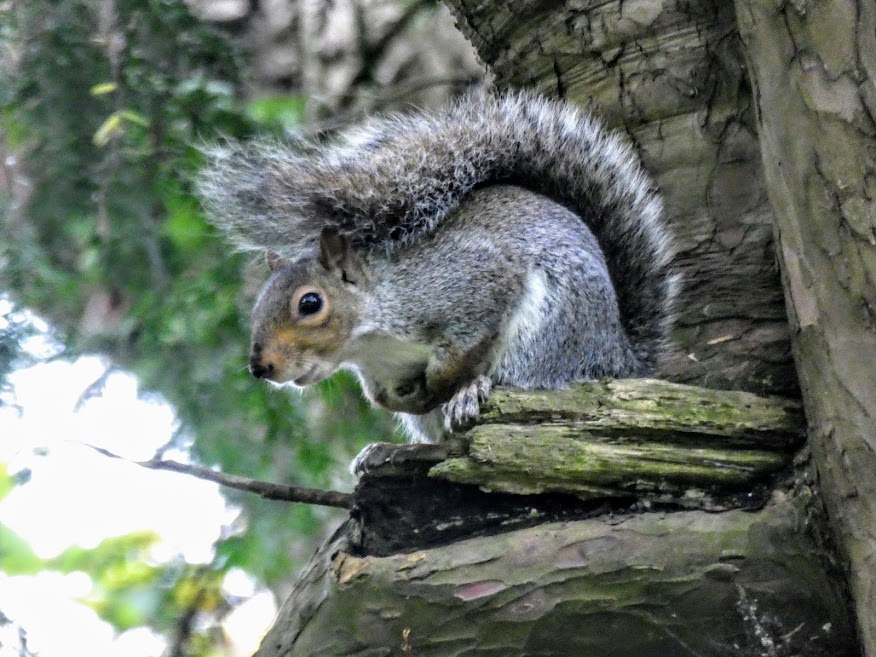
It wasn’t much more than a year ago. I was walking in the grounds of Fountains Abbey when I heard a vicious one-sided conversation going on above me. It was a squirrel, a very heated and angry squirrel, who evidently had a great deal to complain about. Maybe it was me he was angry with. I never found out. The complaining went on long after I’d gone out of his sight.
Most months, I like to join in Rebecca of Flake Flamenco’s Poetry Challenge. I’m not much of a poet and don’t I know it? – but any chance to get the grey matter’s muscles toned has to be taken once you get to my advanced years.
This month, she’s asked us to write a Shadorma – a non-rhyming six line poem with a specific syllable count of 3/5/3/3/7/5. It’s alleged to have its origins in Spain, though not a soul can offer any evidence for this theory. No matter. We’ll have a go anyway. Rebecca’s asked us to focus on light and darkness. Light into darkness is the way the world is going just now, so I’m going from darkness to light.
Midwinter
days have gone at last.
Here is Spring.
Buds unfurl,
reach upwards to the sun’s rays
and lingering light.
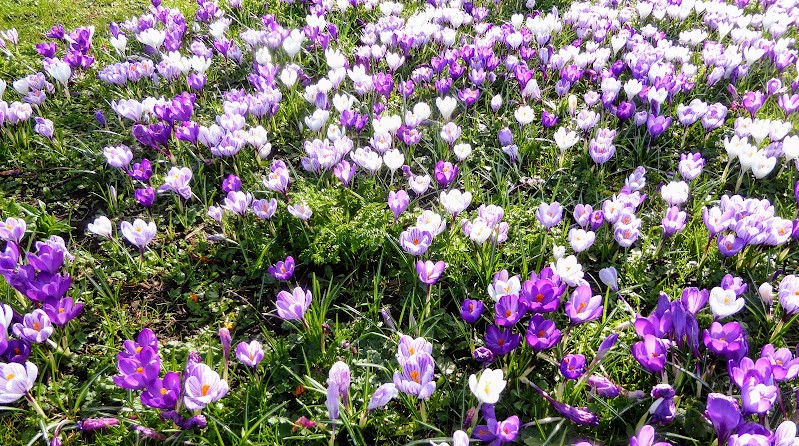
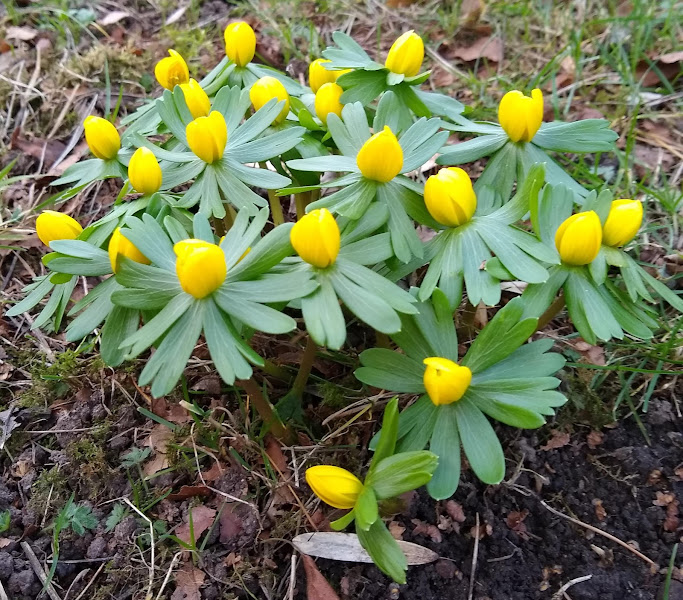
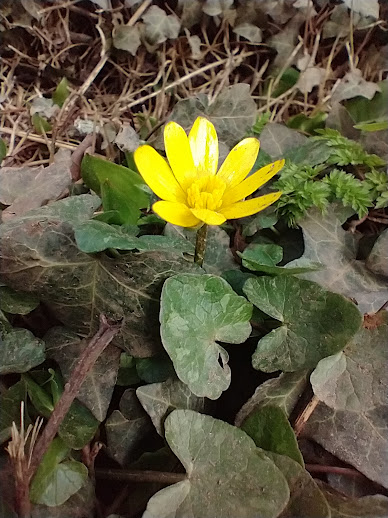
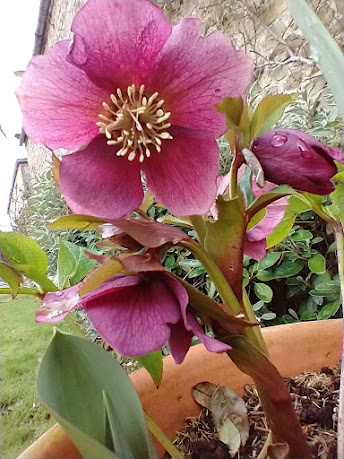
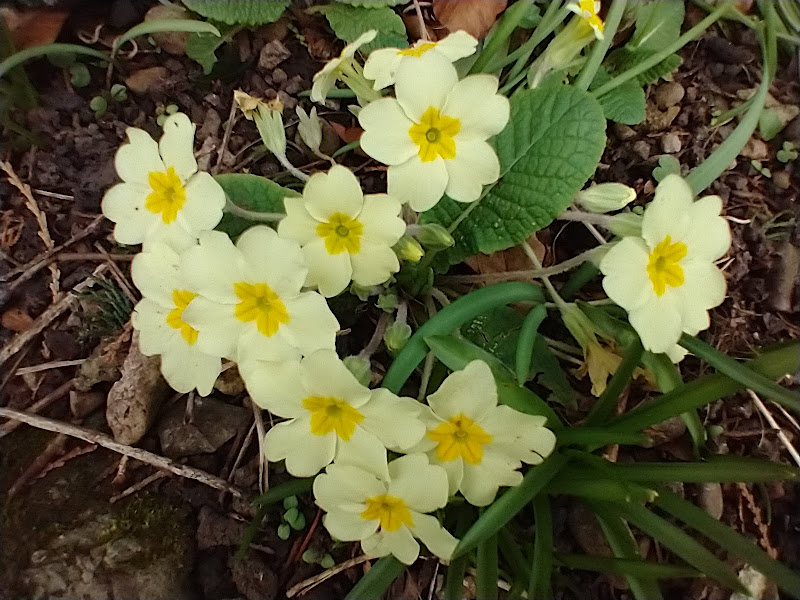
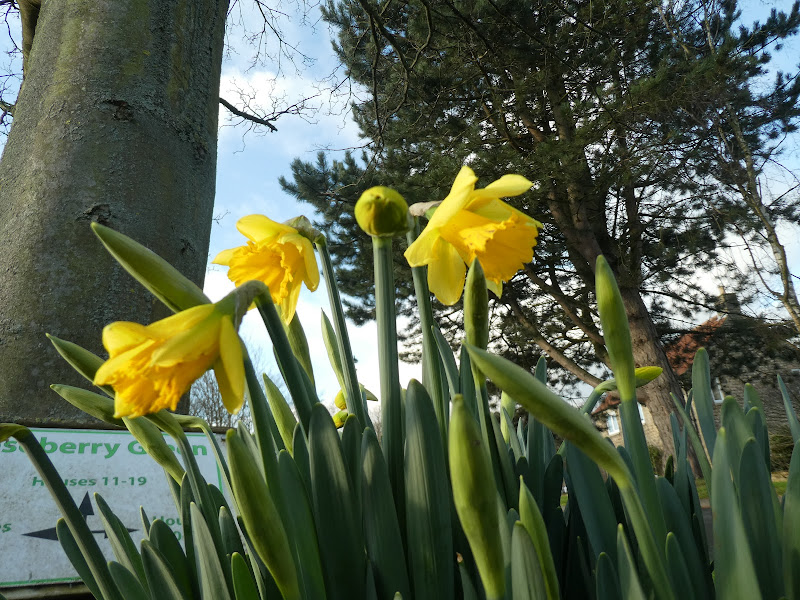
This provides me with the perfect excuse to have a few springtime pictures of flowers doing just that – stretching their petals upwards and eagerly towards the sun. It’s probably a bit late for you to join Rebecca this month with your own poems – closing day is today. But she’ll be challenging us again next month – and if you join in, she’ll translate your poem into Spanish. This is why I do this: she translates all our words into pure poetry. I love it.
Travel Between the Pages …. You Couldn’t Make It Up is a blog that always produces interesting, thought provoking, or just plain amusing content, This post fascinated me by showing the way in which our world map is in a state of constant flux. As it may be again …
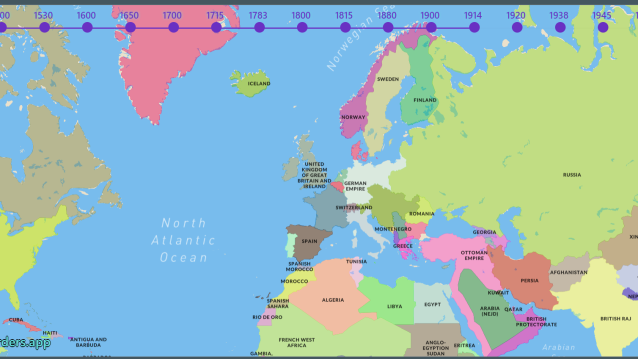
With the tragic news unfolding daily in Europe, it’s an appropriate time to take stock of how we got here. I’ve always found that maps can be an excellent way to help visualize geo-political conflicts. I recently discovered this simple, but elegant website that allows users to see exactly how borders have shifted over the decades.
Historic Borders colorfully helps to visualize the seemingly arbitrary nature of national borders and how politics and war have reshaped the world. The app features a basic world map topped by a timeline slider. Just click on a date to discover the national boundaries of that time.
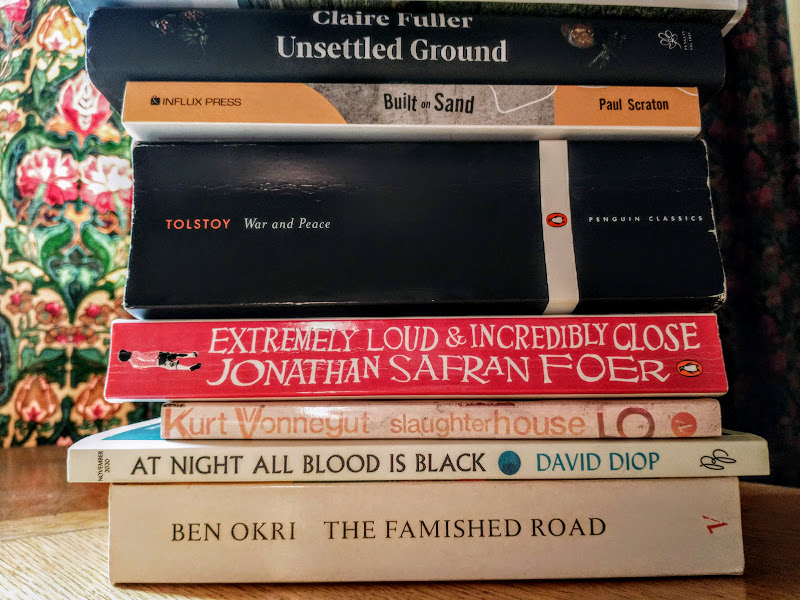
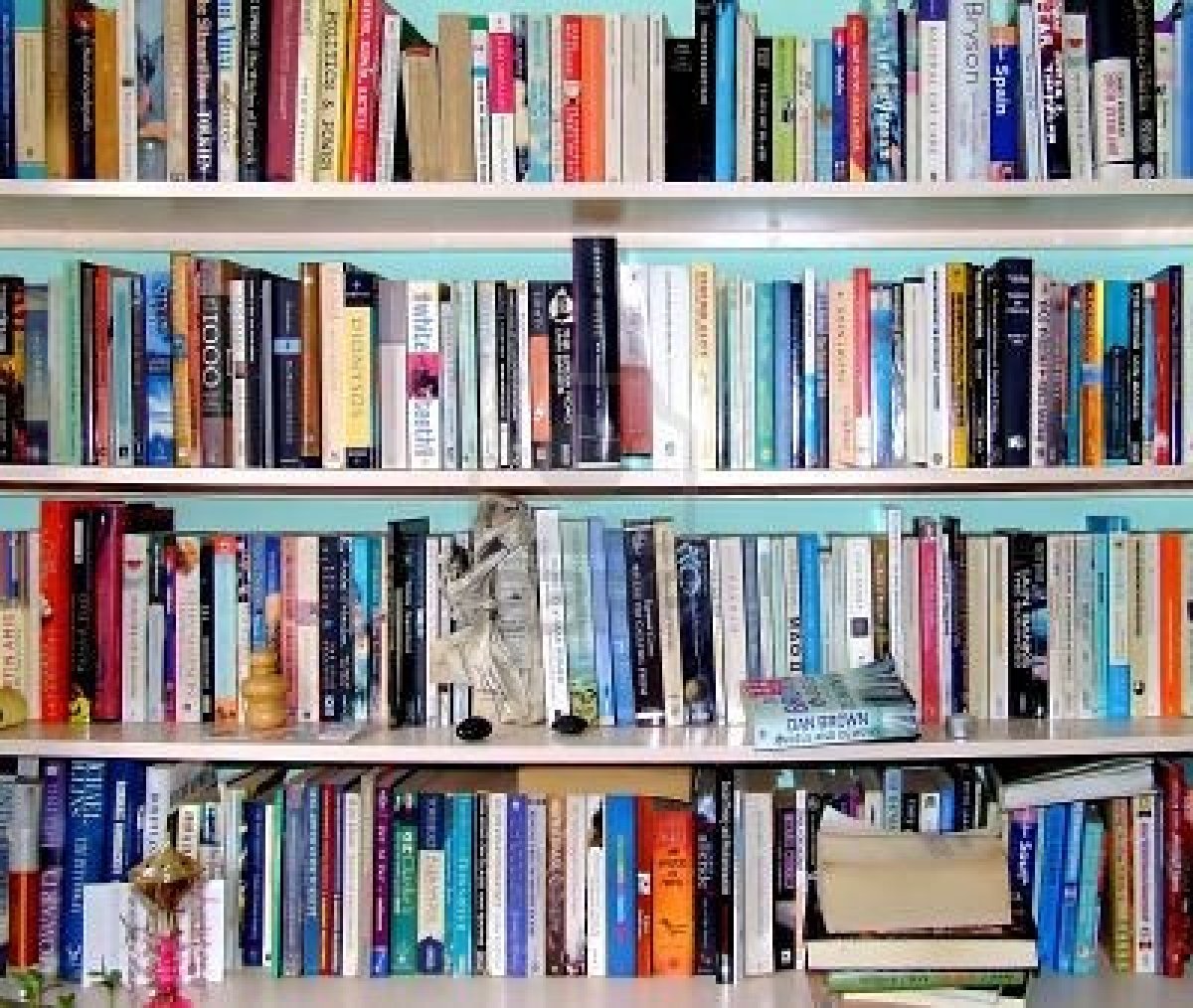
This is an idea from Rebecca, of BookishBeck fame, who’s built a #Solidarity Stack of books, which you can read about here. Like her, I’ve used books from my shelves to tell something of the story of the disaster unfolding in Ukraine through their titles: in this case, the contents are irrelevant.
We can do so little. Many of us have already donated to Aid Agencies. But another Rebecca, blogging as Fake Flamenco drew another charity to my attention: World Central Kitchen: Chefs for Ukraine are providing hot nourishing meals to those in flight: and other chefs, in other places torn apart by war or natural disaster, undertake similar work. Sadly, Ukraine is not alone in continuing to face catastrophe. For every ‘like’ this post receives I’ll donate 0.50 to this charity. I’m hoping for lots and lots of ‘likes’!
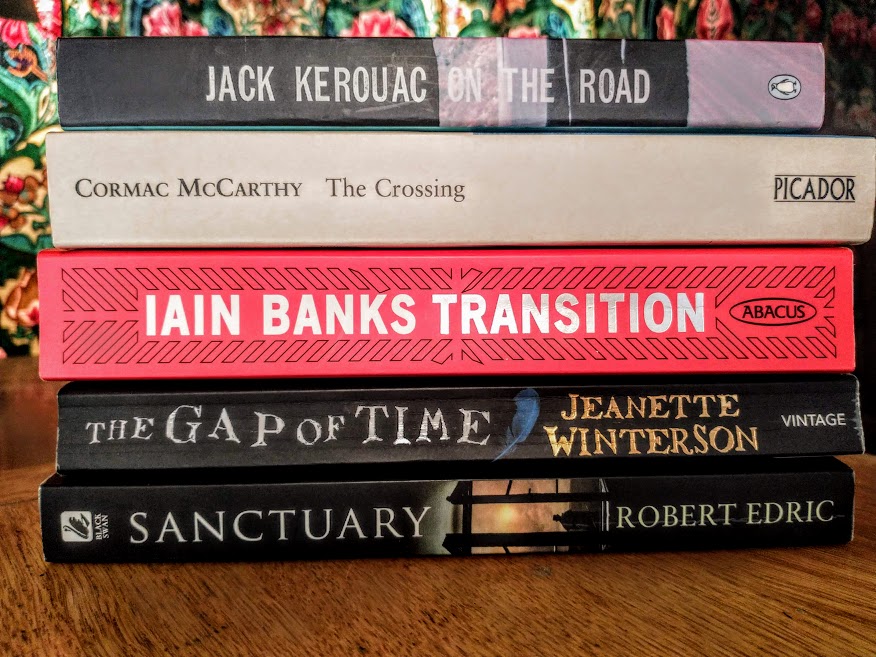
It’s beyond imagining. But in the short term, every refugee is taking the journey shown in my next pile, and hoping to find safety and a place of Sanctuary: the bottom book in my pile.
Maybe you could join in this challenge with your own book stack, and attract ‘likes’ in your turn? Let’s do it!
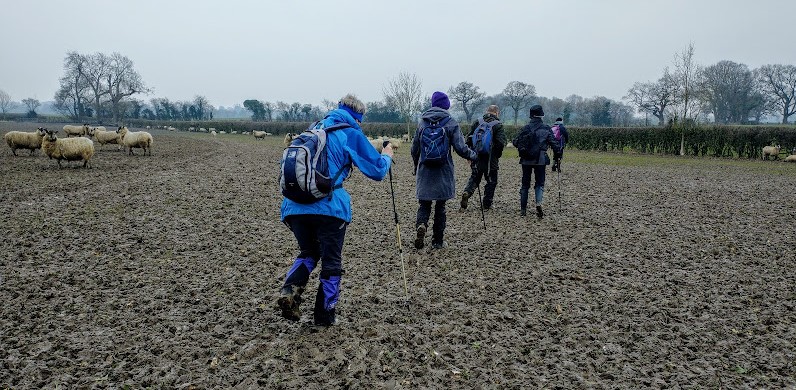
Over the years, I’ve taken you all on walks around Yorkshire. We’ve strolled along riversides. We’ve had woodland walks at wild garlic and bluebell time. We’ve gone into the Dales, both the gently rolling hillsides, and the bleaker heather-covered moorland, enjoying distant views of the Pennines. But one thing we haven’t done is have a Thoroughly British Winter Walk.
That’s what we did the other day. And by the time you get to the bottom of the page, you’ll be mighty glad you’ve only had a Virtual Walk. Our friend Chris had planned it: just a leisurely six miles or so morning’s walk, taking in three pretty villages between Harrogate and Ripon.
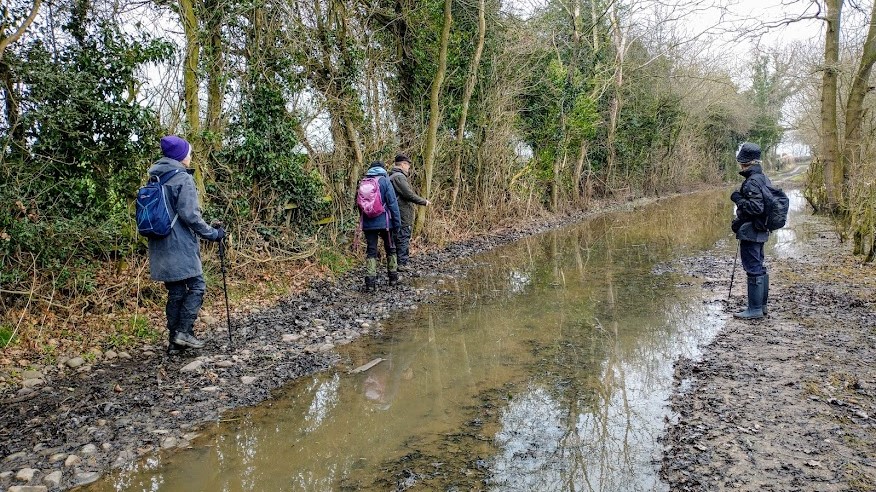
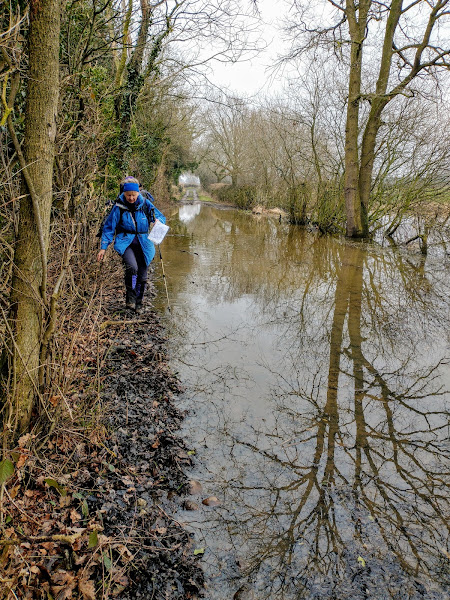
It didn’t begin well. Half a mile in, this was the path.
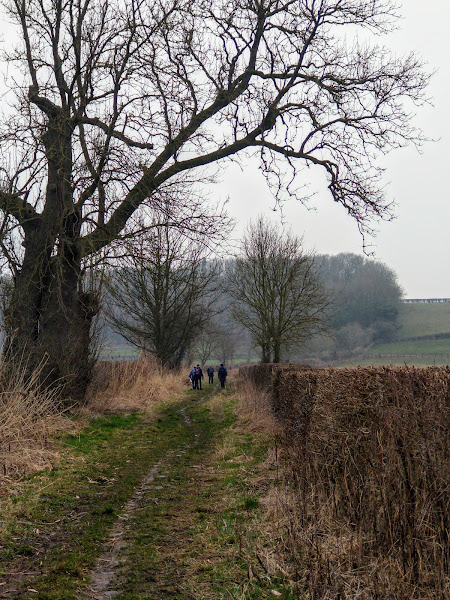
No, that’s not a stream, it’s the path. Heads bent over the map, we found an alternative, and that wasn’t so bad. Sodden fields, gloopy mud-slicked paths. But passable. Just.
In fact we got used to clambering over stiles that landed us immediately into another muddy hole, before sending us on our way across a field on a sodden path.
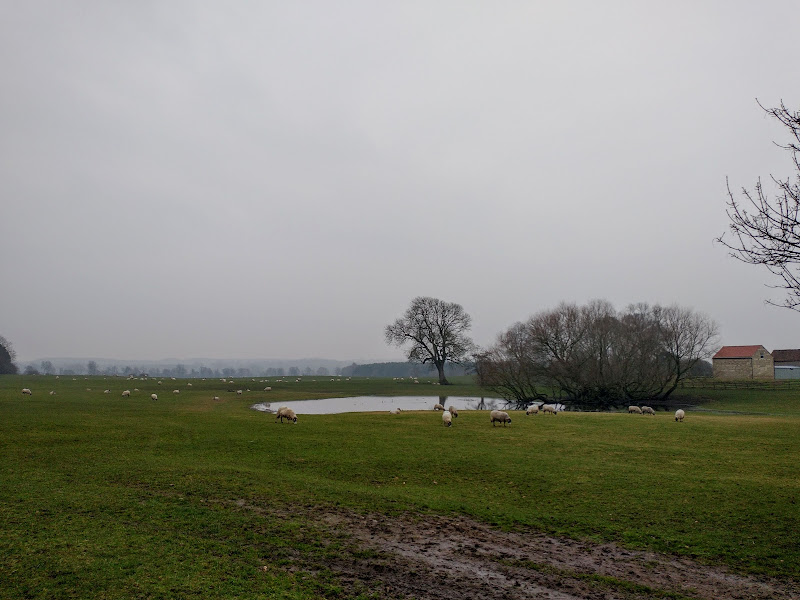
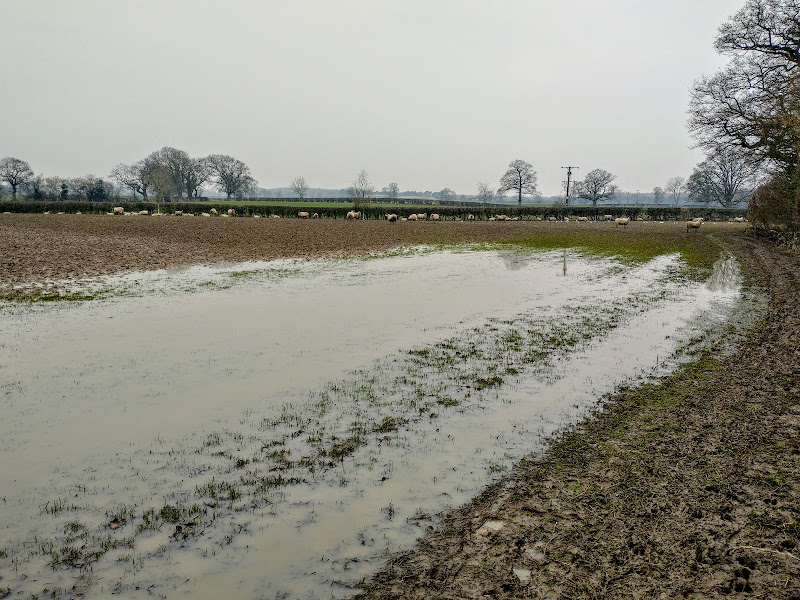
We were quite cheery. Until we arrived here. The map informed us there was a pathway across this field. The sheep knew better. They’d churned up the soil good and proper. There was no alternative but to squelch onwards.
Poor old Chris. Her name was Mud.
Arriving back at our cars parked in one of the villages, we were reminded that our day with friends, providing a rueful tale to tell back at home, was nevertheless a happy and carefree one. This Ukrainian flag on someone’s gate was a sober contrast, and provided details of ways to donate to one of the many charities trying to offer support and help to the beleaguered Ukrainians. There are suggestions here.
‘On the first Saturday of every month, a book is chosen as a starting point and linked to six other books to form a chain. Readers and bloggers are invited to join in by creating their own ‘chain’ leading from the selected book.
I struggled to construct my chain this month, but … here goes.
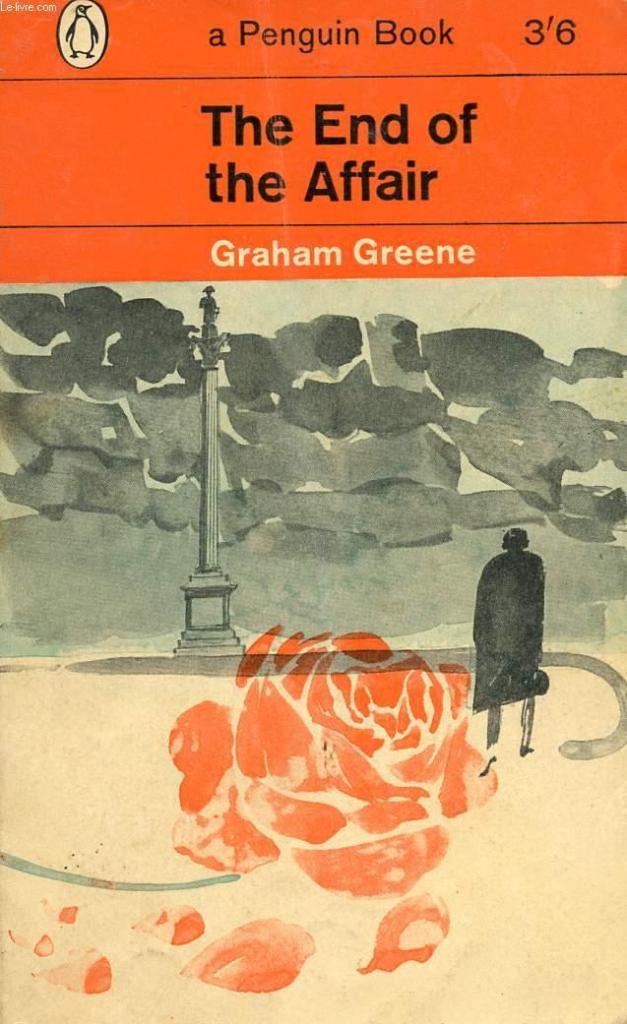
We start with The End of the Affair, by Graham Greene, A book about a man, a woman, God, and several other secondary characters. Our hero, Bendrix finds it easy to get in touch with hatred and bitterness, and it’s quite hard to reconcile this with the love he feels for Sarah, the woman he had an intense affair with over several years, while maintaining friendly relationship with her civil servant husband. Apart from Sarah’s relationship with God, much of the reason for the End of this Affair comes down to poor communication.
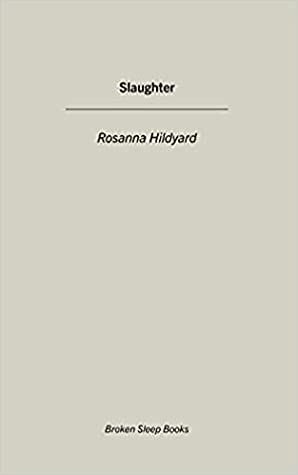
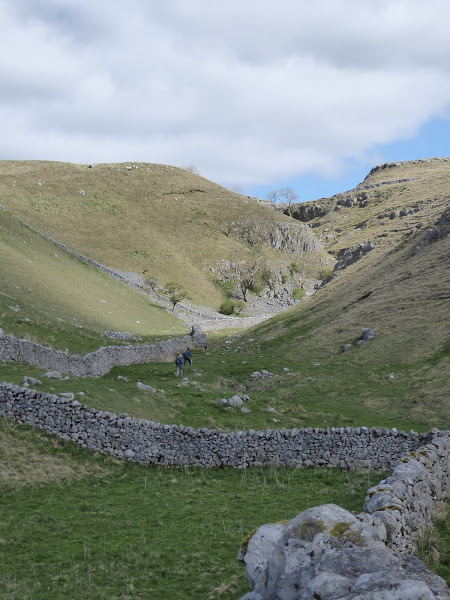
Which leads to my first link: Slaughter, by Rosanna Hildyard. The three stories which make up this slim volume are set in the northern Yorkshire Pennines. Here, life is bleak, tough. Characters who inhabit such a landscape are tough too, and get through life by doing, by surviving. Communication, one with another, is not their strong suit. In the first, set at the time of Foot and Mouth Disease, a young townie tries to get to grips with her dyed-in-the-wool country farmer partner, wondering the while if the epidemic is a punishment for farming in the first place. Outside are the dogs features another mismatched couple. If only they could communicate! But they can’t. Not even the dog can help. The final story, Cull yaw is shocking, involving a would-be-ethical farmer and his vegetarian partner. This couple too communicate in silences, and attack their difficulties with desperation. This is not a comfortable read – especially in this time of Covid. It illustrates well the possible consequences of failing to talk meaningfully. It paints a powerfully bleak picture of the landscape and surroundings in this part of England, whilst pointing up its raw beauty too. This is, I think, a book which will stay with me.
Near Grassington: these stories are set in even bleaker landscapes
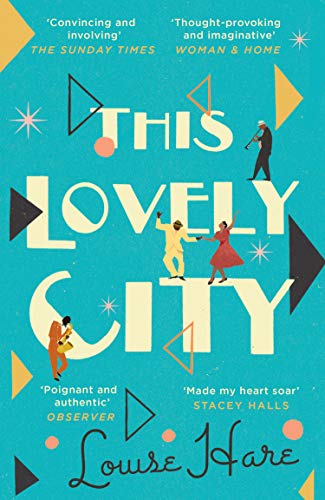
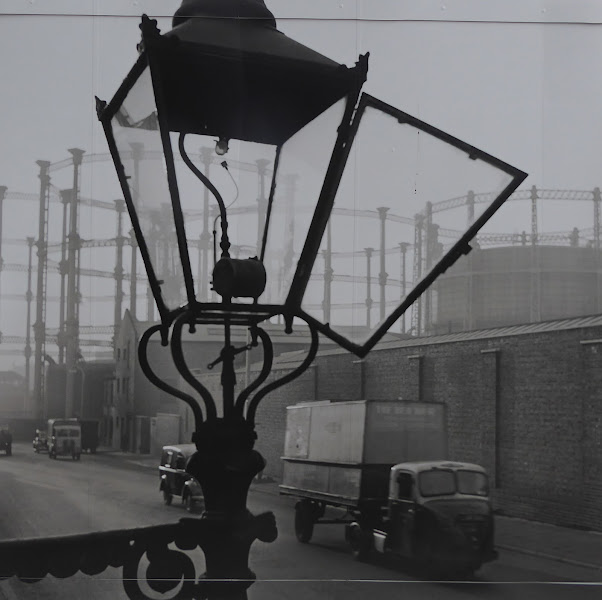
A different kind of mis-communication comes next, where the expectations of the young people who journeyed from the Caribbean on the Windrush in 1948 to begin a new life in the Promised Land come up against the blank uncomprehending prejudices of the existing population. This Lovely City, by Louise Hare is above all the story of 19 year old Lawrie, and Evie, his young mixed race neighbour. It’s a story of racism, both casual and unthinking, and hate-fuelled. It’s a crime mystery too. It refers to many issues connected with the attitudes of the time towards ‘coloureds’ and women, but despite this it’s in many ways an easy, engaging read. I found the ending just a little too neat and this was disappointing, but Hare has written an involving book and I’ll be glad to read anything she writes in future.
Grey, workaday 1950s London
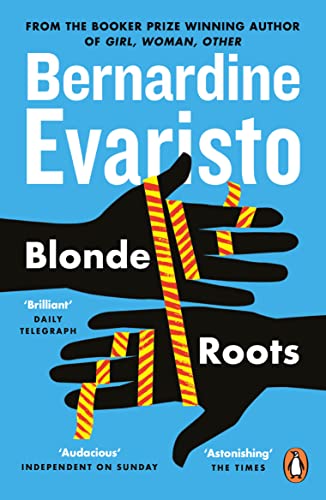
Blonde Roots, by Bernadine Evaristo turns this world upside down. Black people are in charge, whites are their slaves. Feudal Britain, eighteenth and nineteenth century worlds, the modern age and a dystopian future all combine in this world of toil and truble (sic) in which Doris, kidnapped from her home into slavery, finds herself. There’s much to enjoy and admire in this early novel from Evaristo: the playful place names such as Londolo: details such as the efforts of whyte (sic) women to achieve the curly Aphro (sic) looks of their former masters. The speech patterns of the slaves, rooted in those of their black masters didn’t work for me, and overall, this was an only partially successful attempt to demonstrate that tyranny rules when we begin to regard others as inferior to ourselves.
Black and in charge? Jairo David Arbole, Pexels
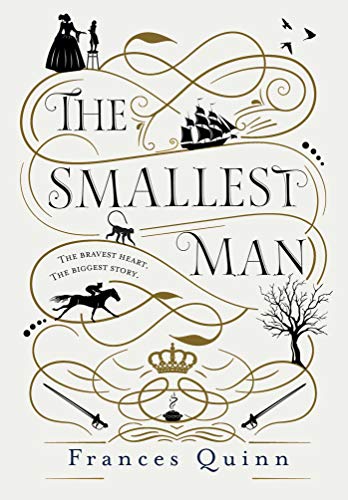
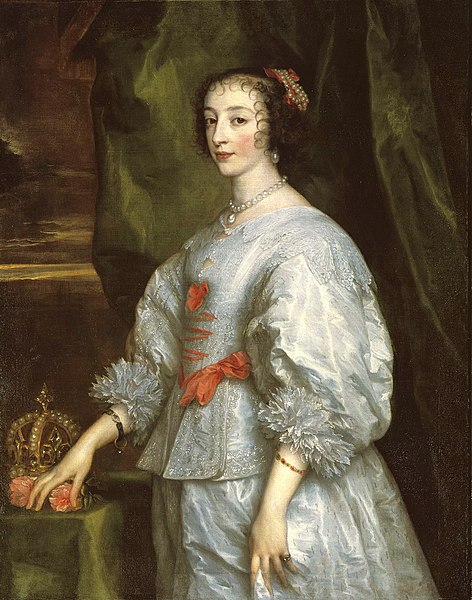
A different kind of underdog – a man with dwarfism – features in The Smallest Man, by Francis Quinn. This story is based on – though is in no sense a biography of – Jeffrey Hudson, dwarf in the court of Charles 1. This is a charming tale, telling the rags-to-riches story of Nat Davy, who avoids being sold as a fairground attraction when his father, who wants rid of him, gets a better offer. Intelligent, witty and a quick thinker, Nat becomes the unhappy queen’s confidante. But Stuart England is a hotbed of political and religious discontent, and Nat is soon at the heart of the action, and doesn’t always make the best choices. An enjoyable, immersive and-despite the weighty matters of the period – ultimately quite a light and easy to read book. An impressive debut from Frances Quinn.
Queen Henrietta Maria, Anthony van Dyck, courtesy of Wikimedia Commons
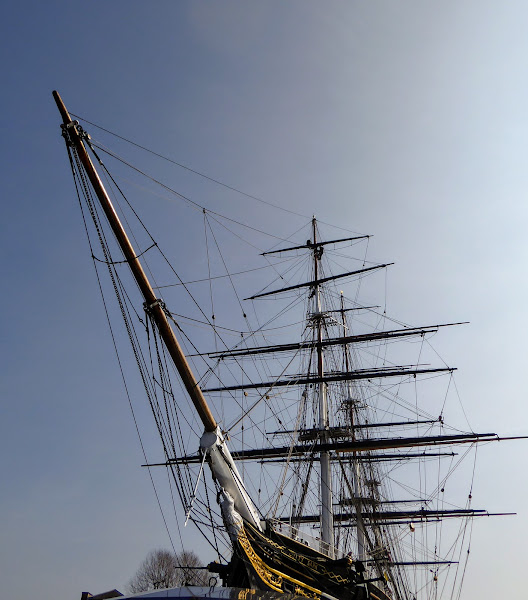
From one curiosity – a dwarf- to another – a monkey. The Hartlepool Monkey, by Sean Longley. I’m a bit in two minds about this book. Largely, I enjoyed this retelling of the true story of the monkey who was hanged as a spy in Hartlepool during the Napoleonic Wars. The book had three narrators: the doctor who ‘adopted’ the monkey; the courtesan whom the doctor loved; and Warren, the one guinea brief who defended Jacques the monkey in court. It was full of charming and idiosyncratic detail. But this led to the book being longer than perhaps was justified. The monkey also learnt to talk, and this improbable detail let the story down for me, quite considerably. Nevertheless, this was an enjoyable and readable book.
A tall ship for a tall tale
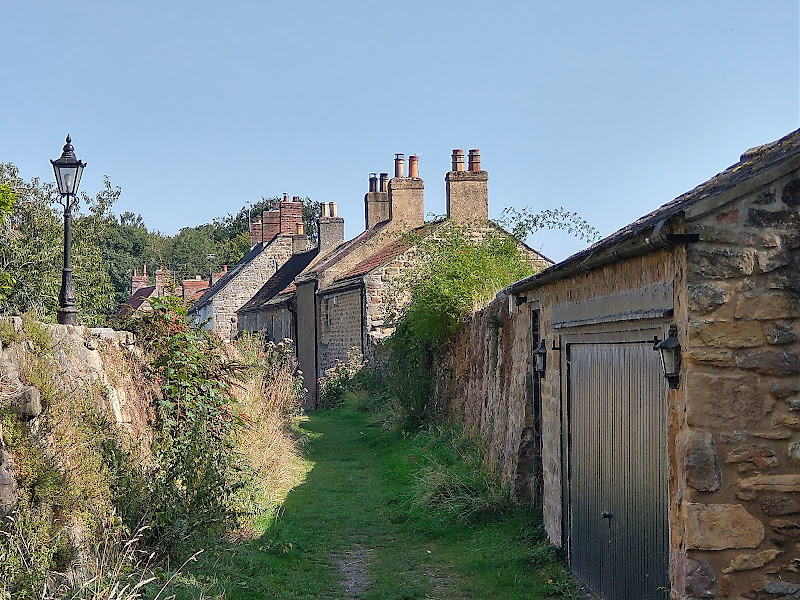
My next and last link is a bit of a stretch. It includes not one, but two animals in its title, but no further connection exists. The Trouble with Goats and Sheep, by Joanna Cannon has been widely feted, but not by me. It took me at least 250 pages to begin to become remotely interested in the lives of the characters who inhabited The Avenue in that sweltering summer of 1976: one I remember well, as I was pregnant with my first child, and for once in my life didn’t relish the heat. I had difficulty remembering which character was which and I didn’t believe in the young heroines, Grace and Tilly, who seemed remarkably unworldly. I was an extremely unworldly 10 year old once, but even I wasn’t as credulous as them . Most of all, I resented Cannon’s polished little metaphors and similes. They were clever, but Cannon all but put them in italics to make sure we noticed them. The plot seemed pointless. Some parts stretched credulity. For example, virtually the entire neighbourhood turns out to look at some rust-stained drainpipe that apparently looks like Jesus. Really?
Village life?
And how that links back to Graham Greene’s book is anybody’s guess.
Next month’s starter is Julia Armfield’s Our Wives Under the Sea, which is jostling for a place on the 2022 Women’s Prize for Fiction longlist.
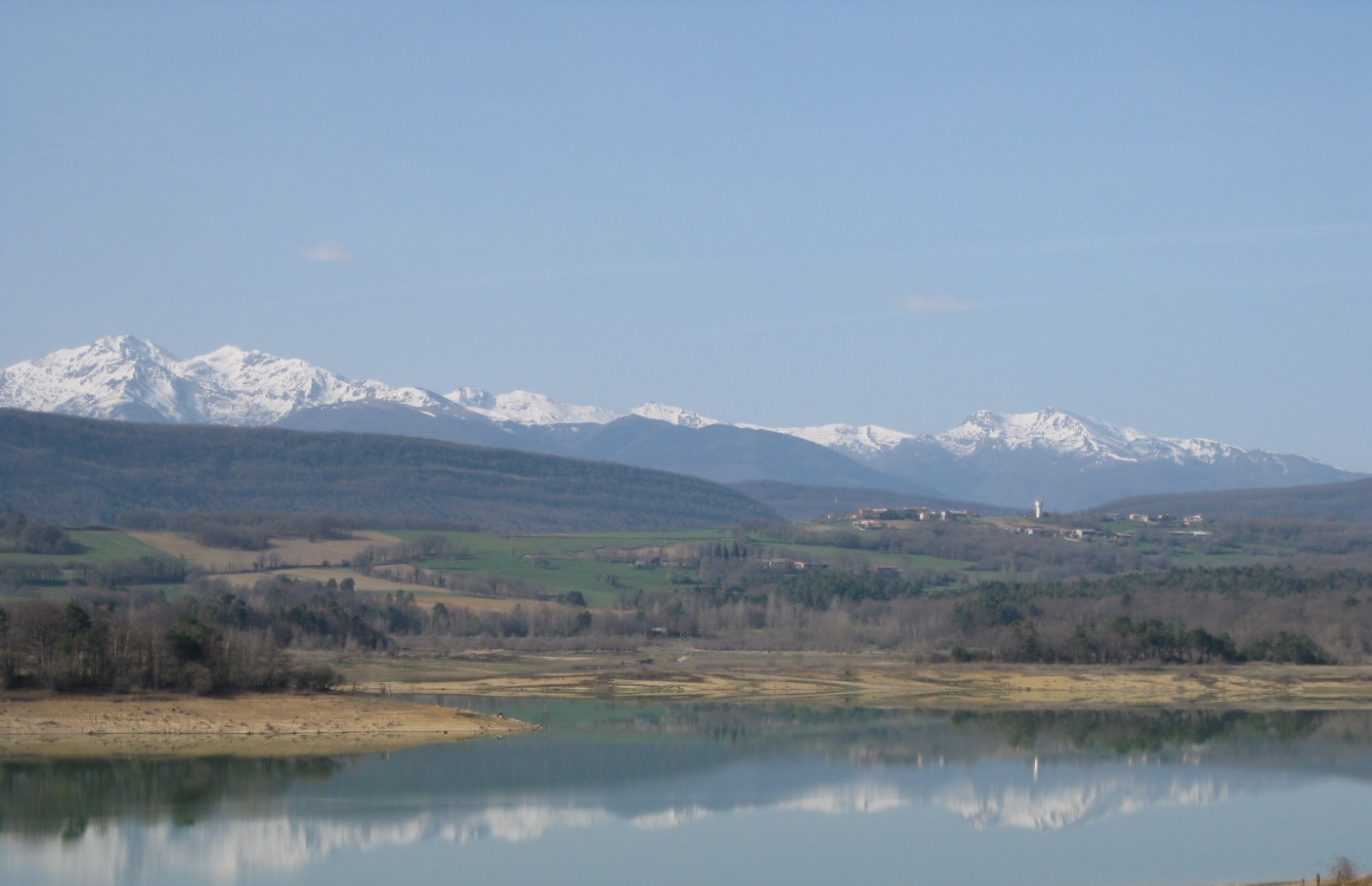
You’d have to have been following me a long time to know why I call my blog ‘From Pyrenees to Pennines‘. I began writing it in 2007, to record our big adventure in moving to the foothills of the French Pyrenees, to a small town, Laroque d’Olmes whose glory days as a textile manufacturing centre were long over, and where we were (almost) the only English . There we stayed till 2014, involving ourselves in local life from politics to choirs to walking groups, and falling ever deeper in love with the Pyrenees which formed the background to our lives.
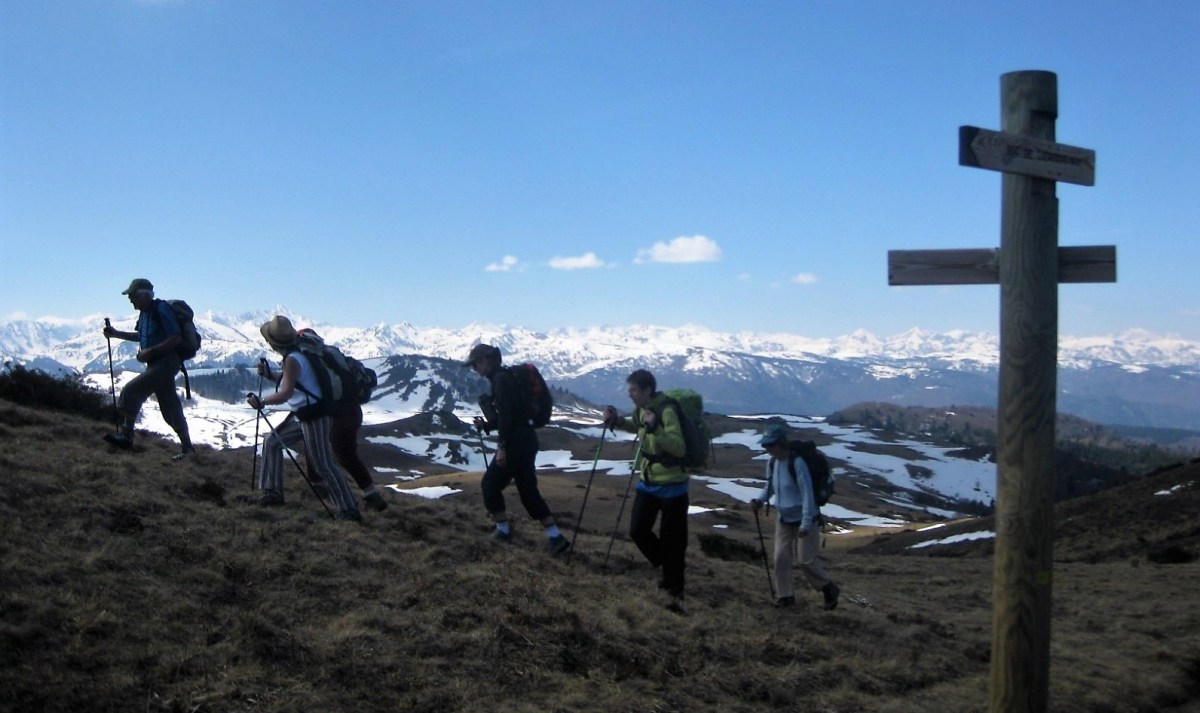
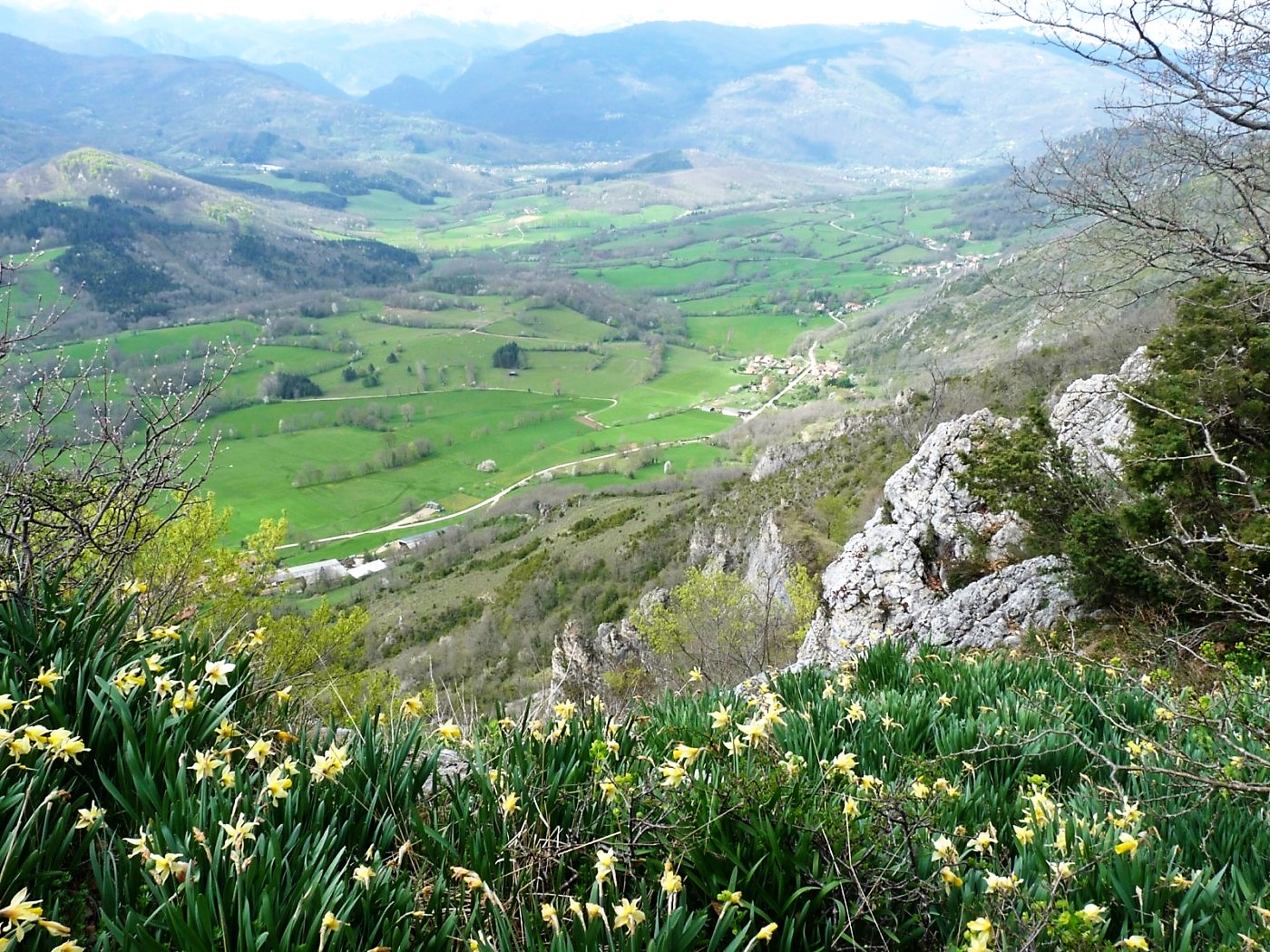
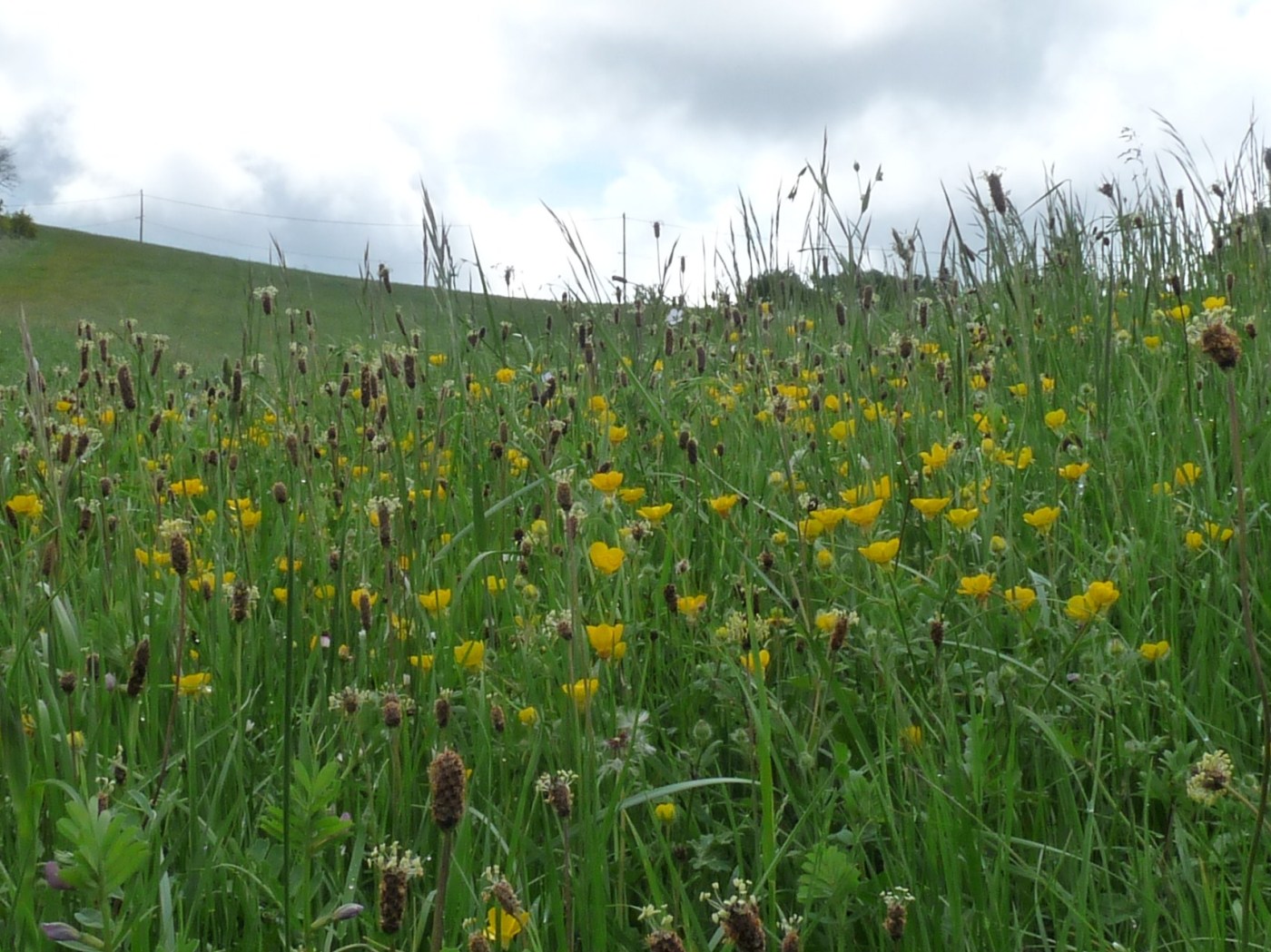
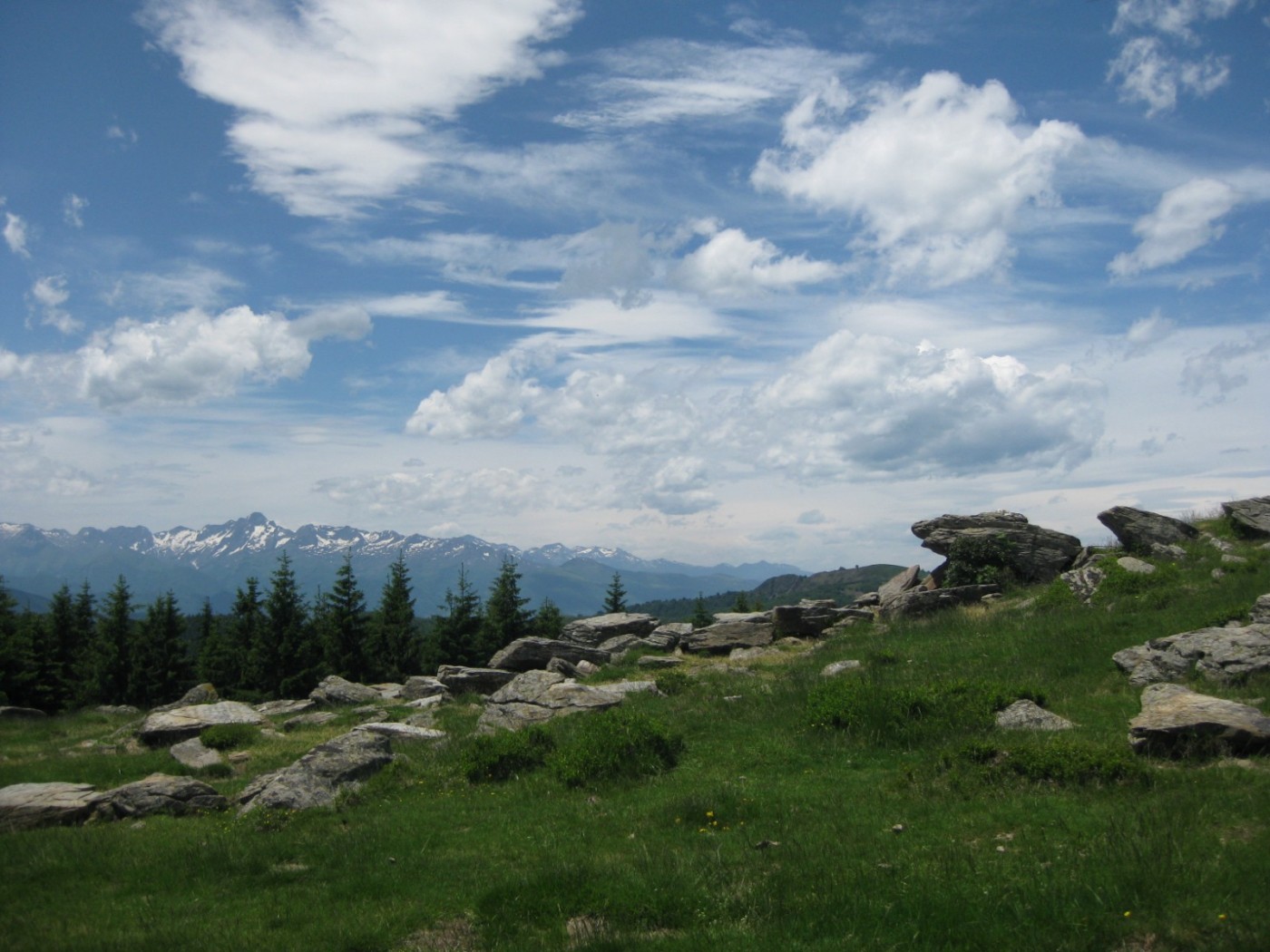
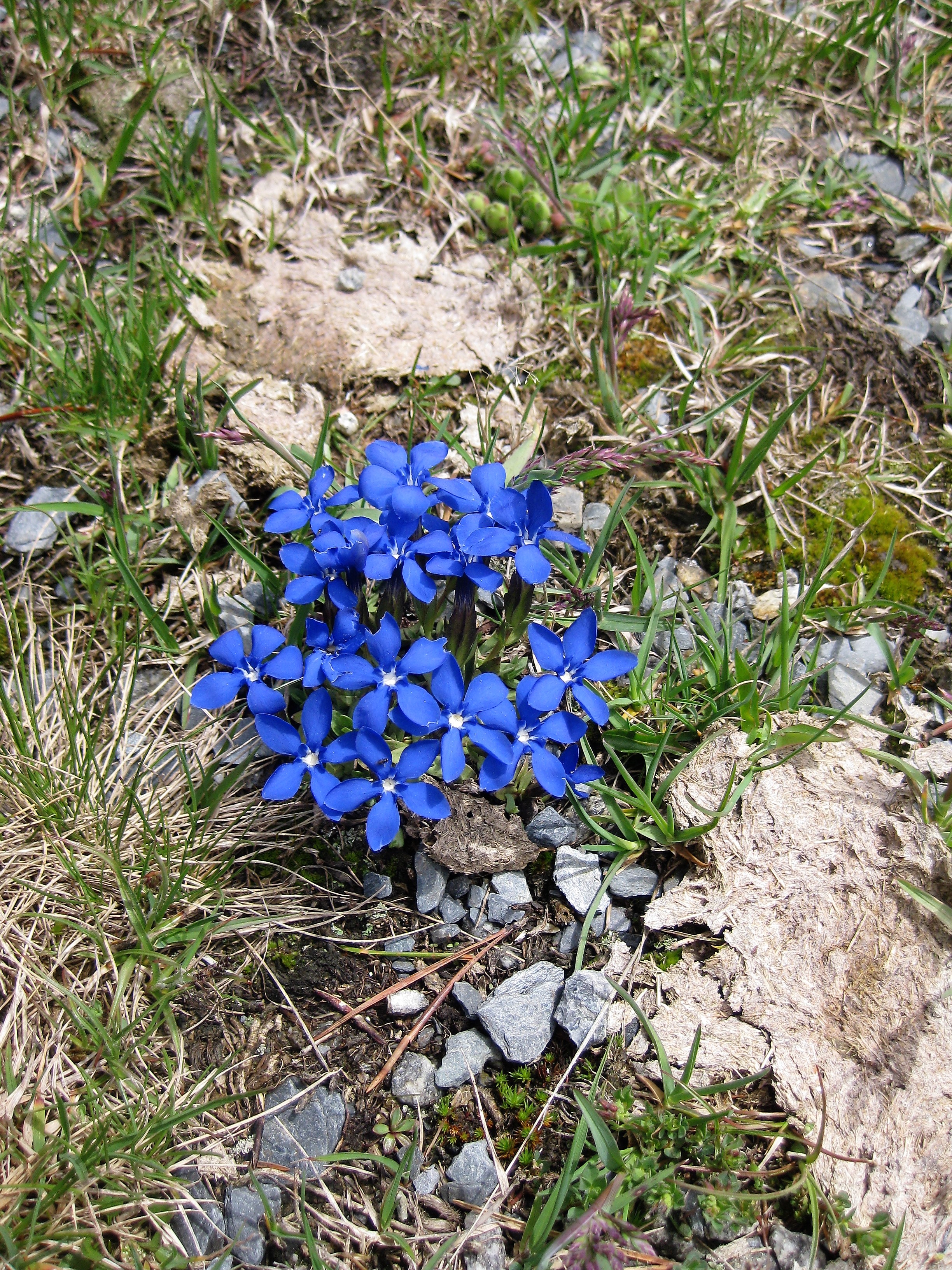
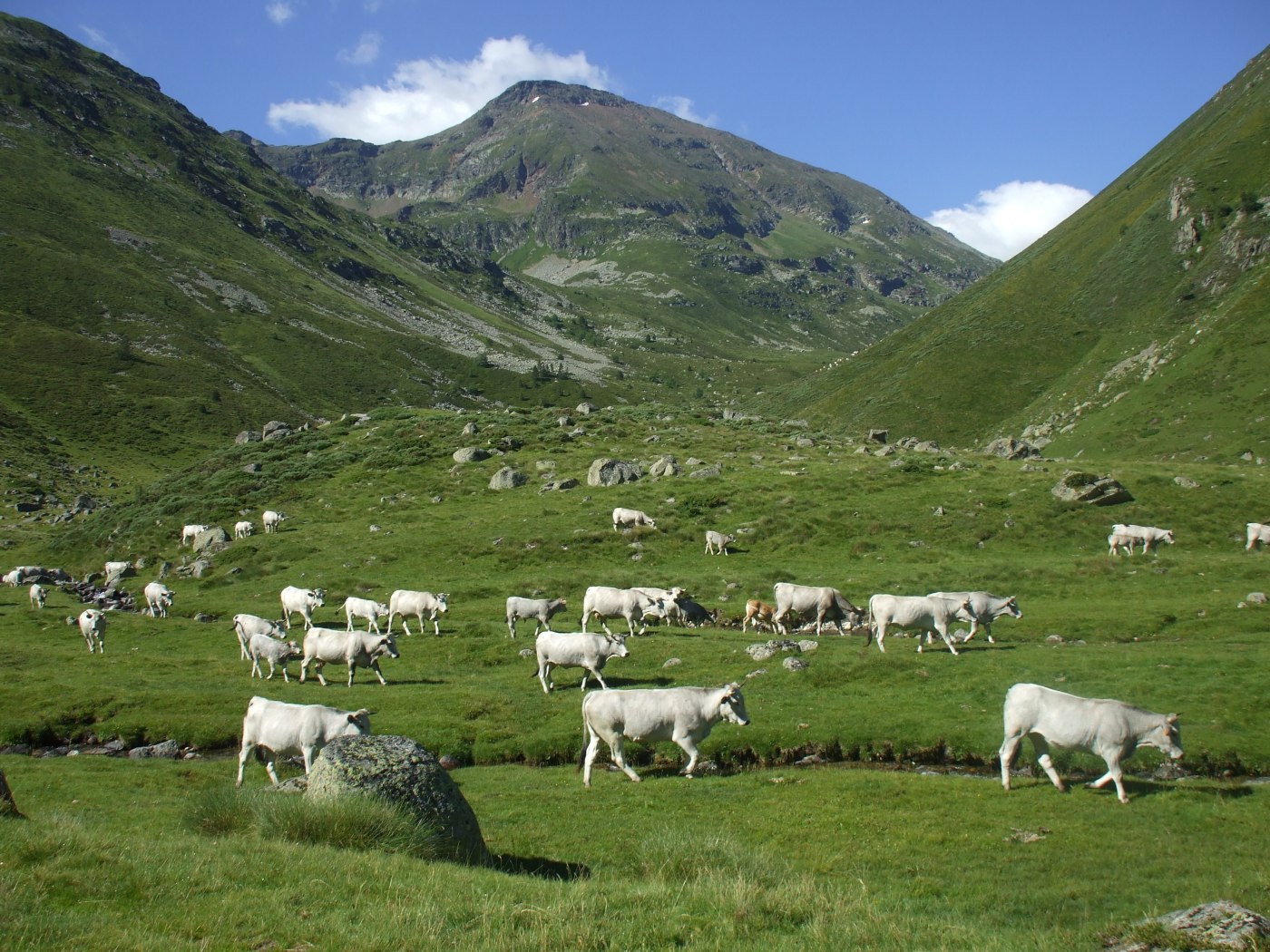
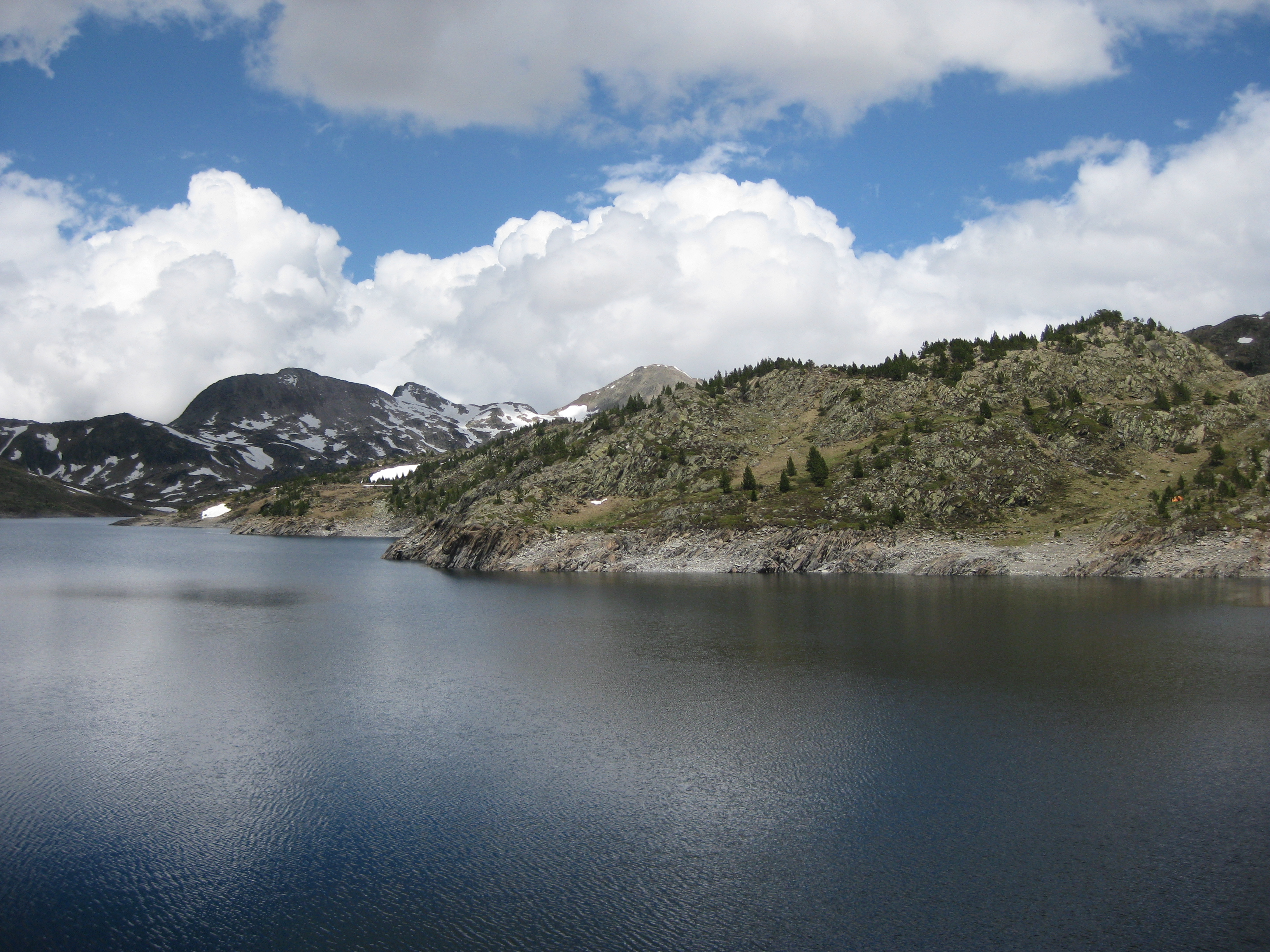
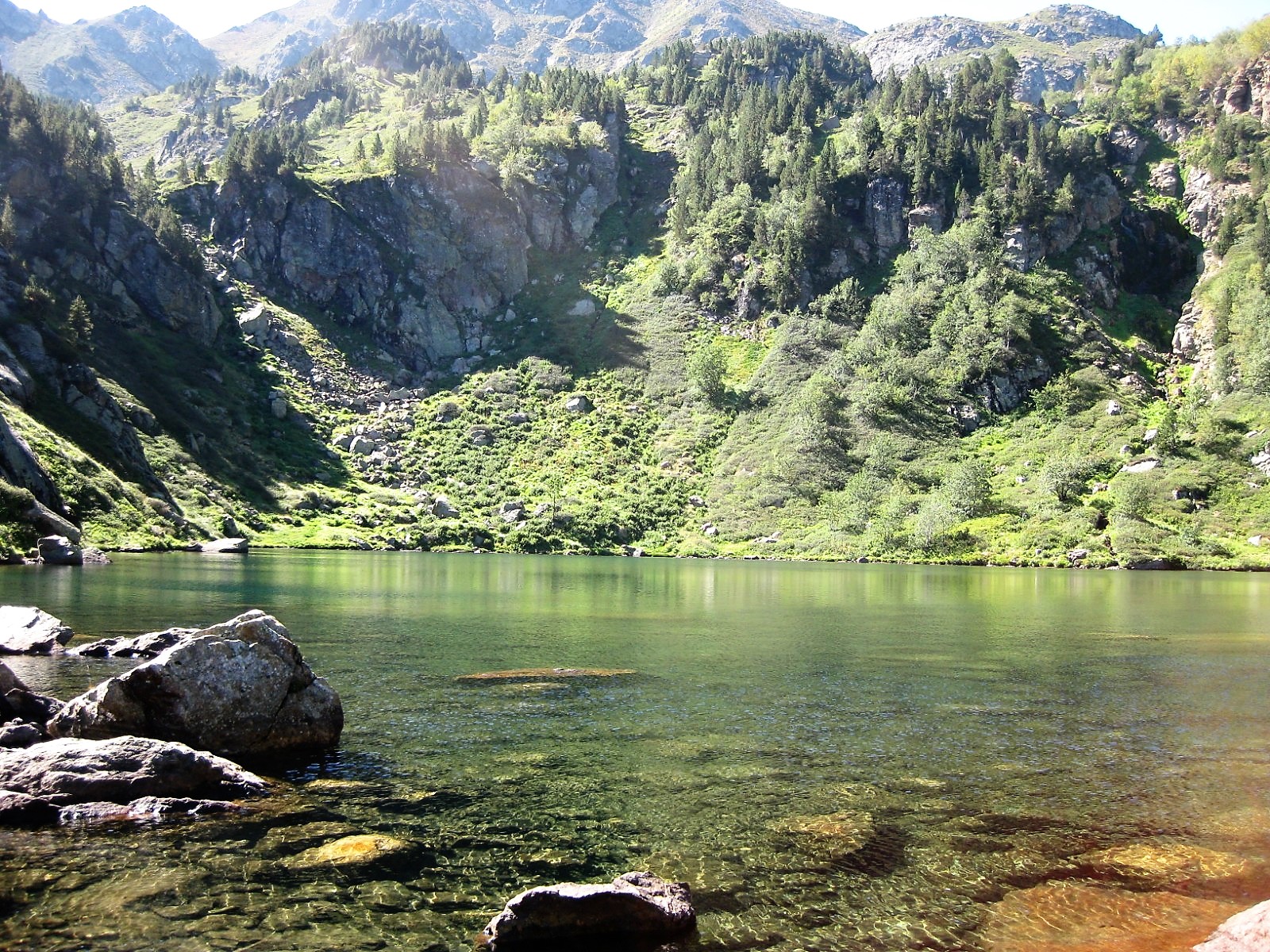
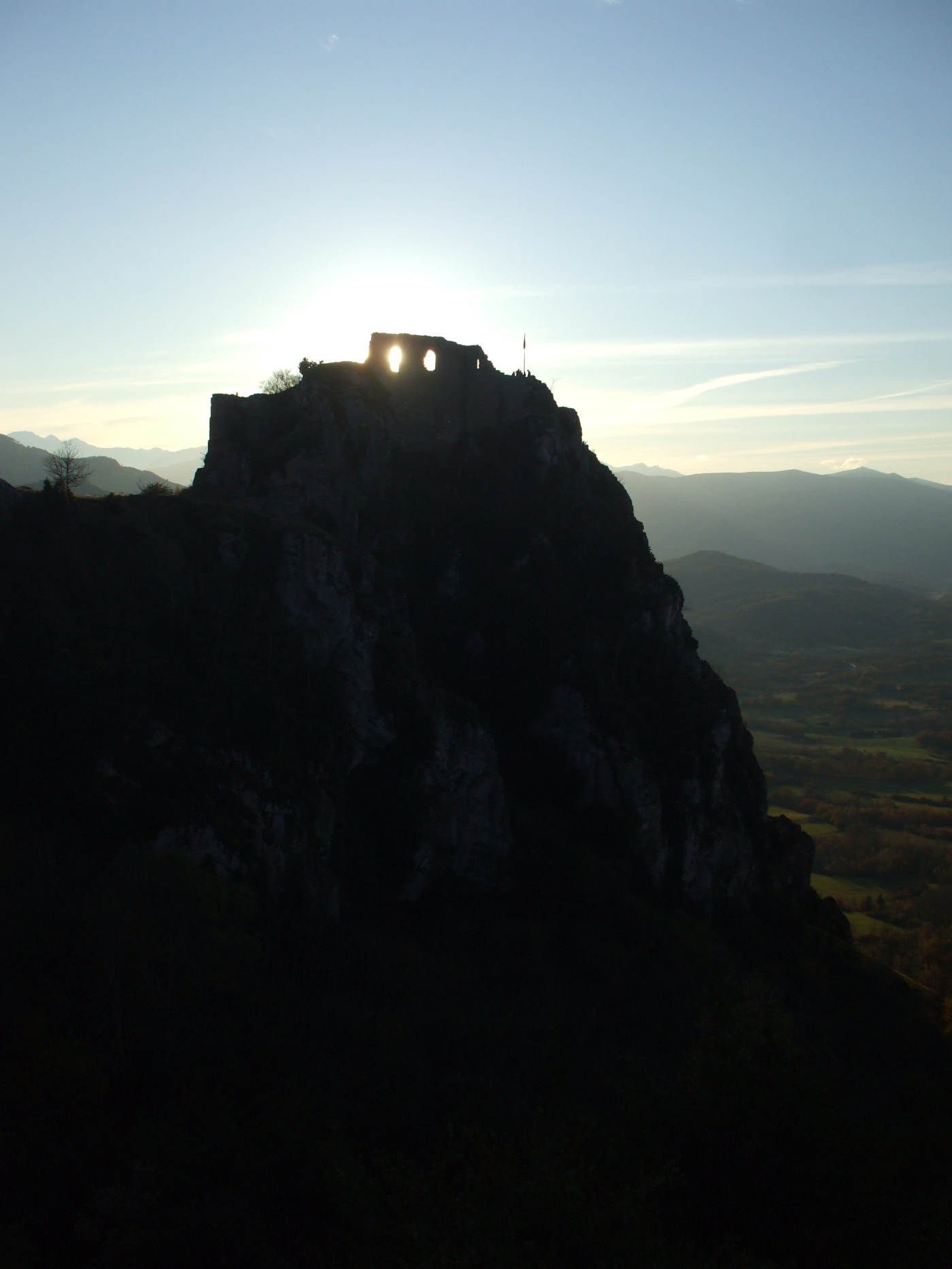
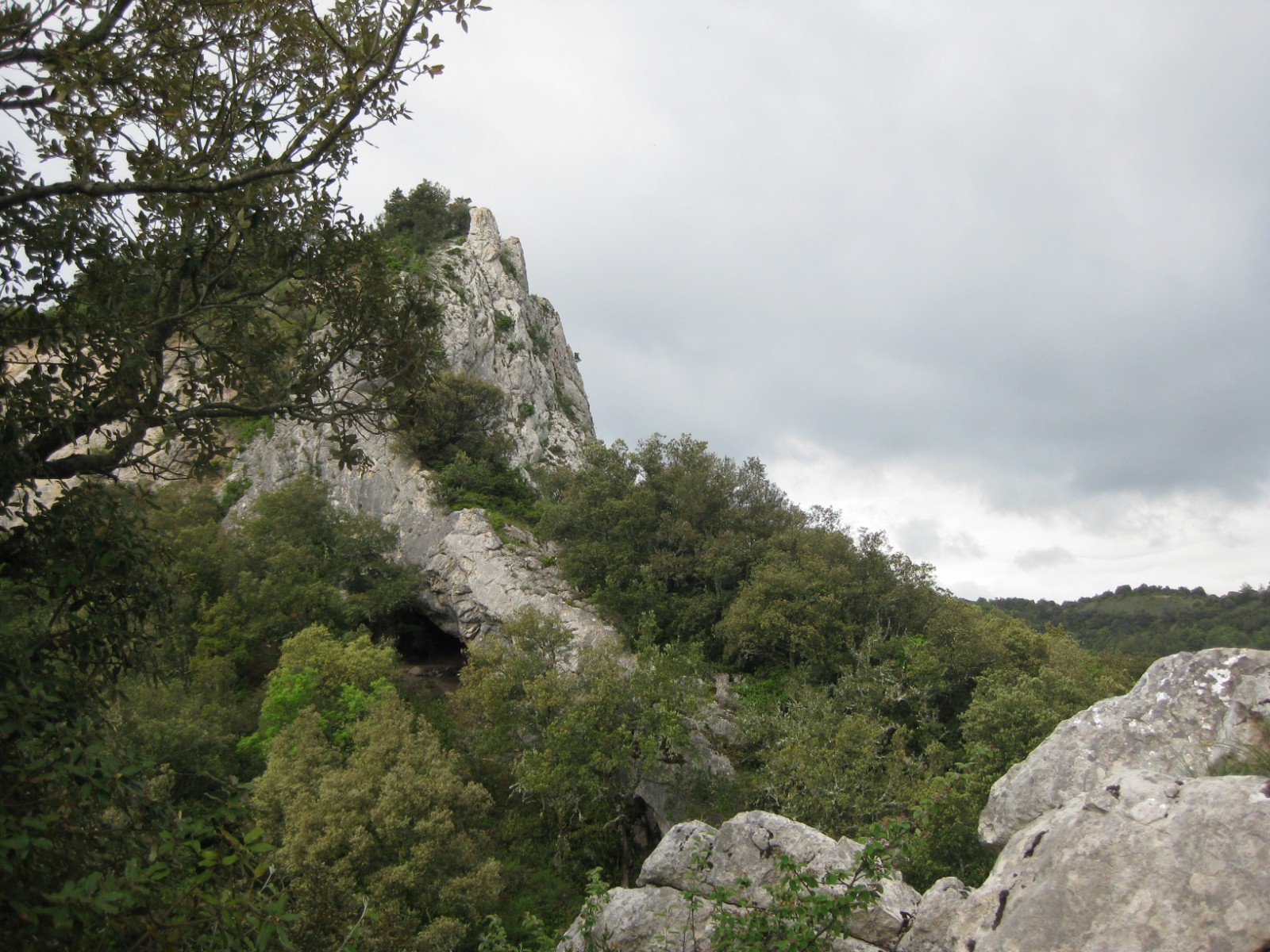
Through the walking groups we came to know the mountains in every season. The abundance of meadow flowers and orchids in the spring: the relief from lowland heat in the summer: rich autumn colours that could compete with any on the planet, and deep snow in winter. We welcomed the physical challenge of yomping upwards to some high peak or plateau, and earning our panoramic picnic, and learnt to respect the mountains’ moods.
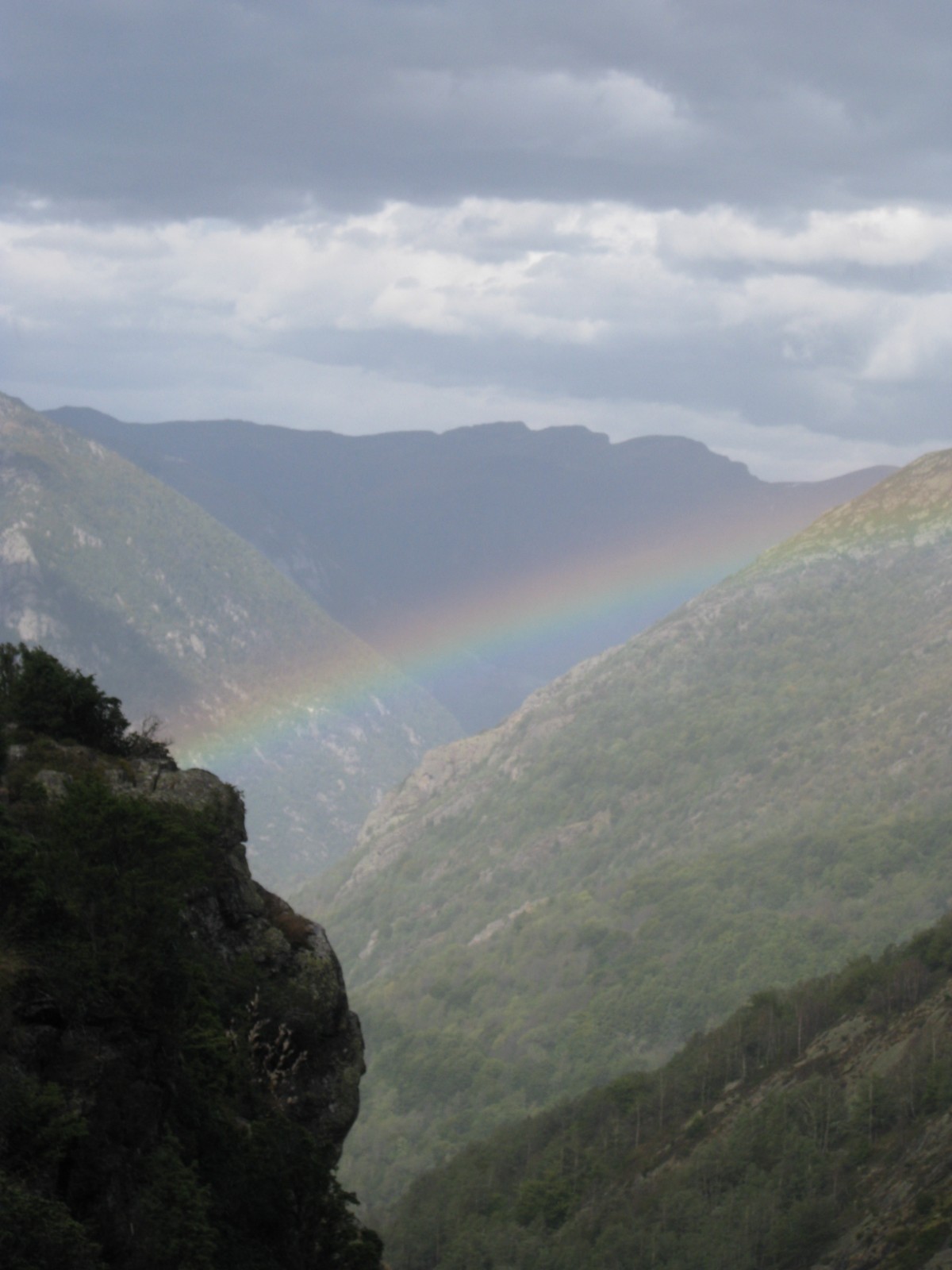
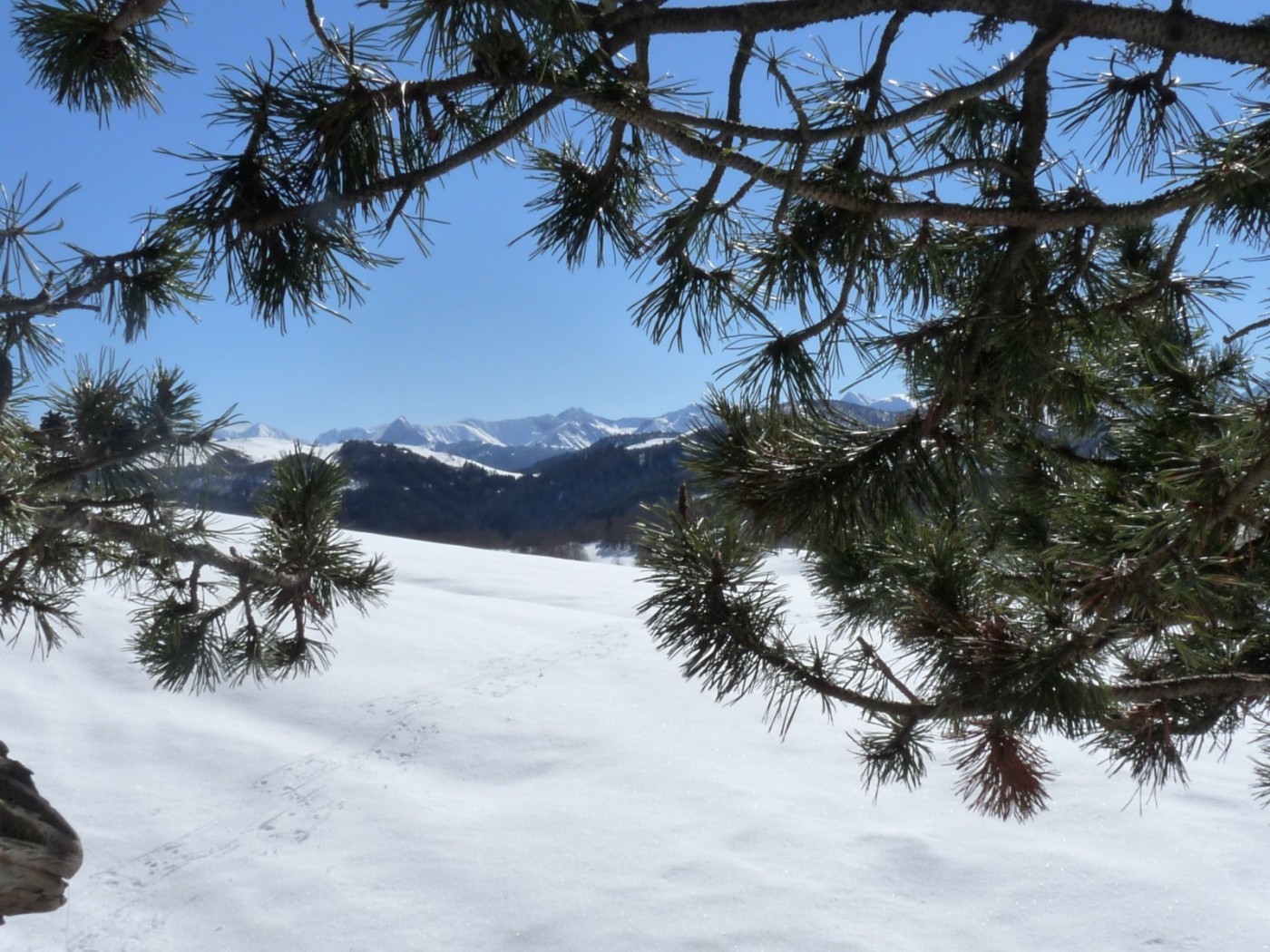
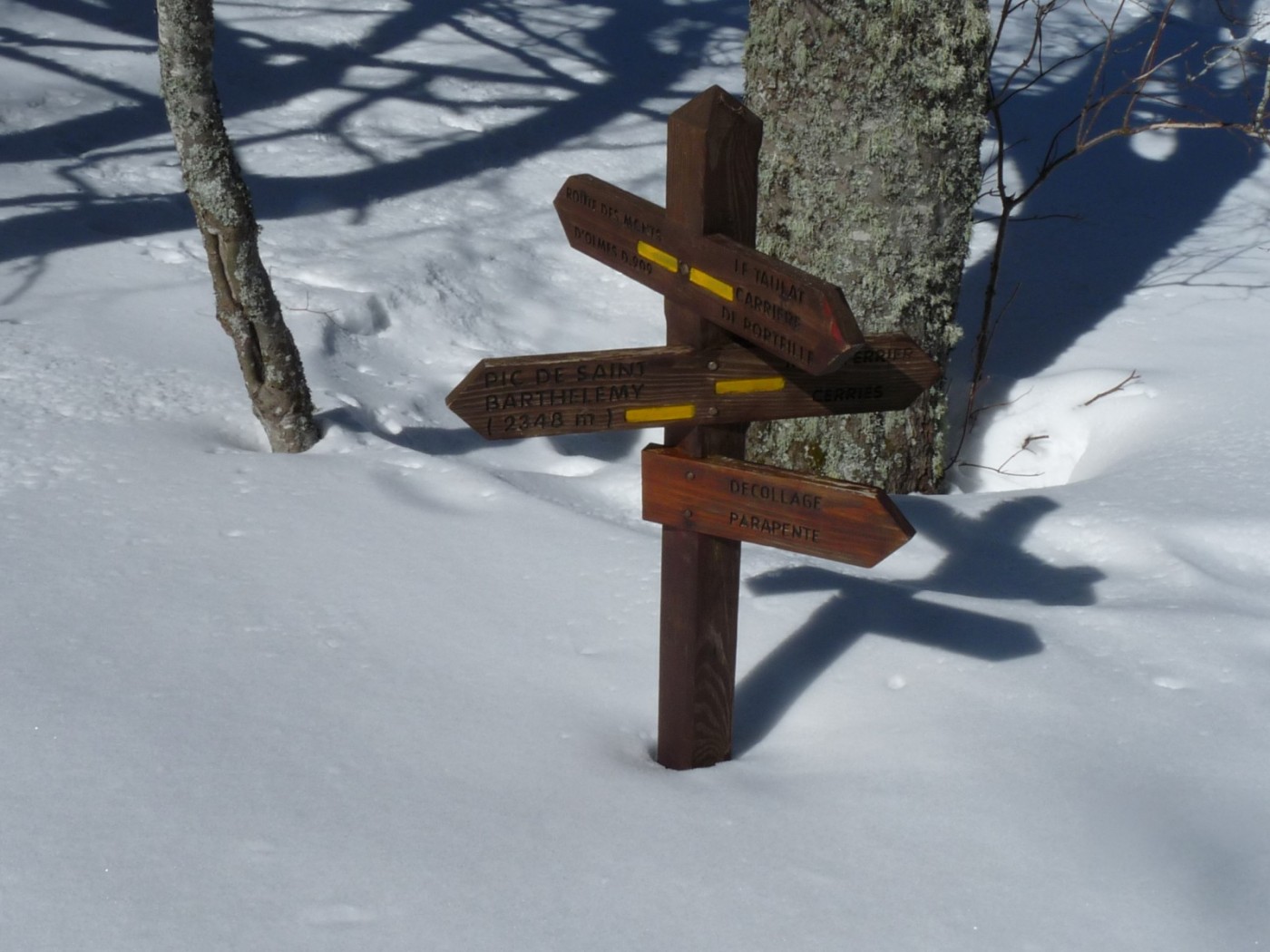
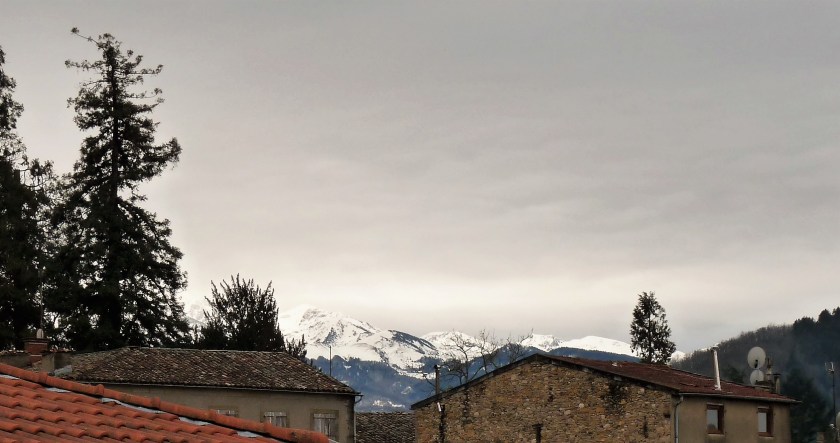
Here’s a selection of virtual postcards, which may help explain why the Pyrenees will always remain for us our Special Place.
And finally …
The view from our roof terrace. Going up to hang out the washing was no hardship.
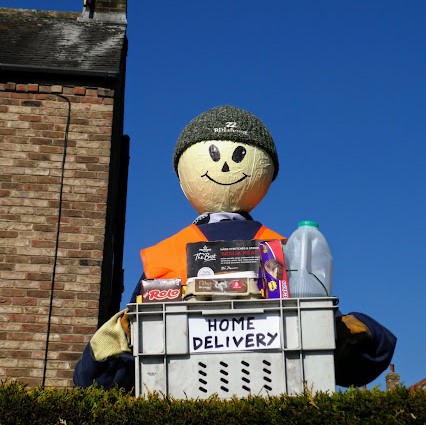
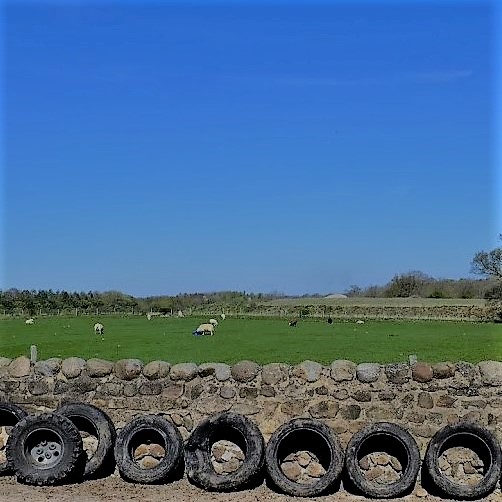
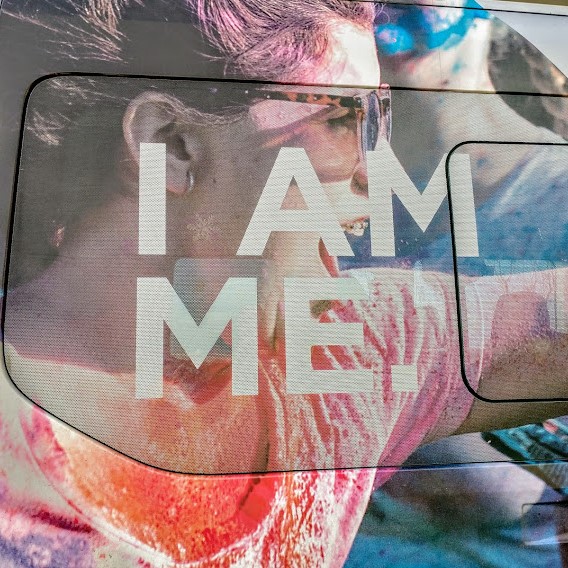
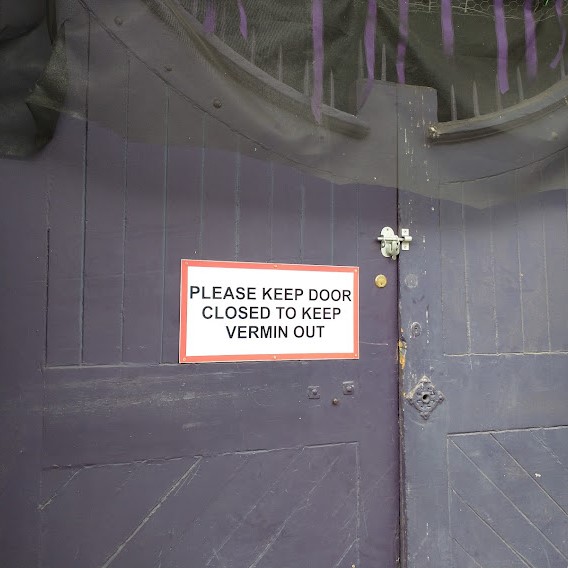
Becky’s Square Odds challenge has had us all producing all kinds of odds and ends to display in the blogosphere. Today is the last day, so I’m giving a chance to all those photos I thought I might use .. and didn’t.
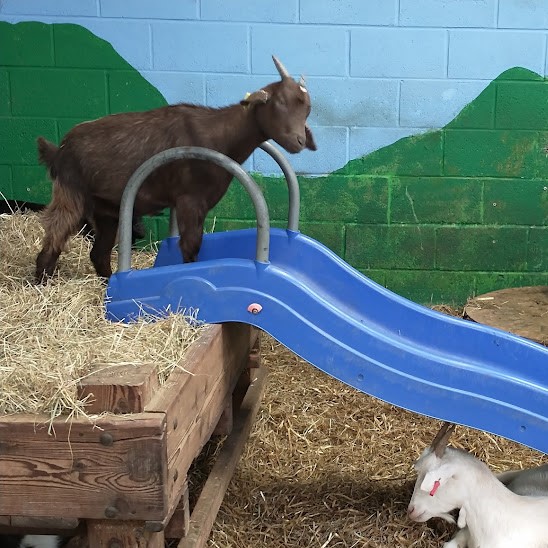
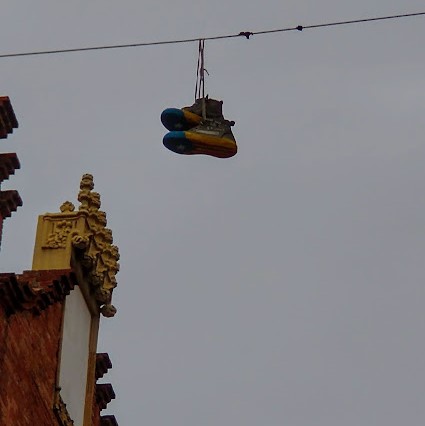
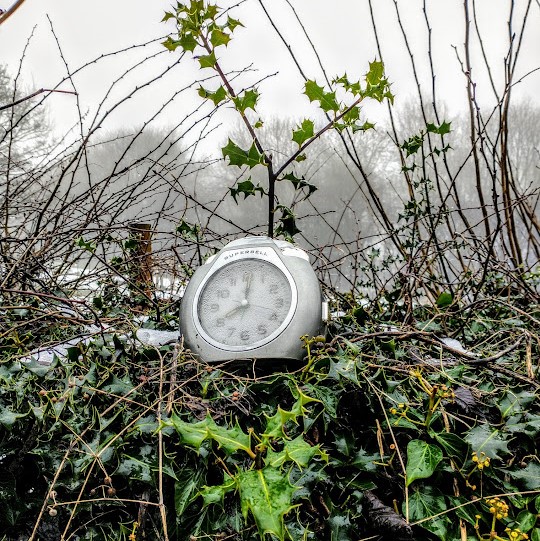
A scarecrow supermarket delivery man in Time of LockdownRedundant tyres in the countryside?Spotted on a private school’s minibus. What?Anyone you want to keep out from here?A wibbly wobbly reflection on an AirstreamKids’ playgroundSomeone’s lost shoes in SpainA hedgerow clock. Right twice daily.
Thanks Becky. I’ve had fun finding (square)oddities, and enjoying contributions from bloggers in every continent. Till the next time!
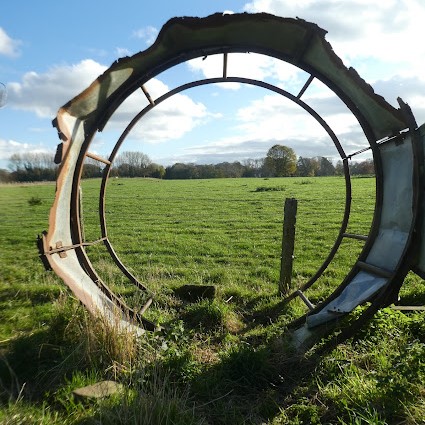
How odd. Out walking recently, I found a circular picture frame at the edge of a field. It hadn’t chosen its view with care. Look.
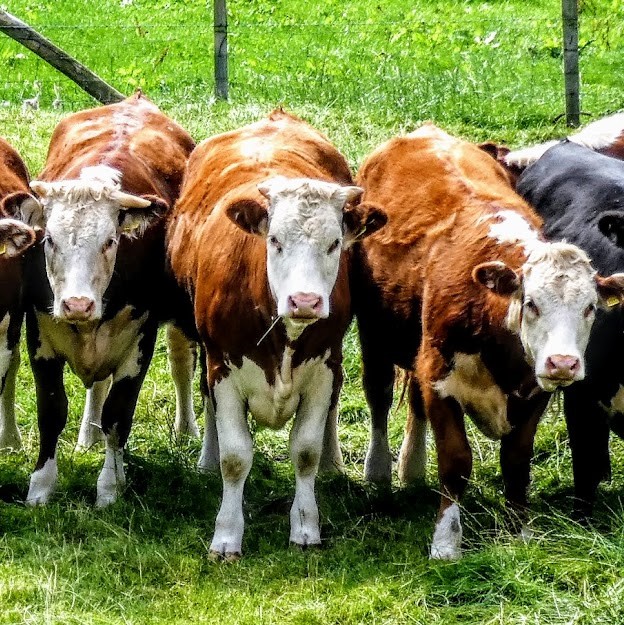
Who wants a landscape with a tatty old fence post in the foreground? If it had chosen the previous field, it could have had a portrait of an odd number of cows filling the frame.
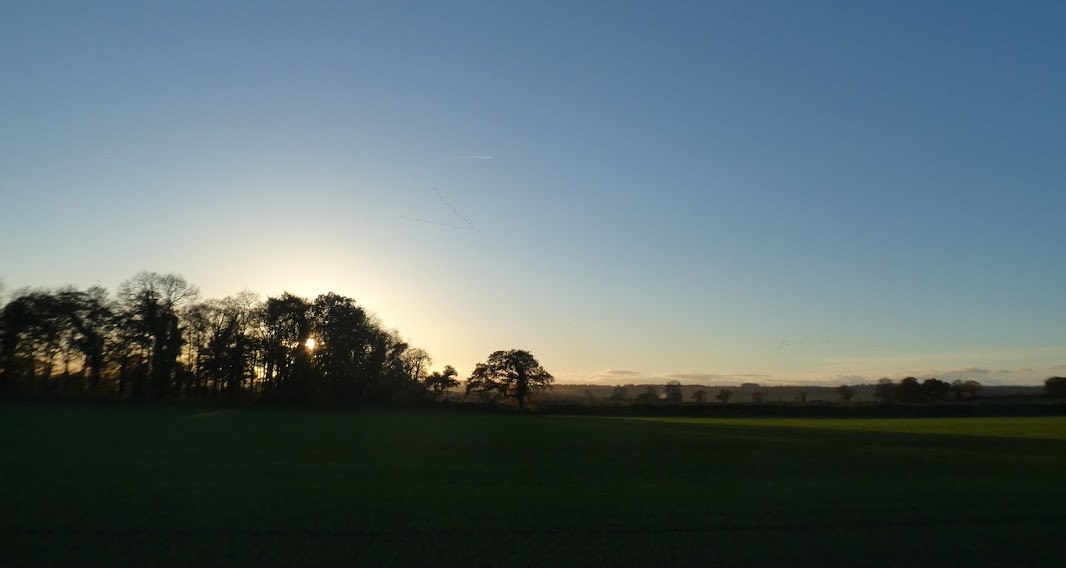
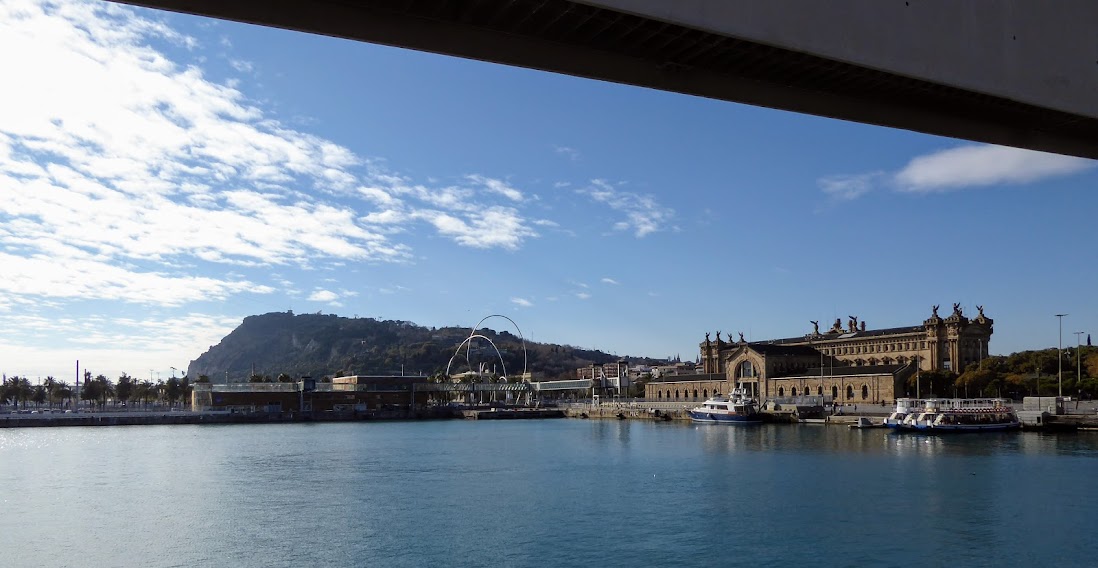
If it had re-sited itself only slightly, it could have had part of the view shown in the header photo.
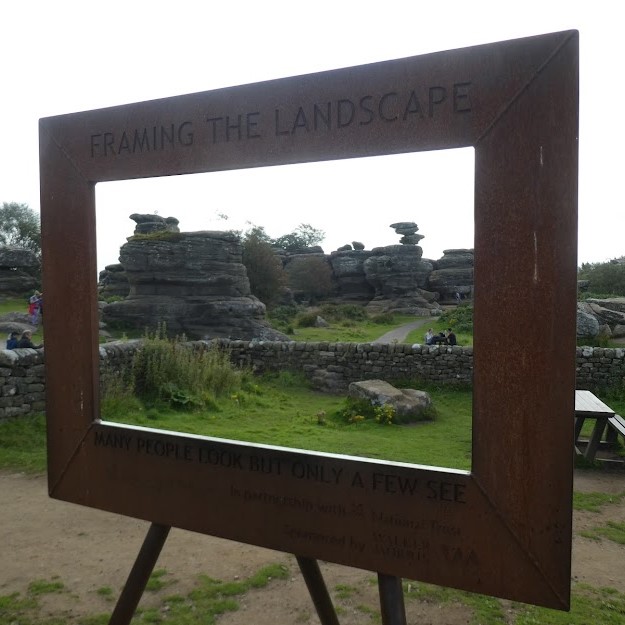
If it had applied itself, it could have taken a lesson from the frame near Brimham Rocks. That’s chosen its view with advantage.
Frankly, the frame I found hadn’t made an effort. It had taken no care with its appearance either. It was just an odd-ball.
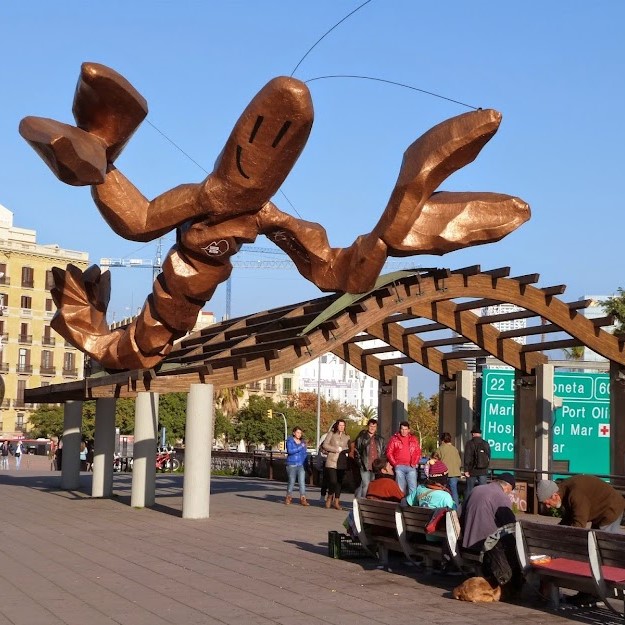
Civic statues. The great. The good. The bad. The politicians, the soldiers, the rulers and poets. Women? Not so many. But the overwhelming number of civic statues are of people.
Oddly, in Barcelona there’s a lobster, a ten metre long fibreglass lobster by Spanish artist Javier Mariscal. Originally, it fronted a seafood restaurant, but when the place closed down, the city council in Barcelona bought and restored it, and installed it on Passeig Colom in Port Vell.

















 From Pyrenees to Pennines
You must be logged in to post a comment.