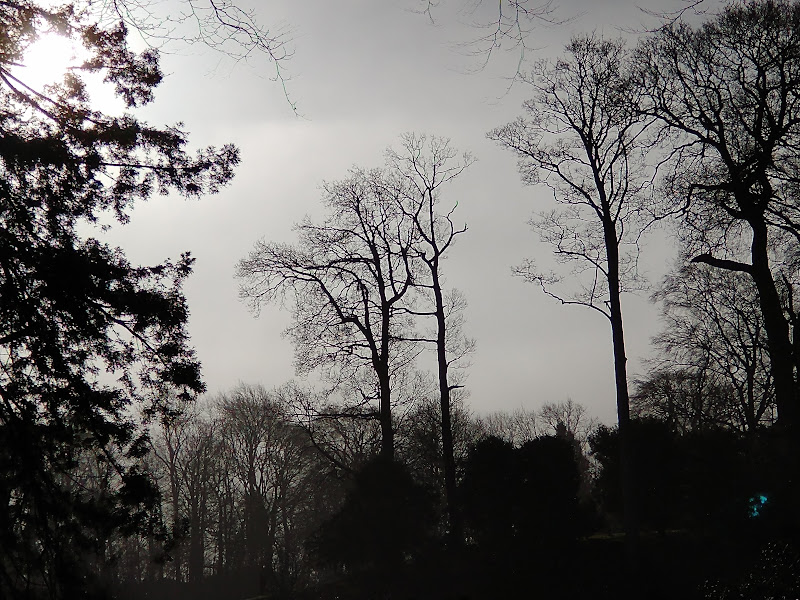
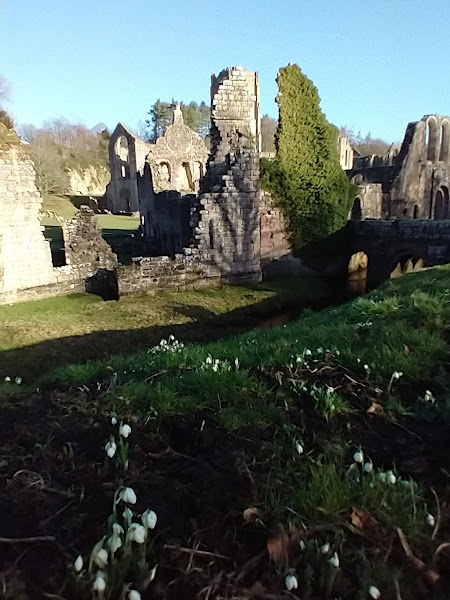
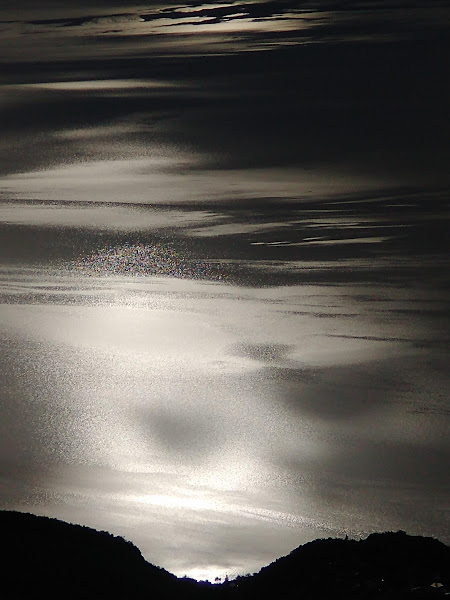
A bright, cold, breezy day at Fountains Abbey. My last photo of the month is the feature photo: it suddenly went all dark and mysterious, just for a few moments. Before – and after – that, it was all sunshine and snowdrops.
Last week, fellow blogger Brian D Butler who blogs at Travel Between the Pages. published an entire short novel on his site. He had come up with a prompt, but the story was generated by AI at the website InstaNovel. He thought it was awful. So do I. You can read it here. But what could AI do for me? I had to find out.
This was my prompt:
Pretty dire, isn’t it? If that’s the best it can do, perhaps bloggers, writers and illustrators have nothing to fear. But then … those very first cars had people solemnly walking in front of them, waving a flag as a warning. Things do move on.
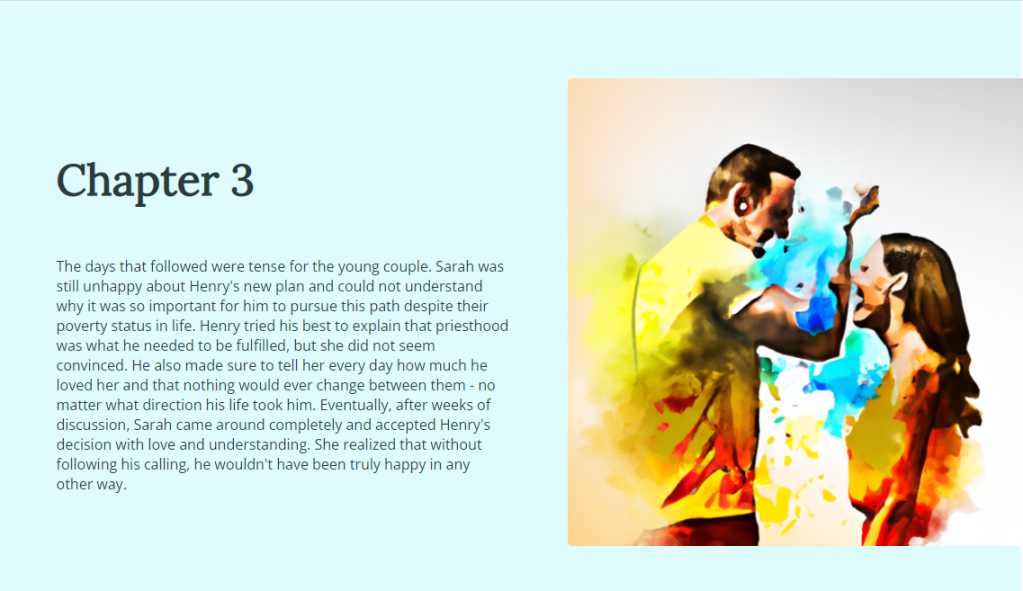
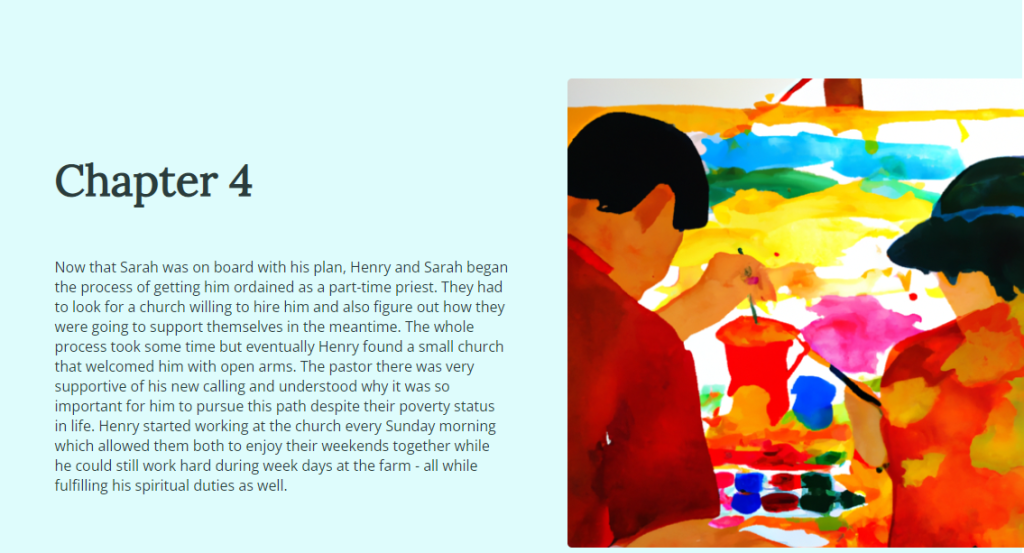
By the way. My feature image? Generated by by AI as an experiment by WordPress. As is the final paragraph of all, printed below. I don’t think AI Mark 2 quite knew what AI Mark I was getting at, do you?
My AI novel is about a world where autonomous artificial intelligence (AI) exists, and people have to find a way to interact and live peacefully alongside it. The story follows a group of intrepid humans who strive to bridge the gap between human and computer-powered life. Despite various struggles, the characters eventually find acceptance and cooperation, building bridges between humans and AI in a post-apocalyptic fantasy world.
This novel explores how machines might change society and how people might react to and embrace technology. The story examines the impact
Walk along any street, anywhere, and it won’t be long before you come across a message. Maybe light-hearted, like this one spotted in Liverpool …
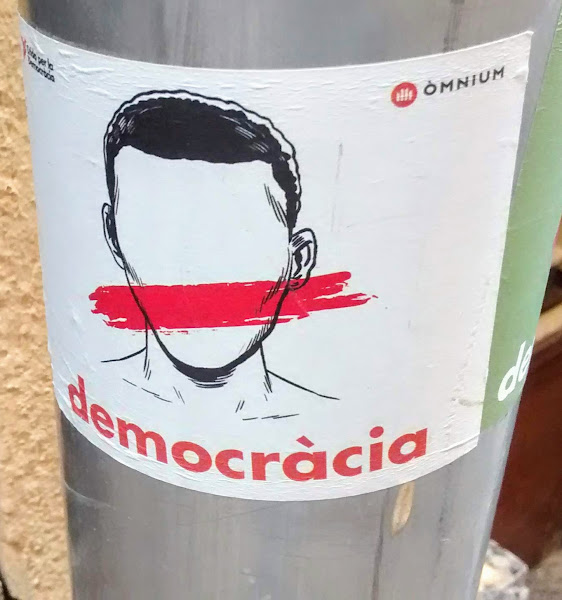
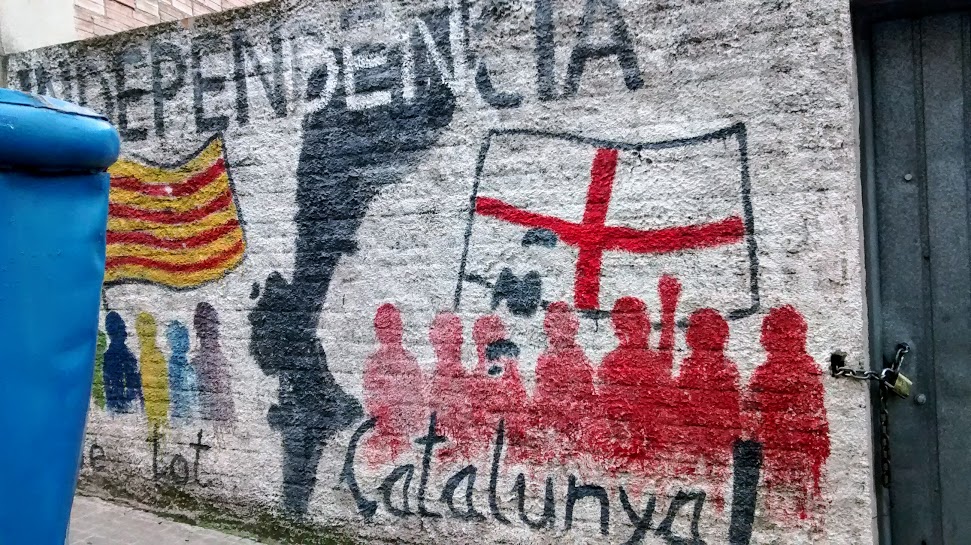
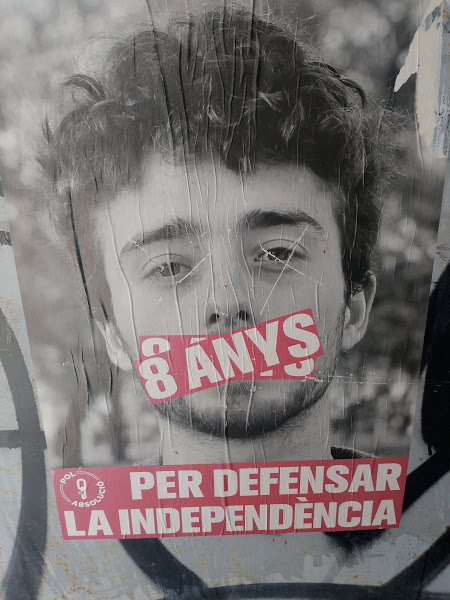
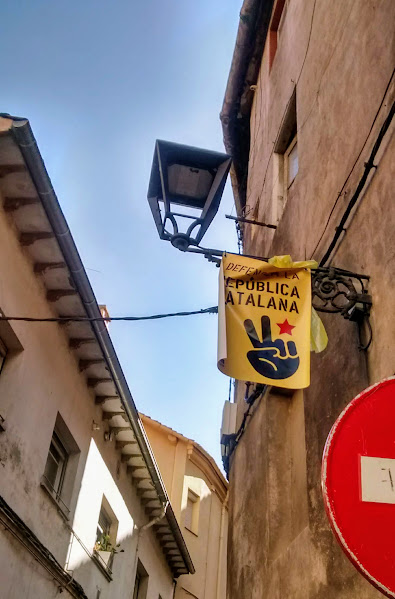
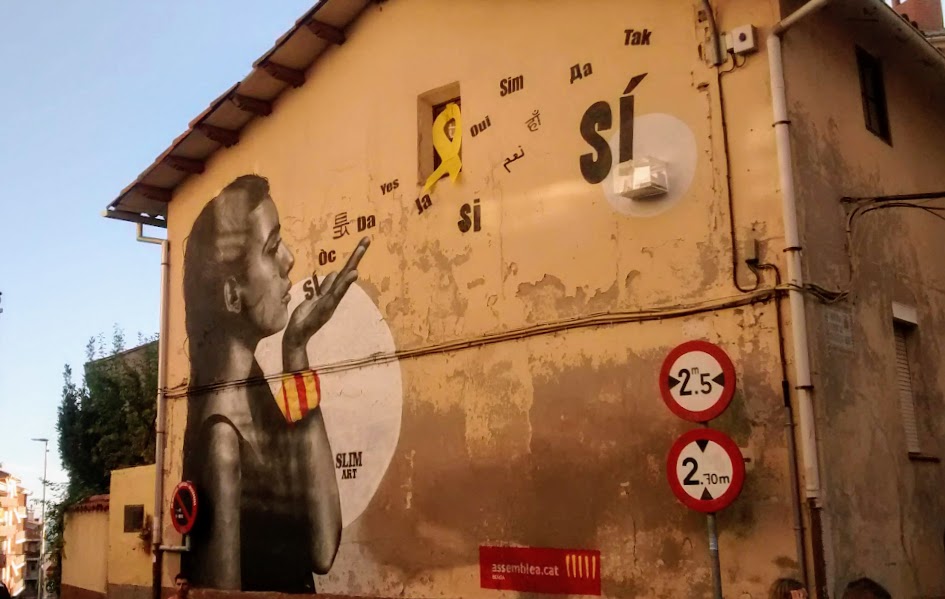
… maybe political. You can’t go far in Catalonia, Spain without coming across messages and slogans demanding independence. These shots were all taken in Berga, where the mood of virtually the entire population there was not in doubt.
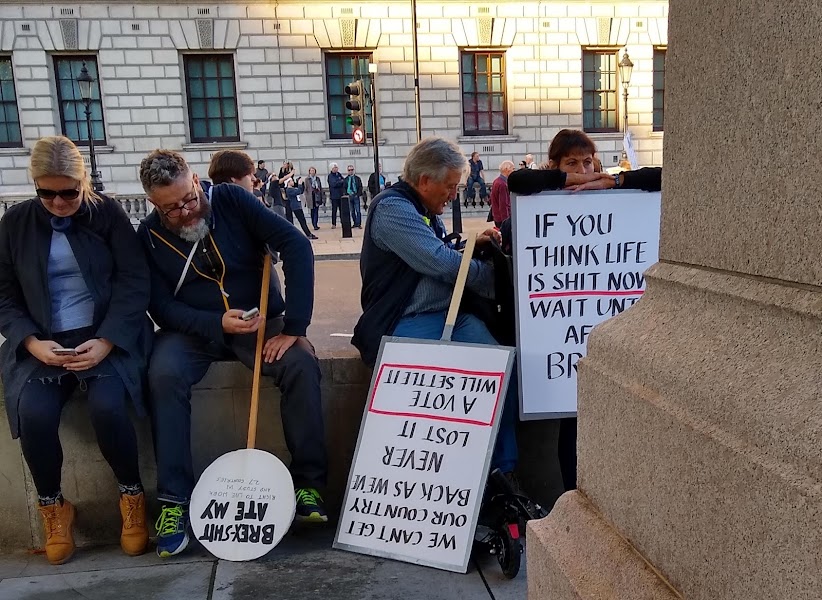
The next shots were all taken when thousands of us took to the streets, again and again, in 2018 and 2019 voicing our misgivings about the prospect of Brexit. It gives us no satisfaction whatever to see that our fears were entirely justified.
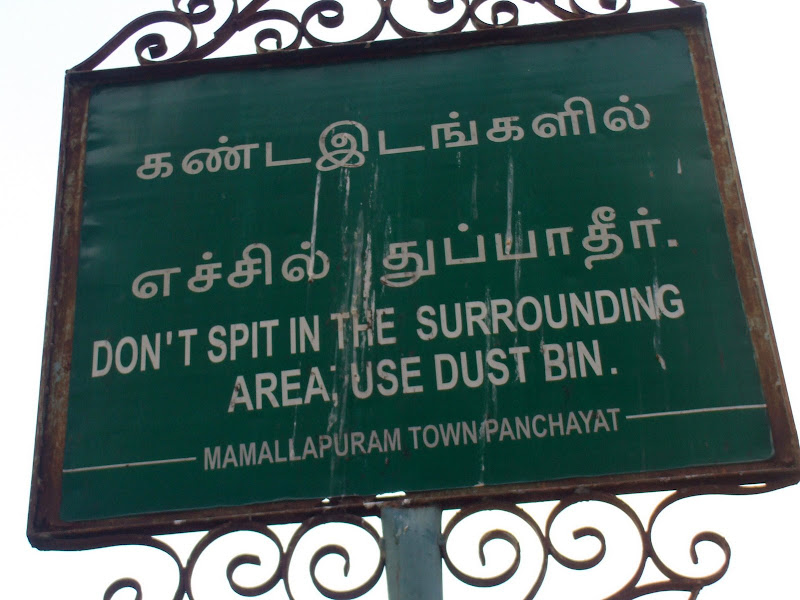
In India, I saw messages that were more like public service announcements ..
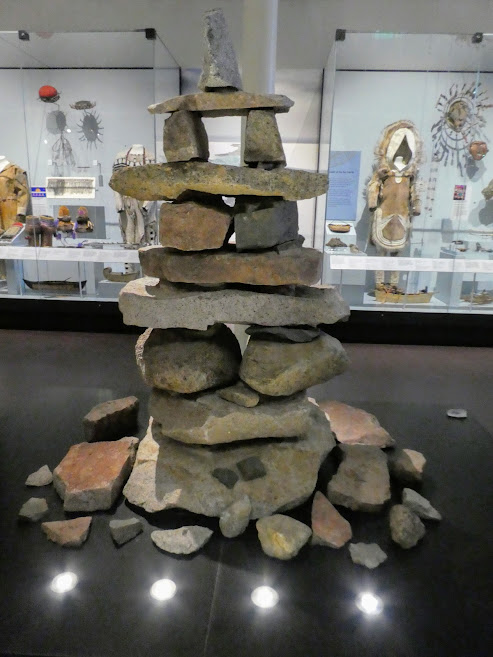
And in Edinburgh, in the National Museum of Scotland, this …
Inuksuk, by Peter Irniq, 1998, uses a traditional technique used by the Inuit to convey messages about good fishing grounds etc.
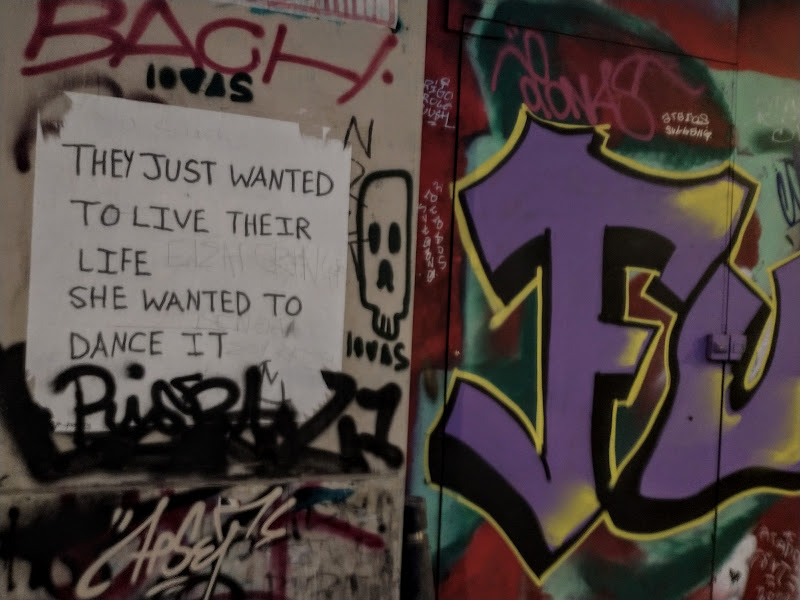
Let’s end though, as we began, with a message, this time in Thessaloniki, simply intended to bring good cheer …
Eight years ago, none of us knew that five years later, our local tracks – the only ones permitted to us during our Lockdown Daily Exercise – would become almost as familiar to us as our own garden path. This is a post I wrote about a nearby walk on January 27th 2015, when I thought that I’d seen all there was to be seen locally. I was wrong as it happened, and later realised how very much more there was to discover when Lockdown provided the incentive. For Fandango’s Flashback Friday.
Only Sky
The days are short
The sun a spark
Hung thin between
The dark and dark.


John Updike, 'January', A Child’s Calendar
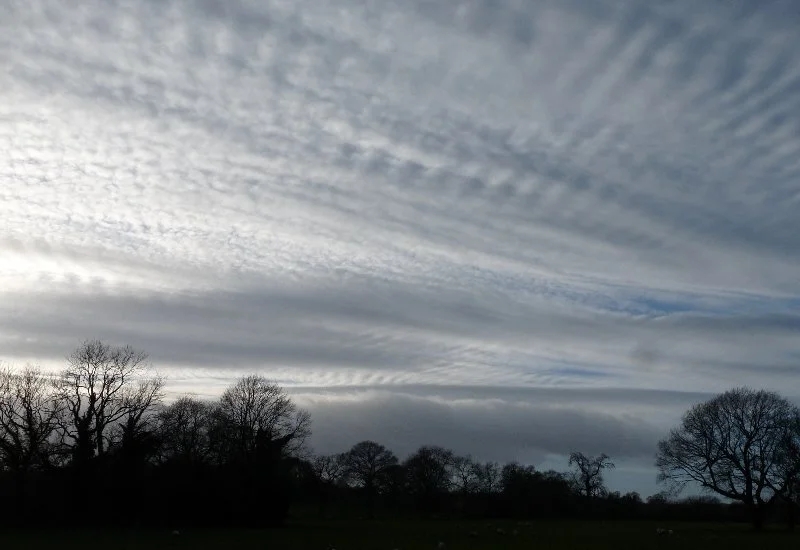
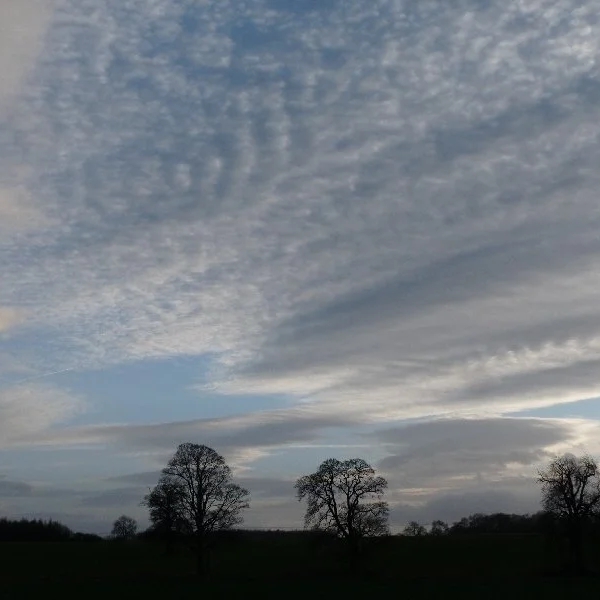
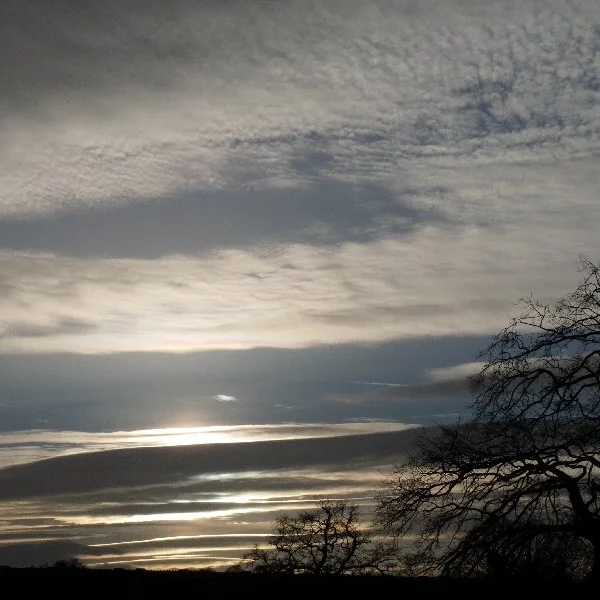
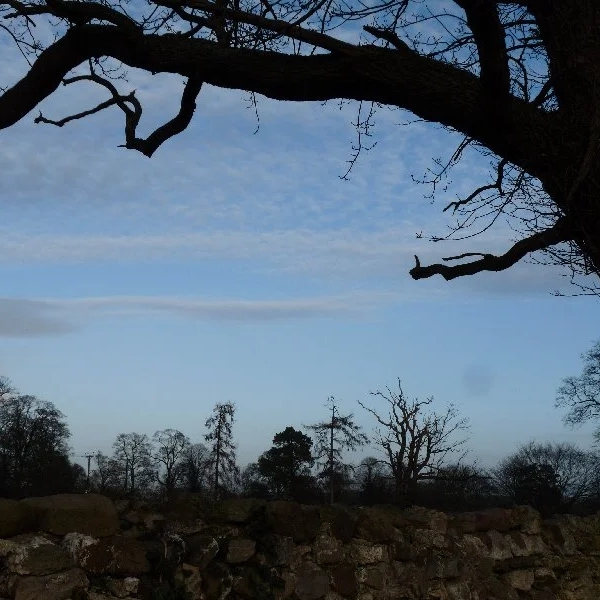
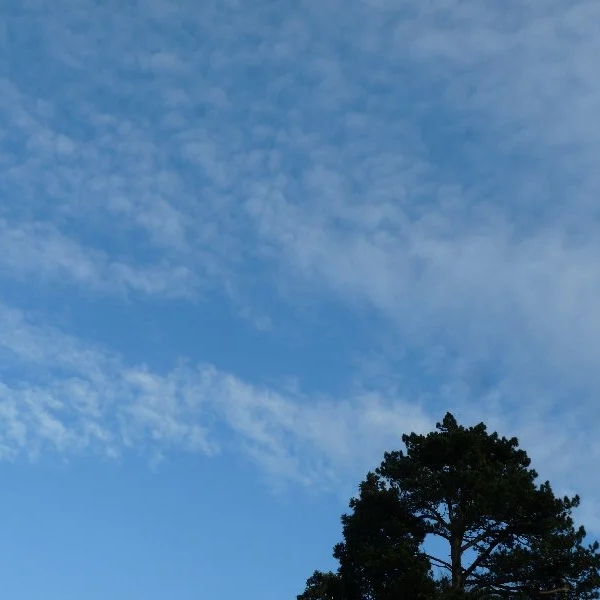
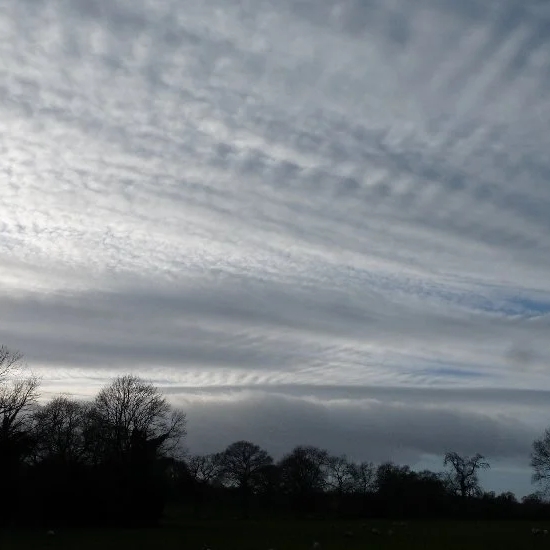
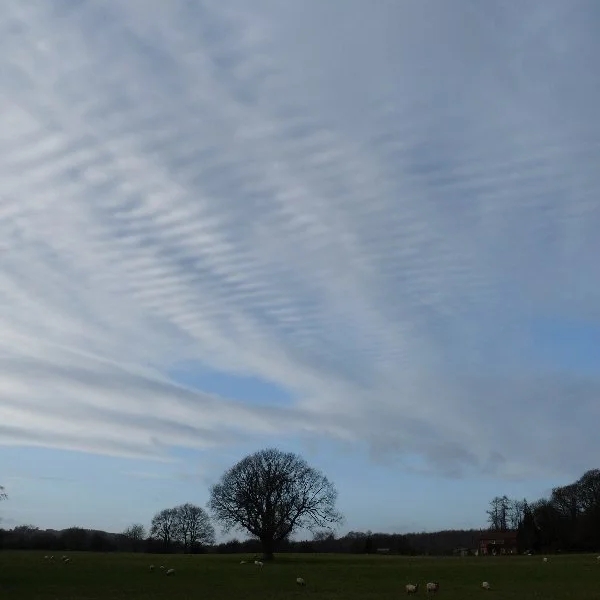
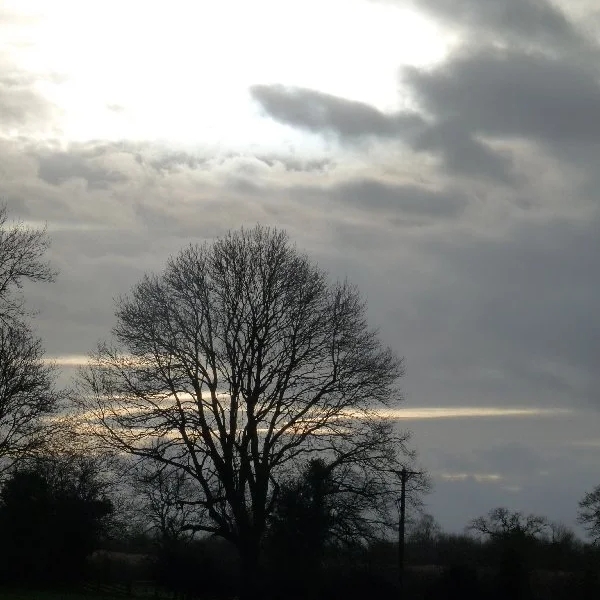
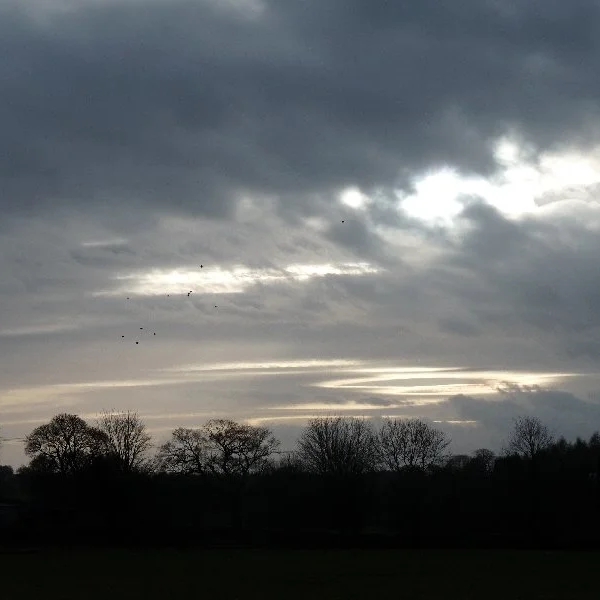
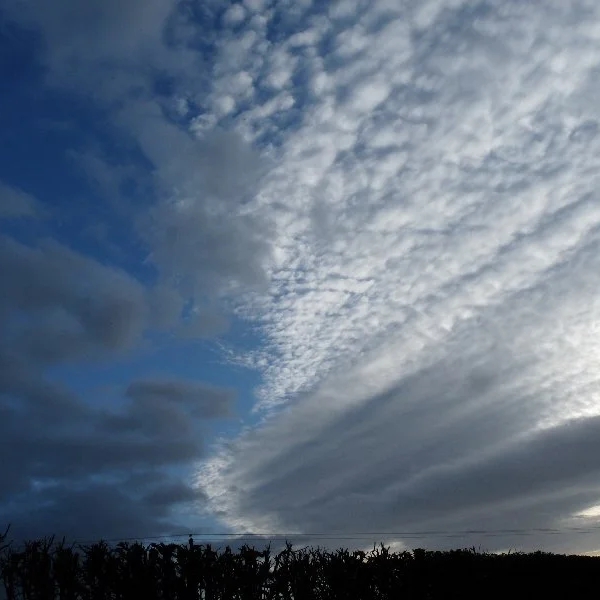
A bright winter’s afternoon. Just time, before the evening cold sets in, to get out for a couple of hours of brisk walking: 5 miles or so along familiar paths. So familiar that this time, I focus on the sky: changeable, unpredictable.
Sometimes it’s moody, sometimes cheerful, sometimes simply rather grey and colourless: at other times dramatic, particularly towards sunset. Come and walk with me to watch the clouds.
We’ve seen all kinds of creatures have their moment as stars of Monday Portraits. But usually animals and birds. Beetles? Not so much. But I find this Forest Cockchafer to be a handsome fellow. We spotted this one on our Balkans adventure last year, but he could just as well have lived in woodland or farmland here.
He’s large – up to 30 mm in length. He’s clumsy, and likely to bump into things. He chomps away on leaves and flowers, but not to a destructive extent. These beetles only live for five or six weeks: even though, as a larva, they spend maybe three to five years growing underground.
He’ll make a large whirring noise in flight and may well clatter into your window panes. Not yet though. Look out for him in May and June. Remember, you saw him here first …
The other day, I wrote about the rather mysterious and enchanting places which are Britain’s temperate rainforests. I’m not sure if France’s Labyrinthe Verte also qualifies, but it’s a very promising candidate.Here’s a post I wrote some eleven years ago, after we’d walked there.
THE PRINCIPALITY OF THE BROTHERS GRIMM: AND STONE SOUP
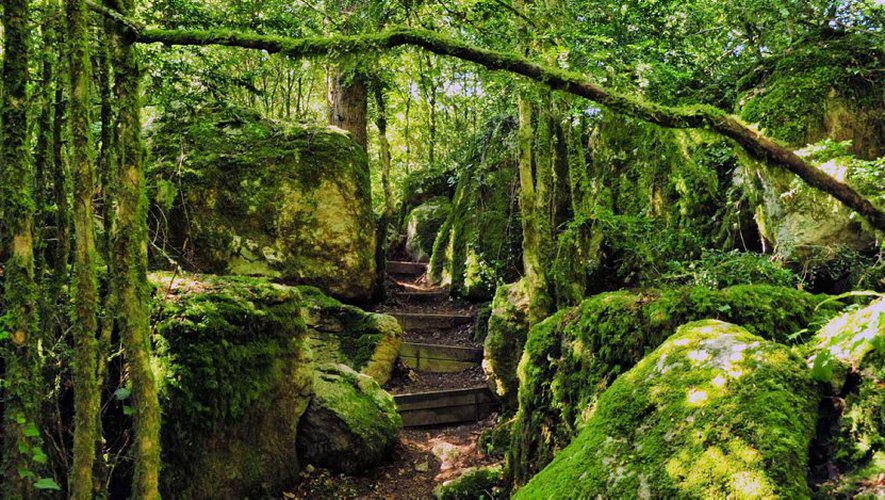
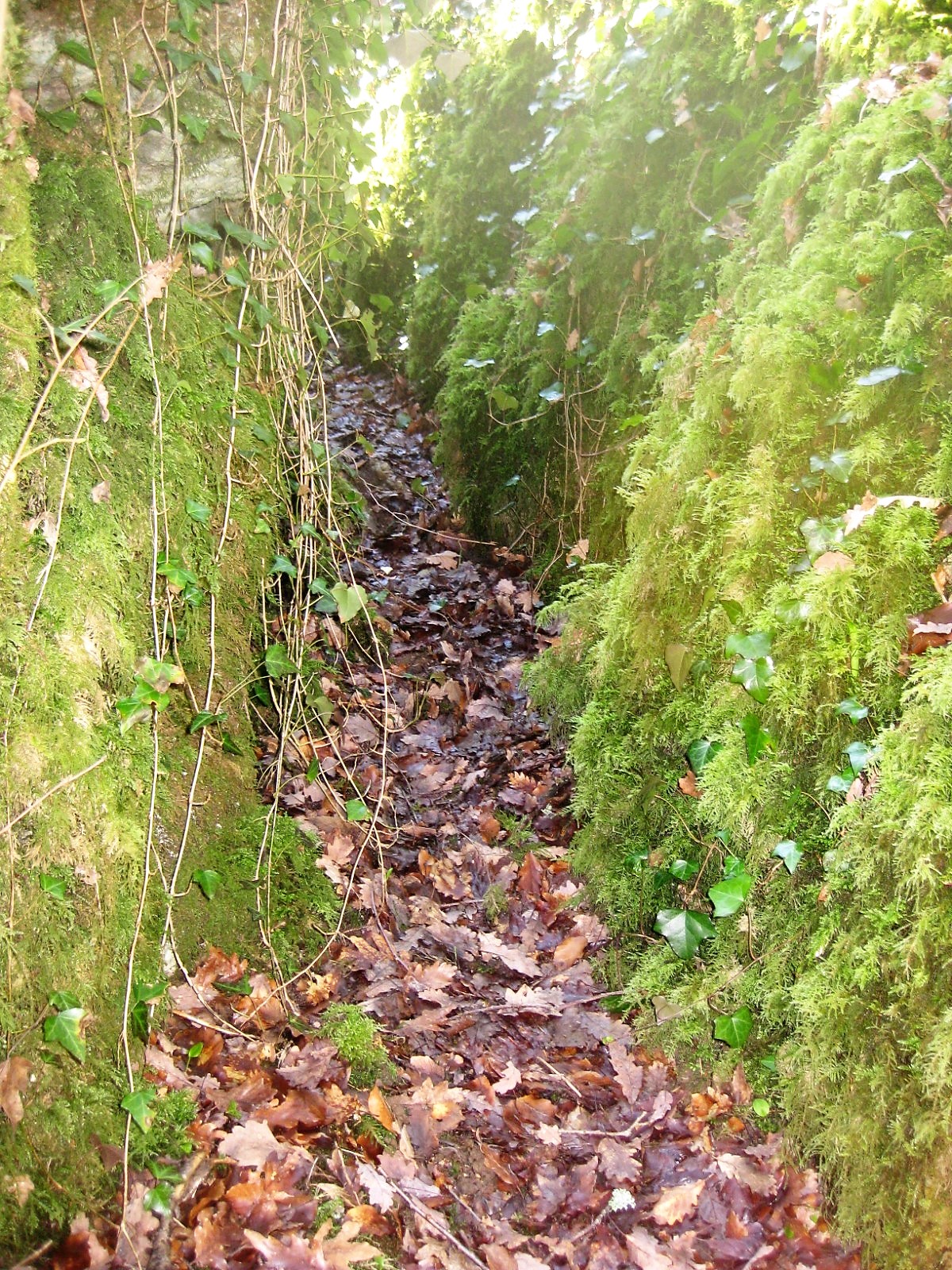
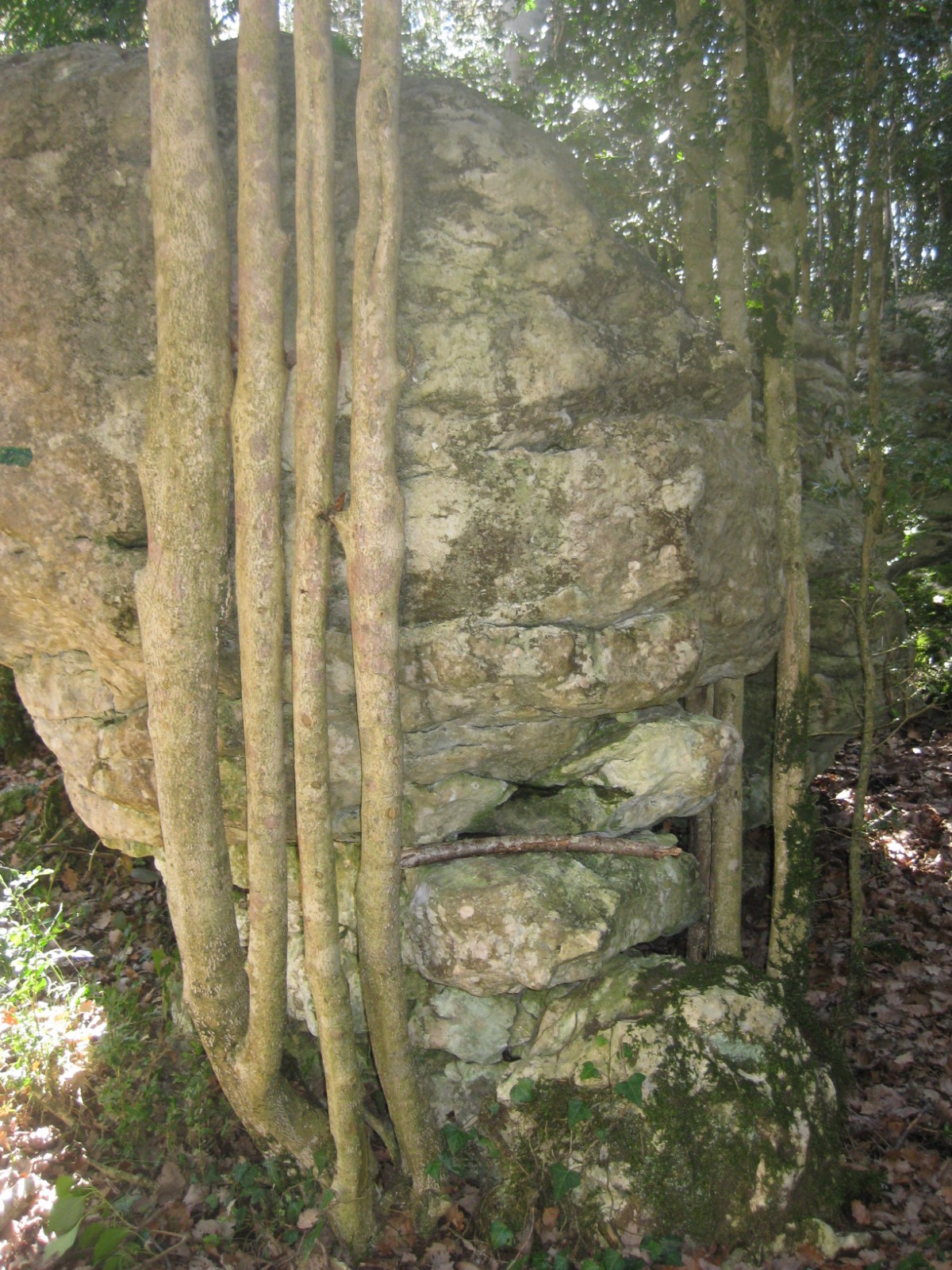
Sunday. We went to Nébias in the Aude. Just outside the village, you’ll find the Labyrinthe Verte, a natural maze, with winding pathways through a forest, where rocks and plants have created a bewildering array of natural passageways which are both beautiful and fun to explore. These paths are cut deep through limestone, often at shoulder height. Somehow, we’d never visited. But today, thanks to the Rando del’Aubo, our walking group, we did.
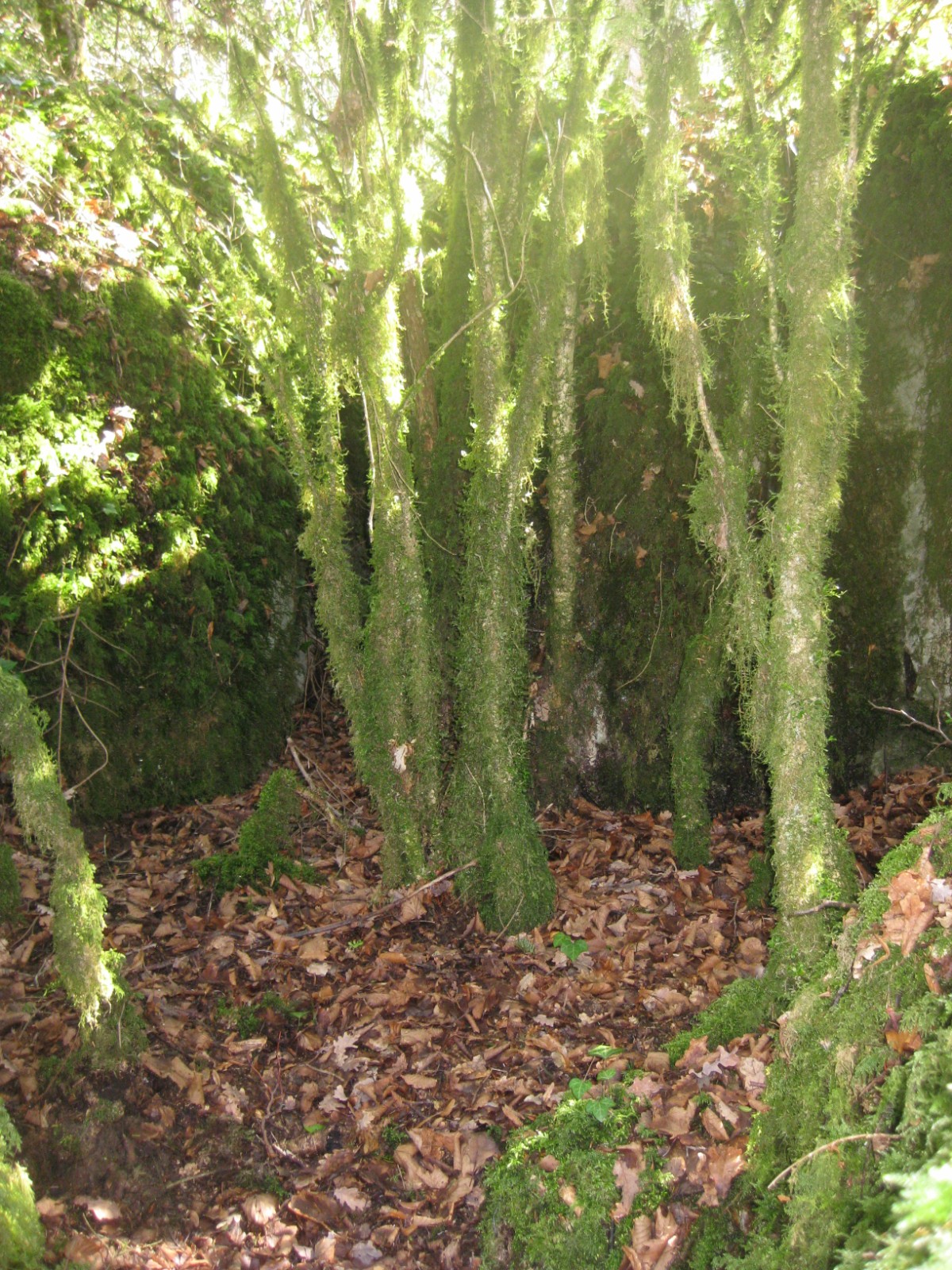
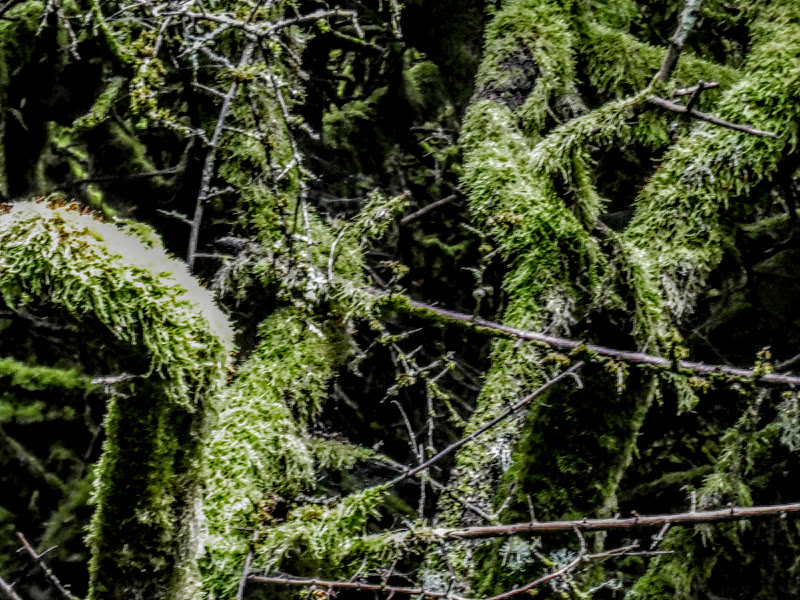
It’s been a lovely bright spring day today, but the forested labyrinth is never really sunny. Trees, their trunks and branches bearded with feathery fronds of moss and lichen, crowd the limestone crags and fissured passageways. Deprived of light and space, they assume crippled and fanciful shapes, or else aim straight for the sun, their thin trunks competing with each other for a place to establish their roots. It’s not eerie however. On this warm March day, we wouldn’t have been surprised to meet an ethereal band of fairies whirling through the dampened glades: on a bad night in November, perhaps a gnarled and wicked hag from the tales of the Brothers Grimm.
Every time of year has its own magic apparently. On the coldest days of winter, the mosses and lichens are white and crisp with frost, making the forest fit for a Snow Queen.
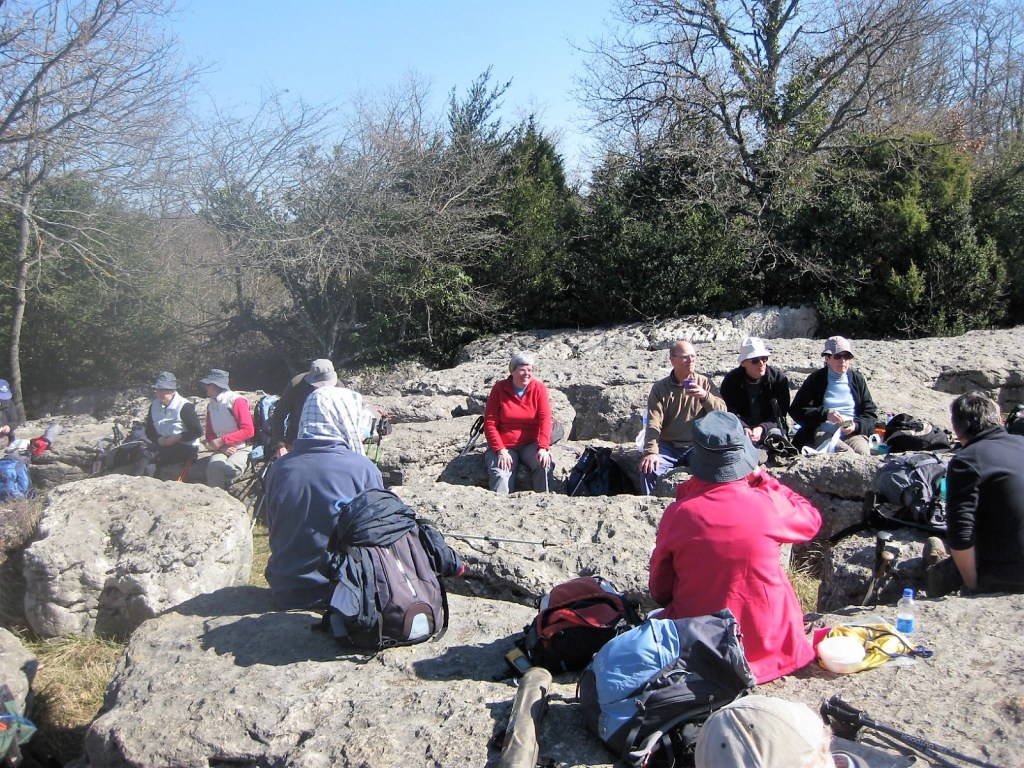
At lunch time, since we were in France and eating’s important, the darkened passages unexpectedly cleared. Suddenly, beneath blue skies and bright sunshine there was a fissured limestone pavement, providing surfaces and seating for our lunchtime picnic. Which Malcolm had somehow left behind. The members of the group magicked their very own version of Stone Soup for him. Do you know this tale?
Once upon a time, there was great famine throughout the land. Villagers squirrelled away any tiny amounts of food that they had. One day, a soldier came by, asking for a place to sleep for the night, and perhaps a meal. The villagers explained there was no food. ‘That’s alright, I have plenty. I have a magic stone that cooks delicious soup for me every night’. And he hauled a great cauldron from his pack, set a fire, filled his pot with water, and reverently placed a stone – also in his pack – into the water. Eventually the water simmered. The soldier tasted it. ‘Delicious!’ he pronounced. ‘Now, if anyone happened to have a carrot to add, it would be even better’. A woman in the crowd hurried home and found – two. The soldier declared the soup even tastier, but if anyone had some cabbage…? Then …. an onion? …some celery? … potato? The butcher found some scraps of pork and everything went into the pot. Before long, the soup was delicious indeed, and everyone filled their bellies. But the soldier wouldn’t sell his stone: no, not for any money.
On this occasion, within half a minute Malcolm had more food then the rest of the group put together. A mustardy ham baguette, some home cured sausage, a chunk of bread, a chocolate pudding, and apple…. The power of working together!
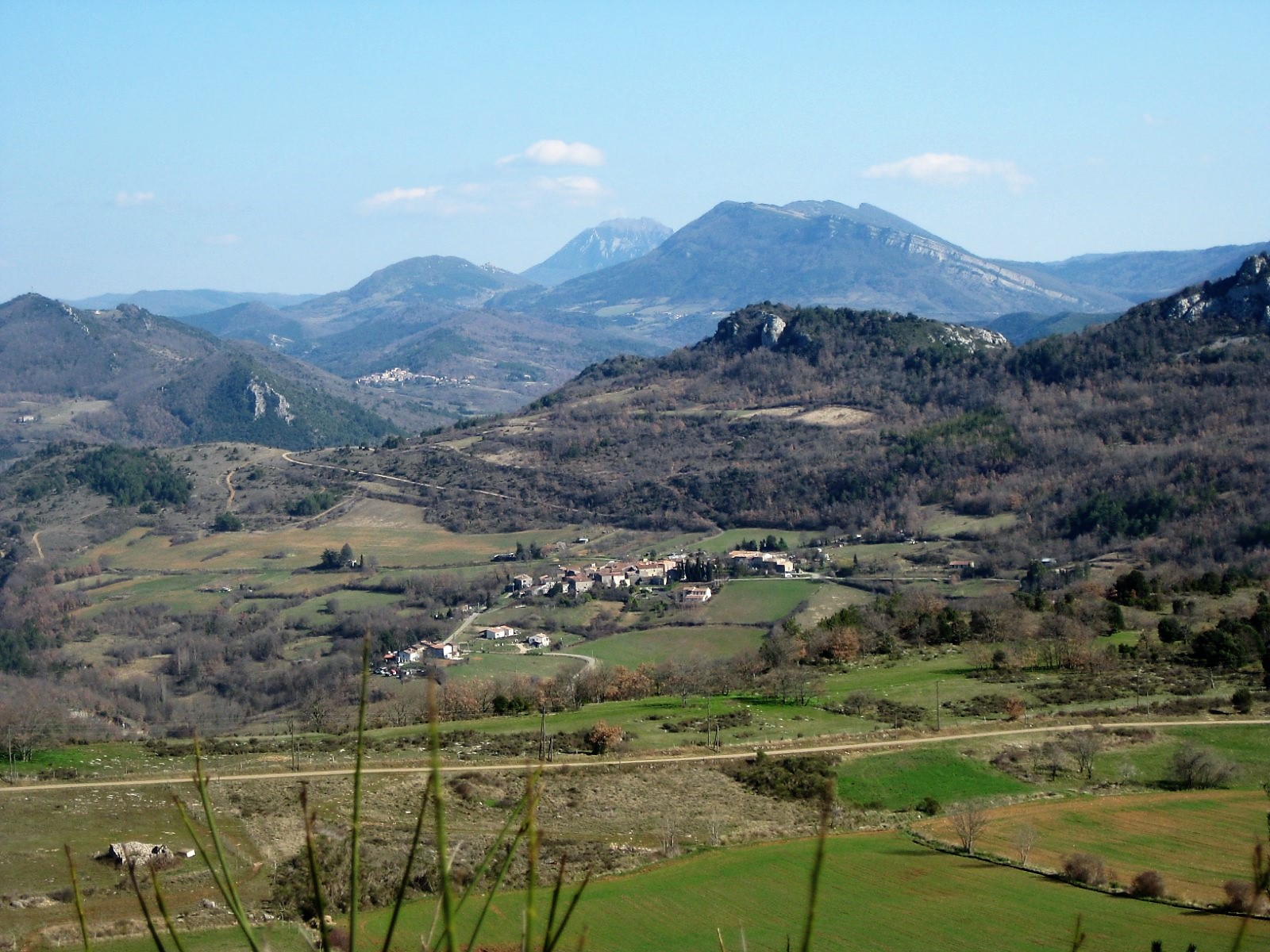
The afternoon was different. Walking away from the enchanting and enchanted labyrinth, we came to more open country, where we passed first farmland, then the edges of forest with tracks showing where wild boar and deer had recently passed. Finally, we climbed, and had views across to the mountains and the walks we’ve enjoyed there on other Sunday rambles, finishing up listening to the lively splashing of a waterfall.
7th March 2011
The featured image is from the archive of La Dépêche du Midi, our local paper when we lived in France.
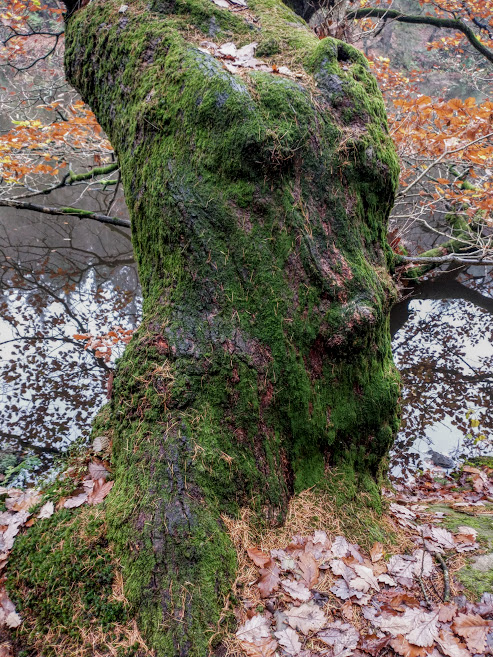
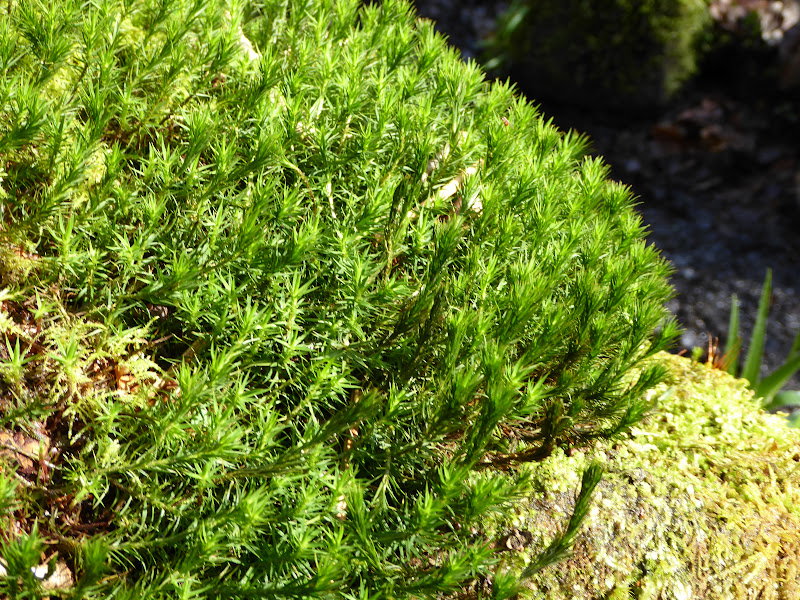
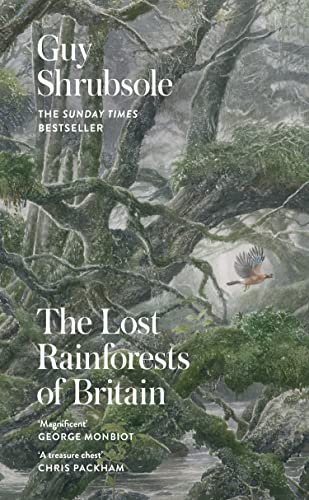
I have just been reading a book about rainforests. In Britain. Not the exotic tropical rainforests seen on television through which, drenched in sweat, you hack your way, attacked by insects and snakes as you wield your machete: but the gentler British version, temperate rainforest. These increasingly rare woods now occupy under 1% of the earth’s surface. No wonder they’re a best-kept secret.
Guy Shrubsole‘s The Lost Rainforests of Britain is an engaging and thoroughly absorbing account of a National Treasure of which most of us in Britain are completely unaware. Our temperate rainforests are spectacular woodlands with ancient, often stunted gnarled trees, draped and and bearded with mosses and lichens, and once marched across the British Isles from Dartmoor in the south to the north of Scotland – most particularly on the more sodden western seaboard. These days this unique habitat is increasingly under threat, and tiny pockets of such forest are now hard to find, and increasingly isolated and encroached upon.
Guy Shrubsole is the evangelist who seeks to protect and save them. To tell the story of this once widespread forest, he discusses geology, farming history, climate, Celtic Druids, the Romantic poets, JRR Tolkein – even Arthur Conan Doyle. He maps the eco-system in detail and calls for immediate political and public support: Shrubsole is a campaigner as well as a writer. This book may sound worthy, and therefore possibly dull. But it’s very readable, elegiac, amusing, entrancing and shocking by turn. It may turn out to be 2023’s Must Read.
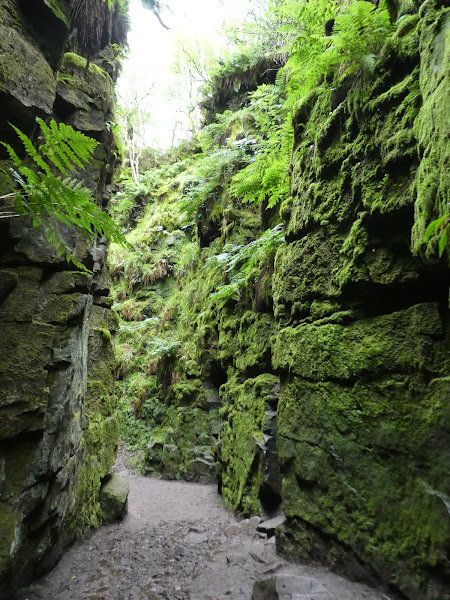
None of these images is from a temperate rainforest: I haven’t – yet – visited one. But the picture shows somewhere I have been: the so-called Lud’s Church, a ferny gorge near Gradbach in Staffordshire, where the cool damp microclimate qualifies it as the very tiniest of rainforests.
It fired my imagination, and reminded me that I may already have explored such a dim, green and shady place, crowded with trees clothed in soft green mosses, and draped with tangles of lichen, evocative of a spirit life with wraiths, witches and goblins. It wasn’t here in England, but in southern France, where even in the foothills of the Pyrenees it’s hot and often dry. I’ll post about that next …
Guilty as charged. I read a book. I thoroughly enjoy it. ‘That was great’. I think. ‘I must read more by her/him’. But then another enticing book by somebody else entirely comes along, and … I don’t.
Cathy of What Cathy Read Next fame has a challenge to help put this right, and she’s called it Backlist Burrow. Choose six authors whom you’ve enjoyed, find two books from their backlist … read them … and report back. I don’t undertake to read two, though I might. But one for sure. And here are my chosen authors.
I read Edith Wharton‘s novella Ethan Frome for Six Degrees of Separation back in December 2021, and immediately vowed to read more from this upper-class New Yorker who, during the last years of the nineteenth century and the early years of the twentieth was able to portray so incisively the characters she created. I still haven’t. Now I have to…
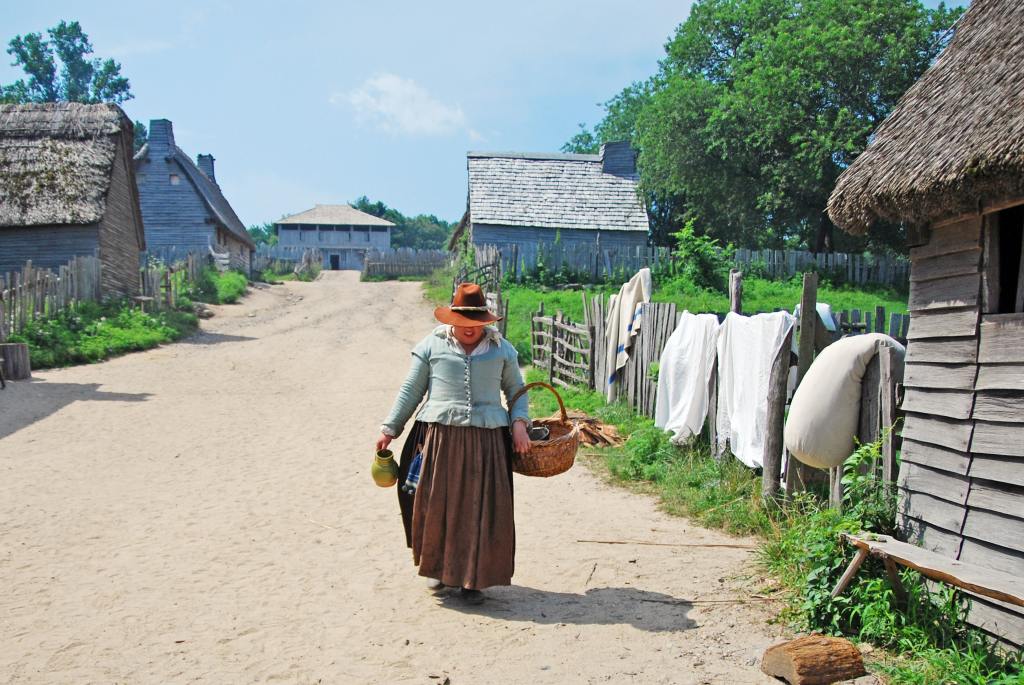
I wonder if this resembles the Massachussetts that Ethan Frome knew? (Ilse Orsel, Unsplash)
Another unforgettable character was Berta Isla. Javier Maríasdescribes her life thoughtfully, discursively. Her husband, working for the secret service is almost constantly absent and unable in any way meaningfully to communicate with her and participate in the marriage. I want to read more from Marías.
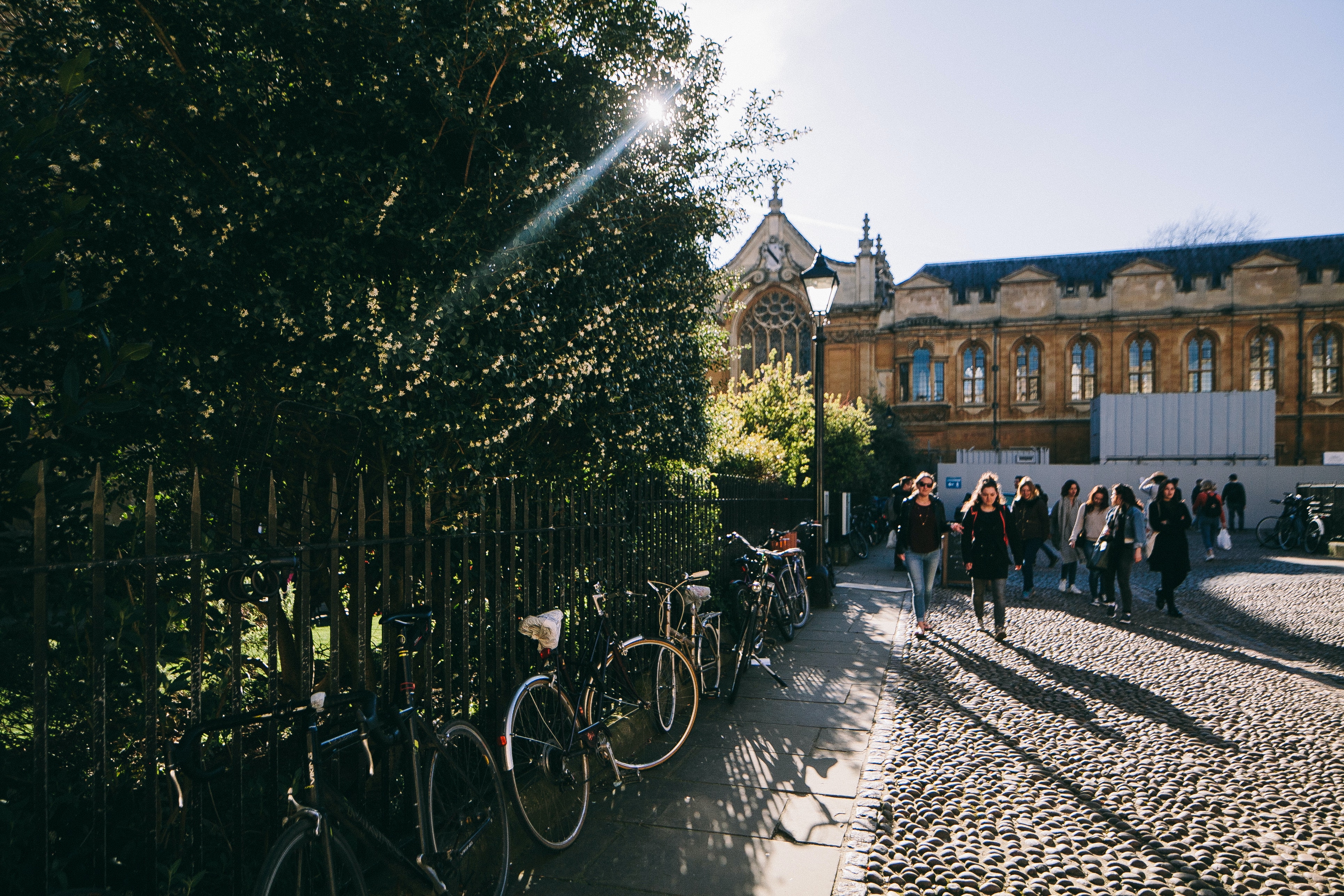
Berta and her husband Tomás grew up together in Spain (though not in Zaragoza where this photo of the Basilica of Pilar was taken). After University in Oxford, his career took him to the mists of she-knew-not-where.(Oxford: Lina Kivaka, Pexels)
I read Mary Lawson‘s A Town called Solace when it was chosen for our local bookgroup. I immediately fell for the complex web of characters she created, and the interest she brought to the life of a small and humdrum Canadian town. So – more please!
I wonder if this is a track near Solace? (Ember Navarro, Unsplash)
When I chose Roy Jacobsen‘s Eyes of the Rigel from the library, I was unaware that this Norwegian tale, set on a small island after WWII was the last book in a trilogy: an immersive story of memory, belonging and guilt. I need to catch up with the first two: The Unseen, and White Shadow.
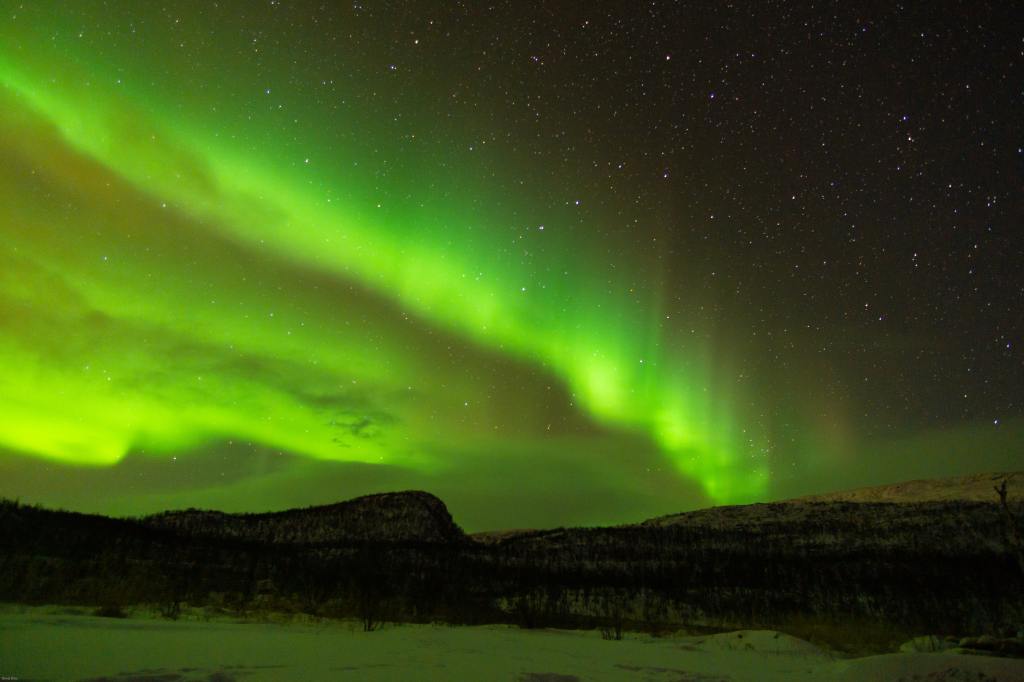
Northern Lights in northern Norway (Dee: Unsplash)
Nicola Upson‘s Stanley and Elsie, a fictionalised telling of the story of the painter Stanley Spencer was a compulsive read. Having a look at her crime novels centred on the life of Josephine Tey seems like a good move to me.
Shipbuilding on the Clyde: Stanley Spencer
Georgina Harding. Here’s another author I want more of, and here’s another instance of my inadvertently starting off with the third book in a trilogy: Harvest. This is a thoughtful picture of a family accommodating itself to an earlier tragedy. I’d like to read the back stories in The Gun Room and Land of the Living.
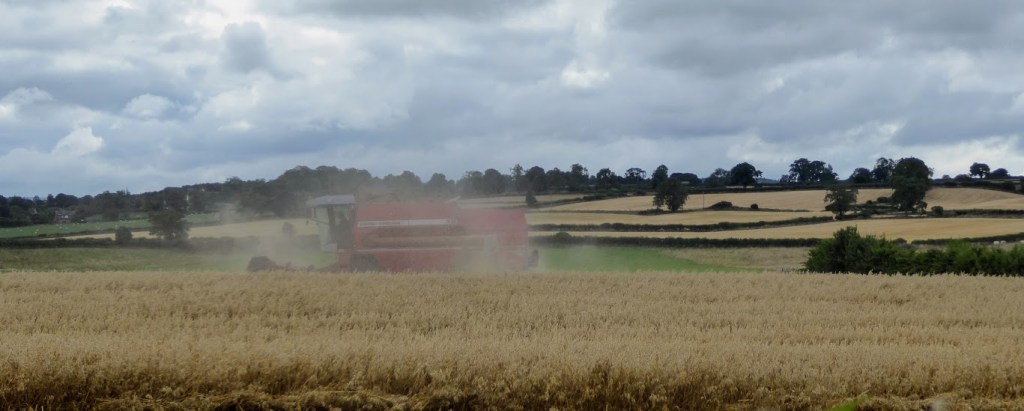
Harvest, not in Norfolk where Harding’s Harvest is set, but here in North Yorkshire.
This of course is in addition to tackling the (largely virtual) tottering pile of books recommended by friends, book bloggers, newspaper reviews. Really, it’s all quite impossible.
How to summarise 2022 in just a few photos? That’s what the Lens-Artist Challenge demands of us this week. What makes it so hard is that a memory is invested in every photo. My own favourite photos may demonstrate no particular skill, but can transport me – and not you – straight back to a treasured moment. Ah well, let’s give it a go, and see what I can find that we can all enjoy.
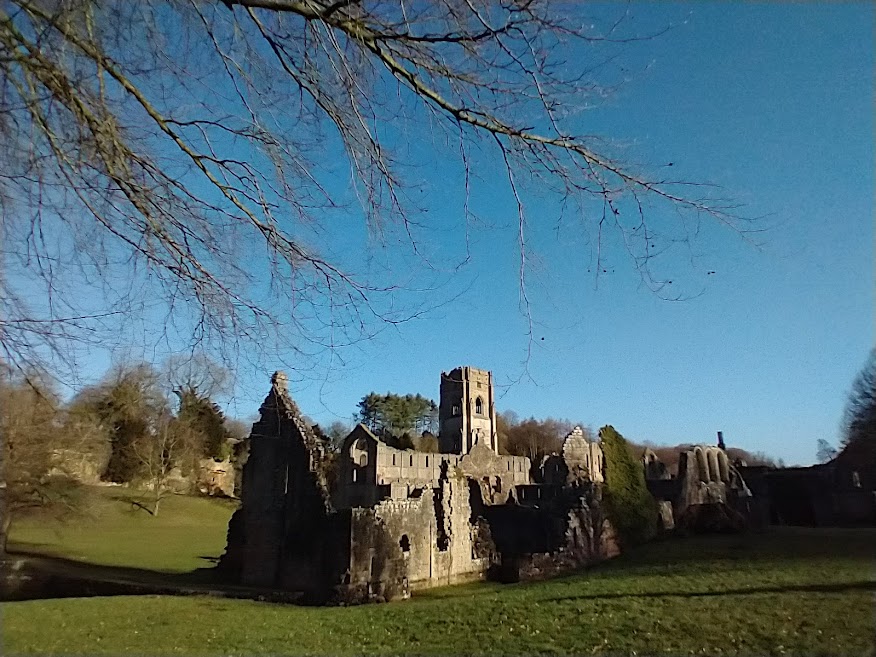
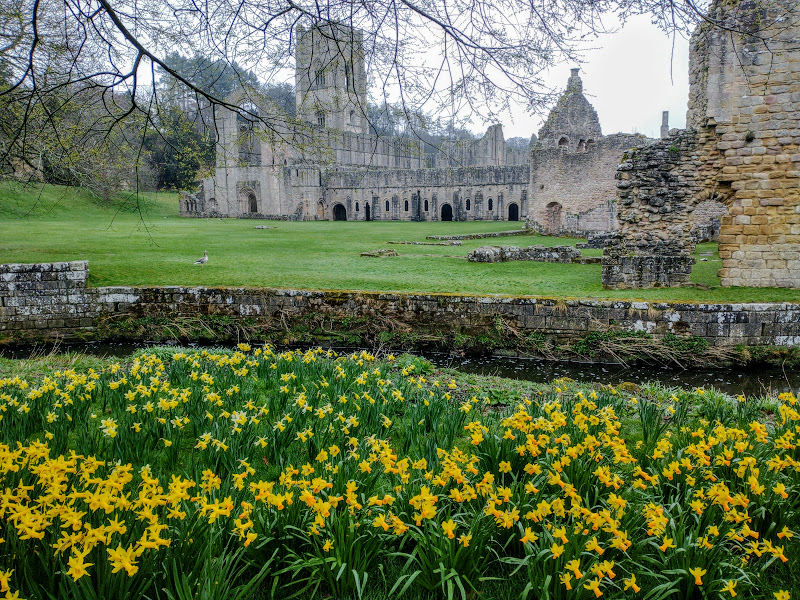
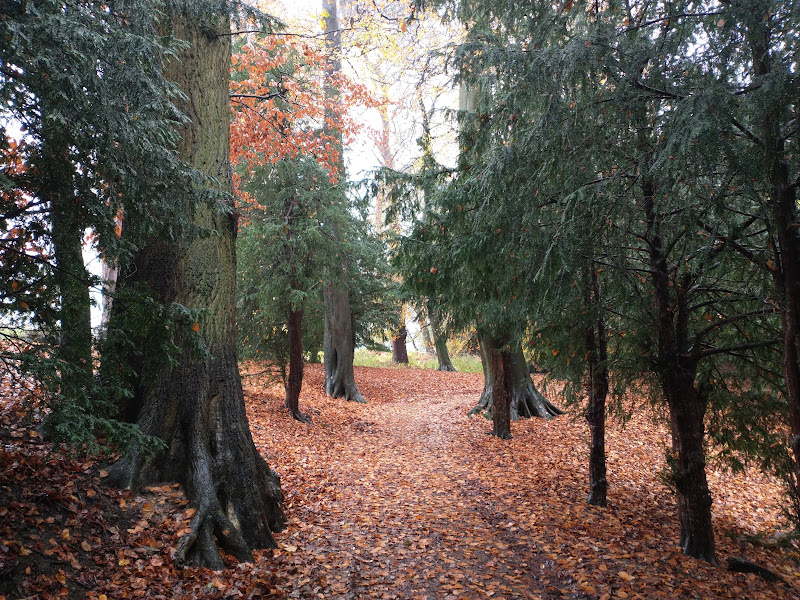
Let’s book-end the year with ordinary pleasures: Fountains Abbey in springtime, and in late autumn…
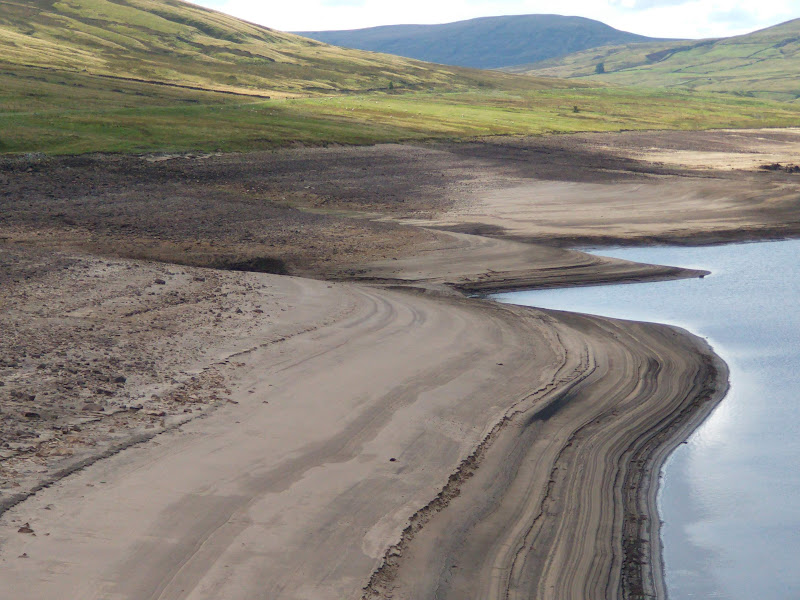
Let’s remember summer with – here – an extraordinary sight: Scar House Reservoir, almost unable to do its job of providing water.
Scar House Reservoir in August 2022.
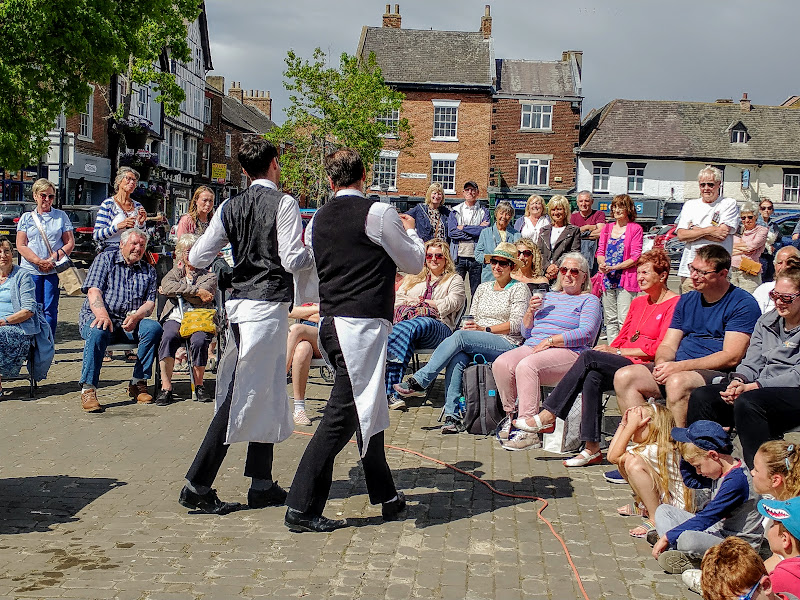
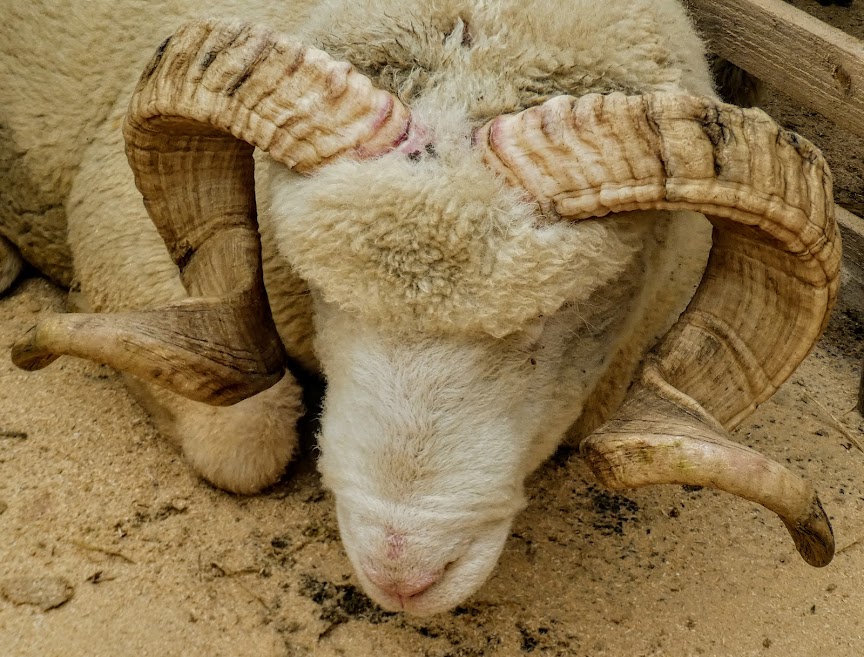
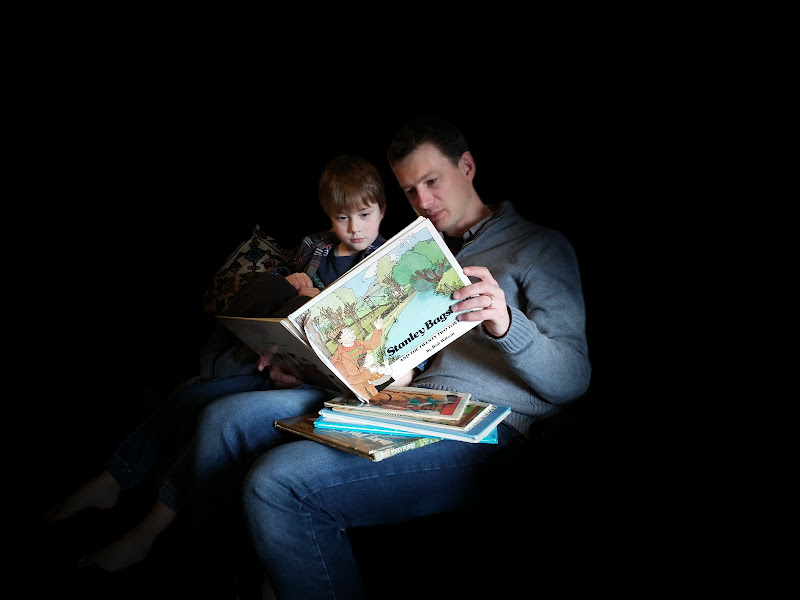
Let’s have a look at happy moments: Ripon’s first Theatre Festival took to the streets, Masham’s annual Sheep Fair returned after a couple of years’ Covid-hiatus. And my family enjoys one of life’s simpler pleasures: curling up with a good book.
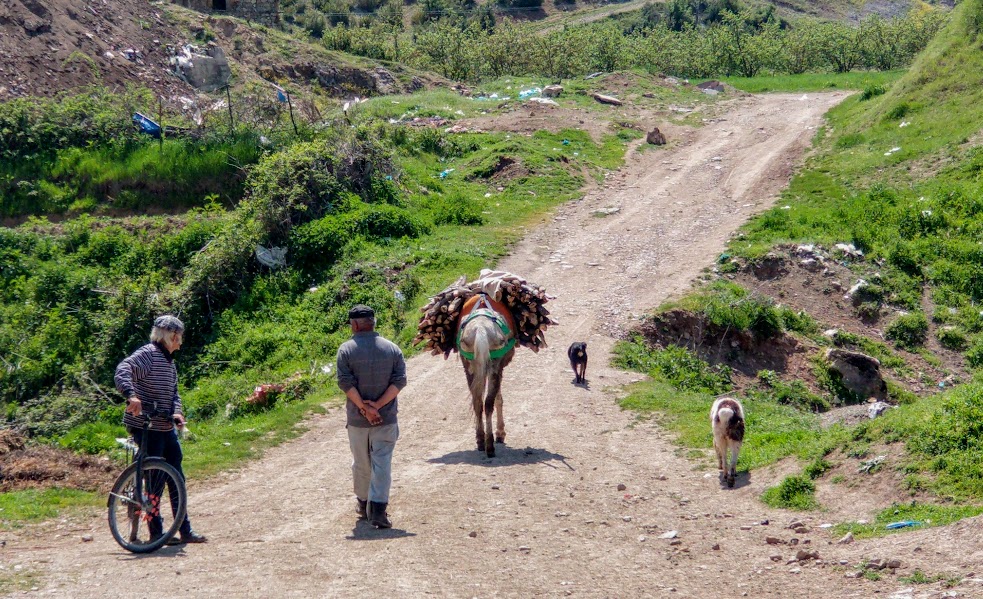
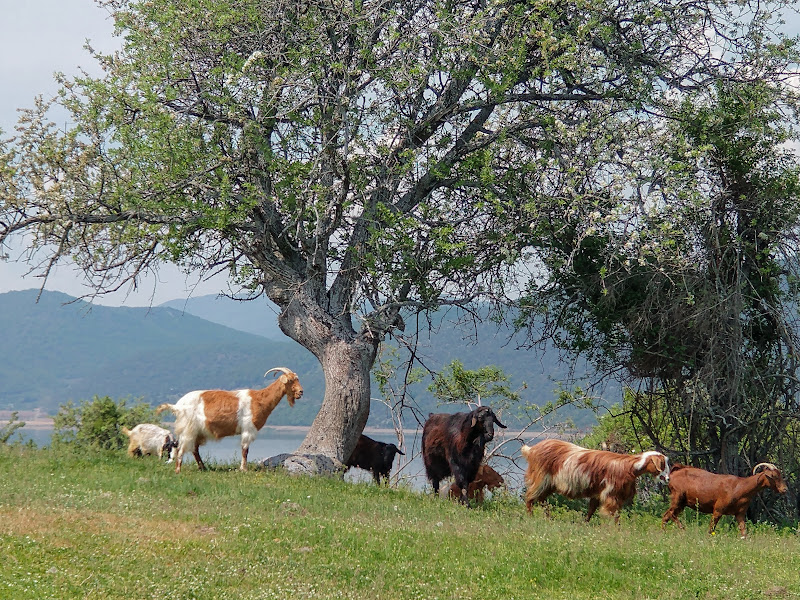
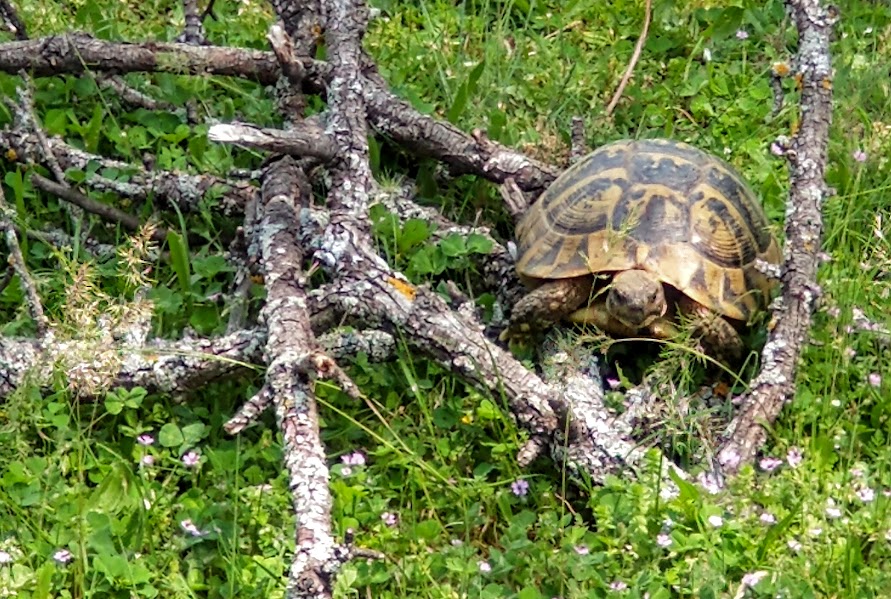
Memorable May: a fantastic few days in the Balkans: North Macedonia, Albania and Greece, to enjoy its wildlife. A very few photos stand in for the whole experience of this area, still in many ways rooted in its traditional past.
Shepherds on the move all day and every day. leading their sheep and goats in quest of pasturage.
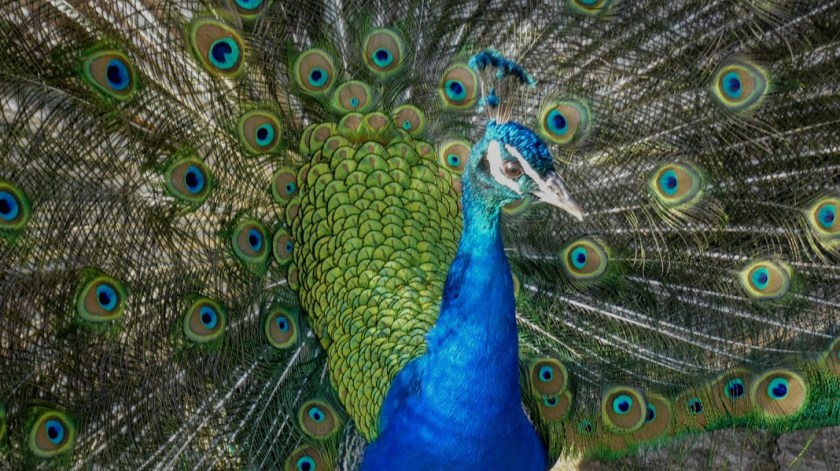
… and not forgetting the stars of the show: peacocks at Lake Ohrid.
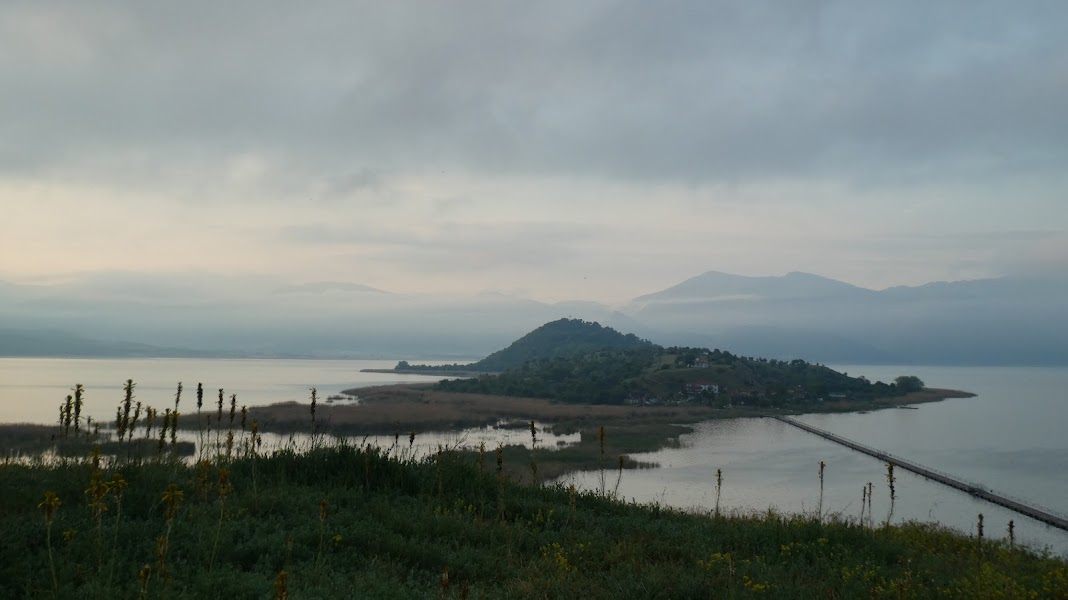
The header image shows Lake Prespa, and the island of Agios Achillios, where we spent a few days.
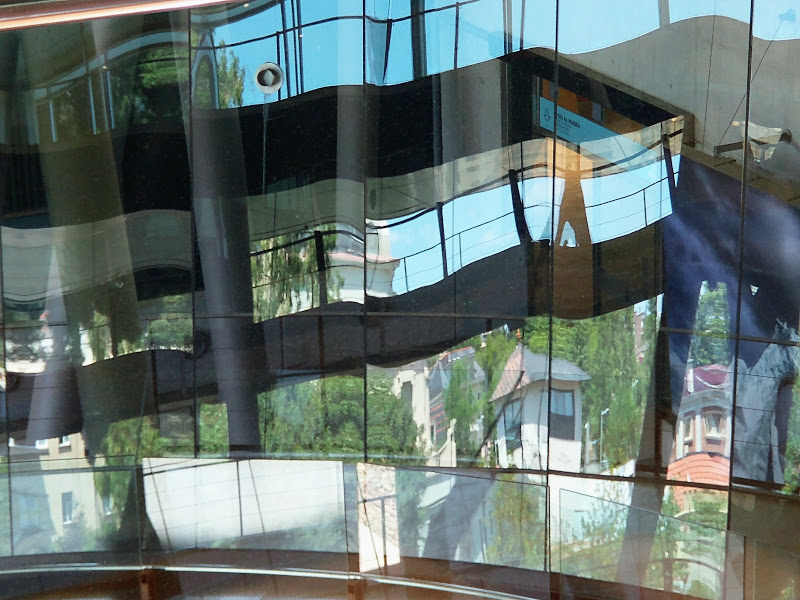
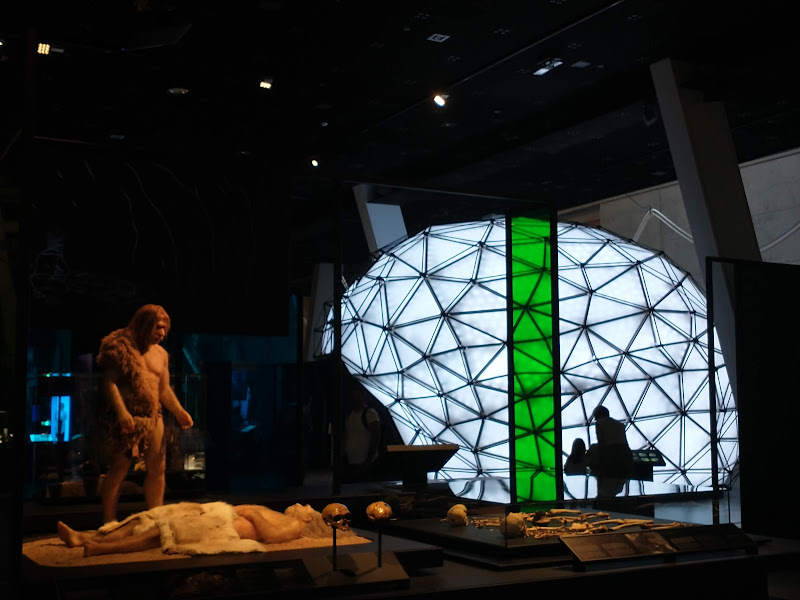
In Catalonia with The Barcelona Branch of the family, we had an unforgettable trip to what may be The World’s Best Museum, CosmoCaixa, Barcelona.
We’ll finish off with Christmas lights at Eltham Palace. It was so cold, no wonder my fingers slipped!
















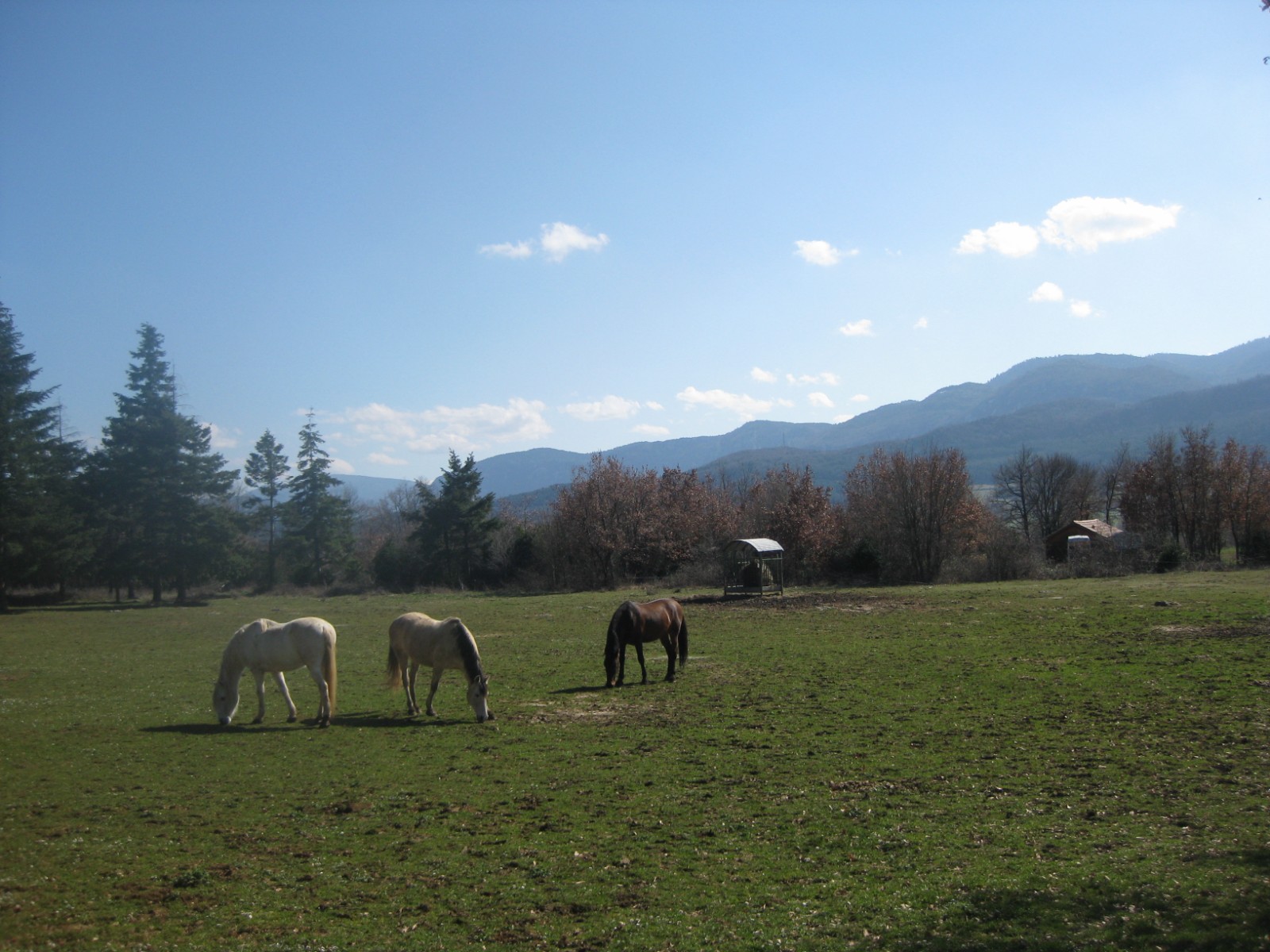
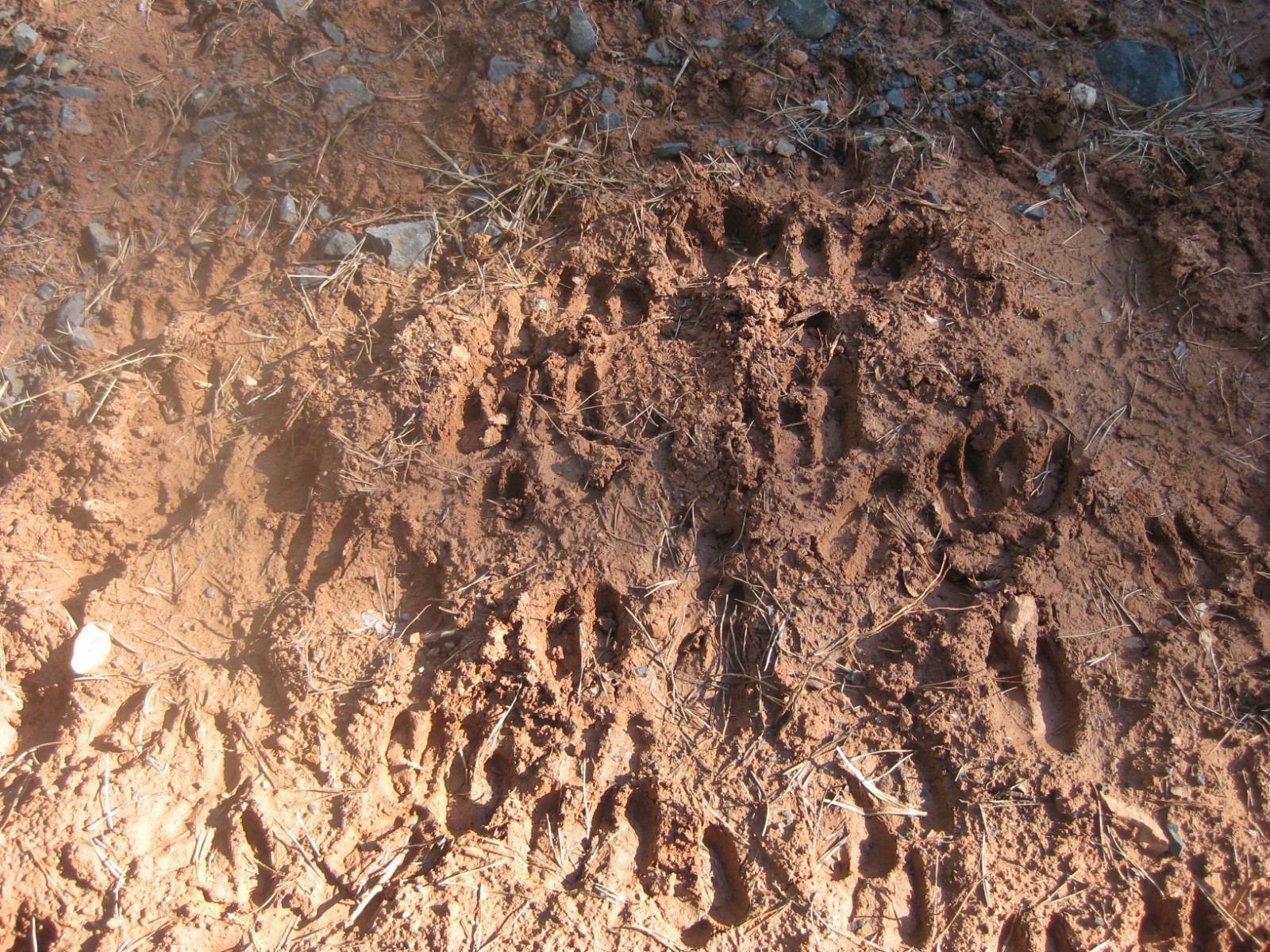

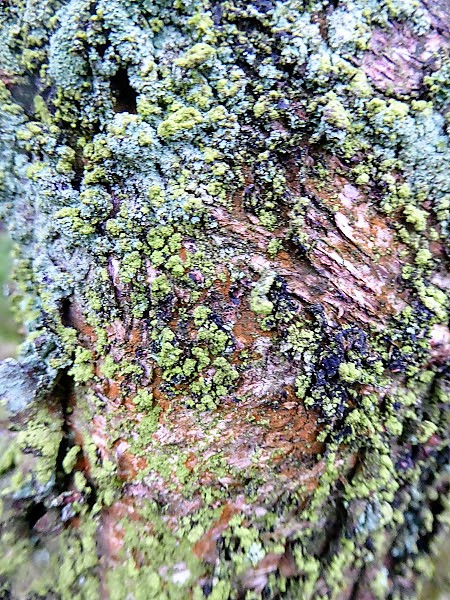

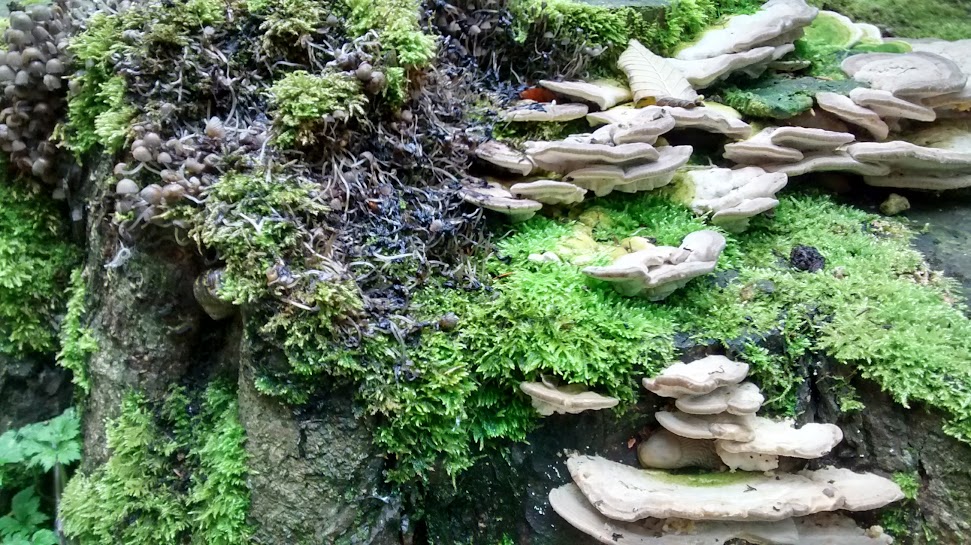







 From Pyrenees to Pennines
You must be logged in to post a comment.