Six Degrees of Separation: from The Museum of Modern Love to On Gallows Down

On the first Saturday of every month, a book is chosen as a starting point and linked to six other books to form a chain. Readers and bloggers are invited to join in by creating their own ‘chain’ leading from the selected book.

Kate: Books are my Favourite and Best

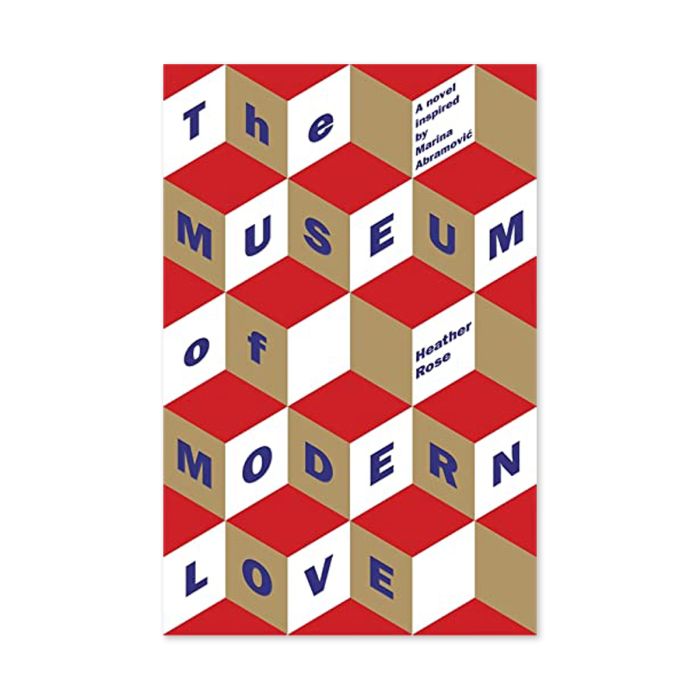
This month’s starter book is The Museum of Modern Love by Heather Rose, and I really enjoyed it.  I’d like to thank Kate for drawing our attention to it. It’s an illuminating and satisfying examination of how we interact with art and what we get from it.  It’s told from the perspective of Arky Levin, a composer whose terminally ill wife has forbidden him from visiting the hospital where she is dying, so he can get on with his career, and from a clutch of – very different – subsidiary characters. The real hero of the book is performance artist Marina Abramović, who in 2010 sat immobile in MoMa’s atrium while spectators queued up to take turns sitting opposite her while looking into her eyes.
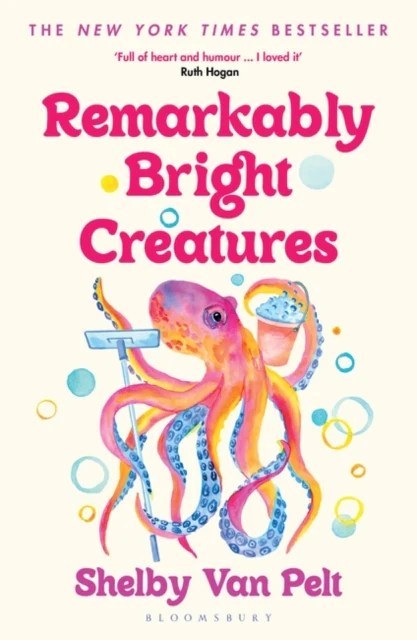
Marina Abramović was an exhibit. So’s my next character. He’s an octopus in an aquarium, and his story is told in Shelley Van Pelt‘s Remarkably Bright Creatures. Seventy year old Tova Sullivan needs to keep busy since her husband died. She’s needed to keep busy for years in fact, since her son Eric was apparently drowned – his body was never found. So she works as a cleaner in the town’s aquarium. And it’s here she establishes a bond with an elderly octopus, who also gets to tell his story in short occasional chapters. Suspend your disbelief. This works. The other main character is Cameron, a man with a chip on his shoulder searching for the father he never knew. This book tells the story, the journey of each of them, with a light touch: with humour and with wit. A light, yet involving and engaging read.

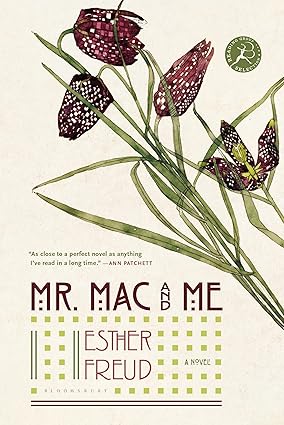
From an unhappy octopus to an unhappy – and creative – man: Charles Rennie Mackintosh. He and his wife fetched up in a Suffolk coastal village at the beginning of WWI, to nurse his wounded ego, with commissions unforthcoming, and his Glasgow School of Art unrecognised. His story, and that of the community where he’s settled for a while is told through the voice of 11 year old Thomas Maggs whose own family life is difficult. This book – Mr. Mac and Me, by Esther Freud paints a picture of life in a working coastal village as well as that of the life of a poverty-stricken and disappointed artist. An absorbing story.
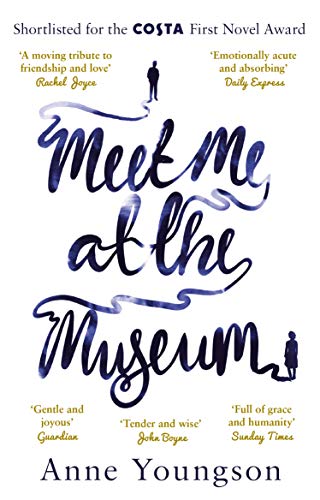
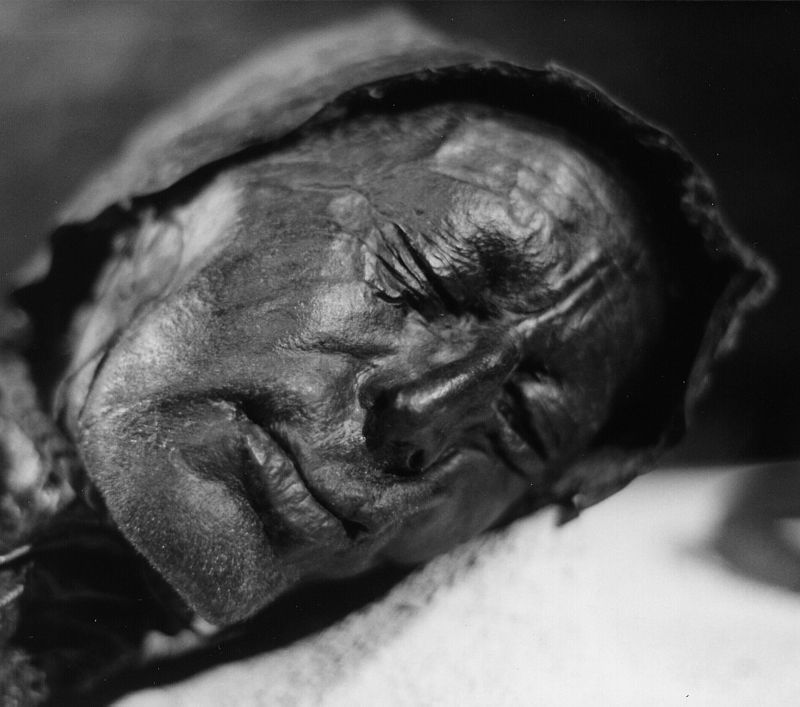
Two more disappointed people: in Ann Youngson’s Meet Me at the Museum. This book of considerable charm is told entirely in an exchange of letters between an English 60 year old farmer’s wife and the curator of a Danish Museum which houses the Tollund Man. Initially formal, the letters become more intimate. This busy outdoorsy farmer’s wife with her chintzy house couldn’t be more different from austere Scandinavian Anders. But both are lonely and have gaping holes in their lives. With every letter they disclose more of their joys, disappointments and difficulties and draw inexorably closer. At the end is a revelation. What effect will this have on them, on their burgeoning relationship? We can only speculate. A touching and intimate book.
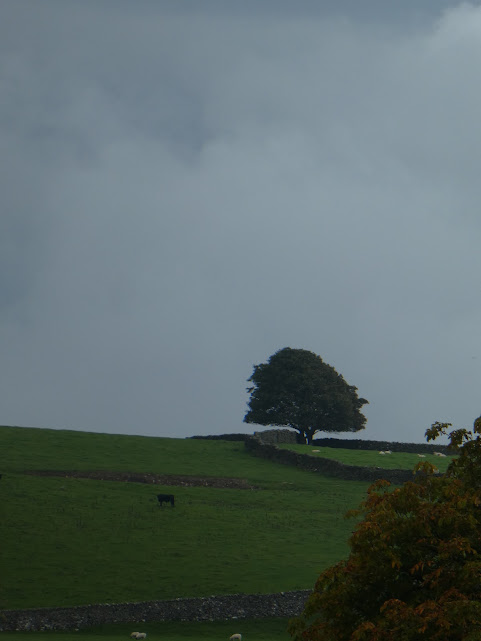
These two characters are in different ways rooted in their local surroundings. Anita Sethi in a British born woman of British Guianan heritage who suffered a racist incident while travelling by rail which resulted in a conviction for the abuser. It prompted her to plan and execute a journey along the backbone of England – the Pennine Way – which she records in I Belong Here. This was for her, an inexperienced walker, a journey of healing and a time for reflection. It also became an extended metaphor for her feelings about her status as British person from an ethnic minority; the Pennines as ‘backbone’; of ‘making your own path’; of ‘ruggedness and strength’; of laws which protect landscapes and humans .. and so on. She muses on community, on history, on legislation as she walks an area I know well, and gave me, a white person with roots in this part of the country, plenty to think about. I’ll be interested in how the rest of the proposed trilogy develops.

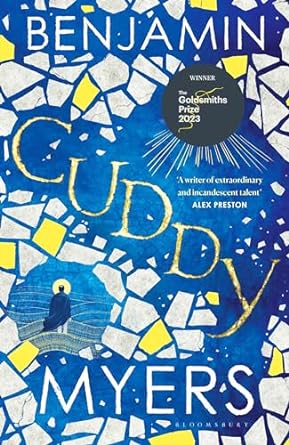
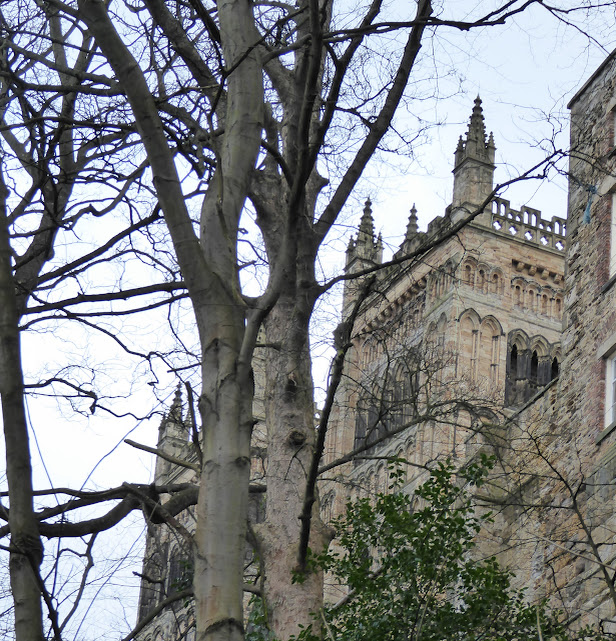
Here’s another book which begins with a journey through northern England. Cuddy, by Benjamin Myers. I know little about Saint Cuthbert beyond the fact that he was a simple man, much venerated in his own time. Which explains why a motley band of monks and devotees intermittently spent years moving his remains around to save him from the depredations of Viking raiders. And we meet some of them here, in the first section of the book set in 995CE, where orphaned Ediva, in her breathless disjointed but poetic prose recounts their journey, the landscape, and her vision for his final resting place. In Book Two, set in 1346, masons are enhancing and repairing the mighty hilltop cathedral (Durham). The wife of one meets and succumbs to another …. Then we leap to the 19th century to meet the opinionated and cocksure Forbes Fawcett-Black who has been invited to join the team exhuming the saint to see if the legend that his flesh is incorruptible is true. And finally we are in 2019, where a young under-educated man who cares for his dying mother is employed as a gopher to the current restoration team. His eyes are opened to a world and a heritage he had not known about. How different and yet how connected the sections are to each other. The language of each couldn’t be more different one from the other: free-flowing yet poetic; dense blocks of prose; a pastiche Victorian ghost story; a rich narrative in which sense of place and societal deprivation are juxtaposed The kinds of story told are utterly different. Yet links are there – there’s always an owl-eyed lad in the narrative, for instance. A richly complex feast of prose and poetry, provoking thought and discussion long after the last page has been turned. This is a book inviting – and deserving – several readings.
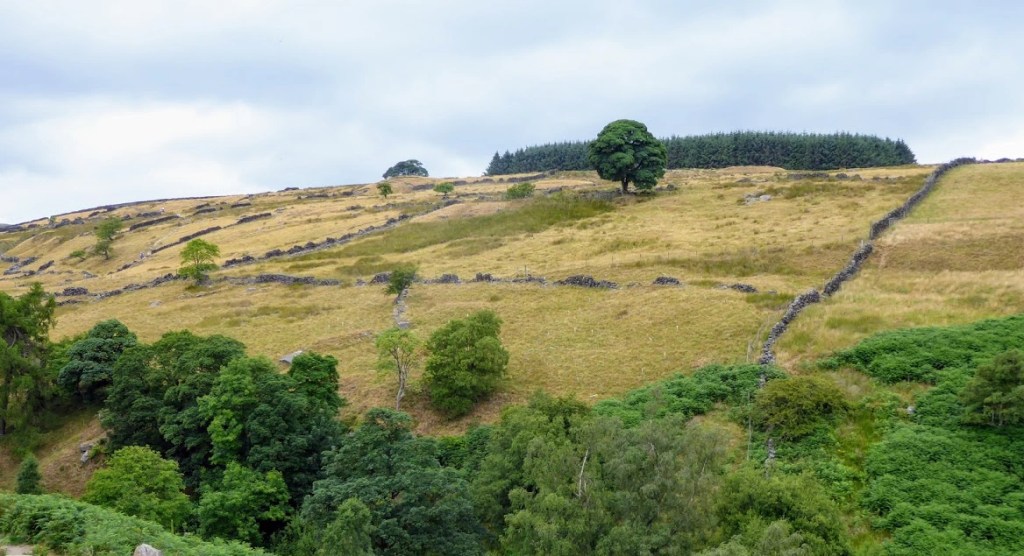
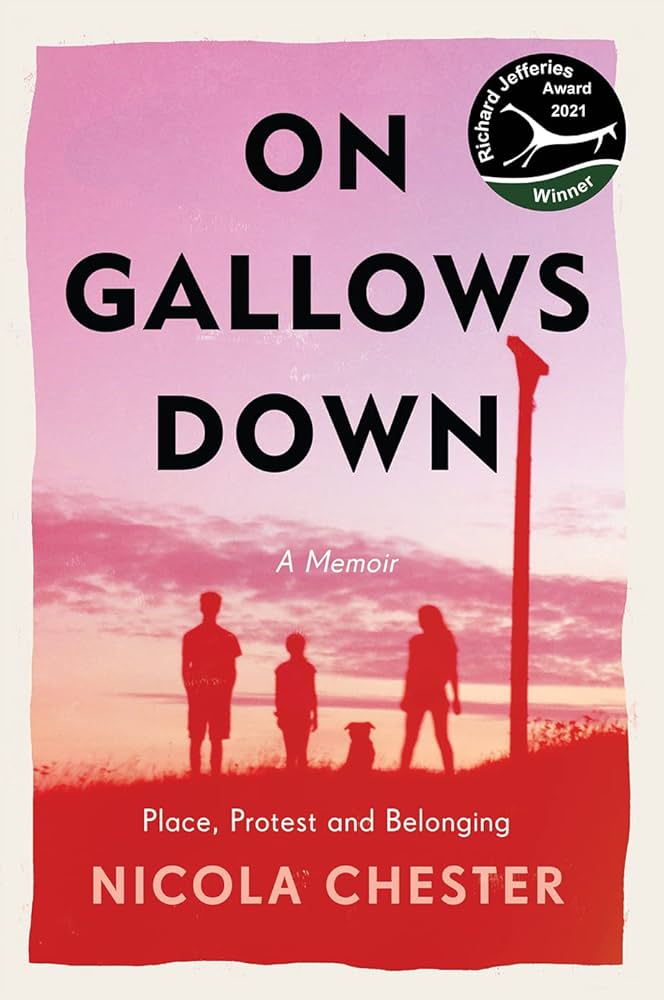
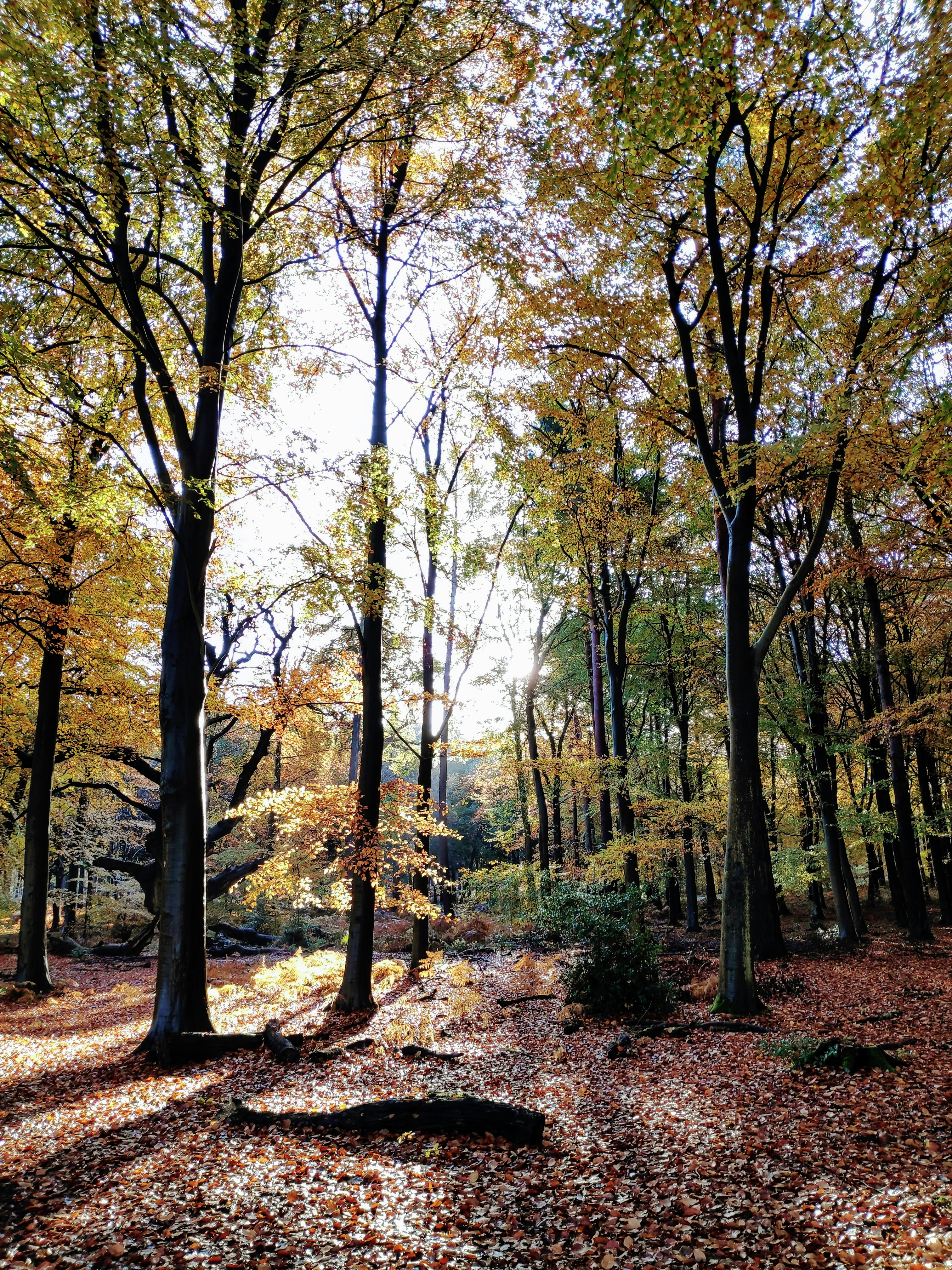
My last book is also rooted in the British landscape. But Berkshire this time. On Gallows Hill, by Nicola Chester. Nicola Chester has lived her whole life in Berkshire. This area has had a history of rebellion by the under-represented. John Clare wrote his poetry here. The Civil War had bitter battles here. Tenants throughout the centuries rebelled against their landowner masters. It’s where Greenham Common, site of the women’s peace camps, and Newbury Bypass, a much fought-over project which destroyed so much natural and rural history when it was sited near her homes. Chester has been a tenant all her life, and understands powerlessness. She also understands the natural world, and deepening her understanding of it, spending time in it with her family, particularly her children, is her salvation. Her battles change to doing her part to save the natural world. She has her nature writing accepted by the RSPB, the Guardian, her local paper, and this becomes part of her fight. She writes with lyricism and passion, describing the seasons, the creatures that form part of her day-to-day environment with incisive, poetic words and concludes ‘Anyone could make a place their home by engaging with its nature’. A book to read slowly, and to savour.
I think we can link Chester back to Abramović, since both share a passion for the things that matter to them, and go to often uncomfortable lengths as they invite the world to share their compulsive interest.

Next month? Our starter book will be After Story, by Larissa Behrendt.

Several illustrations are via Unsplash: (i) K Mitch Hodge (ii) Pete Williams and (vi) Frances Synge. (iii) Tollund Man is in the Public Domain: Sven Rosbum . (iv) Durham Cathedral and (v) Pennines landcape in North Yorkshire, are my own.

Towering Above Us

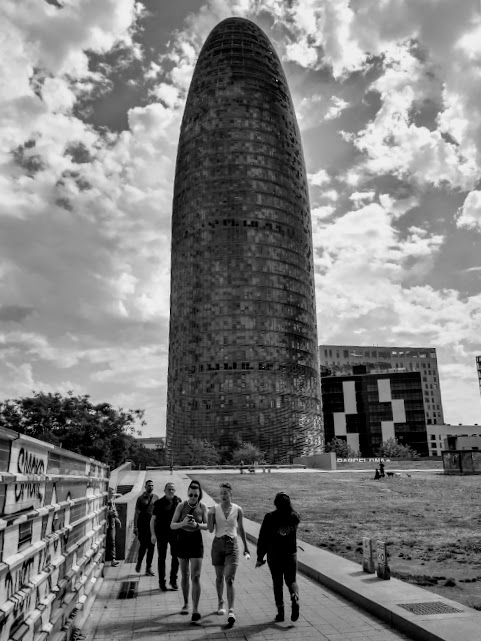
This week, Leanne’s Monochrome Madness has no theme. She has chosen to showcase lighthouses. We’re rather thin on lighthouses round here, so I won’t join her. Instead, I’ll show just a few towers I’ve seen this year.

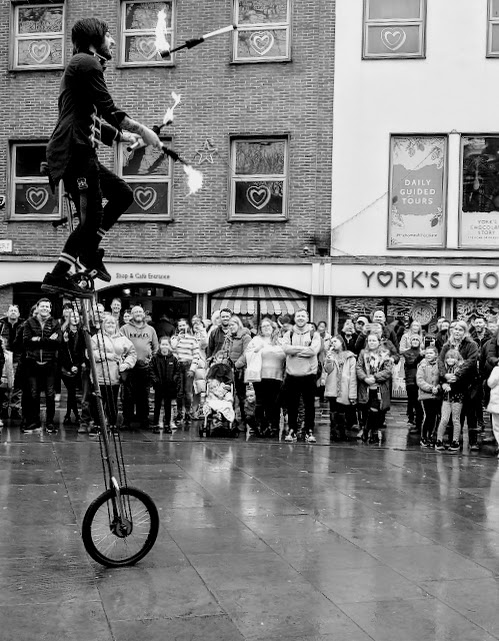
My first tower of the year was a human one, seen in York.

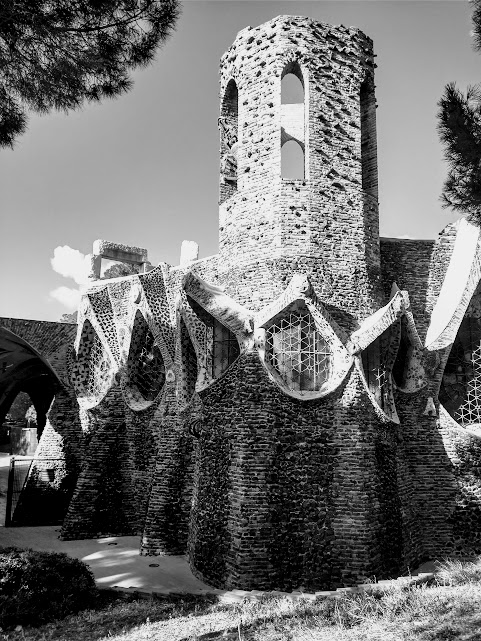
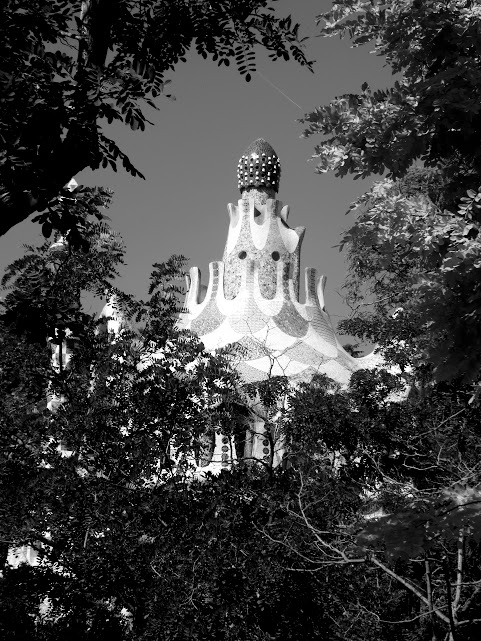
Then we went to Spain to meet our new granddaughter. And do a spot of discovering too.

Gaudi’s church in Colònia Güell

And later, I went back to Spain again, to lend a hand as my daughter’s maternity leave ran out. I still had moments of sightseeing.

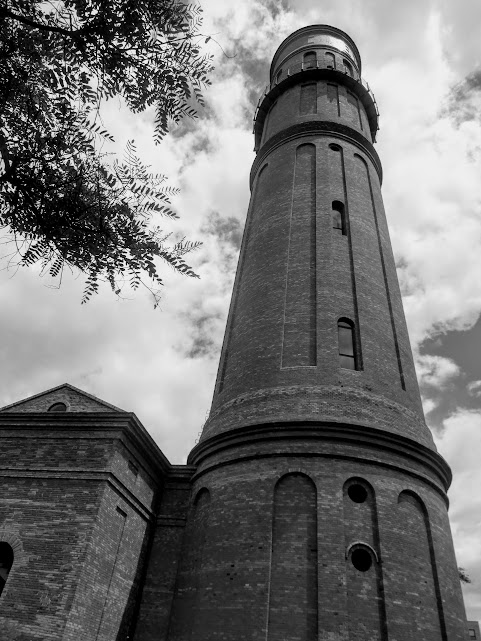
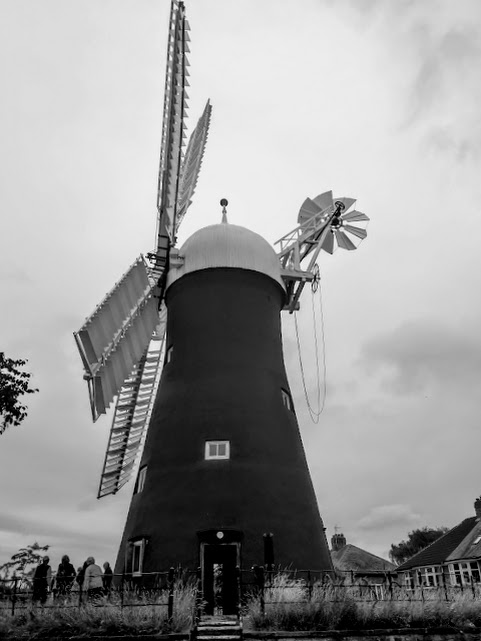
And most recently, it was off to Holgate Mill, a fully functioning windmill slap in the middle of a housing estate in York. I must introduce it properly soon.

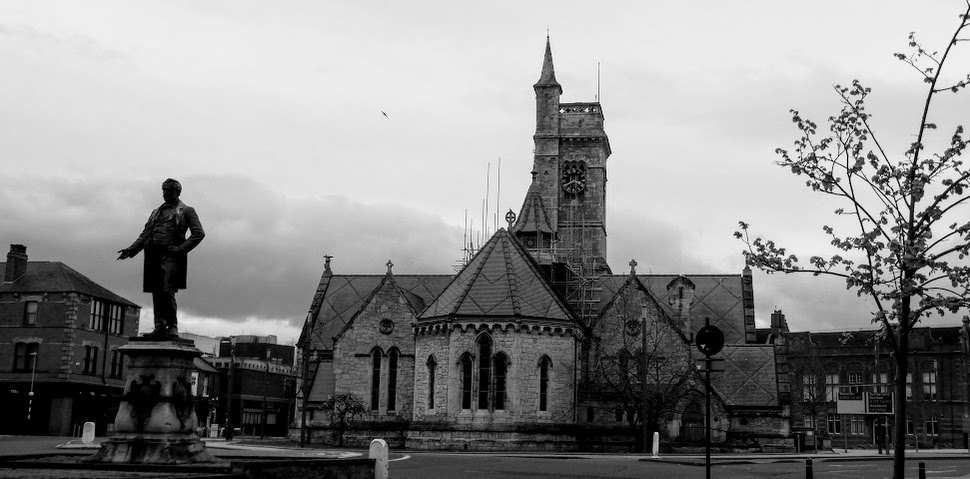
My featured photo is of Christ Church Hartlepool, now an Arts Centre. I was going to add in an AI generated photo too. Just for fun. But they were no fun, so I abandoned the idea.

What Use is a Balcony?

This week, for the Lens-Artists Challenge, PR invites us to present balconies we’ve met. I love leaning over a balcony, with the chance to relish a bit of sunshine whilst enjoying some people -watching. But it turns out that I haven’t got a single shot of residents enjoying their bit of outdoor urban space.

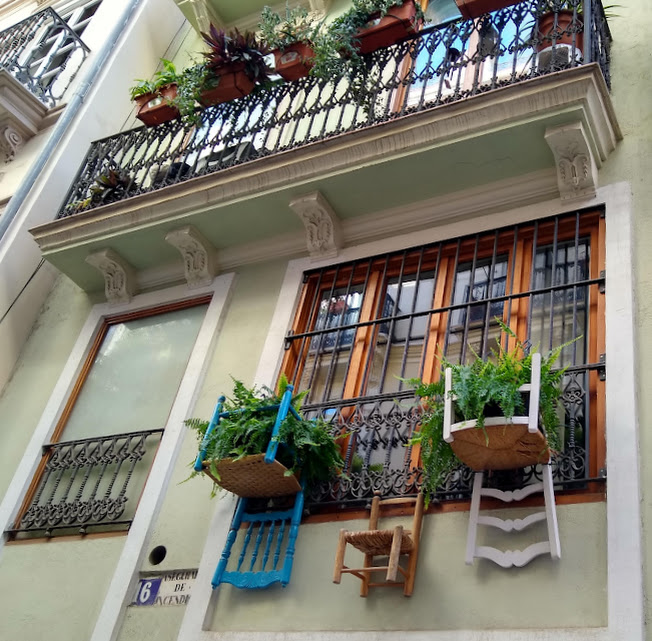
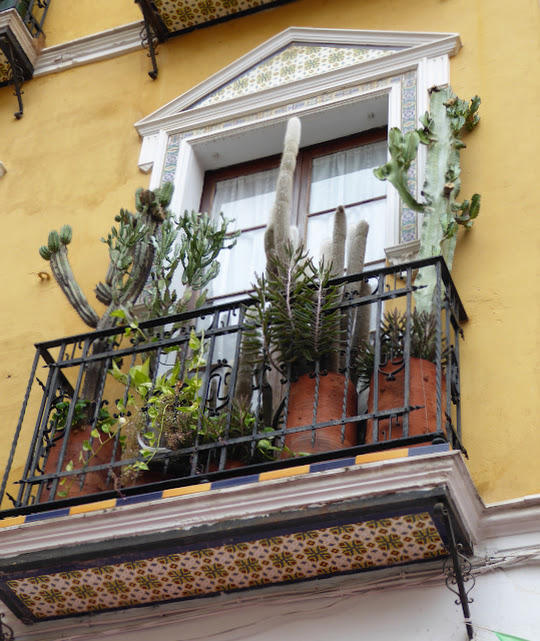
Lots of apartment-owners turn their balconies into gardens. Although the resident in my first shot hasn’t allowed a lack of an existing one to thwart plans. How about repurposing a few chairs? And the second one earns a place to show how so many Spanish and Portuguese balconies are tiled on the underside. Such a good idea!

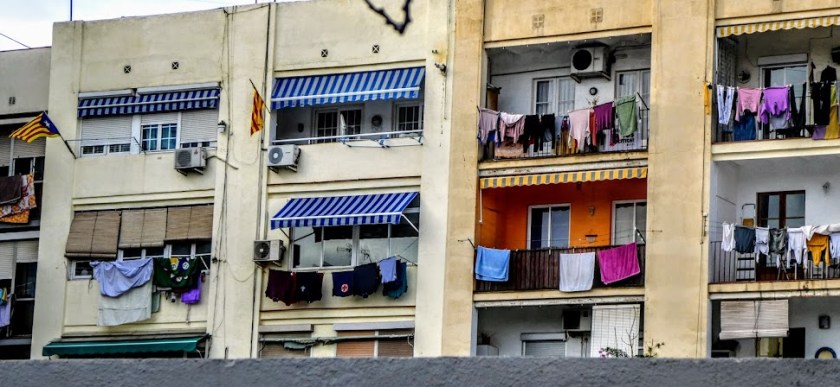
Then – obviously – there’s Balcony as Washing Line. Here are two from Spain.

Vic, Catalonia
Sants, Barcelona

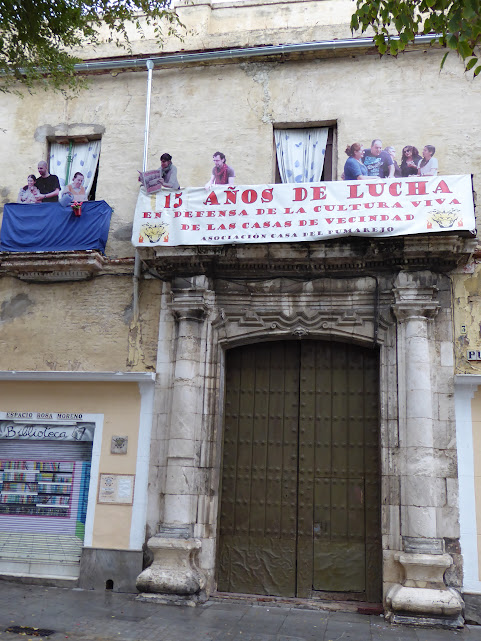
Sometimes a balcony is ideal for posting a protest. Here the citizens of Berga demanded Independence from Spain for Catalonia. Five years on, the cries don’t seem to be quite so strident. And in the adjacent images, citizens in a run-down neighbourhood in Seville sought a touch of cultural revival, accompanied by lively illustrations.

Sometimes it’s just about cheering up the neighbourhood. Here we are, first in Berlin, then in Málaga.

And sometimes, balaconies just wish to speak for themselves. Here are two fine examples.

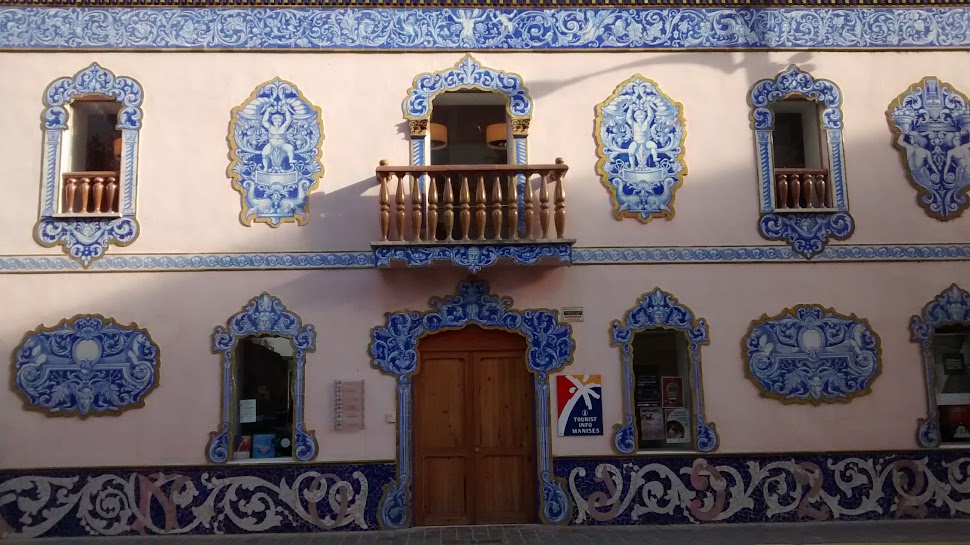
This building is now the Tourist Office in Manises, a town near Valencia which was formerly one of the most important producers of ceramics in Spain. Sadly, its glory days are over.
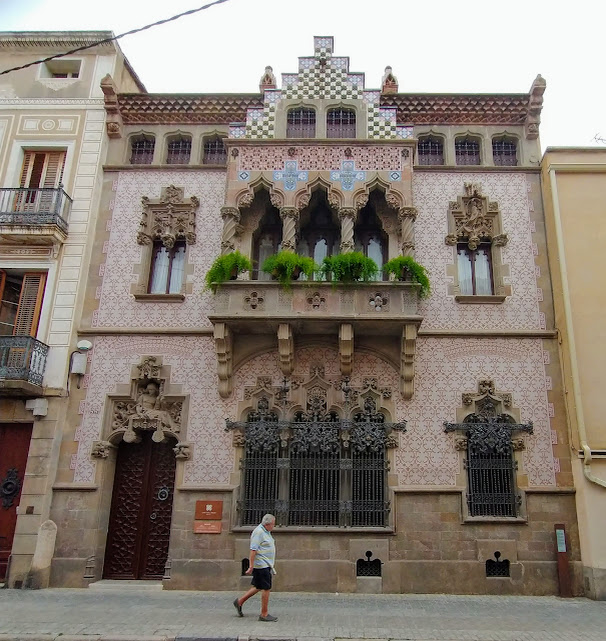
A fine Modernista building in Mataró by Josep Puig i Cadafalch, the Casa Coll i Regàs.

And some people just don’t have a balcony. So they have to paint one instead.

Two examples of trompe-l’œil in Tournus, Saône-et-Loire, France

My feature photo is of an ordinary street in Argentona, Catalonia – where every house is sporting a balcony.

Thanks, PR – this was an inspired post to set us in the mood for summer travels, and mooching around to find balconies to admire.

Seeing Trees in Black & White

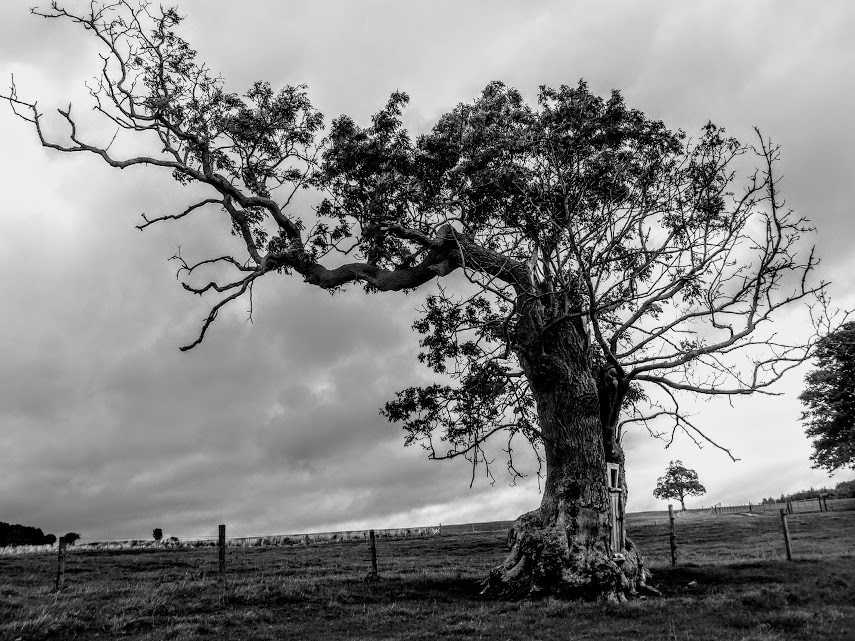
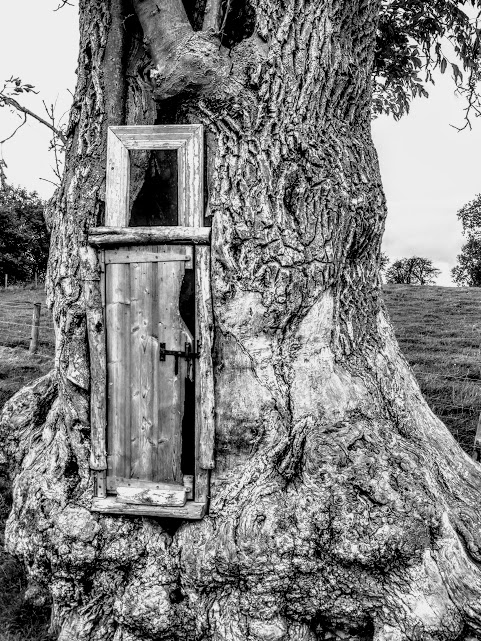
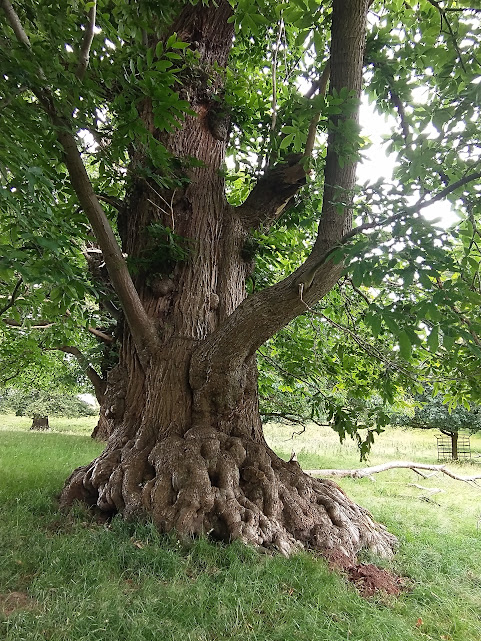
I feel so lucky that the area where I live is rich in trees, because not so very long ago, the local copses were woods, and the woods were forests. Here’s one favourite, an ancient oak: frustratingly, it’s not possible to stand far enough away to get it all in frame. But I love visiting this near neighbour of ours. How many centuries ago did it begin its life?

An ancient oak near North Stainley

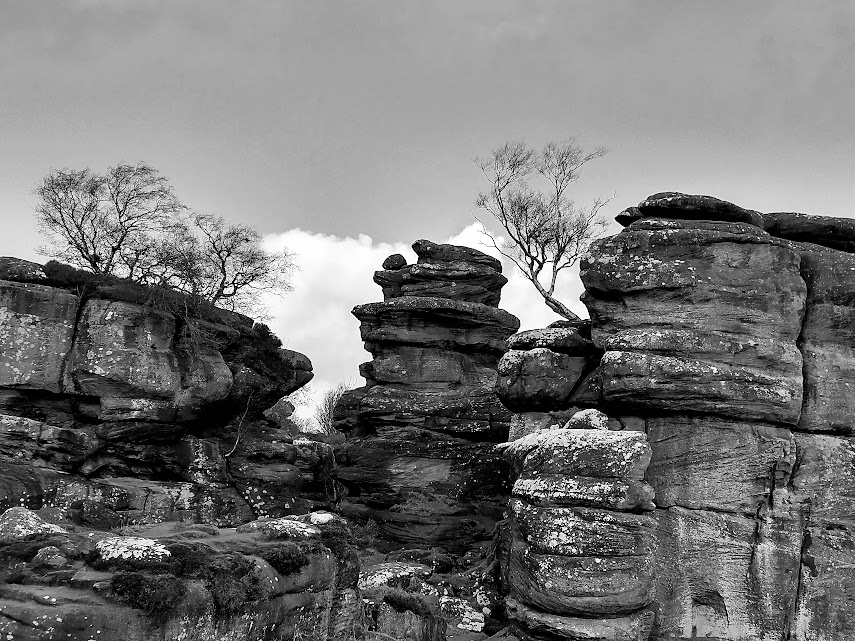
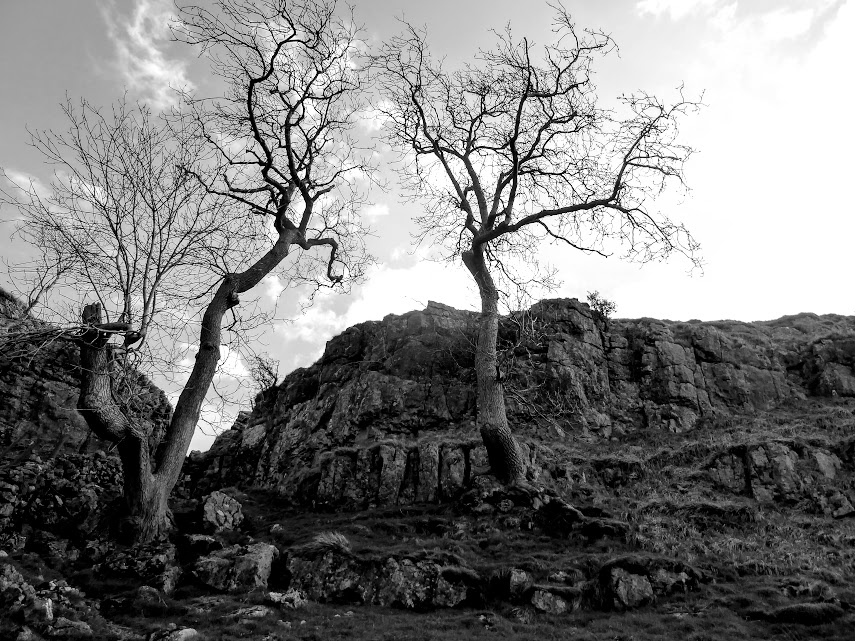
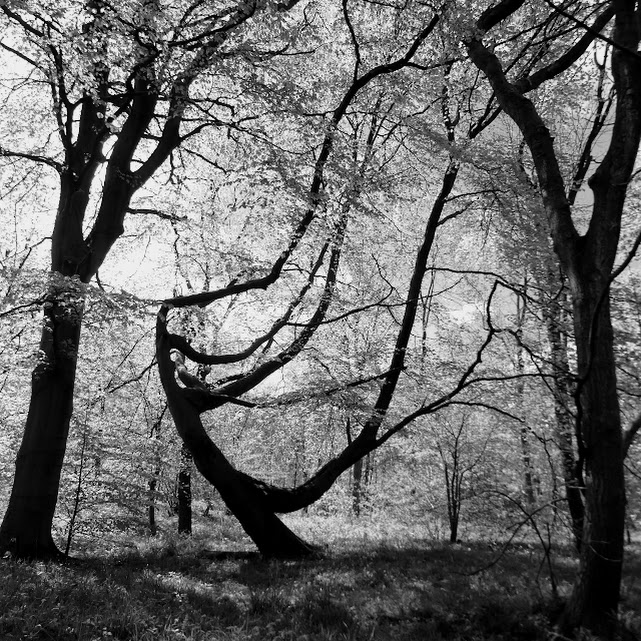
There are trees that flourish against the odds. The feature photo shows two trees at Brimham Rocks. Where have they burrowed their roots? Where is the soil that nourishes them? And here are two we meet when walking near Coniston in Yorkshire.

Two trees near Coniston, Grassington

I’m always fond of this tree near Jervaulx Abbey. And I always wonder who the lucky child was who had a second home there.

Here’s another from Jervaulx Abbey itself that always makes me laugh.

The grounds of Jervaulx Abbey, North Yorkshire

This one’s a favourite in our nearby woodland at West Tanfield.

Greensit Batts, West Tanfield

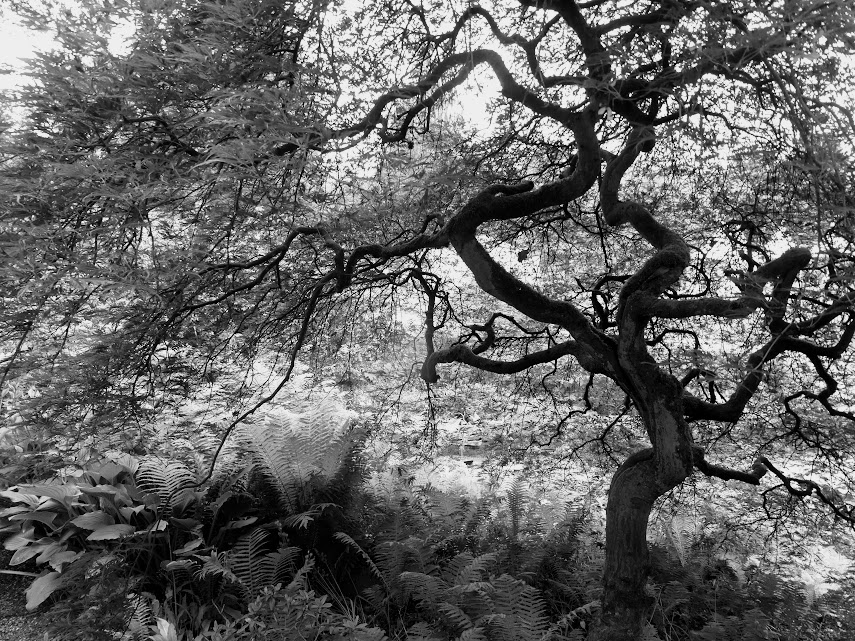
And here’s just another local specimen. Not weird. Just wonderful.

Near Felixkirk, North Yorkshire.

For Sarah of Travel with Me’s challenge for Leanne’s Monochrome Madness.

More from Masham Steam Rally

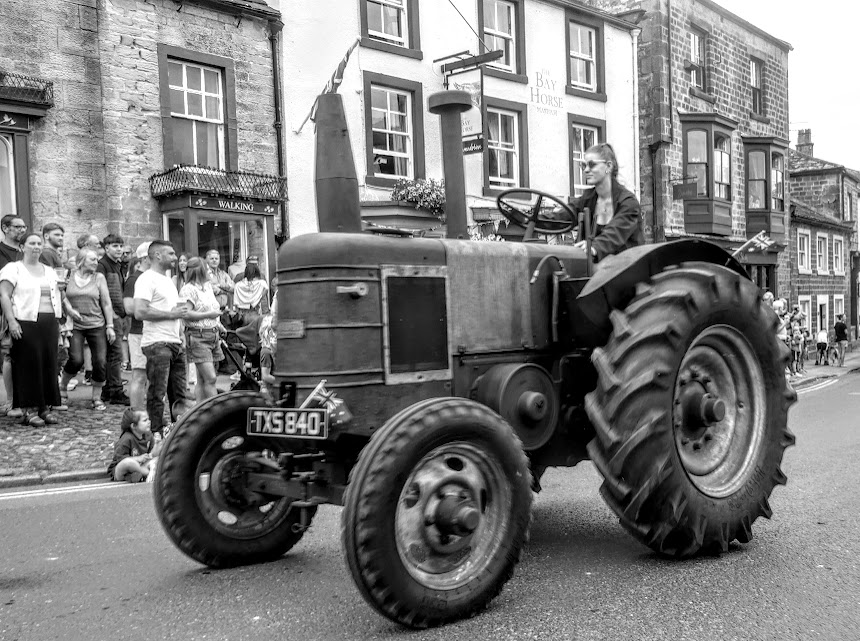
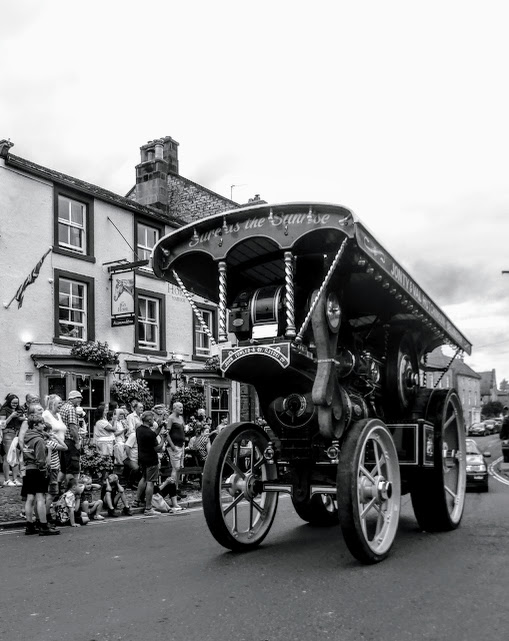
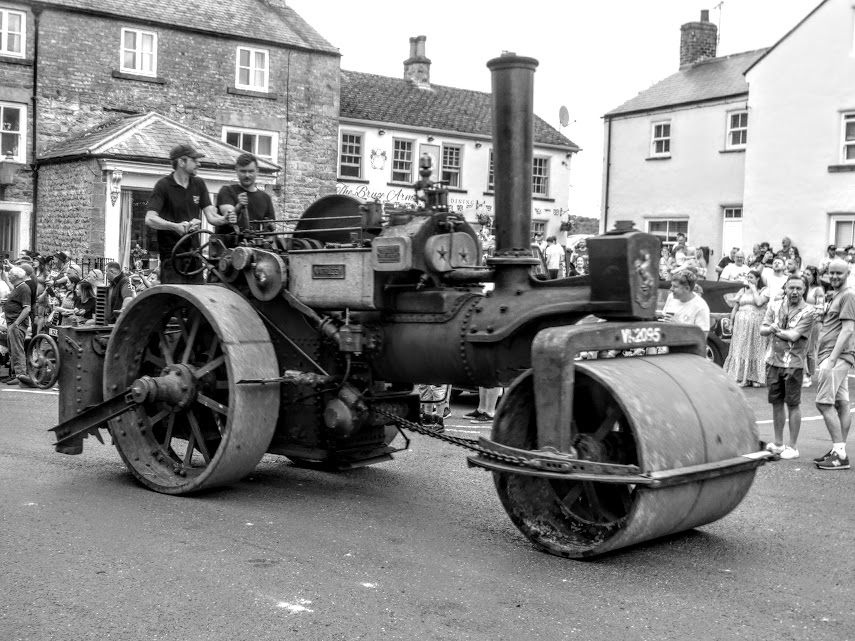
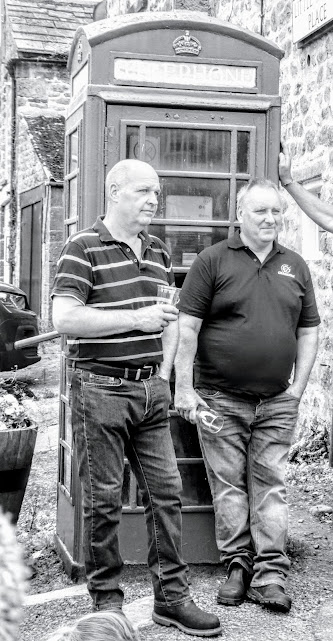
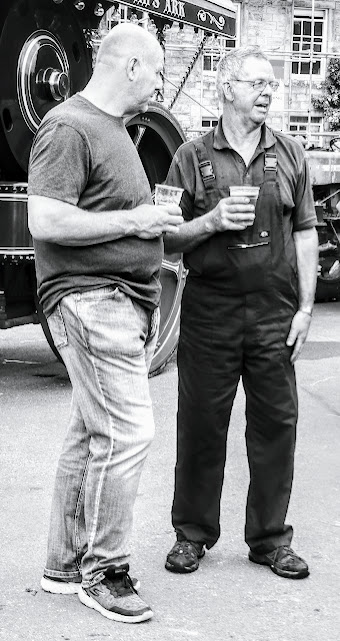
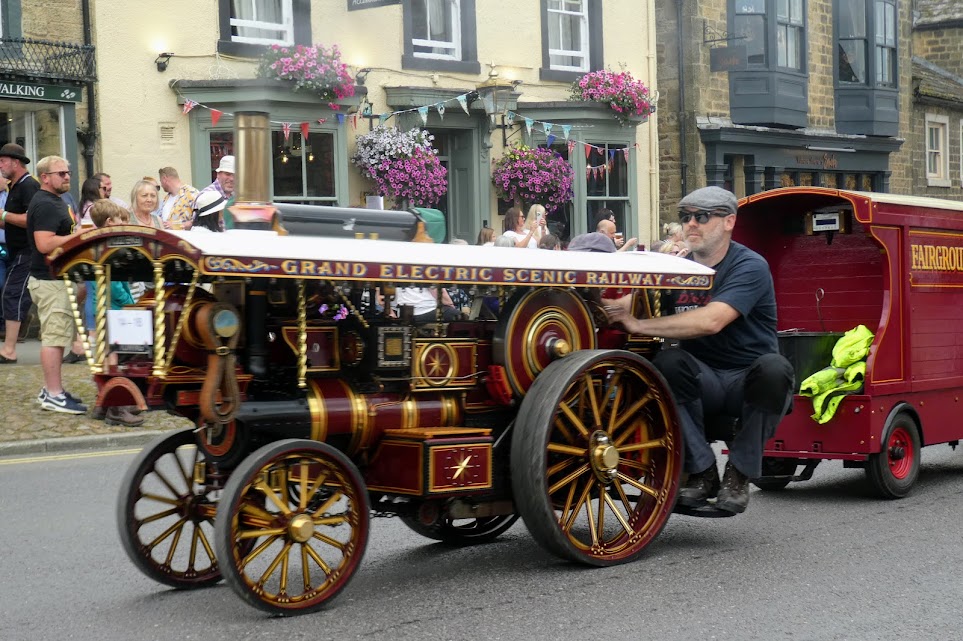
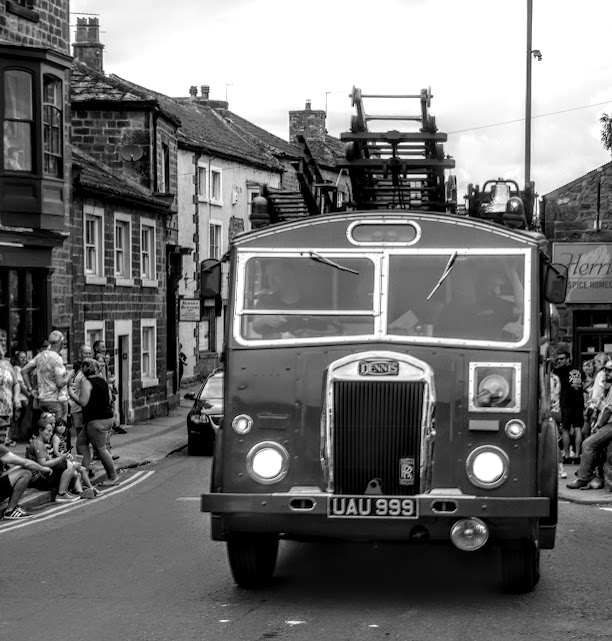
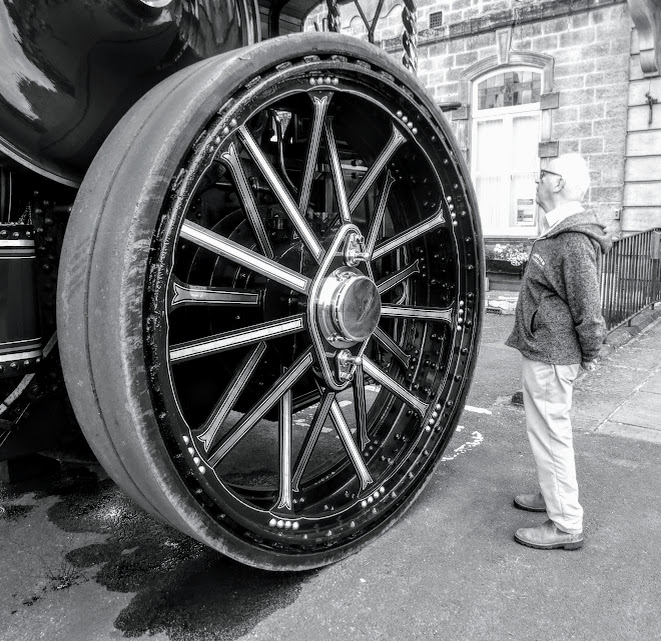
Here are some more images taken in Masham as dozens of historic vehicles trundled slowly through town last Saturday in the early evening sun to take their place in the Market Square to be gazed at by the curious – or closely inspected by fellow enthusiasts.

And some children, schooled by the parents – or grandparents more likely – rushed out into the road before each vehicle passed to place pennies in the path of oncoming vehicles. Malcolm remembers the excitement, as a boy, of finding their now unspendable coins flattened into large discs by those trundling steam rollers and similar. My London childhood denied me such pleasures. Though I do remember fire engines like the one shown as the fourth image here, with one frantic fireman at the front constantly pulling at a rope to ring the tinny bell urging people out of the way.

And here are the children and their pennies …

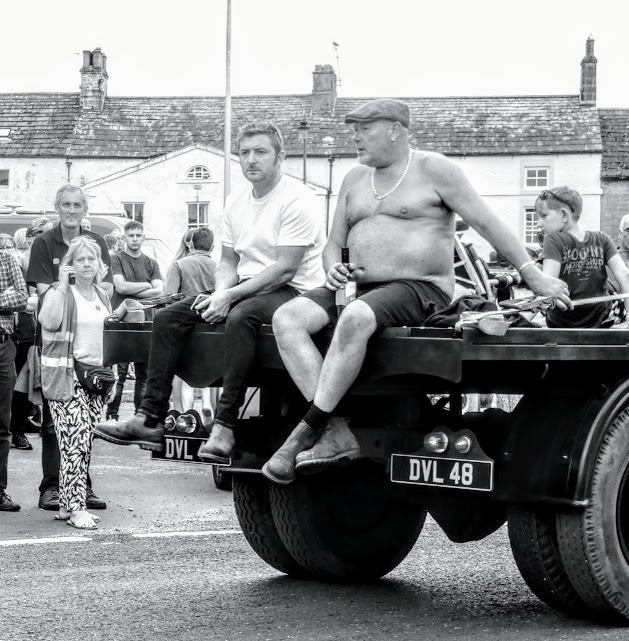
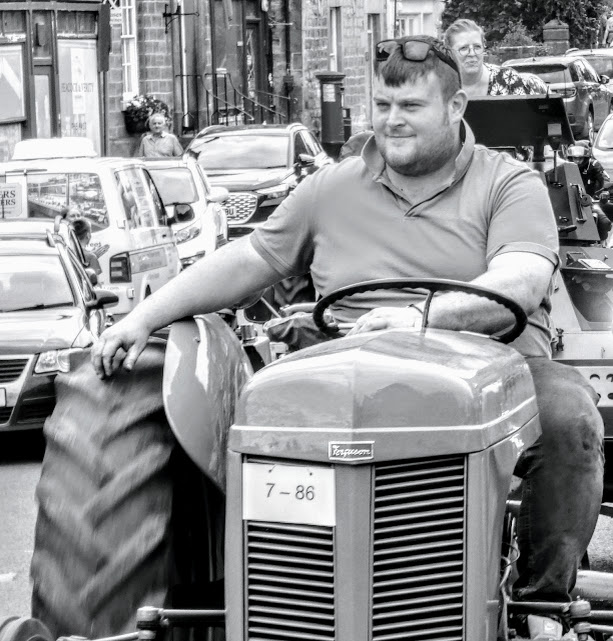
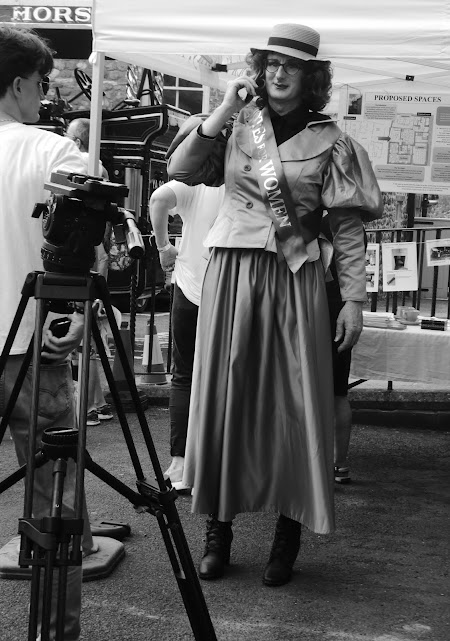
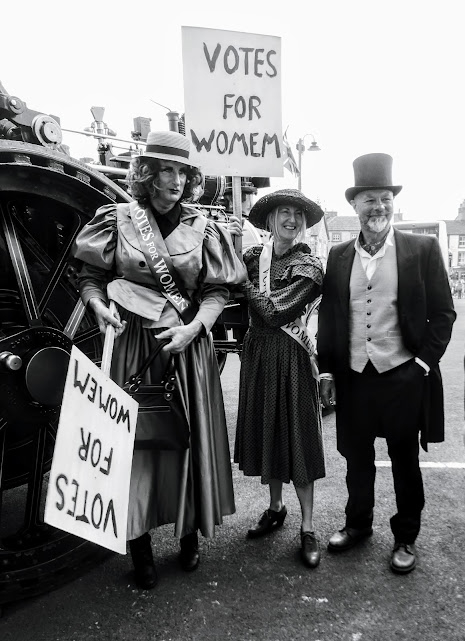
And here are some of the characters we saw. Though what one little group was doing canvassing for Votes for Womem (sic) escaped me.

Midweek Monochrome

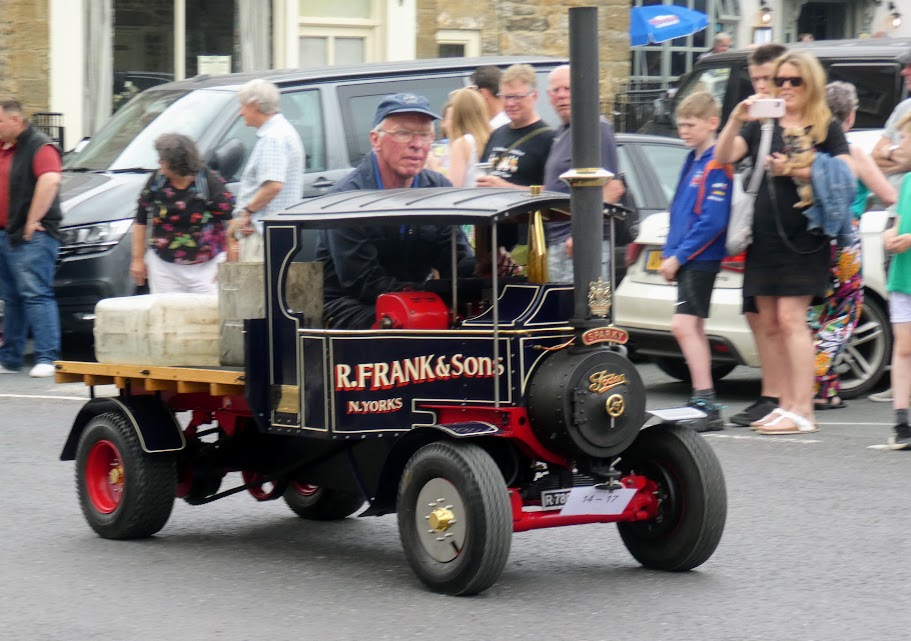
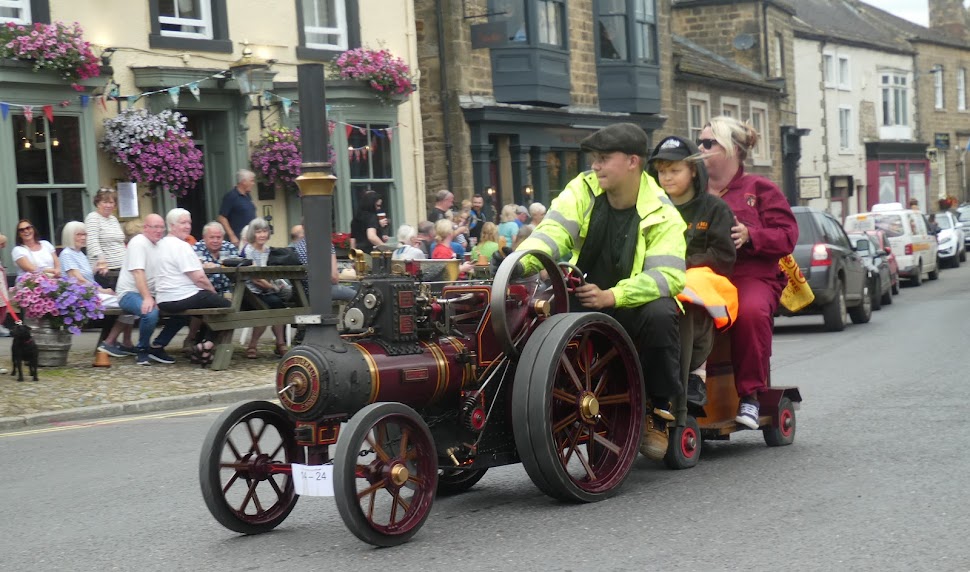
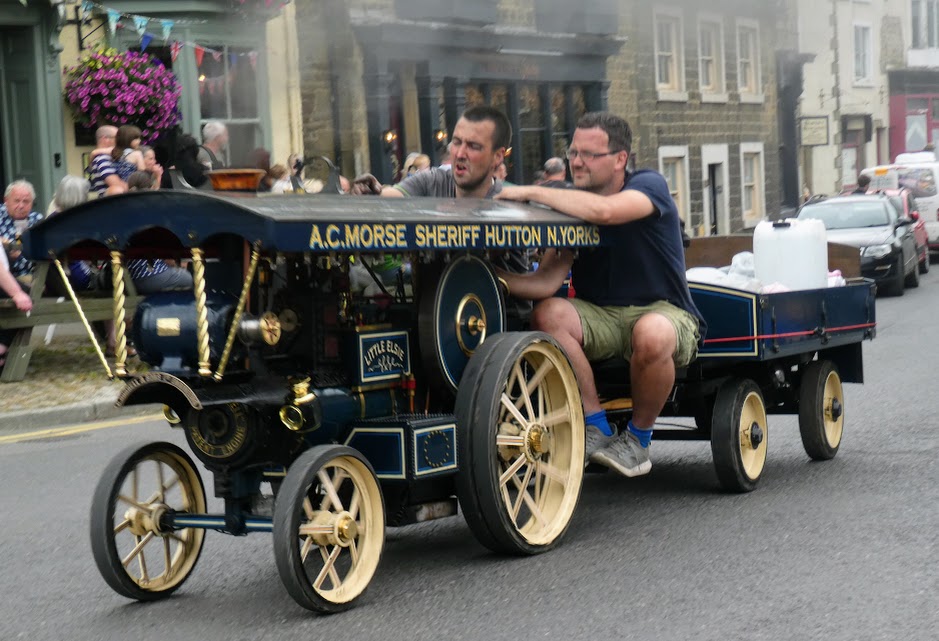
Monday Miniatures

This last weekend saw the annual Masham Steam Engine and Fair Organ Rally take place. Unaccountably, we’d never been before. But at 6.00 in the evening we turned up to watch these lovingly restored vehicles parade through the town. And before the Parade Proper started, these rather charming miniature engines had their moments of fame.
The parade of the Real Steam Engines is for another day.

Wuthering Heights: Tourist Destination

This week, A Canadian blogging pal, Rebecca of Rebecca’s Reading Room reflected on re-reading Emily Brontë’s Wuthering Heights. It made me think of a post which I wrote six years ago, in which I described a walk in Emily’s footsteps. Now it’s not really playing fair to re-post something I published before for the Lens-Artists Challenge: Tourist Attractions Near and Far. But I’m going to do it anyway. How many walking routes does anyone know in the UK where the way-marking is in any language other than English? Here, they’re in Japanese. This wild and often unforgiving part if England has become an unlikely tourist Mecca for devotees of Brontë’s story of the passionate and tumultuous love affair between Heathcliff and Catherine Earnshaw.

Wuthering Heights

28th July 2018

Haworth: a charming village on the top of a high and steep hill, in an area of high, bleak and steep hills; home to the Brontë sisters and the surrounding moorland countryside of Wuthering Heights.

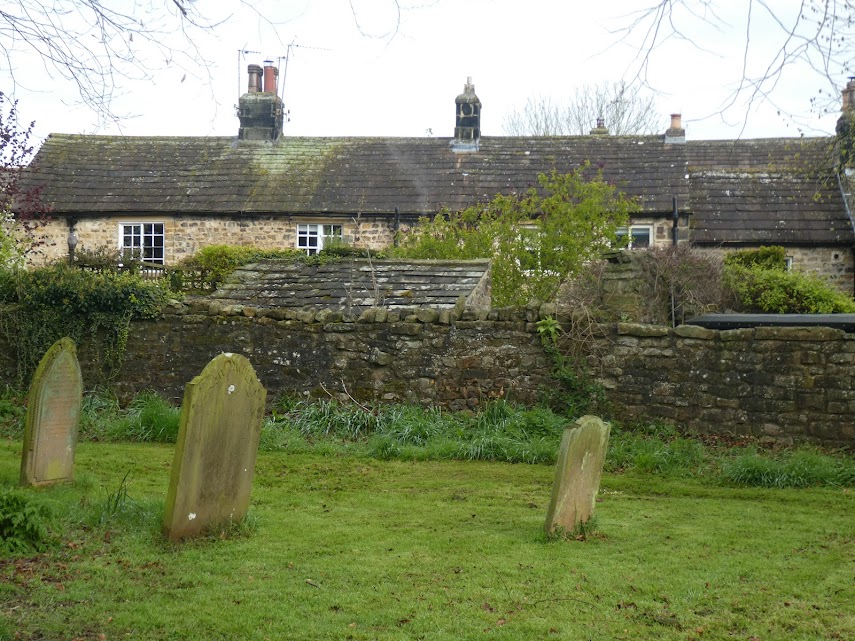
Cottages near Haworth. Cosy now: possibly less picturesque back in the Brontë’s time.

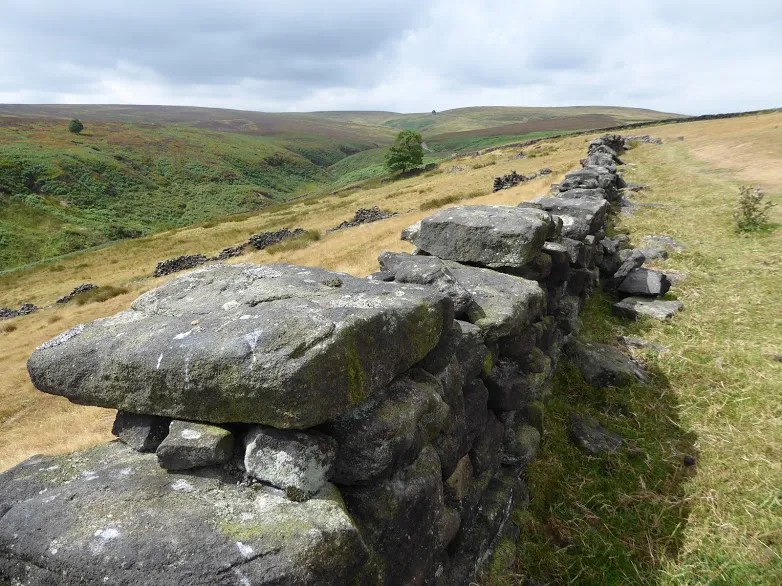
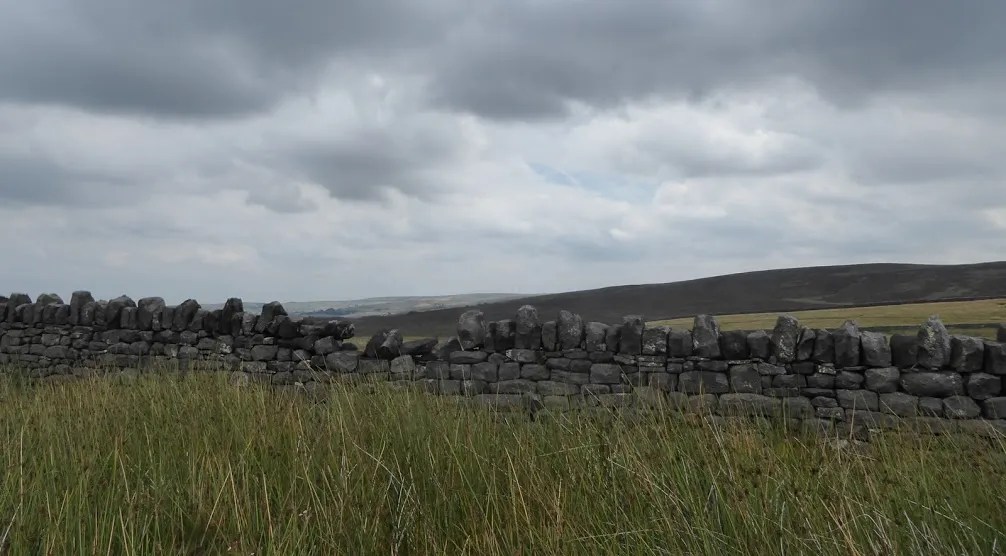
Everyone knows that you can expect ‘weather’ when you come here,  whatever time of year you arrive.  As you stumble along the church path to leave the village, slashing rain tumbling from sullen hostile skies needles your skin, slicks your hair to your face and saturates your clothes.  As you set your face against the wild wind, your boots sink into the sodden peaty turf as you trudge onto the moor.  If you dare to glance up, you see unending moorland before you: bleak, barren and bare, with sheep huddled against the dry stone walls which march across the landscape.  This is Nature-in-the-Raw, and we expect no different.

I went there earlier this week.  None of the above applied.

We are in Week Five of a heatwave.  I doubt if either the Brontës or even Heathcliff himself had ever seen the like.   Brittle coir matting now carpets the brooding moorland fells: and several weeks early, the heather is almost in flower, rich and purple.  Yellowing grasses replace the dense green turf the sheep prefer, whispering and rustling in the light breeze.

Beyond Howarth, coir matting stands in for moorland turf.

There’s a little brook in the valley here.  Angry peaty water jostling officiously along its path has been replaced by still, clear shallow pools.

The brook by Brontë bridge.

The Brontë sisters would cheerfully have paused here to rest, reflect and write a little.  Then, like me, they would have slogged on, up the peat-and-stone pathway that leads upwards, ever upwards, towards Top Withens.

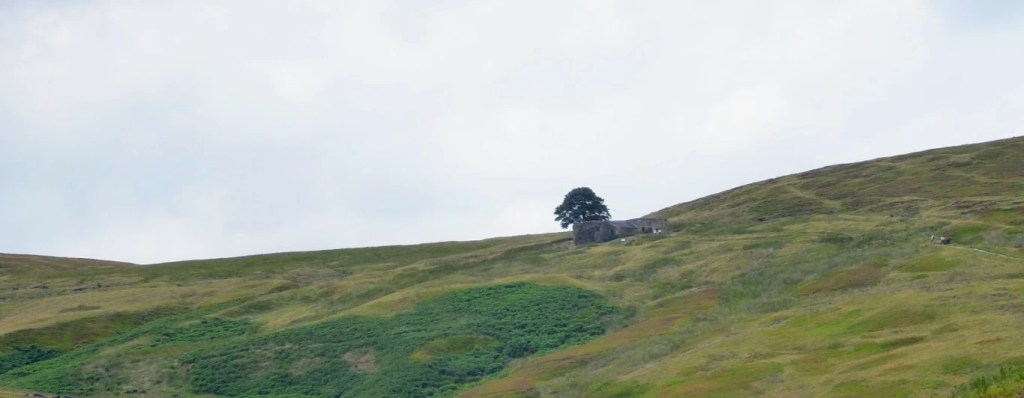
There’s Top Withens, up there. Beside that solitary tree.

Top Withens may have been the isolated upland farmhouse that Emily Brontë pictured Cathy Earnshaw and family living in when she wrote Wuthering Heights.  It’s a ruin now, the roof torn off in a violent thunderstorm in the 1890s.  Just as you’d expect.

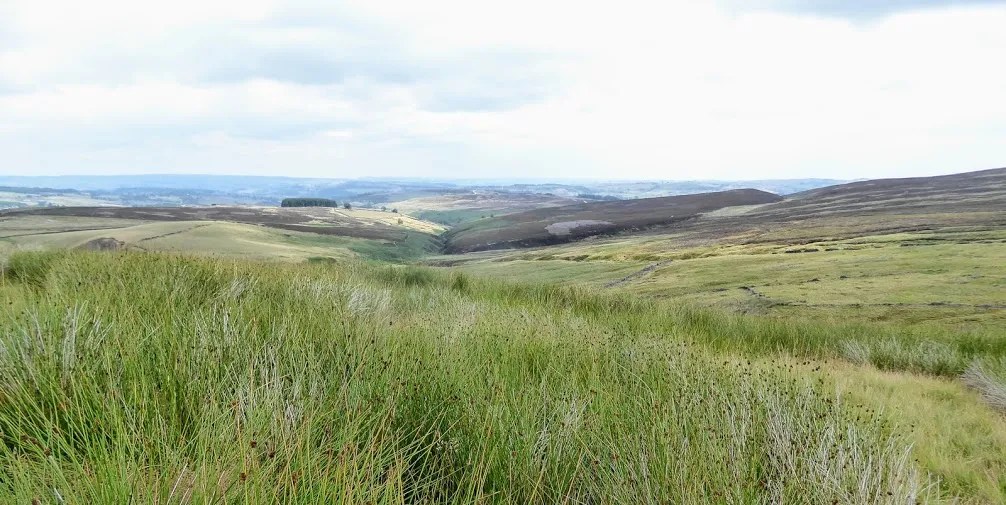
It was the perfect picnic spot for me.  The moorland stretched before me, its hillsides rhythmically rising and falling.  The world was silent: not that silence in which there is no sound, but that of the living countryside: the low susuration of the swaying grasses; the humming of the wind in my ears; the occasional complaint of a bird sweeping overhead.  Beyond the moorland, greener fields lay, chopped centuries ago into rough rectangles by drystone walls.  Some held sheep, some cattle, others recently cut hay. The sun warmed my rocky seat, and I was perfectly content.

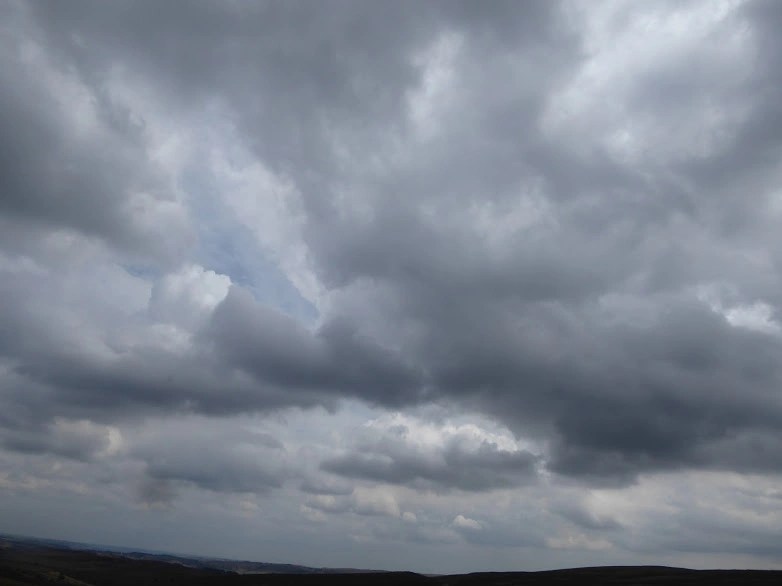
Except for the sky.  The day was sultry, sweaty, but freshened by a soft breeze.  I knew the sun might be chased away by gusty rain.  Ash-grey clouds swelled and receded, revealing granite tones behind: and beyond that, cornflower blue once more. It was a signal.  Haworth takes weather seriously.  Never be tempted to climb these uplands without a very capable waterproof in your kit.

 The moorland I saw this week was not the Brontë’s moorland.  It’s been a little sanitised.  There are helpful finger posts pointing the way at every junction, in English and … Japanese.  

Top Withens or Top Withins? Take your pick. I don’t know which the Japanese choose.

The pathways the sisters trod are no longer springy peat tracks, or sticky muddy gullies.  Instead, heavy slabs line the way, to prevent footfall damage to this fragile area from the hundreds of people who tramp these paths looking for the Real Brontë Experience.

My day was far too comfortable for that.  I was not returning to a draughty parsonage with self-destructive brother Branwell to worry about.  If you want to see the Brontë’s life through his eyes, read Robert Edric’s ‘Sanctuary’. You’ll be glad to get back to bustling tourist-destination Haworth for a nice cup of tea.

This post should qualify for a mention in Jo’s Monday Walk, I hope.

Who Do They Think They Are?*

Perhaps only British readers will be interested in this one. Let’s see. We’re going to visit Masham, our neighbouring market town: population – just over 1000. Main employers: two breweries – Black Sheep and Theakstons. It’s an attractive place, much loved as a stopping off place and watering-hole by visitors to the Yorkshire Dales. But it’s nobody’s idea of the beating heart of the country, or even the county.

What I’ve only just found out is this. Boris Johnson, one of our (several) recent Prime Ministers (2019-2022), and Jeremy Corbyn, leader of the Labour Party from 2015 – 2020 both had antecedents in Masham. No love was lost between the two politicians as they faced each other across the despatch box. Yet once upon a time – about 170 years ago, when Queen Victoria was on the throne – their ancestors were neighbours up here in Yorkshire.

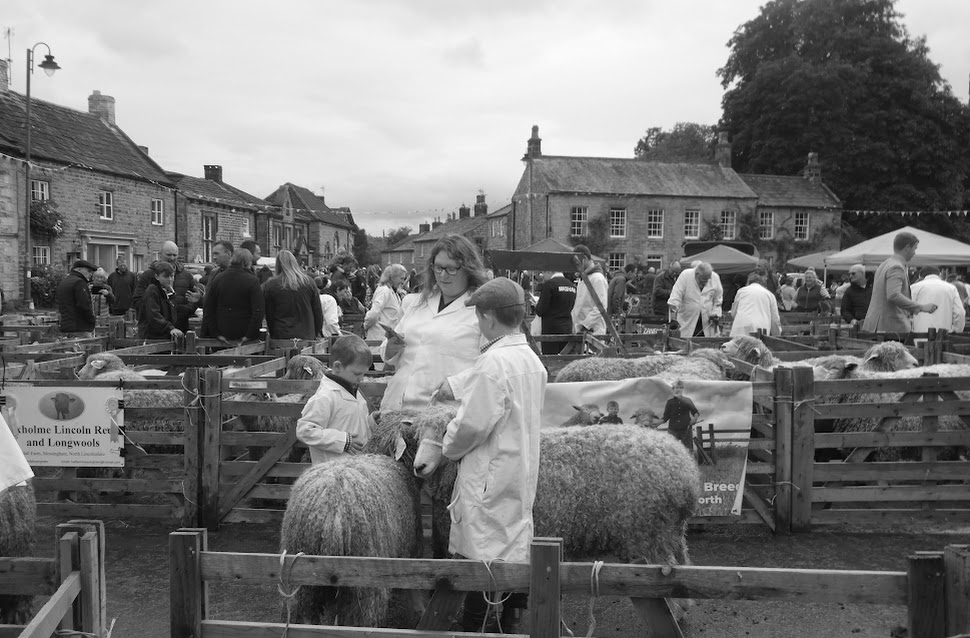
This is the Market Square on the best weekend of the year. The annual Sheep Fair.

A saddler called Mr. Stott lived in the Market Square. He was twice married and fathered 7 children, so you might think this makes him Boris Johnson’s forbear. No, he’s Jeremy Corbyn’s ancestor. His neighbour was a confectioner, a widow, a Mrs. Raper. And her sister-in-law was Miss Raper, who married the Prime Minister’s great-great-great grandfather Thomas John Johnson.

The smallest house on the Market Square. And it’s not the family seat of either the Johnson or the Corbyn family.

Both families had probably lived here for generations. Mr. Stott and Mrs Raper were certainly neighbours from before the census of 1851, and still lived next to each other when Mr Stott’s second wife Sarah died in 1871.

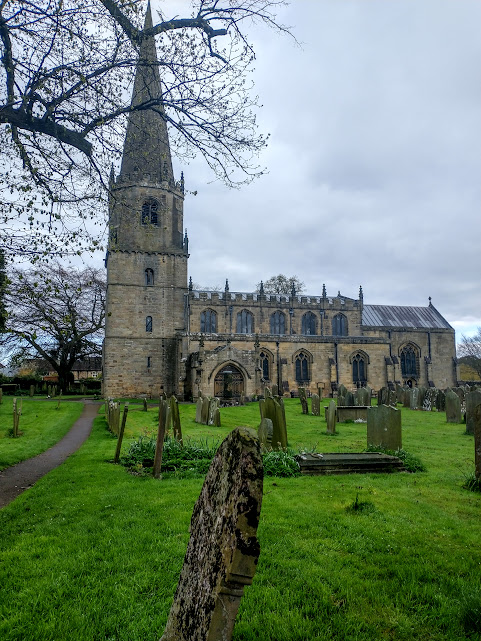
And both were buried in Masham Churchyard, though I haven’t yet spotted their graves.

*This is a reference to the BBC documentary series Who Do You Think You Are? which traces the family history of people in the public eye.