Urban Sweden

Many of you know about our trip to Sweden earlier this year. We Country Mice found much that was accessible in the Swedish towns we visited. Pedestrians came first, bikes second, and motorists toed the line and halted to let either of the above pass in front of them. So meandering in Malmö, going round Gothenburg, sauntering in Stockholm, knocking around Kalmar, these are a few of the sights we saw on the urban paths we choose, totally unbothered by passing traffic. There was none..
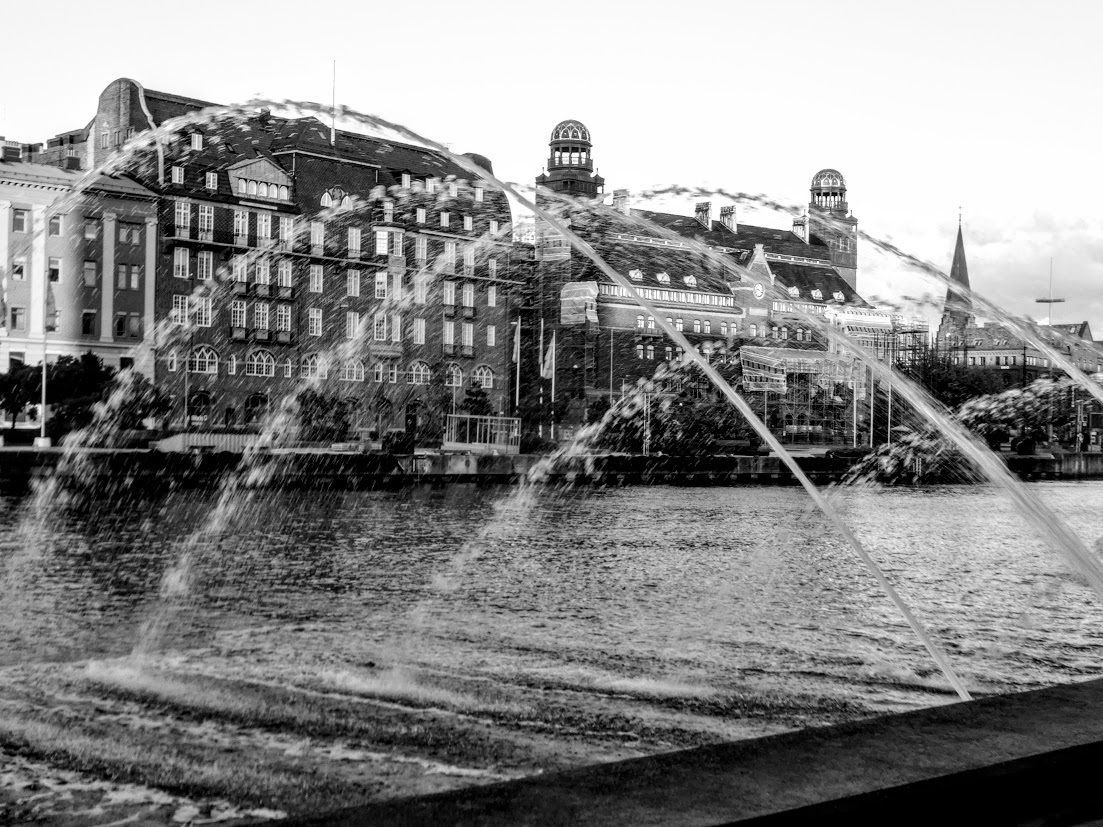
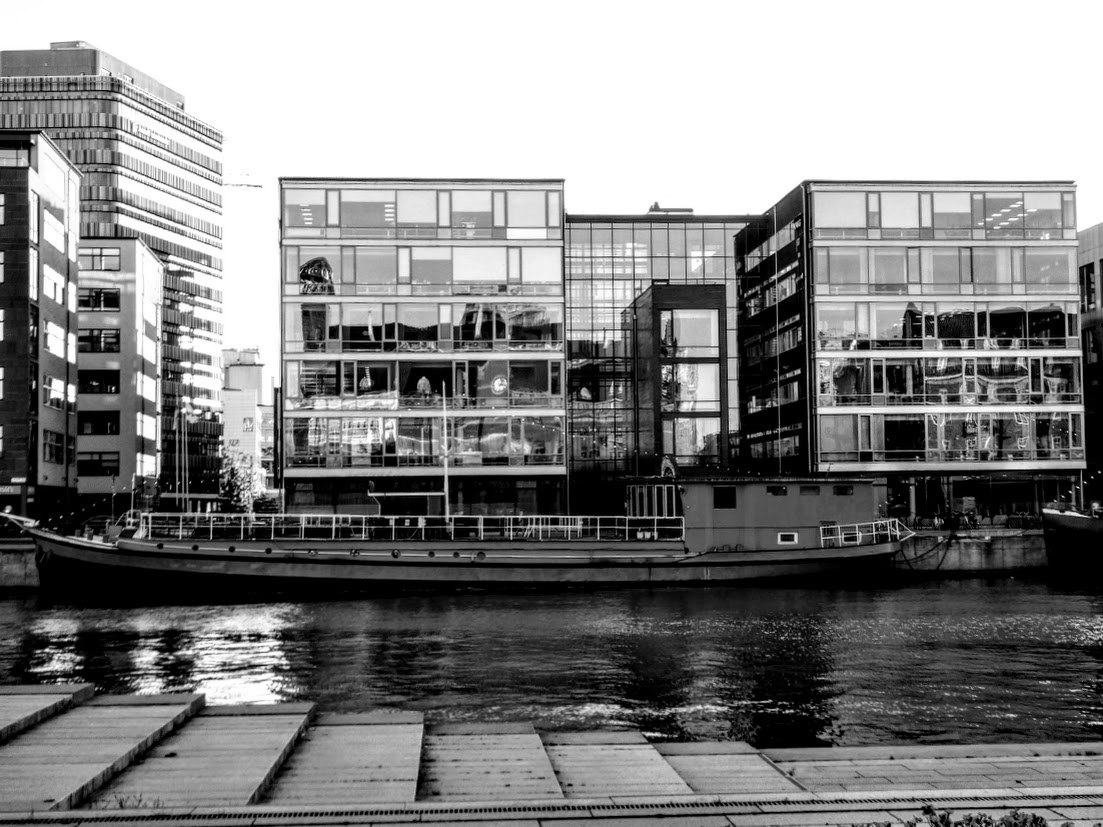
Malmö’s past and present.
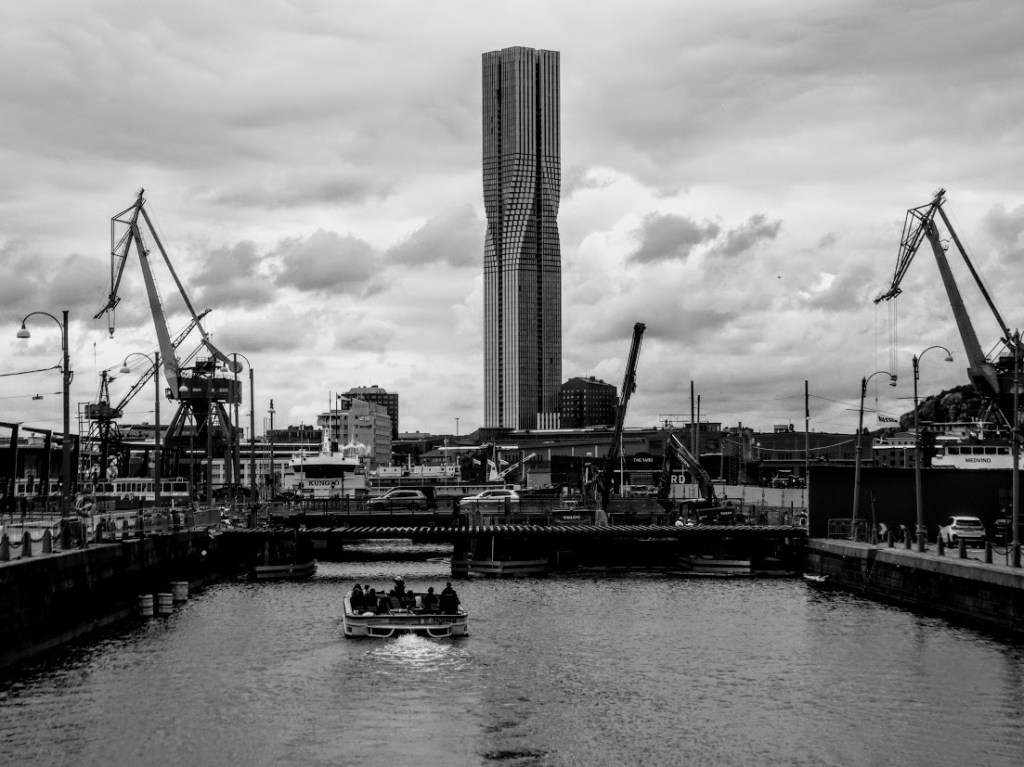
Gothenburg’s watery industrial quarter.
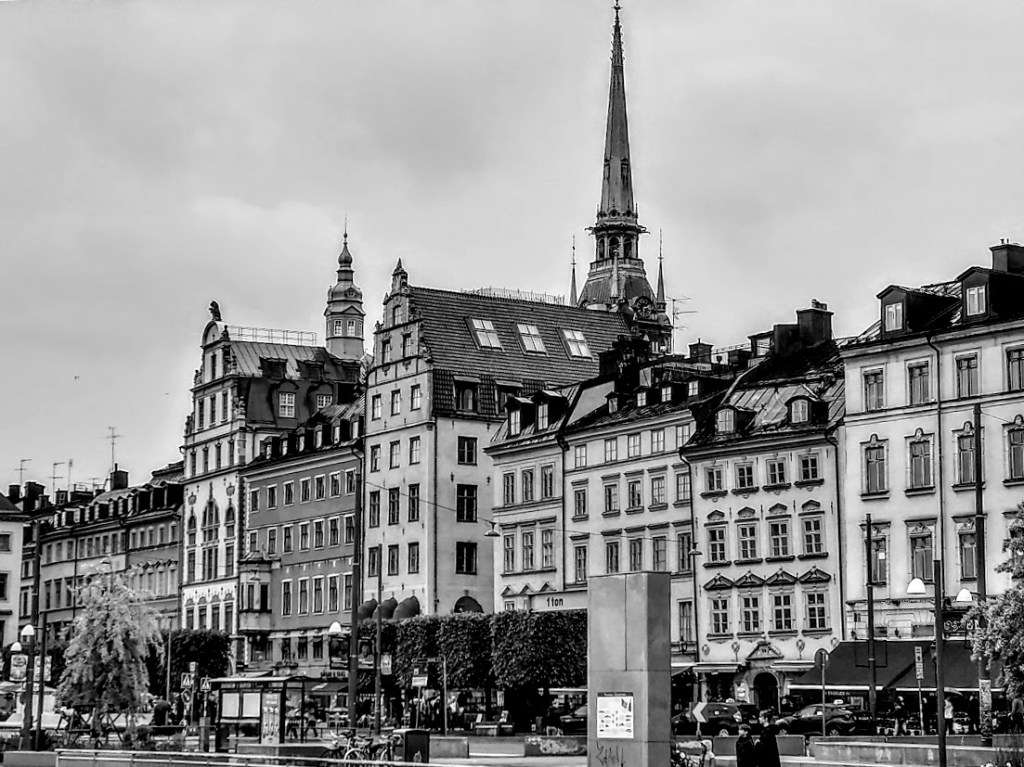
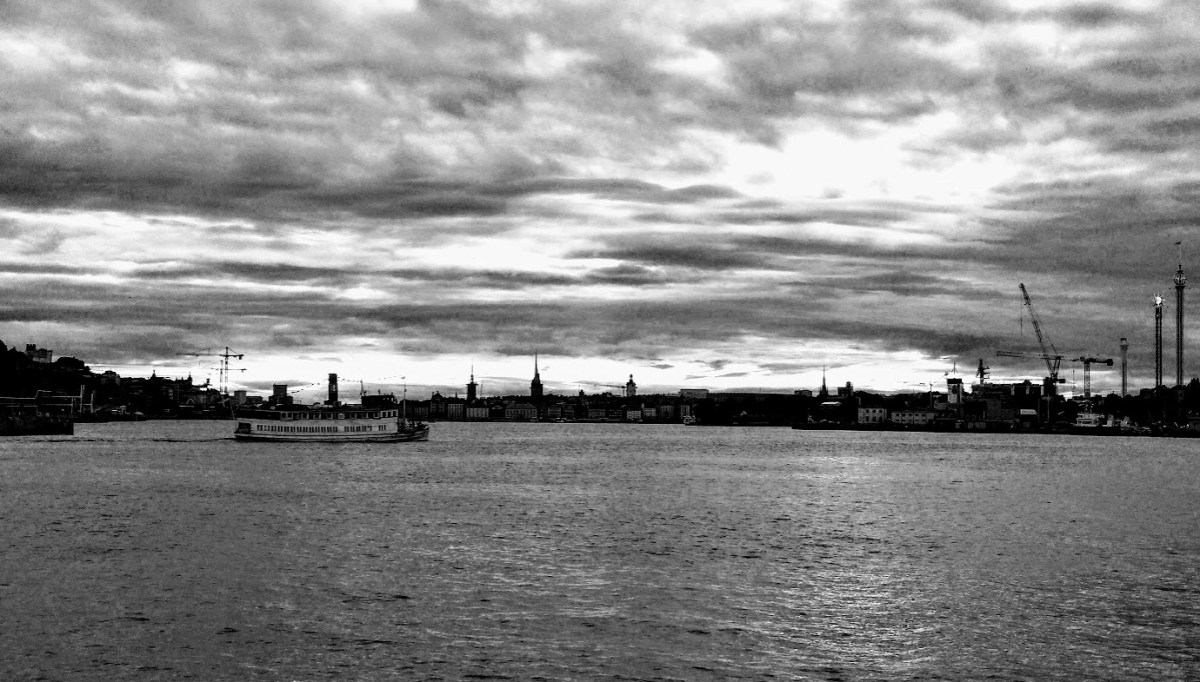
One of Stockholm’s many waterfront views. The featured photo is its skyline as seen from the coastal path below our apartment.
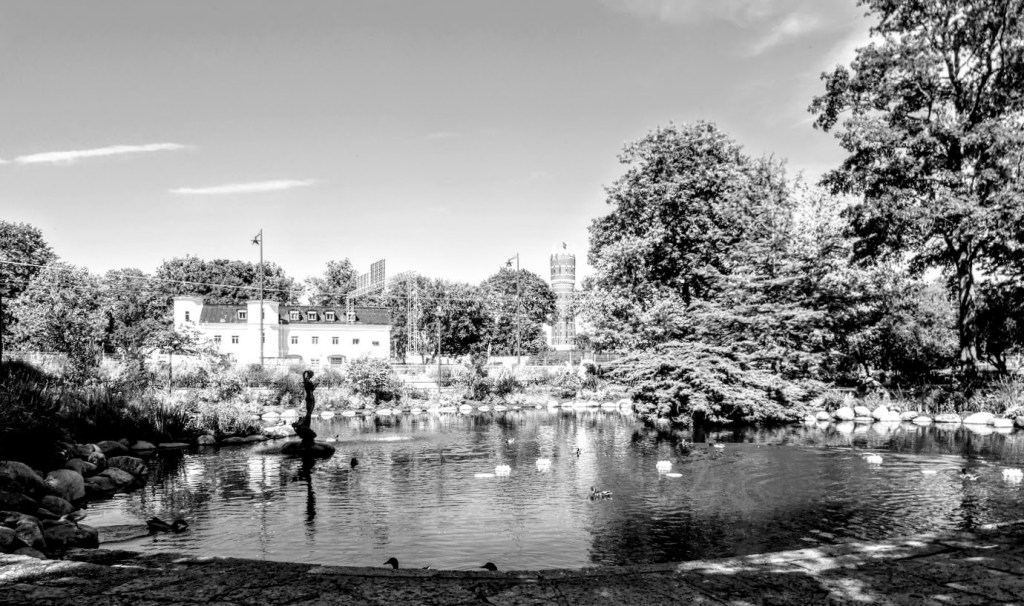
And finally, here we are kicking our heels in Kalmar, within metres of the railway station, the university and a busy shopping mall. Oh, and a fine castle which you’ve already seen. My kind of urban landscape.

For Leanne’s Monochrome Madness.
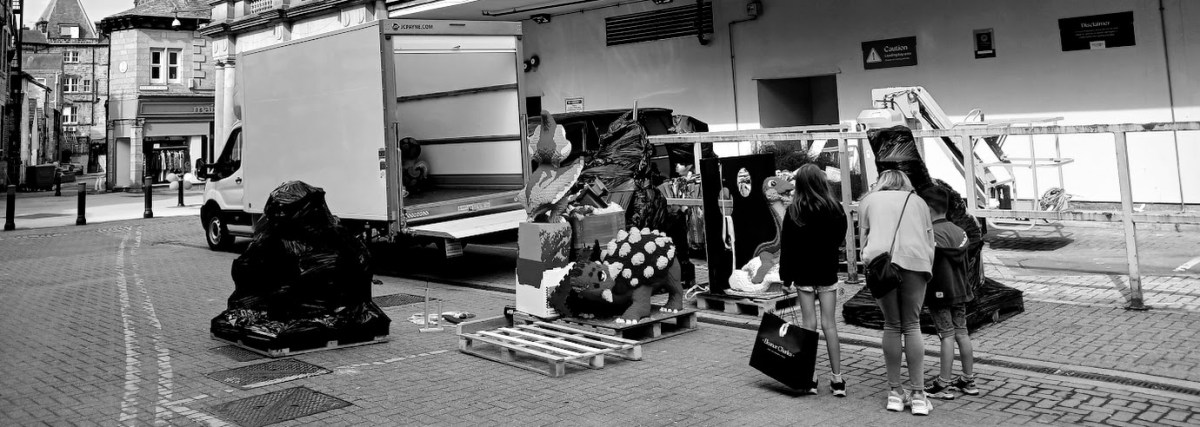
You Know the School Holidays are Over, When …

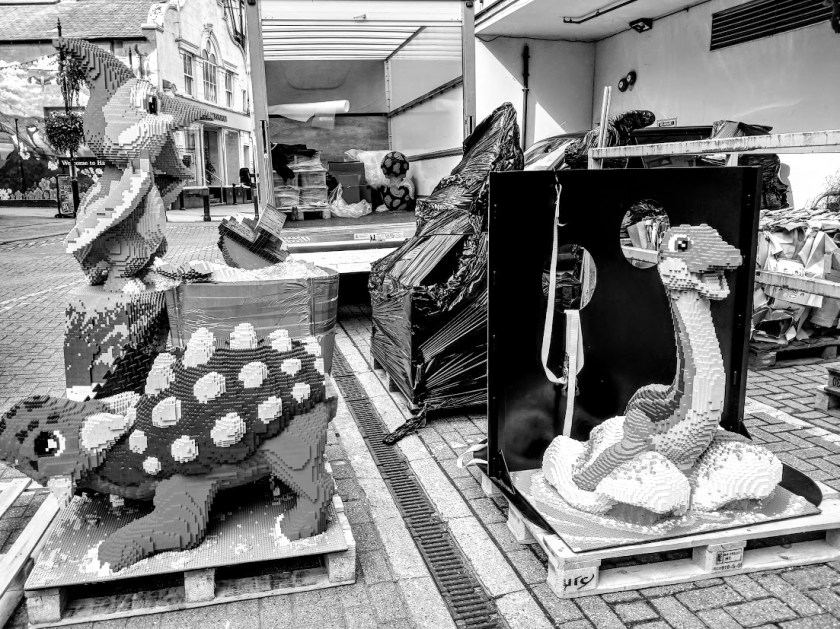
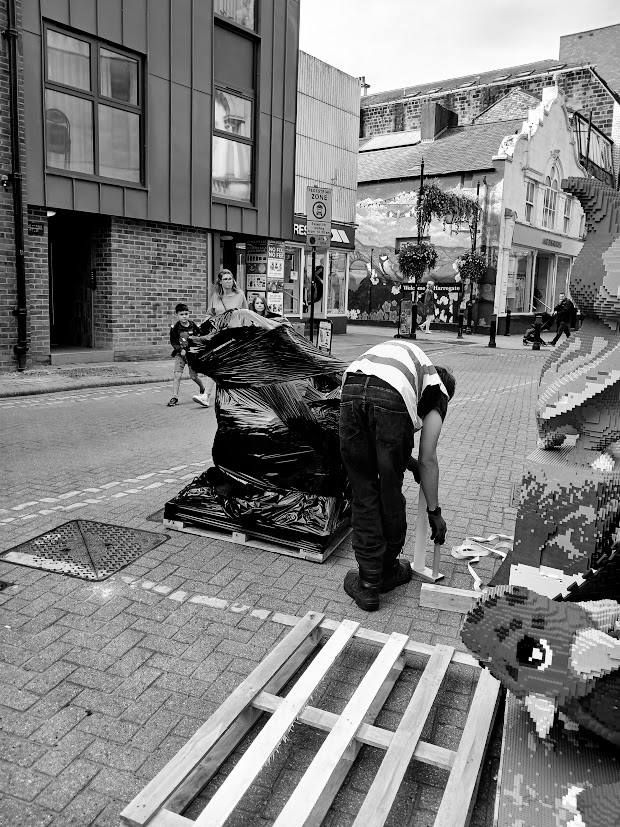
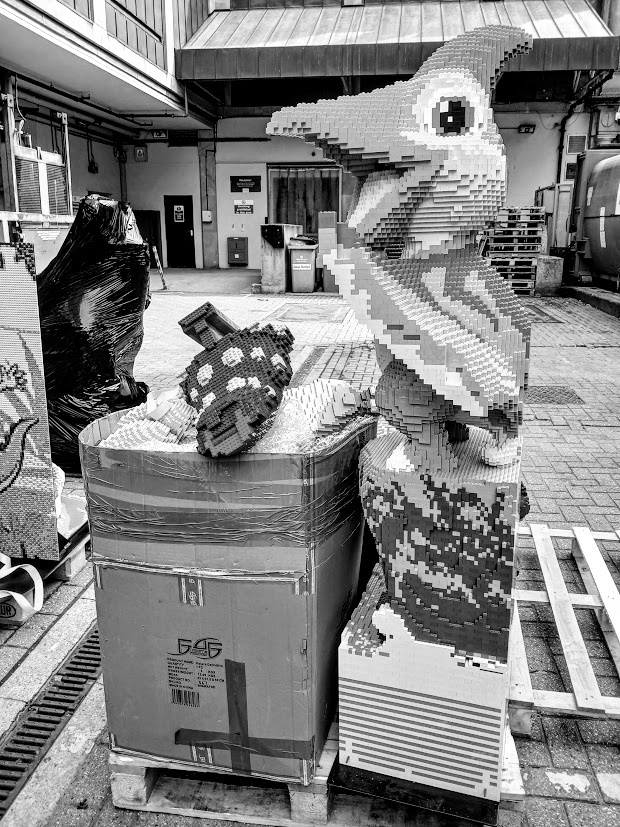
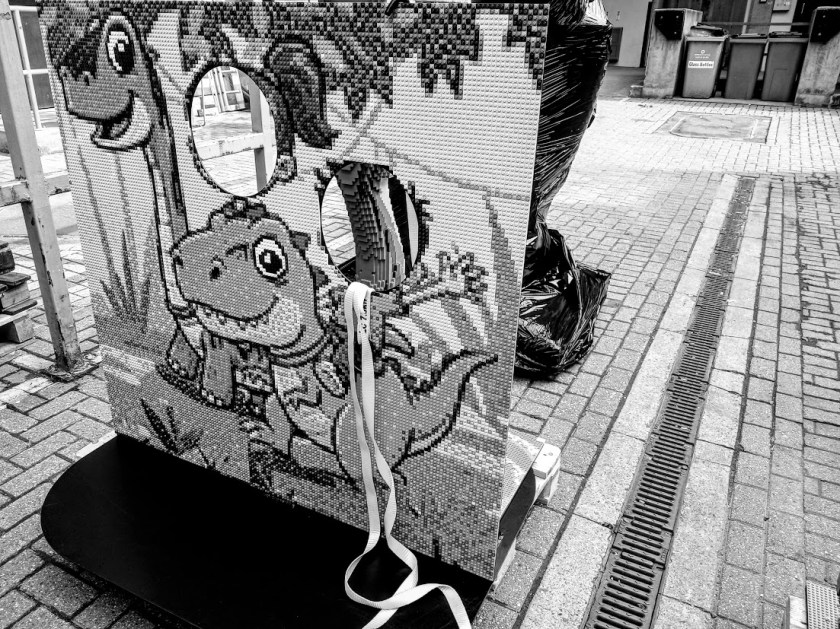
… you see a van packing up the elements in a Town Treasure Trail for the amusement of all those children drummed into summer shopping expeditions for new uniforms, pencil cases and serviceable rucksacks. In this case, it’s Harrogate’s now annual Lego Trail, this year featuring Dinky Dinosaurs. Whatever next for these rather charming little monsters?

For Leanne’s Monochrome Madness.
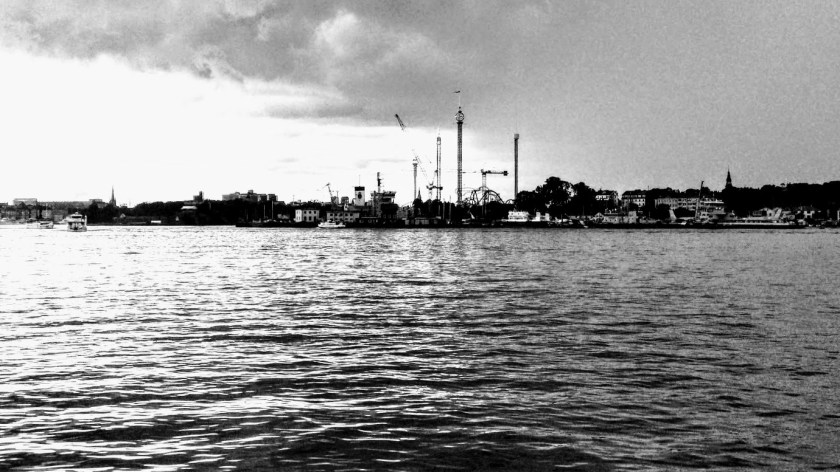
Swedish Seascapes, Swedish Horizons

This week’s Monochrome Madness, hosted by Dawn features horizons. I decided this gave me the chance to whip us back to Sweden, which offers horizons in every glance. Mainly watery horizons, it’s true. Or are they cloudscapes? Whatever they are, they offered me, whether urban or when island hopping utter peace and contentment.

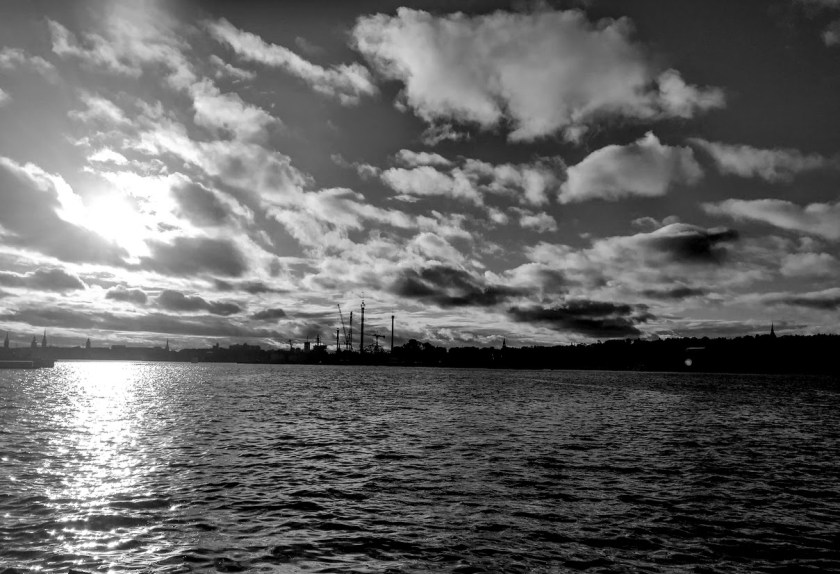
A view of Stockholm from our apartment there.
A different view of the same view, and with a different cloudscape.
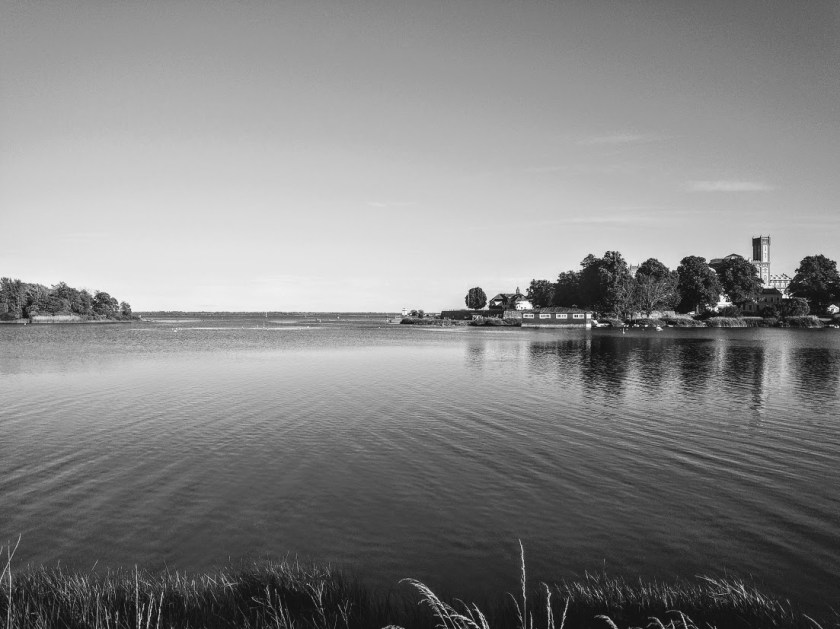
The peaceful suburbs of Kalmar.

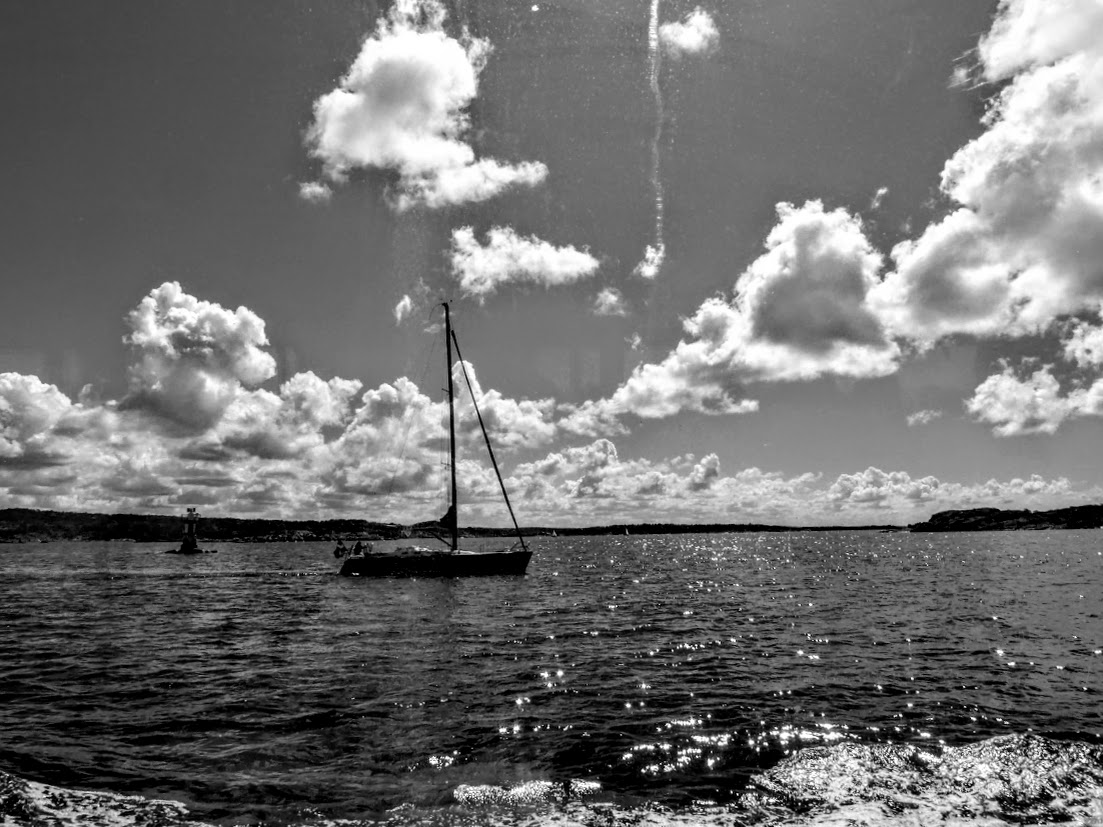
My featured photo was taken on one of our many ferry journeys, where we saw – unlimited horizons.

A Number of Images

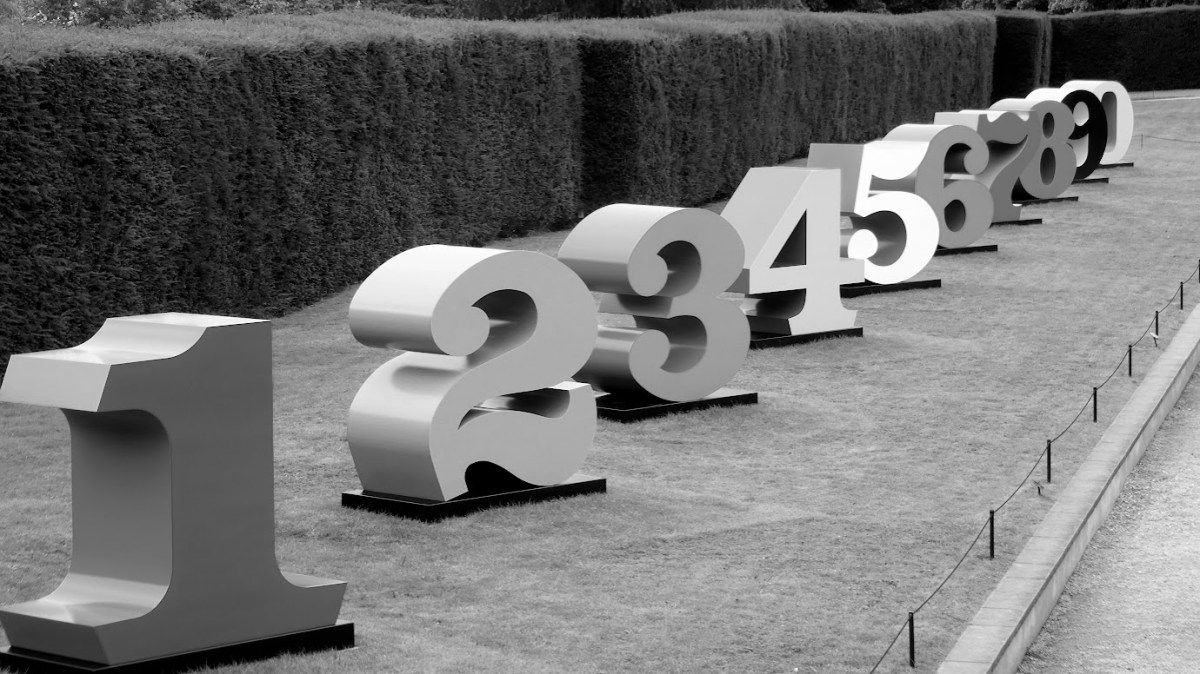
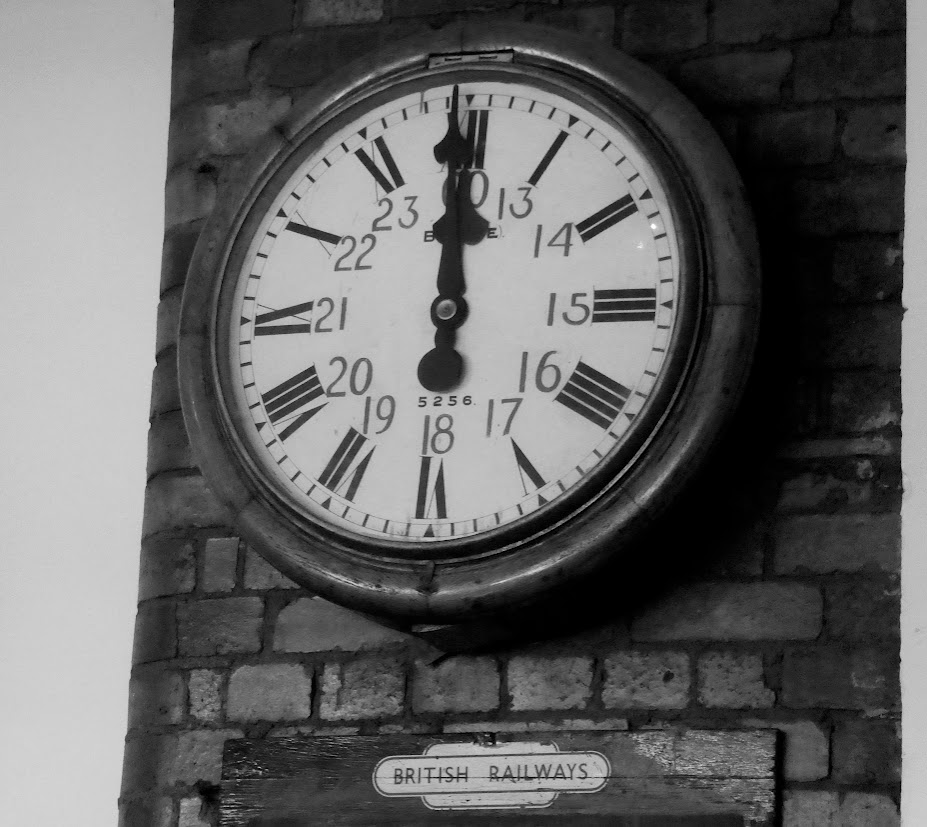
This week, for Leanne’s Monochrome Madness, our host Sarah (of Travel With Me fame) would like us to find a number of numbers. Well, here goes. The featured photo comes from Yorkshire Sculpture Park. Can I remember who the sculptor is? Not a chance. But this piece is big and bright and gloriously technicolored. I wonder if it’s still there?

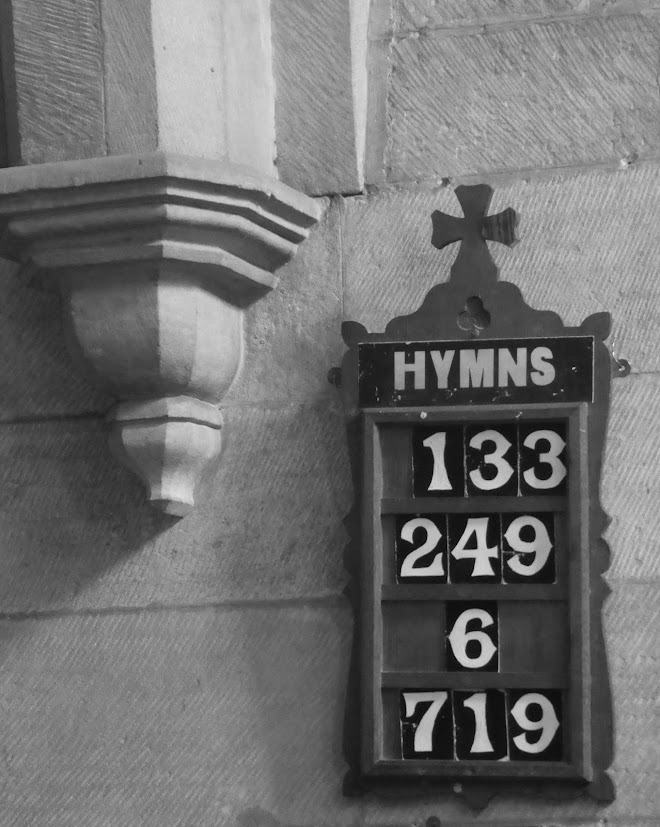
Altogether more godly, righteous and sober is the hymn board in Masham Church announcing the choices of hymn for – presumably – the previous Sunday’s service.

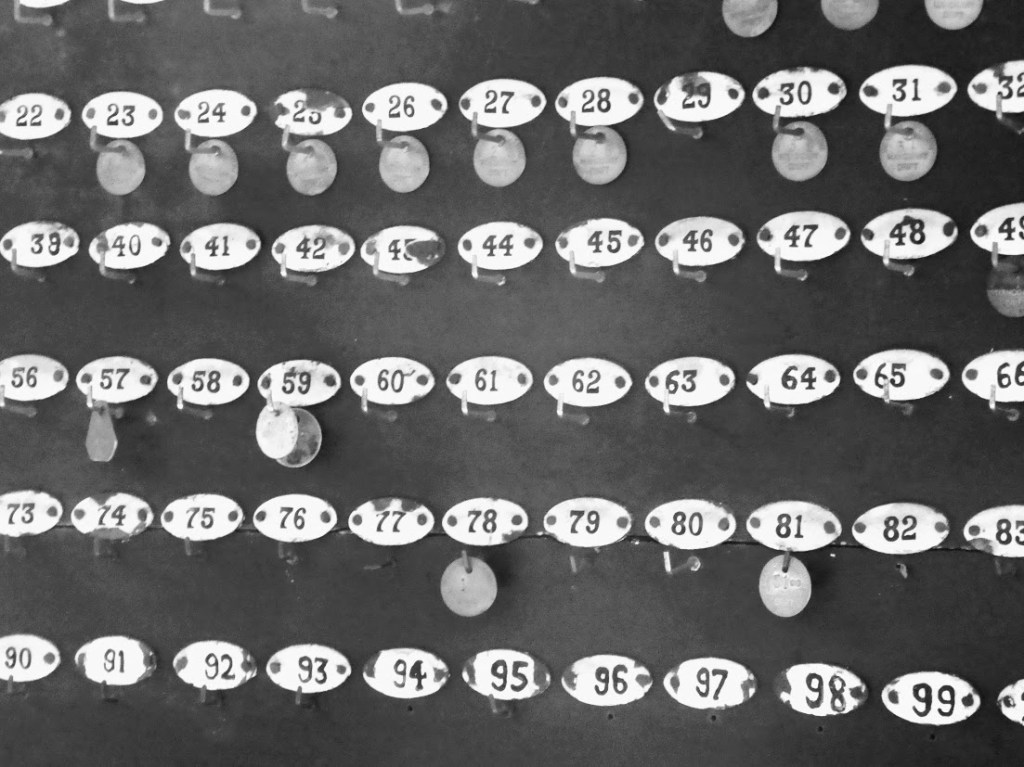
Equally useful is this board spotted at Beamish Museum. As far as I remember, they’re the tokens used by employees to check in and out of work as they came and went.

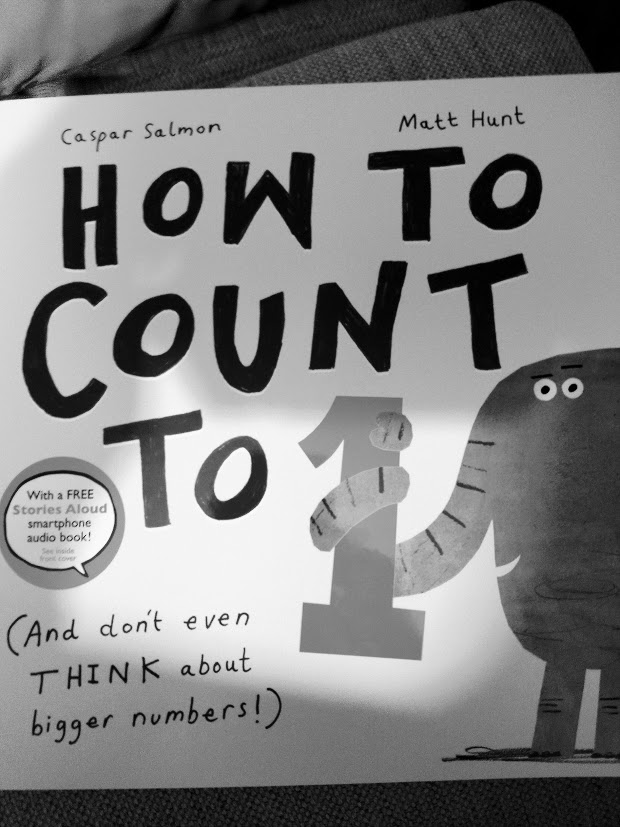
Not quite so useful, but a lot more fun is this book, bought to delight my granddaughter and her parents, and anyone else lucky enough to have the chance to read this highly entertaining story.

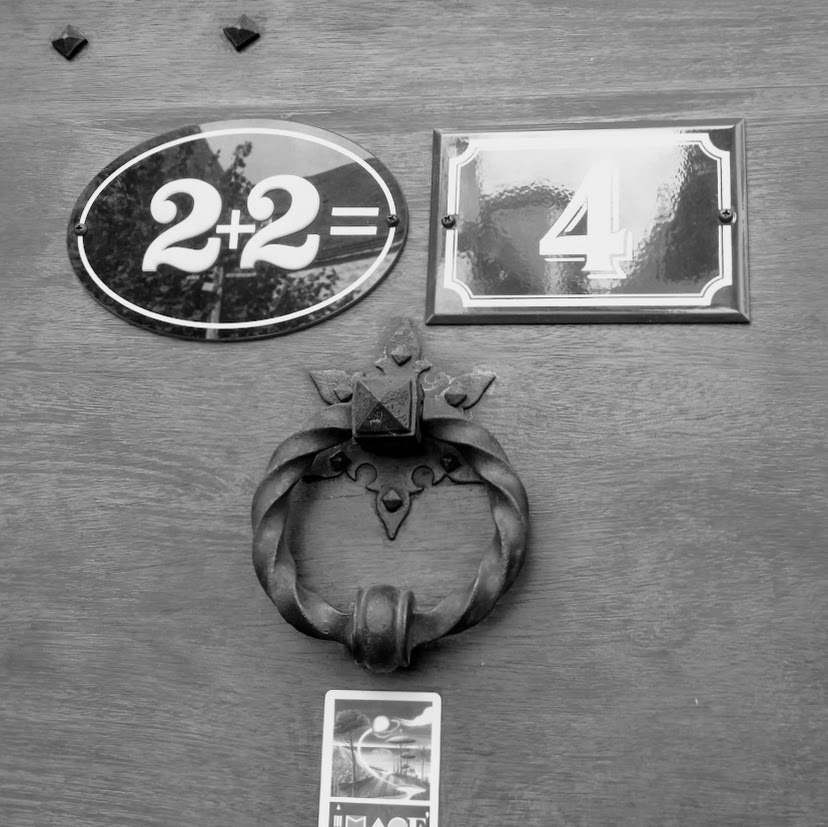
And spotted once in France, a house number designed to include a small arithmetic lesson as you wait for the door to be opened for you.

Oh look! It’s past my bed time. I’m off …

Monumental Madness

Figures in the built environment, That’s what Sue of Words Visual fame would like to see us produce images of this week for Monochrome Madness. She’s big on street photography, is Sue, and good at capturing a telling shot of a peopled urban street. But Leanne in her own post has gone down a different route, and as imitation is the sincerest form of flattery, so shall I.

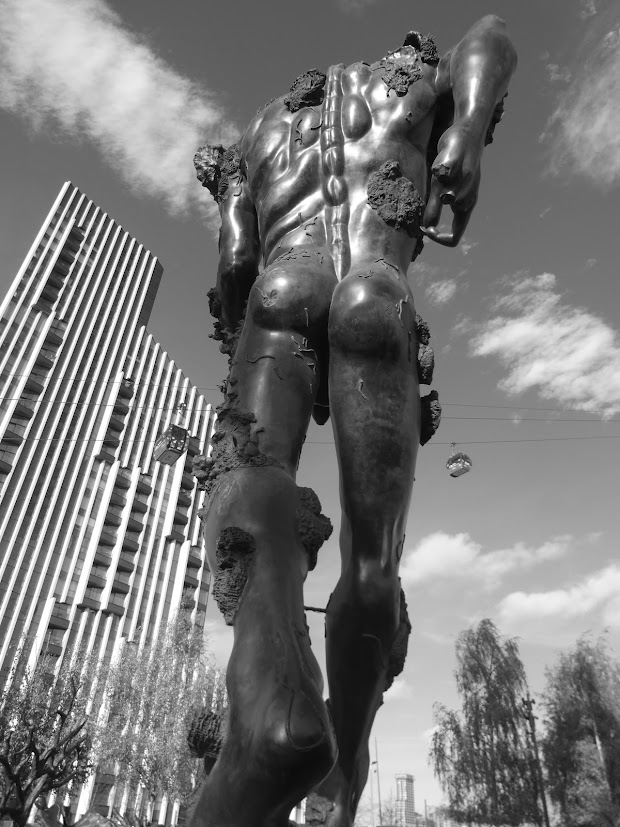
I’m going with Monumental Statuary, and beginning on Greenwich Peninsula, with Damien Hirst’s Demon with Bowl.

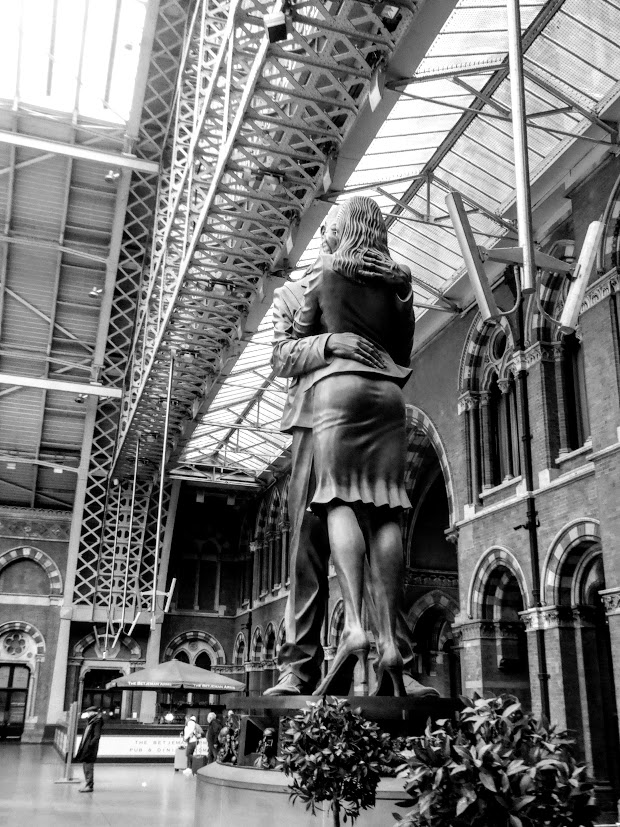
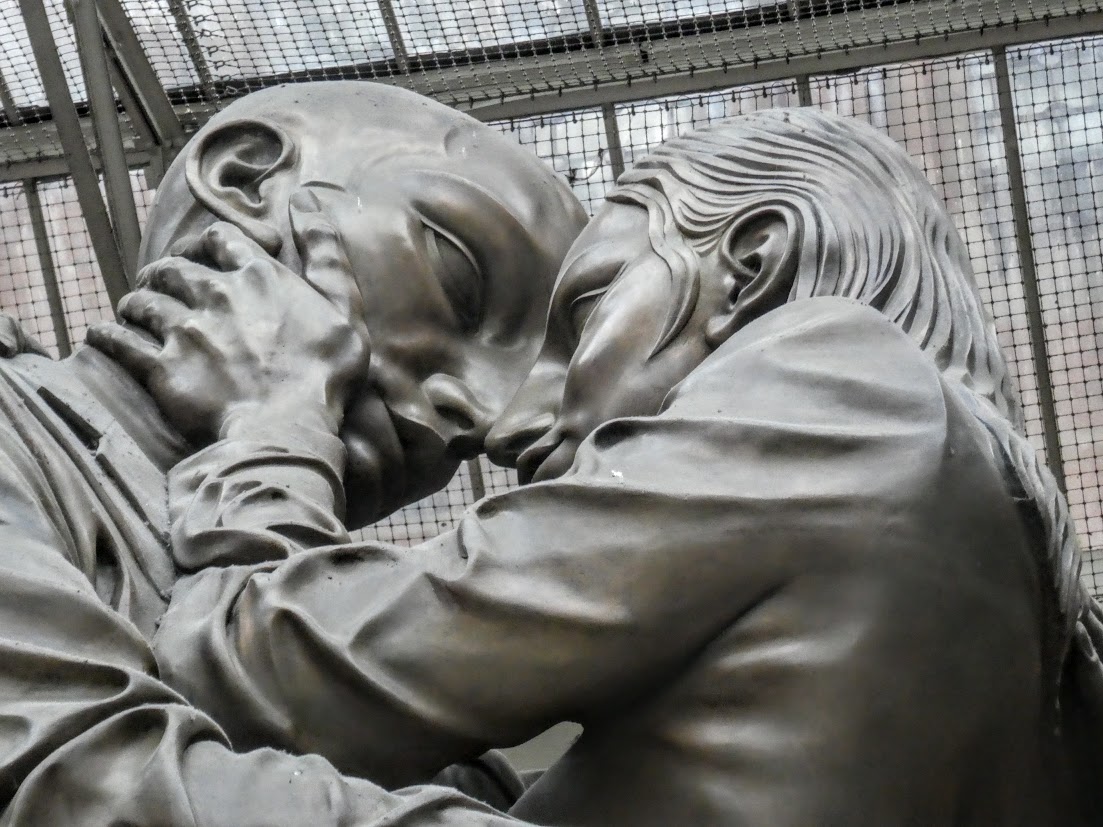
Then I’m staying in London, and going to St. Pancras Station, to a statue I love to hate, finding it unutterably cheesy: Paul Day’s The Meeting Place.

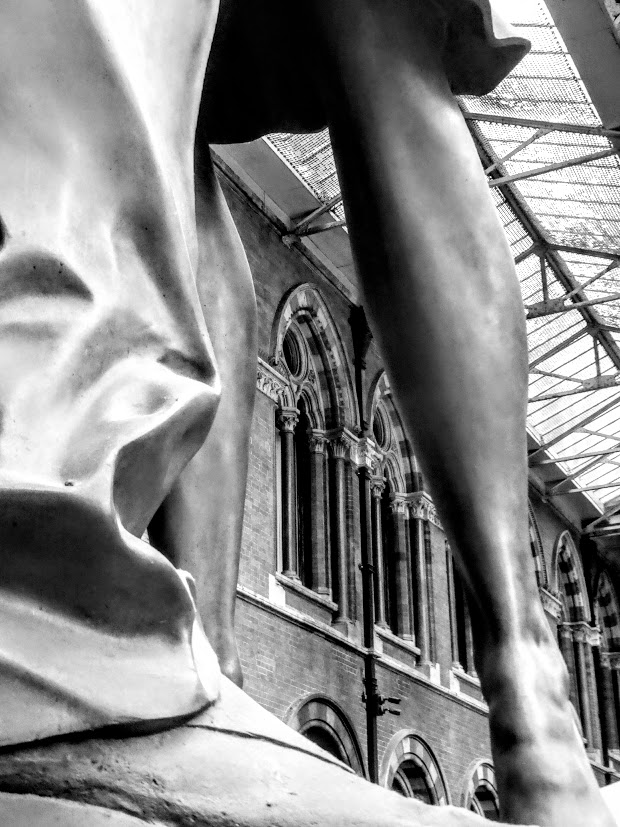
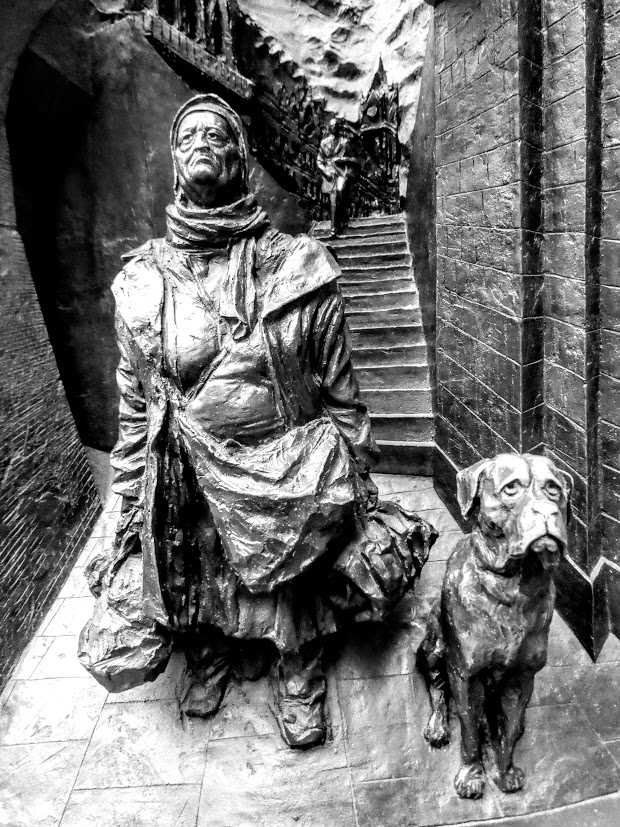
Here are some details, including one of the vignettes at the bottom: lookers on.

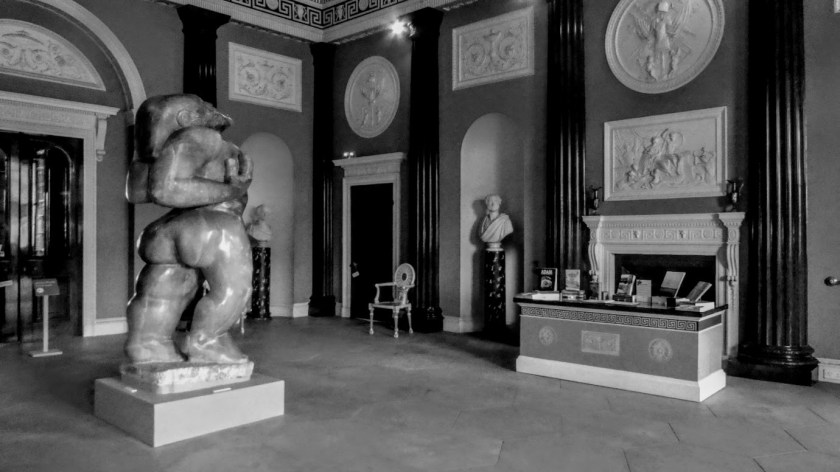
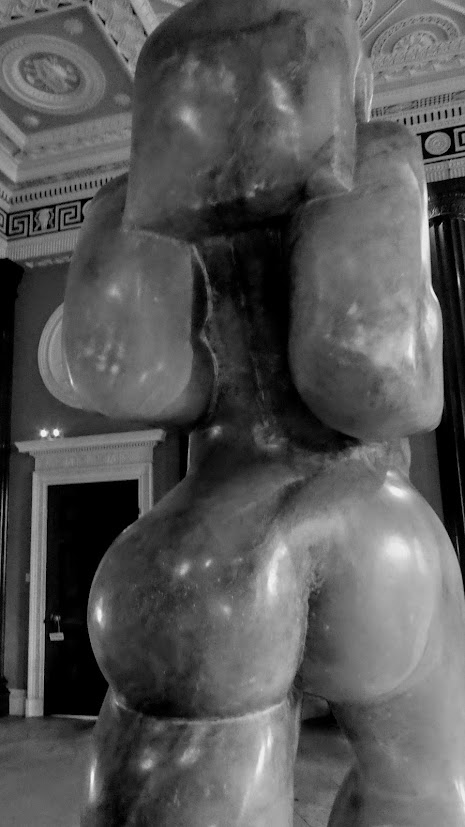
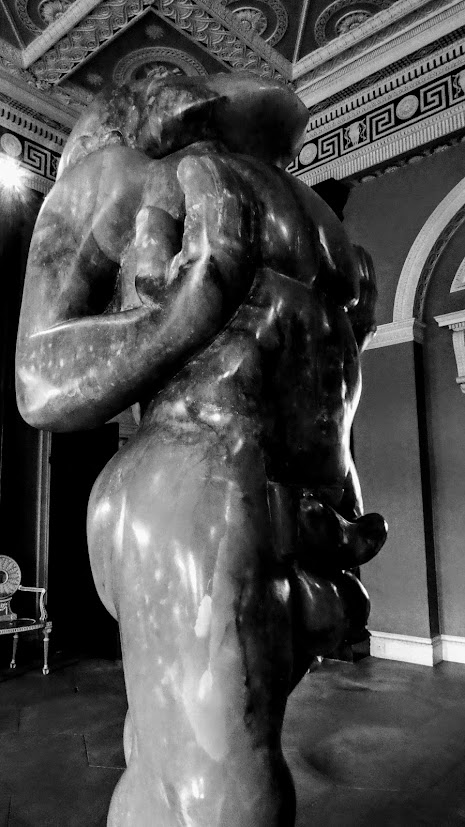
St. Pancras Station is next to King’s Cross Station. Let’s catch the train to Leeds, and the ongoing bus to Harewood House to view Jacob Epstein’s Adam, naked as God had intended.

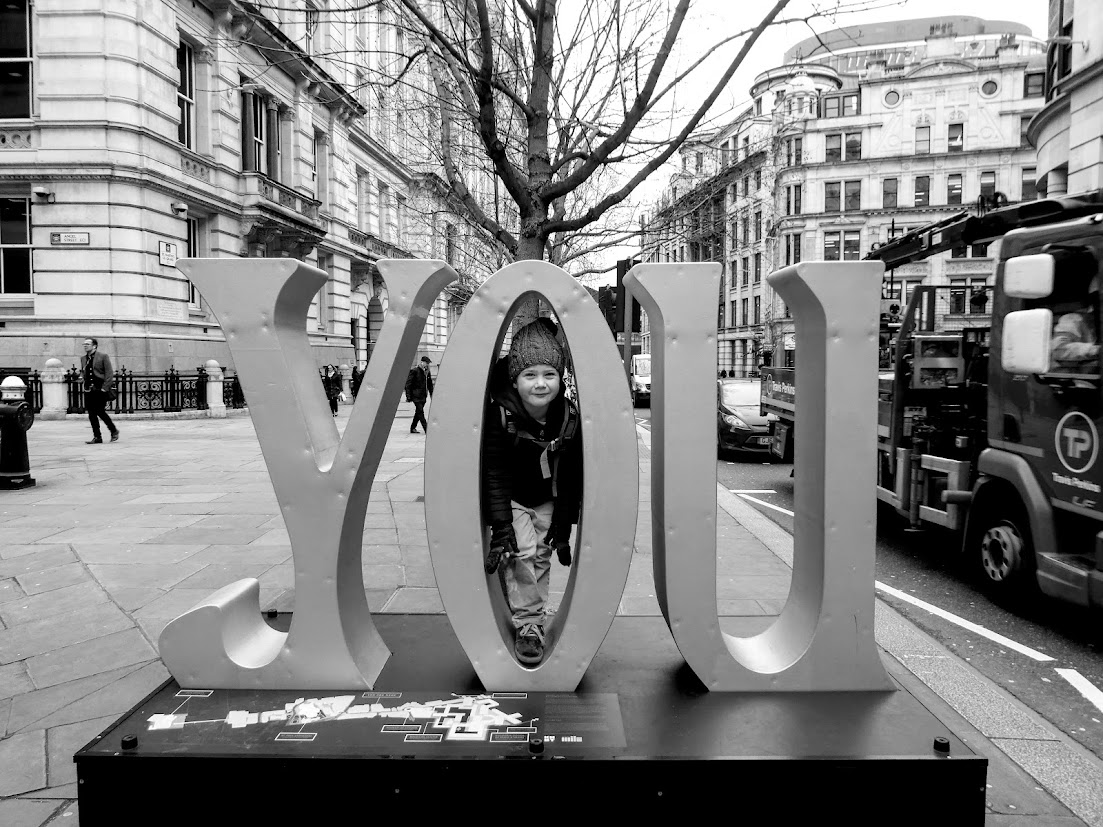
My featured photo is a few years old. ‘Around the Corner‘ was a literary trail designed in 2020. Scattered near Peter’s Hill (just south of the cathedral), these gold-lettered plinths read: What, are, you, going, to, meet, if, you, turn, this, corner? and is a quote from Virginia Woolf’s novel, Jacob’s Room. And I managed to introduce a small person into the shot, thus perhaps satisfying Sue with a spot of traditional street photography.

A Quick Overnight in Hamburg

I am leaving colourful Sweden today (I’ll be back in later posts), in order to whisk to our last overnight stop abroad on this holiday: Hamburg. We arrived later than planned (more rail-travel misadventures to come) so explored the city not at all – this time.

Hamburg suffered catastrophic devastation during WWII, most notably during a relentless series of Allied air raids in July 1943 codenamed Operation Gomorrah. The bombing campaign caused a massive firestorm that killed over 35,000 civilians, destroyed more than 60% of the city’s housing, and left nearly a million people homeless. This sombre state of affair indicates why, though Hamburg is a city with apparently lots to offer, we didn’t see it at its best. We were so near to the centre which was first destroyed, then hastily put back together in many cases. These views were taken from the roof-top terrace of our station-handy hotel.

For Leanne’s Monochrome Madness: a theme-free week.

Canals & Rivers & Waterfalls & Sea

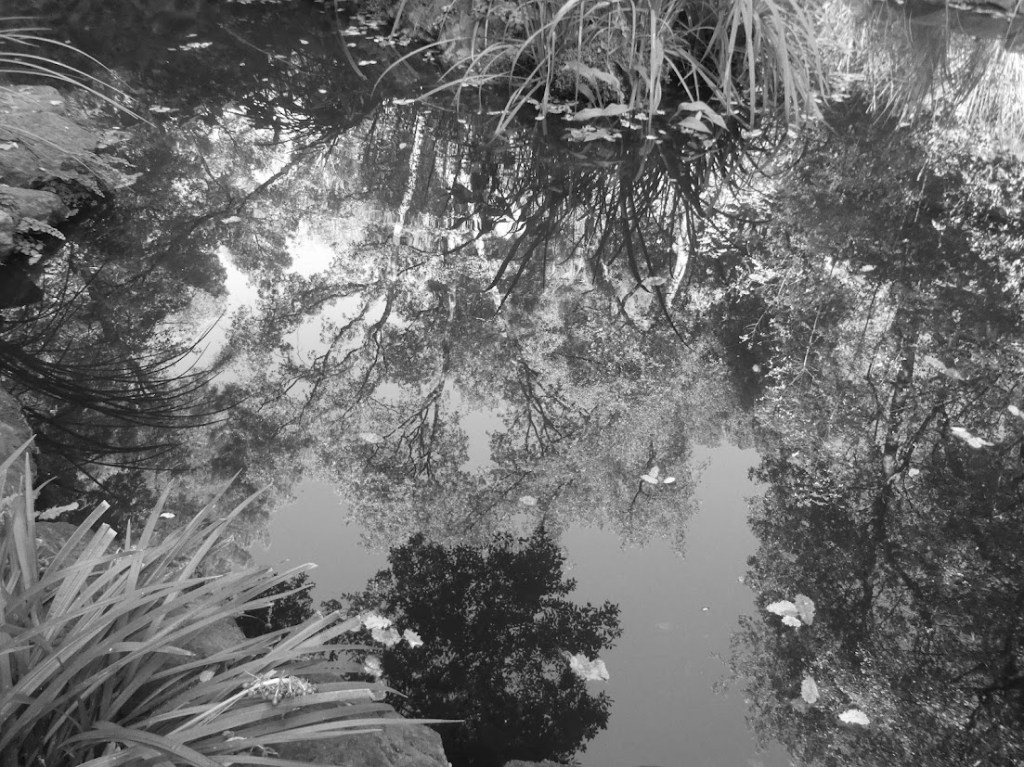
How very British is that? The photo just above is of the quietly flowing Ripon canal, upon which the rain is gently beating down.

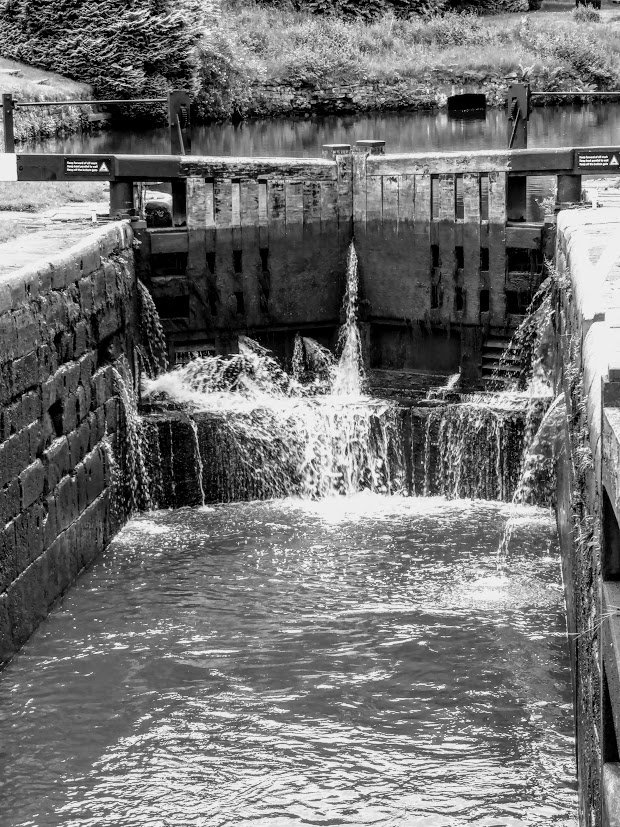
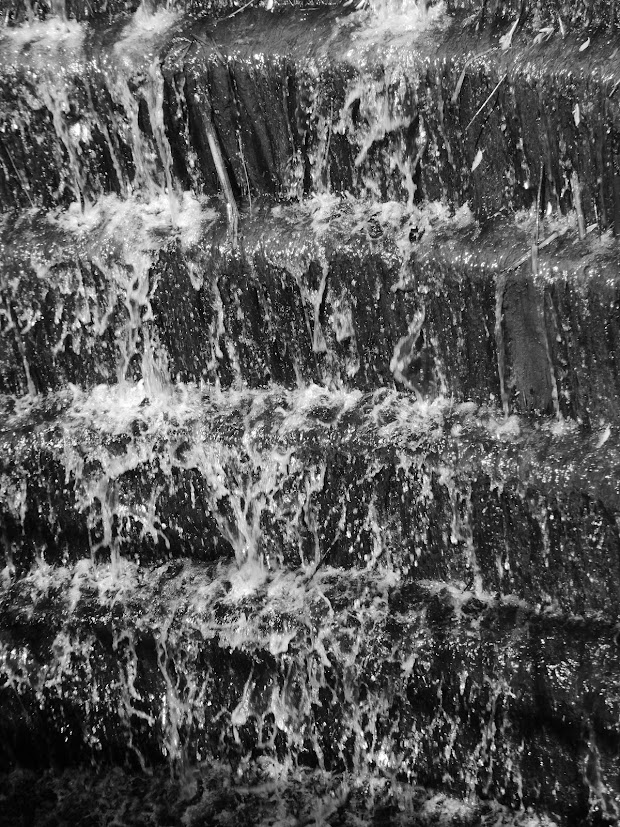
More man-made flowing water: A lock on a different canal, the Leeds -Liverpool Canal, near Gargrave: and a detail from a different lock – er – somewhere else.

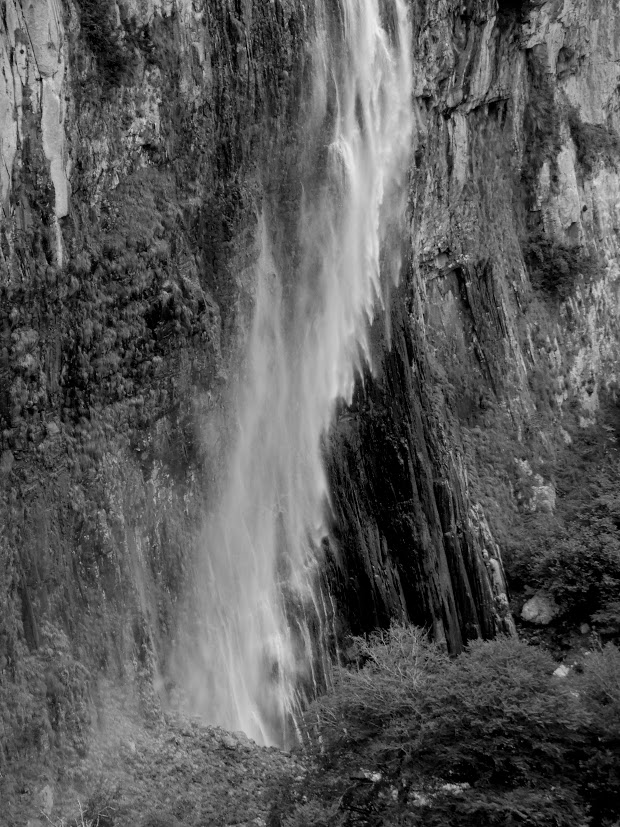
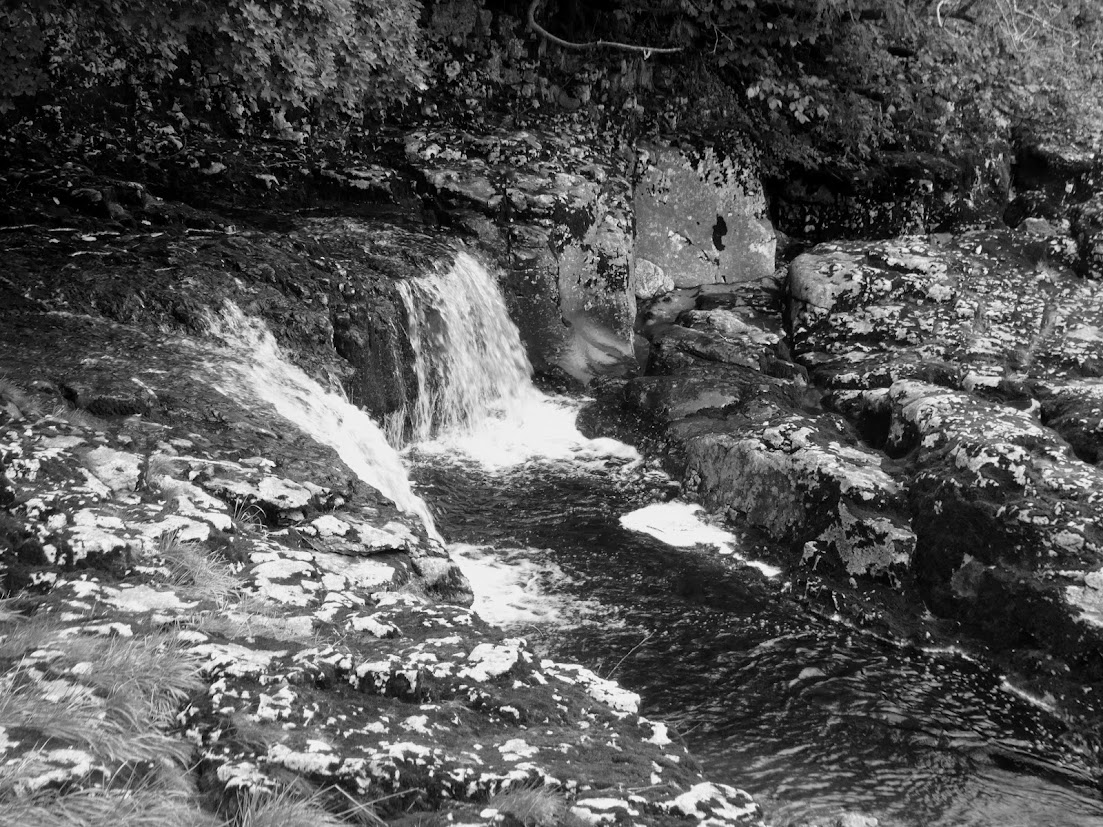
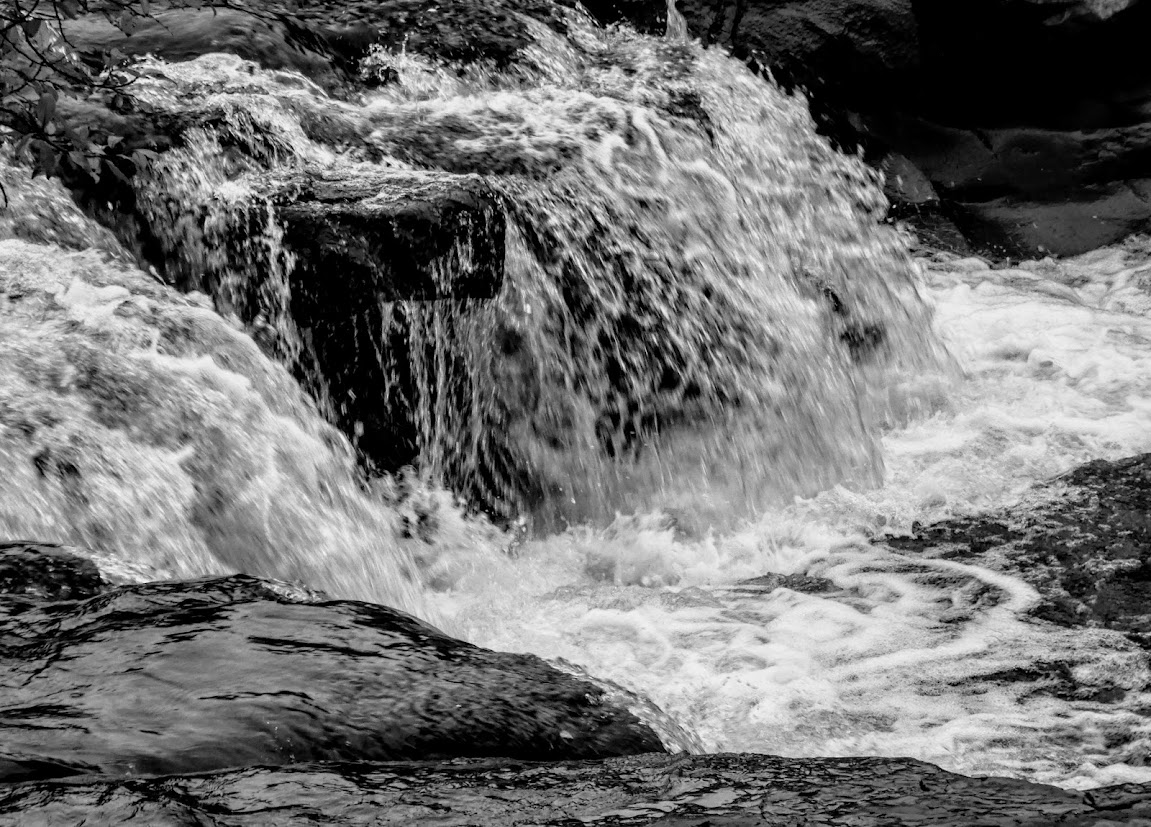
No waterfalls on a canal. To find those, you need to find trainee waterfalls, like this little torrent in Cantabria, or these jumping, weaving and bumbling ones on the River Wharfe at Grassington, and the River Swale near Muker.

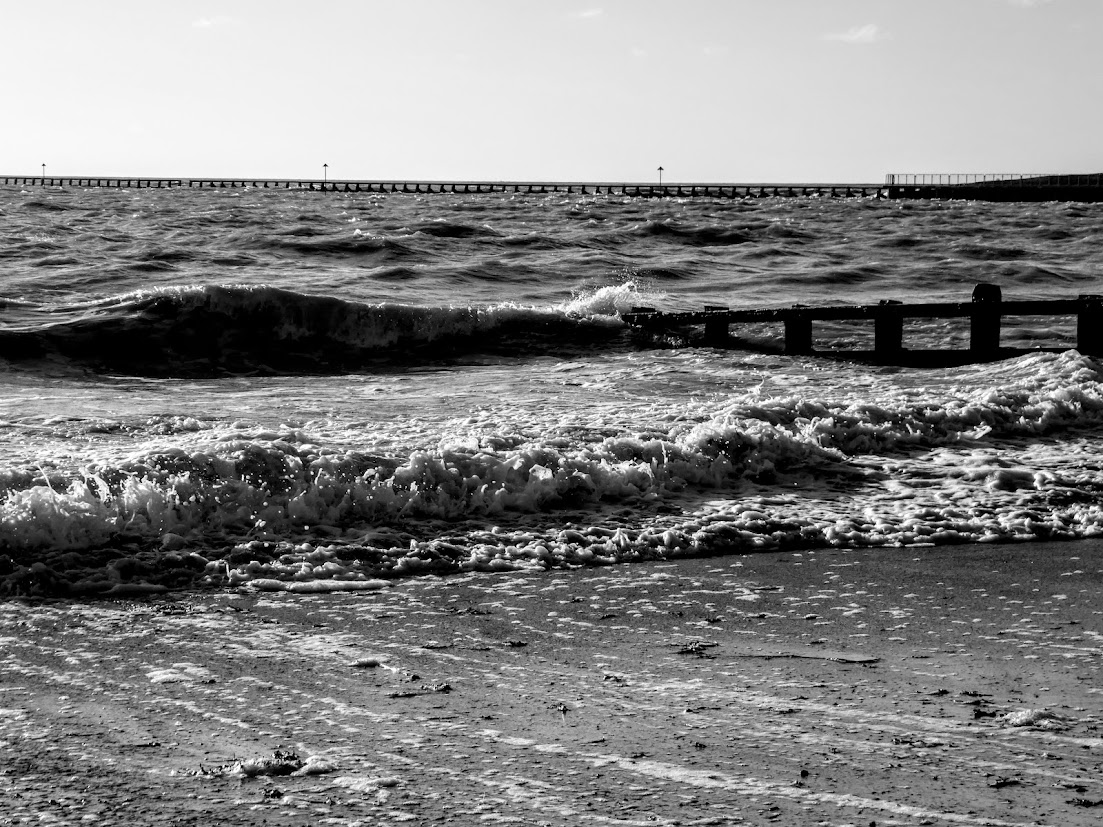
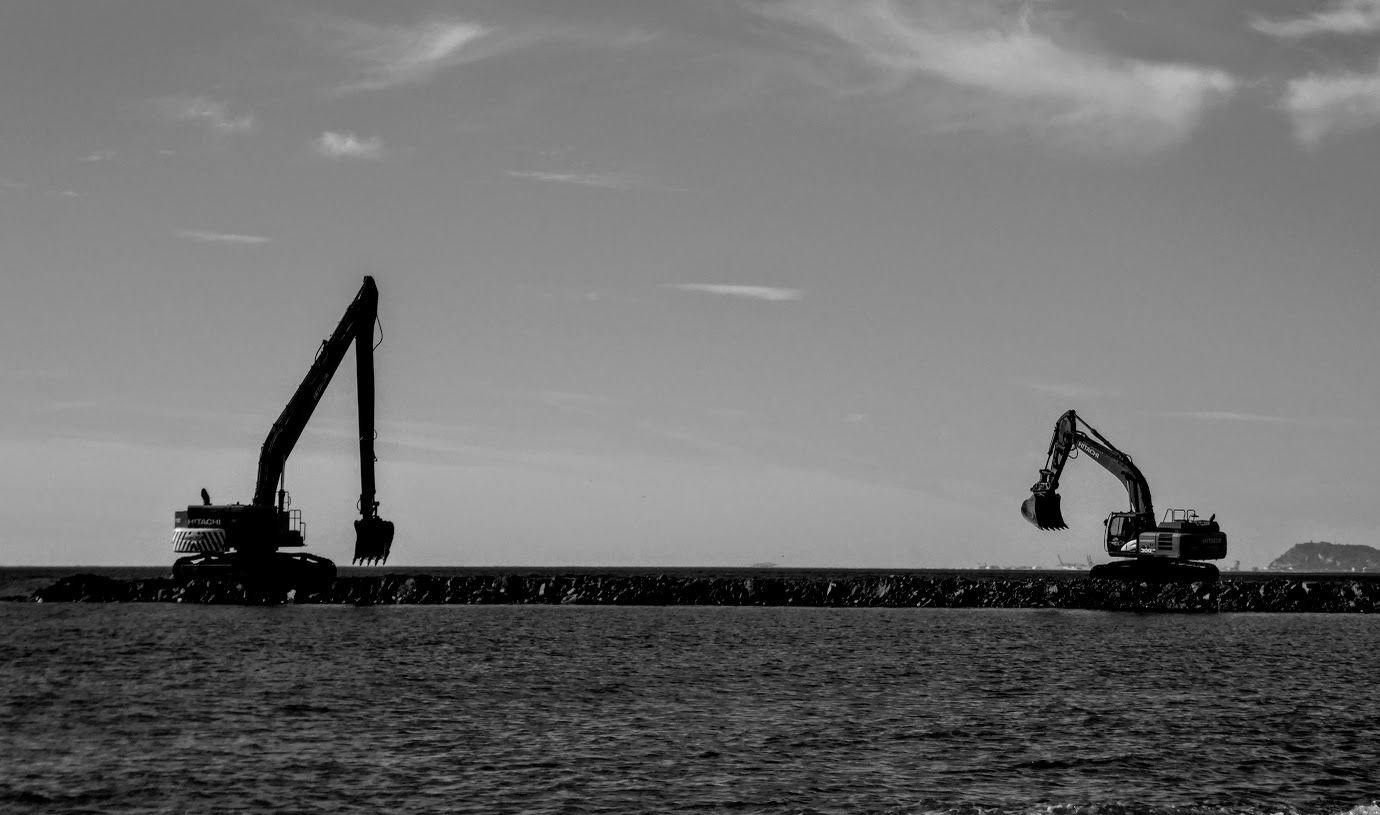
Then there’s the sea: a winter sea here, at West Wittering: and a summer sea at Premià de Mar. All that equipment tells you the sea had been flowing rather too much, and nicking the beach. The citizens wanted their sands back.

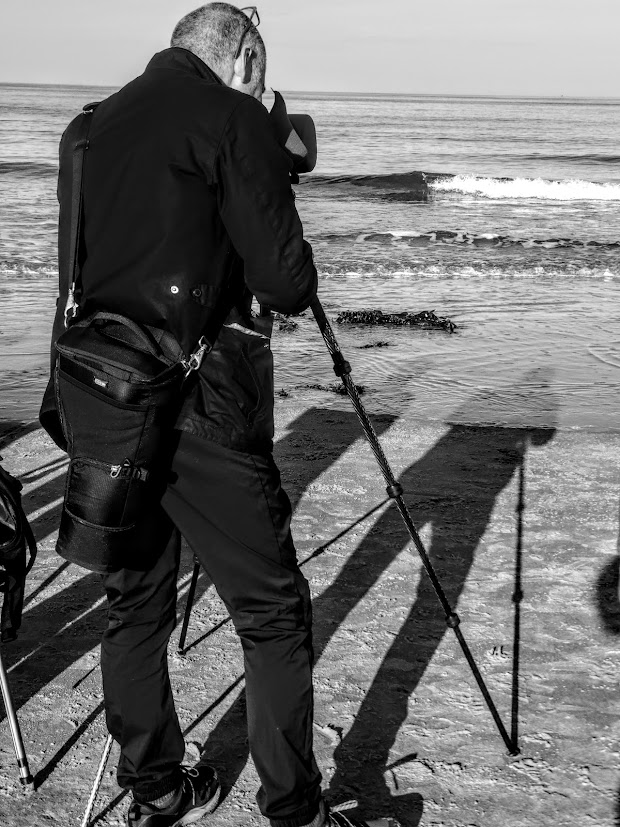
But if you’re going to do this, or any other challenge, what you need most is a photographer to record these images for you. Here he is. I can’t use his photos, because he went off, unidentified, taking all his images with him.

For Leanne’s Monochrome Madness: Flowing Water

Spring has Sprung?

This week, Dawn of The Day After fame, has asked us to consider Spring for Leanne’s Monochrome Madness. No, she doesn’t want daffodils, blossom, gambolling lambs (though actually they would definitely do). Instead she wants us to treat the word as a verb, and find images about springing, or synonyms thereof.
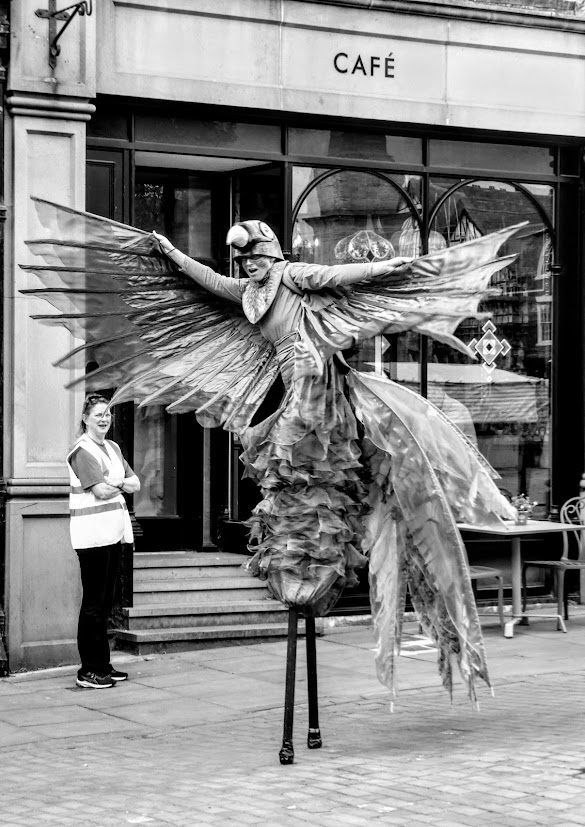
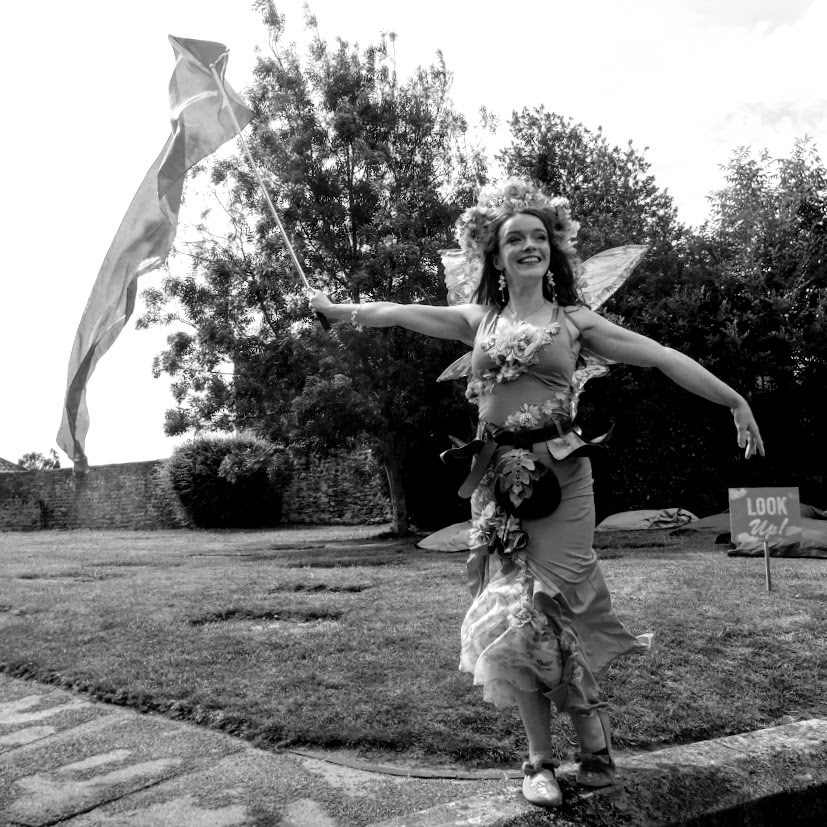
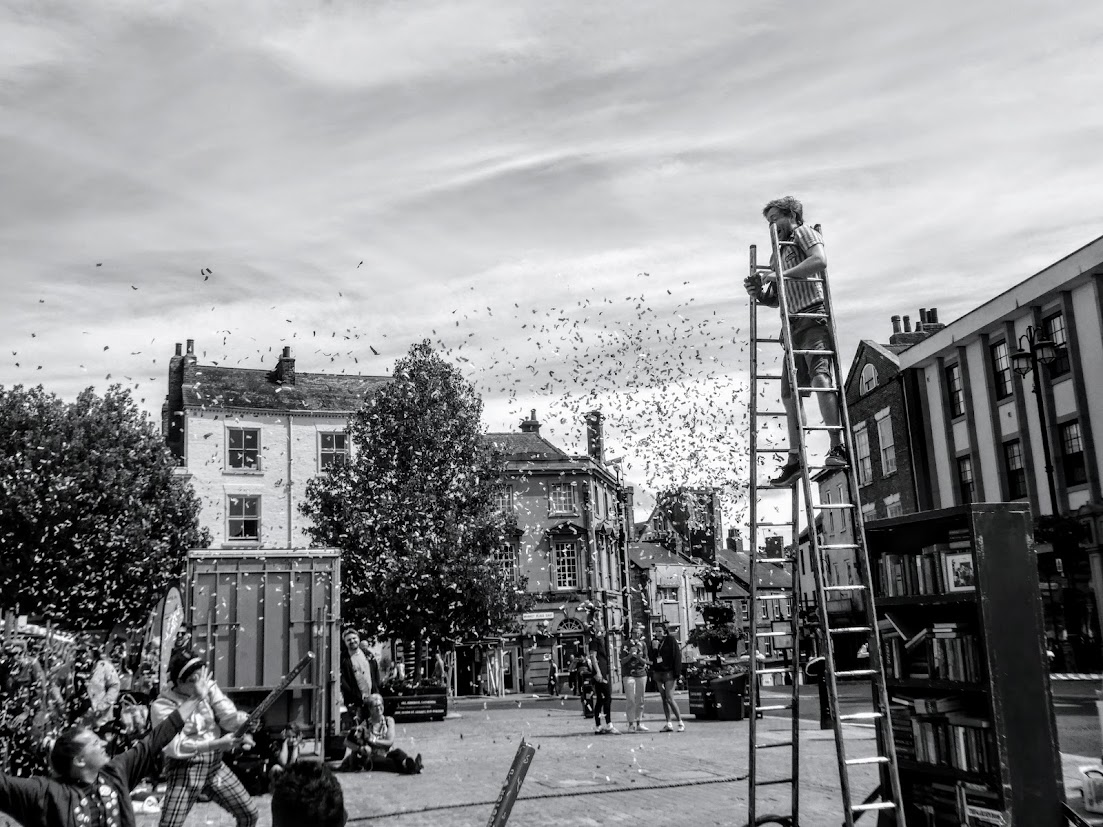
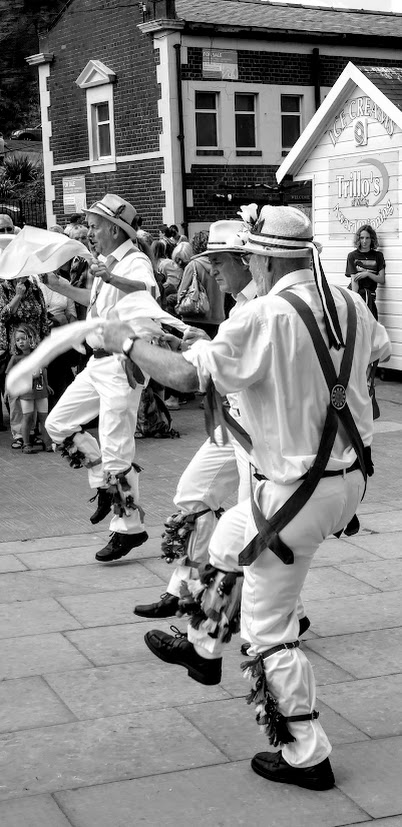
So I’ve headed straight for some shots from Ripon Theatre Festival last year, from the weekend of street entertainment:

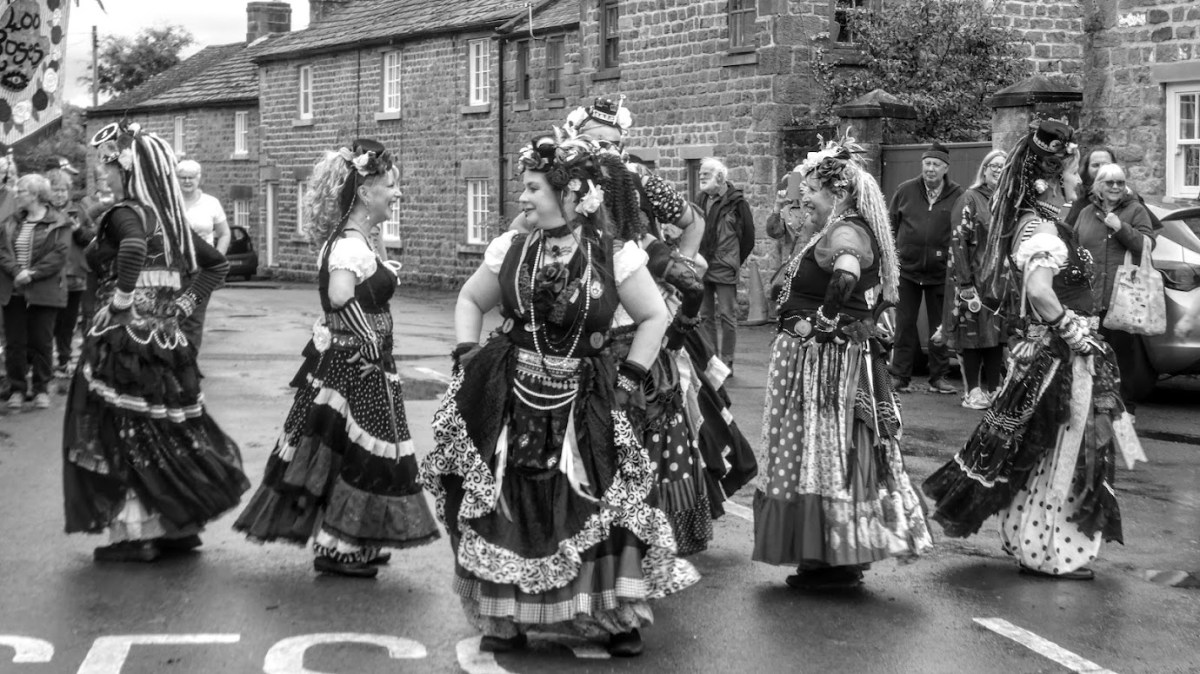
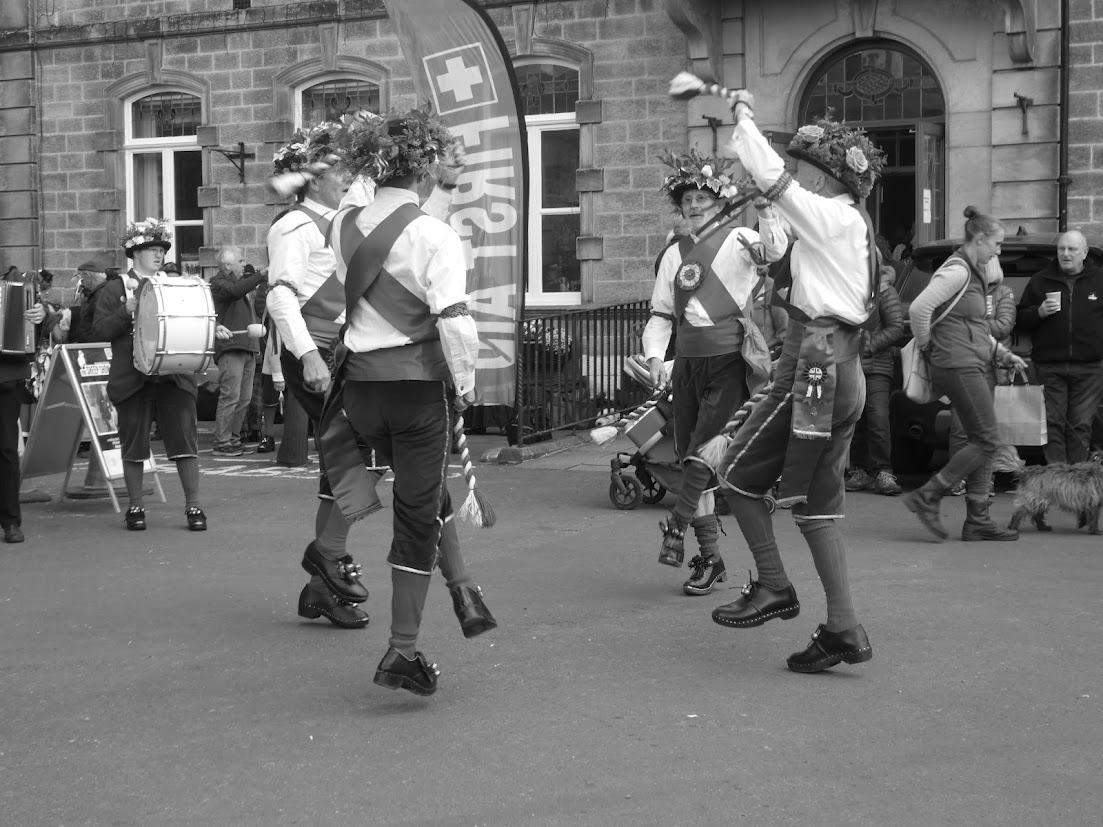
… which put me in mind of more dancing, of the Morris variety …

The dancers of Four Hundred Roses are my featured photo, where Morris dancing meets belly dancing meets steampunk.

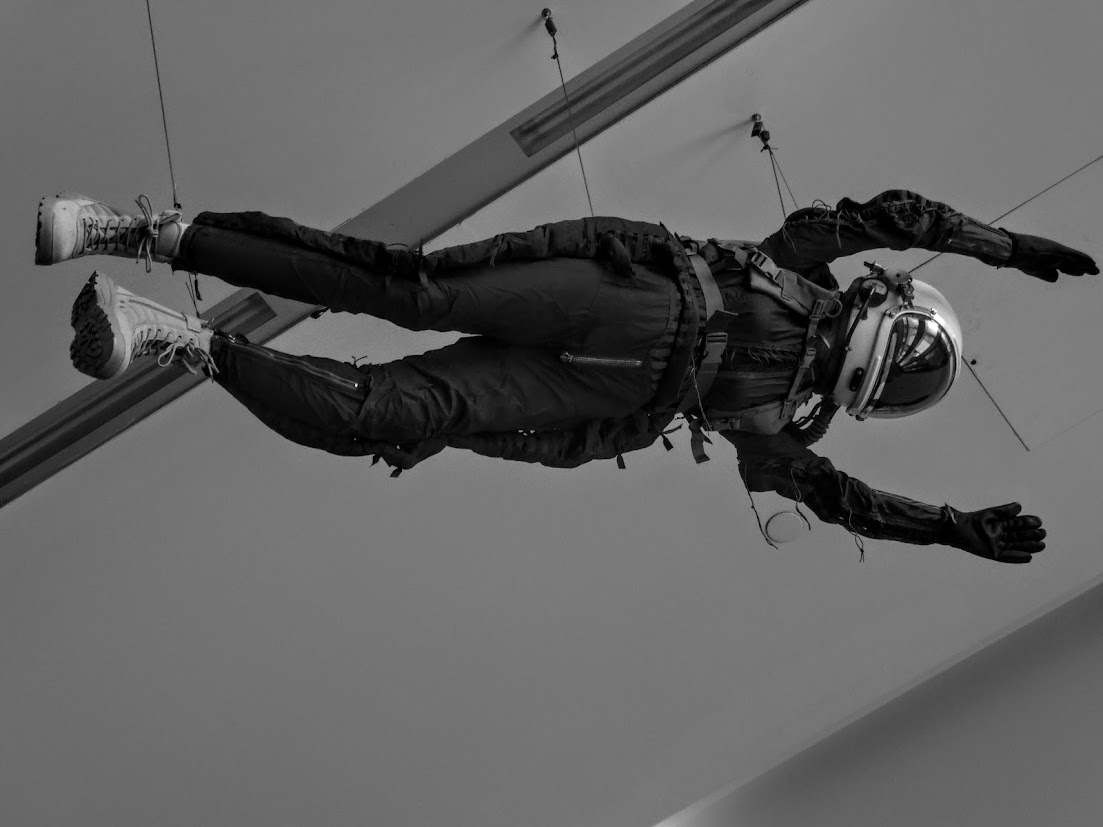
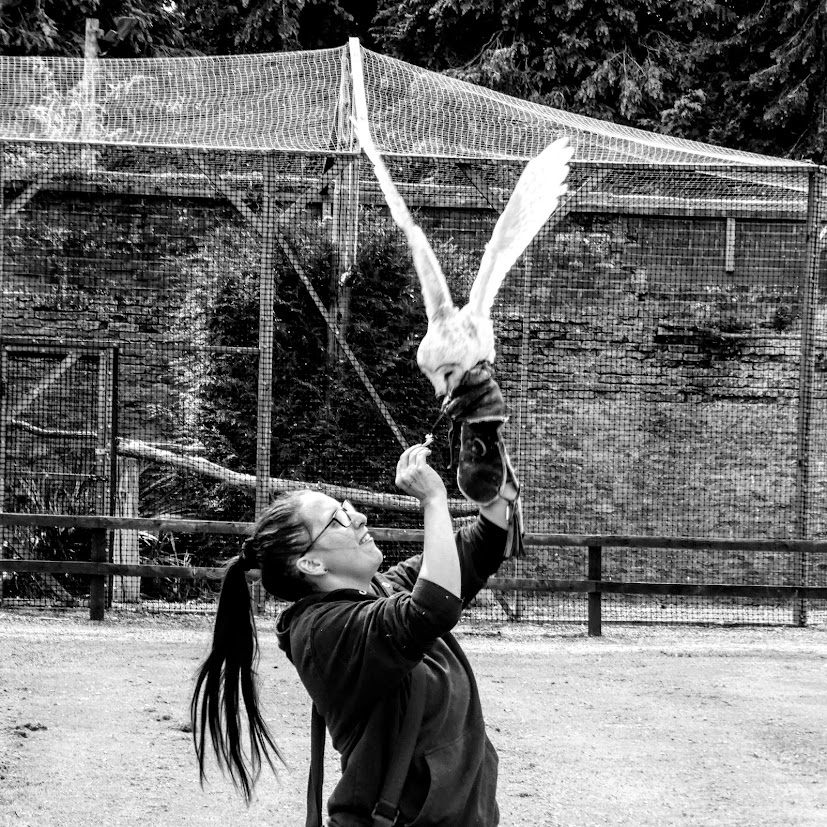
Then I remembered an exhibition in The Baltic, Gateshead where an astronaut was about to leap on my head, And the day at Thorpe Perrow Birds of Prey Centre, when an owl plunged down to seize a meaty titbit, before springing up and away once more.

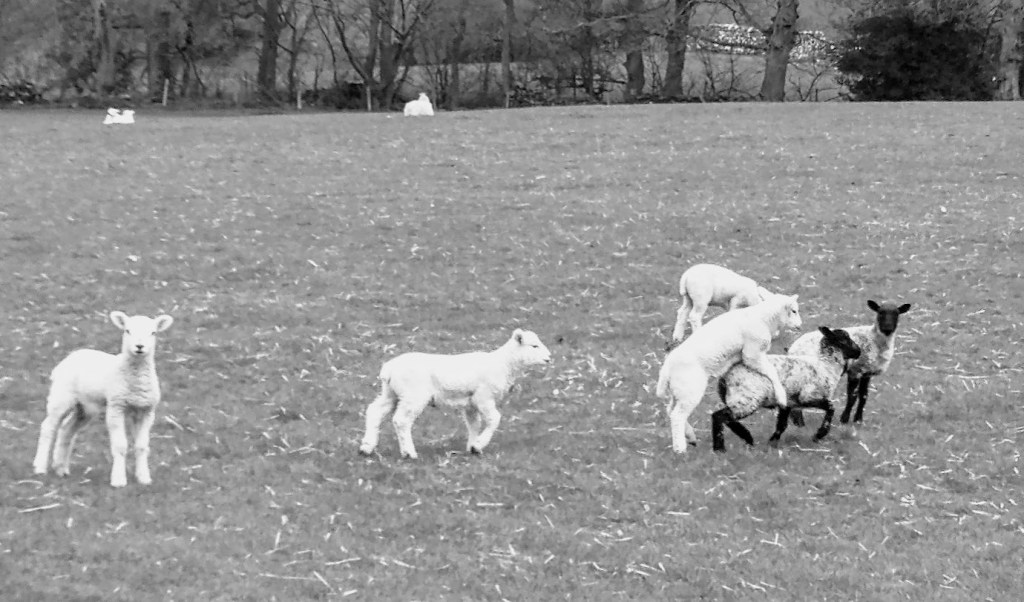
And then those springing lambs. Considering I live in Sheep Central, you’d think I’d have plenty of energetic shots. Nope. This is the best I can do.
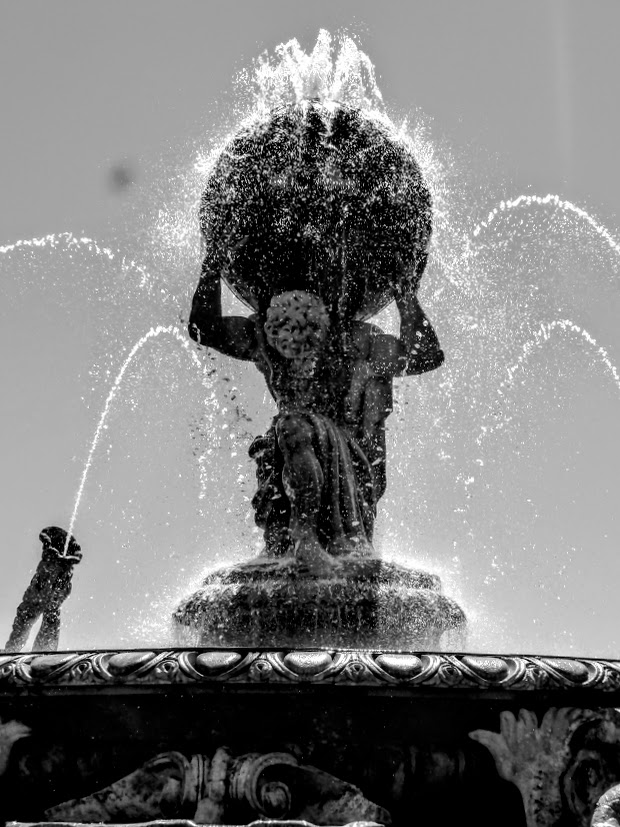
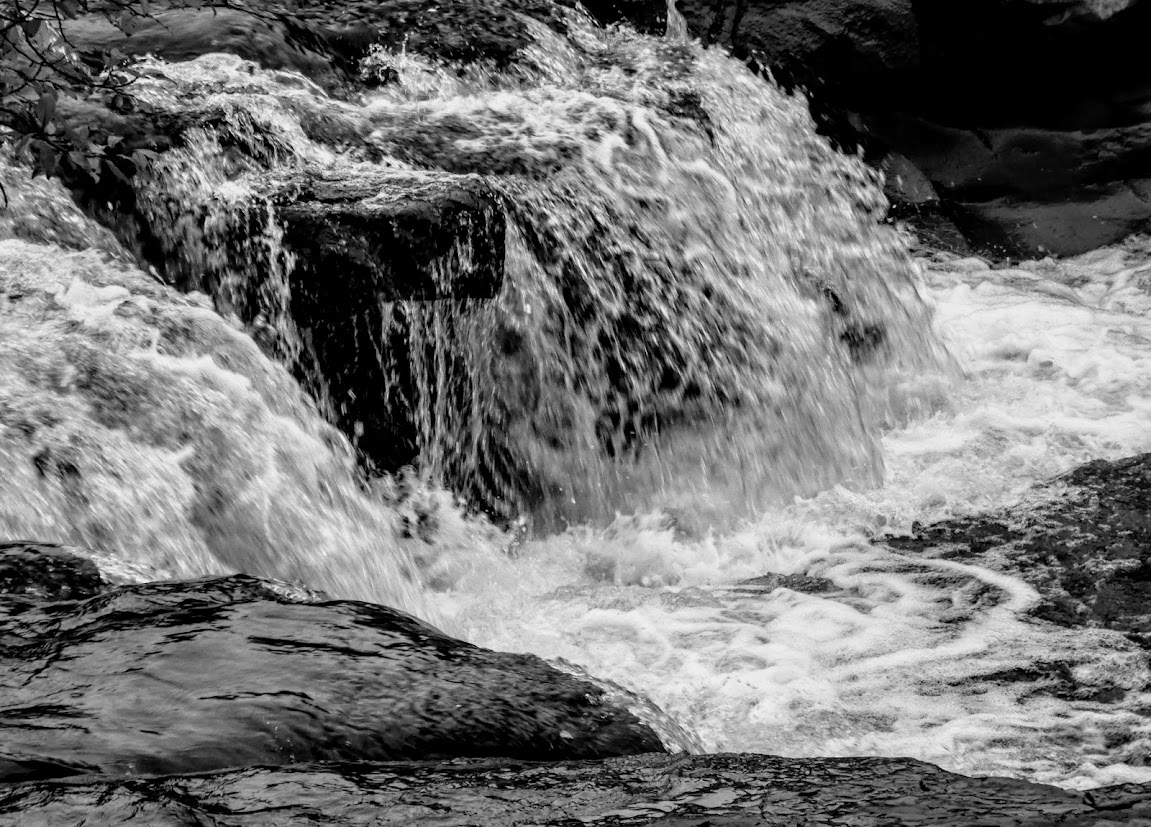
Finally, I’ll give water a look-in. It can be fairly lively. Here’s poor Atlas at Castle Howard, bearing the whole world on his shoulders. And getting soaked in the process as water leaps and plashes around him. And next to him is a frisky and ebullient waterfall near Muker .

Meet Fethera

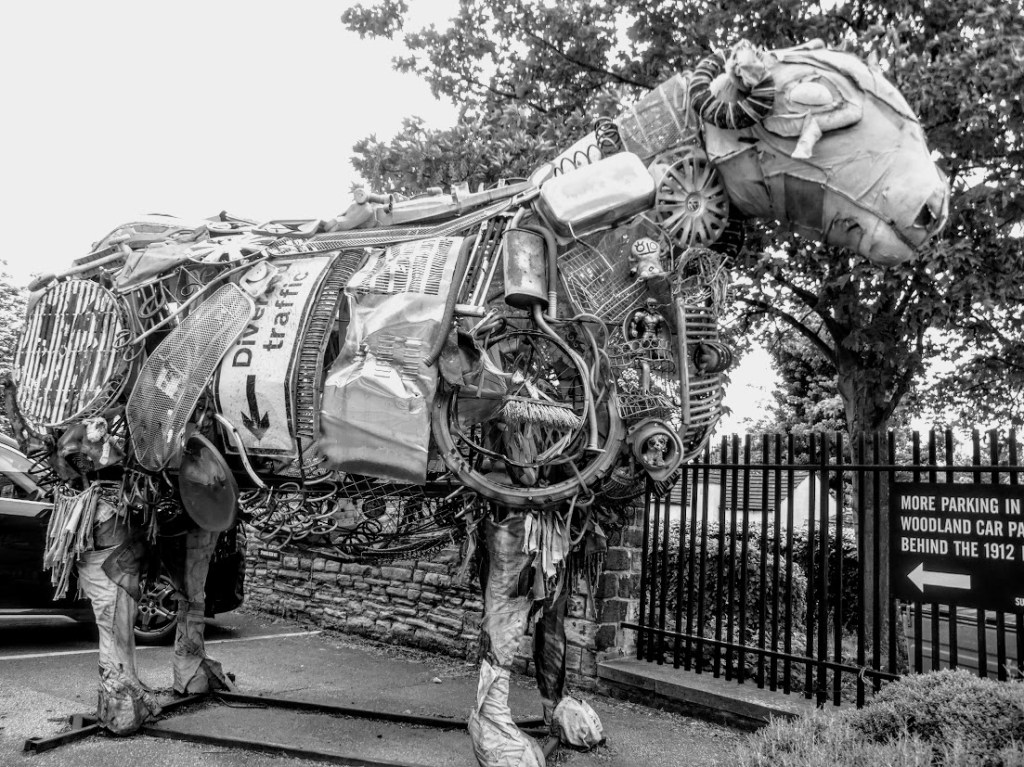
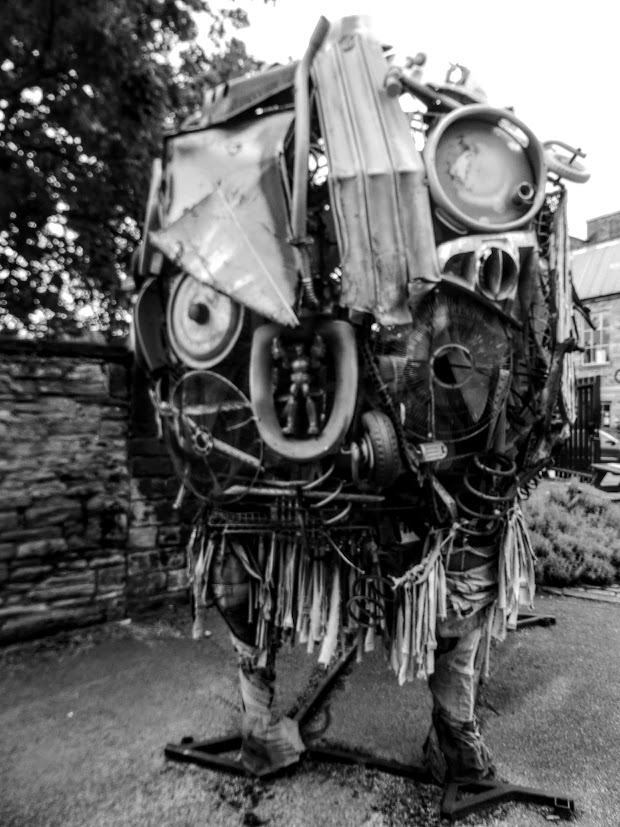
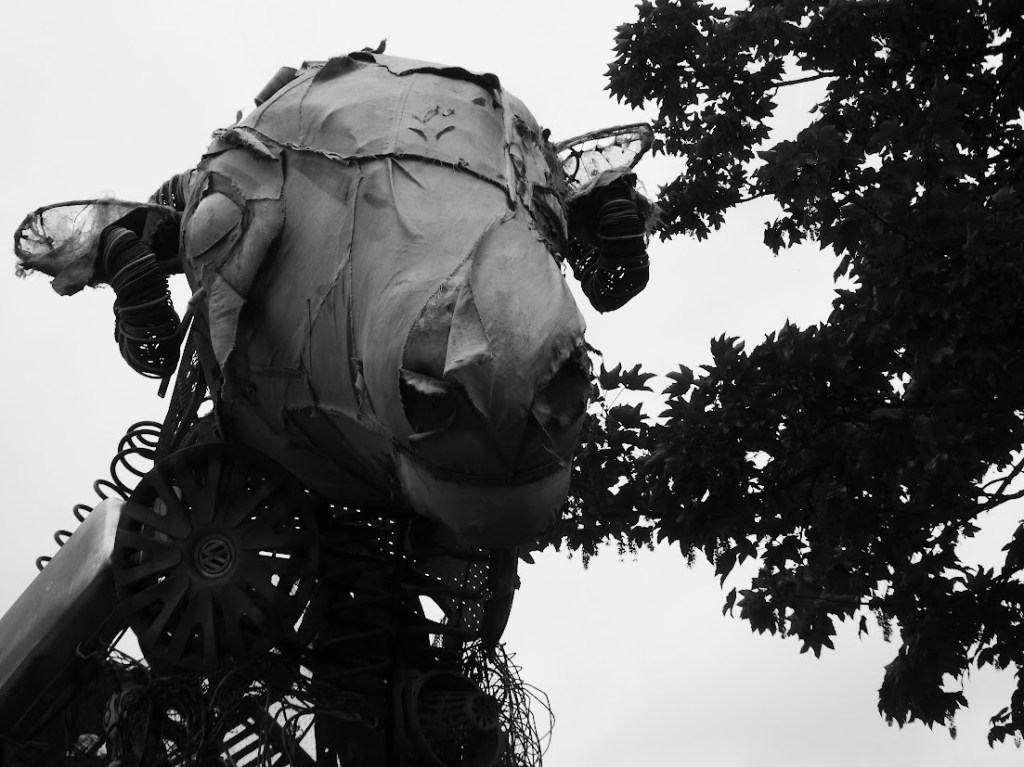
Fethera is part of a flock of sheep now dispersed all over northern England. She and her sisters came into being for the HERD festival – part of Kirklees Year of Music 2023. They were made and designed by artists Dave Young and Jane Gaffikin from salvaged materials and reclaimed wood.

Fethera’s home is a suitable one. She’s at Sunny Bank Mills in Farsley Leeds: from 1829, a bustling complex involved in the textile industry, from raw wool to finished product and all steps in between, and employing 900 people. Now it’s still bustling, but in a different way. It now offers creative business spaces for both small and large organisations. Sunny Bank Mills Gallery has exhibitions, workshops, studio spaces and events, and there’s also Sunny Bank Mills Museum & Archive, which protects and promotes the history of the Mills. 

Fethera’s job is to welcome you onto the site, and her sisters are called:

Aina (the mother sheep) Eddero, Covero, Bumfitt, Dix, Ix and Jiggit.

These are all ancient words, used in a sheep-counting system traditionally used by shepherds in Yorkshire, other parts of Northern England and beyond. There are countless variations, but here’s one common in Yorkshire :

1. Yan 
2. Tan
3. Tethera
4. Methera
5. Pimp
6. Sethera
7. Lethera
8. Hovera
9. Dovera
10. Dik
11. Yan-a-dik
12. Tan-a-dik
13. Tethera-dik
14. Methera-dik
15. Bumfit
16. Yan-a-bumfit
17. Tan-a-bumfit
18. Tethera-bumfit
19. Methera-bumfit
20. Figgit / Jiggit

More than 20 sheep? Put a stone down, and begin counting all over again. Repeat as necessary.

Too much information? That’s what comes of whiling away a morning exploring at Sunny Bank Mills. And there’s lots still to explore …

For Leanne’s Monochrome Madness.