Chairs in the Service of Art

Chairs. That’s what Brian of Bushboy’s World fame, and host this week of Leanne’s Monochrome Madness wants us to get our cameras out for. And I’ve decided to show Chairs in the Service of Art

My first clutch of photos all come from Spain. A day out in Logroño, la Rioja, yielded some street sculpture featuring chairs and those who sit in them, whether alive or sculpted.
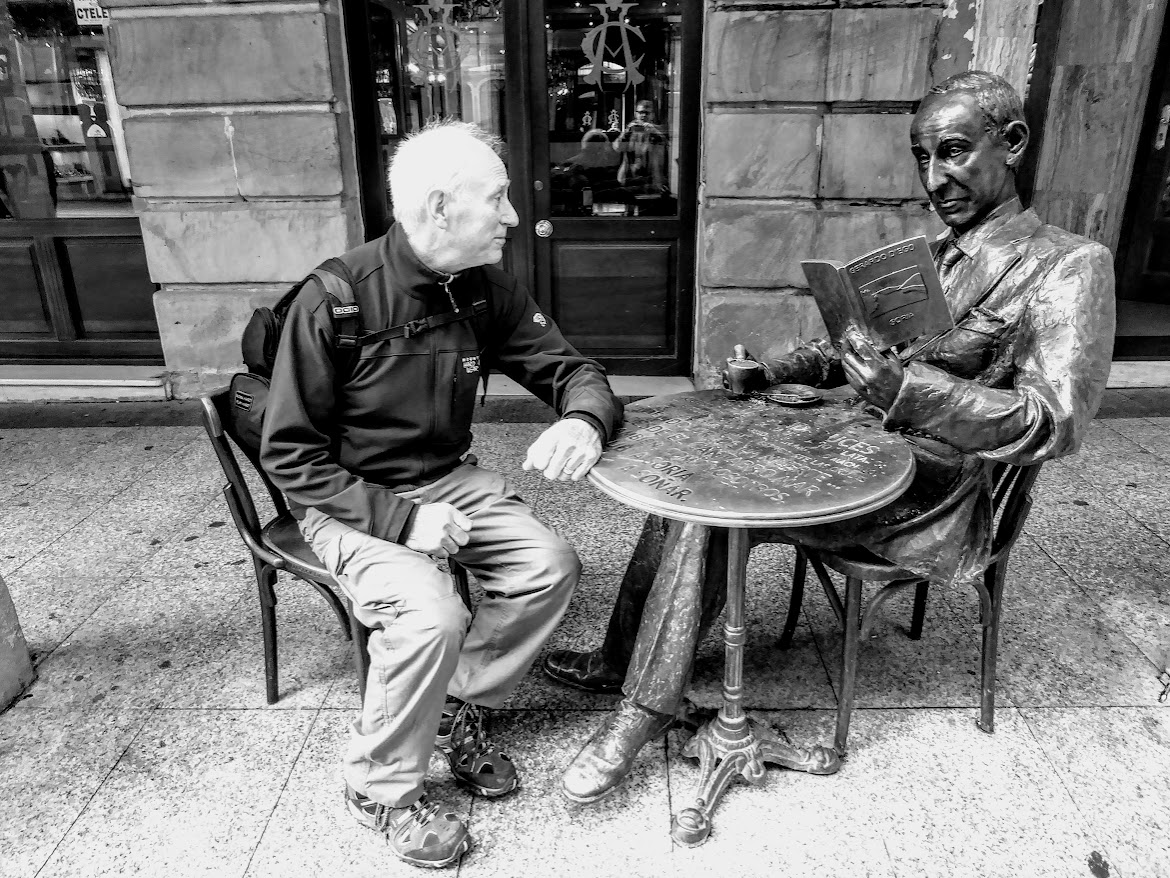
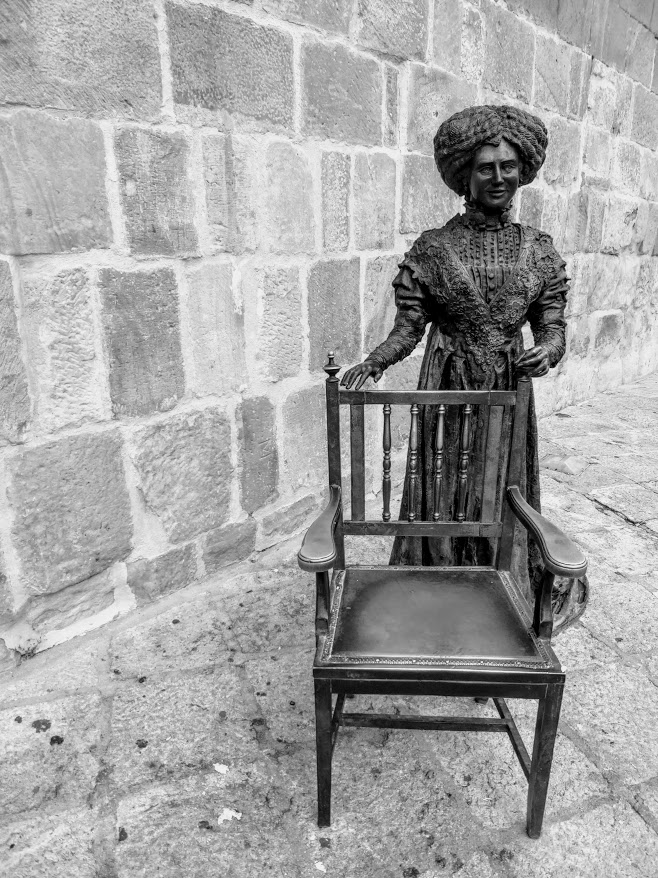
More recently, in Barcelona, I visited of of its newer museums, Museu de l’Art Prohibit – the Musem of Censored Art. It covers political, religious and sexual themes, and is not for the faint-hearted, but I found it fascinating and enlightening.

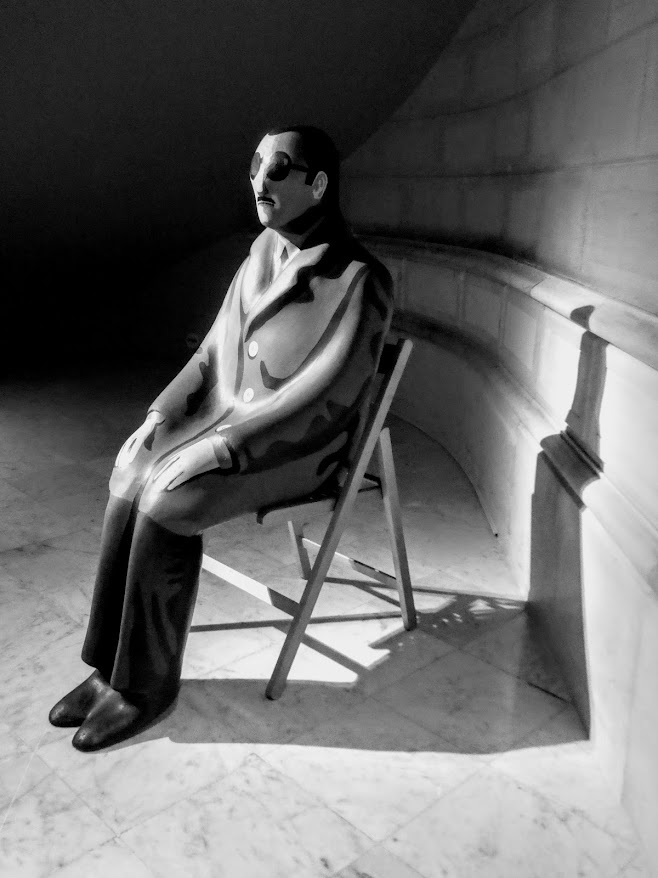
The first image here was exhibited at the Pamplona Festival in 1972 – a brave thing to do, as Spain was still in the grip of Franco’s dictatorship. This depicts one of Franco’s secret policemen.
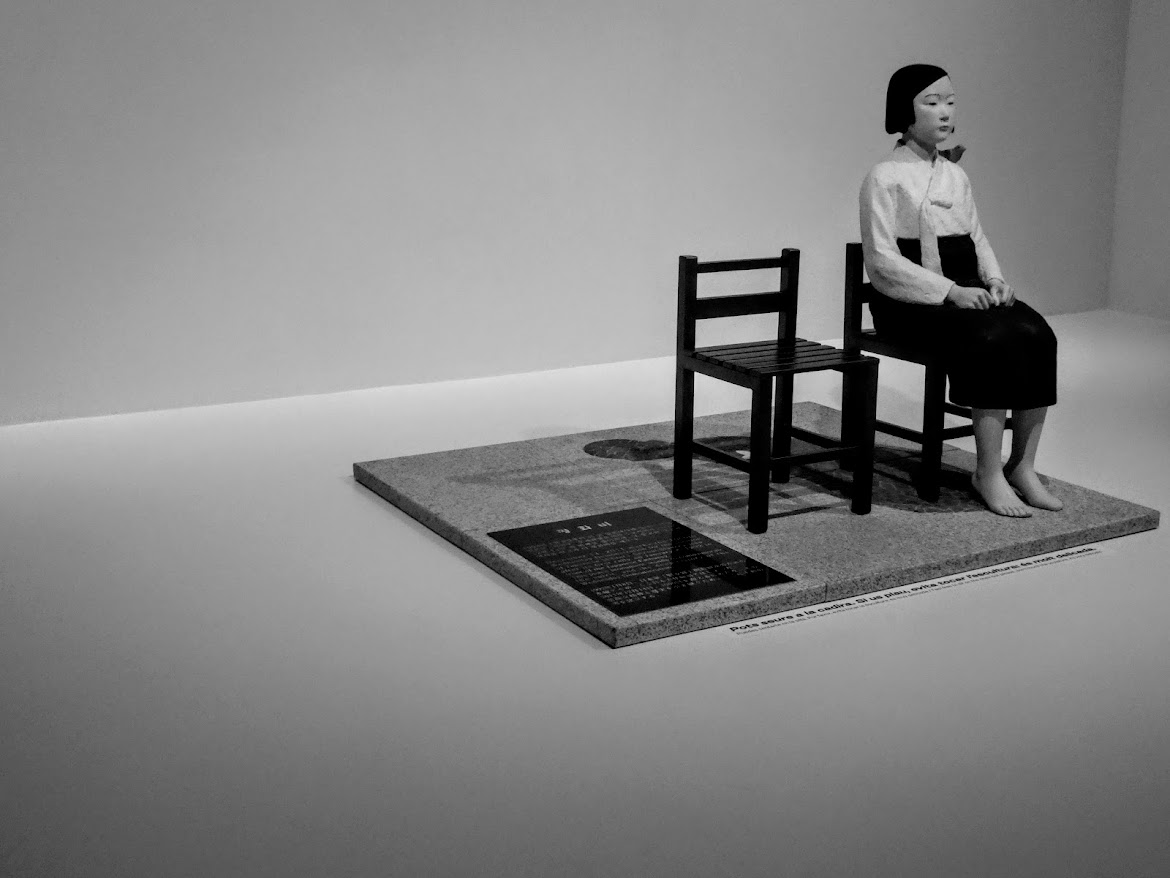
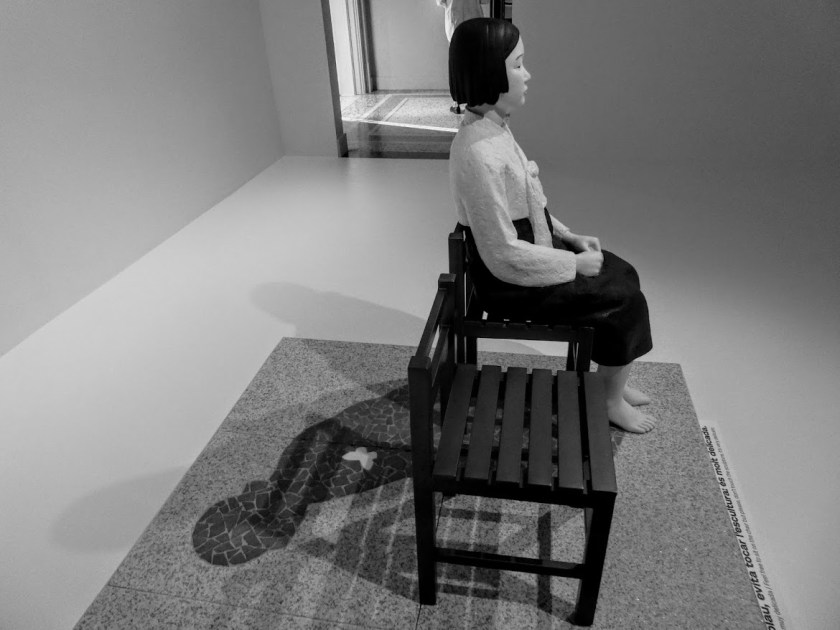
The second is by the South Korean artists Kim Eun-Sung & Kim Seo-Kyung, and shows a Girl of Peace. It was exhibited as part of the Aichi Triennale 2019 in Japan, and received threats of attack for being anti-Japanese propaganda. The exhibition was closed but reactions against its censorship forced it to be reopened. This artwork has caused various diplomatic incidents between Japan and South Korea. For its creators, it is an icon of peace. There’s another view of it as my featured photo.
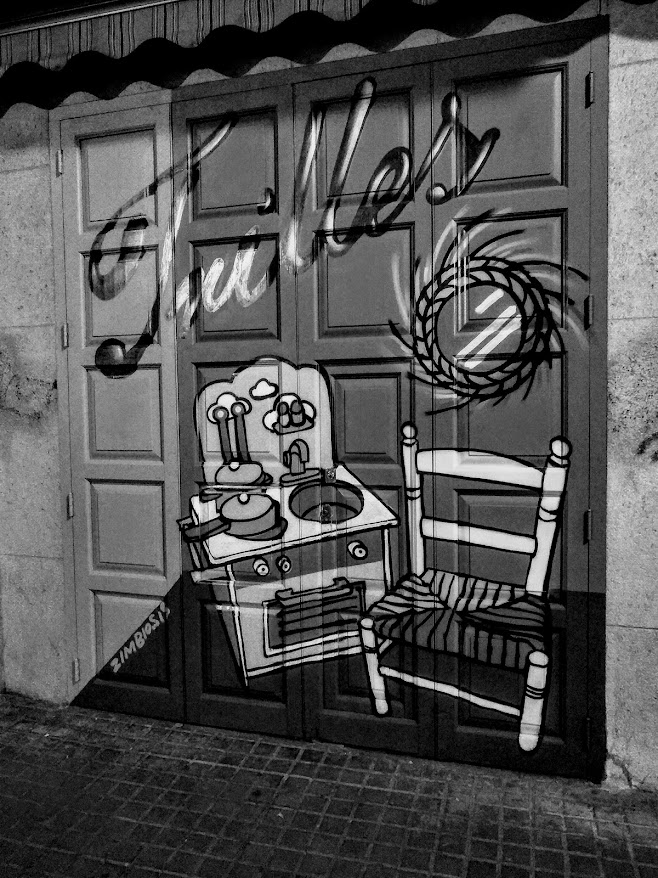
My final Spanish shot is of a chair (and the kitchen stove?) painted on a garage door in a back street in Seville.
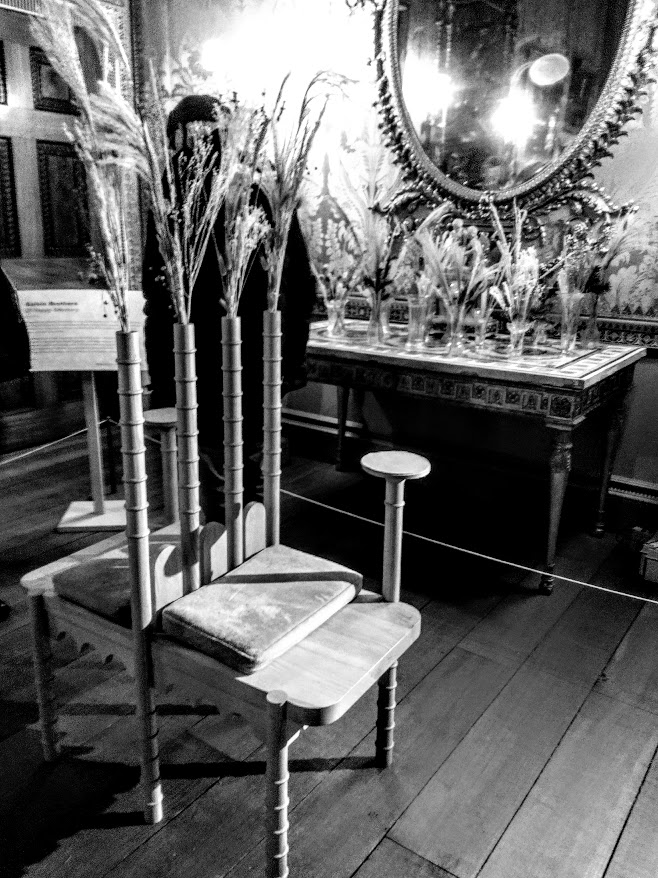
Back in the UK, to visit Harewood House near Leeds, and show an image of a chair constructed by the Galvin Brothers specifically for the house’s Yellow Drawing Room – a place to sit, talk, reflect, share, remember. Created at the time of the death of Elizabeth II, this chair was intended as a sober reflection on her reign. Its design, featuring maturing crops as part of the backrest, references the transient and intangible.
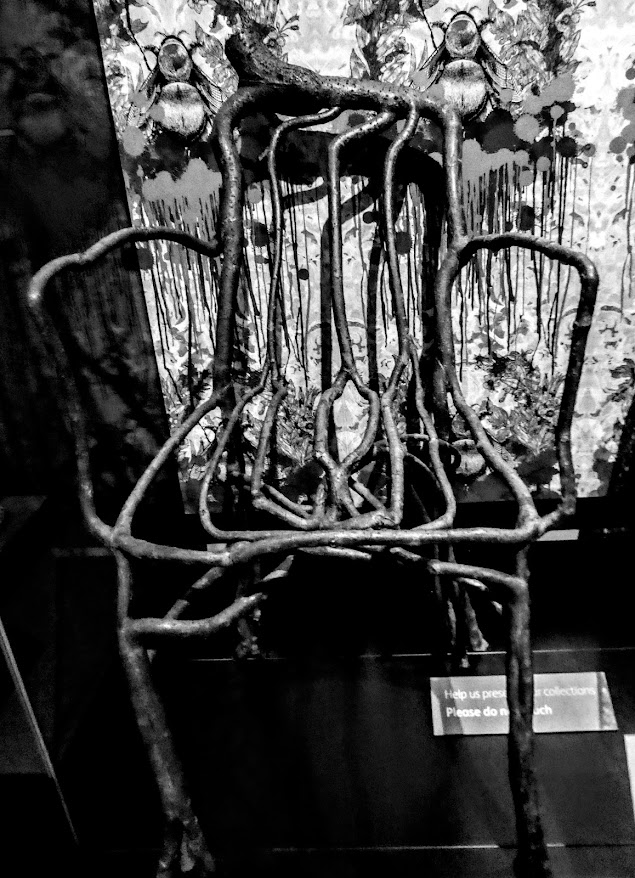
Lastly, I’ll take you to Edinburgh, to the National Museum of Scotland. This is where we saw this chair. An astonishing chair. It began its life as a simple willow tree, but was obliged to convolute itself as it grew into the form of a chair by Gavin Munro. Do have a look at his website.
Well, this hasty tour has turned up quite a few different chairs. It’s perhaps the simplest ones that convey the most potent messages.
Shorelines

This week, Anne of Slow Shutter Speed is encouraging us to look at shorelines for Lens-Artists Challenge #314. And so many of you have. You’ve shown us glorious holiday-brochure sandy shores with perfect blue skies; dramatic rocks and craggy cliffs; urban shores with a dizzying backdrop of skyscrapers; lakesides in gloriously wild surroundings .

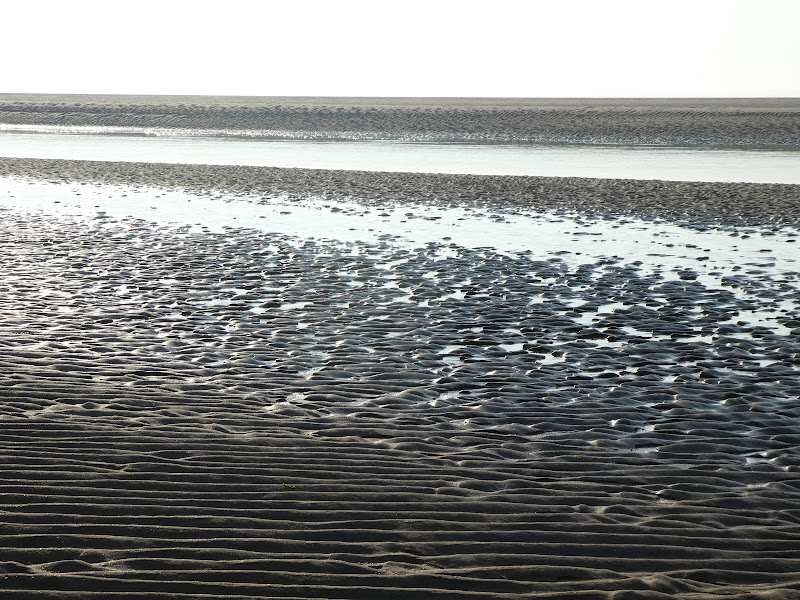
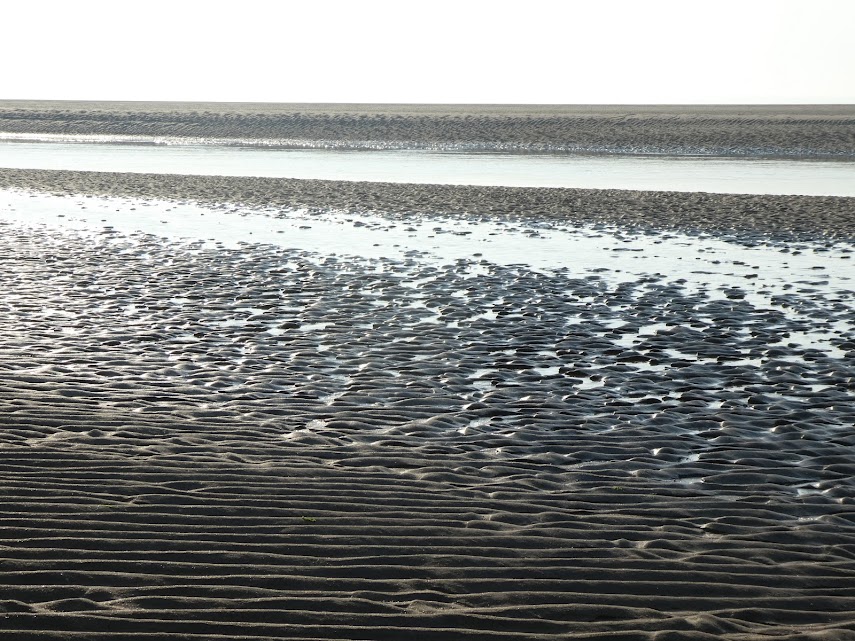
I’ve decided to lower expectations, and go for mudflats; rippled sand; eroded rock and stone. And we’ll stay here in the UK.

Alnmouth
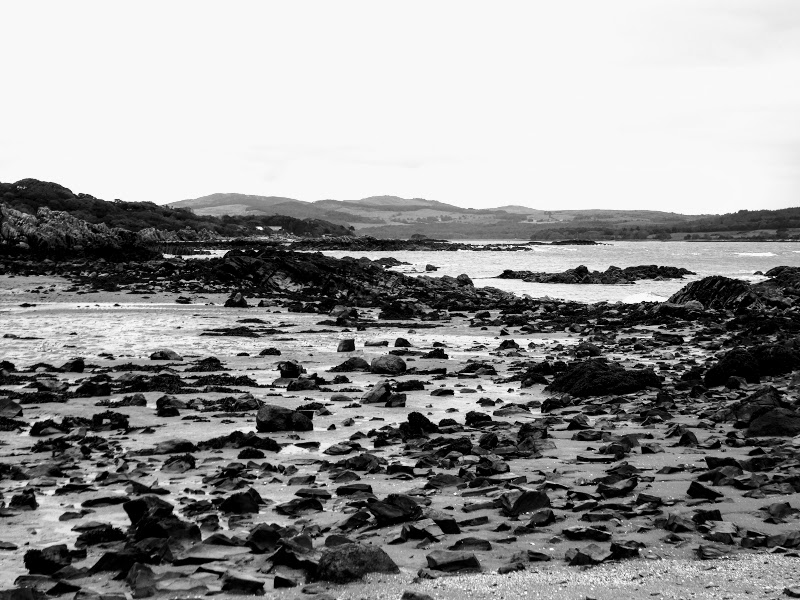
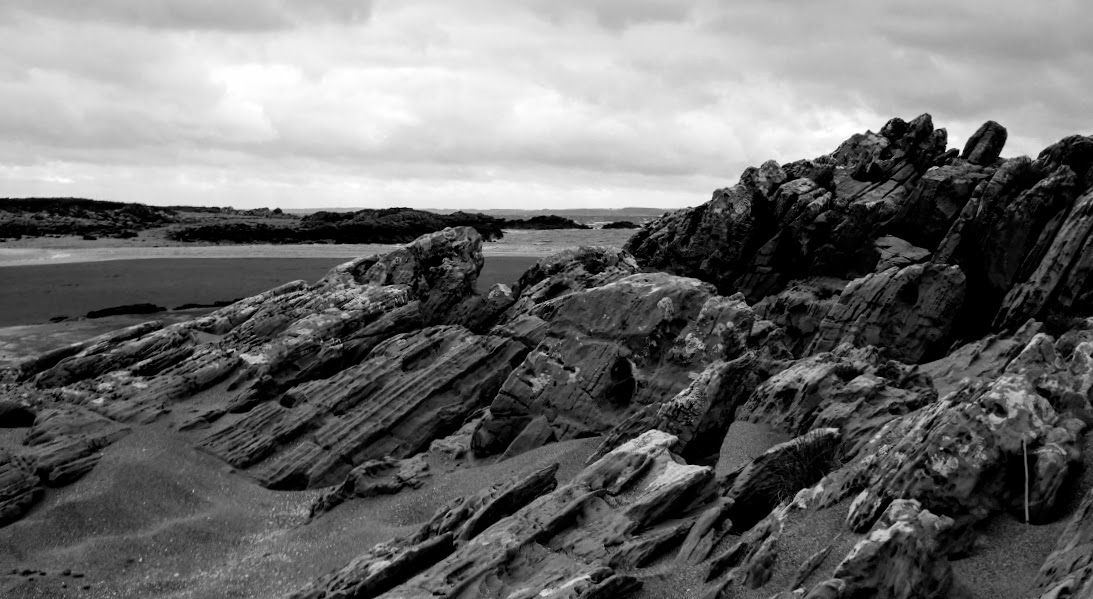
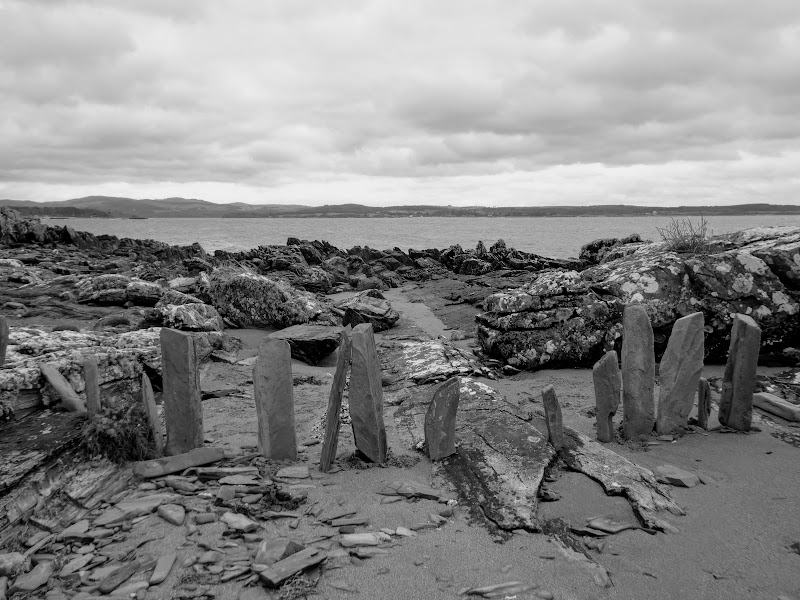
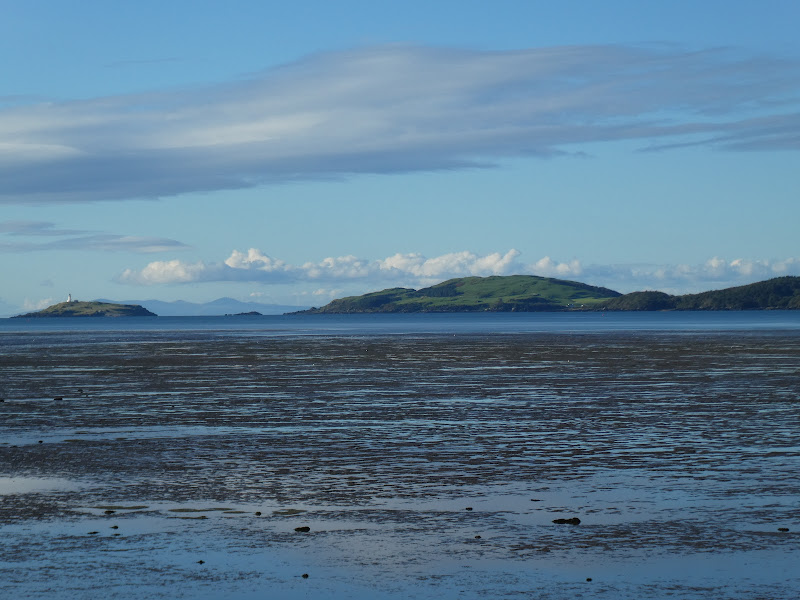
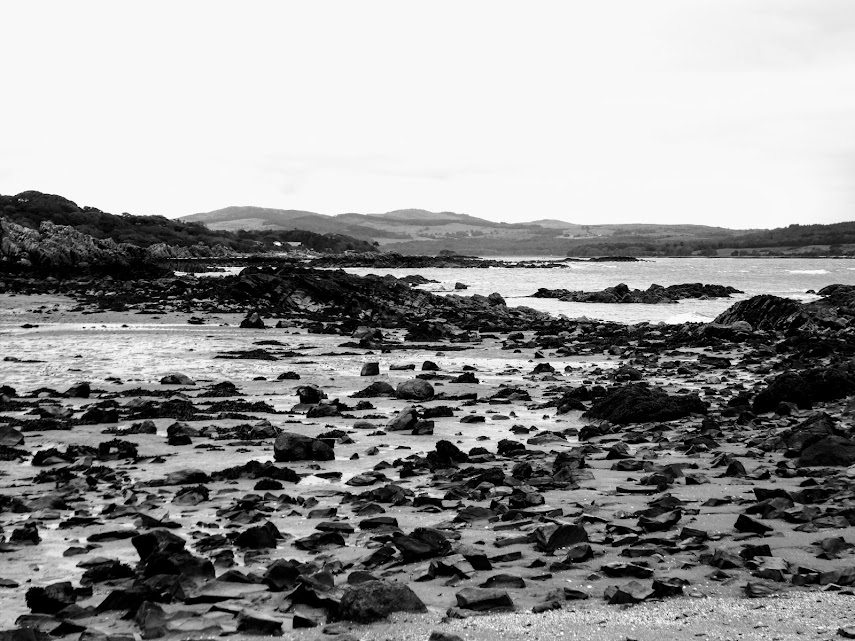
Mossyard, Dumfries and Galloway
Heysham, Lancashire.
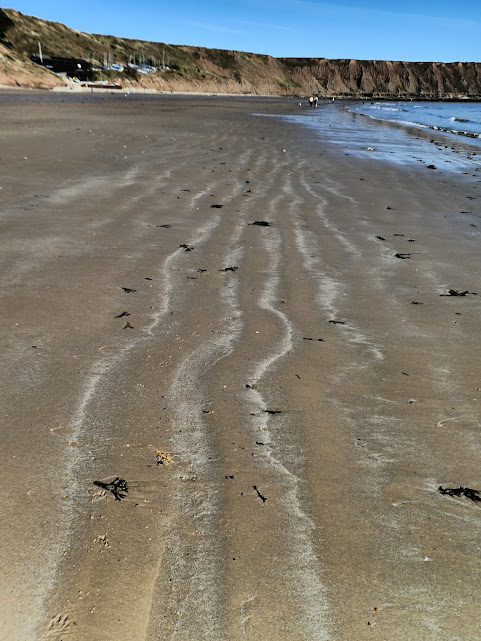
Filey, North Yorkshire.

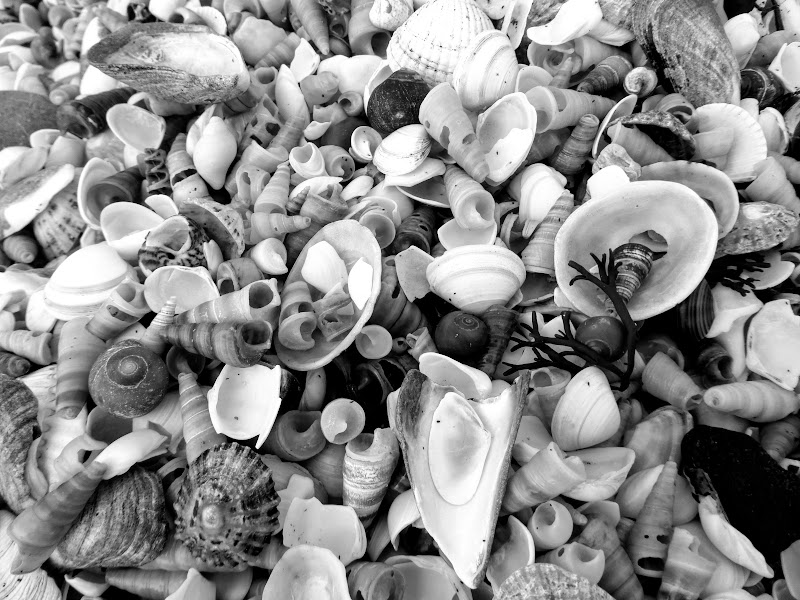
There’s no chance you’ll do any sunbathing on any of these beaches. Best go beachcombing. See what you can find.

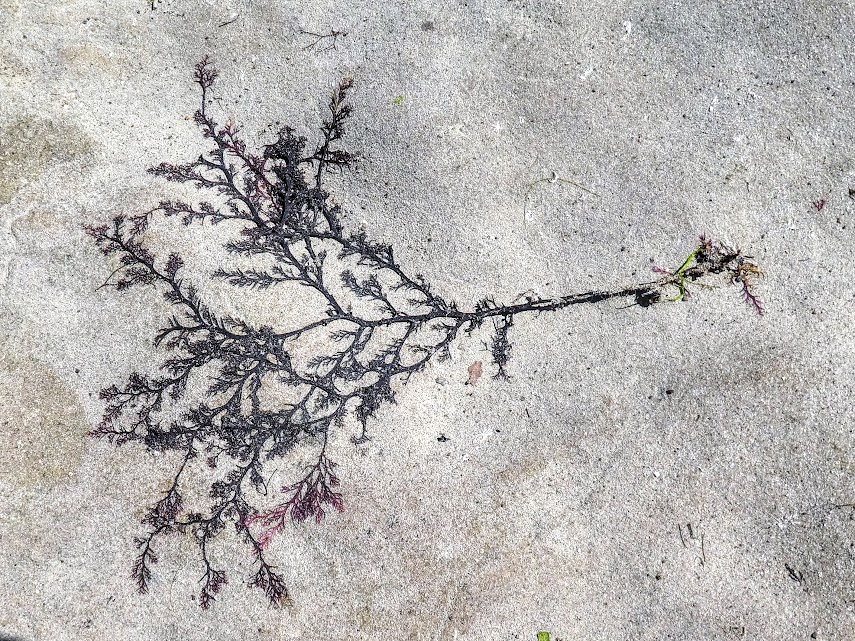
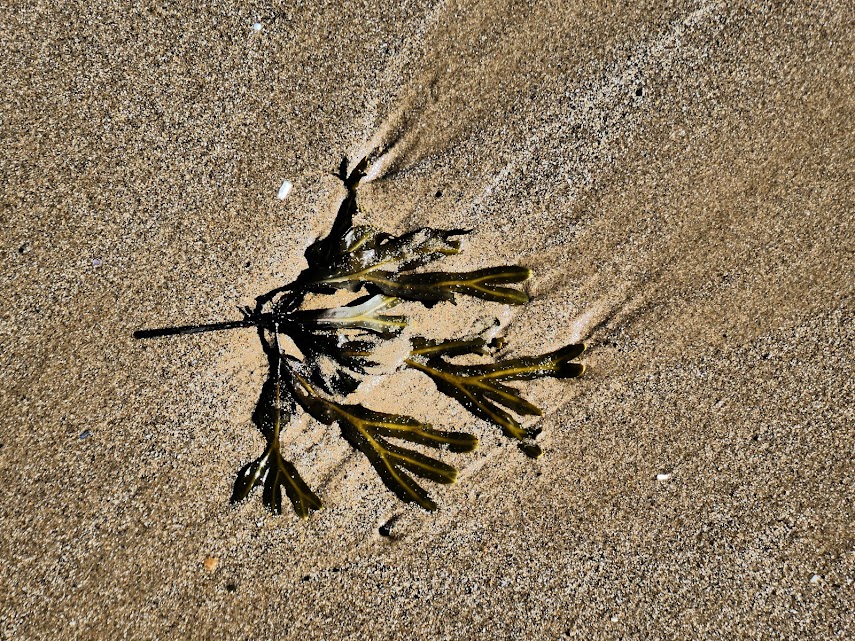
All found at Mossyard, Dumfries and Galloway.

Textured Monochrome

This week for the Lens-Artist Challenge, John invites us to focus on the tools we consider when taking photographs: Shape, Form, Texture, and Light.

Sarah of Travel with Me fame (You don’t follow her? Why not?) decided to focus on texture alone in her role as Guest Presenter for Leanne’s Monochrome Madness . I’ve decided to follow her excellent example.

I often like to use monochrome to ‘describe’ texture. It seems to highlight shape, form and – er- yes, texture to advantage, with no colour to distract the eye.

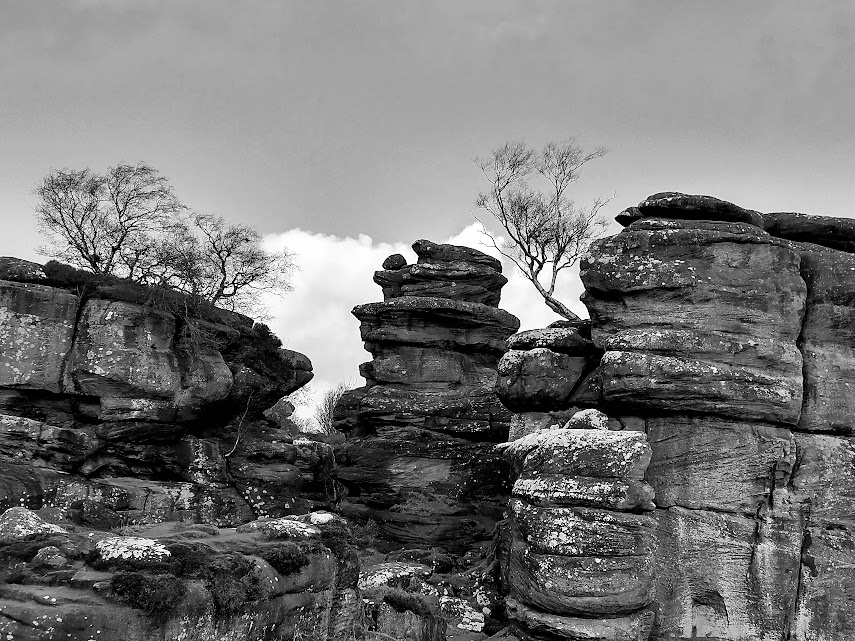
In fact my featured photo of nearby Brimham Rocks is changed very little by the use of monochrome. The sky was a bright azure blue that day, with whiteish clouds. Realistically, grey is so much more authentic this year.
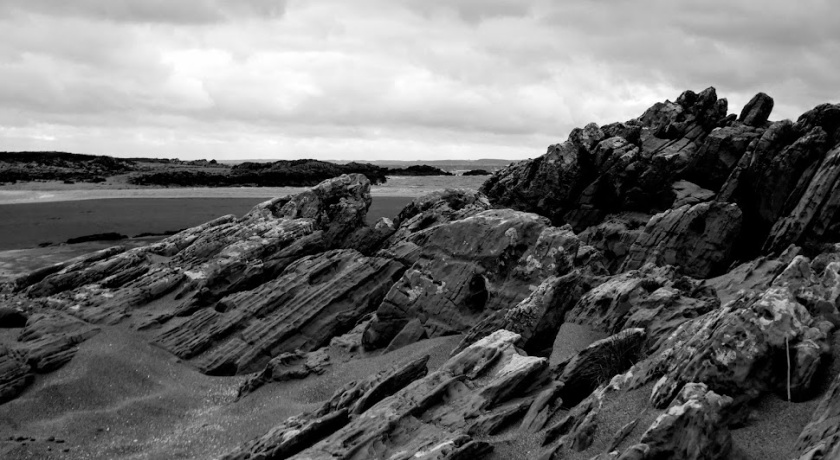
Let’s stay with the natural world, and go to Mossyard Bay in Dumfries and Galloway, to inspect the rocks there, and a sheltered pool as the tide goes out.

Mossyard Bay …
… and a pool receding as the tide recedes

We’ll stay by the sea, but in Arenys de Mar in Spain this time. A rusting chain, a decaying lump of concrete in the fishing port.

A tired chain in an even more exhausted lump of concrete, Arenys de Mar

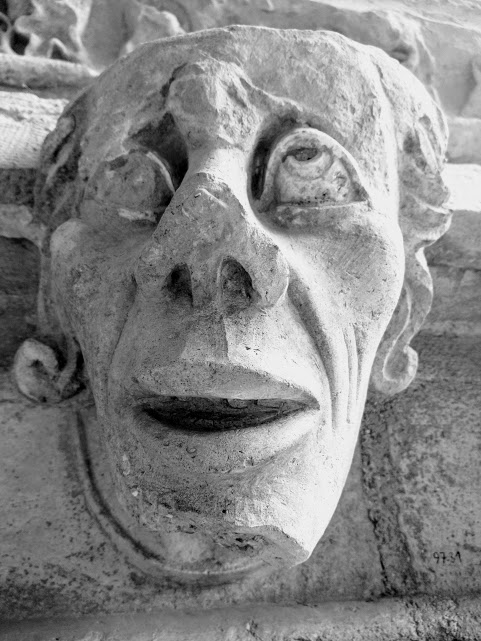
More man-made creations, battered by wind and weather. A has-been saint awaits repair in the stone mason’s yard at Rheims Cathedral.

A fatigued saint, Rheims.

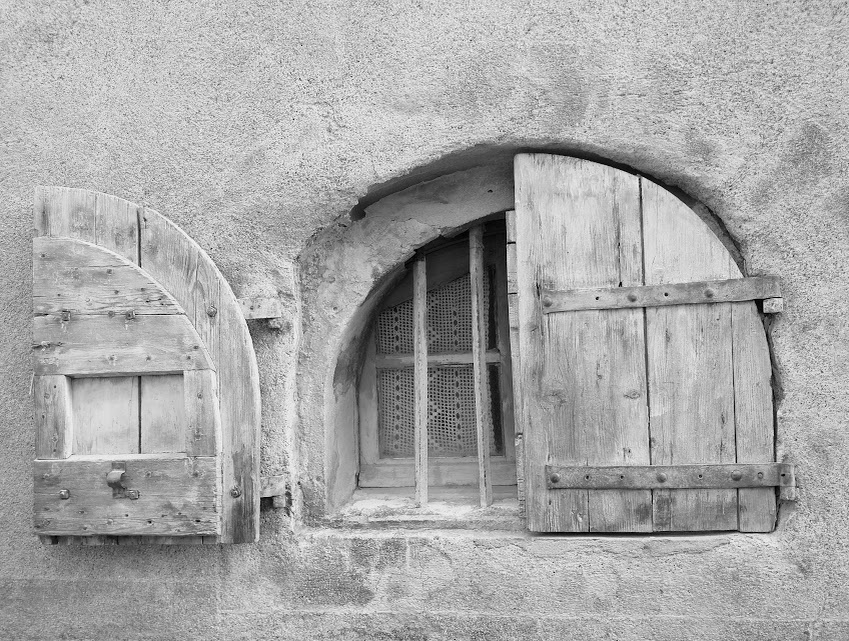
And here’s a characterful shuttered window that’s lived a long life in a village in the Hérault, France.

A village house in the Hérault 

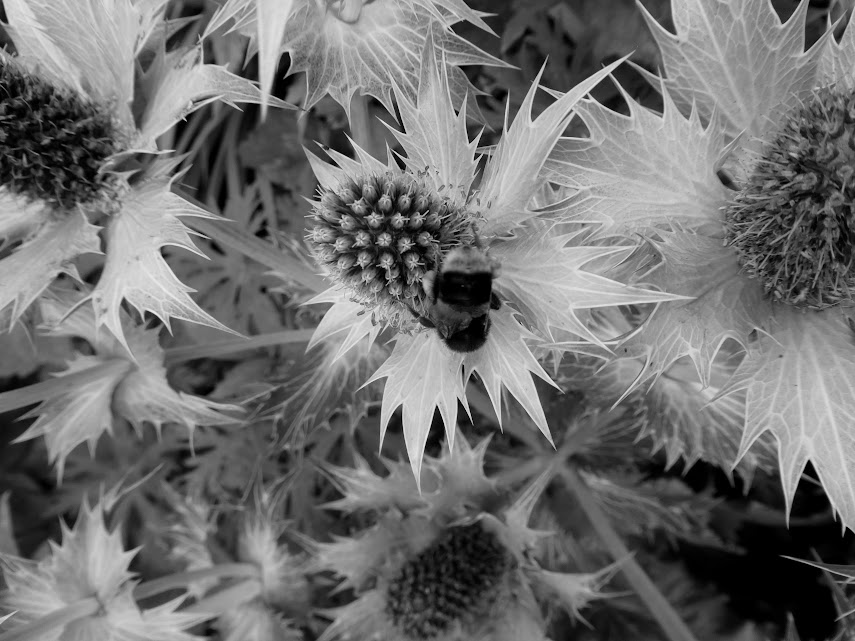
An English country garden, complete with bee.

Eryngium finds favour with a bee.

… an icy puddle …

A locally frozen puddle.

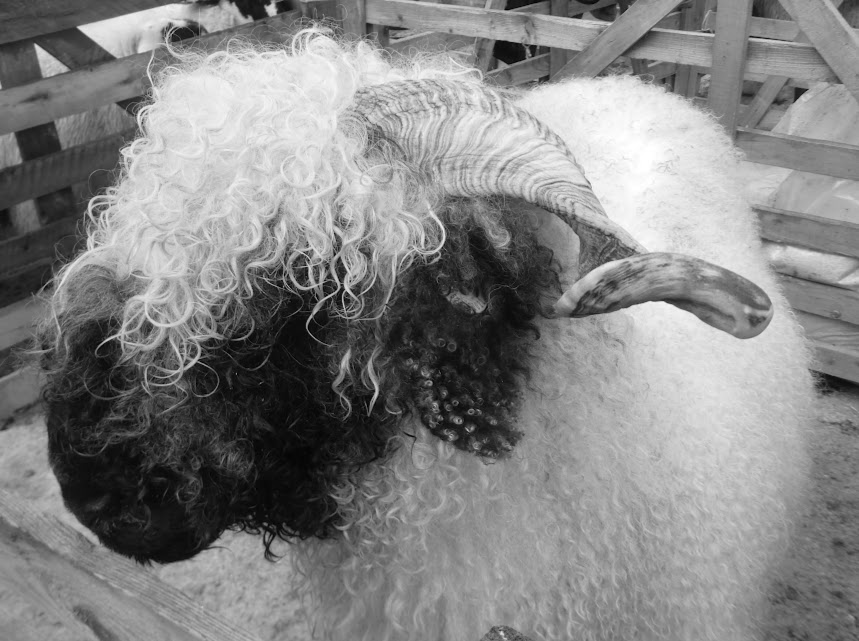
And let’s leave you with that most Yorkshire of animals, a sheep: happy to show off a magnificent fleece, magnificent horns.

A winning exhibit as Masham Sheep Fair.

Messages in the Street

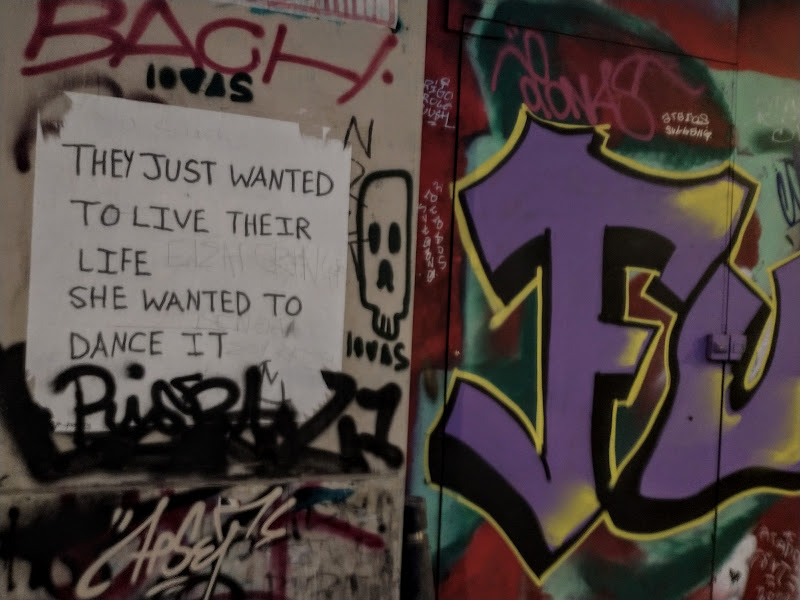
Walk along any street, anywhere, and it won’t be long before you come across a message. Maybe light-hearted, like this one spotted in Liverpool …

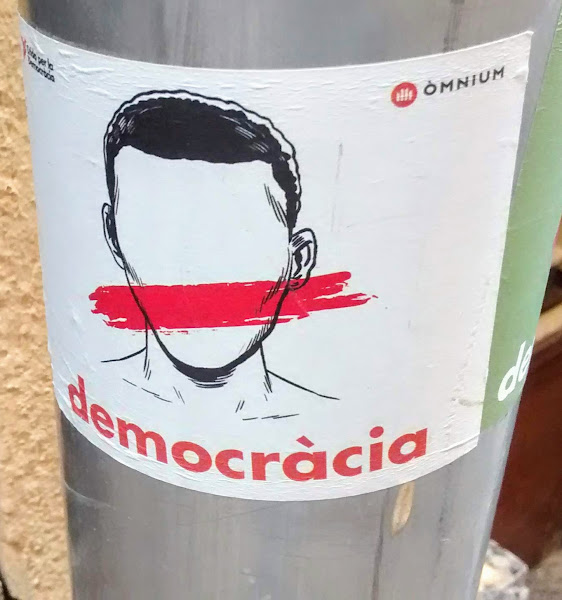
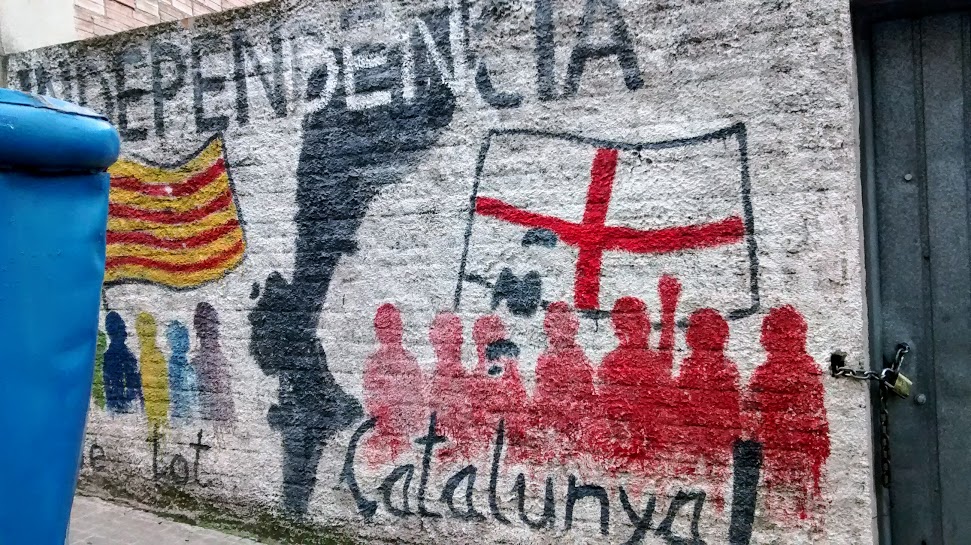
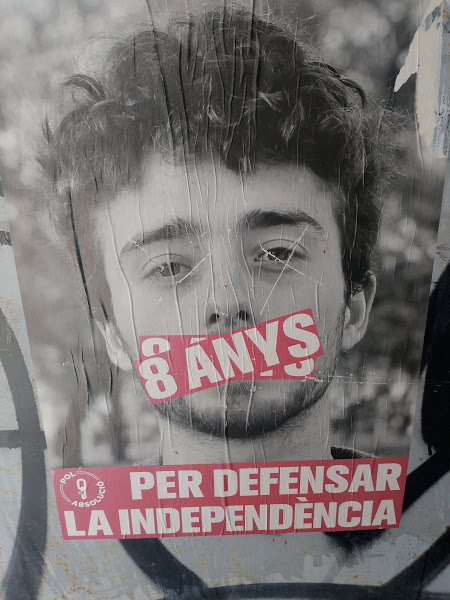
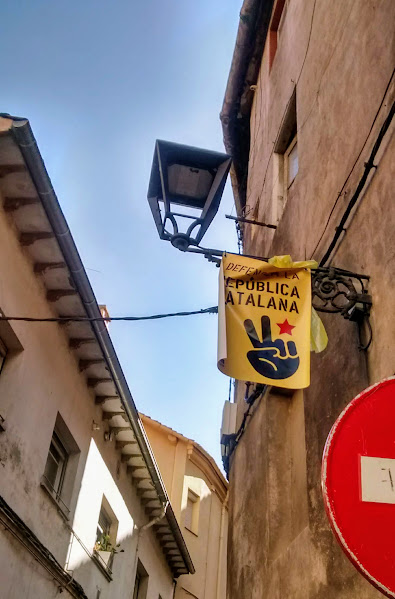
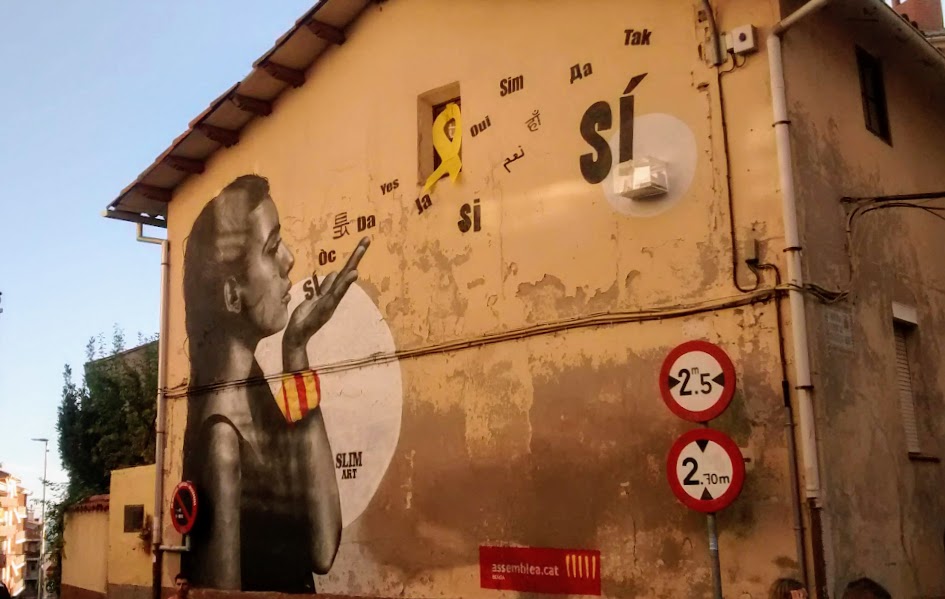
… maybe political. You can’t go far in Catalonia, Spain without coming across messages and slogans demanding independence. These shots were all taken in Berga, where the mood of virtually the entire population there was not in doubt.

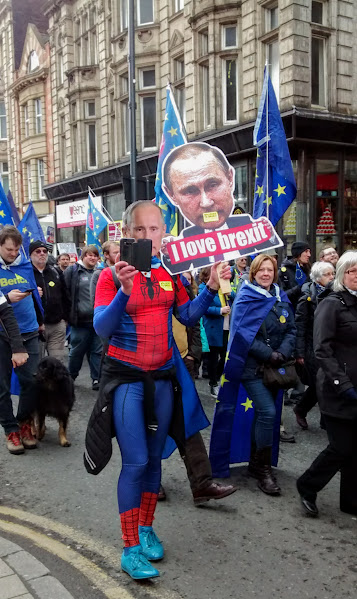
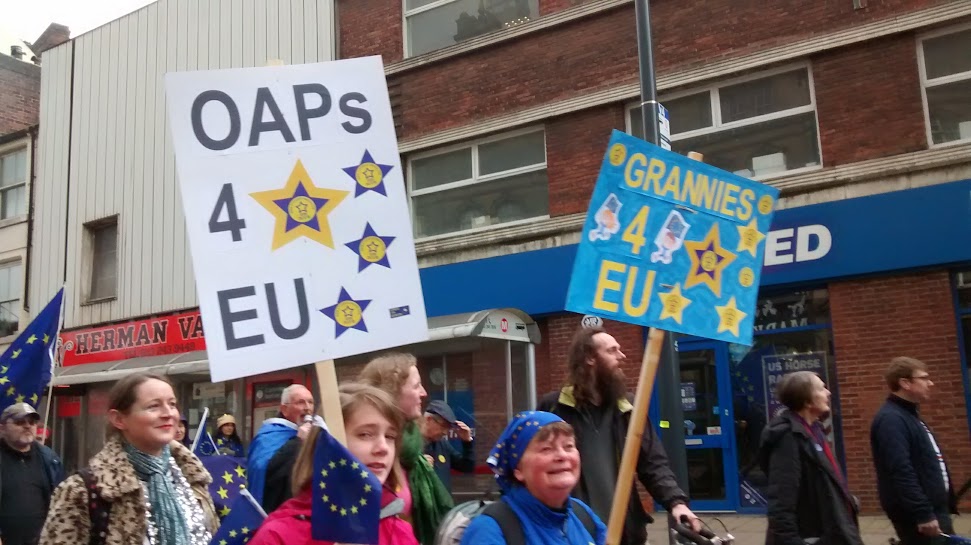
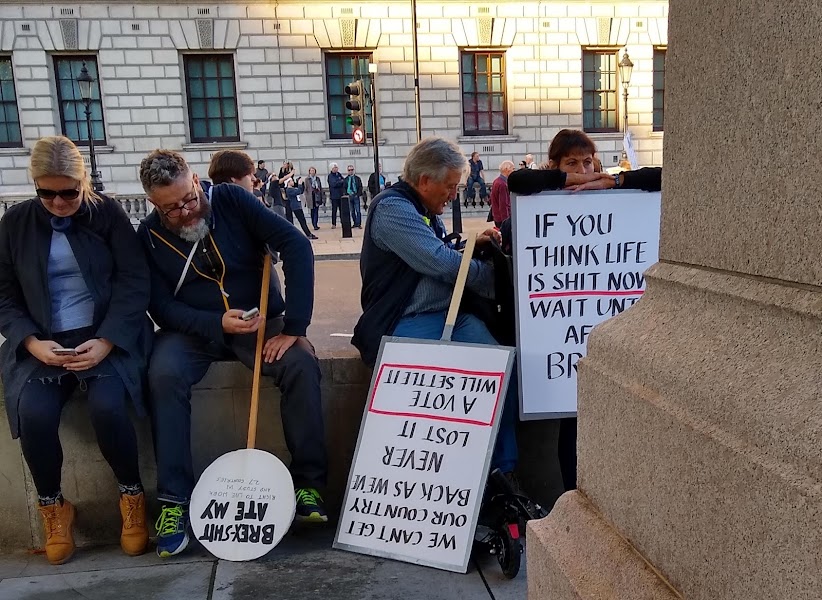
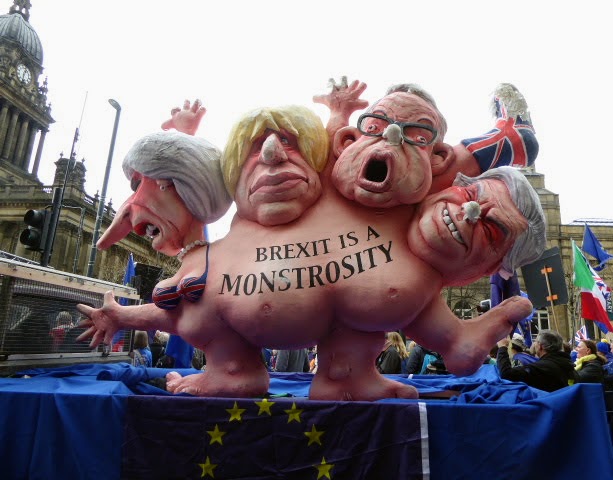
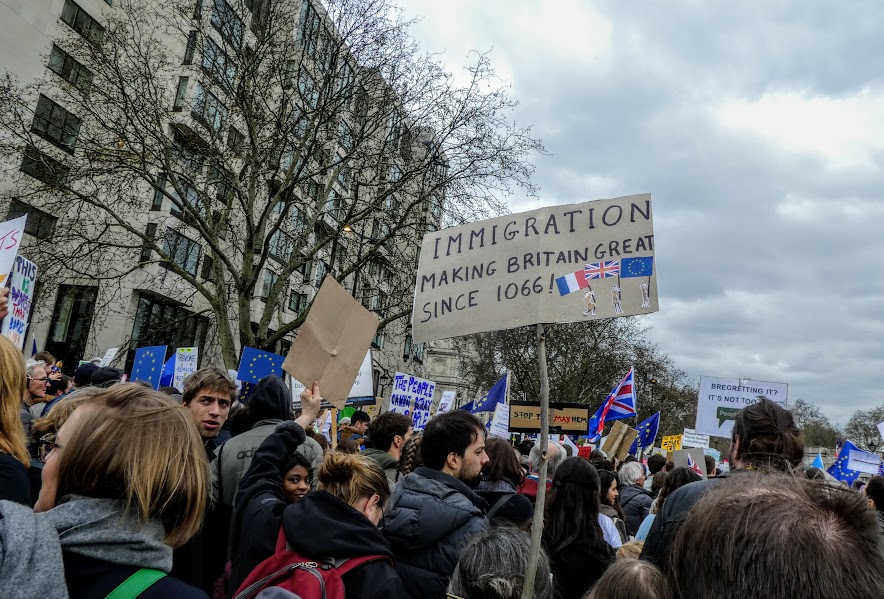
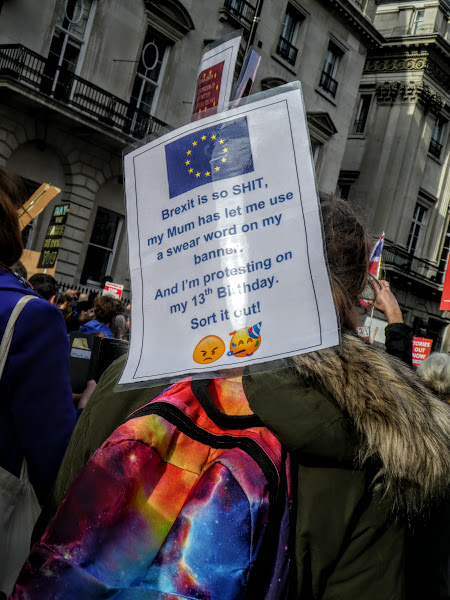
The next shots were all taken when thousands of us took to the streets, again and again, in 2018 and 2019 voicing our misgivings about the prospect of Brexit. It gives us no satisfaction whatever to see that our fears were entirely justified.

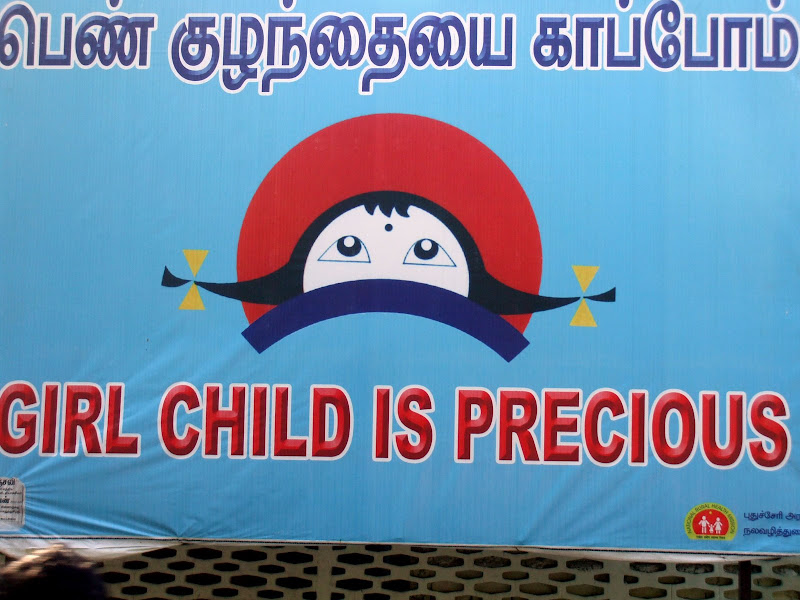
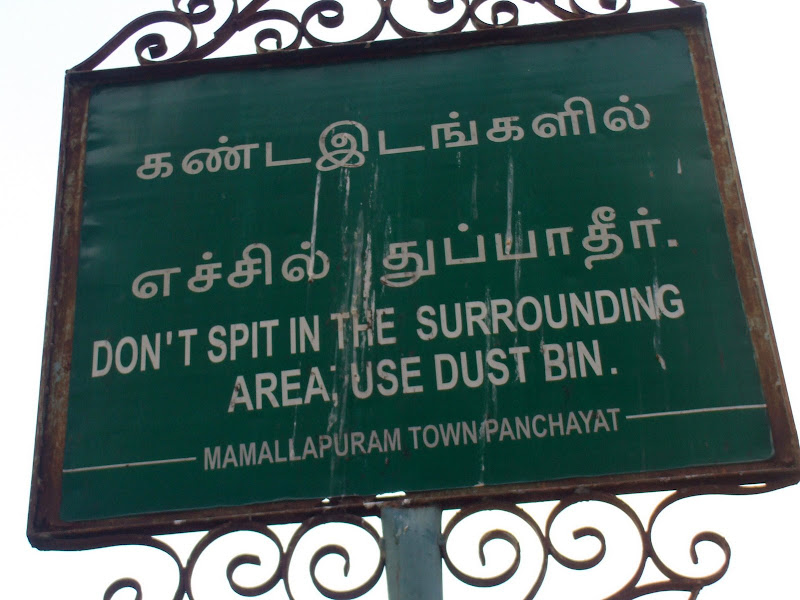
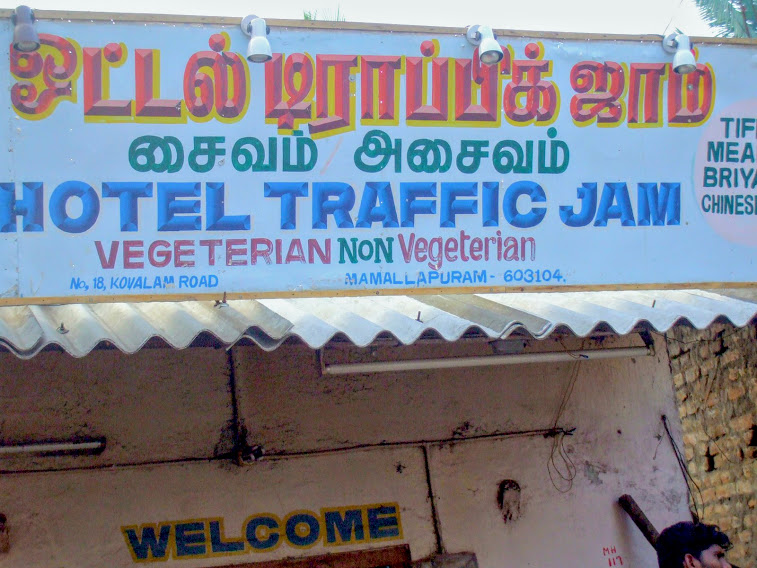
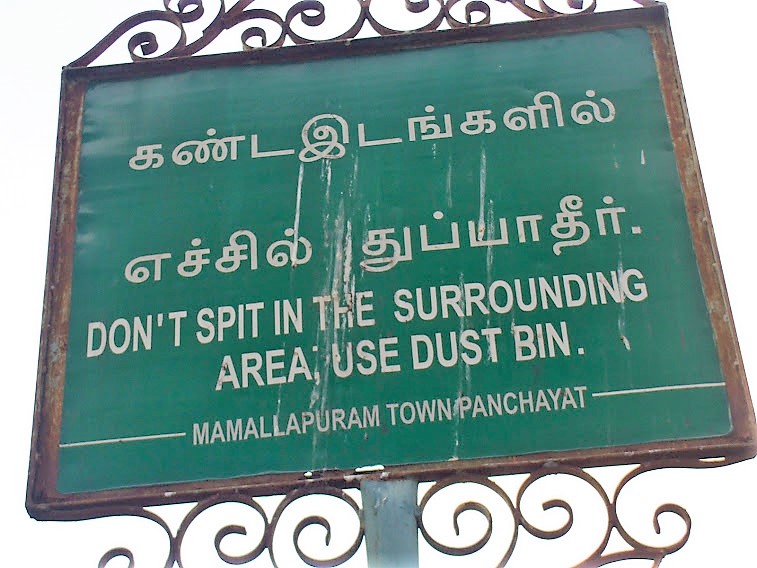
In India, I saw messages that were more like public service announcements ..

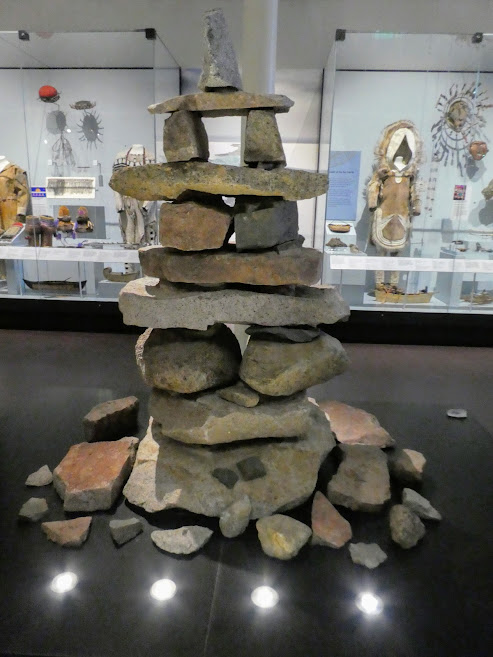
And in Edinburgh, in the National Museum of Scotland, this …

Inuksuk, by Peter Irniq, 1998, uses a traditional technique used by the Inuit to convey messages about good fishing grounds etc.

Let’s end though, as we began, with a message, this time in Thessaloniki, simply intended to bring good cheer …

For Donna’s Lens-Artists Challenge #234: Messages

Perfect patterns

It’s been a busy week, and I’ve a feeling I shan’t be blogging again before Christmas, but I just had to have a go at posting a few photos for Ann-Christine’s Lens-Artists Challenge this week : Perfect Patterns. I’m going to let the images speak for themselves this time. We’ll have two galleries: man-made patterns, every one of them from Spain …

And now the natural world, not one of them from Spain, or indeed from outside the UK:

Click on any image to get its label: and only a label this time: no stories, no history, no nothing. Sorry!

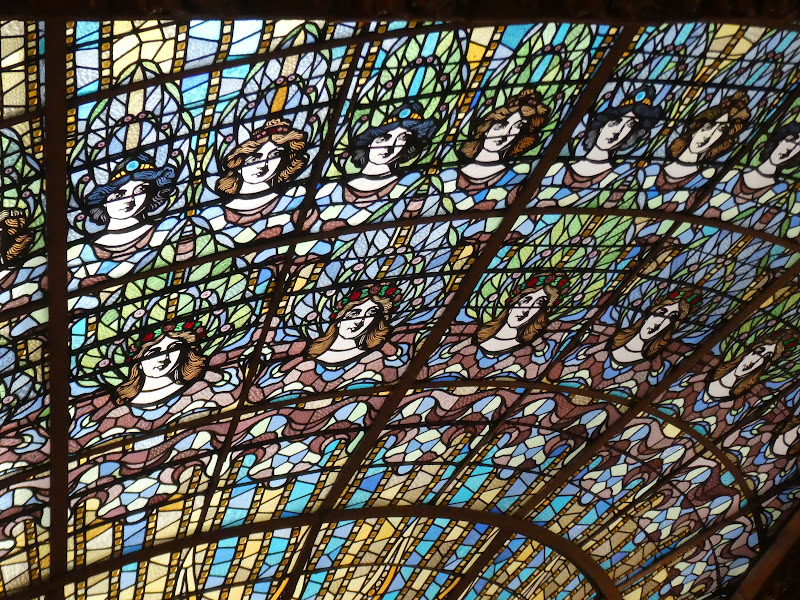
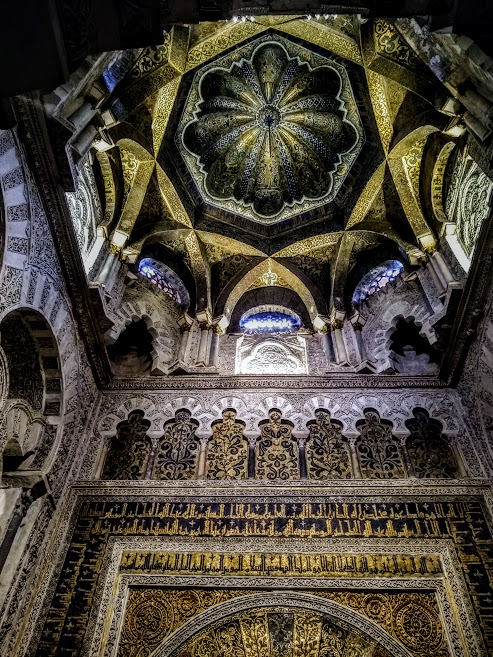
The featured image is a ceiling in the Palau de la Musica, Barcelona.

Midweek Monochrome of Mossyard

Google photos has a happy habit of reminding me of what I was up to this day one year, two years, three years (and so on) ago. Today it pointed out that in 2020, just after the worst of Lockdown was over, we escaped briefly to Dumfries and Galloway in Scotland. And there we discovered Mossyard Bay.

Let’s take a virtual trip: there’s not a fairground ride, amusement arcade or kiss-me-quick hat in sight.  There’s not even a chippie.  Just us, the rocky shore, and the sea, advancing or retreating with the tide. Happy memories, translated into monochrome.

For Bren’s Mid-Week Monochrome #106, and as suggested by Sarah, of Travel with Me fame. Bren herself takes us to the Nidd Gorge, my back yard when I lived in Harrogate: while Sarah, for her post, is in her favourite city, Paris.

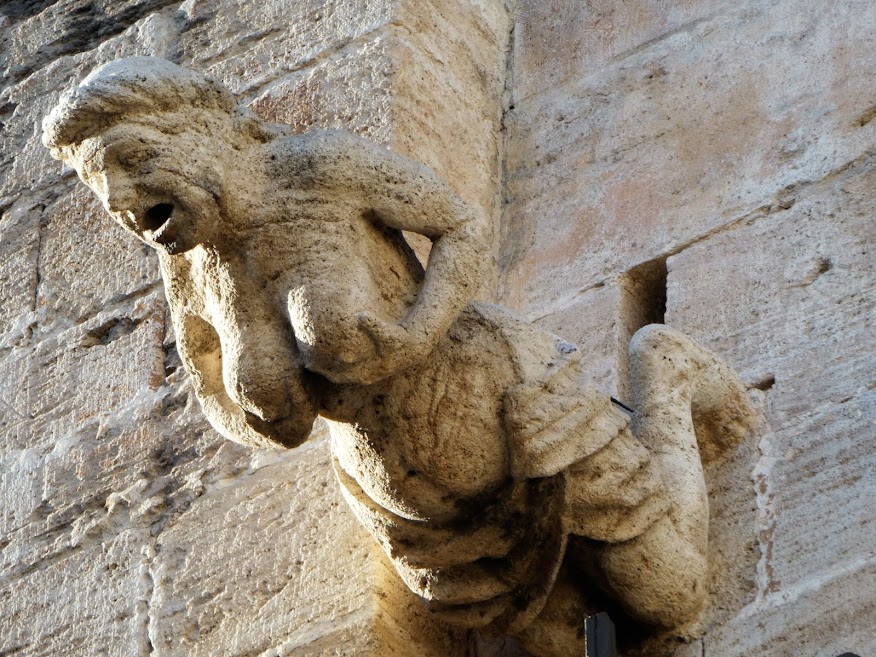
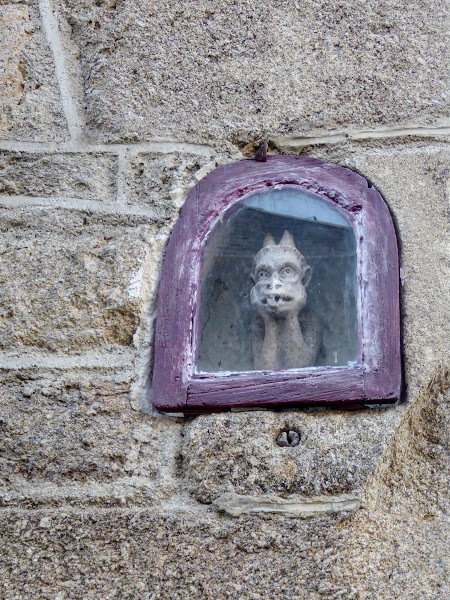
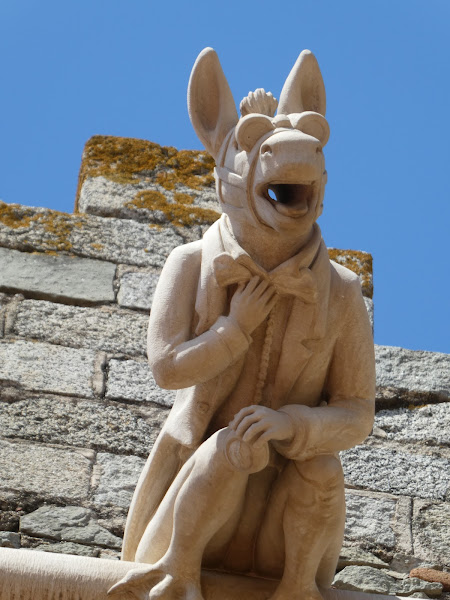
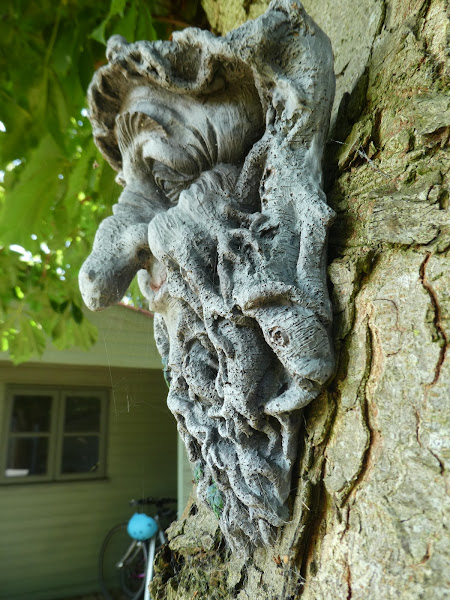
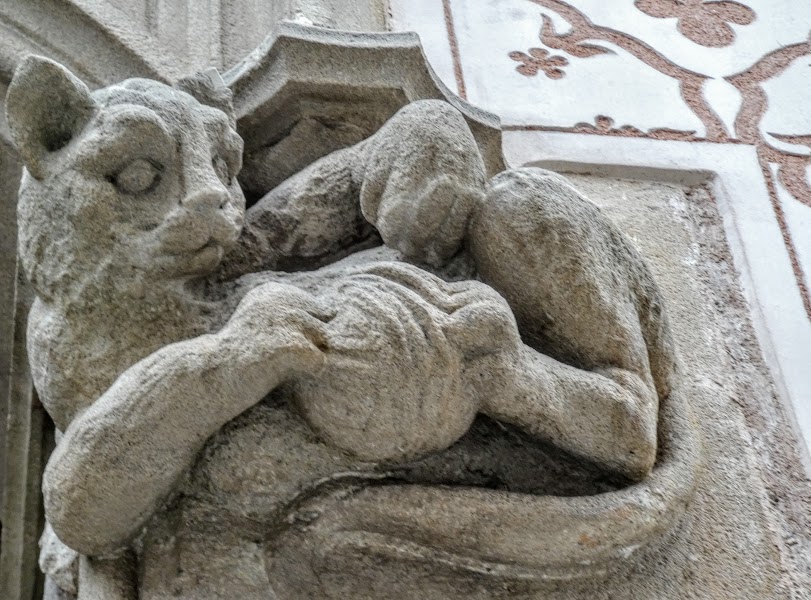
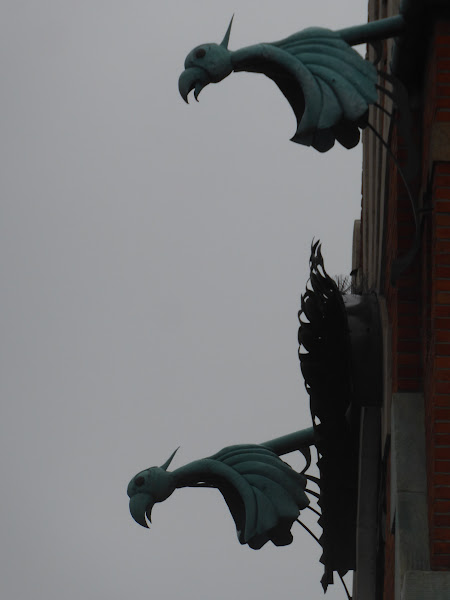
Of Gargoyles, Griffins and other Graven Images

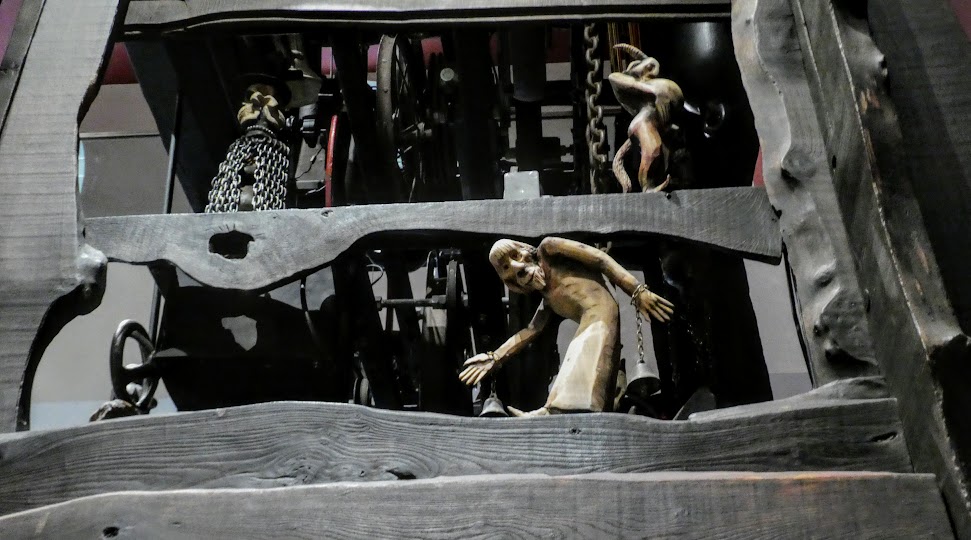
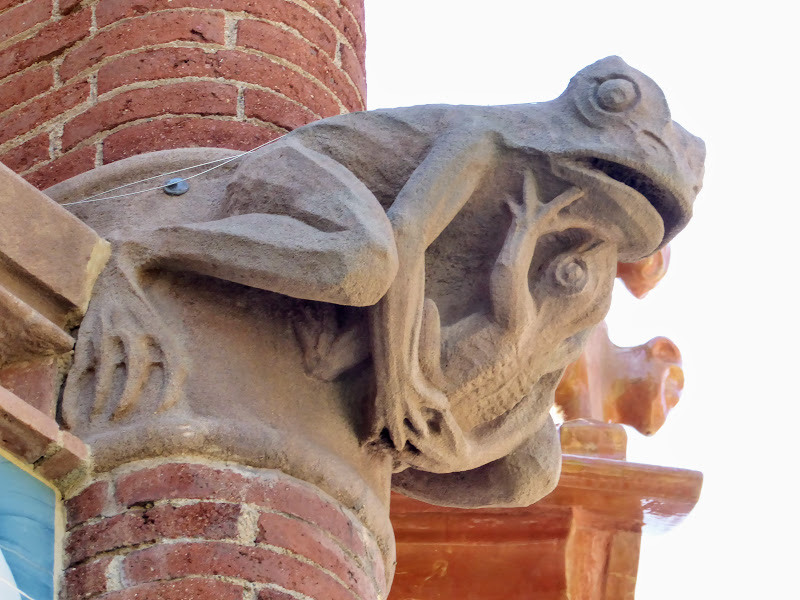
This week, Ann-Christine is urging us, in Lens-Artists Challenge #214 to indulge ourselves and our readers with Favourite Finds in our collections of photos. Well. Where to start? What to choose? I’ve settled on those things that we sometimes notice as we glance up above, or find ourselves gazing at, such as drainpipes or old walls in city streets: we’ll see everything from … well, let’s have a look …

Click on the image to discover where to find it.

The featured image is from the Millennium Clock in the National Museum of Scotland, Edinburgh

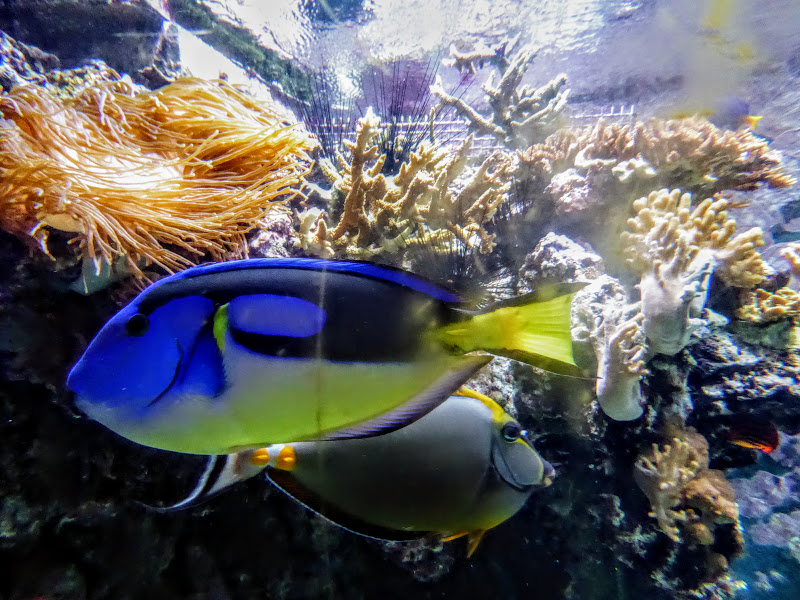
A legend tells the story of the Creation of the Earth

Every culture throughout the world has its myths about how the earth, and everything that inhabits the earth, came into being. Here in the UK, historically part of the Judeo-Christian tradition, we’re most familiar with the creation story told in The Book of Genesis.

Day 1 – God created light and separated the light from the darkness, calling light ‘day’ and darkness ‘night’. And God said, Let there be light: and there was light.

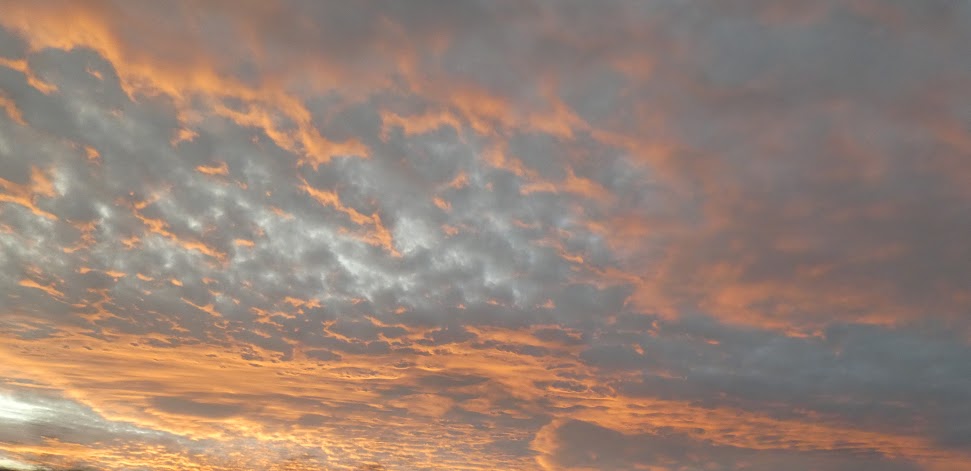
Day 2 – God created an expanse of sky to separate the waters. Let there be a firmament in the midst of the waters.

Kirkudbrightshire

Day 3 – God created the dry ground and gathered the waters, calling the dry ground ‘land’, and the gathered waters ‘seas’. Let the waters under the heaven be gathered together unto one place, and let the dry land appear: and it was so.

On day three, God also created plant life. Let the earth bring forth grass, the herb yielding seed, and the fruit tree yielding fruit after his kind, whose seed is in itself, upon the earth: and it was so.

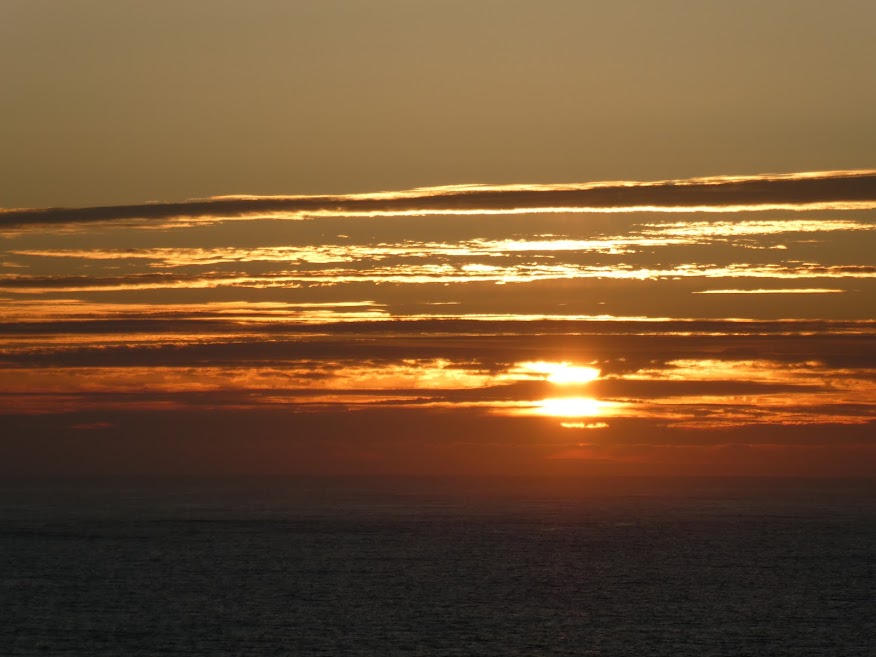
Day 4 – God created the sun, moon, and the stars to give light to the earth and to govern and separate the day and the night. These would also serve as signs to mark seasons, days, and years.  Let there be lights in the firmament of the heaven to divide the day from the night; and let them be for signs, and for seasons, and for days, and years.

Near Grinton, North Yorkshire
Sleningford, North Yorkshire

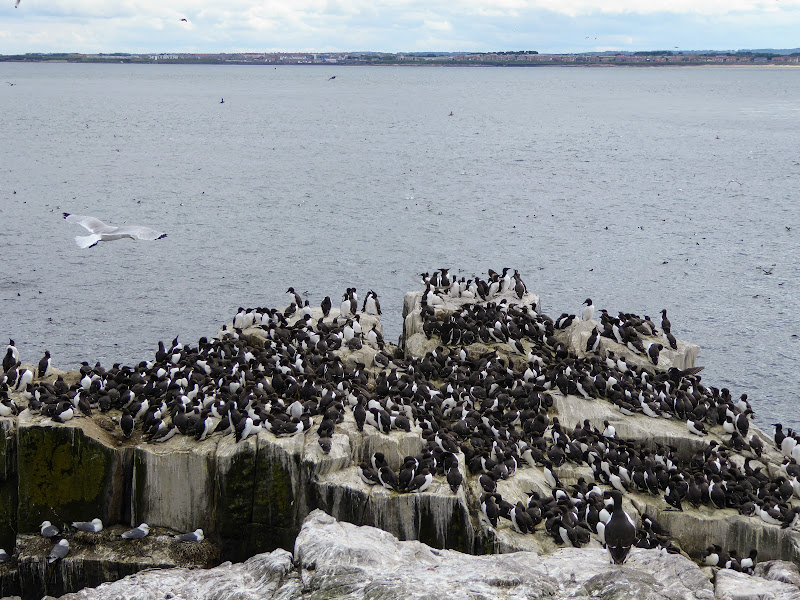
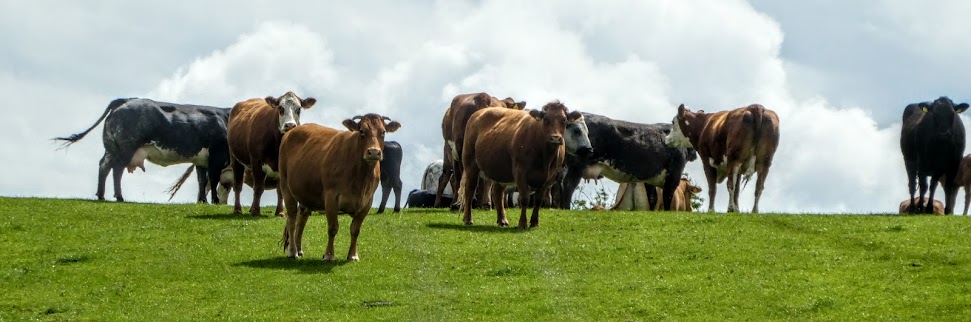
Day 5 – God created every living creature of the seas and every winged bird, blessing them to multiply and fill the waters and the sky with life. Let the waters bring forth abundantly the moving creature that hath life, and fowl that may fly above the earth in the open firmament of heaven…  Let the earth bring forth the living creature after his kind, cattle, and creeping thing, and beast of the earth after his kind: and it was so.

Day 6 – God created man and woman in his own image. He gave them every creature and the whole earth to rule over, care for, and cultivate. Let us make man in our image, after our likeness: and let them have dominion over the fish of the sea, and over the fowl of the air, and over the cattle, and over all the earth, and over every creeping thing that creepeth upon the earth. Which is perhaps where it all started to go wrong …

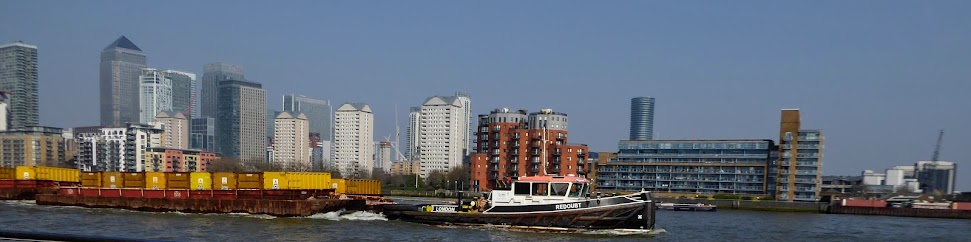
Along the River Thames in London
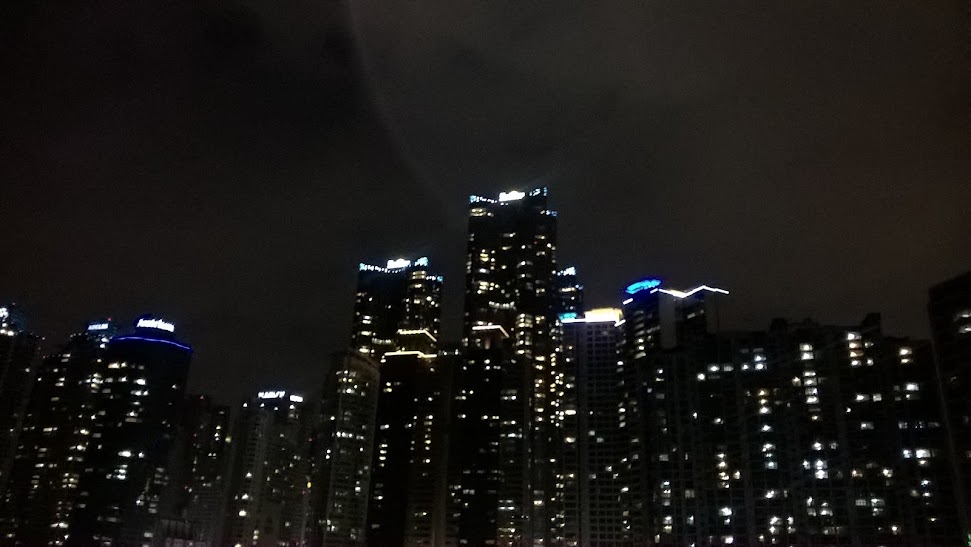
Haeundae, Busan, South Korea.

This week, for Lens-Artist Challenge #192, Amy invites us to tell Earth’s Story. So I have, with the help of the Old Testament.

PS. Thanks to your ‘likes’ on this recent post, I’ve been able to donate £28.00 on your behalf to World Central Kitchens, as they feed the dispossessed fleeing from war in Ukraine and other humanitarian catastrophes.

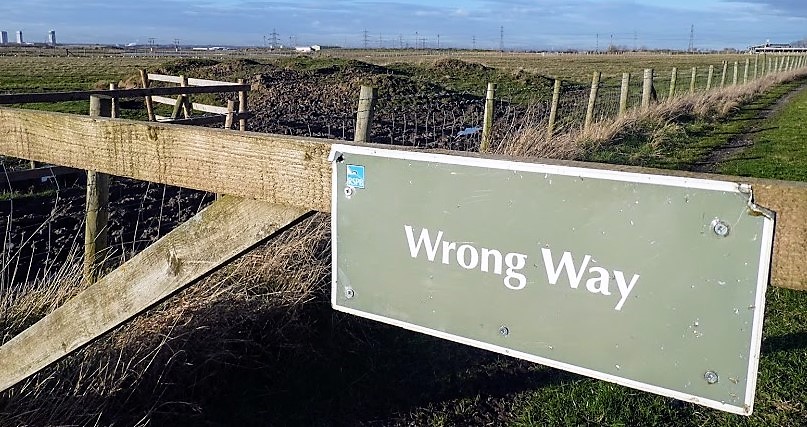
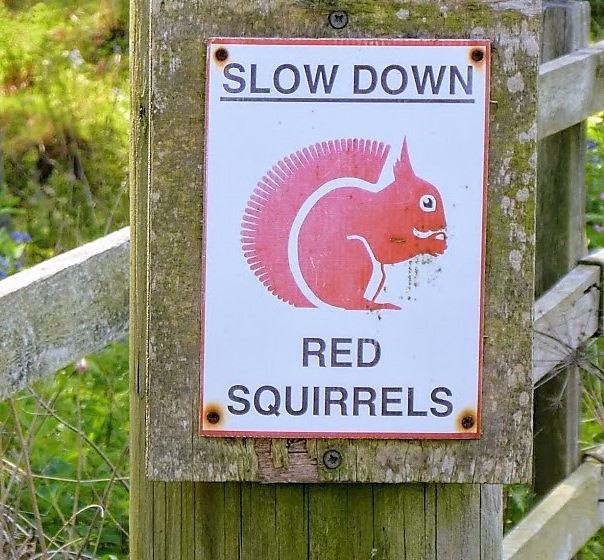
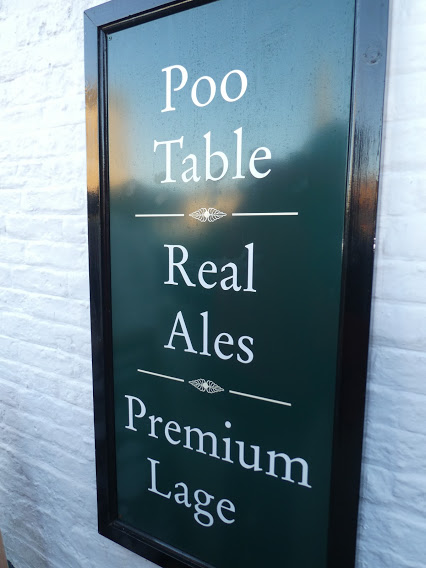
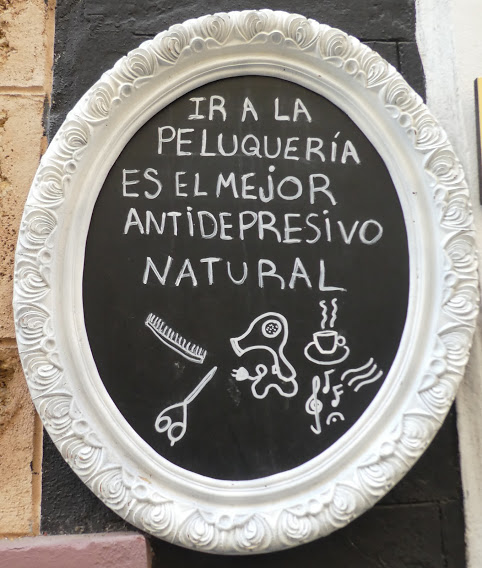
Noticing the notices: a Saturday smile.

Trawling through my photos looking for something I couldn’t find, I came across these.

The featured photo comes from RSPB Saltholme.

Cee’s Friday Funny Finds

Six Word Saturday