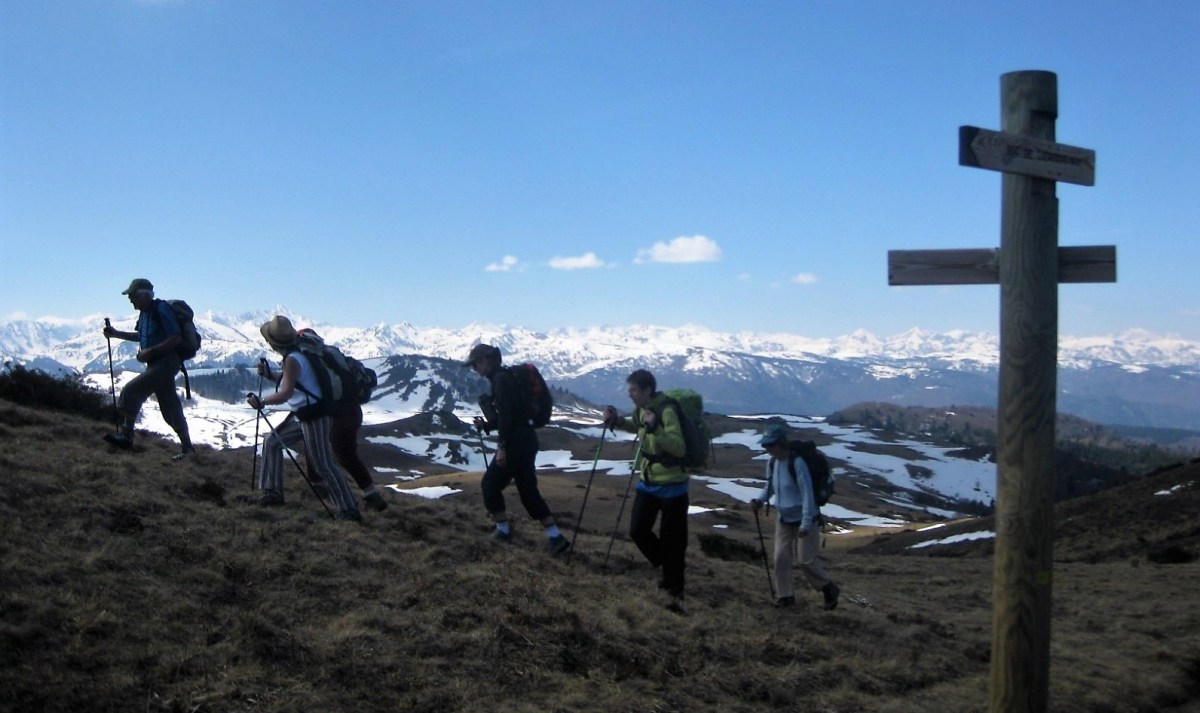
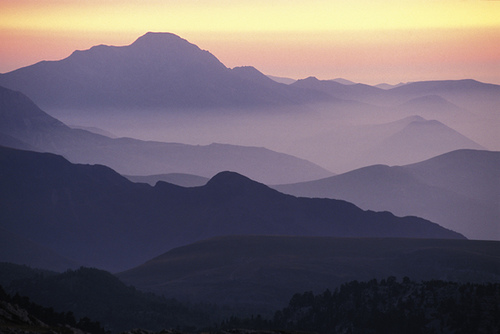
I’ve only been a walker – a proper walker, yomping over moor and mountain, hill and dale – for the last fifteen years or so. It happened when we went to live in France. What better way to discover the secret paths of the Pyrenees, and get to know our French neighbours, and improve our French too, than join the local walking group?
So we did. At first it was les Randos de’Aubo in nearby Mirepoix. We explored the foothills and higher slopes of the Pyrenees, we investigated the nearby Aude, and enjoyed the fellowship of scouting new paths together. What I remember most was the achievement of climbing, climbing, often through seven or eight hundred metres before lunch, while constantly rewarded by mountain views, colourful plant life and changing vistas. Because of these calorie-busting achievements, we might walk as few at five or six miles. But it was harder – much harder – than walking ten to twelve miles round here, and I know I couldn’t do it now. But after the effort, there was a shared picnic lunch with a splendid view thrown in, a downhill walk back to base, and a convivial drink, in whatever bar was to hand near the end of our walk.
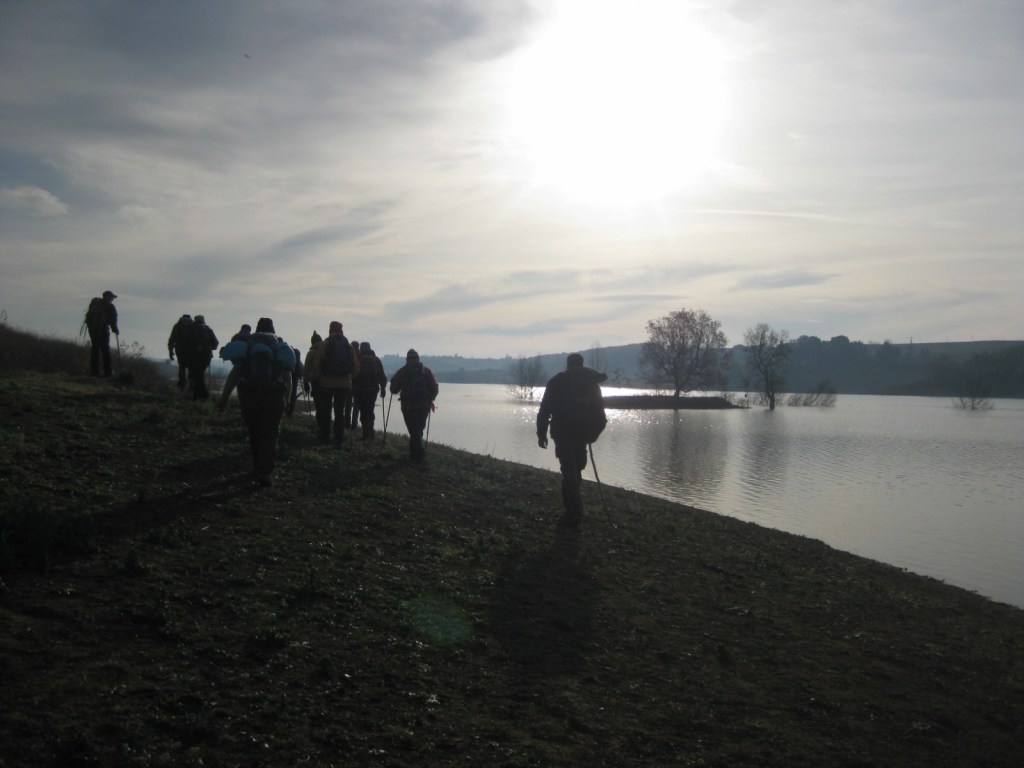
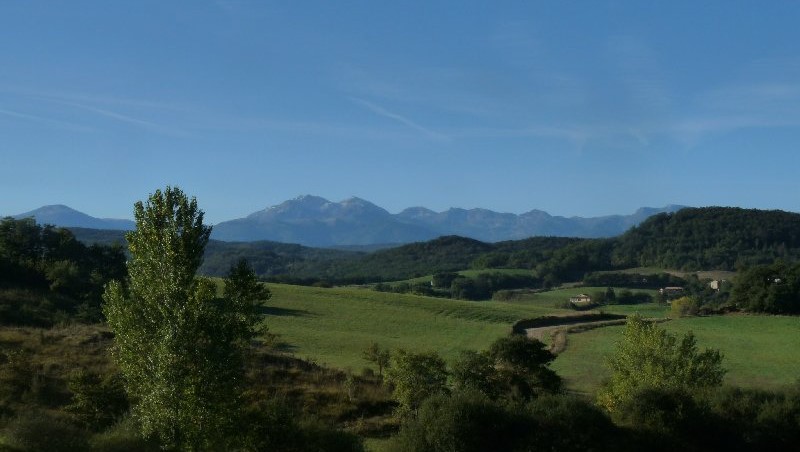
Walking soon after dawn at la Ganguise, Aude
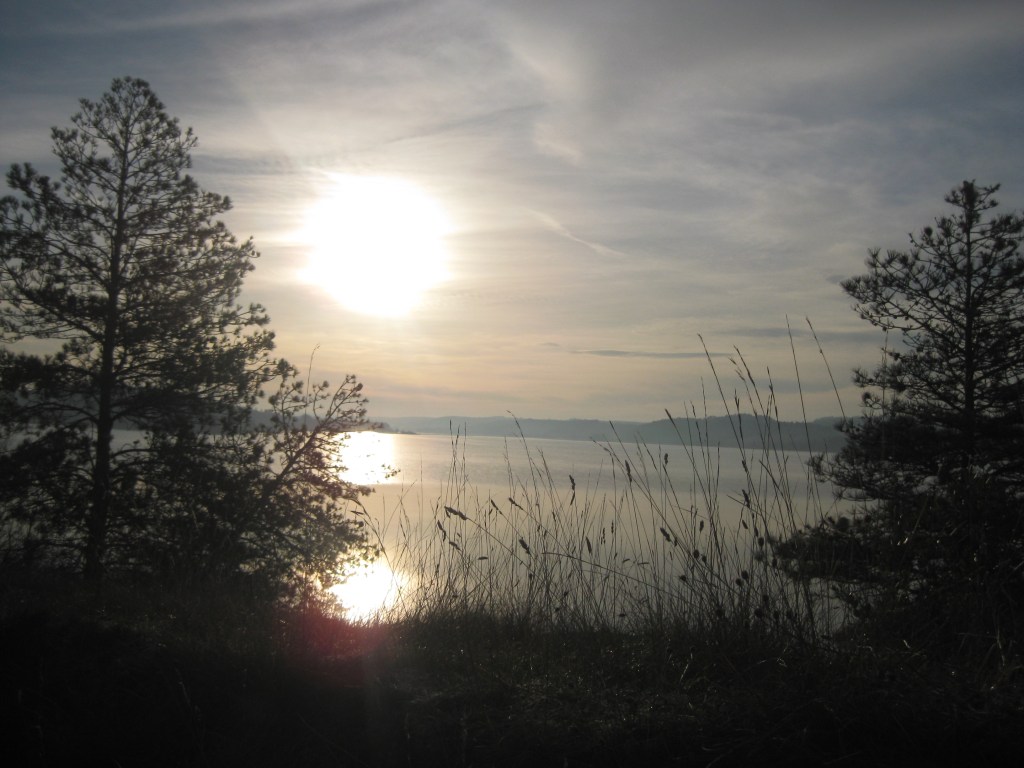
Rewarded by mist rising from the lake
And this is the other end of the same day
On Thursdays I went walking with a smaller group – mainly women – who’d got to know each other either through walking or singing together – I ticked both boxes.
Overlooking Foix in the3 distance …
… Maguy enjoys the view …
… before we continue on our way.
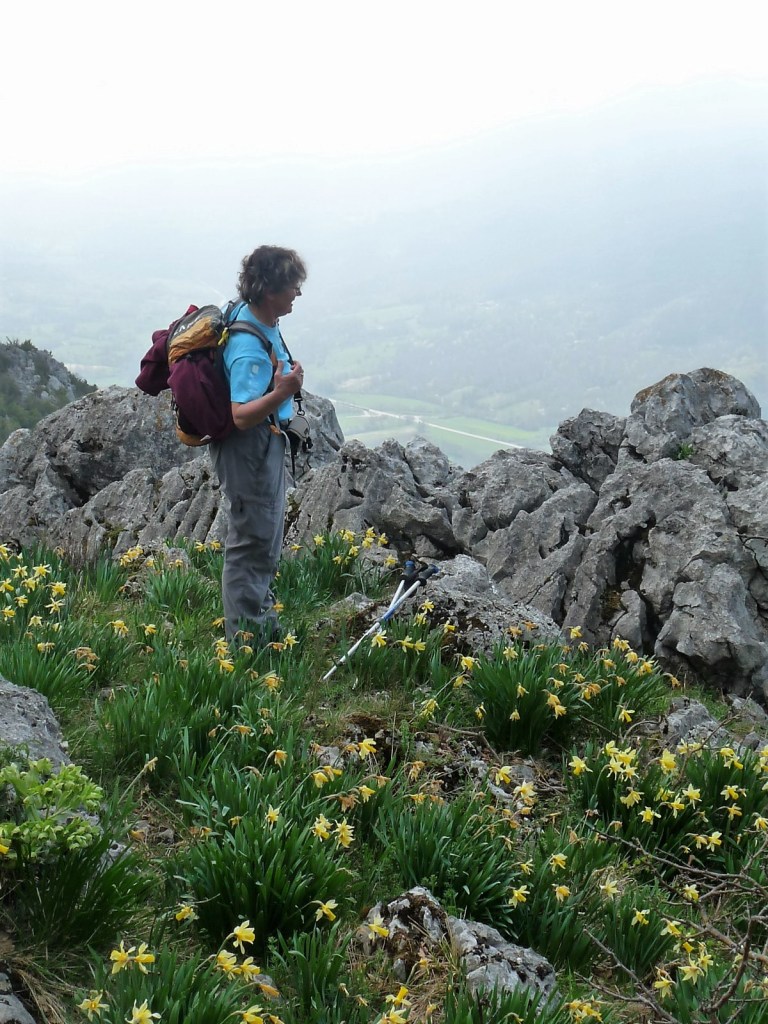
A special day among the daffodils in the Dolomies, near Foix.
Then we were among the founders of the walking group that developed in our own community, Laroque d’Olmes. We had the confidence by then to offer to reconnoitre and lead walks ourselves. And this group had even better picnic ideas than the last one. Marcel, our local butcher brought sausage to share, as did a local amateur charcuterie enthusiast Michel. Sylvie’s daughter was a sheep farmer, so she’d bring along sheep’s cheese. Someone brought a few baguettes, Yvette and I always had homemade cake. Jean-Charles had a bottomless bottle of wine in his rucksack. And everyone brought sugar lumps. Sugar lumps? Well, yes. Someone or other would bring a bottle of grandfather’s home-made digestif, heavy on alcohol and locally harvested fruit, and would dribble just a few drops of it onto your sugar lump for you to finish off your feast in style. And we would sit for an hour or more, chatting and relaxing before continuing our hike. I miss those moments as much as I miss the countryside and mountain views we shared together.
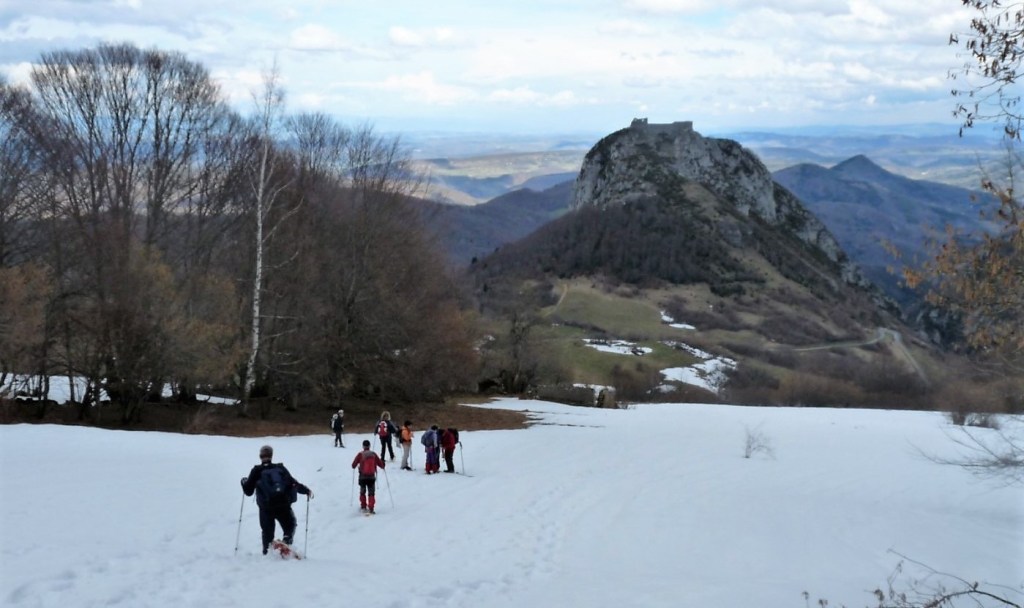
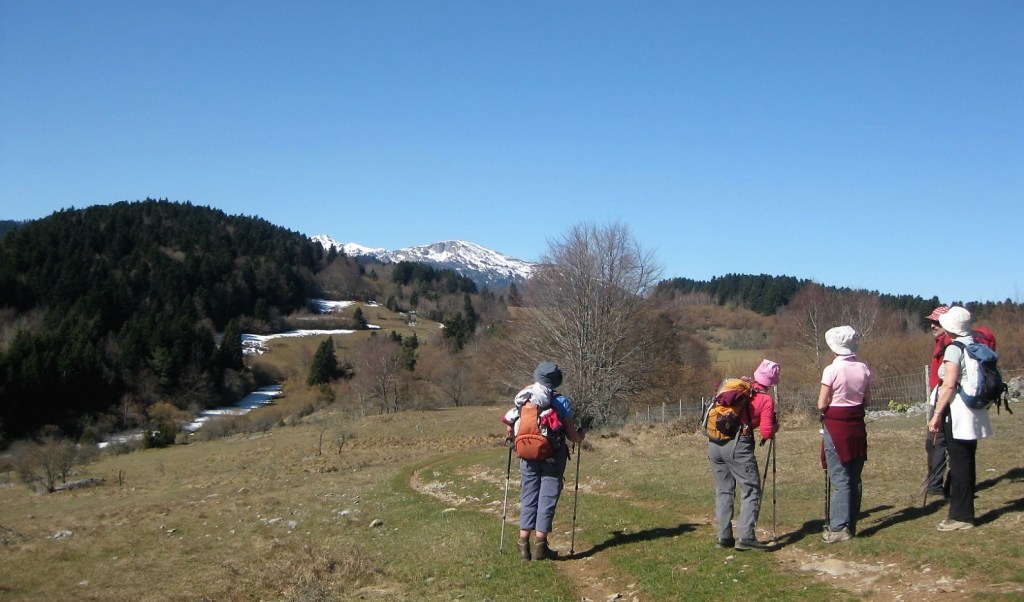
Snowshoeing near Montségur …
… and this was one of our paths.
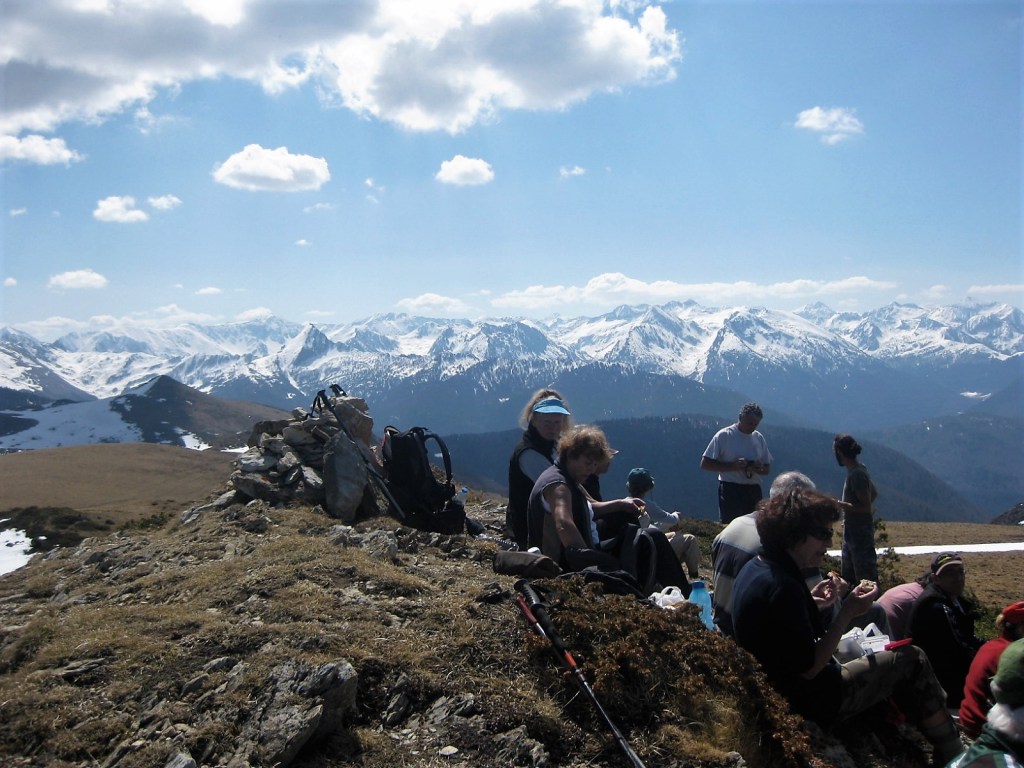
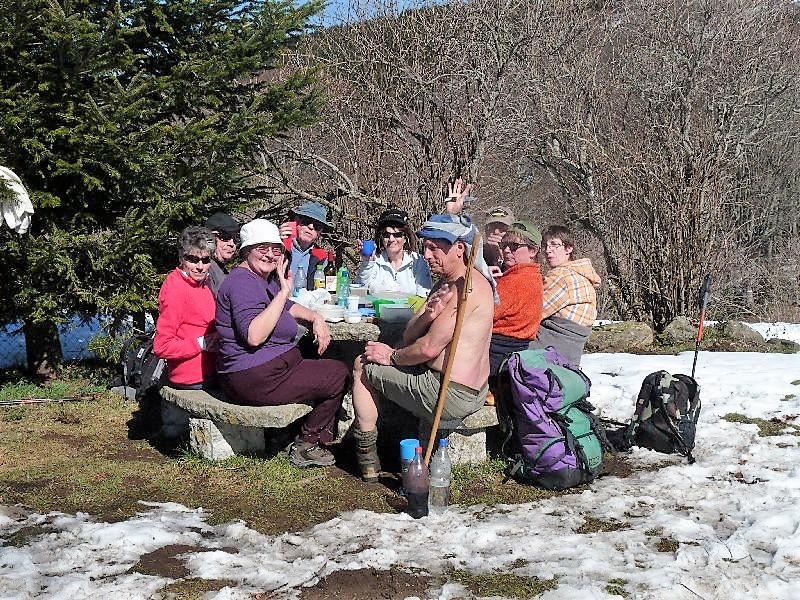
Picnic near Montaillou one April
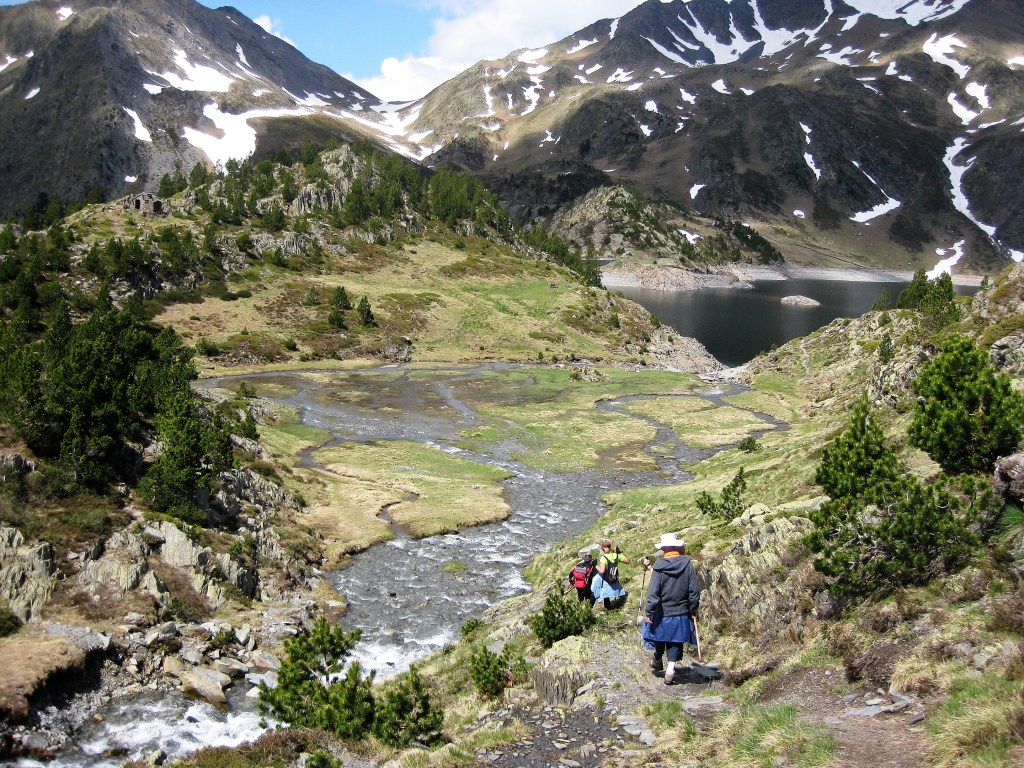
Lanoux in June
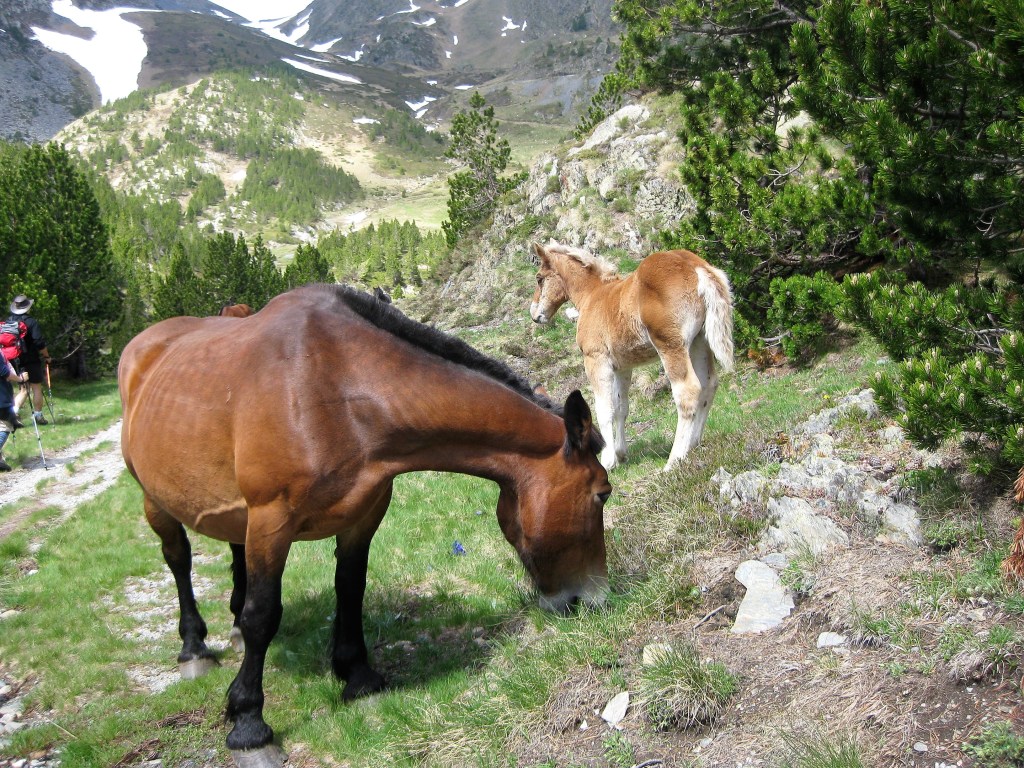
Wild horses near Lanoux
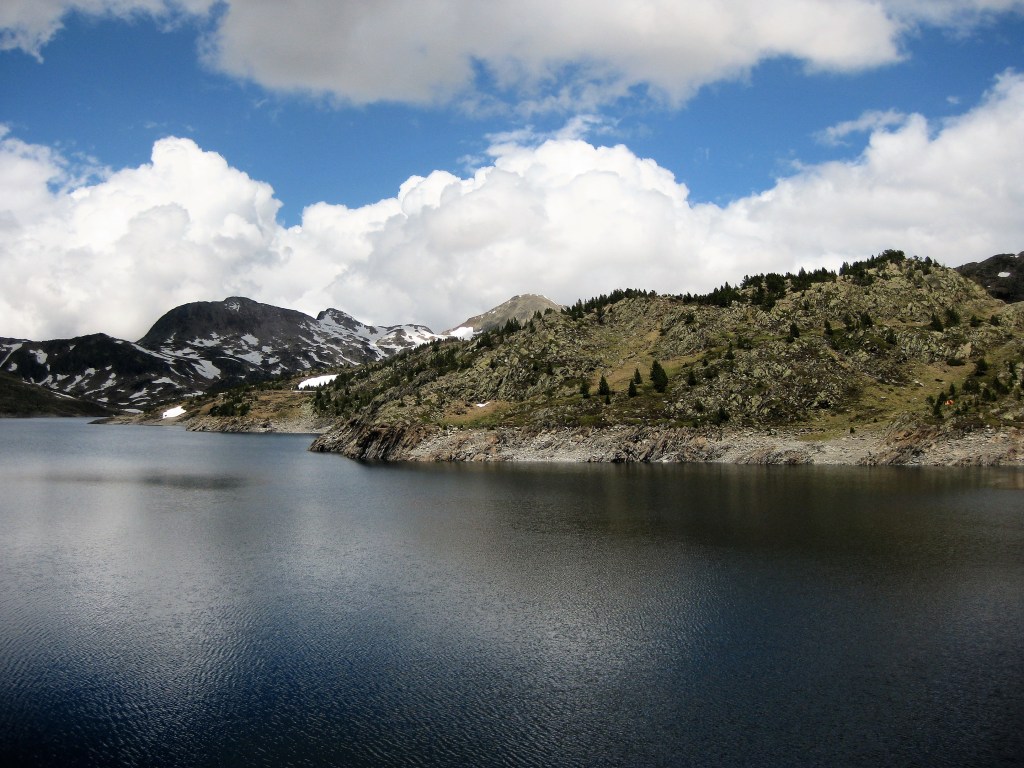
The mountain top reservoir near Lanoux
The path to Etang des Truites, Mont d’Olmes
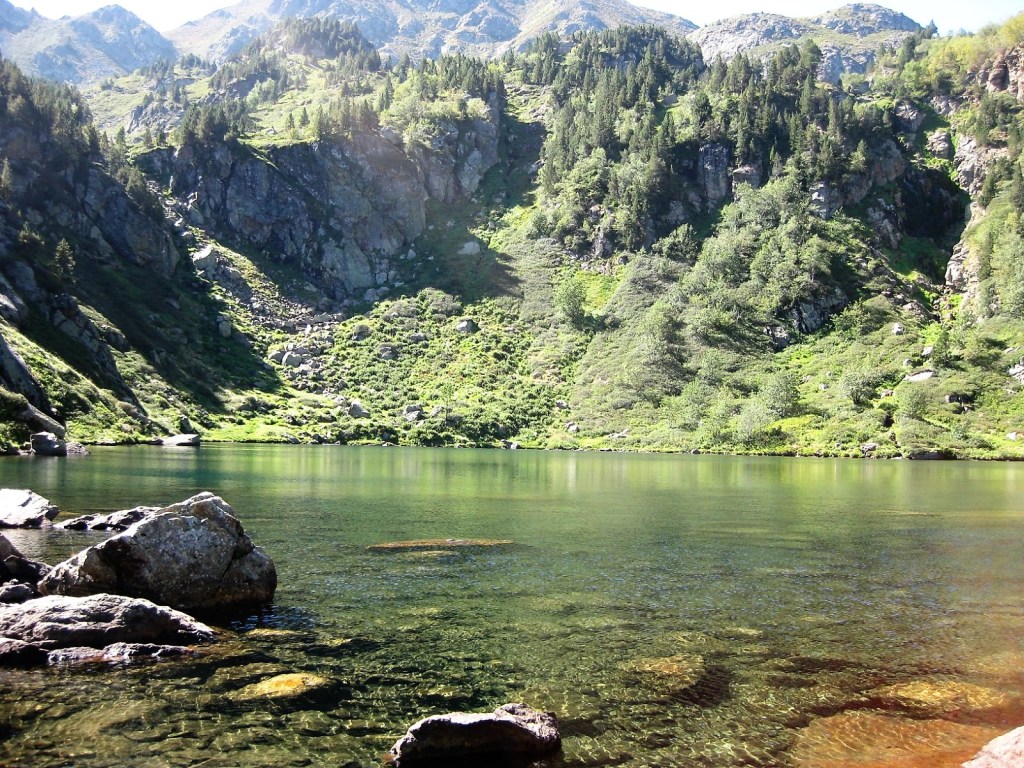
Etang des Truites, site of a hiking picnic
Saint Julien de Gras Capou
Walking on the Plateau de Sault …
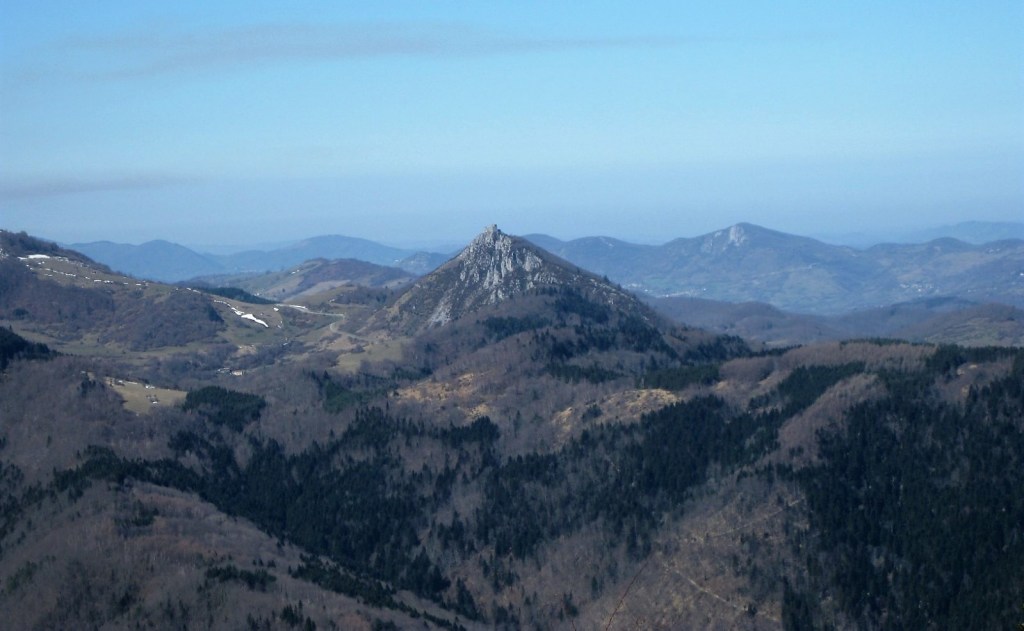
… with a view of Montségur
Our very last picnic, on our very last walk
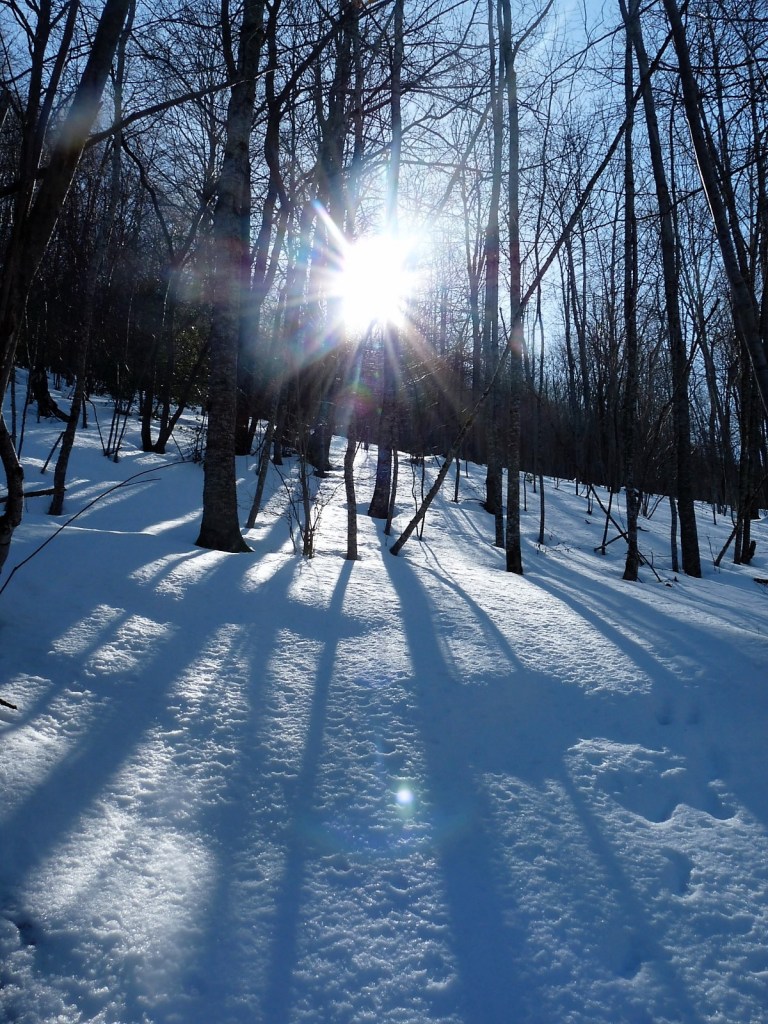
Walking in every season of the year
Now we’re in our local walking group here in Yorkshire. Again, we wanted to discover Yorkshire better by walking its footpaths. At midday, we eat our own pack of sandwiches and that’s that. But the comradeship is as good as it was in France.
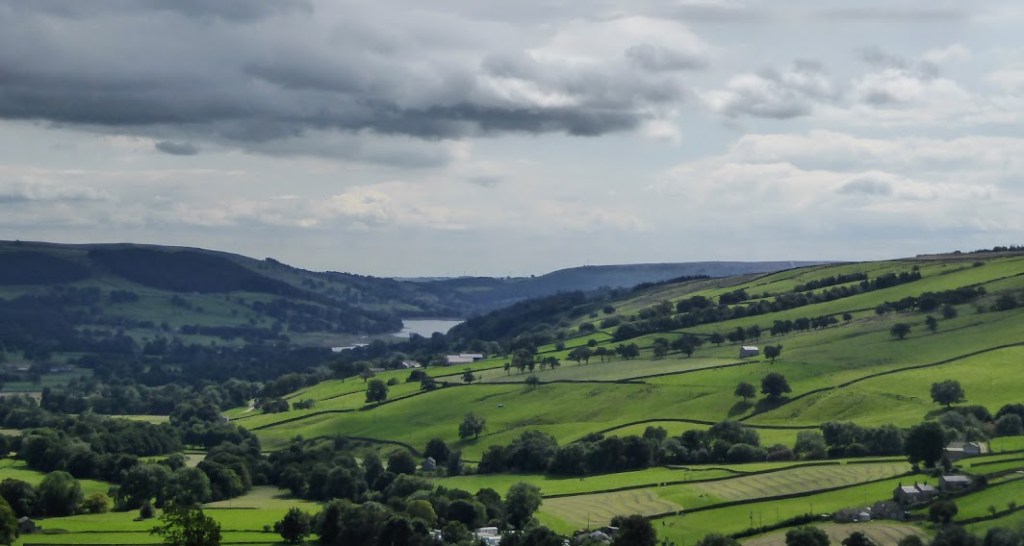
Wharfedale
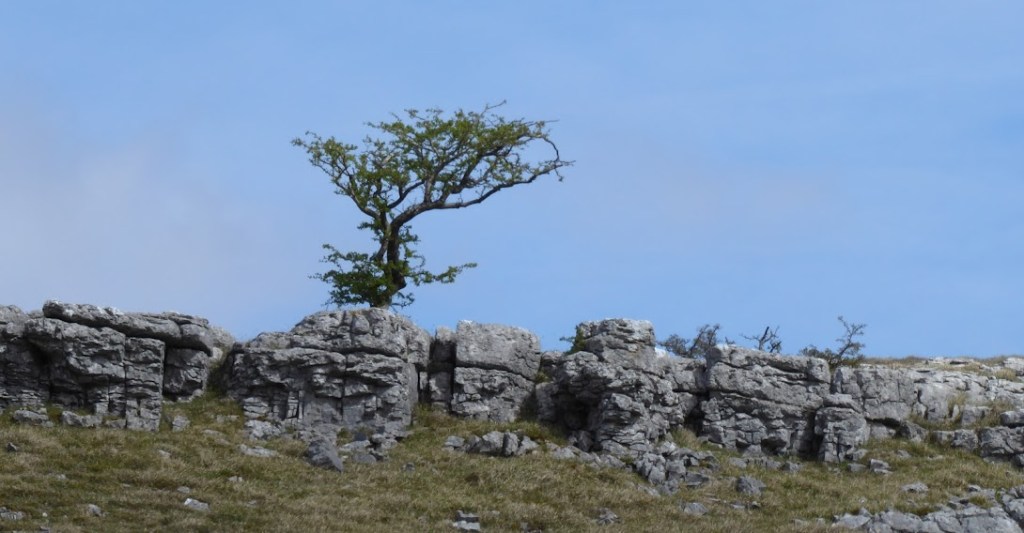
Near Grassington
The Nidderdale Way
Some of the Dales in Yorkshire
Since lockdown, I’ve appreciated the pleasures of walking alone. Undistracted by companions, I notice the sounds around me – the calling birds, the running water, the sighing wind, and observe more closely the changing seasons. While I’ll always enjoy a walk with a friend, I suspect that my love of solitary walking will continue.
Nosterfield Nature Reserve
The Ripon Rowel near West Tanfield
Local woodland
It was Amy who invited us to Keep Walking! for this week’sLens-Artists’ Photo Challenge #143. Thanks for this opportunity to indulge in a spot of nostalgia, Amy.
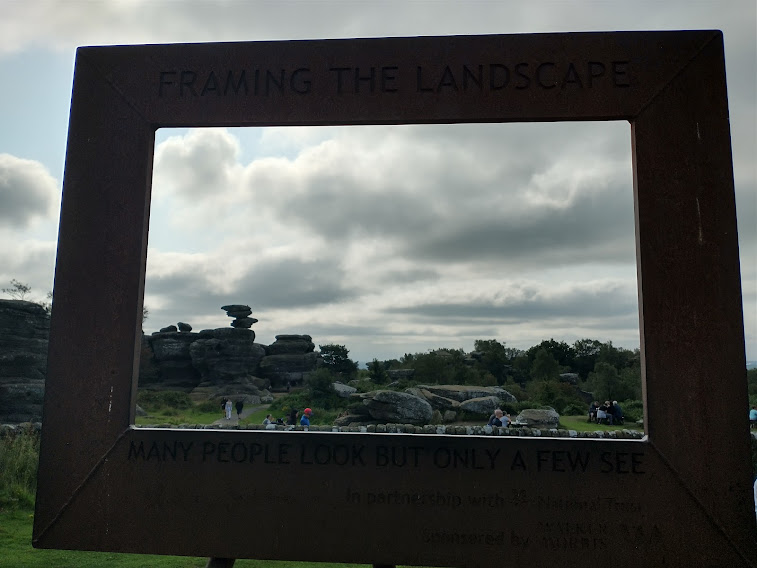
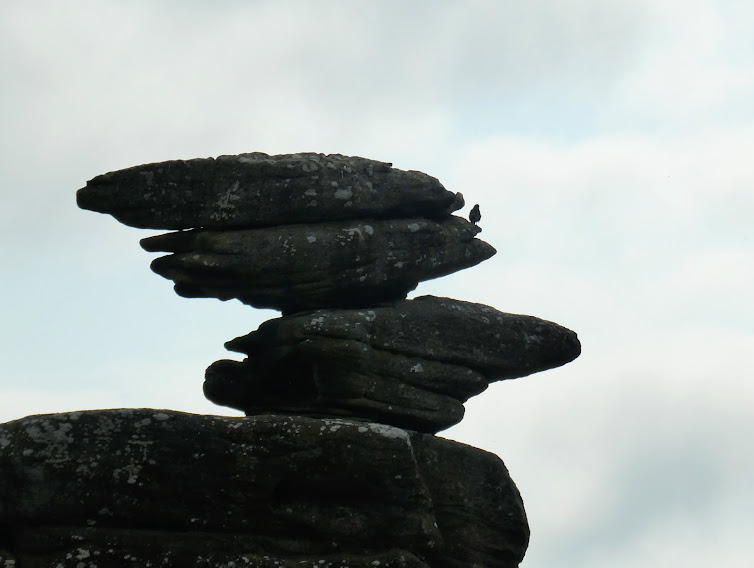
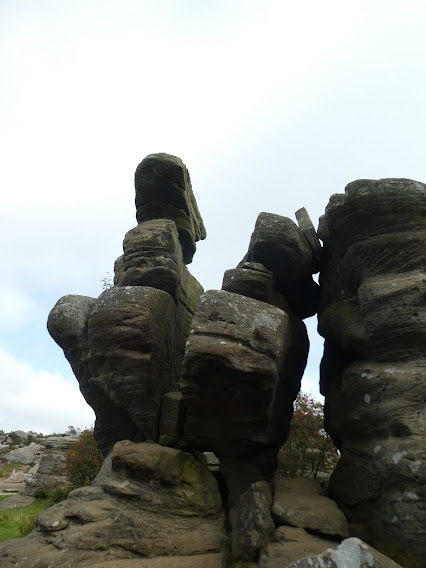
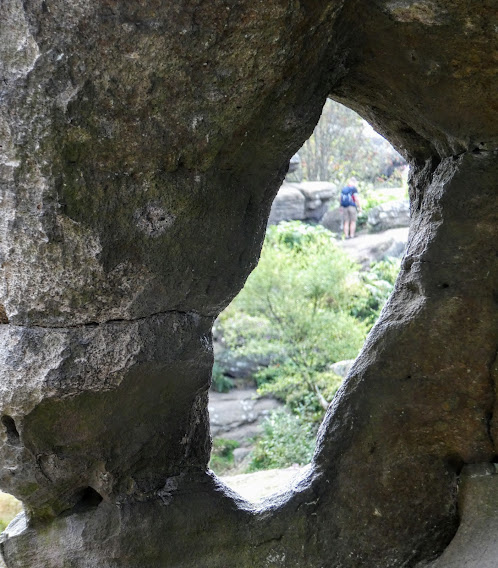
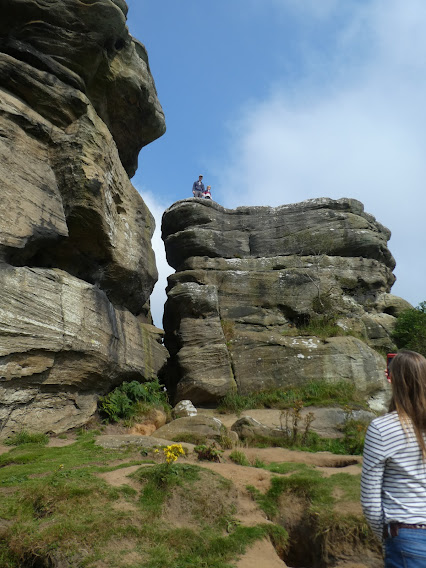
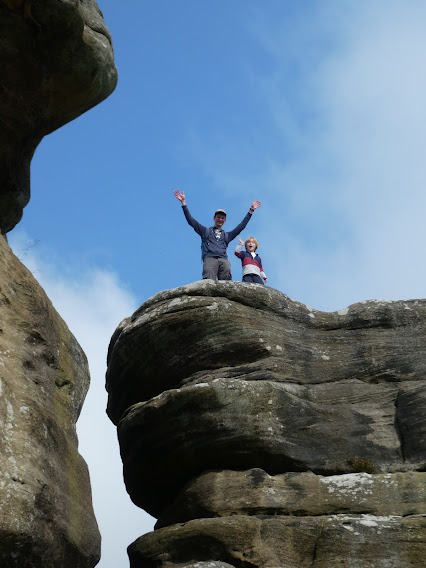
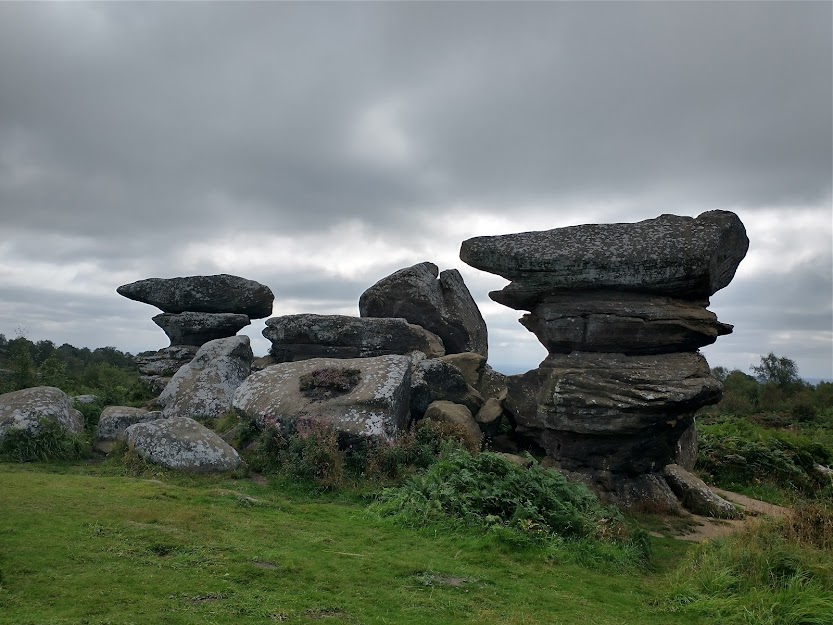
Brimham Rocks. A must-visit destination near where we live, simply to marvel at the unlikely tottering piles of fantastically shaped rocks gathered there, or, if you’re athletic and in touch with your inner-child, a challenging climbing frame.
These sandstone blocks were laid down and formed during the last 100,000 years – before, during and since the last Ice Age. Glacial action, weathering and water erosion have fashioned the rocks, leaving some apparently precariously balanced, as wind blasting continues to sculpt their contours.
During the 18th and 19th centuries, many believed that Druida could have been responsible for carving them. It was only in the 20th century that their origins became well understood, and we also came to recognise the wealth of natural life flourishing here: it’s now a Site of Special Scientific Interest.
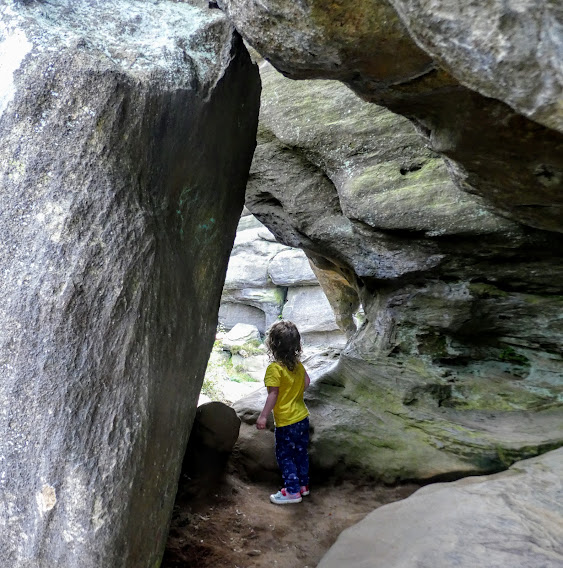
Not that William and Zoë cared when they visited last week. For them, this visit was an adventure. William climbed and Zoë looked for natural windows to gaze through. And asked to come again next time they visit.
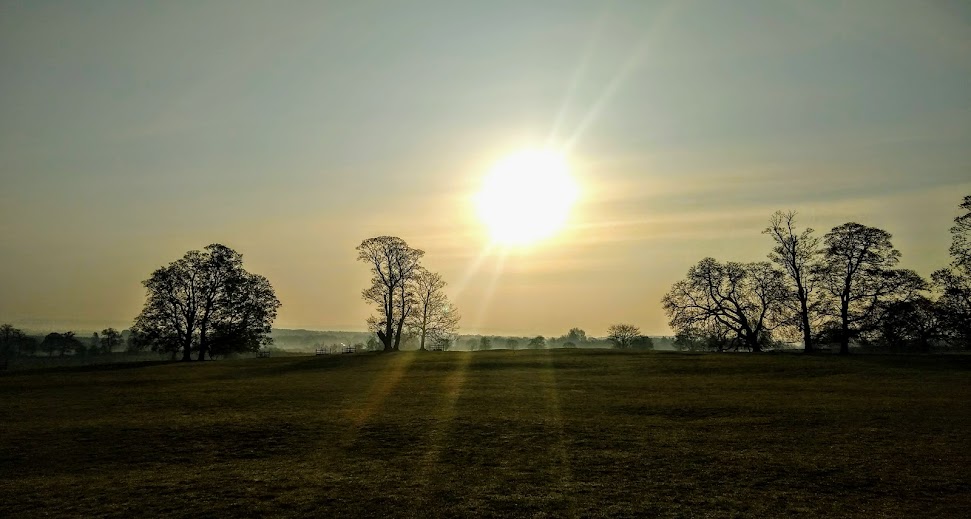
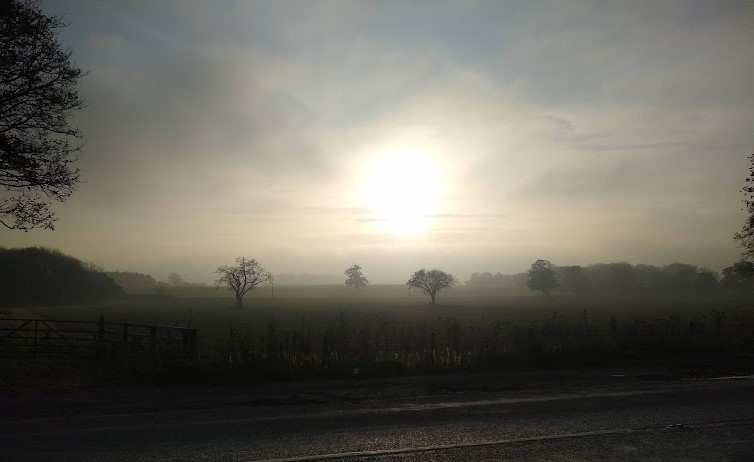
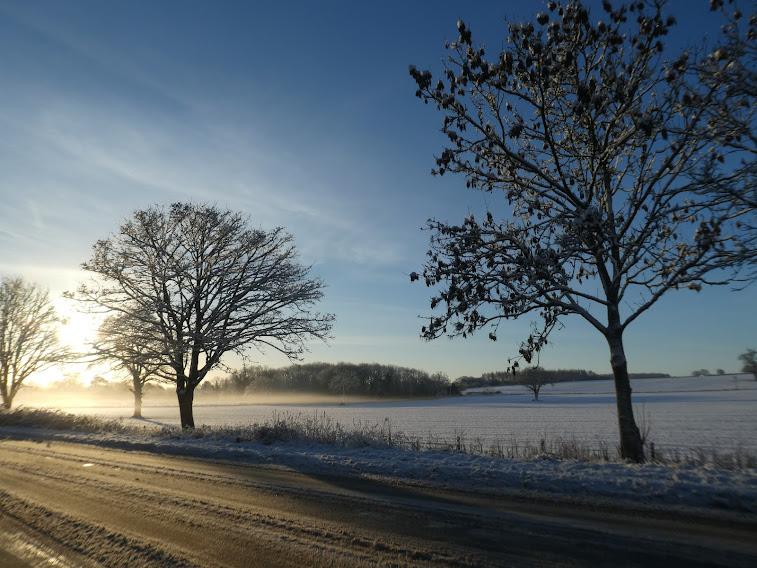
Tina’s asked us to consider light, in Lens-Artists’ Challenge #162. I decided I could do worse than wander about our own home patch, and go for a stroll that lasted from early morning to evening, from summer to a snowy day and watch how the light changes as the day wears on.
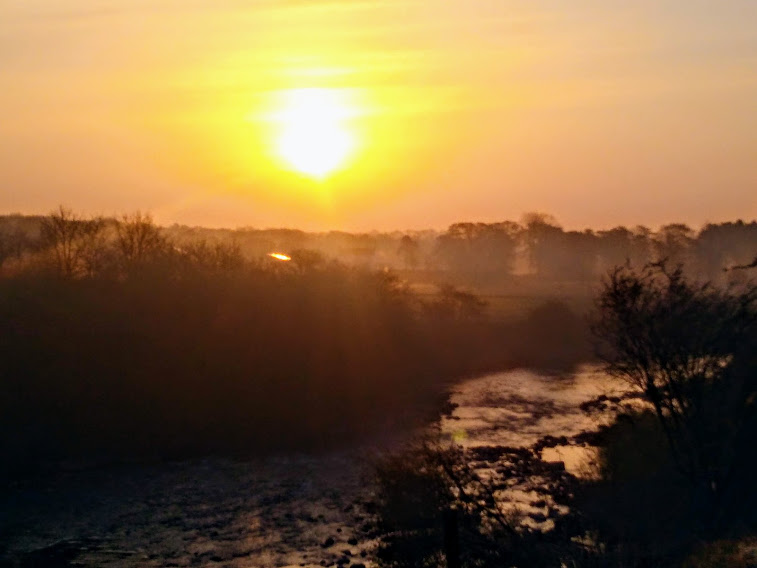
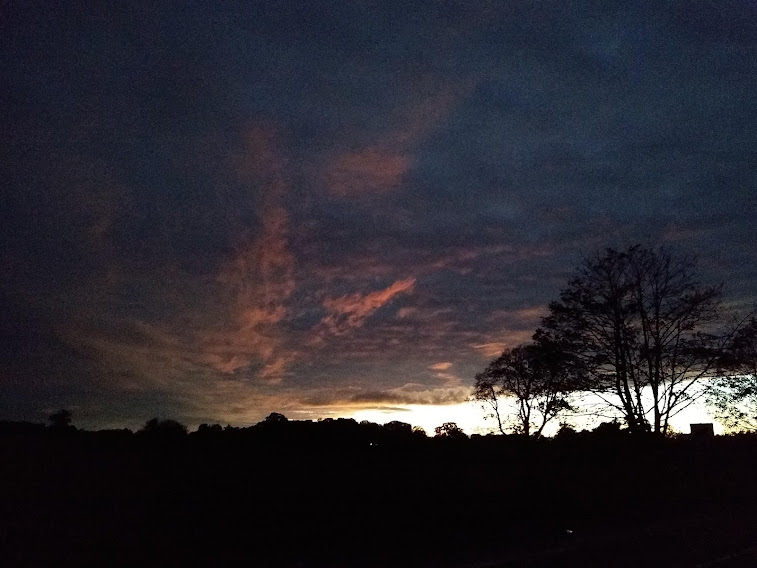
I got into the habit, during lockdown, of getting up bright and early to watch the sun rise. Here it is, over the River Ure.
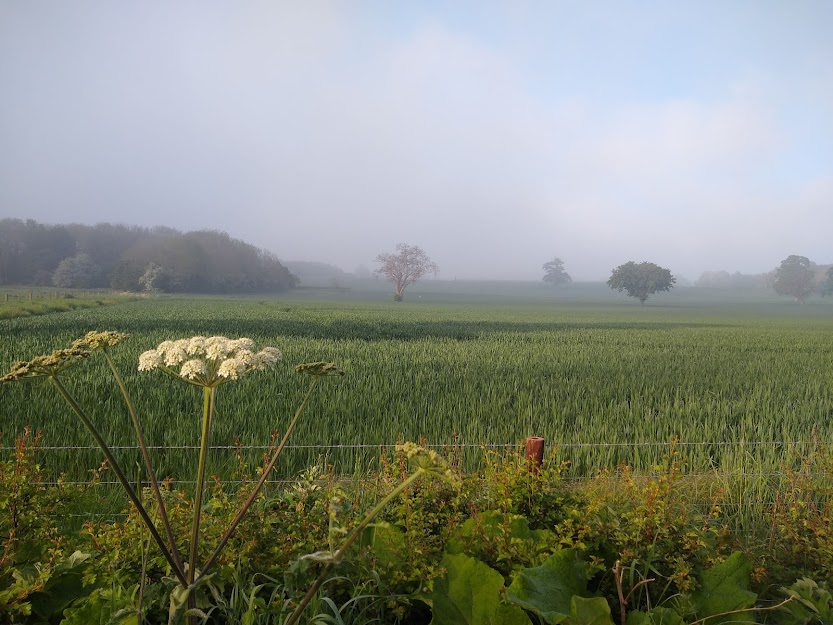
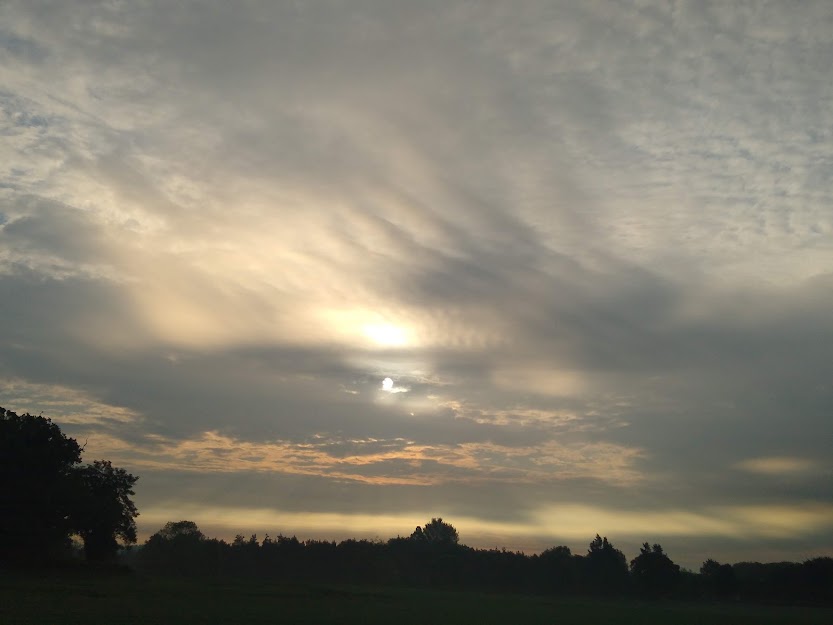
And here we are, never more than ten minutes away from home, in the morning, at noon, and at sunset.
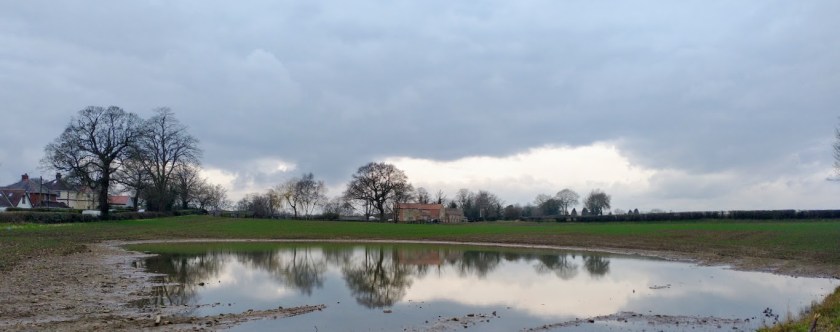
The last two are taken, firstly on one bright morning when there’d been so much rain the fields had flooded, and then later, one evening just as the sun had set.
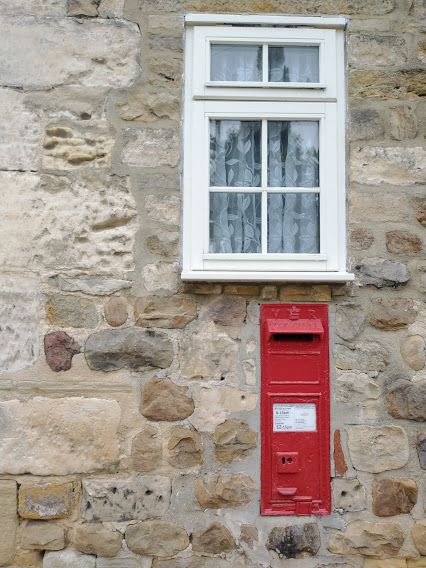
See this little window? It’s not very spectacular, being at one side of the old cottage shown in the featured photo, in the nearby village of Studley Roger. But I think it’s quite privileged. It’s just above one of the oldest post boxes in the area, one of the diminishing number of post boxes still to exist from the reign of Queen Victoria. Its design means it can’t have existed before 1857, and it’s certainly 19th century in origin. So the window earns its fifteen minutes of fame as a Monday Window, and the box itself as a bonus for Jude’s Life in Colour, which this month celebrates the colour red.
Everyone knows that when a castle or a church tumbles into ruin, it’s an opportunity for the locals. All over Europe and beyond, once majestic buildings have found new uses as humble farm labourers’ cottages, or a house for the local blacksmith, or … whatever’s needed really. Round here there are at least two houses whose builders hadn’t merely appropriated the stone, but also reinstated the windows found in a tumbledown place of worship.
This house is two farm-workers’ cottages knocked into one. The original tiny dwellings have been here for centuries: but being humble didn’t stop them from having fine windows once part of a church that no longer exists.
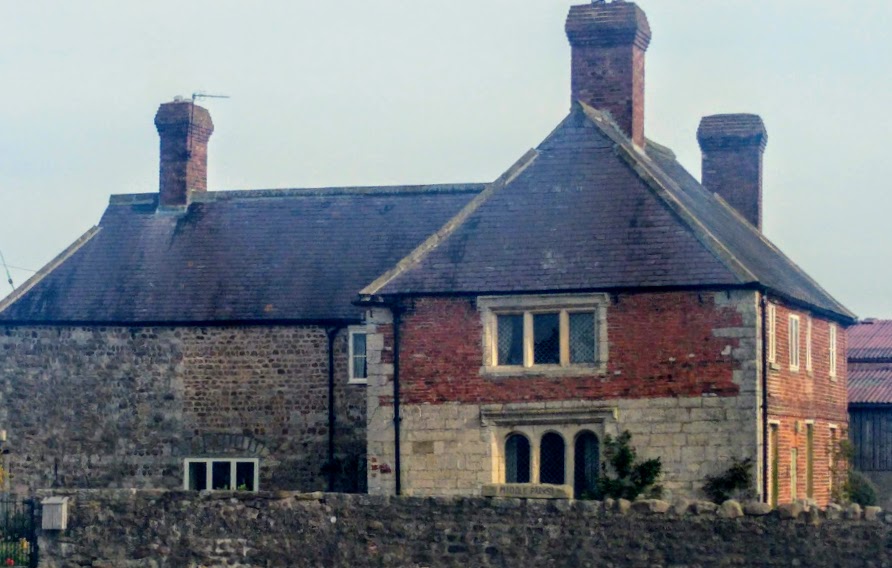
Not far away is a handsome farm house. That too benefits from a spot of recycling.
We’re less than a week into the month of May. Let’s mark the arrival of this lovely month by celebrating Beltane.
BELTANE AT THE ‘STONEHENGE OF THE NORTH’
May 1st 2016
Not much further than a mile from us as the crow flies, lies Thornborough Henge. It’s a prehistoric monument consisting of three giant circular earthworks. Constructed 5000 years ago by the first Neolithic (New Stone Age) farmers, it was probably an enclosure for their ritual gatherings. The Henge became an important centre in Britain for pilgrimage and trade, although its exact purpose still remains a mystery.
It sends shivers down my spine to think that this ancient piece of our history lies just a short walk from our home.
An ariel view of Thornborough Henges (photo courtesy of Historic England)
We can visit it any time we choose, simply to tramp round and try to imagine it in its heyday, and we’ll have the place to ourselves. Not on May Day though. Today is the Gaelic feast of Beltane, half way between the spring and summer solstices. It’s a day to mark the beginning of summer. Sadly, today is very cold, rather windy and a bit wet.
Back in pre-historic times, rituals were held on this day to protect the cattle, crops and people, and to encourage growth. Bonfires, deemed to have protective powers, were lit. For many centuries these practices died out. But nowadays, at sites like Thornborough, pagans, Wiccans, New-Agers and lovers of history and tradition gather once more to celebrate the renewal of life and growth.
Today I was there too. For an hour at least, for the opening ceremony. Brrr! It was cold.
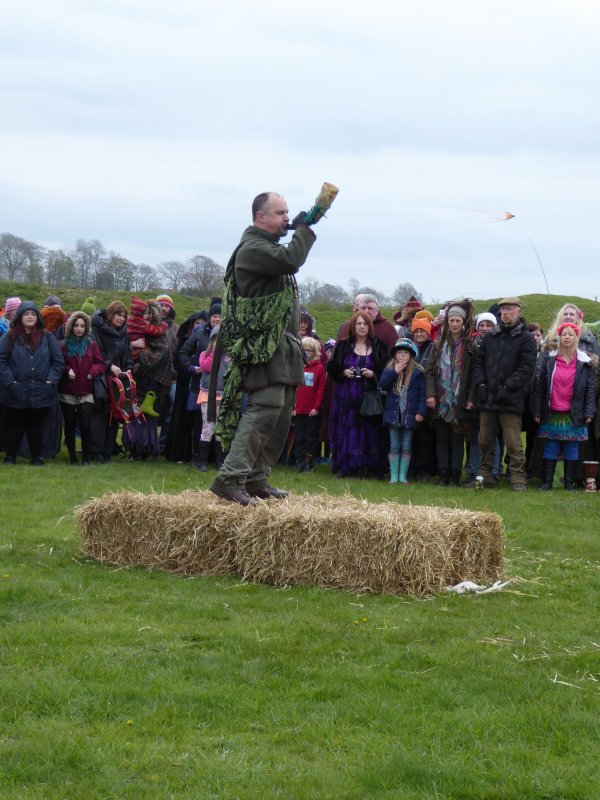
The Green Man and his horn.
I was strangely moved. The Green Man, representing rebirth and the cycle of growth was our Master of Ceremonies. He invited us all to join hands, whether friends or strangers, in fellowship, and shout out three times the invocation to new life. We hailed Brigantia, Celtic goddess of Northern England. Then at his bidding and as he sounded his horn, we turned to the east and welcomed the summer rains. We turned south to welcome the sun (who was coyly absent today), to the west to welcome summer winds, and to the north where the wolves apparently are.
Welcoming the West Wind.
Then a man, naked from the waist upwards save for his covering of woad-coloured paint, leapt among us bearing the flaming torches which would offer us all protection over the coming months.
Protective flames.
And that was the ceremony over. Dancers entertained us. They seemed to me to owe much to flamenco and to middle-eastern belly dancing traditions, but we all cheered them on with enthusiasm.
I shan’t be there this year for the closing ceremony. I’m still thawing out. But weather permitting, I’ll certainly go along next year. Will you come along too?
I’m sorry to say I’ve not been since. I would have gone this year, but … cancelled … Covid.
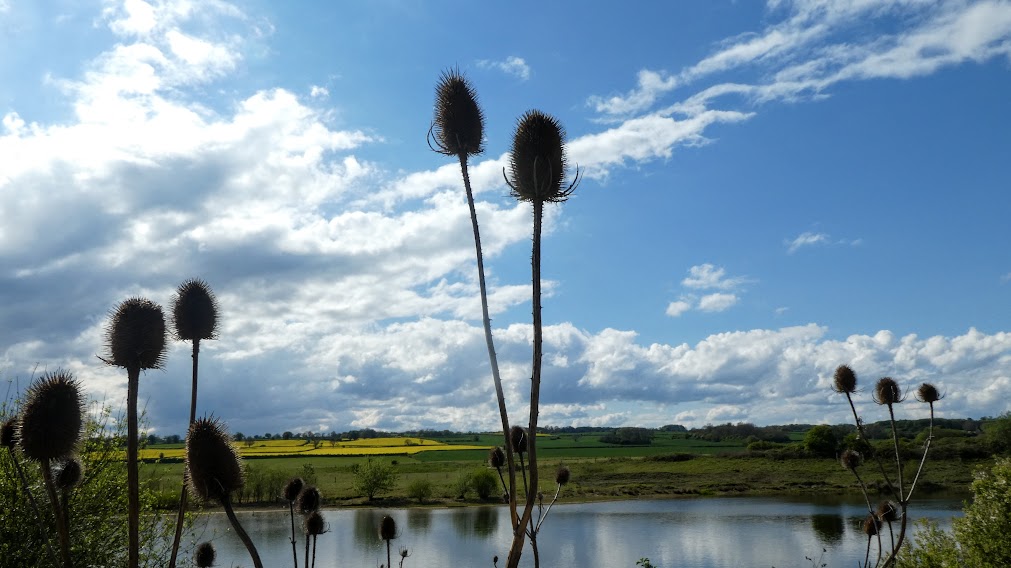
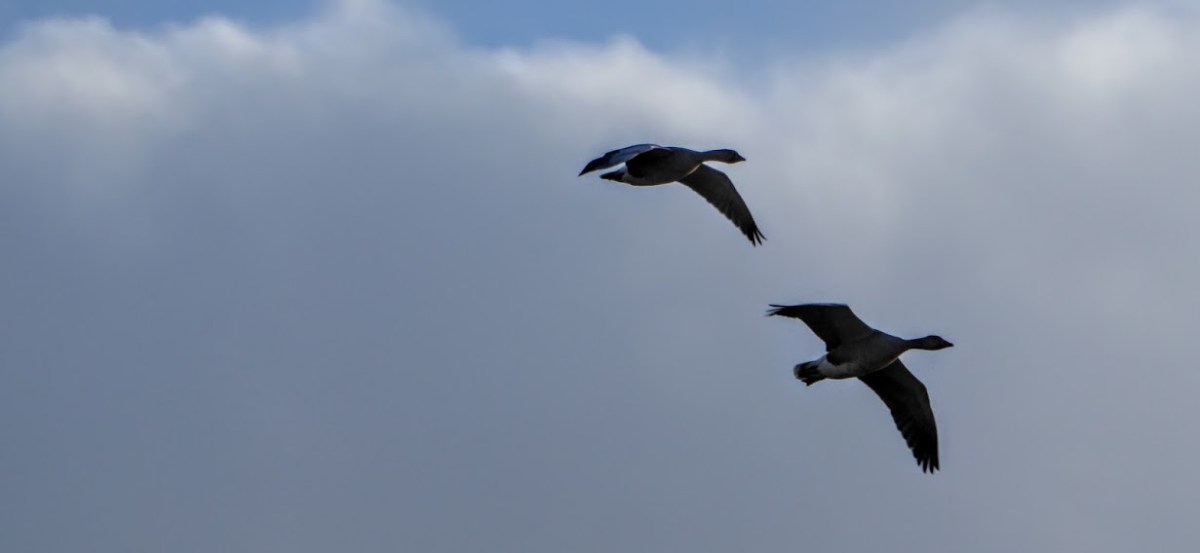
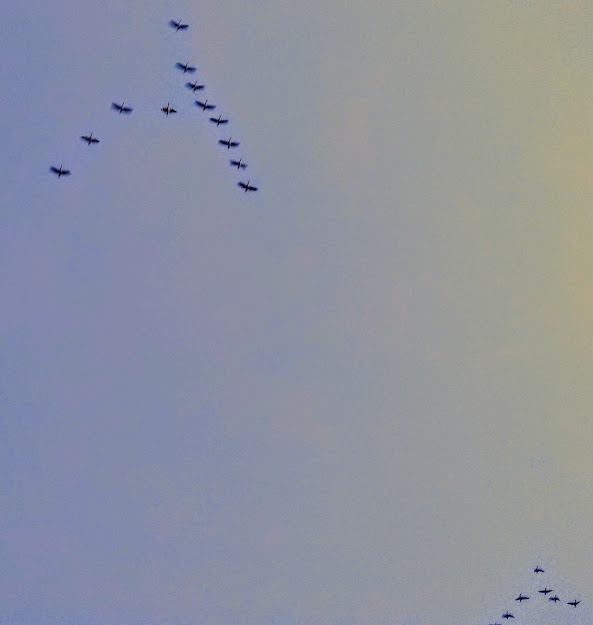
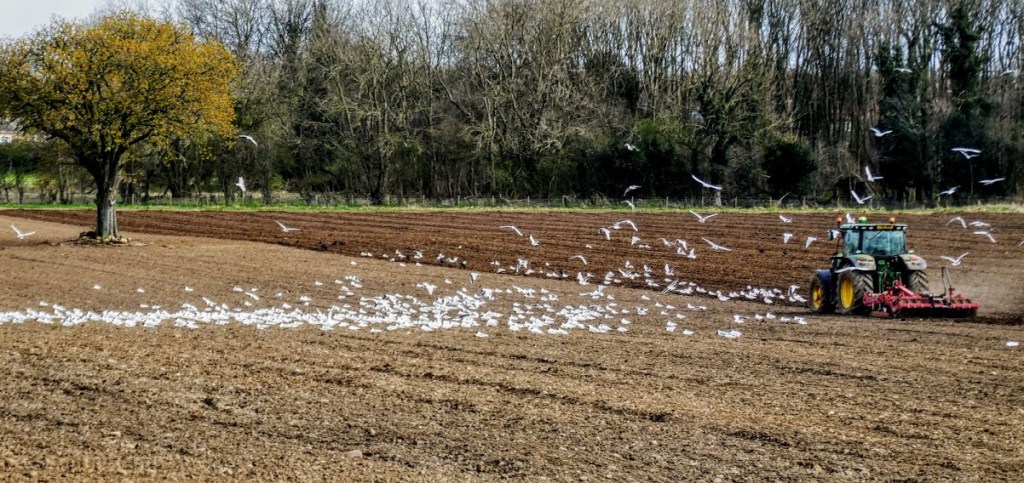
From a bird’s point of view, though not from a human’s, our local patch is a watery world. Our nearby town of Ripon has three rivers and one canal. The River Ure passes our house. Gravel extraction is a local industry, and once exhausted, these sites are made over to wetland nature reserves. Geese flock here. Autumn and spring are the times when large V-shaped formations pass noisily over the house, honking and calling. The feature photo shows just two – are they greylags? I don’t know. Herons are here – yesterday we watched as one heaved itself from the river, and, battling against the prevailing wind, launched itself towards a distant stand of trees, where it circled, circled, before finally finding its perch. Black-headed gulls follow the farmers as they plough and harvest. I was going to go on a trip to look at coastal birds too, but no – let’s stay local.
This is a frequent sight as I go out to hang the washing
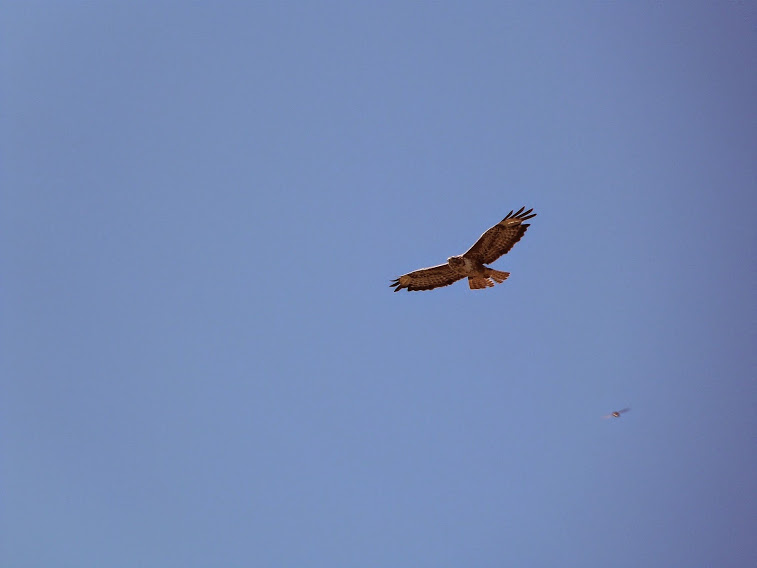
A buzzard on the wing
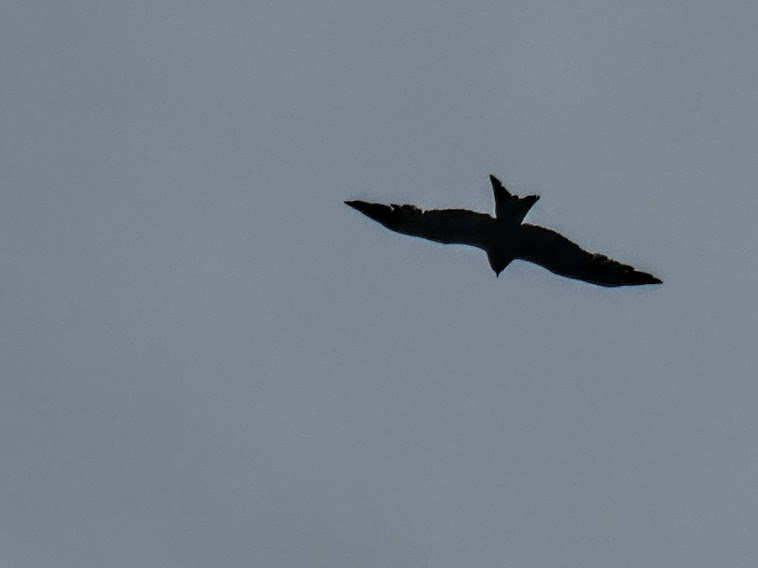
A red kite – they’re less frequent here, but common just a few miles further south
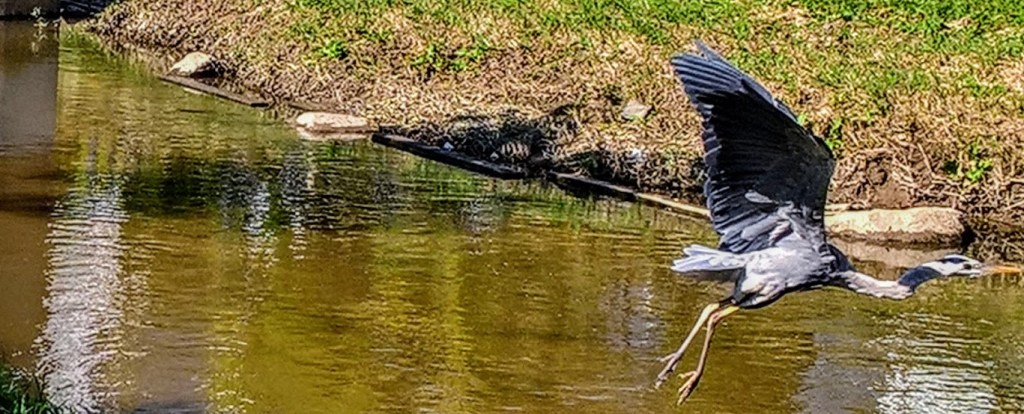
I’m cheating: this heron’s not local, not even British. It was spotted in South Korea. None of my local herons was in flight when I got my camera out.
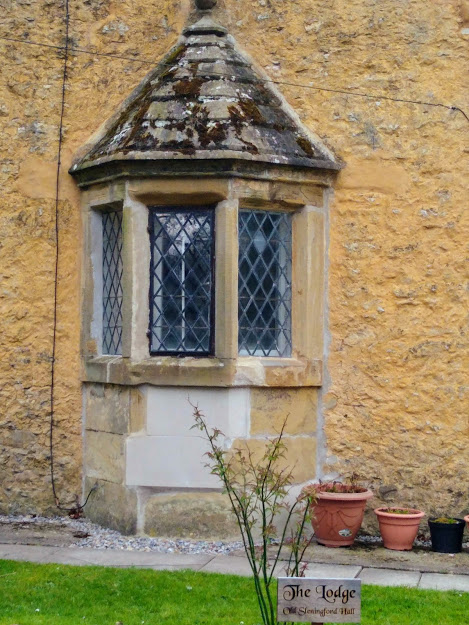
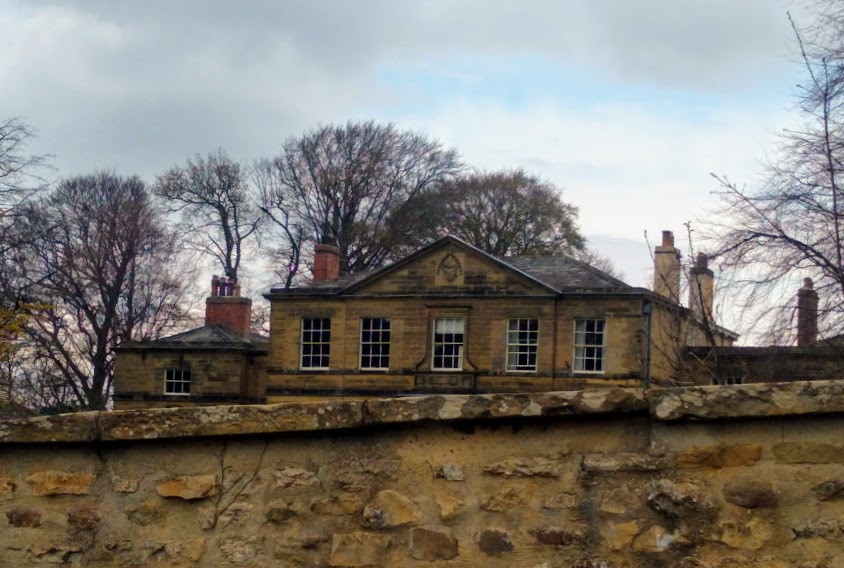
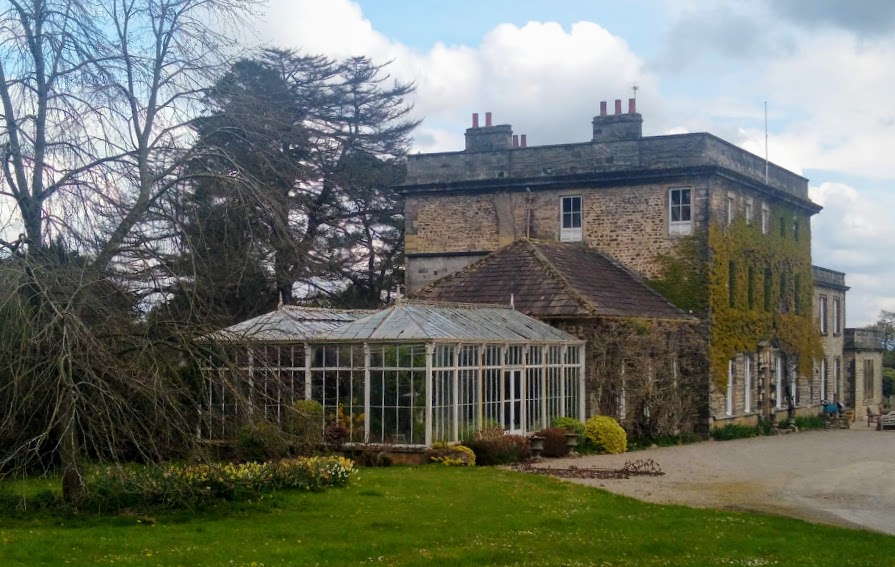
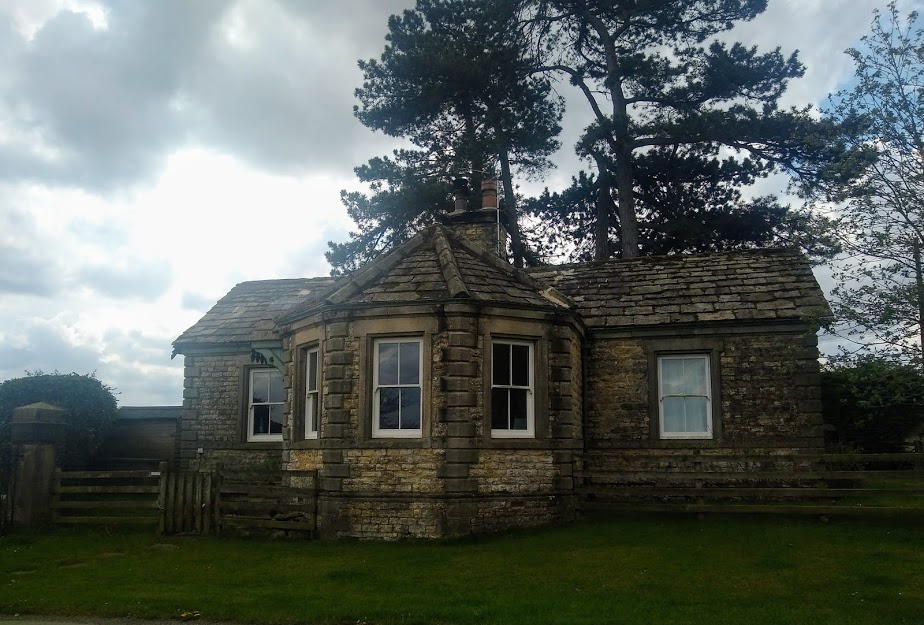
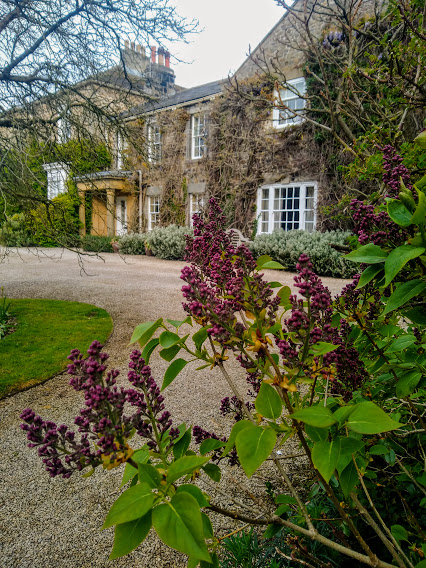
On the last day of April, I took myself for a short walk, from country house to country house near me. They’re all called Sleningford-something-or-other – Old Hall, Hall, Grange – in memory of the village of the same name that was ravaged by marauding Scots in the Middle Ages, never to be seen again. Though they had older antecedents, all these buildings are from the eighteenth and early nineteenth centuries, and they all mark pleasant pauses in our walking routines. Here’s the gatehouse to the first, Sleningford Old Hall, its window enabling the gatehouse keeper to keep his eye on all the comings and goings into the estate. Well, the last actually. I’m showing my last photo first, and working back towards home.
The gatehouse to Sleningford Old Hall
Only the upstairs windows of the house itself were visible over the high wall which maintains the owners’ privacy.
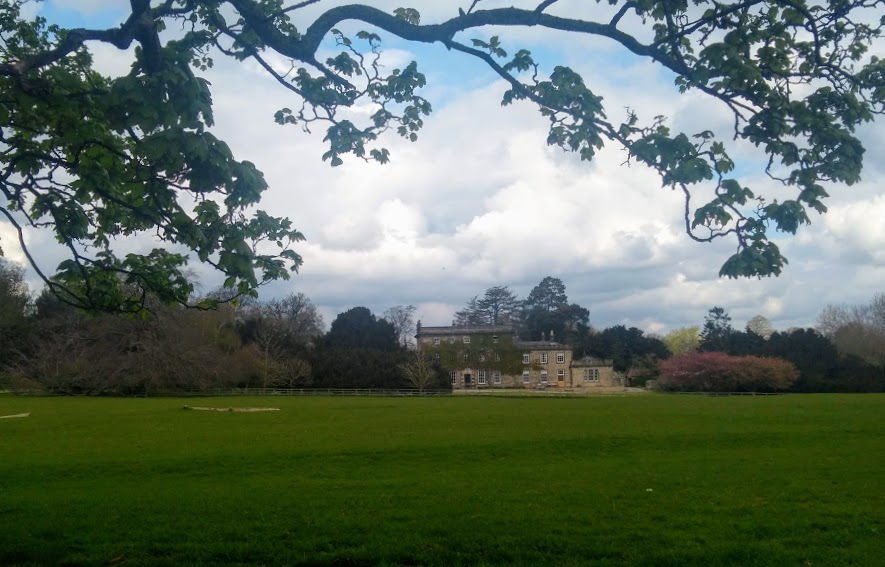
A mile or so beforehand, I’d already passed Sleningford Park and Hall. You can see the house set in its parkland in the feature photo. The conservatory has glass enough, and the gatehouse too has windows pointing in every direction to help the gatekeeper do his job.
I’d started from home of course, less than a mile before that. Not that we live in the house you see here. But we’re lucky enough to live in its grounds, in a rather simpler dwelling, which has its own long history – that’s for another day.



















 From Pyrenees to Pennines
You must be logged in to post a comment.