This week’s Lens-Artists Challenge invites us to stay local. After a bumper month of travelling, that’s not at all a bad idea. But how local is local? I decided I’d confine myself to the sights we see just a few metres from our house: or as Boris Johnson might say, a few yards.
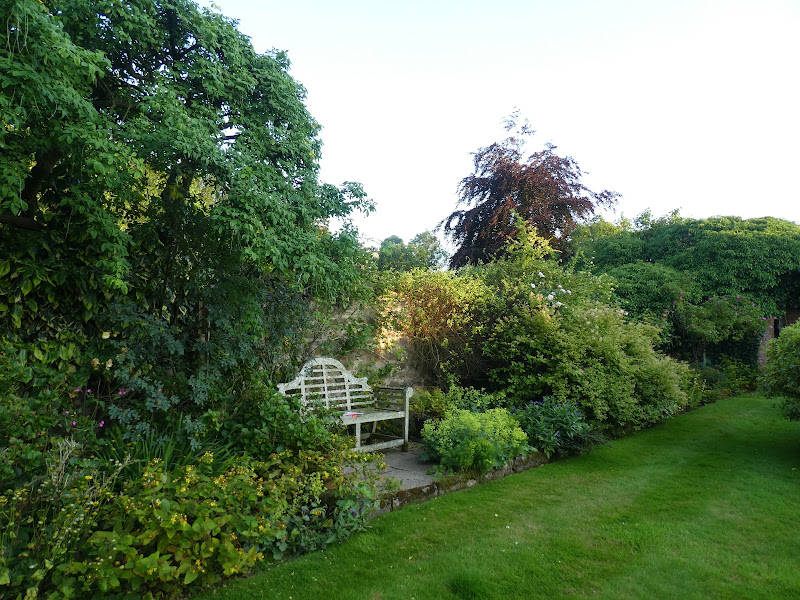
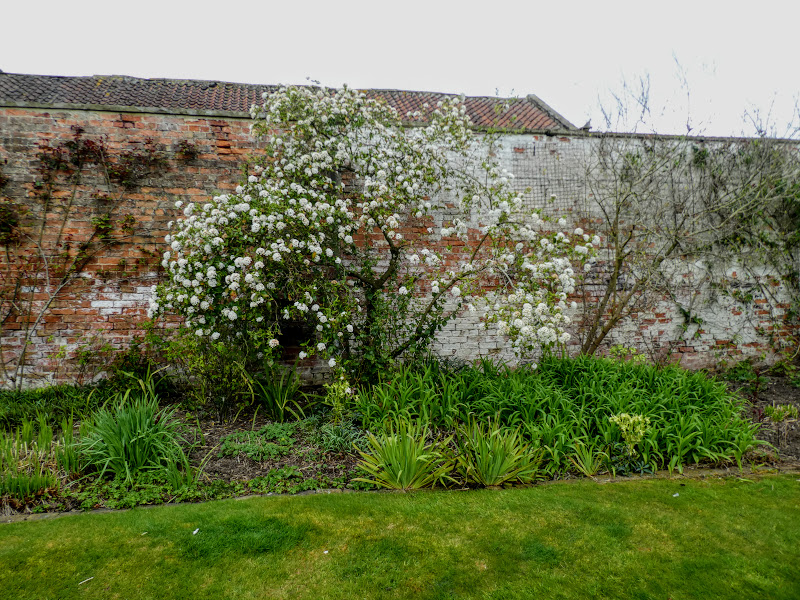
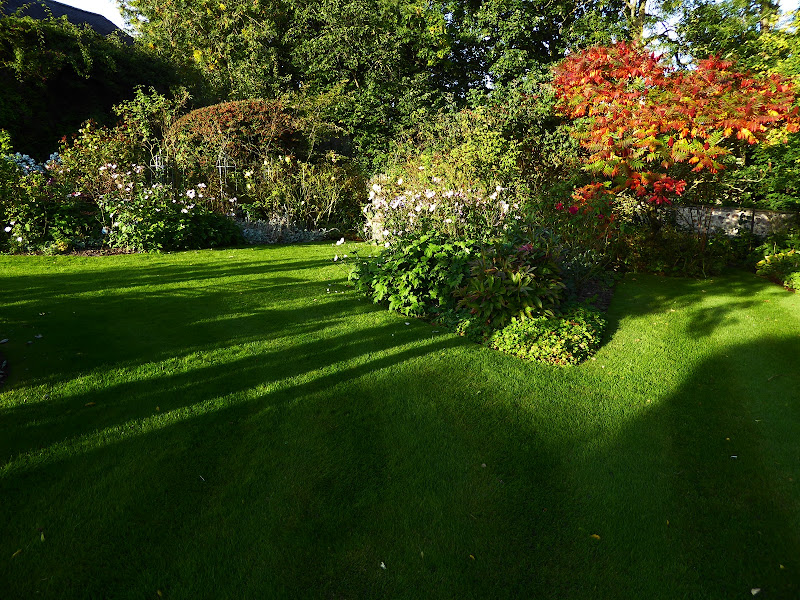
When we came back from France eight years ago, we needed a base from which to hunt for our Forever Home. We found something interesting to rent at the edge of a village just beyond Ripon. It ticked not a single box: it wasn’t within walking distance of shops and amenities; it had no garage (for junk-storage, not the car), and it had no garden of its own. Still, for a few months, it would be fine. We’re still here, and have no plans whatsoever to move on. And one of the reasons we love it so much here is that we share the use of this walled garden with our landlords.
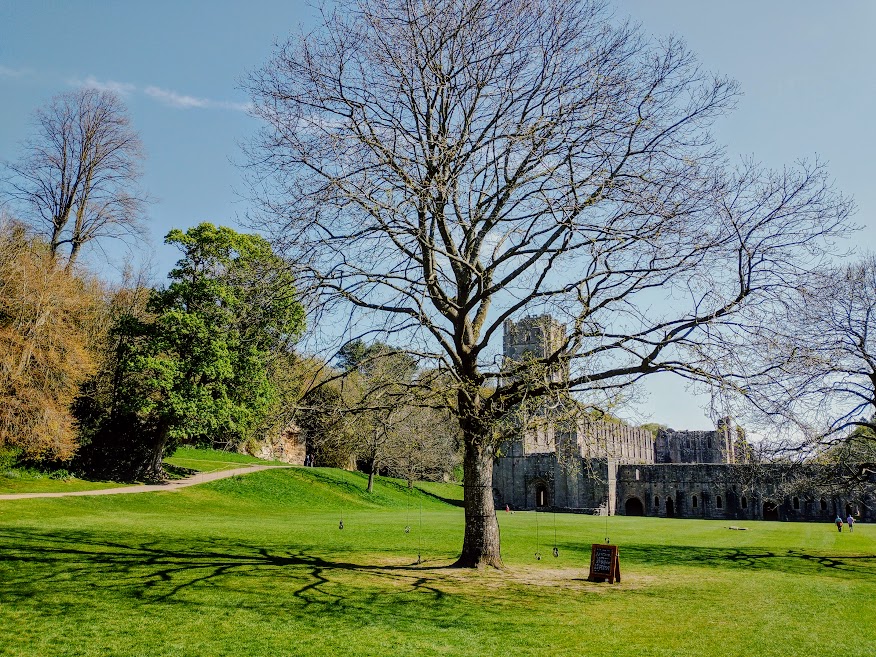
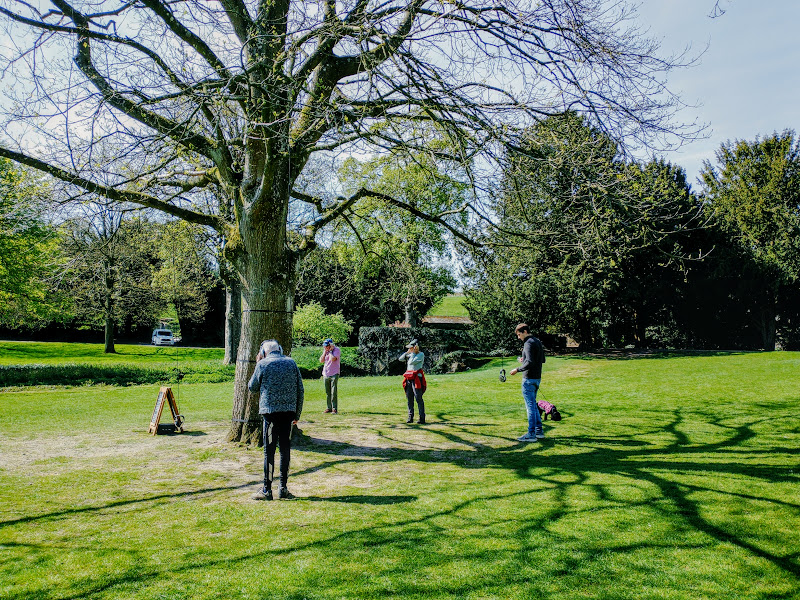
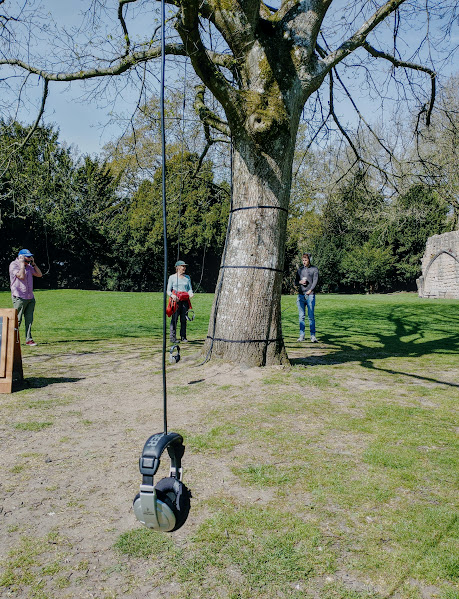
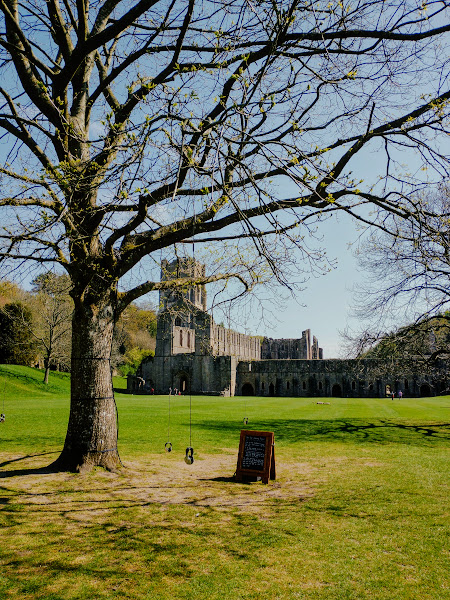
As you wander down the hill to Fountains Abbey, and arrive at West Green, you’ll spot a tree, a sweet chestnut tree with – how odd! – a girdle of headphones hanging from its branches.
This information board explains all: these headphones enable you to listen in, via highly sensitive microphones, to the hidden sounds of the tree.
Truly – it’s astonishing, mesmerising. Just as our blood courses round our body, day in, day out, so water and air courses constantly through the tree. Through headphones, it sounds something like the tinkling of a mountain stream as it tumbles over pebbles. And behind it, as your ears adjust, there’s a low, more intermittent soft rumbling sound. This is the tree moving. Saturday was a still day, but we could hear that rumbling as we listened closely. On a windy day, I wonder what we’d have heard?
This next photo is the last I took, and the last one of all for April, so one for Brian Bushboy’s Last on the Card
During May, I’m taking a break. I probably won’t even have a chance to read the posts of those of you I follow. When I get the chance though, I’ll try to send a virtual postcard or two.
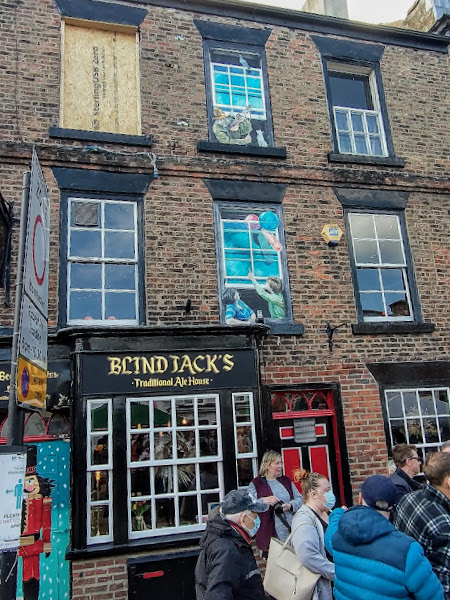
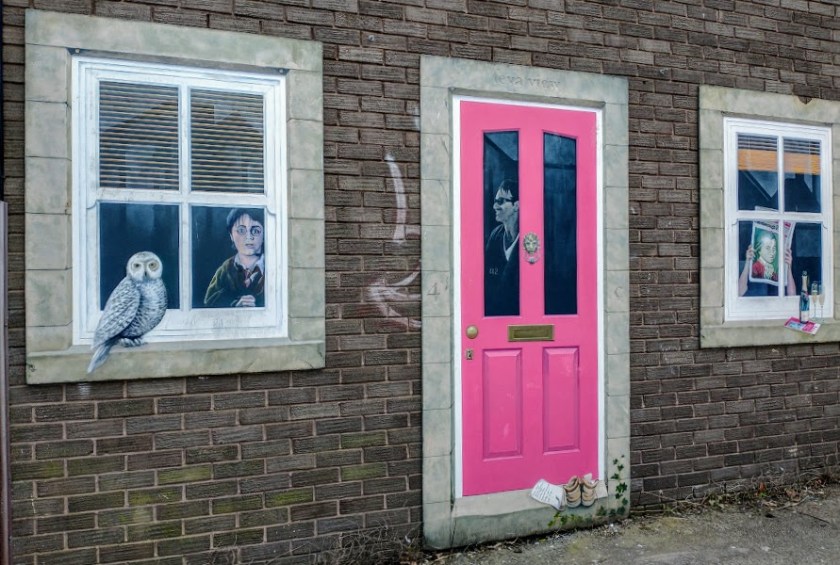
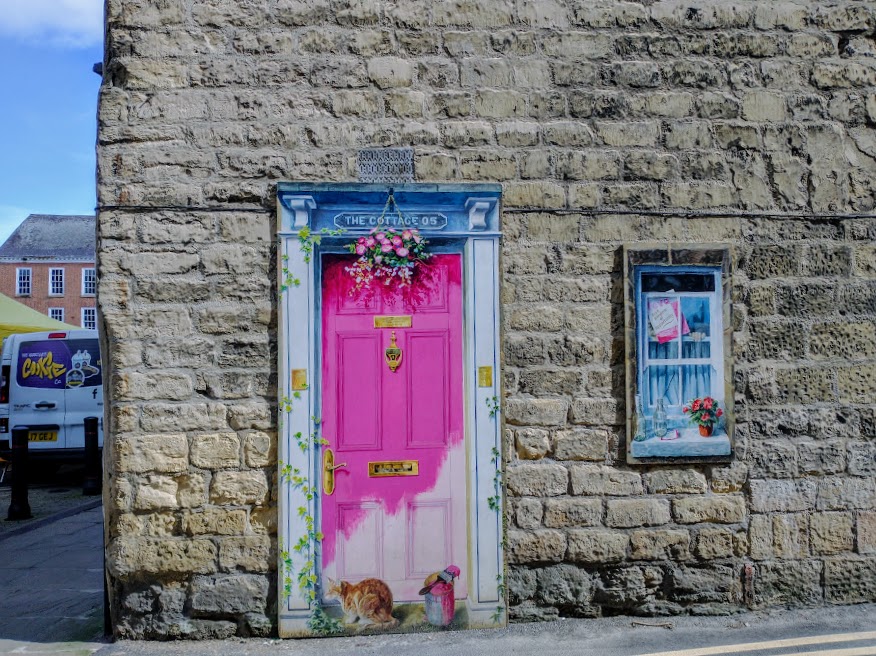
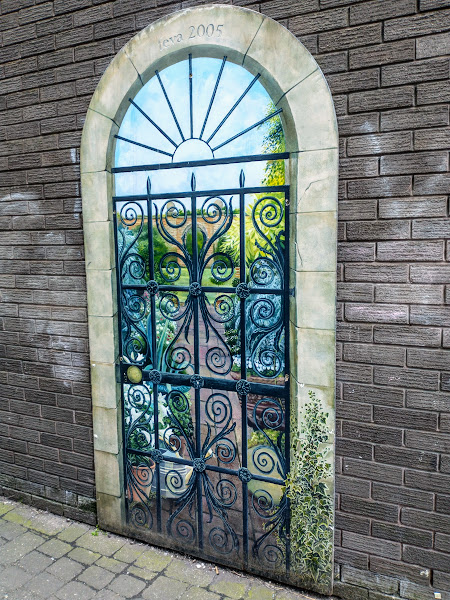
Knaresborough is a characterful town just along the road from us. And one of its characterful features is that around any corner, you may find a house with a deceptive window or doorway. These are not real windows and doors, though they’re painted to look authentic enough. They’re trompe-l’œils. One day, I’ll produce a town trail of all of them. For now, here’s a taster from our visit on Saturday.
Two windows above …… Blind Jack’s. We’ll tell his story another day.Anybody famous here?An extra door, and extra window on this house…A view into a garden from sunnier climes
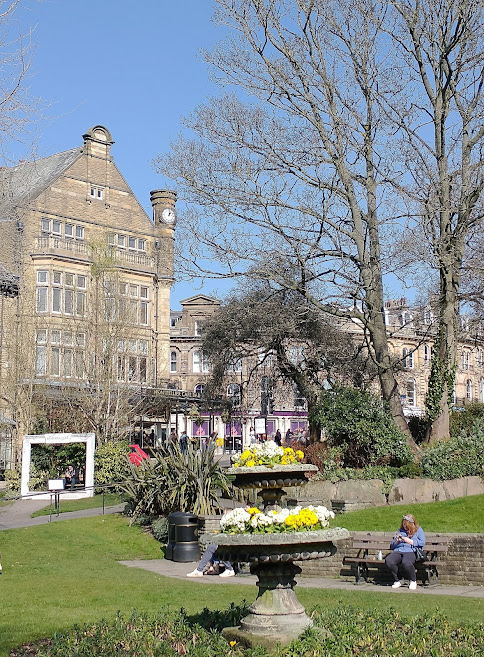
Here’s Harrogate yesterday, enjoying the first true week of spring.
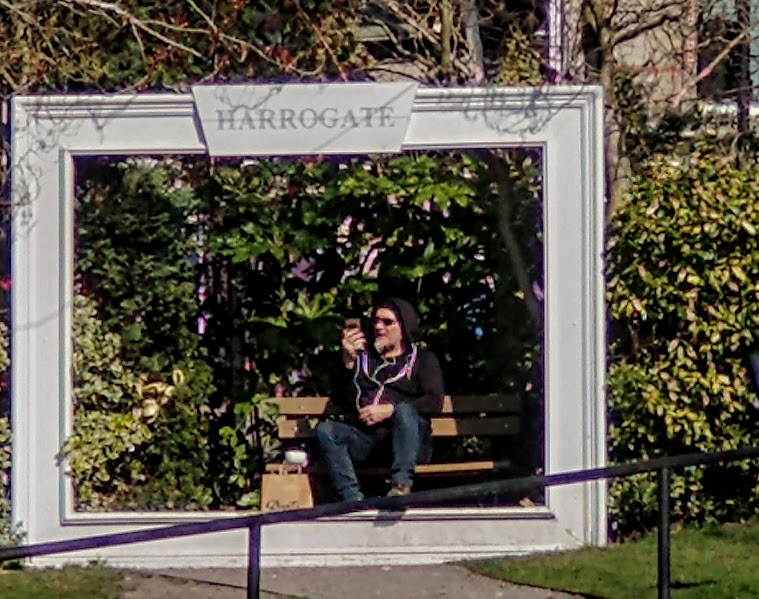
The building with the turreted clock is the famous Betty’s Tea Room. But we won’t go there today. Instead, we’ll have a picnic later, in the Valley Gardens. That white rectangular frame you can see is a favourite family-photo spot. If you haven’t got your family with you, best take a selfie …
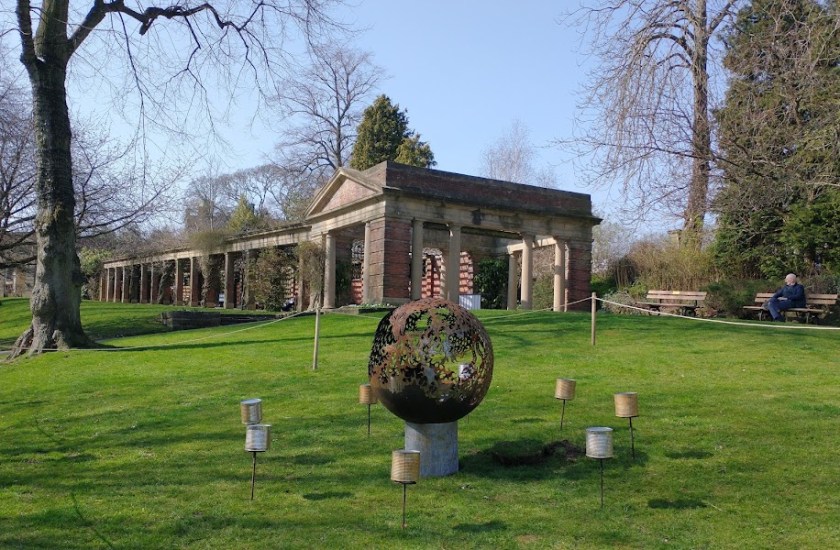
Next stop, Valley Gardens. It’s all tricked out at the moment for a Fire and Light Experience. We’ve been to one of these festivals before, in 2016, and it was fabulous. But we’re still too post-covid flattened to feel like an evening out. So we’ll just enjoy the braziers and installations set in place …
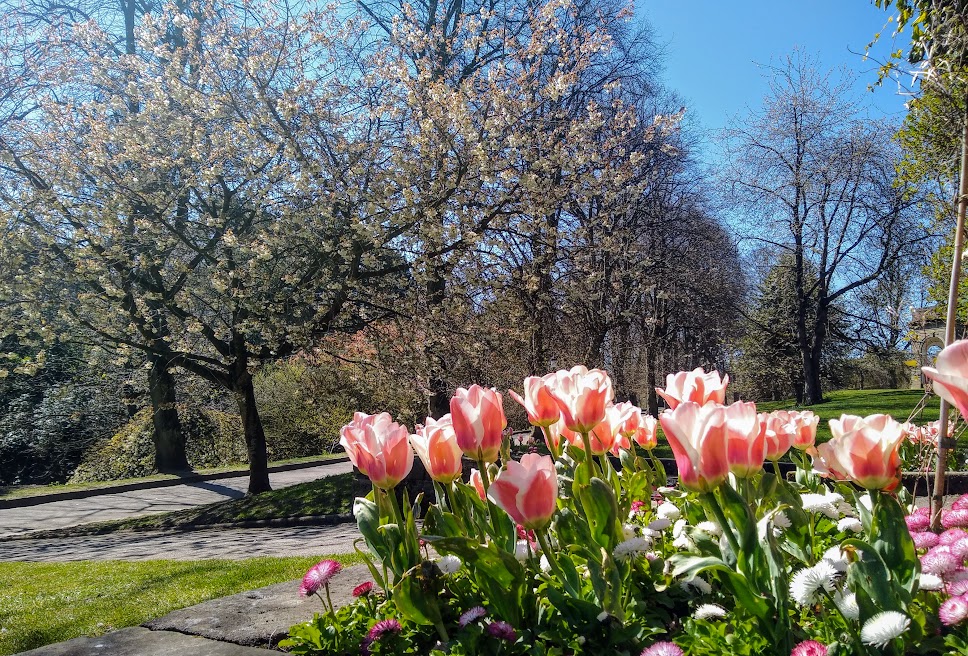
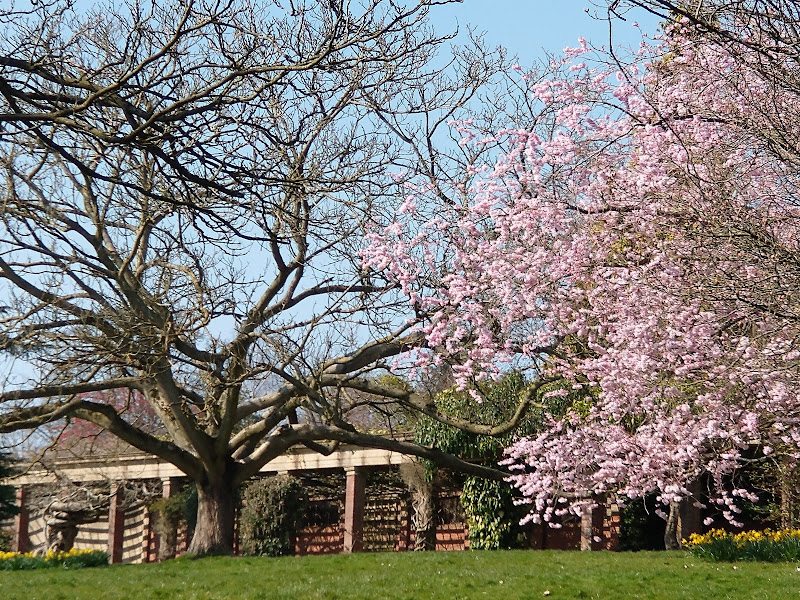
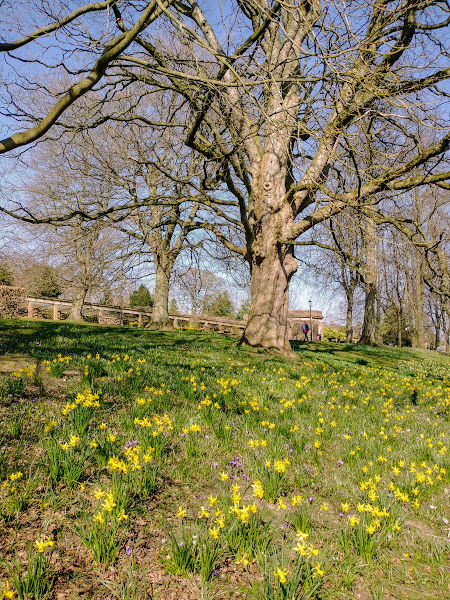
… and focus on the blossoms and spring flowers instead.
Just a short walk. But it’s enough to change our mood and lift our spirits.
For this week’s Lens-Artists Challenge, Ann-Christine asks us to think about curves. What a big subject! Flicking through my photos, almost every one has a curve in it somewhere or another. How to limit it? In the end, I decided to go with curves-as-frames.
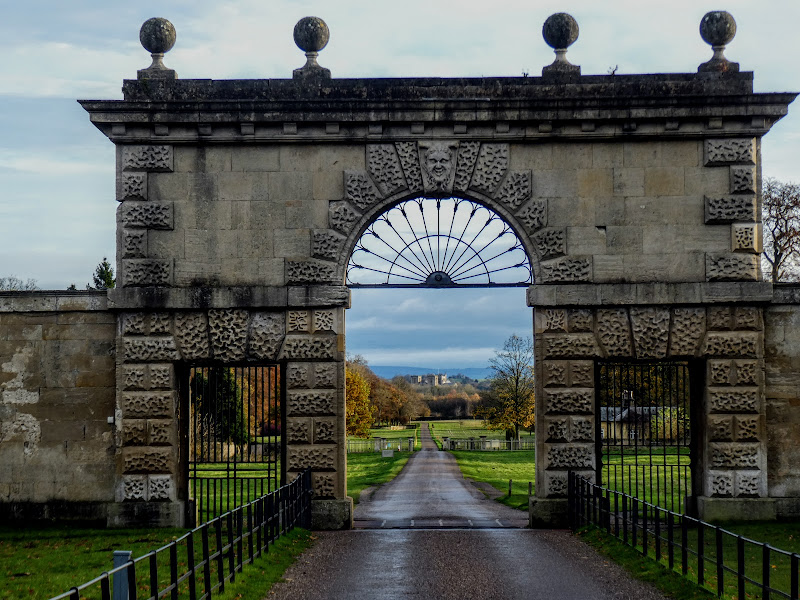
There are deliberate curves as framing devices, as here in Studley Royal, where the estate gates are placed to emphasise the view straight down towards Ripon Cathedral.
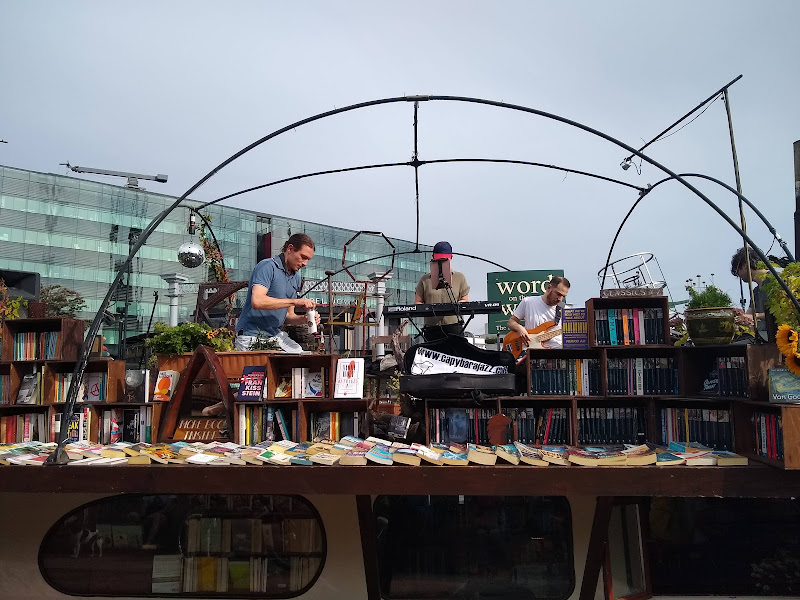
Or here where the band on a bookshop barge on the Regent’s Canal in London has organised an arch above the musicians.
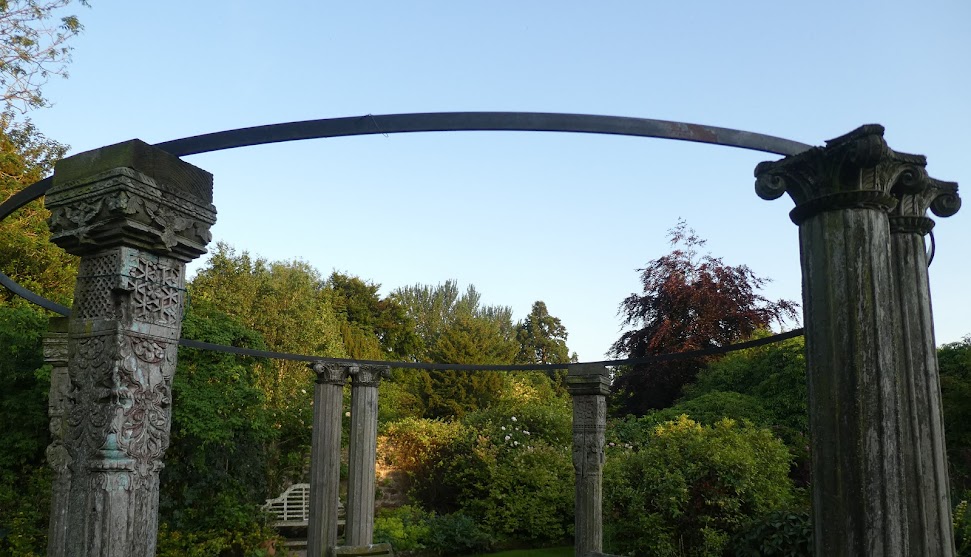
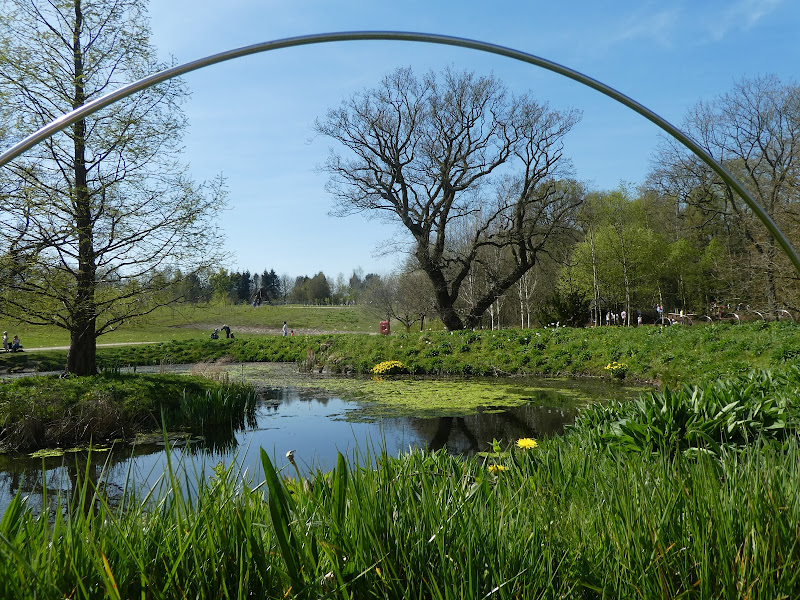
Or here, where a metal arch has provided an impromptu frame, so long as you choose your point-of-view. This is Harlow Carr Gardens, Harrogate ….
… or here, where a handy metal arch can be encouraged to frame the Maritime Museum in Barcelona.
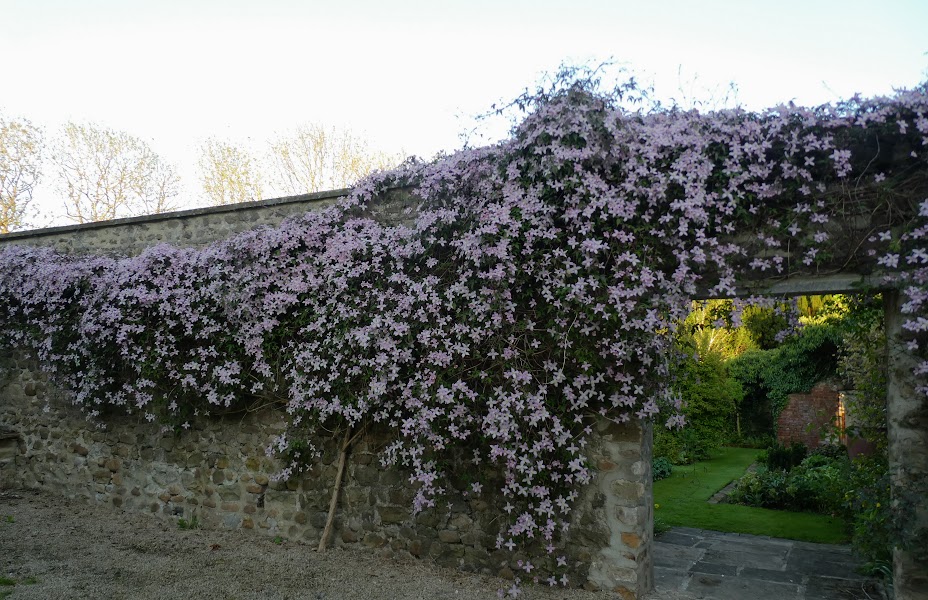
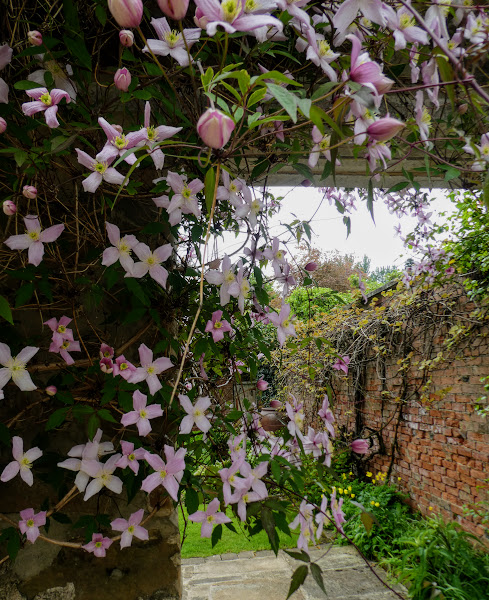
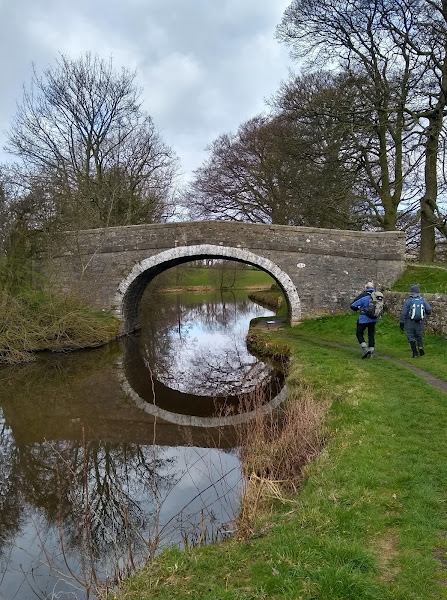
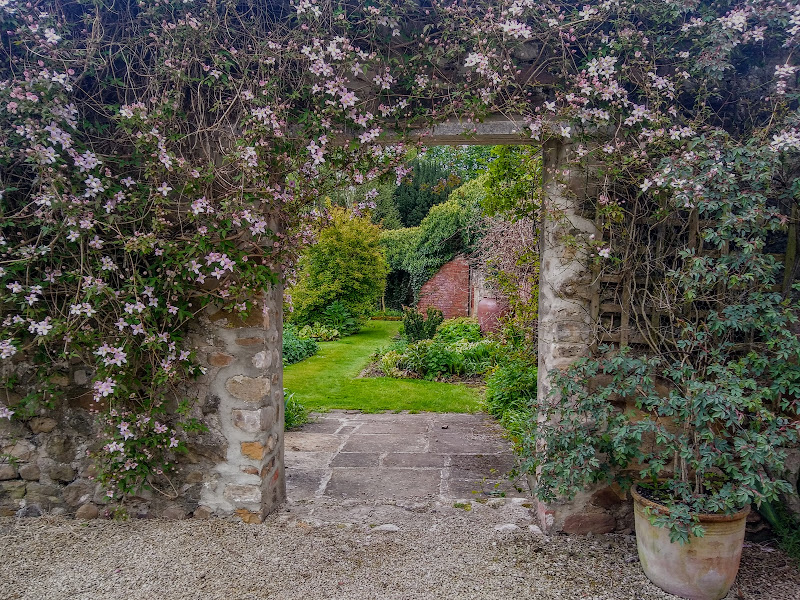
Bridges may be arched, and garden entrances, even if not curved themselves, are often softened by climbing plants.
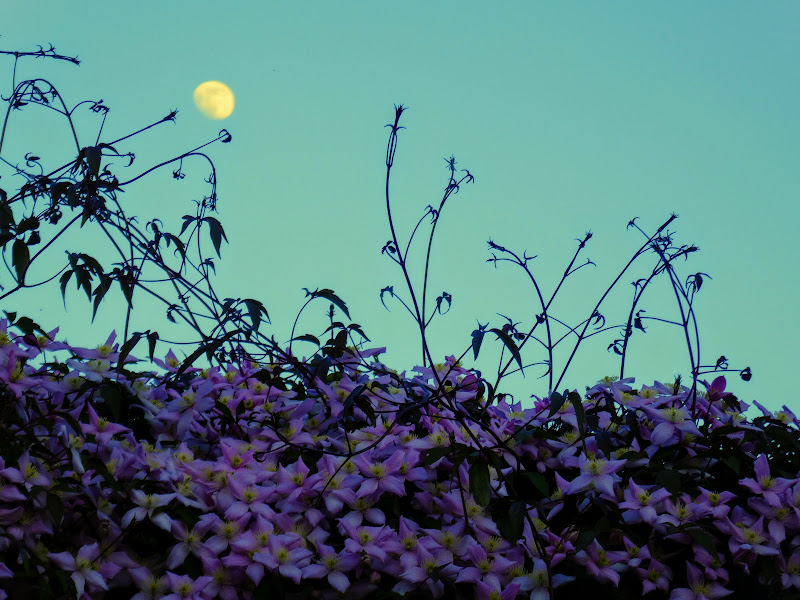
Leeds-Liverpool Canal near GargraveWalled garden with clematis.
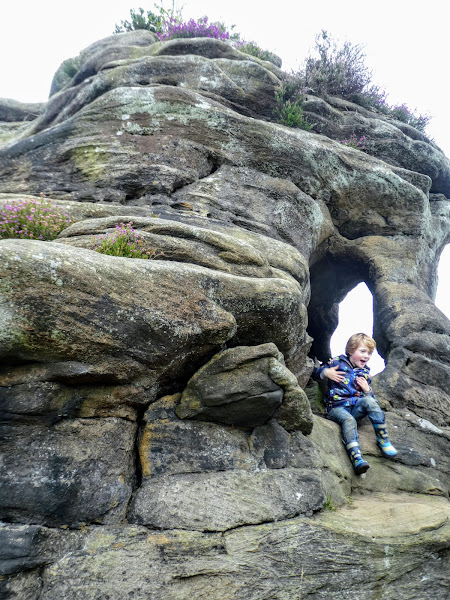
Let’s go to more serendipitous framing in the natural world. Here’s my grandson at Brimham Rocks.
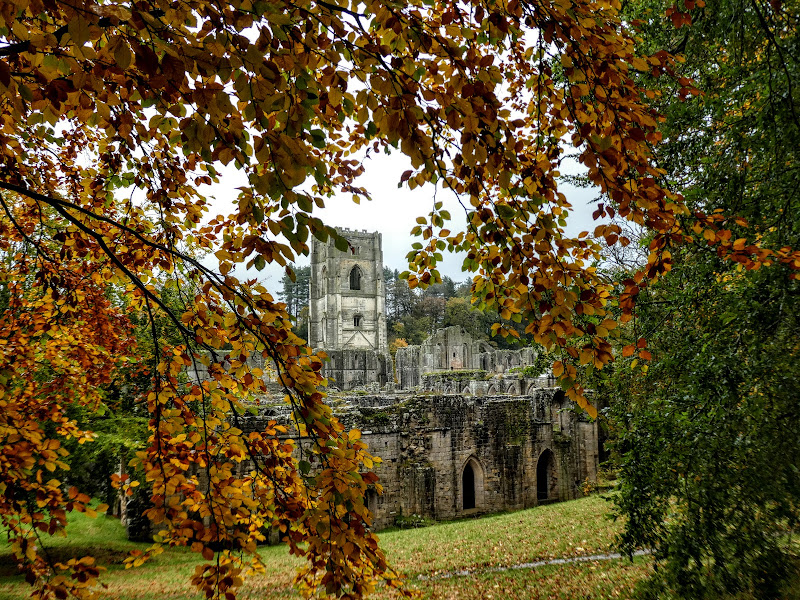
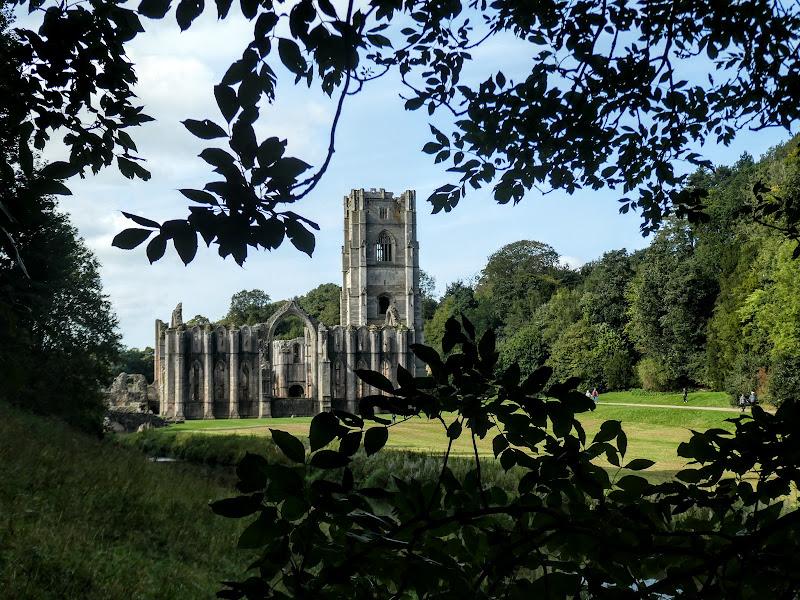
And finally, we’ll go to Fountains Abbey, where I spend so much time. I’ve chosen two different views of the Abbey, one taken in high summer, then the other, shown as the featured image, in autumn. In each case, Huby Tower has been framed by leaves cascading in gentle curves.
Over the years, I’ve taken you all on walks around Yorkshire. We’ve strolled along riversides. We’ve had woodland walks at wild garlic and bluebell time. We’ve gone into the Dales, both the gently rolling hillsides, and the bleaker heather-covered moorland, enjoying distant views of the Pennines. But one thing we haven’t done is have a Thoroughly British Winter Walk.
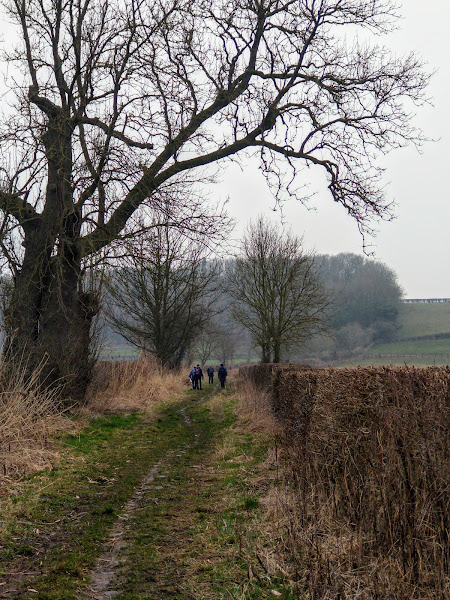
That’s what we did the other day. And by the time you get to the bottom of the page, you’ll be mighty glad you’ve only had a Virtual Walk. Our friend Chris had planned it: just a leisurely six miles or so morning’s walk, taking in three pretty villages between Harrogate and Ripon.
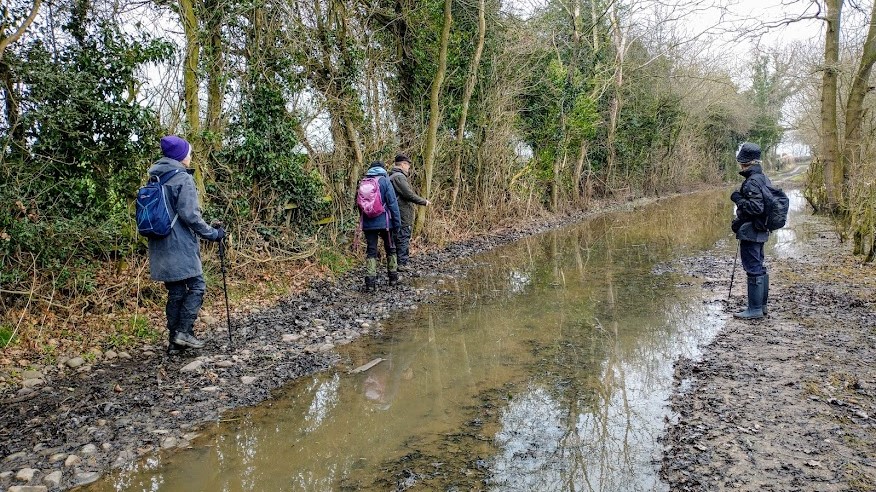
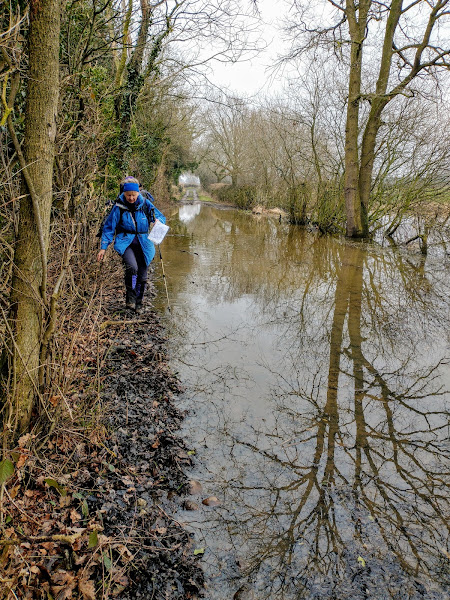
It didn’t begin well. Half a mile in, this was the path.
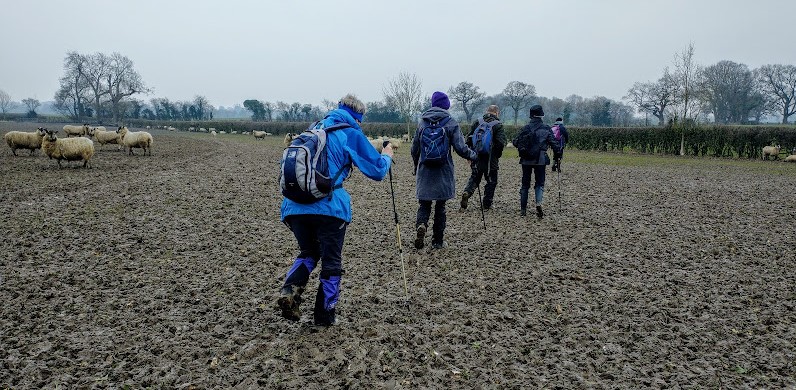
No, that’s not a stream, it’s the path. Heads bent over the map, we found an alternative, and that wasn’t so bad. Sodden fields, gloopy mud-slicked paths. But passable. Just.
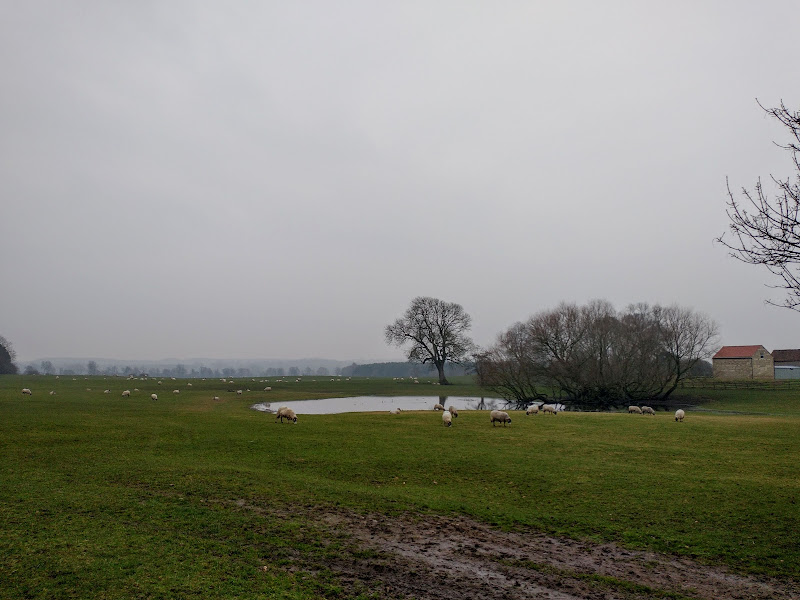
In fact we got used to clambering over stiles that landed us immediately into another muddy hole, before sending us on our way across a field on a sodden path.
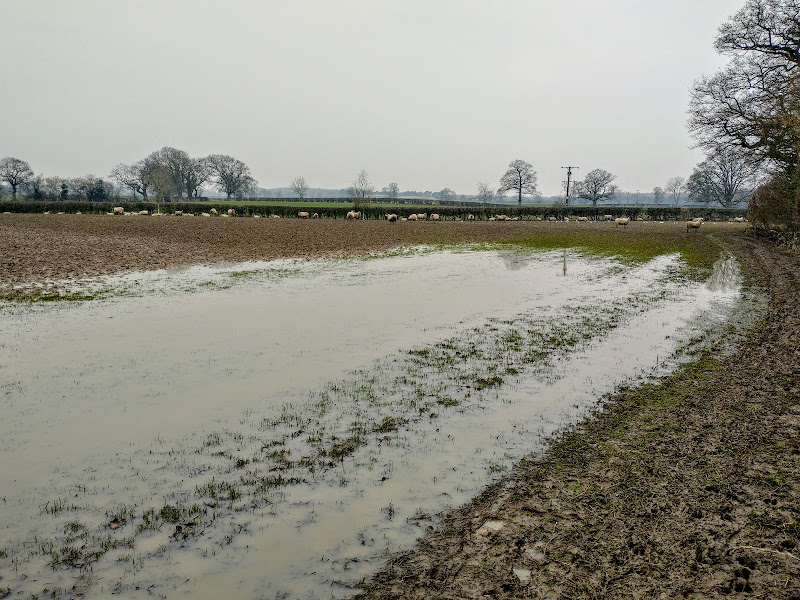
We were quite cheery. Until we arrived here. The map informed us there was a pathway across this field. The sheep knew better. They’d churned up the soil good and proper. There was no alternative but to squelch onwards.
Poor old Chris. Her name was Mud.
Arriving back at our cars parked in one of the villages, we were reminded that our day with friends, providing a rueful tale to tell back at home, was nevertheless a happy and carefree one. This Ukrainian flag on someone’s gate was a sober contrast, and provided details of ways to donate to one of the many charities trying to offer support and help to the beleaguered Ukrainians. There are suggestions here.
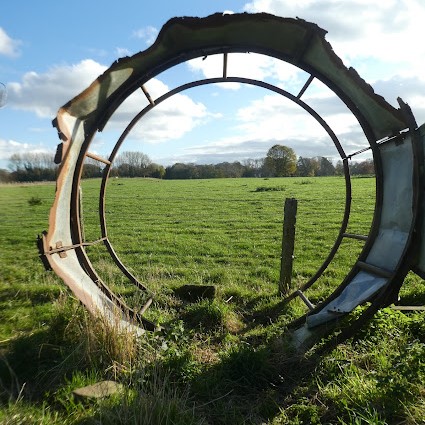
How odd. Out walking recently, I found a circular picture frame at the edge of a field. It hadn’t chosen its view with care. Look.
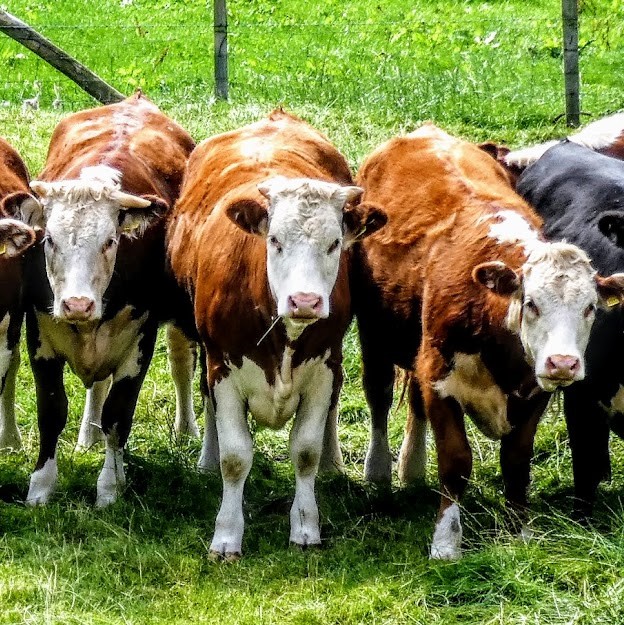
Who wants a landscape with a tatty old fence post in the foreground? If it had chosen the previous field, it could have had a portrait of an odd number of cows filling the frame.
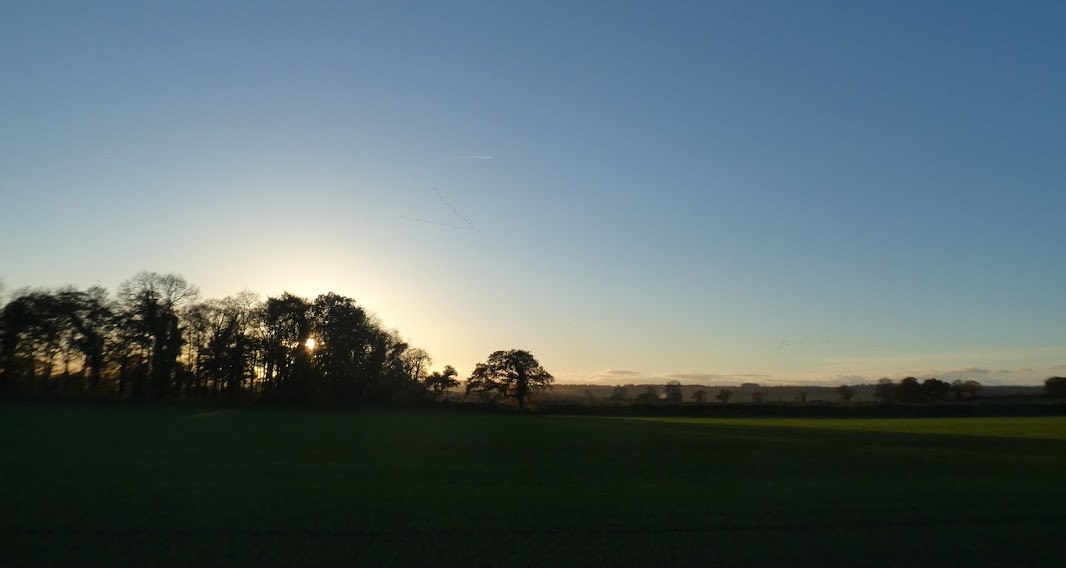
If it had re-sited itself only slightly, it could have had part of the view shown in the header photo.
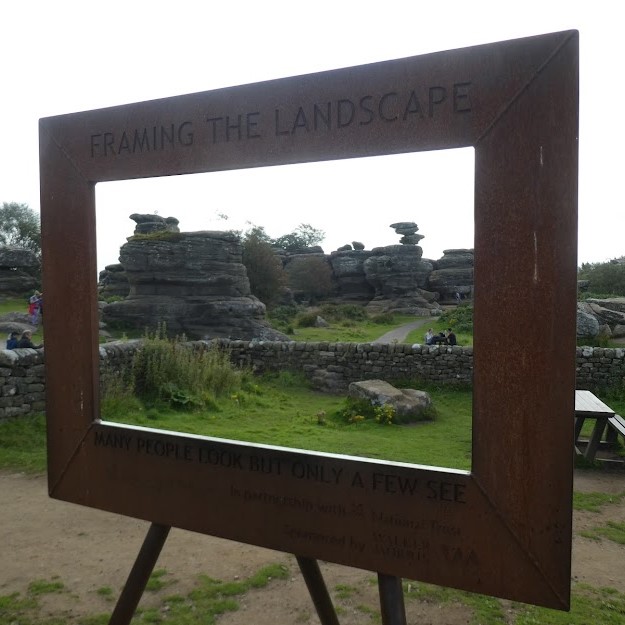
If it had applied itself, it could have taken a lesson from the frame near Brimham Rocks. That’s chosen its view with advantage.
Frankly, the frame I found hadn’t made an effort. It had taken no care with its appearance either. It was just an odd-ball.
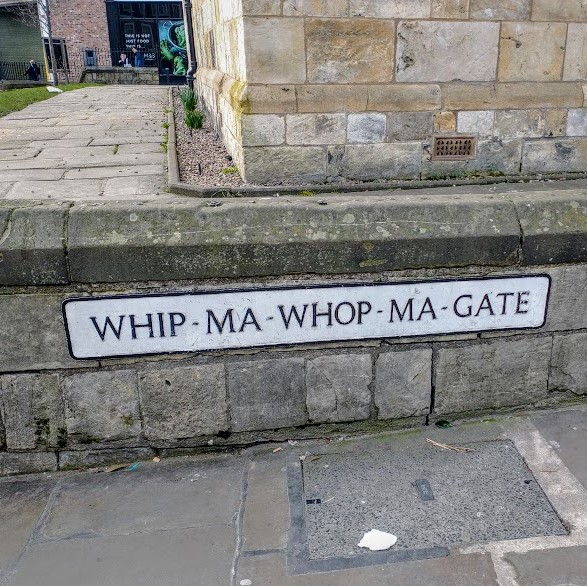
Here’s the story. Back in 1505, it was known as Whitnourwhatnourgate. It’s also been called Whitney Whatneygate.
What does it mean? Well, take your pick. In Middle English, it might have meant Nothing at All, or Neither One Thing Nor the Other. Or maybe What a Street!
In the 17th and 18th centuries, this street, the shortest in York, was also sometimes known as Salvey Rents or Salvegate.
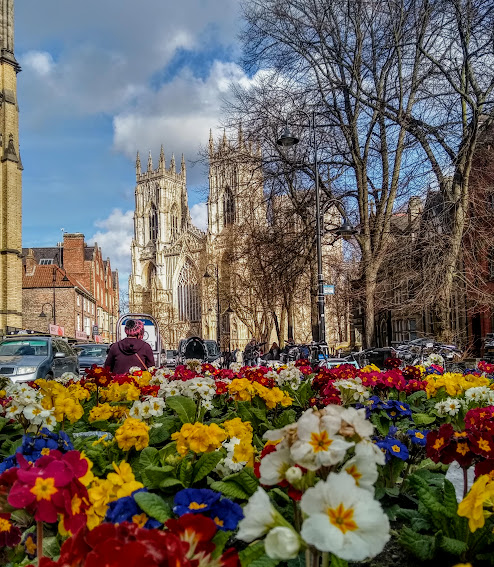
That’s quite enough oddness for one day, so the featured image is of York Minster in spring time.






















You must be logged in to post a comment.