My Haven of Peace

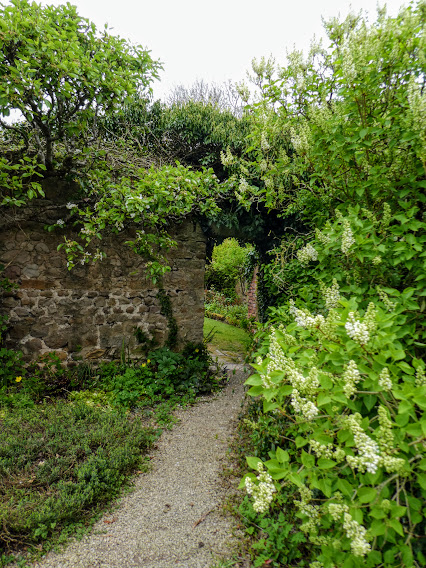
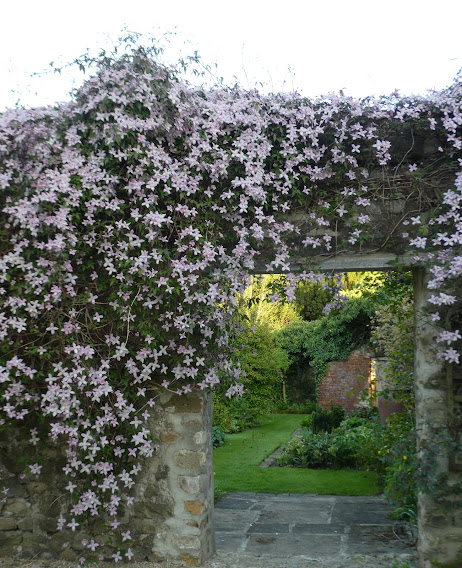
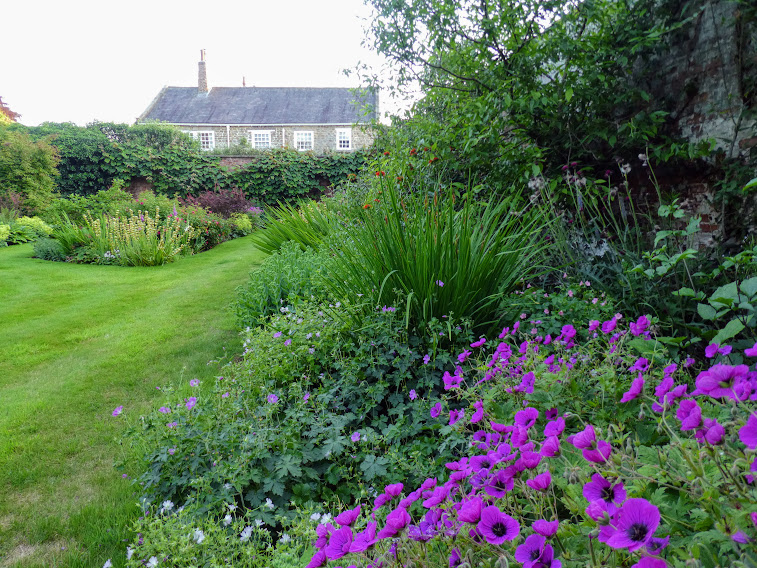
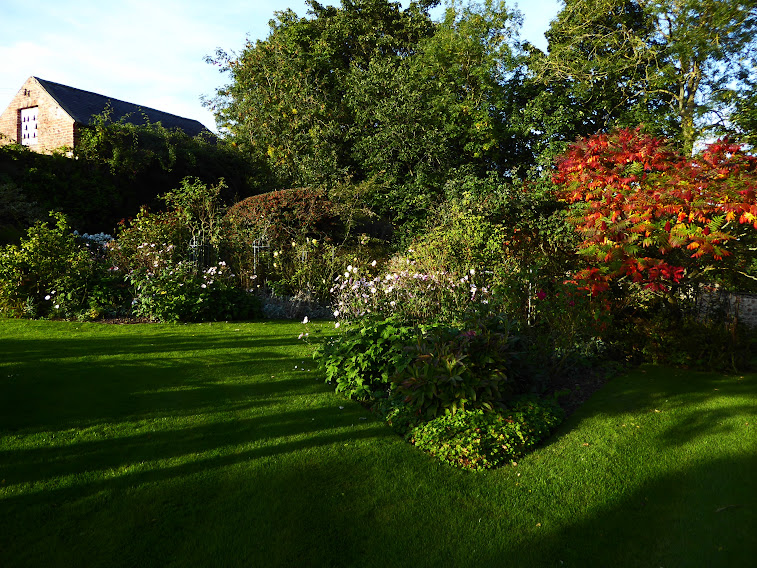
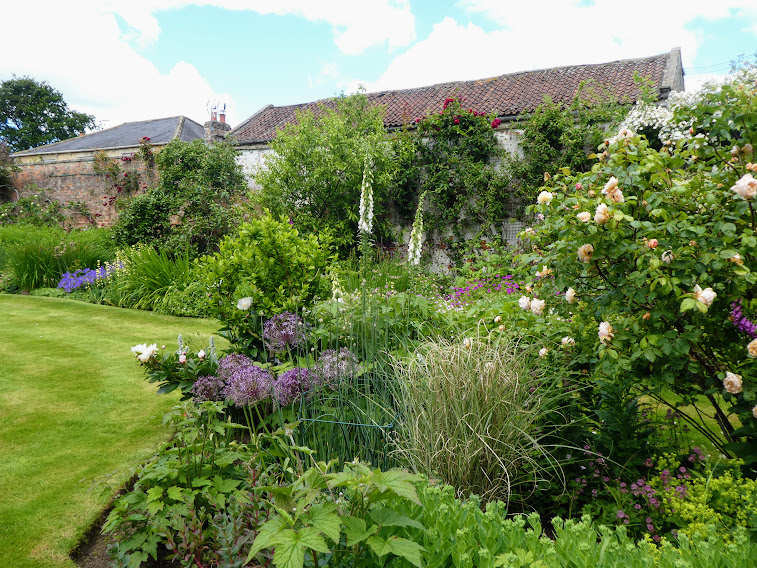
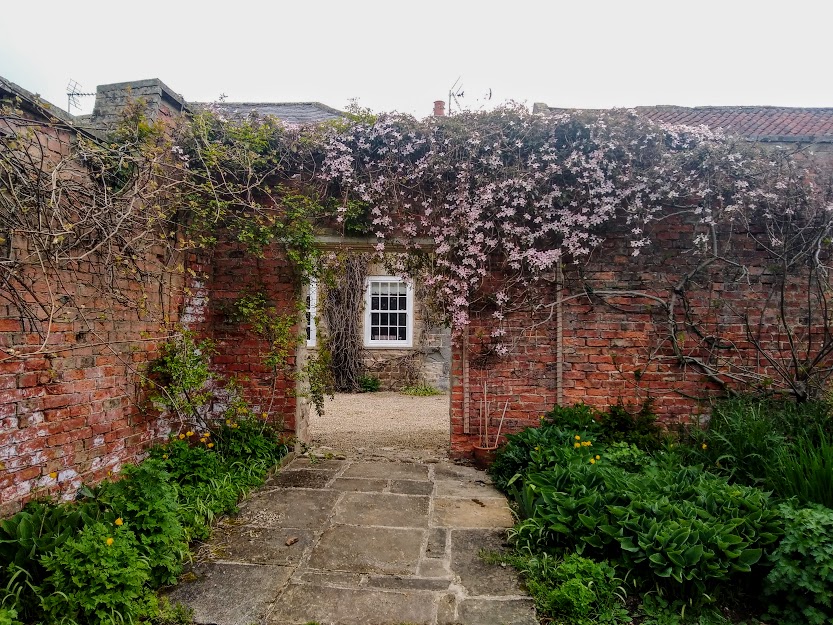
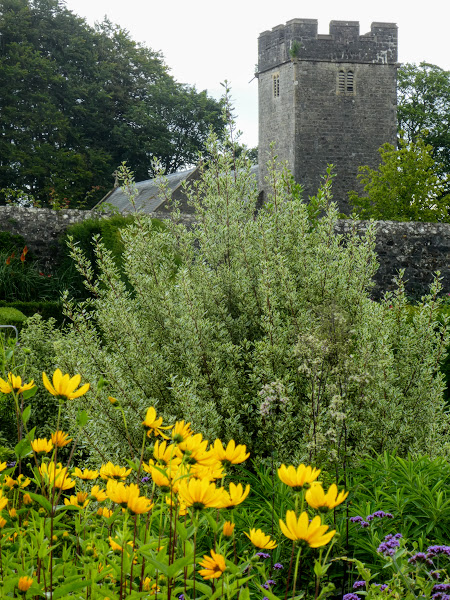
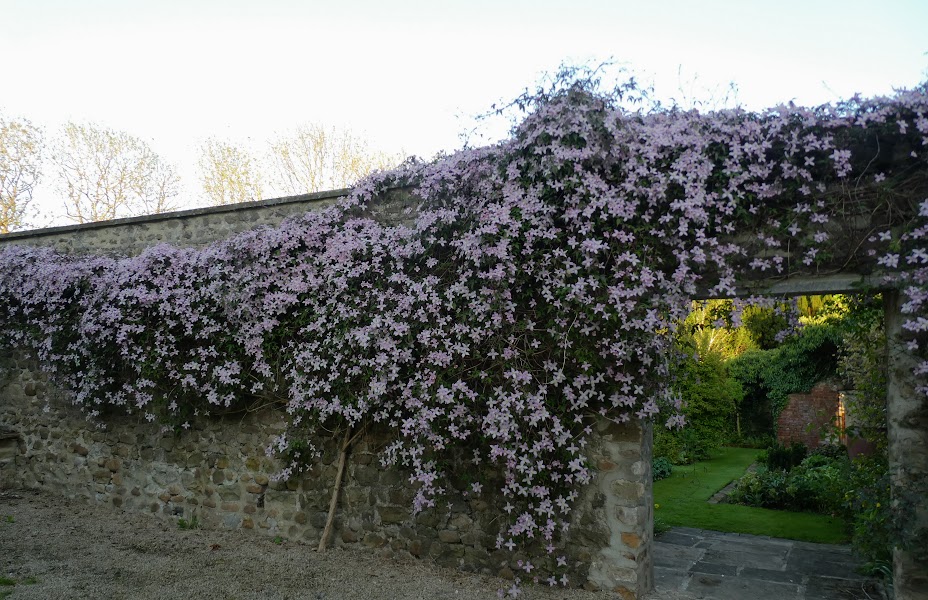
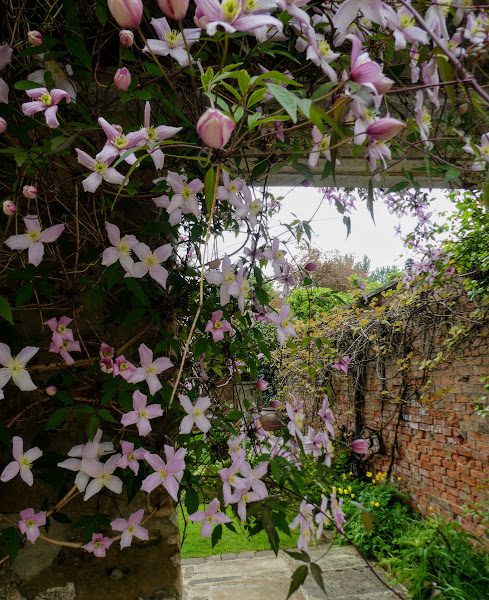
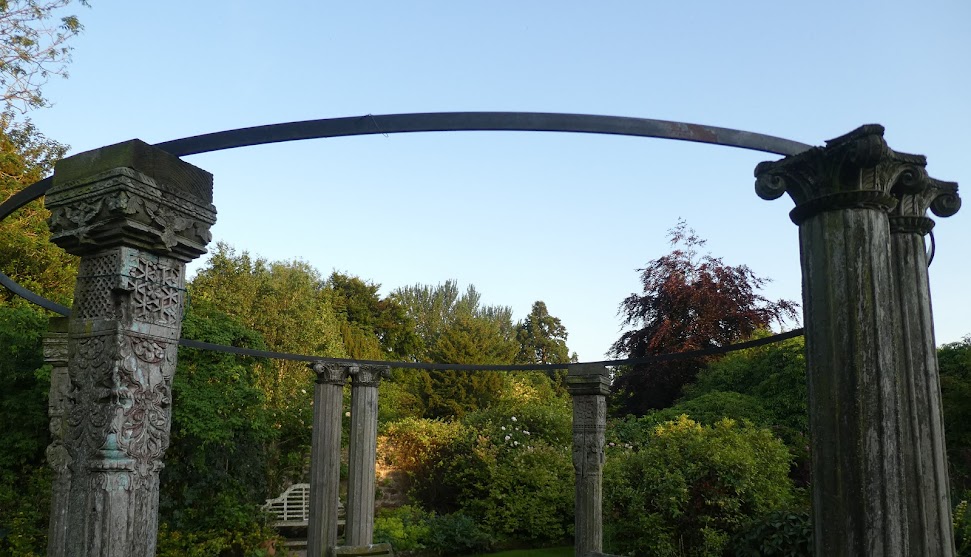
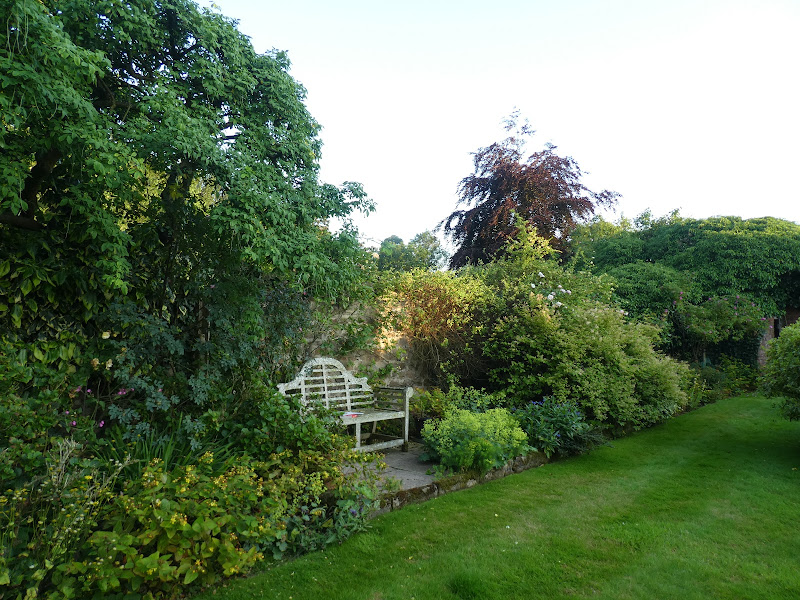
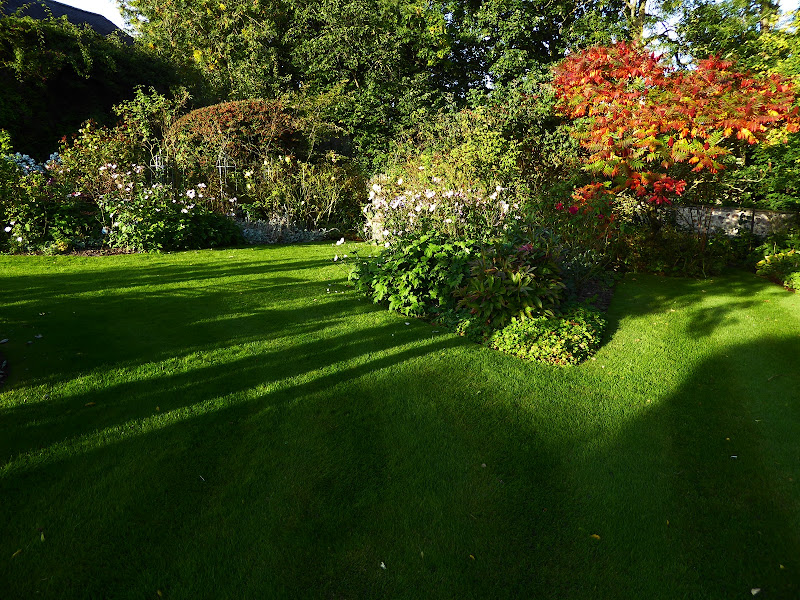
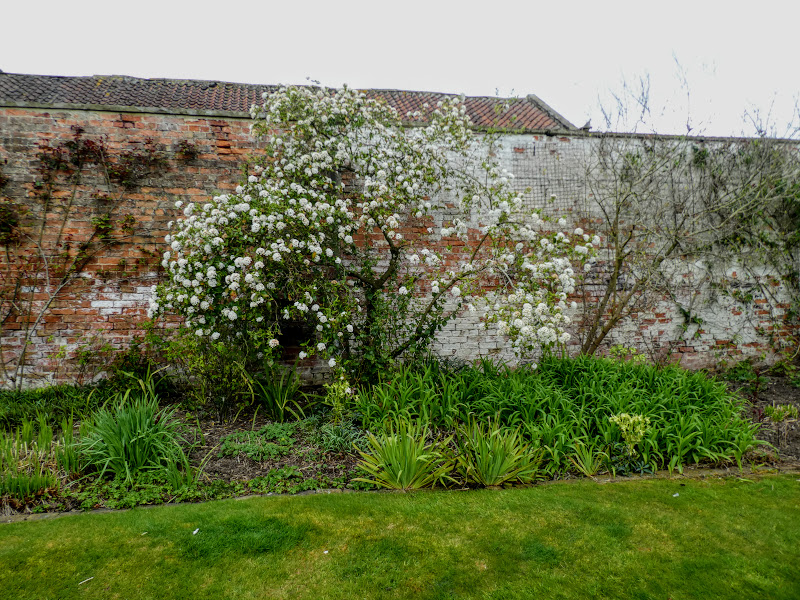
What’s your haven of peace? … asks Denzil, for this week’s Nature Photo Challenge. I don’t have to stop and think. I look out of the kitchen window, and there it is. The walled garden. It’s not ours – it belongs to our landlords. But they are eager to share it, and as they have more garden here, this space is often ours, and ours alone.

It’s a quiet place. Unless you count the birds: trilling, warbling, cooing, admonishing, singing. From our point of view, they’re often at their most tunefully loquacious in the early evening, when we’ll just go out there with a glass of something and enjoy their concert ahead of an evening meal.

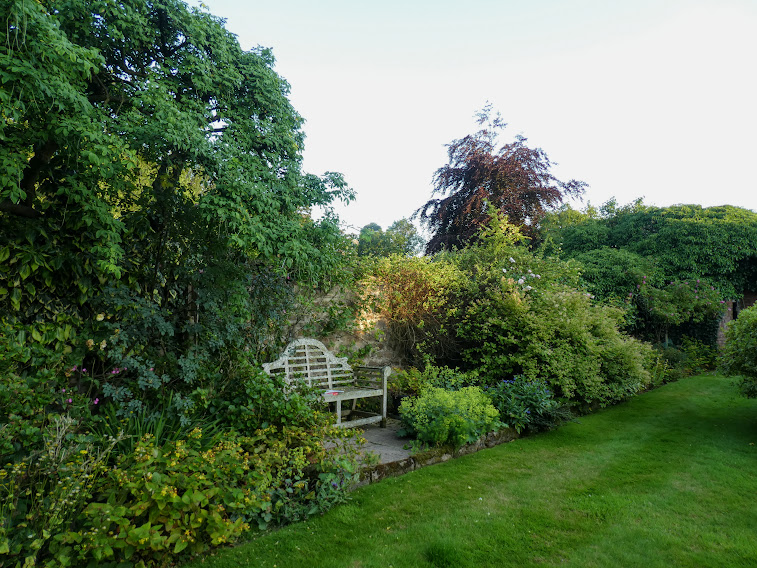
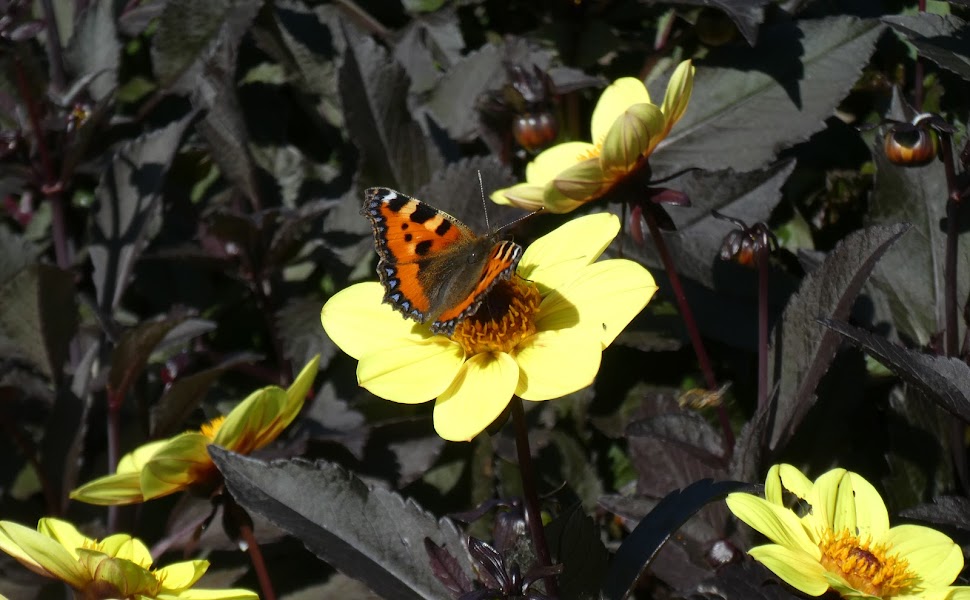
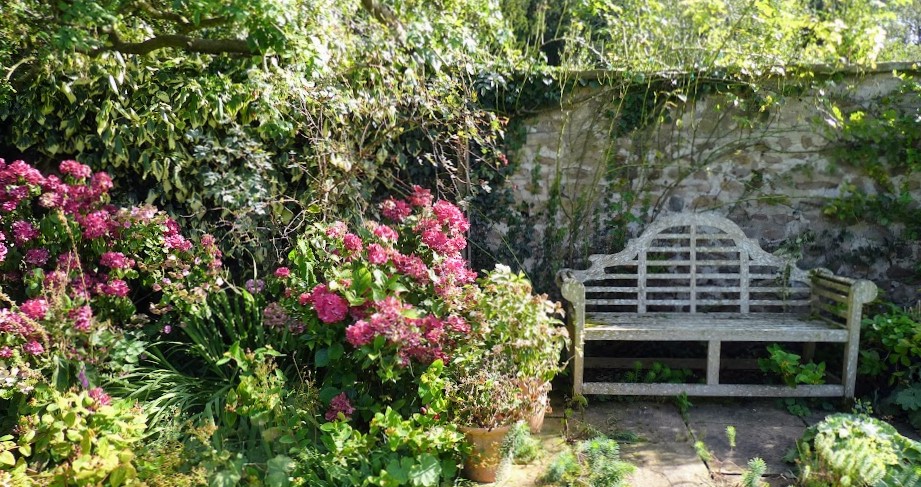
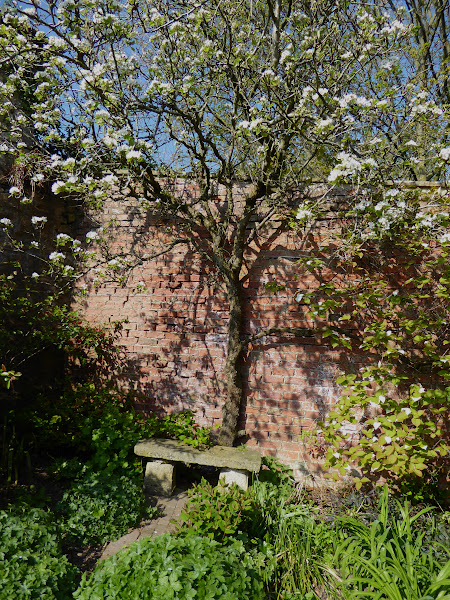
That garden seat in the header photo is the place where I’ll go for a while in the afternoon, perhaps with a good book. It’s an ideal vantage point for butterfly-watching too.
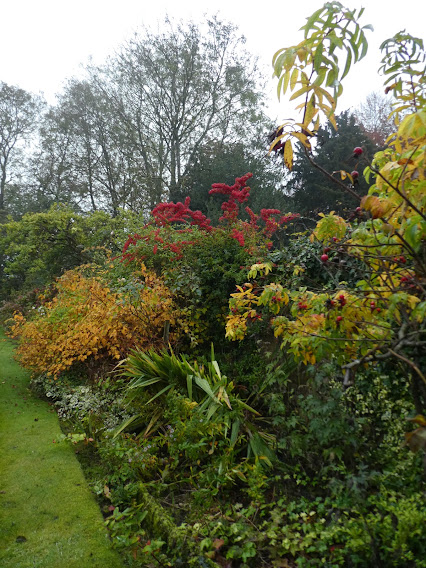
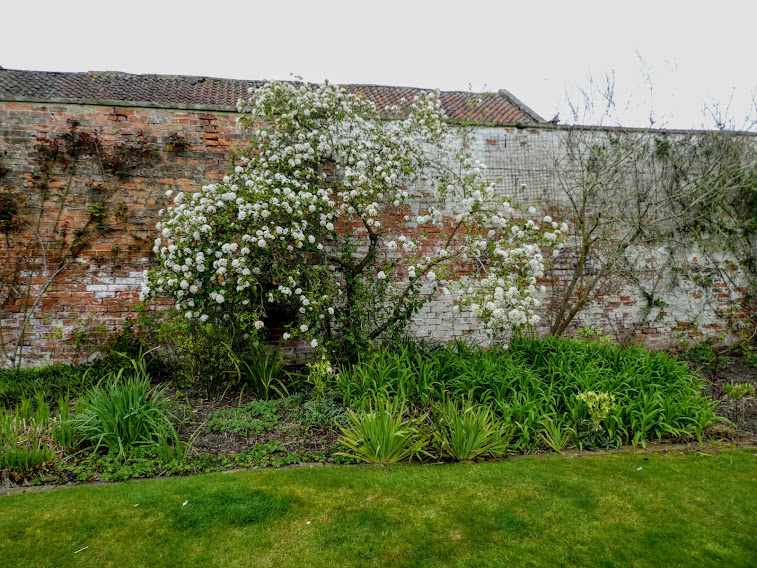
Sometimes we feel it’s only right that we should do our bit towards maintaining this special space, so we wander about doing some weeding (leaving the nettles well alone for those butterflies).

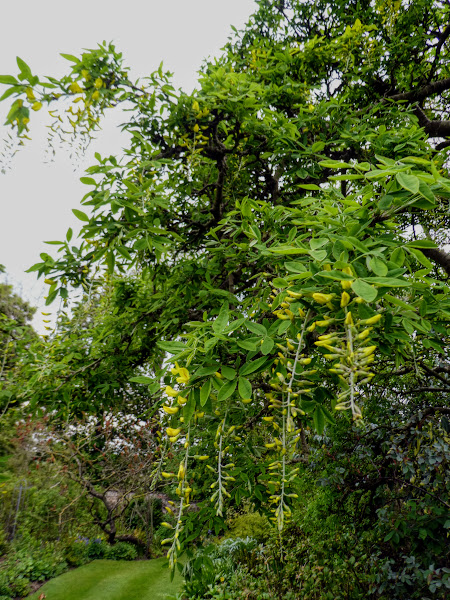
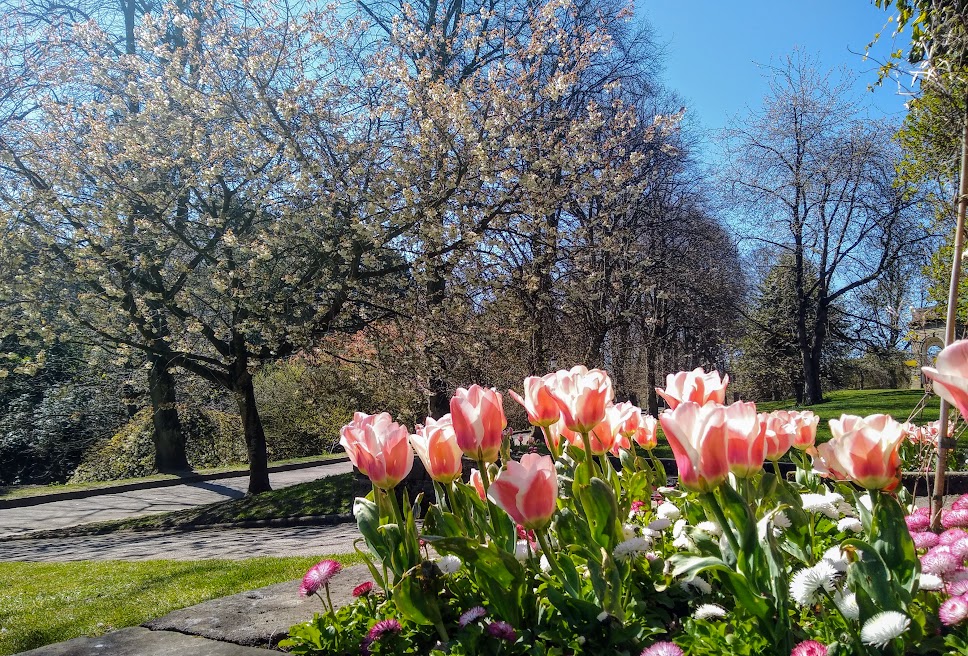
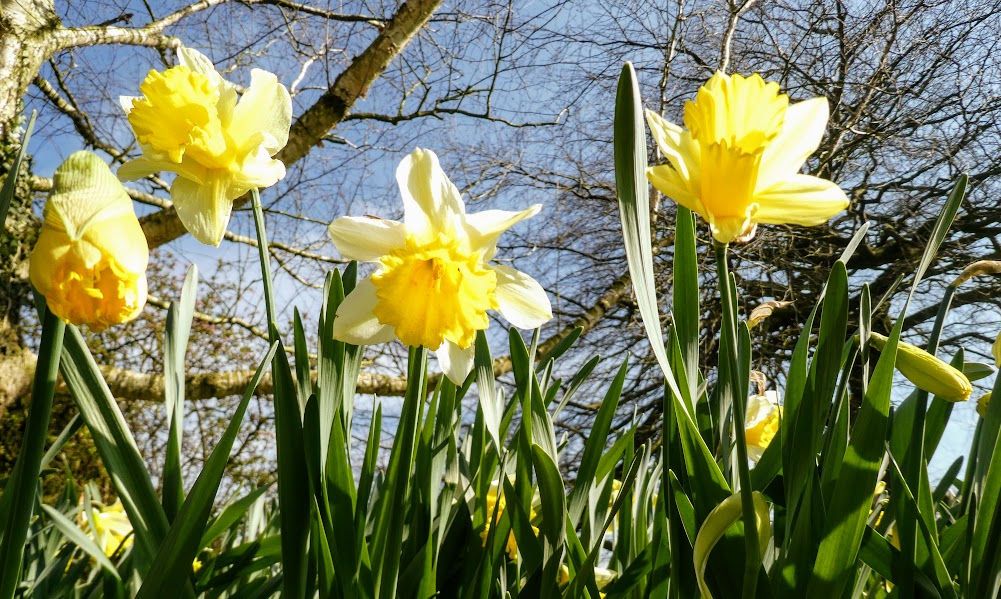
We enjoy watching the seasons pass here too: from the first snowdrops and hellebores of winter, to the springtime tulips and daffodils, through to the abundance of summer and the rich russet and burnished tones of autumn.

Our special place: our haven of peace.
J’entends une chanson

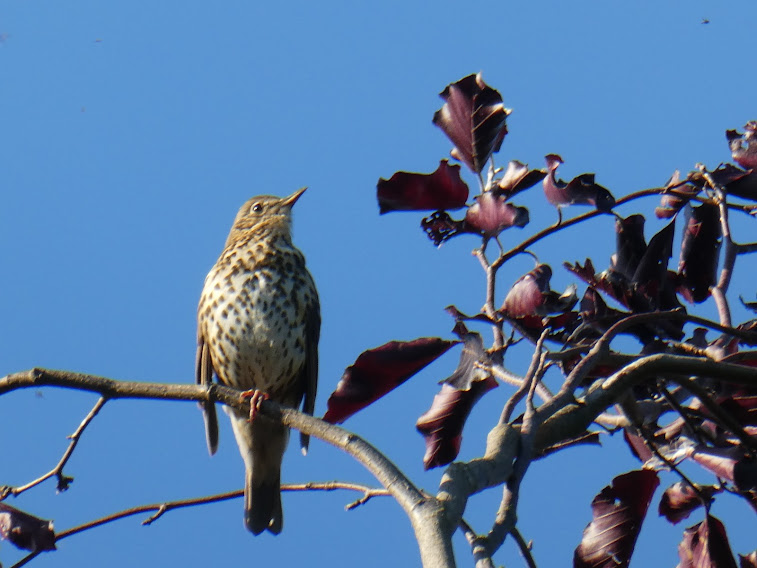
For the past few weeks, days at home have been cheered by a very vocal thrush who starts his loquacious singing at round about ten to five in the morning, and continues with almost no time off for eating, drinking or rest until about two minutes to ten at night. Here he is, in the featured photo.

For the past few weeks, our small a cappella choir has included in its repertoire a 16th century French song, composed by the German Steurlein, celebrating this very thing. I suggested it, because it brought back memories of the choir I sang with in France. Some members have cut up a bit rough, complaining their French accent wasn’t up to the challenge. In the end, I gave in and wrote an English version. I promised them cheesy, schmaltzy doggerel and that’s what they’ve got. Still, it’s all quite jolly, so why don’t you sing along with the YouTube video?
Oh, can you hear the song bird who trills and sings for me?
His joyful notes are sounding from that far-distant tree.
He banishes the darkness, casts out my dreary dreams.
Oh, can you hear the song bird who trills and sings for me?

I wander in the garden, the birds are always near.
They're trilling, crooning, fluting, and singing loud and clear.
They sound the end of winter, and welcome in the spring.
I wander in the garden, the birds are always near.

Let's greet the start of springtime, the season of rebirth,
The birds and bees and flowers, all creatures on the earth.
We'll welcome all the sunshine, and bid goodbye to chill.
Let's greet the start of springtime, the season of rebirth.

Fake Flamenco

A blogger whose posts I enjoy is Rebecca, of Fake Flamenco fame. She keeps her curious eyes open, as she walks and explores the natural world and other things that attract her notice. She informs herself and then her readers about social and political issues in Latin America -which I find so interesting as this is very little covered here in the UK. And she’s a poet. Every month she throws out a poetry challenge, which I always try to join in on, because she translates every poem that’s submitted into Spanish. There’s something very special about this. That she would spend time reading our work, then interpreting it faithfully, and in the same poetic style as our own efforts is quite wonderful.

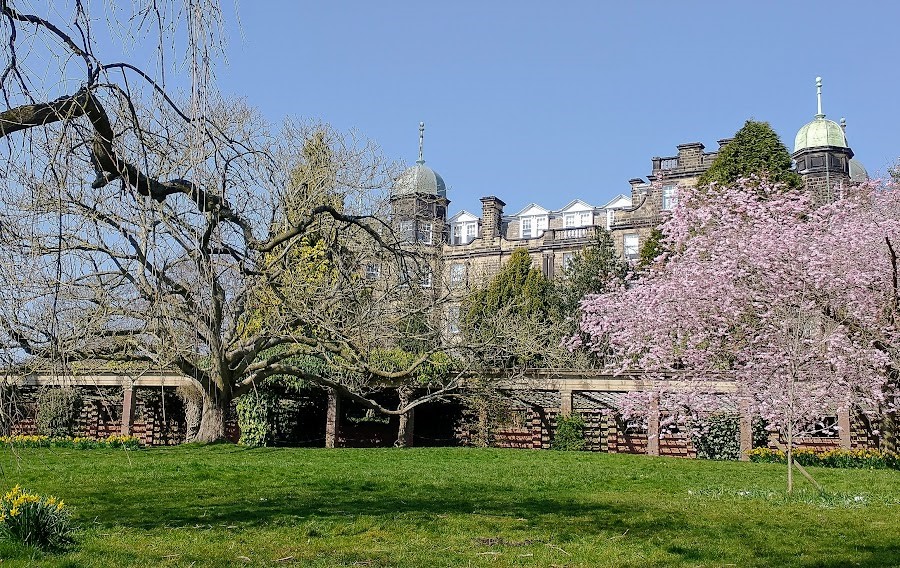
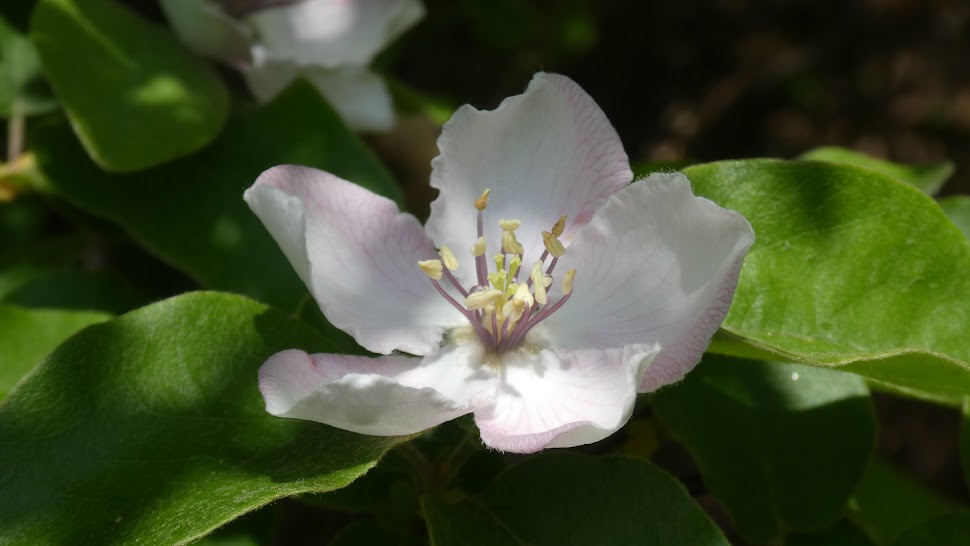
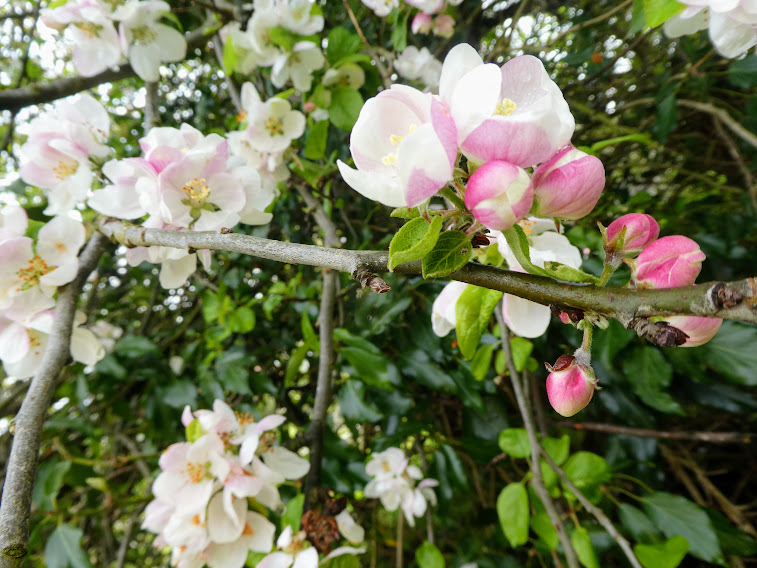
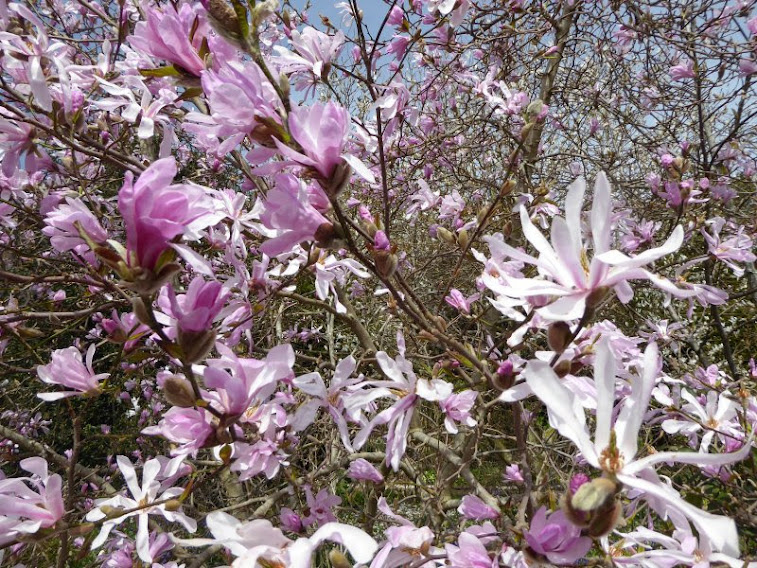
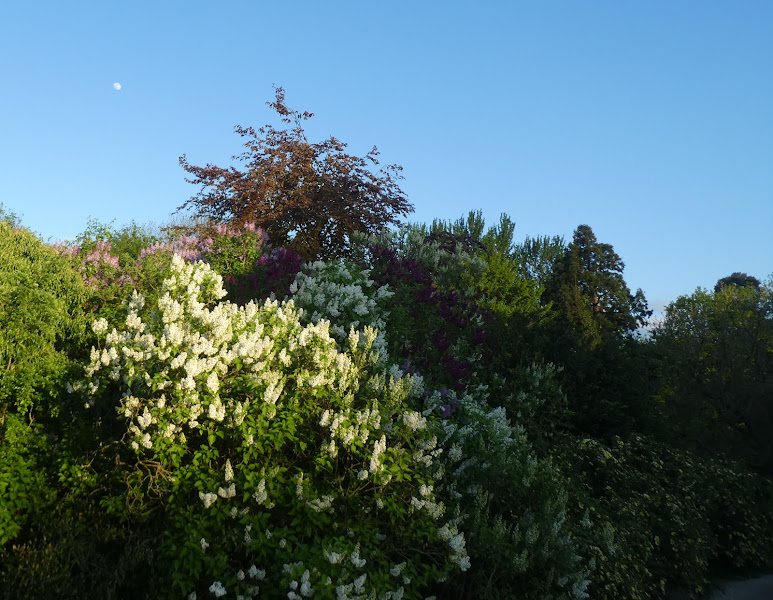
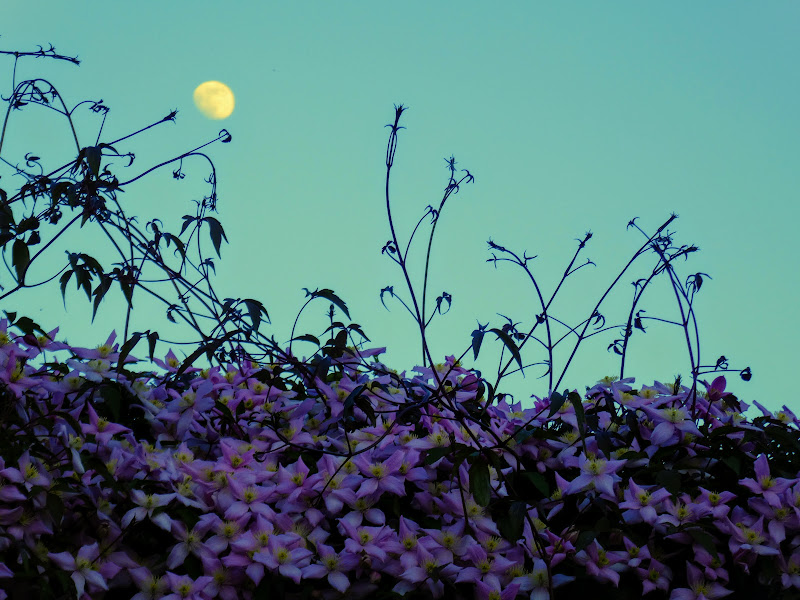
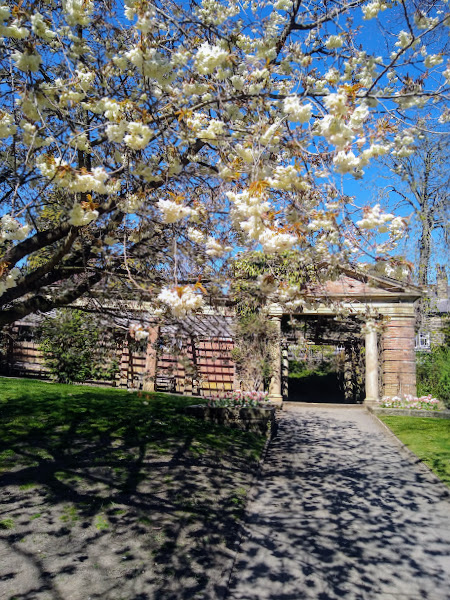
This month she invited us to submit a haiku including the words waterfall of stars. I’m not someone to whom the haiku form comes easily, but we’re coming to the end of blossom season here in the UK, and I thought I’d write about that. And Rebecca rose to the challenge of translating.

Dying petals dance,
faded blossoms flutter down –
waterfall of stars.
Pétalos bailan
flores marchitas caen–
cascada estrellar.

You can find all the other entries here.

The Heavens – and all their water supplies – on his shoulders

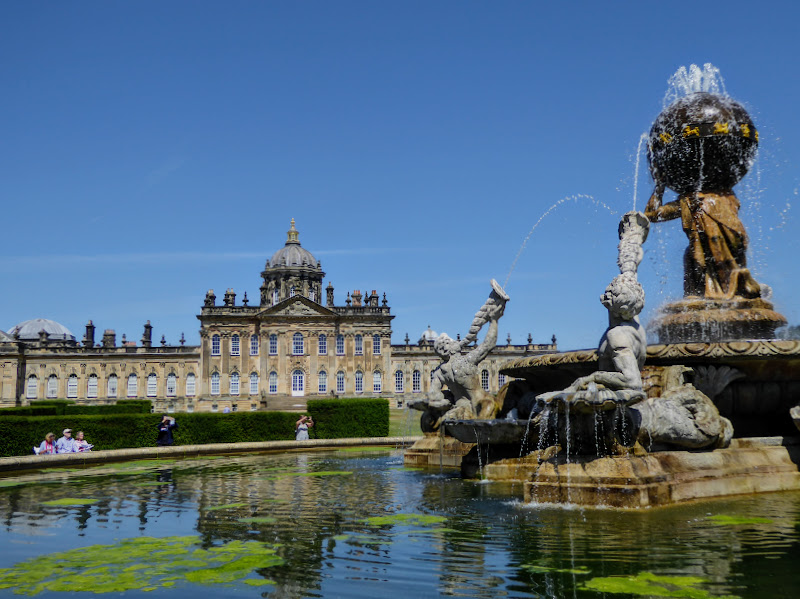
Atlas bears the weight of the heavens on his shoulders as he gazes at Castle Howard. Who knew that the heavens constantly gush babbling geysers of water which then fall to earth? Those of us who live in England might not be surprised: this statue shows us that it must be so.

In Ancient Greek mythology, Atlas was one of a race of giants, the Titans, waging war on Zeus, King of the Gods. In defeat, his punishment was to spend eternity holding up the heavens.

As on Saturday, I’m taking refuge from the cold by posting pictures of sunnier times.

For Jez’s Water, Water Everywhere

The Power of Yellow

Goodness, we all need some brightness in our lives just now. The unremitting bad news every time we turn on a news bulletin. The fiasco calling itself the British government. And if all that’s not bad enough, the clocks turn back at the end of the month, leaving us plunged into the darkness of winter.

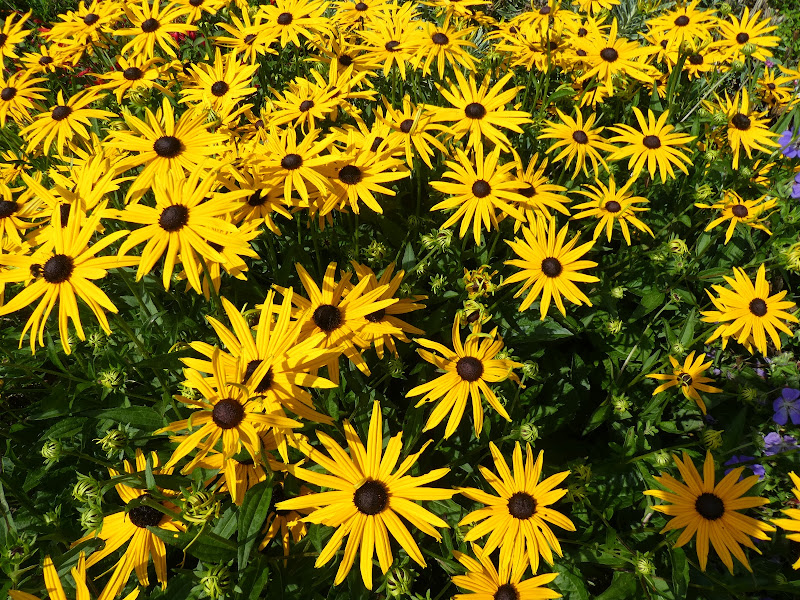
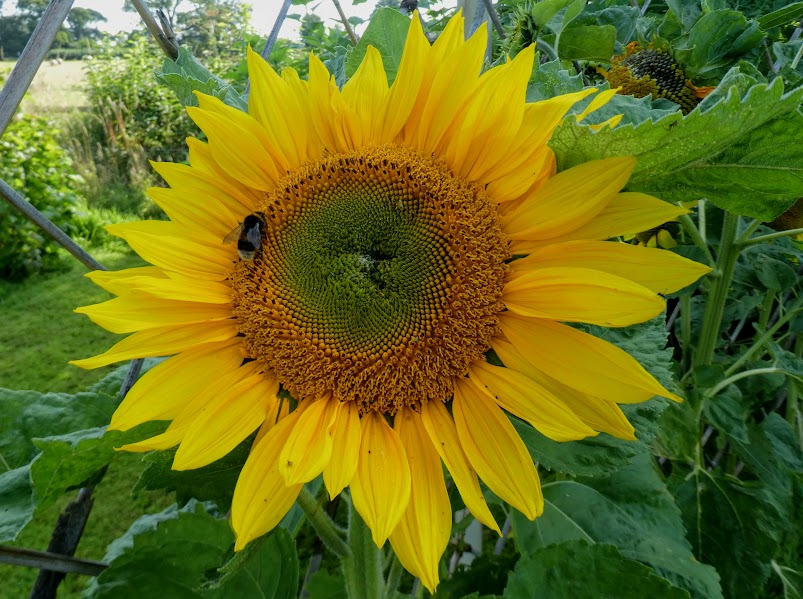
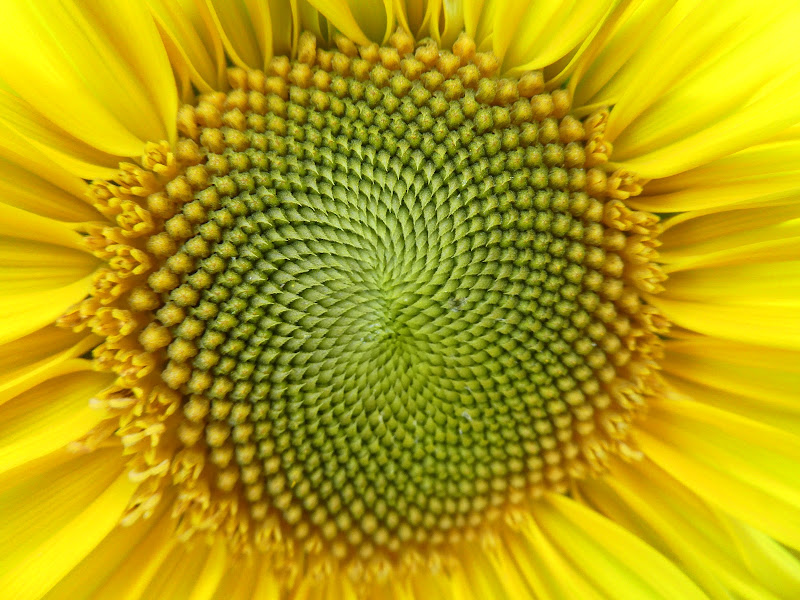
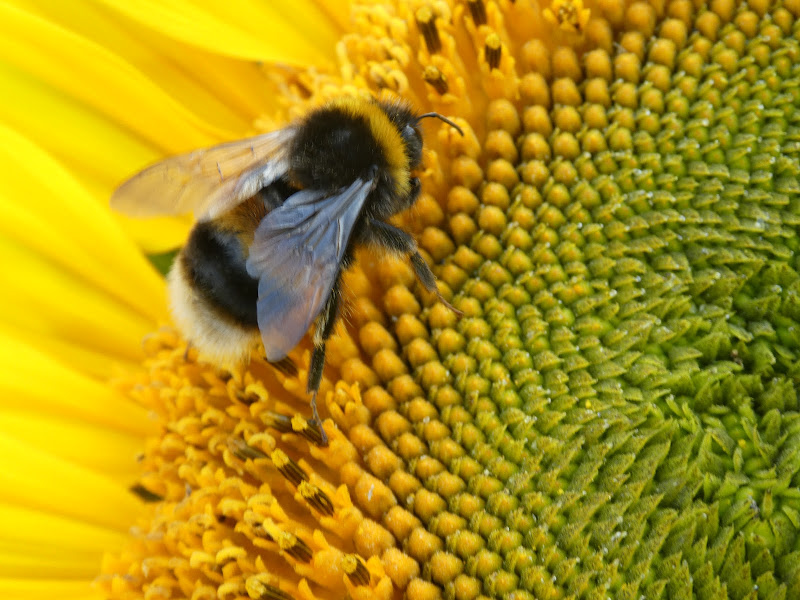
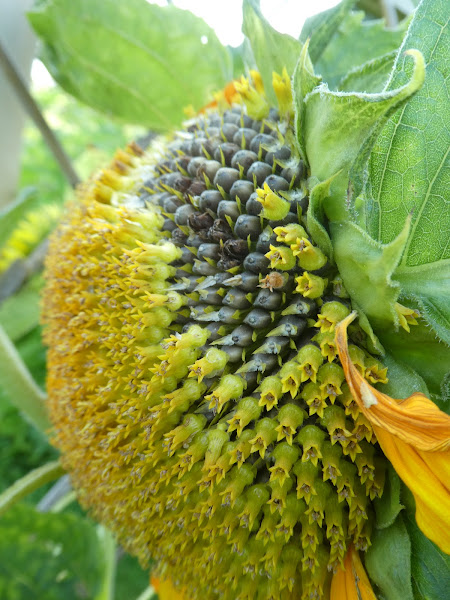
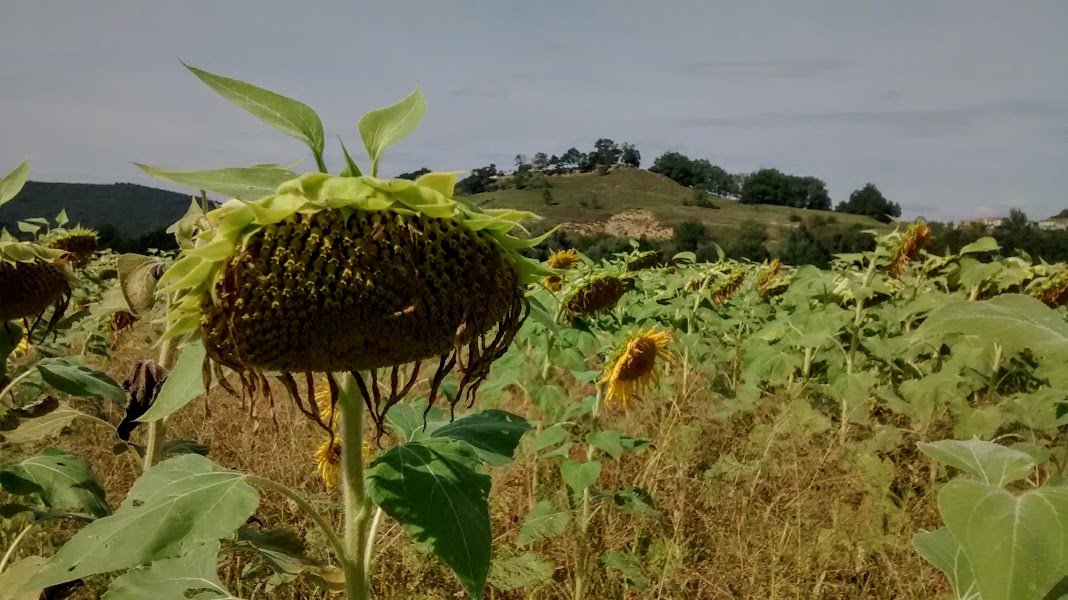
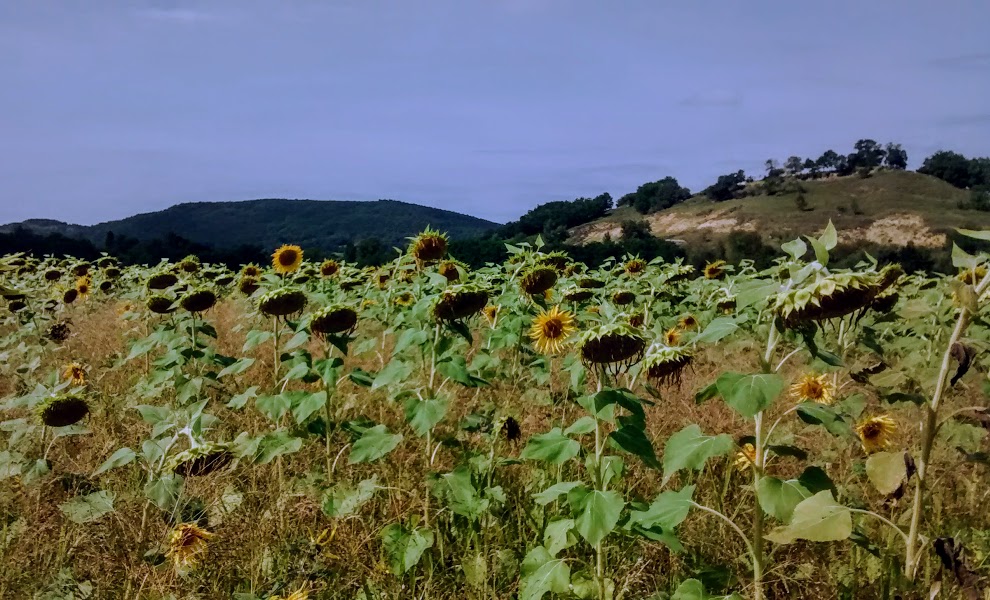
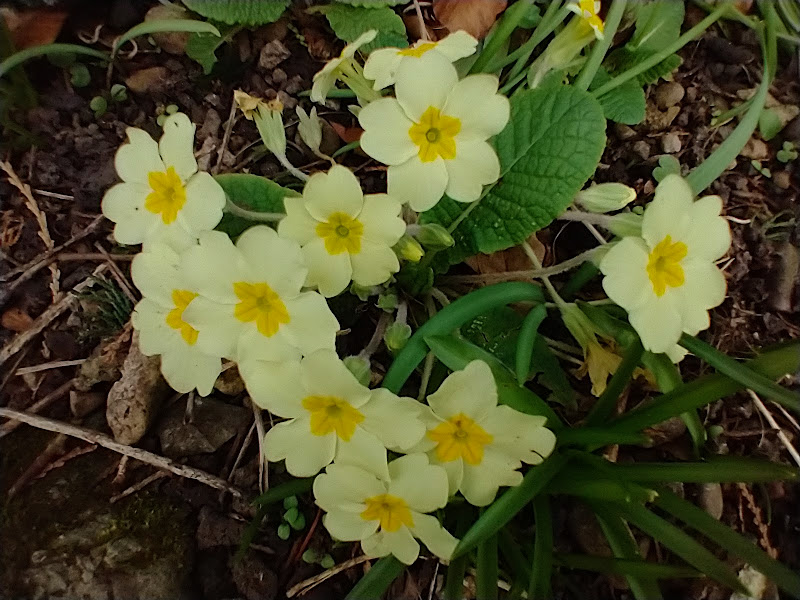
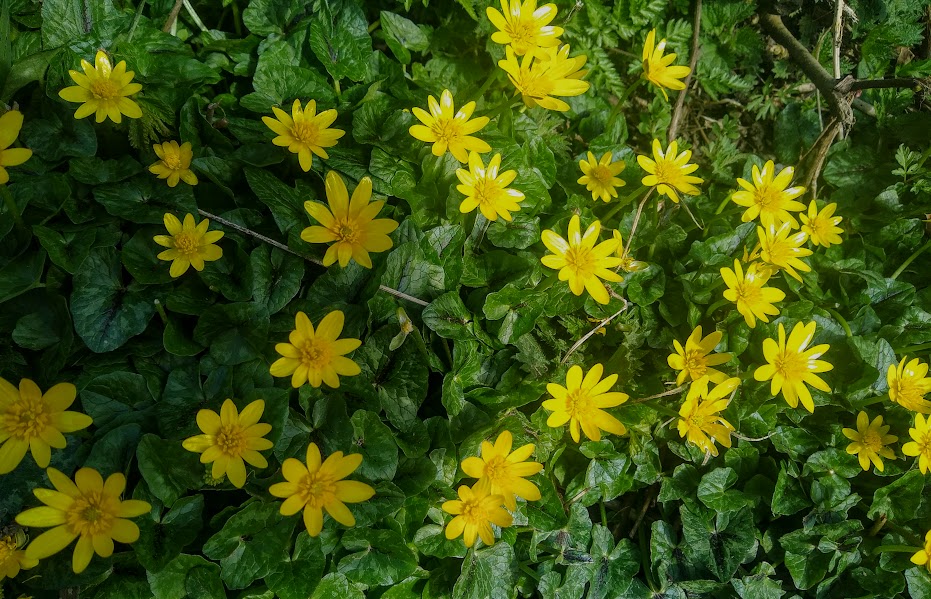
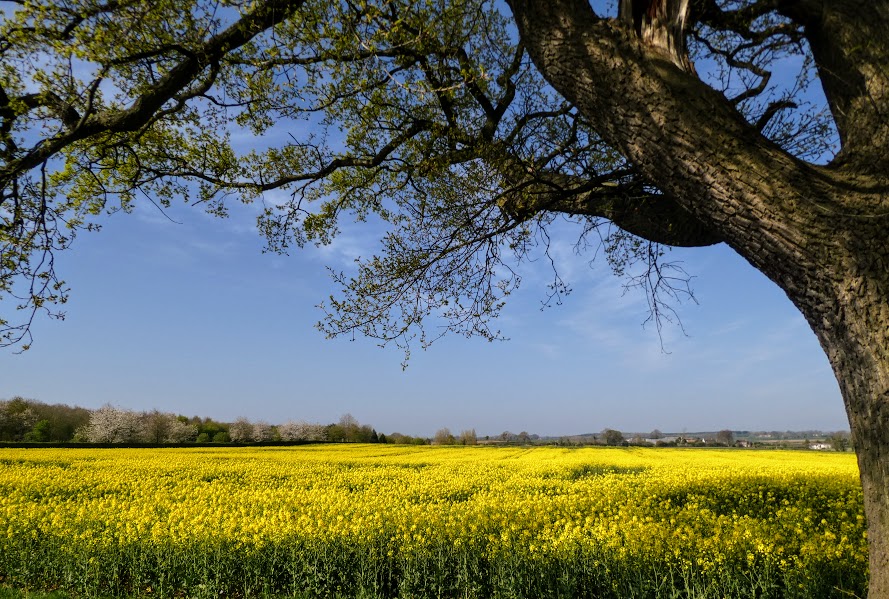
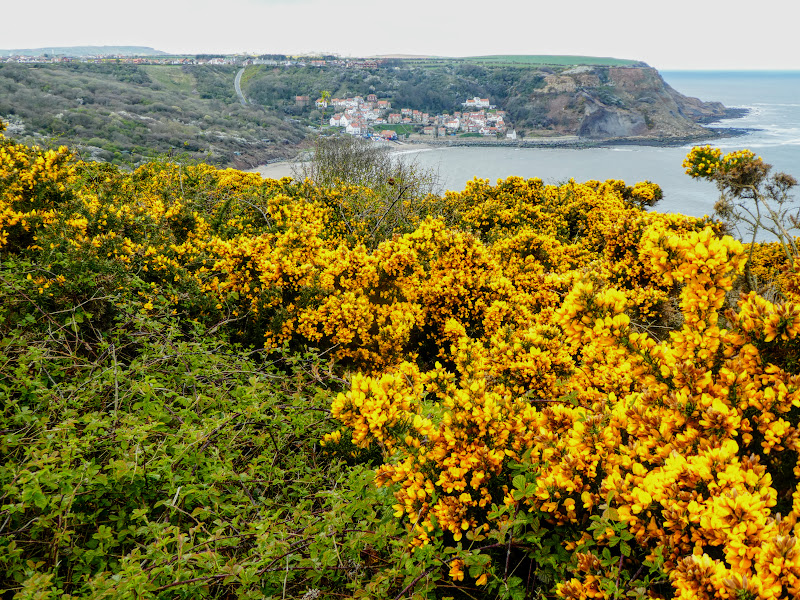
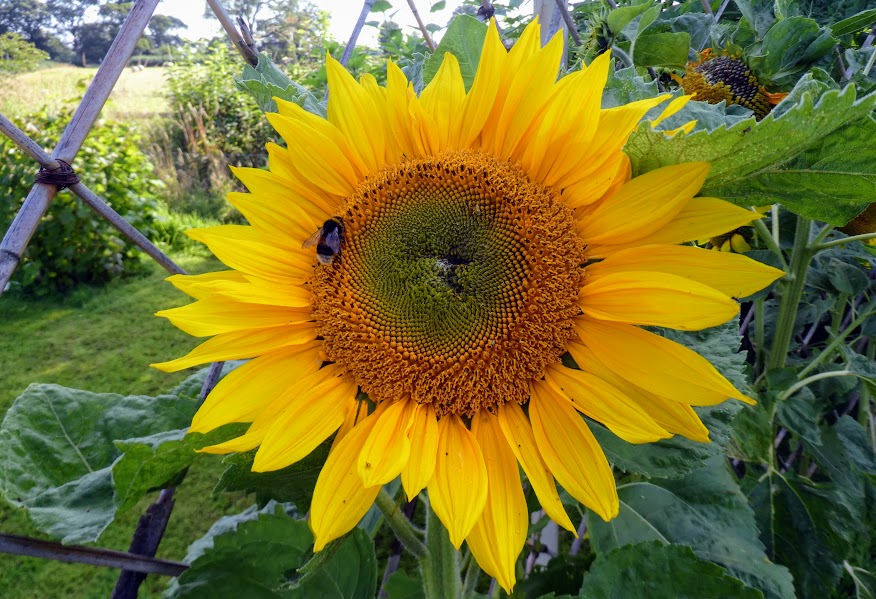
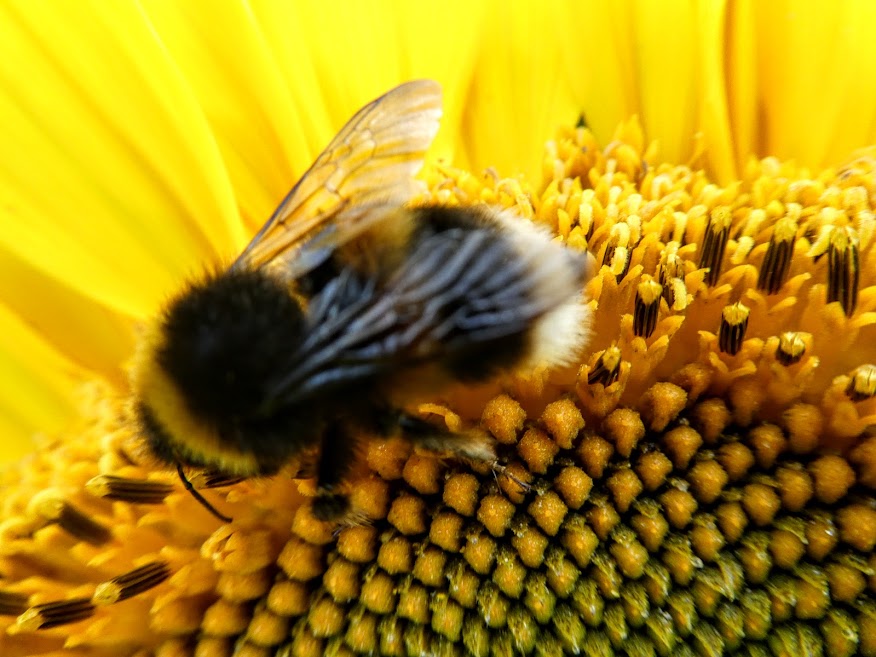
Leya’s Lens-Artists Photo Challenge #221 this week gives us an opportunity. Ann-Christine asks us to showcase our favourite flowers. Well, that’s a bit of a task. But what I do know is that a yellow flowers always brings me cheer. The earliest aconites. The first bright-faced daffodils poking through the ground at the beginning of spring. Primroses. Celandines. Even dandelions and fields of rape. Vivid gorse bushes pointing our way on a country or seaside walk. Or – and this is where we’ll begin, summer sunflowers. They always bring a smile to my face as they gradually turn their faces throughout the day to face the rays of the sun. Bees constantly scramble over the heads crammed with seed that will feed the birds – and us – over winter.

Even their hangdog look as they droop and die is characterful.

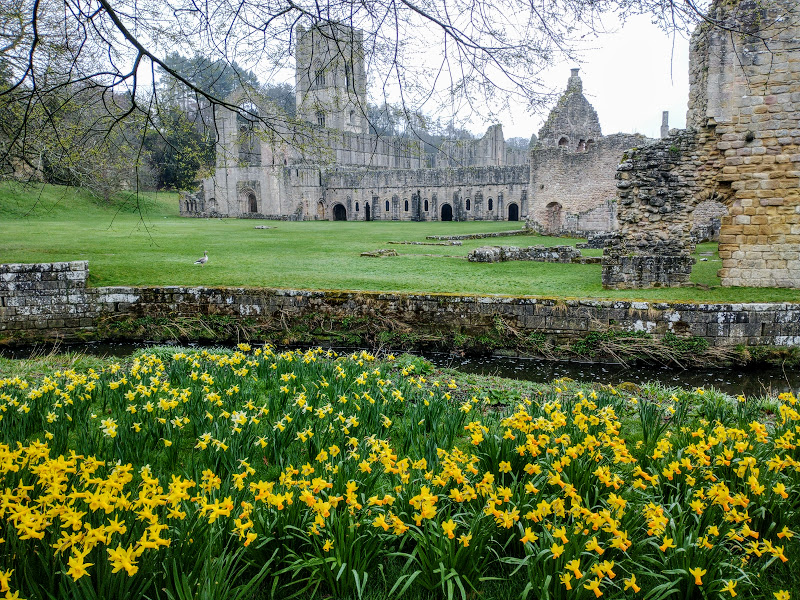
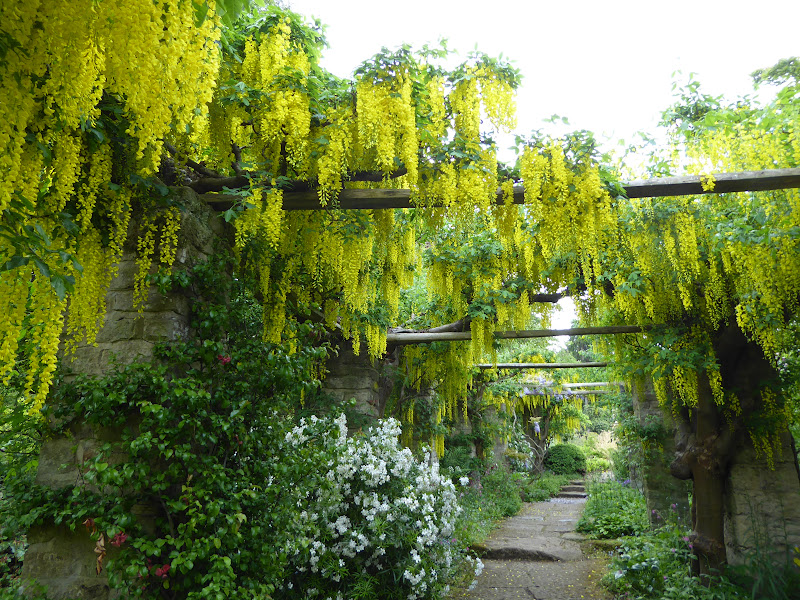
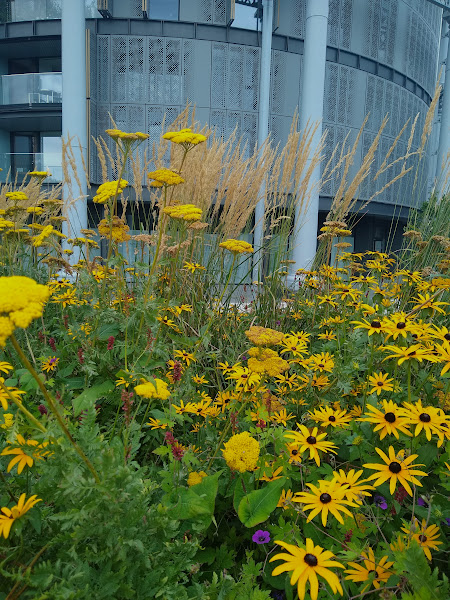
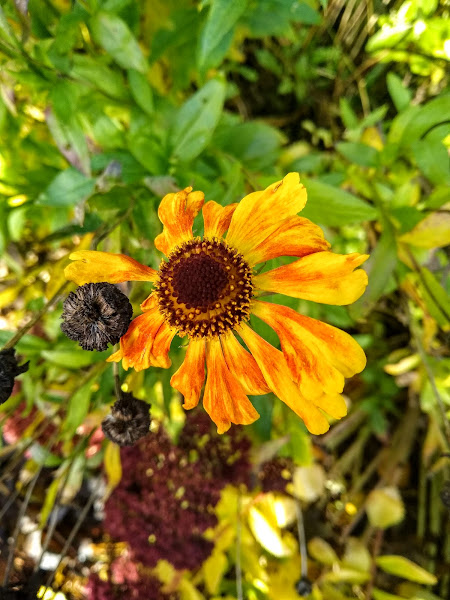
For the rest, I’ll just give you a small gallery of some of the yellow flowers that bring me cheer year after year, in public places, in gardens, in farmers’ fields and in city streets.

Staying Local

This week’s Lens-Artists Challenge invites us to stay local. After a bumper month of travelling, that’s not at all a bad idea. But how local is local? I decided I’d confine myself to the sights we see just a few metres from our house: or as Boris Johnson might say, a few yards.

When we came back from France eight years ago, we needed a base from which to hunt for our Forever Home. We found something interesting to rent at the edge of a village just beyond Ripon. It ticked not a single box: it wasn’t within walking distance of shops and amenities; it had no garage (for junk-storage, not the car), and it had no garden of its own. Still, for a few months, it would be fine. We’re still here, and have no plans whatsoever to move on. And one of the reasons we love it so much here is that we share the use of this walled garden with our landlords.

Aren’t we lucky?