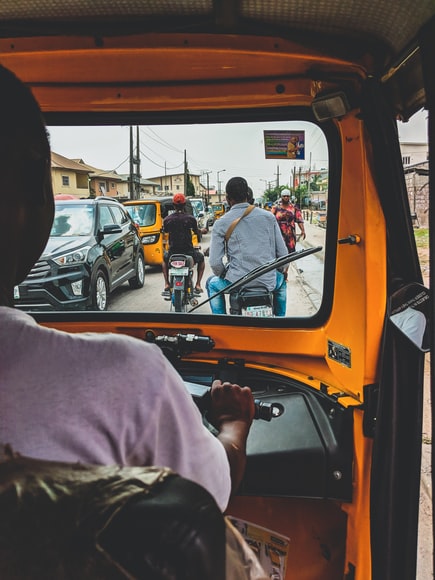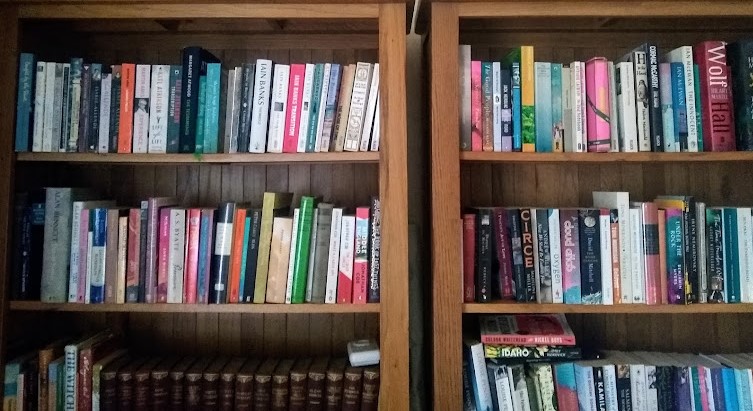
Six Degrees of Separation … in January

‘On the first Saturday of every month, a book is chosen as a starting point and linked to six other books to form a chain. Readers and bloggers are invited to join in by creating their own ‘chain’ leading from the selected book.

Six Degrees of Separation Kate W

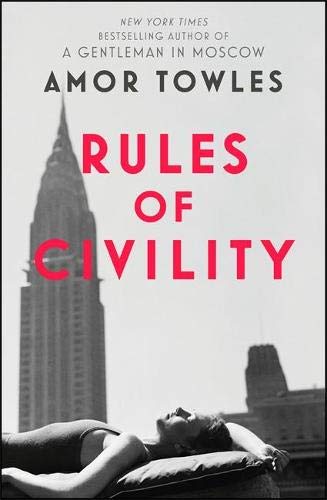
Rules of Civility by Amor Towles begins this month’s chain. I plunged into this novel full of hope for a delicious escapist read in the F. Scott Fitzgerald mode: and at first I wasn’t disappointed. Our narrator is Katy Kontent, and she’s full of witty and clever descriptions of the New York world she inhabits and its cast-list. I was happy to involve myself in her life, and that of her friend Eve, as they negotiated their working lives as secretaries, and their social lives, mainly spent in up-and-coming jazz clubs. Where, one evening, they meet rich, winsome Tinker Grey. And it’s at this point I began to lose a little interest. The characters didn’t develop, least of all that of Katy herself, who alludes to her humble origins but never explores them. The plot itself introduced a range of characters who didn’t move the story along, and generally conspired to lose me, though I read to the end willingly enough, hoping that the warm feelings with which I’d begun this novel would return. They didn’t. This was an amiable read with the makings of a great one, and I’m not against giving Amor Towles another go.
Where next? I struggled a bit, then came up with not so much a chain as the spokes of a wheel radiating from Towles’ book.

All my books this month have a female protagonist, and my first link features a woman, Rósa, who might have had things in common with Katy if their circumstances hadn’t been so very different. In The Glass Woman, by Caroline Lea, we’re in 17th century Iceland, and can feel its chill, its landscape, its folk and religious history in the pages of the story. Young Rósa rather precipitately marries Jón, the leader in a distant village, to ensure her ailing widowed mother some security. Here she is deliberately isolated by her controlling husband, who is a widower. No spoiler alerts here, but tensions rise as her isolation increases, and as her childhood sweetheart appears on the scene. A cleverly written novel, in which Rósa’s unease, and her increasing inability to keep a grasp on what is real, and what the product of a fevered and frightened imagination keeps the reader guessing.

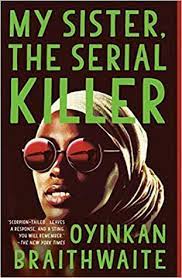
My next heroine also labours under a – in her case misplaced – sense of duty. Oyinkan Braithwaite‘s My Sister, the Serial Killer was a quick read, an easy read, and at no point did I think of not finishing reading this story. But – and perhaps I’m not entering into the spirit of things here – a story in which the writer’s sister gets into a routine of killing her boyfriends, while the writer colludes with her deception just left me cold. The short sharp chapters, and the action which jumped hither and thither kept my interest, as did the back story of a controlling, brutal father. But in the end, it was a slightly distasteful read as far as I was concerned. I don’t think I get dark humour … 
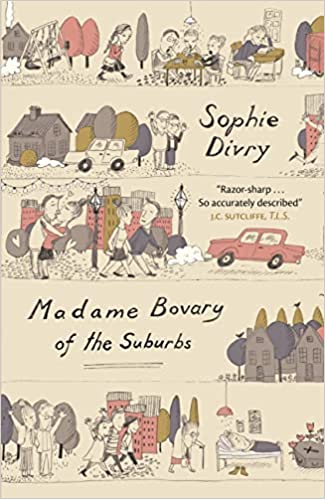
And so to Madame Bovary of the Suburbs, by Sophie Divry. Definitely no high drama in this one – not even an unexplained death or two. Born to loving parents in the French provinces, our heroine does well at school, university, marries a kind man, has an affair which comes to an end, and she gets through the rest of her working and retired life looking for something to engage her. In many ways a wry portrait of twentieth century middle class life, it’s also somewhat depressing. Which seems to be the point. Life is absurd, why bother? seems to be the message. Not for nothing was this Madame Bovary descended from Flaubert’s original.
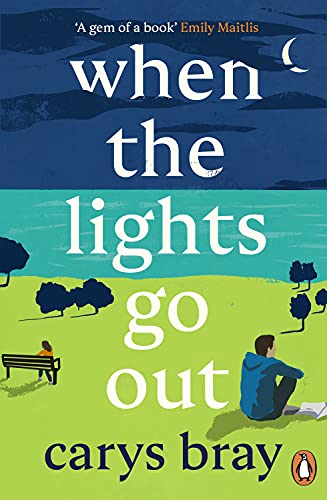
From provincial France in the decades preceding this one to present day provincial England, and Carys Bray‘s When the Lights Go Out. Though very readable, this didn’t equal Bray’s The Museum of You for me. The subjects: eco-aware Emma versus eco-warrior husband Chris feel rather overdone now. Chris learnt to be a warrior during his now-rejected fundamentalist Christian childhood, and his warriorship consists in being a prophet of doom, rather than in action. We’re meant to find him tedious, and we do. We’re meant to like busy, community-minded Emma, and we do. We’re meant to feel wry sympathy with the Emma and Chris as they parent their teenage children, and deal with Chris’s interfering-in-a-humble-way mother. So it’s an engaging enough read, but one in which I didn’t fully involve myself.
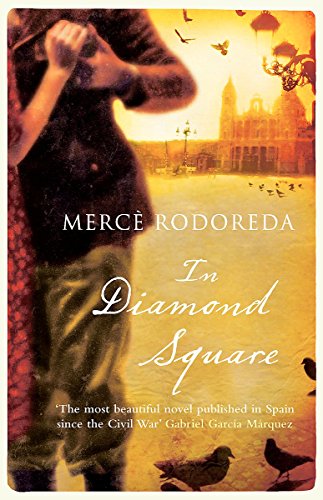
Now we’re off to Spain, and Mercè Rodoreda‘s In Diamond Square. It must be me. This book regularly appears in lists of ‘must read’ Spanish books, and it failed to engage me.  I nearly gave up at the half way point, but persisted. This is the story of a young woman living in Barcelona who marries her husband after a short courtship. It’s the story of his domination of her, of the birth of their two children, of his going off to fight in the Civil War, and of the years after the conflict is over. Although Natalia, the heroine, writes little about her feelings, these are at the core of this story. What she experiences about the pigeons that her husband introduces into their attic. What she notices about the employers for whom she cleans. What she notices in the grocer’s shop. The smells – of the streets, of the pigeons, of death. I’ve a feeling that my experience of reading this book may change over time and that this is a book I may consider re-reading. Just now, I rather wanted to get it over with.
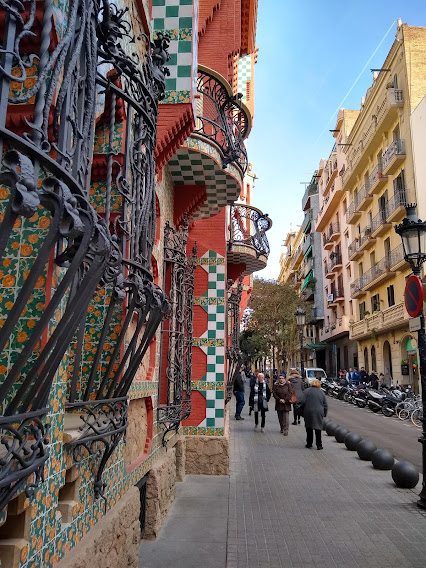
I’ll end with a book I read over a year ago, and one that’s not a novel – Emily MaitlisAirhead. Not a memoir, not a biography, but a series of bite-sized vignettes about the life of this successful newscaster and interviewer. One who prepares carefully, but flies by the seat of her pants. One who researches, but seizes the moment. One who knows what she wants from an interview, but who will allow happenstance to take control. This is a real insight, wittily written, into the high-octane life of a political journalist. It’s fairly exhausting reading, so what it’s like to be part of her family, I can’t imagine – we learn only a certain amount from reading between the lines of this book. An interesting, well and amusingly written book. Recommended to those of us who keep up with current affairs. 
So there we have it. A series of women whose abilities to make life choices are constrained in most cases by those closest to them. We’ll make an exception for both Katy Kontent and Emily Maitlis, both of whom play by different rules. And did you notice? Emily Maitlis likes the Carys Bray more than I did 😉

Next month? One of last year’s must-read books, which I haven’t yet read: No One is Talking About This by Patricia Lockwood.
My Year in Walking … and in Books

We’re almost at the end of 2021. Christmas has come, but not yet gone (the Twelve Days of Christmas), though Team Spain departed yesterday, leaving a big hole in the lives of two very debilitated grandparents who had long forgotten how exhausting a delightfully energetic eleven month old could be.

It’s time to review the year- two bits of it anyway.

I kept my resolution to walk every single day, whatever the weather – a promise that will not impress the dog owners among you, who have no choice in the matter. I reached one target, then another, and have finished the year with more than 1536 miles (2473 km) under my belt and still one walking day to go. I’m quite pleased.

I walked, sometimes in company…

… or alone …

This isn’t me. I don’t do selfies.

… at times accompanied by a Virtual Dog ..

… or other curious onlookers …

Back at home, I kept my promise to myself not to let Lockdown Lassitude interfere with my reading, as it had in 2020. I didn’t precisely set goals, but I aimed to read far more literature in translation, and more non-fiction that wasn’t Nature related. I managed that too. Here are the 101 books I read, as recorded in Goodreads

https://www.goodreads.com/user/year_in_books/2021?ref=yyib21_strip

My top reads of the year?

Cal Flyn: Islands of Abandonment; Nadifa Mohamed: The Fortune Men; Javier Marias: Berta Isla; Ingrid Persaud: Love after Love; Douglas Stuart: Shuggie Bain

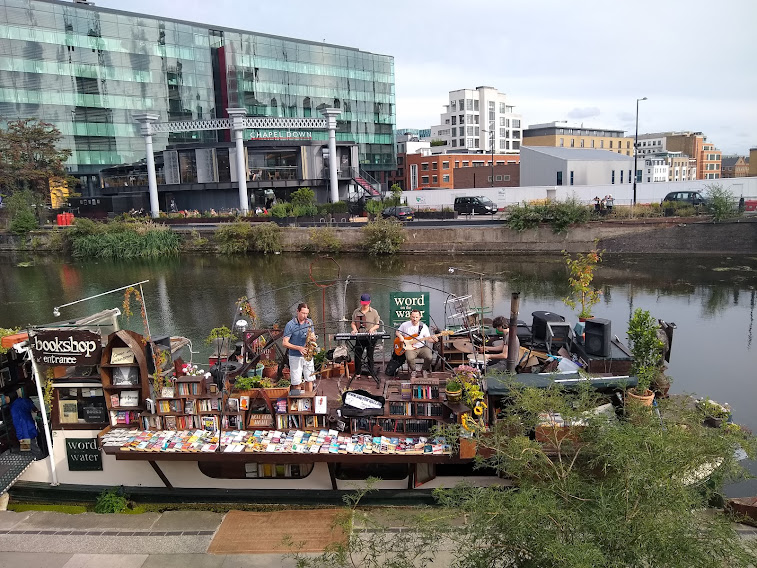
My header photo illustrates walking and reading combined: a stroll along the Regents Canal, where you’ll find a floating bookstore with, if you’re very lucky, a musical interlude as well. This isn’t a photo from 2021. Perhaps such treats with be part of my life again in 2022.

Six Degrees of Separation … in December

‘On the first Saturday of every month, a book is chosen as a starting point and linked to six other books to form a chain. Readers and bloggers are invited to join in by creating their own ‘chain’ leading from the selected book.

Six Degrees of Separation: Kate W

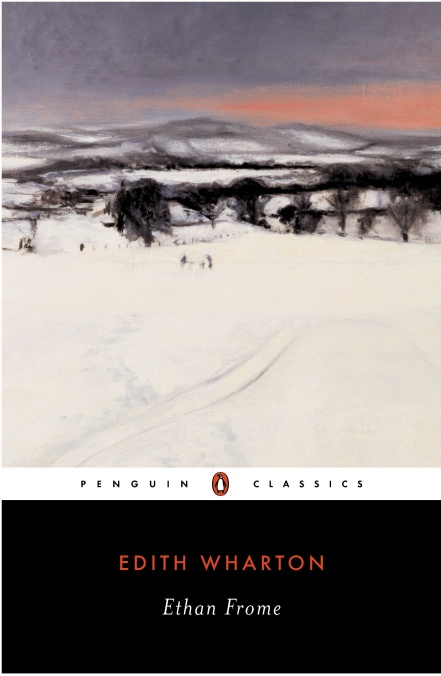
This month’s chain began with Edith Wharton’s Ethan Frome, which I’m so glad to have read. Bookish Beck has written a wonderful review of it, which I can’t improve on. Read it here.

Here is a man, Ethan Frome, whose life has not gone according to plan. Javier Cercas, in Lord of All the Dead tells us about another such life, that of Manuel Mena. If you’re a left-leaning writer it’s a bit of an embarrassment to discover, as Javier Cercas did, that your ancestor died fighting for Franco in the Spanish Civil War. And yet, unless he follows the story through soon, he realises that the few remaining people who knew Manuel Mena would be dead. And he uncovers a history in which a boy from a backward and poor village in Extremadura, through hard work and determination seems ready to reinvent himself and prosper because of his brains and his schooling. Then he decides to fight for Franco. Cercas discovers, in this account of a brutal civil war that all is not as black and white as it at first appeared, that Mena isn’t necessarily someone for whom he can continue to feel moral superiority. An uncomfortable and thought-provoking read.

Spanish Republican POW’s interned in Le Vernet, France. You can read about our visit here

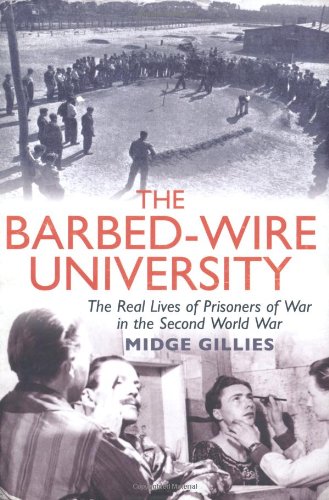
From one war to another. Not combat this time, but life as a POW in WWII. Midge Gillies‘s Barbed Wire University: the Real Lives of Prisoners of War in the Second World War. This was a fascinating read, and Gillies’ own father was a POW, so she’s able to describe his own experiences too. This is an account of the lives of the prisoners, mainly from Germany, Italy and the Far East, and from the officer classes. These men had more leisure time (aka stretches of boredom, without the resources in some cases to do much to relieve it) and therefore left more in the ways of letters and diaries than those working POWs in the ranks. The horrifying differences between the experiences of those incarcerated in Europe, compared with their fellow combatants in the Far East is fully explored. This is a lively account, relying on the diaries, reminiscences and letters of those who spent their war years largely locked up. The skills the men developed which informed their – often highly successful – later careers are quite astonishing in their breadth and depth. The book rightly concentrates on the humdrum daily life of the majority. This is not the book in which to find accounts of daring escapes or would-be escapes. I was left impressed by the resilience, ingenuity and dogged persistence of the POWs whose war time years must have been in different ways as difficult as that of many combatants.

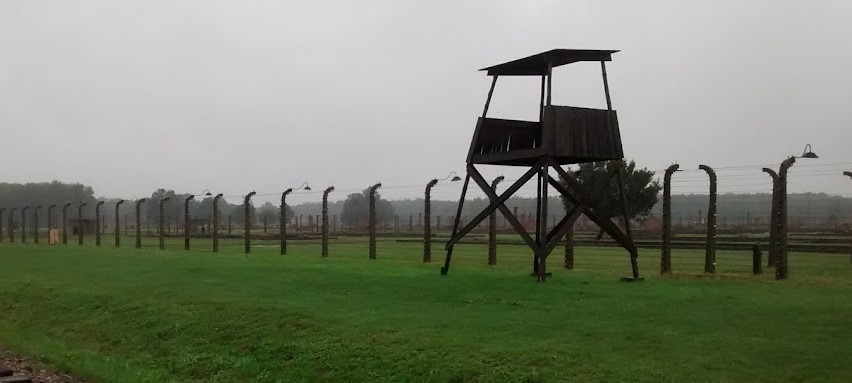
The POWs ‘experiences were not those of the inmates of Auschwitz, where this image comes from. but the watch towers, the fencing would be familiar.

From one type of prison to another: a fictional women’s prison, allegedly situated some miles from my home in Ripon. A Murder Inside, by Frances Brody. We meet a committed new governor, a body in the grounds, a missing prisoner, and a cast obviously destined to appear again in subsequent books in the series..  An enjoyable enough read, but this doesn’t come high on my list of must-reads.

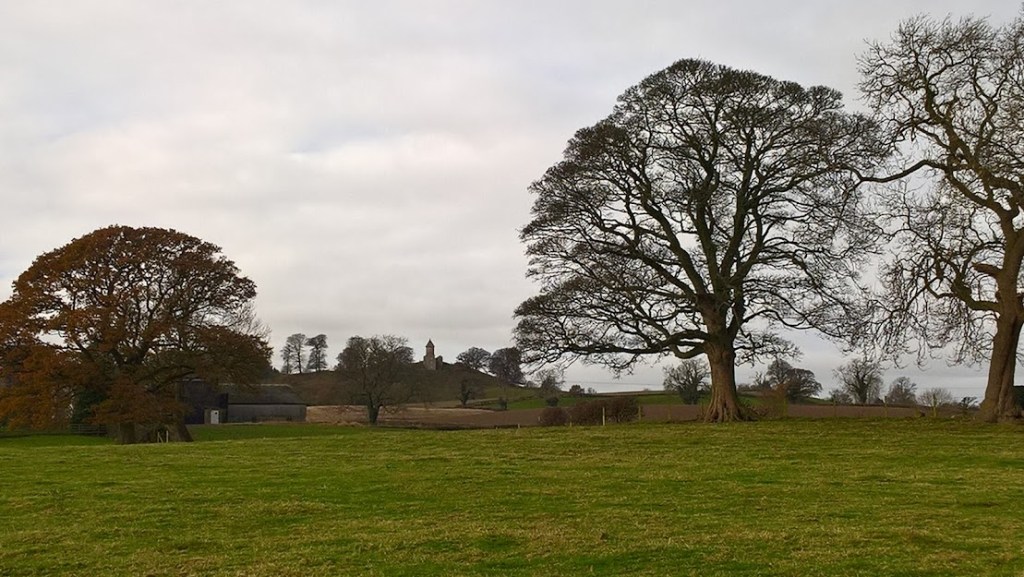
The countryside between Harrogate and Ripon, where this story is located.

A virtual prison this time: that of loneliness. Gail Honneyman‘s Eleanor Oliphant is Completely Fine. I’m always wary of much-hyped books, and in this case, my wariness wasn’t misplaced. Socially awkward Eleanor is bright, in a job that demands too little of her, and she is totally without friends. Her story, and her back-story slowly come to light. And things start to get better for her, thanks to an unlikely friendship which precipitates a chain of events, such that she is in danger of living happily ever after by the end of the book. I didn’t believe in her, not really. I don’t believe she could have grown up in the circumstances life threw at her quite so unaware of the 21st century. Still, I read it easily enough, and it wasn’t a bad story. Read it on a train journey, maybe.

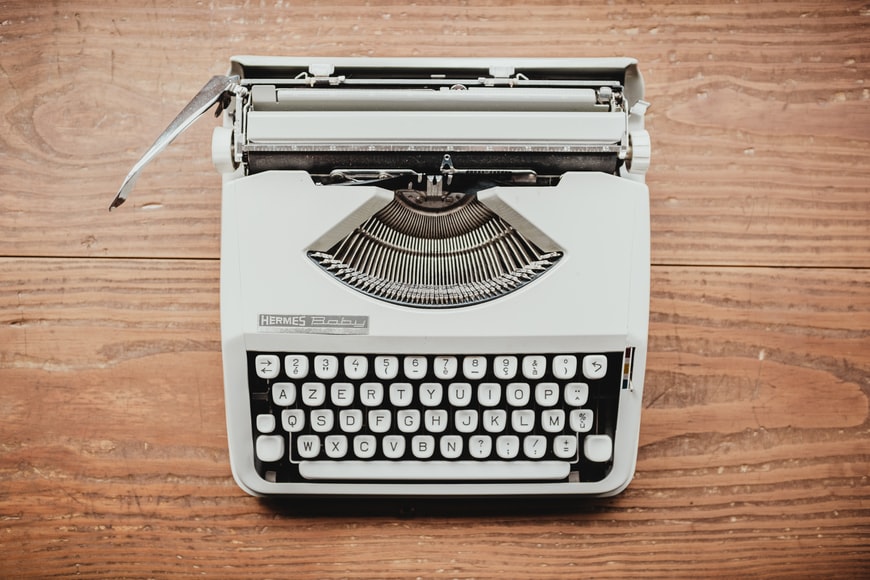
Office life for Eleanor? (Bernard Hermant, Unsplash)

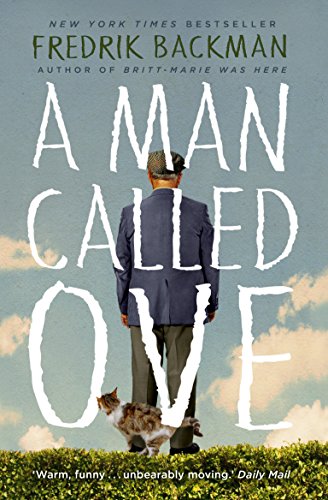
And here’s another book in a similar vein. A Man called Ove by Frederik Backman. I took against this book in the first few pages. It was obvious that the story line was going to be ‘curmudgeonly old man, widely disliked, is revealed to have a heart of gold, and after about 250 pages, everyone lives happily ever after’. This is exactly what happened. I turned the pages readily enough, but was unconvinced by almost everyone but the cat. I didn’t believe in his friendly new neighbour, or his wife, or another neighbour, Rune. But most of all, I didn’t believe that Ove would turn from irritable and irritating to everyone’s favourite grandfather in the space of about three weeks. Read this one on the train too.

Ove? (GLady, Pixabay)

My last book links not so much to Ove, as to Ethan: but all three books have male heroes. The Invisible Bridge by Julie Orringer. Simon Scharma observes, on the cover of the edition I read ‘You don’t so much read it as live it’. It’s true. This is an immersive story, mainly set between about 1937 and 1945, about a Hungarian Jew, Andras, who spends time in Paris as a young architecture student, and meets the slightly older Hungarian widow who will become the love of his life. The story follows him as he returns home, and as Hungary becomes ever more implicated in the war. The story of the Jewish population in Hungary isn’t well known in the UK. It’s clear that while they were not on the whole sent to concentration camps, their conditions in the Labour Corps of the army – all that was open to Jewish men – were no better. I couldn’t leave this book till I had finished it. It’s well written, and beautifully researched, though Orringer wears her learning lightly. I’ll read more of her work.

Next month, our chain-beginner is another American writer, Amor Towles: Rules of Civility. I know neither the book, nor the author. Another discovery, courtesy of Six Degrees.

Loving Libraries, from Surbiton to Ripon

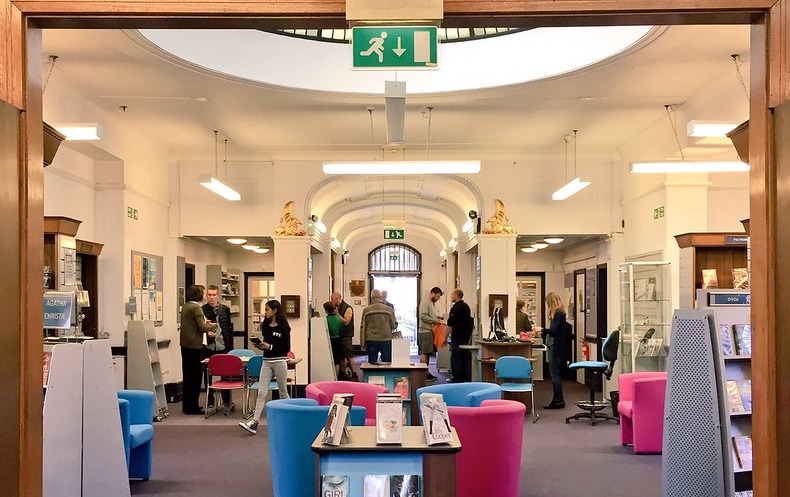
How times have changed. Back in 1966, I’d just left school, and was planning to work as an au pair in Italy before going off to university. For a bookish teenager, becoming a library assistant at Surbiton Library seemed just the job to allow me to save up for my trip. And it was – £10 a week was a fortune, allowing me to give my mother board money, save, and still have enough left over to have fun. It was of course a very different experience from the just-a-few-hours-a-week job I have now, as a volunteer assistant at Ripon Library.

Surbiton Library now. Then, the counters were left and right beyond the pillars, and there was not a pink or blue seat in sight. Image courtesy of the Surrey Comet.

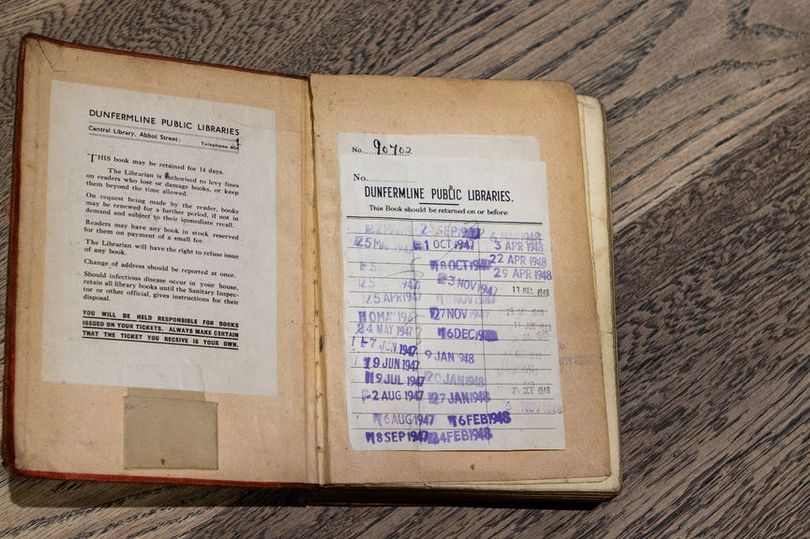
Then, we stood behind a somewhat forbidding counter, rifling through neatly organised columns of book identity cards to release the library ticket(s) to the reader so they could go off and choose more books. When they’d made their choices, we’d open their books and date-stamp, with a satisfying ‘thunk‘, the page pasted in the flyleaf.

Image courtesy of Wales Online

Now, readers (Oops, sorry, ‘customers’) have it all to do, checking books in and out themselves courtesy of a space age bar-code reader, which accepts fines and reservation payments too.

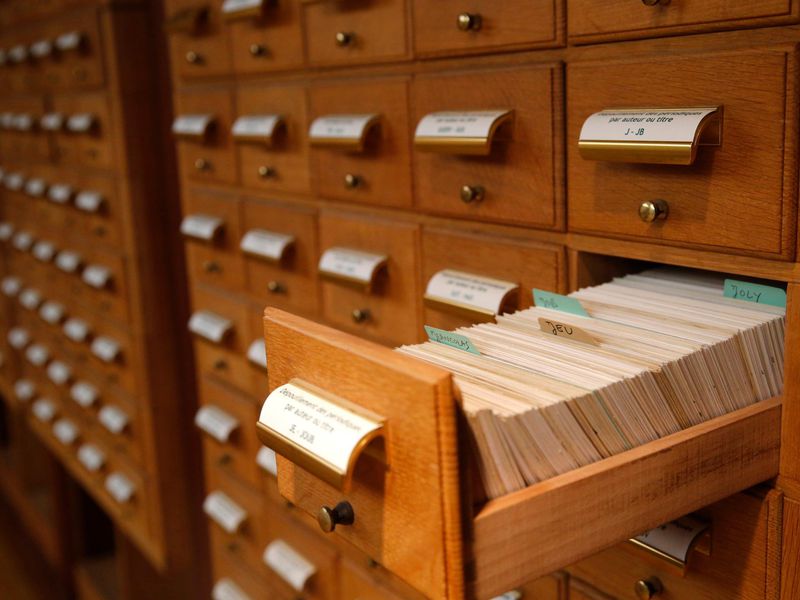
Still, then as now, we build relationships with regular readers, like the ones who lean over confidentially and ask you if there are any new nice romances in, by which they mean Mills & Boon. Or the ones who need their personal details changing because they’ve moved. Then? Write out new cardboard tickets. Now? Change their details on the database. Or the ones who need help using the catalogue. Then? A large chest filled with drawers and drawers of card-indexes. Now? Yes, the computer database. Then? Books. Now – books of course, but also DVDs, audio books, large-print editions, jigsaws and a range of services on line such as e-books and magazines.

Card-index courtesy of University of Toronto Library.

Then, the library was largely a silent place, with necessary conversations carried out in a low murmur. A couple of hard chairs I seem to think, maybe a table or so, but otherwise, little furniture apart from the bookcases. Now, when you come into the library, there may be a children’s story time in progress, with a circle of children sitting on the carpet at the feet of a cheerful soul leading a spirited rendition of ‘Old MacDonald’. Or adults and teenagers occupying one of the many computers as they do their admin. or homework. Or a coding club. Or a book group. Lots of squashy chairs. A coffee machine.

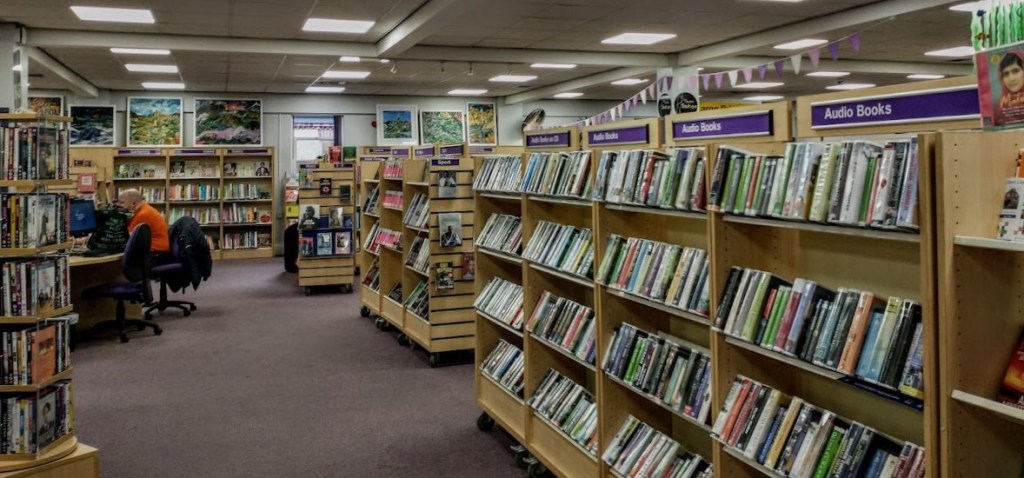
Ripon Library

Some things never change. All those returned books need to be replaced in the right place on the shelves. Then, we prided ourselves on ranging a neat line of 12 or more books along the length of our left arm, and plucking the one on top to shelve as we reached the right spot. Now (Health and Safety) we have trolleys to trundle the books round on.

One thing we never have to do in Ripon is prepare new books for issue. In Surbiton in 1966, the library closed every Thursday afternoon. Not so we could have time off, but so that we could all go to the work room, and encase the covers of new books in those paper-and plastic sleeves, enter their reference numbers, and paste date-stamp sheets and identity pockets on. Tatty books would be mended with the right kind of sticky tape, and any stains removed. We loved it. It was a chance to sit down and talk as we worked.

I don’t remember ever looking for books for inter-library loans, or returning books to other branches, but surely we must have done. I don’t remember ever being entrusted to do a display: marketing our stock to the reading public didn’t seem necessary. I don’t remember a book-delivery service for the housebound, or handing out community information such as a bus timetable or the phone number for Citizens’ Advice, all of which come as standard now.

And of course – staff. Then there was a qualified librarian, and a team of paid library assistants like me. Now the paid qualified staff have been most severely pruned, and the assistants are all volunteers prepared to offer a few hours a week. It’s a congenial voluntary occupation, and we’re well trained and supported. But how has local government come to this, that core services cannot continue without bands of volunteers? That other services, such as Home Care, have been squeezed and squeezed … I shan’t go on. This is neither the time nor the place.

What have I been reading this month?

Lana del ReyViolet Bent Backwards over the Grass.⭐⭐

Lucy Newlyn: The Craft of Poetry.⭐⭐⭐⭐

Janice Hallett: The Appeal⭐⭐⭐

Frances Brody: A Murder Inside⭐⭐

Edith Wharton: Ethan Frome⭐⭐⭐⭐⭐

Mercè Rodoreda: In Diamond Square⭐⭐⭐

Javier Cercas: Lord of all the Dead⭐⭐⭐⭐

Ralf Rothman: To Die in Spring⭐⭐⭐⭐

Gail Honeyman: Eleanor Oliphant is Completely Fine⭐⭐

Currently Reading

Robin Ince: The Importance of Being Interested

Sophie Divry: Madam Bovary of the Suburbs

Mini-review service will be resumed next month, but at least four of these books will find themselves in my Six Degrees of Separation this month.

Posted for Bookish Beck’s Love your Library.

Six Degrees of Separation … in November

‘On the first Saturday of every month, a book is chosen as a starting point and linked to six other books to form a chain. Readers and bloggers are invited to join in by creating their own ‘chain’ leading from the selected book.

Six Degrees of Separation: Kate W

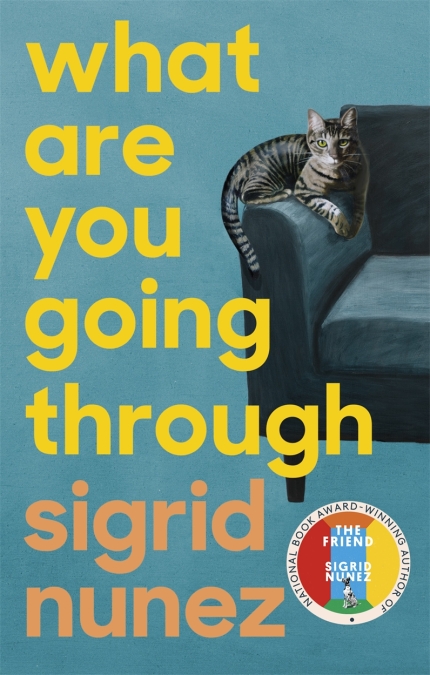
I haven’t read What are You Going Through by Sigrid Nunez, so I’ll rely on Kimbofo’s summary in her blog post on this book: ‘This is a story about stories — the stories we hear, the stories we write, the stories we tell ourselves… It’s about truth and fiction, confronting our fears, searching for hope to sustain us and caring for others. Most importantly, it’s about life and death, and asks pertinent questions about what makes a good life — and what makes a good death.’ 

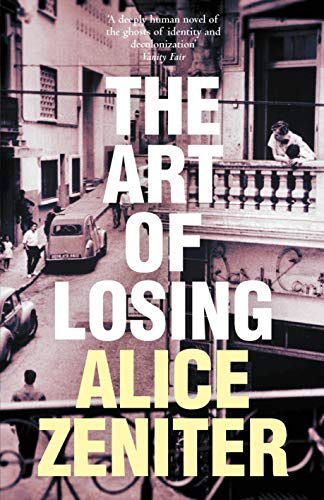
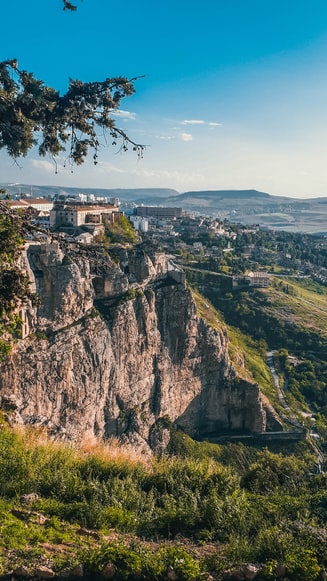
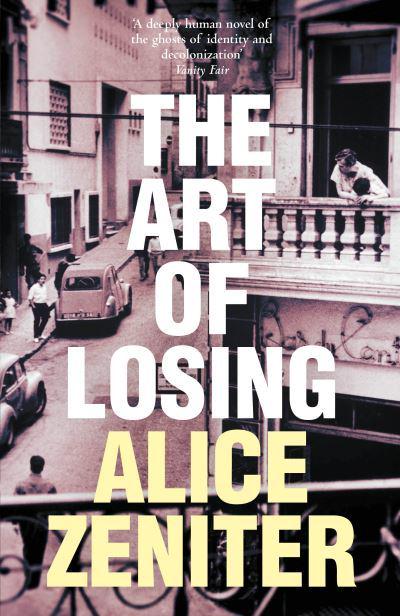
My link to this is Alice Zeniter‘s The Art of Losing, a story told through the eyes of Naïma, a third generation French-Algerian. I was engaged in this book from start to finish. It’s the 70 year story of a family, and begins in a village in Algeria, where Ali has made good and become a figure of some importance in his family and community. The Algerian War of Independence changes all that, and forced to flee to France, they become harkis (French Algerians), despised alike by the French whom they live among and Algerians who remained in the home country. A life of camps and sub-standard accommodation and work awaits them. It falls to university-educated Naïma, Ali’s granddaughter, finally to visit Algeria again and make some sense of what she finds. This is a story about colonisation, immigration, and how to carry on in the face of the loss of your country and cultural identity, and is both a powerful history lesson and a meditation on the difficult questions posed by the cultural upheaval of being forced to leave your home country.

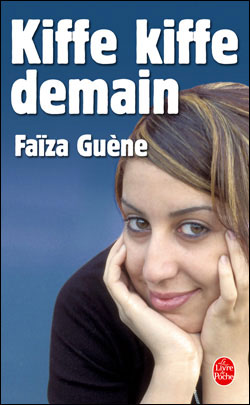
This leads me to Doria, a French-Moroccan teenager living with her mum in one of the soulless housing projects that encircle Paris, and whose story is told by Faïza Guène in Kiffe Kiffe Demain. We were living in France when I read this – oh, maybe ten or more years ago. But it’s stayed with me as a touching, funny and furious story of a sparky young woman prepared to make a go of things when her education, her family circumstances, her address, and a dose of casual racism stacks everything against her.

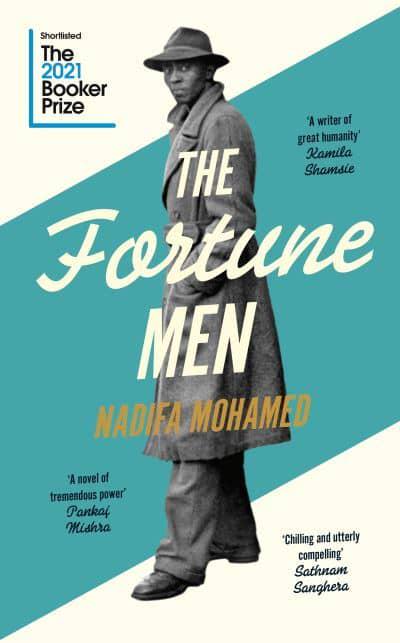
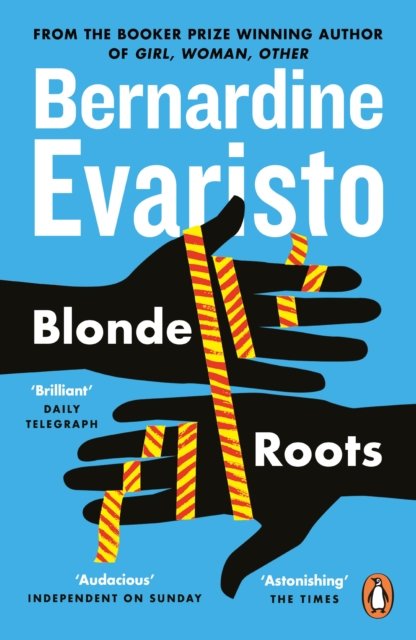
Another story of an immigrant, and like The Art of Losing, based on fact. The Fortune Men, by Nadifa Mohamed is a re-imagining of the life of a Somali seaman, Mahmood Mattan, wrongfully convicted of the murder of a Cardiff shopkeeper, Violet Volacki. At first the book swings between telling Mattan’s story and that of the victim, and her family. As the story unfold, Mahmood blossoms as a character. He’s a chancer, a thief, an adventurer, a lover and a doting father of three little boys. But he’s not a murderer. He’s the victim of racism, both from different elements of the multi-ethnic community in Cardiff where he then lived, and institutional racism at the hands of the Police, false testimony, and fabricated evidence. The most involving part of the narrative describes Mattan’s incarceration, when he evolves and shape-shifts as a character: tough, vulnerable, a risk taker, a believer in British justice. A moving, nuanced and compassionate re-imagining.

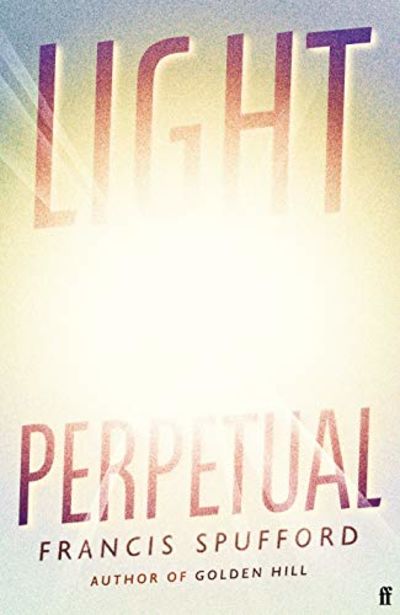
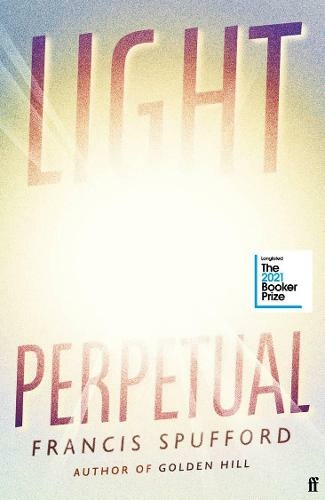
The same period of history, but we’re moving to London for Frances Spufford‘s Light Perpetual. I liked this book. I had high expectations, having thoroughly enjoyed Golden Hill and Red Plenty, and while this didn’t quite measure up, reading this book was time well spent. Several children died in South London during WWII when a Woolworth store took a direct hit. What if they’d lived? This is what Spufford explores, dropping in on 5 lives at 15 year intervals. The writing is good – that goes without saying. My only reservations are that the five characters he choses live lives which are all late 20th century issue-driven: the woman married to a National Front thug; the music lover who makes good in the 1960’s popular music scene; the sufferer from inner demons, addicted to his prescribed drugs; the Sahf London wide boy, and the print-worker whose career is swallowed away by the computer revolution. Accepting all this, the book is well done and realised and carried me along to its conclusion, a re-working of Psalm 150, which was a staple of my London C of E grammar school days at exactly this period.

Children died in my next choice too. The Green Hollow by Owen Sheers. I was 19 when disaster struck Aberfan, just doing an afternoon shift in the lending library where I worked. No internet then, no social media. It was rare for news items to reach us during the working day. But this did. And it touched us, horrified us even before we understood the full extent of the tragedy, though we didn’t talk about it together. It was too shocking. Owen Sheers put me back in touch with those feelings. He paints a scene of ordinary families getting ready for the day, ordinary children chattering their way to school, an ordinary teacher taking the register. A series of letters explain why the Coal Board is taking no action about the slag heaps, despite the concerns of the council. And then …. a rumble, a roar develops. That is all. Then we switch immediately to the rescue. To the young medical student who finds himself unwittingly part of the rescue operation, to the miners, parents, journalists. To the street where every single house has the curtains drawn. Death has touched them. Now the town is different. Life goes on. It has to. Children yearn to appear on ‘Strictly’ while every year commemorating what happened all that time go. Scars exist alongside hope.
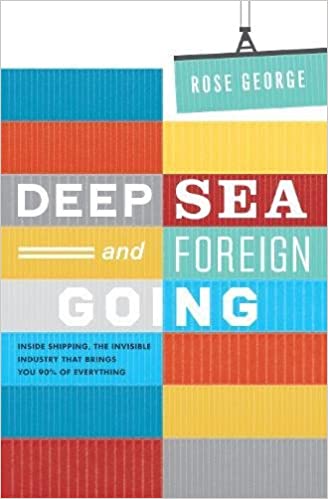
Goodness. I can’t leave things here. What can I do to lighten the mood? Well, it’s a bit of a stretch, but I have taken you round Europe and Africa, and maybe we went by ship. Deep Sea and Foreign Going: Inside Shipping, the Invisible Industry That Brings You 90% of Everything, by Rose George. Fascinating. The story of container shipping. How it gets from A to B. Why it gets from A to B and under what constraints. What it transports from A to B and then from B to A. How goods got from A to B prior to container shipping… and so on. There was me thinking that I was trying to be green, avoiding air freight where possible. It turns out that container ships are dirty, polluting, can employ crew in less than savoury conditions and for slave-wages, and which expose them, among other things, to piracy. Frankly, it sounds hell. And yet … the camaraderie and the draw of the sea encourages some to come back, contract after contract to a world they love. Beautifully written, absorbing and informative. A book I would never have chosen to read – but that’s what bookish friends are for. Thanks, Penny!

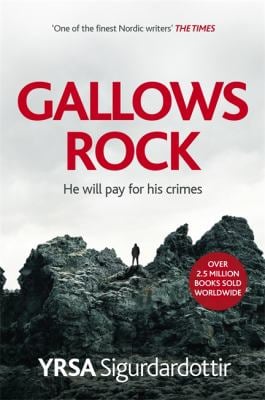
PS. In a recent post, I indicated that I would post a review of Yrsa Sigurðardóttir: Gallows Rock. It got edged out, but I’m sure its moment will come.

PPS. Frank’s Beach Walk Reflections are his thoughts as he enjoys a seaside walk. Today, he’s thinking about red, and he’s used some of my photos, as well as those of three fellow-bloggers. You might like to take a look.

Love my Library? Of course I do!

Bookish Beck is encouraging us to share why we Love our Libraries, and perhaps share some stories to show why. I’m a volunteer at our local library, though I dropped off for a while during the pandemic. This means that I have a constant supply of books which I end up bringing home to read rather than putting them back on the right shelf. And why not? I probably can’t plough through the number of books that I bring back – there aren’t enough hours in the day – but I can sample things I might not usually have considered. Some I win, some I lose, but it keeps the borrowing figures up, and that’s important when libraries battle with every council service for a share of the limited money-pot.

My post is just squeezed in for the October deadline.

Currently Reading

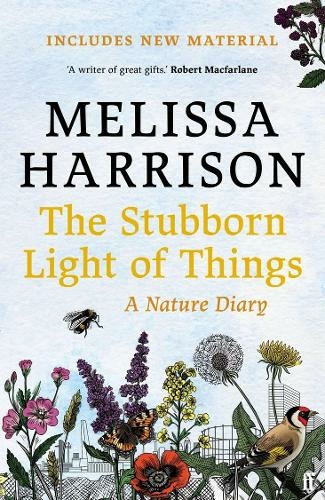
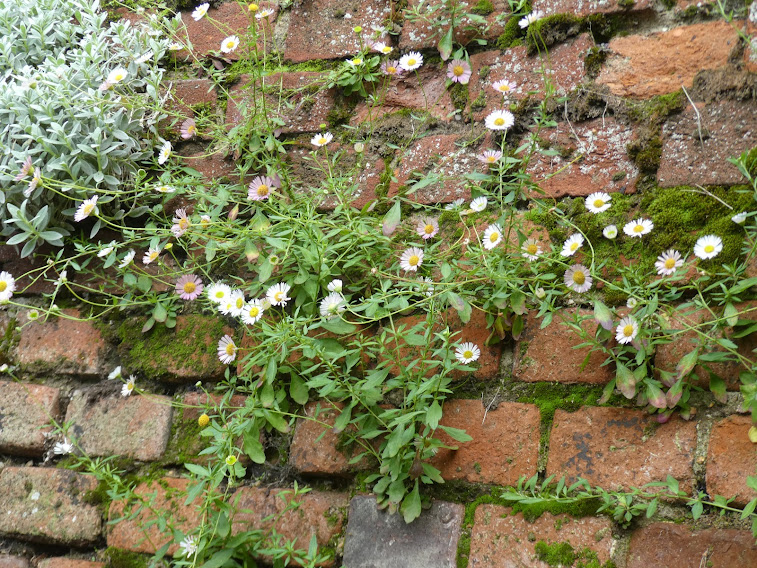
Melissa Harrison: The Stubborn Light of Things. I really have only just started this, but it’s promising. This is a selection of Harrison’s Nature Diaries for The Times from the last few years . She’s living in London in the section of the book I’m reading now, and discovering that Nature can thrive in the most unpromising of circumstances.

Read

What did I bring home this last month?

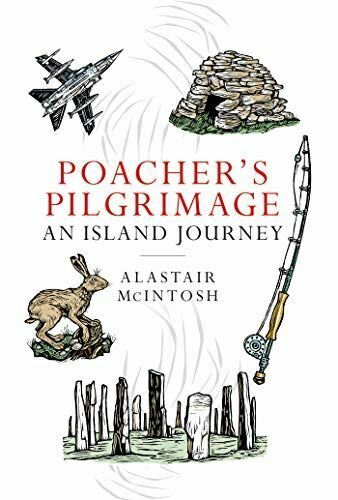
Alistair McIntosh: Poacher’s Pilgrimage – An Island Journey.⭐⭐⭐⭐ A powerful exploration of a sense of place. McIntosh returns to the Outer Hebrides of his youth, and undertakes a 12 day walk – a pilgrimage – from Harris to the Butt of Lewis. Not a place I know, but which I’d now like to explore, for its harshness, its Celtic roots, its community deeply rooted in its landscape and traditions. The book is part travelogue, part exploration of the island’s religious past, part exploration of ideas round war and pacifism. It’s a bit of a slow burn, but ultimately rewarding as an exploration both of a place, and one man’s mind.

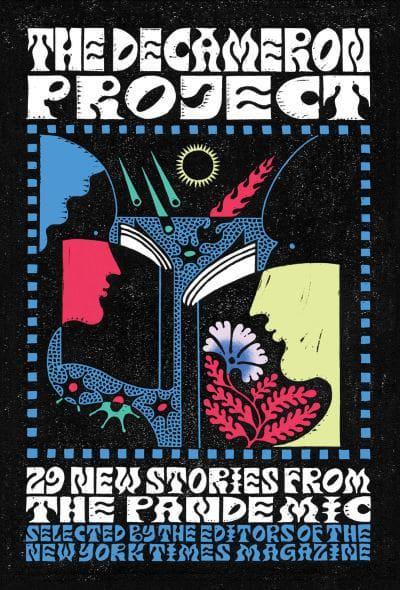
The Decameron Project: 29 New Stories from the Pandemic.⭐⭐⭐⭐ In a world overwhelmed by a global pandemic, The New York Times approached authors to contribute a short story encompassing their take on this discomfiting period. It brings Lockdown galloping back into my mind, even though few stories tackle this directly. The strangeness of the world at that time is brought into focus by a visit to a Barcelona dog owner with John Wray, or Colm Toibin bicycling in Los Angeles. Not every story is a success. I wasn’t a fan of Margaret Atwood’s Impatient Griselda. But as a memorial to a moment in history, with fine writing as standard, this collection is unbeatable.
Nadifa Mohamed: The Fortune Men. ⭐⭐⭐⭐⭐ Mini review forthcoming in November’s Six Degrees of Separation

 Yrsa Sigurðardóttir: Gallows Rock. ⭐⭐⭐⭐⭐Mini review forthcoming.

Francis Spufford: Light Perpetual.⭐⭐⭐⭐ Mini review forthcoming.

Alice Zeniter: The Art of Losing: ⭐⭐⭐⭐⭐Mini review forthcoming.

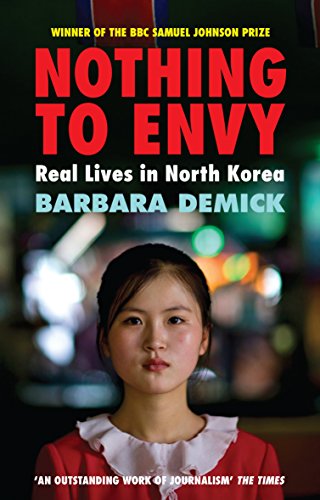
Barbara Demick: Nothing to Envy. ⭐⭐⭐⭐⭐A readable and illuminating account of the famine years of the early 20th century in North Korea, as seen through the eyes of six escapees. Not all of these people had long been critical of the repressive, totalitarian regime under which they had been brought up. They accepted unquestioningly that there was nothing to envy beyond the country’s borders, despite the fact that education, career ambitions, love and home life were under constant surveillance and minor ‘offences’ could result in lifelong unpalatable consequences for themselves and their families. An eye opening look at a largely unknown world.

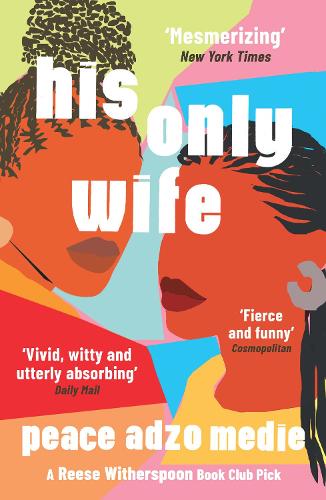
Peace Adzo Medie: His Only Wife. ⭐⭐⭐ Afi is a young seamstress from a not-at-all-well-off family. The chance of marriage to a wealthy man from Accra whose family disapprove of the woman who is the mother of his child changes all that. Her marriage takes place without the groom being present , and though he installs her in a luxury flat in Accra and makes sure she wants for nothing, it’s a while till she even meets him. When she does, she falls in love. But will that be enough to win him back from his other life with that other woman? I was only partly engaged in this tale. As someone who doesn’t know Africa at all, it seems to paint a believable picture of both bustling big city and small town life. But Afi seemed to me to achieve career success unbelievably easily, and I didn’t quite believe in her apparently deep love for Eli. I enjoyed the family relationships described, but on the whole, this was a book I was never fully committed to though I read it willingly enough.
Returned Unfinished

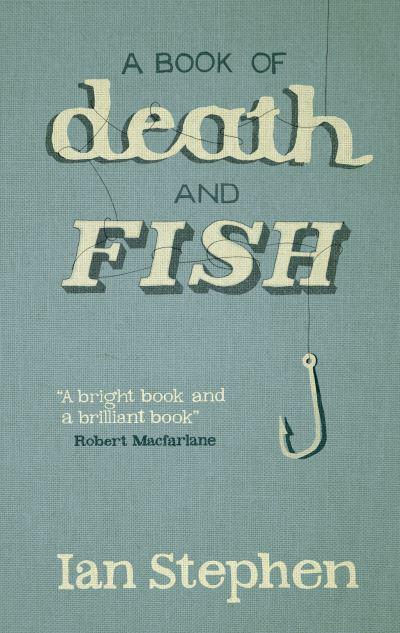
Ian Stephen: A Book of Death and Fish: I haven’t anything like finished this book. But I can tell that it celebrates language, and the telling of a good tale. I’m not in the market for a long immersive read at the moment, but I know I will come back to this book.

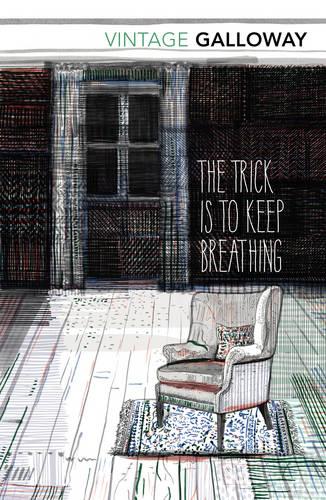
Janice Galloway: The Trick Is To Keep Breathing. Goodness knows, I’ve tried to finish this book. I can’t. It’s just too painful. Claustrophobic, disturbing, this is a story about a woman’s inner collapse on the death of her lover. As the ‘other woman’, she can neither be acknowledged nor supported. I’ve only once had depression, of the post-natal variety, and I was well supported, unlike isolated Joy. But the contact with this unwelcome world where everything is just too damn’ difficult and exhausting was more than I could bear. I don’t even know if there is any kind of happy ending to this suffocating tale.

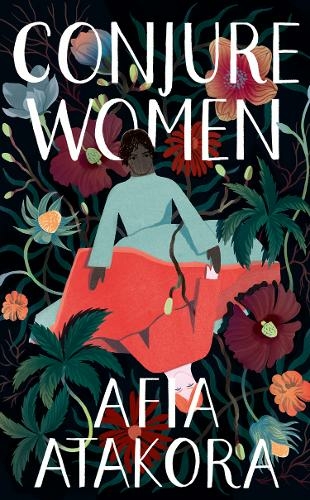
Afia Atakora: Conjure Women. I didn’t finished this book, but abandoned it at about page 50. I found the narrative hard to follow, and wasn’t invested in it sufficiently to try. Reading the reviews, I’ve missed out. Note to self. Try again later.

Borrowed, and waiting their turn

Ann Morgan: Reading the World.

Lana del Rey: Violet Bent Backwards over the Grass.

Eavan Boland: The Historians.

Lucy Newlyn: The Craft of Poetry.

Six Degrees of Separation in October

‘On the first Saturday of every month, a book is chosen as a starting point and linked to six other books to form a chain. Readers and bloggers are invited to join in by creating their own ‘chain’ leading from the selected book.

Six Degrees of Separation: Kate W

The Lottery, a short story by Shirley Jackson begins our chain this month. If you haven’t read it yet, you can find it here. If you haven’t read it yet, every single one of my choices will be a Spoiler Alert.

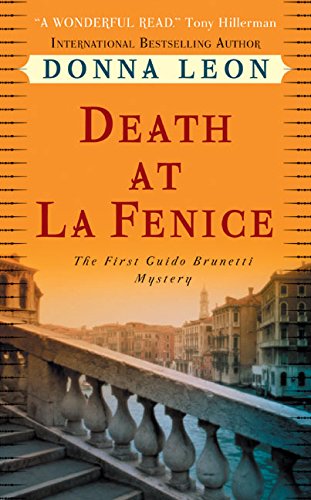
I’ve been accused, perhaps rightly, of making some dark choices for Six Degrees. And my first choice, linked to that short story, involves death, because it is a murder mystery. But I don’t read Donna Leon‘s books because I’m all that interested in the crime perpetrated. I’m more than a little in love with Our Hero, Commissario Brunetti. I’m more than a little in love with the back streets of the city he calls home, Venice: and with his wife Paola, and his adolescent children: the meals that they eat and the family occasions they share. There’s the endlessly clever Signorina Elettra at the Questura too, and a backdrop of Brunetti’s opposition to corruption and back-handers. Against these riches, the murder mystery is just a bit-part in the story. None of Donna Leon’s books disappoint, so let’s take the first one I ever read to stand in for them all: Death at La Fenice.

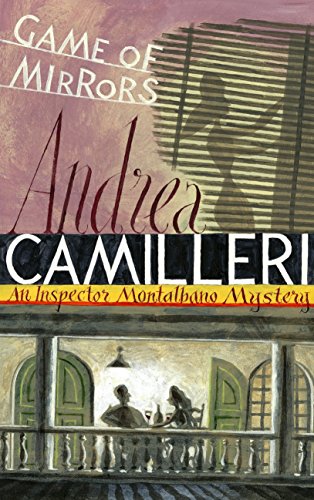
We’ll stay in Italy to meet Commissario Montalbano. Maybe you know Andrea Camilleri‘s detective from the series on BBC 4? I met him in print some years ago, and he’s older and less handsome than his TV alter ego. But still as personable. He’s keen on a good meal, keen on swimming in the sea that laps the beach near his home, and can be funny as well as insightful. I’ve just finished Game of Mirrors: an intrigue involving his neighbour, a bombed warehouse, and a trail of false clues.

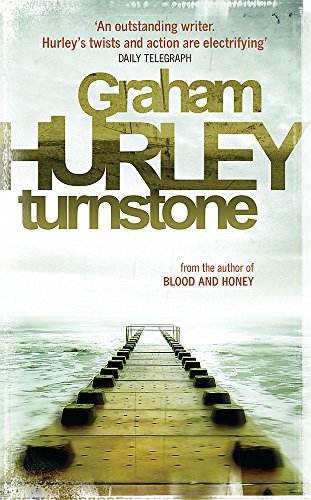
Another detective now, Joe Faraday. He lived, as I did once, in Portsmouth. He’s real enough too. His wife is dead. He has a profoundly deaf adult son, with whom he bonded in his early years of widowerhood by their shared love of birdwatching. Working with gritty crimes involves juggling paperwork and bureaucracy besides solving the conundrum of the offence, and it’s this rounded picture of Faraday’s life that I find so appealing. The first Faraday novel by Graham Hurley that I read was Turnstone. You might like to try it too.

DI Charlie Priest lived and worked in Yorkshire. His creator, Stuart Pawson was my friend and colleague when we both worked as mediators for the Probation Service: sadly he died a few years ago. Priest loved to pound the moors and fells of Yorkshire, as I do. His life involved too much work and too little play , but like the previous two detectives, he’s a rounded and believable individual. I’m choosing The Judas Sheep, because he dedicated this book to me.

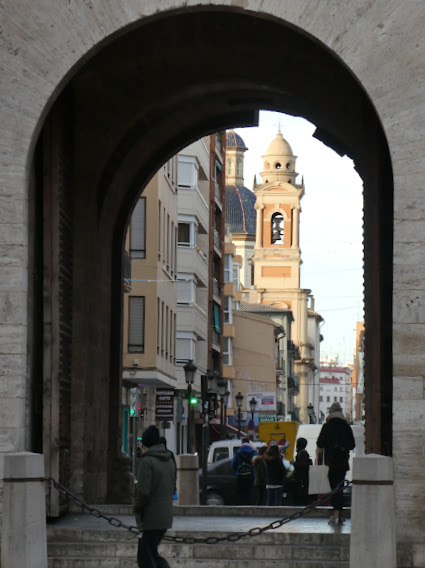
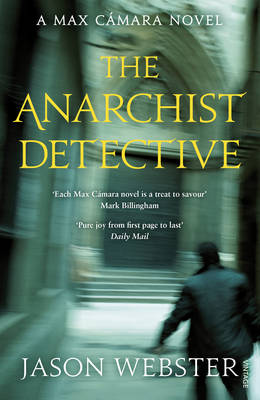
Jason Webster is an English writer living in Spain. He’s fairly recently turned his hand to detective fiction, and his hero is Max Cámara. I was interested in A Death in Valencia since this is a city I thought I knew quite well. As ever, it turned out not to be those parts of the city that I’d visited, but a much seamier place, with corruption at the heart of local government a commonplace. Add a murdered paella chef, and even the pope to the mix for another thoroughly readable story.

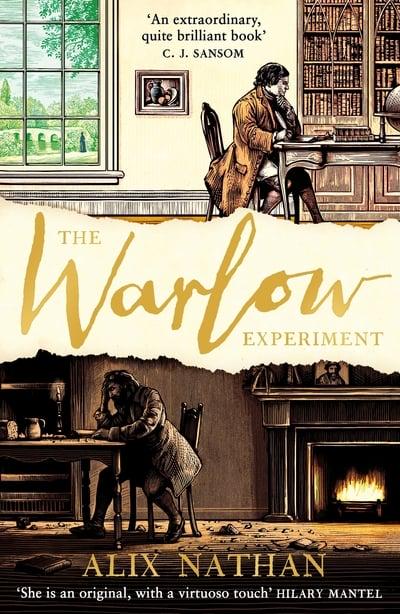
My last choice isn’t a murder mystery. But deaths occur, and the whole thing, like the short story we began with almost feels like a pact with the devil. Alix Nathan, in The Warlow Experiment tells us the story of gentleman scientist Charles Powyss, who in the eighteenth century sets up an experiment to study the effects on humans of total isolation. Uneducated labourer Warlow is that isolated man. Offered every comfort, decent food, books (he can barely read), all he needs – apart from human company – it all goes horribly, desperately wrong.

I began with a few murder mysteries. And I end with a death or so too. Unnecessary, bleak, as was the death with which our chain began. Next month’s choice promises to be a harrowing one. I’ll have to see whether I’m up to dealing with reading it: Sigrid NunezWhat Are You Going Through.

Library Checkout

I have always enjoyed Bookish Beck’s monthly Library Checkout, but it had never occurred to me to join in. Partly, I’ve been outfaced by the sheer number of volumes she manages to devour. But I’ve had a busy-for-me reading month, as well as a higher number than usual of ‘Nah, not for me’, so let’s get started.

Read

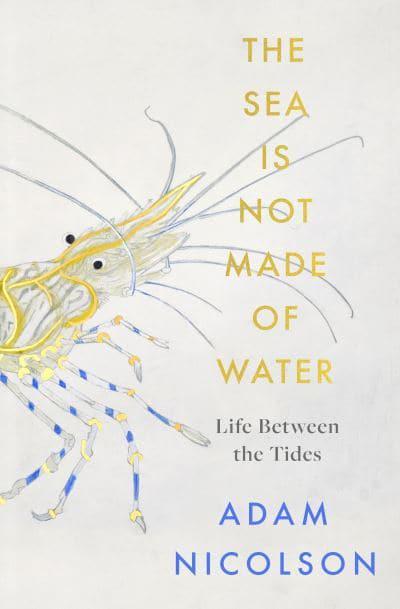
Adam Nicolson: The Sea is not Made of Water. ⭐ ⭐ ⭐ A study of what – apart from water – fills the seas. At tides, at geology, at social history and philosophy. Frequently fascinating, informative and thought provoking, but for me, the whole thing didn’t quite hang together

Frances Quinn: The Smallest Man⭐ ⭐ ⭐ ⭐ The rags-to-riches story of Nat Davy, dwarf, who avoids being sold as a fairground attraction when his father, who wants rid of him, gets a better offer for him to be the plaything to Queen Charlotte in the court of Charles I. Nat is soon at the heart of the action in the hotbed of political and religious discontent which is Stuart England. An enjoyable and easy to race through account.

Jason Webb: The Anarchist Detective. ⭐ ⭐ ⭐ Mini-review forthcoming in October’s Six Degrees of Separation.

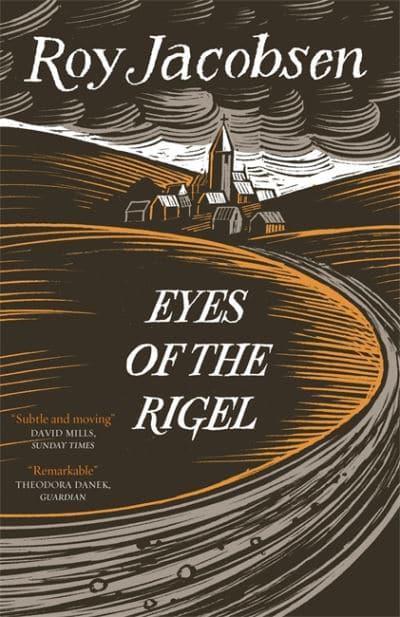
Roy Jacobsen: Eyes of the Rigel. ⭐ ⭐ ⭐ ⭐ I chose this from the library on a whim, unaware that this was the last of a series of three. It didn’t matter. Ingrid, inhabitant of a small Norwegian island sets off to find her Russian lover and father of her child in the aftermath of WWII. A discomfiting but highly readable story about the aftermath of war, about collaboration, guilt.

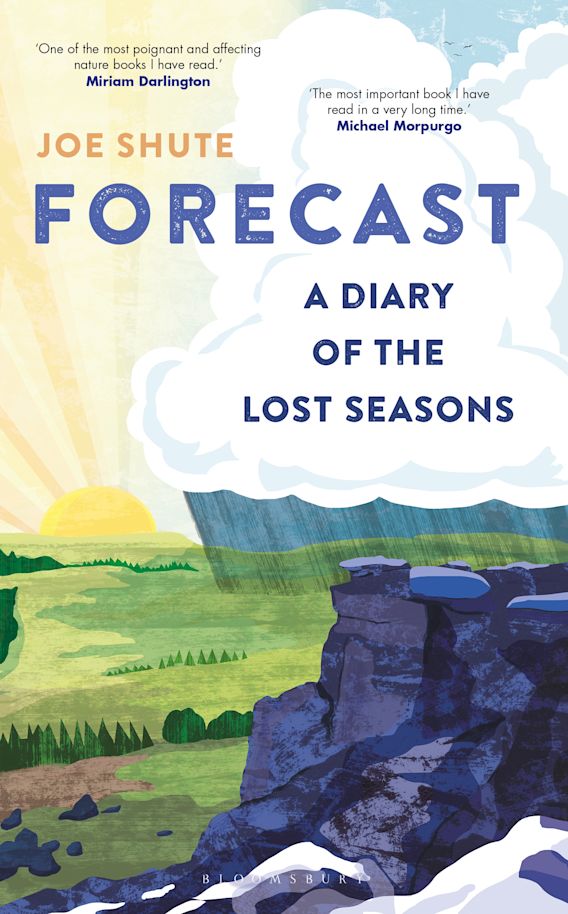
Joe Shute: Forecast. ⭐ ⭐ ⭐ ⭐ ⭐ A clear-sighted and readable account of how our seasons are no longer the four seasons we’ve traditionally recognised over the centuries, but are rapidly involving into something new, and difficult for wildlife and ourselves to adjust to. Shute has travelled the kingdom, delved into literature, folklore, plant and animal life, traditional industries, personal reminiscences, and even noted how language has changed in describing the weather. In among, he reflects upon the difficulties he and his wife have in conceiving a child: which might sound gratuitous, but isn’t, at all.

Alix Nathan: The Warlow Experiment. ⭐ ⭐ ⭐ ⭐ Mini-review forthcoming in October’s Six Degrees of Separation.

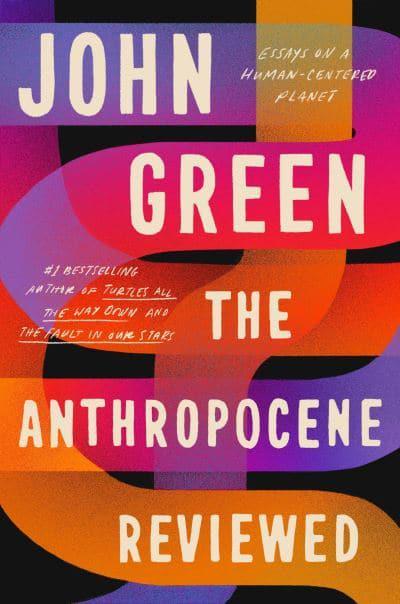
John Green: The Anthropocene Reviewed. ⭐ ⭐ ⭐ ⭐ I intended to dip in and out of these musings, developed from a podcast series about many different aspects of life on our planet. Instead, I read it from cover to cover, almost at a sitting. Green considers anything from the QWERTY keyboard to the Lascaux cave paintings, sunsets to teddy bears with his personal thoughts, anecdote, research, in a way which is at once engaging and amusing, as well as thought provoking.

Returned Unfinished

Garry Disher: Bitterwash Road. This is the gritty and well-told story of Hirsch, police whistle blower, demoted because of his actions and now the constable in a one-horse town in the Australian outback. The dialogue is slick and believable, the descriptions of characters, town life and the countryside evocative, the plot fast moving. This is a book that has everything. But after a few chapters, I’d had enough. Didn’t finish it.

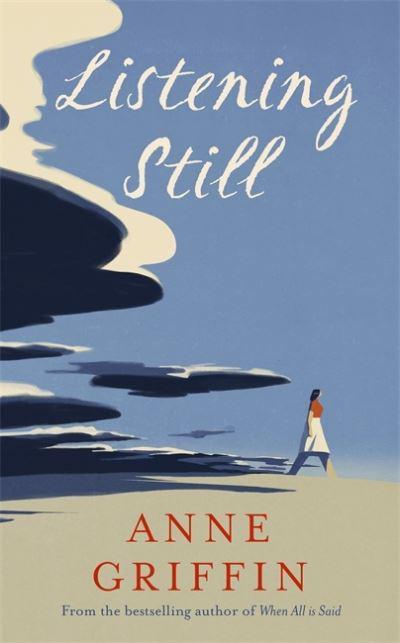
Anne Griffin: Listening Still. I’d loved When all was Said, reviewed here. But a cosy two generation family with an undertaking business, two of whom can talk to the dead briefly, before they totally expire? Just …. nah.

Eugenia Rico: El Otoño Aleman: I seriously overestimated my reading stamina and abilities in Spanish. Back to basics!

Borrowed, and waiting their turn.

Alastair McIntosh: An Island Journey

Janice Galloway: The Trick is to Keep Breathing.

Ian Stephen: A Book of Death and Fish.

The Decameron Project: 29 New Stories from the Pandemic

Is this a typical month? Maybe not. There’s a higher proportion of non-fiction here than usual. Have you read anything from my pile? Tempted by anything?

It’s time for Six Degrees of Separation … in September…

‘On the first Saturday of every month, a book is chosen as a starting point and linked to six other books to form a chain. Readers and bloggers are invited to join in by creating their own ‘chain’ leading from the selected book.

Six Degrees of Separation: Kate W

This month, the chain begins with Rachel Cusk’s Second Place. The narrator is M, living out in a remote country landscape with her second husband Tony, invites celebrated painter L to stay in the second cottage they own: she is powerfully attracted to his work. We’re witness to M’s inner monologues, as she worries about her relationship with her daughter, her husband and L’s antipathy towards her, manifesting itself in calculated rudeness. Cusk acknowledges the book as a re-write of Mieko Kawakami’s memoir of DH Lawrence, Lorenzo in Taos, but I haven’t read this. M could be thought obsessive, over-analytical, though much of what she thinks is beautifully expressed.  Insightful?  Pretentious?  Only you can decide.

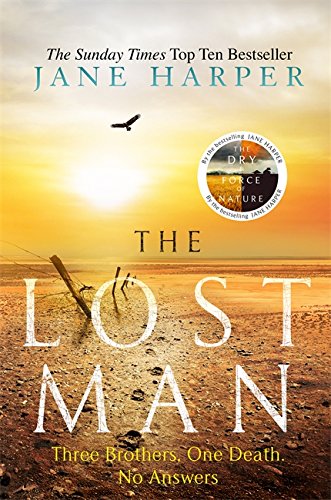
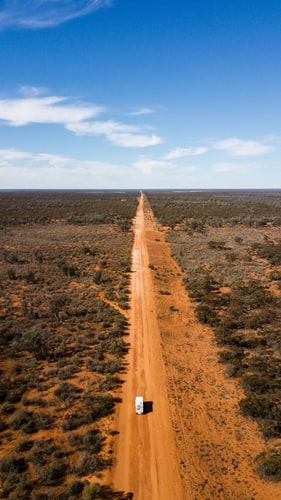
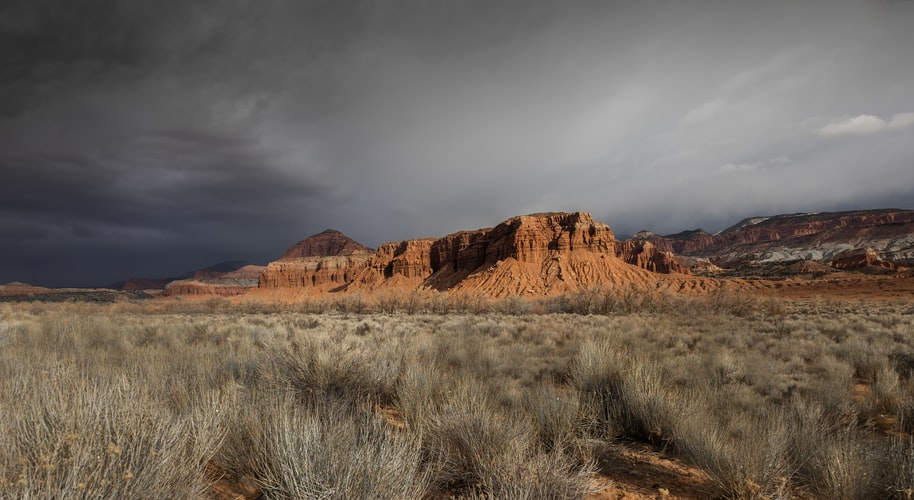
Some weeks on from reading Second Place, my lasting impression is of a lonely setting, and of characters who are ultimately alone.  So the first link in my chain is Jane Harper’s The Lost Man.   This story is set in the Australian outback, and for me the central character in the novel. Understanding the vastness, the harshness, the loneliness and unforgiving nature of this landscape was what I took from this book. It’s the story of a family, of three brothers who live next door to one another (by which you need to understand that they each live at least three hours drive from each other), and what happens after Nathan finds Cameron dead one day, by the grave of a long-dead stockman, in upsetting circumstances.  The wider family unravels, then ravels again in a satisfyingly realised story, in which the ending was possibly just a little too neat.  But it’s a great story, well told and visualised.

Loneliness of a different kind is at the heart of Javier Marías’ Berta Isla. Berta and Tomás fall in love while still at school together. Anglo-Spanish, Tomás goes to university in Oxford, to further his extraordinary gift for languages, while Berta studies in Madrid. At Oxford, Tomás makes a mistake which obliges him to make his choice of career to work for the British secret service. It changes his and Berta’s relationship for ever. This is the story of a marriage in which the husband is largely absent to his wife, to his children and to the world at large. It takes in – at a distance – the Irish Troubles, the Falklands War, and Franco’s dictatorship.

 At one point Berta herself quotes from Dickens’ Tale of Two Cities: ‘…every human creature is destined to be a profound secret and mystery to every other creature’. That’s what this book is about.  A thoughtful, discursive book which will remain with me for a long time.

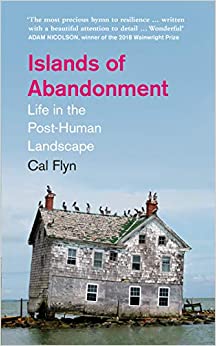
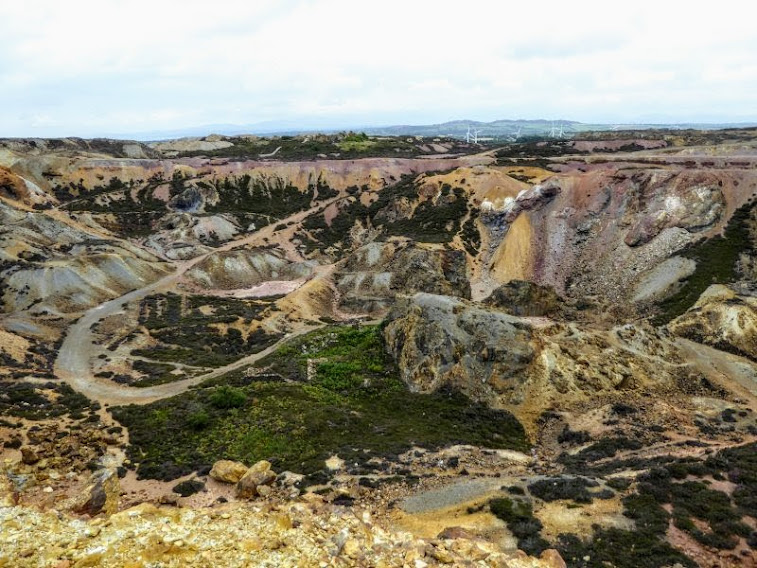
Let’s look at loneliness of a different kind: Islands of Abandonment by Cal Flynn. This is a book about what man has done to various places on earth, and what happens when man ceases to interfere: when the mining stops; the botanical garden is left to its own devices; the fatally damaged nuclear reactor is fenced off; the WWI chemical weapons site locked and the farmland abandoned. Nature begins to take over once more. Maybe not quite in the form that it had previously, but insidiously, by adapting and making do. The wilderness revives.

This beautiful, even lyrically written book celebrates Nature’s power to recover, even when to the average aesthete the results are not conventionally pretty. It may be almost too late. There is much to be concerned, horrified and terrified about as man continues to despoil the planet. But Flyn finds hope in nature’s power to take back control. A book I am pleased to have read: and one which gave me plenty to think about, and plenty to appreciate in the quality of Flyn’s writing.

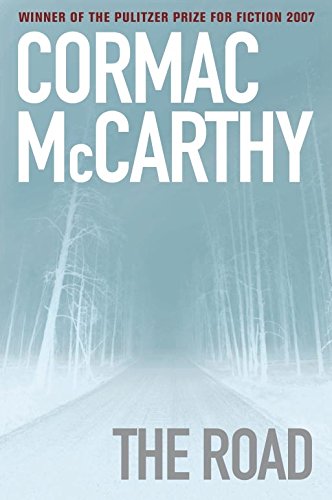
Back to fiction, to Cormac McCarthy’s The Road, the tale of a father and son trudging through post-Apocalypse America. This is a land where nothing grows, no small animals are there for the hunting: where communities and dwellings are deserted and long-since looted for anything that might sustain life a few more days: where other humans might prove peaceable, but might instead be evil and dangerous. This book is bleakly, sparely written. Conversations between father and son are clipped, necessary. No speech marks. Sometimes little punctuation. Every ounce of energy is needed for the business of staying alive. This book, in which nobody lives happily-ever-after will stay with me for a long time.

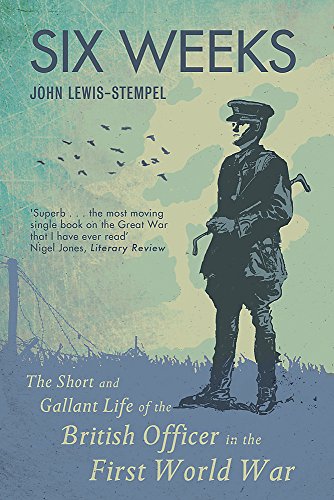
An apocalypse of a different kind is described in  John Lewis-Stempel’s Six Weeks: The Short and Gallant Life of the British Officer in the First World War. I thought I was pretty clued up about the social history of World War I, but this book was a revelation. It describes the war, and life in the trenches and beyond from the point of view of the young subalterns who, in leading their men at the Front, had a life expectancy once there of six weeks. These young men, some no older than 17, had been equipped by their education in public schools to be team players, leaders, and military men through their membership of the OTC. They rose to the occasion, leading men often old enough to be their fathers, commanding their respect and even love. Some of these men became officers in their turn, because the public school men, frankly, were mainly all killed. Marlborough School, for example, lost 400 men in the Great War.  This is about their short lives, and the lives of the men they led.  Brilliant.

Oh goodness, this has been quite a dark month of book choices.  Let’s lighten the mood for my final choice, in a book about that moment in our lives when we’re all finally alone … death.  Waiting for the Last Bus by Richard Holloway. This is an excellent, thought provoking book written with a light, amusing touch. I’ve reached the stage in life where reflections on life and death seem appropriate, and this is a book I’ll read again. Holloway considers our fears of death, both for ourselves, and for those whom we love. He looks at what comes next, both for the deceased and for those left behind. A former monk, agnostic, and bishop, Holloway has written a book which is accessible to us all, not just Christians.  Highly recommended, and not at all depressing.

It’s time for Six Degrees of Separation … in August

‘On the first Saturday of every month, a book is chosen as a starting point and linked to six other books to form a chain. Readers and bloggers are invited to join in by creating their own ‘chain’ leading from the selected book’.

Six Degrees of Separation: Kate W

I was pretty stumped by the book starting this chain: Postcards from the Edge by Carrie Fisher.  The story of a Hollywood actor’s struggle with drugs didn’t appeal to me.

I settled on Sharp Objects, by Gillian Flynn. Here is a cast list of utterly blemished characters, with the narrator, Camille Preaker, as the lead. Fresh from psychiatric hospital, this Chicago-based reporter is sent to her long-left home town to comment on a couple of nasty and unsolved murders. We meet her damaged mother, her unreliable sister, and a host of others. This is an engrossing but troubling story which in the end rather exhausted me.  I was glad to turn the last page, feeling that both characters and the town in which the book is set are caricatures, rather than living entities. 

Wind Gap, the town on which the story is centred, was based on Barnesville , Georgia- here’s its City Hall ( Wikimedia Commons, Michael Rivera)

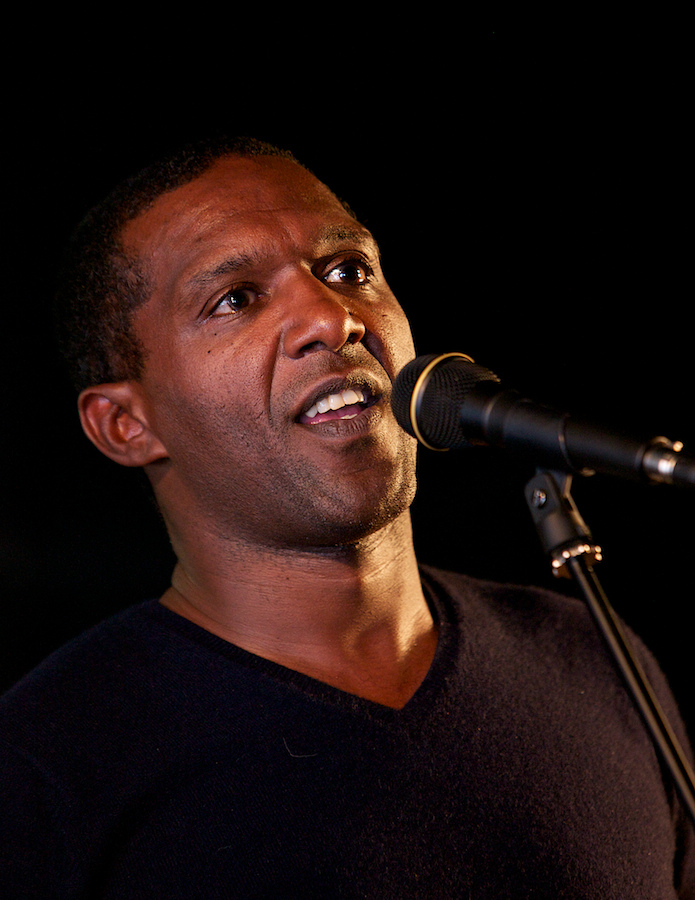
Now to an autobiography of someone who could have been damaged beyond repair, but isn’t. My Name is Why. Lemn Sissay: Chancellor of Manchester University: official poet to the London Olympics: broadcaster and advocate for the rights of children in care. A successful life.  It was not always so. His Ethiopian mother, briefly in England to study, gave birth to him in a home for unmarried mothers and was forced to give him up.  Initially fostered, he became estranged from his foster family. and aged twelve, began a distressing journey through several children’s homes. His descent from bright, happy and popular child to uncooperative social misfit is shown in a series of dry reports from social workers and officials with whom he had contact. The book is an indictment of the care system. That he survived such a system and has since prospered is no thanks to it.

Lemn Sissay (Philosphy Football via Wikimedia Commons)

And so to Blonde Roots by Bernadine Evaristo. Here is a world turned upside down. Black people are in charge, whites are their slaves. Feudal Britain, eighteenth and nineteenth century worlds, the modern age and a dystopian future all combine in this world of toil and trouble in which Doris, kidnapped from her home into slavery, finds herself.  There’s much to enjoy and admire in this early novel from Evaristo: the playful place names such as Londolo: details such as the efforts of whyte women to achieve the curly Aphro looks of their former masters. The speech patterns of the slaves, rooted in those of their black masters didn’t work for me, and overall, this was an only partially successful attempt to demonstrate that tyranny rules when we begin to regard others as inferior to ourselves.

Evaristo plays with the idea of a world in which history is up-ended (Unsplash: Ivana Cajina)

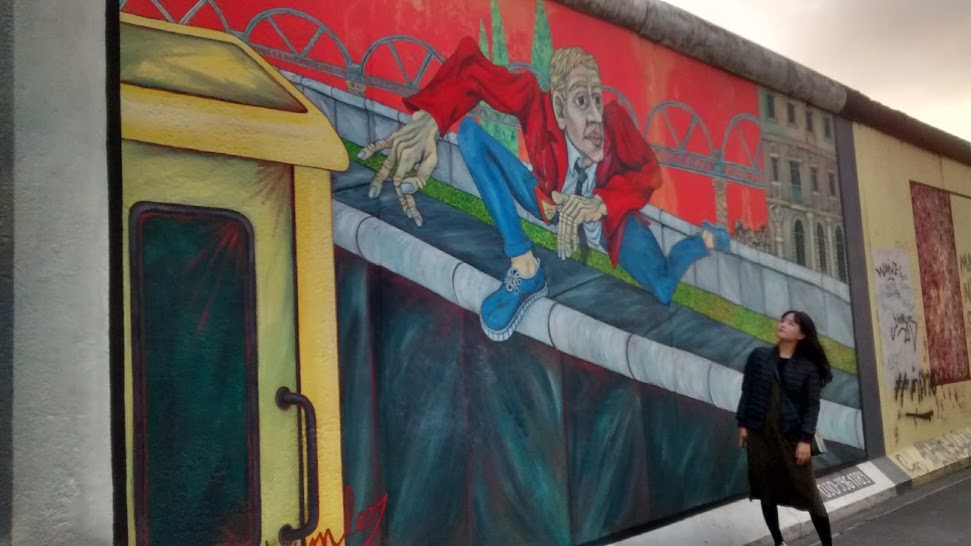
There are two contrasting worlds in my next book:  The Communist’s Daughter, by Aroa Moreno Durán, Katia, the daughter of Spanish refugees from the Civil War was raised in East Berlin with all its difficulties and privations. She saw the wall go up, experienced the limitations of the life they were obliged to leave. And she left, with all the difficulties and dangers her leaving represented. But what had she gained? And what might her family have lost? A sparely written, thought provoking and unsettling book.

The Berlin Wall: but not as Katia knew it

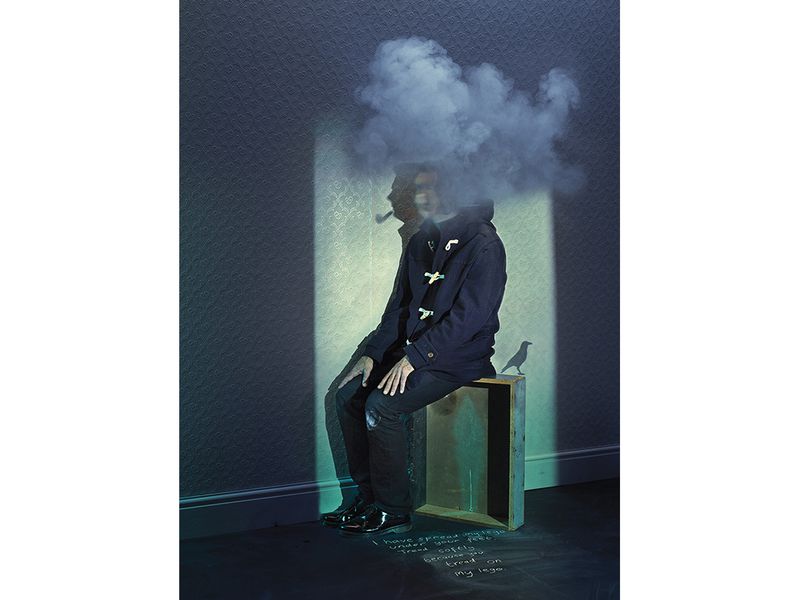
From one social outcast to another very different one: Diary of a Somebody by Brian Bilston. This is a quirky read, to be enjoyed for the oddball poems which are at its heart.  Nobody could take the fictional Bilston seriously.  He’s hopeless at his job, socially inept, useless at time and money management.  But he writes off-beat verses, using anything from great literature or the day’s puzzle page in a newspaper as his catalyst.  A book to read when the New Normal is getting you down.

Brian Bilston ( Smithsonian Magazine: no copyright infringement is intended)

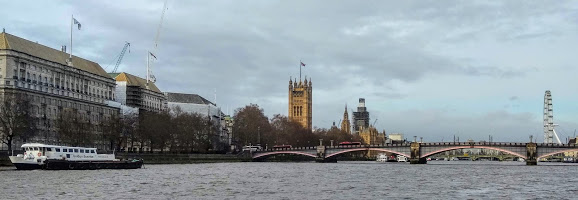
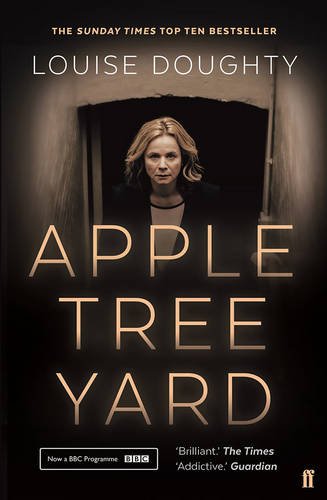
One unexpected character leads to another.  Meet Dr. Yvonne Carmichael in Louise Doughty’s Apple Tree Yard. However did she, a respected  and happily married academic, end up on trial for a murder she didn’t commit? And how is it that her co-accused is a man about whom she knows so very little, despite their having been lovers for months? In this book, we dodge between courtroom and back-story, learning how Yvonne allows herself to tumble into assignations with a man whose name we are told only late on in the narrative. I’m not sure I totally believed in Yvonne Carmichael, or in the beginnings of her affair. But I was sucked into the drama, had no idea how the book would end (slightly disappointingly actually, in my opinion), but it certainly fulfilled its can’t-put-it-down hype.

Westminster: a central character in Apple Tree Yard.

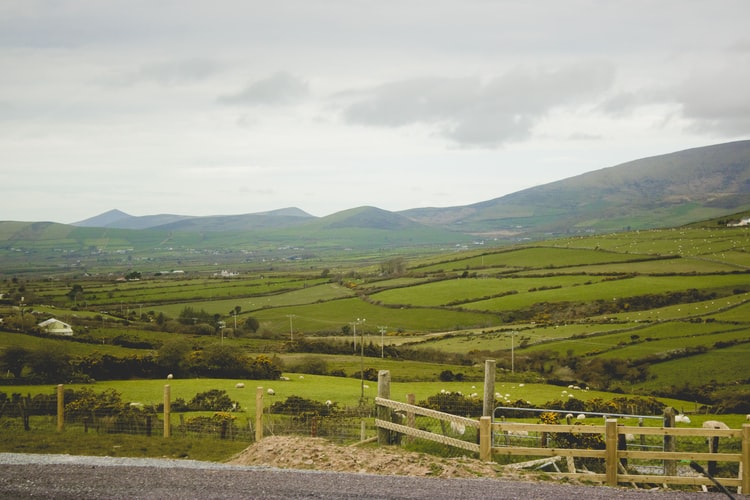
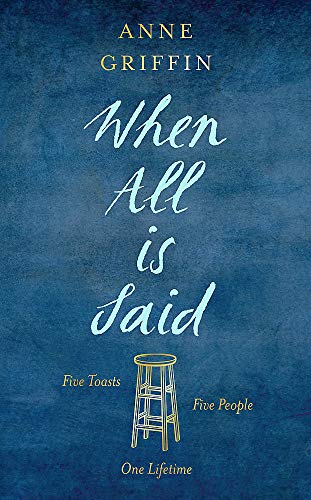
I’d like to end with a character who, though fictional, I totally believed in, encountered in Anne Griffin’s When All is Said.  Maurice Hanigan, now widowed, and aged 84, sits in a bar and raises a toast, one by one, to the most influential people he’s met.  We learn about his life, from his spectacularly unsuccessful school career, to his spectacularly successful career as an entrepreneur.  We grow to hear about his complicated relationship with the family that first employed him while he was still at school, the Dollards.  And his complicated relationship with a unique Edward VIII sovereign, which belonged to the Dollards, and which Maurice – er – found.  It has a legacy, and bears a curse.  This is an engaging, compassionate man, who’s well aware of his failings and of the stereotypes he lives up to.  Each toast, each story is a stand-alone which weaves together into a narrative of the life of a man both wily and mean, loving and grudging for whom in the end, I felt a great deal of understanding. Best of all, you can’t help but read this story in a strong Irish accent.

Farmland in Ireland ( Unsplash: Elisabeth Arnold)

So there we have it. Six Books. Six characters, all shaped and perhaps damaged by the environment in which they grew up.