Six Degrees of Separation: From Land to The French Intifada

On the first Saturday of every month, a book is chosen as a starting point and linked to six other books to form a chain. Readers and bloggers are invited to join in by creating their own ‘chain’ leading from the selected book.

Kate:  Books are my Favourite and Best

I am currently 108th in the queue at the library to borrow Maggie O’Farrell‘s Land, this month’s starter book, so obviously I haven’t read it yet. Here’s a hint of the earlier part of the story, disclosed by Google’s little AI pal. ‘Tomás and his reluctant son, Liam, are working for the great Ordnance Survey project to map the whole of Ireland. The year is 1865, and in a country not long since ravaged and emptied by the Great Hunger, the task is not an easy one. Tomás, however, is determined that his maps will be a record of the disaster. ‘

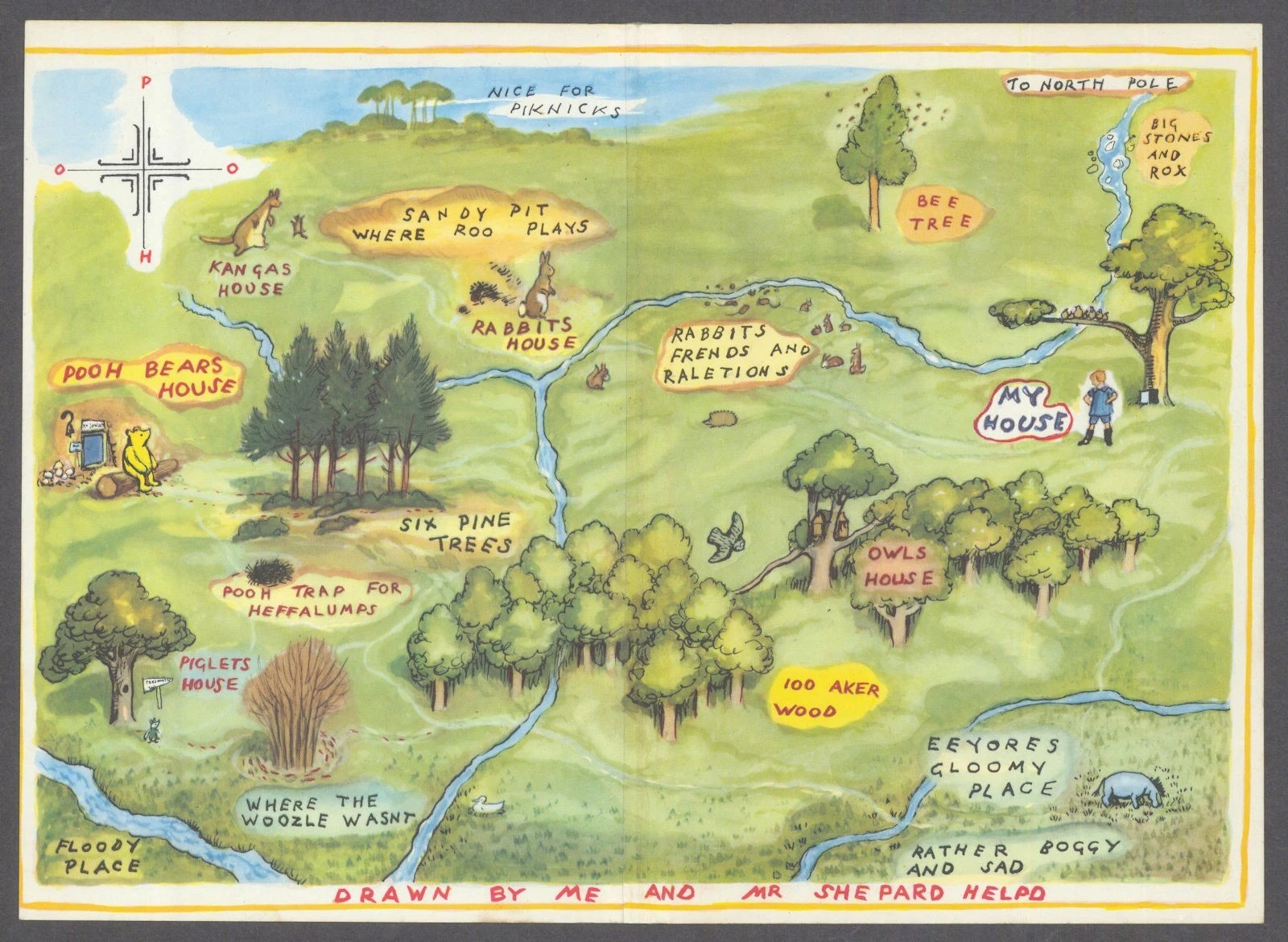
Maps then. I love a map within a book, and one of my favourites is that of the Hundred Acre Wood, included in AA Milne’s Winnie the Pooh. Drawn by Christopher Robin himself, the map includes a number of spelling and grammatical errors, such as – ‘Rabbits frends and raletions’ all of which only serve to endear Christopher Robin and his woodland pals to us even more.

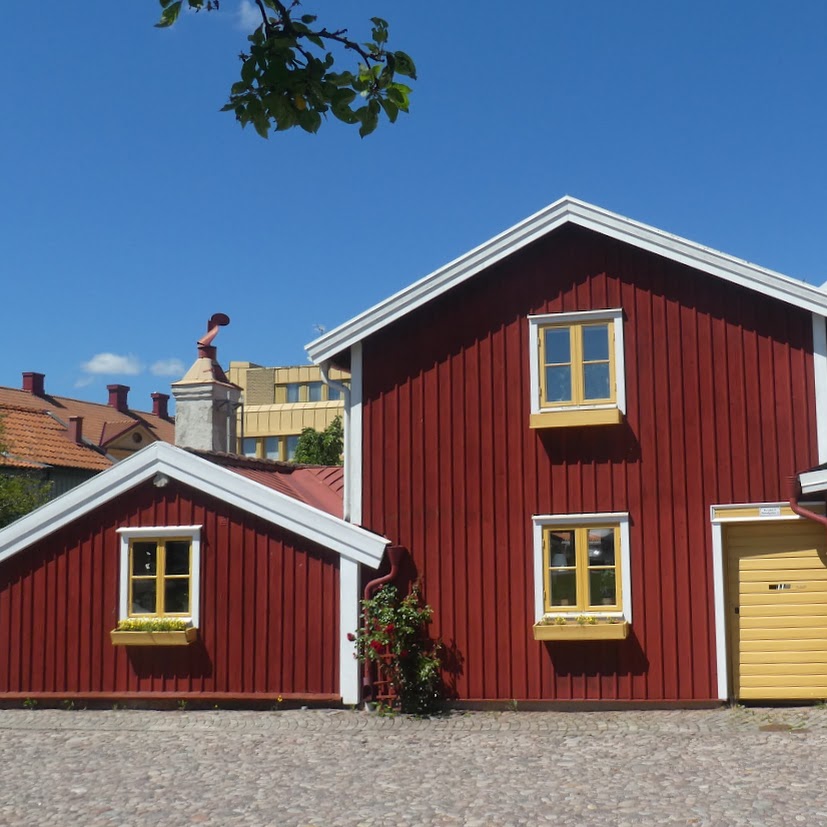
Christopher Robin’s best ‘frend’ is Winnie the Pooh. So let’s go for Beartown by Frederick Backman, set in Sweden, my new obsession. But it took me fully 200 pages to get into this book. I was uninterested in this shabby little town out in the wilds of northern Sweden, and its love of hockey  And then, just under half way through, I became more involved. I began to understand how the town’s position on the ice-hockey stage could make or break this community. And a drama takes place which splits, and nearly sinks it. This is an engaging  story embracing the tribe mentality, and others who are outsiders not only in the hockey world, but life generally. Because life is ice-hockey in Beartown, and a single incident has the power to change the fortunes of an entire community.
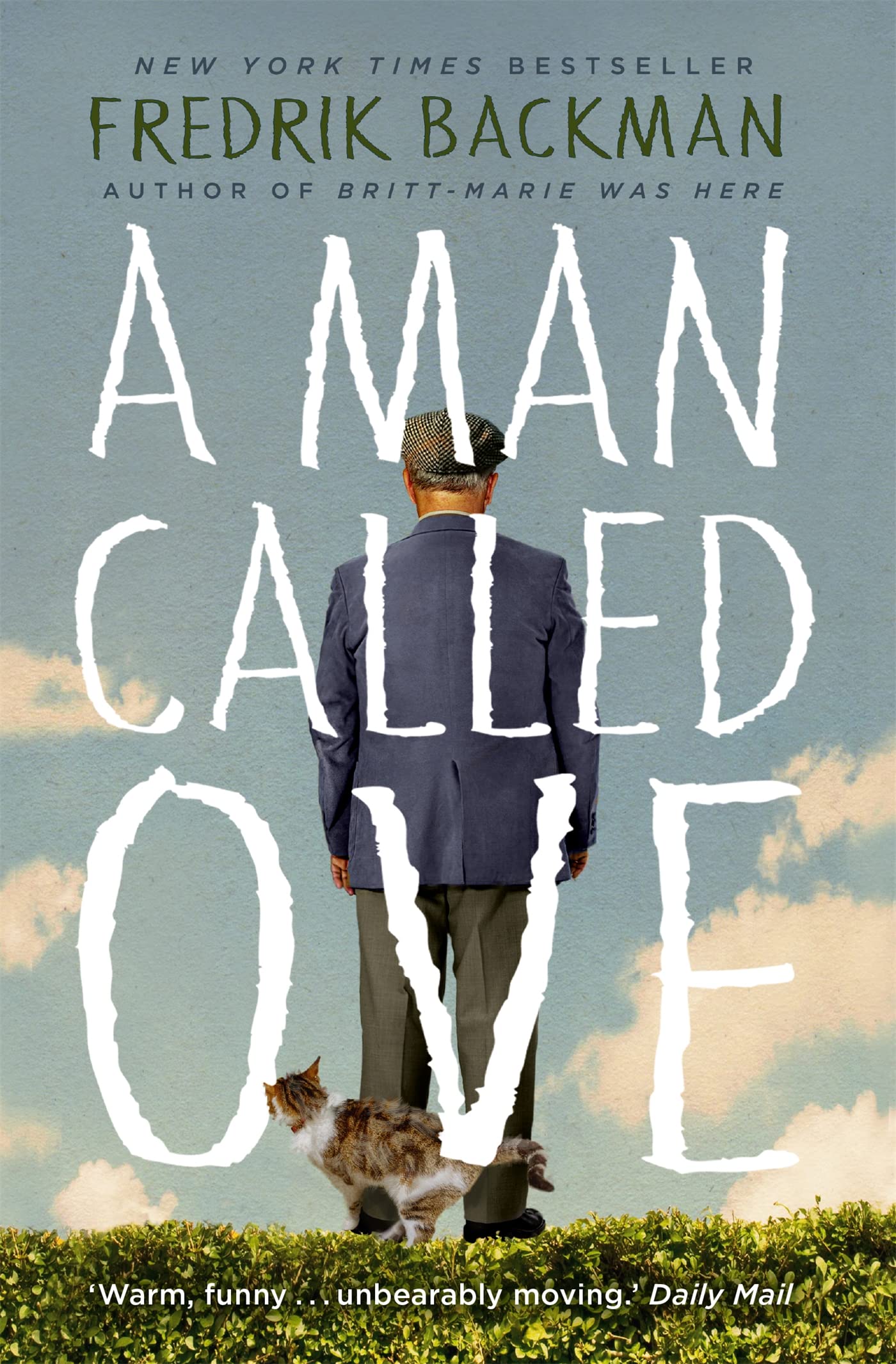
Another Frederick Backman: A Man called Ove. I took against this book in the first few pages. It was obvious that the story line was going to be ‘curmudgeonly old man, widely disliked, is revealed to have a heart of gold, and after about 250 pages, everyone lives happily ever after‘. This is exactly what happened. I turned the pages readily enough, but was unconvinced by almost everyone but the cat. I didn’t believe in the friendly new neighbour. I didn’t quite believe in Ove’s wife Sonja. I wasn’t sure about his on-off (mainly off) relationship with his neighbour Rune either. But most of all, I didn’t believe that Ove would turn from irritable and irritating to everyone’s favourite grandfather in only three weeks. A decent enough beach read, but this whimsical tale was far too fey to appeal to me. 
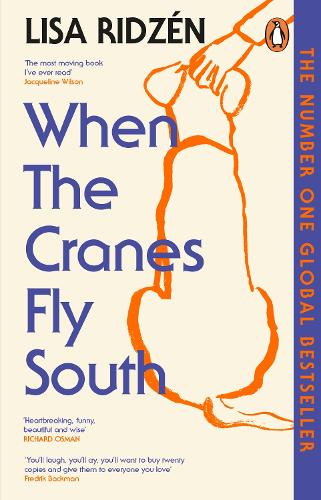
We’ll stay in Sweden. And why not? When the Cranes Fly South: Lisa Ridzén (translated by Alice Menzies) is far better value than my previous choice, though it too has as its main protagonist an elderly man. This quiet book is the story of the latter days of Bo, who sees out his days in a small village in northern Sweden. His only visitors are his four-times-a-day calls from care-workers who sum up their visits in short notes that intersperse each chapter. His busy son Hans calls sometimes too, substituting stuffing his fridge with unwanted food for time spent sitting chatting. Beyond that he has telephone contact with his only friend Ture. And contact, through conversations in his head, with his much-loved wife who is now in a care home suffering from dementia. Though his best friend of all is his elkhound Sixten, whom he can no longer take on long energetic walks. And Hans, for the dog’s wellbeing, wants Sixten re-homed. This book is about Bo’s battle, after a lifetime of sitting on feelings and never talking about them, to make himself and his own wishes known. It’s an extraordinarily moving book, bringing up feelings about our own mortality, and that of people for whom we care.
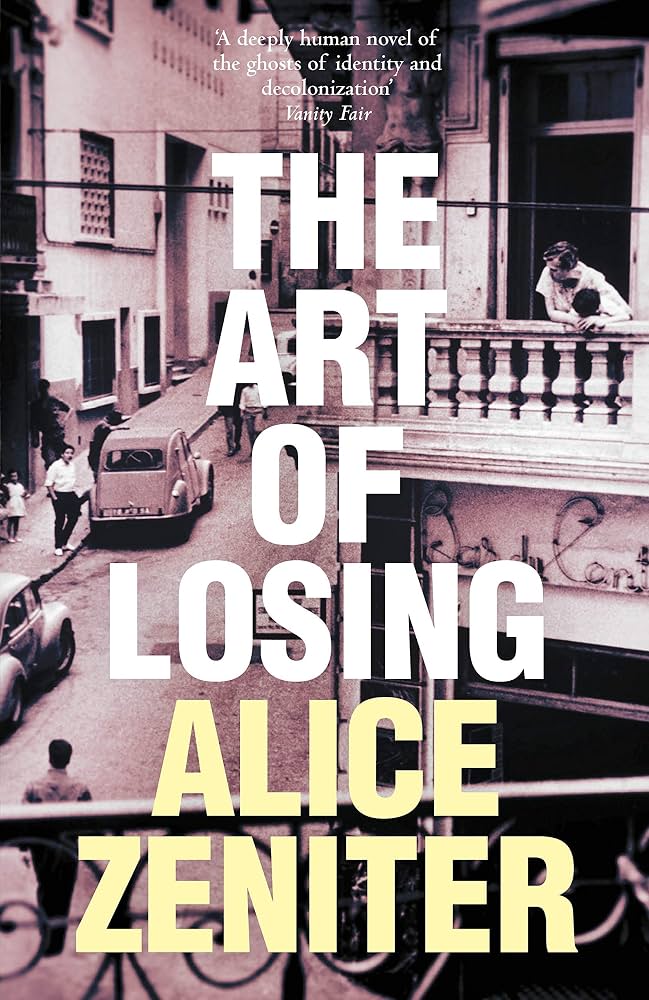
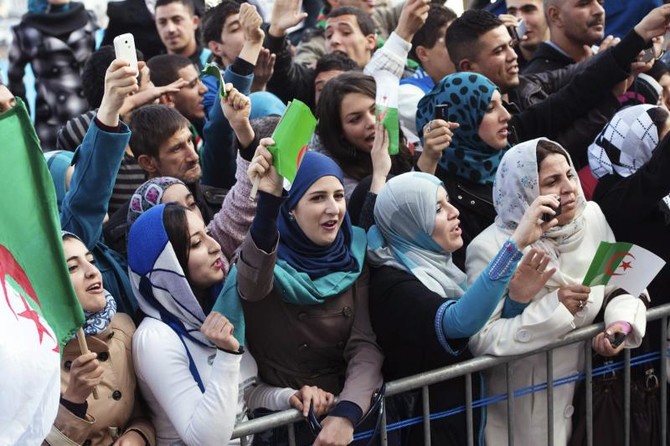
Another story about loss, a very different one is Alice Zeniter’s The Art of Losing (Translated by Frank Wynne). I was engaged in this book from start to finish. It’s the 70 year story of a family, and begins in a village in Algeria, where Ali has made good and become a figure of some importance in his family and community. The Algerian War of Independence changes all that, and forced to flee to France, they become harkis (French Algerians), despised alike by the French and Algerians who remained in the home country who remained. A life of camps and sub-standard accommodation and work awaits them. It falls to university educated Naima, Ali’s granddaughter finally to visit Algeria again. This is a story about colonisation, immigration, and how to carry on in the face of the loss of your country and cultural identity, and is both a powerful history lesson and a meditation on the difficult questions posed by the cultural upheaval of being forced to leave your home country.
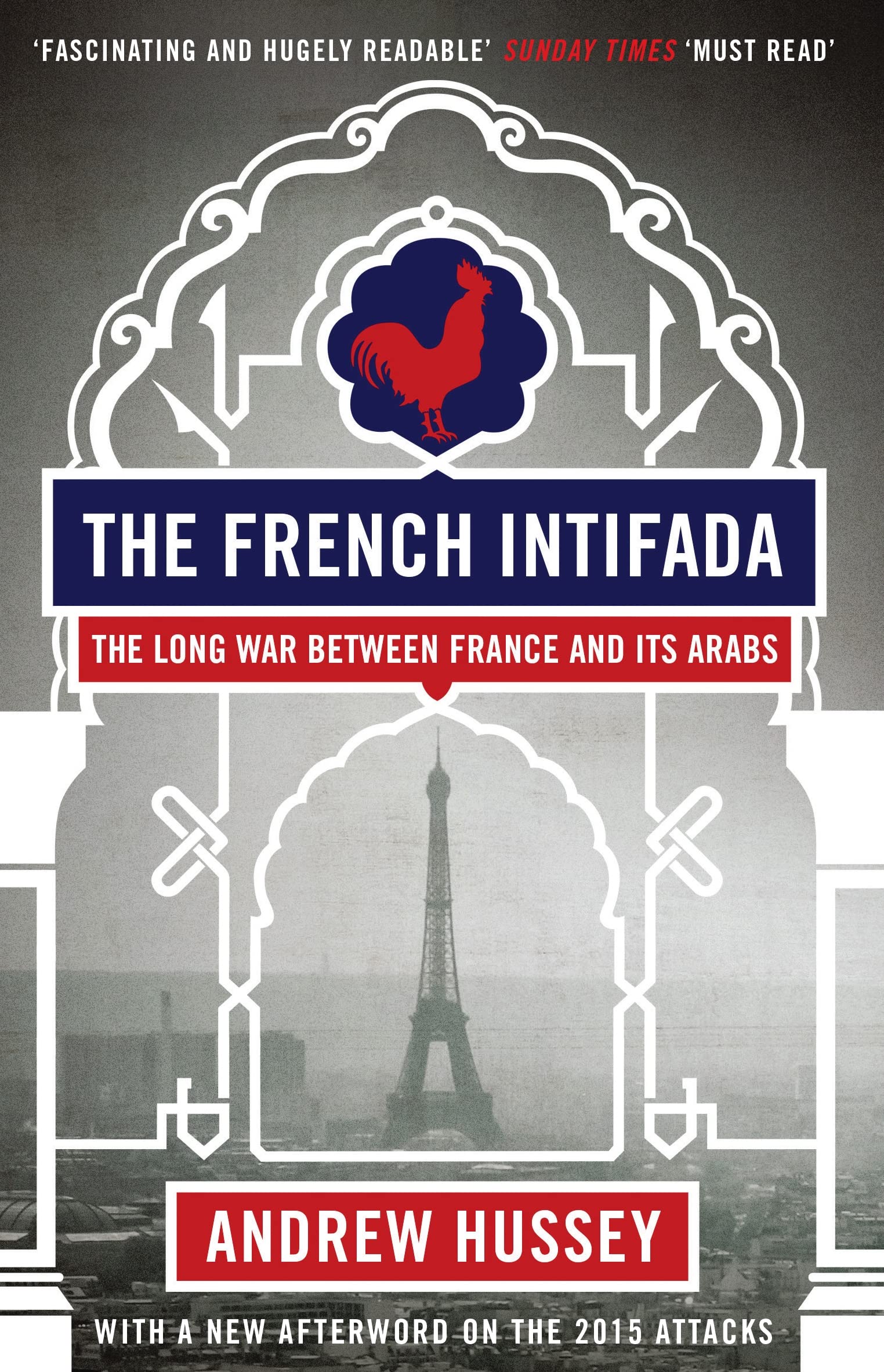
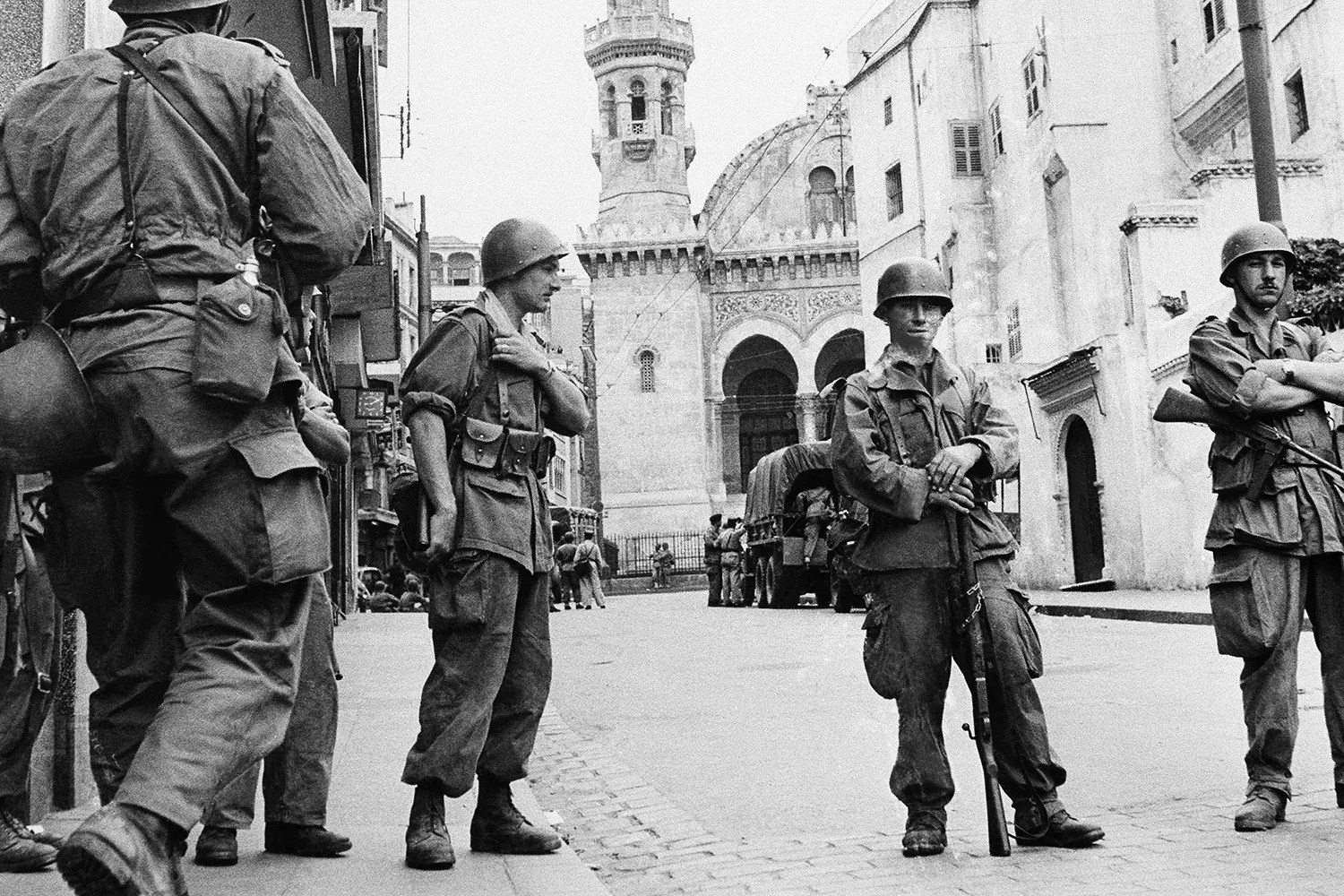
Reading Zeniter’s book prompted me to read The French Intifada by Andrew Hussey. It takes a long look at the inhabitants of France who come from the former French territories of Algeria, Morocco, and Tunisia. Much of the book is devoted to France’s possession of these nations, and to the troubles leading to their final independence. It’s a horrifying and illuminating story, and one that does much to explain the disaffection of many of the Maghrebin population in France. Hussey touches on the history of those North Africans who chose to emigrate to France, and examines the very recent past, looking at recent riots and at Muslims in the French prison system. Despite the seriousness of the subject matter, this is a book that is easy to read and complex issues are dealt with clearly. A compelling and disturbing read. 

Goodness. That’s ending on a serious note. But perhaps it was our starting point too? The first: the aftermath of the Great Famine. The last: the aftermath of war. Next month (September 5, 2026), we’re invited to start with our book group’s current selection, or if not in a book group, to start with the book that we’re currently reading. Well, I AM in a book group, so let’s see where I’ll start. Why not join in too?
Six Degrees of Separation … in November

‘On the first Saturday of every month, a book is chosen as a starting point and linked to six other books to form a chain. Readers and bloggers are invited to join in by creating their own ‘chain’ leading from the selected book.

Six Degrees of Separation: Kate W

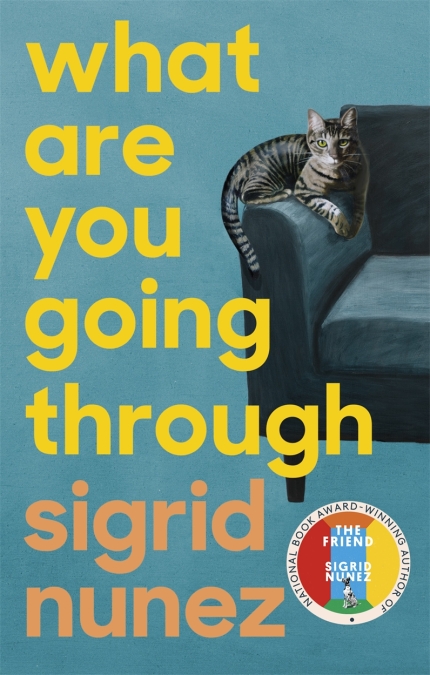
I haven’t read What are You Going Through by Sigrid Nunez, so I’ll rely on Kimbofo’s summary in her blog post on this book: ‘This is a story about stories — the stories we hear, the stories we write, the stories we tell ourselves… It’s about truth and fiction, confronting our fears, searching for hope to sustain us and caring for others. Most importantly, it’s about life and death, and asks pertinent questions about what makes a good life — and what makes a good death.’ 

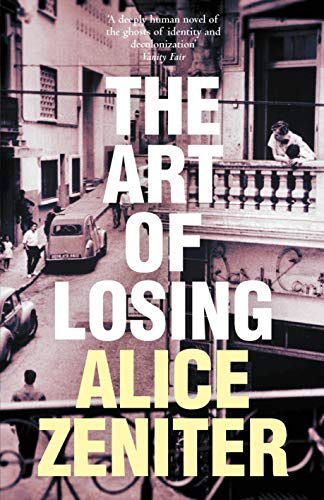
My link to this is Alice Zeniter‘s The Art of Losing, a story told through the eyes of Naïma, a third generation French-Algerian. I was engaged in this book from start to finish. It’s the 70 year story of a family, and begins in a village in Algeria, where Ali has made good and become a figure of some importance in his family and community. The Algerian War of Independence changes all that, and forced to flee to France, they become harkis (French Algerians), despised alike by the French whom they live among and Algerians who remained in the home country. A life of camps and sub-standard accommodation and work awaits them. It falls to university-educated Naïma, Ali’s granddaughter, finally to visit Algeria again and make some sense of what she finds. This is a story about colonisation, immigration, and how to carry on in the face of the loss of your country and cultural identity, and is both a powerful history lesson and a meditation on the difficult questions posed by the cultural upheaval of being forced to leave your home country.

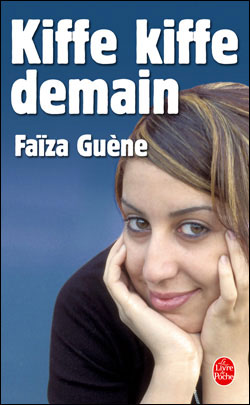
This leads me to Doria, a French-Moroccan teenager living with her mum in one of the soulless housing projects that encircle Paris, and whose story is told by Faïza Guène in Kiffe Kiffe Demain. We were living in France when I read this – oh, maybe ten or more years ago. But it’s stayed with me as a touching, funny and furious story of a sparky young woman prepared to make a go of things when her education, her family circumstances, her address, and a dose of casual racism stacks everything against her.

Another story of an immigrant, and like The Art of Losing, based on fact. The Fortune Men, by Nadifa Mohamed is a re-imagining of the life of a Somali seaman, Mahmood Mattan, wrongfully convicted of the murder of a Cardiff shopkeeper, Violet Volacki. At first the book swings between telling Mattan’s story and that of the victim, and her family. As the story unfold, Mahmood blossoms as a character. He’s a chancer, a thief, an adventurer, a lover and a doting father of three little boys. But he’s not a murderer. He’s the victim of racism, both from different elements of the multi-ethnic community in Cardiff where he then lived, and institutional racism at the hands of the Police, false testimony, and fabricated evidence. The most involving part of the narrative describes Mattan’s incarceration, when he evolves and shape-shifts as a character: tough, vulnerable, a risk taker, a believer in British justice. A moving, nuanced and compassionate re-imagining.

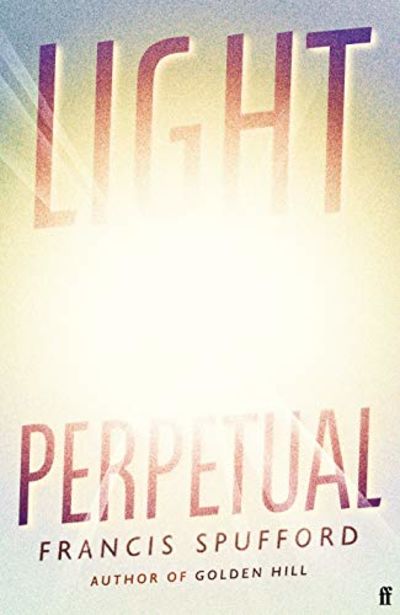
The same period of history, but we’re moving to London for Frances Spufford‘s Light Perpetual. I liked this book. I had high expectations, having thoroughly enjoyed Golden Hill and Red Plenty, and while this didn’t quite measure up, reading this book was time well spent. Several children died in South London during WWII when a Woolworth store took a direct hit. What if they’d lived? This is what Spufford explores, dropping in on 5 lives at 15 year intervals. The writing is good – that goes without saying. My only reservations are that the five characters he choses live lives which are all late 20th century issue-driven: the woman married to a National Front thug; the music lover who makes good in the 1960’s popular music scene; the sufferer from inner demons, addicted to his prescribed drugs; the Sahf London wide boy, and the print-worker whose career is swallowed away by the computer revolution. Accepting all this, the book is well done and realised and carried me along to its conclusion, a re-working of Psalm 150, which was a staple of my London C of E grammar school days at exactly this period.

Children died in my next choice too. The Green Hollow by Owen Sheers. I was 19 when disaster struck Aberfan, just doing an afternoon shift in the lending library where I worked. No internet then, no social media. It was rare for news items to reach us during the working day. But this did. And it touched us, horrified us even before we understood the full extent of the tragedy, though we didn’t talk about it together. It was too shocking. Owen Sheers put me back in touch with those feelings. He paints a scene of ordinary families getting ready for the day, ordinary children chattering their way to school, an ordinary teacher taking the register. A series of letters explain why the Coal Board is taking no action about the slag heaps, despite the concerns of the council. And then …. a rumble, a roar develops. That is all. Then we switch immediately to the rescue. To the young medical student who finds himself unwittingly part of the rescue operation, to the miners, parents, journalists. To the street where every single house has the curtains drawn. Death has touched them. Now the town is different. Life goes on. It has to. Children yearn to appear on ‘Strictly’ while every year commemorating what happened all that time go. Scars exist alongside hope.

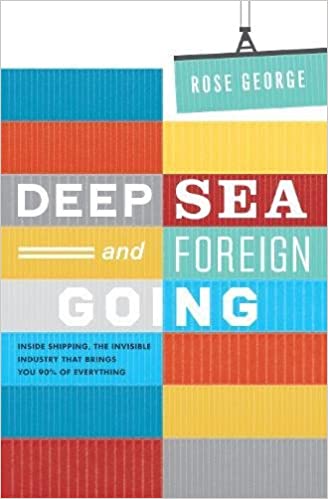
Goodness. I can’t leave things here. What can I do to lighten the mood? Well, it’s a bit of a stretch, but I have taken you round Europe and Africa, and maybe we went by ship. Deep Sea and Foreign Going: Inside Shipping, the Invisible Industry That Brings You 90% of Everything, by Rose George. Fascinating. The story of container shipping. How it gets from A to B. Why it gets from A to B and under what constraints. What it transports from A to B and then from B to A. How goods got from A to B prior to container shipping… and so on. There was me thinking that I was trying to be green, avoiding air freight where possible. It turns out that container ships are dirty, polluting, can employ crew in less than savoury conditions and for slave-wages, and which expose them, among other things, to piracy. Frankly, it sounds hell. And yet … the camaraderie and the draw of the sea encourages some to come back, contract after contract to a world they love. Beautifully written, absorbing and informative. A book I would never have chosen to read – but that’s what bookish friends are for. Thanks, Penny!

PS. In a recent post, I indicated that I would post a review of Yrsa Sigurðardóttir: Gallows Rock. It got edged out, but I’m sure its moment will come.

PPS. Frank’s Beach Walk Reflections are his thoughts as he enjoys a seaside walk. Today, he’s thinking about red, and he’s used some of my photos, as well as those of three fellow-bloggers. You might like to take a look.