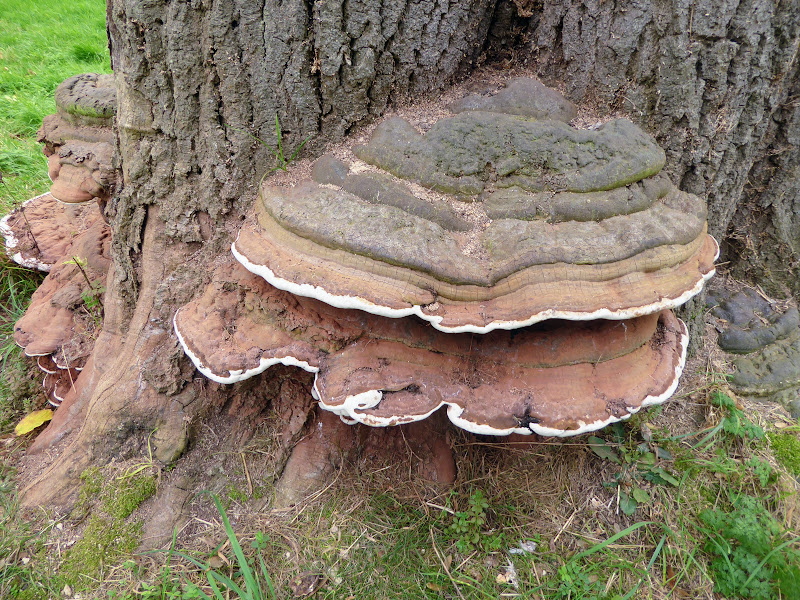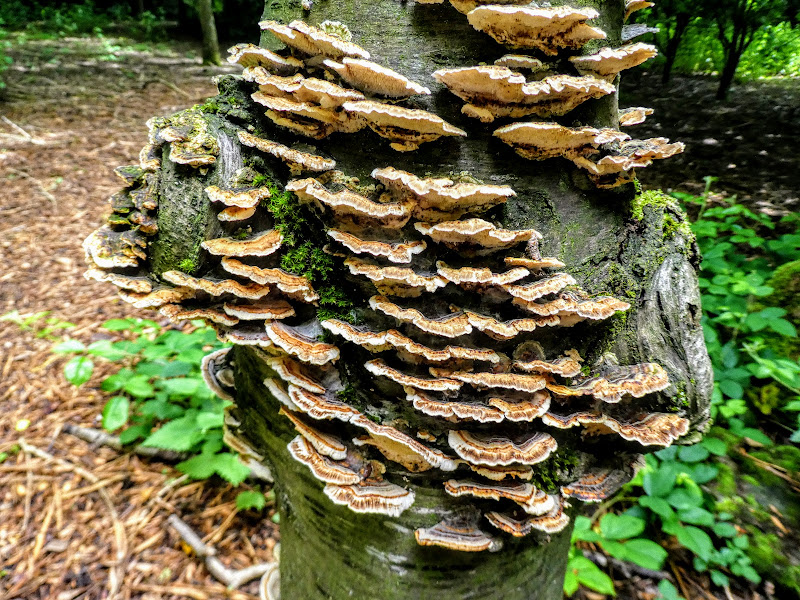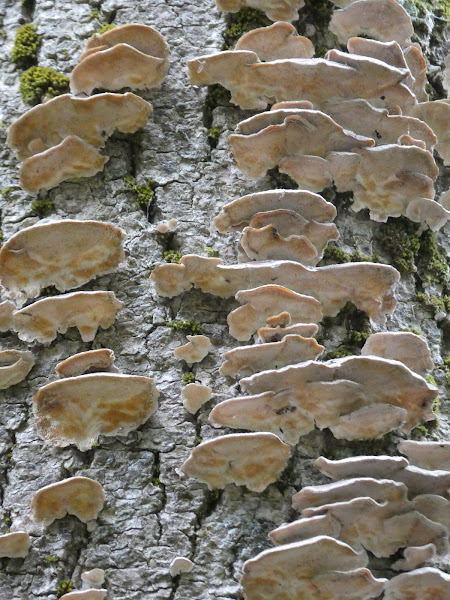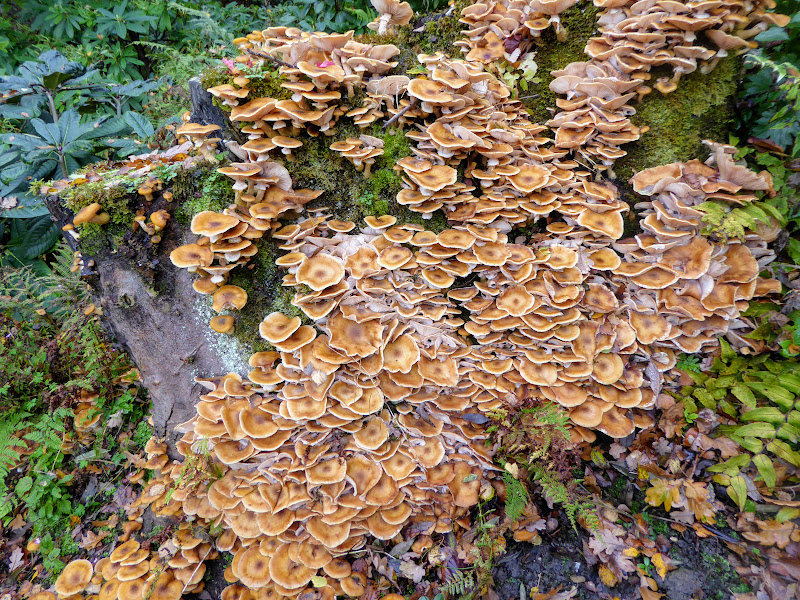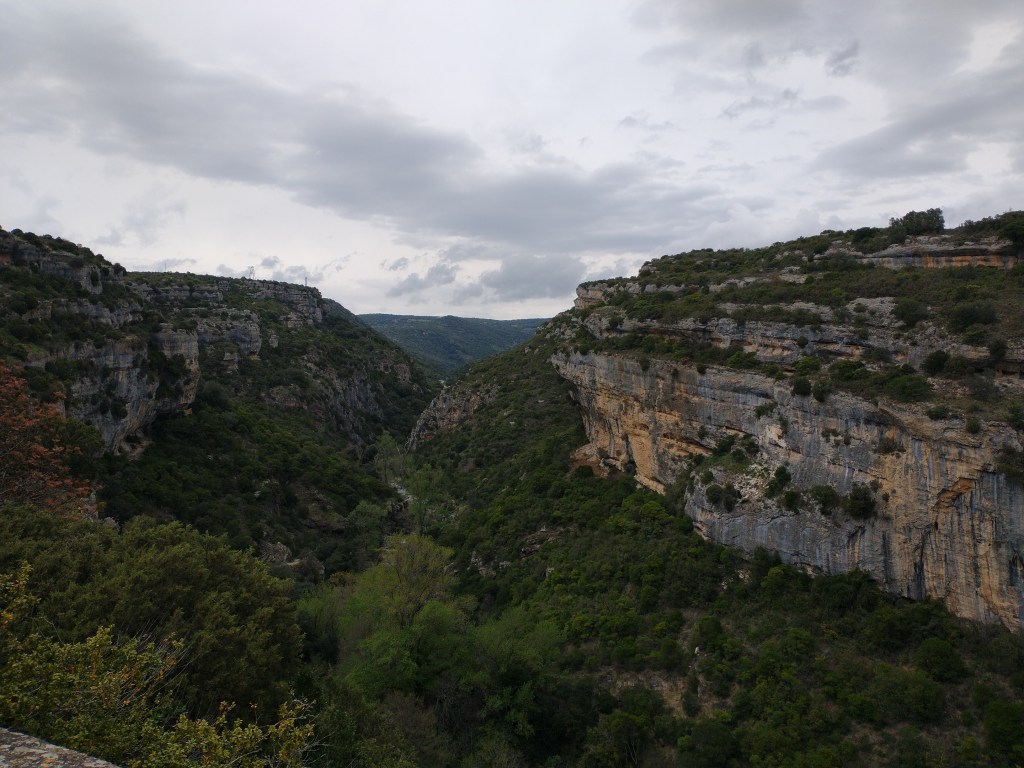
A lovely walk with friends: up hills, down dales, along two rivers – the Burn and the Ure – and finally, through woodland. Storm Otto had got here first. Look what was across the path.

For Brian Bushboy’s Last on the Card.

A lovely walk with friends: up hills, down dales, along two rivers – the Burn and the Ure – and finally, through woodland. Storm Otto had got here first. Look what was across the path.

For Brian Bushboy’s Last on the Card.

I don’t have a problem being alone. As an only child who was often uprooted while growing up, I was used to my own company. Nowadays, though I value family and friends, time to myself is important too. My happiest memories of lockdown are of the Daily Exercise we were permitted, when I’d take myself off to enjoy the differences each day made on familiar daily walks, and discover new tracks and pathways.
Here’s a rather random gallery of landscapes that may meet the needs of the solitary walker. Put on your hiking boots and yes, why not? We’ll go and enjoy them together.


…. and then you could just go off by yourself if you wanted …

For Ann-Christine AKA Leya’s Lens-Artists Challenge #238 Alone Time
The header image is from l’Albufera, near Valencia, Spain, where I had a wonderfully solitary afternoon and evening one November about four years ago.
Another day, another challenge. This one is from Denzil, of Denzil Nature. He invites us to find and photograph patterns in nature. Nature provides such a rich variety that it’s hard to know where to start. In the end, I thought I’d stick with – birds.
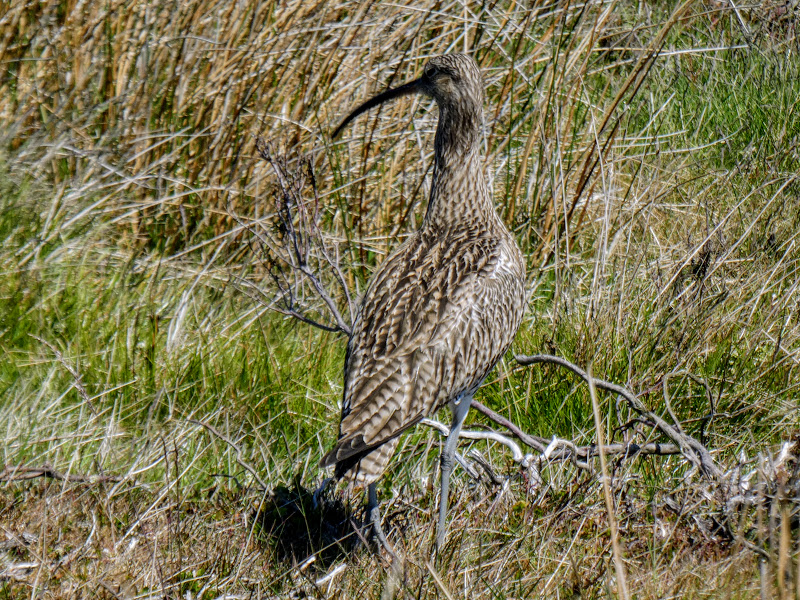
There are understated patterns. Look how the curlew blends in with the rough grasses of its moorland habitat:

There are ones that are slightly less understated. These sparrows in a Berlin café planned on stealing a few crumbs.


Then there’s this female mallard. Understated too, but with a soupçon of energising colour.


Here’s a puffin. That assertively-painted beak begs to be noticed too.

We’re getting gaudier now: this mandarin duck appeared – just once – on a local pond.

Even the pond water has rippling patterns.
Showiest of all, the peacock. From respondent tail feathers to elegant headdress, this bird is a symphony of pattern.


The header photo shows a murmuration of starlings. Here, at this time of year, just before nightfall, the birds regularly fill the skies with a constant swirl and swoop of pattern-making . You can read about it here, and – especially – here, when thousands of birds chose our garden for their evening display.
This week’s Lens-Artists Challenge #137 invites us to bring softness to our shots. What Bren – who set the challenge – means, is that she’d like us to enjoy playing with effects – available in various software packages – to enhance our photos. The trouble is, I don’t really enjoy doing this. I often crop my shots, I may adjust the light, then I’m done. I admire the results that other people get, but I don’t hanker after doing it for myself. I rely on the weather or light conditions to do the job for me .
So as it’s Flashback Friday, I’ve dug out a walk from 2020 which began, unexpectedly, in thick fog. It didn’t end in thick fog. so if that’s what you’re looking for, stop reading when you get to the lunch stop. But then go straight to the end, because I couldn’t resist adding another 2020 photo, taking during Lockdown, when I’d sometimes get up at about 5.30 to enjoy the sunrise.
If you’re reading because, like Jo of Jo’s Monday Walk fame, you enjoy a good walk, feel free to carry on till you get to the end.
Weather forecast. Cold, but bright and sunny. That sounded perfect for a walk in Wharfedale. Starting and finishing at the forbiddingly-named Grimwith Reservoir, and taking a fine circular route to and from Burnsall would give us extensive panoramas over the hills of the Yorkshire Dales.
Except that on the way there, an impenetrable curtain of fog descended. To walk? Or not to walk? My friend and I had both made the effort to get there. So we’d walk.
And for nearly an hour, this was our landscape. No hills, no dales, but just the occasional gate, or tussocky grass, or – sometimes – sheep.


Then – suddenly it seemed – this.

The sky lightened and brightened, and the countryside we’d come to see developed before our eyes like those Polaroid photos that once seemed so exciting.
Soon we were at Burnsall, our half-way mark. A hearty yomp up hill brought us to a bench, where we saw in turn black skies, grey skies, blue skies: and views, always with the village below us.


After lunch, a further climb, and then level walking back to where we’d begun our day. But this time we had the views we’d come to see, and at the end, the quiet tints of the reservoir.


It hard turned out that this walk, so unpromising to begin with, had become memorable, as the heavy mist added another dimension to familiar territory, and gave a special beauty to the landscape.
And here is my Optional Extra …


Last Thursday night, Storm Otto raged furiously across the northern part of the kingdom. He spent much of his anger in Scotland, and in the far north of England. By the time he reached here, he was wearying, but rallied sufficiently to squall and blast at 65 miles an hour. Trees fell. Branches toppled, ripped away from the fabric of the parent trunk.
When we walked through the deer park at Studley Royal on Monday, we found casualties . Despite the destruction, I found beauty in the ravaged branches.
Click on an image to see it full size.


Here’s another:


This ancient tree however, hasn’t suffered at all.

It’ll take more than Storm Otto to fell most of these sturdy residents of the Deer Park.
We’ve had a lot of misty-moisty mornings lately, and I turned this photo up when looking for soft-focus shots for this week’s Lens-Artists Photo Challenge. This isn’t for that challenge: I just thought this hardy creature deserved her five minutes of fame as a Monday Portrait.

I often used to make our own bread. These days, with the cost of fuel, and because we have a fabulous two-person-band bakery in town, not so much. And back when we lived in France, we certainly never bothered. Here’s a post from our days when we lived there which may explain why.
February 25th 2010

How could they? I mean, what ARE they playing at? All last week, and most of this, the baker’s shop down the road has been closed. Instead of rising at 2.00 a.m. to get busy making baguettes, flutes, ficelles, baguettes a l’ancienne, flutes tradition, pain noir, chocolatines, croissants and so on and so on, our bakers have chosen to lie in till – ooh, 7 o’clock perhaps – and then spend the day catching up with their families – the children are on half term.
It’s a family business, our baker’s shop. M & Mme Fonquernie owned it, and now, although officially they’ve retired, they help out all the time .M. Fonquernie is the one who drives his little white van round the local villages which have no shops, selling bread. Their two sons have now taken over the day-to-day baking. One is responsible for all those loaves, while the other specialises in patisserie. Their wives divide the work of running the shop between them with Mme Fonquernie Senior’s help.
So our morning routine has been disrupted. First thing each day, one of us usually walks down the road to get our favourite pain noir, hot and crisp still from the oven. The other day, the baker forgot the salt. The bread wasn’t half so nice, but I rather liked this very human error. It proved that our loaves are still ‘artisanale’, rather than being churned out by some computer-assisted machine. There’s usually someone in the shop to chat to, or to walk back along the street with, and so neither of us looks on getting the bread in as a chore.
We’re lucky, I suppose, that there are three bakers in town. Last week, we went to the shops at Castellanes to the baker there. No pain noir at this shop, so we chose their unbleached white. The small one’s a slender baguette shape – an Ariegeoise – but buy the larger butch version, and you must ask for an Ariegeois.
But then what happened? A notice appeared in the shop: from Sunday, they too would be closed for a holiday. So for a few days this week, we have to patronise shop number three. Everybody moans ‘C’est pain industriel ça’. It’s true. It comes all the way from Lavelanet, from a bakery which has three shops. That’s mass production, and it shows. Roll on Thursday, when the Fonquernie family re-opens its shop doors.

For Fandango’s Flashback Friday
Yes, really. That is the collective noun for a group of flamingos. As seen in Slimbridge Wetland Centre, Gloucestershire, and near Thessaloniki, Greece.


It’s a mere 18 months or so since I reblogged my post about Beltane, but I’m doing so again because it fits so well with my last post celebrating Thornborough Henges.
May 1st 2016
Not much further than a mile from us as the crow flies lies Thornborough Henge. It’s a prehistoric monument consisting of three giant circular earthworks. Constructed 5000 years ago by the first Neolithic (New Stone Age) farmers, it was probably an enclosure for their ritual gatherings. The Henges became an important centre in Britain for pilgrimage and trade, although its exact purpose still remains a mystery.
It sends shivers down my spine to think that this ancient piece of our history lies just a short walk from our home.

We can visit it any time we choose, simply to tramp round and try to imagine it in its heyday, and we’ll have the place to ourselves. Not on May Day though. Today is the Gaelic feast of Beltane, half way between the spring and summer solstices. It’s a day to mark the beginning of summer. Sadly, today is very cold, rather windy and a bit wet.
Back in pre-historic times, rituals were held on this day to protect the cattle, crops and people, and to encourage growth. Bonfires, deemed to have protective powers, were lit. For many centuries these practices died out. But nowadays, at sites like Thornborough, pagans, Wiccans, New-Agers and lovers of history and tradition gather once more to celebrate the renewal of life and growth.
Today I was there too. For an hour at least, for the opening ceremony. Brrr! It was cold.

I was strangely moved. The Green Man, representing rebirth and the cycle of growth was our Master of Ceremonies. He invited us all to join hands, whether friends or strangers, in fellowship, and shout out three times the invocation to new life. We hailed Brigantia, Celtic goddess of Northern England. Then at his bidding and as he sounded his horn, we turned to the east and welcomed the summer rains. We turned south to welcome the sun (who was coyly absent today), to the west to welcome summer winds, and to the north where the wolves apparently are.

Then a man, naked from the waist upwards save for his covering of woad-coloured paint, leapt among us bearing the flaming torches which would offer us all protection over the coming months.

And that was the ceremony over. Dancers entertained us. They seemed to me to owe much to flamenco and to middle-eastern belly dancing traditions, but we all cheered them on with enthusiasm.

I shan’t be there this year for the closing ceremony. I’m still thawing out. But weather permitting, I’ll certainly go along next year. Will you come along too?
We haven’t been along since: cold May Days, Covid – all the usual tired excuses. But we definitely should make the effort this year.
For Fandango’s Flashback Friday
Just over a week ago, a couple of fields within two miles of our house hit the national news. Those of us who live round and about have long known about our very own piece of history: not as visually impressive from ground level at Stonehenge but still thrilling to think about. Now we can share it with the rest of you.

Thornborough Henges are two enormous, human made earth-circles – 200+ metres in diameter, from the neolithic/early bronze ages: somewhere between 3, 500 BCE and 2,500 BCE. Imagine the effort required to construct such circles, originally about 5 metres high, thought to have been coated with bright white gypsum, making them an extremely visible and potent part of the landscape. Why were they built? Nobody is sure, but they almost certainly had a spiritual purpose. Ritual is still important at this site. On Friday, I’ll re-blog a post I wrote one May Day about the ceremony of Beltane held here every year.
To walk here, with only the henge itself surrounding us, in an area normally busy with fields of crops or sheep, with woodland, and with gravel pits, is even now an almost unnervingly peaceful experience.
The henges have rather suffered from rabbits and livestock over the centuries. Now, the monuments have been gifted by Tarmac and by Lightwater Holdings to Historic England and to English Heritage and their future will be more secure.
There is a third henge too. This was planted up as woodland in the Victorian period. Though it’s not a large wood, it’s a peaceful place where I love to go and stroll and spend quiet moments, disturbed only by birdsong. Here it is in summer.

At ground level, it’s impossible (for me) to get decent photos of the henges. I offer you just one, as my feature photo, and then leave the rest to this YouTube video, courtesy of the Guardian.
Come and visit. You can pop in for a chat here afterwards. I’d love to meet you!
You must be logged in to post a comment.