Love your Library in December

What a lightweight. A mere seven library books read in December. To be fair, I also read – and almost finished in December – another book, from The Library of a Friend. But that may not count.

But I had some Right Good Reads.
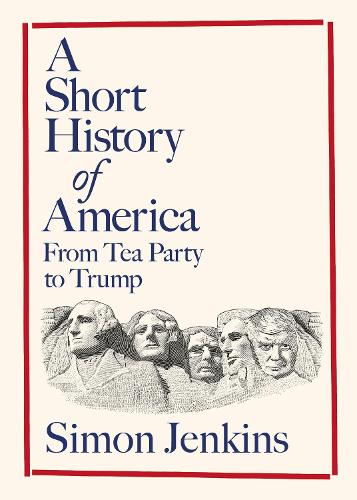
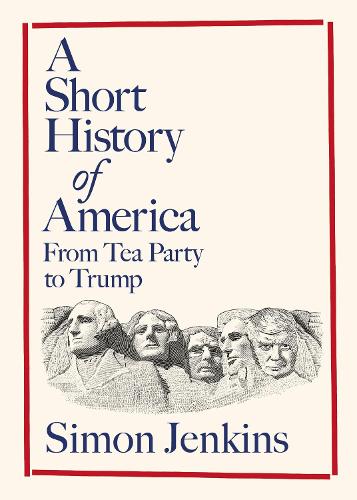
Simon JenkinsA Short History of America: from Tea Party to Trump got a mini- review here and a ⭐⭐⭐⭐⭐rating .
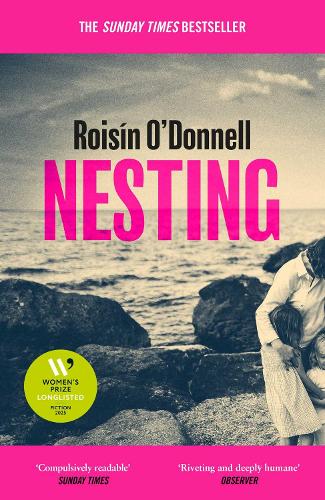
I fairly raced through Roisín O’Donnell‘s Nesting which details the story of Ciara, as she attempts to escape her controlling, domineering husband Ryan with her two small daughters. When she plucks up the courage to go, even finding a bed that first night is a major achievement. This book describes her attempts to move on as she attempts to keep two children fed, clean and entertained from the bedroom of a hotel partly dedicated to the homeless. A difficult subject tackled with verve and compassion by O’Donnell. ⭐⭐⭐⭐
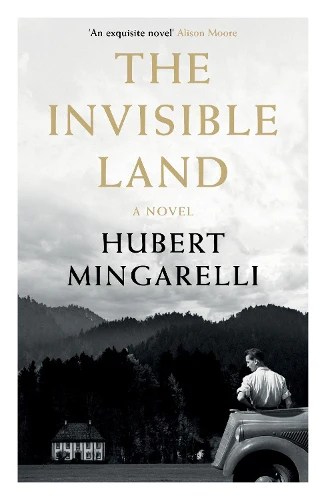
The Invisible Land: Hubert Mingarelli (Translated by Sam Taylor). An unnamed photographer has, just before the book begins, been documenting the liberation of a concentration camp. Now he wants to document ordinary German villagers. What he saw in the camps simmers away, quietly enraging him. We see, as he does, the bucolic calm of the countryside, as an impertinent and shocking contrast. A compassionate exploration of the – often unseen -consequences of war.⭐⭐⭐⭐
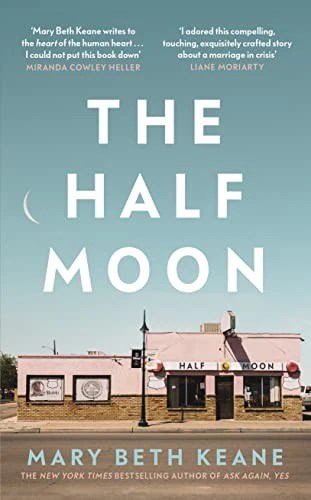
The Half Moon: Mary Beth Keane. Malcolm and Jess are in crisis. She’s just left the marriage for a breather and to take stock. There’s a blizzard in town. Theiy have financial worries. They’ve run through shocking amounts of money spent on unsuccessful IVF treatment – Jess can’t leave aside her dream of having a family. And Malcolm has taken on more financial commitments than he’d let Jess know about when he bought The Half Moon. The bar isn’t now doing well. The books backs and forths through their lives – Jess’s law degree, the community and families that surround them, Jess’s tentative exploration of a new relationship. This is a small town. Everyone knows everybody else’s business. How will things pan out? Only one way to find out. Read the book.⭐⭐⭐⭐
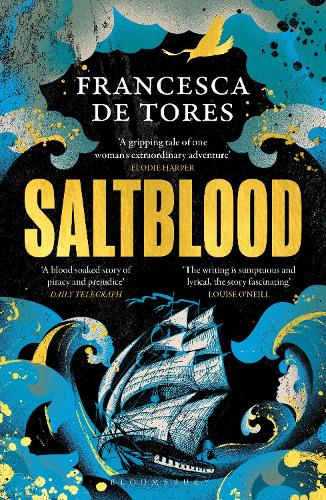
Francesca De Tores’ Saltblood follows the life story of an actual historical figure, Mary Read. Little is known of her but the barest of biographical details, but de Tores fleshes out her entire life to tell an engaging and richly atmospheric tale. Raised as a boy (that’s a story in itself) Mary/Mark first works in service. Then she joins the navy, and later the army – always concealing her female identity in these most male of environments. Read, who narrates her own story, is thoughtful and reflective, describing both humdrum days and moments of danger and adventure . There’s her marriage, her return to the sea, finally as a pirate … This is a well-written and realised drama which brought to life seafaring – and indeed day-to-day existence on land both in Europe and the Bahamas. Transatlantic trade and piracy were part of everyday life. I believe it’s historically correct, and it’s certainly a nuanced and compelling story inviting sympathy for anyone joining this remittingly tough way of life: especially if she’s a woman. ⭐⭐⭐⭐⭐
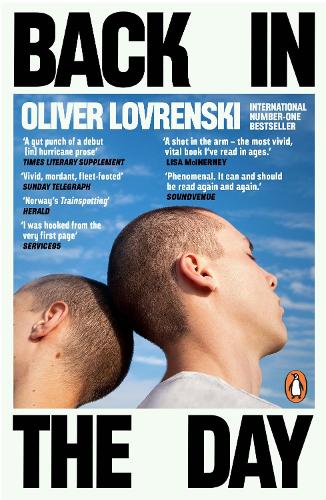
Back in the Day: Oliver Lovrenski. I want to draw attention to the quality of the translation by Nichola Smalley. Largely innocent of capital letters and full stops, this breathlessly episodic story is told in the street argot of the young immigrant who tells this tale. And Smalley has this language, and style of presentation off to a T. The four protagonists have come with their families as immigrants from various parts of the world. Clever and ambitious, they lose interest in school when they overtake their classmates and remain unchallenged. Dreams of becoming lawyers are exchanged for knives and protecting other family members. Drug dealing leads to institutional care for one, and a slippery slope to violence, machetes and guns. Will eventual grief and remorse result in a turning point? This is a tough, intense yet rewarding read by a young Norwegian of Croatian heritage who wrote it when he was just 19. I hope there’s more from him, and from his talented translator. ⭐⭐⭐⭐⭐
And finally, Annie Proulx’s Close Range. This isn’t so much a review as a place-holder as I haven’t read every story in this collection yet. Mainly because, much as I was enjoying them, I need a break from the colloquial style in which they’re written every now and then, even though it’s precisely this that brings the stories to life and makes them vivid. They’re about insular rugged people living tough lives in an unforgiving landscape – often lonely and contending with daily hardship. This doesn’t make for a bleak read however. The tone and language of the stories brings them vividly to life. More later when I’ve read the lot!
And that other book, lent by a friend? A brilliant evocation of Jane Austen’s life and times, immaculately researched, but immensely readable, by Lucy Worsley: Jane Austen at home. It had to be read, with the airwaves full of Austen memorabilia last year, the 250th year of her birth. ⭐⭐⭐⭐⭐

Unbelievably, I only have two books on loan at the moment. The first, plucked from the shelves on a whim, is proving utterly absorbing: Craft Land – a journey through Britain’s lost arts and vanishing trades, by James Fox. And the next is a doorstopper: Erika Fatland‘s High- A journey across the Himalaya through Pakistan, Indai, Bhutan, Nepal and China. I might need a big dose of fiction after that little lot.

For Rebecca’s Love your Library
My Favourite Non-Fiction Reads of the Year

It’s that time of year, The endless lists. I’m joining in too. Next week, I’ll write about my favourite fiction. But this week, I’ll instead focus on my 10 favourite non-fiction reads of 2025. I’m not ranking them. I’ll start with my most recent read, and reach back towards January. ‘Are you sitting comfortably? Then I’ll begin’. (who’s old enough and British enough to remember this welcoming formula introducing Listen with Mother on the Home Service at 1.45 every weekday in the early 1950s?)

A Short History of America: from Tea Party to Trump: Simon Jenkins. Jenkins puts right my formerly really rather sketchy grap of American history in a highly readable account of its early days as a barely inhabited continent, through its early discovery by Asiatic peoples on the one coast, and Vikings and similar on the other. Native American; intellectual and economic development; the long history of slavery; the Civil War; and right up to more recent history and the emergence of Trump. It’s lucid, informative and useful.

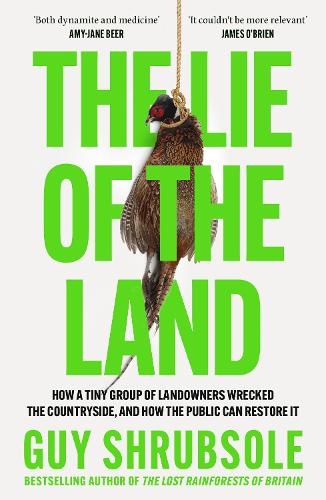
The Lie of the Land: Guy Shrubsole. This is a book that should be read by every sitting MP, particularly those Tory MPs anxious to preserve the status quo as far as our countryside is concerned. It is about our countryside and who gets to decide how it’s used: about the way the countryside has been treated has made the UK so nature-impoverished. It’s about how our history has give much of our countryside over to the landowner. It’s about the shooting industry; the draining of the fens; the Enclosure Acts. And it’s a Call to Action.

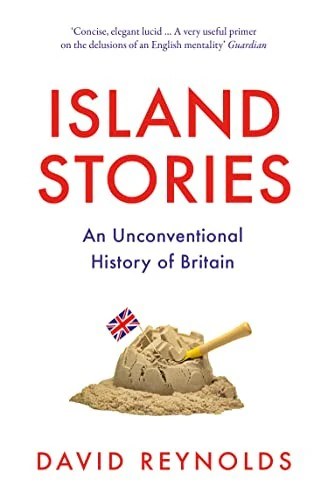
Island Stories – An Unconventional History of Britain: David Reynolds. In this book, Reynolds demonstrates how England (not to be confused with Britain) has, from the earliest years, even before the Roman Empire took this island under its wing, been inextricably bound to mainland Europe and beyond in dozens of ways, both political and social. He shows how our Glorious Past, our days of Empire grew up in conditions that can never be repeated, and how in any case had many aspects – slavery, subjugation of indigenous peoples – of which we cannot be proud. He looks at the Brexit delusion of making a ‘clean break’ from Europe and demonstates its impossibility, especially in the context of the four nations that currently constitute the British Isles. A thought-provoking read.

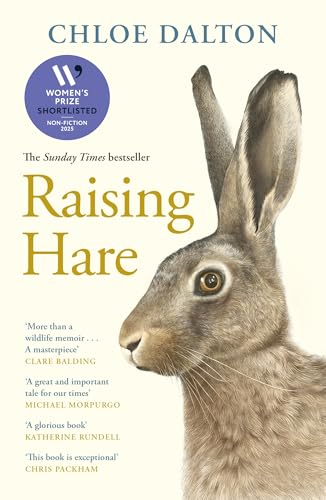
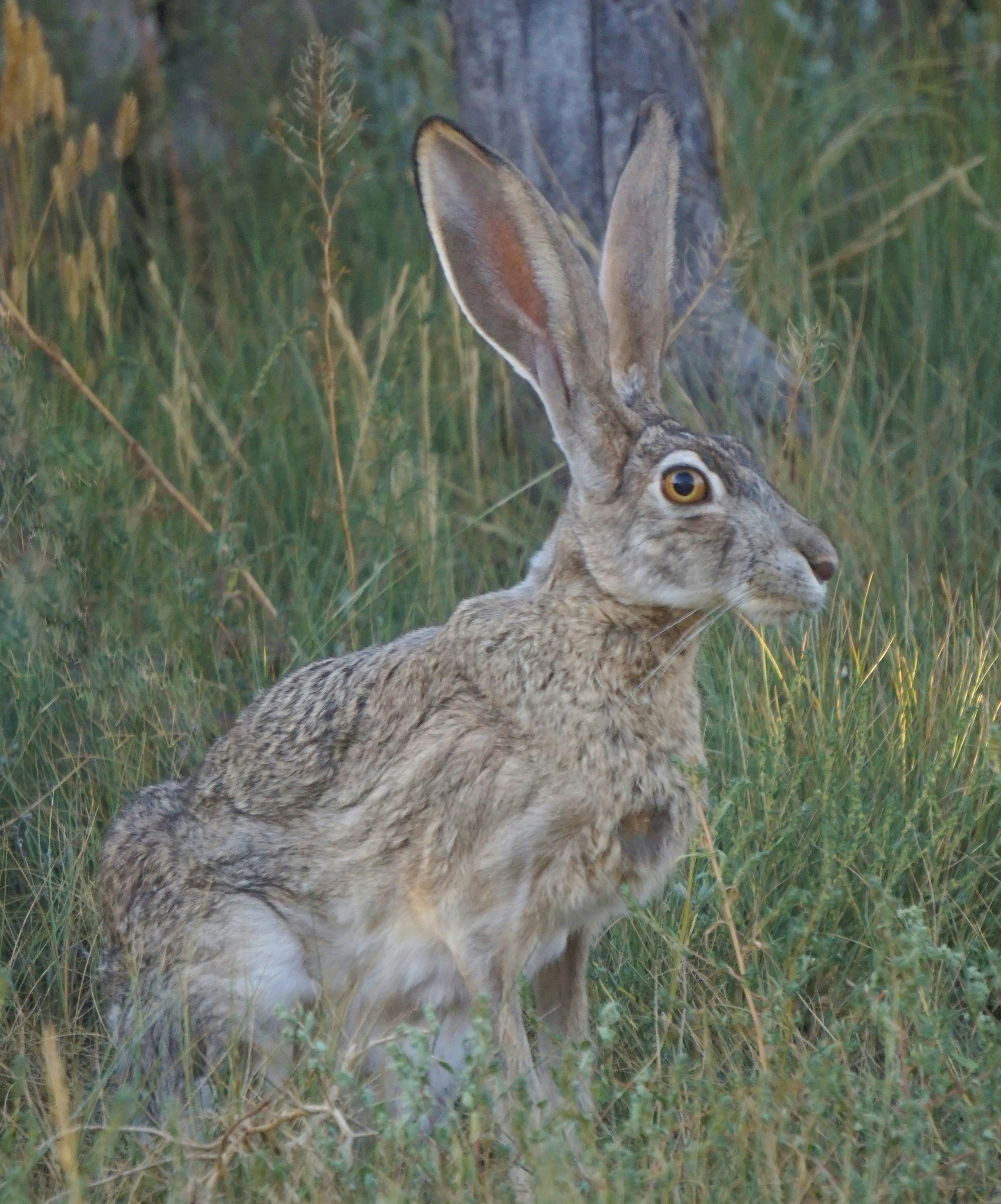
And now for something completely different. Raising Hare: Chloe Dalton. Dalton finds a small, apparently abandoned leveret. This is her story. Of how she treads a difficult path of wishing to help it survive to adulthood, while respecting its wildness. But the creature has a profound effect on Dalton. She strives, as she describes in this book to restore a sense of the sacred and to meet an animal on its own terms. Its part in her life changes her forever.

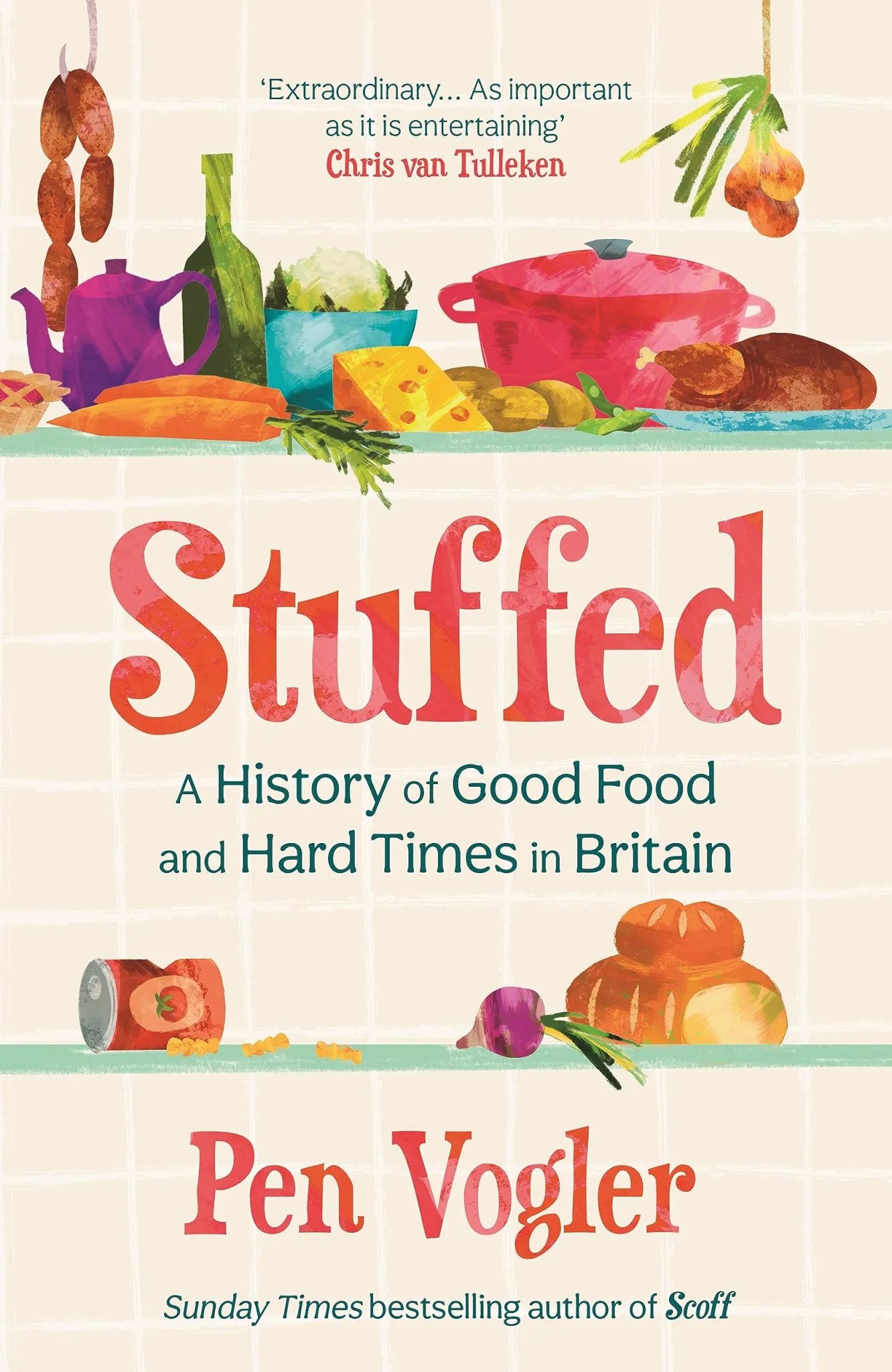
Stuffed: Pen Vogler. This is a book to relish, as it journeys through the history of eating, in good times and in bad, in the British Isles. It doesn’t begin at the beginning, then go on until it comes to the end, and then stop. Instead it works thematically, focussing in turn on some of the foodstuffs that perhaps define us:for instance, bread & ale; turnips (yes, really!); herring; Yorkshire pudding; gruel … and several more. She tells a good story, bringing it right up to date by mentioning the campaigns by Marcus Rashford and Jamie Oliver, and comparing child poverty and malnutrition as it presents now, with Victorian and even earlier times. A well-researched and highly readable book.

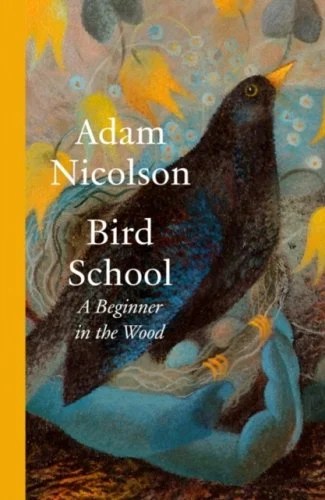
Bird School: Adam Nicolson. Nicolson was not a birder. But he decided to change that, and had a rather superior bird hide built in a wild corner of his Sussex farm. And there, all manner of birds come, and he learns. And teaches us: about surviving; singing;breeding; flying; migrating – every aspect of bird life. The story however, turns somewhat depressing. Birds here are in decline, because the natural world is generally in decline. Nicholson tells us why, so we can join the fight for the natural world in our turn.

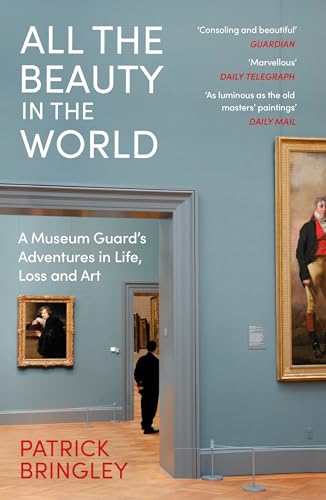
Let’s go indoors now, and off to America: All the Beauty in the World: Patrick Bringley. I loved this book. Here is a highly educated man who left his start-of-a-glittering-career in a period of grief following the death of his 27 year old brother, to become a museum attendant at New York’s Metropolitan Museum of Art. He spent ten fulfilled years there. In his book he talks about the works of art he spent his day with; the collections themselves; his colleagues; the visitors; his personal life. He’s perceptive, likeable and tells a good story. The accompanying illustrations by Maya McMahon tantalisingly suggest the works we can see when we get there.

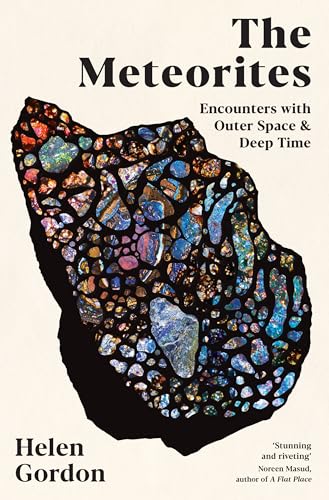
The Meteorites: Helen Gordon. I picked this up in the library on a whim. I knew little about Deep Space, and next to nothing about meteorites. Not only do I now know more about the rich variety of forms they take, how they are formed and where they might come from, but I’ve met the dealers, hunters academics and geologists involved in the meteorite community across the world. I now have a whole new perspective on our planet and outer space,and a hunger to know more, by reading this engaging and enjoyable book.

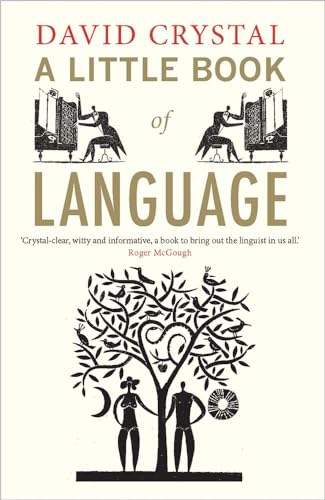
A little Book of Language: David Crystal. Here’s a book which with a broad brush, discusses all kinds of aspects of language: How a baby learns to communicate; how sounds are made; languages and dialects; writing; changing and evolving and disappearing languages; slang and style … and so much more. Not all of this was new to me – this is not the first Crystal book I’ve read – but all of it is told in a lively and engaging way, encouraging thought and discussion. 

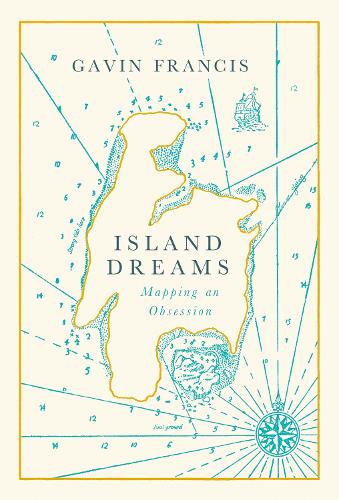
And finally … Island Dreams: Gavin Francis. This is a beautifully produced book. On heavy paper, with blue and black ink, the text is allowed generous space to breathe. As well, the text is interspersed – also generously – with maps old and new illustrating the outlines of islands he visits and discusses. These are the only illustrations. It encompasses myth, psychology, philosophy, literature and straightforward travel writing. So this is a book to savour and linger over, returning several times to the maps on display.

And if you’re going to push me into naming a favourite? Raising Hare, no question. Heartwarming, thoughtful, highlighting the tension between the natural world and our own, beautifully written.

I’m not going to be able to respond to any comments this weekend. Family Official Christmas, ahead of the usual date. But replies will happen.