Just before winter kicks in and we all hunker down, let’s have a trip to the shops, and spot a few windows.
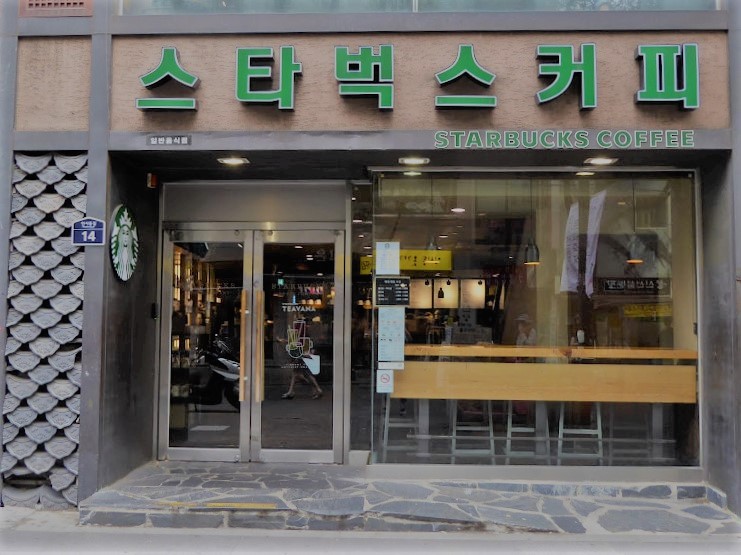
Are there enough windows here for you, in the featured photo, at the entrance to one of South Korea’s bigger shopping complexes? Once we’ve looked round, it’ll be time for a coffee: who knew that Starbucks had spread its reach so far? Not that we actually went inside here – independent coffee shops for us, every time.
Gyeongju, South Korea
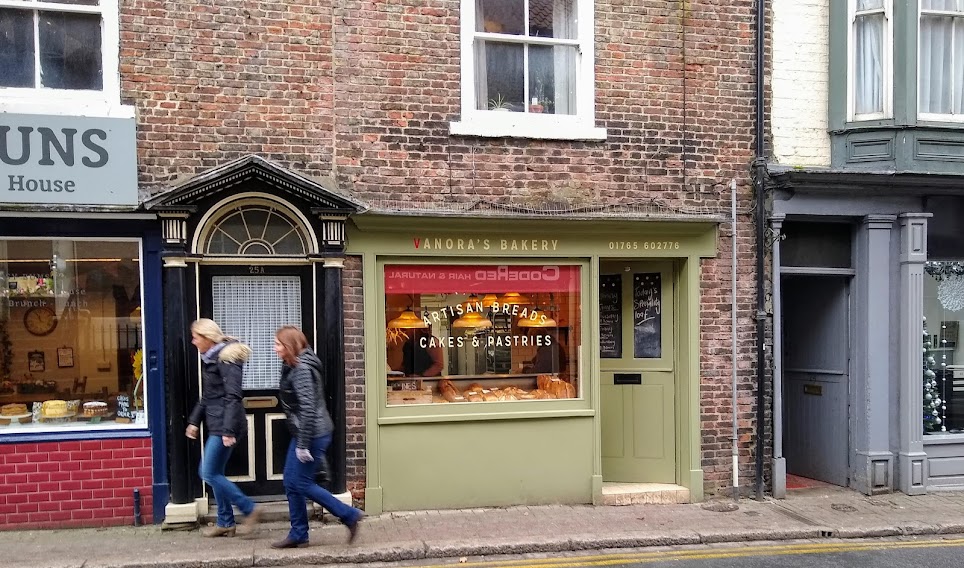
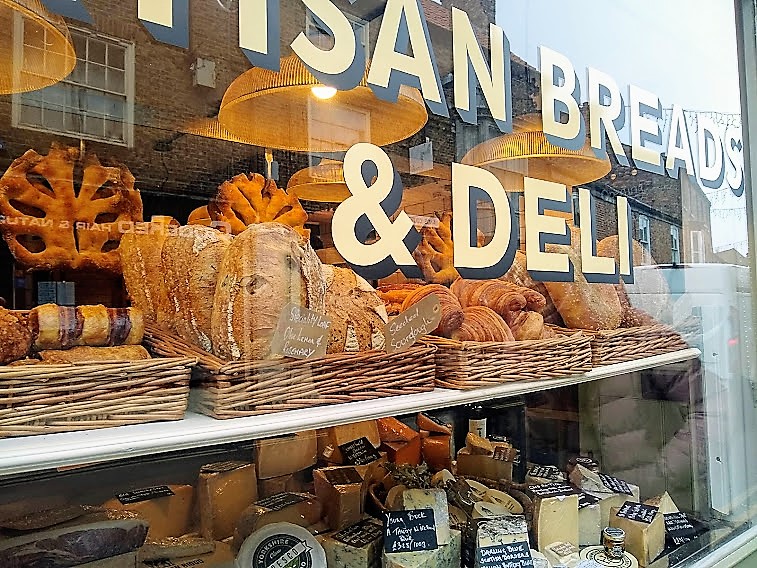
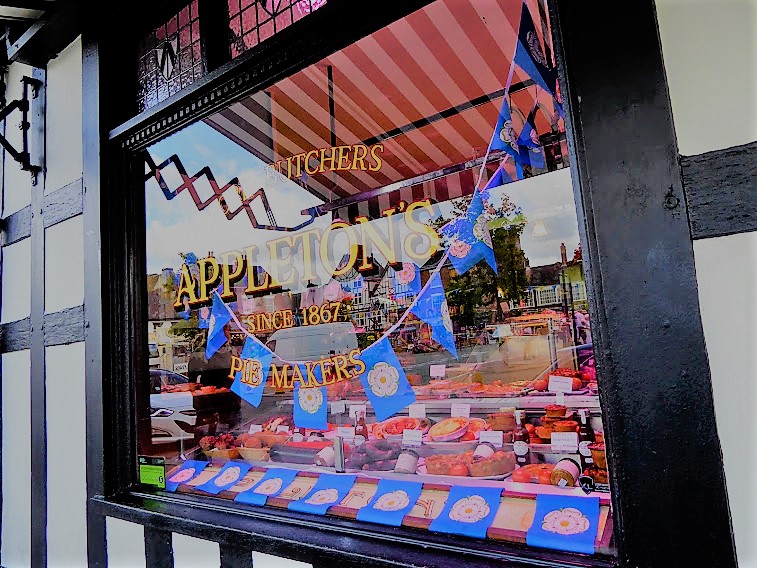
Let’s come back to England now, and stay local, in Ripon. We’ll pop into our favourite bakery, then saunter along to the pie shop. In both cases, reflections will offer us views of the street too.
Vanora’s, Westgate, Ripon, and Appleton’s, Market Square, Ripon
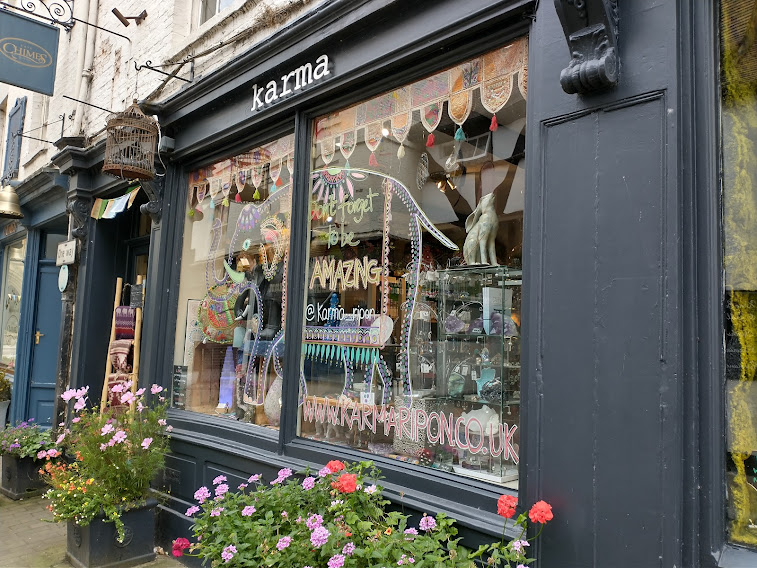
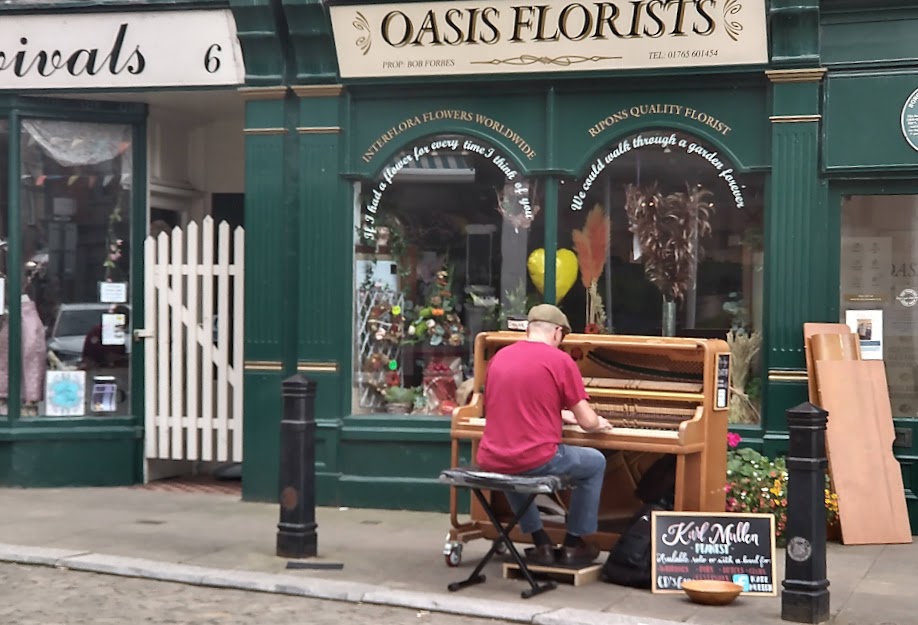
Let’s go to Kirkgate, and more independent shops: You’ll get a mood-improving slogan at Karma, and if you’re lucky, live music to cheer you along.
Scenes from Kirkgate, Ripon.
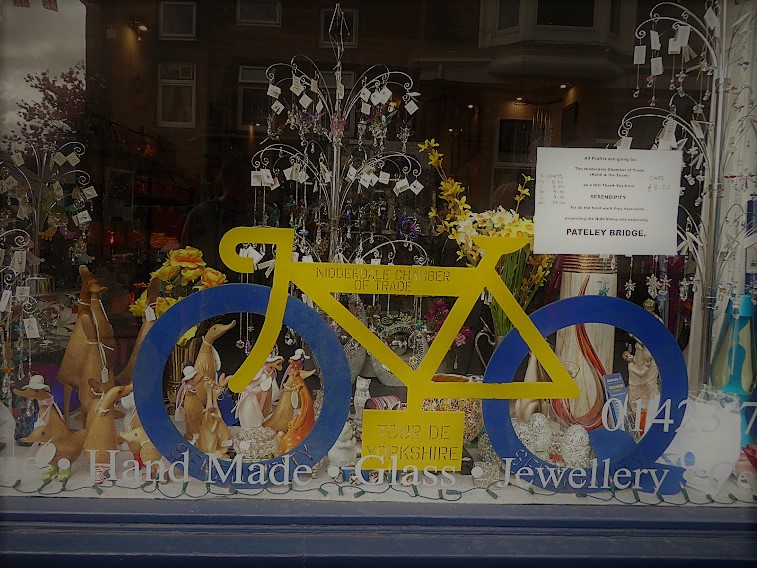
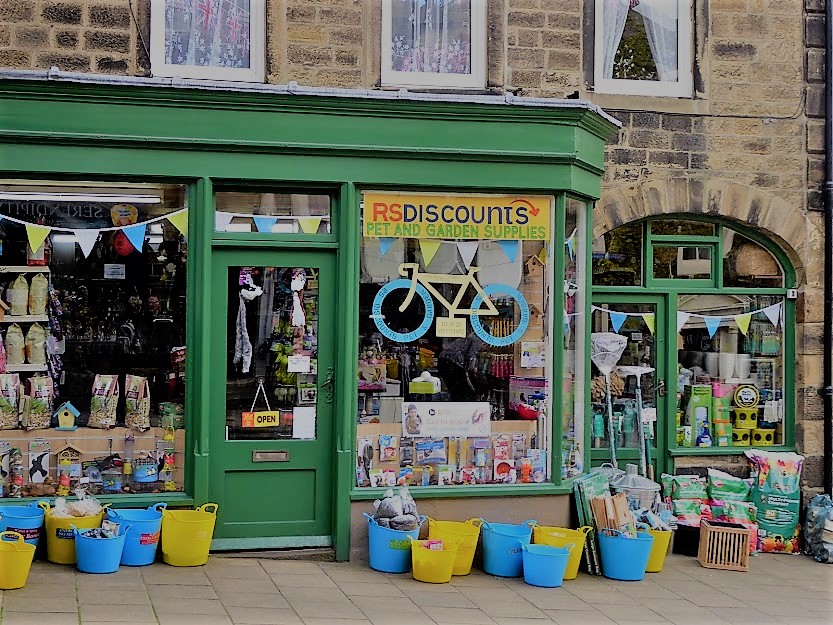
A few miles away is Pateley Bridge. I wonder if the shops there still have the displays they had when the Tour de Yorkshire was in town?
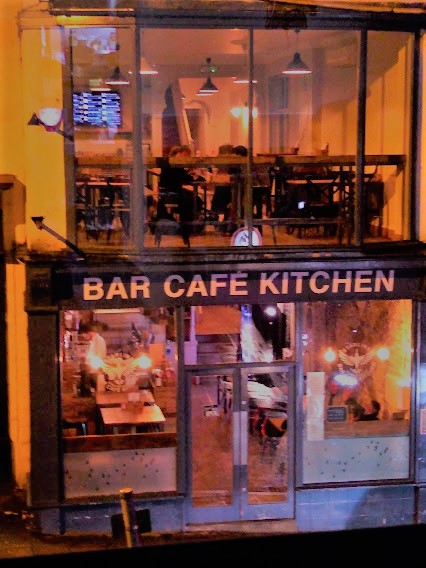
We’ll finish off by going to Harrogate. From behind other shop windows, we can get a snapshot of Starlings, the bar where we could finish our day with a drink and a very tasty pizza.
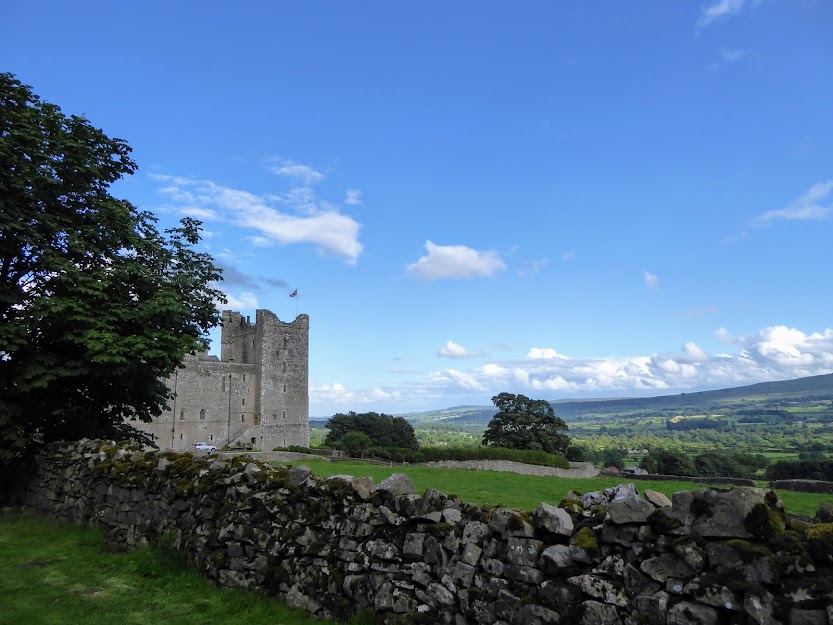
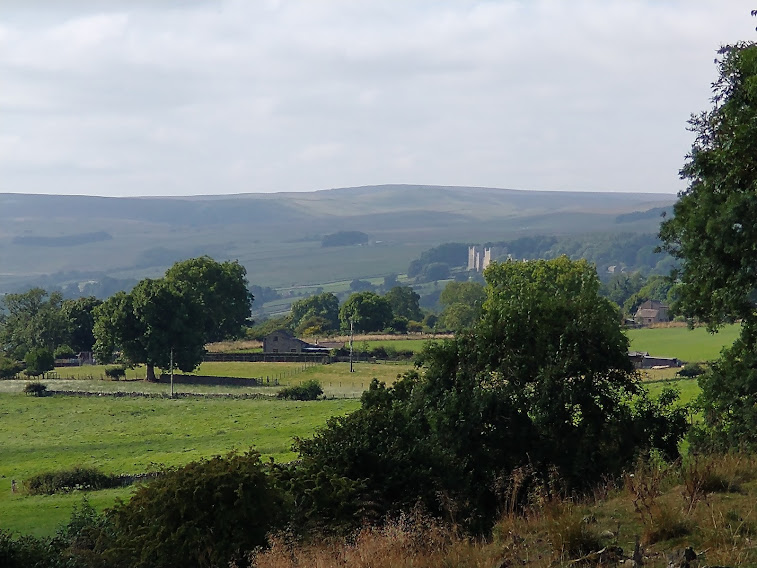
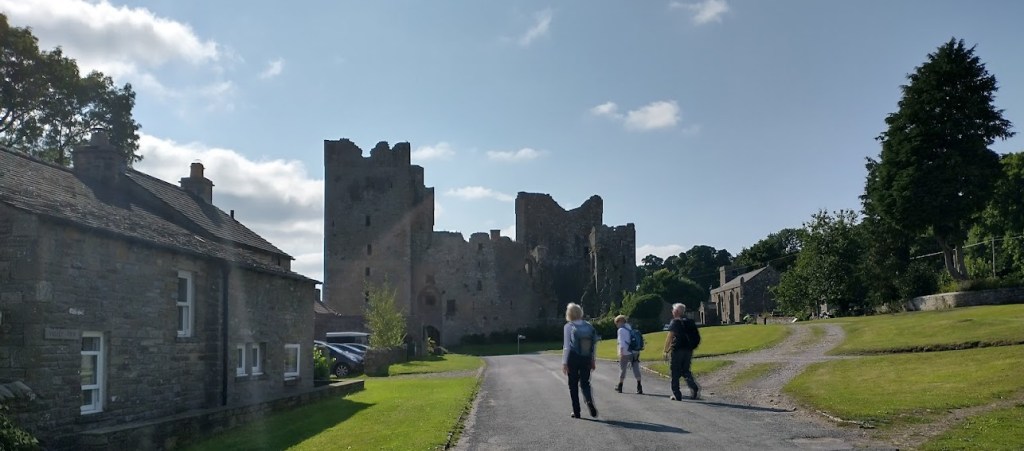
The landscape in the featured photo shows the bucolic beauty of Wensleydale, still green and welcoming at this time of year. And look! Here’s Bolton Castle, one time prison of Mary Queen of Scots: where she was obliged to stay for six months with a retinue of 30 servants, permitted to go hunting, and receive English lessons This is where we began and ended our walk last week.
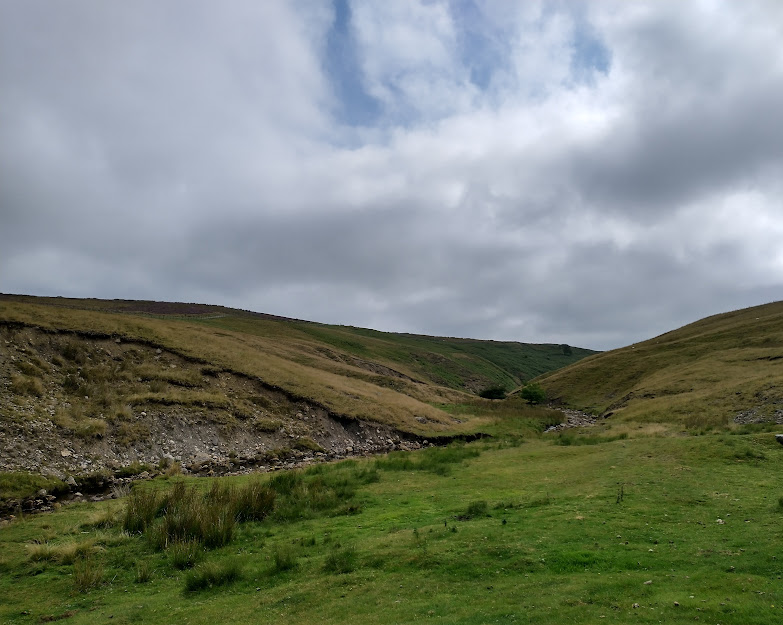
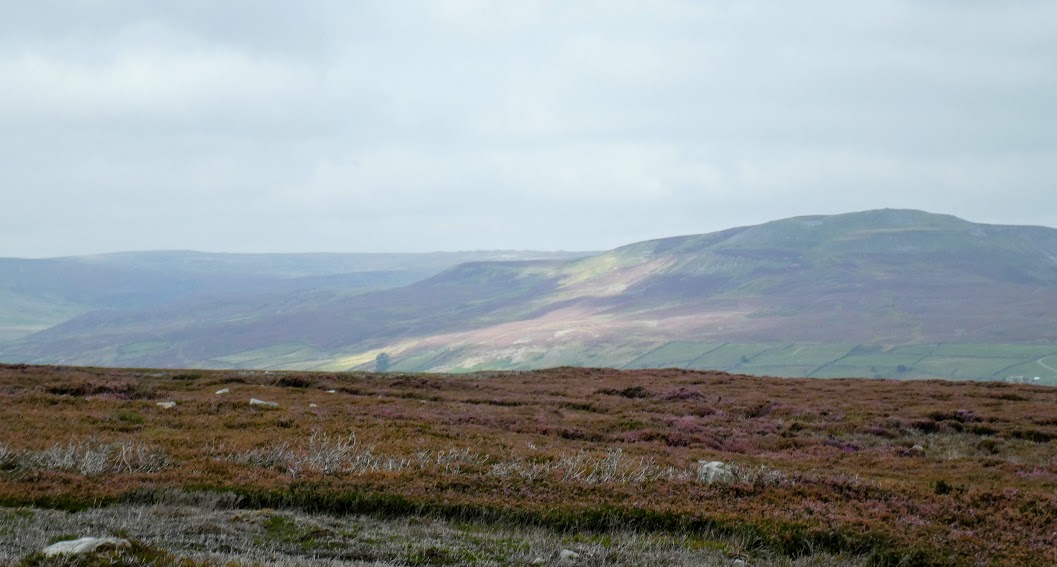
Most of our hike wasn’t in such favoured countryside. We slogged up to the bleaker moorland where once lead was mined, and no farmer could make any kind of living, unless he kept sheep. Here there are no villages, no houses or farms, and few roads.
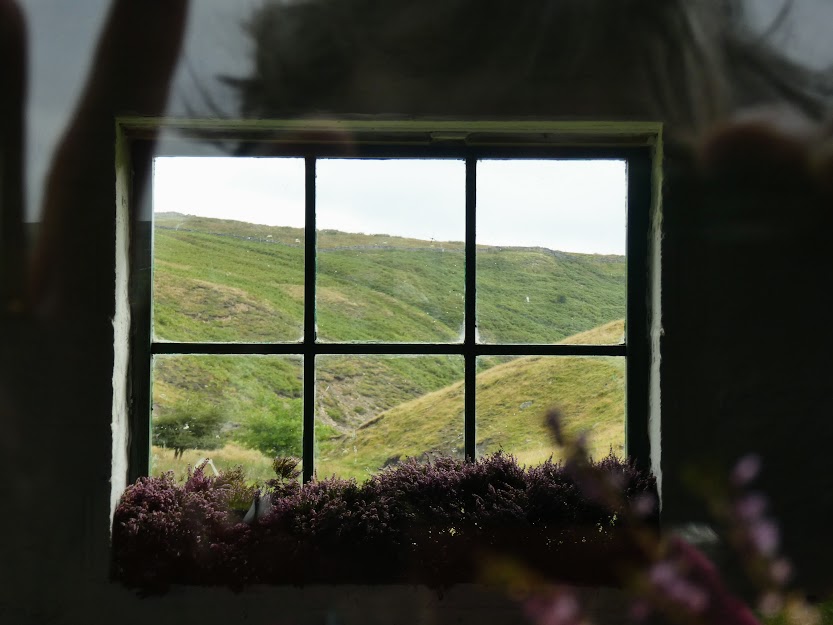
We’d hardly been going more than a mile when we came upon a shooting lodge, now set up as a resting place for the weary traveller. Here’s the view through one of the windows:
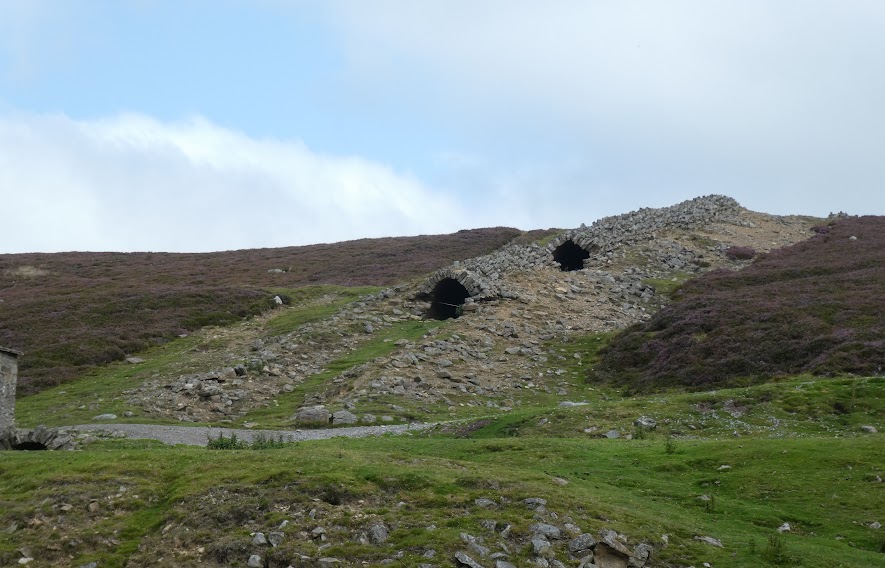
There was buffeting wind, and the smallest hint of rain, so we were glad to shelter for a few moments, and look at the view from inside, through that welcome window . But then out we went again, to the windswept landscape. It’s easy to see traces of the old lead mining industry: the grassed over spoil heaps, the ruined stone sheds, the pits where once a mine was sunk.
Lead was found here long before the Romans came. By the Middle Ages, blocks of land known as meers – roughly the size of a cricket pitch – were leased out to the miners who, if they were lucky, could find lead almost at the surface: or by running shafts below ground. The process only became industrialised, and mining companies developed in the 18th century. The last mine in the Dales closed in 1912, and for the first time in hundreds and hundreds of years, no one quarried for lead.
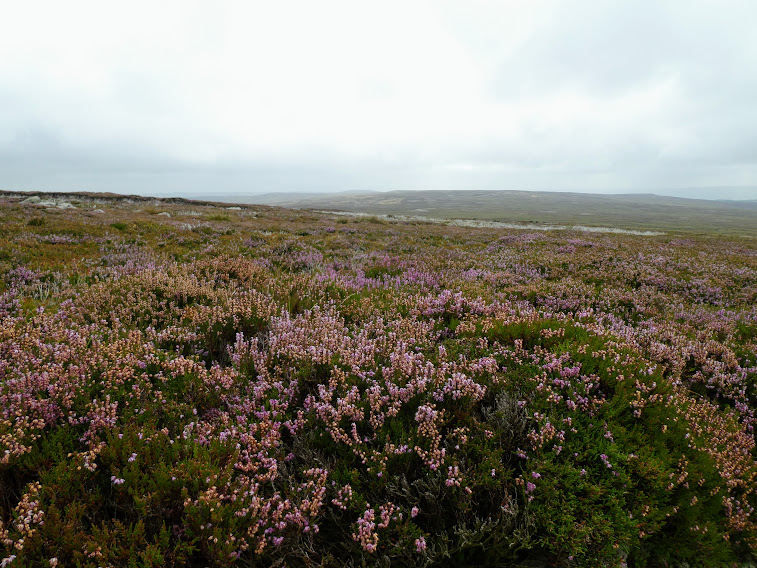
This is a bleak landscape, austere and unforgiving: open to winds coursing across the Dales, and to lashing rain. I love its ascetic grimness and the beauty to be found in its treeless simplicity. The time of year when the hillsides are cloaked in purple heather – August – is not to be missed. We caught the end of this glorious display.
Though our day had been one of grey skies, at the end the sun came out, as was fitting for the gentler Wensleydale landscape near Bolton Castle
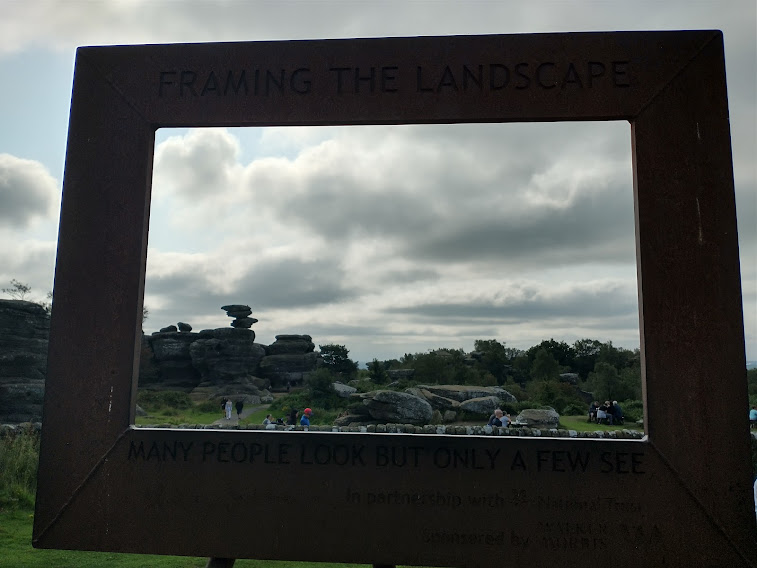
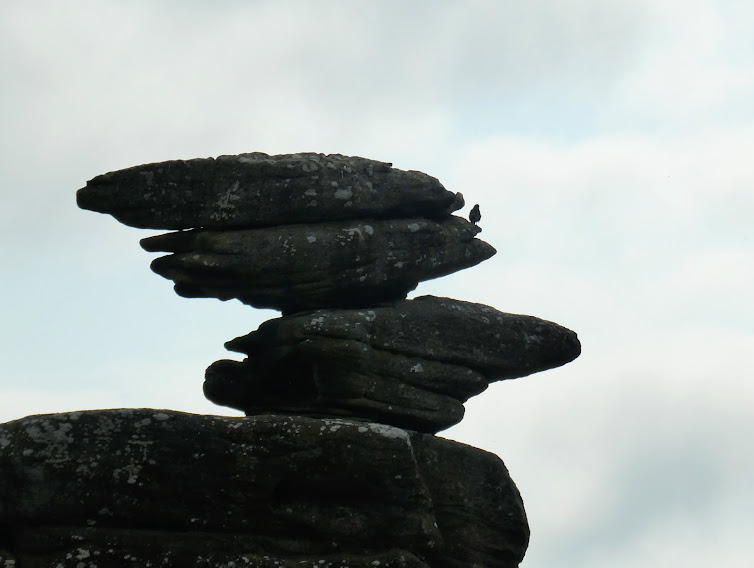
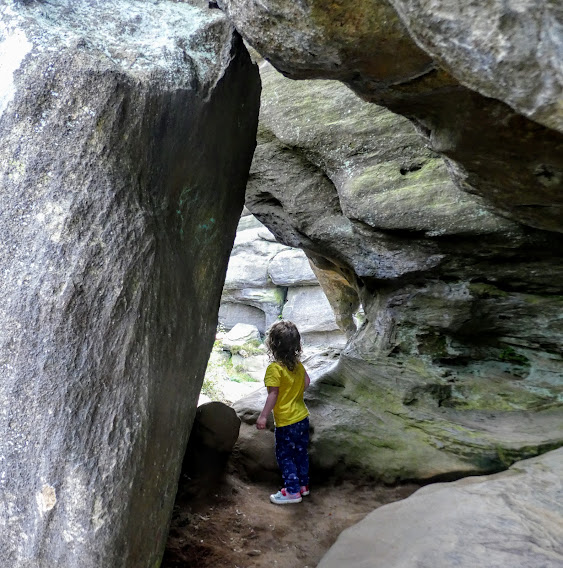
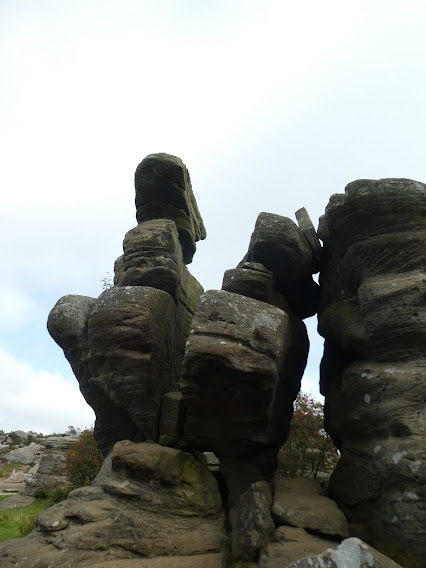
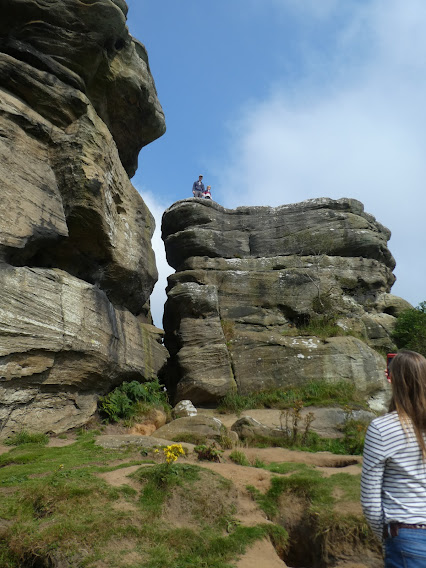
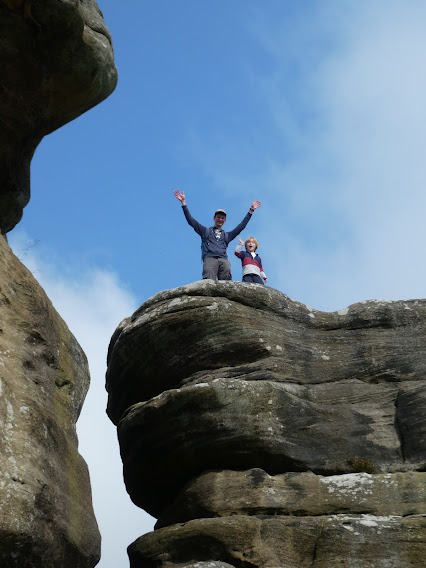
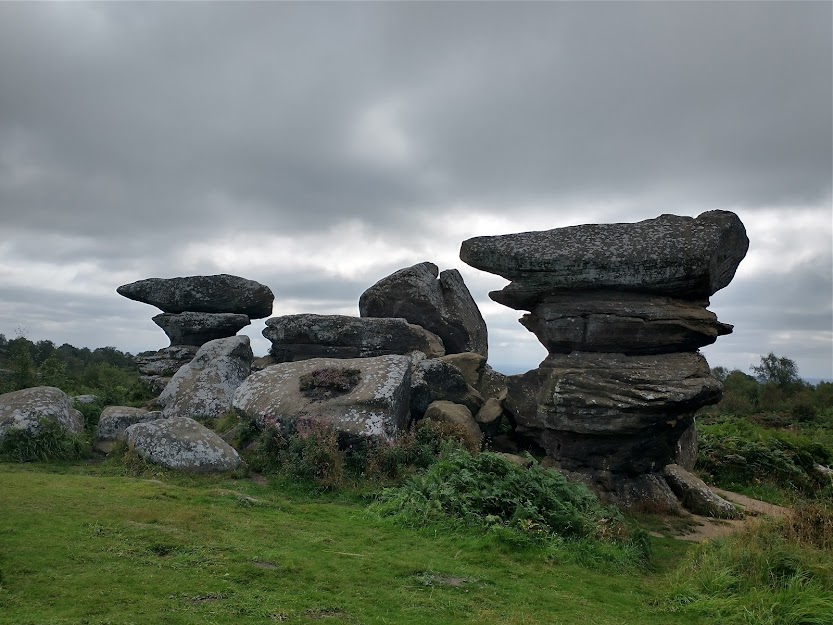
Brimham Rocks. A must-visit destination near where we live, simply to marvel at the unlikely tottering piles of fantastically shaped rocks gathered there, or, if you’re athletic and in touch with your inner-child, a challenging climbing frame.
These sandstone blocks were laid down and formed during the last 100,000 years – before, during and since the last Ice Age. Glacial action, weathering and water erosion have fashioned the rocks, leaving some apparently precariously balanced, as wind blasting continues to sculpt their contours.
During the 18th and 19th centuries, many believed that Druida could have been responsible for carving them. It was only in the 20th century that their origins became well understood, and we also came to recognise the wealth of natural life flourishing here: it’s now a Site of Special Scientific Interest.
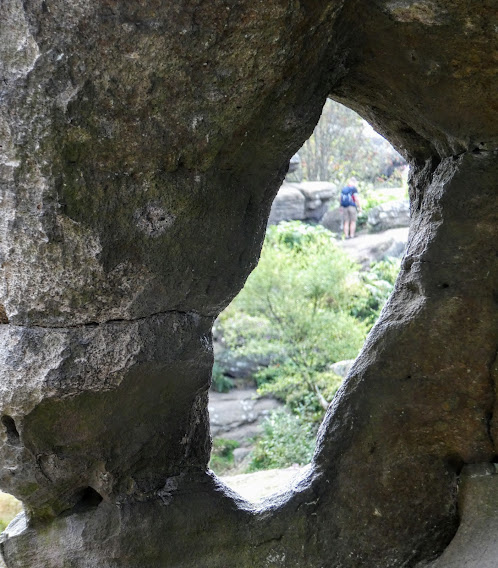
Not that William and Zoë cared when they visited last week. For them, this visit was an adventure. William climbed and Zoë looked for natural windows to gaze through. And asked to come again next time they visit.
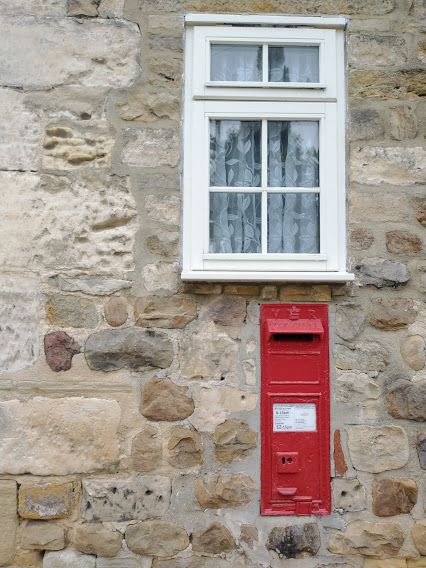
See this little window? It’s not very spectacular, being at one side of the old cottage shown in the featured photo, in the nearby village of Studley Roger. But I think it’s quite privileged. It’s just above one of the oldest post boxes in the area, one of the diminishing number of post boxes still to exist from the reign of Queen Victoria. Its design means it can’t have existed before 1857, and it’s certainly 19th century in origin. So the window earns its fifteen minutes of fame as a Monday Window, and the box itself as a bonus for Jude’s Life in Colour, which this month celebrates the colour red.
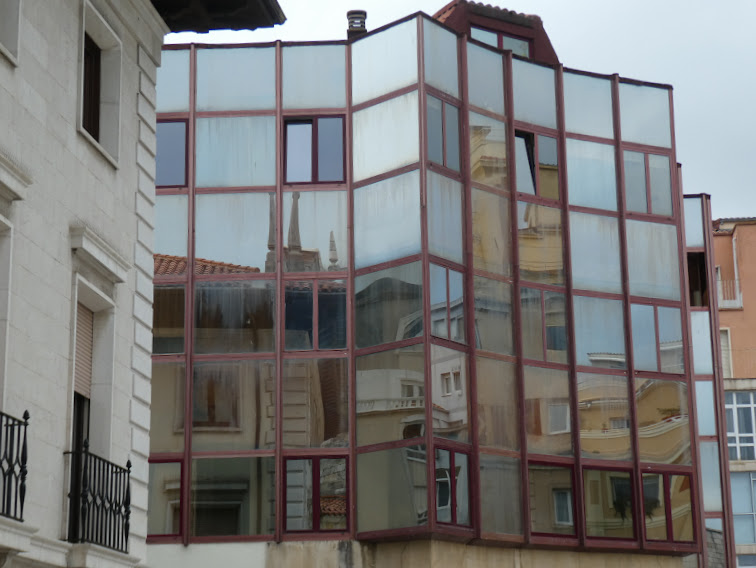
Was it a month ago that we left Spain? Apparently so. Let’s relive our last day, mooching round Santander before catching the ferry for the long journey home. We could catch lots of images of the city in a single photo, in this building just alongside La Catedral de Nuestra Señora de la Asunción.
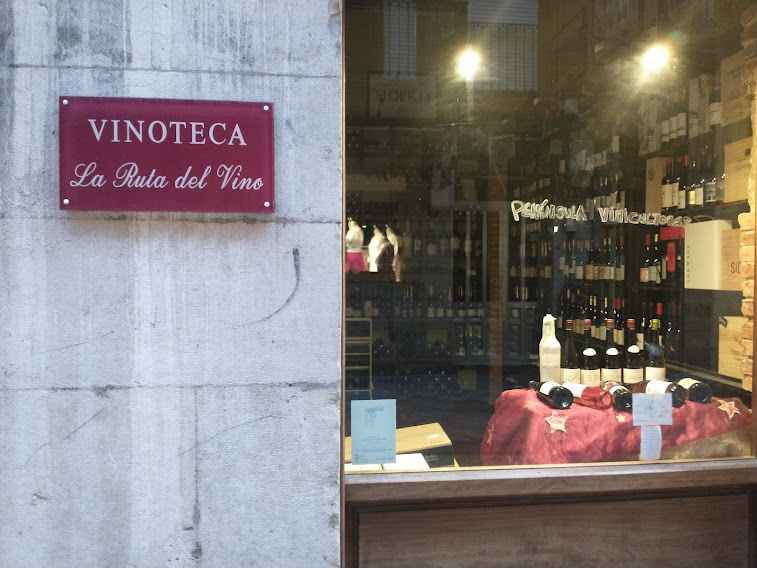
But nearby, there’s window-shopping …
…and then a picture postcard view of the multi-windowed Plaza Porticada.
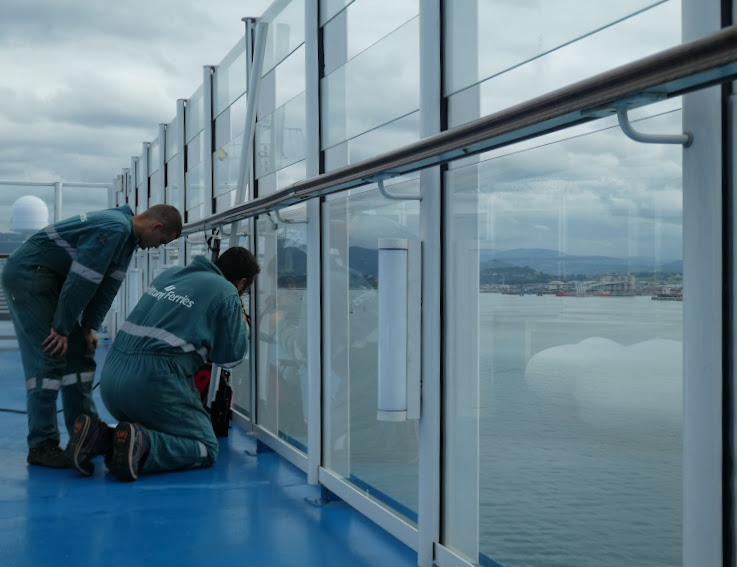
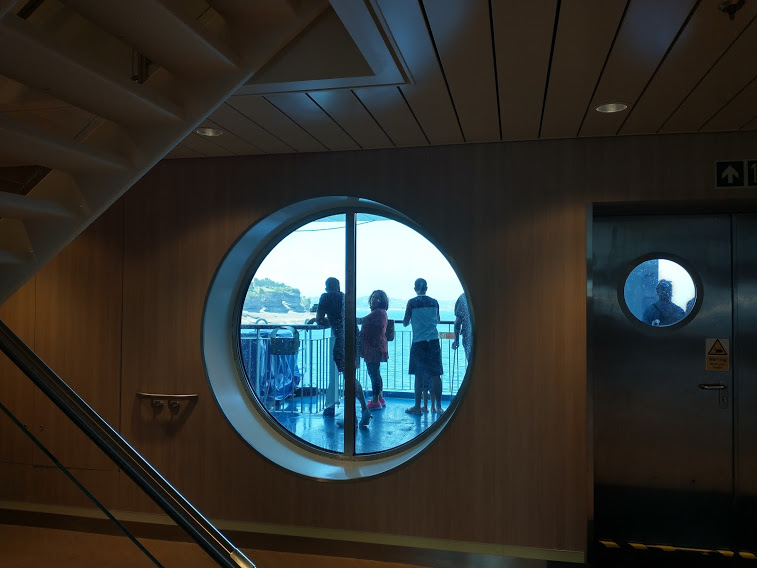
Later, on board ship, there were windows on deck, designed to shelter us from the buffeting breezes. But something had gone wrong with one, and early in the voyage, it was being repaired.
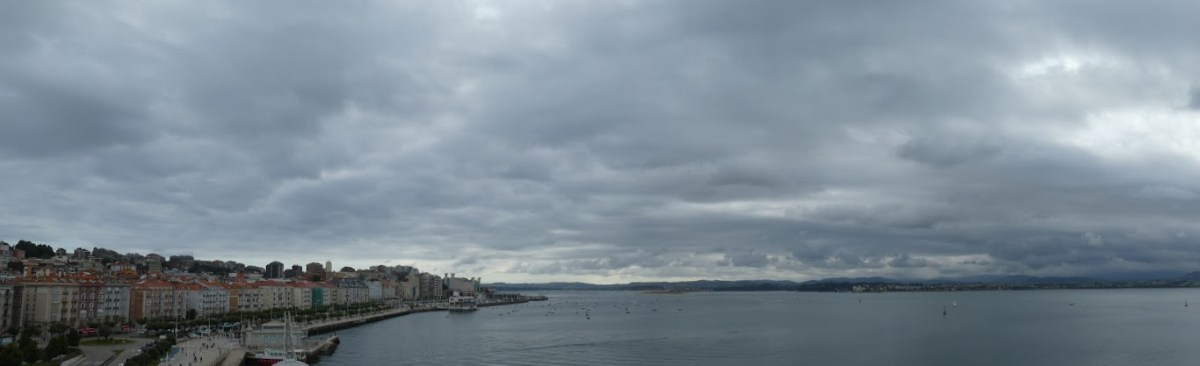
But whether on land or at sea, we could spot the coastline near Santander, as shown in the featured photo.
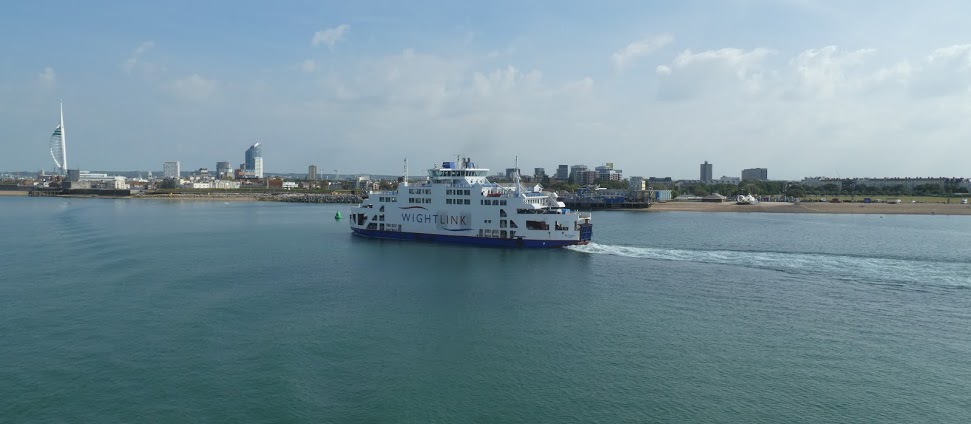
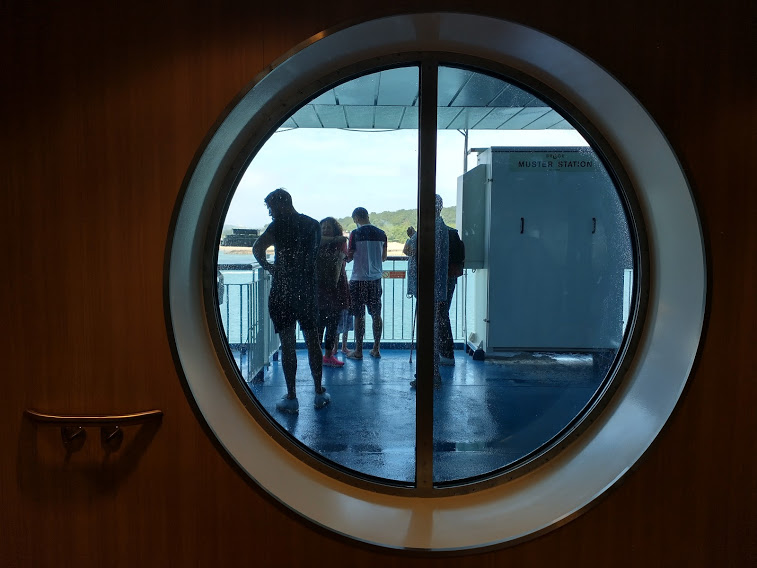
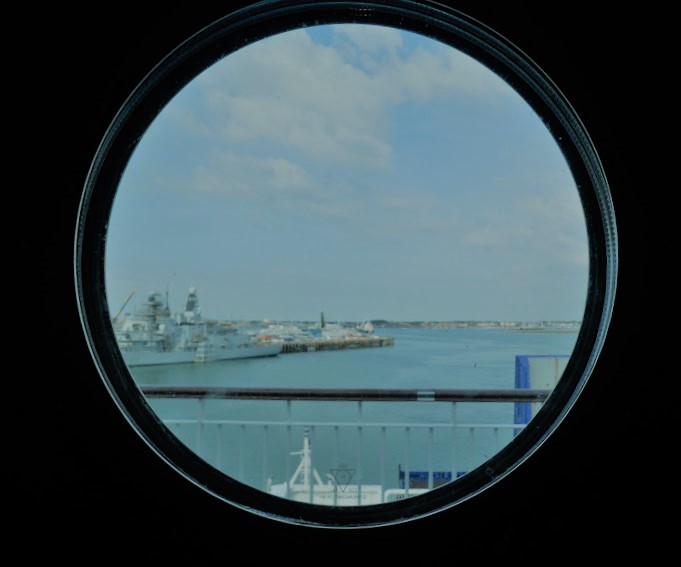
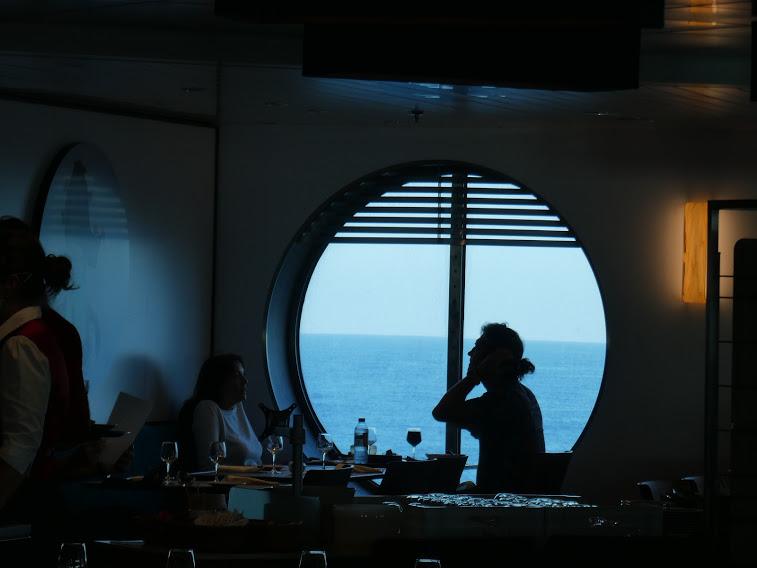
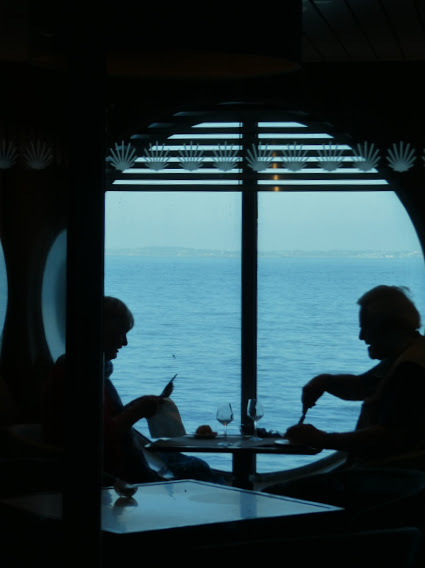
We travelled to and from Spain on the ferry from Portsmouth to Santander. Two days and a night of the English Channel, and the boundless ocean in the form of the Bay of Biscay. I spent a lot of time on deck. but inside the Galicia, there were portholes a-plenty through which to see the sea. As my fellow-passengers also knew.
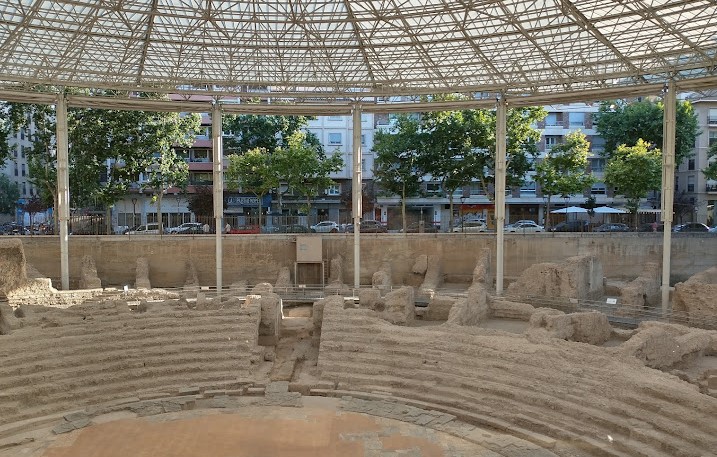
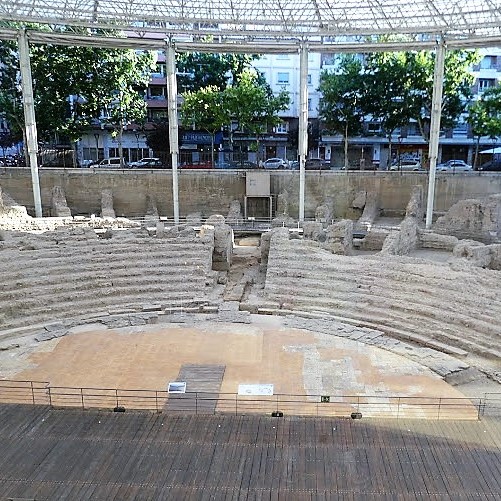
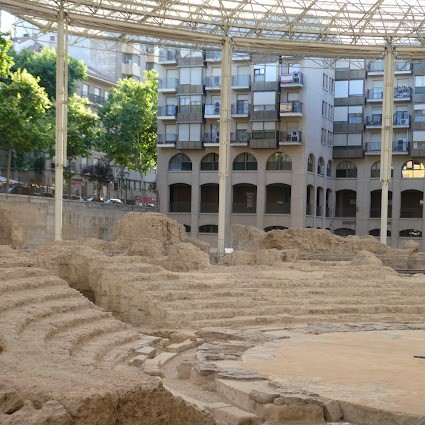
Zigzagging my way into Zaragoza’s old city centre, I came across, ahead of me, a glass canopy. A market perhaps? But no. It covered Caesar Augustus’ Roman Amphitheatre. I could inspect it quite well from the street, but on a whim, decided to pay the entrance fee and go in. ‘I’ve decided to take your word for it that you’re over 65’, the chivalrous man at the desk said. ‘It’s free for you’.
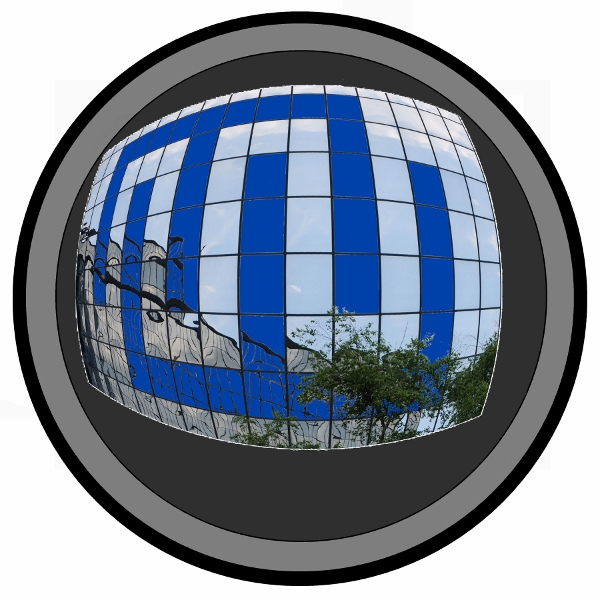
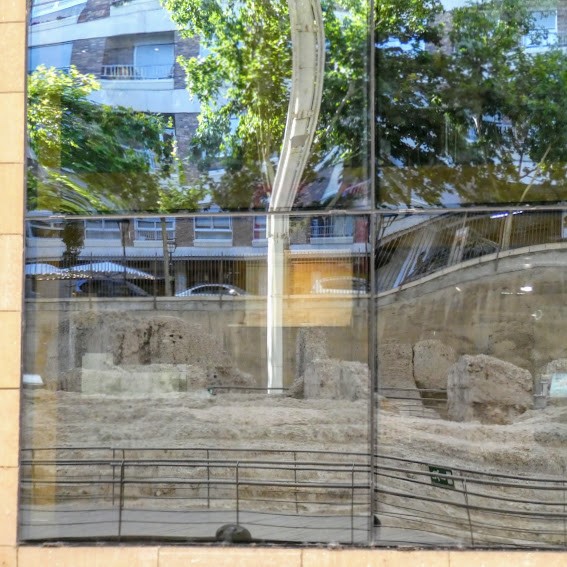
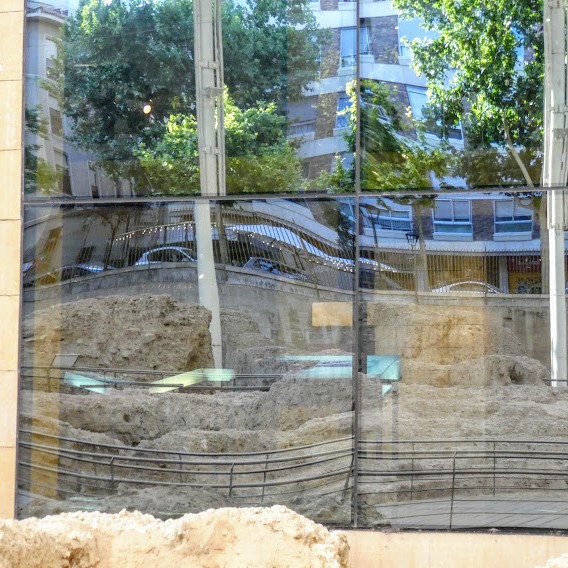
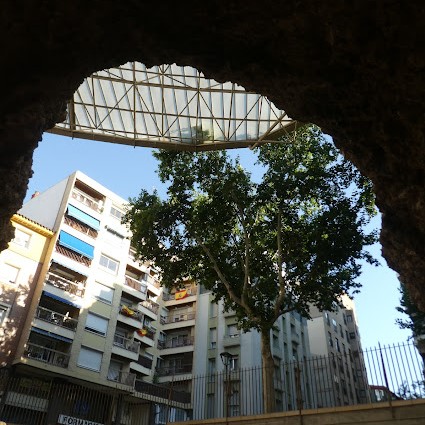
I was so glad I went. I discovered that this theatre was only relatively recently excavated. It was designed during the 1st century CE for an audience of 6,000 people (in a city of 18,000) and remained in use for some 200 years. When the Romans left, firstly the Moors covered over the site to provide extra housing space in the crowded city centre. Later, it became a Jewish quarter, and when the Jews were expelled in the 14th century, Christians moved in. And so it was until the late twentieth century. I didn’t quite understand why it had become possible to uncover and excavate this site in the 1970s. But I enjoyed exploring, and took pleasure in the unusual distorted views of it provided by the glass windows of the museum which explained the amphitheatre’s history.
Trees and the amphitheatredistorted in the museum windows.
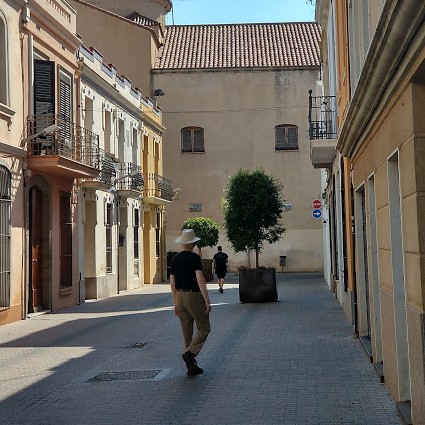
The barri antic – old town centre – of Premià de Mar is terraced by rows of what were once fishermen’s cottages, mainly dating from the 18th century, and known as lescases decós. Their inhabitants divided their time between two occupations – fishing – and market gardening in their long narrow back gardens. The featured image shows a typical street, with awnings stretched across to shelter passers-by from the summer heat.
There aren’t many trees, so these days the town council has placed some in tubs along the pedestrianised streets.
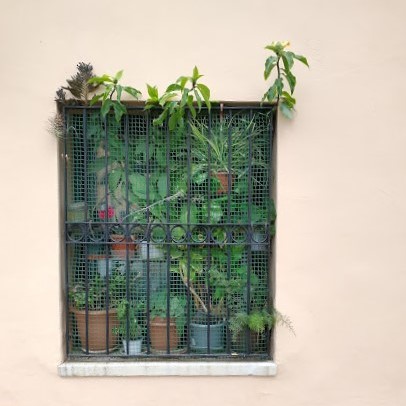
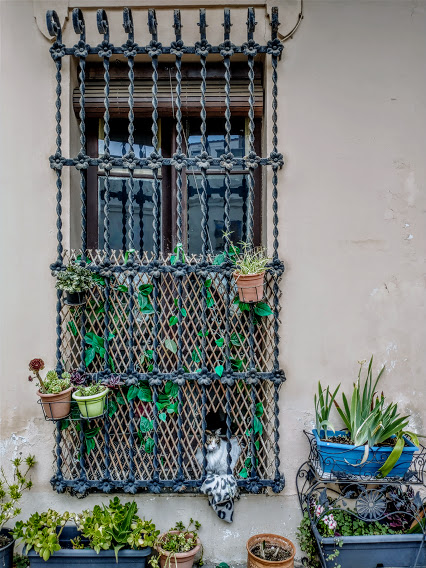
With not many trees about, some residents cram their windows with cooling plants:
Although one careful resident has thoughtfully left a cat-sized gap at the bottom of his plant-friendly window.
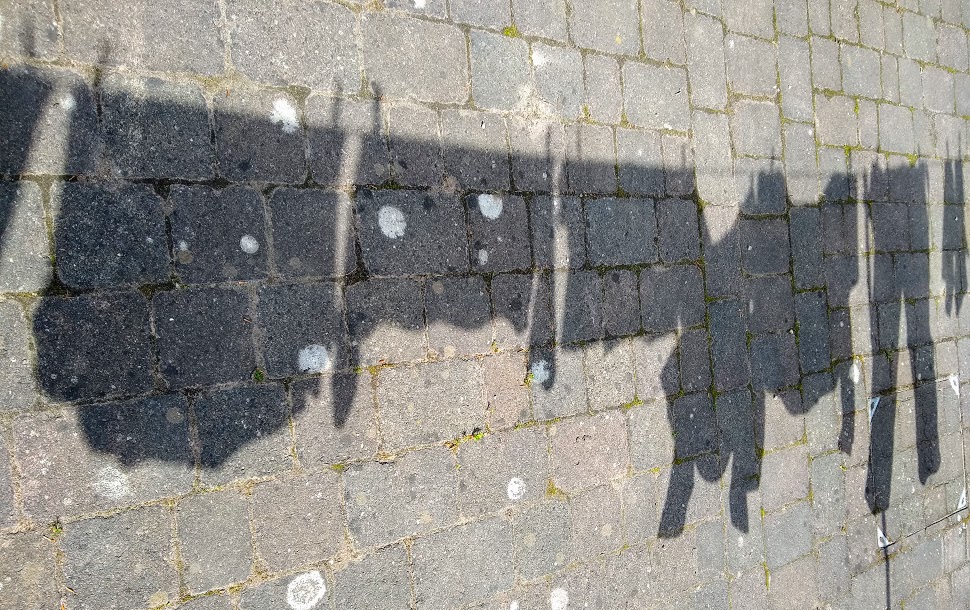
Poor old window. Poor old washing line. They each wanted their five minutes of fame as a Monday Window, and as a Monday Washing Line. And instead their shadows grab the limelight.
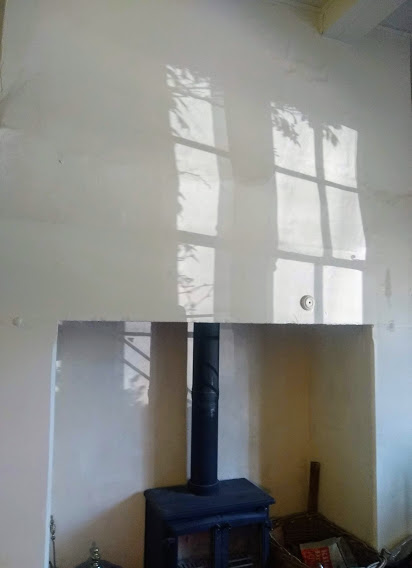
If you want to know why the window seems a bit curvy, that’s because the wall it’s projected on is pretty old. Vestiges remain from the days when it was first built, in the 15th century, for lay brothers from Fountains Abbey who lived and farmed here.
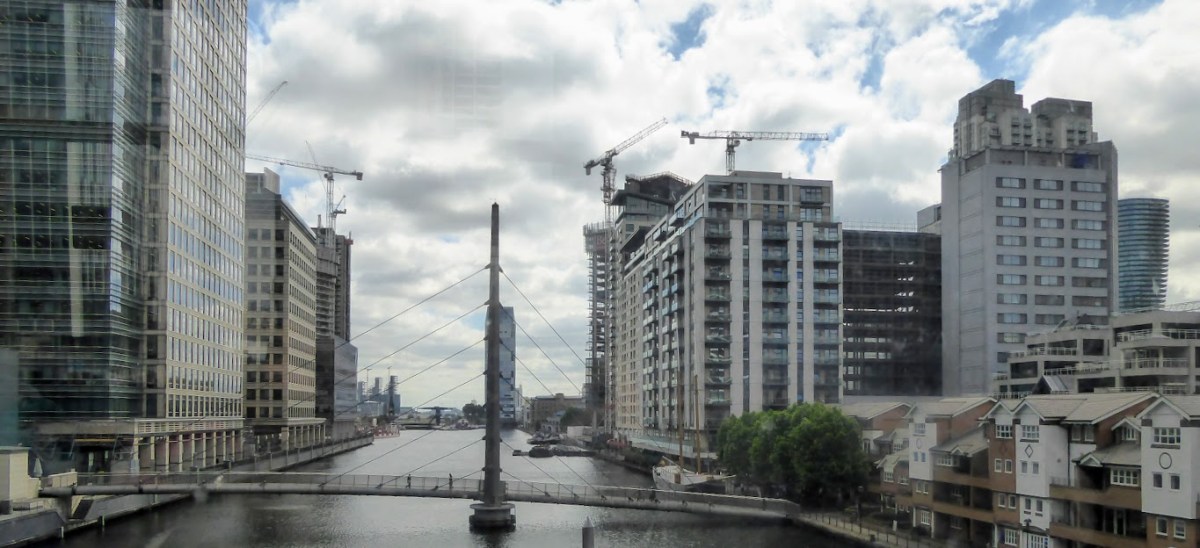
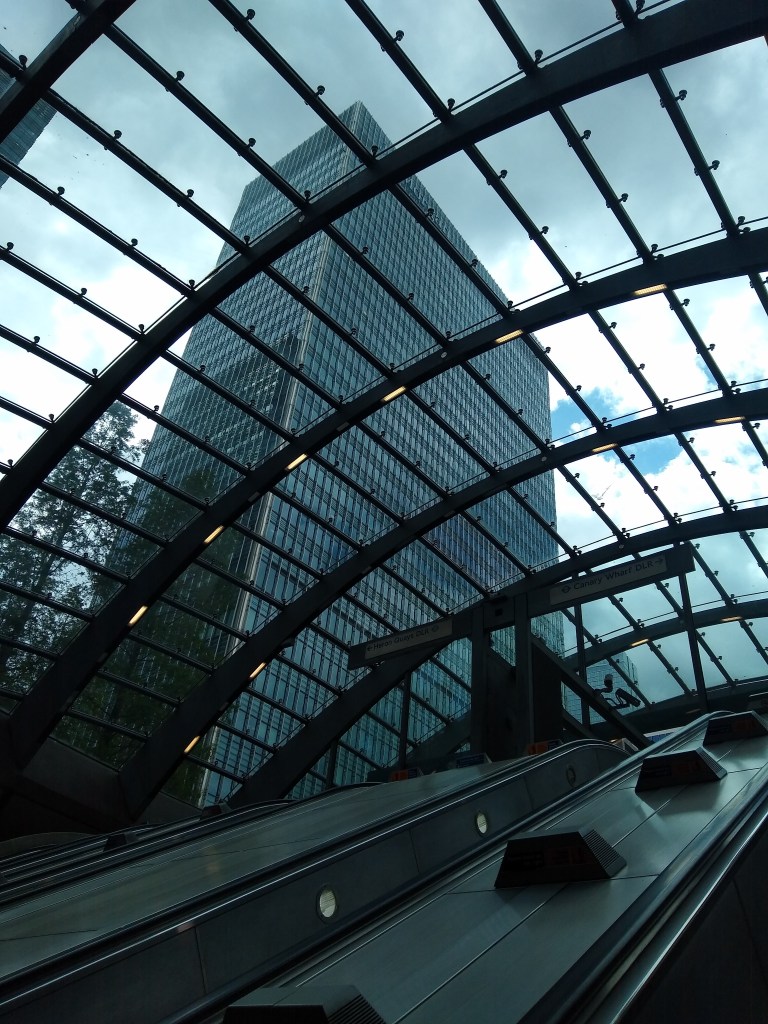
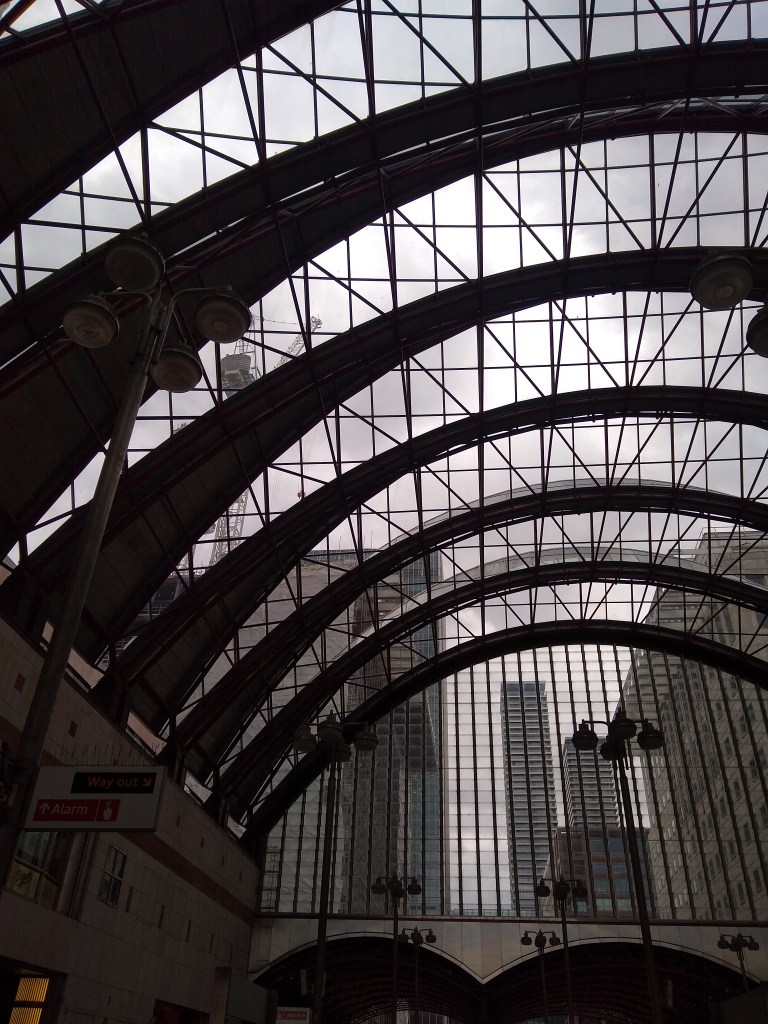
Last week meant a visit to London, to see the family we haven’t had sight of since last August. This was no tourist trip, but on our last day, the children securely occupied at school or nursery, we did venture forth – more of that another day. Today, I’ll simply share views from the escalator at Canary Wharf Station, because I always find this sight optimistic and full of light.














 From Pyrenees to Pennines
You must be logged in to post a comment.