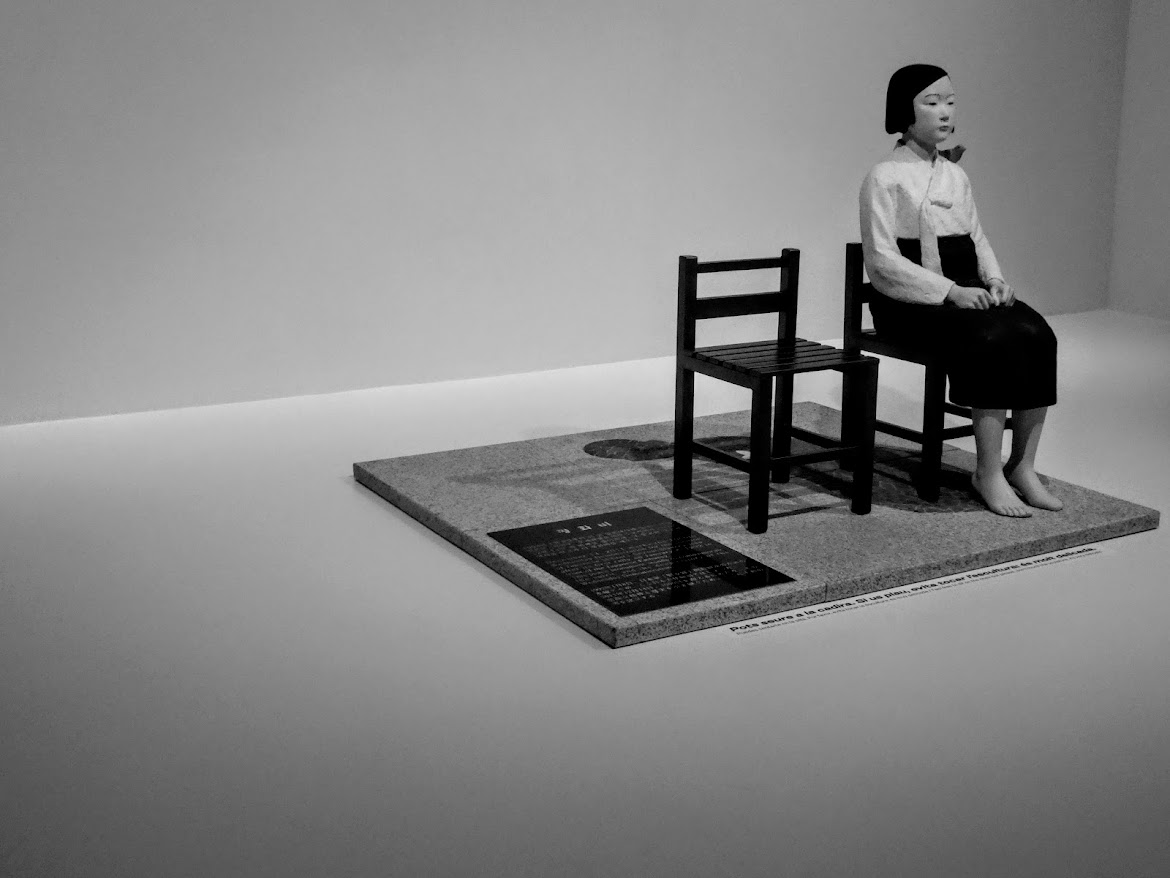
Chairs in the Service of Art

Chairs. That’s what Brian of Bushboy’s World fame, and host this week of Leanne’s Monochrome Madness wants us to get our cameras out for. And I’ve decided to show Chairs in the Service of Art

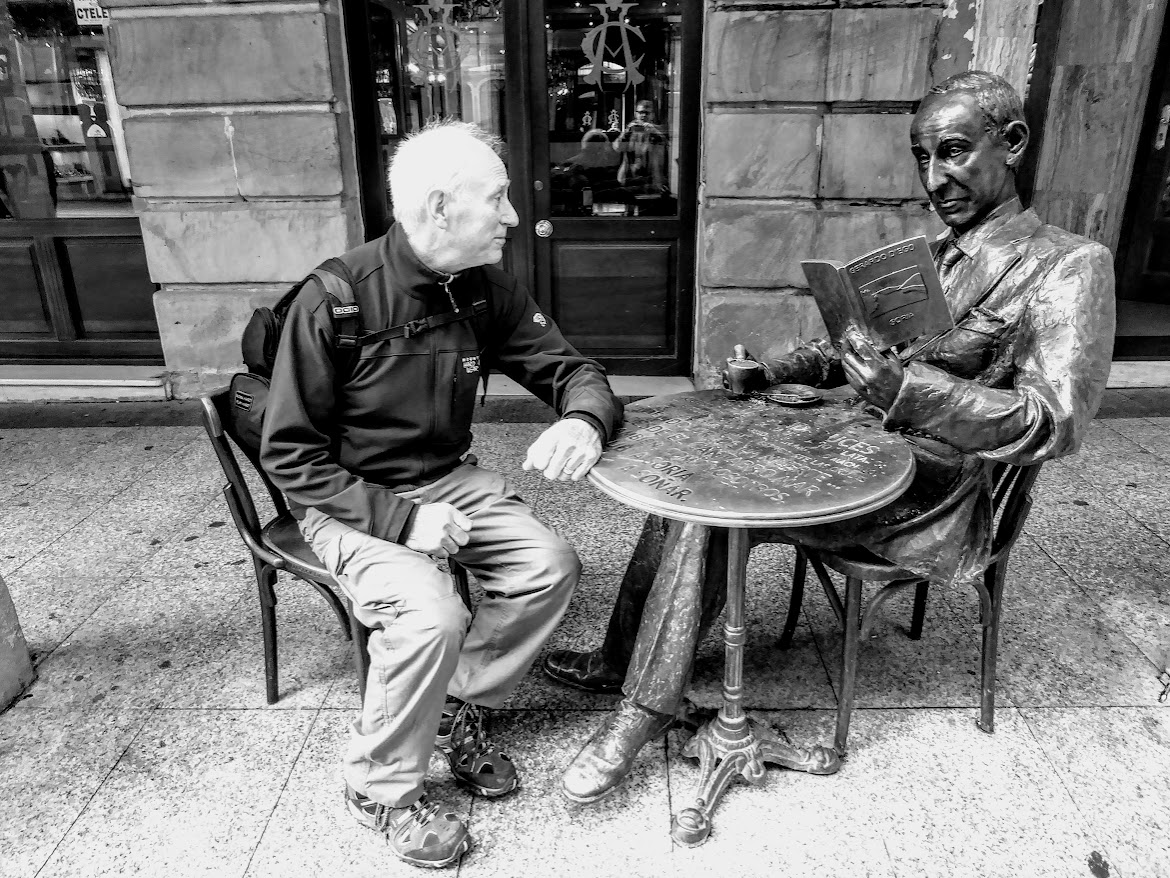
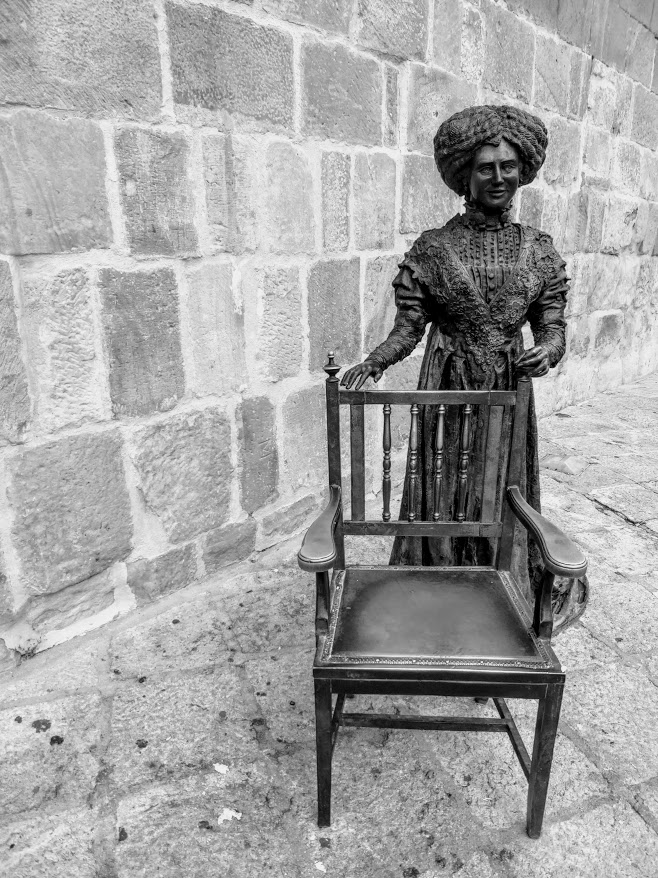
My first clutch of photos all come from Spain. A day out in Logroño, la Rioja, yielded some street sculpture featuring chairs and those who sit in them, whether alive or sculpted.
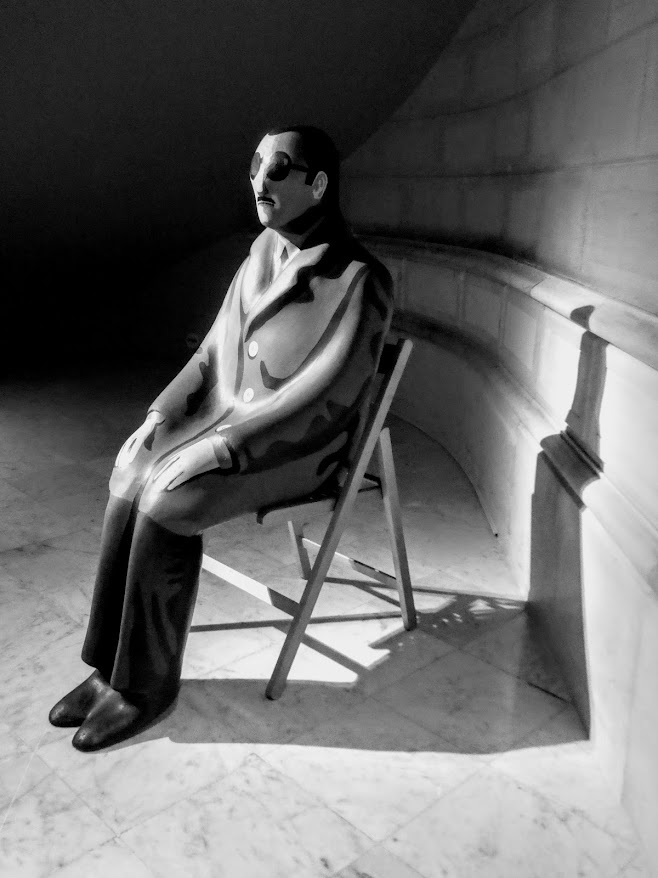
More recently, in Barcelona, I visited of of its newer museums, Museu de l’Art Prohibit – the Musem of Censored Art. It covers political, religious and sexual themes, and is not for the faint-hearted, but I found it fascinating and enlightening.

The first image here was exhibited at the Pamplona Festival in 1972 – a brave thing to do, as Spain was still in the grip of Franco’s dictatorship. This depicts one of Franco’s secret policemen.
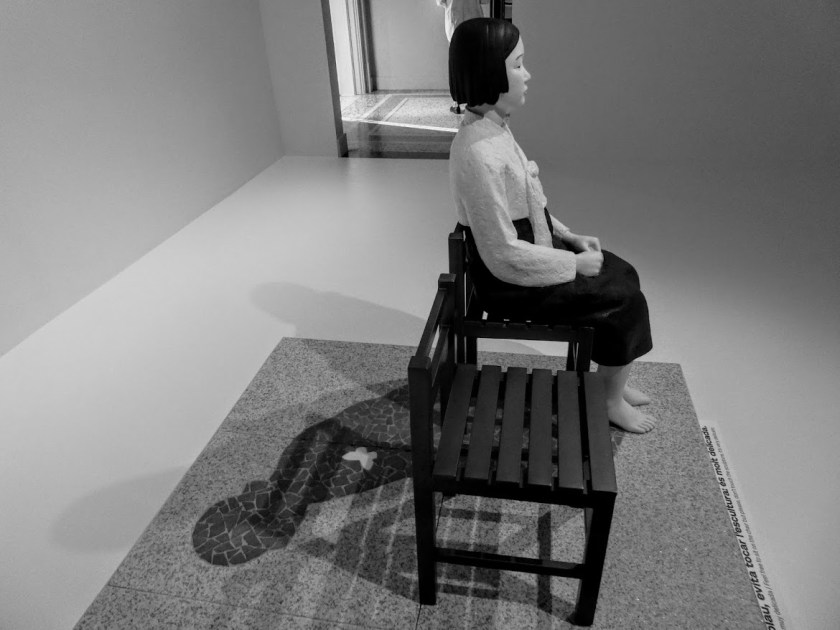
The second is by the South Korean artists Kim Eun-Sung & Kim Seo-Kyung, and shows a Girl of Peace. It was exhibited as part of the Aichi Triennale 2019 in Japan, and received threats of attack for being anti-Japanese propaganda. The exhibition was closed but reactions against its censorship forced it to be reopened. This artwork has caused various diplomatic incidents between Japan and South Korea. For its creators, it is an icon of peace. There’s another view of it as my featured photo.
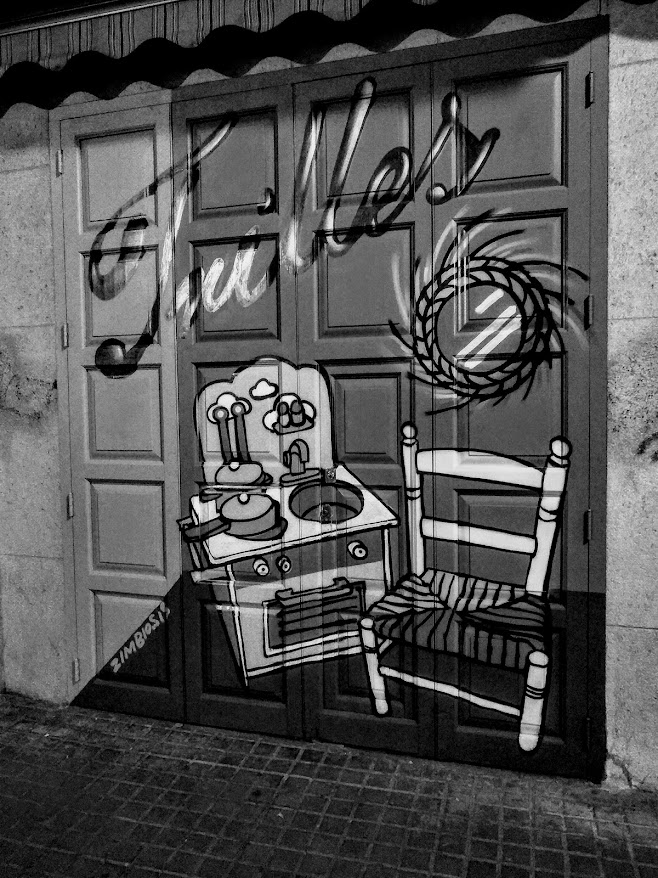
My final Spanish shot is of a chair (and the kitchen stove?) painted on a garage door in a back street in Seville.
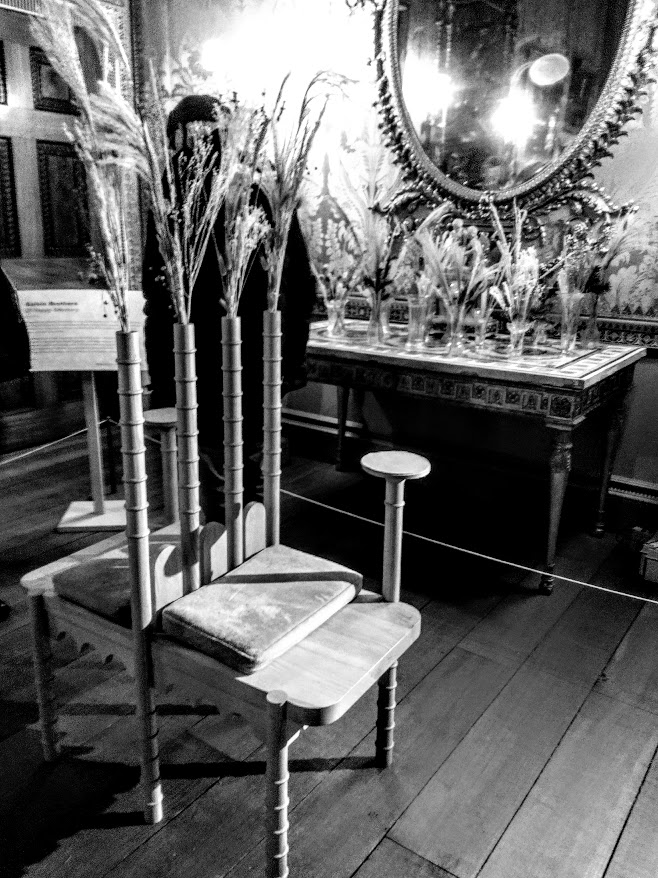
Back in the UK, to visit Harewood House near Leeds, and show an image of a chair constructed by the Galvin Brothers specifically for the house’s Yellow Drawing Room – a place to sit, talk, reflect, share, remember. Created at the time of the death of Elizabeth II, this chair was intended as a sober reflection on her reign. Its design, featuring maturing crops as part of the backrest, references the transient and intangible.
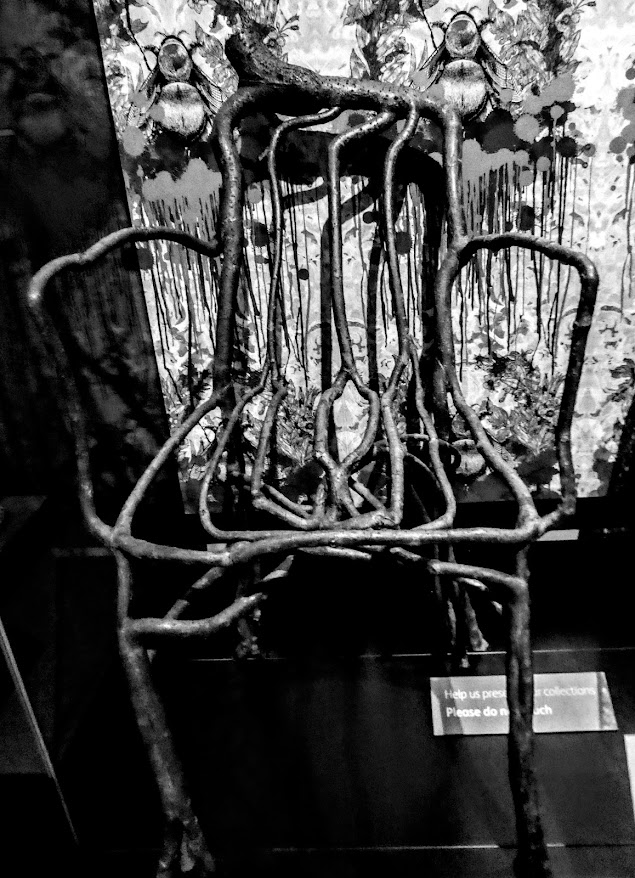
Lastly, I’ll take you to Edinburgh, to the National Museum of Scotland. This is where we saw this chair. An astonishing chair. It began its life as a simple willow tree, but was obliged to convolute itself as it grew into the form of a chair by Gavin Munro. Do have a look at his website.
Well, this hasty tour has turned up quite a few different chairs. It’s perhaps the simplest ones that convey the most potent messages.
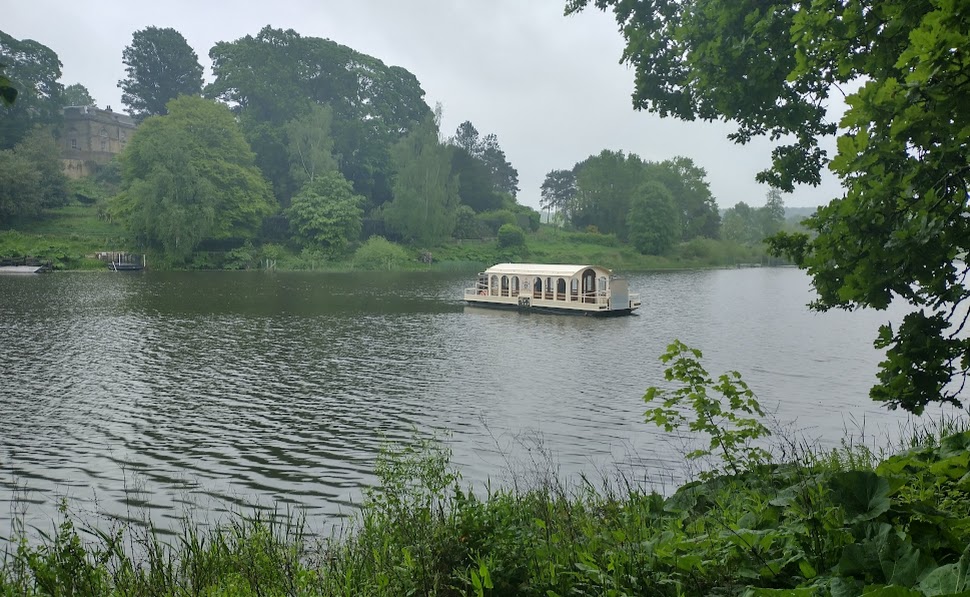
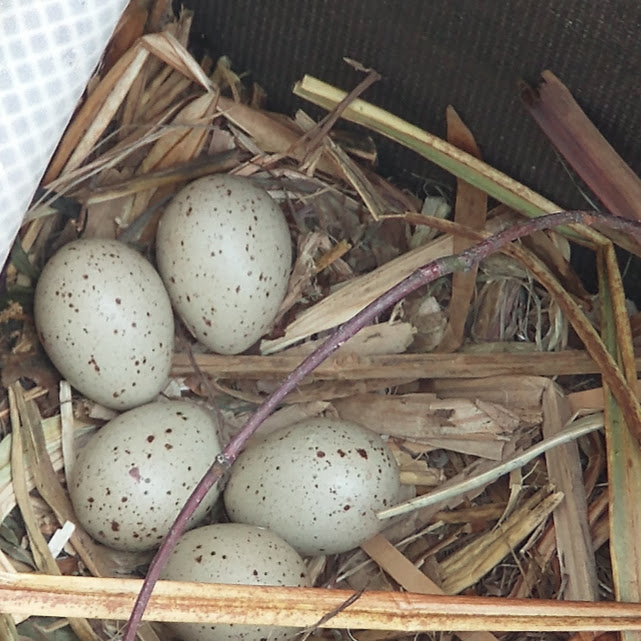
New Life?

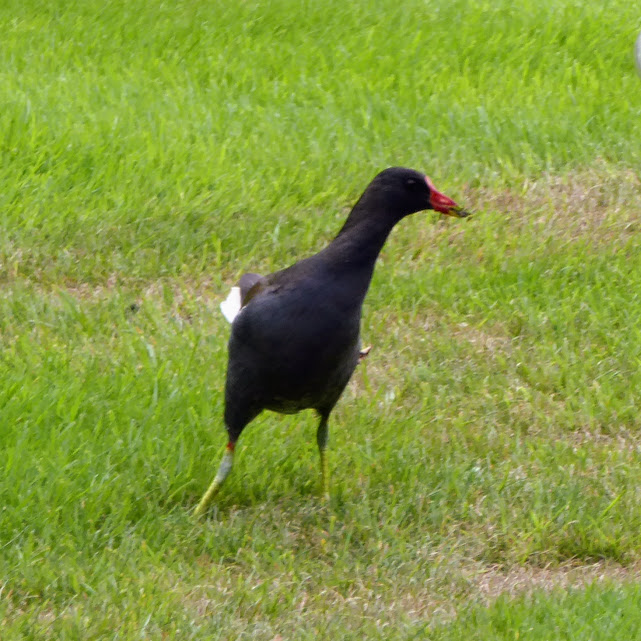
Apparently not. This nest was made by a young moorhen who then laid her eggs in it, on a quiet corner of the ferry boat which goes to and fro across the lake at Harewood House. This was a fortnight ago. It seems she thought she’d done her job, because she then wandered back to her usual routine of fossicking about in the water and its margins, and has never sat on them at all. Any chance they had of hatching has long gone. Let’s hope this young thing learns better parenting skills before the season’s out.

For Becky’s #SquaresRenew Challenge, she’s inviting us to post square – only square – photos on the themes of Burgeoning; Moving Forward; Reconstruction; or Renewal

‘Inspiration is needed in geometry, just as much as in poetry’

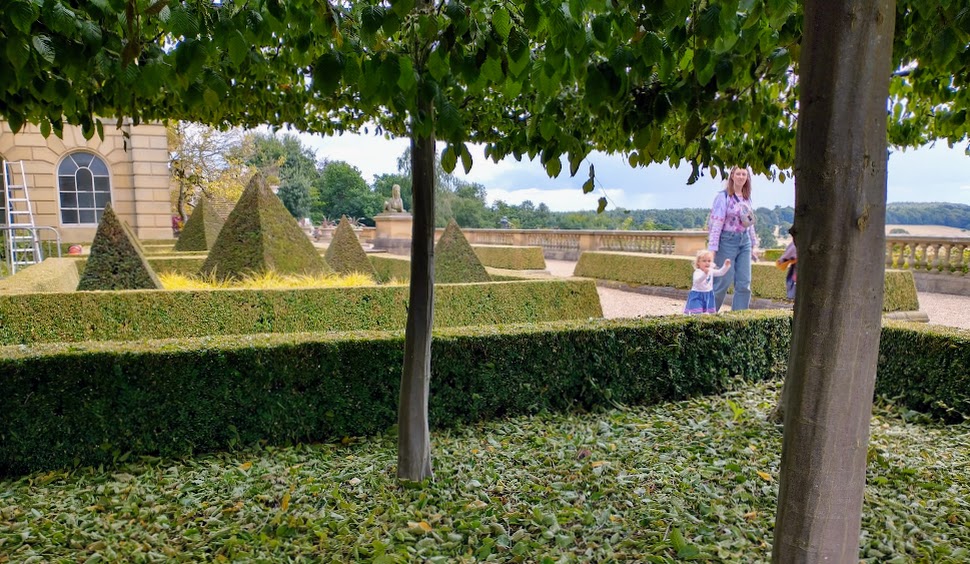
We were in the grounds of Harewood House the other day. Well, mainly we were in its adventure playground: we had our daughter and two year old granddaughter in tow. But we did walk through the formal outdoor areas near the house too, and we happened upon this hyper-geometric topiary garden.

I wondered if the quotation by Aleksandr Pushkin which forms the title of this post fitted the bill. A well-formed garden seems to me a thing of poetry. And this well-formed garden, which I was surprised to find I rather liked, is a thing of geometry too.

It’s the first time I’ve joined in Paula’s Words of Wisdom challenge, where she invites an image with a matching quotation. Let’s see if it cuts the mustard.

A Landscape at Harewood House

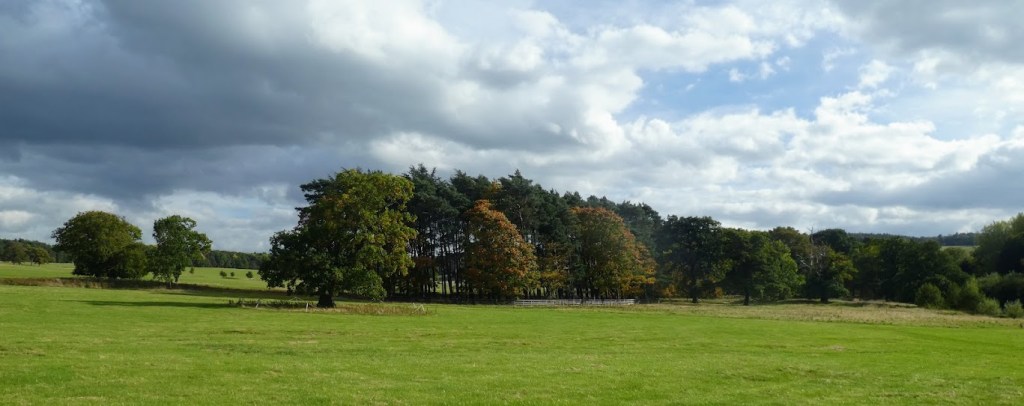
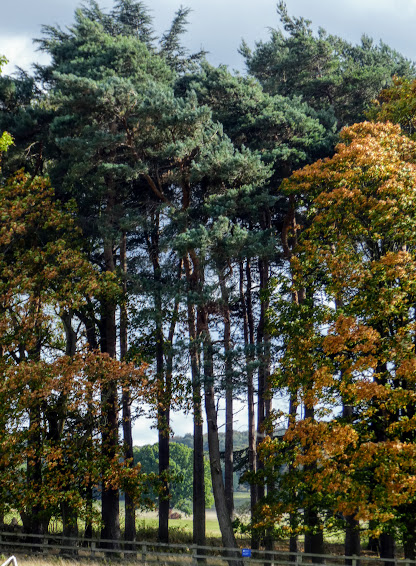
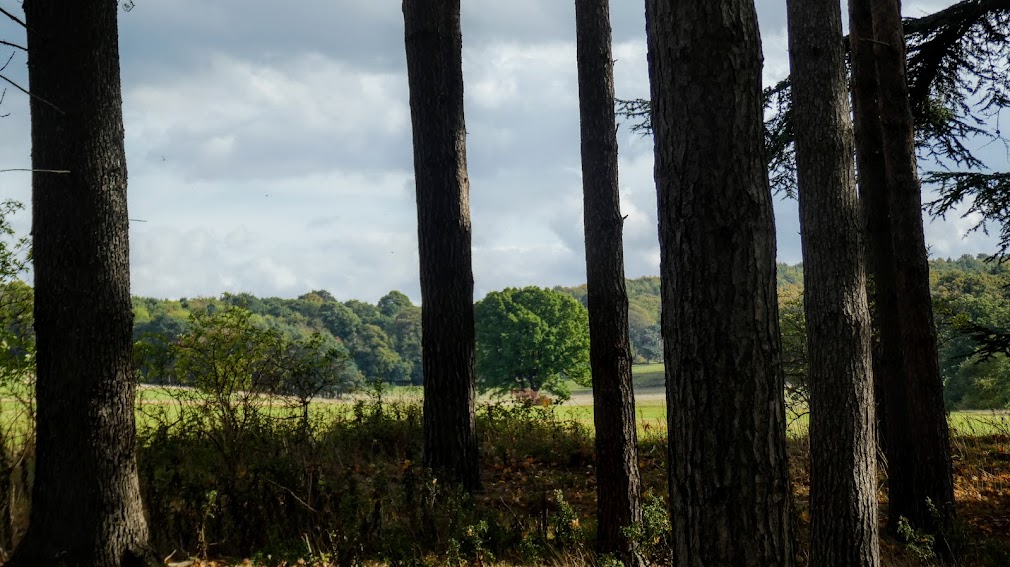
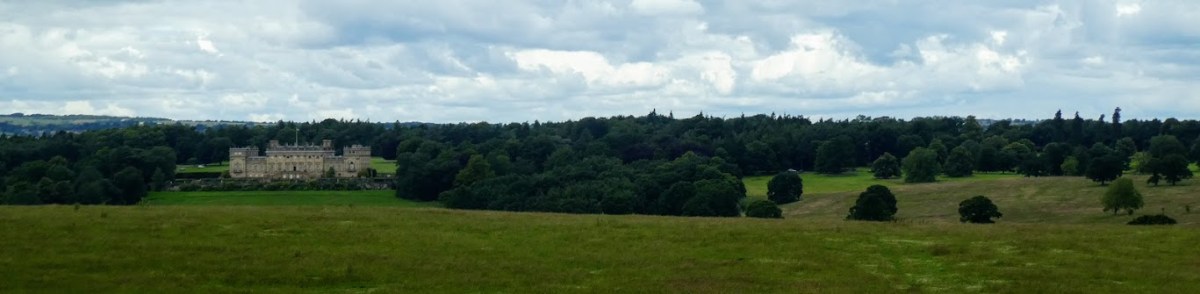
After visiting Harewood House, a visit to the grounds seems a good idea. Maybe the formal garden just beyond the house. Maybe the Bird Garden. Or maybe just a stroll in the managed landscape of Capability Brown, overlooking Wharfedale beyond. Come.

Let’s approach those trees. I wonder what we could see beyond?

Keep walking ….

… closer …

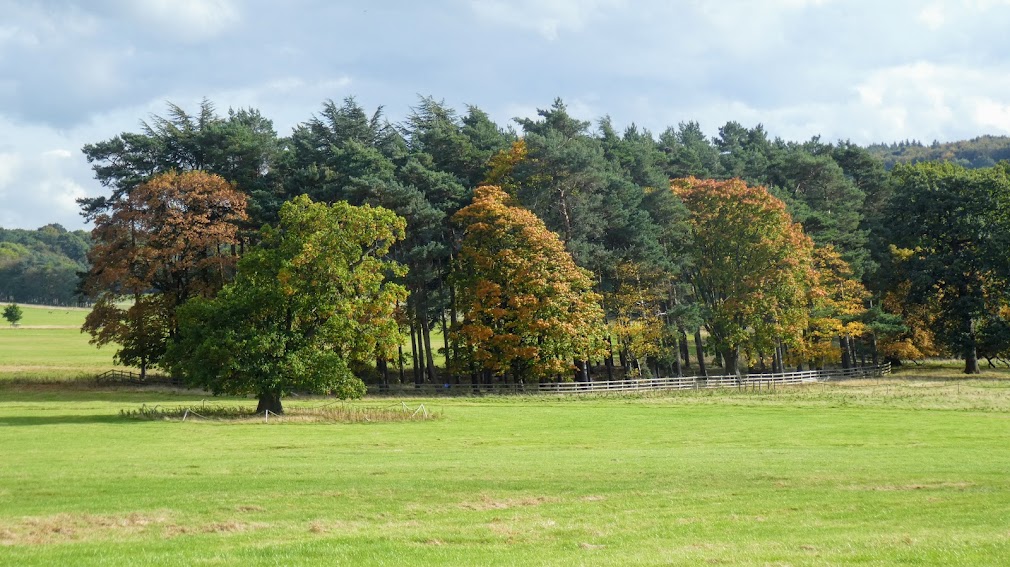
Ah! There’s a view …

… or there was.

Monochrome or Colour, Adam?

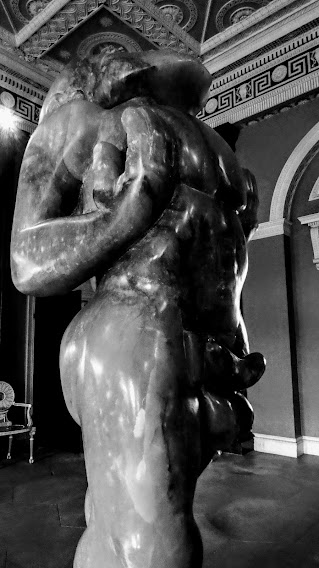
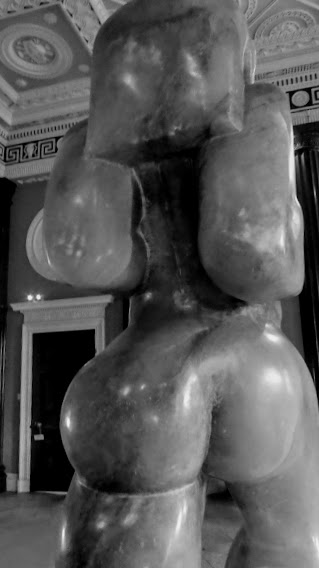
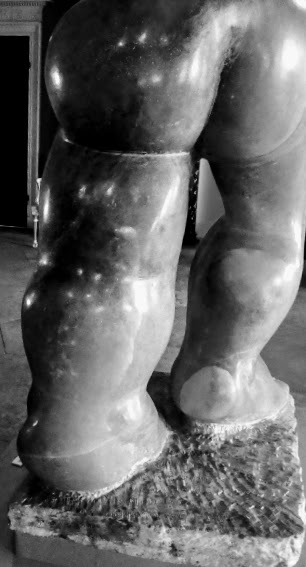
If you’re reading this, the chances are that you’ve also glanced at my previous post today, showcasing Jacob Epstein’s Adam at Harewood House. I’ve been playing with the photos, and have decided I would have done Adam more favours by showing him off, not in glorious technicolor, but in monochrome. What do you think?

An addition to Lens-Artists Photo Challenge #220 One Subject Three Ways, and a contribution to Bren’s Mid-Week Monochrome #109.

You can have too much of a good thing, so I’ll hold back my other post from Harewood for a day or two.

A Heavyweight at Harewood House

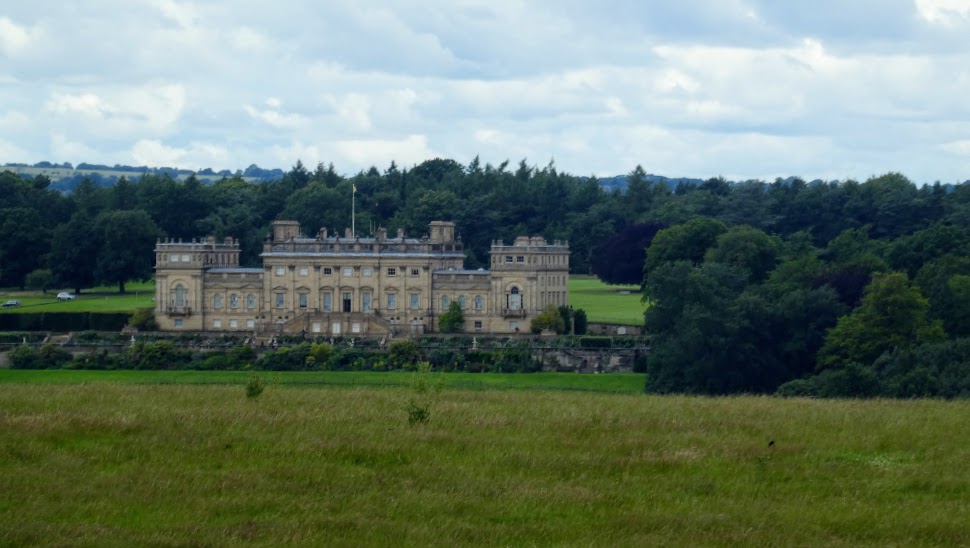
Harewood House is the archetypical country house. Built for Edward Lascelles, the first Baron Harewood, in the mid eighteenth century to designs by John Carr and Robert Adam, it is set in one hundred acres of garden designed by Capability Brown. It’s among Yorkshire’s most prized treasures. These days, such treasure has lost some of its lustre as people remember that the Harewood family acquired their immense wealth from being slave owners and having plantations in West India. The present Harewood family can’t change that past, but their exhibition programme does what it can to redress the balance: this month there’s an exhibition on Windrush generation Arthur France, founder of Leeds West Indian Carnival.

I mention this, because as you enter the house, this is what you see:

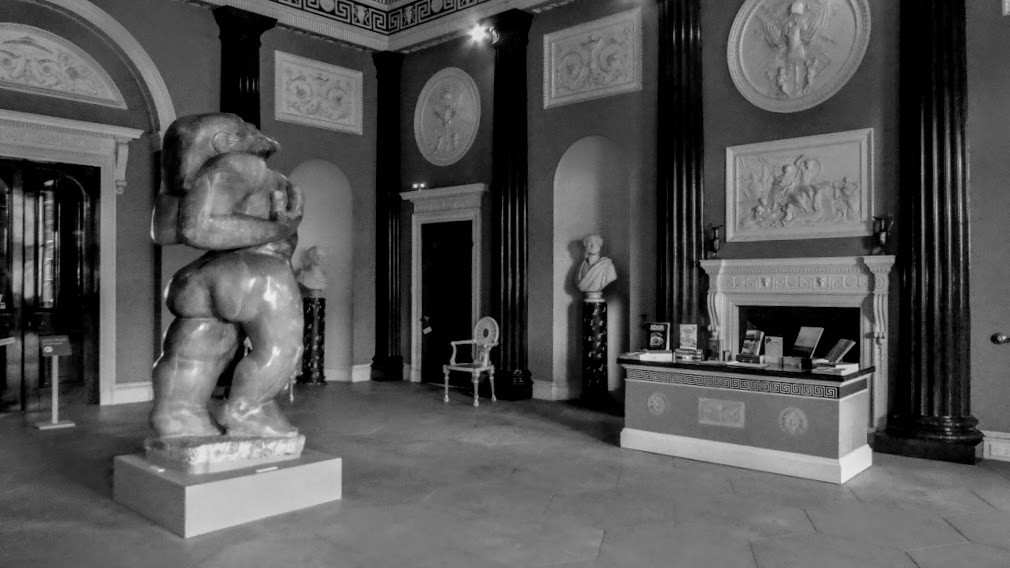
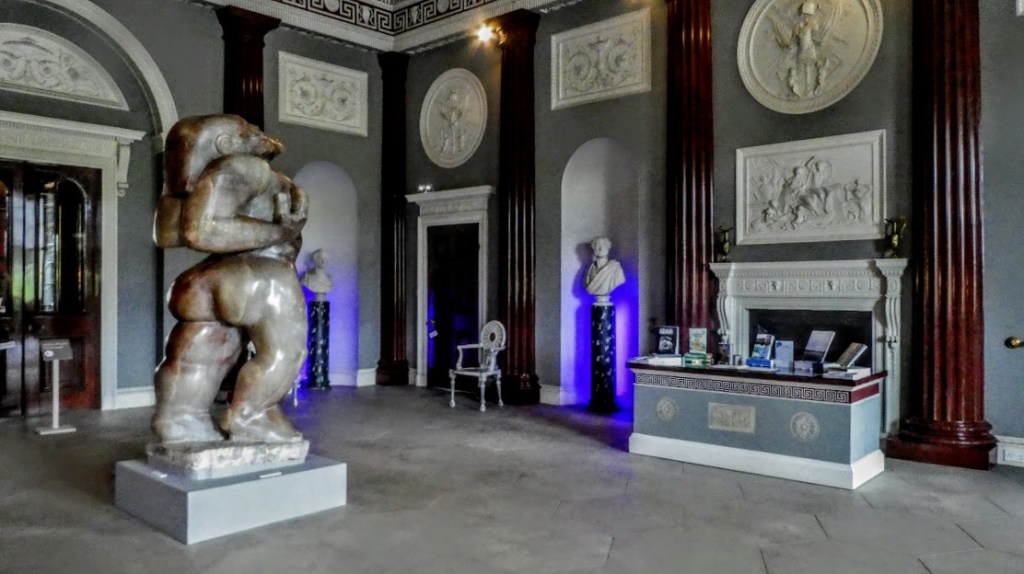
A spacious and gracious entrance hall: delicate plaster work, elegant columns: and slap bang in the centre, a mighty sculpture, monumental, assertive and demanding attention. This figure isn’t a slave: he’s not even Afro-Caribbean. No, this is a sculpture by Jacob Epstein, who was greatly influenced by what was in the early twentieth century thought of as ‘primitive’ art – that of Polynesia and Africa. This is Adam.

How he got here is a curious tale. Back in 1961 the then Lord Harewood saw this sculpture in of all places, a Tussaud’s peep show in Blackpool, together with other works by Epstein. A long and complicated story, but he eventually bought it, and now it’s recognised for the stirring and monumental piece that it is, rather than a grotesque to be laughed at. Do look at this post here to get a flavour of how Epstein’s work was regarded in its early days, at least as it was displayed in Blackpool. The short video below however places Adam in the context of Harewood House.

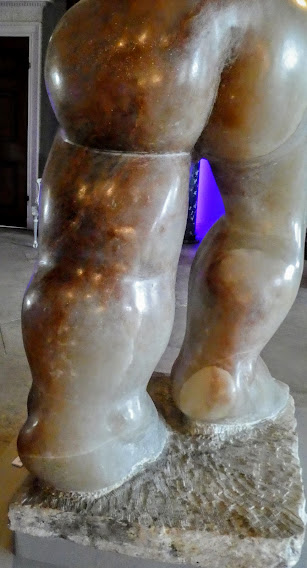
I wanted, for this week’s Lens-Artist Challenge #220 One Subject Three Ways by Patti, to observe Adam in several ways, to look at how this potent figure works in a space to which it seems in many ways unsuited. I found the lighting difficult and am not pleased with my results, but … I did it anyway. You’ve seen the first one already. Here are more…

So … Adam. But knowing the story of Harewood and where the money came from to build it, I found this figure, which relies on an African, rather than an European artistic heritage, makes a powerful statement to those who enter this house to enjoy its treasures and its finely proportioned and handsome grandeur.

I’m going to have another go at the challenge, perhaps tomorrow, when I take a stroll in the artfully designed ‘natural’ landscape of Harewood House.

Last on the Card: I couldn’t possibly comment …

We all trotted off to Harewood House yesterday. This must-visit stately home between Leeds and Harrogate is a little notorious these days because the enormous wealth and privilege it represents was built as a direct result of the slave trade. Designed by architects John Carr and Robert Adam, it was built, between 1759 and 1771, for Edwin Lascelles, 1st Baron Harewood, a wealthy West Indian plantation and slave-owner.

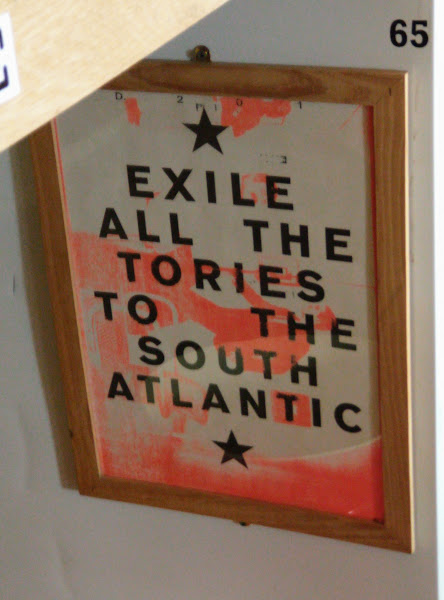
These days, the family does what it can to move on from these distasteful roots. I’ll probably write more later about a current exhibition there – Radical Acts: Why Craft Matters, which looks at a wide range of social justice and environmental issues. But I found my last photo of the month, taken there, irresistible. It’s perhaps not the sort of poster you’d normally find gracing a stately home?

For Brian (Bushboy)’s Last on the Card: July 2022. A chance to show our last photo of the month, however good, bad or indifferent.

Ragtag Saturday: A Red Kite.

Ah, could I see a spinney nigh,
A paddock riding in the sky, 

Above the oaks, in easy sail, 
On stilly wings and forked tail.

John Clare (c. 1820)
Paddock is an old English name for the Red Kite

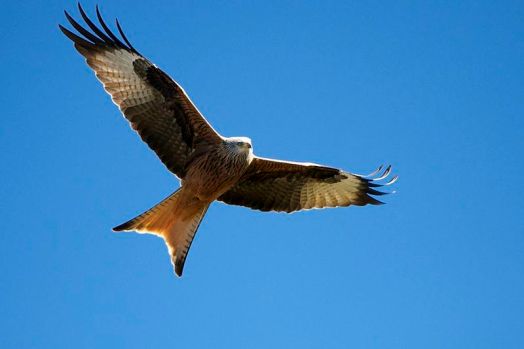
Red kite (Wikimedia Commons, Arturo de Frias Marques )

Red kites, coasting lazily across the skies on gentle thermals – floating, free-wheeling, gliding – command our instant attention.  When we spot them as we’re walking, we can’t help but stand and stare, and relish their easy command of an immense sky.  It’s that forked tail that gives them away.

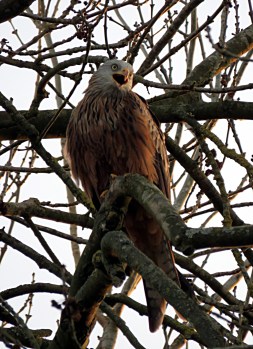
And yet these noble-seeming creatures exist mainly on carrion.  They’ll swoop quickly down to snatch roadkill – after the crows have helped themselves – and take it off to perch on some quiet tree to dismember and eat.  Sometimes we’ll watch numbers of them wheeling above just-ploughed fields, questing for worms and small mammals.

Young red kite perching in a tree (Wikimedia Commons)

They used to be a very rare sight indeed.  But about twenty years ago, and thirty miles from here, some red kites were released onto the Harewood Estate as part of a conservation initiative.  We lived in Harrogate at the time, and got so excited if we were near Harewood, by very occasional sighting.

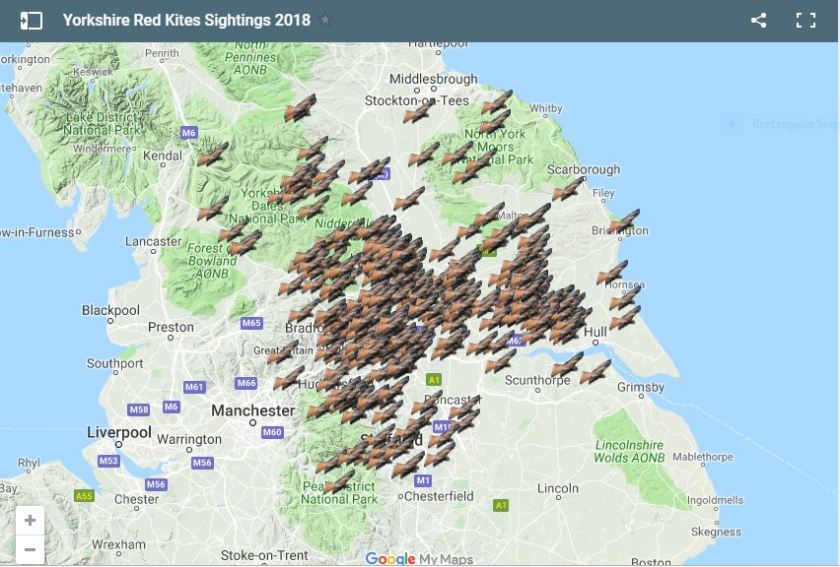
Fast forward a few years, and the kites reached the outskirts of Harrogate: we’d even spot them above the town centre.  Later still, they spread onwards and outwards  – north, south, east and west.

Yorkshire red kite sightings 2018
(www.yorkshireredkites.net)

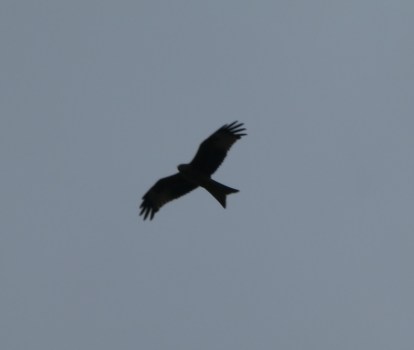
And this week, just this week, for the very first time, this is what I saw, above the house, keeping an eye on me as I hung out the washing.  I’m very excited by our new neighbour.

A bit blurred, this image. But this red kite was very high above me.

Today’s Ragtag Challenge is ‘kite’.