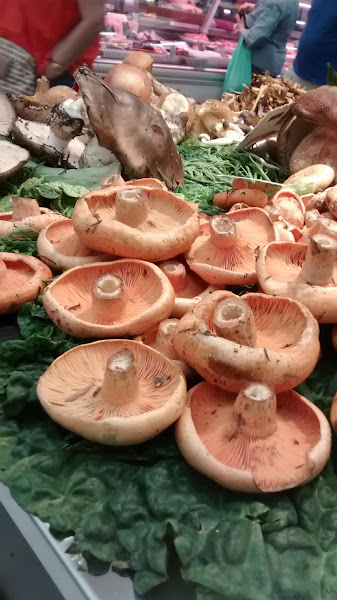
As a young child, I was sometimes woken up when it was barely light, to go off with my mother mushrooming on the decommissioned RAF airfield near our house. Blackberrying was for late summer, always, and rosehips for autumn, when the entire village school would spend afternoons gathering rosehips for Delrosa to turn into rosehip syrup (‘Whaddya mean, slave labour? The best pickers got a tin badge to keep!’). Later, in France, we added wild asparagus, wild cherries, mushrooms, walnuts, chestnuts and sloes to our Free Food bonanza. It’s made me a seasonal eater. I love it when the seasons announce that we have a different food to add to our diet, for a few weeks only. Fresh peas straight from the pod! The newest and smallest potatoes! Discovery apples in August! And in winter, these same foods, bottled and preserved give us a different pleasure – a memory of summer, but presented in a comforting, warming way: plum jam to spread on toast after a brisk winter walk; walnuts stirred into the soon-to-be steamed Christmas pudding; a nip of sloe gin on the coldest of days.
Nature’s had a habit of giving us the right foods for the right season. It’s a modern idea to expect strawberries in November. asparagus in September. All that anticipation, all that enjoyment of a food made special, distinctive by its very limited season has gone. If we listen, we can hear Nature telling us to get back in touch with the way things always used to be. Then we can get rid of all those unnecessary Air Miles too.
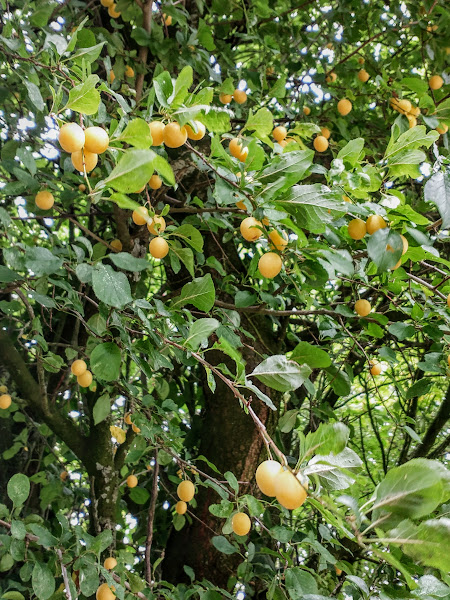
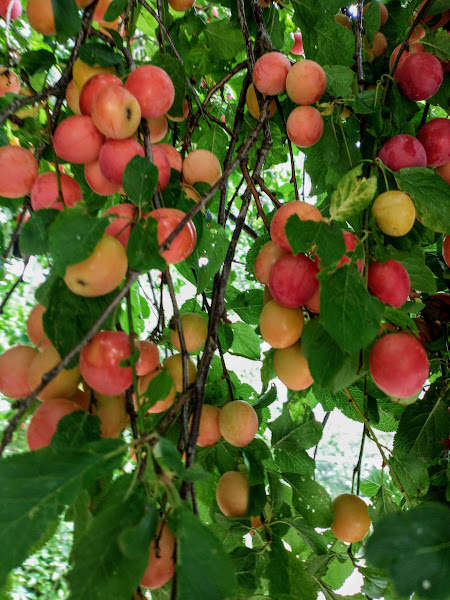
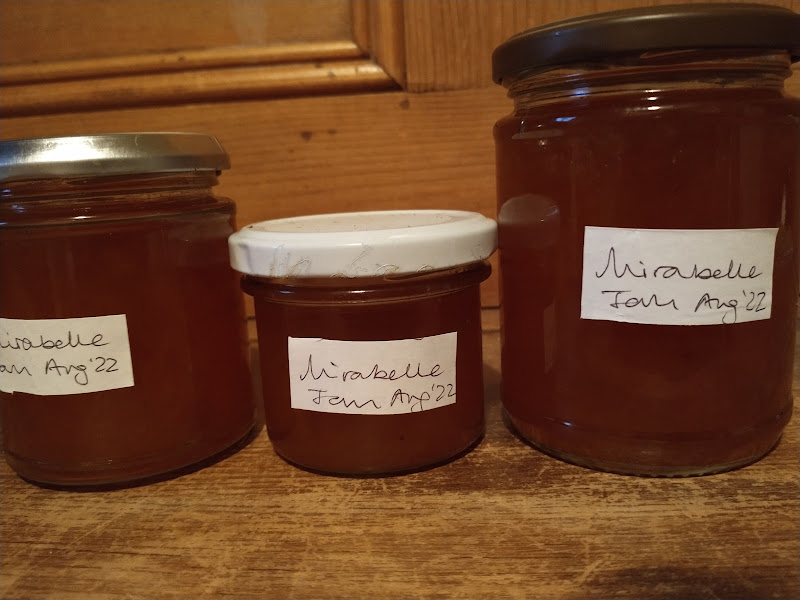
This week’s Tanka Tuesday asks us to write on the theme of Lessons from Nature. I’ve chosen the Shadorma form to illustrate what I’ve just been talking about. Mirabelles by the way are rarely seen in the shops. They’re small plums, yellow or rosy pink.
Over the last few days, the number of WordPress blogs I follow on which I have been unable to comment has grown. I gather that some of you can’t comment on mine. Here is a very useful post by Karen of Booker Talk which sums up and deals with some of the issues. If you’re a WordPress blogger or follower, I urge you to read it and if you’re affected, to contact WordPress.
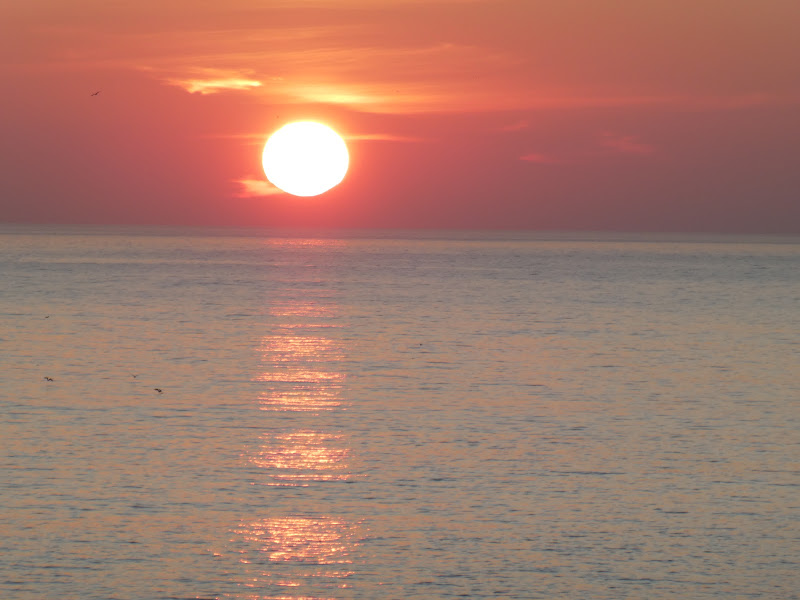
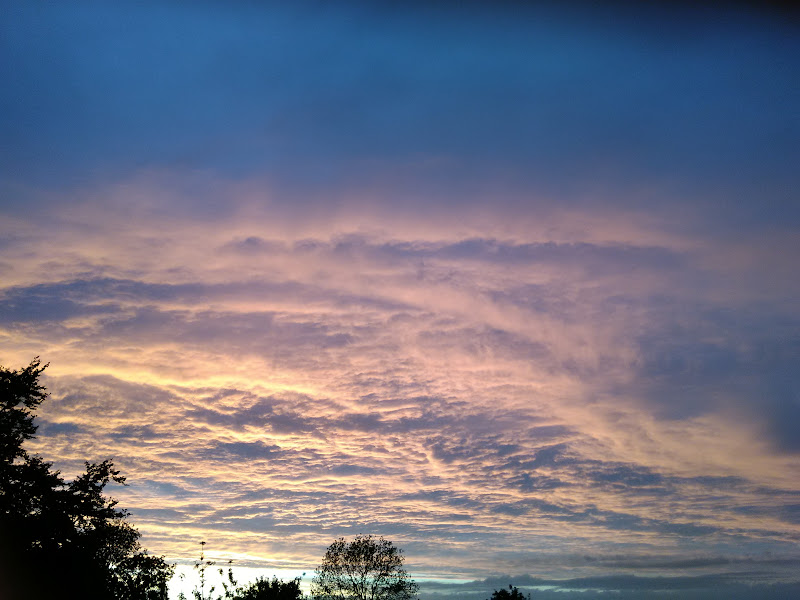
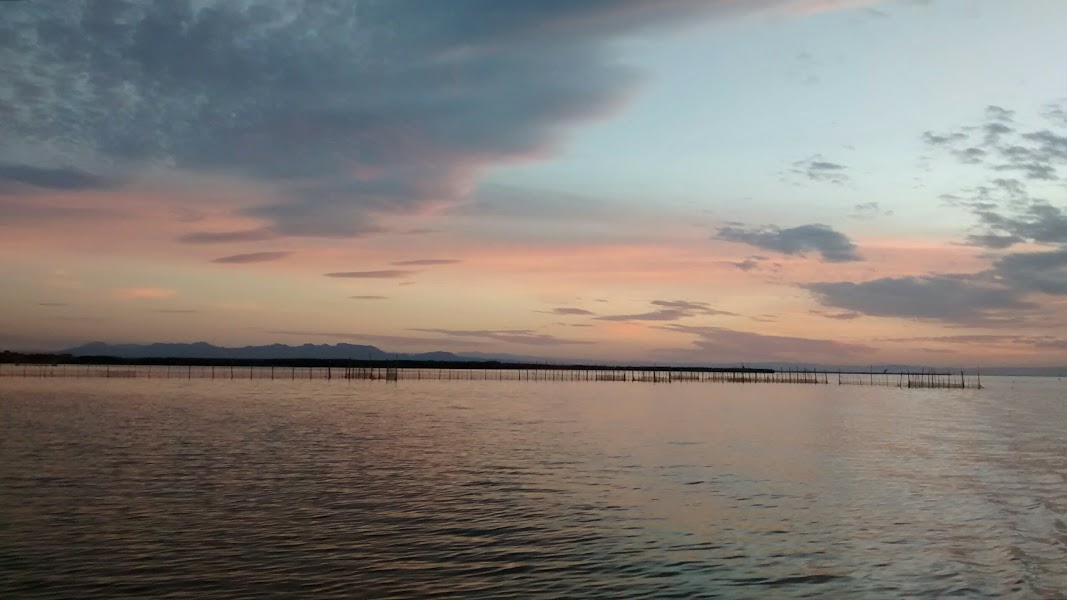
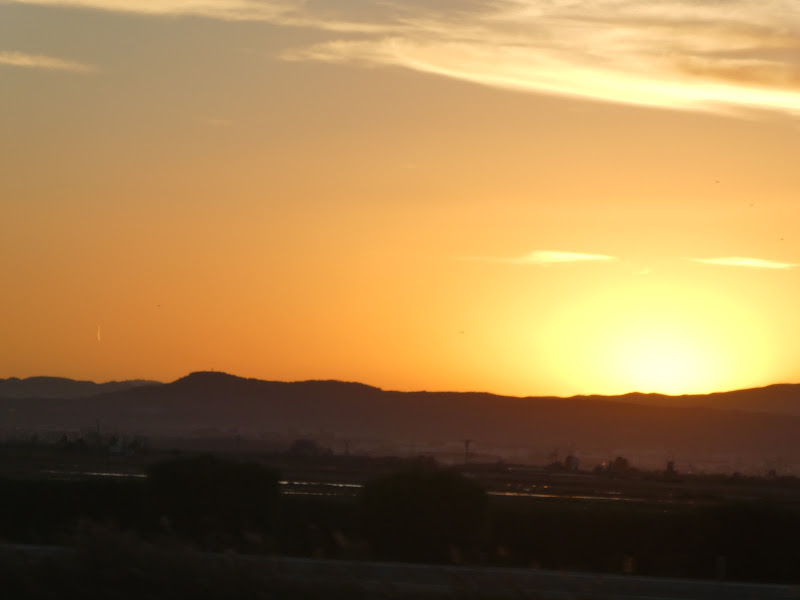
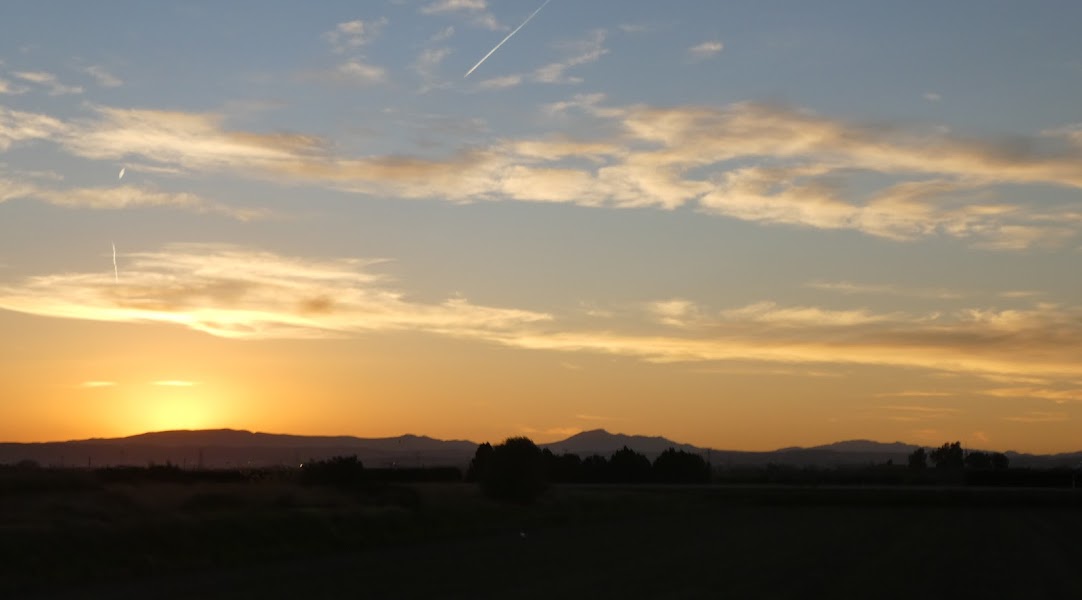
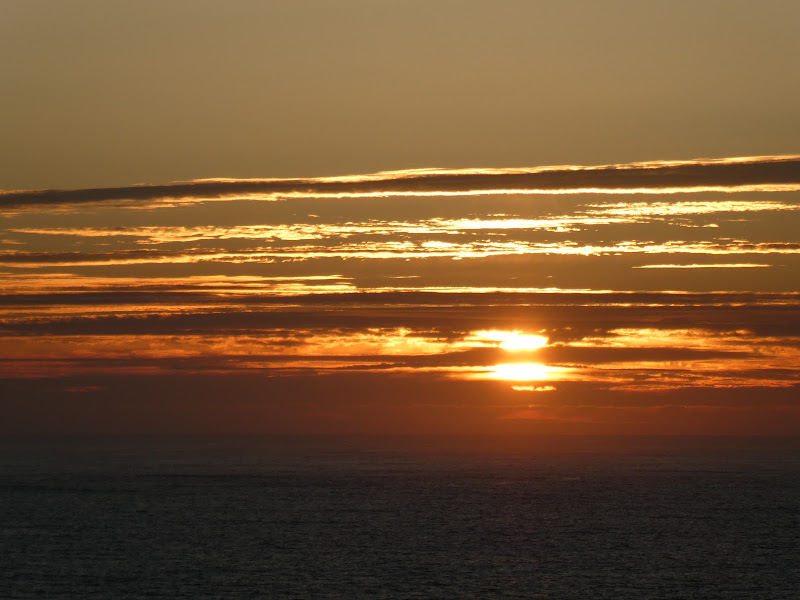
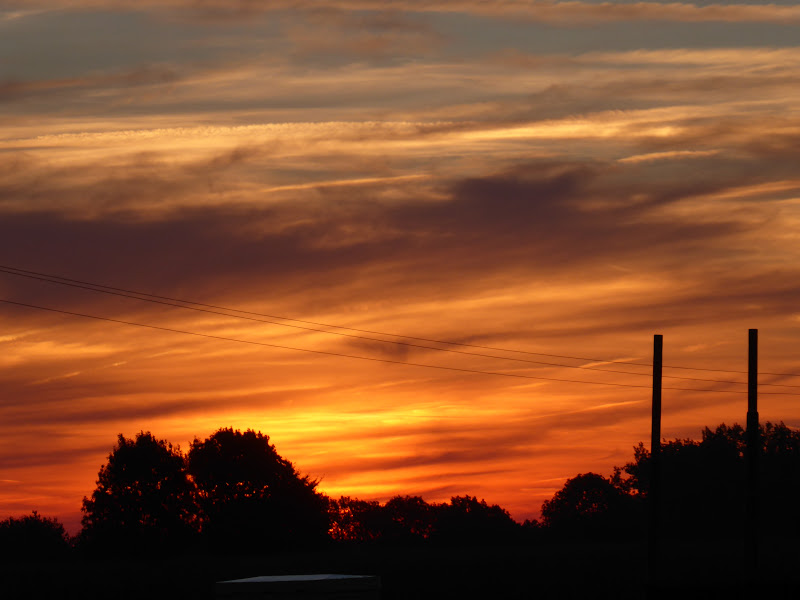
Here comes the sun. That’s the theme for the Lens-Artists Challenge, hosted this week by Amy. As I browsed through my collection of sunrises and sunsets, I decided to focus on the rich variety of colours and mood displayed at either end of the day. It’s not always easy to tell which are morning, and which evening. It’s not always easy to decide which images to choose. I’ve gone for a bargain basement pick-and-mix selection, from England, Europe and beyond. Because we all share the same sun, the same sky.
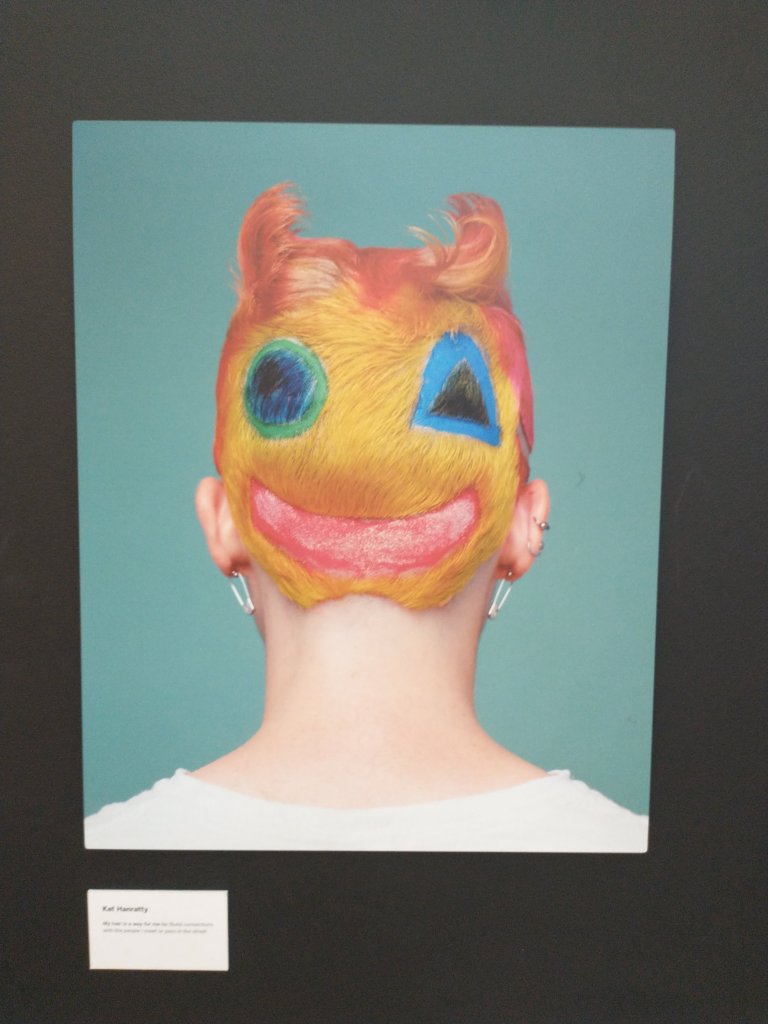
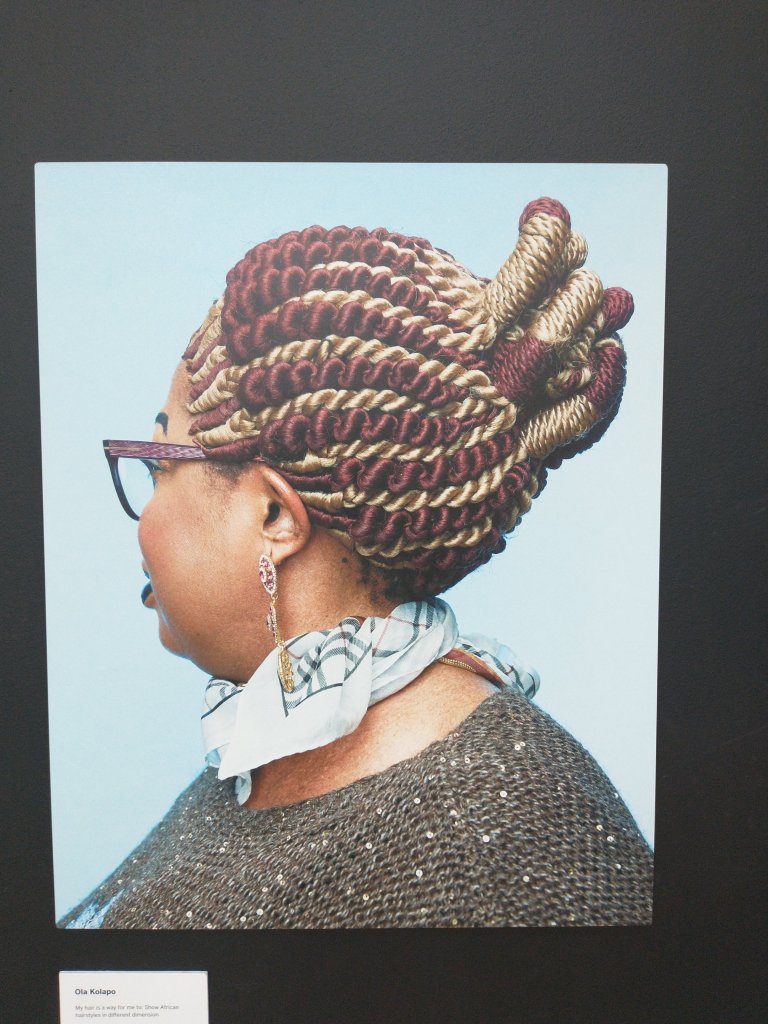
Staying with the London Branch of the family – in this case in the role of Childminder Extraordinaire – has inevitably meant a visit to the Horniman Museum. And here we came across a small, but quirky exhibition: Cult Hair, which ‘celebrates hair unrestrained by modern beauty standards’. William, 7; Zoë, 4 and I each chose our favourite. Who chose which, do you think?
I’m posting from my phone, and it seems to be taking charge of my photos in a way I wouldn’t choose. This may not end well …
This is turning into a Sunday Thing. Experimenting with different types of poetry. But with added photos. Always with added photos. This week, as my contribution to Tanka Tuesday‘s task – to write a 4-11 (the clue is in the name: 11 lines of 4 syllables each – last line repeats the first) I thought I’d focus on summer travel.
Summer travel
was always fun.
But now passport
control (Brexit!);
Covid control;
train strikes and queues;
airport queuing –
make journeys long
and so irksome.
Worth it though – for
summer travel
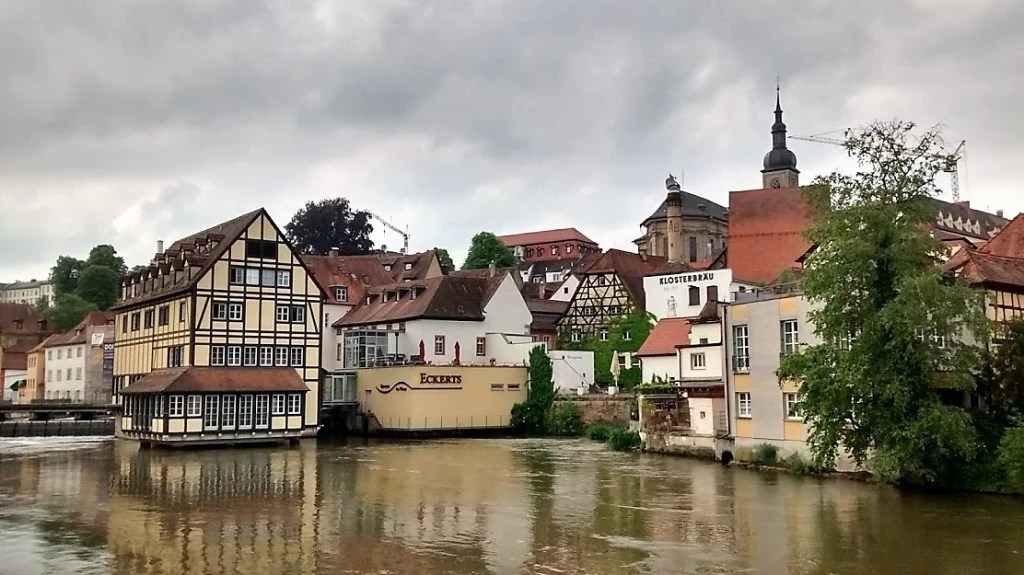
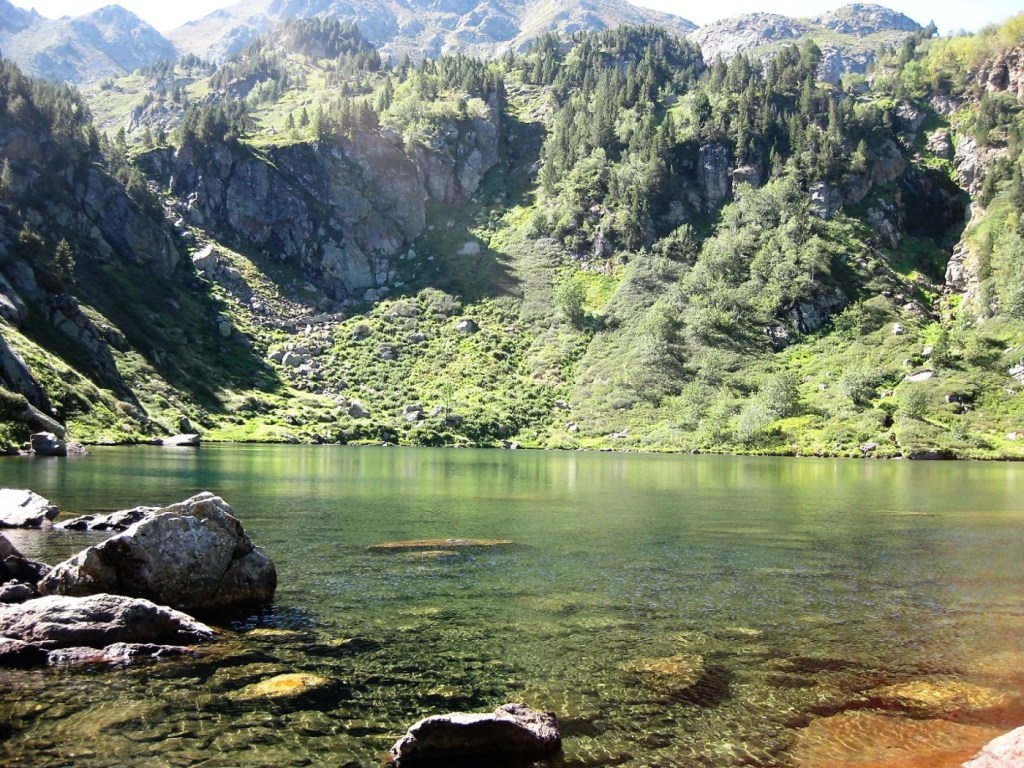
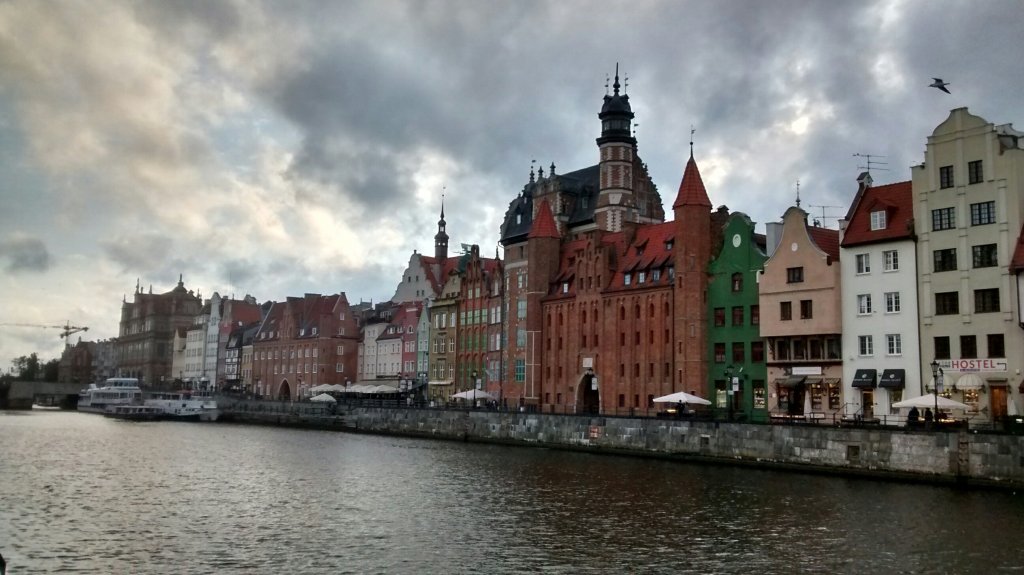
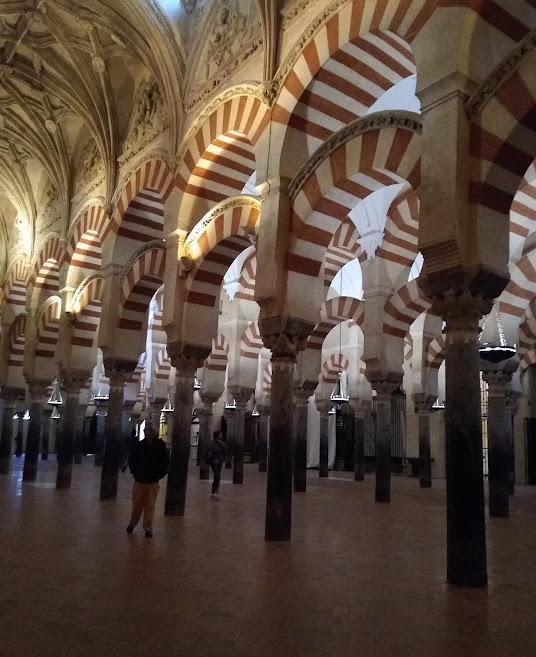
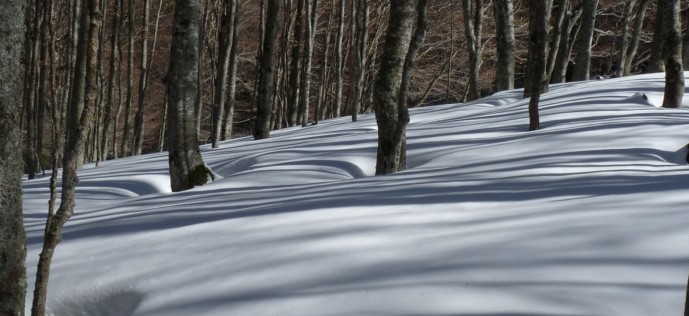
And to prove that travel’s always worth it, here’s my photo gallery. There’s just one problem. Most of these photos were taken in January, in February, in March … you get the idea – any month but August …
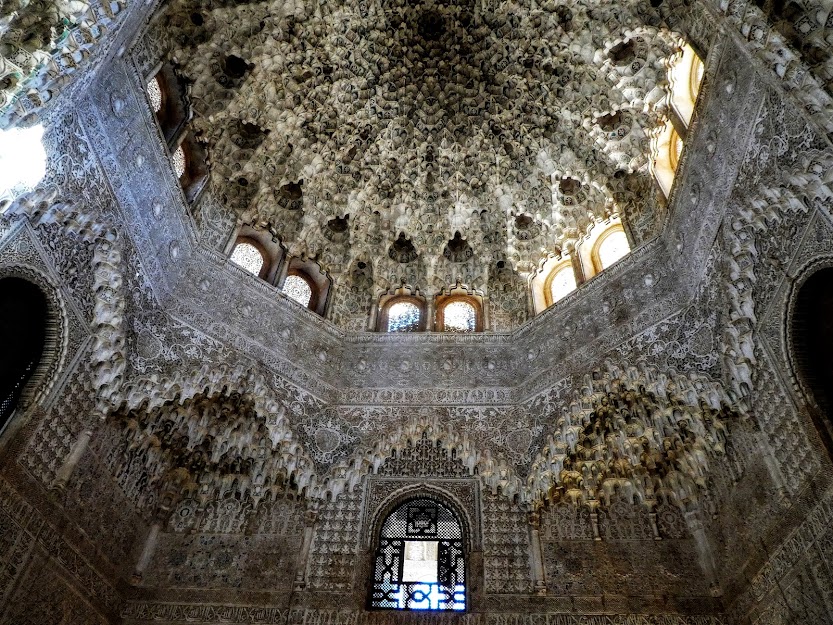
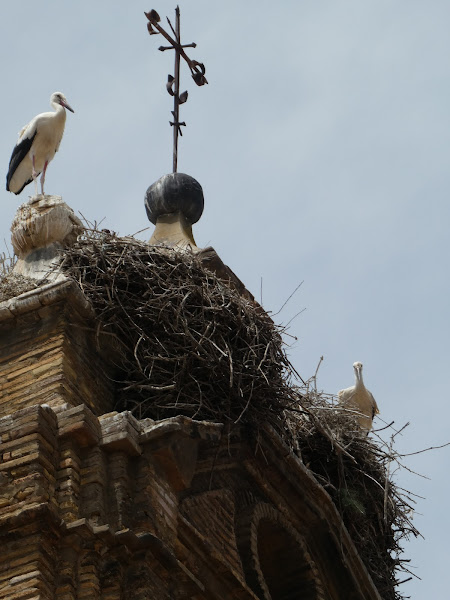
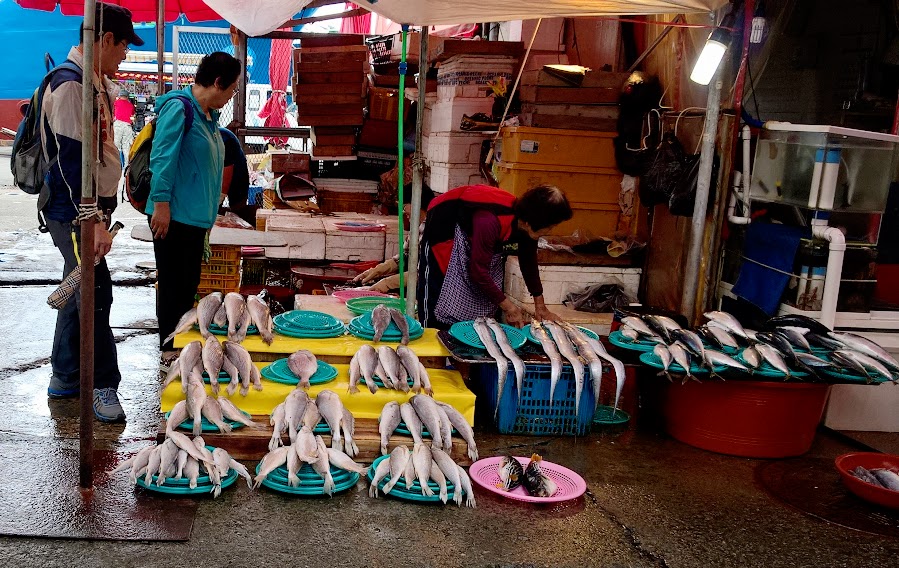
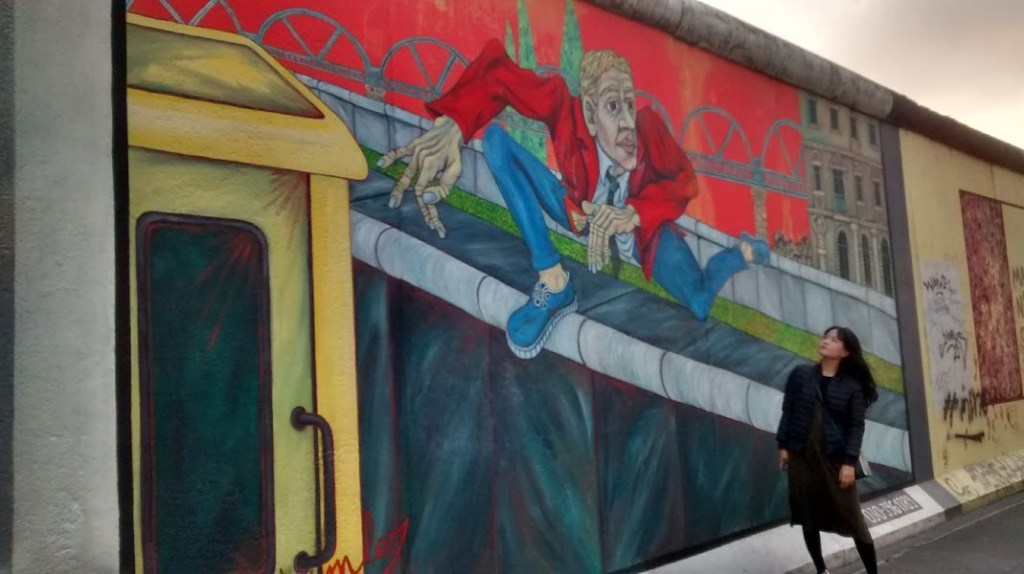
Bamberg, GermanyDeoksugung: the Palace of Vituous Longevity, Seoul, South KoreaL’Etang des Druides, Ariège , FranceGdansk, PolandLa Mezquita , Córdoba , SpainMamallapuram, IndiaNear Montségur, Ariège , FranceThe Alhambra, Granada, SpainSt. Naum Monastery, North MacedoniaStorks in Tudela, SpainFish market in Busan, South KoreaThe East Wall Gallery, Berlin.
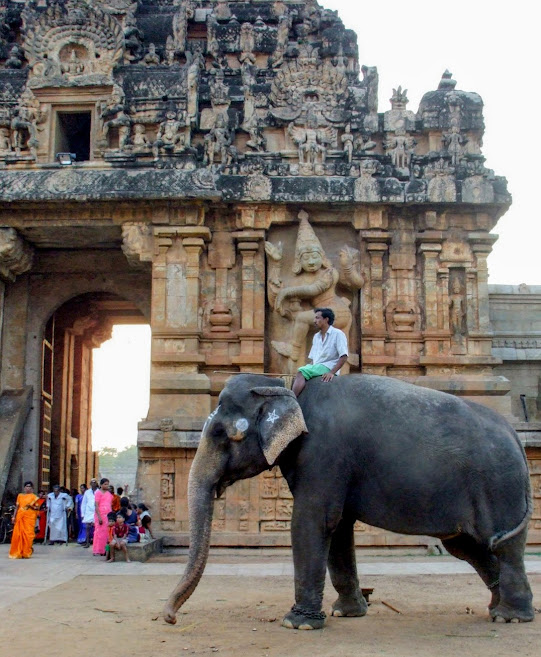
… Should have travelled by elephant …?
Temple elephant, Thanjavur
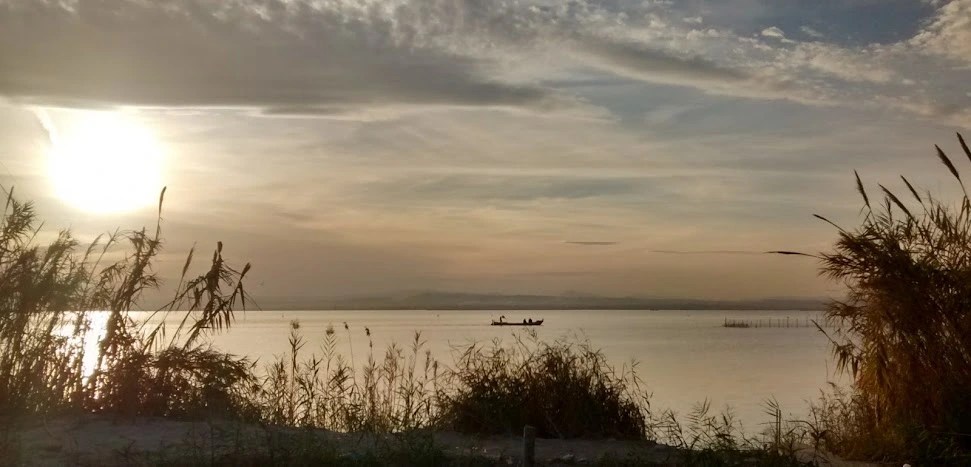
PS – the header photo was taken at l’Albufera, near Valencia, Spain.
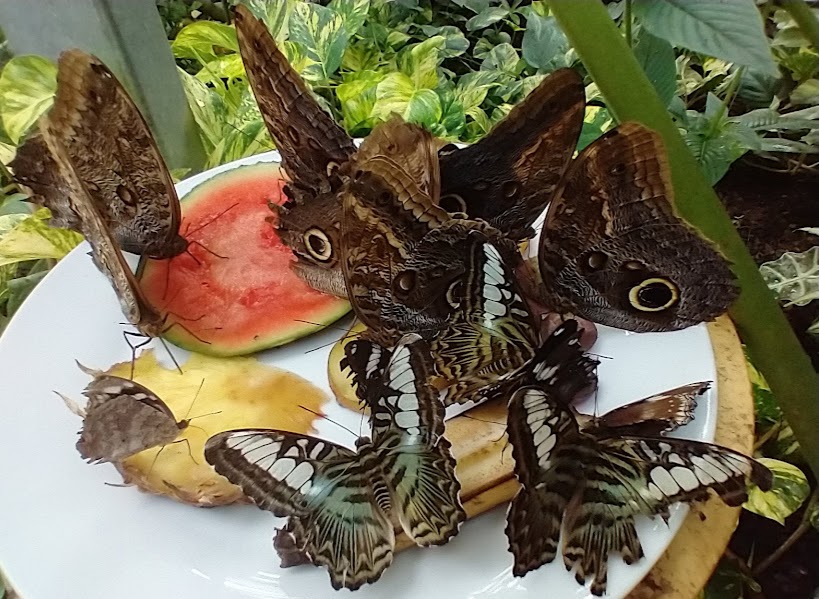
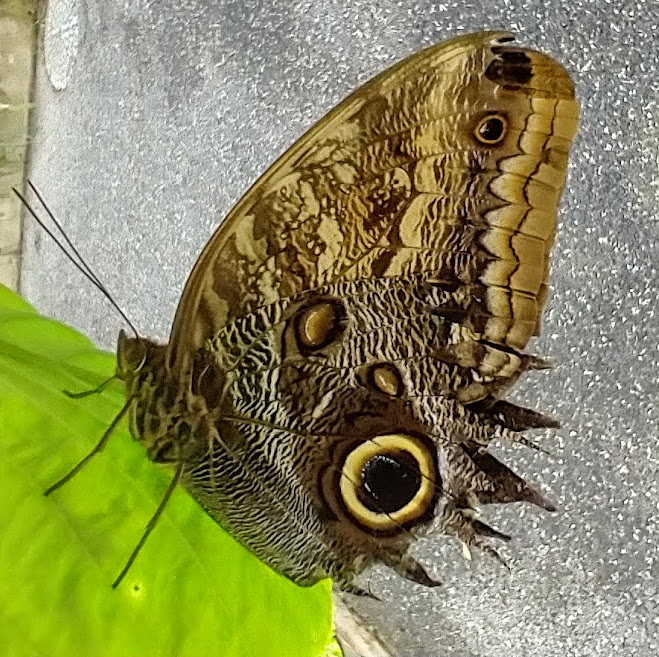
It’s time for Flashback Friday again, and as butterflies have so far been in fairly short supply this year, I thought I’d return to a happy moment in France, in August 2013, when we had friends from England to stay …
Butterflies III: Half an Hour of My Life
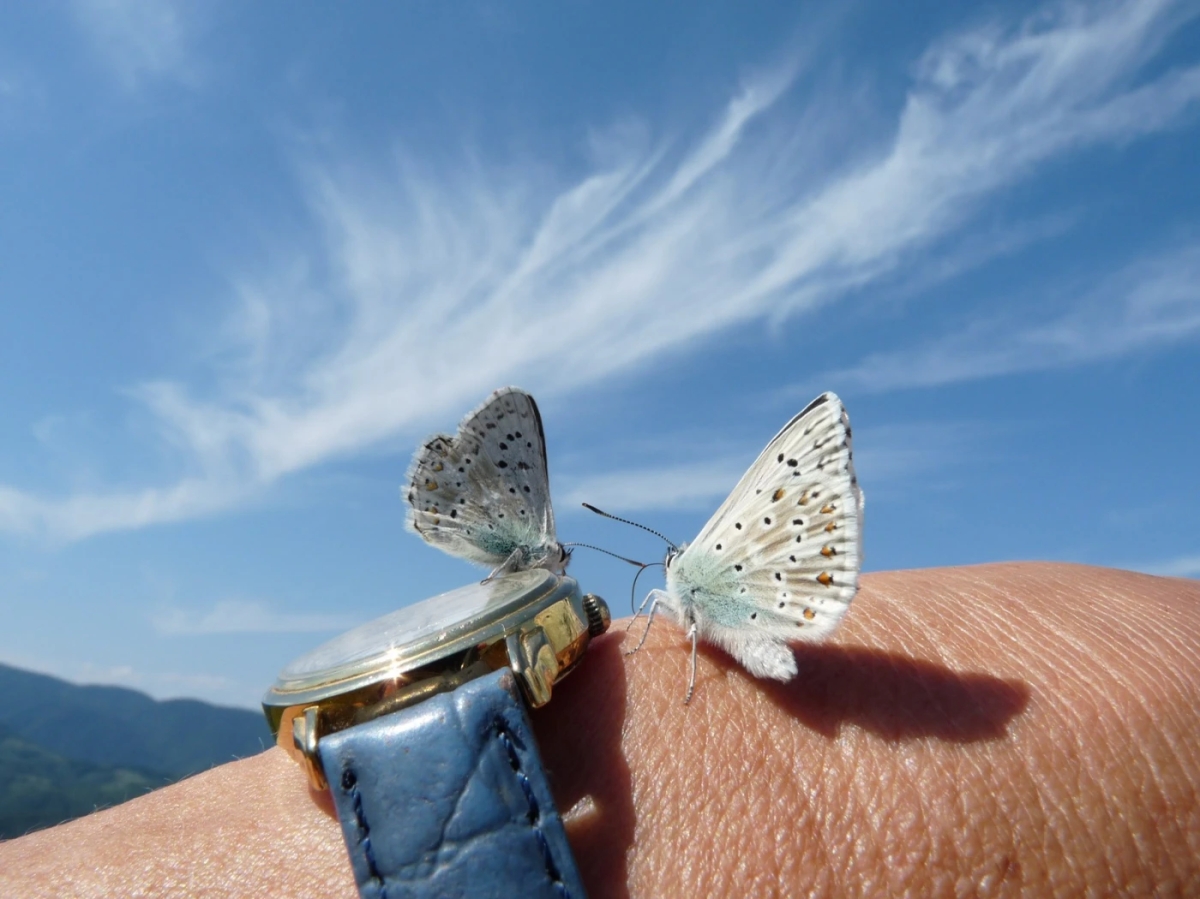
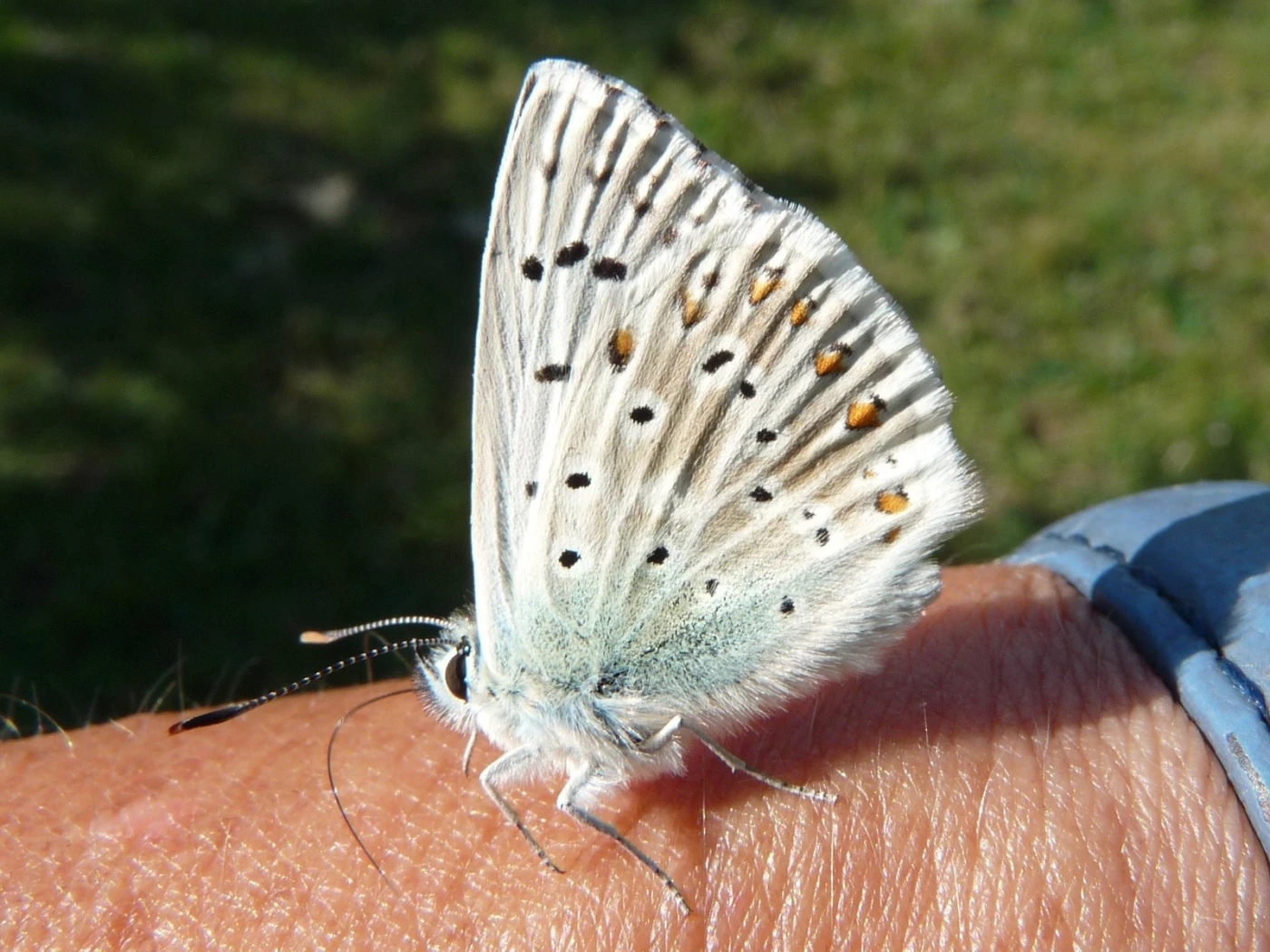
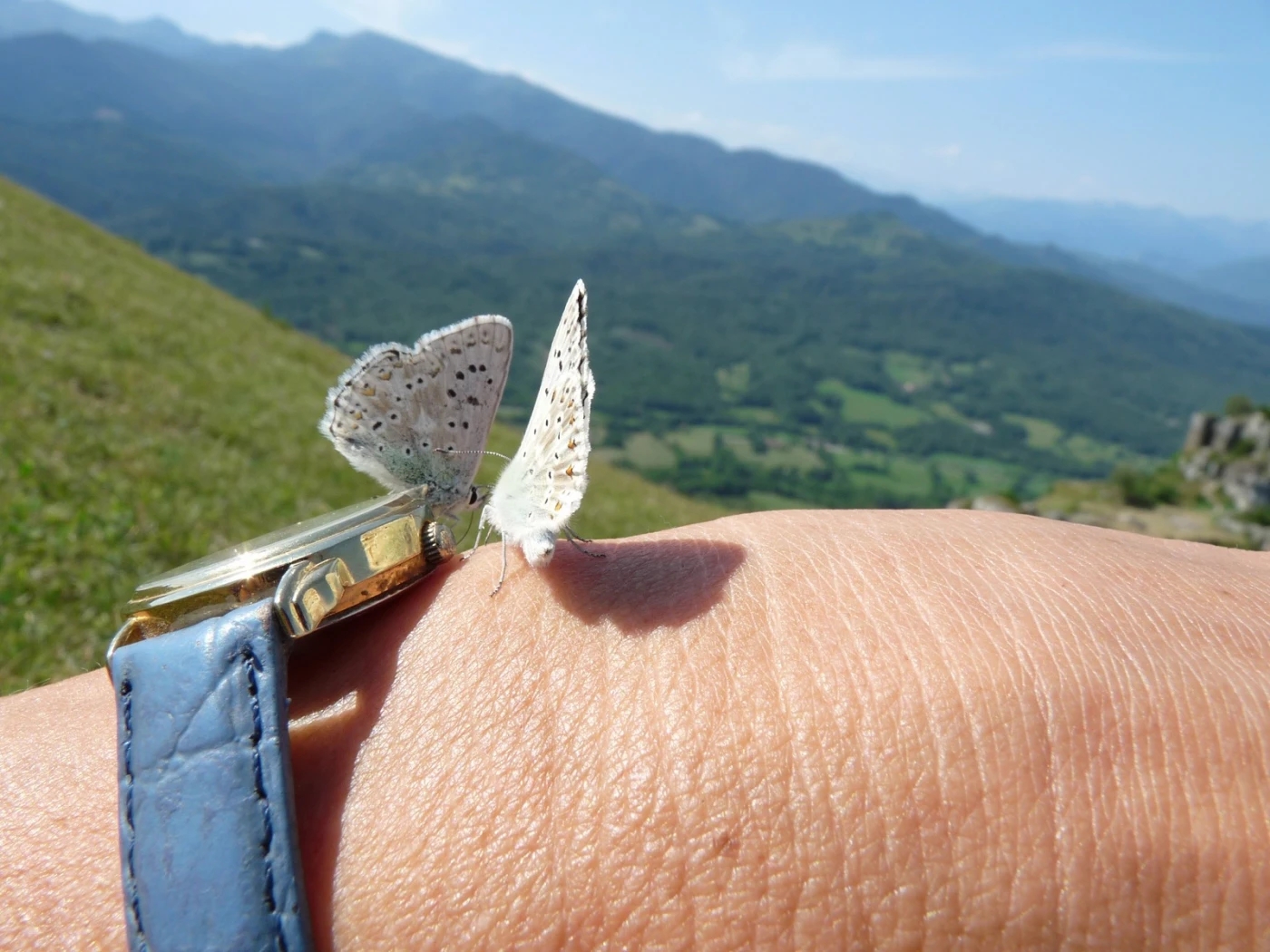
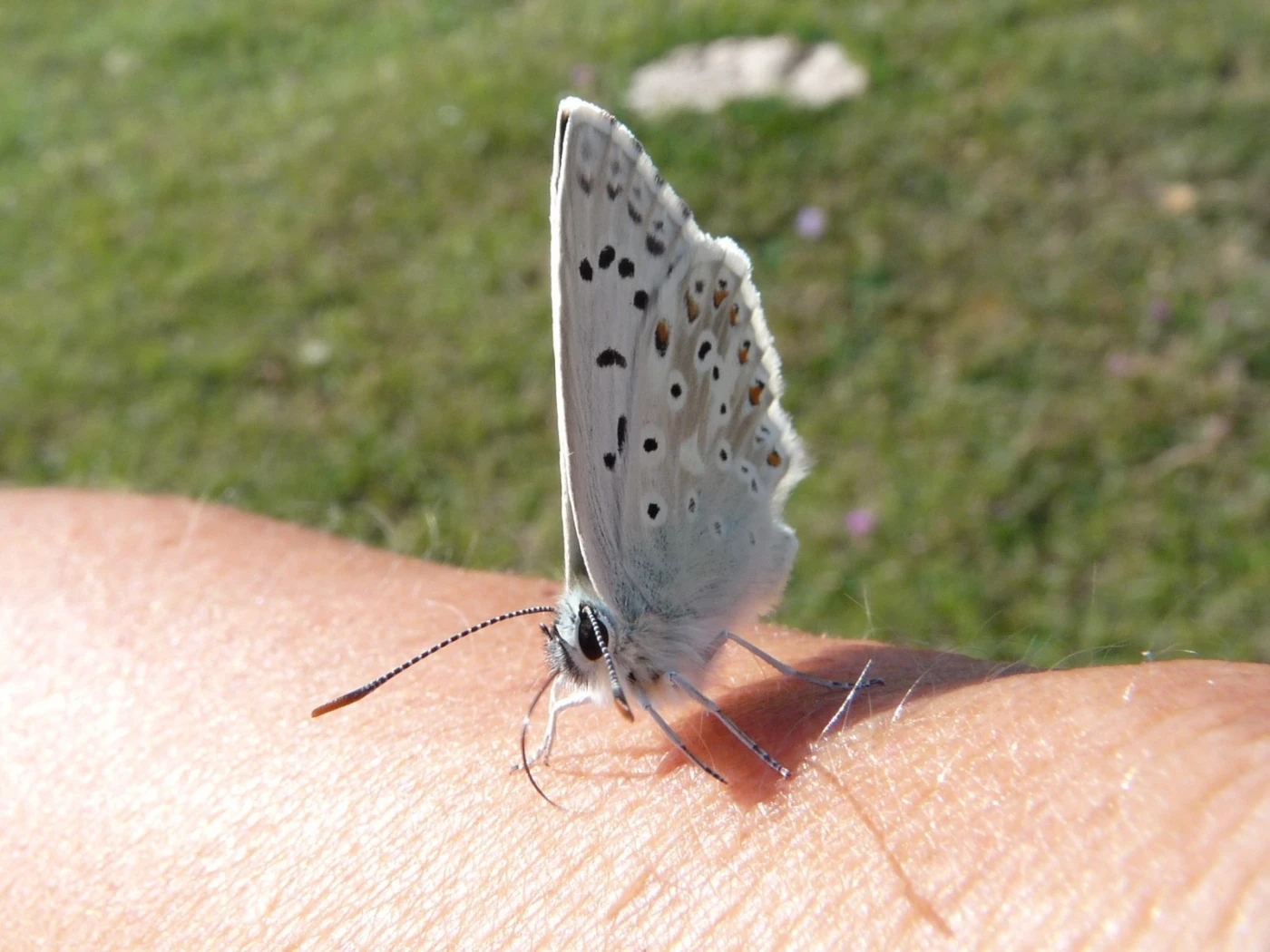
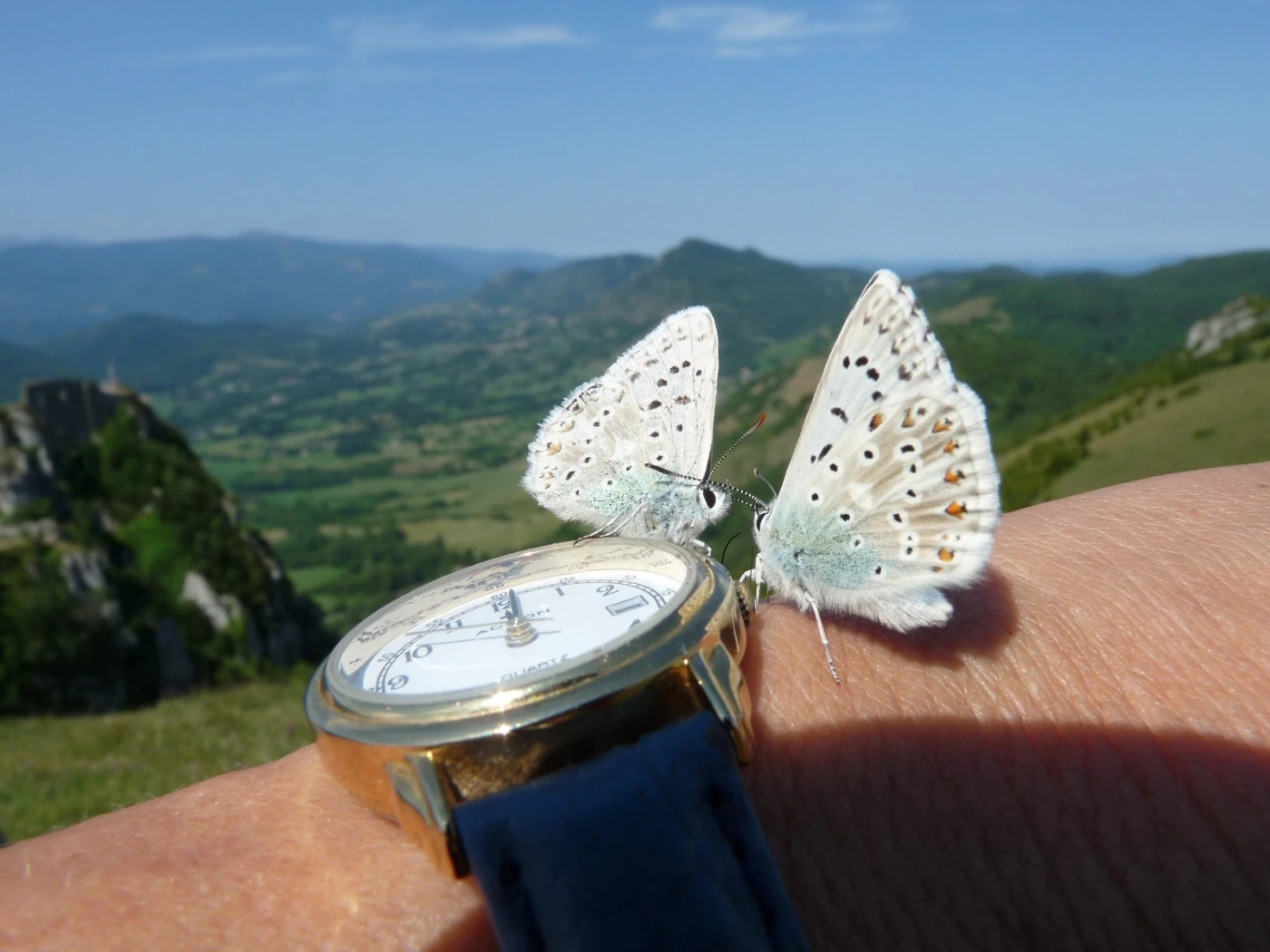
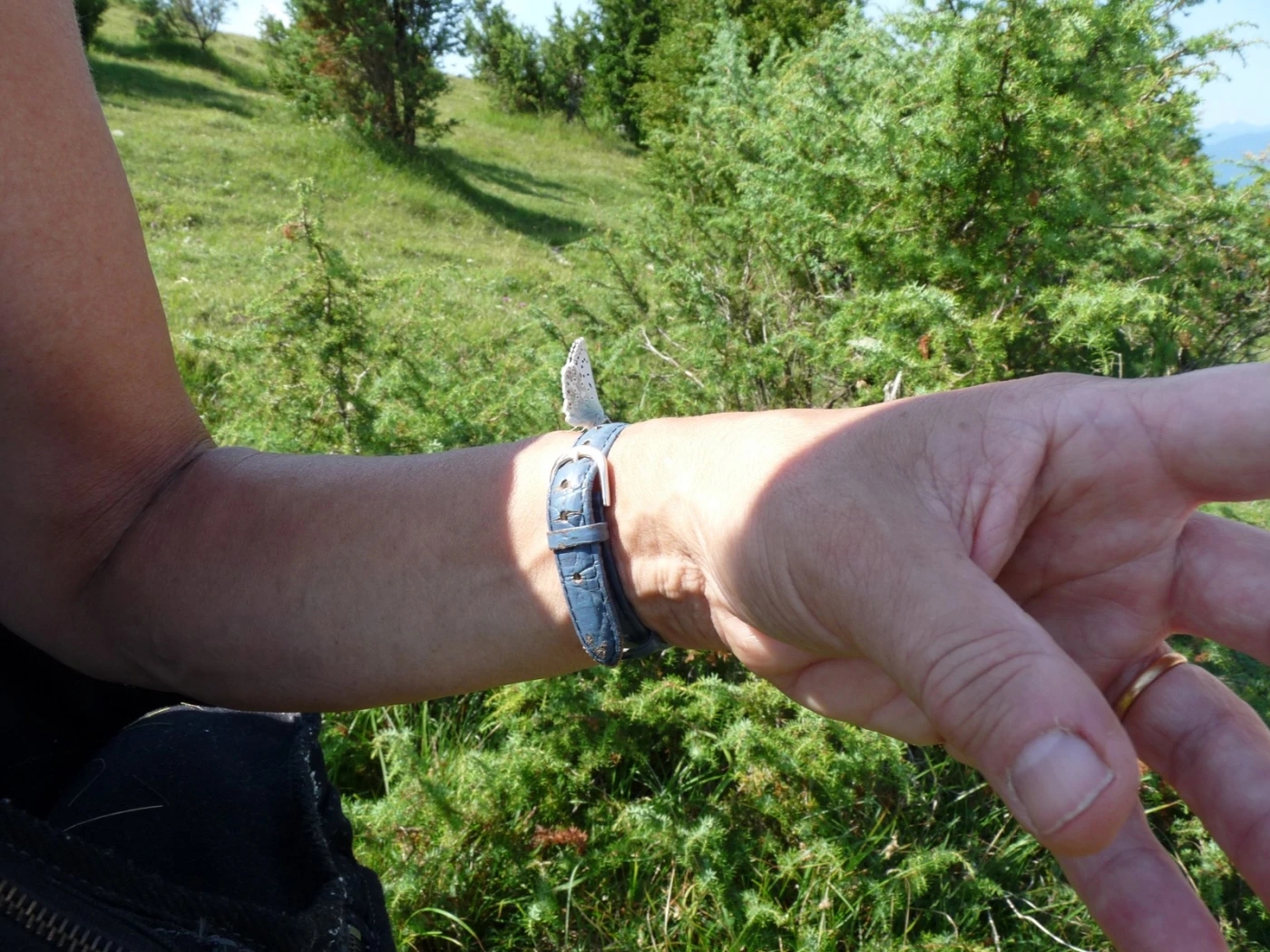
There we were at Roquefixade, showing our favourite walking destination off to two of our Harrogate friends, when a butterfly discovered me. Then another. These two creatures played round my wrist for more than half an hour before finally dancing off into the sunshine. They made our day.
I’m thinking they’re the Common Blue (Polyommatus icarus). Any dissenters?
And if you’re wondering why this post is called Butterflies III, here’s why …
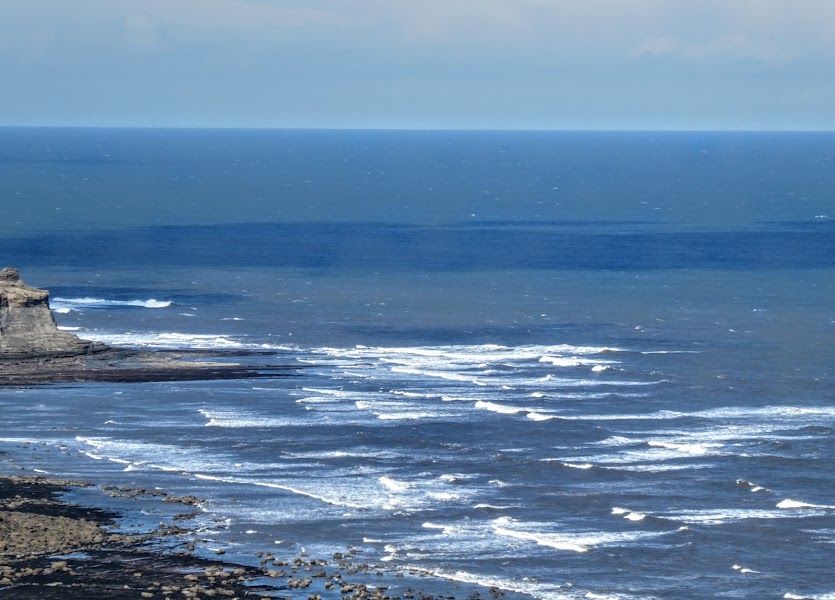
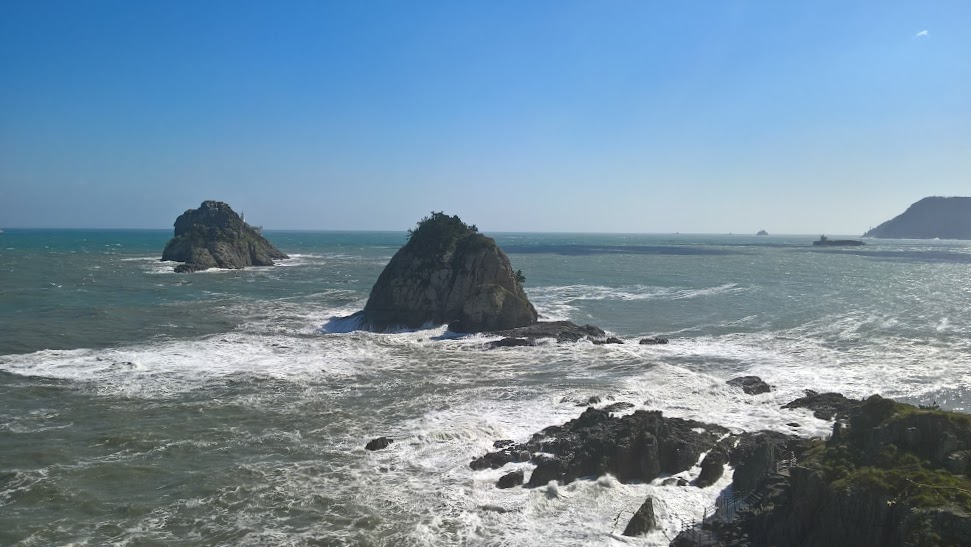
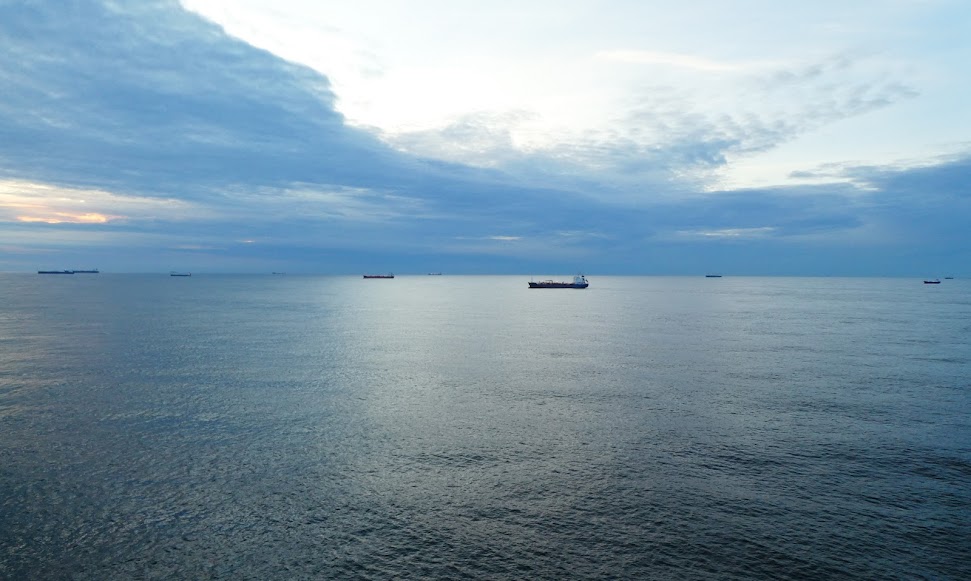
It’s August, and what says ‘summer holidays’ more potently than the seaside? Well, nothing could drag me there when it’s all crowded beaches, kiss-me-quick hats and donkey rides. But off-season, there’s nowhere better. A walk along the sand, beachcombing, inspecting rock pools, and most of all, looking out far to the distant horizon, watching ships as they travel back and forth, imagining the seashore as a gateway to journeys extending beyond that horizon …
So when Rebecca of Fake Flamenco challenged us to write a haibun for this month’s Poetry Challenge, and asked us to take ‘door’ in its widest sense as our subject, I thought I knew what I’d explore.
But what’s a haibun? I hear you ask. This: ‘Contemporary practice of haibun composition in English is continually evolving. Generally, a haibun consists of one or more paragraphs of prose written in a concise, imagistic haikai style, and one or more haiku.’ Wikipedia
The sea, the sea
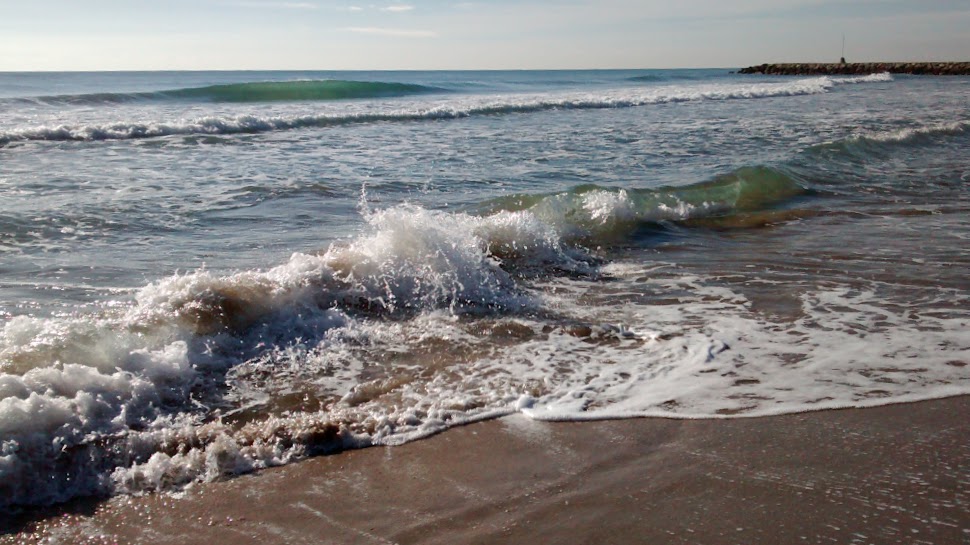
A susurration of waves: oscillating, softly slapping and surging across crushed seashells on the sandy shingle: soothing; sibilant. Sucking, settling, restoring. Saluting the shoreline in a ceaseless cycle. A portal to distant islands and continents beyond the horizon.
Waves advance
greet the sandy shingled shore
Quite unceasingly.
I’m going to be quite cheeky here. Sammi, over at Sammi Scribbles, has a fun weekend challenge in which she invites us to write 28 words – neither more nor fewer – prompted by the word sibilance. So let’s pinch part of what I wrote for Rebecca:
‘A susurration of waves: oscillating, softly slapping and surging across crushed seashells on the sandy shingle: soothing; sibilant. Sucking, settling, restoring. Saluting the shoreline in a ceaseless cycle.‘
On the first Saturday of every month, a book is chosen as a starting point and linked to six other books to form a chain. Readers and bloggers are invited to join in by creating their own ‘chain’ leading from the selected book.
The starting point this month is Ruth Ozeki‘s The Book of Form and Emptiness. I’ve reserved it in the library, but unsurprisingly, my turn hasn’t come yet. I understand that it’s a tale of a boy coming to terms with loss.
My first link then in Carys Bray‘s The Museum of You. I don’t know why I didn’t connect more with this book. It’s a cleverly written account of twelve year old Clover Quinn and her dad Darren, and their attempts, their very different attempts, to come to terms with the death of Clover’s mother Becky when Clover was only about six weeks old. Clover is a sweet child, but a bit isolated from her peers. She likes her dad’s allotment, and museums. In fact she decides to make a museum to her mum, in secret. Gradually her story unfolds. Darren’s story unfolds. Becky’s story unfolds. This book is very skilfully done. It’s well written. Why didn’t I engage with it more? I don’t have an answer. I’d recommend anyone to read it. Just …. not me.
From the allotment display at Harlow Carr Gardens
To make my next link, let’s stay with Carys Bray. When the lights go out. Though very readable, for me it suffered the same problem as her previous book. The subjects: eco-aware Emma versus eco-warrior husband Chris feel rather overdone now. Chris learnt to be a warrior during his now-rejected fundamentalist Christian childhood, and his warriorship consists in being a prophet of doom, rather than in action. We’re meant to find him tedious, and we do. We’re meant to like busy, community-minded Emma, and we do. We’re meant to feel wry sympathy with the Emma and Chris as they parent their teenage children, and deal with Chris’s interfering-in-a-humble-way mother. So it’s an engaging enough read, but one in which I didn’t fully involve myself.
Francesca de Pasqua, Unsplash
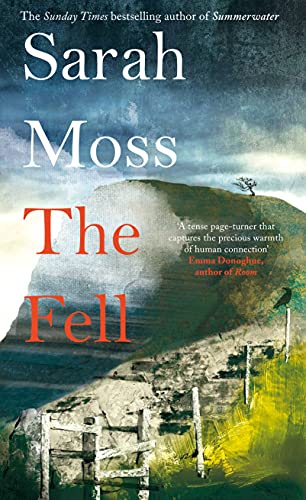
Ecological matters are a bit of a theme these days, and so is The Pandemic, which is what allows me to make the link to the next book, The Fell, by Sarah Moss. A reminder of a time – a recent time – when our home was our universe. A time when Kate and her teenage son were confined to their house on a two week quarantine because a contact has Covid. I was isolating with Covid when I read this, so I could identify well with Kate’s frustration and longing to be out – to get up there on the moors, at a moment when there won’t be a soul about, and be back in time for tea. Except she isn’t. She gets disorientated, and falls … This story is told in stream of consciousness through the voices of Kate herself, her son Matt, her neighbour Alice, and mountain rescuer Rob. And frankly it got as tedious as Lockdown itself. The ending was suitably shocking, inconclusive and cliff-hanging, which redeemed it somewhat, but I was glad to finish this story. The wrong book at the wrong time for me probably, but I doubt if this book will wear well.
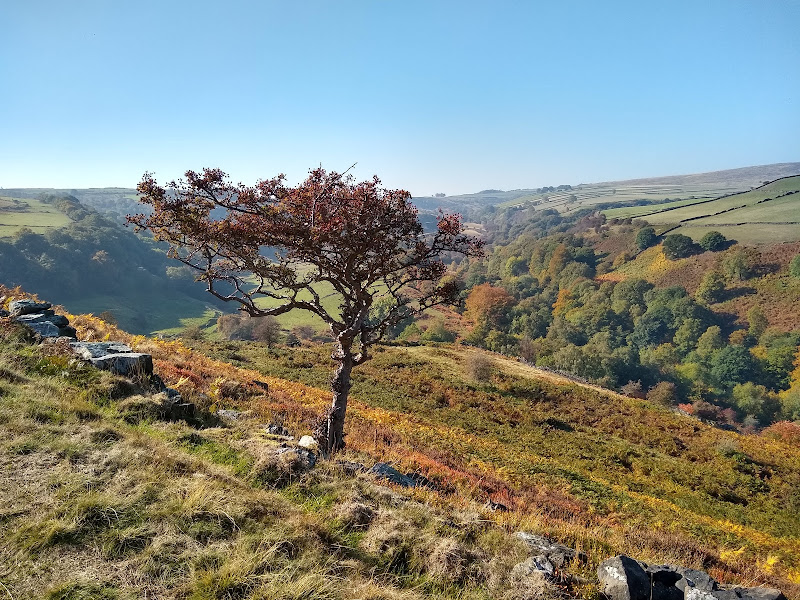
Dovedale, Peak District.
And so to another lockdown book, The Rome Plague Diaries by Matthew Kneale. I loved this. Having many years ago lived in Italy, though not in Rome, this put me back in touch with many aspects of Italian daily life and culture. It also revived memories of Lockdown. Kneale, who with his family has lived in Rome for 20 years, puts us back to that odd period of genuine fear, when cities were empty of life, shops were closed, as was everything else that makes a city a city. But he dwells on so much more as he looks at Rome’s history and culture. If you’ve enjoyed Kneale’s other writing; if you love Italy, I recommend your reading this vivid account of a resilient city going through yet another test of its mettle.
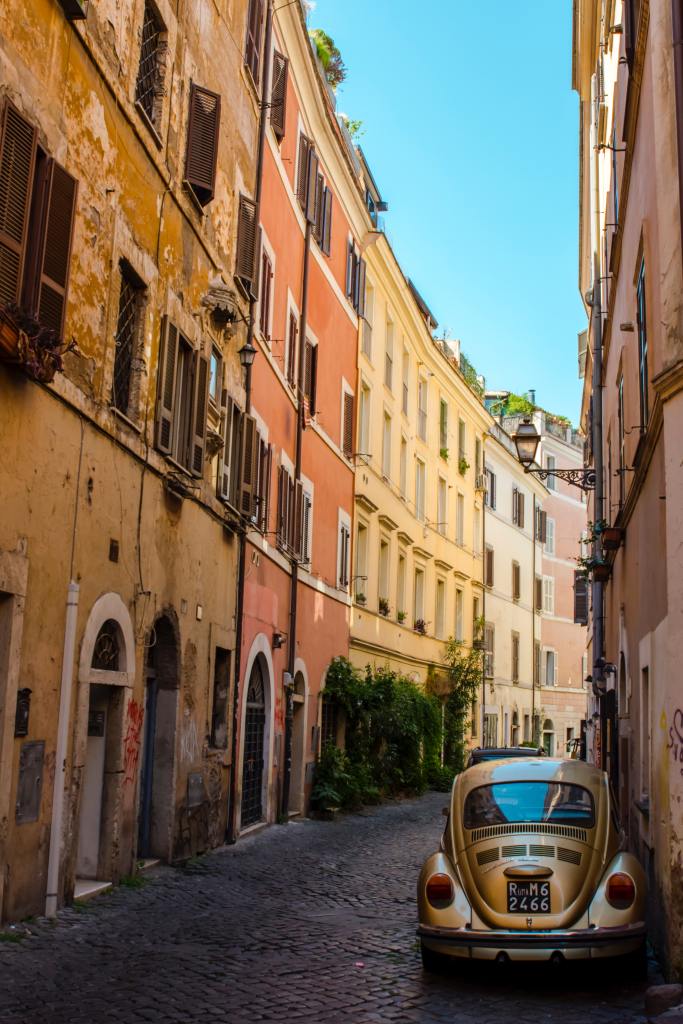
A back street in Rome: Faruk Kaymak, Unsplash
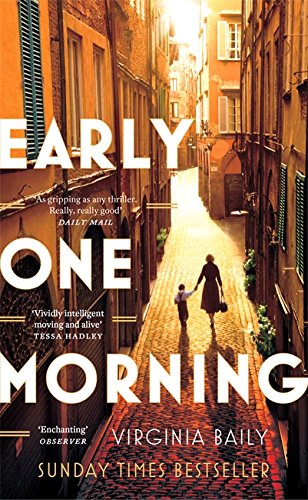
Let’s stay in Rome. Early One Morning by Virginia Baily. An involving story initially set in Rome in WWII, of a woman, Carla, who finds herself, in one life-changing moment, with not one word spoken, taking charge of a Jewish boy whose family has realised how bad things have become for the Roman Jewish population. The narrative goes back and forth from war time Rome to the same city in the 1970s. It shows us that boy Daniele growing up sullen and resentful of his step-mother, an eventual addict. It introduces a Welsh teenager, Maria, who discovers in an unfortunate way that the man she thought to be her father isn’t. Instead it’s Daniele. She comes to Rome, to Carla, to recover her equilibrium and find out more. An absorbing well-told story, painting a picture of Rome, its sights and foods and characters in a way to relish. A good read indeed.
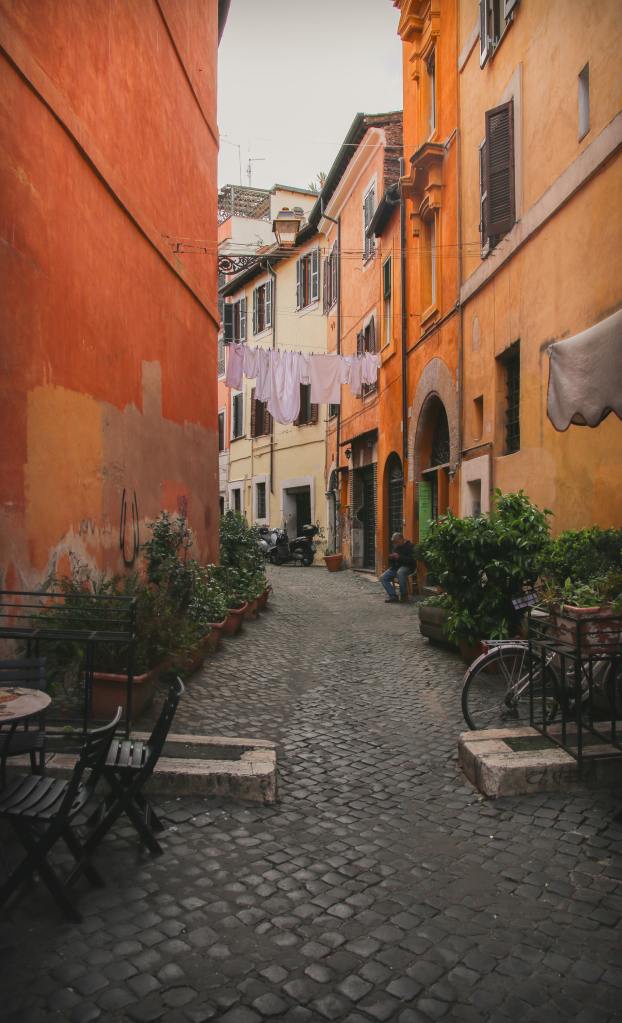
Trastevere, Rome: Quaritsch Photography, Unsplash
My last book of all focuses on the dislocation caused, particularly to Jews, by the Second World War. When Hitler Stole Pink Rabbit is a largely autobiographical account of the author’s journey as a nine year old child from Germany via Switzerland and Paris to London, where the family finally settles in pursuit of safety. And it’s written by Judith Kerr of The tiger who came to tea fame, and who is also the mother of Matthew Kneale. I read this book many years ago, so greater detail not forthcoming!
It appears that this last book will appear at the head of my chain next month, as we’re invited to use our last book this time as our starting point in September. I wonder if I can make a sturdier, more consistent chain from that?




















You must be logged in to post a comment.