Six Degrees of Separation from Armfield to Banville

‘On the first Saturday of every month, a book is chosen as a starting point and linked to six other books to form a chain. Readers and bloggers are invited to join in by creating their own ‘chain’ leading from the selected book.

Six Degrees of Separation: Kate W

I have only just succeeded in borrowing Julia Armfield’s Our Wives under the Sea from the library, so I’ve barely started reading it. But this seems to be a summary to work with:  It’s a story of falling in love, loss, grief, and what life there is in the deep deep sea.

Where to start then?

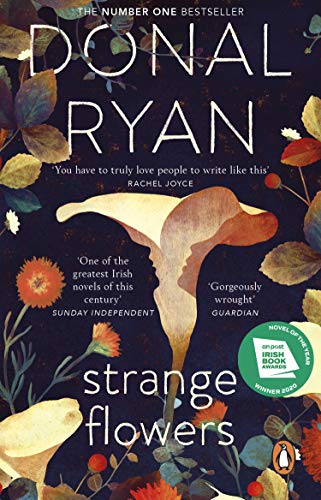
Perhaps with Donal Ryan’s Strange Flowers. This is a tender, lyrical novel, largely based in a rural Ireland, whose modest, gentle landscape encompasses the entire book. At the heart of the novel is Paddy, postman and herdsman, his wife Kit, and their daughter Molly who as the book begins, has disappeared – just gone off early one morning, suitcase in hand. I can mention nothing more of the plot without giving too much away. Yet this is a novel full of secrets, many of which reveal themselves as the novel draws to a close. We meet the characters in this book at a distance, and they retain their privacy, may not always be rounded out. But it scarcely matters. This is an intriguing, poetic book which fully absorbed me.
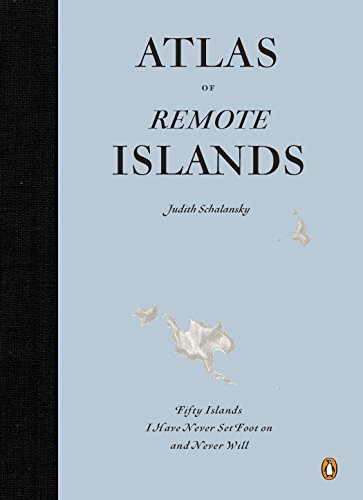
Thinking of how rural Ireland is almost a character in the book put me in mind of Judith Schalansky’s Atlas of Remote Islands.  This is a marvellous moment of armchair travelling. Schalansky was brought up in East Berlin, at the time of The Wall, where poring over the atlas provided her only means of distant travel. Beautifully mapped, her book takes us to fifty of the smallest and most remote islands in the world. Some are inhabited, some are the domain of academics visiting for months ar a time, some are uninhabited. All have a story to tell. It might be their geology, or a tale of how they were discovered. Or folklore, or a moment or two of history. This book will transport you into regions you never knew about, and like Schalansky, will never visit … except in your mind.
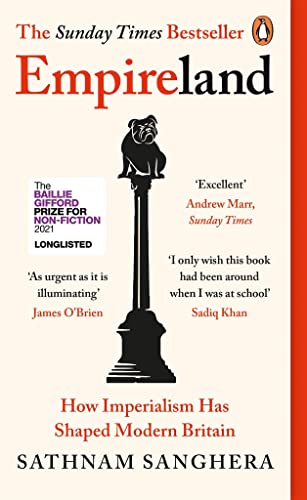
Some of these islands feature in Sathnam Sanghera’s Empireland: How Imperialism has shaped Modern Britain.This book is essential reading – for Brits at least. Sanghera presents a wealth of material, examining the history of the British Empire and how it was acquired. Many of us were brought up to regard the Empire and what Britain brought to the countries it had dominion over as something of a triumph, something which all subjects should be grateful for. We were brought up glossing over what slavery means to all involved, whether as slave-owner or slave. The Windrush generation, racism, the continuing legacy of our attitudes to Empire all form part of Sanghera’s narrative. This book is carefully researched, and attempts to be fair. It gives much to think about, and much material to form the basis for thoughtful on-going discussion.  Tough stuff, but also highly readable.
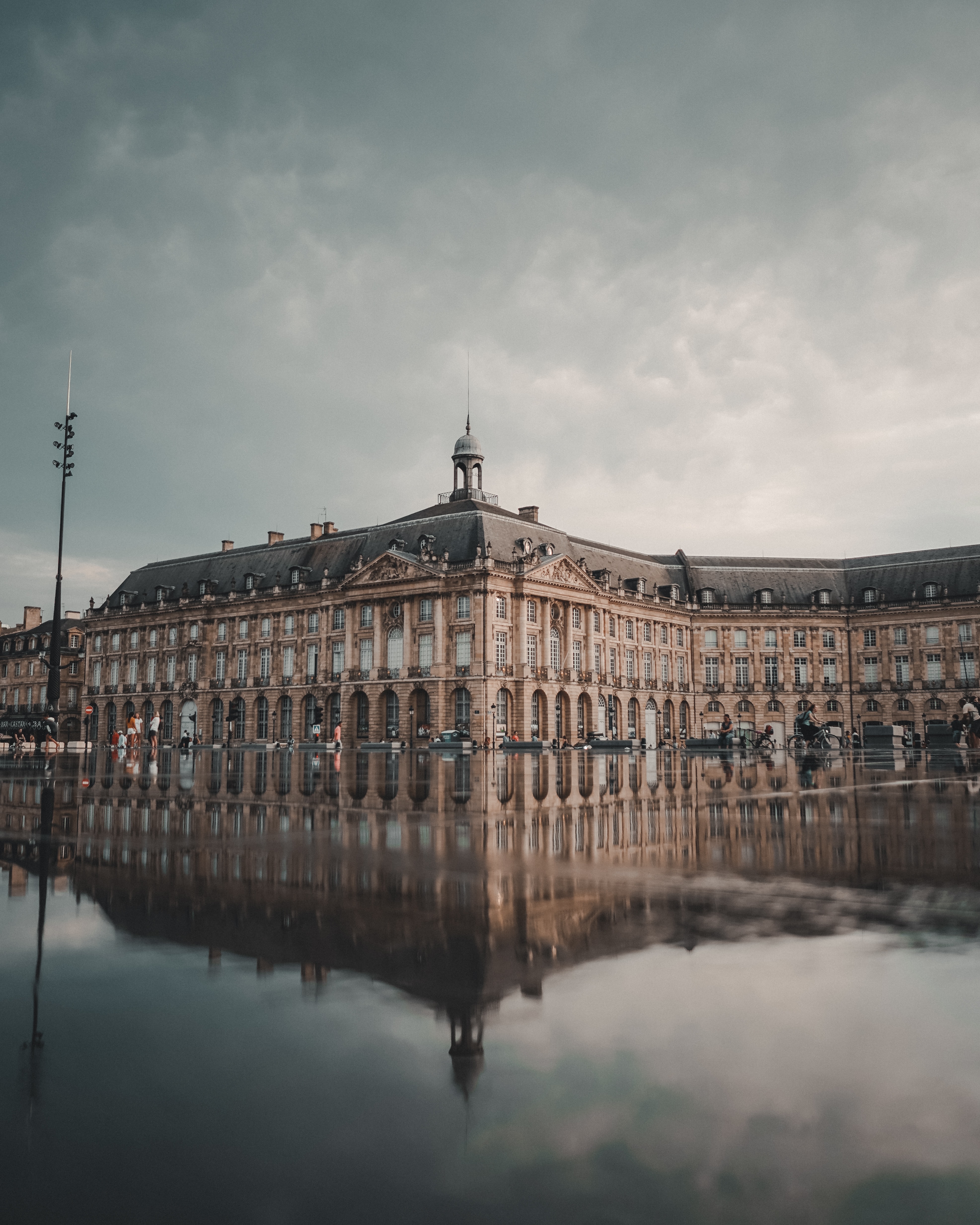
Let’s find a book set – at least partly – in one of those Commonwealth – formerly Empire – countries. The Last Hunt, by Deon Meyer. This is the first book I’ve read by Meyer, and I suspect it won’t be the last. Two parallel stories – the first involving South African cops Benny Griessel and Vaughn Cupido, given the thankless task of solving a cold case: the second introducing Daniel Darret, an African who after a chequered life has settled in Bordeaux. It’s only at the end these apparently unrelated threads come together. The characters, and the areas and worlds they frequent are well-painted and vivid, and the story, involving corruption in high places seems unsettlingly topical. Only the last chapter of all failed to convince me: and while this was disappointing, it didn’t stop me from feeling I’d had an involving and exciting journey along with the protagonists.

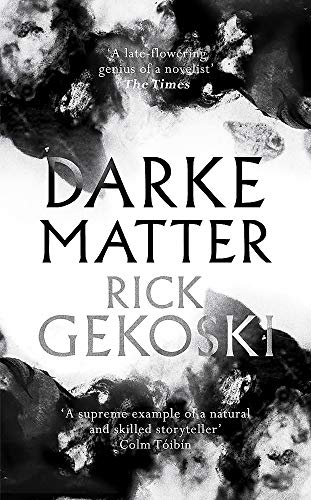
My next book isn’t really a crime story.  Or is it?  You’ll have to read Darke Matter: A Novel, by Rick Gekoski for yourself to find out. James Darke, retired schoolmaster and professional curmudgeon, narrates his story. His much-loved wife Suzy has recently died, wracked by pain in her last months. He lives alone, disapproving of everybody and everything, even his daughter and her husband – though he makes an exception for his grandson Rudy. His distress at watching his wife die encourages him to help her on her way to death through overdosing her, as he admits to his horrified daughter, though she comes to understand and agree.   No spoilers alert here, though you might well wish to refresh your knowledge of Gulliver’s Travels, a book Darke re-fashions for his grandson’s entertainment. A perceptive, witty and moving evocation of love, grief, loss, and the fall-out from assisted dying.
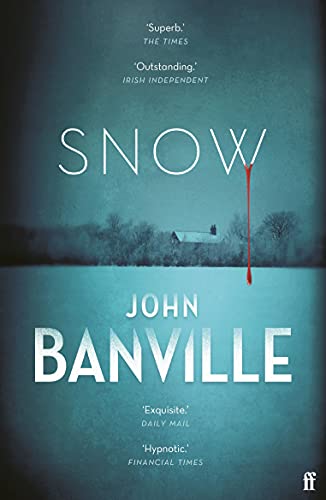
Another whodunnit, which, being set in Ireland, links back to the first book in my chain, though not to this month’s starter.  Snow by John Banville. This paints a richly evocative picture of 1950s Co. Wexford in Ireland. A miserably cold snowy winter; a country house peopled with a decaying family of Protestant gentry; a pub-come-shop; a cast of splendidly eccentric characters. This is Cluedo brought to life. Though so much richer. Here is a picture of a narrow and barren society, subservient to the authority of the Catholic church, and with strong memories of their not-so-distant battle for independence. The motives for the murder we learn about on the first page are more important than finding out who committed it. A rewarding read, being a whydunnit rather than a whodunnit.
Next month, the chain will begin with Peter Carey‘s True History of the Kelly Gang, a book which has unaccountably sat unread on my shelves for ages. Its moment has come!
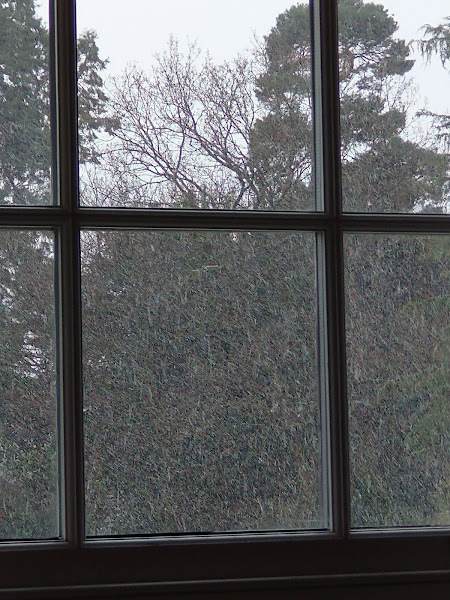

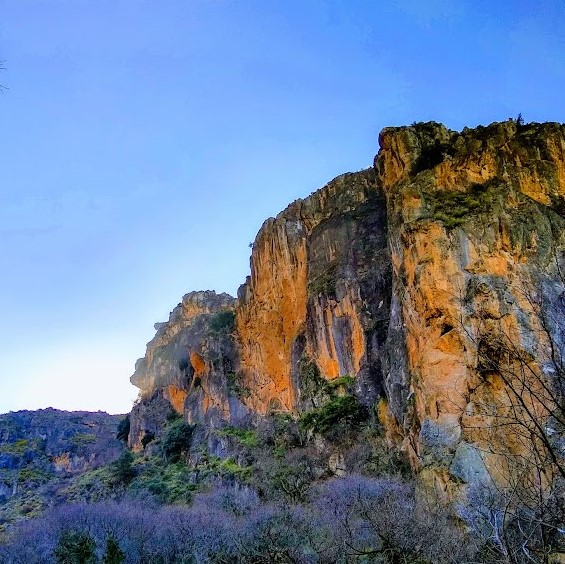
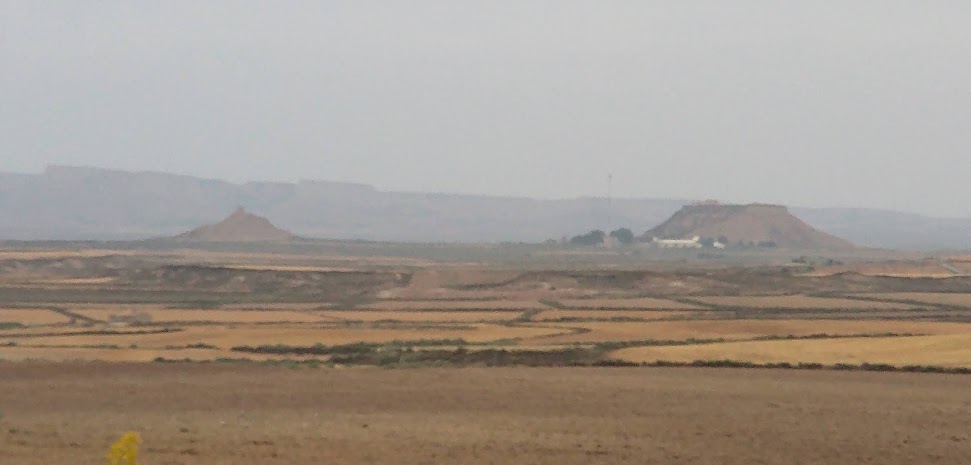
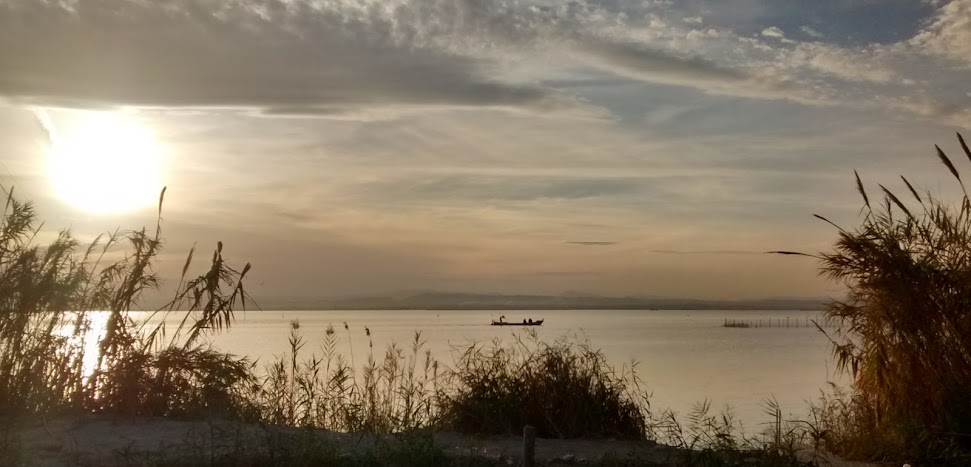
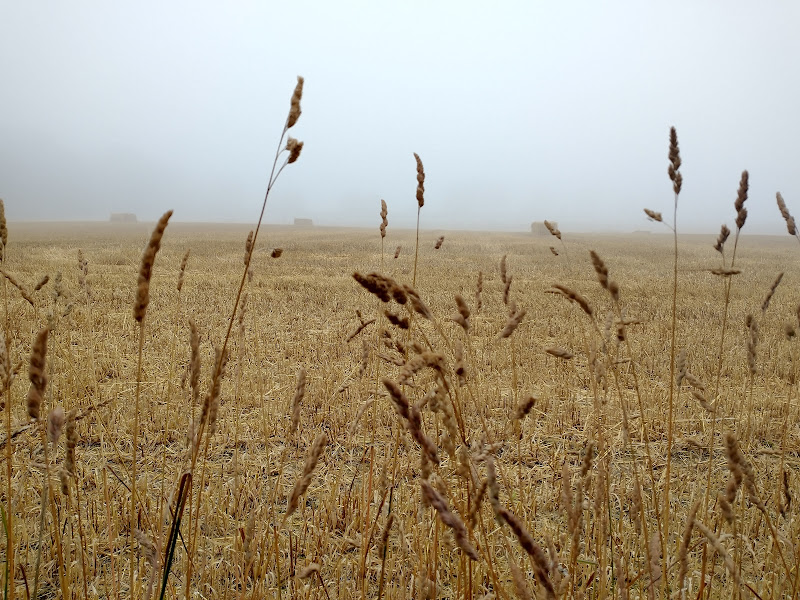
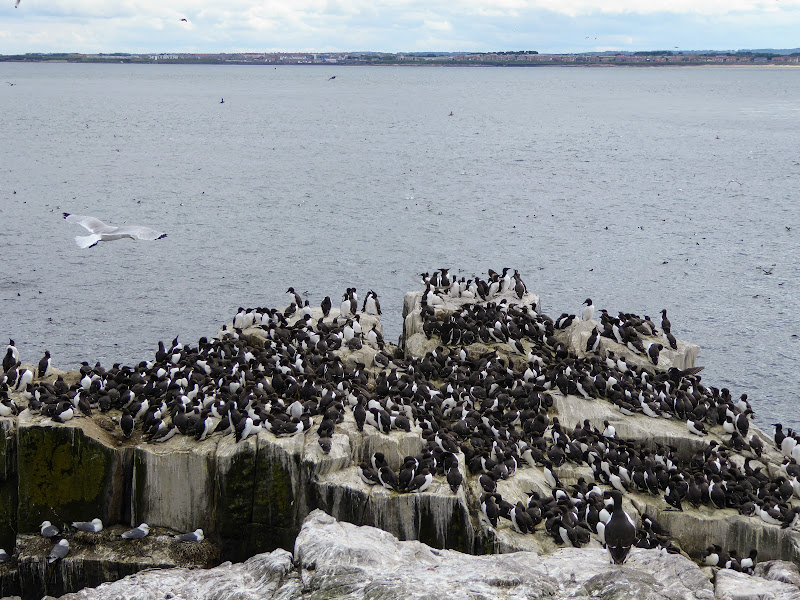
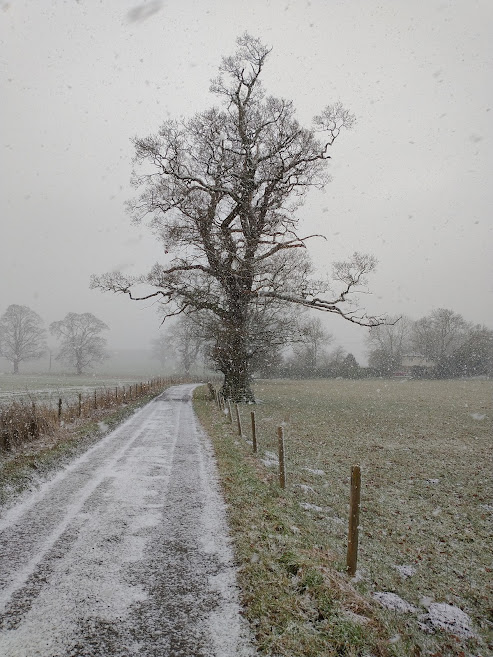
A legend tells the story of the Creation of the Earth

Every culture throughout the world has its myths about how the earth, and everything that inhabits the earth, came into being. Here in the UK, historically part of the Judeo-Christian tradition, we’re most familiar with the creation story told in The Book of Genesis.

Day 1 – God created light and separated the light from the darkness, calling light ‘day’ and darkness ‘night’. And God said, Let there be light: and there was light.

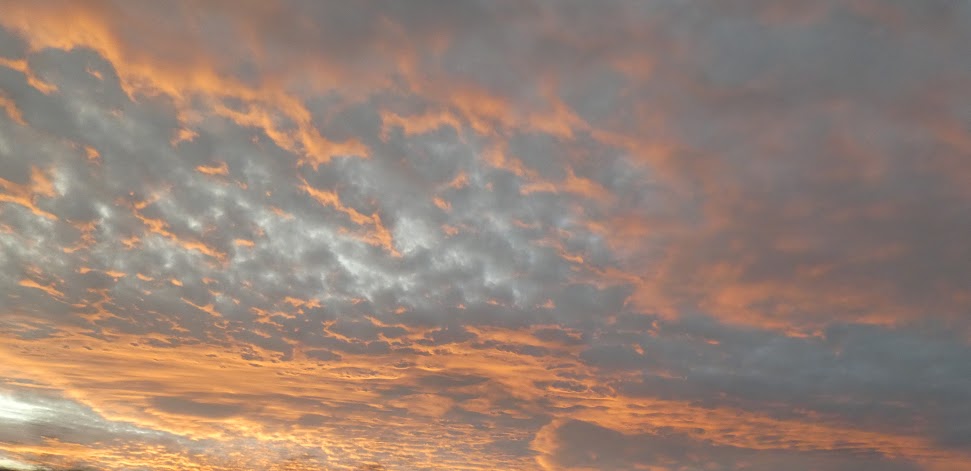
Day 2 – God created an expanse of sky to separate the waters. Let there be a firmament in the midst of the waters.

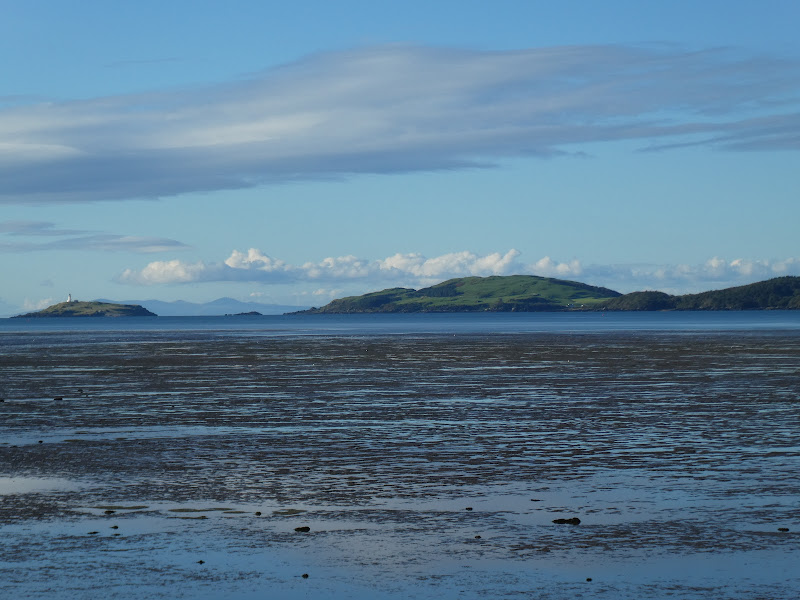
Kirkudbrightshire

Day 3 – God created the dry ground and gathered the waters, calling the dry ground ‘land’, and the gathered waters ‘seas’. Let the waters under the heaven be gathered together unto one place, and let the dry land appear: and it was so.

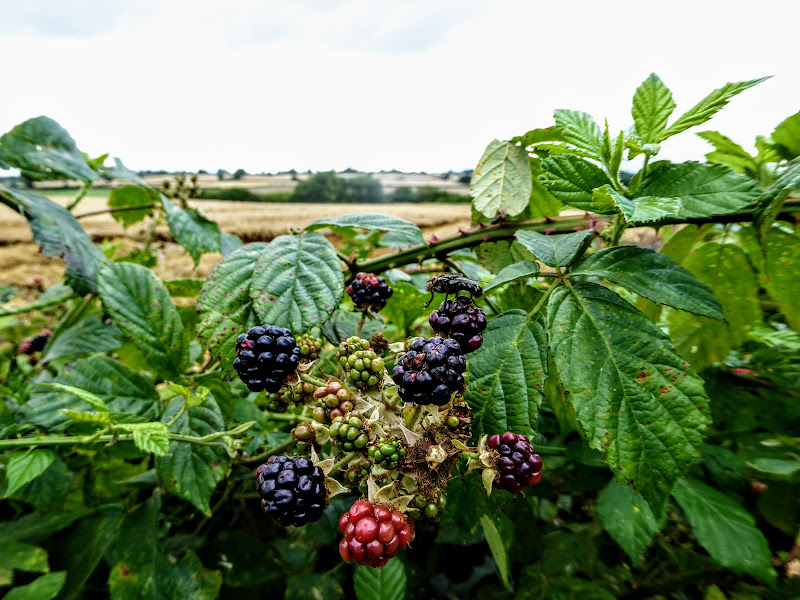
On day three, God also created plant life. Let the earth bring forth grass, the herb yielding seed, and the fruit tree yielding fruit after his kind, whose seed is in itself, upon the earth: and it was so.

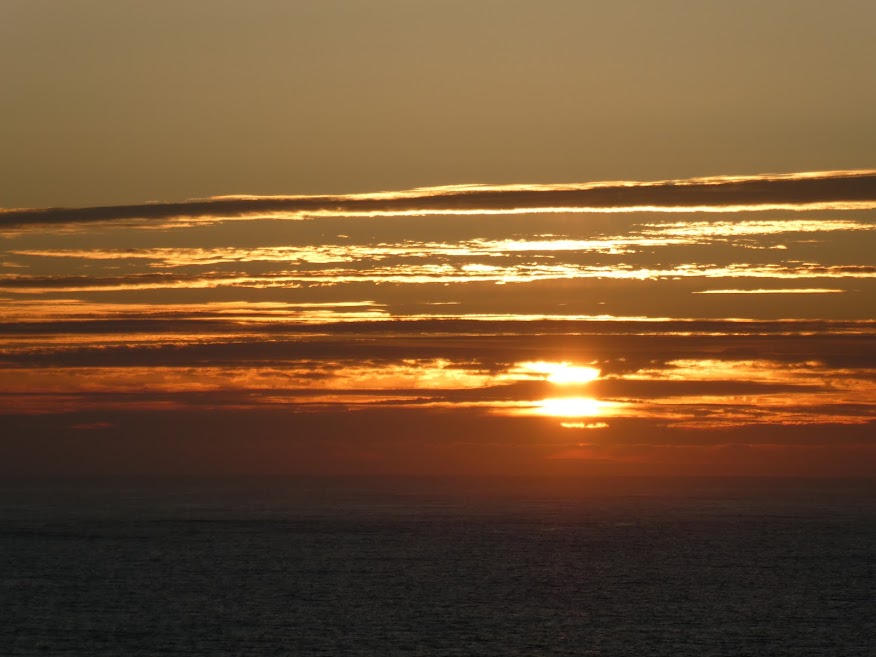
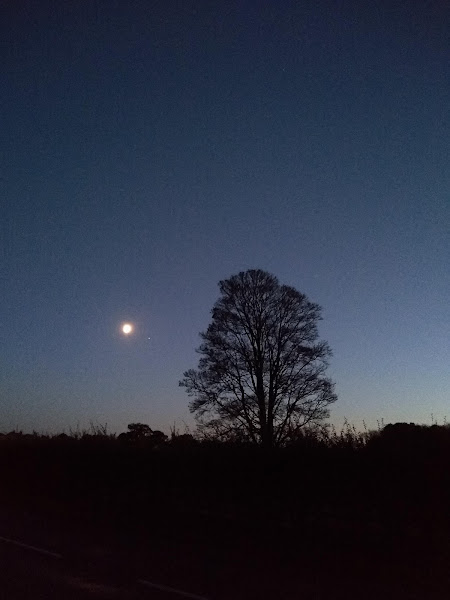
Day 4 – God created the sun, moon, and the stars to give light to the earth and to govern and separate the day and the night. These would also serve as signs to mark seasons, days, and years.  Let there be lights in the firmament of the heaven to divide the day from the night; and let them be for signs, and for seasons, and for days, and years.

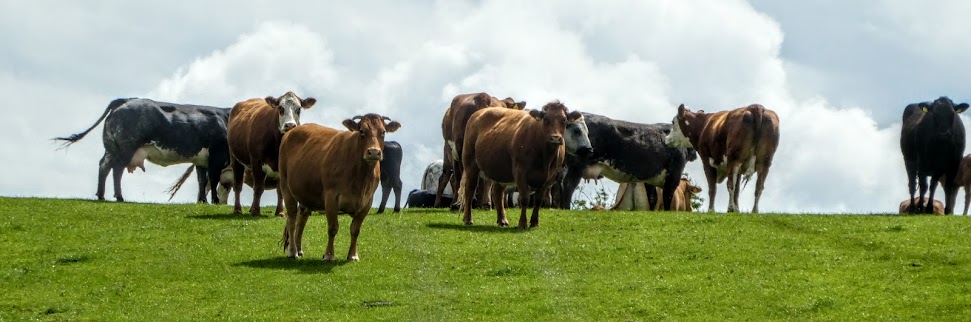
Near Grinton, North Yorkshire
Sleningford, North Yorkshire

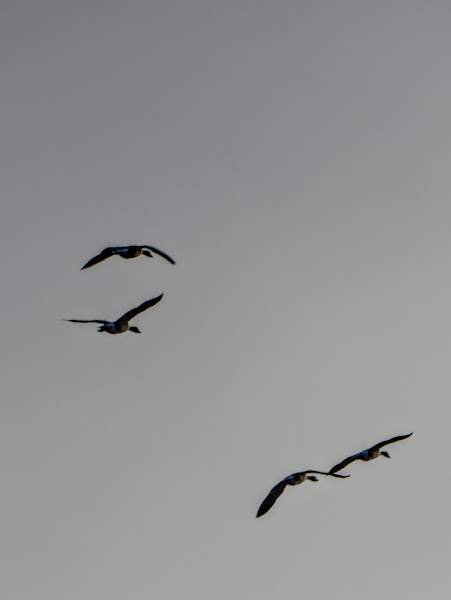
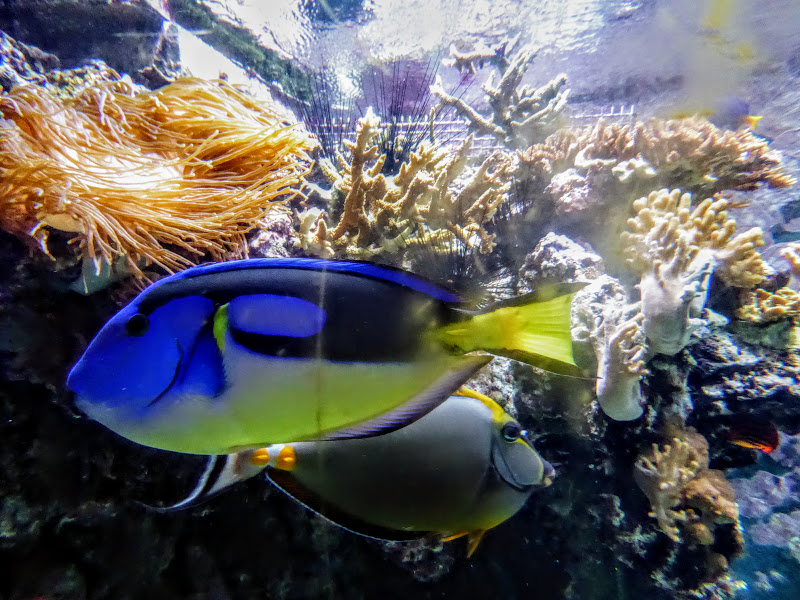
Day 5 – God created every living creature of the seas and every winged bird, blessing them to multiply and fill the waters and the sky with life. Let the waters bring forth abundantly the moving creature that hath life, and fowl that may fly above the earth in the open firmament of heaven…  Let the earth bring forth the living creature after his kind, cattle, and creeping thing, and beast of the earth after his kind: and it was so.

Day 6 – God created man and woman in his own image. He gave them every creature and the whole earth to rule over, care for, and cultivate. Let us make man in our image, after our likeness: and let them have dominion over the fish of the sea, and over the fowl of the air, and over the cattle, and over all the earth, and over every creeping thing that creepeth upon the earth. Which is perhaps where it all started to go wrong …

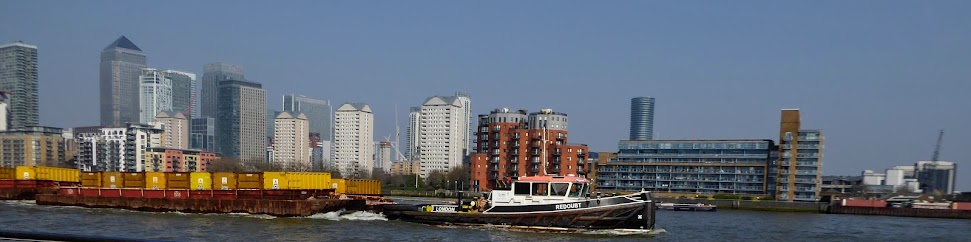
Along the River Thames in London
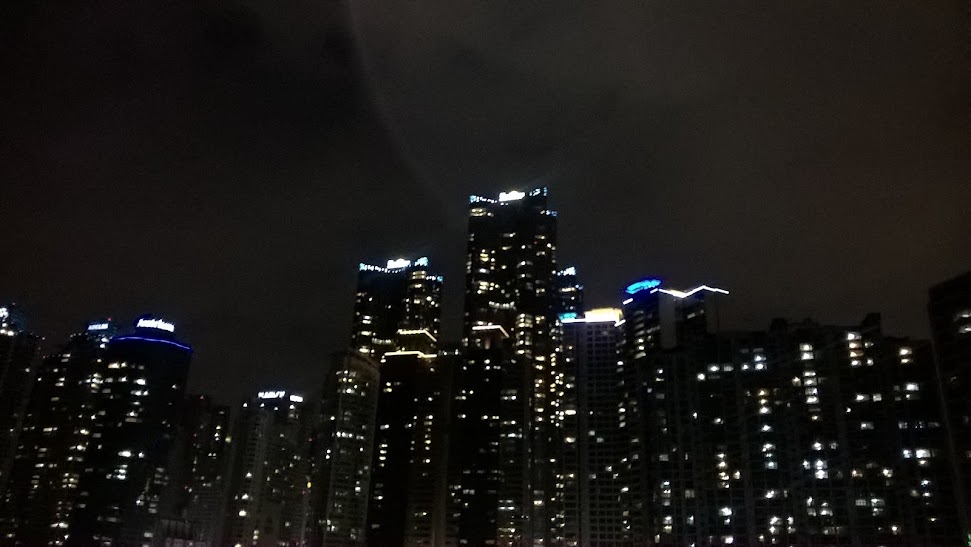
Haeundae, Busan, South Korea.

This week, for Lens-Artist Challenge #192, Amy invites us to tell Earth’s Story. So I have, with the help of the Old Testament.

PS. Thanks to your ‘likes’ on this recent post, I’ve been able to donate £28.00 on your behalf to World Central Kitchens, as they feed the dispossessed fleeing from war in Ukraine and other humanitarian catastrophes.

Don’t take selfies! Enjoy the flowers!

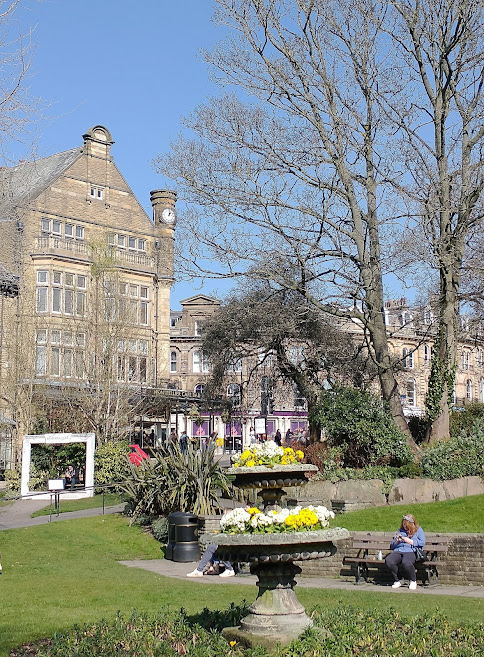
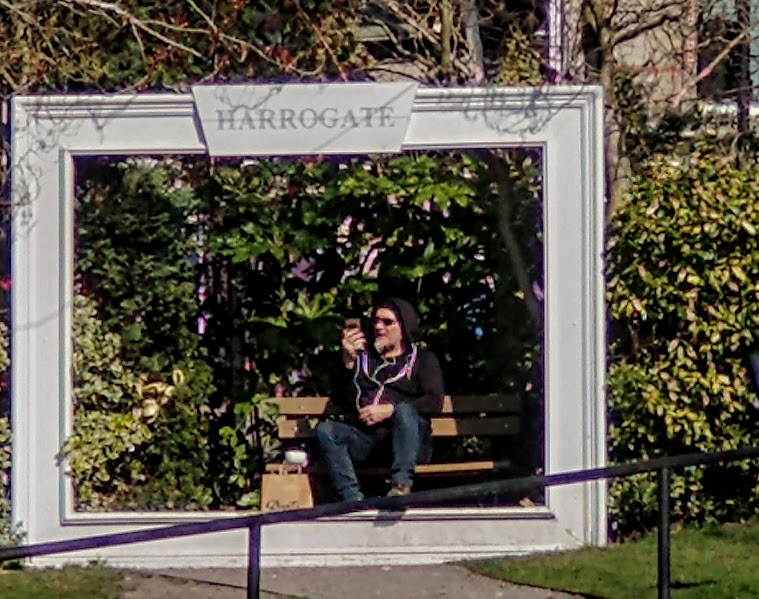
Here’s Harrogate yesterday, enjoying the first true week of spring.

The building with the turreted clock is the famous Betty’s Tea Room. But we won’t go there today. Instead, we’ll have a picnic later, in the Valley Gardens. That white rectangular frame you can see is a favourite family-photo spot. If you haven’t got your family with you, best take a selfie …

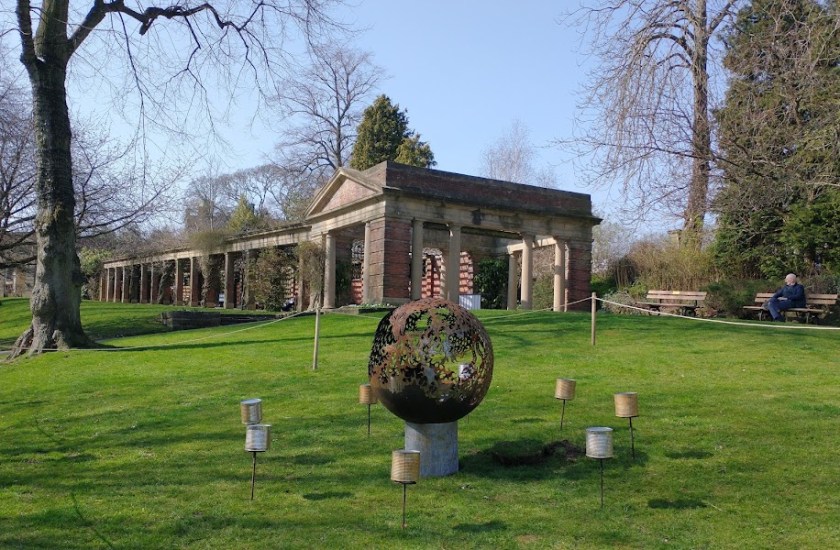
Next stop, Valley Gardens. It’s all tricked out at the moment for a Fire and Light Experience. We’ve been to one of these festivals before, in 2016, and it was fabulous. But we’re still too post-covid flattened to feel like an evening out. So we’ll just enjoy the braziers and installations set in place …

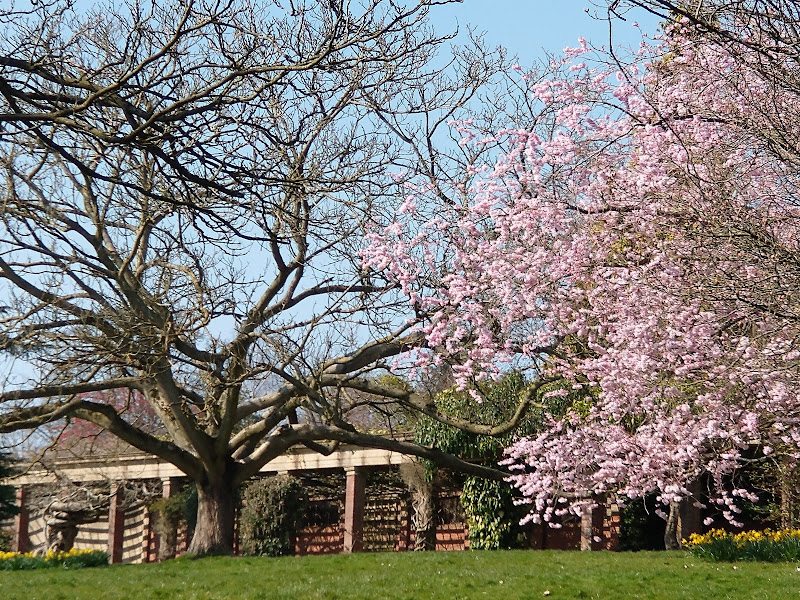
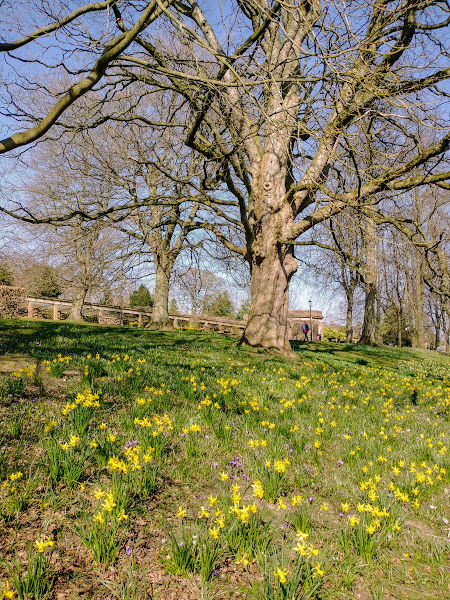
… and focus on the blossoms and spring flowers instead.

Just a short walk. But it’s enough to change our mood and lift our spirits.

For Jo’s Monday Walk

and Debbie’s Six Word Saturday

Framing the view

For this week’s Lens-Artists Challenge, Ann-Christine asks us to think about curves. What a big subject! Flicking through my photos, almost every one has a curve in it somewhere or another. How to limit it? In the end, I decided to go with curves-as-frames.

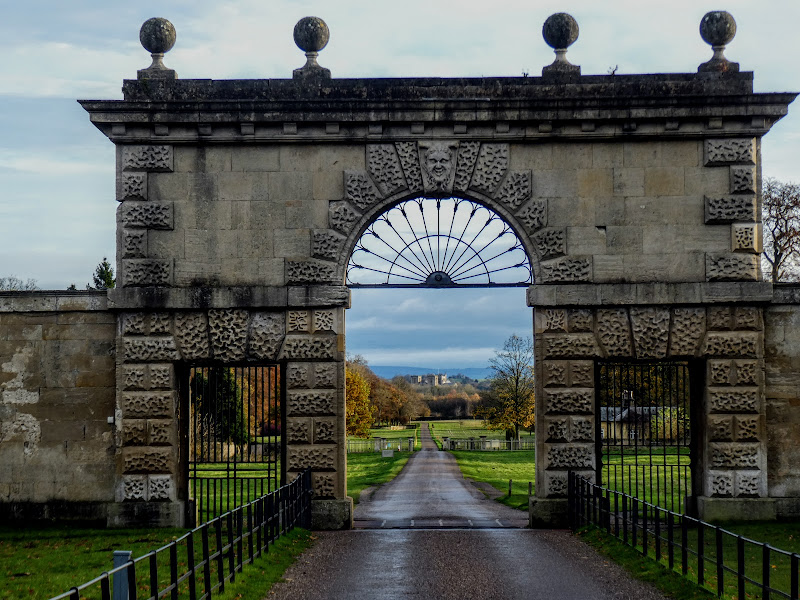
There are deliberate curves as framing devices, as here in Studley Royal, where the estate gates are placed to emphasise the view straight down towards Ripon Cathedral.

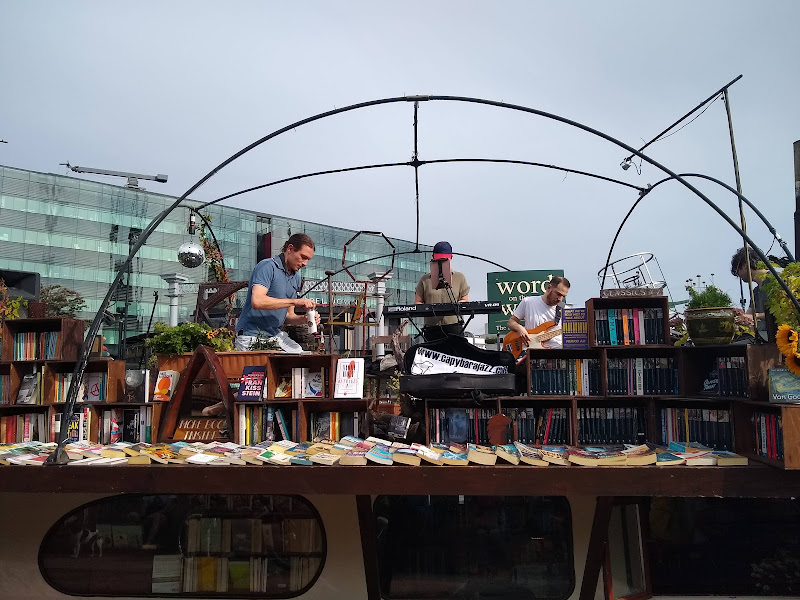
Or here where the band on a bookshop barge on the Regent’s Canal in London has organised an arch above the musicians.

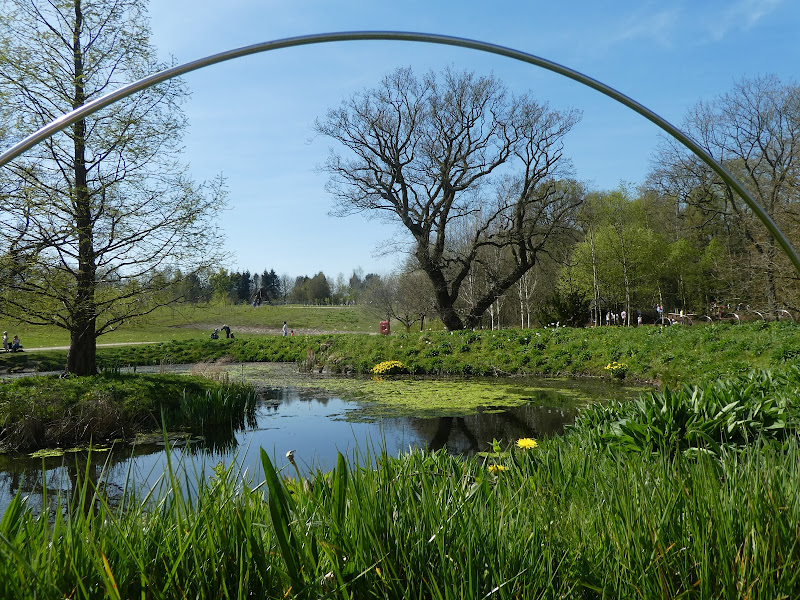
Or here, where a metal arch has provided an impromptu frame, so long as you choose your point-of-view. This is Harlow Carr Gardens, Harrogate ….

… or here, where a handy metal arch can be encouraged to frame the Maritime Museum in Barcelona.

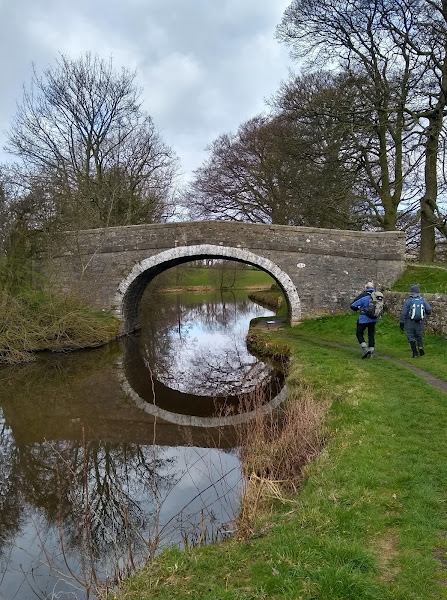
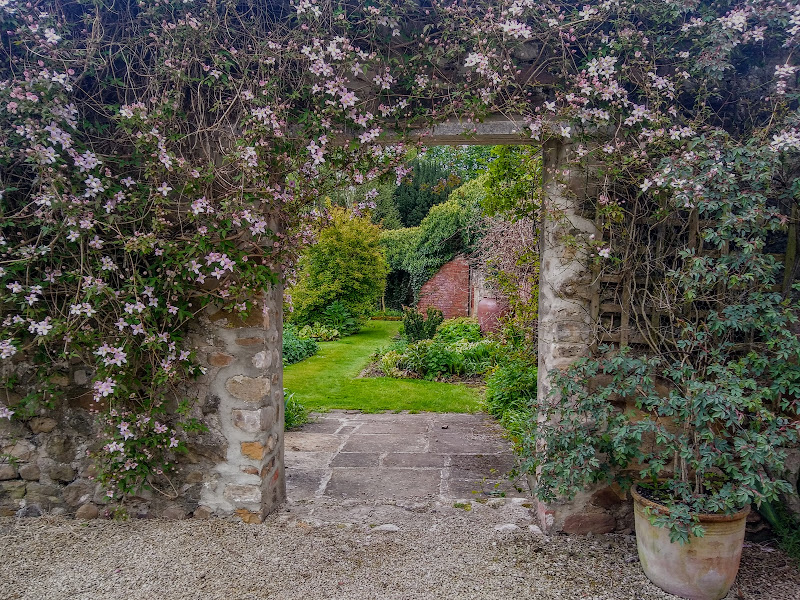
Bridges may be arched, and garden entrances, even if not curved themselves, are often softened by climbing plants.

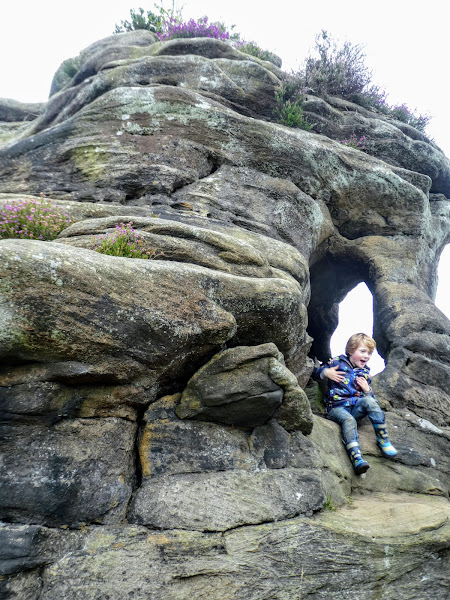
Let’s go to more serendipitous framing in the natural world. Here’s my grandson at Brimham Rocks.

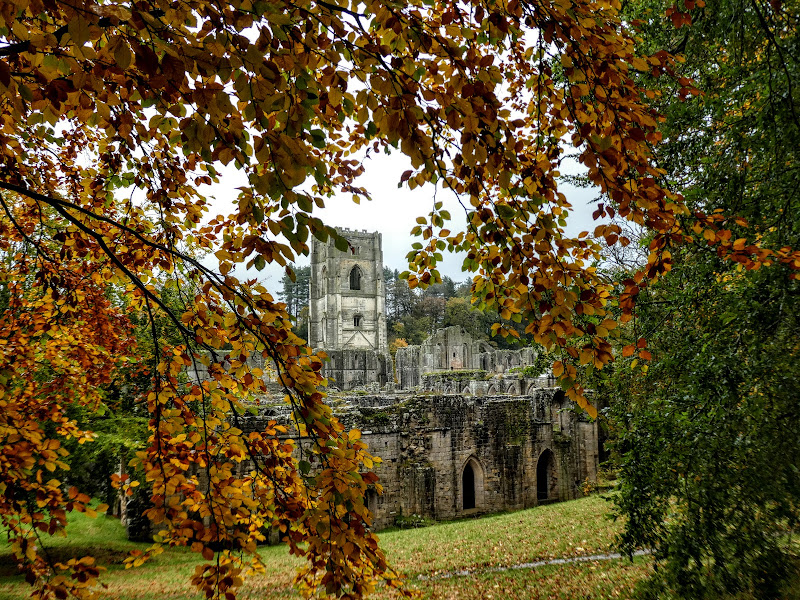
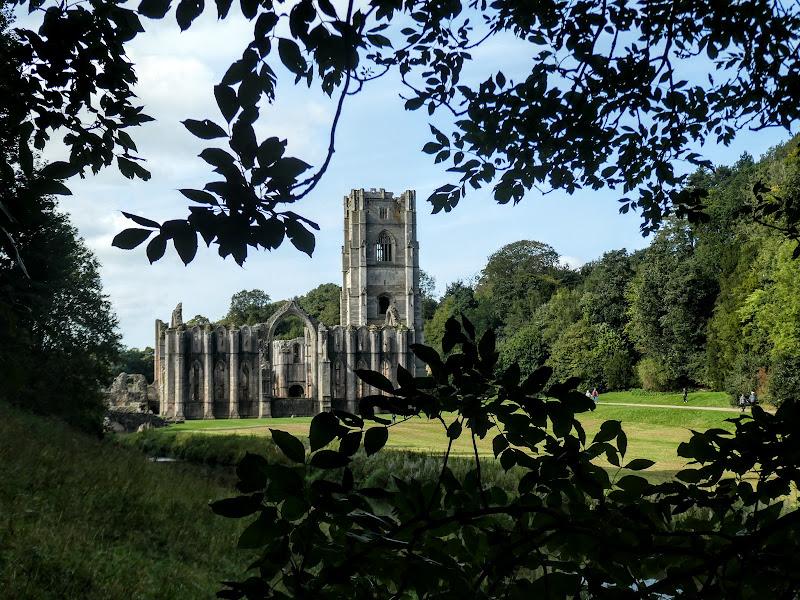
And finally, we’ll go to Fountains Abbey, where I spend so much time. I’ve chosen two different views of the Abbey, one taken in high summer, then the other, shown as the featured image, in autumn. In each case, Huby Tower has been framed by leaves cascading in gentle curves.

As well as the Lens-Artists Challenge, this post fits the bill for Sarah’s Friendly Friday Challenge: Framing your subject.

A History of England in Six Bridges

This post title is completely misleading. I’m showing you six bridges, it’s true. But only one pre-dates the eighteenth century. Only one is neither in Yorkshire or London. But there’s a footbridge, a canal bridge, a railway bridge, a transporter bridge, a road-bridge which opens, and one for the Millennium, so maybe we’re covering quite a lot of bases.

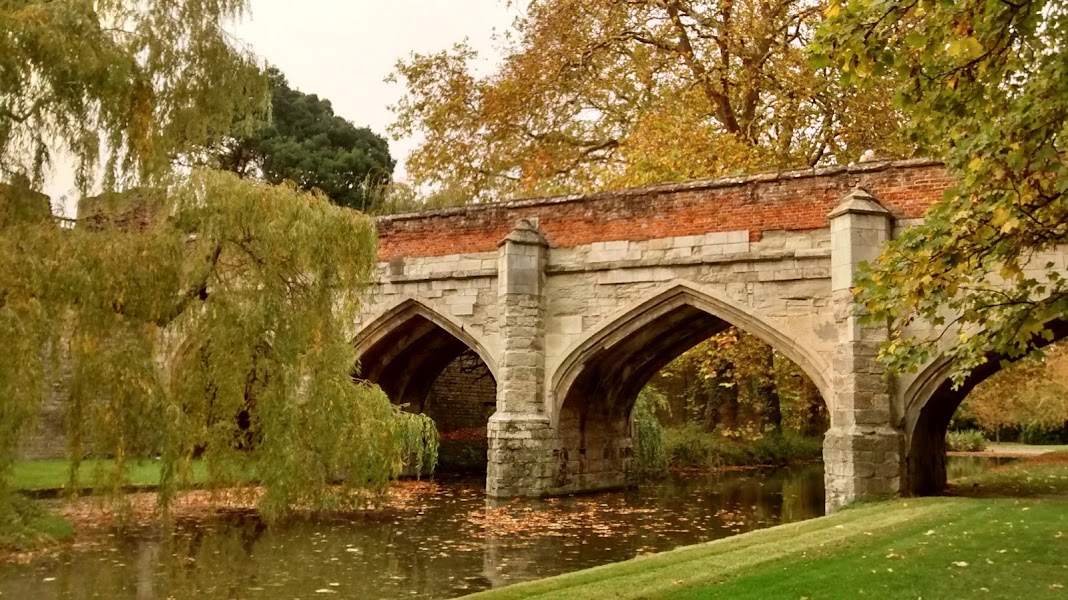
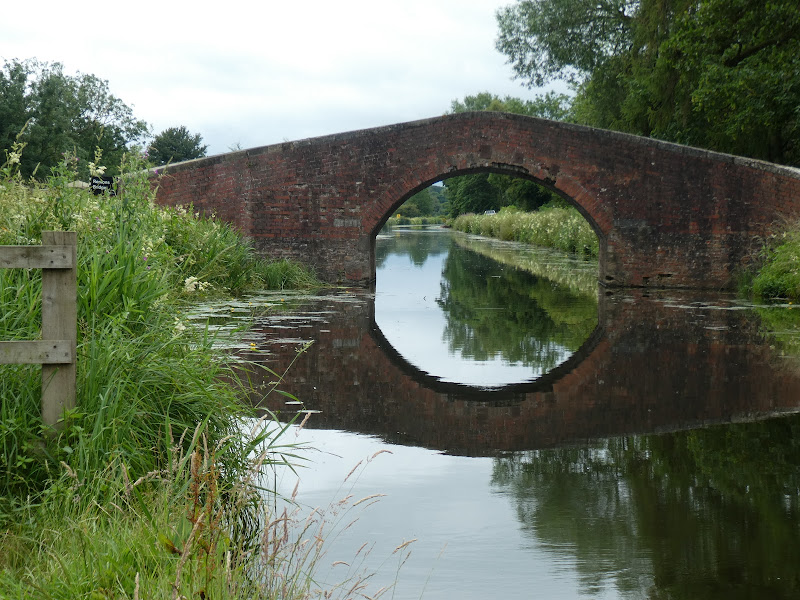
This first two are really quite small. Here’s a fifteenth century bridge, leading over the moat to Eltham Palace. Then here’s one of the bridges over Ripon Canal, opened in 1773. This canal may be the shortest in England – it’s only 2.3 miles long.

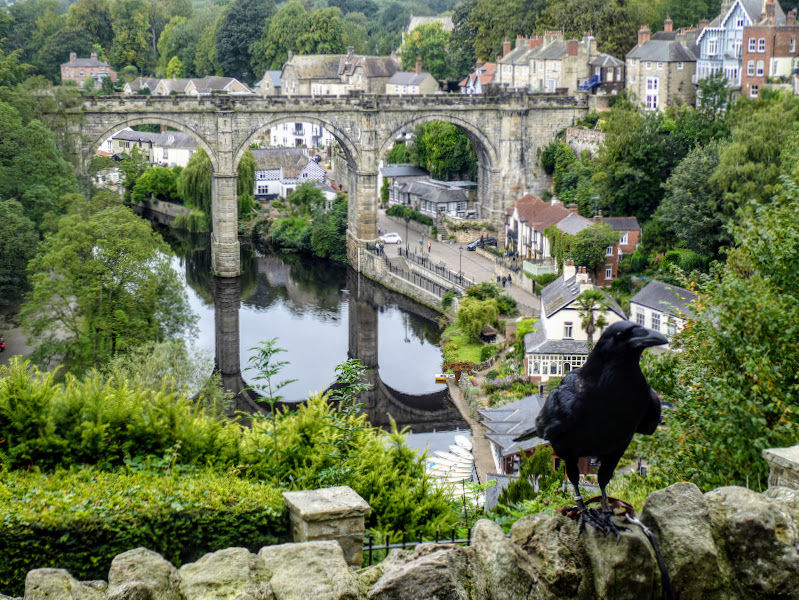
Knaresborough Viaduct is a railway bridge which spans the river Nidd in truly majestic fashion. I bet I’d have been a NIMBY protesting against such a huge change planned for the view of my town if I’d lived in Knaresborough back in the 1850s. Now I’d be joining the demonstrations if anyone suggested dismantling it.

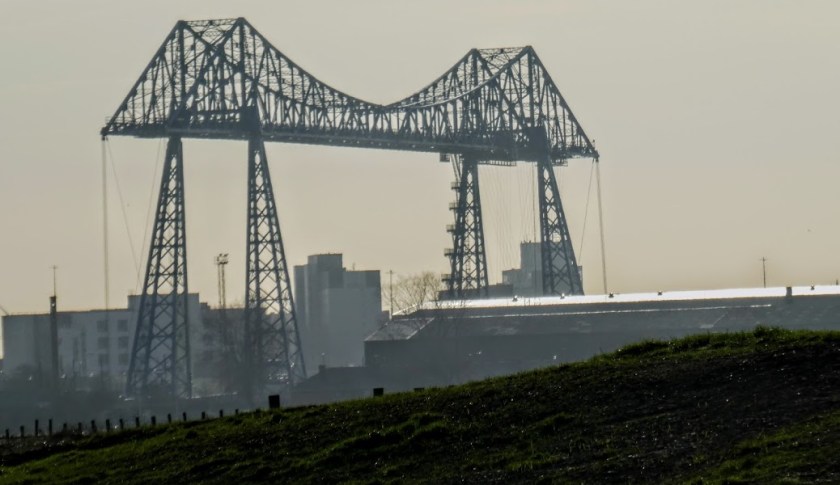
This Transporter Bridge in Middlesbrough is quite a thing. You can read all about it here.

1910

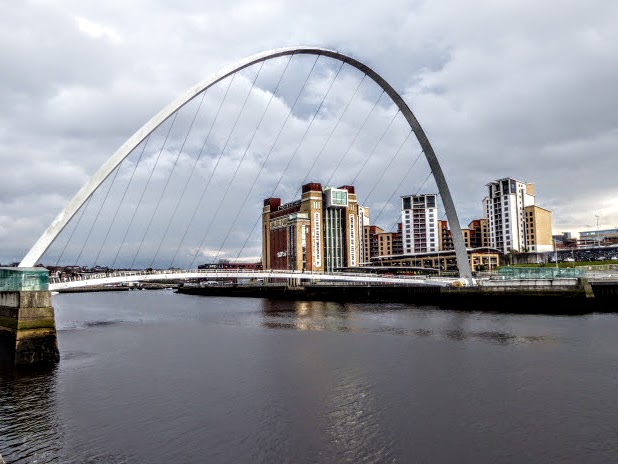
Last of all – my favourite: the world’s first and only tilting bridge – Gateshead Millennium Bridge.

The header photo shows what may be England’s most famous bridge: Tower Bridge, opening and closing for London’s shipping since 1886.

For Cee’s CFFC: Bridges

… and Alive and Trecking’s Which Way Photo Challenge.

A Daily Diary from Ukraine

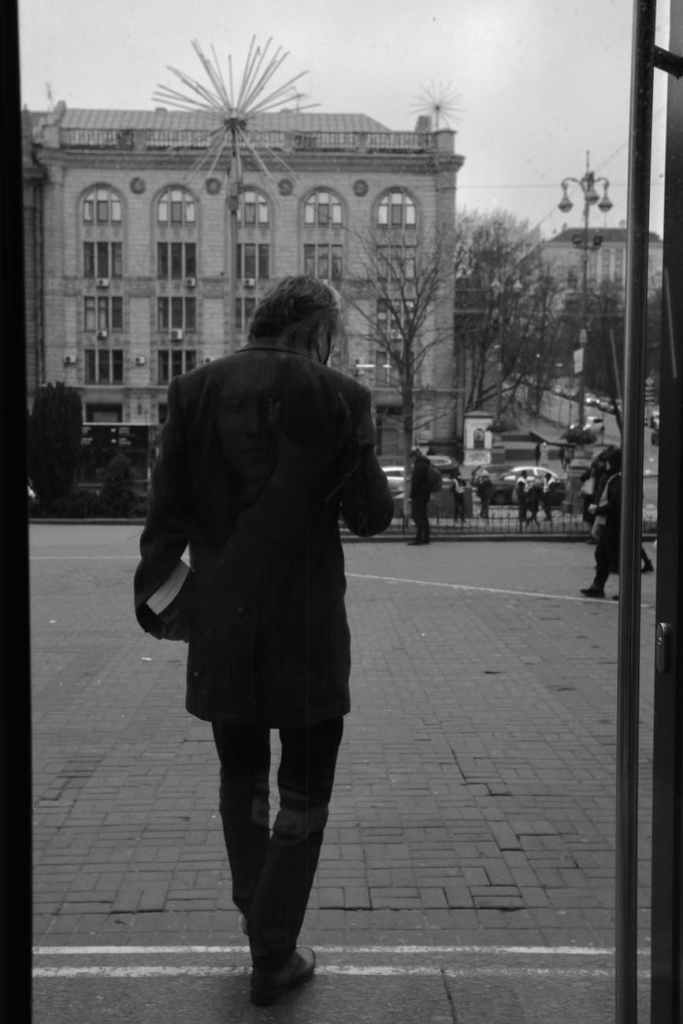
News from Ukraine continues to be dismal. But book blogger, Clare from Word by Word wrote the other day about a daily diary she follows, written in Kyiv by Ukrainian author Yevgenia Belorusets. I too can recommend her very moving observations and pictures to you. Here’s an extract from yesterday’s entry:

In front of the ruins yesterday, among shattered glass, deformed scraps of metal, and pieces of the roof, I met a woman: an elderly lady who was looking for cigarettes. The kiosk where she bought them every day was so badly damaged that there were no windows or even doors anymore. The salesmen themselves were no longer around; the cigarettes lay unprotected in the shop window. The lady was asking everyone where to get a pack nearby. I suggested she leave the money in the shop window and take the pack, as a kind of self-service. Then I asked her why she decided to stay in Kyiv during these uncertain times.

She told me that her mother, who turned 100 three months ago, died this past week. In the war’s early days, it was unimaginable that she and her husband would leave the city. Now she was simply here. Maybe she would stay. Her eyes were shining; she even looked a little happy.

She was a mathematician, a scientist who came to Kyiv from Murmansk as a child. With many quips, she told me the tangled story of her family, saved time and again from war, hunger, and Stalin’s repressions. She spoke melodically and with a delicate touch, as if the words of the narrative had bound themselves together beforehand, only wanting for a listener. Despite her age, there was something young about her face, and she moved quickly and gracefully among stones and splinters. Our conversation didn’t last long, but I keep thinking back to it. Sometimes in war you have the feeling that you don’t want to lose other people, even after fleeting encounters. And now that I’ve described that meeting, I feel I did something to hold onto it. 

The air-raid alarm doesn’t sound for the moment. We are safe. During the curfew, authorities recommend darkening the windows and turning on the lights as sparingly as possible. The streets are absolutely empty, and the houses look abandoned. It is a relief to think that at least these houses are not in danger right now as they try with all their might to mask the lives of their inhabitants, to make them invisible.

You can find her posts, and sign up for daily updates here.

Kyiv in happier times: Nana Lapushkina, Pexels

Red Squirrel, Grey Squirrel

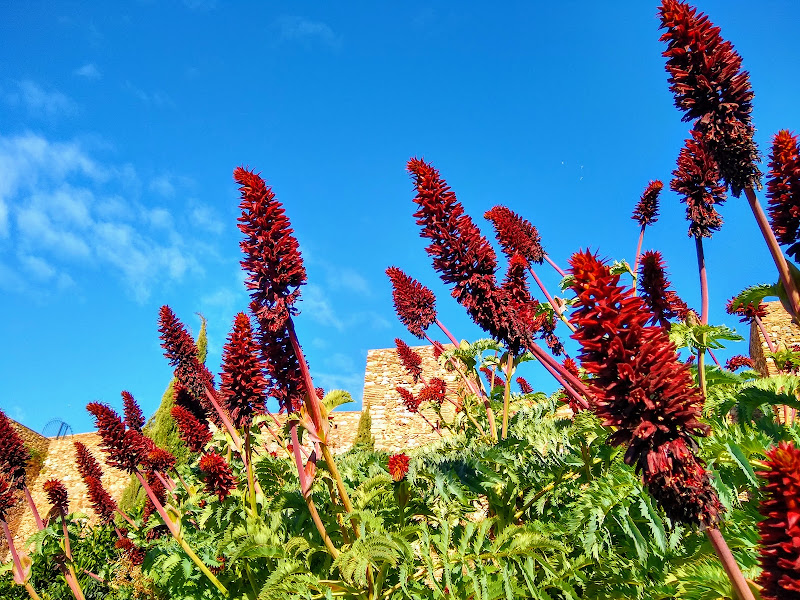
Pretty much exactly three years ago, we were in Málaga, and yomping up the hill towards Castillo Gibralfro, the fortified castle which protected the city for centuries, and shown in the header photograph.

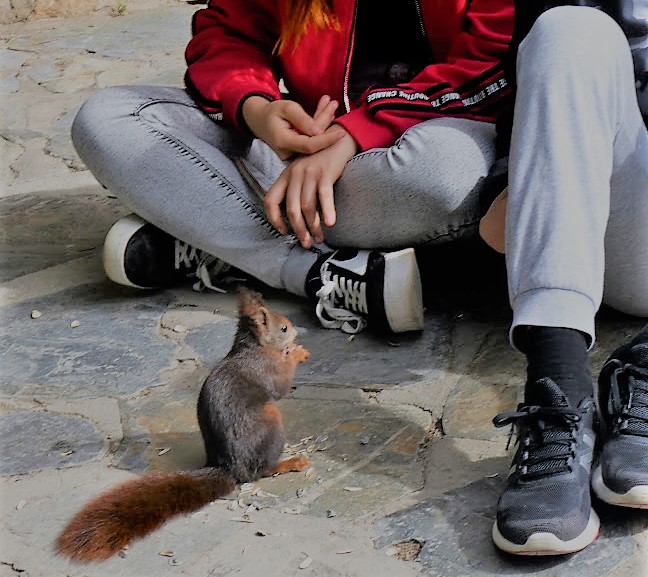
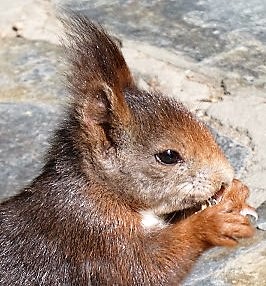
Part way up, we were charmed to be accosted by the local red squirrels, who very politely skirted round any visitors they met, asking for nuts.

This cheeky chap clearly stole the hearts of these two teenagers.

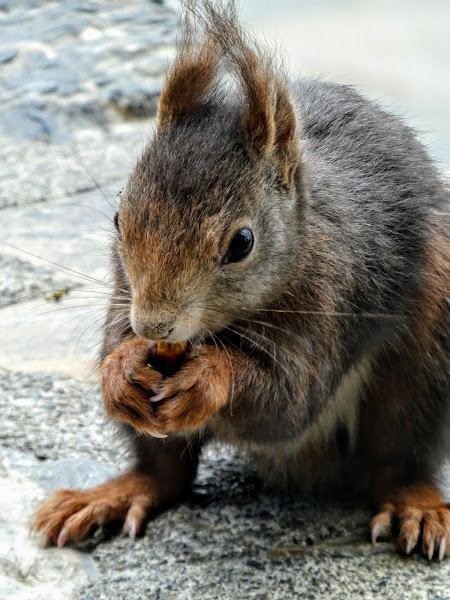
Let’s move in just a little closer ..

…. and closer still …

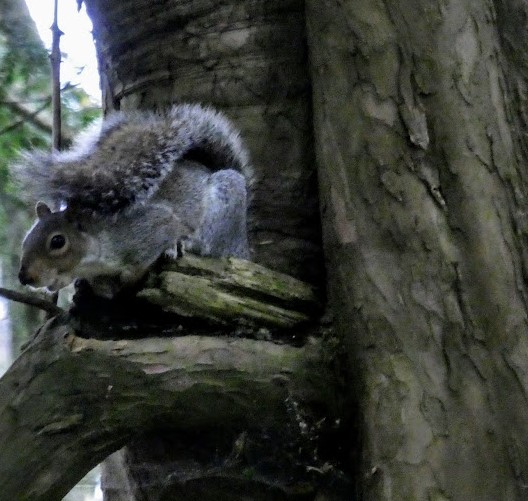
I thought of this little charmer when I was posting my Monday portrait of that irritated grey squirrel I met at Fountains Abbey. This was the ideal chance to compare the two squirrels who each lived on historic sites. They’re more different than I at first realised.

Those ears. Those eyes. They’re quite different, aren’t they?

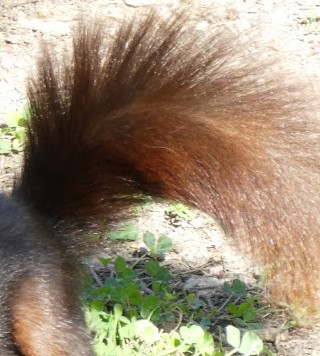
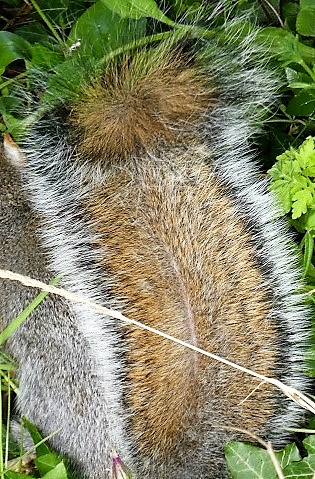
And what about the tails?

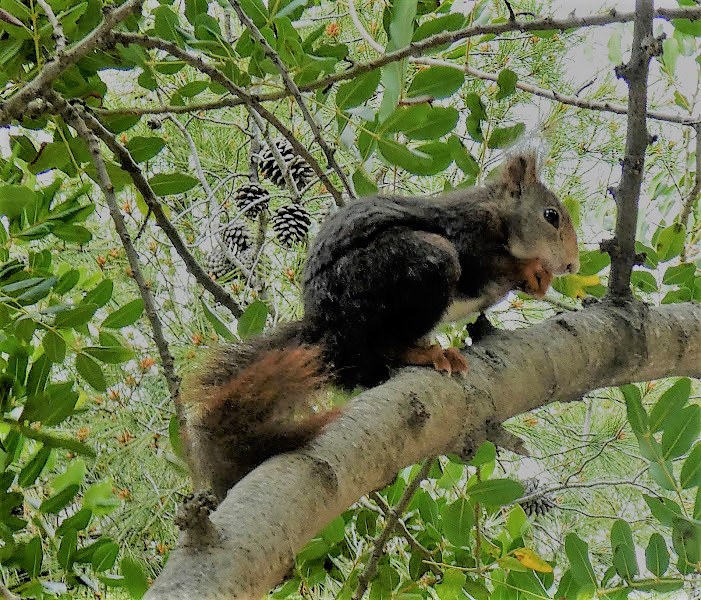
Here they both are, back in their respective trees:

For Patti’s Lens-Artists Photo Challenge #190: Close and Closer