Six Degrees of Separation: From The Snow Child to a Mistletoe Murder

On the first Saturday of every month, a book is chosen as a starting point and linked to six other books to form a chain. Readers and bloggers are invited to join in by creating their own ‘chain’ leading from the selected book.

Kate W: Six Degrees of Separation

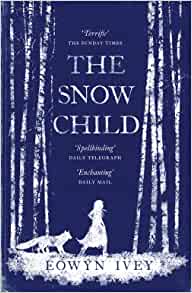
This month’s reading began with Eowyn Ivey‘s The Snow Child. I suspected magical realism and expected to cast the whole thing aside. But this reworking of the traditional Russian fable utterly disarmed me. Set in barely-settled 1920s Alaska, the frozen landscape and the fresh and flower-strewn spring, the tough-because-they-have-to-be characters, the hardships and friendships make this a believable, yet lyrical story which transported me willingly to a different world.
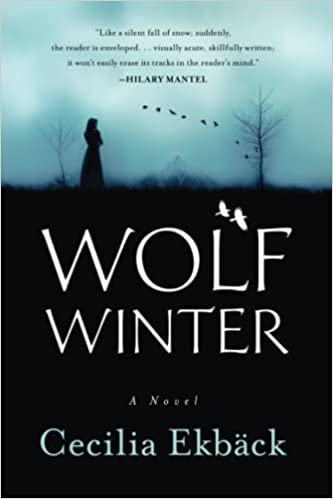
I remembered a book which gave me a similar reaction: Cecilia Ekbäck‘s Wolf Winter. As an evocation of life in an isolated 18th century community of far-flung homesteads in northern Sweden it’s quite wonderful. The sheer drudgery of keeping alive in the long dark days of winter; the isolation; the fear of beasts and evil spirits: in fact the pervasiveness and absolute acceptance of a spirit world was involvingly brought to life. But it’s also a murder mystery, and this pulled me in far less. Nevertheless.five years on, those evocative descriptions of tough lives in a tough place stay in my mind.
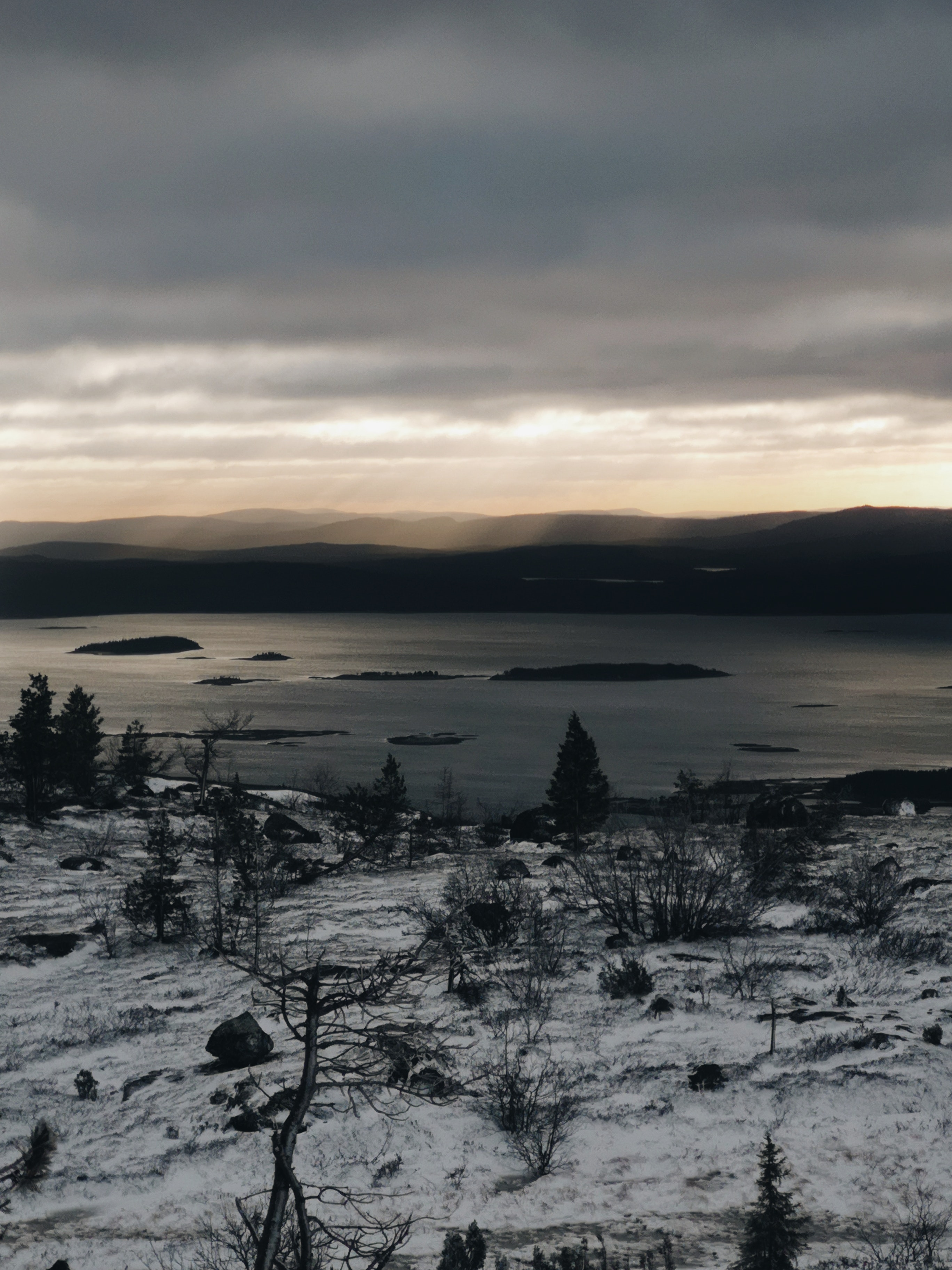
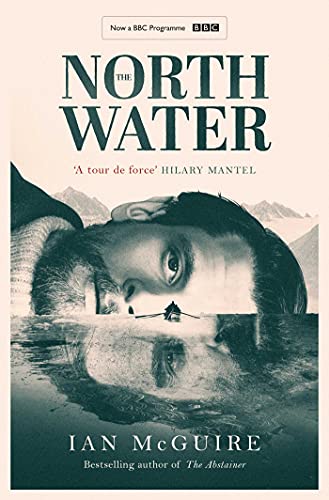
Yet more tough lives in unforgiving conditions. The North Water, by Ian McGuire. This is a gritty story set largely in a 19th century whaling ship. There’s violence, brutality, bad language, bowel movements a-plenty, but it doesn’t feel gratuitous. Patrick Sumner has – we eventually discover – left the British Army in disgrace and his options are few. He becomes a ship’s surgeon on the whaling ship, and finds that a hard and desperate life becomes even worse as the ship and its crew battle against an arctic winter and a particularly brutal and amoral member of the crew. An involving and gripping story that recreates a world I can only be grateful not to be a part of. And – British readers – I’ve just discovered that the book has been made into a five part series available on BBC i-player.
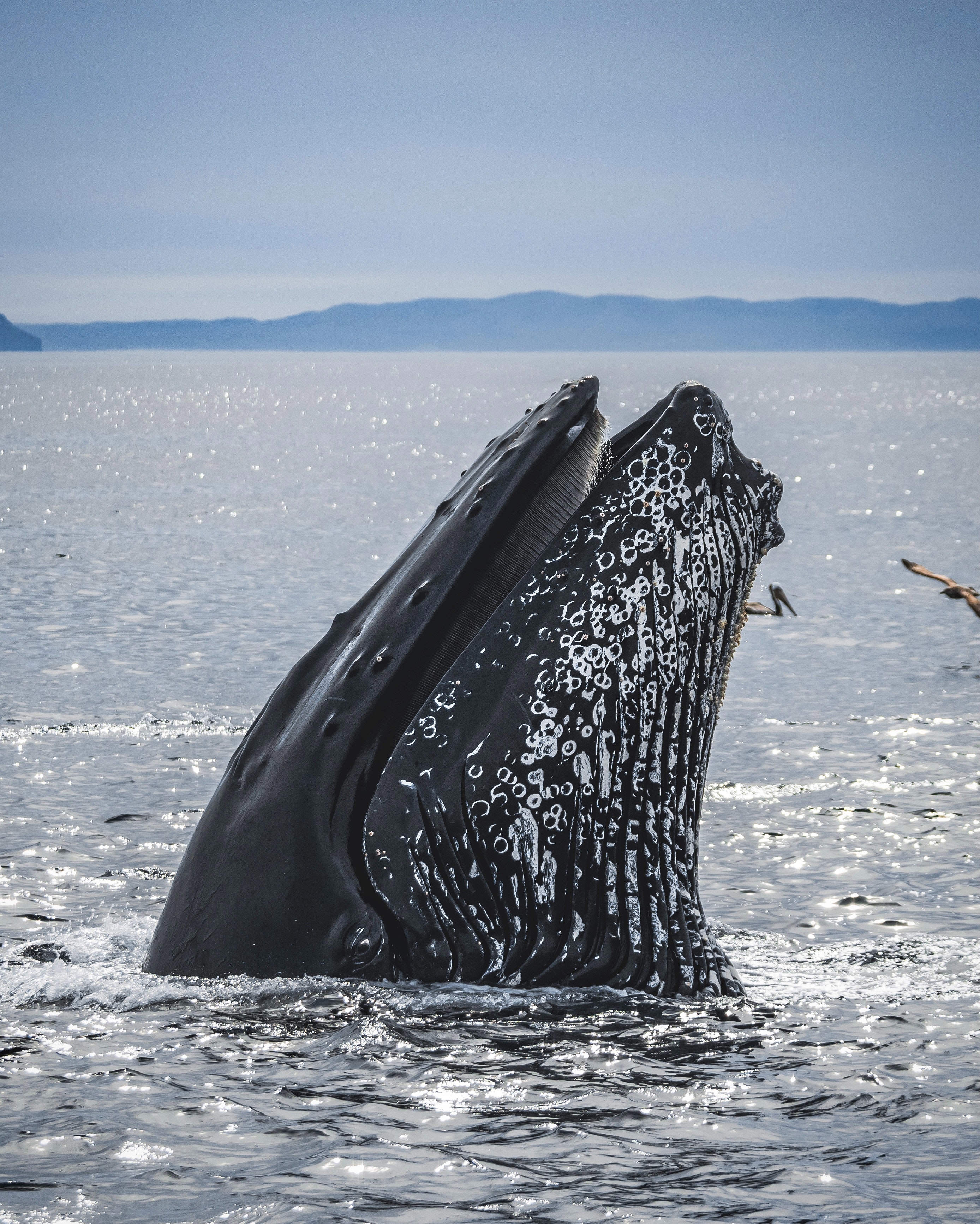
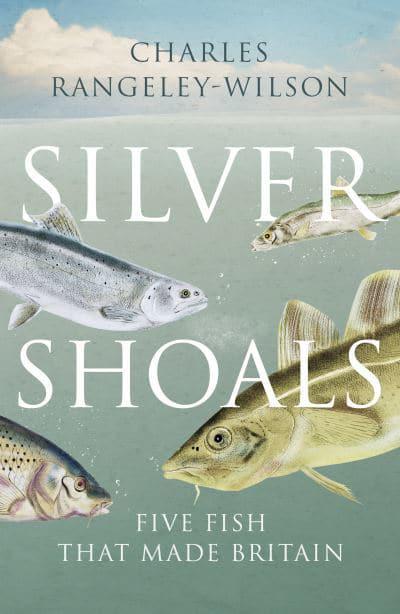
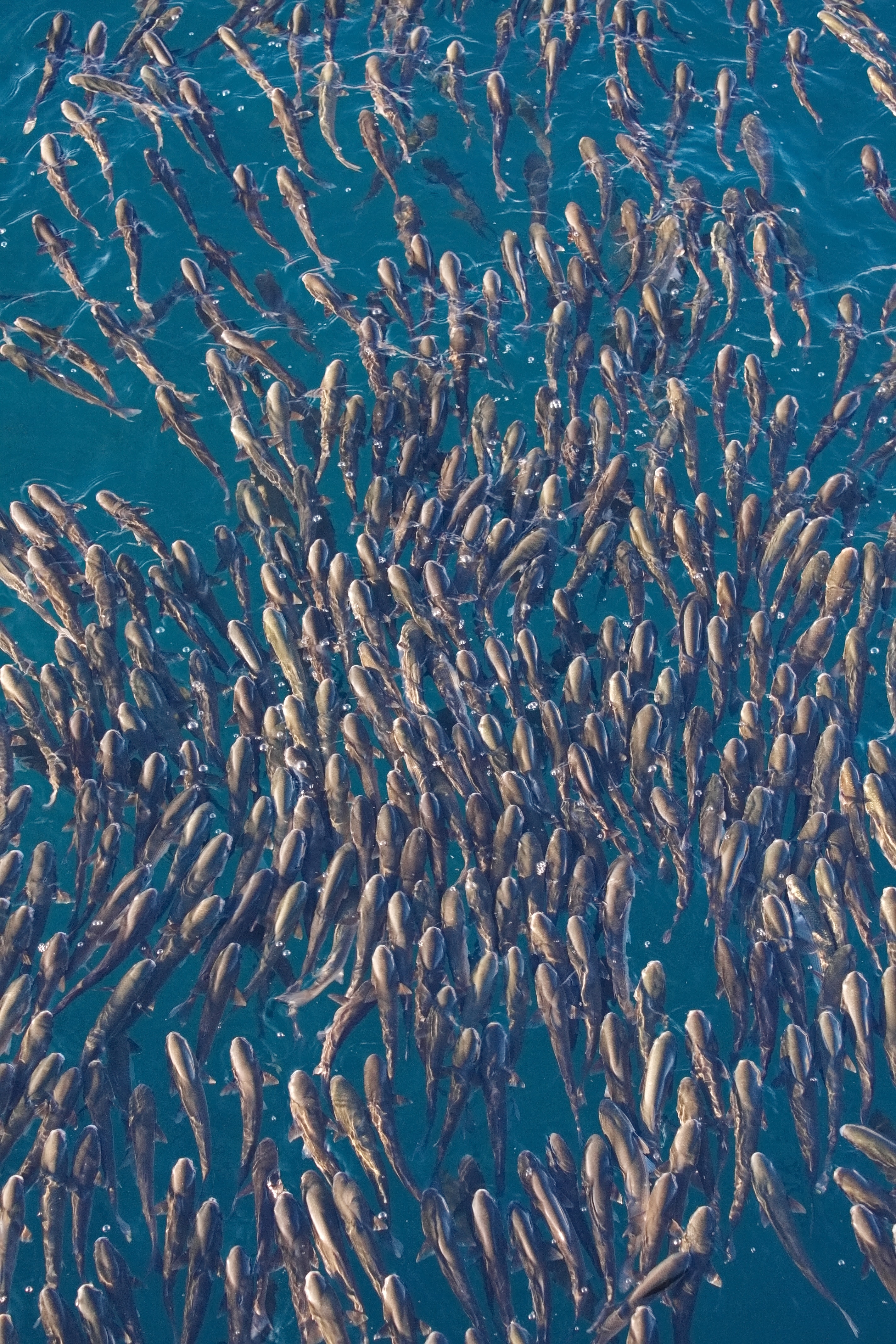
Let’s stay at sea, and with fishing, but let’s lighten the mood – please – by turning to Silver Shoals, by Charles Rangeley-Wilson. I was entirely and unexpectedly engaged by this book, an exploration of our nation’s iconic fish: cod, carp, eels, salmon and herring. This is a story of the fish themselves; of fishermen; of the consequences of greed and the way back from it; of geology; meteorology; our nation’s social history as it relates to food and farming; of corruption and political will. It combines serious discussion of issues with good yarns about the fishermen who took Rangeley -Wilson fishing with them, whether on week-long voyages on trawlers, or half day sorties to the local river bank. He travelled north, south, east and west in quest of fish and their stories, and produced and absorbing account which I read in record time because I was so enthralled by all the threads of the story Charles Rangeley-Wilson told.
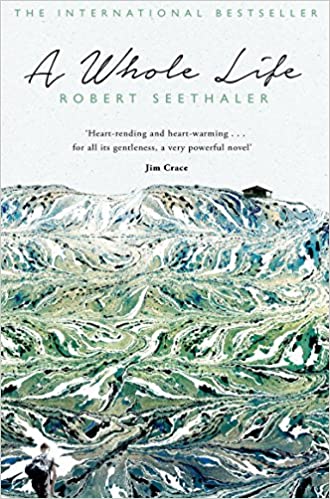
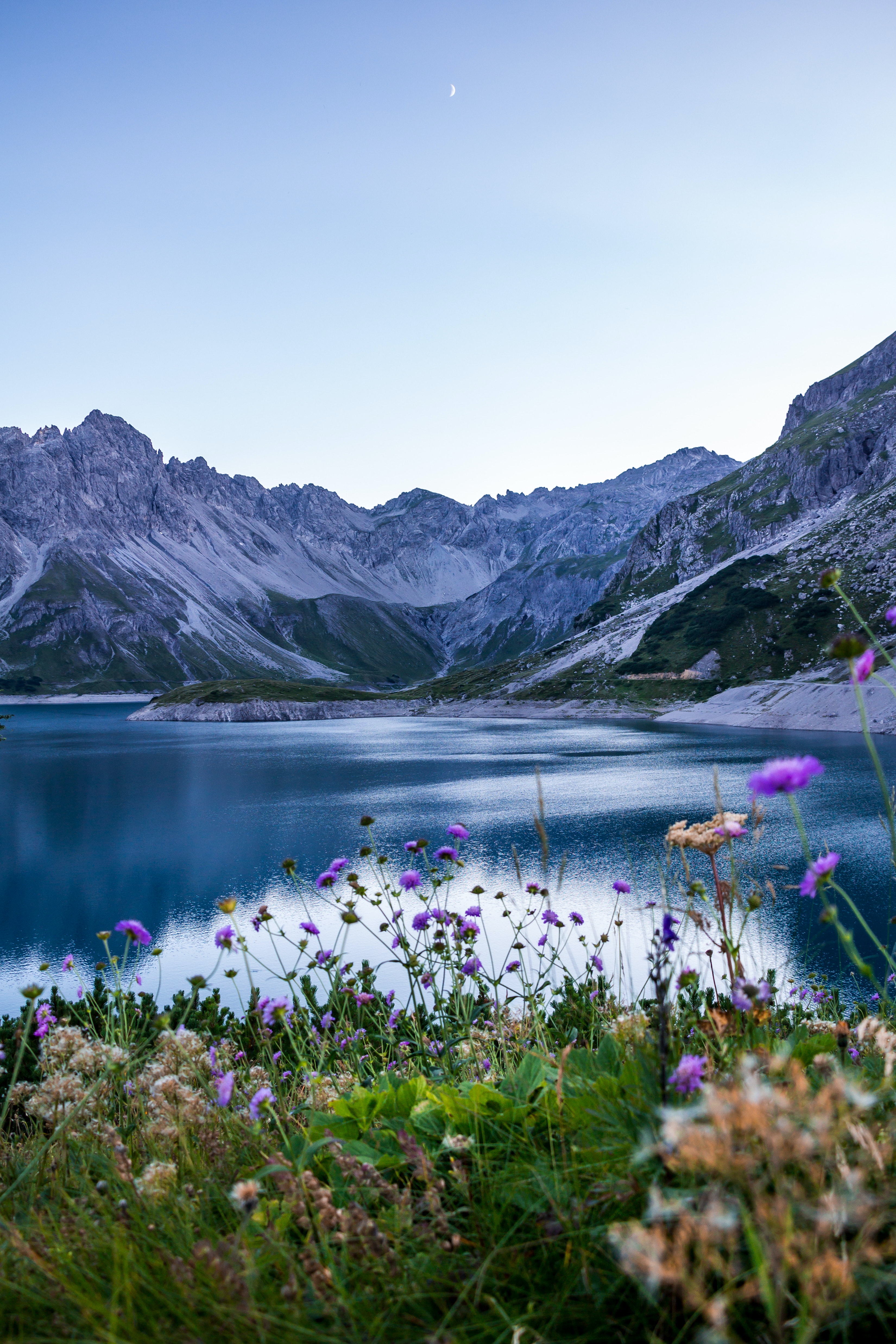
My next book is set not at sea, but in the mountains. However, there is the same attachment to place here that fisherman seem to have to their chosen piece of water.. A Whole Life, by Robert Seethaler. This is a spare and restrained telling of the story of a life. The life of a lonely, but not discontented man living in a small community in a mountain valley, after a chequered and varied early life. This is a man who values solitude, and the landscape in which he lives. His needs are simple, but even these are not always easy to meet. A poetic, satisfying book. It’s a work in translation, but this is an accomplished piece of work which reads beautifully, and deserves re-reading.
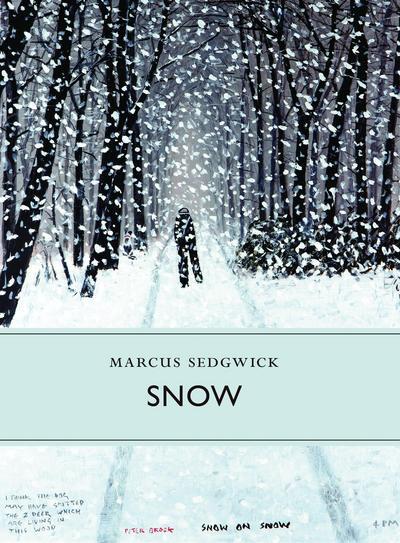
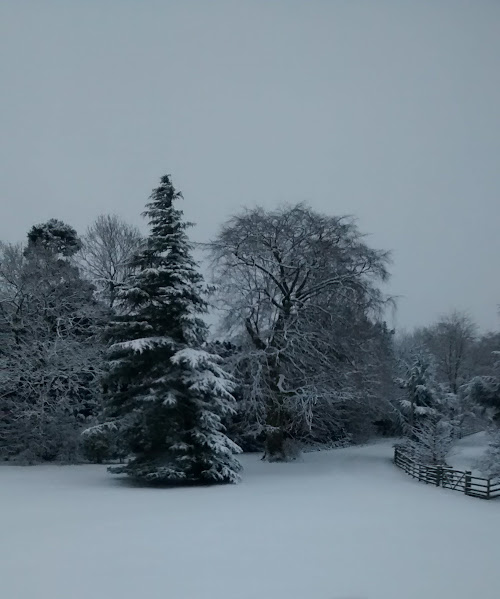
Marcus Sedgwick lives in the Haute-Savoie, not really so very far from Seethaller’s hero. One of his books is Snow. This is a beautifully presented and thoughtful little monograph. Always fascinated by snow, Marcus Sedgwick’s chosen home is one where snow in winter is a daily reality. He’s come to appreciate that there is far more than one kind of the stuff, and that some of it is ‘the wrong kind’, getting in the way of the everyday lives of those who are very accustomed to snow of all kinds. He wanders discursively through science, literature, art, and personal anecdote to build up a vivid picture of this fascinating substance which exercises such a grip on our imaginations and our daily lives when we encounter it. A book to read, to savour, and to continue to dip into from time to time.
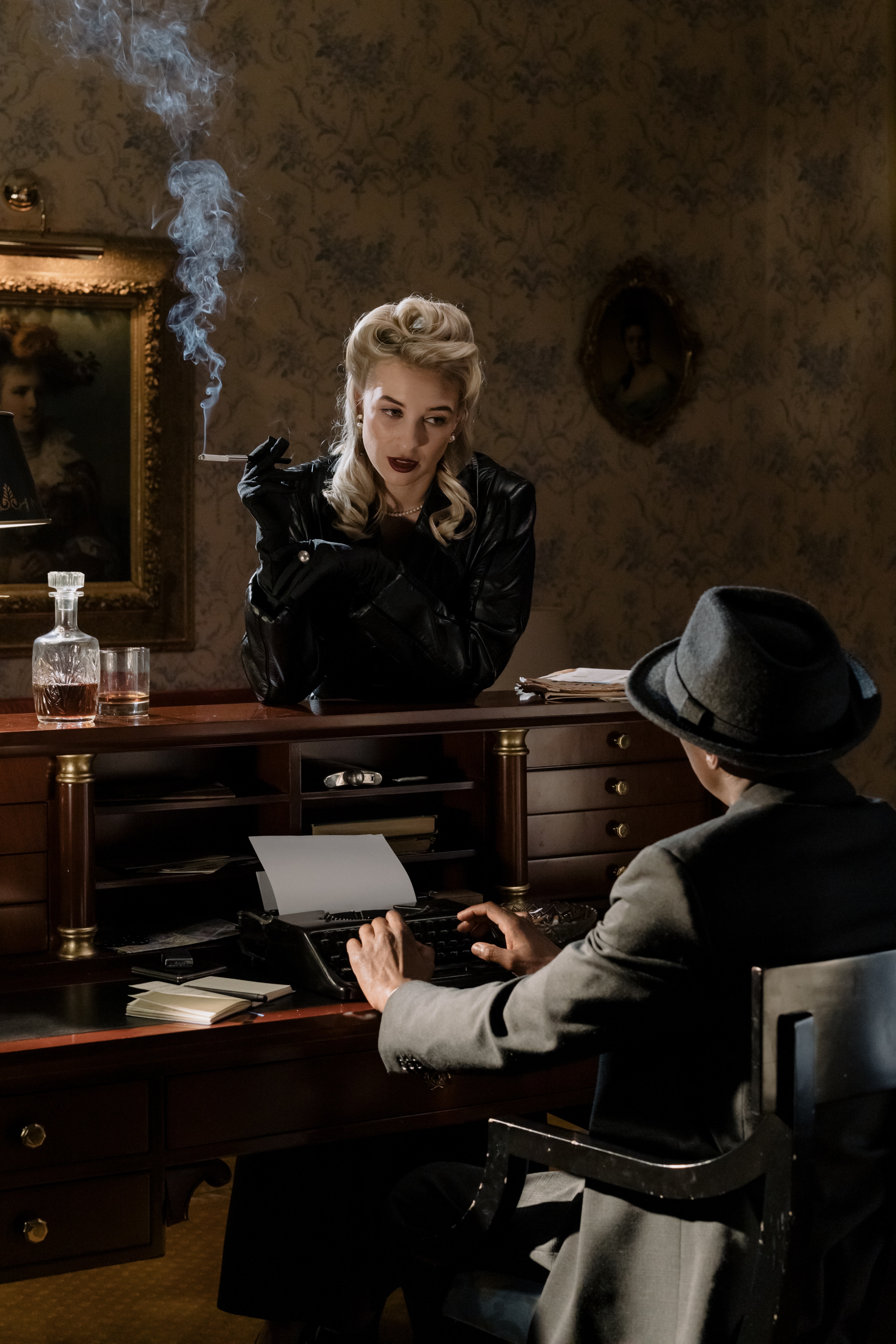
Now, let’s lighten the mood. It’s nearly Christmas shopping time. Let’s choose another short book, with winter at its heart. The Mistletoe Murder and other Stories, by PD James. The Guardian describes this book as ‘a box of crackers’, and so it is. These are four short stories of murder most foul that were all originally published elsewhere, all set round about Christmas time. They’re clever, and not at all likely to be mistaken for Scandi-noir. These quickly read little gems, nicely presented by Faber and Faber, would make an ideal stocking filler.

So there we have it. From one murder mystery to four murder mysteries, with four stops in between.

It seems to me that next month’s starting book could hardly be more different. It’s Beach Read, by Emily Henry.
Walking in fog

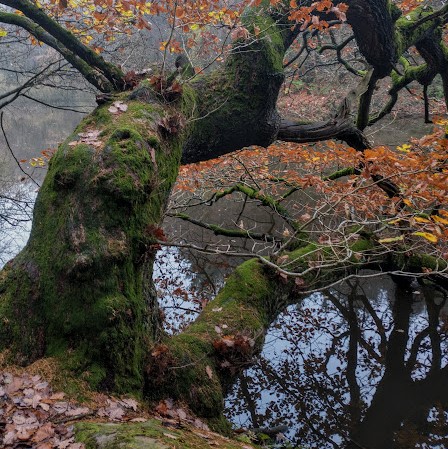
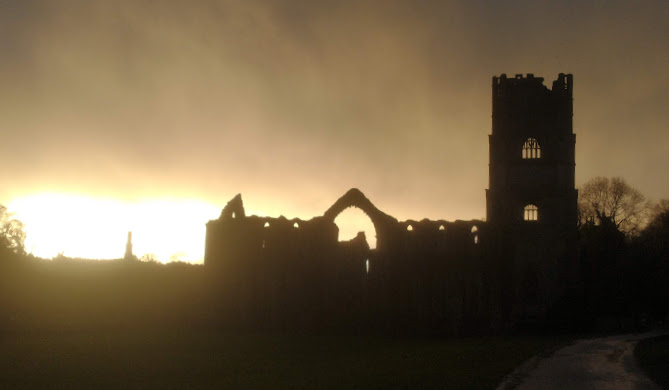
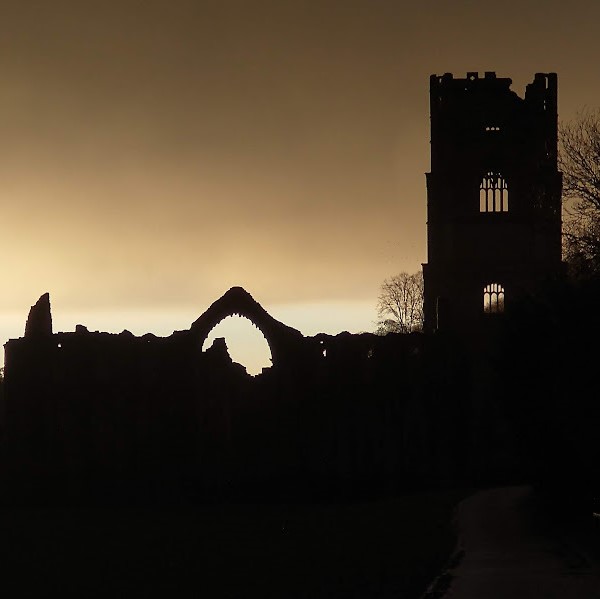
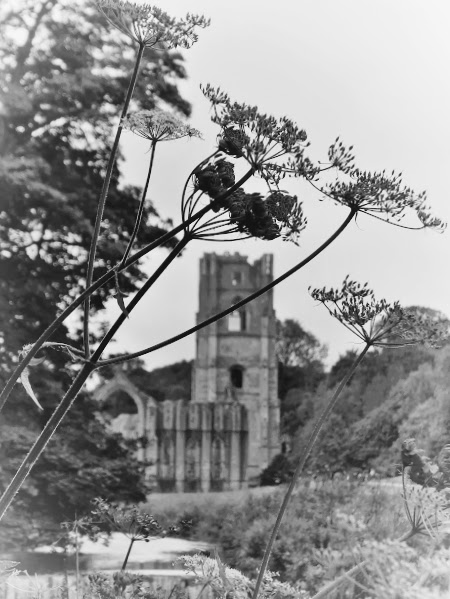
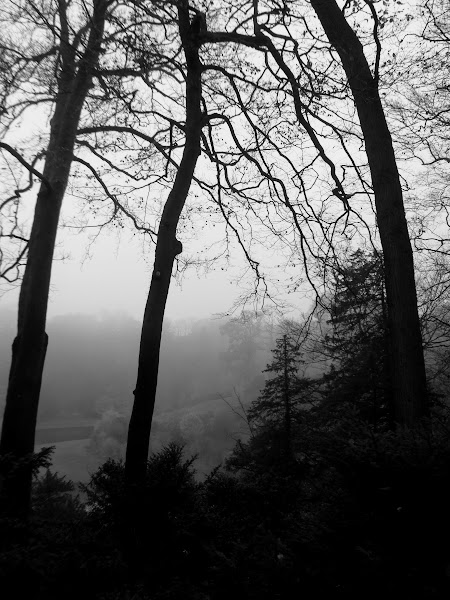
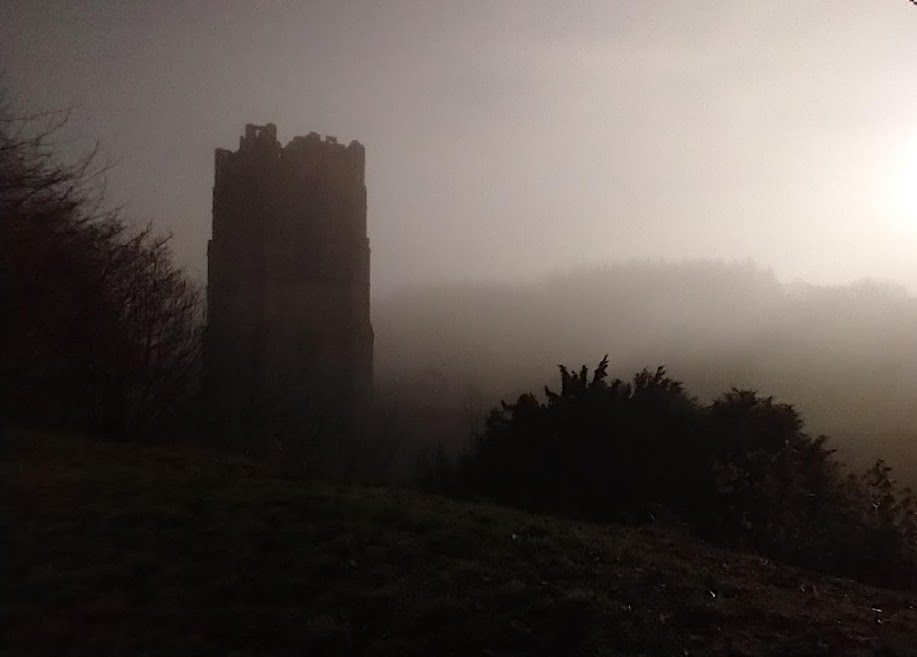
Yesterday was foggy. All day. Yesterday, when I took a photo – the header photo – at Fountains Abbey, it was so murky I thought it could pass for a sepia image. I’m going to chance calling it monochrome anyway. And since we could barely see ahead of us, we focussed on the ground below. And were rewarded. This is rather a fine tree trunk, I think.
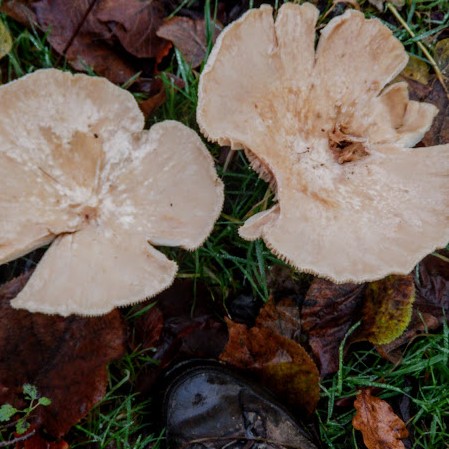
And these Giant Funnel Fungi are rather fine too. Regular readers know that I am keen on foraged food, but I’m glad I didn’t bring these home. Here’s what the website Wild Food says: ‘A large chunky mushroom which can be found in fairly large numbers and is edible to most but can cause gastric upsets in some. This doesn’t really matter as the mushrooms are usually infested with maggots, even when young, making them more maggot than flesh. Not so appetising then … but look how huge they are! That’s a bit of my boot at the bottom of the frame.

This is the last day of November, a month in which Becky has been encouraging us to get out walking, whatever the weather. I’m glad I’ve joined her, and everyone who’s participated in Walking Squares. Thank you!

And I’m going to see if my header photo squeezes in as a Mid-Week Monochrome.

I nearly forgot. It’s destined for Jo’s Monday Walk as well.

The Way through the Woods

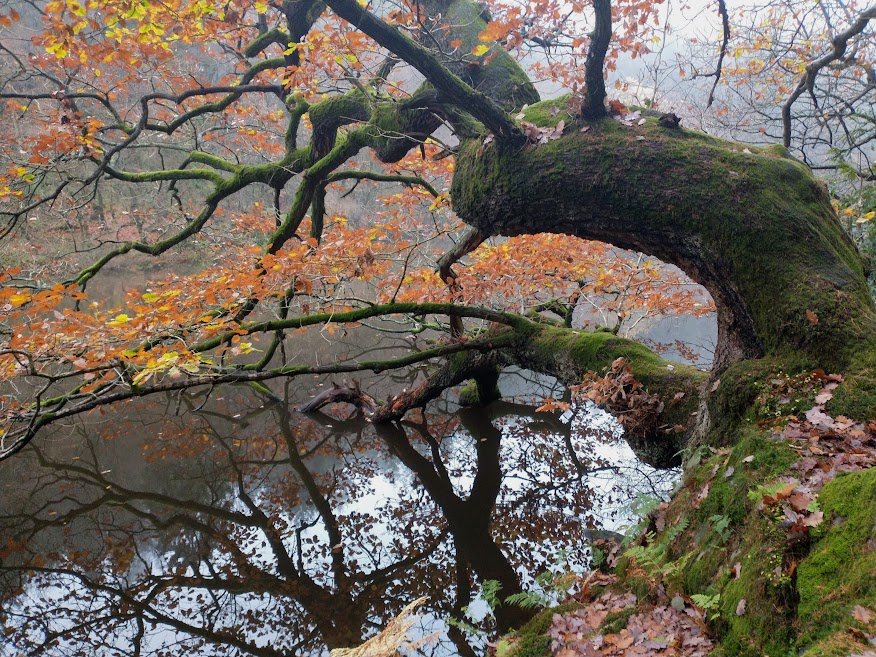
Not far from here is a wood. And in this wood, there is a lake, Eavestone Lake. It’s always quiet here, because there is no road nearby. Simply quiet, leaf-mould paths. The trees look ancient, but in the main, they’re not. We met an old forester recently, who told us he remembered when these woods were cut down for timber when he was a boy. The trees have simply regenerated.

Some of the older trees were left. And they tend to twist characterfully and lean over into the lake. Like this one, of which I show two images, one for Becky’s Walking Squares, while the header photo is for Jez’s Water, Water Everywhere.

This place always puts me in mind of Rudyard Kipling’s The Way through the Woods, which, if you’re so minded, you can read here.

Ignore the rain and walk anyway

For her Walking Squares challenge, Becky is encouraging us to walk whatever the weather. On Thursday, I had no choice: I was on duty at Fountains Abbey. The rain was so vertical, so clamorously unrelenting that getting out camera or phone would have been foolish. Once I’d faced the fact that that I’d drawn the shortest of short straws, I quite enjoyed the ceaseless drumming of the water, dodging the puddles as they became rivers, and watching the water birds demonstrating by their surly inactivity that even they thought it was all A Bit Much.

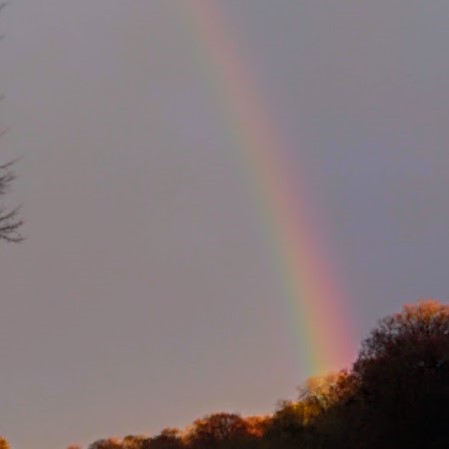
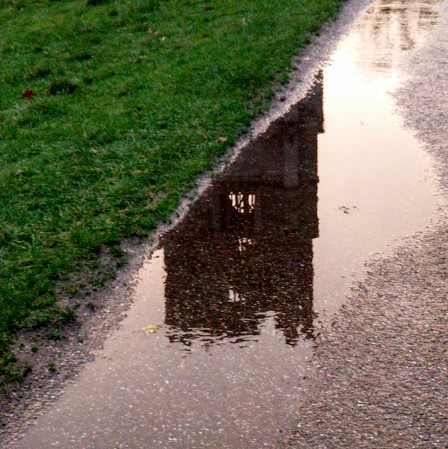
Unexpectedly, a quarter of an hour before it was time to go, the rain stopped. The sky lightened, the puddles offered up reflections, and – thank goodness – I turned round, in time to see this rainbow. Probably just past its best, but at least I saw it.

Here are the final minutes of my afternoon.

For Becky’s #Walking Squares

and Debbie’s Six Word Saturday

Five at Five – Margaret of From Pyrenees to Pennines

Oh look! Bren, of Brashley Photography fame has interviewed me for her weekly series of posts about fellow bloggers – Five at Five. Read all about it – here. And thank you Bren: I feel very honoured.

Bren's avatarBRASHLEY PHOTOGRAPHY

This week’s Five at Five Intro features Photographer Margaret. Margaret says in her About Page of Pyrenees to Pennines blog.

We live in Yorkshire. Until March 2014, we had lived in the Ariège, southern France, and we spent six and a half years there. I shared many of the experiences we had there in this blog, which was then called ‘Life in Laroque‘.

The beach, a favorite place to be.

Five at Five Questions – Photography

  • When and how did you start on your photographic journey?

Two things happened in 2007. We moved to live in France; and I went on a largely solo trip to India. Both seemed to require the services of a decent camera and an inquisitive eye.

  • What subject do you like photographing the most?

I don’t have a niche. I like to gather impressions of the landscape or townscape that I am in, particularly if…

View original post 573 more words

Colour? Or Black & White?

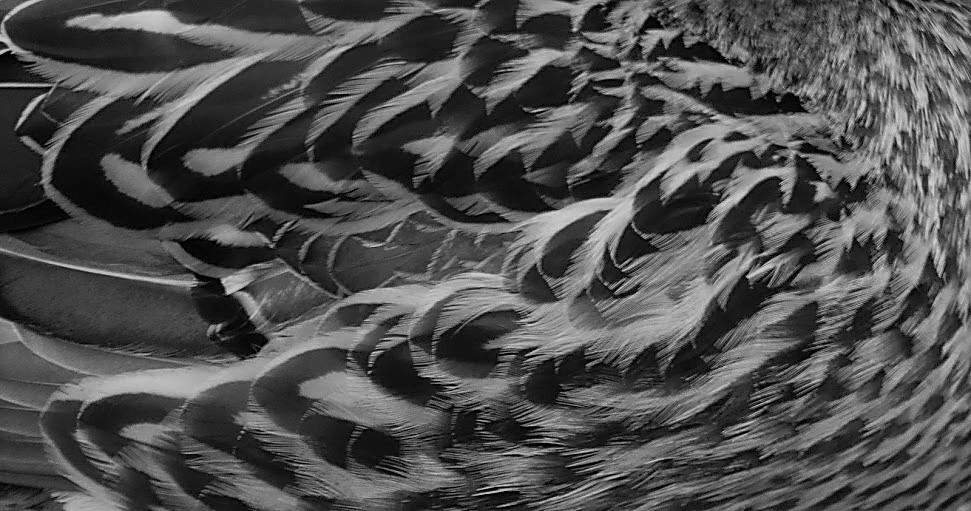
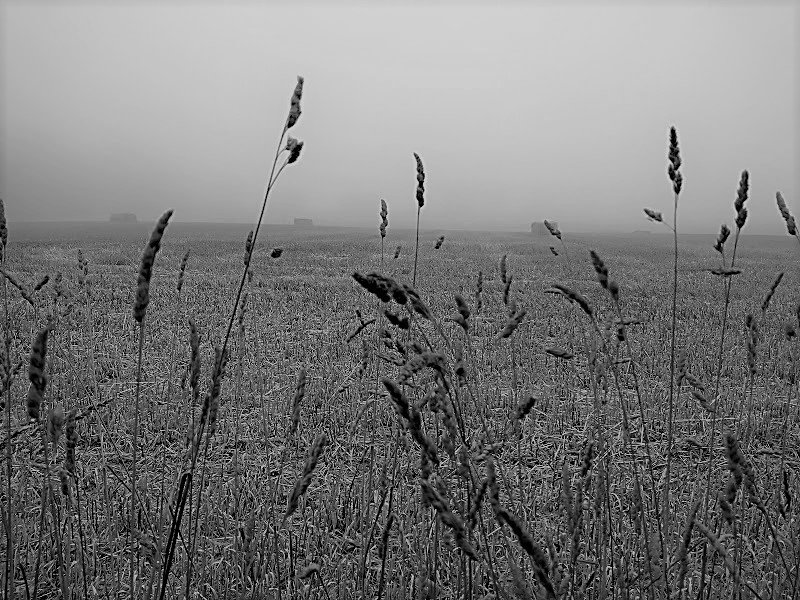
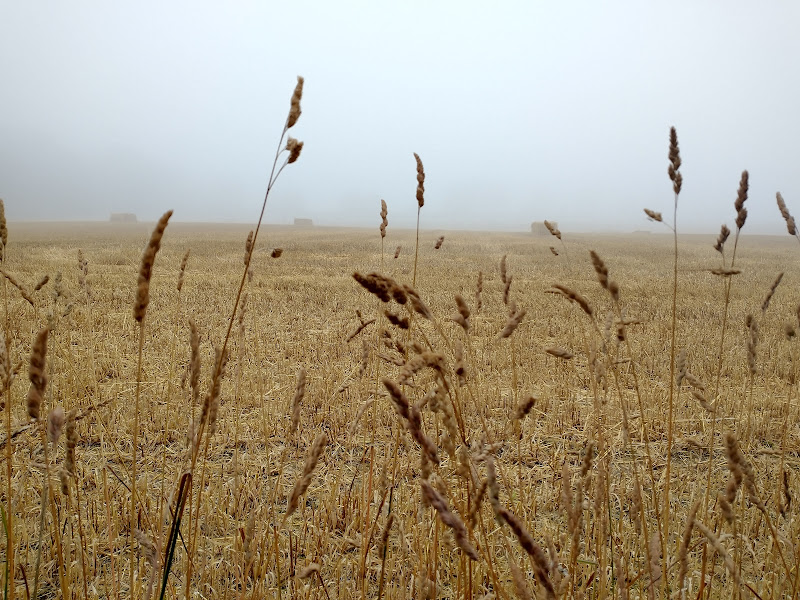
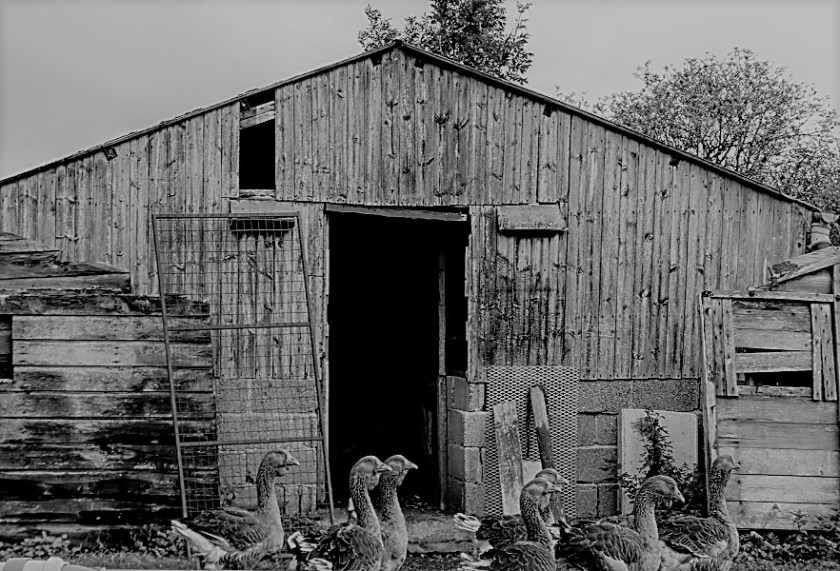
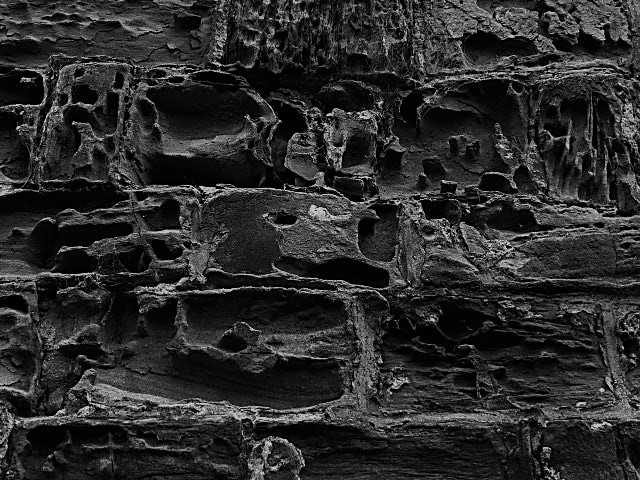
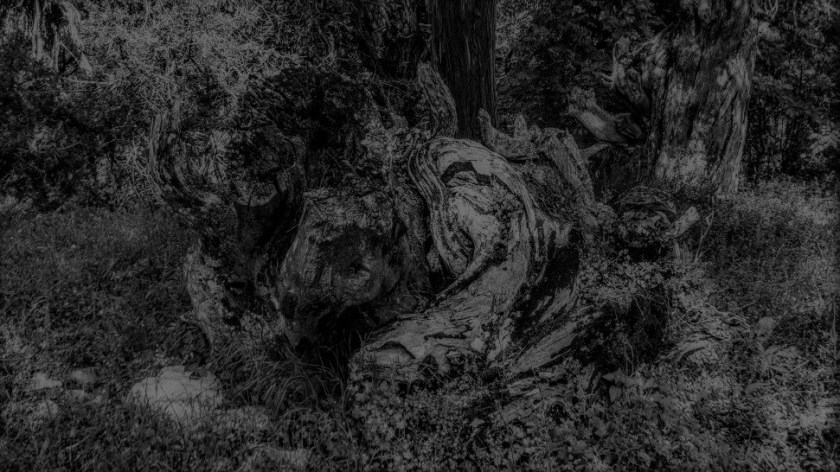
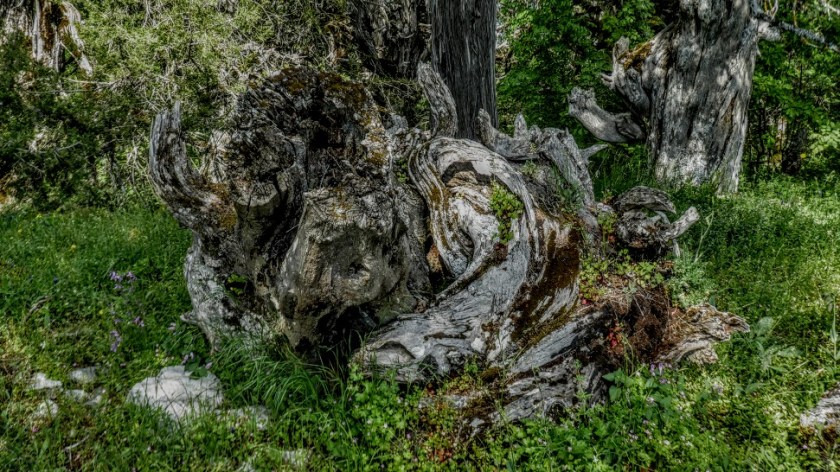
I would like to try an experiment today: and I’d like your help. This week, Jude, of Cornwall in Colours, has set the Lens-Artists Photo Challenge #226, and has asked us to focus on illustrating texture. I started browsing through my archives, and then I read Sarah of Travel with Me‘s contribution. She had decided to showcase her choices in monochrome, which she felt highlighted texture better than colour. I immediately agreed with her.

And then. I wasn’t so sure. Here are my choices, shown both ways. I’m not using WordPress’ Image Compare feature, which irritates me, as I can never see either image properly. Click on any image you would like to see full-size.

Let’s try a typical North Yorkshire landscape. It’s the drystone wall that interests me.

Near Grimwith, North Yorkshire

Or some grasses…

A field somewhere near home.

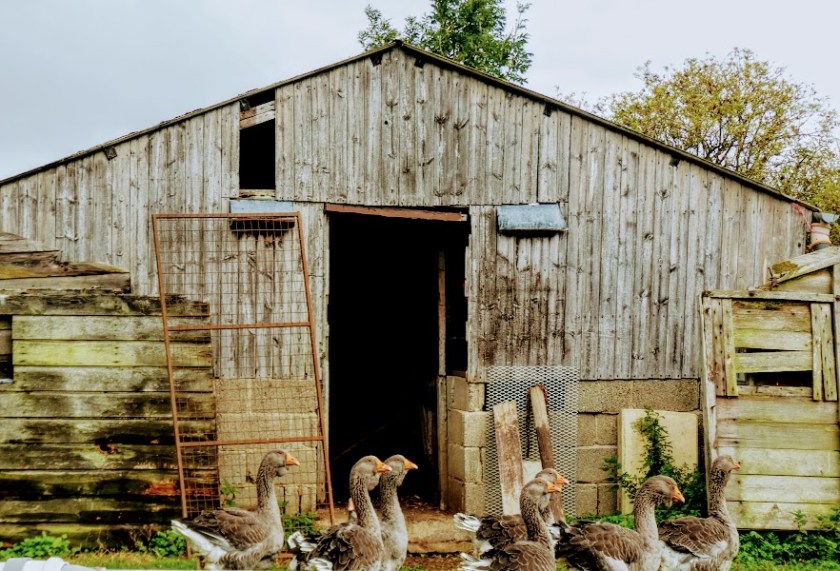
What about a slightly dilapidated farmyard shed?

Near Hovingham, North Yorkshire.

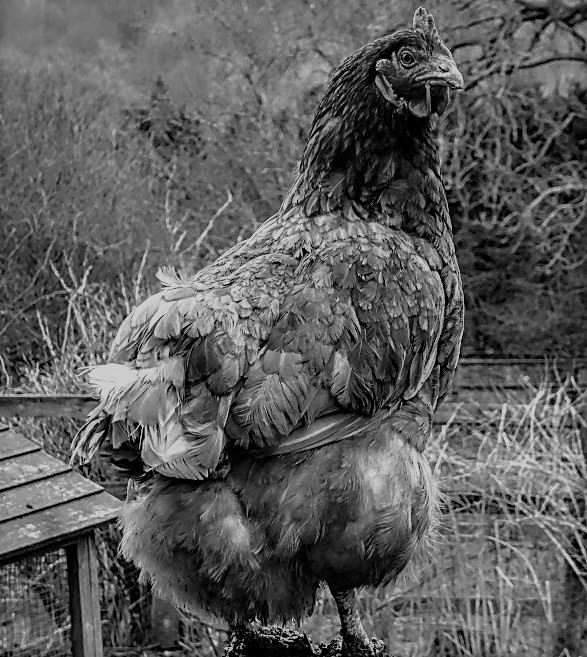
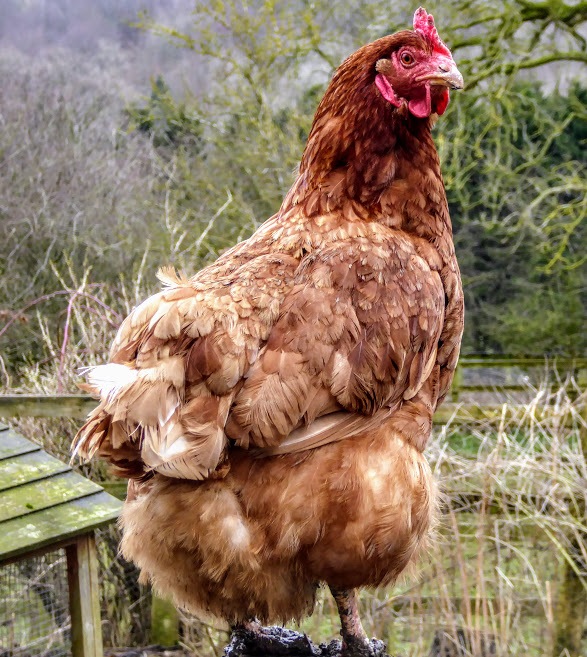
Or a farmyard hen?

A friendly neighbourhood hen.

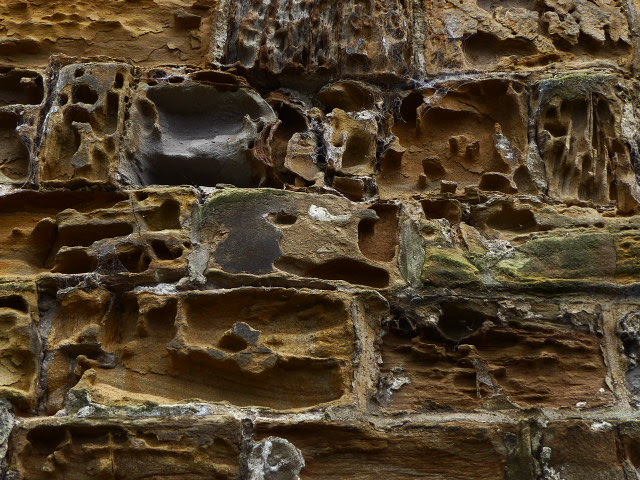
Or a weathered wall in Newcastle?

Or an even more weathered olive tree in Greece?

One of the ancient olive trees of Agios Achillios

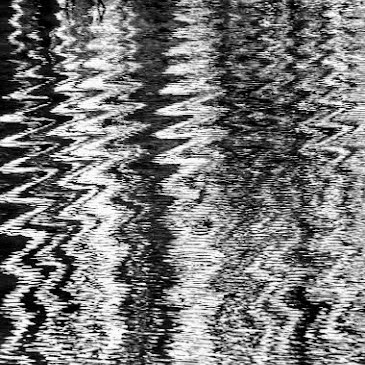
And then there’s the featured image of course, not shown in colour. Any guesses?

I’m offering this post to Bren too, for her Mid-Week Monochrome #115

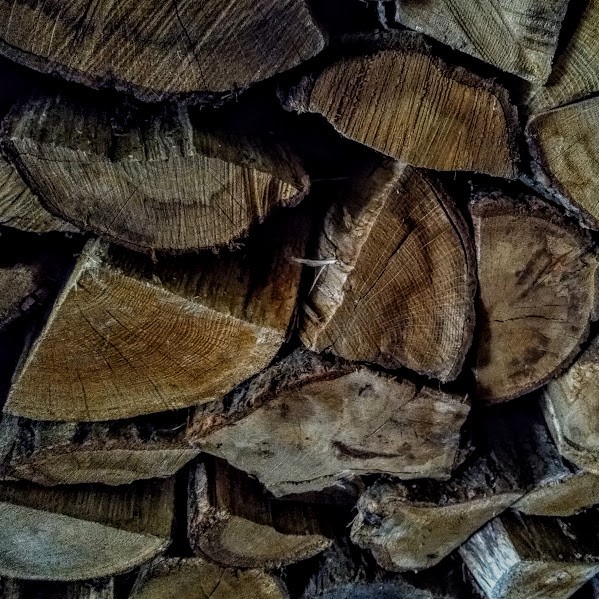
And just one more final offering. Becky, for her #Walking Squares, has been out in all weathers. Let’s offer her the makings of a roaring fire.

Monday portrait of a young cow

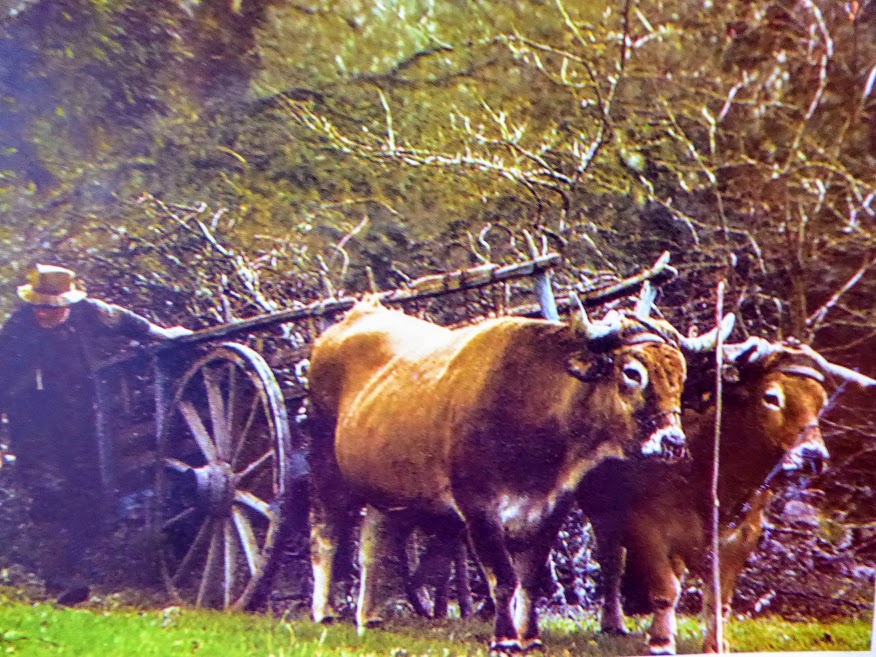
This shot was taken in the Corrèze, a rural part of France where the cow is – er – queen. The header photos shows that within living memory, oxen were still used as tractors. This area still has the feel of somewhere that time has forgotten. Happy souvenirs of a wonderful holiday of walking in gentle countryside with the ancient town of Corrèze as our backdrop.

I dedicate this post to Becky, for her Walking Squares, and to Brian of Bushboy’s World, who’s rather fond of cows.

Wildlife close to home

This week, for the Lens-Artist’s Challenge, Anne asks us to look at our local wildlife. Well, I’ve been admiring raccoons, coyotes, skunks, kangaroos and other exotica from the posts other bloggers have already contributed, and … I can’t compete.

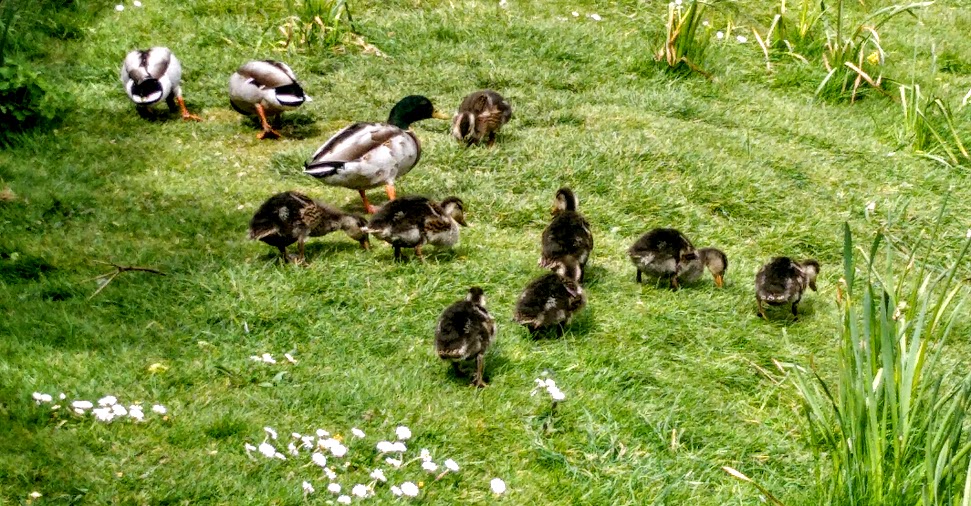
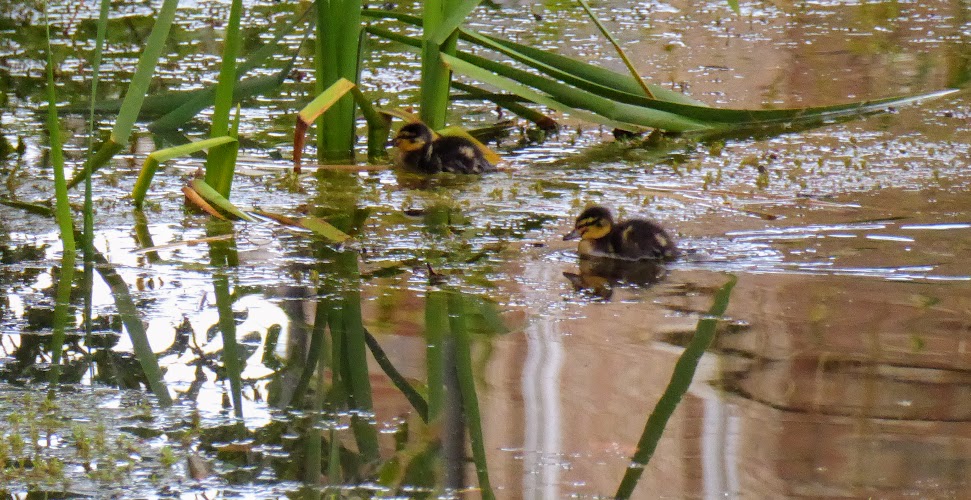
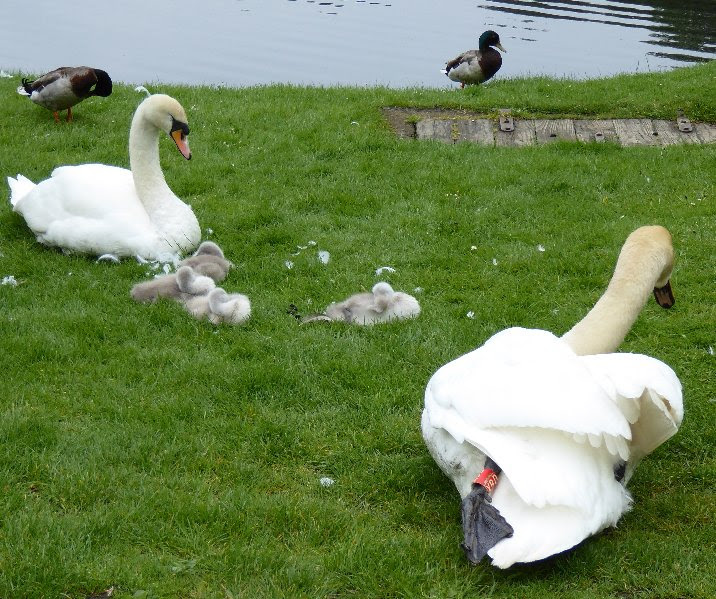
Still, our local wildlife has charms of its own. Take our own village. Like many round here it has a pond (well, three in our case). Here’s a little showcase of what you’ll find there any time you’re passing.

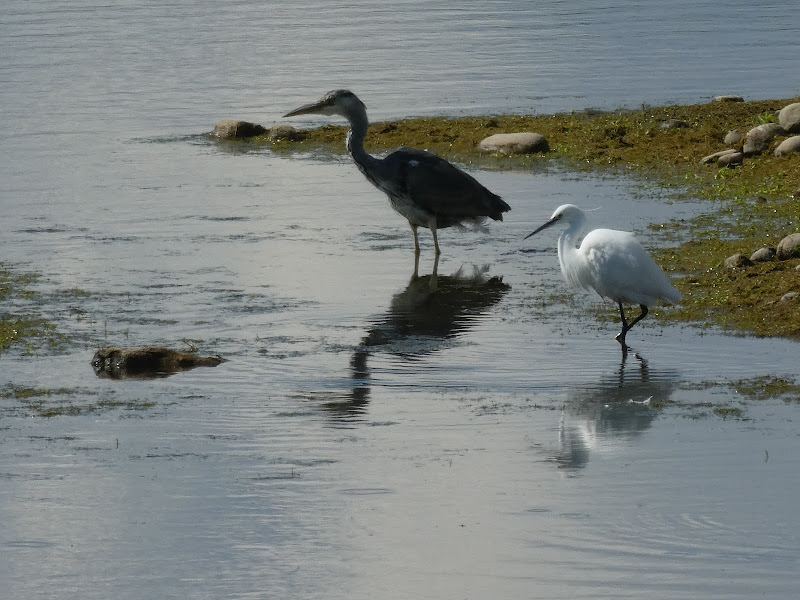
We have a river nearby too, and a nature reserve too. That means that we see herons often, sometimes egrets.

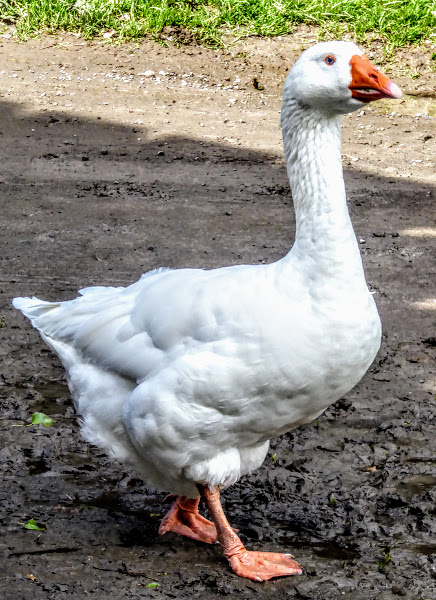
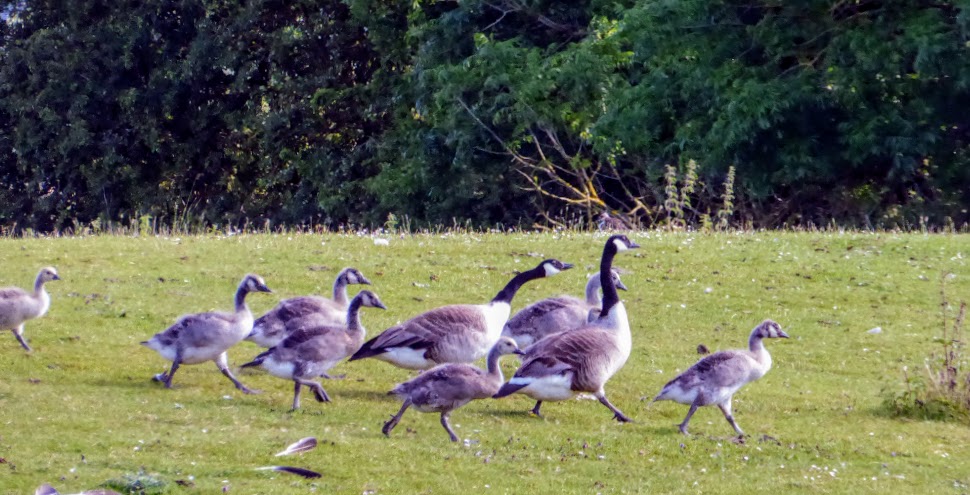
And Canada Geese. Always Canada Geese.

We can do other birds too. Here’s a small sample:

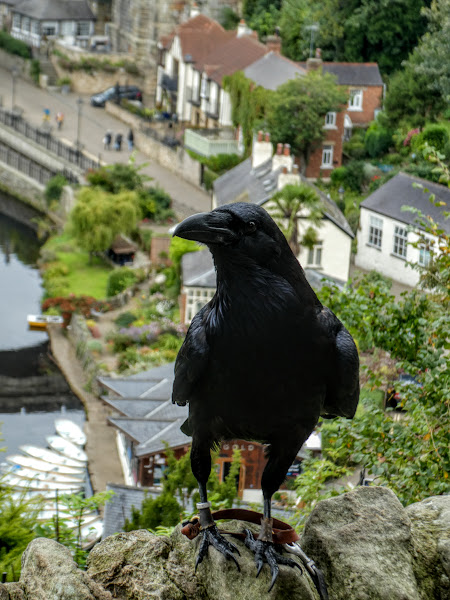
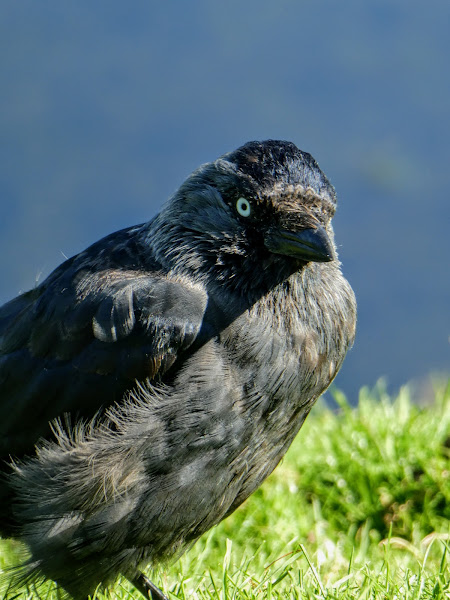
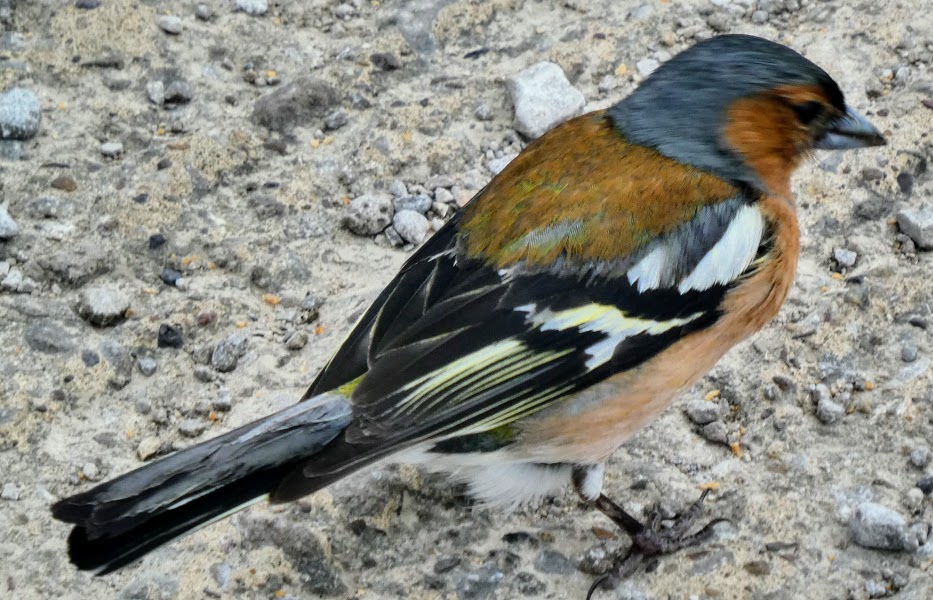
Here you are: a chaffinch, a raven, a jay and a house sparrow…. and everyone’s favourite ….

… a robin.

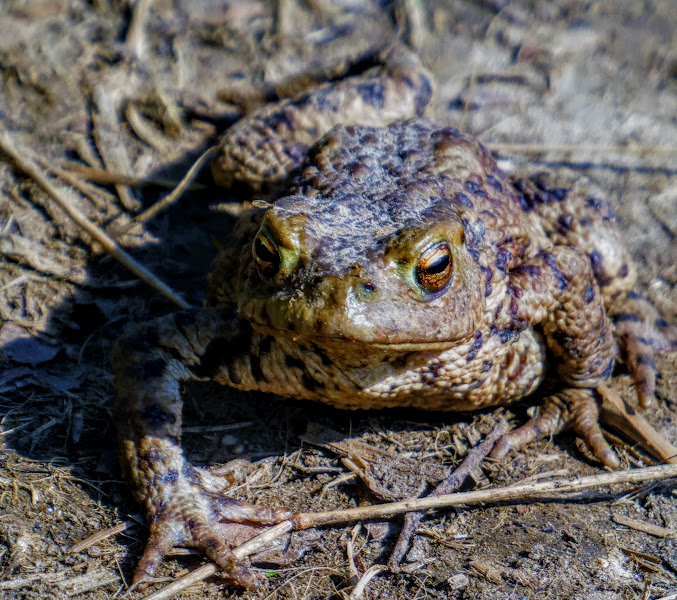
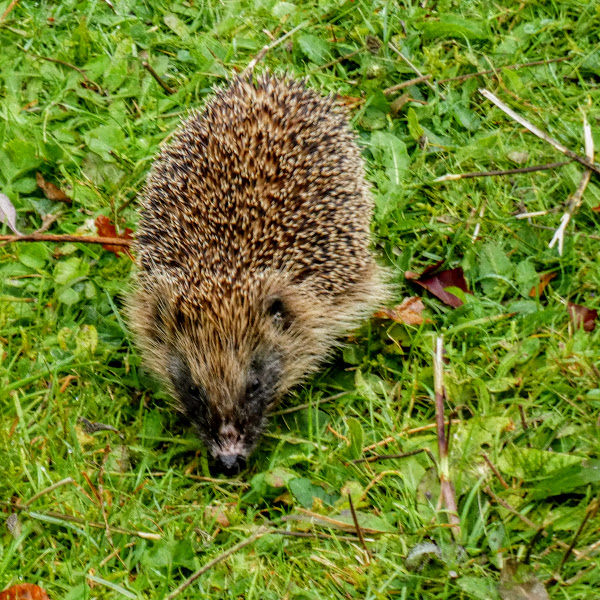
In the animal world, here are two creatures we see all too rarely: a toad and a hedgehog. And I haven’t even got any images of badgers or foxes.

I mustn’t forget the omni-present grey squirrel and pheasant.

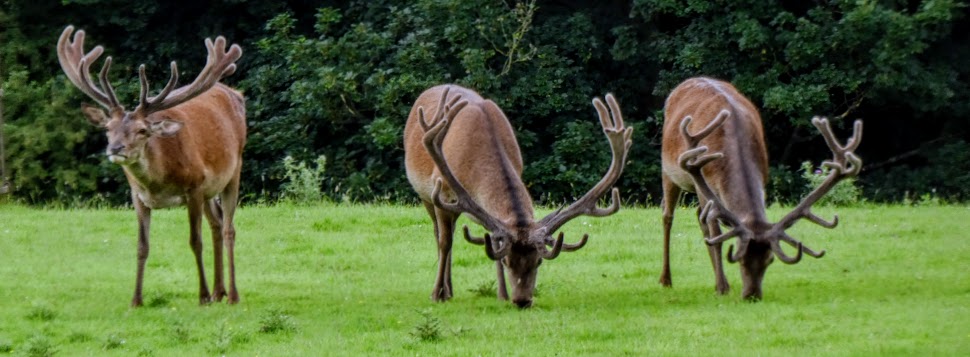
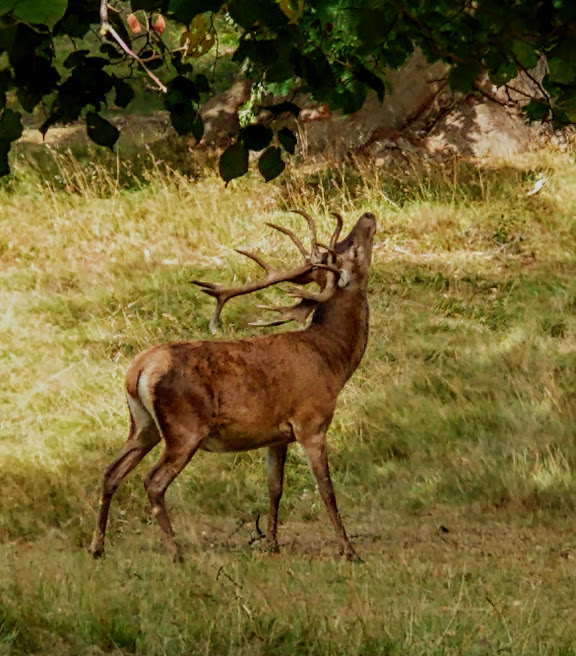
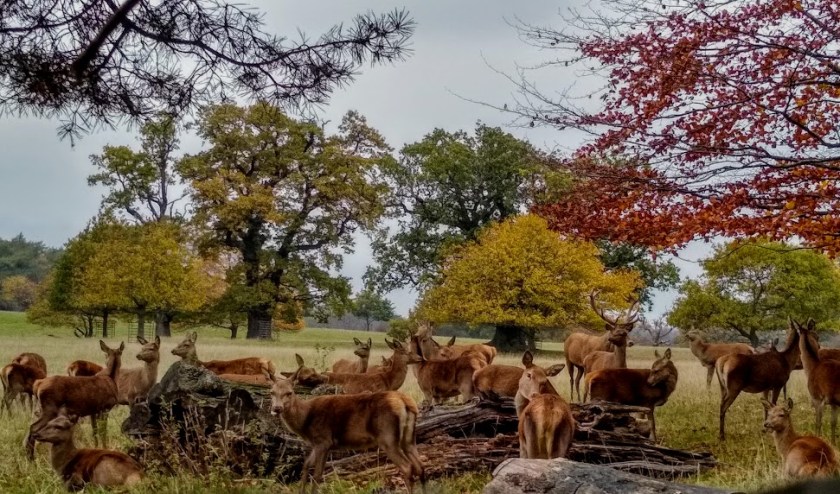
I can’t leave this though without a couple of pictures of the deer which, though I usually see them in the parkland of Studley Royal, are common enough sights on country walks too.

PS. All these creatures are seen when I’m out walking. I therefore dedicate the robin to Becky and her Walking Squares.

Monday Fog, Mid-week rain, mid-week Monochrome

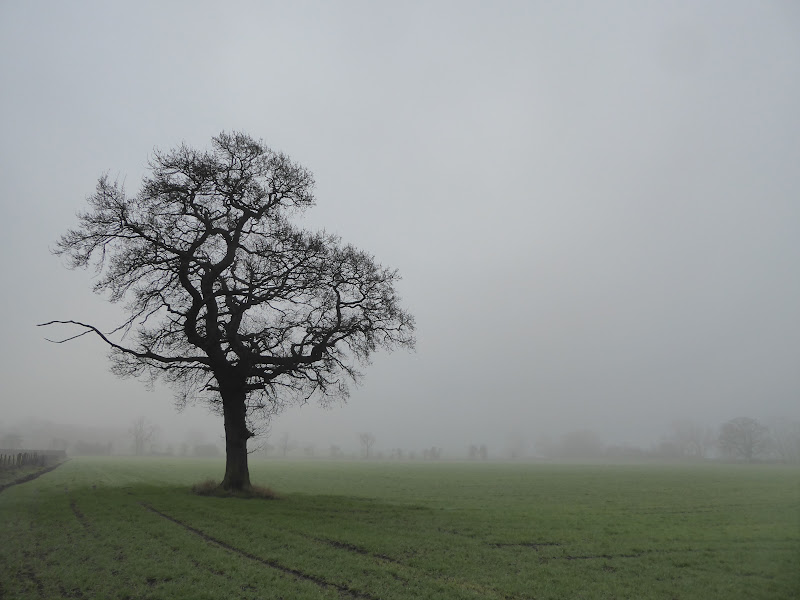
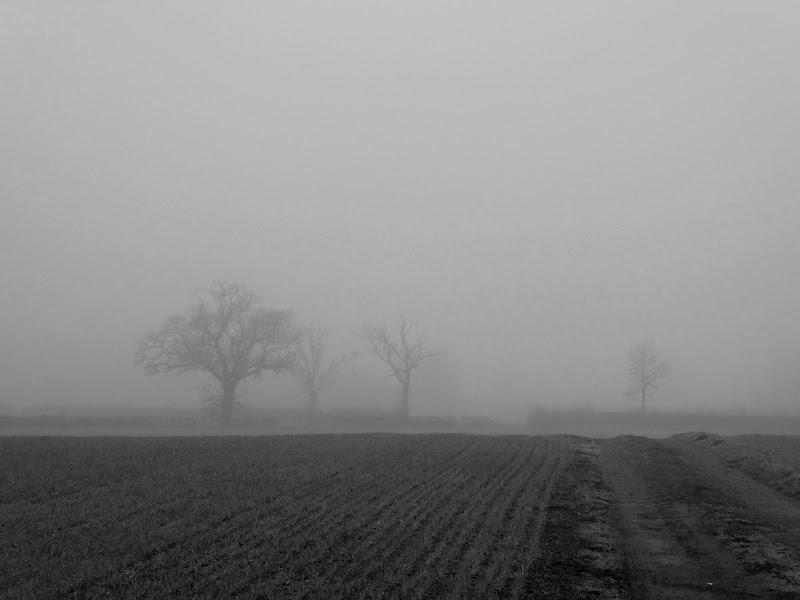
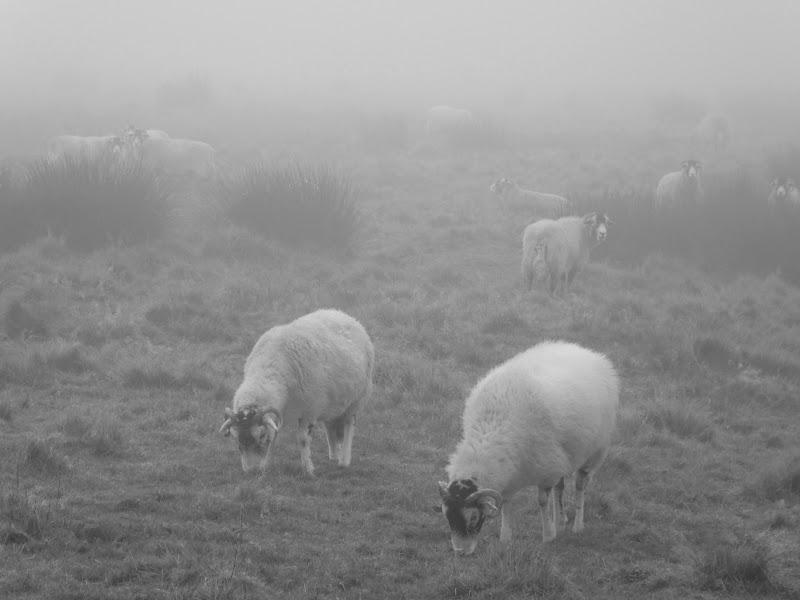
Look out of the window any day this week, but particularly yesterday, and you’d have seen a scene in glorious monochrome. Leaden skies, rain tumbling from the skies, hour after hour. As the header picture shows. Monday hadn’t been as rainy. Instead we had fog. Monochrome fog.

Some of the pictures were taken as I spent time at Fountains Abbey out in said rain – and against expectations, enjoying every soggy moment of it.

These though are taken at various locations in North Yorkshire, and in fog rather than rain:

And here are three more, for Becky’s Walking Squares:

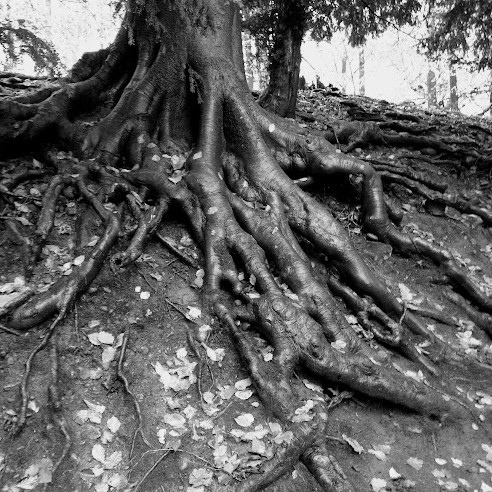
I couldn’t resist a few more (sodden) tree roots from Fountains, but the water shot, and the desiccated cow parsley come from walks – who knows where?

Bren’s Mid-Week Monochrome #114

Becky’s Walking Squares

An appetising walk?

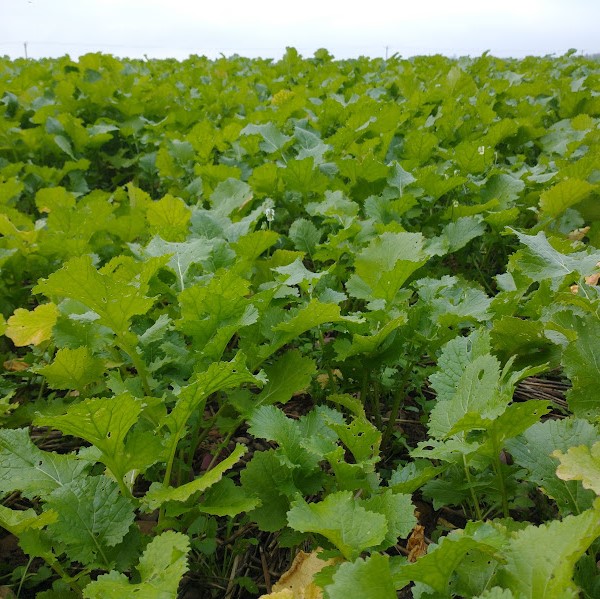
Out for a walk yesterday, I fell to thinking about food – well, it wasn’t far off lunchtime. It was this field of beets – mangelwurzels perhaps – that did it: soon to be winter fodder for sheep.

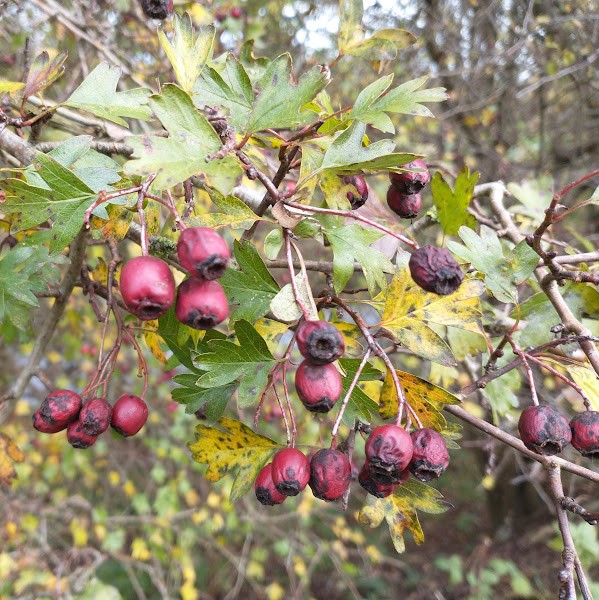
Then I saw hawthorn berries. We can use them in jellies and fruit wines, but I find them too bitter. Not so the birds.

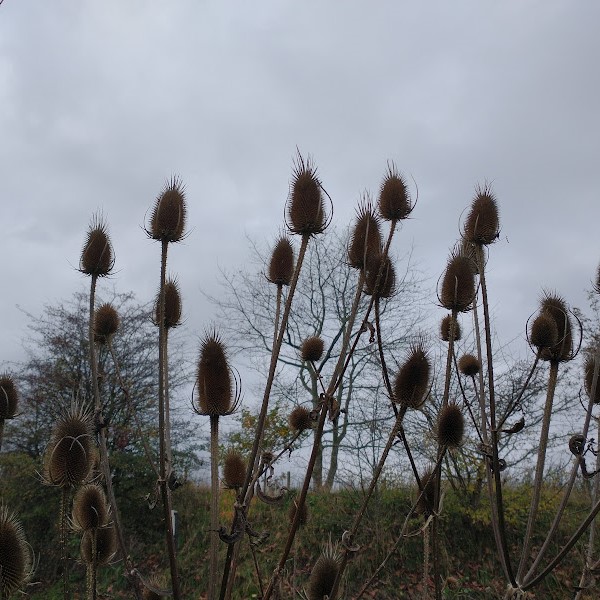
Through the meadow, edged by teasels: the goldfinch would have had their fill by now.

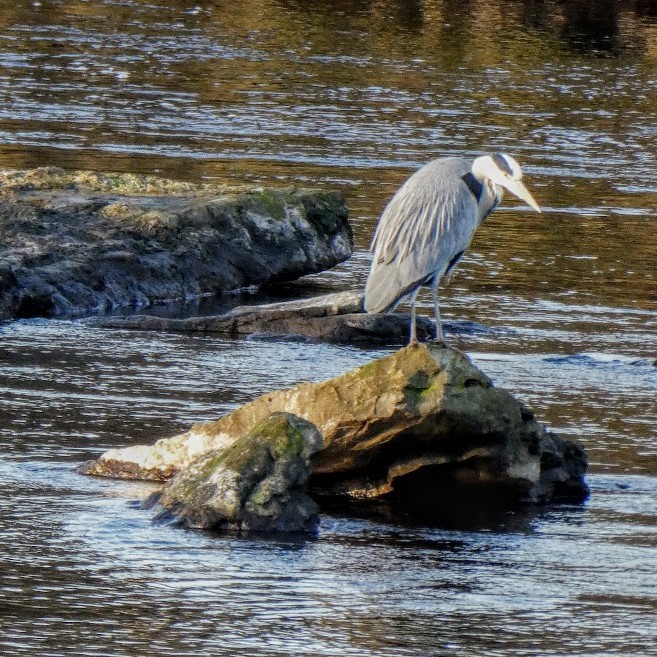
The heron was on his usual rock on the river: waiting patiently for fish.

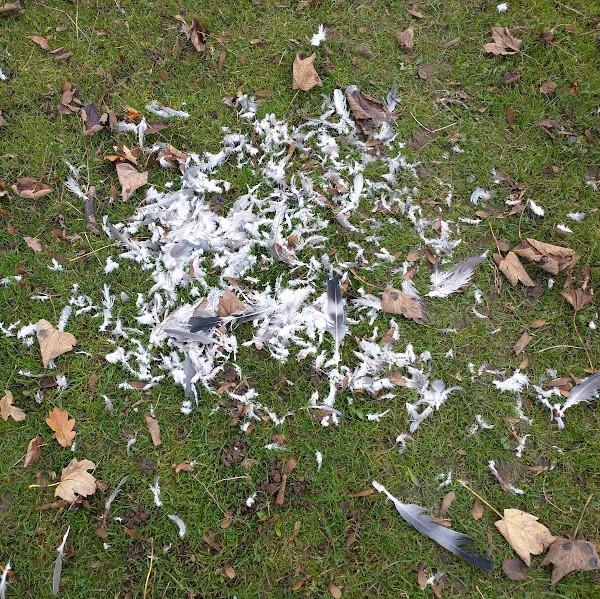
The last meal I saw had been eaten hours before: nature red in tooth and claw.

Hmm. Time to head home for lunch I think. No creatures were harmed in the preparation of our meal.

For Becky’s Walking Squares.