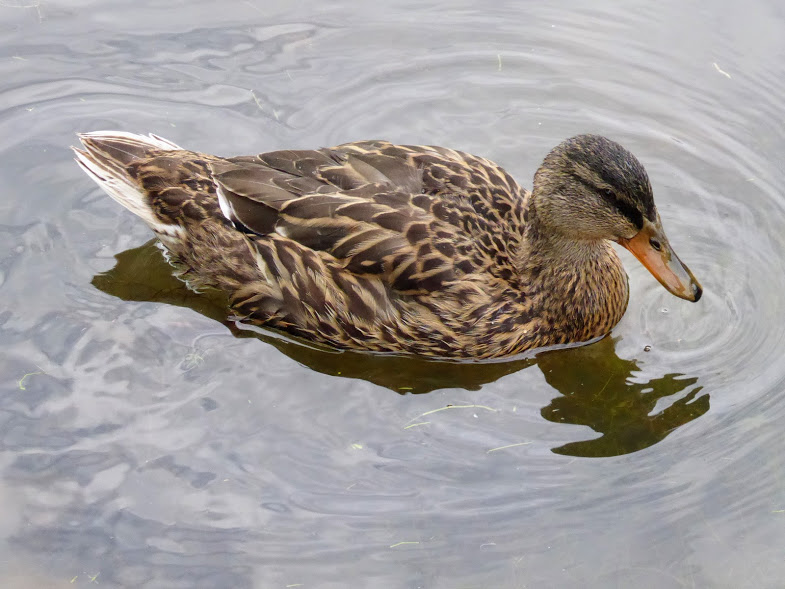
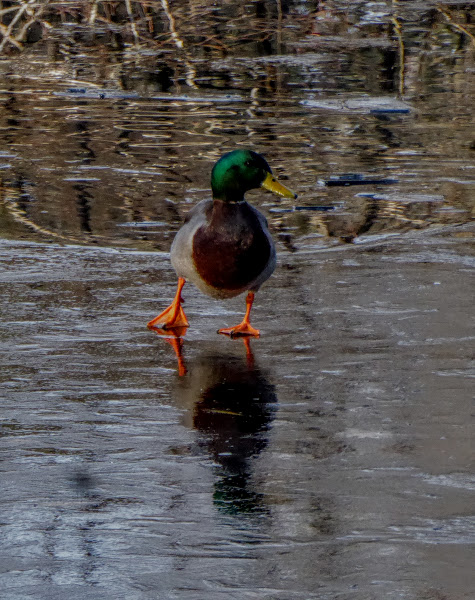
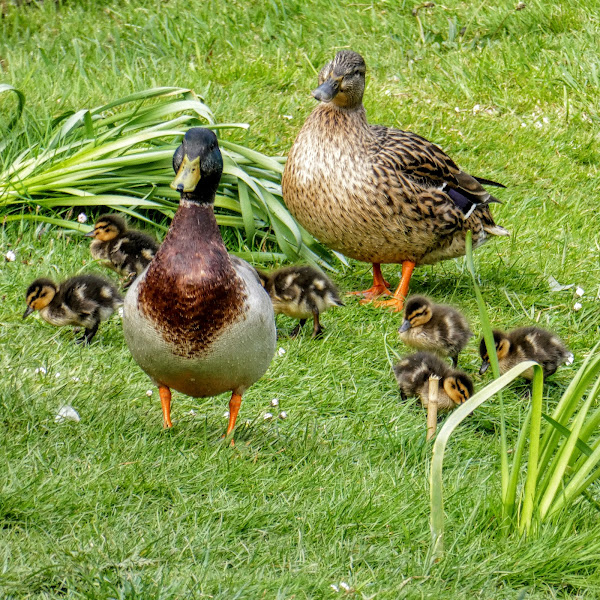
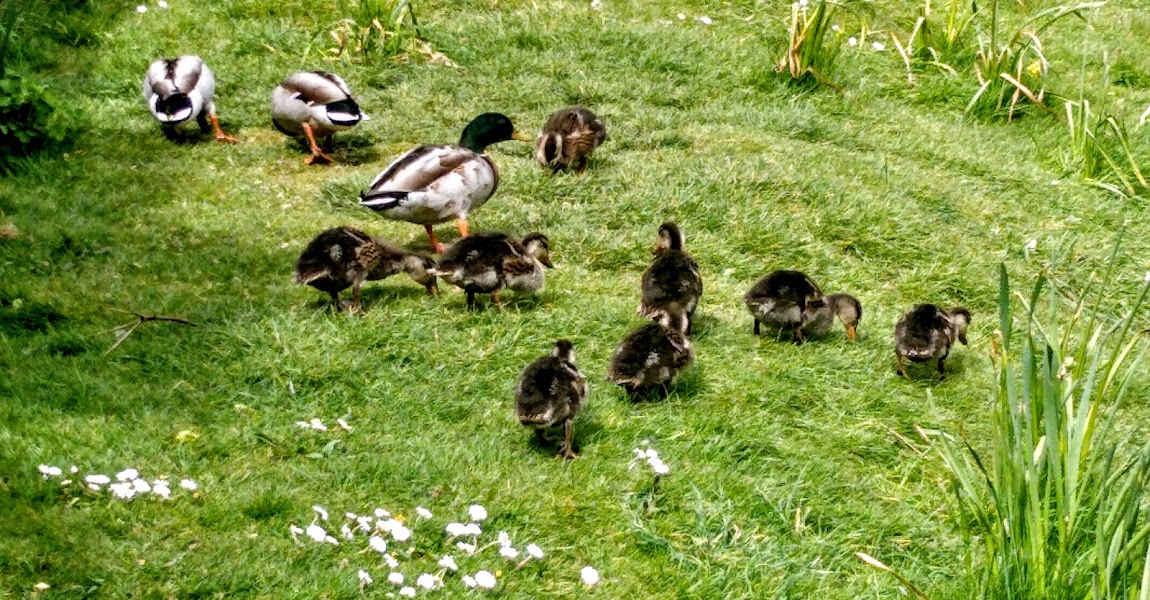
Ducks are a-dabbling …

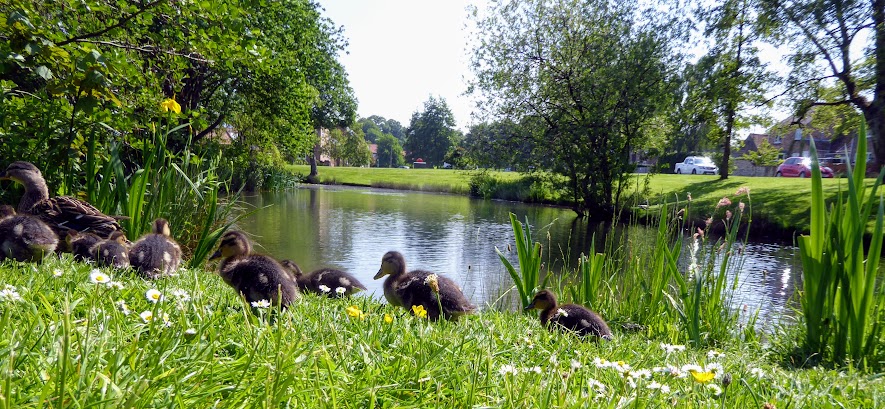
We’re lucky. Our village has not just one, but three village ponds. It’s home to a variety of geese, to coots and moorhens … and to any number of mallards. Males seem to outnumber females. Most days in the spring and summer the laddish drakes – if they’re not lazing around on the grass – like so many teenage boys, mob the younger females in a rather aimless and half-hearted fashion.

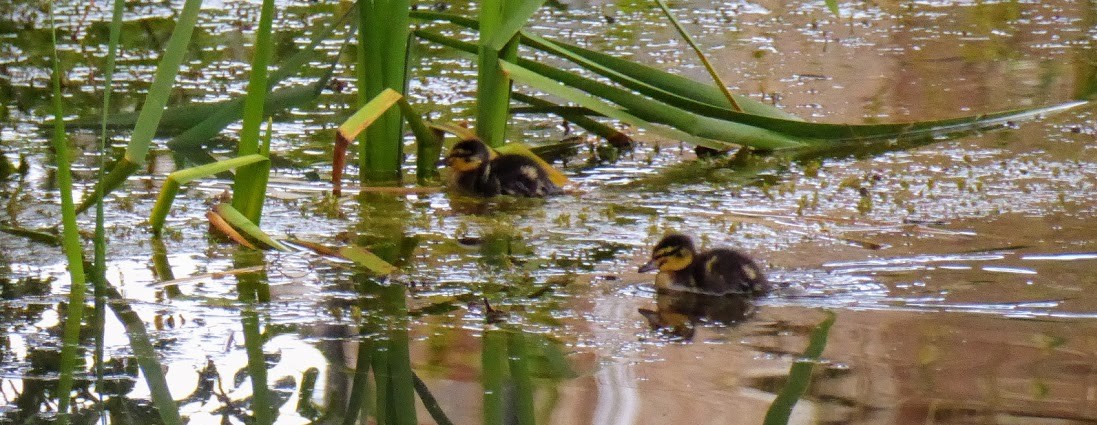
We’re nearly at the time of year when ducklings will hatch and charm us all. The ponds are on both sides of the main-ish road that splices the village in two: the mother ducks march their broods back and forth, confident that traffic – yes even huge and heavy municipal dustbin lorries – will instantly grind to a halt to let the young family cross.

Nevertheless, few broods grow intact to adulthood. Jealous mallards despatch ducklings not their own. Geese kill them. Foxes take them to feed their own young. Herons visit. And despite the care most drivers take, there are traffic accidents. We often wonder what happened to the brood that Malcolm spotted one day on a lane near here: a mother duck leading fourteen – yes fourteen – ducklings along the road.

For Denzil’s Nature Photo Challenge #4 Ducks

… and also for another new challenge: Bird of the week

SOS Air Ambulance revisited

It was twelve years ago this weekend that I realised that even ordinary-seeming mishaps on country walks can have very unfortunate consequences …

SOS Air Ambulance

March 20th, 2011

Poor Micheline.  Her pain, her distress was our Sunday Soap Opera.

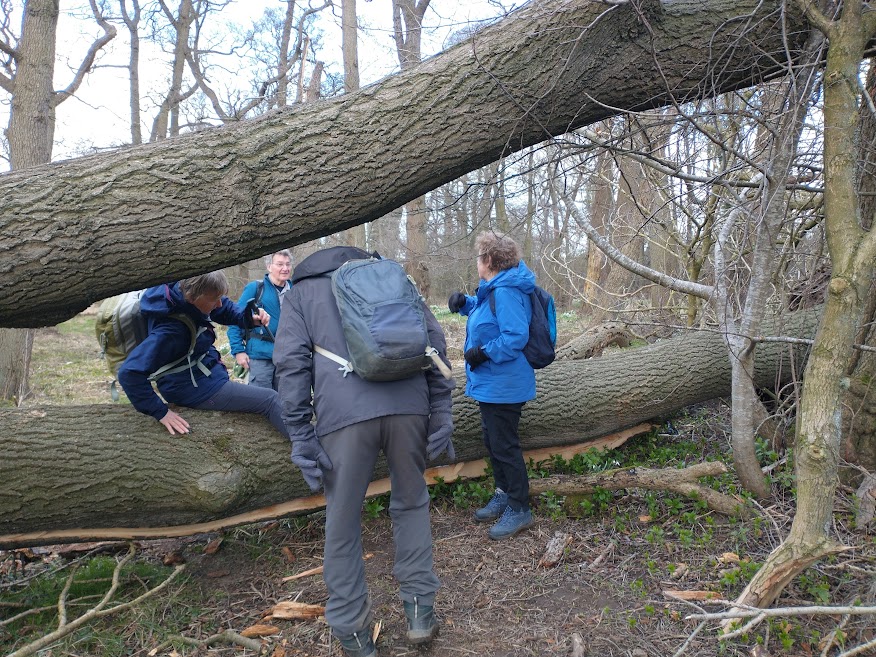
We’d gone walking with our Rando del’Aubo friends, near Nébias again.  We’d yomped up a mountainside, two hours of it, and were looking forward to lunch in – oooh, maybe ten minutes.  That’s when Micheline fell over a tree root.

It was bad.  Very bad. Broken ankle?  Knee? We still don’t know.  Anny, who has GPS, ran off to find some kind of reception for her mobile, so she could ring emergency services, and give them our exact reference.

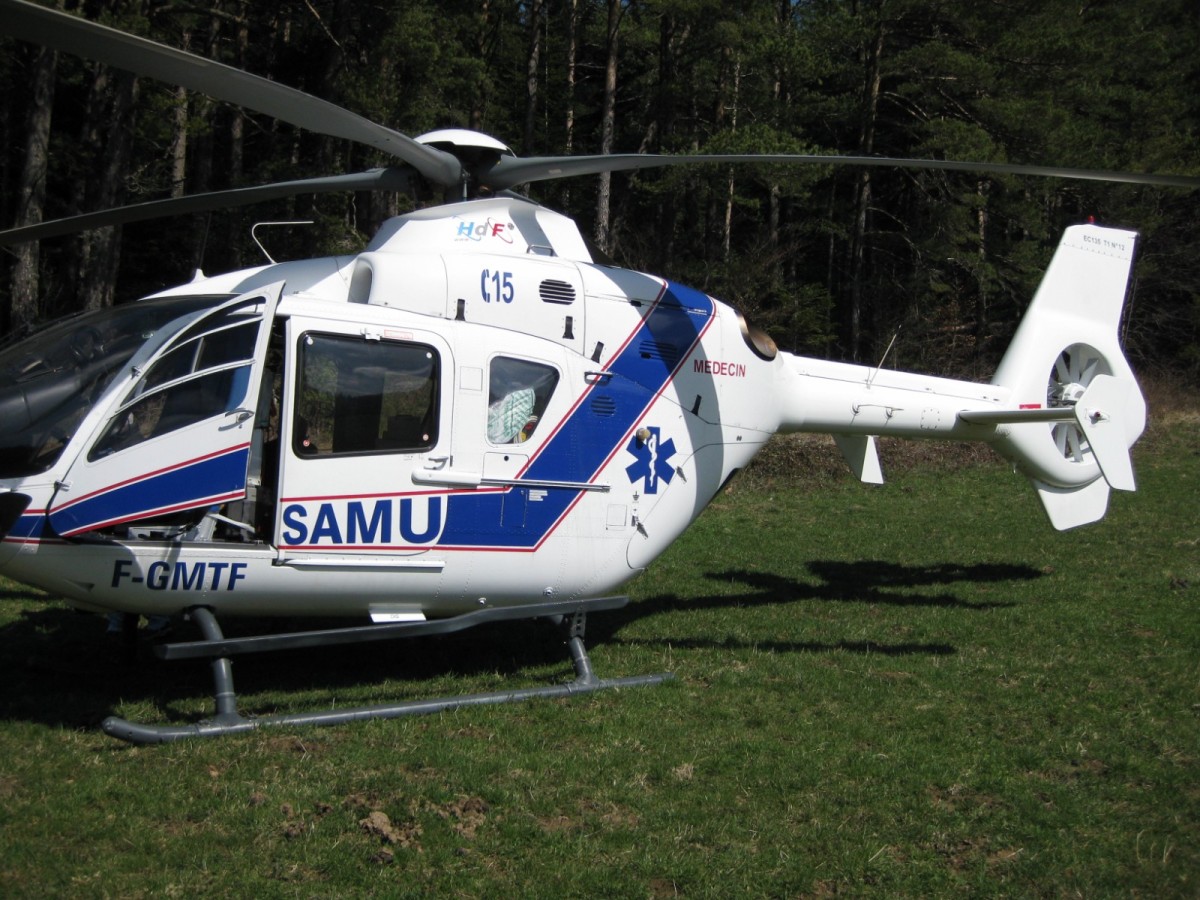
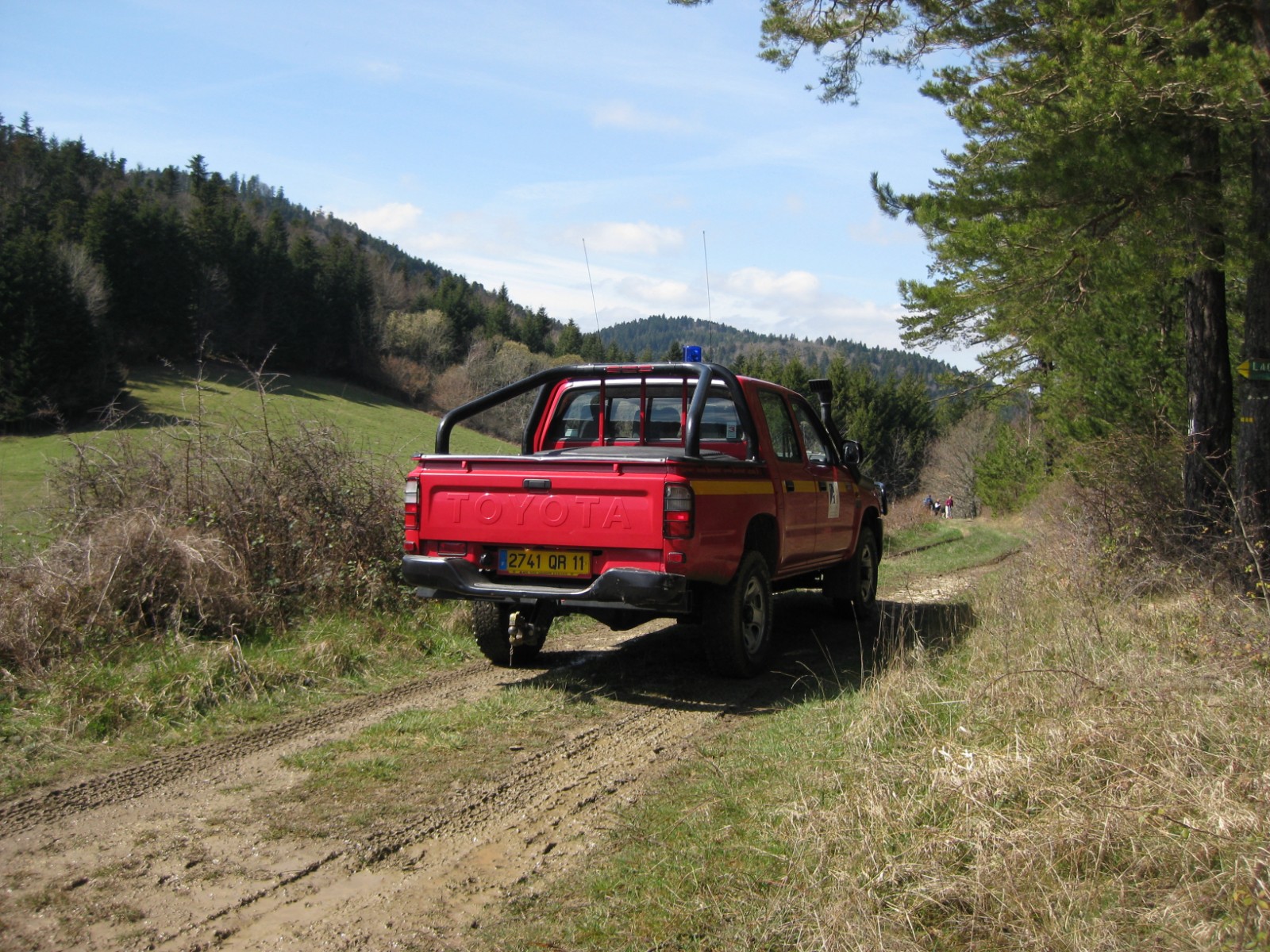
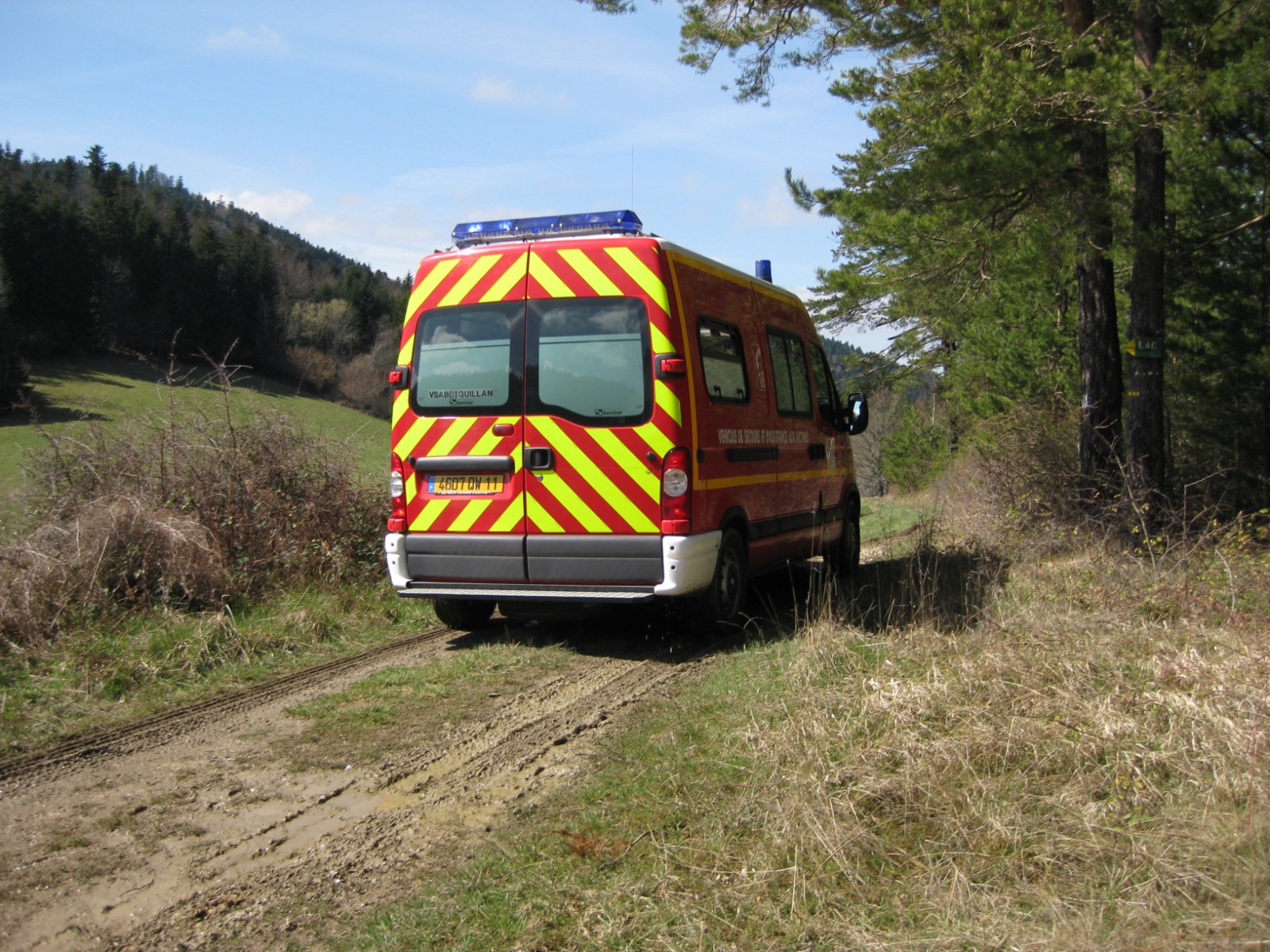
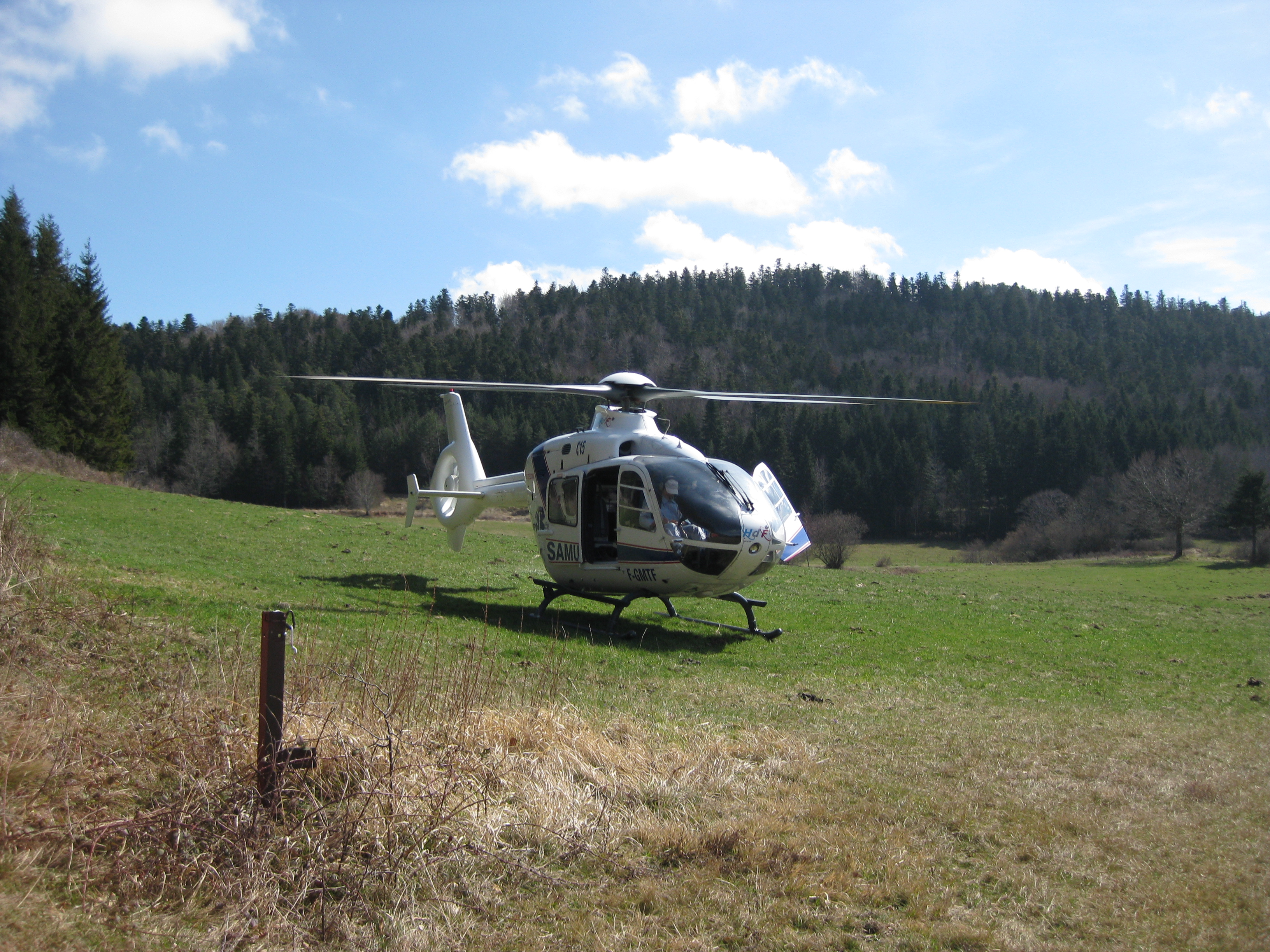
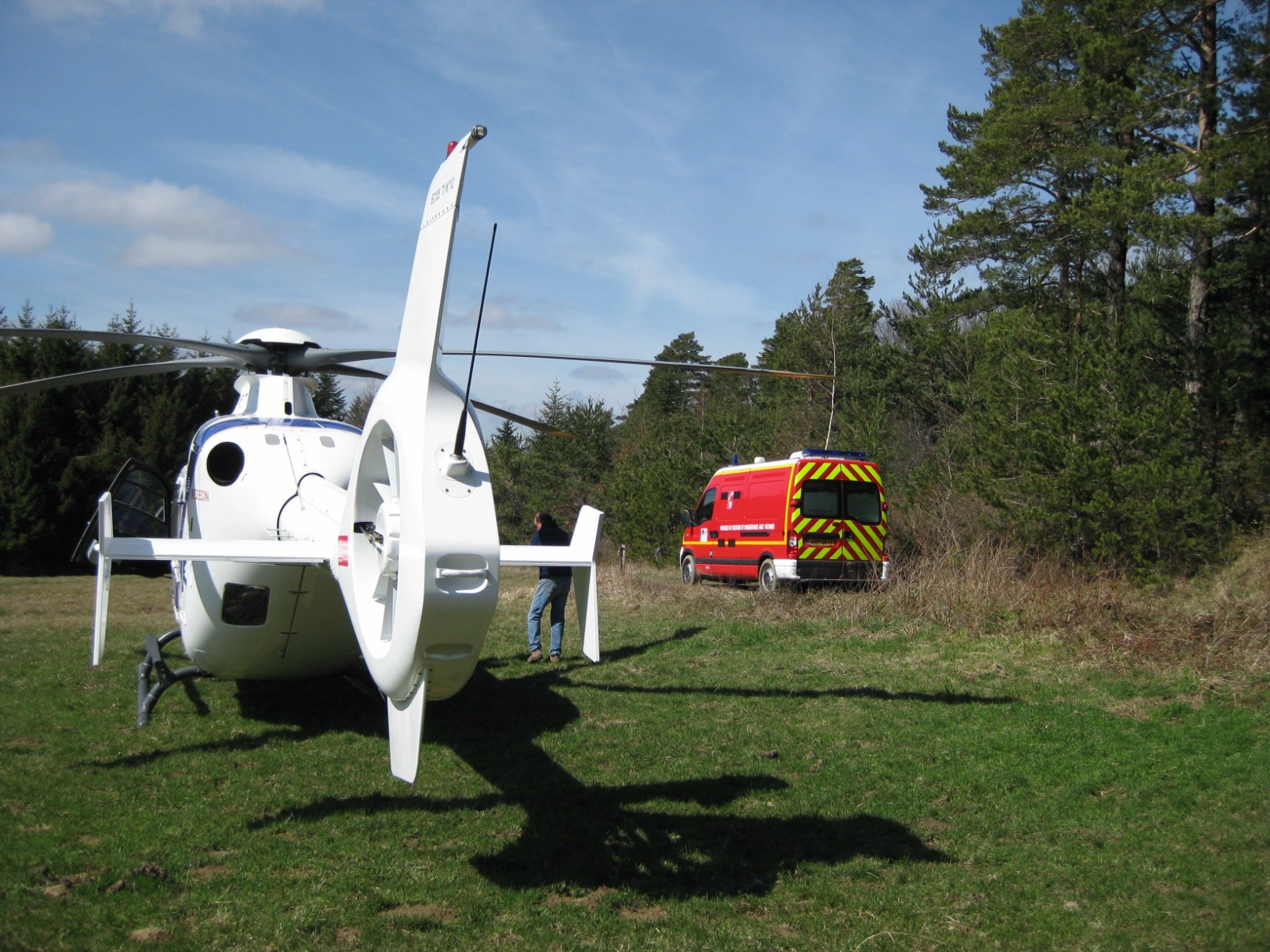
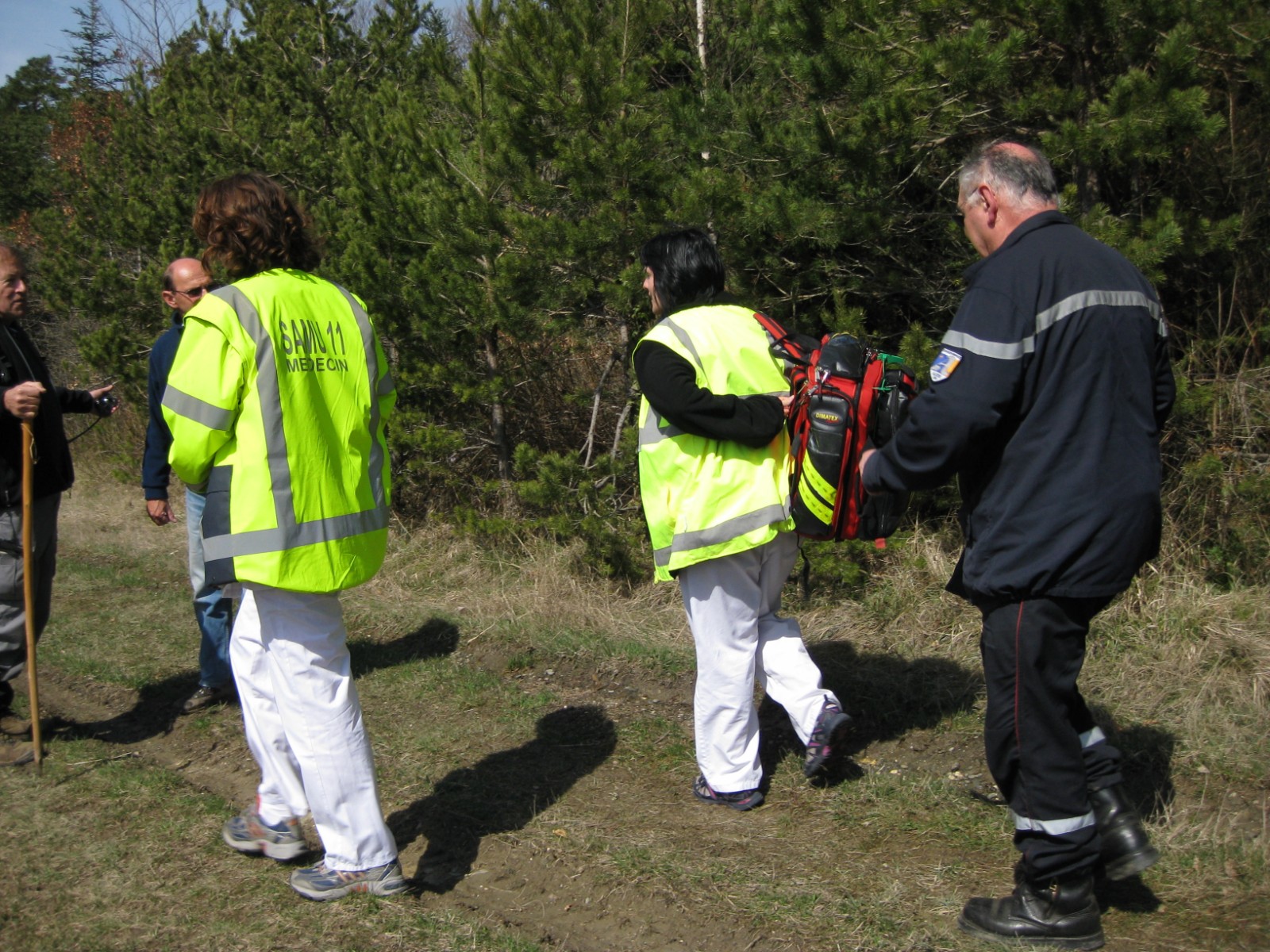
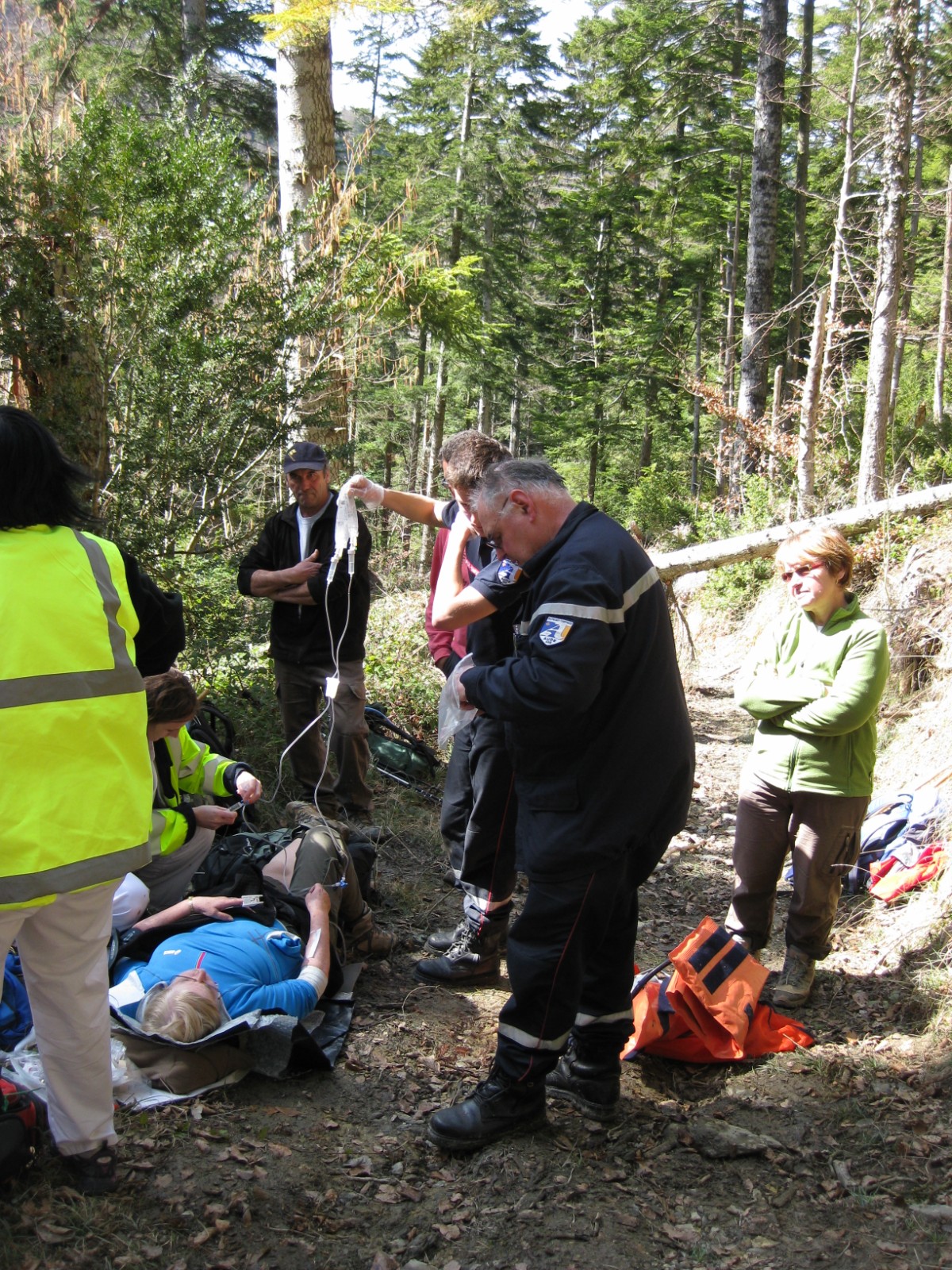
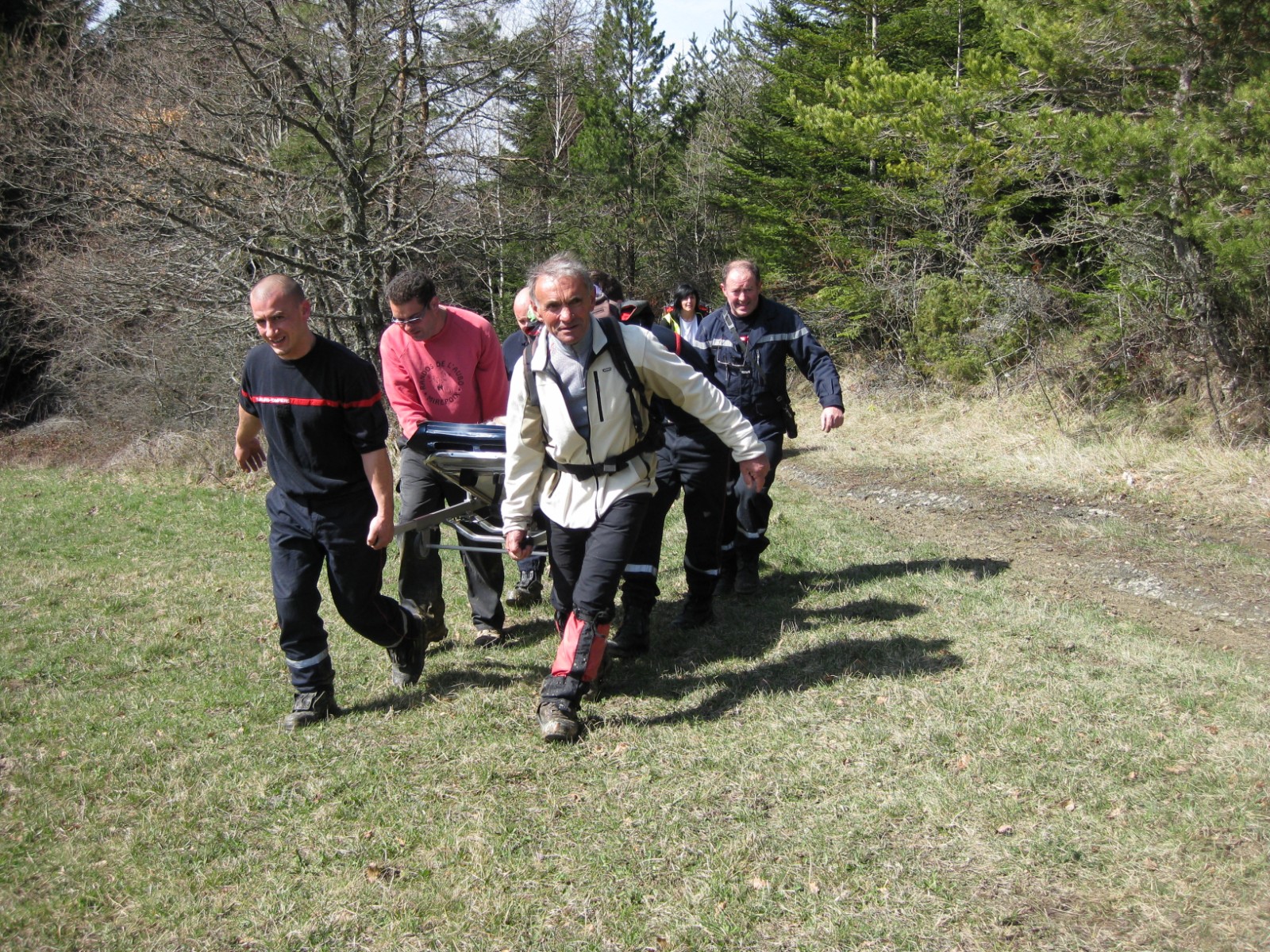
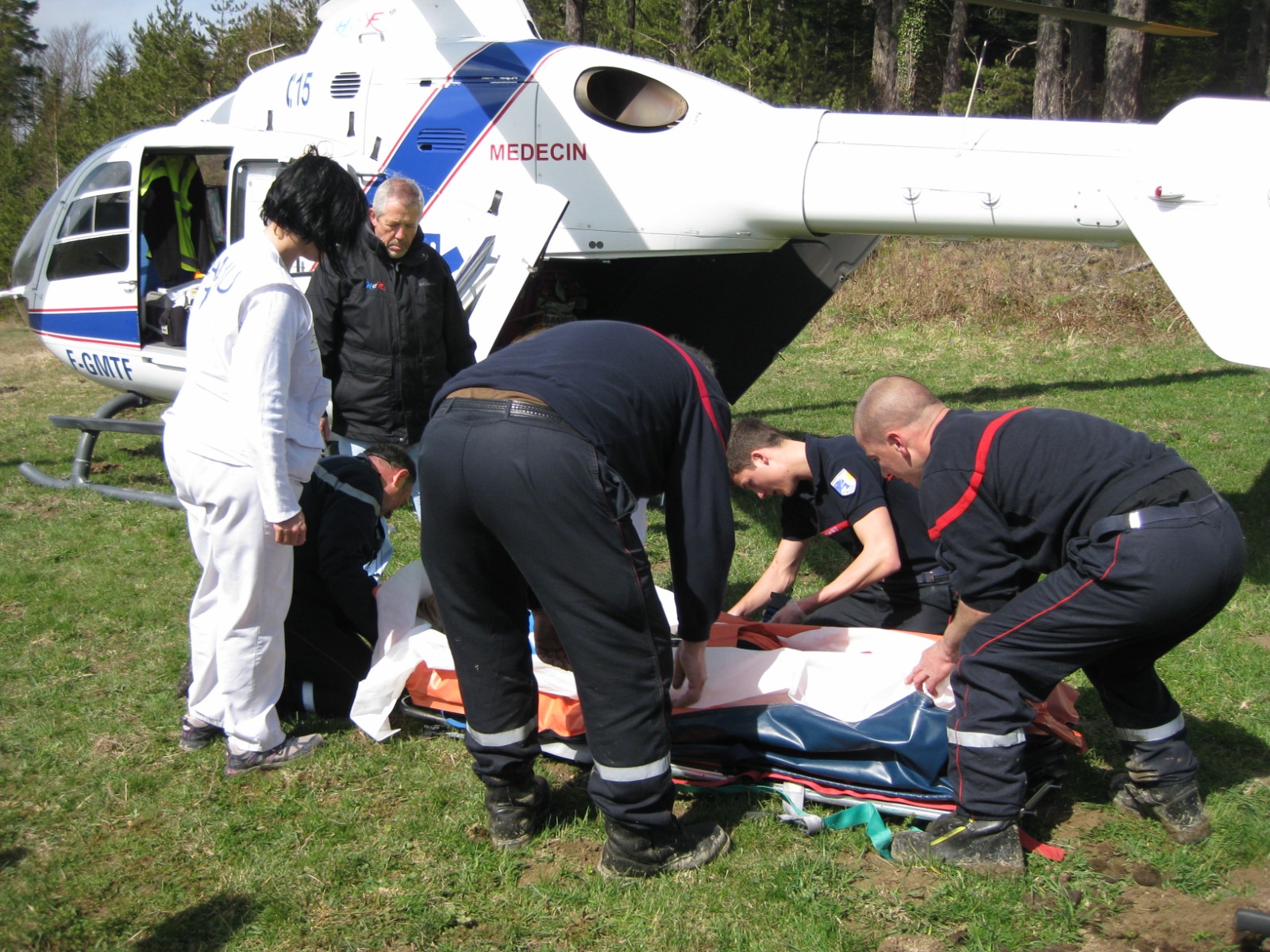
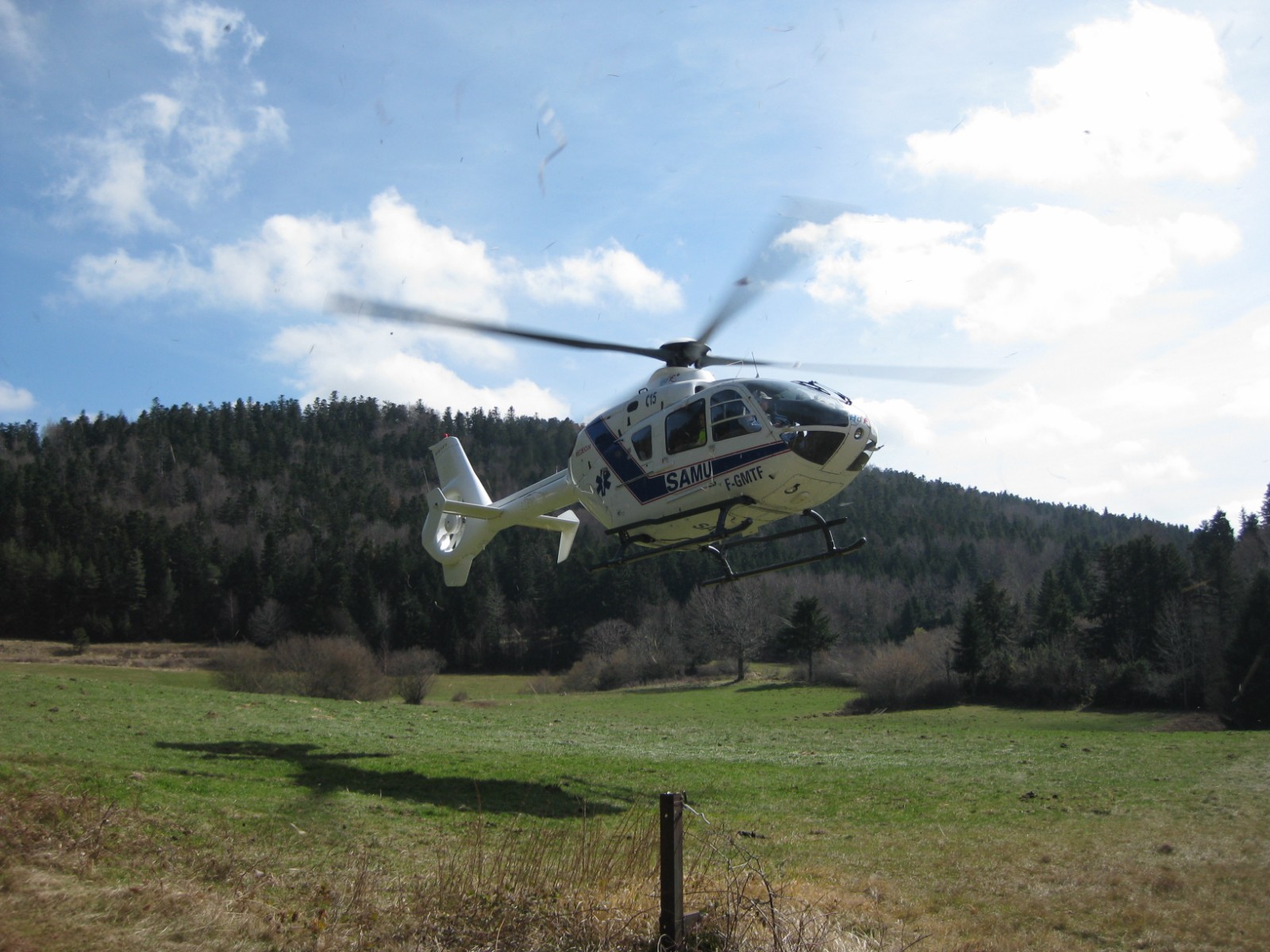
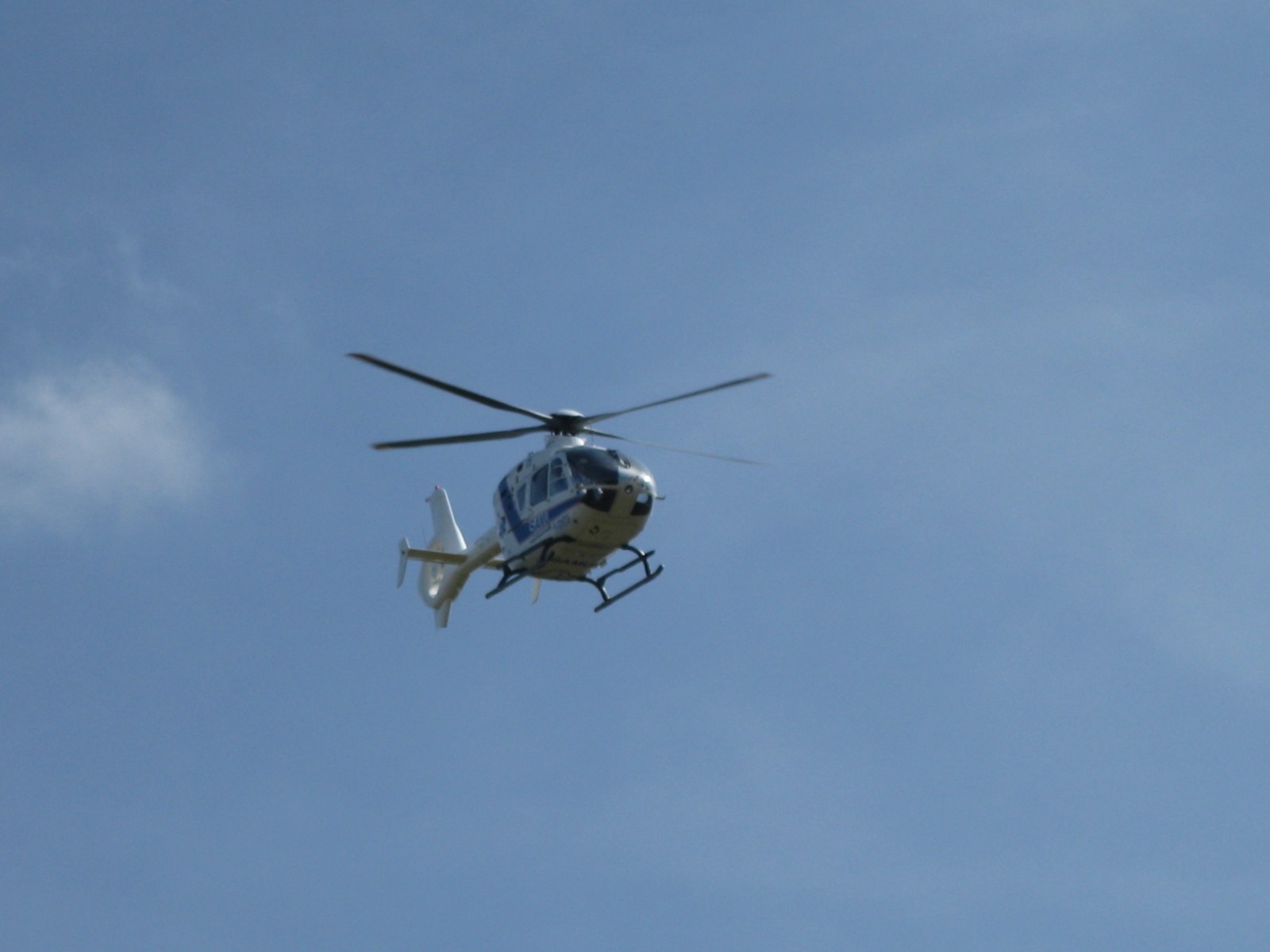
Pretty quickly, it became exciting.  We were fairly inaccessible, though not as badly so as we might have been, considering we were almost at the top of a (smallish) mountain: because there was, for the first time that morning, open land nearby.  A bright red ambulance service 4×4 came into view, then an ambulance, tossing about on the rutted track.  The sapeurs pompiers had to walk down into the woods, carrying all their equipment and a stretcher, to see Micheline, who was now in quite a lot of pain.  Then – wow!  A helicopter air ambulance hovered overhead, looking for a landing spot.

The pictures show the efficient and organised crew.  (11 of them, sapeurs pompiers, nurses, pilot) doing what they had to do in muddy, dirty conditions to get Micheline sedated and sorted and ready to be air-lifted to Carcassonne Hospital.  They don’t show the 4×4 being ignominiously towed out of the mud by a local farmer.

Despite our compassion for Micheline and the acute pain and discomfort she was in, we were quietly excited to be part of such a drama, the first apparently, in Rando del’Aubo’s long history of weekend walks.  No news from Micheline yet:  but she won’t be at work tomorrow.

That was all I wrote in the immediate aftermath of the accident. In fact, Micheline -who worked in a shop – was never fit enough to return to an on-your-feet-all-day job. The French Ramblers’ Association argued for months about whose insurance should pick up the tab for the helicopter call-out. It was all a sorry mess, and I’ve thought twice since then about venturing to out-of-the-way places for a solitary walk.

For Fandango’s Flashback Friday.

Fat-Headed Censors

ExACTly. Worth a read, I think, as are all posts from Travel Between the Pages, a blog which is ‘the intersection between travel, books, and art’. Always interesting, usually thought-provoking, often funny.

Brian D. Butler's avatarTravel Between The Pages

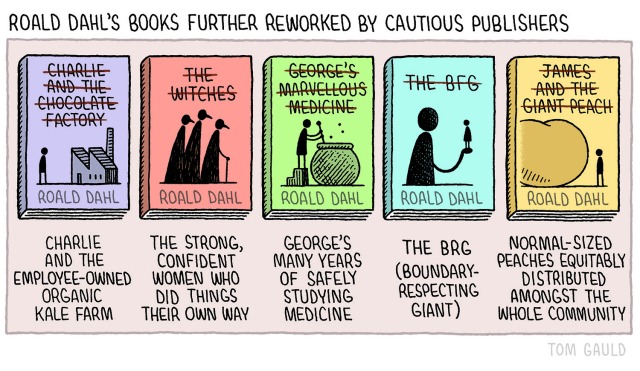
You would have to have been living under a basket to avoid the recent brouhaha over the re-editing of classic books by so-called sensitivity readers and editors. Here in the Colonies we’ve been through this with the books of Dr. Seuss and other popular children’s authors. Now, the UK has gone mad censoring works by Roald dahl and others.

McSweeney’s recently posted a pointed response to this nonsence in an article by Peter Wisniewski aptly titled “FUCK YOU, YOU FAT-HEADED ROALD DAHL-CENSORING FUCKERS.”

Dear Fat-Headed Roald Dahl-Censoring Fuckers,

You’re censors. You’re not editors, and you’re not readers. You’re censors. You are exactly what Orwell warned us about.

So fuck you.

Without the author’s consent, you are changing and omitting words that the author wrote. That makes you a censor. An agent of censorship. Only fascists censor books.

What you’re doing is crazy. See? We said it. Crazy. Crazy. Crazy.

You…

View original post 705 more words

Pretty in Pink

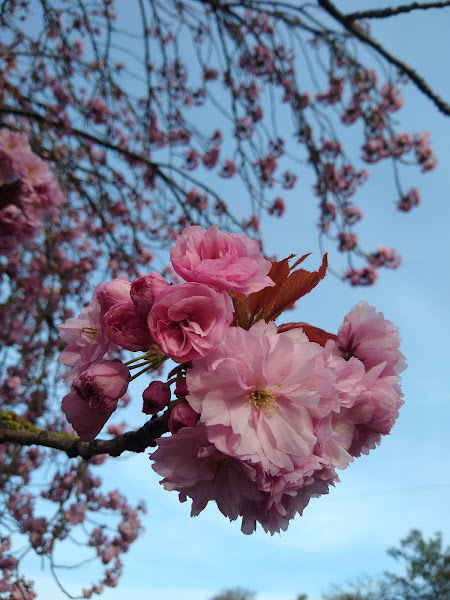
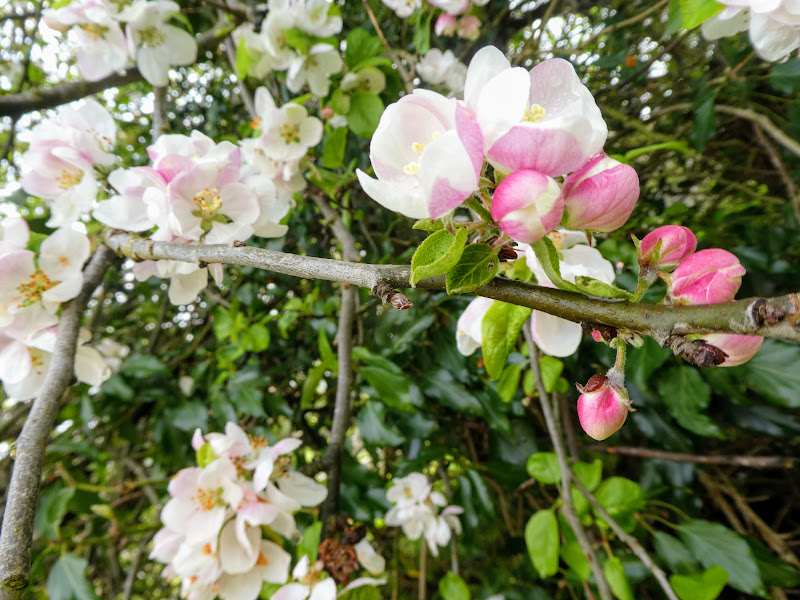
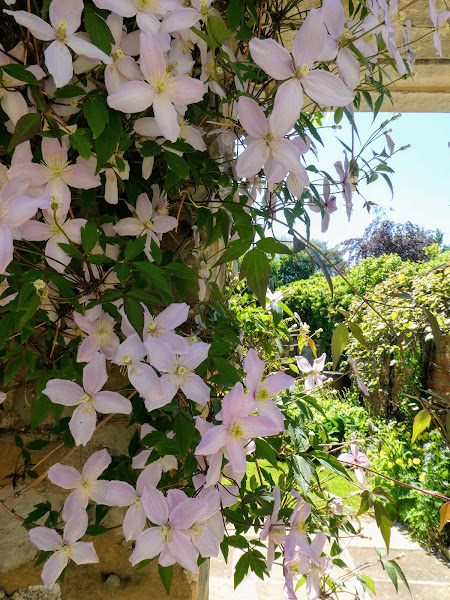
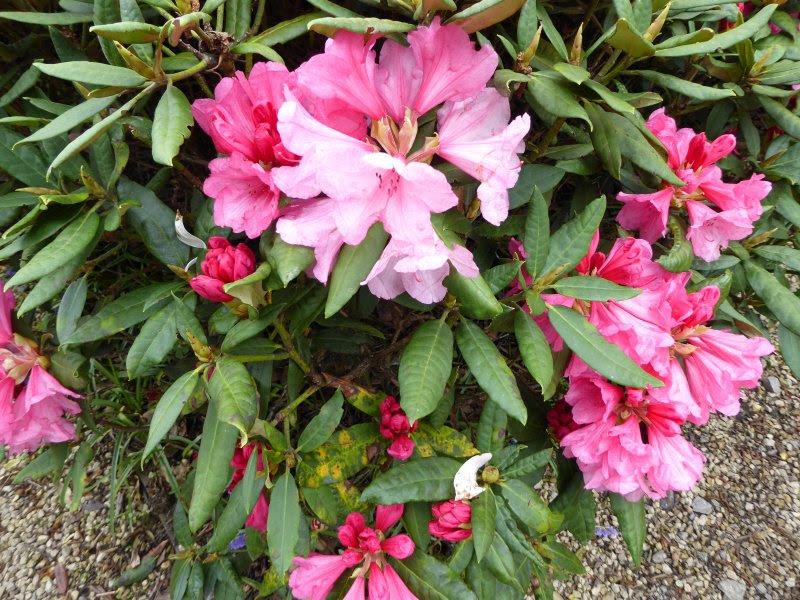
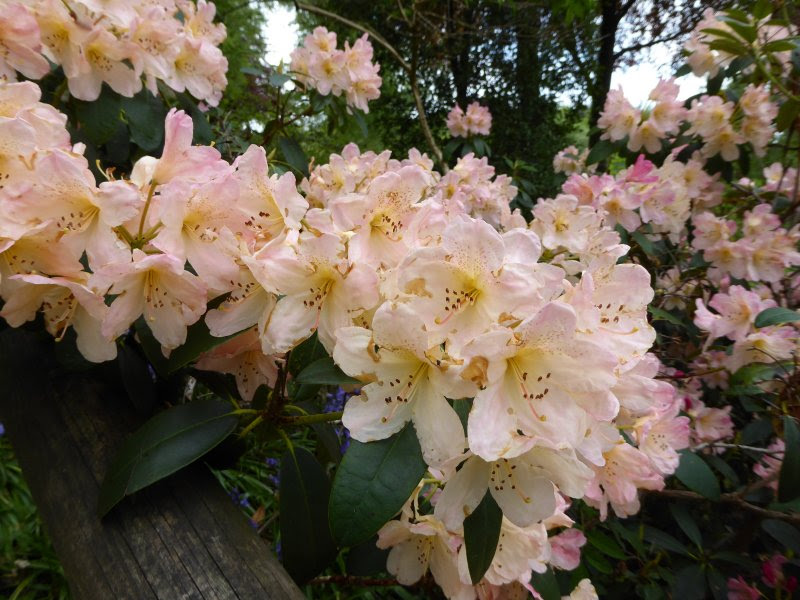
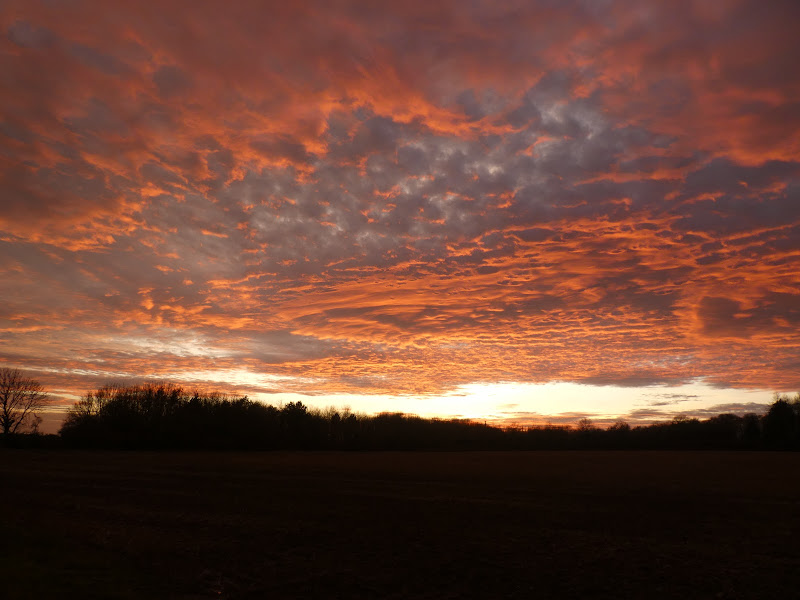
For this week’s Nature Photo Challenge, Denzil demands that we cheer ourselves and our readers up by serving up some Pictures in Pink.

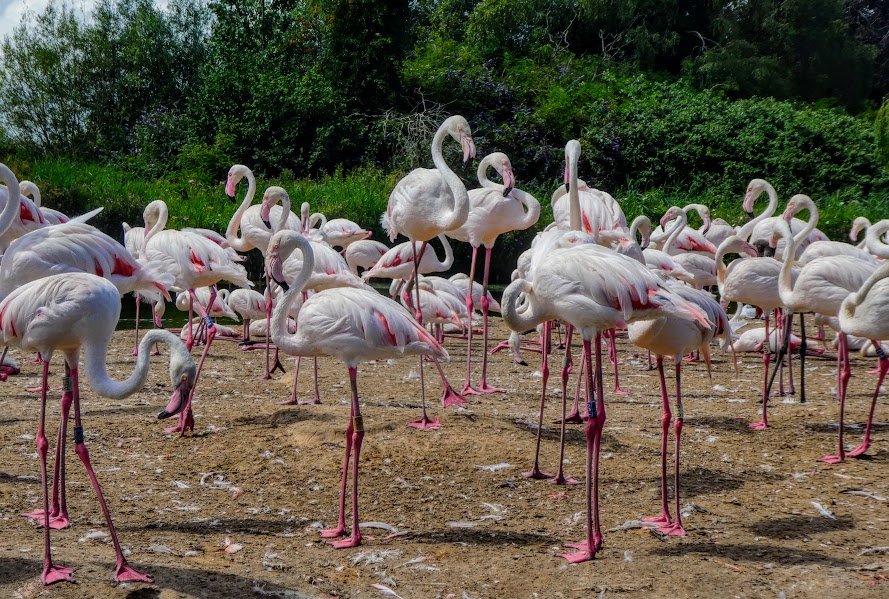
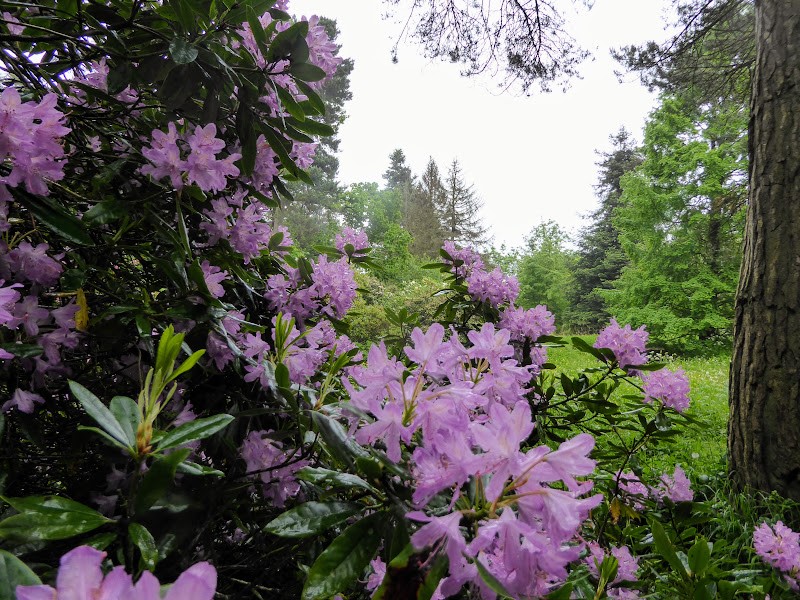
I’m going for the obvious here. Flamingos, flowers – and firmament (or sky, as it’s more prosaically known).

Flowers first …

Finally, firmament:

Click on any image to see it at larger-than-postage-stamp size.

Nature Photo Challenge #3

Peace, Perfect Peace

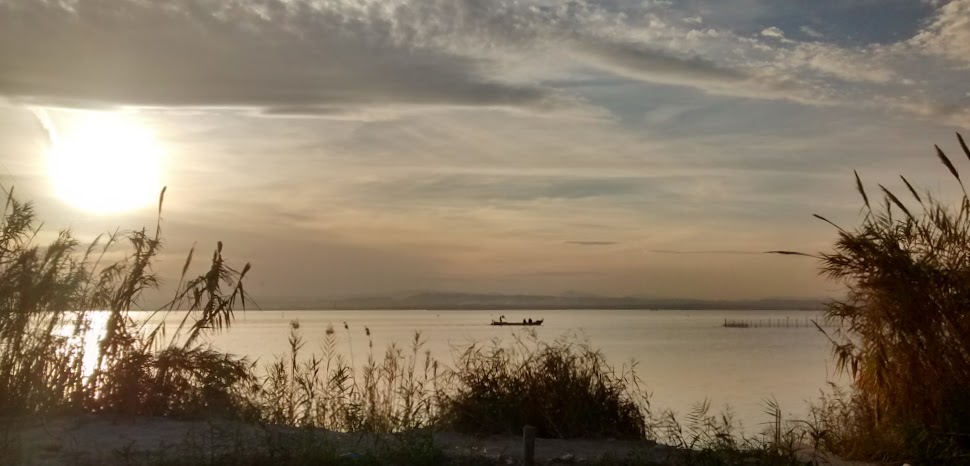
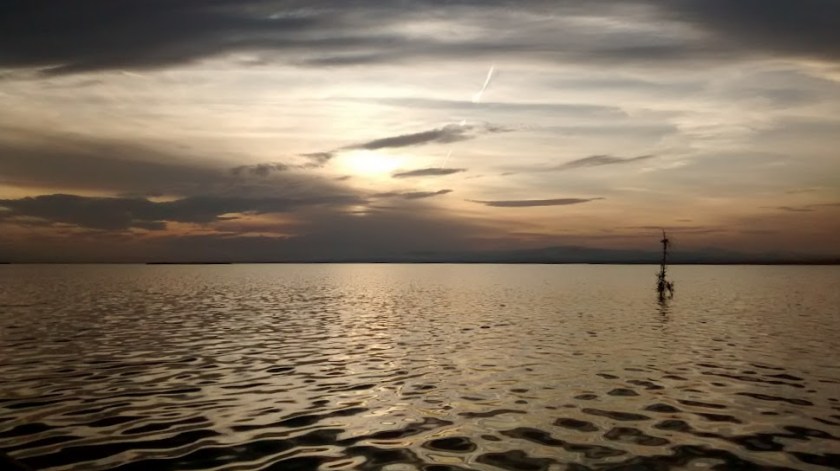
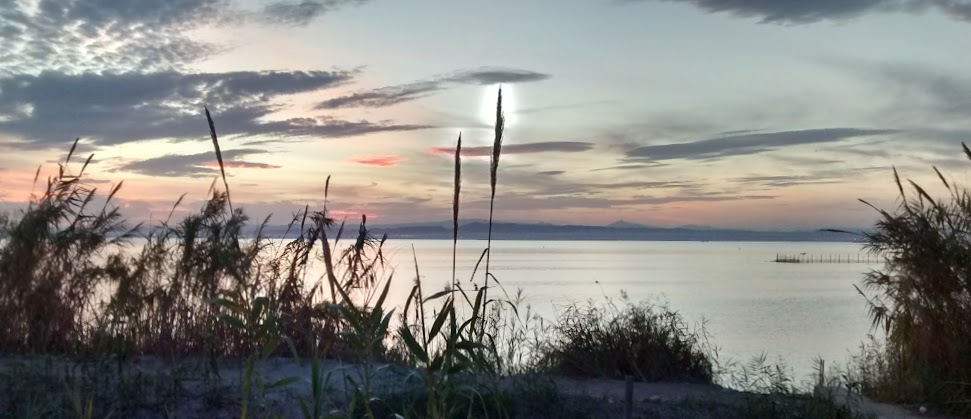
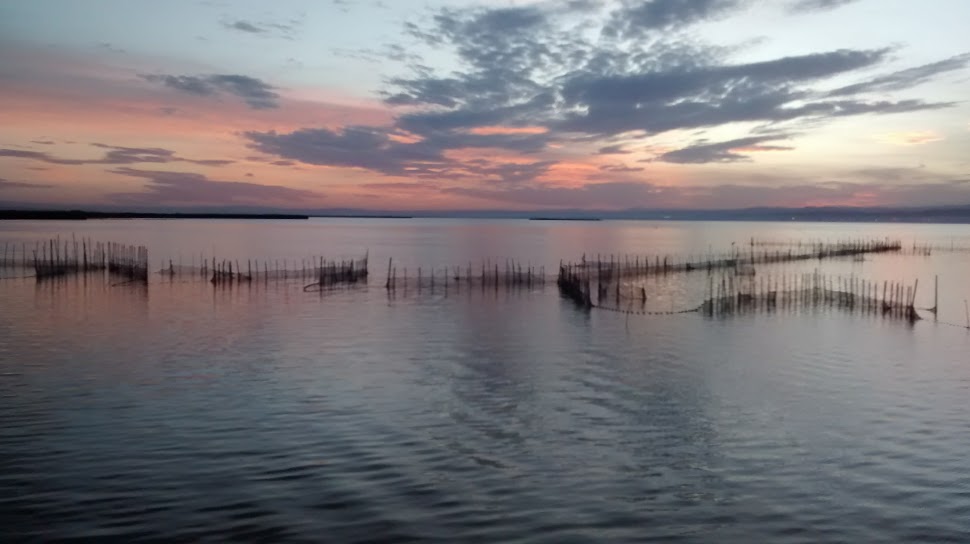
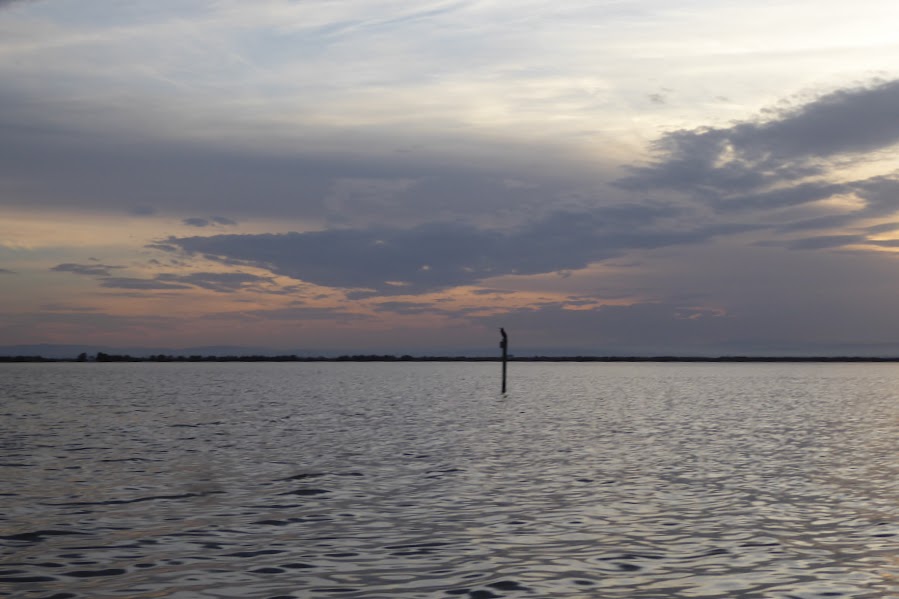
Last week, when posting about the joys of solitude, my header photo came from the afternoon and evening I spent in my own company in ‘l’Albufera, near Valencia. I think of it still as one of the most serene and contented days of my life.

It’s five years since I went in November to spend a fortnight in Valencia to do an intensive Spanish course. All morning I studied at the language school with a motley bunch of fellow students from Saudi Arabia, Germany, Ireland … anywhere but England, apparently. The afternoon was mine to explore Valencia’s city streets, its museums and parks, its churches, its markets. And in the evening I returned to lodge with a Spanish woman who spoke even less English than I did Spanish (I’d gone as a total beginner). So it was a wonderful but intense experience, with my senses always on alert to learn, discover and understand.

I’d heard about the l’Albufera wetlands just outside the city as a natural park to relax and enjoy a stroll among its paths and waterways, wildlife-spotting, and thought this would be just the thing for my last afternoon. I caught one of the infrequent buses, and was on my way.

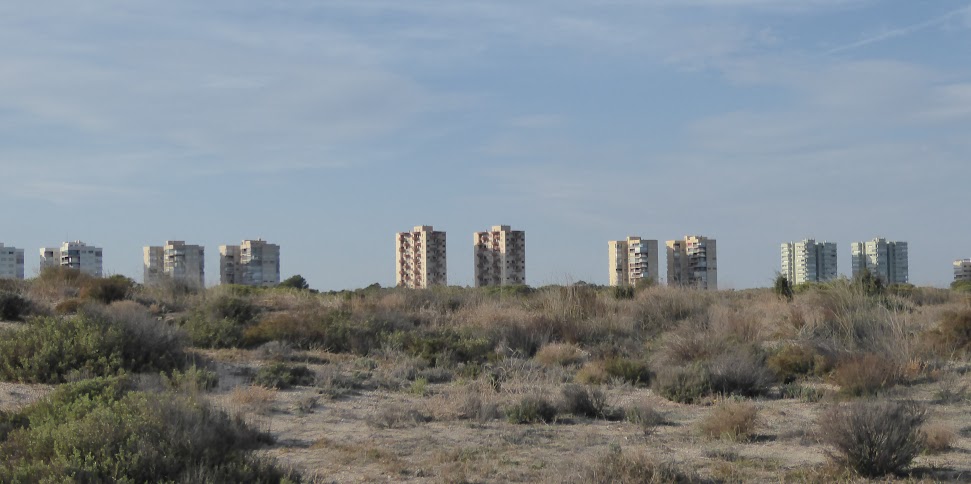
It really is only just beyond the city boundaries, and very near a rather unlovely social housing development, as you can see here:

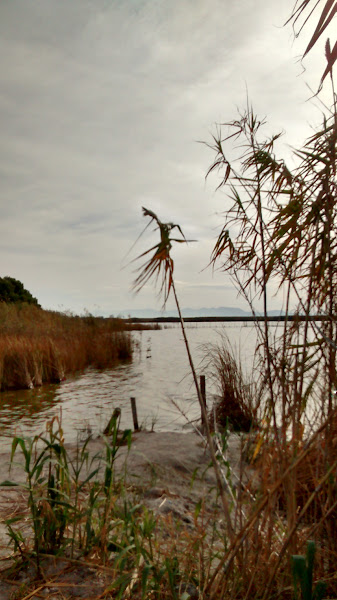
But start walking, and you can enjoy paths through Mediterranean coastal forest, probably not meeting another soul.

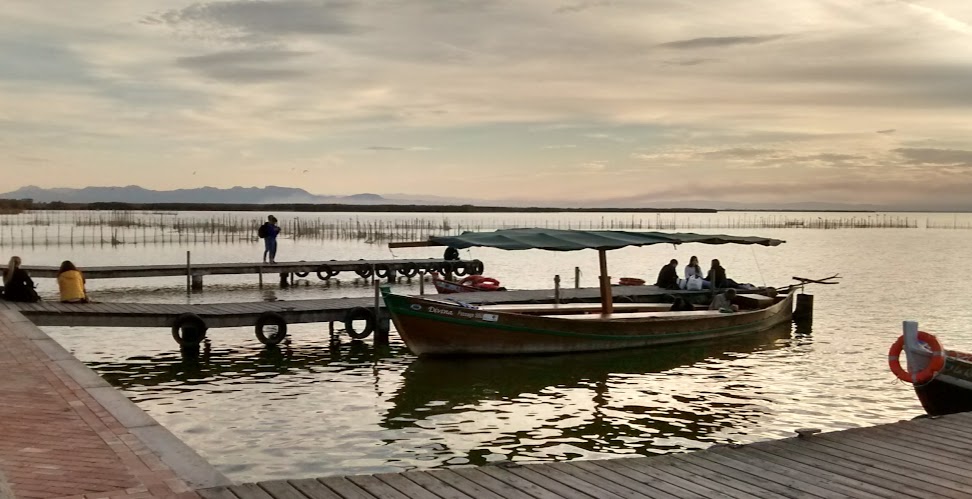
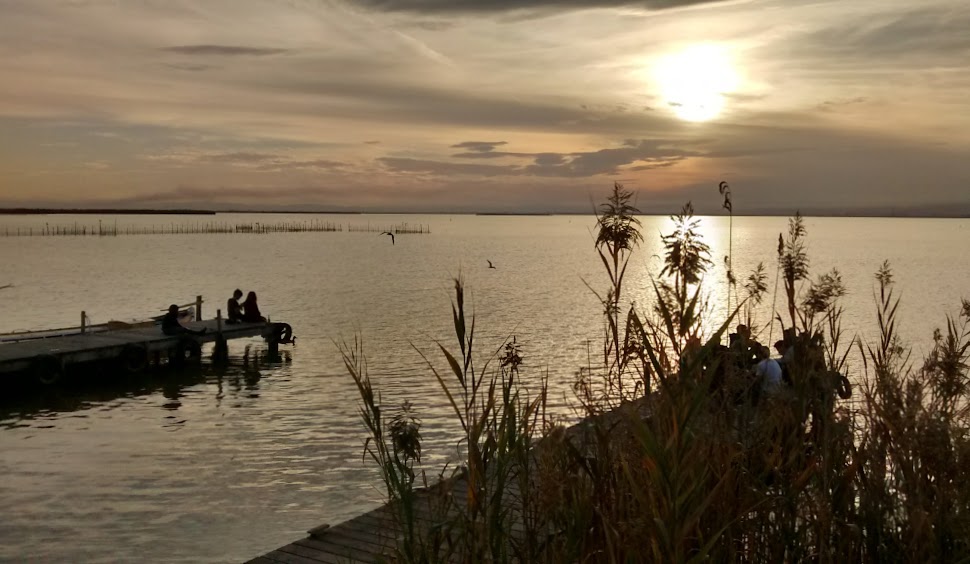
For the rest, I’ll let my photos do the talking. Several hours of walking, observing, mooching. Sometimes, like Winnie the Pooh, I sat and thought: and sometimes I just sat. As the skies suggested that evening was on its way, I joined a small queue at the waterside of El Perellonet, waiting for a boat trip. And about five of us sat ourselves in a simple boat, which for over an hour puttered about the wetland lakes, inching its way through tall reeds, disturbing herons and other water birds, as the sun slowly started to set. Though we spoke little to each other, it was a companionable, shared occasion which has rarely been bettered in my life. Just once, two years later, I shared the same experience in almost the same way with my husband and the magic was repeated.

For Tina’s Lens-Artists Photo Challenge #239

PS to WordPress bloggers: though if you’re affected you may not see this. WordPress for smartphones has now migrated to Jetpack. It’s hard to imagine that this was a glitch-free event. That’s the only reason I can think of for my post on Wednesday getting hardly any sightings, with almost all the usual suspects who are kind enough to ‘like’ and/or comment being conspicuous by their absence. Has anyone else had this experience?

The Eyes Have It

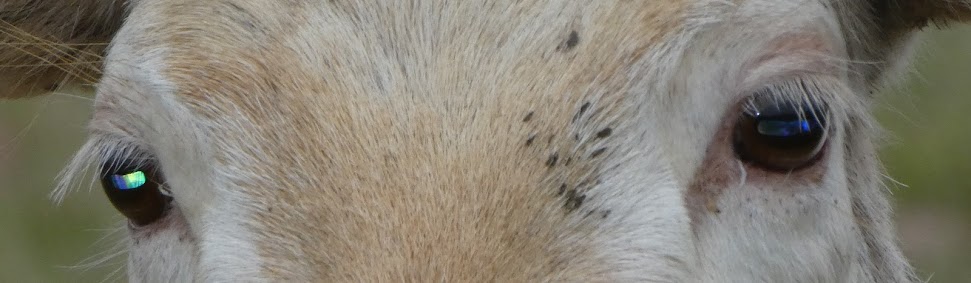
In this week’s Nature Photo Challenge #2, Denzil has us hunting for eyes. That’s a bit tough, isn’t it, photos of eyes?

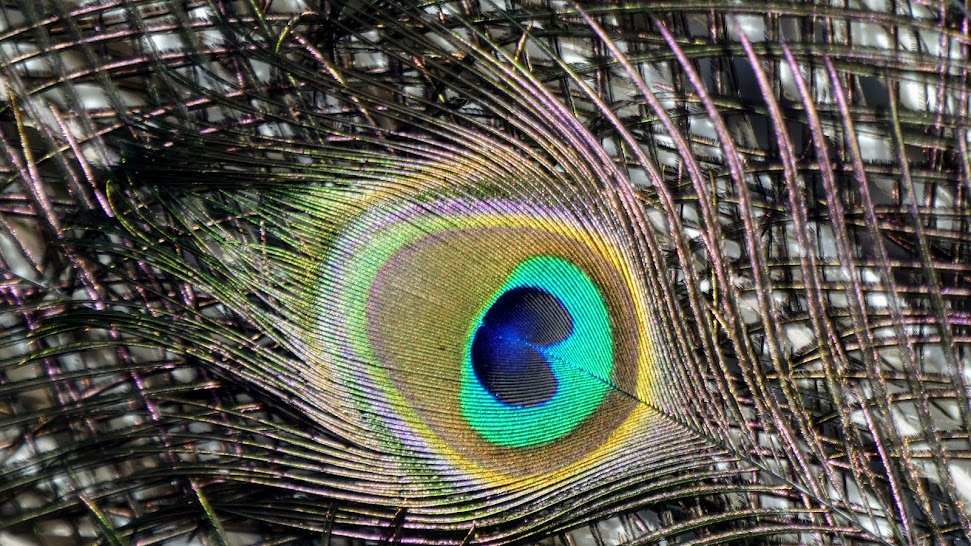
We’ll go back to last week’s peacock for a bit of help:

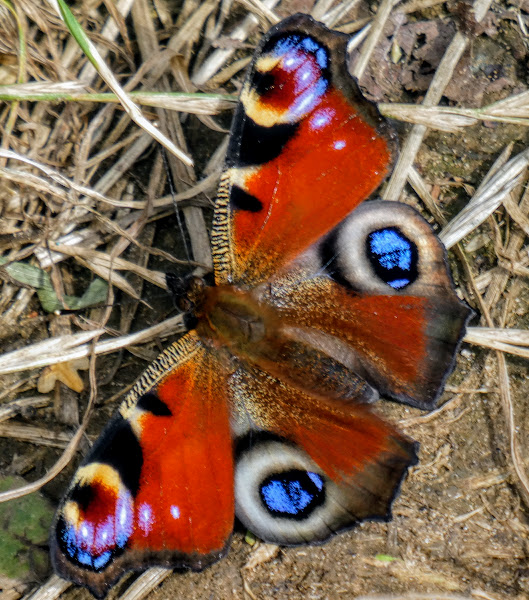
And there’s another kind of peacock who can help us: a peacock butterfly.

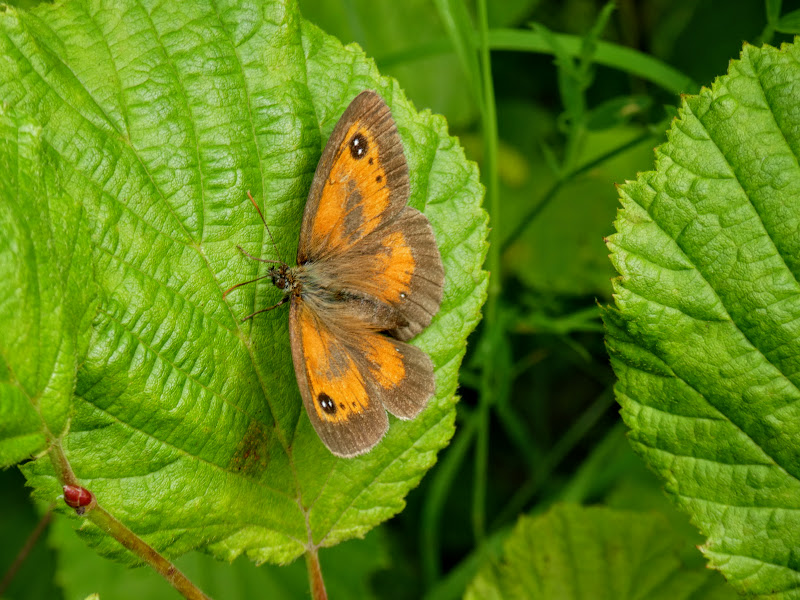
Here’s another butterfly with eyes to dismay predators: a Gatekeeper.

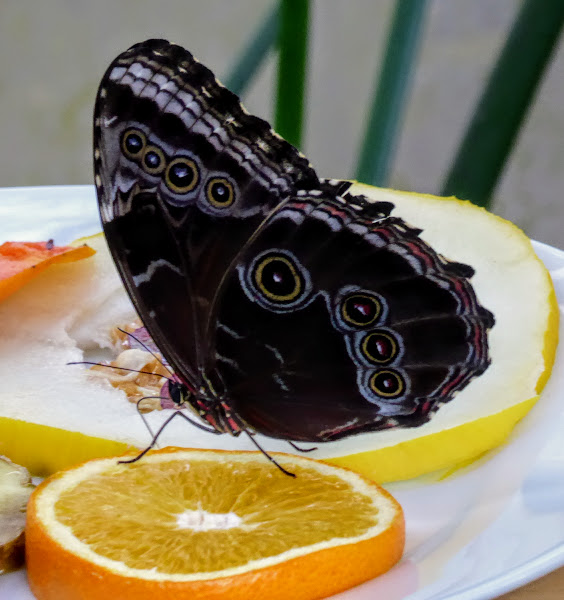
Since I’ve never been to the Amazonian Rainforest, I’ve never seen an Owl Butterfly in its natural habitat. But they have circled round me at the Butterfly House of London’s Horniman Museum, unnerving me with all those ‘eyes’ they have..

After all these dissembling eyes, it seems only fair to show two real ones. The header photo shows a fallow deer at Knole, Kent, and here is an elephant at Dubare Elephant Camp on the River Cauvery in India.

Six Degrees of Separation: from Passages to Night Crawling

On the first Saturday of every month, a book is chosen as a starting point and linked to six other books to form a chain. Readers and bloggers are invited to join in by creating their own ‘chain’ leading from the selected book.

Kate W: Books are my favourite and best https://booksaremyfavouriteandbest.com/2023/03/04/six-degrees-of-separation-from-passages-to-soundings/

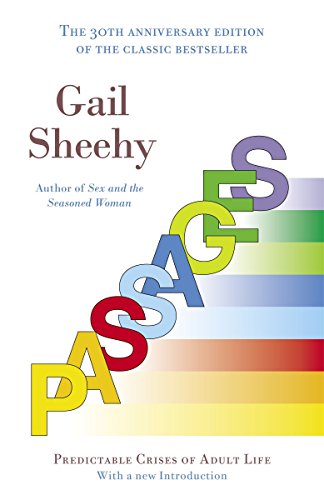
The full title of Passages, this month’s starter book, describes it as being about ‘predictable crises of adult life’  Gail Sheehy’s road map of adult life shows the inevitable personality and sexual changes we go through in our 20s, 30s, 40s, and beyond.  And I haven’t read it. 

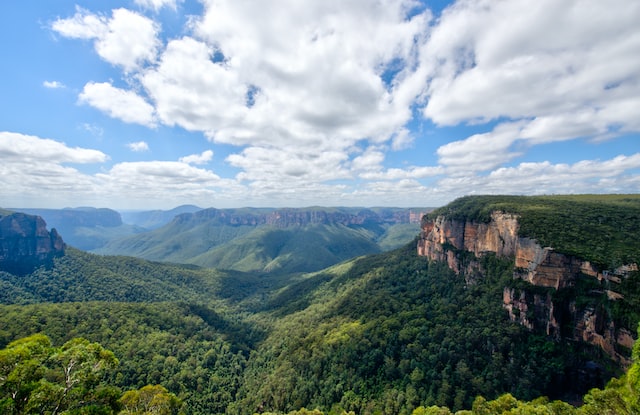
But I have read a book whose female heroine is forced into adapting to a life for which she had been totally unprepared, and for which there was no self-help manual: A room made of leaves, by Kate Grenville.  This is an involving story based on the lives of John Macarthur, who has a bit part in Australian history, and his wife Elizabeth, who hasn’t, but who, through her amanuensis Kate Grenville, wrote this book. It’s 1788. After an unwise liaison with a hot-headed and unbalanced soldier, John Macarthur which results in her pregnancy, she is forced to make a new life in Australia where her husband has duties guarding the penal colony in New South Wales. Isolated in this unfamiliar terrain, she has to develop strategies and find strength to navigate her new life and her impetuous and unpredictable husband. This book beautifully evokes the landscape of this part of Australia, and the tough life shared by army personnel, prisoners, and the original Aboriginal population, for whom, unlike most of her fellow countrymen, she develops respect and sympathy. An evocative and poignant story.

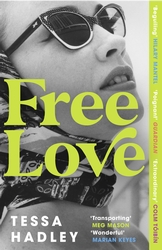
Another book had me reading about a woman who also couldn’t have read Passages:  Free Love by Tessa Hadley. We are in the 1960s, and are introduced to Phyl, a middle class housewife with a husband in the Foreign Office and two children. The family is prosperous and content. Then Nick, the son of old friends comes for a meal, and everything changes as Phyl makes choices which up-end this happy and conventional family.  I was immediately immersed in this story, where first one twist, then another interposed itself in the narrative. Extraordinary as these twists were, the sixties setting gave them the ring of authenticity, and I had little difficulty in being totally sucked into the worlds which Phyl and her various connections inhabited. I found it a real page-turner.

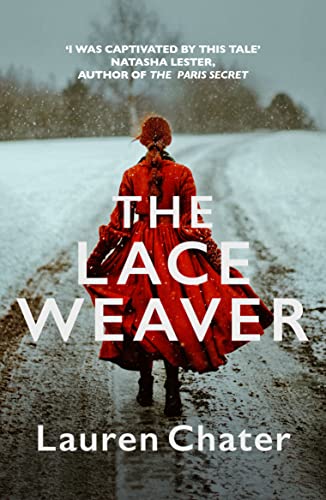
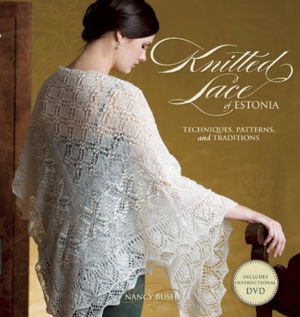
The next two women also had little control over how their lives unfolded:, as told in The Lace Weaver by Lauren Chater. Estonia, 1941. The country is in the grip of a savage conquest and occupation by Russia. Increasingly deprived of a means of scrabbling a livelihood together, for the women of the town where young Kati lives, hanging on to their heritage tradition of shawl-weaving in delicate lacy patterns becomes a way of asserting their commitment to their country.  Moscow, 1941. Lydia, a privileged young woman of Kati’s age discovers some unwelcome facts about her parentage and resolves to escape. After several heart-stopping adventures, she finds herself in the same refugee camp as Kati.The two young women tell their stories in alternating chapters, with the leitmotif of the shawl being the device that threads their stories together: stories of danger, love, brutal deaths and the importance of all the women’s support of one another as their men fight the Russian occupiers in under-the-radar resistance groups. Although I found that difficulties were sometimes too slickly resolved, nevertheless the story emphasised the fragility of life, the strength of the human spirit.

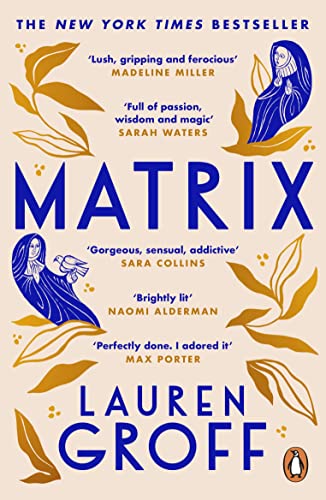
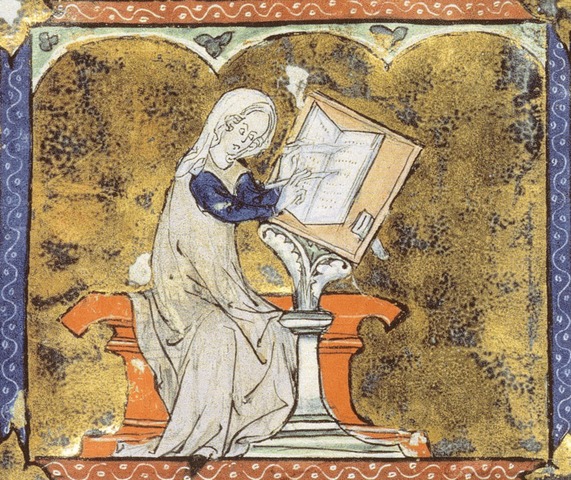
We’ll go back to the 12th century now, to read about a woman who at first had little control over her life- until she learnt how to assume it:  Lauren Groff’s Matrix.  I expected to enjoy this book far more than I actually did. The hero, Marie de France, is someone known to have existed, but very little of her history is known. Which pretty much gave Lauren Groff carte blanche to write her story as she chose. In short, Marie, a bastard of noble birth, is big and ungainly. Sent as a prioress to an impoverished and unimportant abbey, she successfully devotes her whole life to making it large, beautiful, and extraordinarily wealthy. Groff’s research is impressive: she clearly understands the mediaeval religious life well. Her writing is striking, luminous. But I was entirely uninvested in the life of Marie de France and in the lives of her fellow-nuns. Dramas were quickly resolved: whole years, or even a decade or so passed in a single sentence. I didn’t care for Marie a great deal – for her visions and her acquisitiveness – apparently for the glory of God. And really, it was a matter of some indifference to me whether I finished the book: I did – for the quality of the prose, rather than the uninvolving narrative.

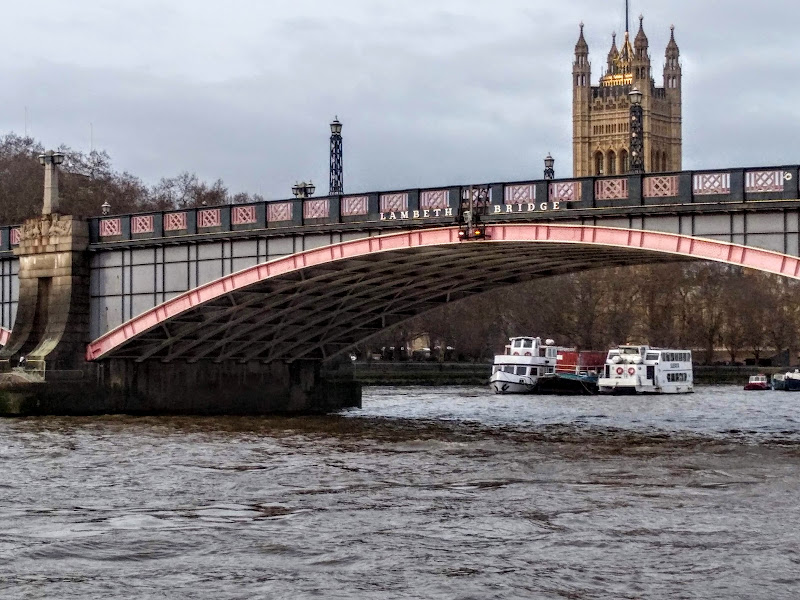
Another woman – in fact The hero of this book is the subject of Elizabeth McCracken’s story.  Apparently it’s her mother, but actually it’s auto-fiction, which is fictionalised autobiography. A book that is curiously hard to describe or pigeon hole. The author – American – is playing the tourist in London, re-exploring the haunts she and her recently deceased mother enjoyed together. She moves seamlessly, but never inappropriately between her London adventures, her mother’s life as a woman with life-affecting health issues, and the need to sell the unwieldy and neglected house that was her parents’ last home. Her father also died not too long ago, but he plays no more than a bit part in this story.  McCracken’s mother was wilful and opinionated, witty and optimistic – and great fun, despite her very real mobility difficulties. McCracken herself vacillates between protecting her mother’s privacy and wanting to cherish her memories. She wants to write a book that’s like ‘David Copperfield except Jewish, and disabled, and female, and an American wiseacre, but there’s too much I don’t know and I can’t bear to make up.’  This is a funny, unsentimental and vivid book which is impossible to characterise – or to put down.

I seem to have a chain which is all about women, so here’s my last one, and so different from any previous choices. Night crawling by Leila Mottley.  17 year old Kiara’s father, always in and out of jail, is dead, her mother is in a halfway house, and her older brother chases unrealistic dreams of becoming the next big name in the music industry. She’s in charge of their home, and de-facto of her friend and neighbour’s 9 year old child, whom she loves unconditionally. Under-educated and with no training, she has no means of paying the rent and eviction looms. Sex-working provides an answer, but soon she falls into the clutches of a ring of sex-seeking cops from whose grip she has little chance of escape. This is her story: that of a feisty young woman making the best of the rotten hand that life has dealt her. Told in her own words, Kiara paints a picture of a world where racism and poverty and lack of choice are normal and where the choices she must make are impossible. It’s inspired by a true story of corruption in the police department. Kiara is bold, witty and tough, and Mottley gives her a rhythmic, new and exciting langage. An energising read.

Six women, roughly fashioned into this month’s chain. Where will next month’s take us? It’s Bruce Springsteen’s autobiography Born to Run.

PS. Away from home, I am finishing this post off on my phone. Getting the link to Kate’s post to display in the usual way has turned out to be above my pay-grade.
Eating to extinction

I have just finished reading Eating to Extinction, by Dan Saladino. It’s an ambitious, immersive and important book. Saladino has made a tour of the world’s vanishing foods – its animals, vegetables, crops, and shown us why retaining diversity in the food chain matters so much.

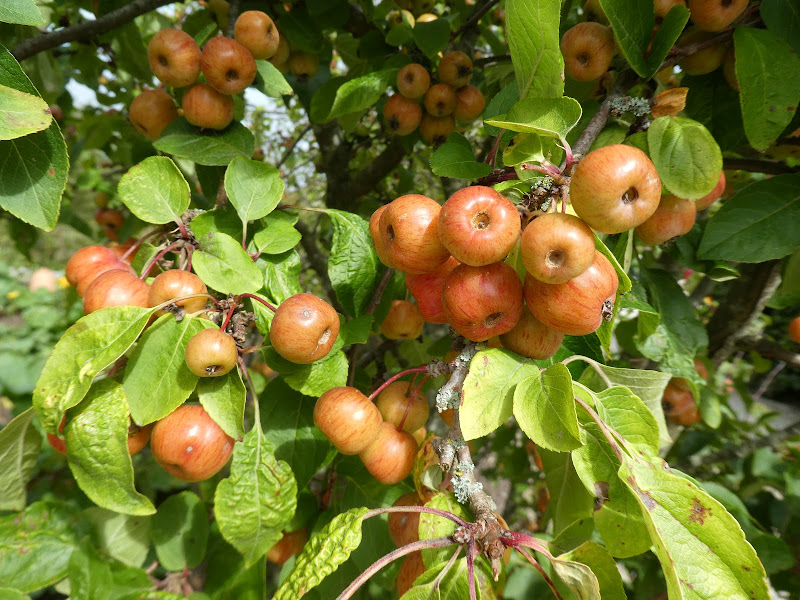
This engaging and readable book takes us with Dan Saladino as he visits Hadza hunter-gatherers in Tanzania in quest of wild honeys – they’re the very last people to be constantly on the move, with no settled place to call home – they have lived successfully with no possessions, no money and no leaders. In Australia, he’s shown murnong, a radish like root once prized by the aboriginal people, and all but obliterated by introduced over-grazing sheep. Bere is an ancient barley adapted to the harsh conditions in Orkneyn Orkney. There are Swabian lentil growers; apple growers in Kazakhstan; Skerpikjøt, the wind-dried mutton of the Faroes …. and so many more. Each adventure, to areas where local custom and traditional ways of life remain strong is full of interest, and leaves me with a desire to try the foods and drink he sampled. It also leaves me with a determination to do what I can to support the remaining foods being saved by passionate and committed producers.
Disease can rampage through a single variety at horrifying speed, and if that variety is all we have, the consequences are obvious. Too many of our foodstuffs are in too few hands. The cultures that are injected into our cheeses worldwide to make them what they are are in the hands of some 5 suppliers. The cattle we breed are – worldwide – largely a single breed. Seeds in every continent are in the hands of just four corporations,. Thousands upon thousands of local varieties, bred over the centuries to suit local conditions have been lost forever. So many of the foods we rely on – animal and vegetable – once developed to suit particular soils and climate have been wiped out or, if lucky, painstakingly recovered from a vanishingly small stock pile by some single-minded enthusiast. Now, most foods are grown as a one-size-fits-all.

Whereas foodstuffs used to be so different and varied from one country and region to the next, now the entire world derives 50 % of its calorie-intake from just three foods: wheat, corn and rice. The fast-food burger is becoming a world-wide phenomenon. Saladino shows us that besides this being so dangerous – an epidemic could wipe away a foodstuff completely – it’s also impoverishing our diets, and the rich variety of local foods. He discusses globalisation, the crippling effects of war and climate change. The good news is: with a lot of hard work and good will, it’s not quite too late to stop the rot.

The most important book I’ll read this year. And one of the most interesting.

For Gumtrees and Galaxies: Gaia Nature Reading Challenge

Alone Time

I don’t have a problem being alone. As an only child who was often uprooted while growing up, I was used to my own company. Nowadays, though I value family and friends, time to myself is important too. My happiest memories of lockdown are of the Daily Exercise we were permitted, when I’d take myself off to enjoy the differences each day made on familiar daily walks, and discover new tracks and pathways.

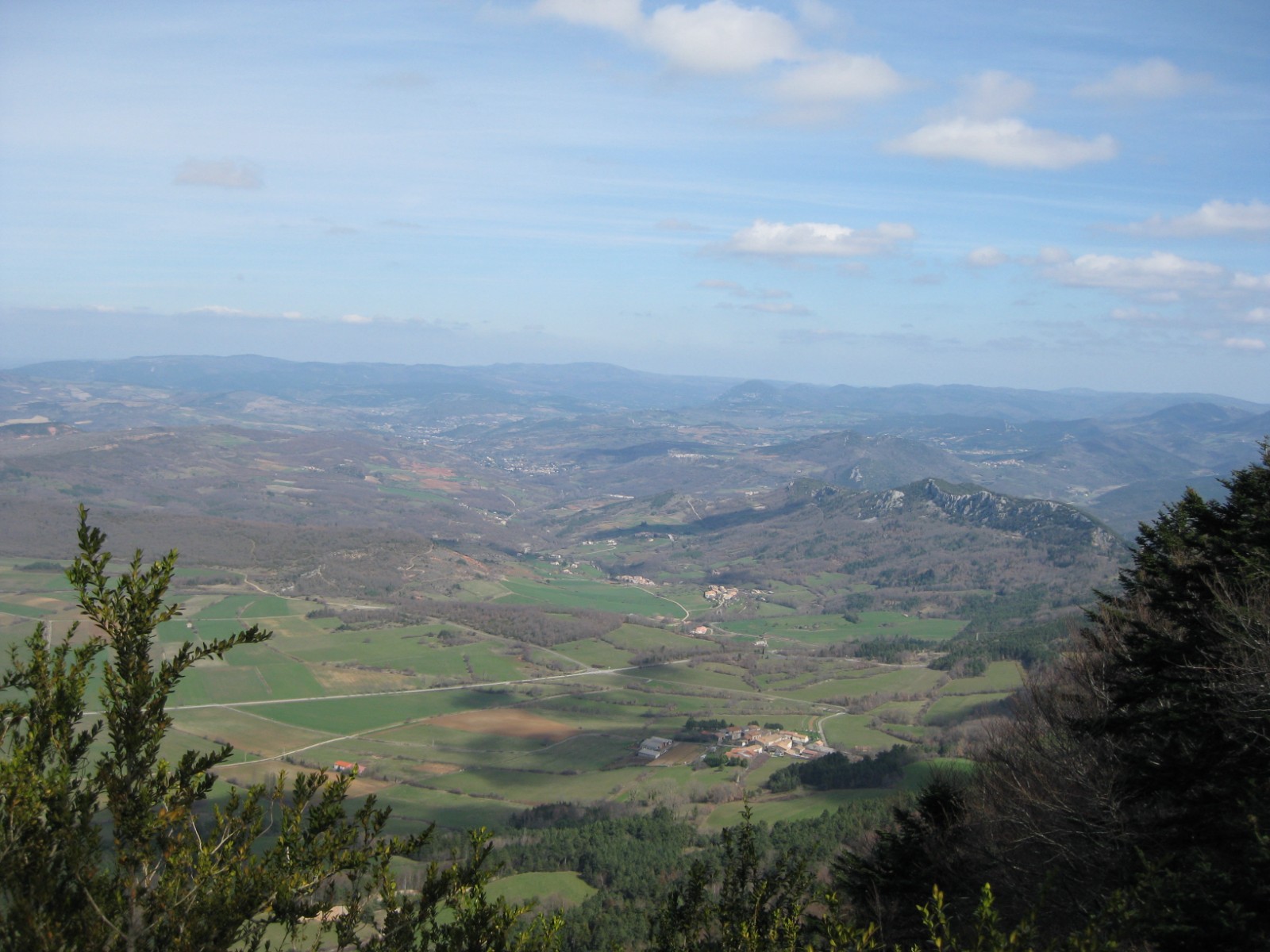
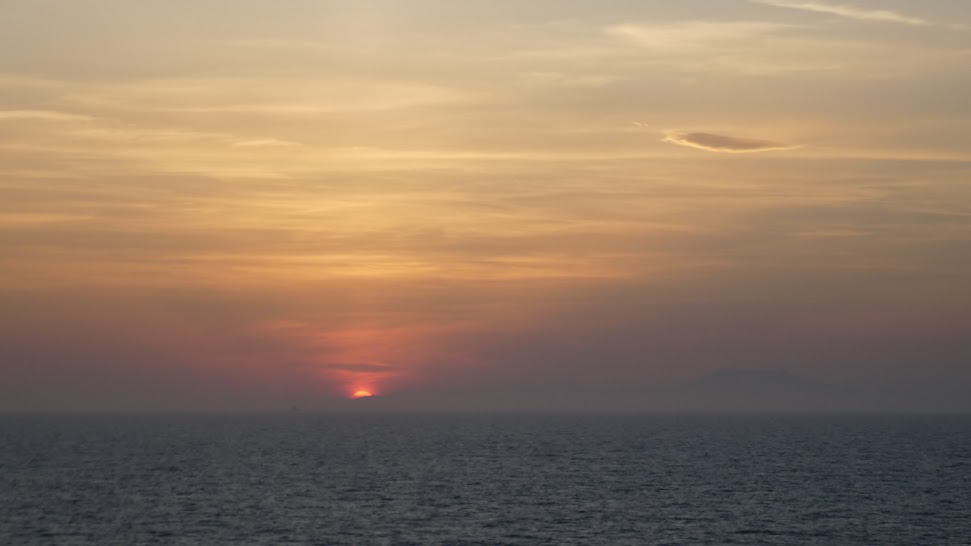
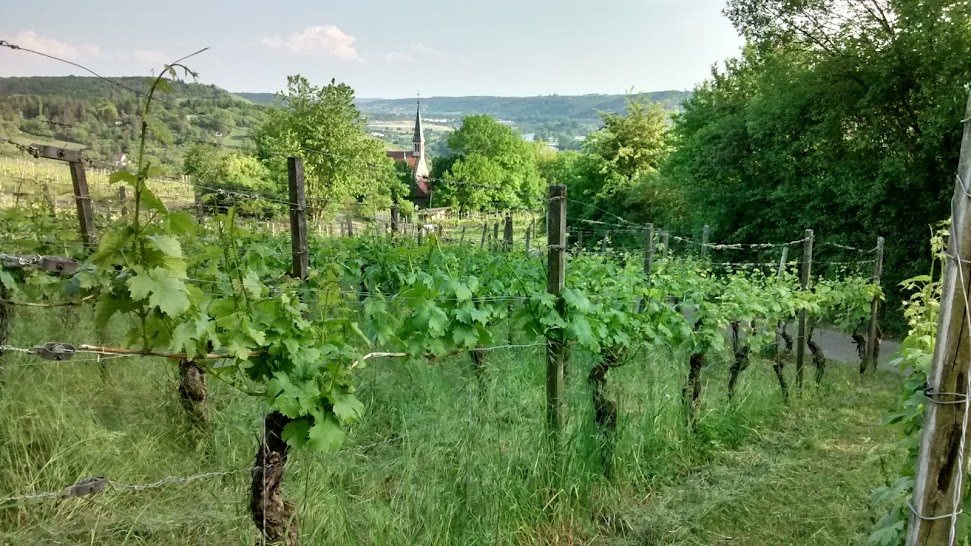
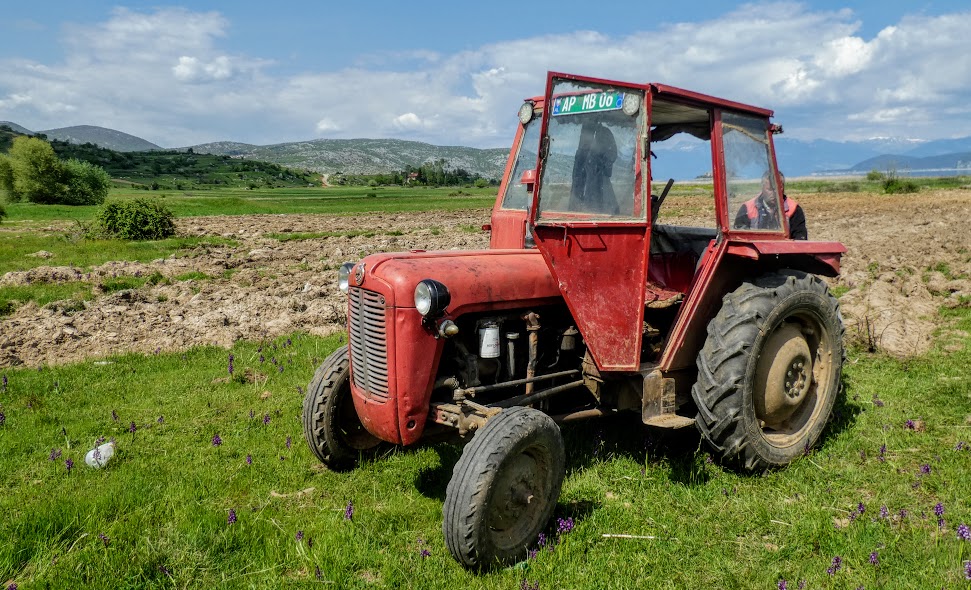
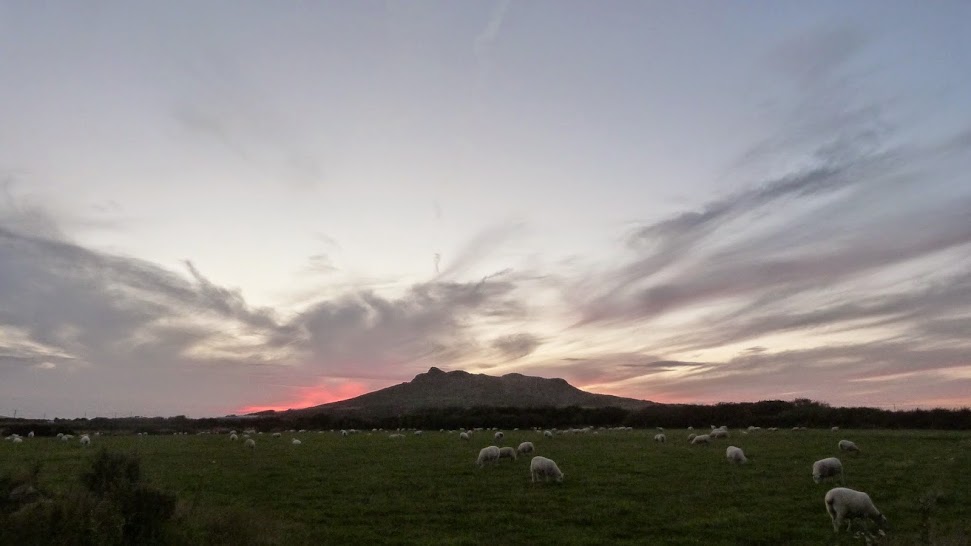
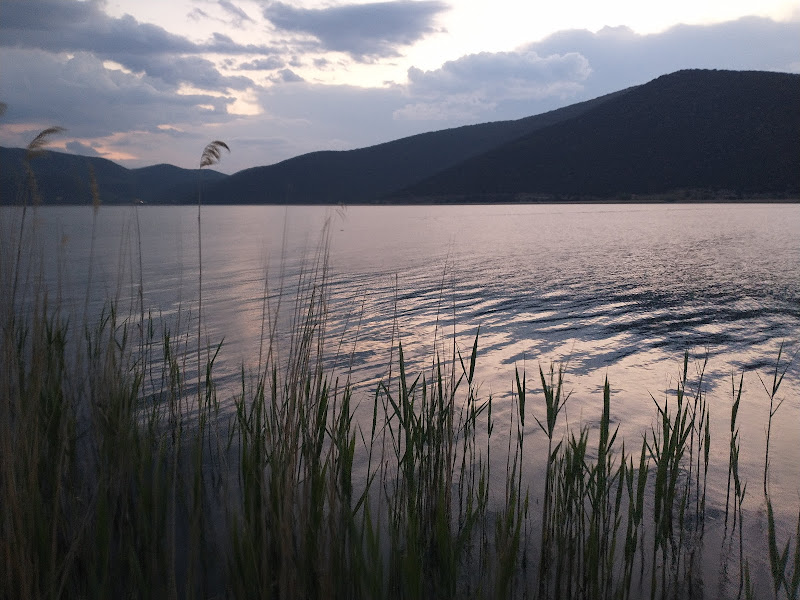
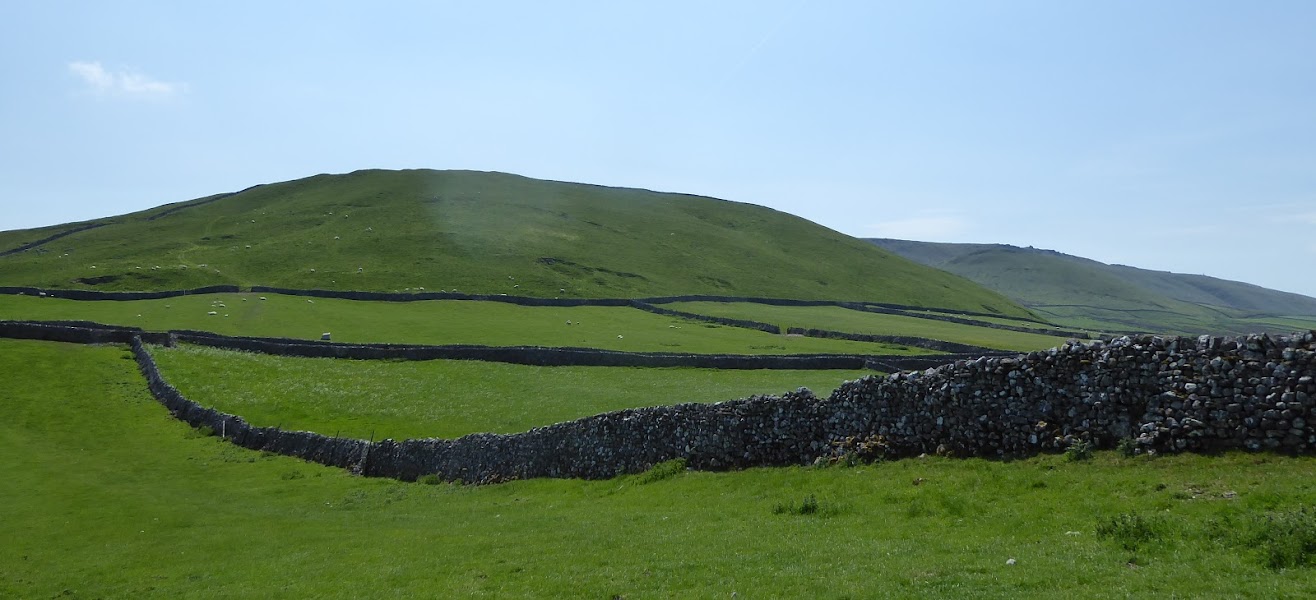
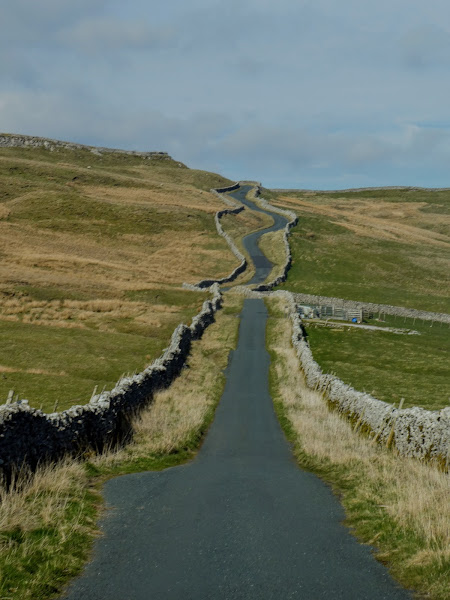
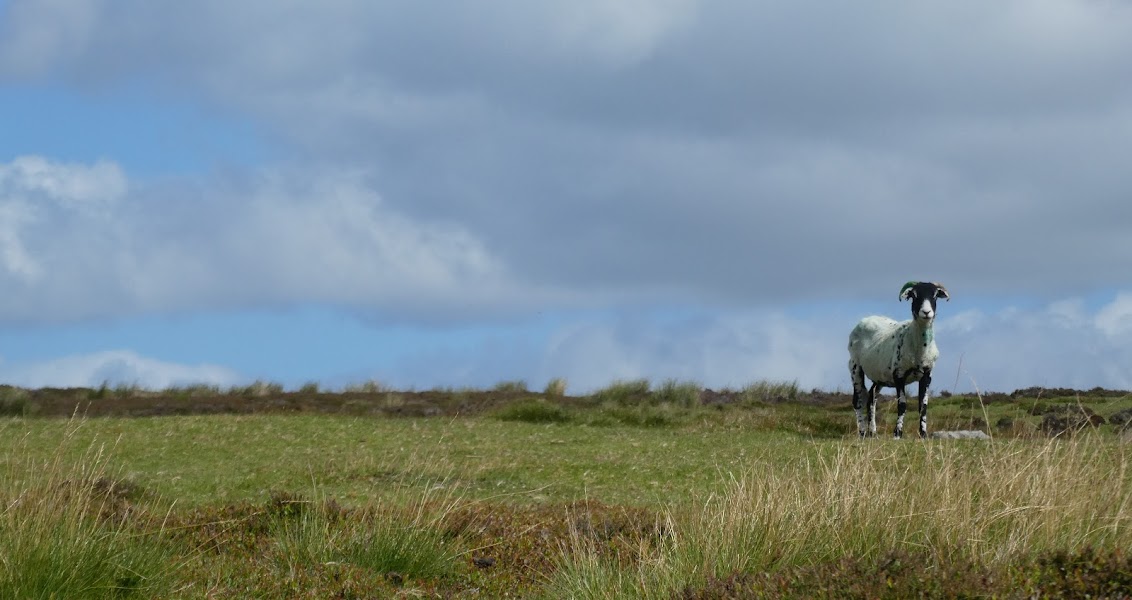
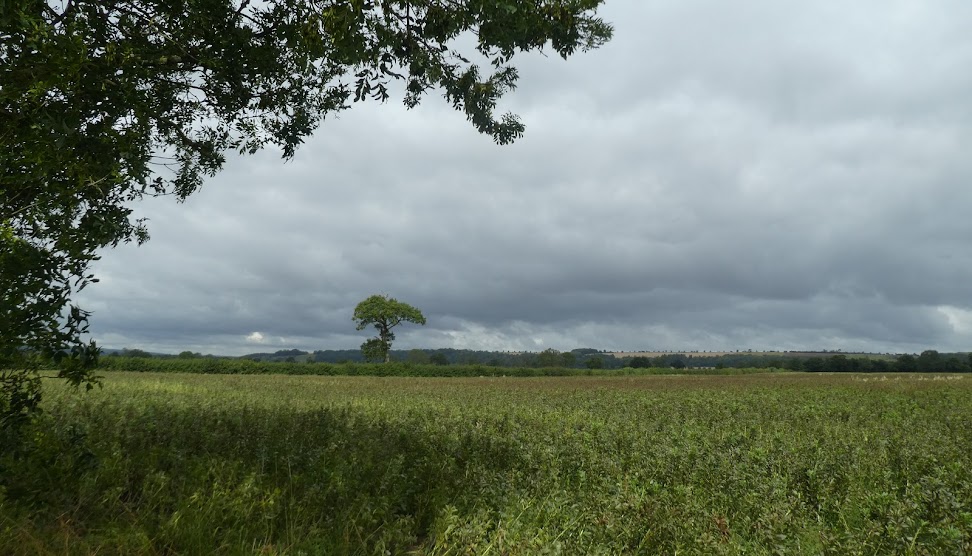
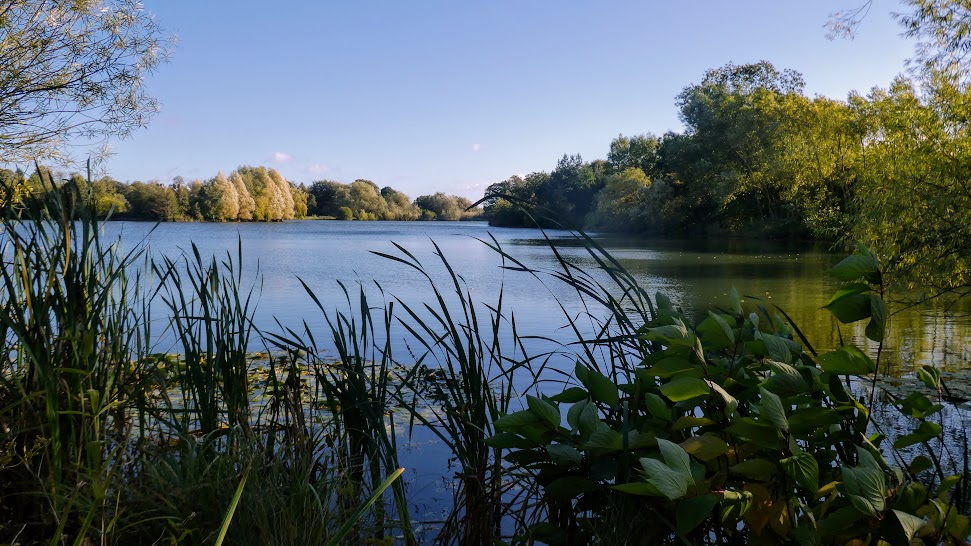
Here’s a rather random gallery of landscapes that may meet the needs of the solitary walker. Put on your hiking boots and yes, why not? We’ll go and enjoy them together.

…. and then you could just go off by yourself if you wanted …

For Ann-Christine AKA Leya’s Lens-Artists Challenge #238 Alone Time

The header image is from l’Albufera, near Valencia, Spain, where I had a wonderfully solitary afternoon and evening one November about four years ago.