Just a few postcards from Shrewsbury

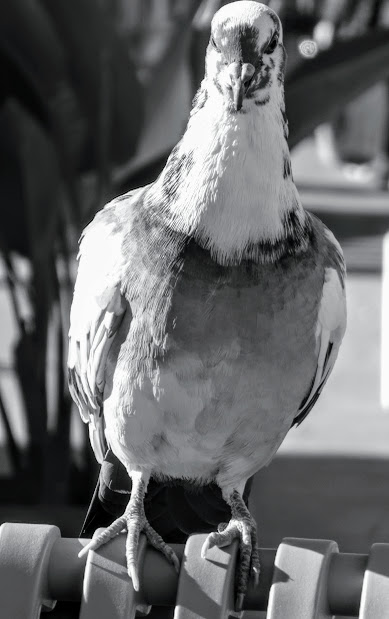
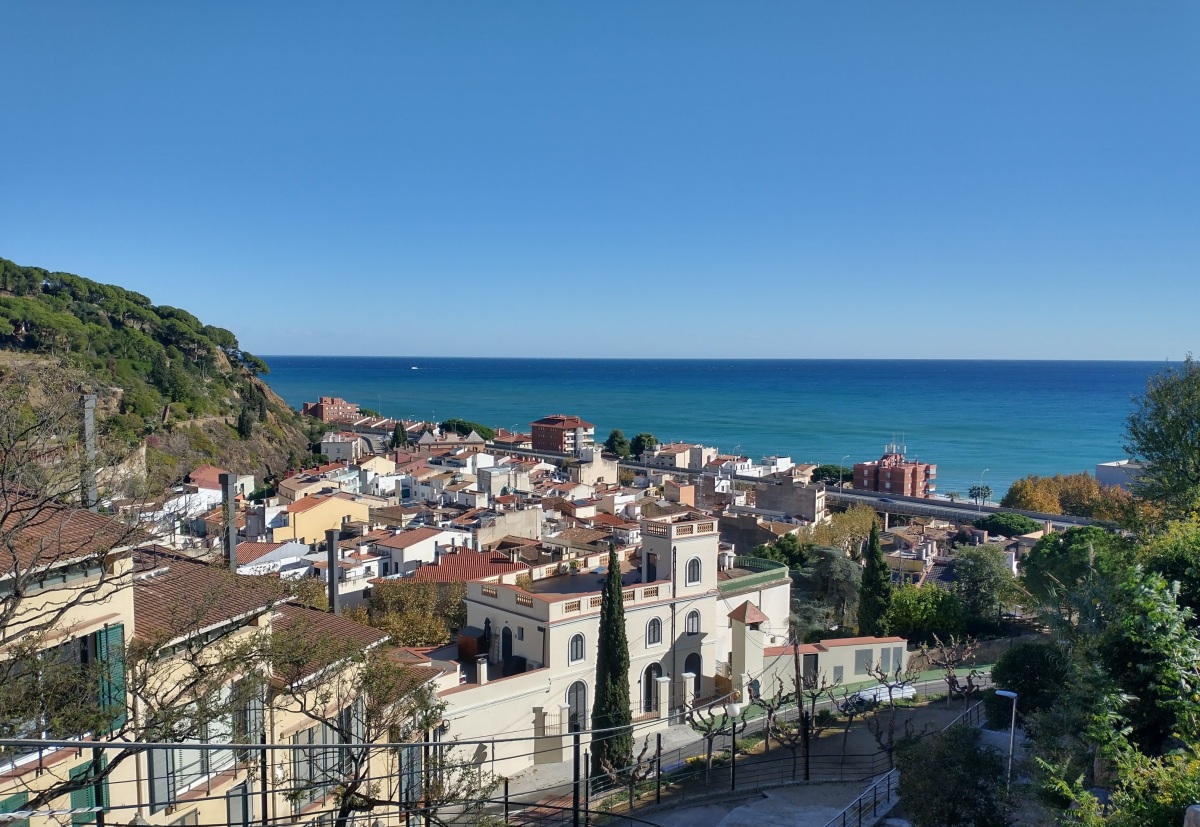
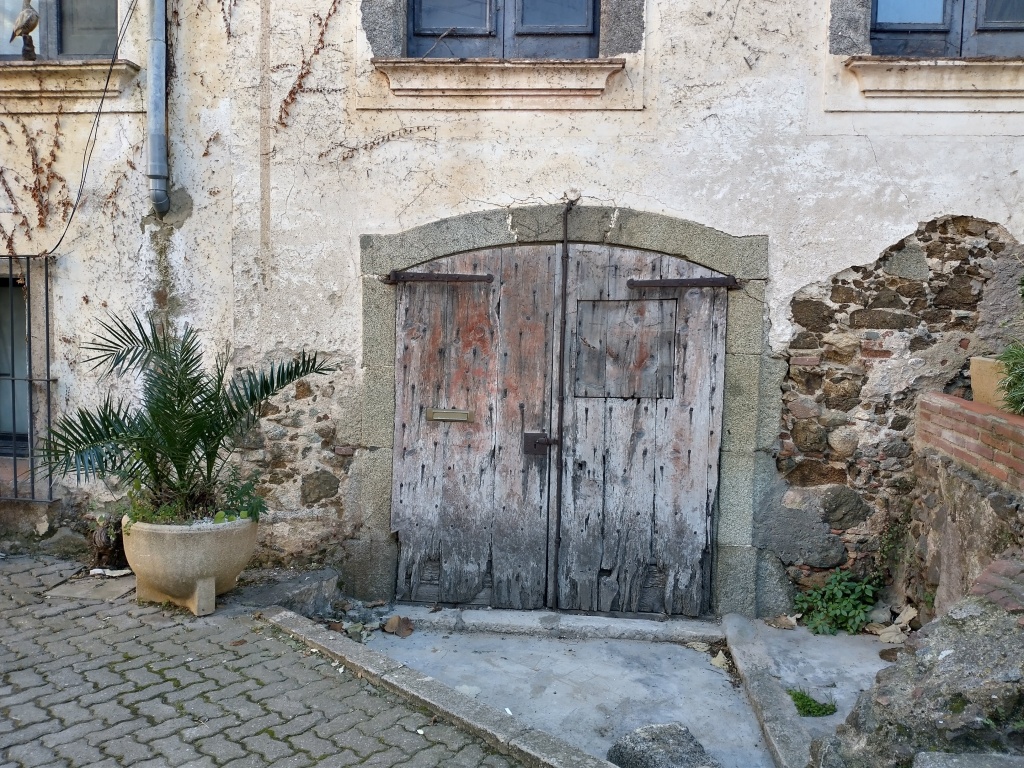
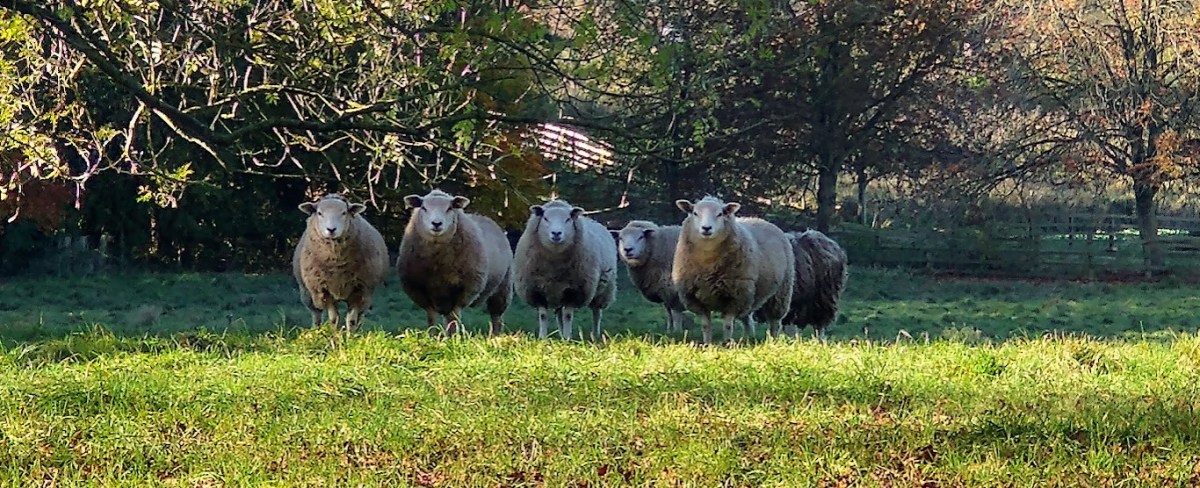
Shrewsbury in Shropshire. How to pronounce it? Shrowsbury or Shrusebury? I was brought up with the former. Apparently most locals prefer the latter. Apart from those who don’t. I give up. Let’s go on a stroll round this lovely, quiet, tucked-away town with oodles of history. Click on any image to reveal it full size, with caption.

For Debbie’s Six Word Saturday.

And the Salvador Dali and electricity boxes qualify for Natalie’s Photographing Public Art Challenge.

What’s in the Frame?

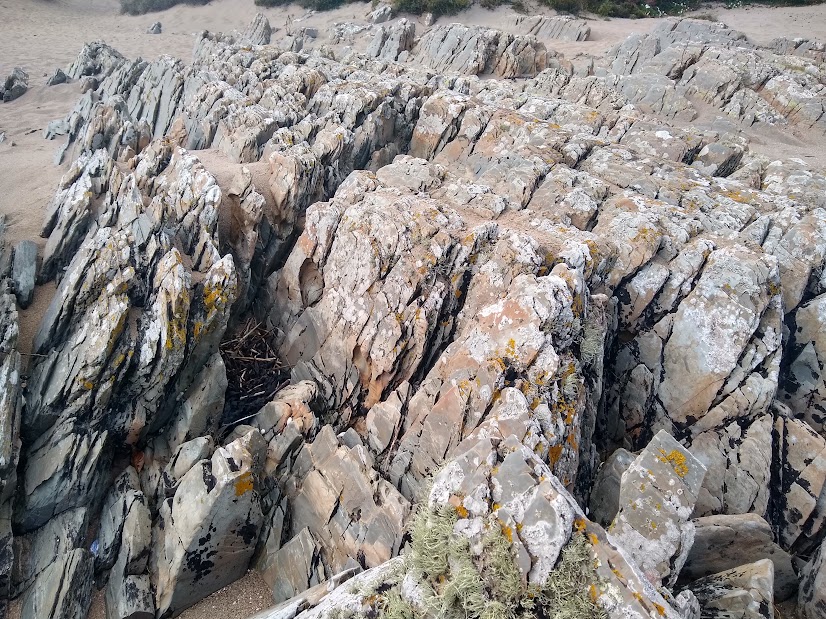
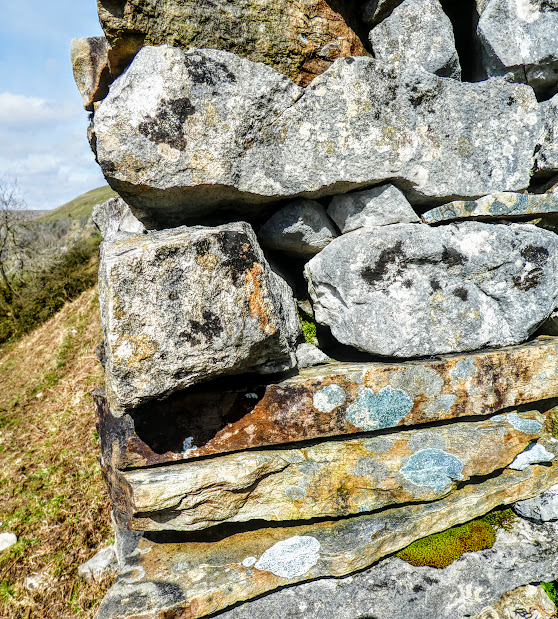
This week, for the Lens Artists Challenge, Amy asks us to consider ways of framing our shots. So my featured photo doesn’t do that. The frame shown here, at Brimham Rocks IS the subject of the shot.

Sometimes, the photographer finds a frame has been fortuitously laid on. Here we are on the Regents Canal in London, in maritime Barcelona and at Harlow Carr Gardens in Harrogate.

A band plays on the floating bookshop, Word on the Water, on the Regent’s Canal, London

Sometimes a window – an actual window, or a suitably-shaped hole-in-the-wall provides that frame. Here’s the South Bank in London, a shot taken while sailing to Bilbao, another view at Harlow Carr, and a convenient window overlooking the River Thames near Blackfriar’s Bridge.
In her post about framing, Sarah of Travel with Me fame took us to Fountains Abbey and Studley Royal. We’ll go there too, but wander through the wooded area of the High Ride, and into the parkland of Studley Royal, allowing the trees themselves to frame the picture.

Fountains Abbey in autumn.

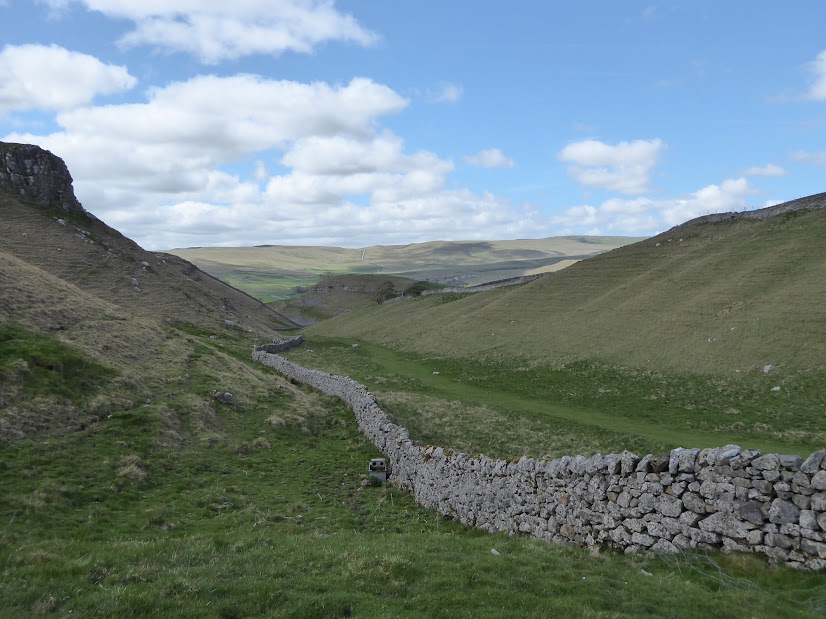
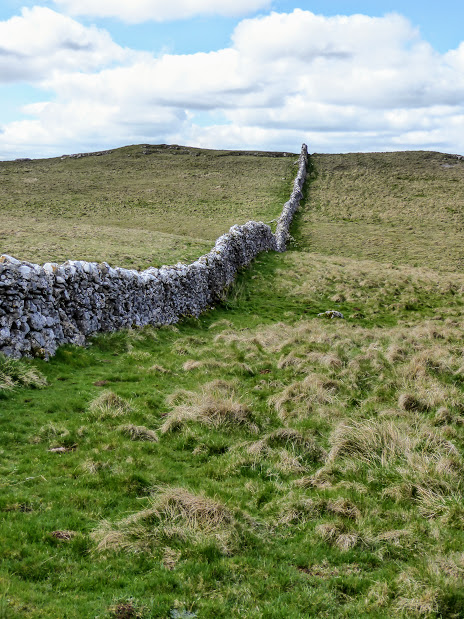
And lastly, another view which didn’t work as well as I hoped, through a chink in a drystone wall in the Yorkshire Dales.

Foraging Food for free

As regular readers know already, I’m a huge fan of Food for Free. Especially at this time of year, I never leave the house without a useful ‘au cas où’ bag stuffed in my pocket . This is a bag that any rural French person will have about their person always – just in case they find something useful – a few nuts, berries, fungi or leaves to add interest to the store cupboard. At the moment, this is all about the apples, blackberries, bullace and mirabelle plums all growing wild locally. At other times it might be young nettles, wild garlic or other leaves. Soon it will be puffballs. I’m not especially knowledgeable, but I do my best. Yesterday’s haul? Windfall apples (simple stewed apple) mirabelles (frangipane and jam) and bullaces (crumble and bullace cheese – think a plum version of membrillo – very labour intensive).

Although I was brought up foraging, my commitment to it was sealed when we lived in France. Here’s a post I wrote in October 2012.

‘All is safely gathered in, ere the winter storms begin’*

October 25th, 2012

Well, at this time of year, it isn’t really a case of ‘au cas où’ .  You’re bound to find something.  A fortnight ago, for instance, Malcolm and I went on a country stroll from Lieurac to Neylis.  We had with us a rucksack and two large bags, and we came home with just under 5 kilos of walnuts, scavenged from beneath the walnut trees along the path.  A walk through the hamlet of Bourlat just above Laroque produced a tidy haul of chestnuts too.

Yesterday, we Laroque walkers were among the vineyards of Belvèze-du-Razès.  The grapes had all been harvested in the weeks before, but luckily for us, some bunches remained on the endless rows of vines which lined the paths we walked along.  We felt no guilt as we gorged on this fruit all through the morning.  The grapes had either been missed at harvest-time, or hadn’t been sufficiently ripe.  They were unwanted – but not by us.

So many vines: there’ll be unharvested grapes there somewhere.

The walnuts we’re used to in the Ariège are replaced by almonds over in the Aude.  You have to be careful: non-grafted trees produce bitter almonds, not the sweet ones we wanted to find.  But most of us returned with a fine haul to inspect later.  Some of us found field mushrooms too.

A solitary almond

Today, the destination of the Thursday walking group was the gently rising forested and pastoral country outside Foix known as la Barguillère.  It’s also known locally as an area richly provided with chestnut trees.  Any wild boar with any sense really ought to arrange to spend the autumn there, snuffling and truffling for the rich pickings.  We walked for 9 km or so, trying to resist the temptation to stop and gather under every tree we saw.  The ground beneath our feet felt nubbly and uneven as we trod our way over thousands of chestnuts, and the trees above threw further fruits down at us, popping and exploding as their prickly casings burst on the downward journey.

Just picture whole paths, thickly covered with chestnuts like this for dozens of yards at a time.

As our hike drew to an end, so did our supply of will-power.  We took our bags from our rucksacks and got stuck in.  So plentiful are the chestnuts here that you can be as picky as you like.  Only the very largest and choicest specimens needed to make it through our rigorous quality control.  I was restrained.  I gathered a mere four kilos.  Jacqueline and Martine probably each collected three times as much.  Some we’ll use, some we’ll give to lucky friends.
I think these chestnuts represent Jacqueline, Martine and Maguy’s harvest.

Now I’d better settle myself down with a dish of roasted chestnuts at my side, and browse through my collections of recipes to find uses for all this ‘Food for Free’.

*From the words of an English hymn sung during Harvest Festival.

For Denzils’ Nature Photo Challenge #24: Edible.

And Jo’s Monday Walk: even though Jo is taking a break.

A Work in Progress

That’s this post, really. We’ve been away all week, discovering Shropshire with friends who’ve moved there. Getting to know this county and its landscapes, its industrial history, its towns and villages is a work in progress for us. But it’s left me only with time to throw together a quick response to Ann-Christine’s Lens Artists Challenge: Work in Progress.

We’re all Works in Progress – all our lives. But children especially so. Fierce concentration here, and enjoyment too …

Hard at work with bucket and spade.

Slightly older children can hold their own with adults when it comes to demonstrating proficiency – in this case sheep-handling at Masham Sheep Fair.

Sheep-handlers young and old at Masham Sheep Fair

Over in the city, street art out-numbers sheep. Here are two works in progress: the first in Valencia, Spain, the second near Brick Lane, London.

And finally, two shots from India that I remember well: the house opposite my hotel in Puducherry, whose construction was a work-in-progress from about six, till late… it’s up there as my featured photo … and a metalworker hard at work producing figures inspired by the nearby temple at Kumbakonam in Tamil Nadu.

Bronze worker in Kumbakonam

The Adventures of Major General Algernon Gove

Five random words. Paula, over at Lost in Translation posts five different words every month, and invites bloggers to choose five different photos to illustrate them. Well, I decided I’d join in. But I thought I’d have even more fun if I wrangled those five words into a piece of doggerel to accompany my images. Here we go…

The five words are …

FAMILIAR, SELECTED, NAUTICAL, REFRACTION, SPLENDID

A retired Major General from Hove
with the moniker Algernon Gove
said ‘Before life unravels
I must finish my travels.’
And forthwith he made plans to rove.

He selected some places to stay:
His first port of call was Norway.
He thought he'd get bored 
with a trip round a fjord.
But he found it quite splendid, if grey.
.
Thereafter, he thought the romance
Of a yacht sailing slowly to France
Would just do the trick.
But the poor chap was sick.
What nautical mis-happenstance!

Dry land seemed a safer idea.
Get his plans and his thoughts into gear.
The familiar?  Go home?
Or a day-trip to Rome?
Or ditch the whole plan till next year?

He mused - and looked up at the sky
Which was sulky and grey - though now dry.
And saw the attraction
Of a rainbow’s refraction
It was time to bid drifting ‘goodbye’.

So what did the old fellow do then?
It needs planning, the where and the when.
But I’ve got a hunch
That after his lunch
He’ll announce an adventure.  Amen.
Maps are a good place to make destination-selections from. This is the Catalan Atlas, created in 1375 by Abraham Cresques, and may not be the map book that Major General Gove made use of.
This isn’t a fjord. It isn’t even in Norway. I’ve never been there. It’s Lake Ohrid in North Macedonia. But I think it’s rather splendid – if grey.
These yachts look a little small for a nautical voyage. No wonder the Major General was sea-sick.
A familiar scene to the Major General as he gazed out of his bedroom window in Cheshire.
A rainbow. A double rainbow in fact. Plenty of refraction here.

Before he retired, the Major General was commanding chaps like the fellows shown in the featured photo.

‘Everybody loves to fly: but no one loves the fly’*

It’s true. Flies on the chopping board? Swat it now. Fruit flies crawling over the fruit bowl? Sluice them under the tap. Horse flies? Aaagh.

And yet we need them, those flies. Their larvae clean up after us – all that poo, all those dead bodies. The adults pollinate for us. They’re part of the cycle of life that we depend on.

I have not a single photo. Not one. So I’ve gone to Unsplash, a free-to-use stock photo site that I use a lot and recommend to you. Denzil’s Nature Photo Challenge is meant to be an opportunity for us to showcase our own images. But this time, I’ll showcase the works of others. They really make the case for a fly being a thing of beauty, as well as of use.

The photographers haven’t named their flies, so I’ve had to try. Corrections welcomed. We’ll start with the house fly:

Tobias Roth. The featured photo, also of a house fly, is by a Spaniard, Josep Plans.

Next, a sarcophaga, a flesh fly. I guess the clue is in the name.

Ranjith Alingal.

And finally, a green bottle fly.

Luca
  • Pall Maroof

Six Degrees of Separation from Romantic Comedy to Go, Went, Gone

On the first Saturday of every month, a book is chosen as a starting point and linked to six other books to form a chain. Readers and bloggers are invited to join in by creating their own ‘chain’ leading from the selected book.

Kate W. Books are my favourite and best

This month’s starter book is Curtis Sittenfeld‘s Romantic Comedy. Anything Sittenfeld writes is fine by me, but I haven’t managed to read this one yet. The Guardian has it as an ‘affable, intelligently crafted tale of work and love’, with a somewhat insecure heroine who can’t believe that true love has really come her way.

Let’s stay with complicated love, in The Rachel Incident by Caroline O’Donoghue. At first I thought I’d stumbled upon a Mills & Boon for Millennials. Then I thought I might not be all that interested as I’m scarcely the same generation as Rachel and her friends and colleagues, floundering through messy early adulthood. But almost against my will, I was drawn in to the convoluted affairs and working arrangements of Rachel, and her gay friend and flat mate James. We begin in 2009, and there’s a recession on, which colours everyone’s prospects, including Rachel’s middle class dentist parents. Rachel is at first finishing her English degree while also working in a bookshop. She fancies her professor. But he, it turns out, has begun an affair with James, although he’s married to the woman whom Rachel is in due course working for as an intern, and Rachel has fallen for someone who’s fallen for her too, but has a habit of disappearing … It’s all intriguingly complicated and believable. It’s gossipy, witty, wry and a real page turner. Recommended.

Love story involving gay men? We’ll go for a tremendous first novel from Alice Winn: In Memoriam. Here is a book which starts in an English public school, and moves quickly to WWI and the trenches. This is the journey of a varied cast of characters, chief among whom are Stanley Ellwood and Henry Gaunt, both of whom have been exploring their homosexuality whilst still at school. They exchange their privileged lives for the grim reality of battle, and Winn uses telling detail to underpin how truly frightening and beastly in every sense this is. Every few chapters the Preshute College magazine appears, and among the ever-longer lists of dead and wounded old boys are the names of characters we too have come to know. Ellwood and Gaunt, so very different, continue their relationship. Winn explores the strong bonds and unlikely alliances that war brings about, and continues this exploration to show its effects on the families whose sons have gone to fight, and its effects in the years after the war. A moving and deeply affecting book. I’m quite well-versed in WWI literature, but this has perhaps brought the full horror of that war, and its long-reaching effects before me in a way that few other books have done.

One of the consequences of war is that the world of spying evolves. This month I read Ben Macintyre‘s story of super-spy Kim Philby. As with in Memoriam, this book – A Spy among Friends – is peppered with ex-public school characters. Here is a graphic picture of a completely different world: a world in which who you know, and the school you’ve been to, rather than what you’ve achieved and the jobs you’ve held gets you into a career in espionage. A world in which secrecy was paramount, and – apparently – an ability to down prodigious quantities of alcohol. Ben Macintyre shows us this world, as it existed during WWII and the subsequent Cold War. He introduces us to the milieu of the agent – and the double agent. Specifically to Kim Philby who worked tirelessly not only for the British, but for the Russians, thereby sending colleagues and blameless citizens to untimely deaths. His life was a lie. Not his two closest friends, nor two of his wives or his family had the least idea of his machinations. He remained unsuspected by his M16 and American colleagues for many years. This is his story, pacily told, and offering a picture of this secretive world of postings and relationships all over Europe and the Middle East. In many ways, this isn’t my sort of book. But Macintyre is a reliably involving and good writer who draws you in. I’m glad to have read this book, and thoroughly relieved that neither I nor anyone I know is part of this duplicitous world. I don’t think…

Patrick Modiano‘s The Search Warrant also explores the consequences of war. Nearly 40 years ago, Modiano came across an ad in a 1941 edition of Paris Soir: by two Jewish parents seeking for their daughter who had run away from boarding school. His interest piqued, Modiano set forth on a ten year search to find out more about the life and possible death of the child, Dora Bruder. While he never forgot her, his search was intermittent. He looked at documents and newspapers. He trawled through the streets of the Paris Dora frequented, though many of them had changed almost beyond recognition. In this document of his search, he paints a picture of the Nazi occupation of Paris, of the lives of the Jewish citizenry – incomers from all over Europe – under Pétain’s regime. He connects and contrasts Dora’s adolescence to his own. This then is a personal story, as much about Modiano himself as about Dora Bruder. It is though a memorial to her, and to any and all of the Jews who lived and died in that particular and brutal period of French history.

War of a different kind, with Eco-warriors centre stage is the subject of Eleanor Catton‘s Birnam Wood. Full disclosure. I borrowed this edition of the book from the library, then discovered that the BBC was currently serialising it, so – unusually for me – I ‘read’ it courtesy of BBC Sounds. And I didn’t enjoy it. Could this partly have been that the resident ‘baddie’, the American tech billionaire’s voice was so clearly that of a man dripping evil that any nuance the book might have had was lost? In the Good Guys’ (not Shining White Good Guys) corner were the members of a guerilla gardening group who want the land not as a bolt-hole or a secret mining project as American Lemoine does, but to pursue their aims. Lemoine’s drones and techie spyware sees all. Then there’s ex-guerilla Tony, and investigative reporter … and Owen, a self-made pest-control business man, whose wife actually owns the farm on which the land in question is sited, and who is willing to sell. All of these, with conflicting aims and ambitions were in the mix. The verbosity and proselytising of many of them lost me early on. The characters were thinly-sketched ciphers of Types, and I warmed to none of them. The ending was an excitingly gruesome one, but for me it was just a relief that it heralded the end of the story.

Another consequence of war. Refugees. Asylum seekers. These are the subject of Jenny Erpenbeck’s Go, Went, Gone. Richard is a widower, a retired professor of Classics in Berlin in the former East Germany. His life seems – to him as well – somewhat purposeless. One day he happens upon a demonstration in town by a group of refugees from various African nations who have camped out there. This is a world of which Richard knows nothing, but his interest is piqued, and gradually, reluctantly at first, but then with increasing passion, he comes to know them and something of their stories. Of their families, lost to them, or killed in frightening circumstances. His life acquires a purpose: helping the men fight their corners, seeking funding. He discovers his own country’s dark past, the prejudices still alive and powerful among politicians, many of the general population and his own friends. He finds a legal situation where each country with whom the asylum seekers have contact have a get-out clause enabling them to move these men on to somewhere else. This quietly, lyrically told told but urgent story is an indictment of that system. Absolutely nothing has got better since 2017, when this novel was published. Required reading for Suella Braverman and readers of the Daily Express.

Unusually, there is a further link between all these books. I’ve read them all in the last month, and with one exception, wholeheartedly recommend them: especially the Winn and the Erpenbeck.

Next month’s starter book is Anna Funder‘s Wifedom, which examines the life of George Orwell’s wife. It’s well reviewed here, and I’m looking forward to finding a copy.

And finally, those of you whose TBR pile totters and becomes more unstable by the day might enjoy the cartoon highlighted today in Brian D Butler’s Travel Between The Pages.

Rompecabezas

Every month, Rebecca over at Fake Flamenco sets a poetry challenge. This month, her chosen theme is – puzzle. Once our offerings are in, she sets herself a puzzle, and translates every single one into Spanish. Hence my post’s title. I reckon translating mine will definitely set out to romperle la cabeza (break her head).

Puzzle

I'm always frazzled by a puzzle.
My mind dries up, my brain's a-sizzle.
The answer's muzzled in my head
then bustles off - it's such a hassle.
I'm frizzled up and start to grizzle.

Let's just give up - go on the razzle.
Karla Hernandez: Unsplash. The header image, also from Unsplash, is by Mel Poole.

Townie Toddler in the Countryside

Townie Toddler has gone back to Spain. The house suddenly seems unwontedly calm and quiet. Rather dull really. This is probably because the two old fogies who live here have no remaining energy – for a day or two at least.

Townie Toddler’s mum wanted her daughter to spend time being a child of the countryside – spending time with its animals, plants and wide open spaces. So off we went on Saturday to Borrowby Show. Horses from shire horses to the tiniest of ponies, sheep, dogs and small animals were all Being displayed to best advantage. Oddly, the only cattle were two charming Jersey calves. One of the set pieces in the afternoon was of The Hunt. Definitely NOT our thing. But Anaïs enjoyed the chance to meet the docile and well-behaved beagles who later tore round the show ring in pursuit of – luckily – a less than realistic hare, who doubtless smelt right.

Here’s our day:

Then the next day, on our way to the airport, it was Meanwood Valley Urban Farm. It was somewhere we often went when we lived in Leeds, and the children were smaller. We loved it then. Now it’s re-invented itself. It’s larger. It has peaceful walks where you can lose yourself in dense copses and apparently distant views. It has all the farmyard animals you’d expect. Yet it’s within walking distance of Leeds City Centre. It has a vegi-box scheme. A bike workshop. It works with volunteers, those with learning disabilities, disengaged young people, and is a welcoming and environmentally focussed part of its local community. It also has a really great café. We spoke to staff and volunteers who talked with pride and enthusiasm about this special place. Almost worth moving back to Leeds for. It was a wonderful finish to Anaïs’ and Emily’s English break.

Brian? Do you see those pigs? That shot’s my Last on The Card in July.

Old News Comes into its Own

As soon as Denzil asked us to focus on tree bark for this week’s Nature Photo Challenge, I remembered a visit we’d had to Westonbirt Arboretum with my daughter-in-law’s parents. I blogged about it at the time: it was all but ten years ago. Time to re-purpose this old post!

‘Trees are the earth’s endless effort to speak to the listening heaven’*

September 22nd, 2013

On Friday our co-in-laws took us to Westonbirt Arboretum.  If you’re spending a few days round Bristol and Bath there’s no better place to recharge your batteries.  You could pass the morning in the Old Arboretum, a carefully designed landscape dating from the 1850’s.  There are something like two and a half thousand varieties of tree – 16,000 specimens in all,  from all over the world, planted according to ‘picturesque’ principles of the 18th and 19th centuries, offering beautiful vistas, enchanted glades and stately avenues.  After a light lunch in the on-site restaurant you could go on to explore the Silk Woods an ancient, semi-natural woodland, or the grassy meadows of the Downs.

It was Robert Holford who designed and encouraged the planting of the Arboretum, back in the mid 19th century.  This was a period when plant-hunters were bringing new and exotic species back from their world-wide travels. Holford was able to finance some of these expeditions, and the Arboretum contains many of the specimens his scientific adventurers brought back.

Truly, it’s a magical place.   We arrived, let out a collective sigh, and simply allowed  stress and worry to fall away.  Strolling about, we gazed upwards at trees whose end-of-summer leaves seemed to be fingering the clouds, into copses where we could glimpse others already turning to the ochres and russets of Autumn, and then closely at the trees themselves.  It was the bark that caught our attention close up.  Smooth and silvery, brown and knobbly, grey and wrinkled, the variety astonished us.  Take a look at these.  And if you get a chance to visit this Arboretum, at any time of year, then take it.

*Rabindrath Tagore