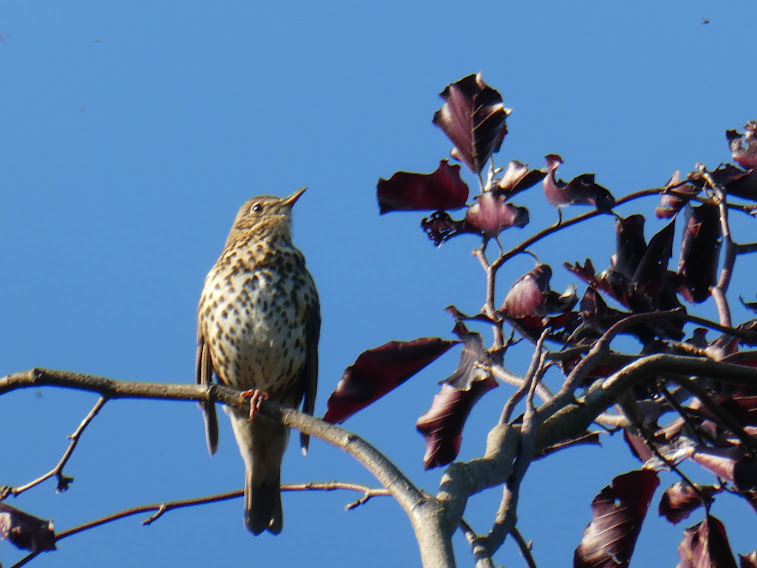
For the past few weeks, days at home have been cheered by a very vocal thrush who starts his loquacious singing at round about ten to five in the morning, and continues with almost no time off for eating, drinking or rest until about two minutes to ten at night. Here he is, in the featured photo.
For the past few weeks, our small a cappella choir has included in its repertoire a 16th century French song, composed by the German Steurlein, celebrating this very thing. I suggested it, because it brought back memories of the choir I sang with in France. Some members have cut up a bit rough, complaining their French accent wasn’t up to the challenge. In the end, I gave in and wrote an English version. I promised them cheesy, schmaltzy doggerel and that’s what they’ve got. Still, it’s all quite jolly, so why don’t you sing along with the YouTube video?
Oh, can you hear the song bird who trills and sings for me?
His joyful notes are sounding from that far-distant tree.
He banishes the darkness, casts out my dreary dreams.
Oh, can you hear the song bird who trills and sings for me?

I wander in the garden, the birds are always near.
They're trilling, crooning, fluting, and singing loud and clear.
They sound the end of winter, and welcome in the spring.
I wander in the garden, the birds are always near.

Let's greet the start of springtime, the season of rebirth,
The birds and bees and flowers, all creatures on the earth.
We'll welcome all the sunshine, and bid goodbye to chill.
Let's greet the start of springtime, the season of rebirth.
Amy has invited us to thumb through our archives for this week’s Lens-Artists Challenge #250 and choose skyscapes and clouds. I’ve found it impossible to be dispassionate about this. There’s something about these images that’s so bound up with memories that I can’t distinguish good photos from the merely ordinary. I’m transported to that place, that time, that set of souvenirs.
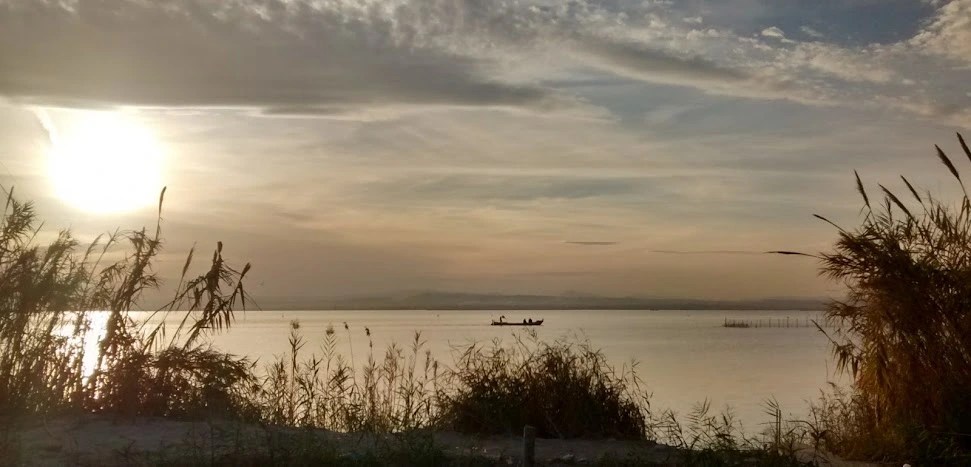
Take my header photo, for instance, which I’ve posted before, more than once. It takes me immediately to that special day when I was part of an evening boat trip quietly floating through the lagoons of l’Albufera near Valencia, while birds made their final flights as the sun settled below the horizon. It’s a memory which will never leave me, whether the photo is a winner or not.
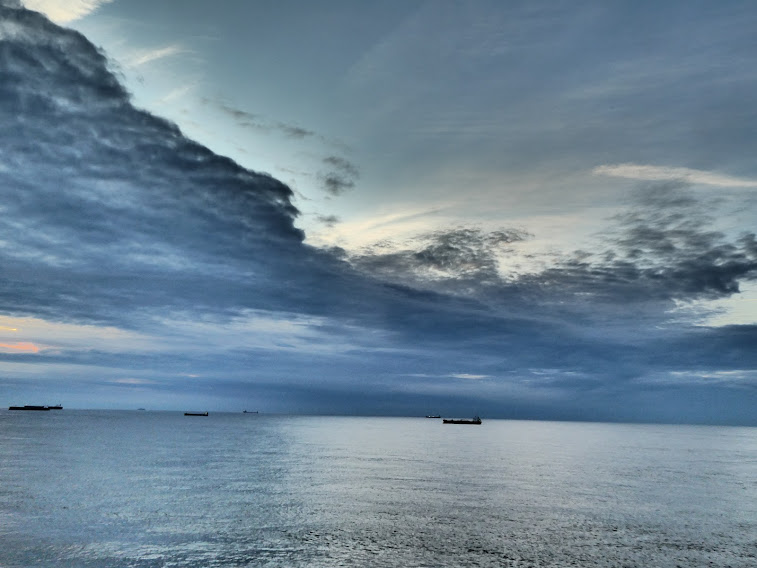
Longish sea trips to the continent bring memories of languidly looking at cloudscapes from early morning till nightfall as our ship smoothly purrs towards its destination. Here’s one …
… or this…
Or there are those memories of January days in Cádiz. An unmissable part of our routine was to head to the beach at dusk to watch the sun slowly disappear into the sea.
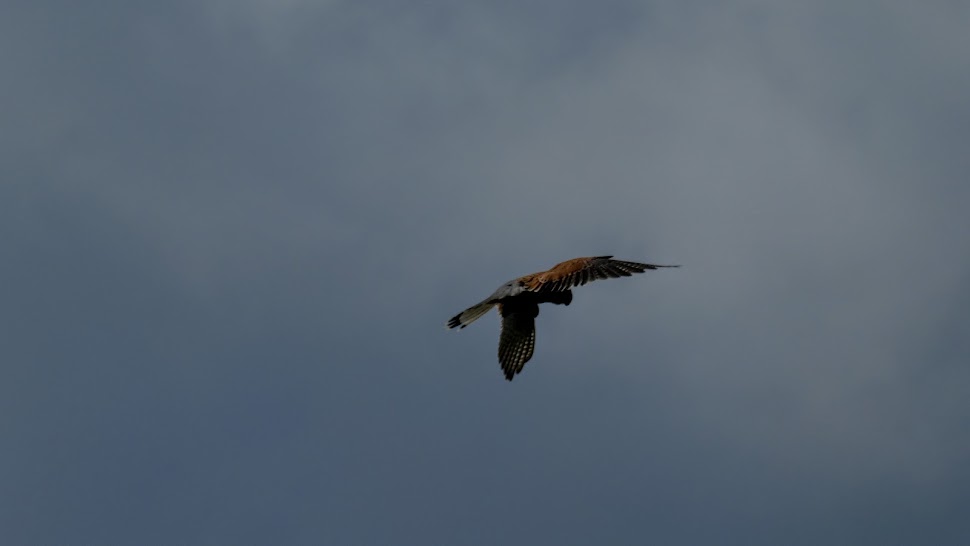
This shot, from our time in the Balkans shows that a slightly neutral skyscape can be a perfect backdrop for a questing bird of prey. And this was a holiday of birdsong, wild flowers – and memories of a still wild landscape.
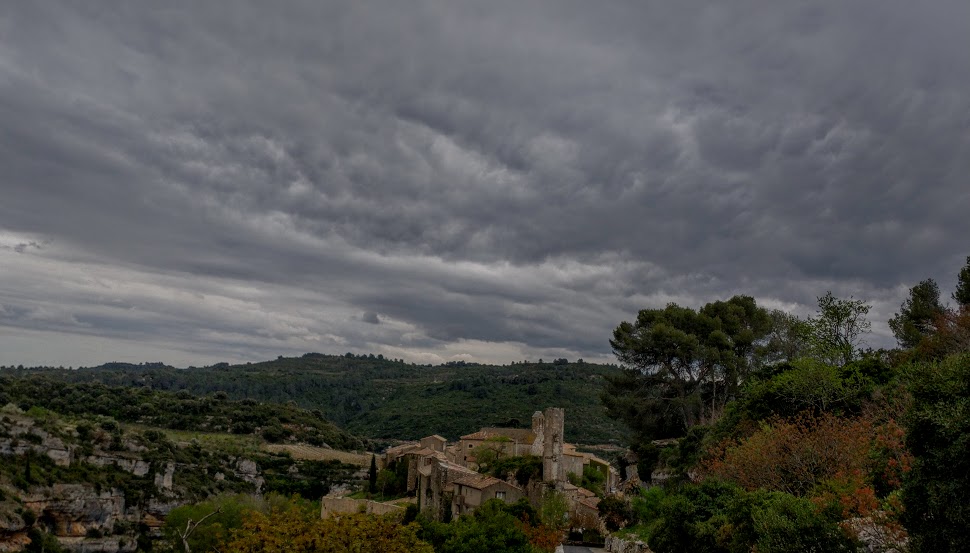
A quick visit to France, to the Minervois for a moody sky. This was a trip just a few weeks ago, when on the same day as this shot was taken, we saw tiny daffodils sheltering from the brisk wind.
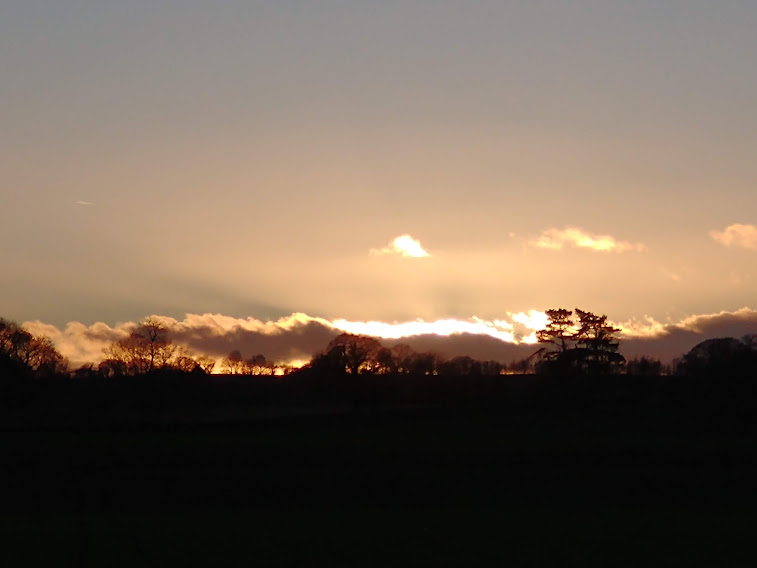
I can’t leave this post without a local shot, taken as we walked a habitual path alongside our River Ure.
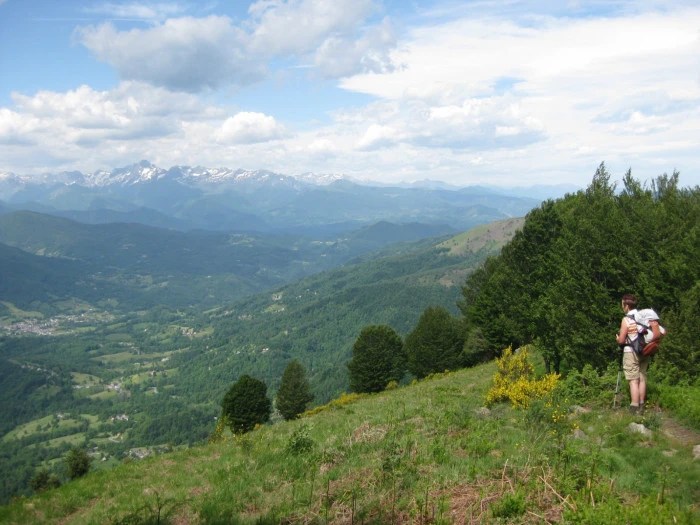
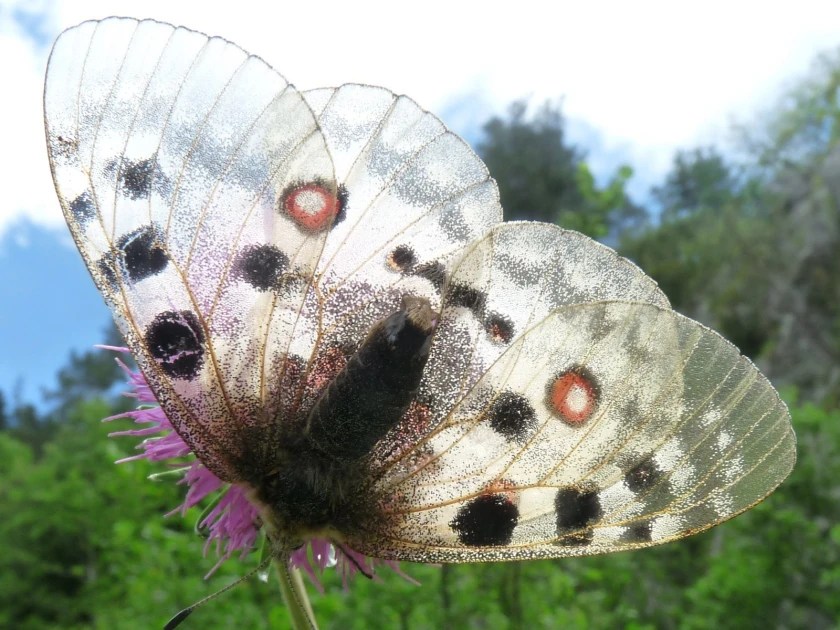
I had my photos of the much-loved butterflies of an English summer day all lined up to display for Denzils’ Nature Photo Challenge 13# Butterflies. Then I realised I wanted to share something else instead: a photo of a rare butterfly I first saw in the Pyrenees, ten years ago now: the Mountain Apollo.
Mountain Apollo
July 31st 2013
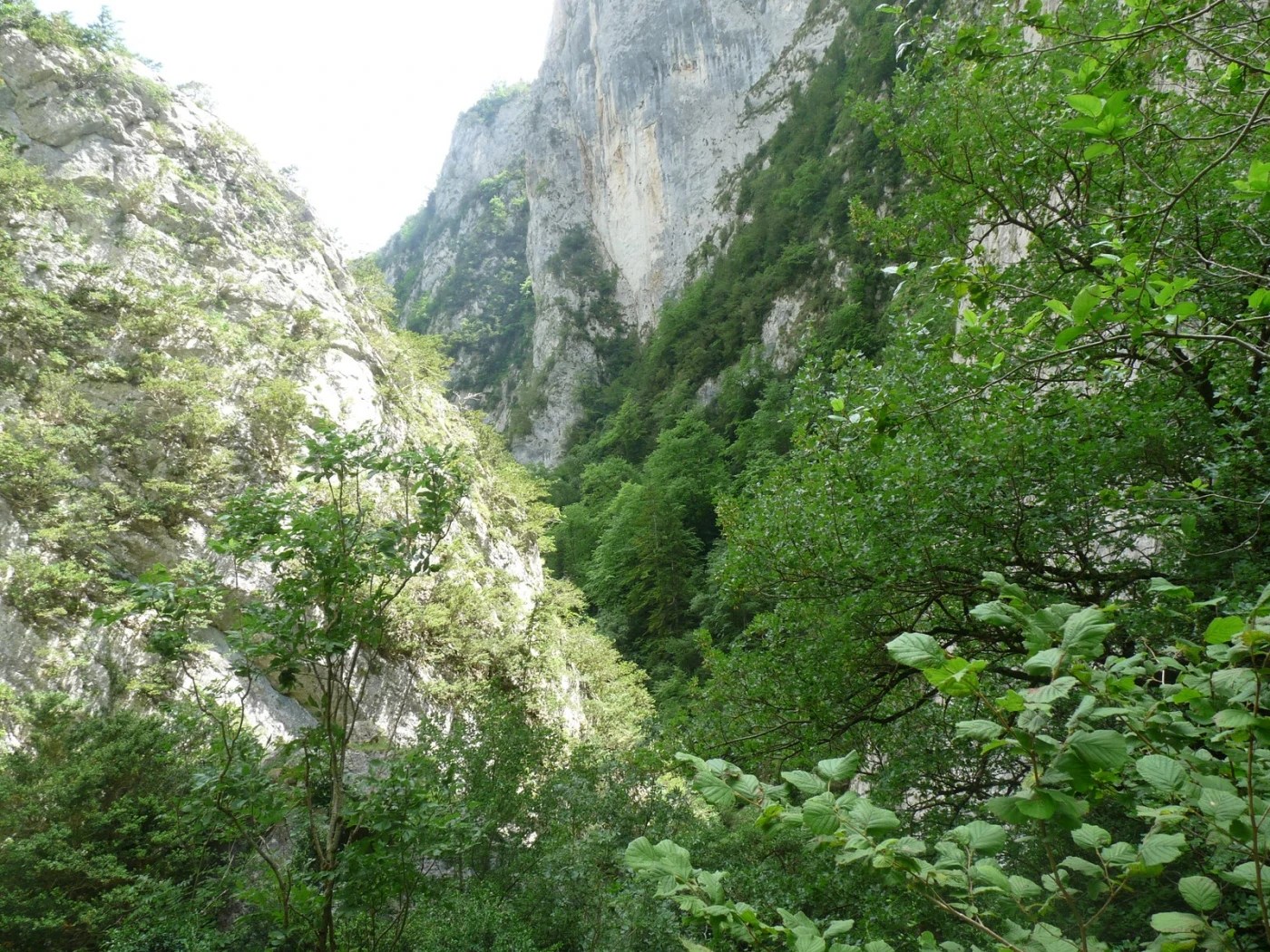
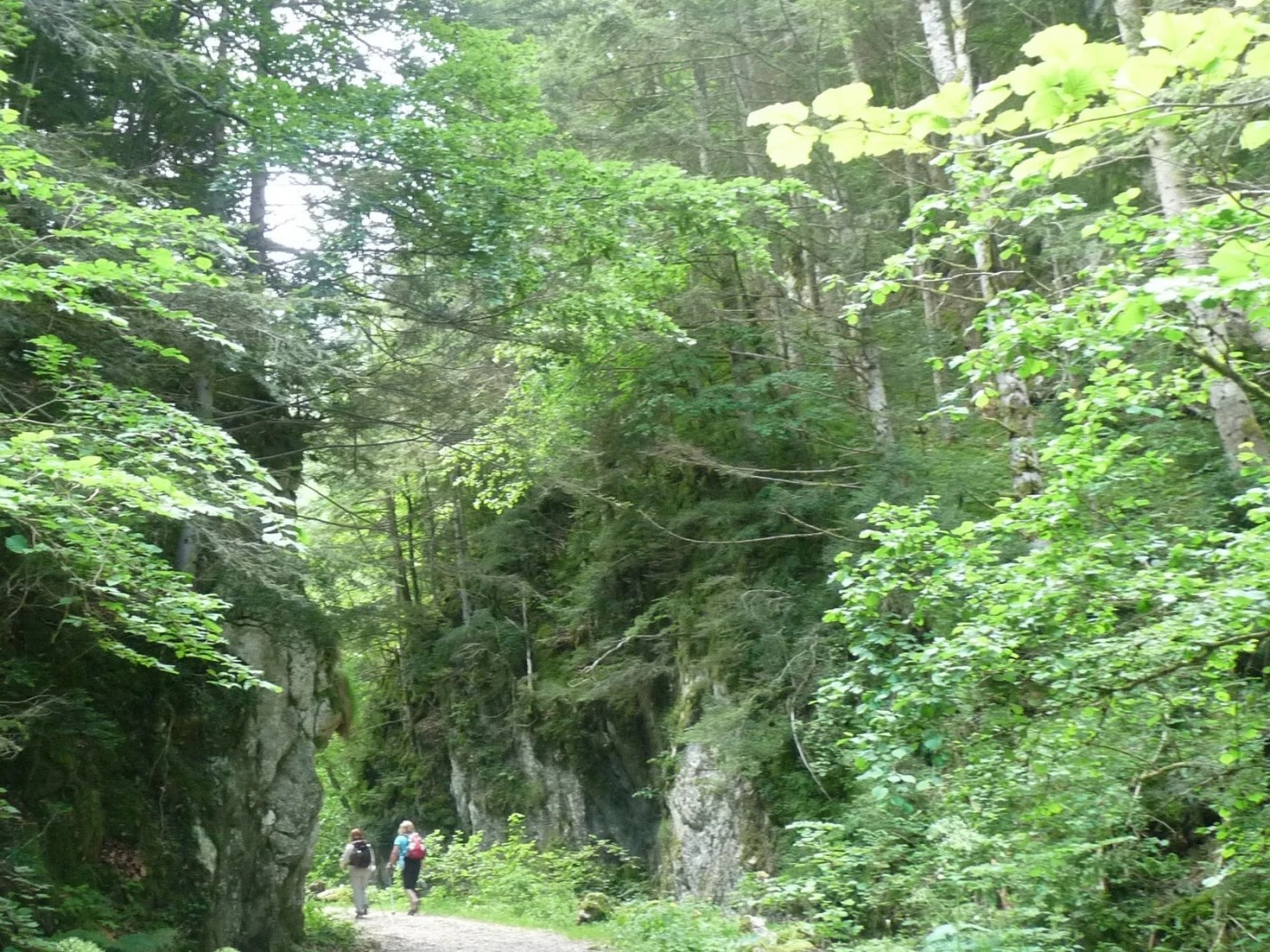
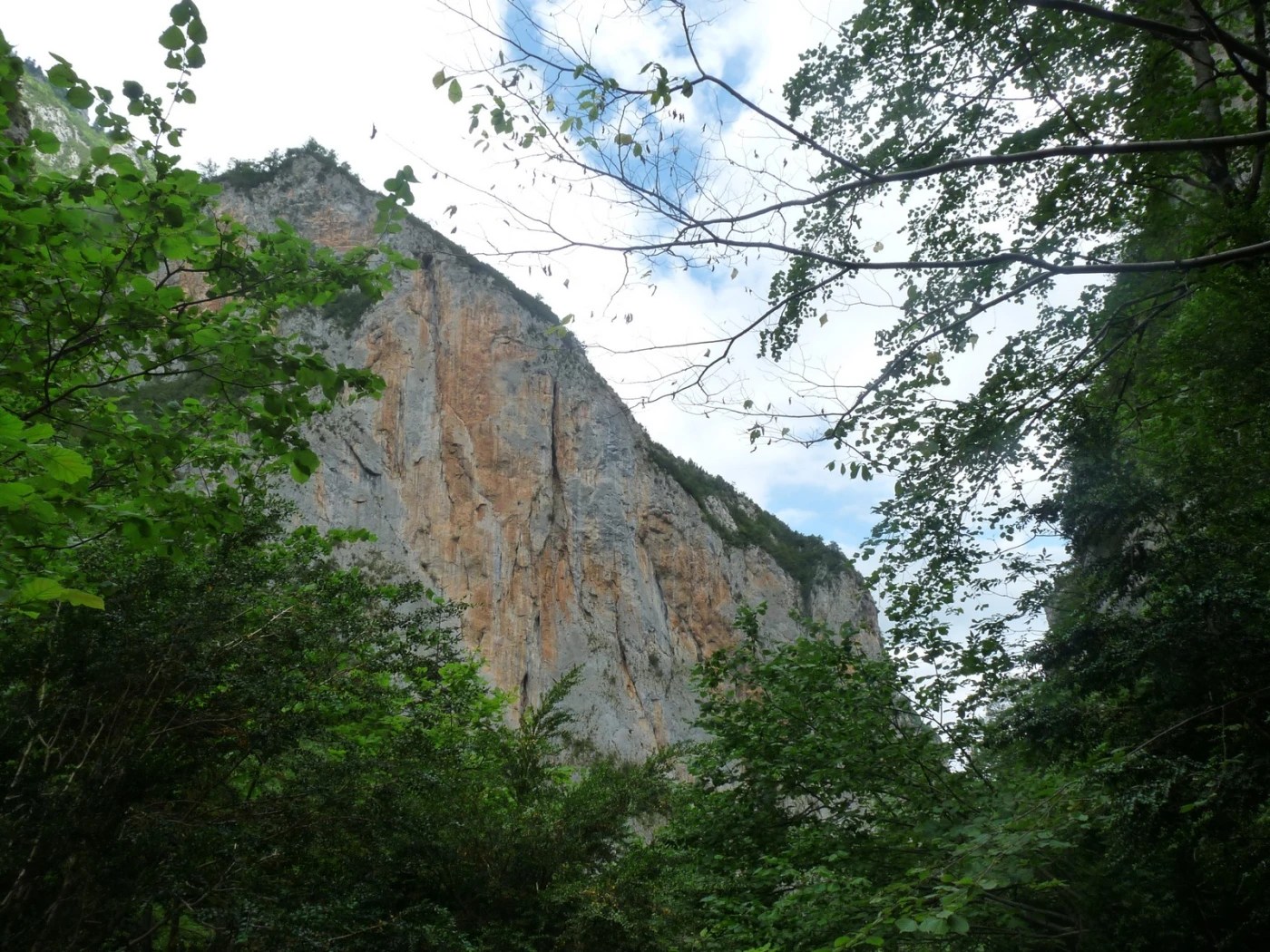
I just want to share a photo I took on our walk on Sunday, when we went to the Gorges de la Frau. This butterfly seduced us all with its distinctive spots and white grisaille wings. It turns out to be rare, a protected species, and known only in mountain regions, mainly in Southern Europe. The French know it as Apollon, and its Latin name is Parnassius Apollo. If your French is up to it, you can read about it here.
And here’s a small taste of the Gorges de la Frau, only a few miles from our house.
Take a trip northwards along the coast out of Barcelona, and you’ll enter a different world. You’ll trade Tourist Central for pleasant, ordinary towns where people can just get on with life. You’ll only hear Catalan and Spanish in the streets, and souvenir shops or restaurants with tourist menus and helpful pictures and translations into several languages are unknown.
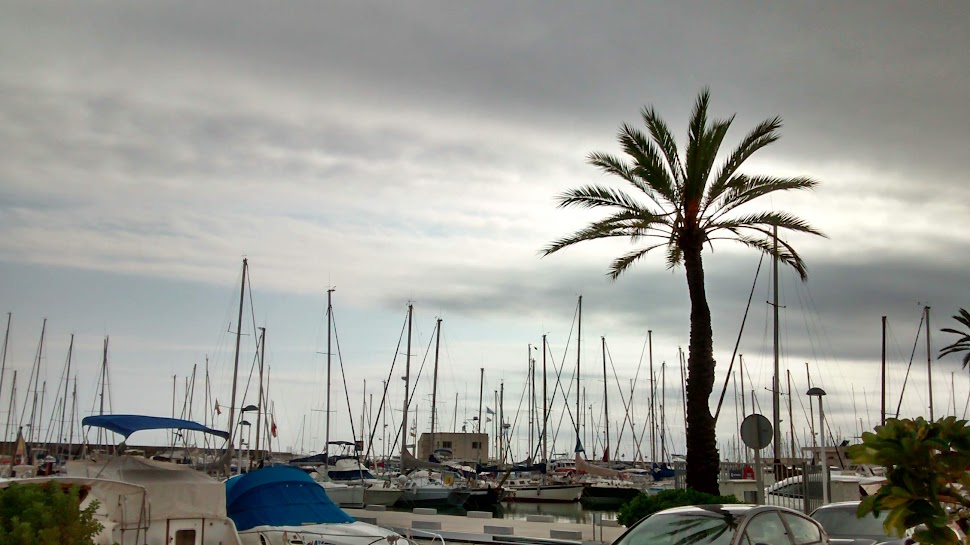
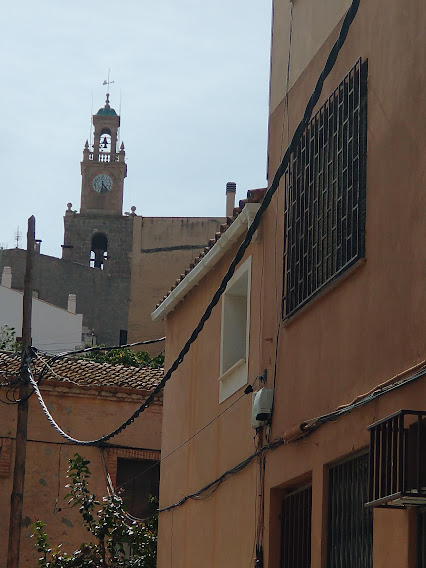
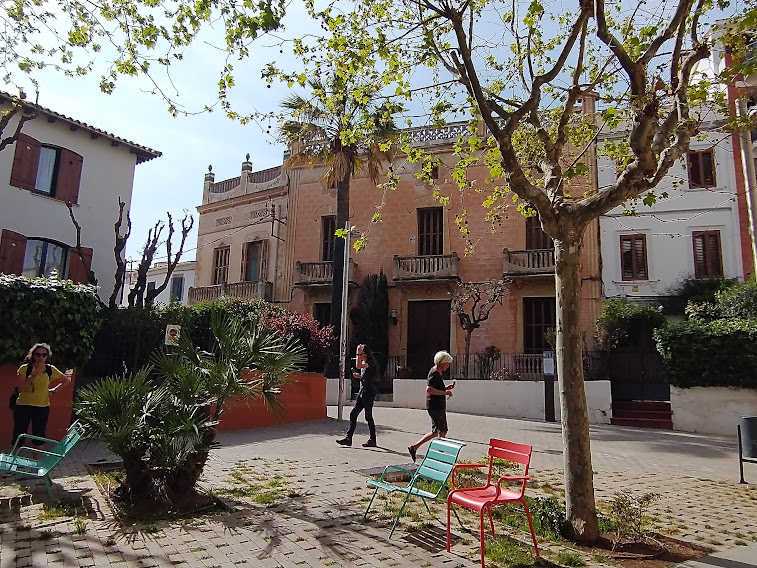
The town just before our daughter-and-family’s is El Masnou, and we recently enjoyed a stroll around after a long lazy lunch there. Old and new, high-rise and low rise all live together in a congenial hotch-potch. There’s a harbour, as shown in the feature photo, and pleasant squares with Modernista villas once built for sea-captains.
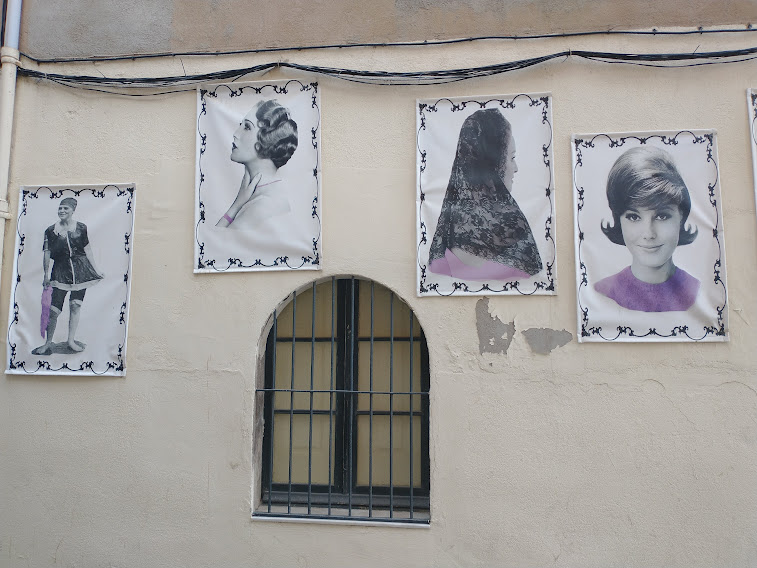
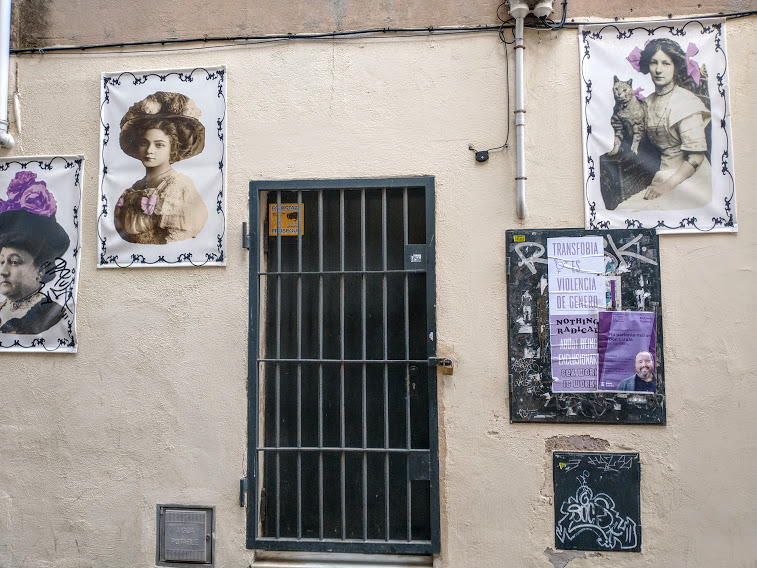
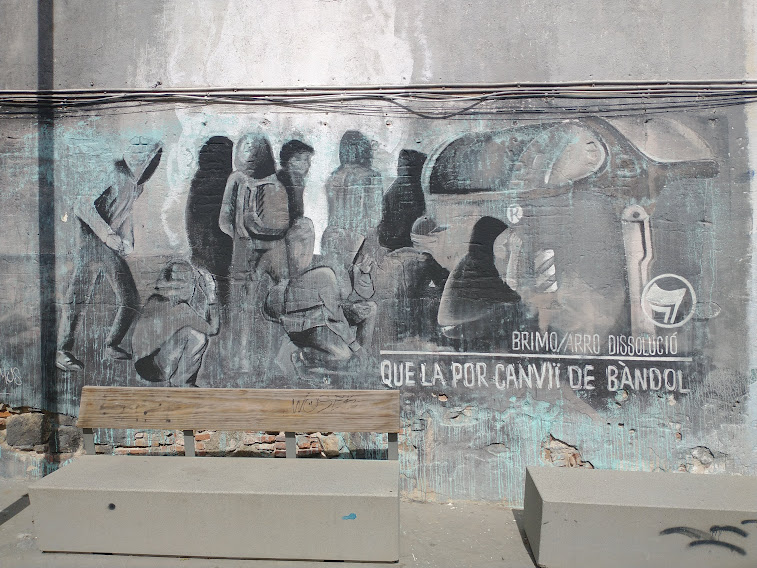
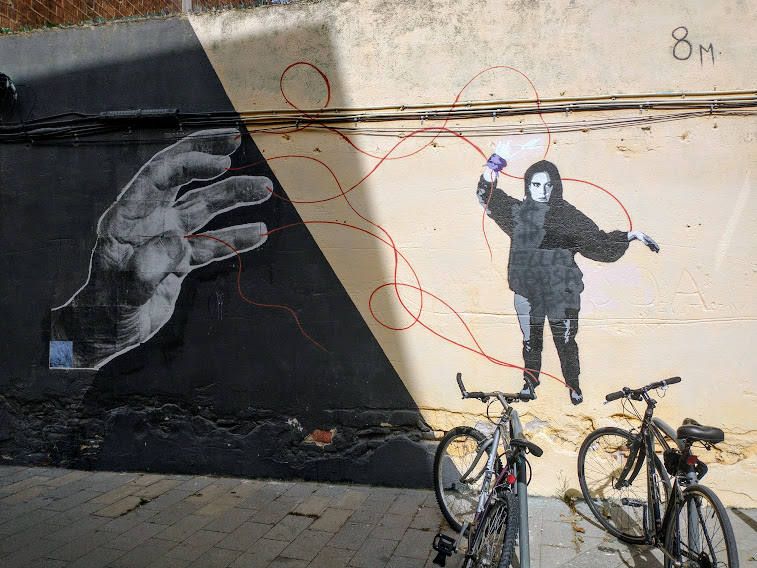
And of course there’s street art … such as a series of images of women, whom I ought to recognise, but don’t …
… and any number of images with an axe to grind …
Or not ..
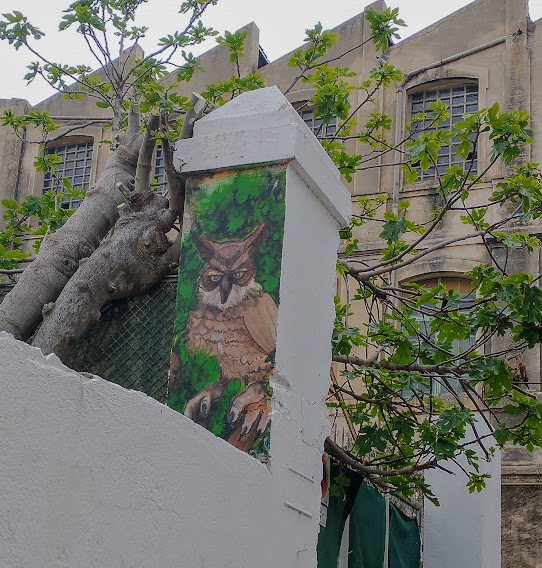
And then just a couple of others, near a disused factory, with a building site beyond …
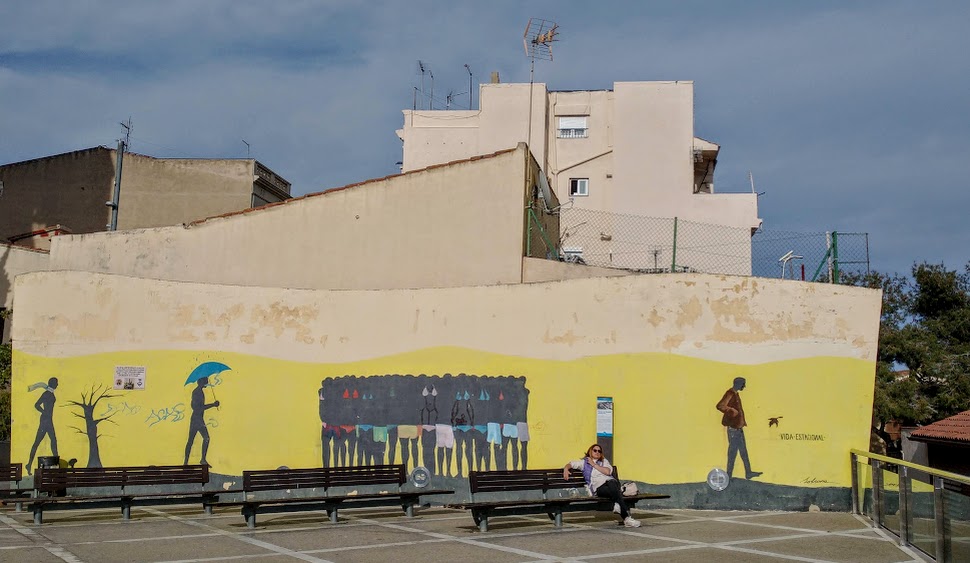
… before finishing up in a square outside the church shown above, looking out at the Mediterranean, with Barcelona on the skyline at the right. And with an image of the winter, summer, autumn and winter painted on one of the walls.
Actually, I’m cheating. The photo at the bottom was taken on a January day when the sun was absent.
A blogger whose posts I enjoy is Rebecca, of Fake Flamenco fame. She keeps her curious eyes open, as she walks and explores the natural world and other things that attract her notice. She informs herself and then her readers about social and political issues in Latin America -which I find so interesting as this is very little covered here in the UK. And she’s a poet. Every month she throws out a poetry challenge, which I always try to join in on, because she translates every poem that’s submitted into Spanish. There’s something very special about this. That she would spend time reading our work, then interpreting it faithfully, and in the same poetic style as our own efforts is quite wonderful.
This month she invited us to submit a haiku including the words waterfall of stars. I’m not someone to whom the haiku form comes easily, but we’re coming to the end of blossom season here in the UK, and I thought I’d write about that. And Rebecca rose to the challenge of translating.
Dying petals dance,
faded blossoms flutter down –
waterfall of stars.
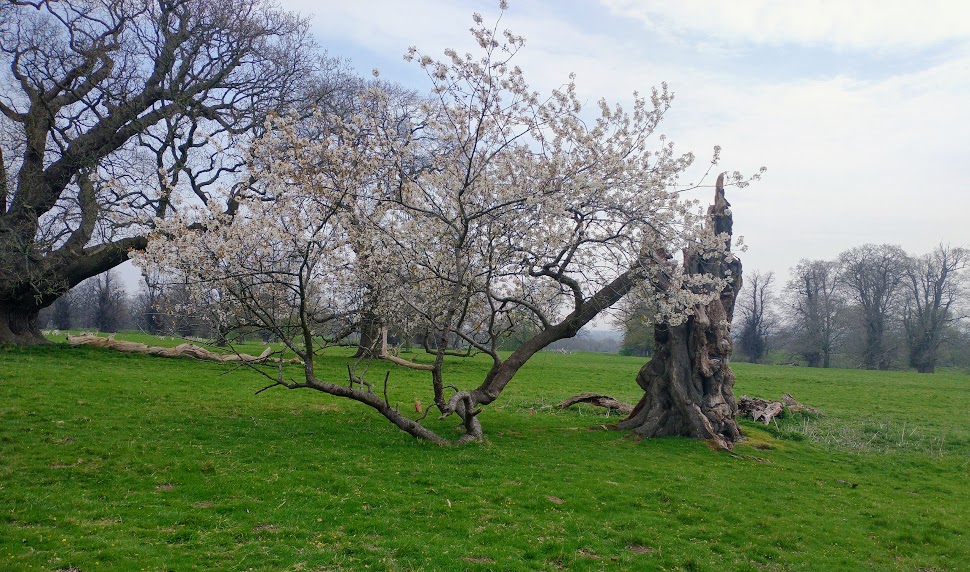
The tree in the feature photo is a cherry tree in the deer park at Studley Royal. This is a shot of it in flower, as it has blossomed every year for the last four hundred years. By rights, cherry trees don’t normally live beyond thirty years old. Forty is pushing it. This tree has a pedigree, and can prove its longevity, but as you can see, it’s in quite a bad way, and may not last much longer.
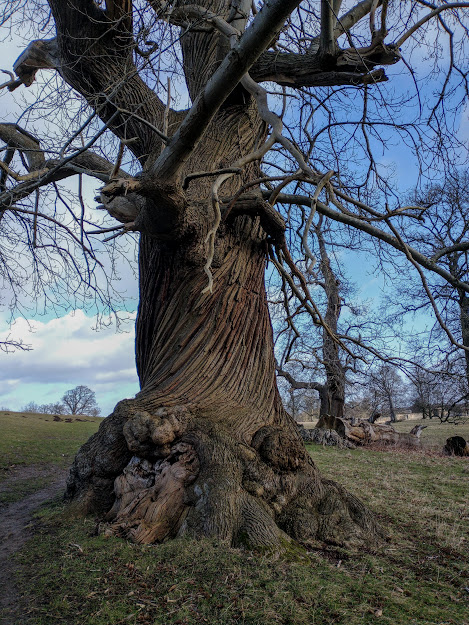
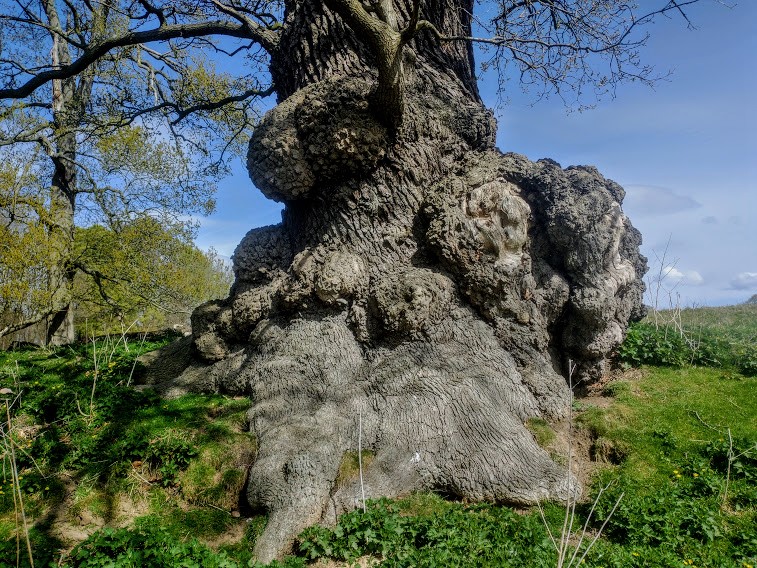
Our home patch is home to many vintage specimens. Look at this oak tree about a mile from our house. It could have been pushing its first tender roots down into the soil as William the Conqueror was sailing to our shores in 1066.
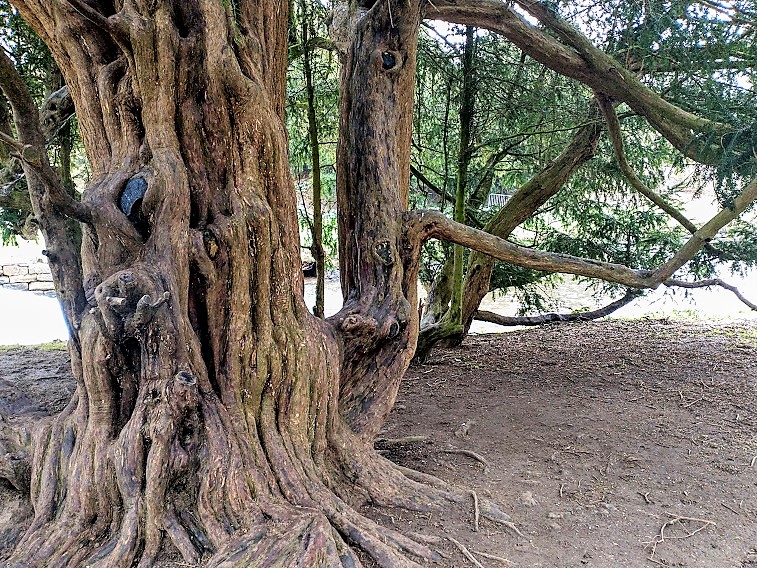
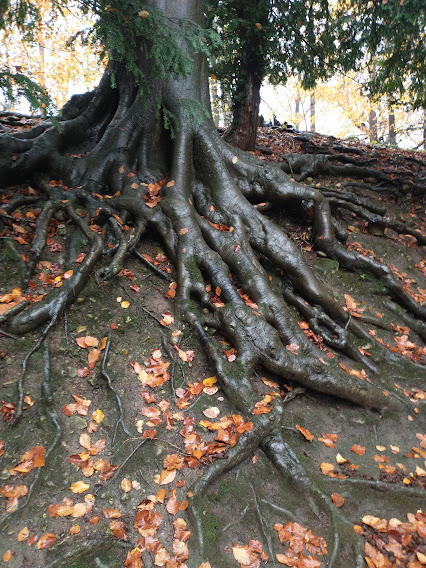
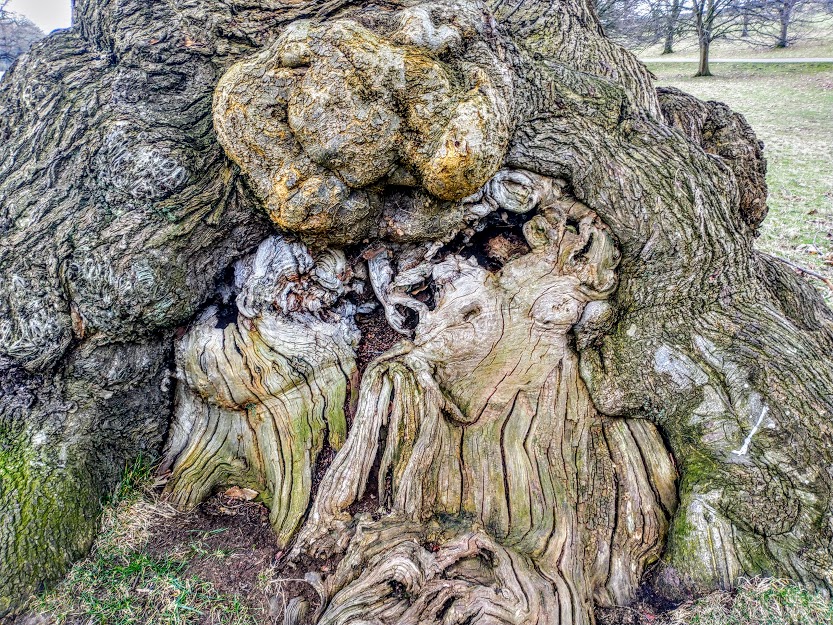
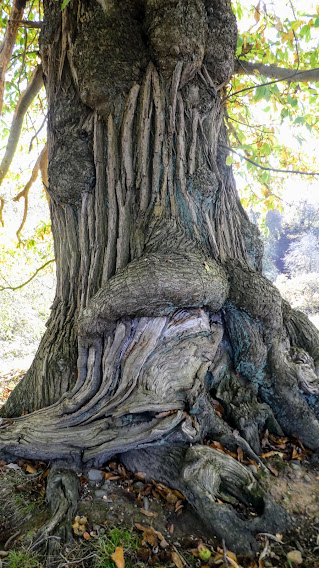
Come and have a look at some of our wonderful local trees, shaping the landscape, and now accorded legal protection: a right they surely deserve.
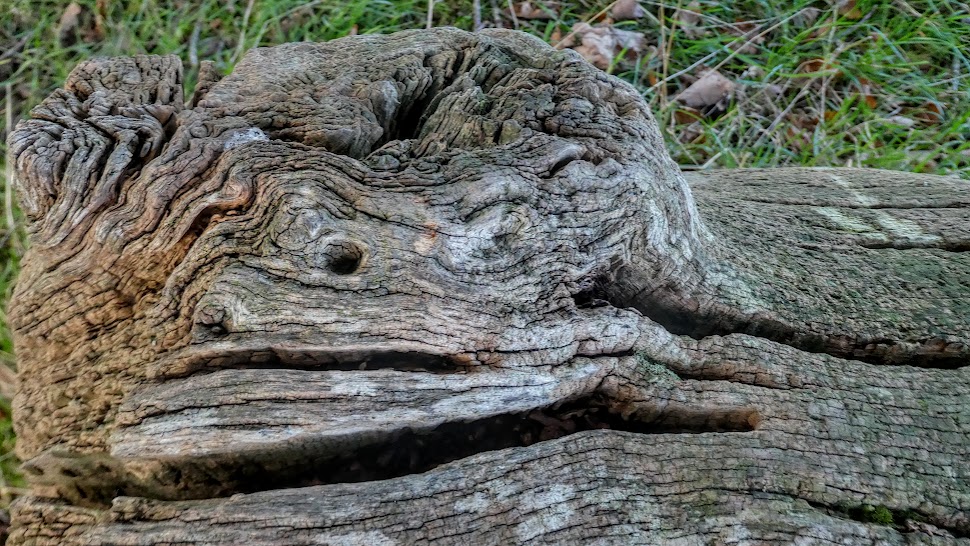
Even when their lives are finally over, their majestic fallen trunks and branches continue to feed the earth from which they came, and the creatures who call them home.
I have probably posted one or two of these shots before. Too bad. I think these trees deserve more than fifteen minutes of fame.
The Lens-Artists Challenge, this week offered by Sofia, invites us to looks at mood. It’s been a very busy week for me, with time in short supply, so perhaps I need a spot of local walking to induce a mood of peace and calm.
… and just take a stroll down a woodland path …
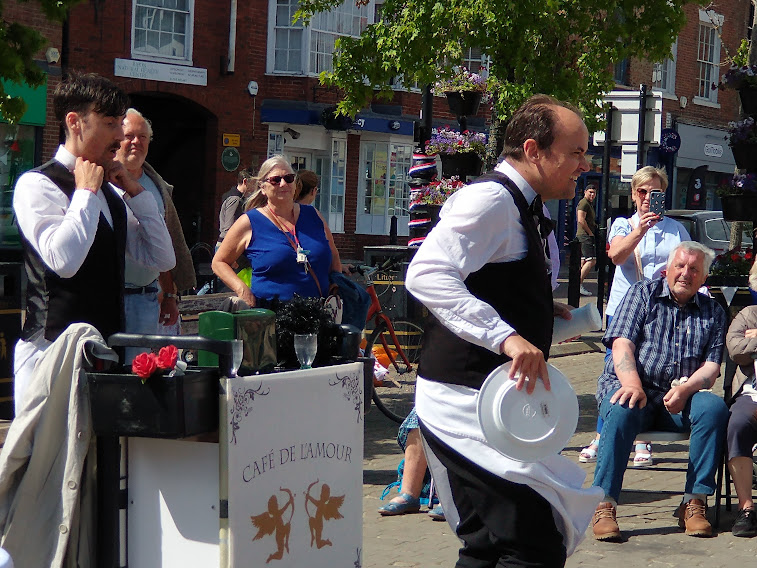
Or perhaps a spot of merriment and street theatre is what’s required …
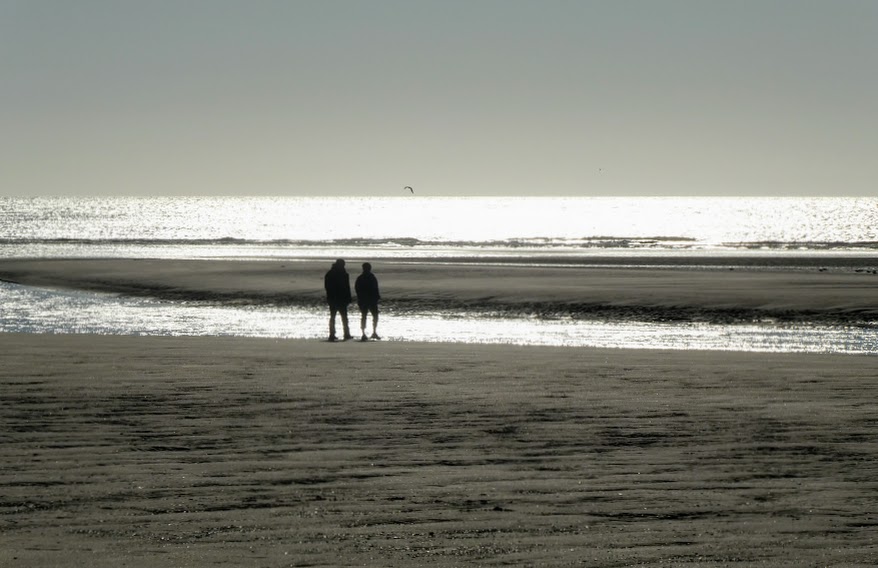
Or a seaside sunrise: even on a grey day.
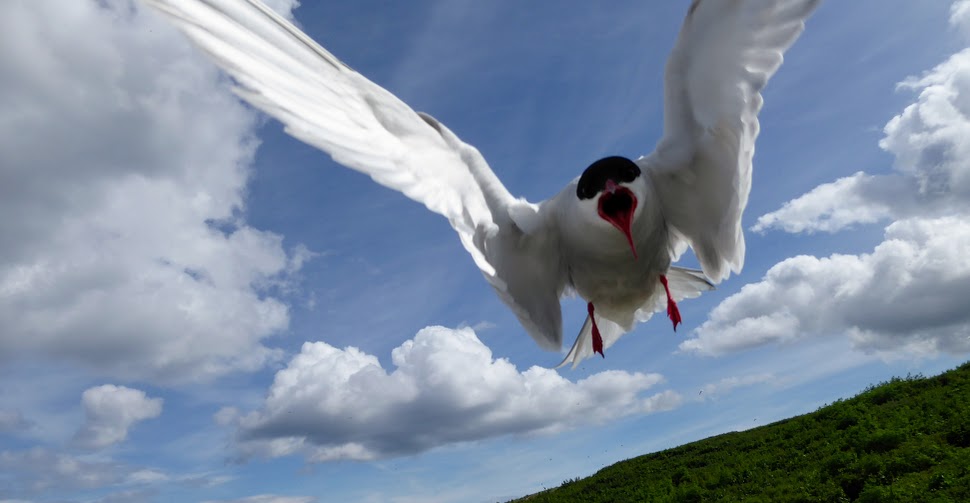
Mind you, it’s as well to avoid nesting birds. They can get in a very bad mood, as this arctic tern can confirm …
He’s dive-bombing me. He thinks I’m possibly egg-collecting.
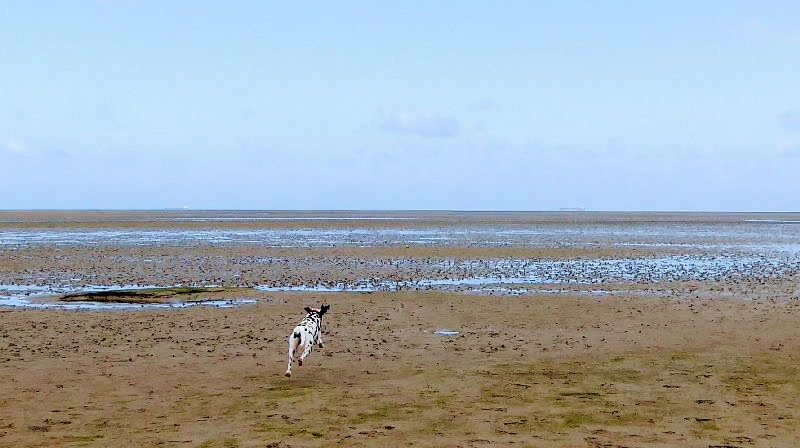
Best burn off a bit of energy and settle my mood …
… before returning home to be simultaneously awed and calmed by a local sunset …
Sunday. A day that promised sunshine, maybe showers. A day to get out of the house somewhere a little more distant and explore.
My friend Sandra and I picked Boltby. It’s on the edge of the North York Moors, but fertile farming country, transected by rippling streams and glades of trees. Before setting out, we found a wonky-lozenge-shaped network of paths that would take us to another village – Felixkirk – in time for lunch before returning us, wonkily – to Boltby on the other side of the lozenge.
The feature photo shows how the walk started. Honestly, it wasn’t as grey as it appears. Just moodily misty: a warning that it might – just might – rain. It didn’t.
Instead, we enjoyed noticing how the gnarled and characterful trees were at last springing into leaf: bright and sappy.
Our feet bounced along on the springy (though wet) turf, and we made good progress until we hit a series of stream-crossings. I should have taken photos of the battered little bridges, in once case so falling-apart that we forded the waters instead. We should have recorded evidence of stiles so past their use-by date that they swivelled and see-sawed as we tried to use them. We soldiered on. By now the mists were gone, the sun was out, and this was the scene.
Then Felixkirk. We sat with our sandwiches on the village green and enjoyed watching the villagers strolling towards the village hall with offerings of scones, sausage rolls and cakes of all kinds ahead of an afternoon dedicated to celebrating Saturday’s Coronation.
After lunch, the walk became more open, with long-distance views. We were on the home straits, with one more village – Thirlby – in our sights.
Then finally – back to Boltby, with a spot of bad planning: a hill at the very end, just after crossing its ancient pack-horse bridge.
But Boltby has no teashop. To Thirsk then – after four o’clock. All tea shops closed. So instead, we bought ginger beer, and sat on the market square enjoying the Coronation yarn bombing. At least King Charles had his cup of tea. And cake.
Here’s the walk we did. In our opinion (that of Sandra’s app anyway) it was just shy of 10 miles. A good day out.
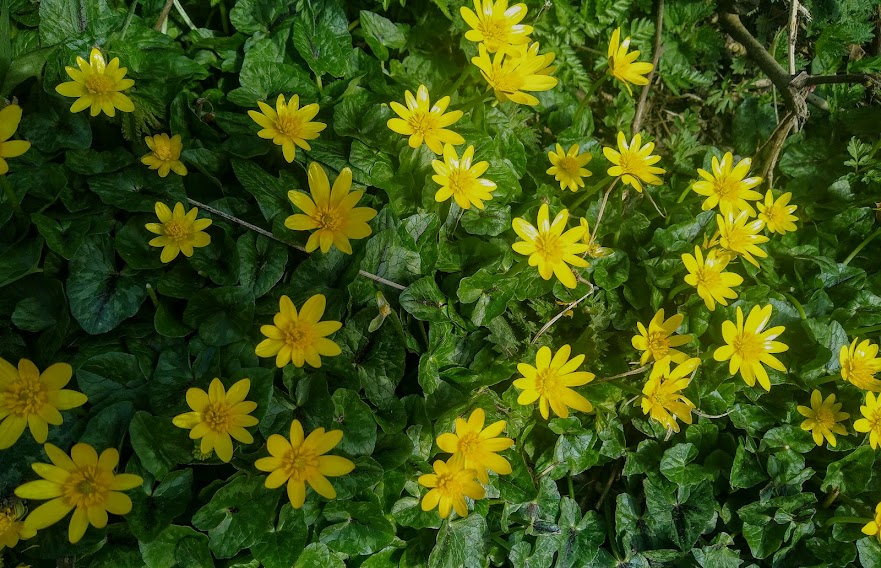
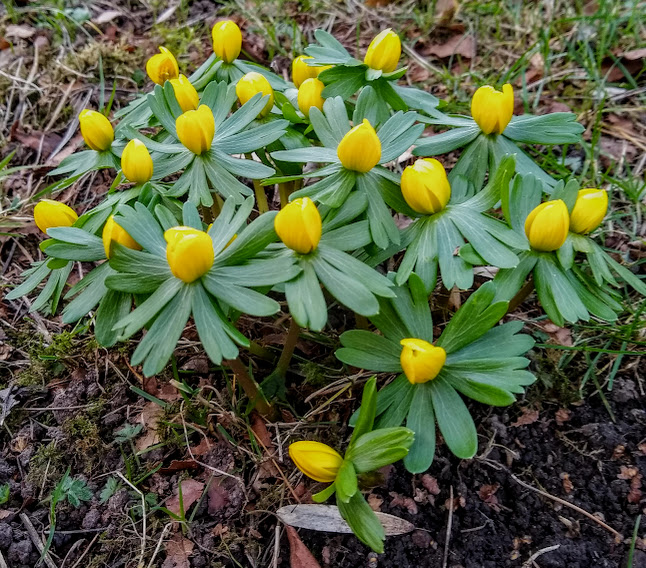
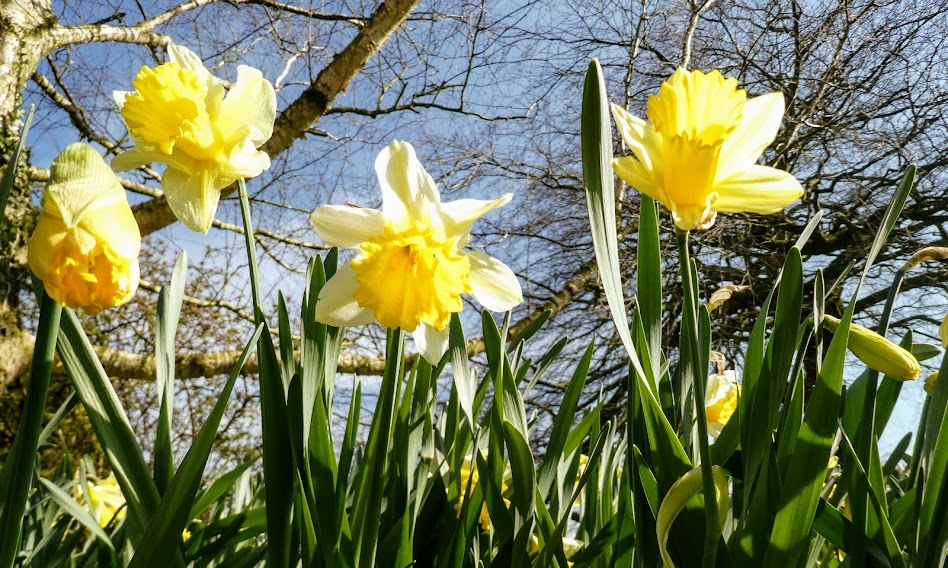
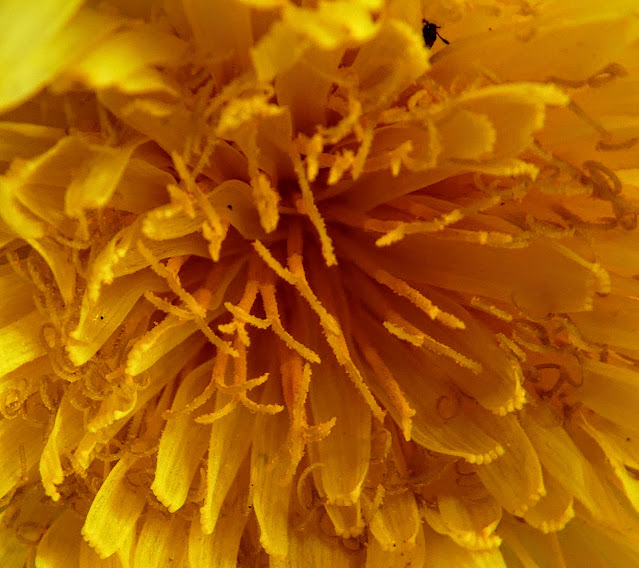
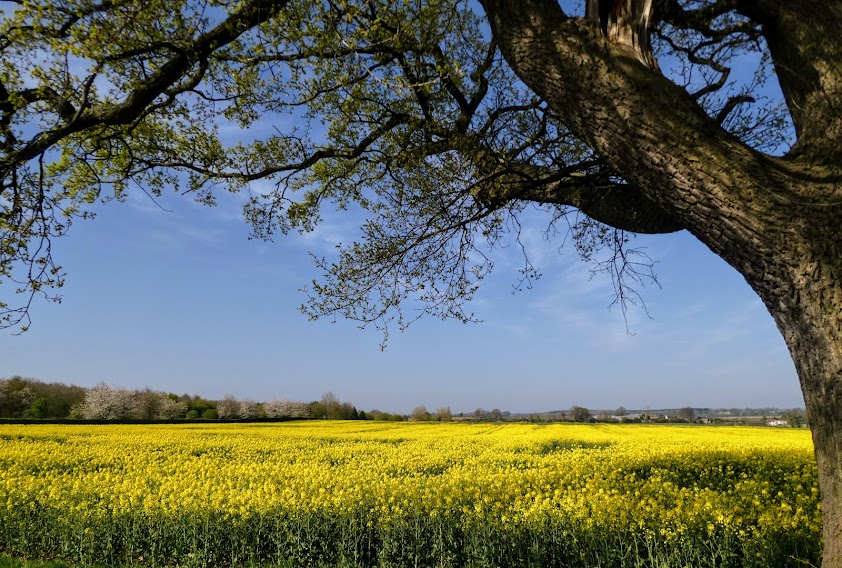
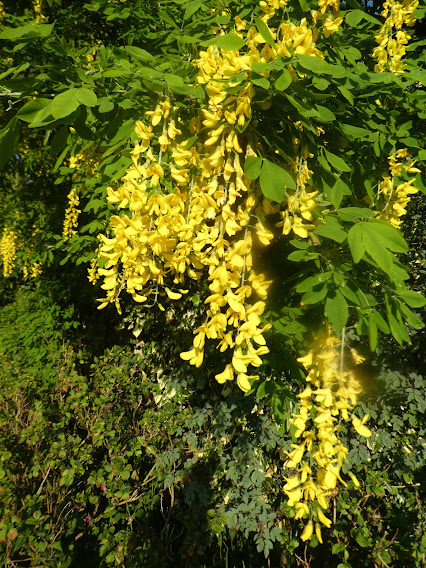
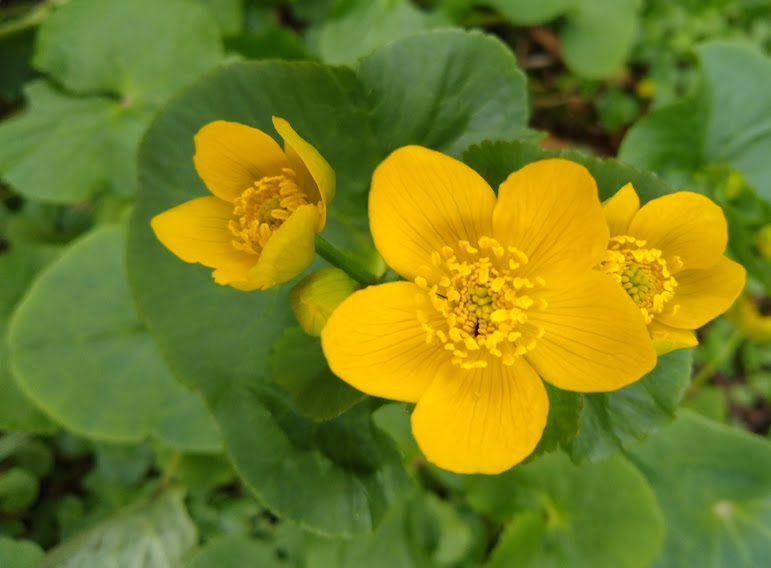
Let’s extend the definition of Spring to include a bright day in January, encouraging aconites to show their faces, right through to asphodels in May. Let’s showcase the yellow flowers of spring, brightening our days with a feeling of optimism.
Goodness! I completely forgot that today is Six Degrees of Separationday. I’ll have to play catch-up.
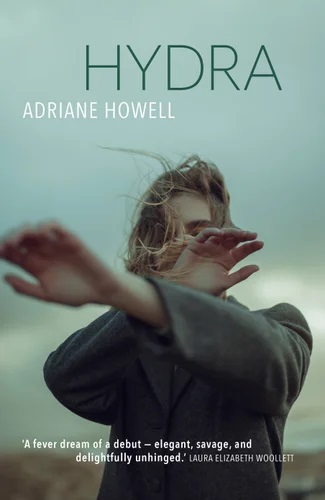
This month’s chain-starter isn’t yet published in the UK, so I haven’t read it: Hydra by Adriane Howell.
I gather something bad has happened to the heroine as the book begins, so I’ll start with Dolores by Laureen Aimee Curtis. Dolores is a somewhat enigmatic character who fetches up at the gate of a convent – pregnant. The nuns take the young woman in, and she adjusts to their life while her mind slips back to the years before: to the assignations in love motels, sometimes to life back at home, to a boy called Angelo. Life happens to her, almost without her input. The nuns hadn’t known she was already pregnant when she came to their door. She gives birth, and they name her son. What will happen to this confused young woman? We don’t find out. Perhaps this convent, full of mainly elderly and unworldly women will remain her home. Or not. Dolores’ life has been pretty grim so far and seems likely to remain so. Somehow, we as readers remain detached from her, as the author herself does. A strange, visceral book which kept me thinking beyond the time I turned the last page.
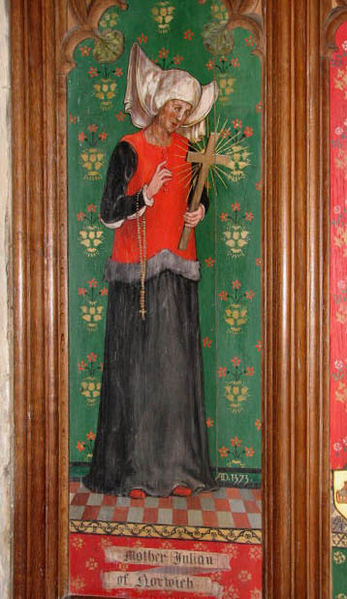
Let’s stay with – well, not nuns – but those who have chosen the religious life: Victoria Mackenzie’s For Thy Great Pain Have Mercy on My Little Pain. Two female mediaeval mystics, Julian of Norwich and Margery Kempe tell their stories in alternating short chapters. Julian is the better known figure, for her Revelations of Divine Love, written when she was an anchoress, enclosed in a tiny windowed cell abutting a Norwich church. Both she and the other figure in the book, Marjorie Kent, had visions. Whereas Julian chooses to see little, but see it intensely, Marjorie is very different. Illiterate and rambunctious, with little time for her husband and children, she loudly proclaims her visions of Christ to anyone who will listen, and indeed those who do not wish to listen. Both took risks. To go against current Christian orthodoxy, especially as a woman, risked excommunication and a painful death. In the book, and we cannot know if this happened, the two meet, and this unlikely pair make a genuine connection. Beautifully written, and quickly read, this is a book that will stay with me for a long time.
So to another woman, isolated from her professional peers simply by virtue of being a woman: Lessons in Chemistry by Bonnie Garmus. While Elizabeth Zott, hero of this book, was fighting her battles for acceptance as an academic and chemist in the ’60s, I was a schoolgirl at an all-girls’ grammar school where achievement was expected, and the norm. All the same, our academic prowess when, post graduation, we entered the world of work was not always remunerated as favourably as that of our male colleagues. So this story of a woman who was disregarded while her research was nicked by her male colleagues was bound to interest me, as was her determination not to patronise her female audience when she was hired to do a TV cookery show. But … the characterisation was thin (EZ herself), or frankly unbelievable (her small daughter), and the males disappointingly stereotypical – especially the villains of the piece. As a page-turner it wasn’t wholly successful for me.I’m out of step. Most readers seem to love it.
I’ve just finished Go as a River by Shelley Read (Whom I’ve met! She came to an event organised this week by our local independent bookshop and spoke engagingly and with warm enthusiasm). Victoria lives in a small inward-looking town in Colorado – one that will have been covered by a new reservoir by the end of the book. Hers is a family of men, the women in her life having died in tragic circumstances when she was only 12. They’re either hardworking and grim (father), brutal (brother) or bitter and disabled (uncle). She is their housekeeper. One day, she meets an itinerant young man, a Native American, despised and reviled by the local community: racism is rampant . Falling in love with him changes the trajectory of her life, and is the story which makes up this book. In this account, we have the wild and rugged forest landscape which surrounds her town vividly brought to life, as well as the emotional life of Read’s characters. This is an immersive tale of love, loss and resilience. As a debut novel, it’s a triumph.
Victoria is only 17 when her story begins. Ana, in Dominicana by Angie Cruz, is 15 and living in the Dominican Republic with her family. Since the age of 11 she has been promised in marriage to a man more than twice her age. Love doesn’t come into it. This wheeler dealer, a Dominican now based in New York is her family’s best chance of emigrating there with Ana as the sponsor. New York as Ana finds it is not a city paved in gold, but a shabby flat in which she is more or less a prisoner with a sometimes violent and unpredictable husband. This is her story of her feisty struggles to make a life for herself, and gain some independence, while maintaining contact with her family in troubled political times ( the late 1960s). A good read, up-beat and engaging even when times are very hard, and a real insight into the struggles and compromises of being an immigrant with responsibilities to those who have been left behind.
Lastly, another 15 year old, whom we meet in Chimamanda Ngozi Adichie’s Purple Hibiscus. Kambili is a Nigerian teenager who lives a privileged life with her brother Jaja and her parents. Her father is a successful businessman who is proud of the way he is able to support his community with his generosity. His devotion to his Catholic religion is however fanatical and more than a little warped, his expectations of his children controlling and cruel. Their home life is set against the turbulent politics of the time, and the contrast with their father’s sister’s family. They are in much more straitened circumstances, but surround each other with easy-going love. It’s the play between these two sets of attitudes that brings this story into being, and allows Kambili gradually to find her voice. A compelling and often uncomfortable page-turner.
Each of these books is linked by having as their protagonists women, isolated either by choice or circumstance. Perhaps they could have done with reading next month’s starter book: Friendaholic: Confessions of a Friendship Addict, by Elizabeth Day.






























 From Pyrenees to Pennines
You must be logged in to post a comment.