Jewish Krakow

Here we are in Krakow. And here we are, staying in the former Jewish quarter, Kazimierz, once a completely separate town.

How come there were so many Jews in Poland by the early 20th century? They formed, for instance, 20% of the population of Krakow by the beginning of WWII.

Blame the crusades. The Polish kings at the time declined to get involved. Jerusalem was so far away after all. So there were no crusaders from Poland in the routine persecution of Jews that took place in those so-called Holy Wars.  And Poland became a place of sanctuary.

Along came the Black Death. Citizens from all over Europe looked for someone to blame. Jews, obviously. Jews needed somewhere to flee. Poland, obviously. Poland somehow escaped the Black Death, so didn’t need to persecute Jews at that time.

Over the centuries, Jews did well in Poland. Well educated by their rabbis at a time when education was far from universal, they prospered. They tended to live together, in harmony with their Christian neighbours.

Then Hitler came to power.  As he occupied Poland, he began his all-too familiar persecution, then extermination of the Jews. But in Krakow, the factories were short-handed. and Jews were required as slave labour. 3000 Poles were forced to leave their homes in the Podgorze area, and 16,000 Jews moved in to the ghetto it became.

This street forms one of the boundaries of the ghetto.

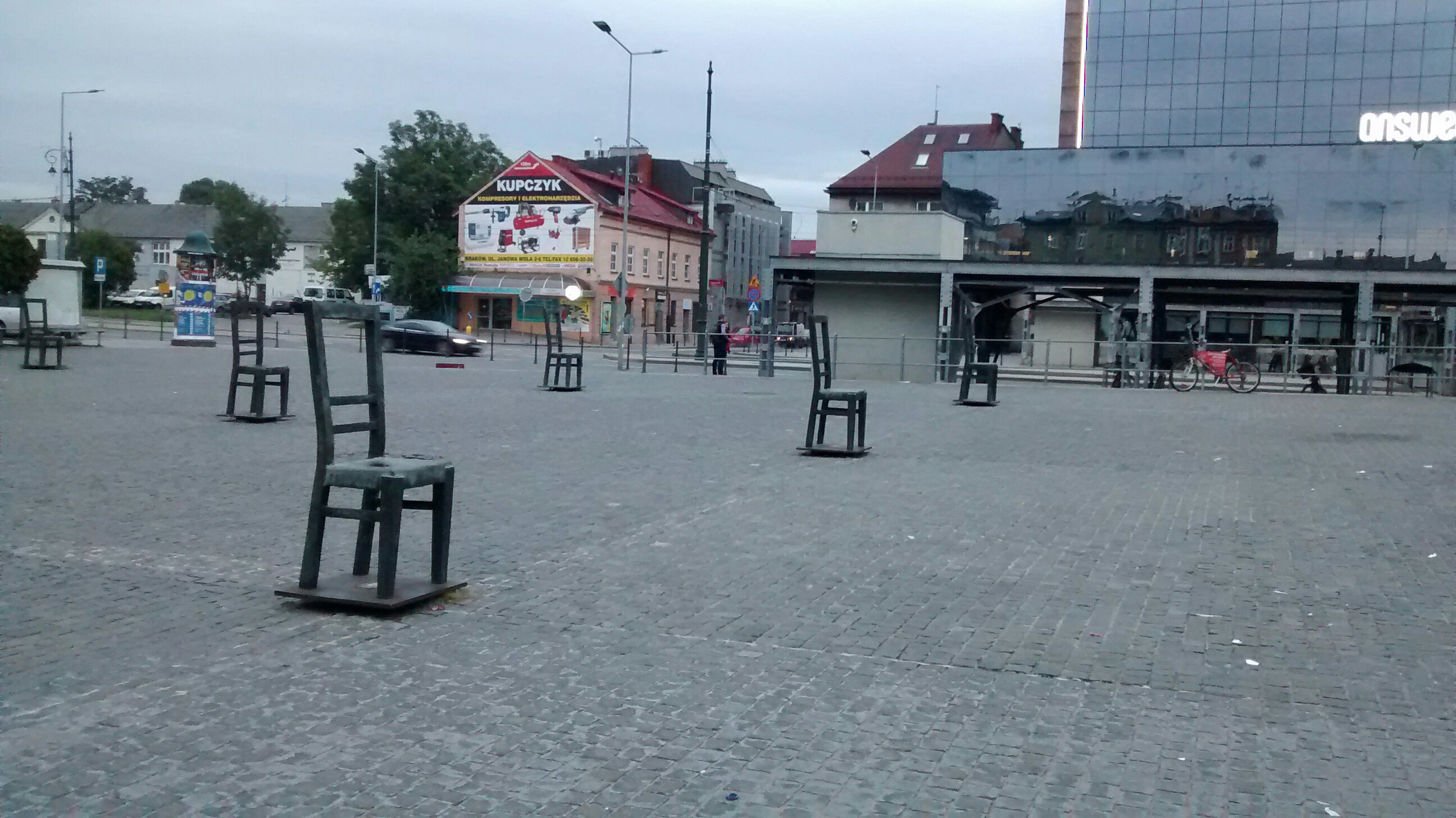
One of those factories was Otto Schindler’s. 1000 Jews who might otherwise have died lived because of his protection – he could have managed with 100 workers. This dark period is remembered in Plac Bohaterow Getta – Ghetto Heroes Square, where 70 chairs symbolise absence, departure. This Square was the place where Jews were executed, or sent to almost certain death in the local Concentration Camps. Another sobering day.
Museum of the Second World War Gdansk

We visited this recently opened museum yesterday. It was one of the most moving experiences of my life.

Every community in the world who played their part took their place in the involving and graphic displays, but the inevitable focus was Central Europe and Poland in particular.

I hadn’t really realised how protected we were on our little island from wholesale displacement, from the destruction of communities, from unbelievable and barbaric cruelty to citizens and soldiers in many parts of continental Europe. Maps, displays of humble artefacts, moving personal testimonies told the stories of families torn apart, of wanton destruction and cruelty far beyond the concentration camps.

We spent four hours there. We could have spent days. It was utterly harrowing, utterly memorable.

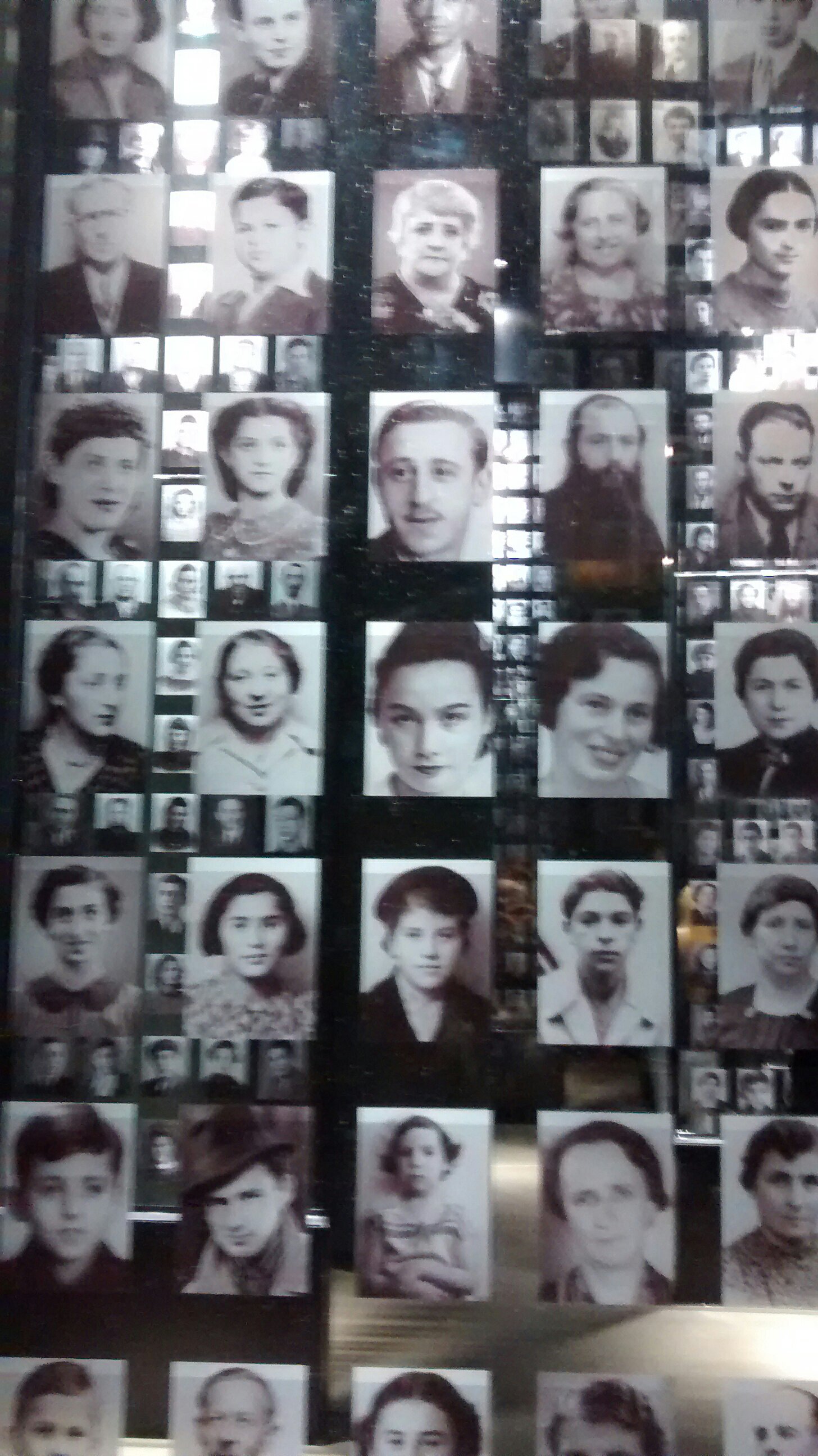
Most of my photos are on my camera. I’ll simply show this. We walked past screen after screen with images like this. Every portrait is of one of the countless Jews who lost their lives under the Nazi regime.

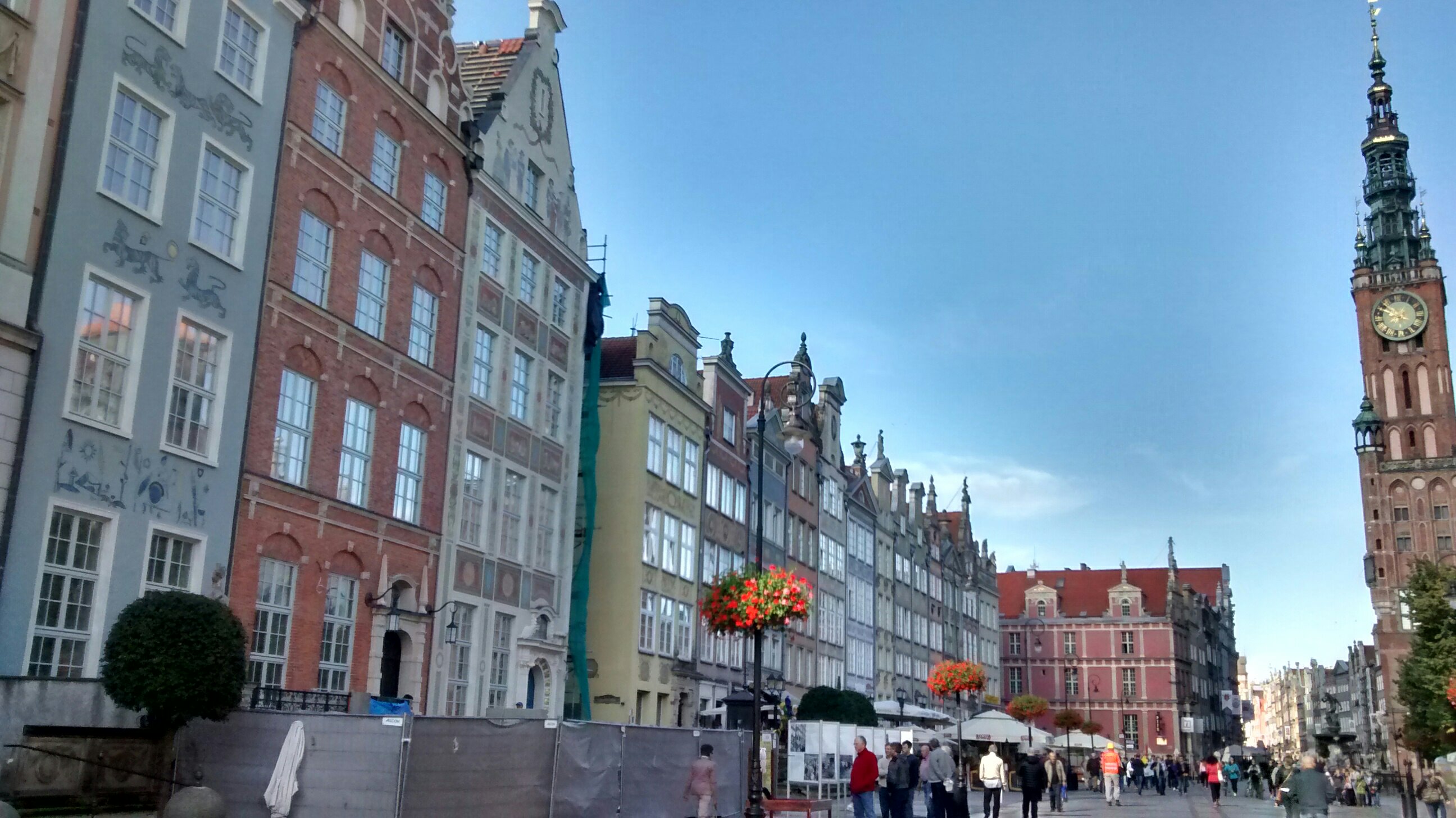
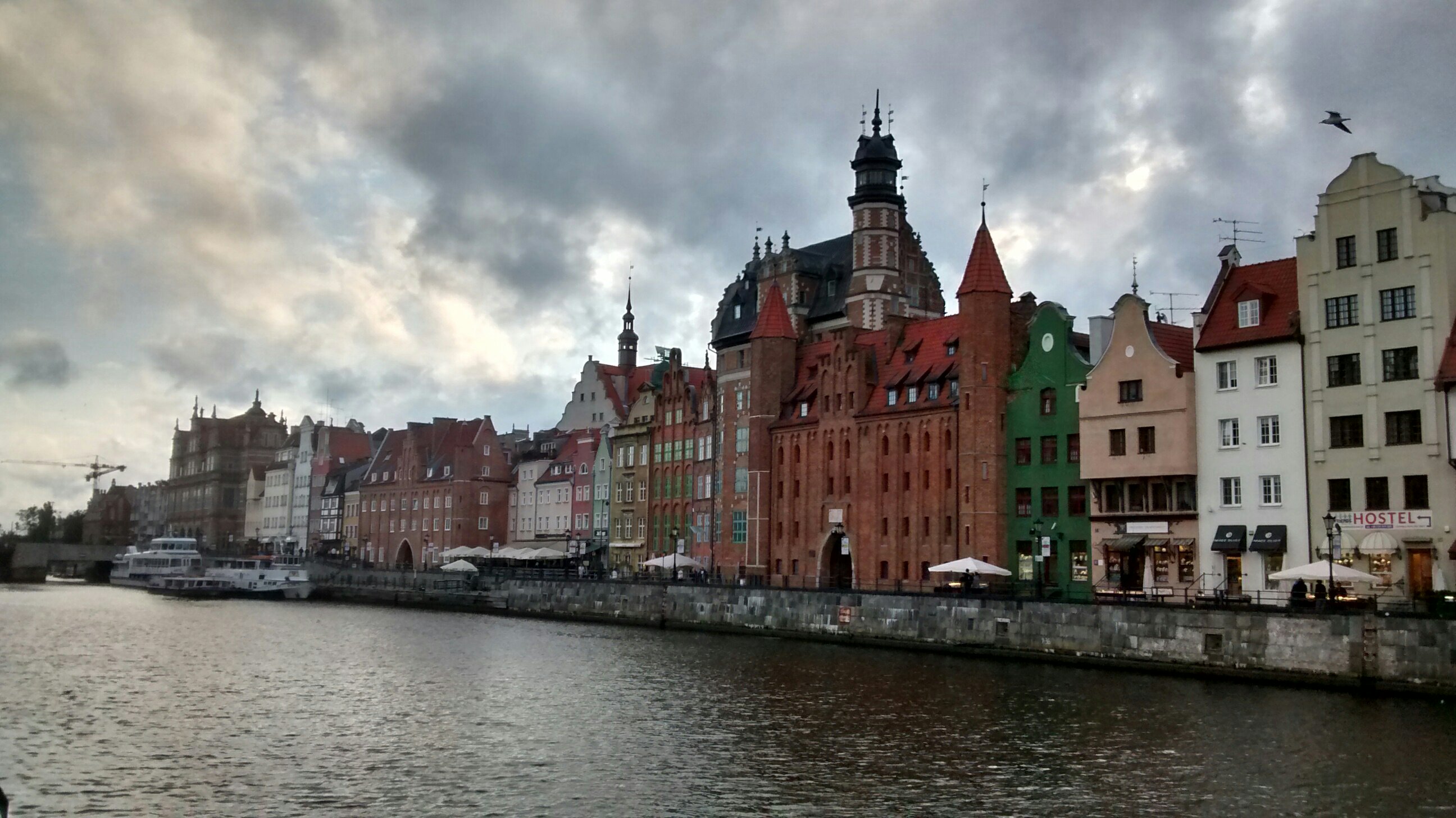
Gdansk Shipyards

Back in the 1980s, Gdansk was often in the news. Or its shipyards anyway. And the activist electrician who worked there, fought to end communist rule, and eventually became President of Poland – Lech Walesa – was the one contemporary Pole whose name was known to everyone.

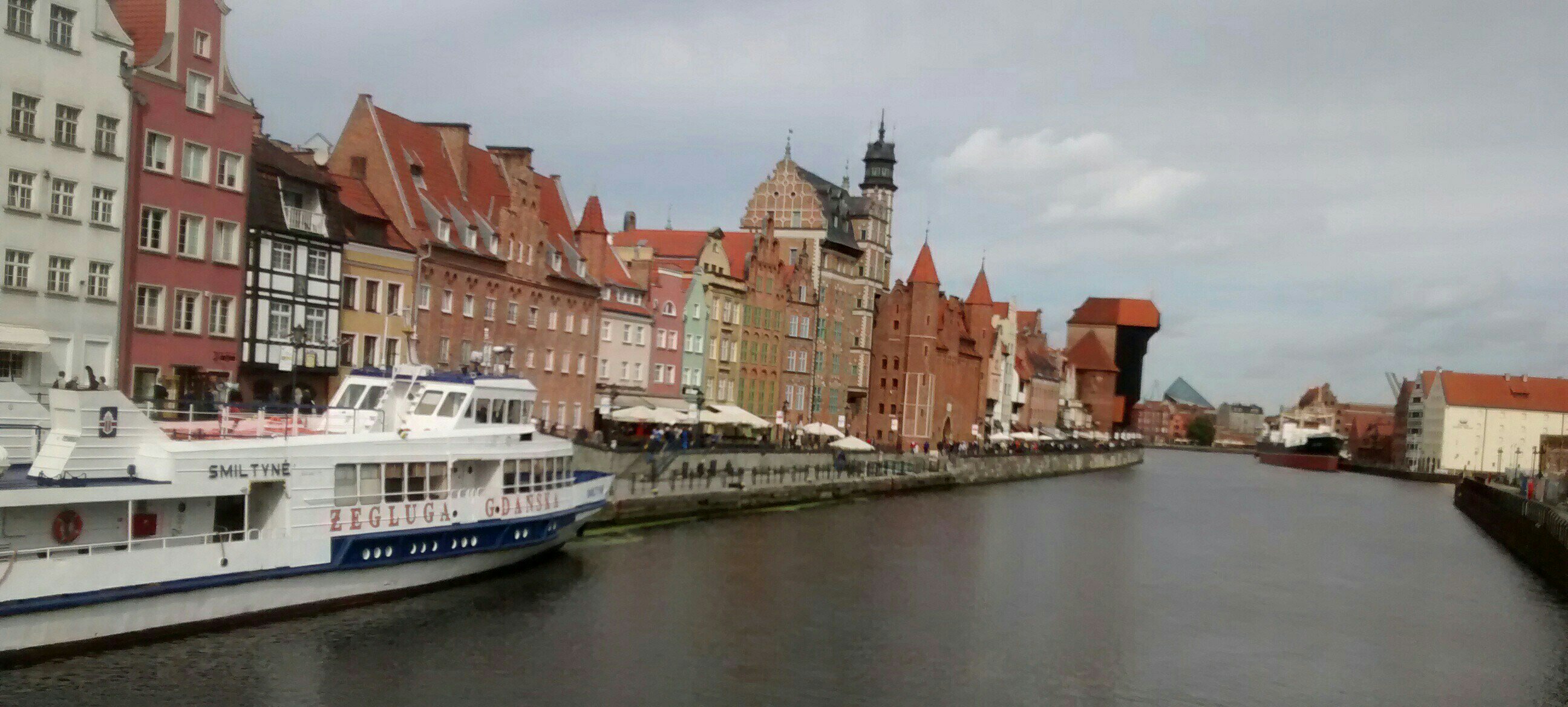
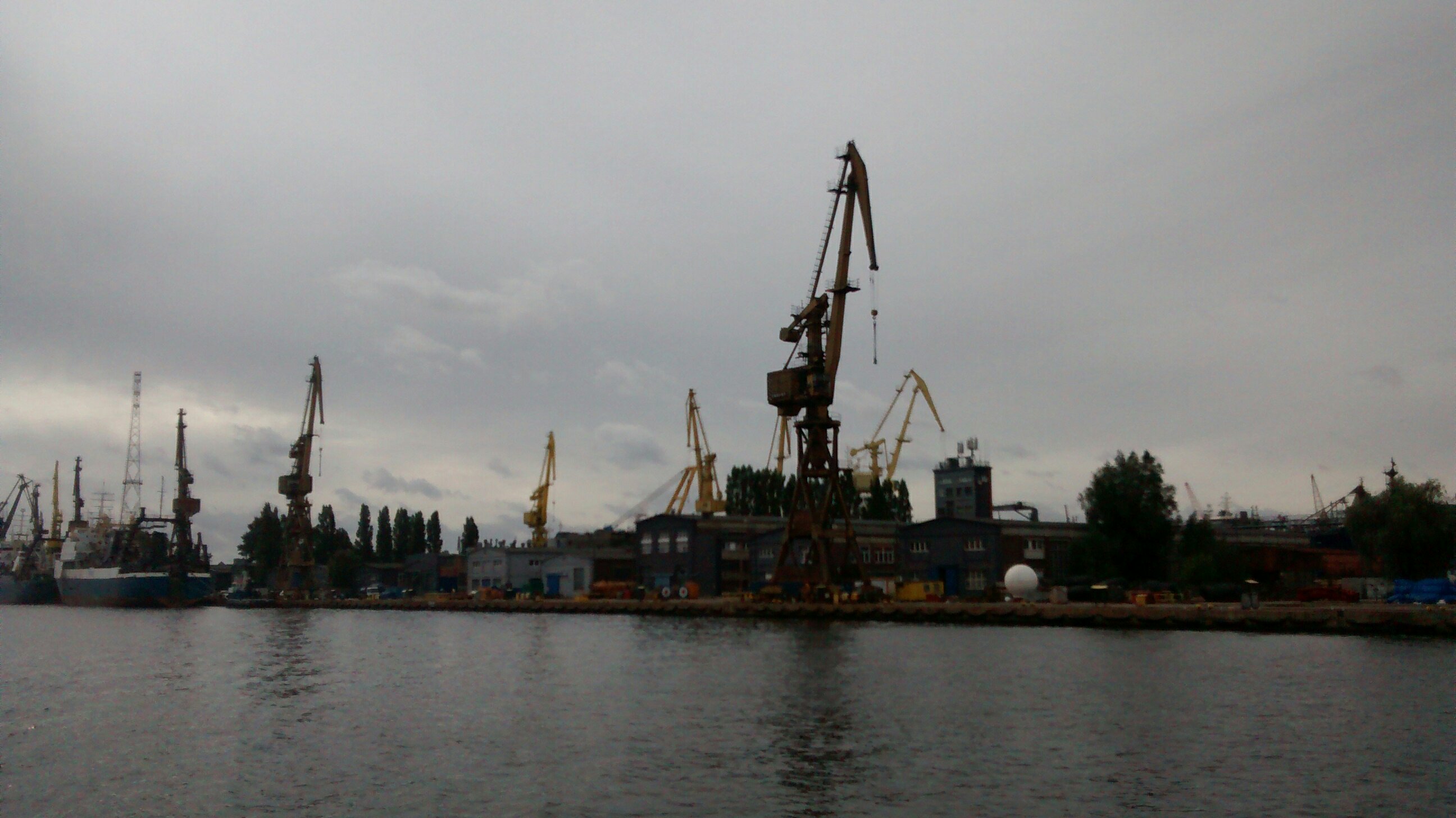
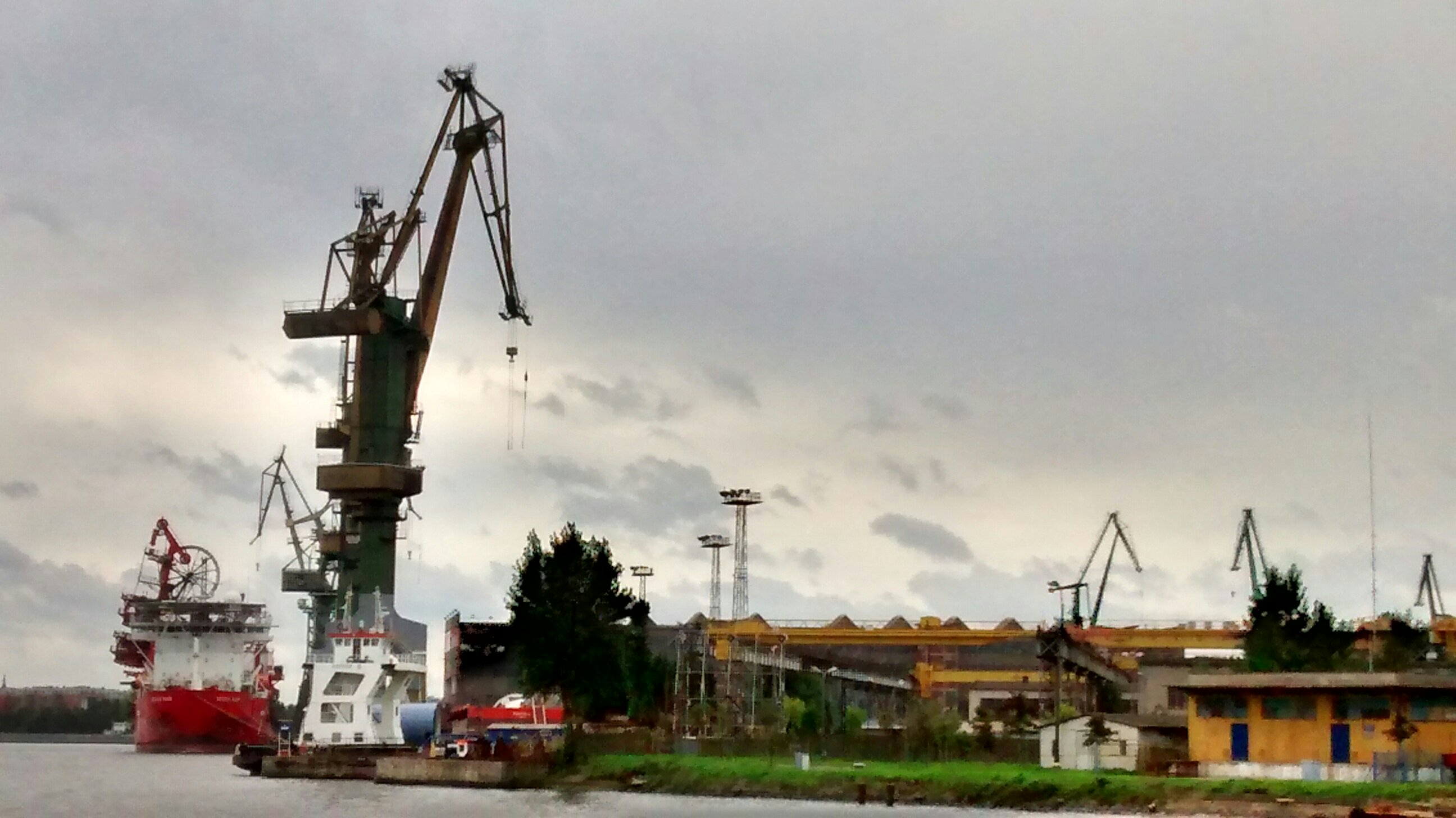
Today, we took a boat trip and passed those shipyards. Here’s our journey, beginning in downtown Gdansk, and continuing through the vast and still active industrial complex.

‘Wild geese …… sever themselves, and madly sweep the sky’ *


For a few weeks now, we’ve been watching the geese.  At first just a few, but in the last week or so, huge skeins of them in groups of V formations take over the sky, honking as they fly, at about half past eight in the morning.

Saturday was The Big One.  Two thousand or more birds invaded the sky above. And somehow, though we were looking out for them, we missed them.  These are the birds, far fewer, that flew over yesterday.

I’ve spent time on the net, trying to find out more about where they’re coming from, or going to.  All I know is that while they’re here, they enjoy scavenging in the recently harvested fields, and Mecca, for them is the wetlands of the former quarries at Nosterfield. And I also know that their massed flights mean that summer is over.

We’re migrating too, albeit temporarily.  We’re off to Poland, my father’s country of birth.  If I can I’ll do a daily post while I’m there.

  • William Shakespeare: ‘A Midsummer Night’s Dream’.

Snapshot Saturday: waiting for a fish dinner

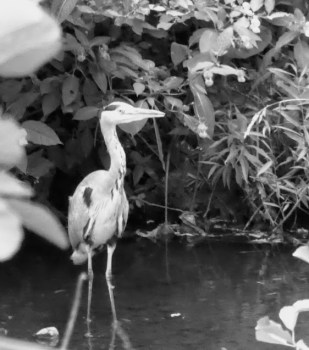
Waiting.  That’s what herons do.  Ever patient, they stand in the shallows, or on a handy rock: maybe even in the low branches of a sturdy riverside tree.  Immobile unless frightened by the sight of a human passing too nearby, they’ll stand and stand until suddenly …..stab! That long spear of a beak plunges down and secures a fish dinner.

Here’s one we spotted on the River Wharfe near Grassington a few months ago.

A heron fishing on the River Wharfe.

This second photo is a bit out of focus, but I like it anyway. I took it only about a fortnight ago, walking along the River Skell one evening.  The heron cocked his head and regarded us with some interest.  He didn’t fly away, but looked at us looking at him.  That’s quite unusual.  In the end he flew off, empty-beaked.  Perhaps he hadn’t picked a good spot.

Heron on the River Skell.


This week’s WordPress photo challenge is ‘waiting’.  Apparently there is no challenge next week, so …don’t watch this space.

Season of blackberries, apples and mellow fruitfulness

It’s been quite a year for blackberries.  Fine juicy berries tumble from every bramble bush, staining our clothes and ruining our shoes.  Even if, like me, you work on the principle of eating one berry for every two you collect for the pot, you’ll soon have more than you can realistically deal with.

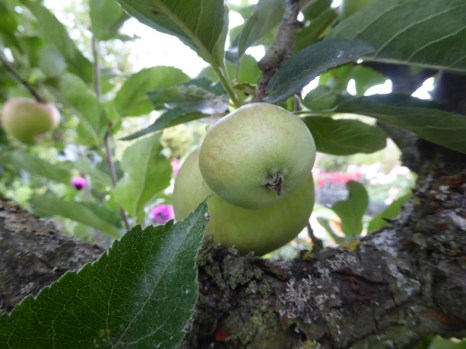
Then there are apples.  Kind friends have given us fruits carefully picked from their trees, but we consider these too fine to mix with other ingredients.  When we have jellies and compotes to make, we prefer to rescue windfalls from back lanes in the village, cut away the bruises and discard the insecty bits.

This year, we have two best uses for blackberries, and for apples too.

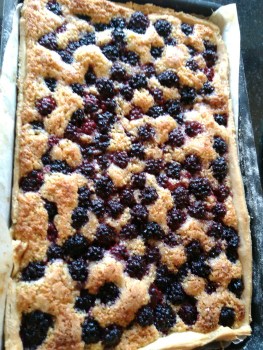
This is a blackberry bakewell tart.  The recipe is from the wonderful Mrs. Portly, and her recipe called for raspberries.  I used blackberries instead, and my greedy family demolished the lot in a single sitting.

Blackberry bakewell slice – just out of the oven.

Much of the rest of our harvest has been used for blackberry and apple jelly.  We no longer eat jam, but the intense flavour, and rich ruby colouring of this jelly  is pure essence of blackberry, and a souvenir of late summer days in the dreary dark days of winter.  It’s really worth making a few pots.

Take equal quantities of blackberries and apples.  Roughly chop the apples, which you needn’t core or peel, and place in a pan, barely covering the fruit with water.  Bring to a simmer till the apple softens and the juices run from the berries: 10 – 15 minutes.


Strain the juices through a jelly bag, or through a muslin-lined sieve for several hours.  Measure the juice.  Although I usually cook in metric, at this point, I go all avoirdupois, and work exclusively in pounds and ounces and pints.  It just seems to work better for me.


Return the extract to the pan with the juice of a lemon, and for every pint of juice, add a pound of granulated sugar.  Stir till the sugar has dissolved and boil rapidly till a ‘jell’ is obtained on testing. If you’re new to making jelly or jam, this article is helpful.

Our blackberry jelly will taste all the better because we had help from grandson William, aged two. He gathered berries, and hunted for windfalls.  He’s a London child, and his parents were keen for him to help with any job not available to him in a city park.


His parents have taken a pot of jelly back to London as a souvenir, of course.

Snapshot Saturday: Structured elegance – unstructured lodgings


I was at Fountains Abbey and Studley Royal.  And it was raining.  I stood beneath the shelter of the Temple of Piety, and enjoyed the gracious structured elegance of the Water Gardens.  Centre stage was Neptune, Roman god of the waters, and of the Moon Ponds over which he presides.

And then I noticed that amid this ordered beauty, a coot family had built a ramshackle and highly unstructured nest.  I think the gardens’ creators, John and William Aislabie would have enjoyed the water birds’ cheeky appropriation of this most peaceful of scenes.

Coot family on the Moon Pond.

My contribution to this week’s WordPress photo challenge: Structure.

Snapshot Saturday: a field, a drystone wall, a corner

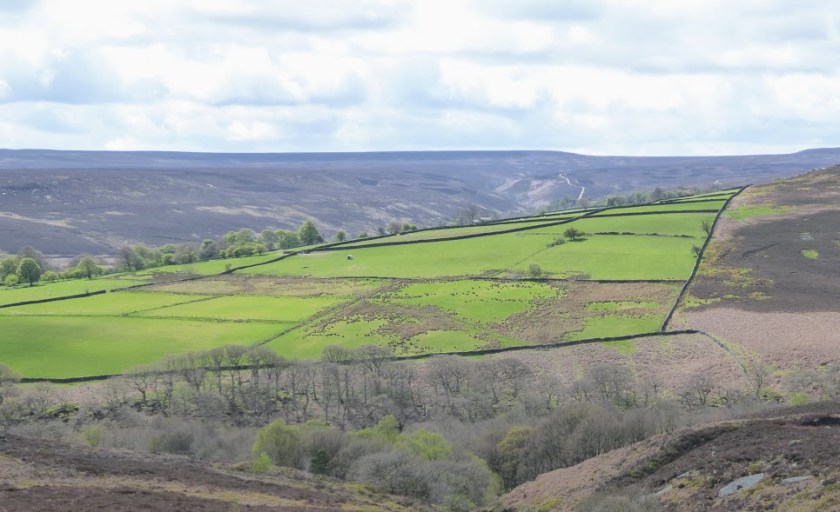
As you walk the fells, moors and dales of northern England, this is what you’ll see.

Masham Moor from Slipstone Crags.

Miles and miles of drystone wall.  In the Yorkshire Dales alone, there are some 8000 km. of wall, compared with only 990 km. of hedgerow, and 250 km. of fencing.  These walls keep flocks of sheep contained upon a single fell.  They provide a boundary between moorland heather and bracken, and more productive farmland.  They divide one farmer’s plot into more manageable fields.

Off they march down the fellside, turning a corner and skirting the valley bottom, before cornering again to march back up.  Or they’ll make snug little criss-cross squares in an ancient family farm.  Well maintained or slightly ramshackle, they make Yorkshire and the Pennine counties instantly recognisable.  Here’s a selection:


Coverdale.

This week’s WordPress Photo Challenge is ‘corner’