Apples. Simply Apples

At this time of year, peak English apple harvesting season, I can’t stop lamenting the difficulty I have in buying apples from this country. And the even greater difficulty I have in buying seasonal favourites. When I was a child, I remember eagerly anticipating the very first apples of the season, and excitedly going shopping with my mother to buy the new arrivals. Beauty of Bath and Discovery apples appeared while we were still on summer holiday from school. Then it was George Cave and James Grieve, Then Worcester Pearmain, Laxton Supreme, Lord Lambourne…. Then Cox’s Orange Pippin. We still have those, but they’re not the same. We used to hold them to our ears and shake them to hear the pips rattle. They just don’t, not any more. Then Egremont Russets – still my favourites and – woo-hoo! Still available. Then finally it would be Blenheim Orange and last of all, Newton Wonder.
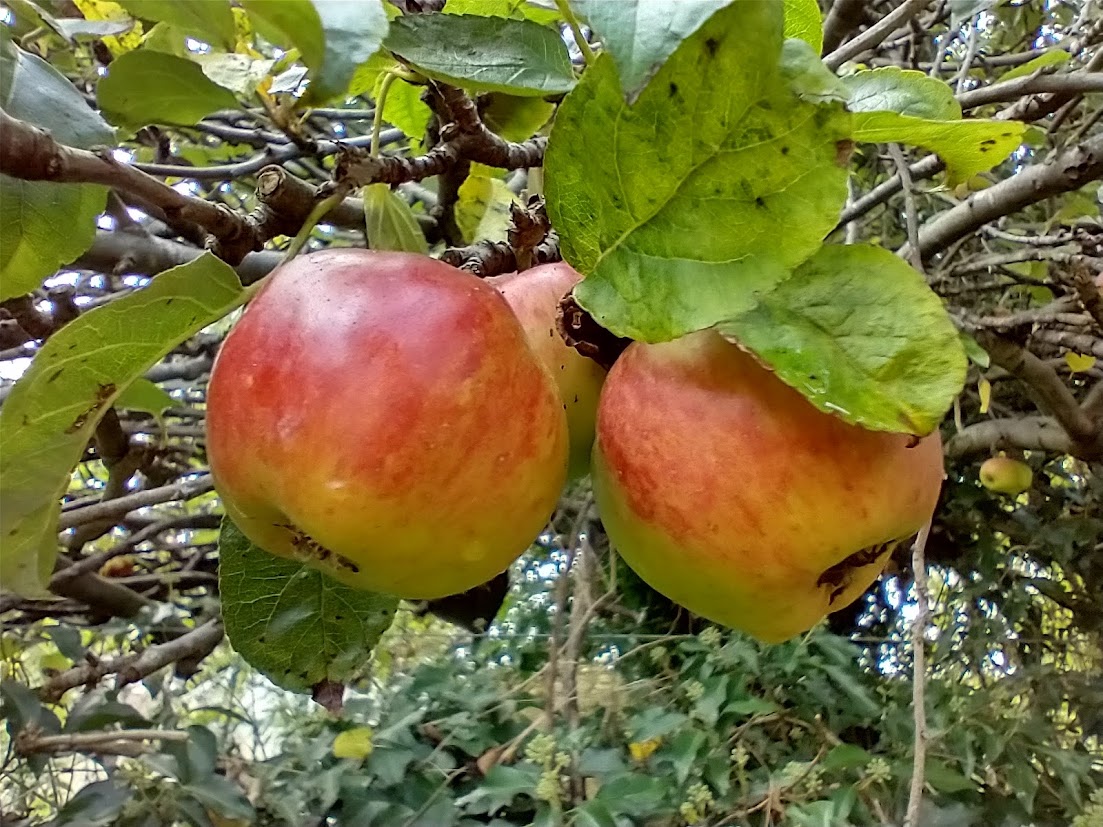
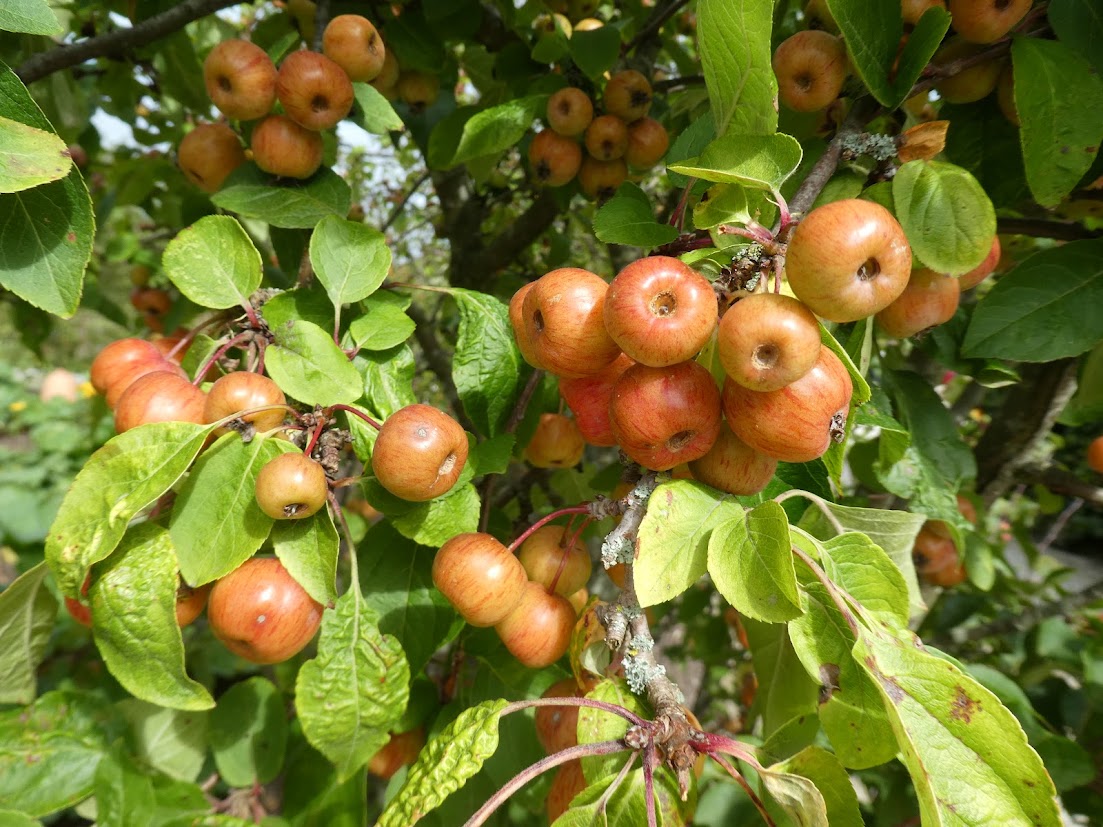
Apart from Discovery, Cox’s and Russets, I haven’t seen any of these for years and years. It’s all about Braeburns, Jazz and Pink Lady (which don’t even grow here) and a few others like Honeycrisp that hadn’t been developed when I was younger. All are crisp, juicy and pretty tasteless, compared to the old favourites. In my opinion.
Sally Coulthard has written just the book for me:  The Apple – a delicious history. She has been cut from the same cloth as me, and is a Real Enthusiast.

She begins her book by telling the history of the apple. I had no idea that the ancestry of every apple we eat can be traced back to an area in what is now Kazakhstan. I had no idea that the apple was spread farther afield over many centuries along what we now call the Silk Road, and indeed that it reached Britain relatively late in the game. She tells us how its popularity waxed and waned as fashion and tastes changed over the centuries, and shares recipes and tips from every period of history. 
The latter part of her book describes how old orchards, worldwide, have been grubbed up, and how we are all, worldwide, exposed to the same half dozen or so varieties, flown in from distant climes, year round, with no seasonal variation. She brings hope that growers are finally walking up to the dangers in pursuing this course, and in limiting the biodiversity espoused by all those dozens – no, hundreds – no, thousands – of varieties grown and formerly prized in every continent.
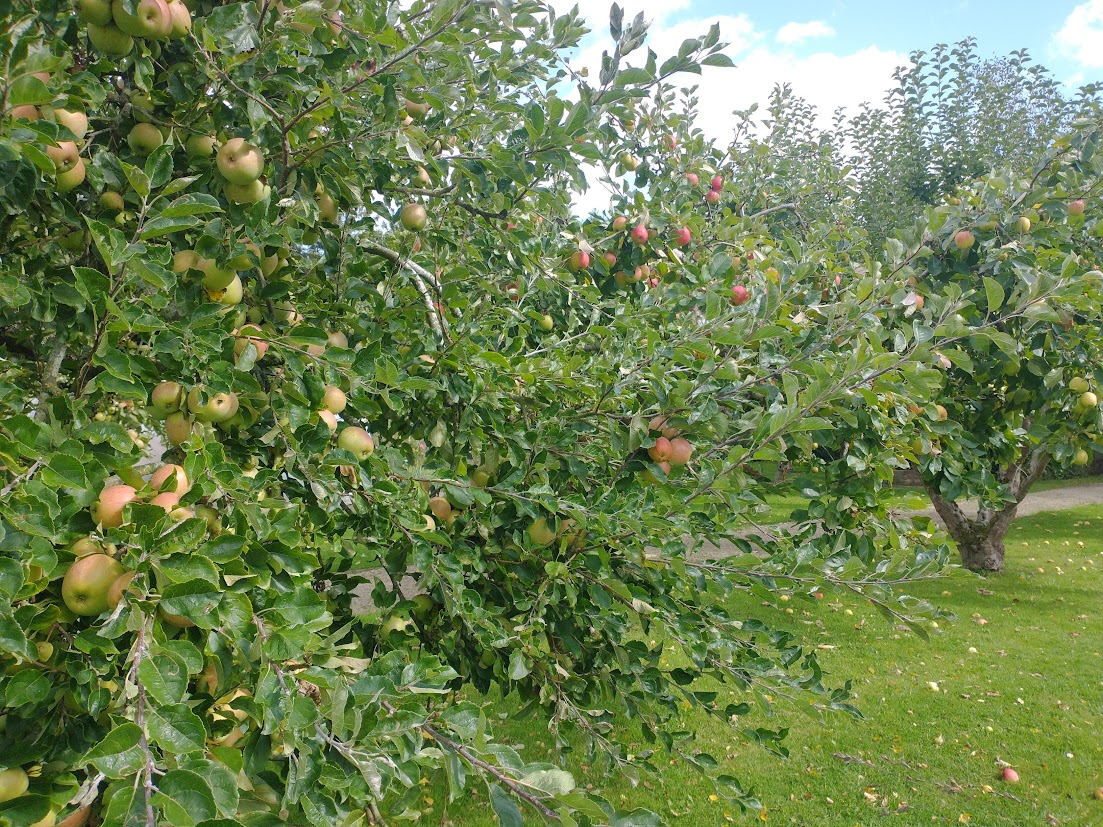
It’s fascinating stuff, and written with a light touch, guaranteeing that every page will be read and enjoyed. A book to be read by everyone who enjoys apples in whatever guise they are presented.
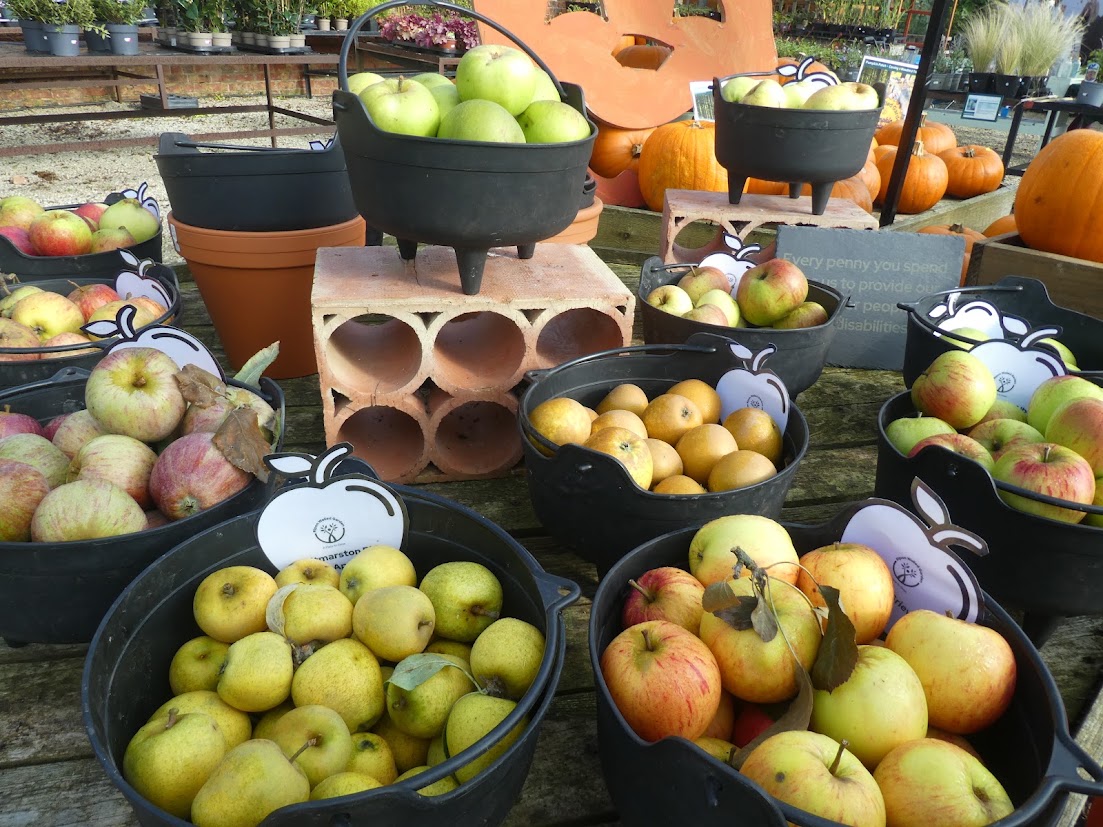
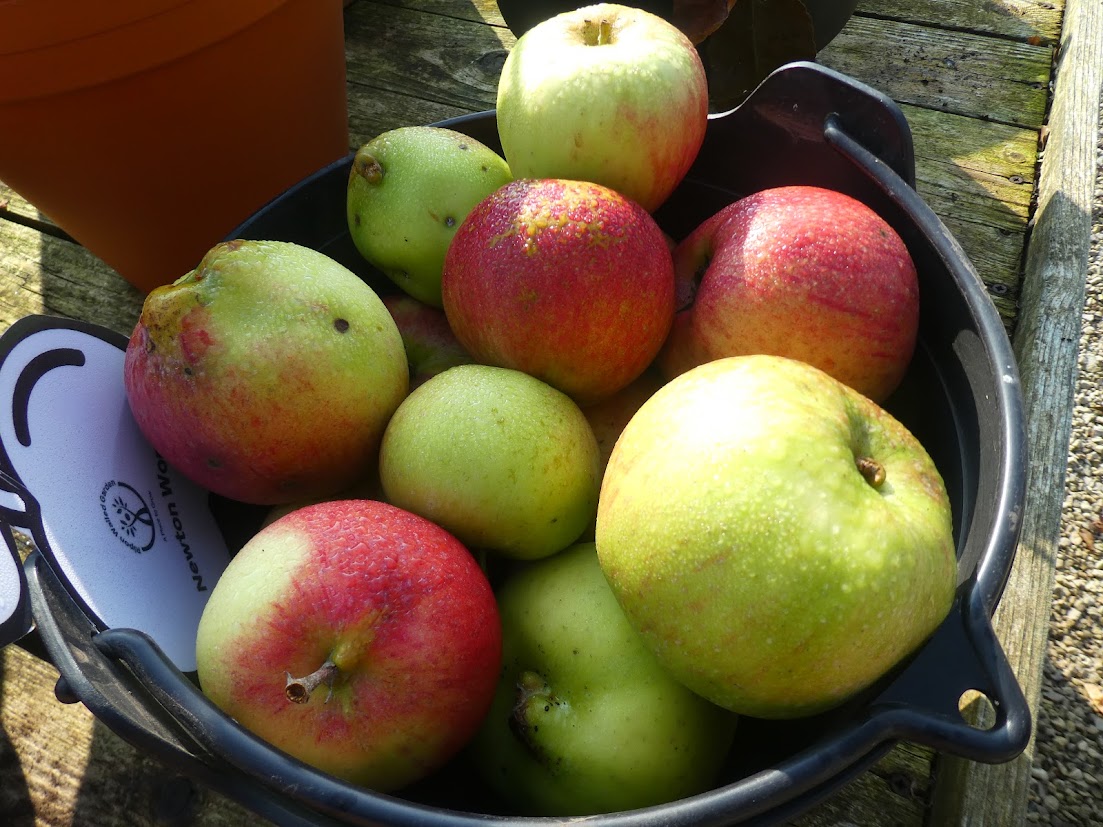
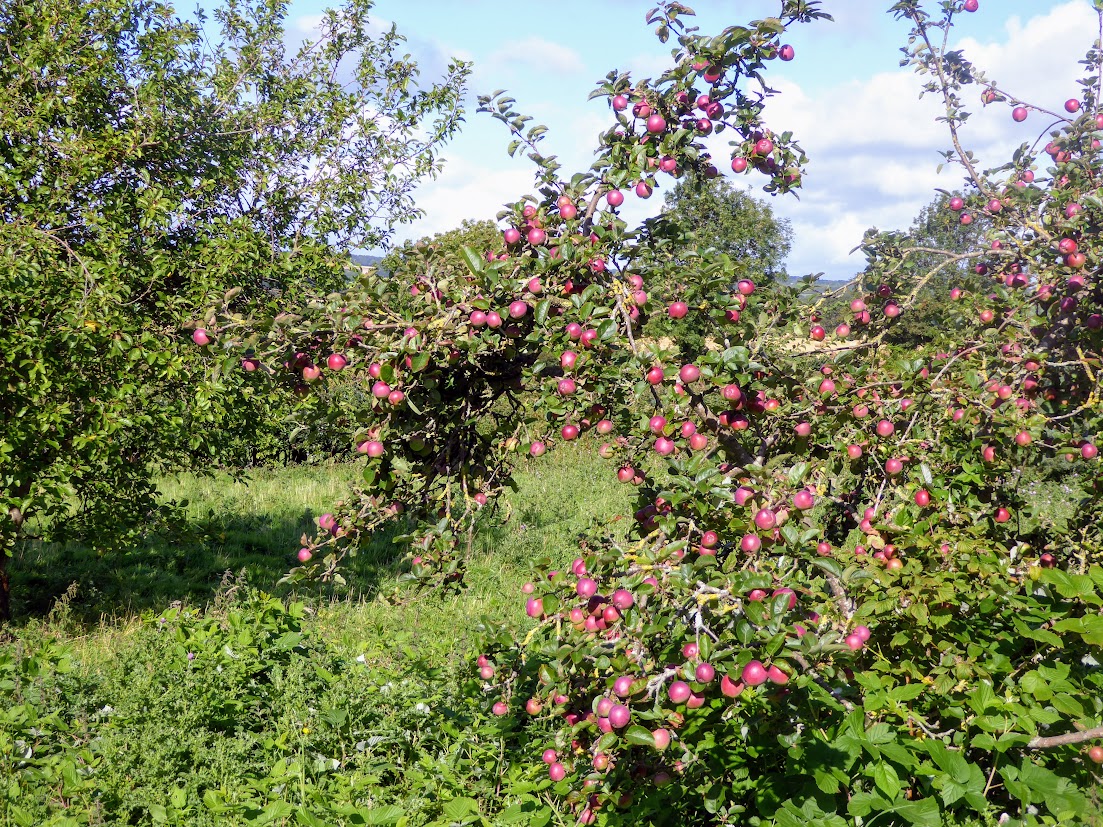
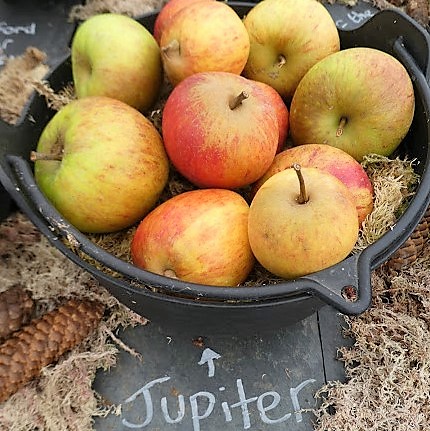
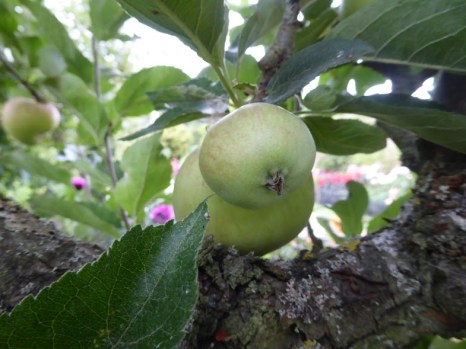
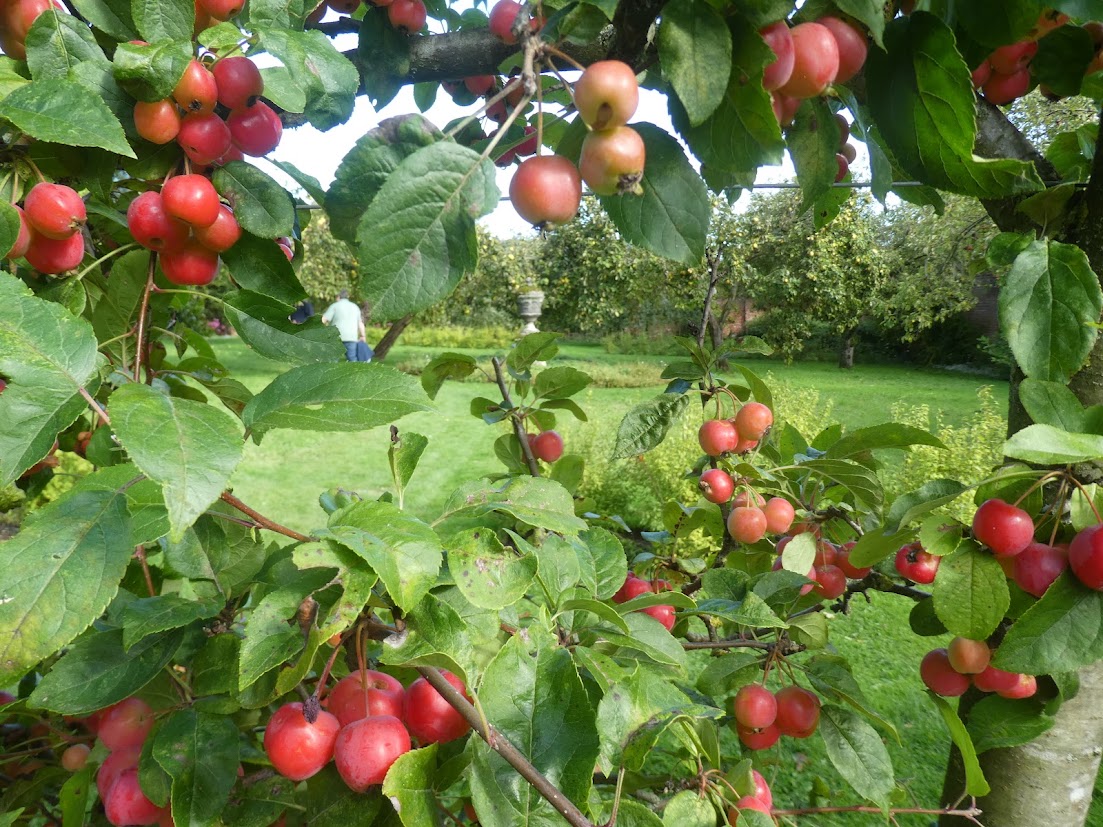
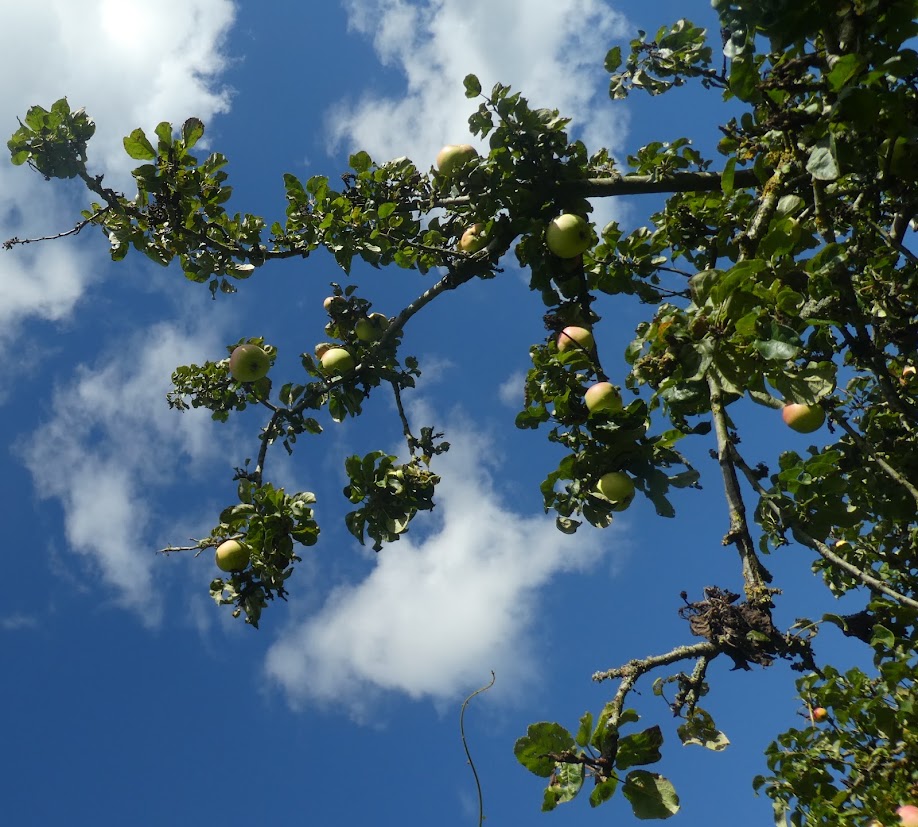
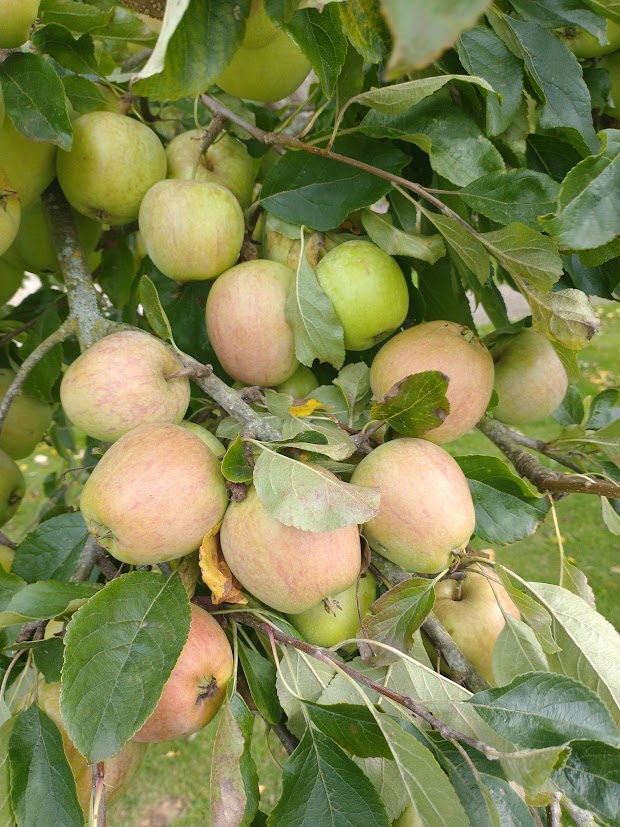
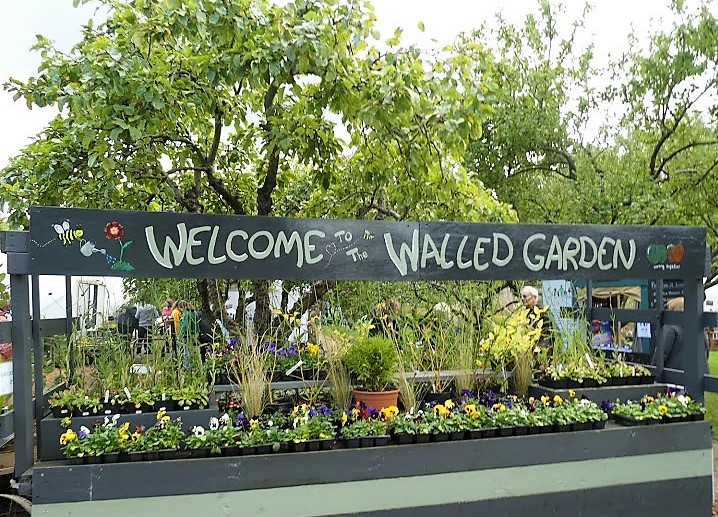
Hooray for the ancient orchards that do still exist. The Walled Garden near here, now a training centre for young people and adults with learning disabilities, used to be the Bishop of Ripon’s orchard. And praise be! The ancient apples and pears and plums grown in its heyday flourish still, are harvested and used still, and that’s where nearly all these photos come from. It’s having an Apple Day tomorrow, as it does every year, showcasing dozens of varieties of apple, selling its home-pressed apple juice, and generally involving the citizens of Ripon and beyond in discovering and celebrating something of our proud apple heritage. It’s good to know I’m not the only apple nerd.
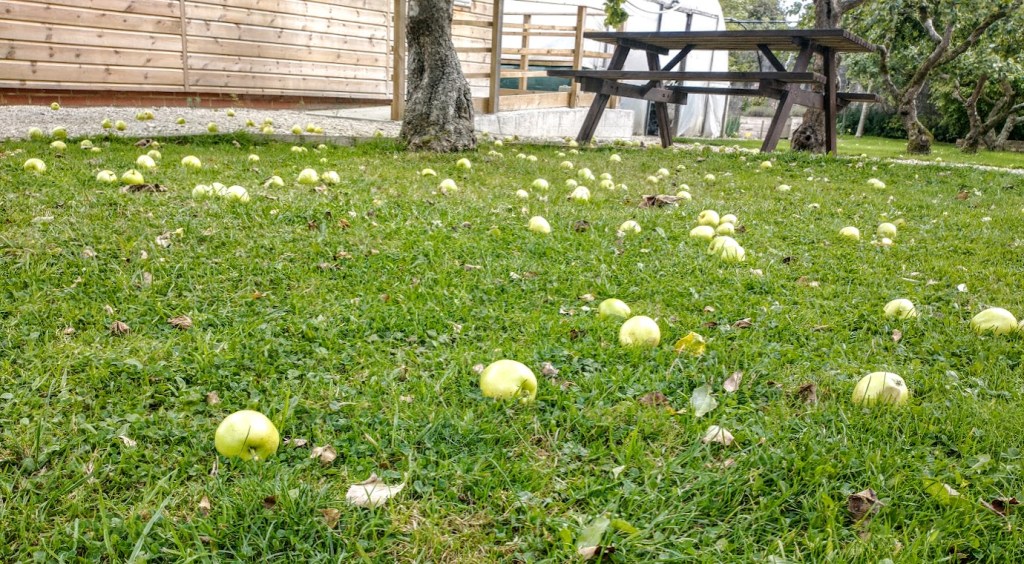
A slightly uncertain entry for Anne’s Lens-Artists Photo Challenge: .Move your Body. She wants us to get near – or distant – from our subjects by physically getting in the right place for the shot. No zoomimg and so on allowed. Have I been gymnastic enough here? Probably not.
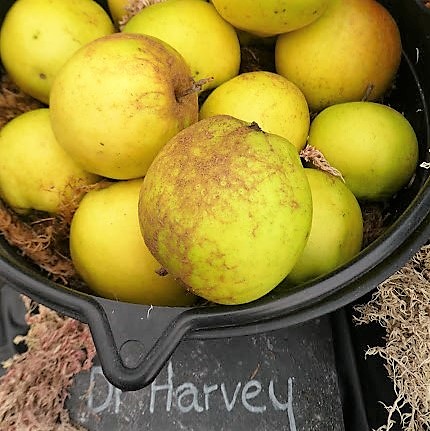
How Many Kinds of Apple Are There?

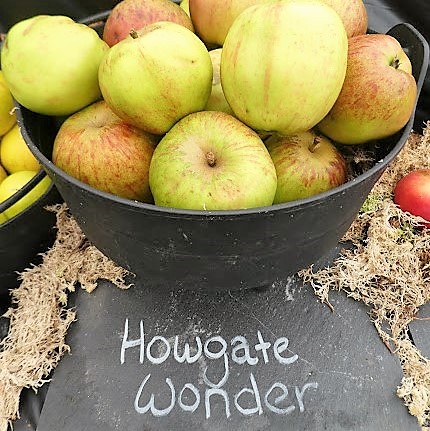
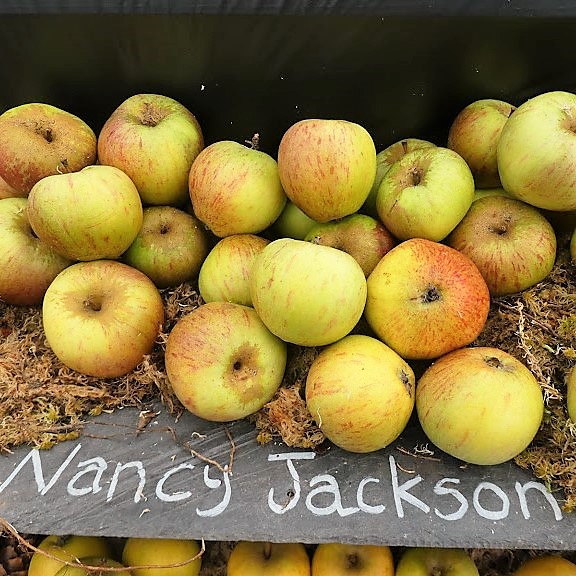
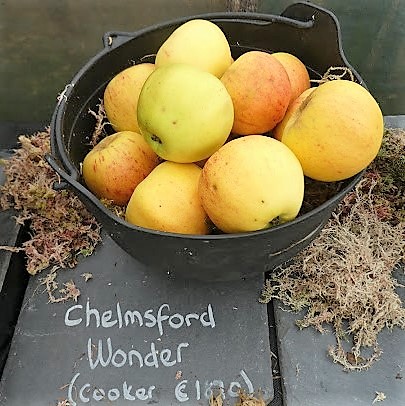
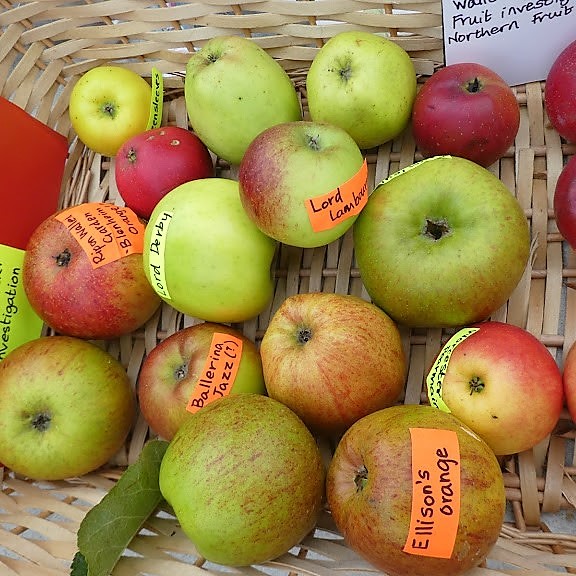
Here are just a few among dozens of apple varieties displayed at last year’s Apple Day at Ripon’s Walled Garden. It’s where adults and young people with learning disabilities are supported into employment through the skills they learn in this wonderful garden environment.

#Kinda Square

An Apple a Day….

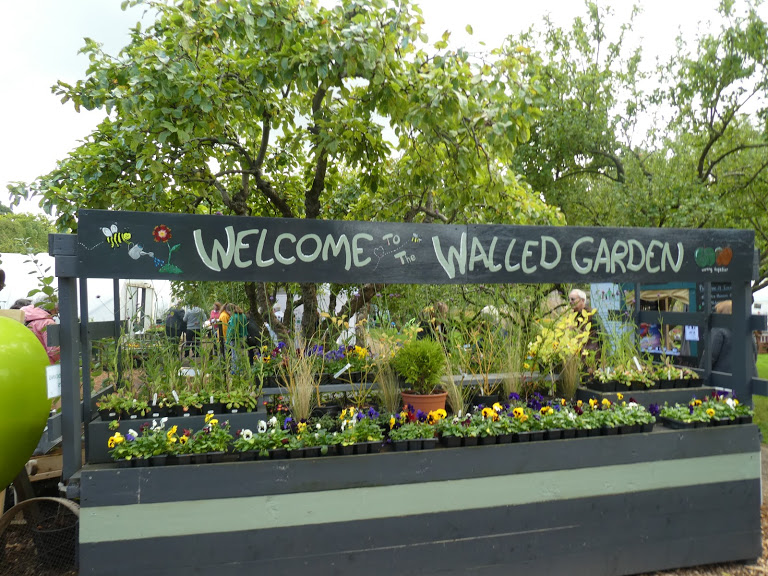
It was Apple Day at Ripon’s Walled Garden on Saturday.  We went along.

For me, it was a chance to revisit my childhood. Every Saturday, I’d go shopping with my mother to the Tachbrook Street Market.  My favourite stall was the greengrocer’s.  I’d try to add to my collection of prettily-decorated tissues used by the citrus fruit growers to wrap their produce.  I’d wonder at expensive exotica such as lychees or passion fruit.  But really, we’d come to buy.

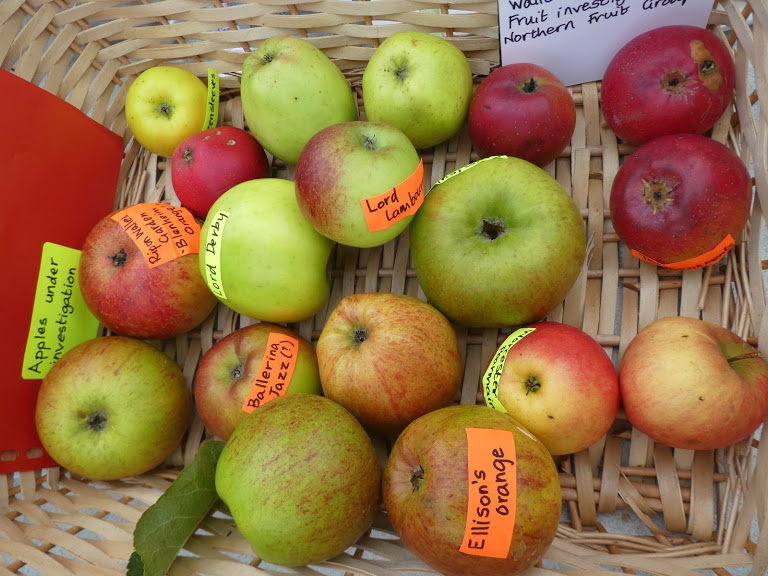
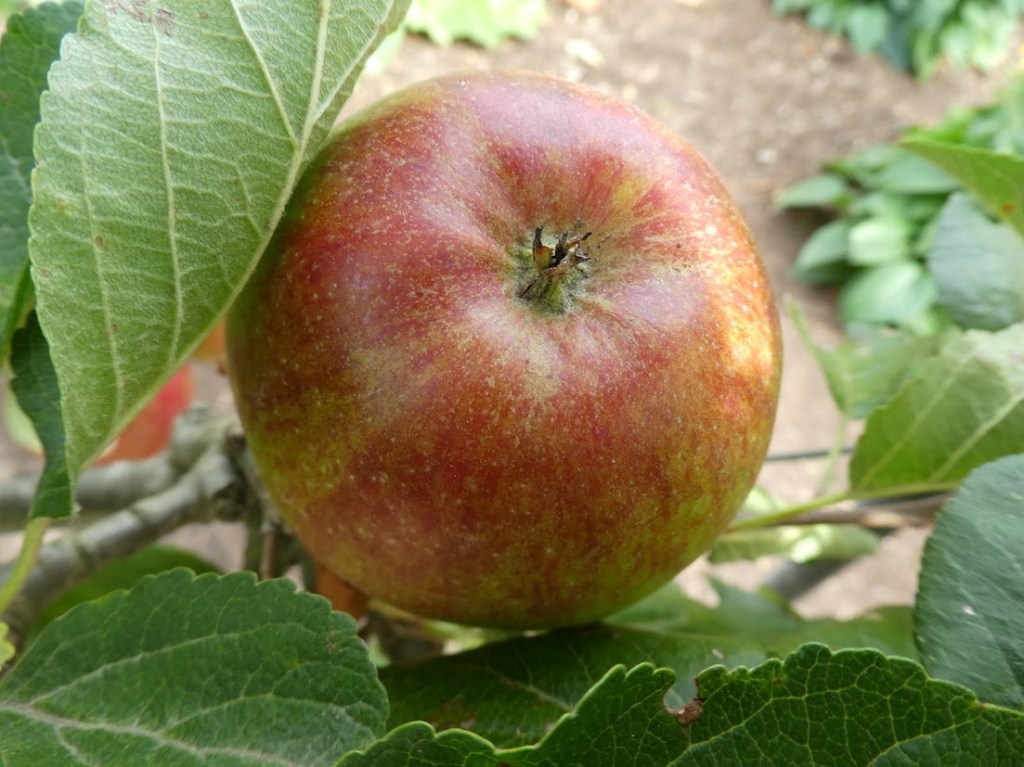
And my mother taught me that apples aren’t simply apples.  There was something new to look forward to every month in autumn.  The eagerly anticipated first apple of all – the bright red Discovery, quickly followed by Beauty of Bath.  The Cox’s Orange Pippin of course, which we had to shake: it wasn’t ripe unless the pips rattled.  Blenheim Orange.  Laxton’s Supreme.  Laxton’s Superb. Worcester Pearmain.  Charles Ross.  James Grieve. Egremont Russet, which I always associated with Bonfire Night, but which nowadays is already in the shops. Ribston Pippin.  Ellison’s Orange.  I learnt to love them all: some sharp and juicy; others more mellow, slightly less crisp; white-fleshed; creamy-fleshed; small; large; knobbly; oval; round – such variety.

Many of these have all but disappeared from the shops.  It’s all about large, white-fleshed, crisp apples.  Jazz, Pink Lady, Granny Smith – even Cox all seem much of a muchness. And half the time, when apple season is at its peak in England, they aren’t even from the UK.  Cookers these days are Bramley Seedlings.  Excellent of course, but where are the Lord Derbys, the Newton Wonders, the Grenadiers?

In places like Ripon’s Walled Garden, that’s where.  Look at my Rogue’s Gallery of all the varieties they still grow.

This display below piqued my interest.  I recently read Tracey Chevalier’s At the Edge of the Orchard, a partly-true story which begins in Ohio in Pioneering days.  A bit-part in the tale is played by an apple variety, Pitmaston Pineapple, that had been carefully brought over from Herefordshire. I’d never preciously heard of them, but … they’re still grown in Ripon.  I tasted one.  The so-called pineapple taste eluded me … but I was still glad to have eaten a little bit of history.


Ripon Walled Garden is Ripon’s best kept secret.  It’s a  a charity supporting young people and adults with learning difficulties to learn horticultural and catering skills in a sheltered environment.  Come here for a delectable tea-and-cake moment or a light meal, made using their fresh garden produce: sit at a table in the shade of the old apple trees in the well-tended and colourful garden. You’ll go home refreshed and happy.

Season of blackberries, apples and mellow fruitfulness

It’s been quite a year for blackberries.  Fine juicy berries tumble from every bramble bush, staining our clothes and ruining our shoes.  Even if, like me, you work on the principle of eating one berry for every two you collect for the pot, you’ll soon have more than you can realistically deal with.

Then there are apples.  Kind friends have given us fruits carefully picked from their trees, but we consider these too fine to mix with other ingredients.  When we have jellies and compotes to make, we prefer to rescue windfalls from back lanes in the village, cut away the bruises and discard the insecty bits.

This year, we have two best uses for blackberries, and for apples too.

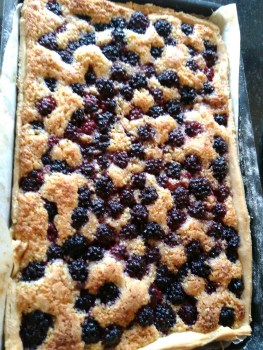
This is a blackberry bakewell tart.  The recipe is from the wonderful Mrs. Portly, and her recipe called for raspberries.  I used blackberries instead, and my greedy family demolished the lot in a single sitting.

Blackberry bakewell slice – just out of the oven.

Much of the rest of our harvest has been used for blackberry and apple jelly.  We no longer eat jam, but the intense flavour, and rich ruby colouring of this jelly  is pure essence of blackberry, and a souvenir of late summer days in the dreary dark days of winter.  It’s really worth making a few pots.

Take equal quantities of blackberries and apples.  Roughly chop the apples, which you needn’t core or peel, and place in a pan, barely covering the fruit with water.  Bring to a simmer till the apple softens and the juices run from the berries: 10 – 15 minutes.


Strain the juices through a jelly bag, or through a muslin-lined sieve for several hours.  Measure the juice.  Although I usually cook in metric, at this point, I go all avoirdupois, and work exclusively in pounds and ounces and pints.  It just seems to work better for me.


Return the extract to the pan with the juice of a lemon, and for every pint of juice, add a pound of granulated sugar.  Stir till the sugar has dissolved and boil rapidly till a ‘jell’ is obtained on testing. If you’re new to making jelly or jam, this article is helpful.

Our blackberry jelly will taste all the better because we had help from grandson William, aged two. He gathered berries, and hunted for windfalls.  He’s a London child, and his parents were keen for him to help with any job not available to him in a city park.


His parents have taken a pot of jelly back to London as a souvenir, of course.