Shock! Horror! Unheard of! Today we could be found (a) watching day time television and (b) it was a cycling programme.
Today’s daytime TV.
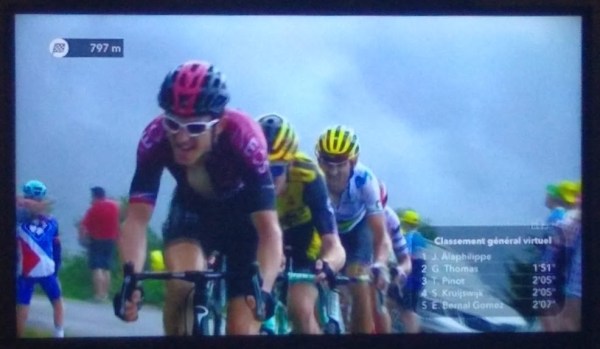
The Tour de France, to be exact. Normally we only display an interest in this or any other cycling event if it passes our front door: as it did twice when we lived in France, and once, in 2014, when memorably, the Tour began in Yorkshire.
The Tour de France goes through Laroque, 2012
Today however, stage 15 of this year’s Tour took place in the area we called home, the Ariège. We had to watch. The struggles of the cyclists passed us by as we grew nostalgic, even damp-eyed as familiar roads, familiar landscapes appeared on screen.
Foix: today’s almost-finishing point.
But as I watched, I was reminded of an incident that took place in Laroque, back in 2012.
Every year, just before the Tour, another cycling race takes place in the Ariège: L’Ariégeoise. It’s divided into three levels of difficulty: the Ariégeoise itself (160 km,3,500 m. of climbing), the Mountagnole (118 km, 2,500 m. of climbing) and for wimps, the Passejade, a mere 68 km, and 750 m. of climbing.
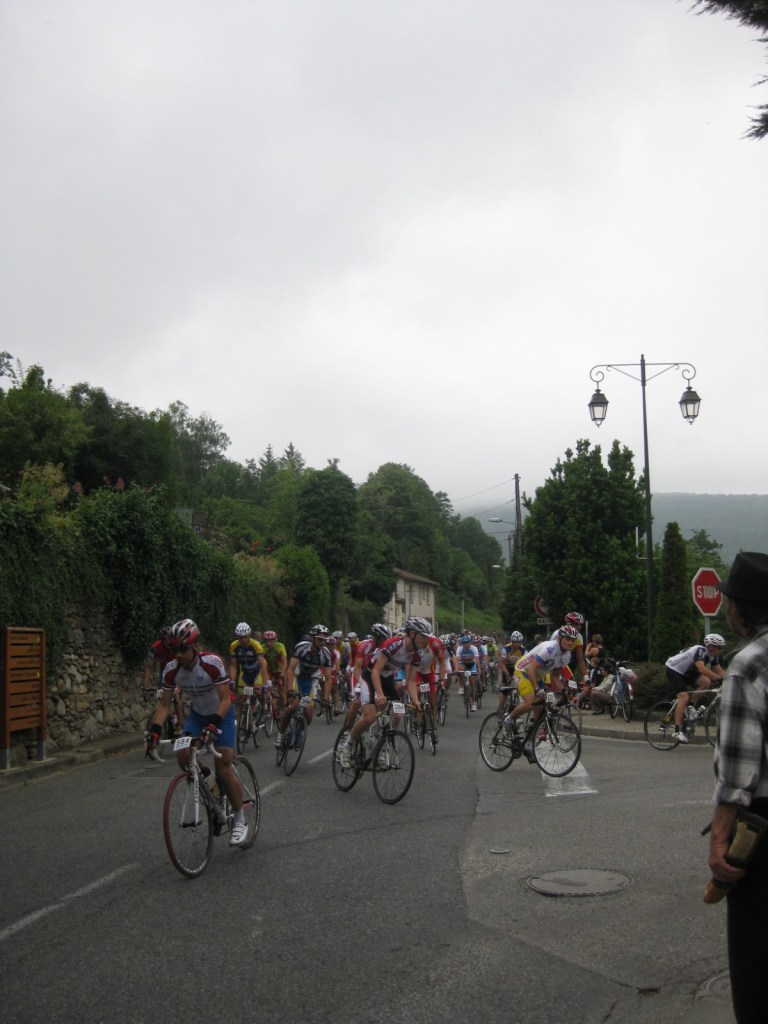
That year, the route passed our way. That year, the routes of the two main races parted company in Laroque. And that year, there were no signs to say so…. and nor were there special marshalls for the Mountagnards.
The unsuspecting riders arrive at the parting of the ways….
As the riders arrived at the crossroads in town , they didn’t know where to go. Ariégeoises followed Mountagnards. Mountagnards followed Ariégeoises. It was hopeless. Riders tried to turn round, collided with those behind them, swore, and swore again as they saw their hard-won perfect timings being swallowed up in the chaos. With extraordinary presence of mind, I shot some video footage.
I heard later that following the event, the race organisers used my little clip for training purposes, to demonstrate How Not To Organise a Cycling Event. I’m guessing it’s part of every year’s Tour de France training too. That’s why it always runs so smoothly.
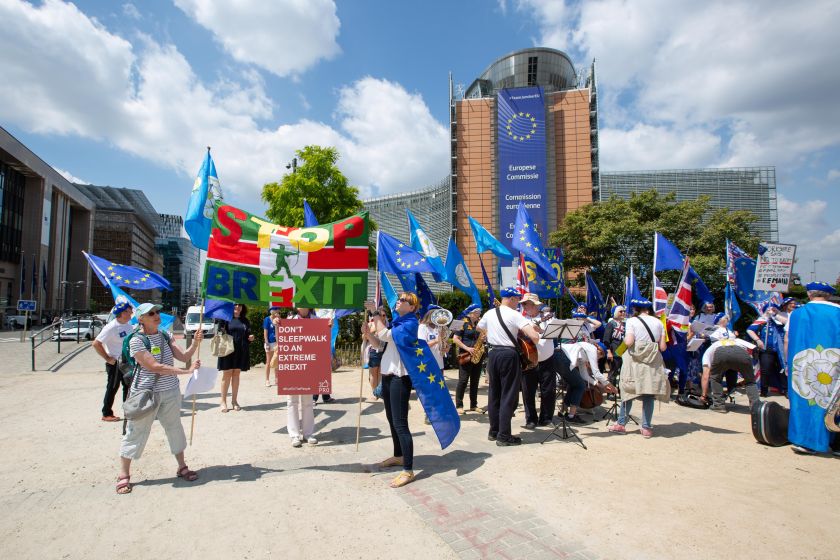
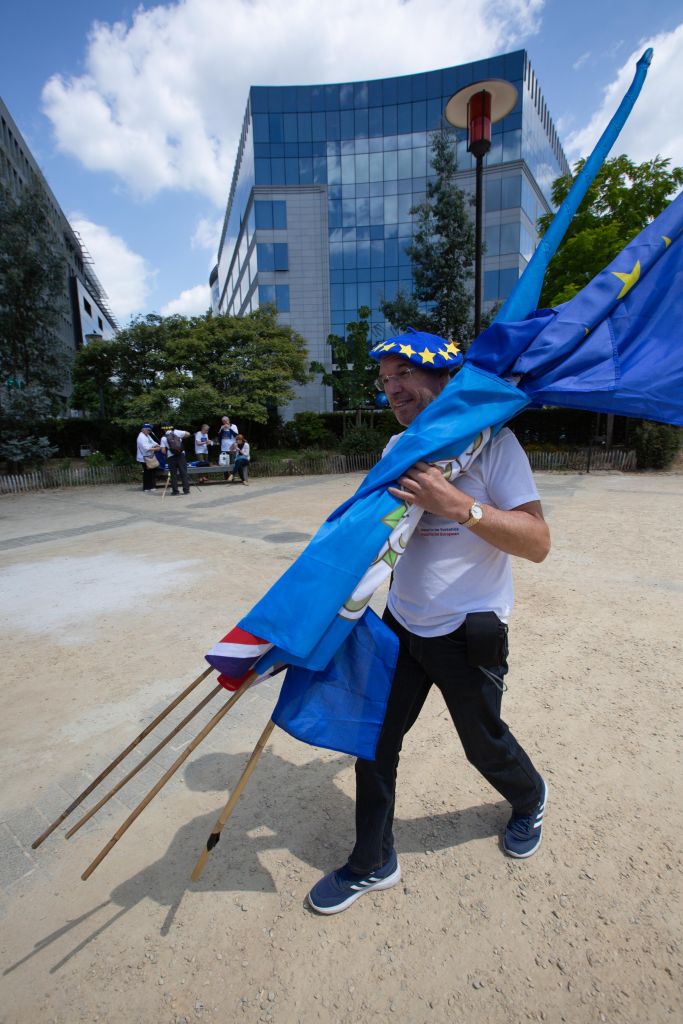
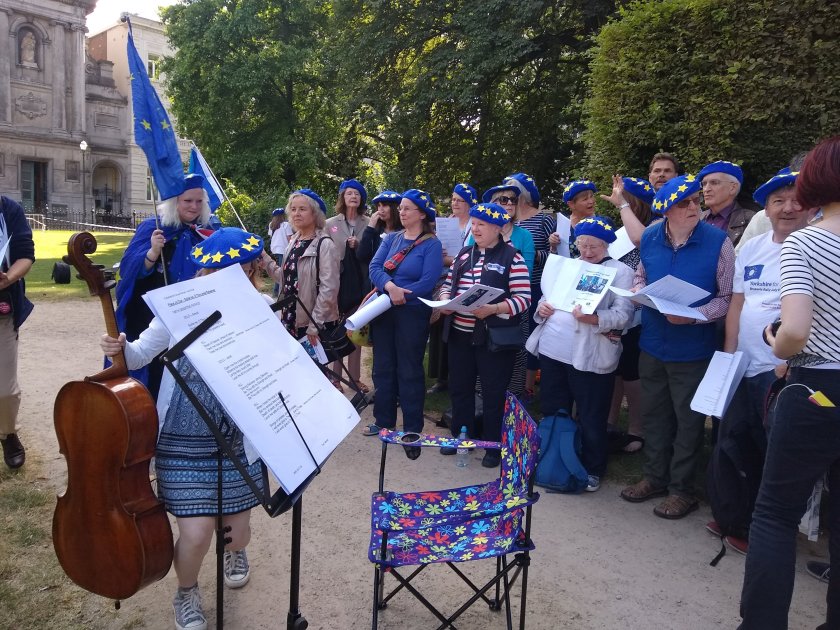
We’re back from Brussels. ‘We’ were a 60 strong group whose members, between us, had birthdates representing every single decade from the 1930s to the 2000s. And we had indeed come from Yorkshire just to say- ‘We’re for ever European’…
…. to ask ‘What shall we do with this rotten Brexit?’….
.. and to assert…..
We were cheered and moved to be tooted supportively by passing cars, told by streetcleaners, policemen, ice-cream stallholders, bar staff, passport control staff, passers-by that people in mainland Europe want us to stay, welcomed our efforts.
Wednesday was the day when we marched round the European Parliament campus singing and waving our European, Yorkshire and Union flags. It was the day when we toured the parliament building, having a question and answer session with Henry Wasung, British multi-lingual member of staff, and in the absence of our own MEP Richard Corbett, who was in London, with Seb Dance, Labour MEP for London. All of which assured us in our knowledge that only staying in Europe makes sense.
Singing on campus (ChiaraMacCall)
In the afternoon we were centre stage. We were at the Schuman Roundabout, focal point of the buildings of many of the EU institutions. So were members of Brussels Light Opera, Women for Europe, EU super girl and Young European of the Year 2018 Madeleina Kay. And we sang (see above!). Madeleina sang. Various British MEPs came to support us and to speak. Our own Shaffaq Mohammed and Magid Magid made speeches too.
Madeleina Kay with Magid Magid (Chiara MacCall)
Then it was four o’clock and time to go. Time to load the flags, the posters, the banners into the coach and make our way back to the ship, and to England.
Packing up at the end (Chiara MacCall)
We feel energised, optimistic, ready to plan the next stage of our campaign. Whatever we do, we’ll continue to make it fun and uplifting. No sour faces here.
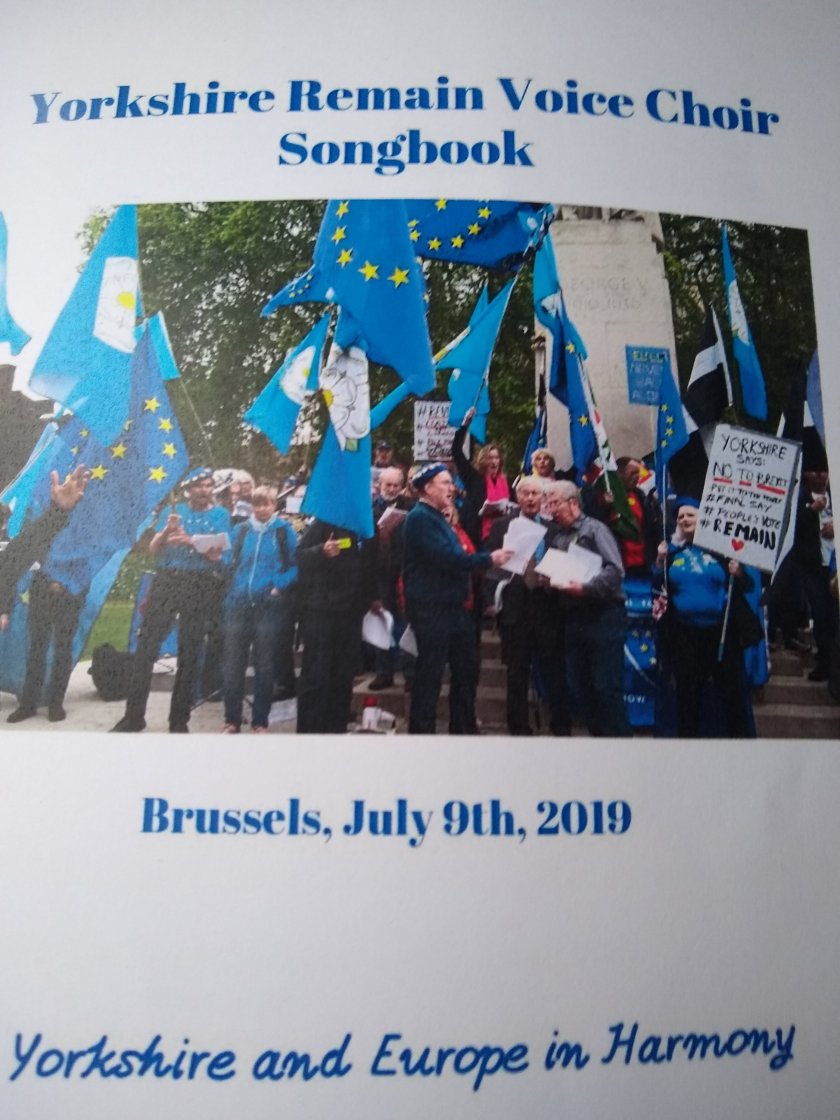
…… all kinds of things about our love of Europe and our wish to remain in the EU. There are a dozen songs in the Yorkshire Remain Voice Song Book, pastiches of traditional songs, popular music staples, sea shanties and even hymns.
Sixty Yorkshire folk, all committed Remainer campaigners have arrived in Brussels to sing every one of them.
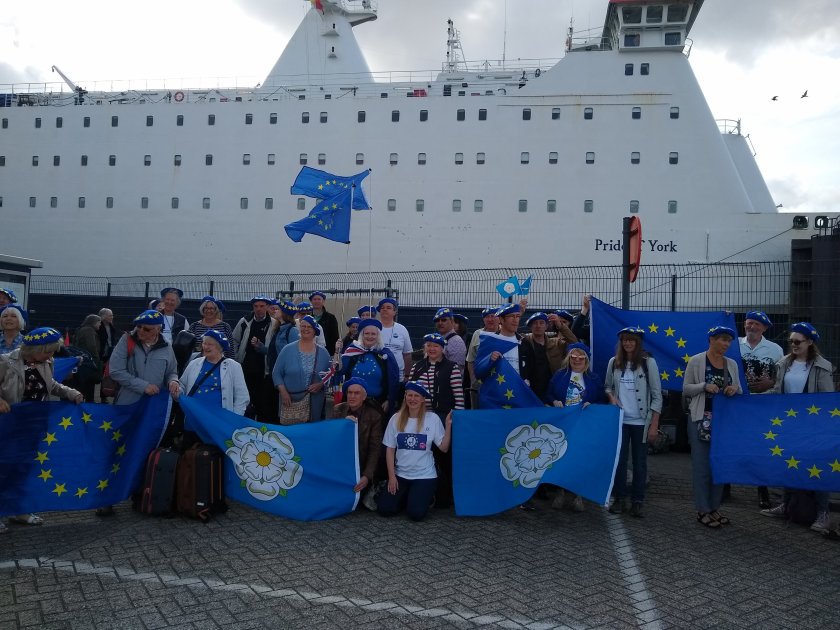
We’ve sung our way across on the overnight ferry from Hull to Zeebrugge.
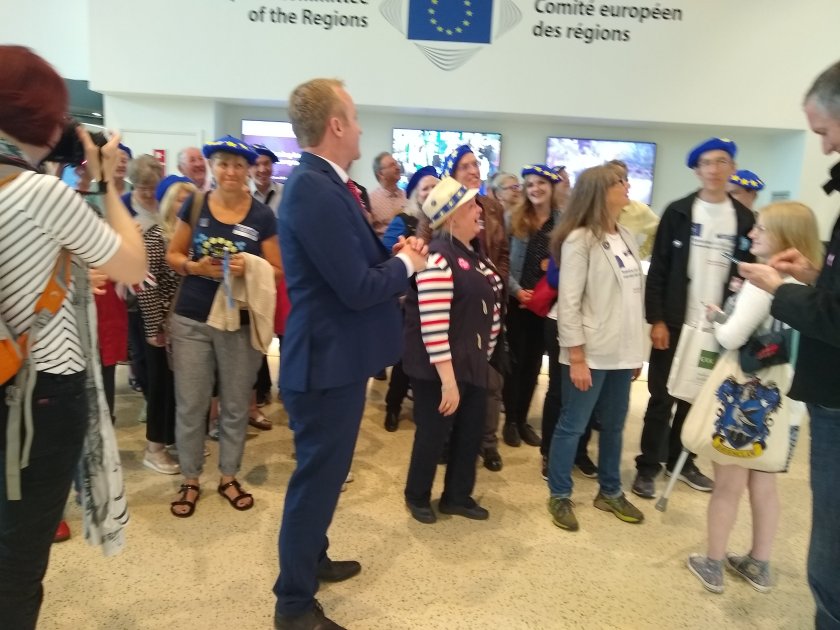
We’ve had an entertaining and informative afternoon at the Comité Européen des Régions, and held an impromptu flash mob there.
Flashmobalert
We’ve practised in the park, and brought gratitude and tears to an elderly Belgian, remembering his youth, with its fascism, division and war.
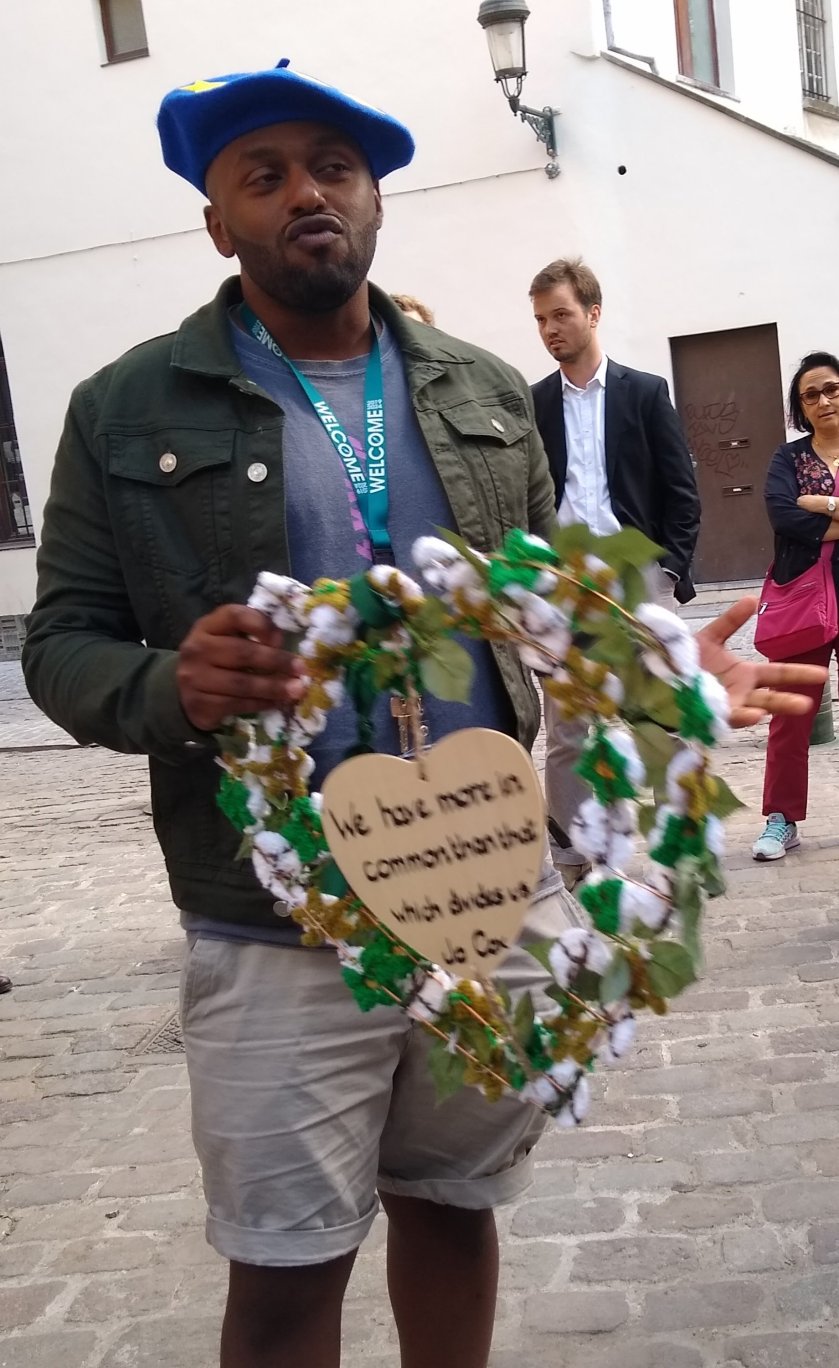
And this evening, we went to Place Jo Cox, laid a wreath of knitted white roses, and sang in memory of the murdered Yorkshire MP. One of our own newly elected MEPs, Magid Magid (Green), who joined us, reminded us of Jo’s hallmark: her compassion.
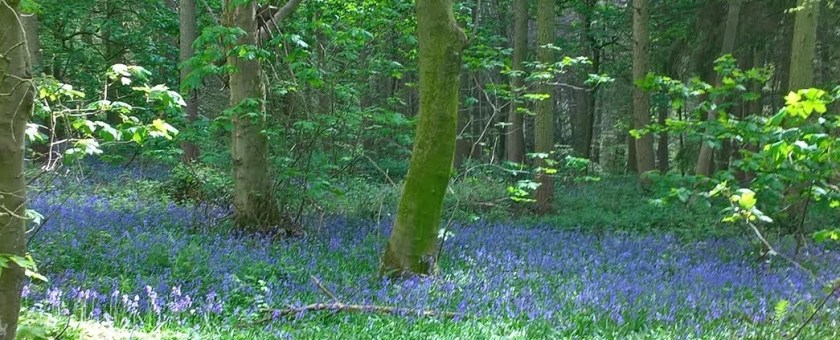
May is blue and white. May is the month when bluebells thrust their heads above the leaf mould of an English woodland and carpet it with a hazy sea of blue. It’s when forget-me-nots flower in every vacant spot of earth, and wriggle through the cracks in paving stones. It’s when bluish-purple wisteria scrambles across old brickwork, gently waving its blooms in the light spring breeze. It’s when the sky is often reliably and cloudlessly blue on a sunny afternoon.
Ponds at Harlow Carr Gardens, Harrogate.
The River Ure at West Tanfield.
Bluebells at the bottom of the garden.
Wisteria on the wall.
Forget-me-not.
A mallard at Patelety Bridge. Blue head. White tail.
May is hawthorn time. May is lilac time. May sees late-flowering wild garlic give place to bluebells . Daisies take over. White petals from pear, apple and cherry trees swirl gently to the ground. And white woolly lambs play king-of-the-castle and run races in the fields. Round here, sheep-identification markings are blue.
Dead nettles near the river.
Cherry blossom near the pond at North Stainley.
Lilac about to burst into flower.
Hawthorn.
Wild garlic.
Daisies. Of course.
White wisteria.
Local lambs.
There’s plenty of space for yellow too. Anyone spotted any dandelions?
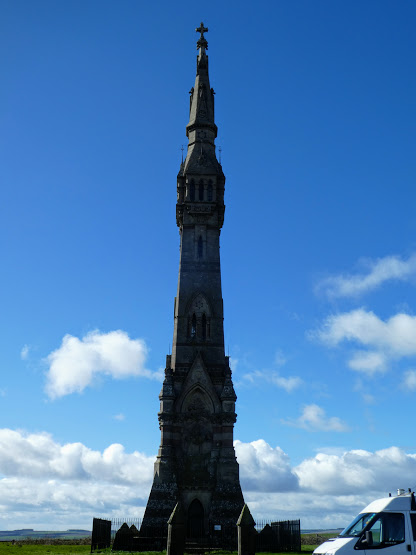
As you travel on the B1252 to Driffield in East Yorkshire, you may notice ahead of you a strange spire thrusting skywards. Is it a steeple? No, too slender. Is it some piece of machinery, agricultural or otherwise? No, that’s just … wrong.
The Sledmere Monument, a first glance.
Then suddenly, you’re upon it – it’s there, at the side of the road, a needle-sharp column rising some 120 feet towards the heavens. You get out. You read the story. And then you come home and find out more about the extraordinary man whose life is commemorated in this memorial.
The Sledmere Monument: a second glance.
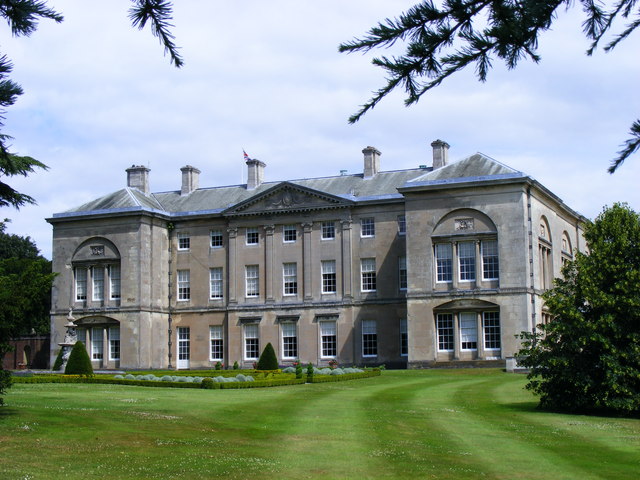
Sir Tatton Sykes was born in 1772: and he chose to wear 18th century dress all his life. He lived on the 34,000 acres of the family seat of Sledmere House, the largest estate in the East Riding of Yorkshire. The Sykes family was one that thought little of building an entire village – Sledmere – to support it, or of hiring the most noted landscape designer of the age, Capability Brown, to transform its parkland. They employed the foremost designers, plasterers and architects of the period to fashion the house itself. They were rich, energetic, resourceful … and eccentric. You can read all about it here.
Sledmere House (geograph.co.uk)
Sir Tatton grew up to be an informed and intelligent sheep breeder, but his first love was horse racing. Apparently he even sold a copy of the Gutenberg Bible to support his stables and foxhounds. In the unlikely event that a copy of this book came onto the market today, it would probably sell for between $25 million and $35 million.
He’d travel miles on horseback – or even on foot – to see a horse race. He’d even be found riding the winning horse himself. He bred horses – some 200 at a time, and held quality stock, paying 3000 guineas for one particularly fine animal.
National Portrait Gallery, London; Supplied by The Public Catalogue Foundation
Sir Tatton Sykes on horseback (Wikimedia Commons)
So far, so fairly normal for an upper class English eccentric. But here is a man who was also a bare-knuckle fighter; a man who’d roll up his shirtsleeves and work alongside his labourers, earning their admiration and respect. He noticed the grass growing more lushly where his foxhounds buried their bones, put two and two together, and invented … bonemeal.He didn’t marry till he was fifty, but then he went on to have eight children, seven of whom lived, before he finally died aged ninety.
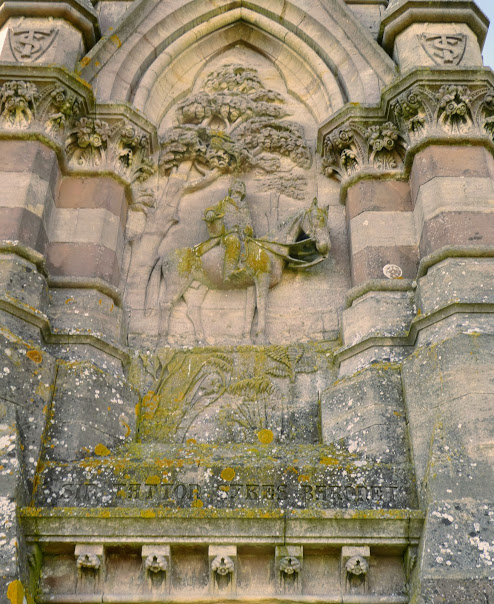
Some 3000 people, rich and poor came to his funeral. And it was some of these people who came up with the idea for this monument. It comes complete with keeper’s cottage (Job? Keep the place in order, and conduct visitors up the presumably horribly narrow stairs to the viewing room at the top).
Sir Tatton Sykes, as shown on his monument.
‘To tenants he was a liberal landlord, to the poor a kind and considerate friend’, it says on the information board by the monument. Not a bad epitaph.
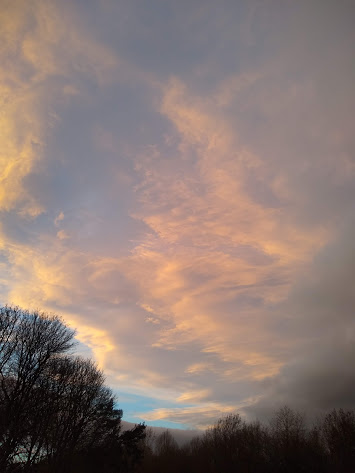
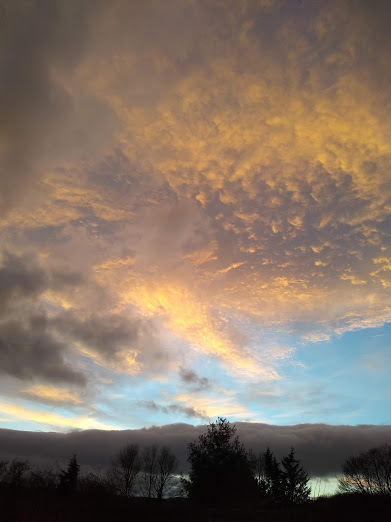
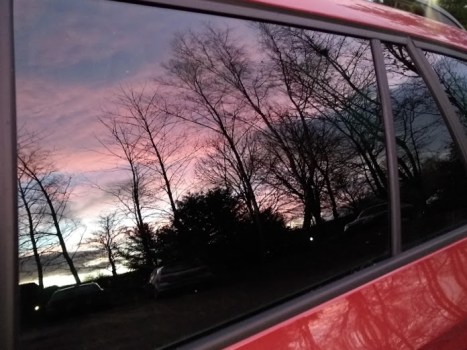
I didn’t intend to post this evening, but the sunset, even though I couldn’t actually see the sun, seemed cheerful and optimistic despite the whisps of forbidding grey which kept on drifting across the pastel pinks . This is England after all. This is our weather. And our current state of mind.
I whipped out my phone to record the clouds. It seemed a good opportunity to wish you all a happy new year, wherever you are.
Goodbye 2018. We’re driving off and forward to 2019.
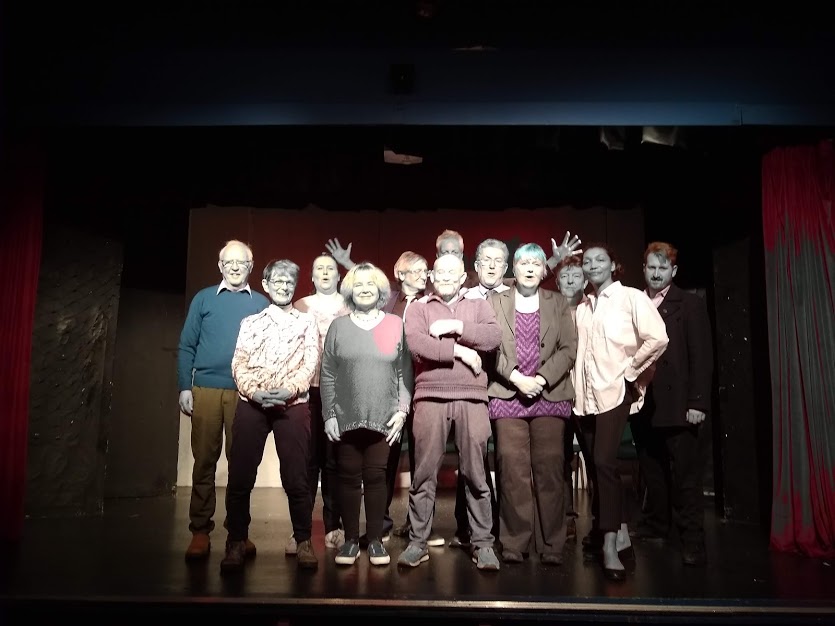
I’m in a very odd pose as I’m semi-squatting so as not to hide those at the back from view. Malcolm’s behind me, and Phil, our director, is centre-front.
‘Just walk round the room. Any direction – no, not in a circle.. Just … don’t bump into anyone’
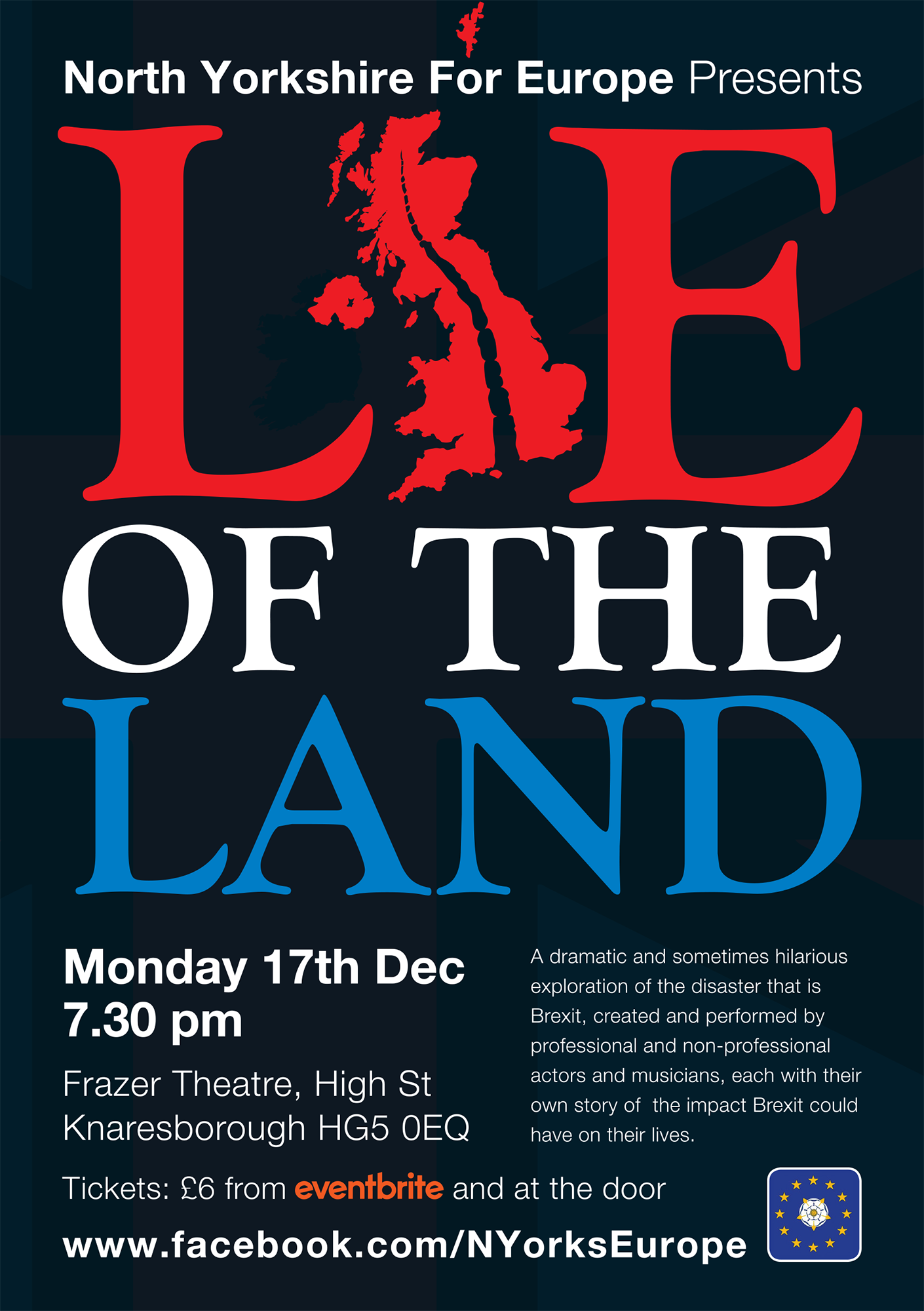
That’s how we began every rehearsal for our improvised drama ‘The Lie of the Land’, which played to a pretty full house in the Frazer Theatre Knaresborough last Monday. Those first minutes of every session provided time to focus and to learn how to use available space.
We brought in stories about Brexit that mattered to us. An ex-Science teacher deplored the ‘brain drain’ and the fact that foreign nationals no longer want to come here to pursue their careers. A mixed race woman observed the casual and less-than-casual racism that the Referendum seems to have legitimised. A deaf member of the group worried about the possibility of arts funding dedicated to people with disabilities being withdrawn. Someone gave vent to his anger on behalf of his children that the British Government has turned its back on the Erasmus programme. A management consultant spoke about his worries that England, perhaps less accessible because of visa restrictions, and no longer part of Team Europe, will become increasingly isolated. I, having spoken about no-longer-welcome long time residents known to me, talked about a much loved Ripon restaurant that has recently closed because it can no longer easily access the European staff on whom it has come to depend. British workers aren’t interested…. And so on.
We worked with these stories in turn, Chucking ideas into the pot, junking some, adapting others, polishing them into short tableaux and vignettes. Mine for instance, had two of us being shown into a restaurant, with staff busy serving relaxed diners. As I told my tale, the staff gradually disappeared, until, as I finished speaking, all the diners found themselves alone in unstaffed premises….
As the Management Consultant finished speaking, a group of us, friendly, cheerful, wrapped in our EU flag, welcomed trading partners sporting the flags of nations from around the globe. The lonely bearer of the Union Flag found herself increasingly ignored, until finally, Mr. America tossed her a raddled and threadbare looking soft-toy chicken.
When the Science teacher spoke, his discourse was regularly interrupted between paragraphs by speaking members of various tableaux. ‘Three years to finish your research? Ah… that could present a problem’. ’I’m vairy sorry, I don’t want to accept ze job. I don’t want to come to ze UK any more’. And finally ‘ Yup. I’ve decided to take that job in Sweden’.
And so we continued till each of our stories had been told.
We’d begun the play though as proud members of the British Empire, sovereignty intact. We came on stage, upright and military, singing a rousing sea shanty ‘A Drop of Nelson’s Blood’, completely overlooking the fact that as we advanced, we were trampling over the body of a slave.
We threw ourselves to the floor to allow the showing of a short stop-motion animation in which Playmobil figures told the early history of the EU, Britain’s membership and the Referendum, after which there was a full-ensemble mime sequence suggesting our individual feelings of loss.
So it went on, with our individual stories interspersed with comic mini-moments when Mr. or Ms. Sensible would try and prevent an ardent Brexiter leaping from a cliff in quest of the Unicorn.
Our finale had our splendid and multi-talented musician Tim declaiming from a megaphone those fake news stories about the EU of which the likes of the Daily Mail is so fond (‘EU bans barmaids from showing cleavage’, ‘EU will force .uk website addresses to become .eu’ etc) , all of which we greeted lustily with ‘No! Really? Bastards!’ before a final vocal surge in which a susurrating murmuring wind was gradually replaced by whisperings which culminated in a vociferous shout for a People’s Vote.
After the interval, some of the troupe took on roles as Shadow Minister for Trade, the very recently appointed Secretary of State for Exiting the European Union, a German industrialist, a wealthy Brexit backer and so on, for a Question Time in which members of the audience were encouraged to ask genuine questions. It went surprisingly well and authentically.
For those of us who’d not done any drama since we left school, this has been a moving, stimulating and thought-provoking experience. Cathartic too. Perhaps we should have invited Theresa May.
I hope there will be photos later, when we’ve scavenged them from those who were charged with taking some. We were too busy to take any…..
I’ve got two daughters who have the acting gene: who’ve often performed and entertained on stage over the years. Where did they get this gene from? Not me. I was a servant once in a school play, and spoke two whole lines. That’s my Drama CV.
Yet apparently, Malcolm and I will be part of a troupe appearing on stage for one night only at the Frazer Theatre Knaresborough, to perform an improvised drama about … well, what else?… Brexit.
It was Phil’s idea. He’s a professional theatre director, and he’s one of our People’s Vote team. He thought we needed something to entertain the campaigning troops all over North Yorkshire and bring us and a wider public together for something a little different. Adrian, also part of the team, offered practical and technical expertise.
And suddenly … there we were, rehearsing, about a dozen of us. Most of us had never met each other before. No script. No lines. No clear idea where this might go…. yet. This was to be Improvised Theatre. We played games. ‘Think of one thing you like about being part of Europe.’ (Just one?) ‘Now make a statue of it.’ We’ve made more statues, taught our poses to others, worked with them to make vignettes. We’ve played ball games, word games. We’ve told stories about our own experiences of Europe and of the-Brexit-to-be, and with Phil, woven these into scenes and tableaux . We’ve sung a sea shanty, improvised ‘Question Time’. Phil and Adrian persuaded someone to confect a video. All this weekend, we’ll be working solidly to pull everything together. Well, Phil will. He’s got an eye for when there’s a nugget worth mining for, a gem worth polishing.From the latest North Yorkshire for Europe newsletter.
My grandfather Charles Barton is a shadowy figure: someone I can’t really flesh out into a real person. Partly it’s because he died sixteen years before I was born. Partly it’s because my mother beatified him and painted an unrealistic picture of a man who was beyond criticism.
Charles was a second generation Londoner. His own father Joshua had been born in Suffolk in a village called Layham. So had all his relatives before him on his father’s side: I’ve plotted them back to the 1600s. Every single man had been an agricultural labourer. Some of them had wonderful names like Shadrack or Meshack: but not, apparently Abednego.
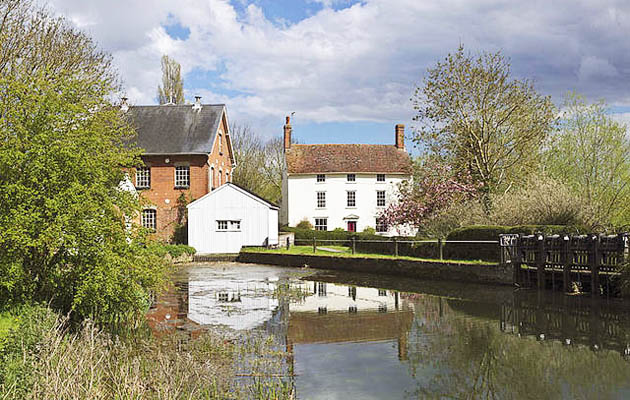
Layham may not have been so idyllic when endless generations of Bartons lived here (Image from Country House magazine)
Joshua was born at a time when a series of bad harvests had made a tough country life even tougher. As a young man he took his chance, went to London and became – who knows how – a wine cooper. He married a local girl, Maria, and they had ten children.
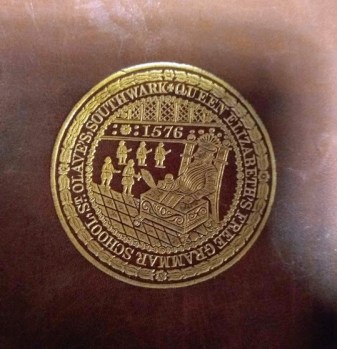
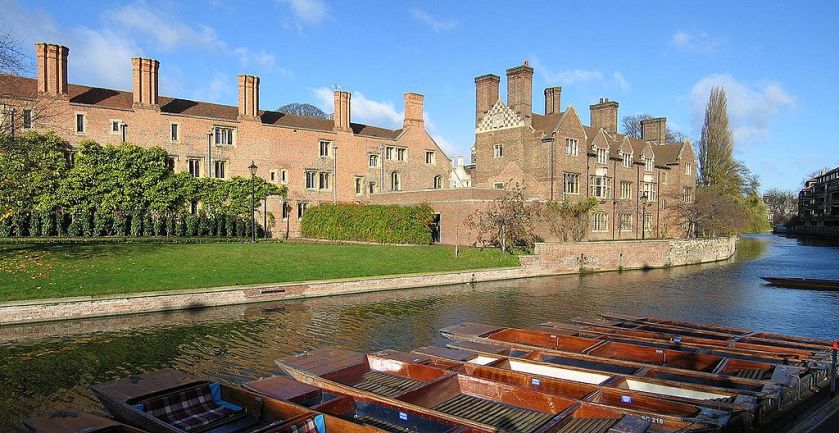
The family was probably what Theresa May patronisingly calls Just About Managing. The children grew up to become gardeners, coachmen, clerks, seamstresses. All except Charles and Harry, sons numbers two and three. I’ll never know the story of how they got places at Saint Olave’s Grammar School and then won scholarships to Cambridge University. I still have books that Charles won as prizes at school, and while studying at Magdalene College. I wonder how two working class boys from a relatively poor background enjoyed their experiences in these privileged environments?
This is a prize from school: Sophocles, the Plays and Fragments. It’s in the original classical greek.Magdalene College Cambridge (Wikimedia Commons)
Harry became a schoolmaster but Charles felt called to be a priest. He worked in a succession of grubby industrial or manufacturing Yorkshire parishes: Hanging Heaton, where he met and married my grandmother Annie; then mining village Sharlston where my mother was born.
Charles and Annie’s wedding in 1910: from a family album.
The marriage of Charles and Annie announced in the local paper.
St. Luke’s Sharlston. (geograph.org.uk)
Charles taught my mother Betty at home in his new parish in Roberttown until she was eight, and then when she started school pushed and pushed her to achieve academically. Younger brother Arthur, who was less bright wasn’t given this hothouse treatment.
Charles acquired a reputation for injecting vigour into failing parishes. It was a full time calling. No days off for him. Ever. Yet parish magazines and local papers at the time give a picture of a lively parish life: plays, bazaars, meetings, fundraising schemes, discussion groups, clubs all flourished in St Peters Morley when he was rector there, and he was clearly liked and respected.
Then, in 1931, he fell ill, aged only 56. My mother was in the throes of applying for a place at Oxford University: still quite an unusual goal for a young woman in those days. He lived to know that she had been accepted. When he died my grandmother refused to let my mother take her place up. She was needed at home. My mother raged and stormed and so did her school. Annie stood firm. Or almost. Eventually, she agreed that if Leeds University would have her, Betty could be a day student there. And that is what happened.
My mother never forgave Annie. I didn’t ever meet my grandmother, who lived until I was about 14. In my mother’s eyes she was the sinner, Charles the saint.
The early 1950s were in many ways the fag-end of the war. I lived in Sandhutton, a little village outside Thirsk, where my mother was head of a two-teacher school. I was with the under eights, while she taught the nine to fifteen year olds. Few pupils aimed to pass for Grammar when life as a farm labourer awaited. The school photo confirms my memory. Everything was beige and grey.
Sandhutton School, c.1952, just before I started there as a pupil. My mother is the teacher on the left, and my teacher, Miss Burnett, is on the right.
Sweets were almost unknown, and we were happy to supplement our adequate-but-dull diets by marauding the hedgerows for blackberries and rosehips, or by getting up at four in the morning to go mushrooming on the now-abandoned airfield.
Perhaps that dinginess is why my memory of that meadow is so vivid. Not far from our house, it was where we’d go sometimes when, during the long school summer break, my mother put together a picnic . I enjoyed running wild in the fields, while she managed a rare daytime doze in the sunshine. What I remember is flinging myself down in the grasses which then rasped and tickled my bare legs. I was searching, among the vetch, the buttercups and the poppies for daisies or other small flowers that I could make into a daisy chain. I wasn’t very good at it. The stems would split and mash, and my chain would tumble apart before it had even reached bracelet proportions.
I remember the fuzzing and the droning of the bees and flying things that murmured and hummed about my head; the brief sting of one of the single-minded ants out to seize any of our stray crumbs. I think back to the vivid colours of the meadow flowers – yellow buttercups and vetch, blue cornflowers, white meadowsweet blushing faintly pink or yellow, and the delicate papery petals of scarlet poppies. It smelt – well, green – and wafting from the next field was the sappy smell of recently cut hay. In the early afternoon there were no birds singing. Instead, the whirring of insect wings, the rumble of a distant tractor.
Directly above, as I lay in the grass, were no threatening clouds at all – of course there weren’t – just puffs of white cumulus, or ethereal streaks of cirrus in the perfectly blue sky.
Distance lends enchantment to the view. But it really was like that.
This miscellany of photos doesn’t come from Sandhutton at all, but from bits of North Yorkshire, from Shopshire, from Franconia …. anywhere that has a meadow. Click on any image to see it full size.
You must be logged in to post a comment.