Give us this day our daily bread

Bread is important in Germany. Eating it has been almost the best part of our holiday.

Some is dense, dark, leather-brown, and perfect to accompany slices of ham, bierwurst or cheese. There’s chewy sourdough, perhaps flavoured with caraway or cumin. Even white bread is characterful and tasty.
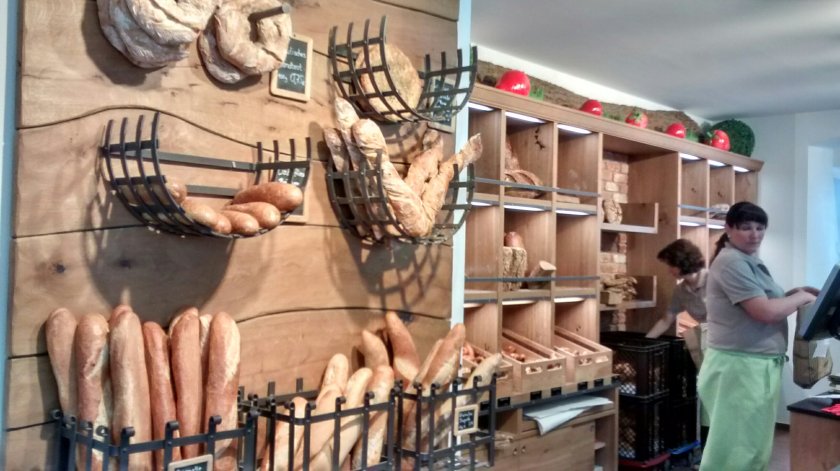
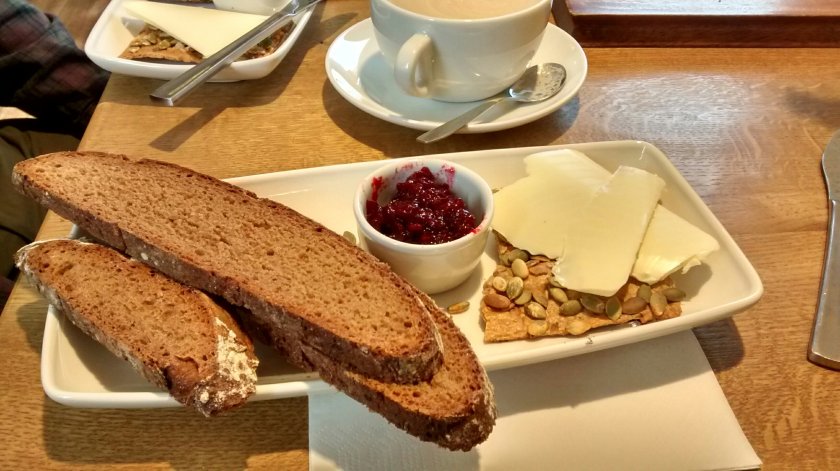
We’ve fallen for our local bakery. It’s where we go every day for breakfast. Look what 1.80€ buys us. The bread is still warm from the oven, there’s plenty of butter, and the jam home-made. And they serve coffee too.
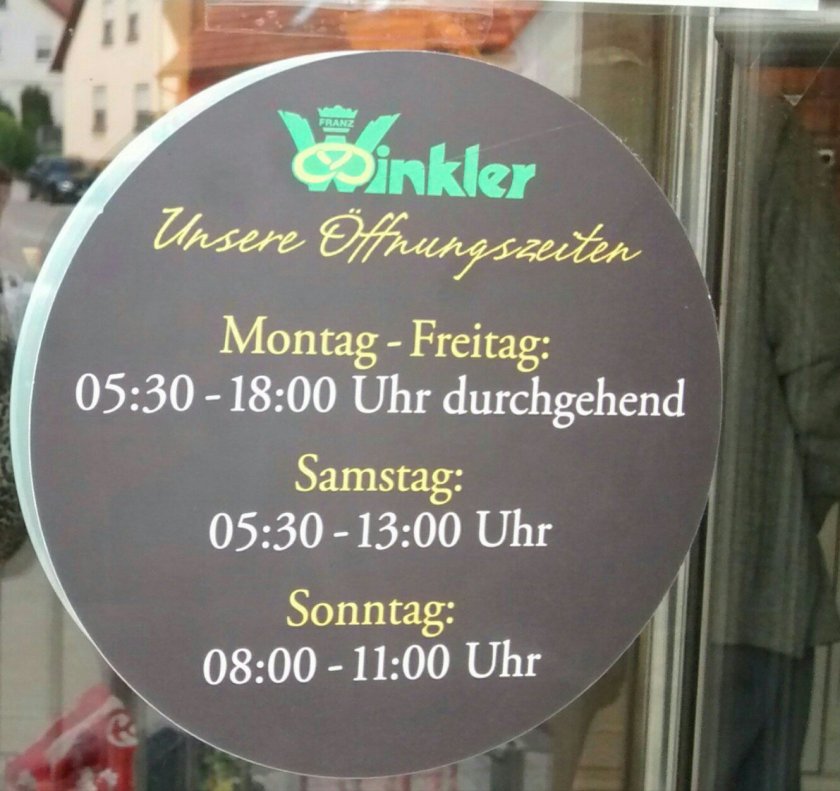
Every weekday, the bakery opens at 5.30 a.m. and closes at 6.00 p.m., and it’s busy at the weekend too. This morning they were queuing outside the door, buying bread and cakes for the Whitsuntide weekend.
Tomorrow is our last day. We’ll be back in England by Tuesday morning. Normal service again.
Little Switzerland in Germany

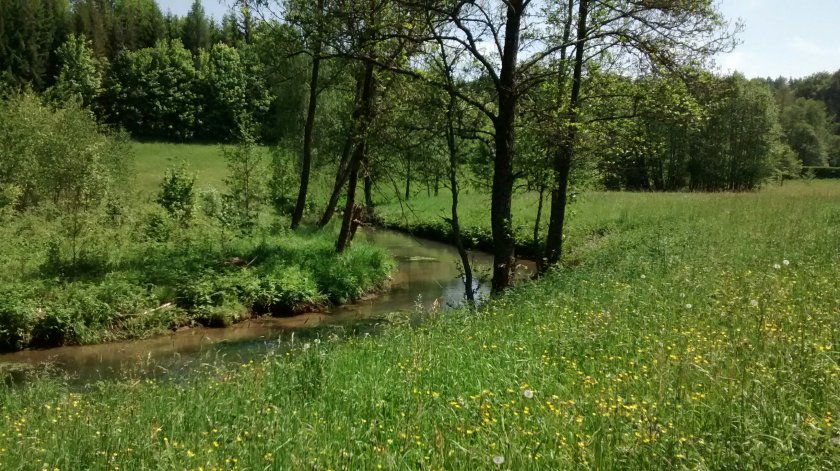
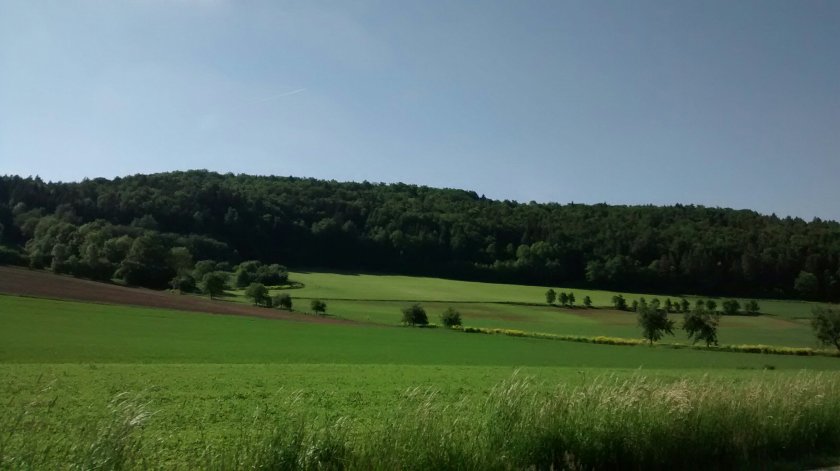
Our time in Germany was billed as a walking holiday with added culture. It’s turned out to be a cultural holiday with added walking. Which is perfectly fine. Just let me show you a couple of shots from our walk today, in an area known as Little Switzerland. Hilly, forested, with flower-strewn meadows, and birdsong, always birdsong, this is easy, relaxing walking country.

Bamberg-Garden-City

The north-east of the city of Bamberg is known as Gārtenstadt – Garden City – as it has been since the Middle Ages. Now, as then, market gardening rules supreme.

Since 1386, these gardeners have supplied the citizens of Bamberg and beyond with fresh produce: they were the biggest craft guild in town. Then they supplied root vegetables, onions and liquorice – and milk too from the cows who also pulled wagons and ploughs. These days the growers sell more flowers or herbs.

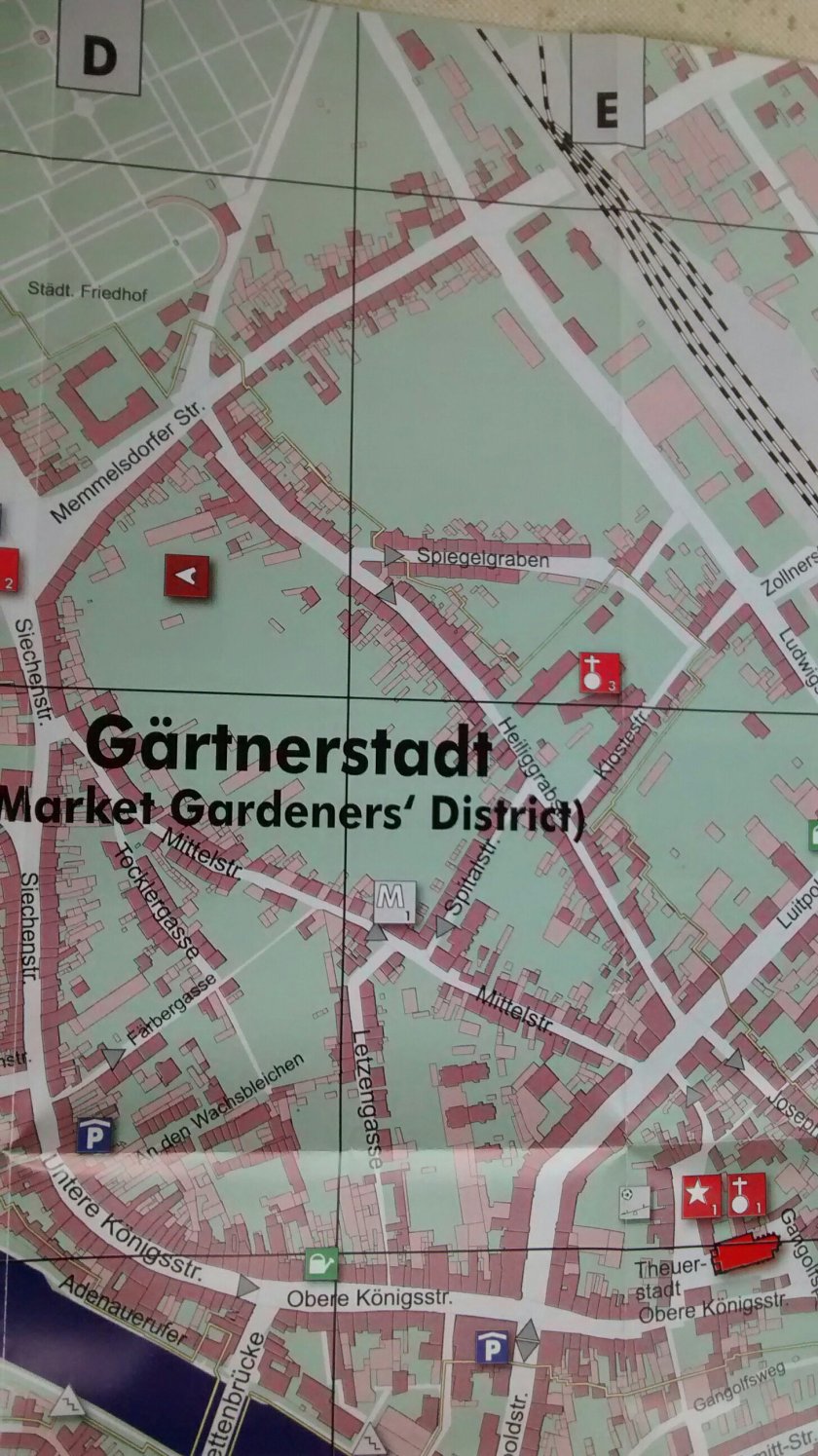
Look at this map. It clearly shows acres of land hidden behind the long narrow streets.

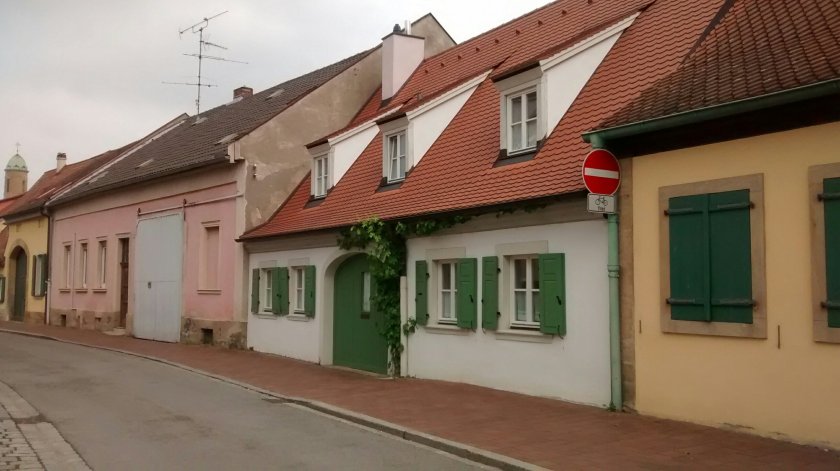
Here is a typical house. That wide entrance door is to allow wagons to drive through the house and into the garden. The barn is in the attic.

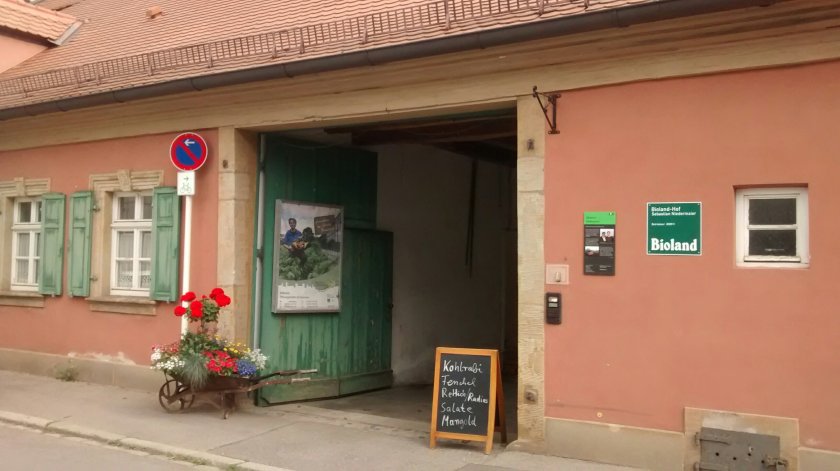
Here’s a market gardening business advertising its wares.

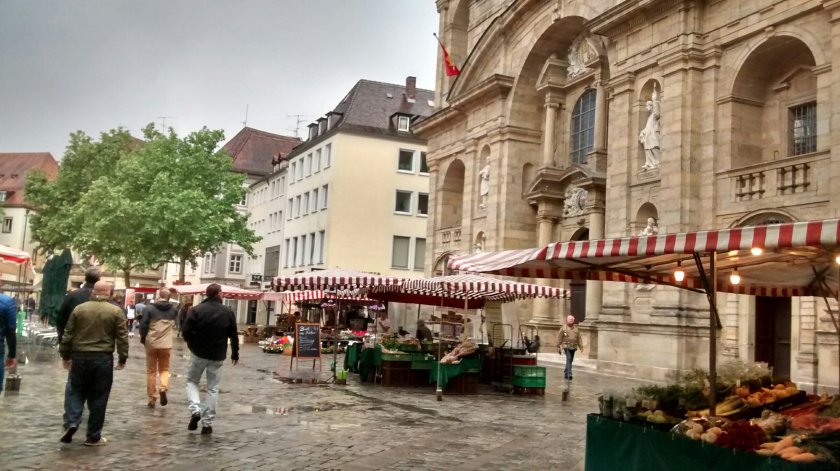
And here’s the Grüner Markt in the city centre. These days it’s no longer the exclusive market place for the Gärtnerstadt. But it is still a busy fruit and veg. market.

Isn’t that pretty special?

Postcards from Bamberg

We’ve fallen for Bamberg, a city so steeped in history that it’s a UNESCO World Cultural Heritage Area. The River Regnitz flows in two branches through the town, dividing the city into three and forming much of its character. It’s busy, but not besieged by tourists. Here are four postcards from Bamberg.

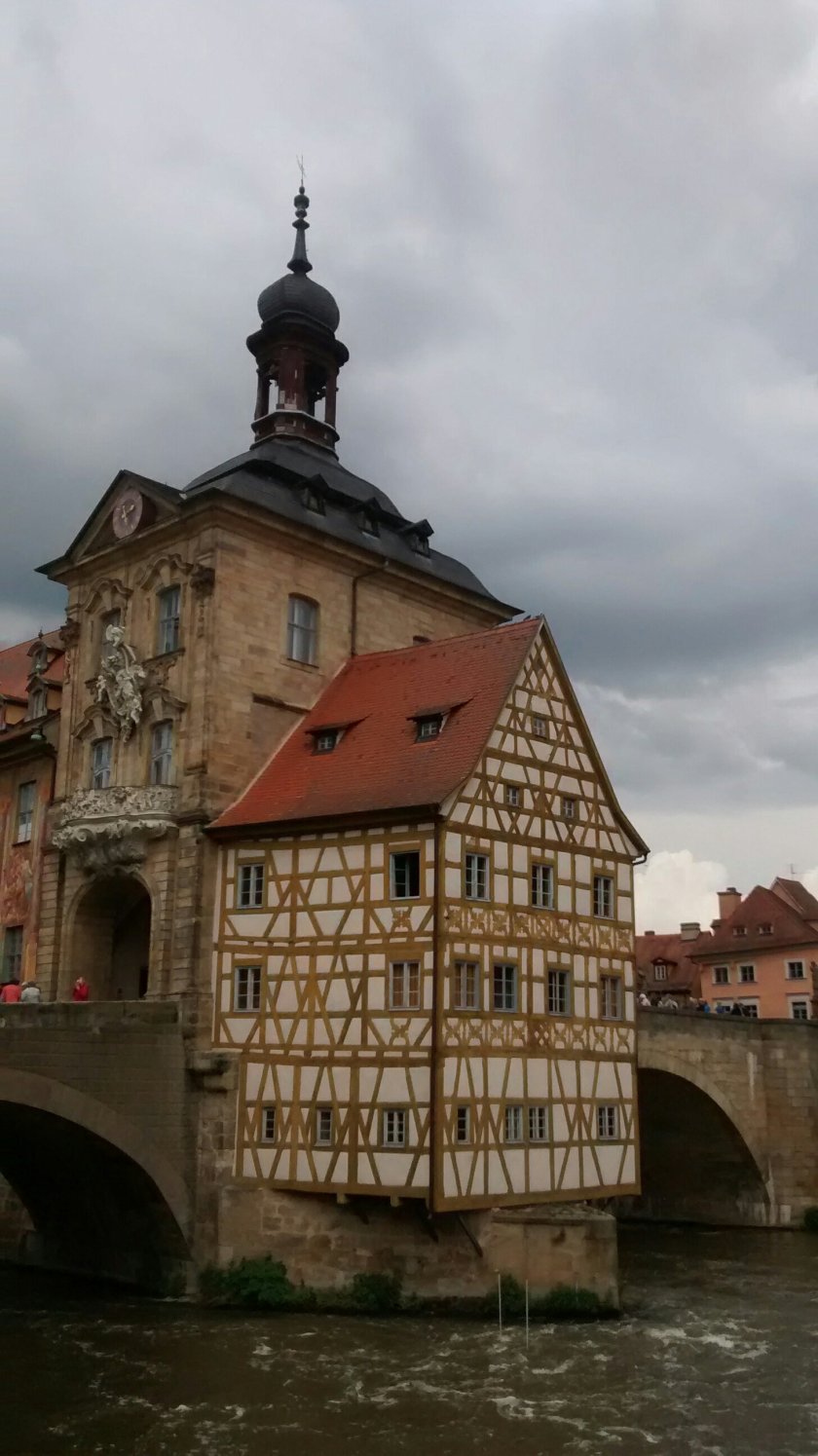
The Old Town Hall. Denied any building land by the Bishop of Bamberg, the citizens created an island in the river to build their town hall at the end of the 1300s.

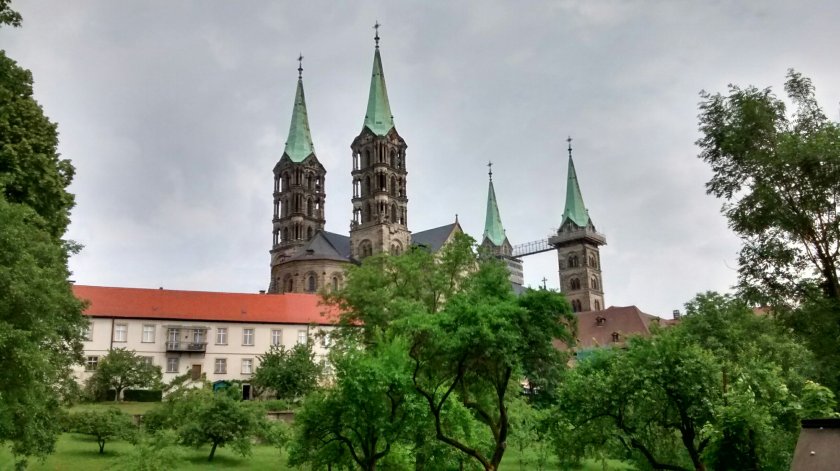
The Cathedral, consecrated in 1237 is the third on the site. The first two burnt down.

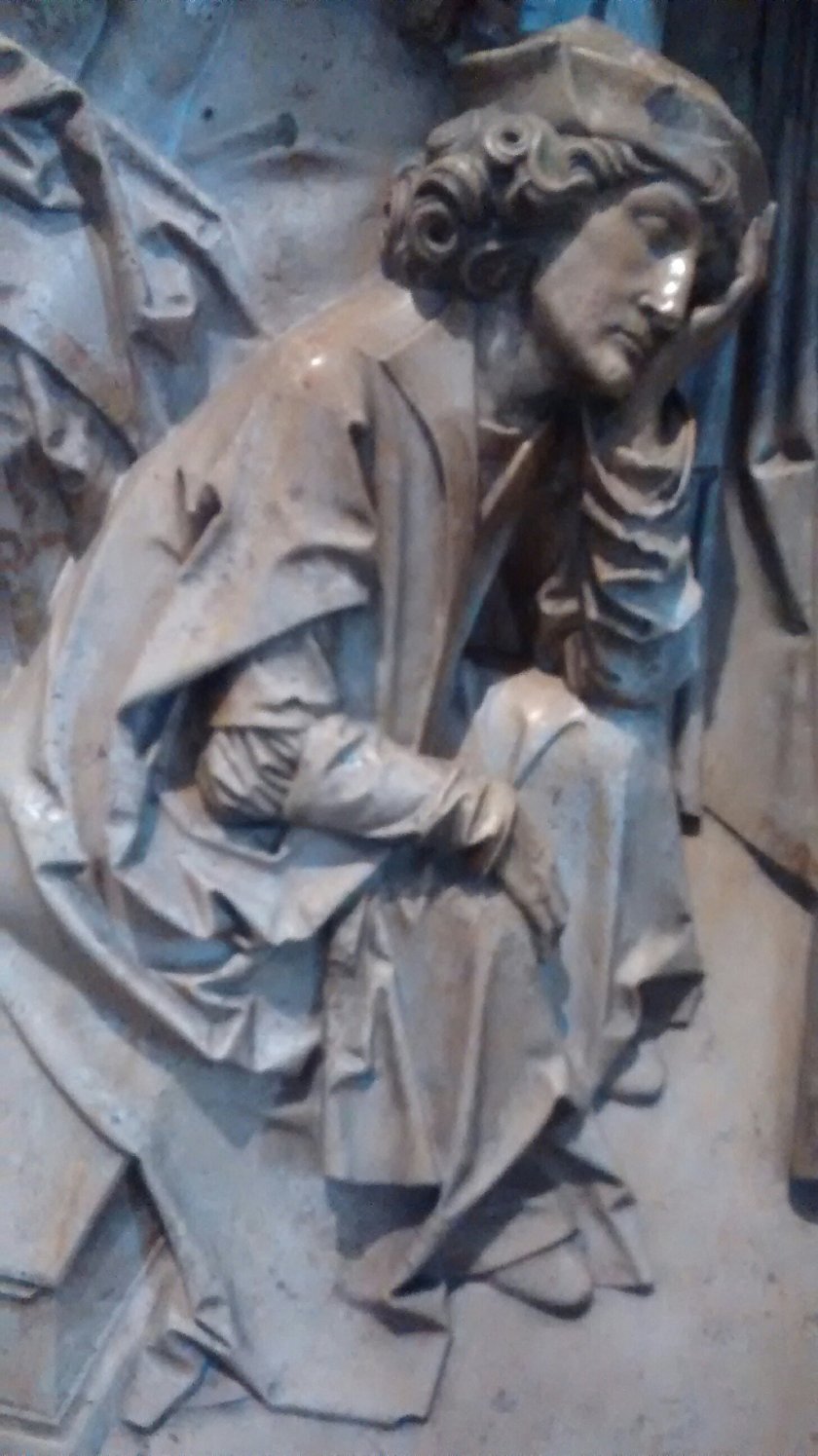
Tillman Riemenschneider, the sculptor and woodcarver who died in 1531 has works in many of the churches we’ve visited. Here’s a detail from Heinrich II’s tomb in the Cathedral.

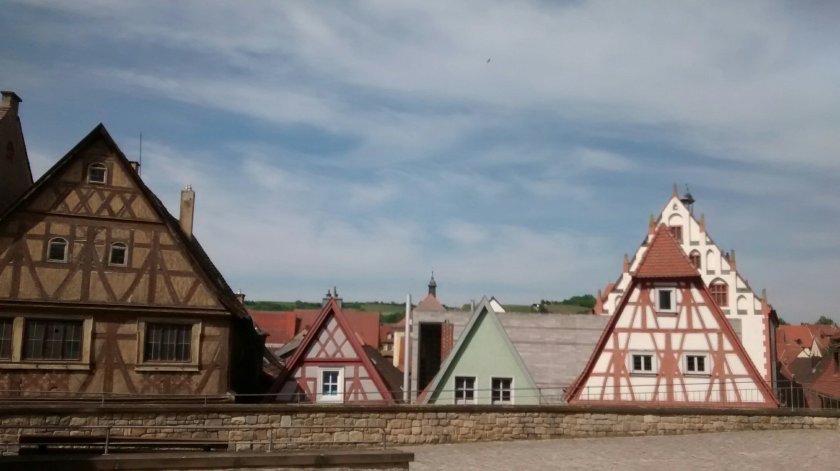
These were once fishermen’s cottages. No fishermen now.

‘There is a green hill far away …’*

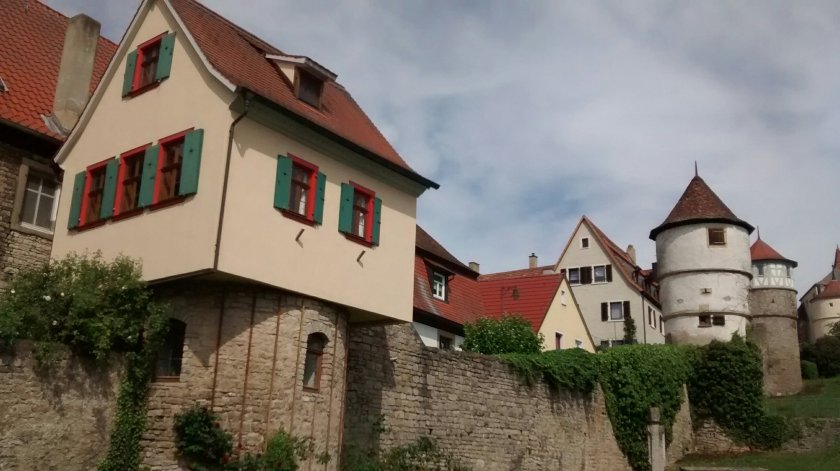
Franconia is full of green hills. It’s also full of charming small mediaeval towns girdled with tall mediaeval defensive walls.

With the need for defence long gone, this house in Dettelheim has been built on the remnants of a redundant mediaeval watch tower.

*An allusion to the popular English Victorian hymnThere is a green hill far away/Without a city wall

Würzburg

I had no idea that Würzburg was a tourist destination till today. Now I know that it is, and it’s worth it. If you haven’t visited yet, put it on the list. It’s a lovely city.

But we had our own personal Tour Guide, our friend Gina: knowledgeable, informative and fun.

Today, I can’t show you the Residenz, the extraordinary project of two 18th century prince-bishops. Photos not allowed.

I’ll tell you instead the shameful story of how Würzurg was all but destroyed at the very end of World War II. By us. In March 1945, Würzburg was one of the cities identified as a target of the Baedeker Raids – designed to decimate culturally significant communities. Twenty minutes of bombing on 16 March destroyed 80% of the town’s buildings and killed 5000 citizens in an attack that can only be described as a vindictive act of vandalism.

That Würzburg in general and the Residenz in particular has rescued and restored its rich heritage owes much to an American soldier, John Skilton, who worked indefatigably with both Germans and not-very-enthusiastic Allies to protect what remained of the Residenz.

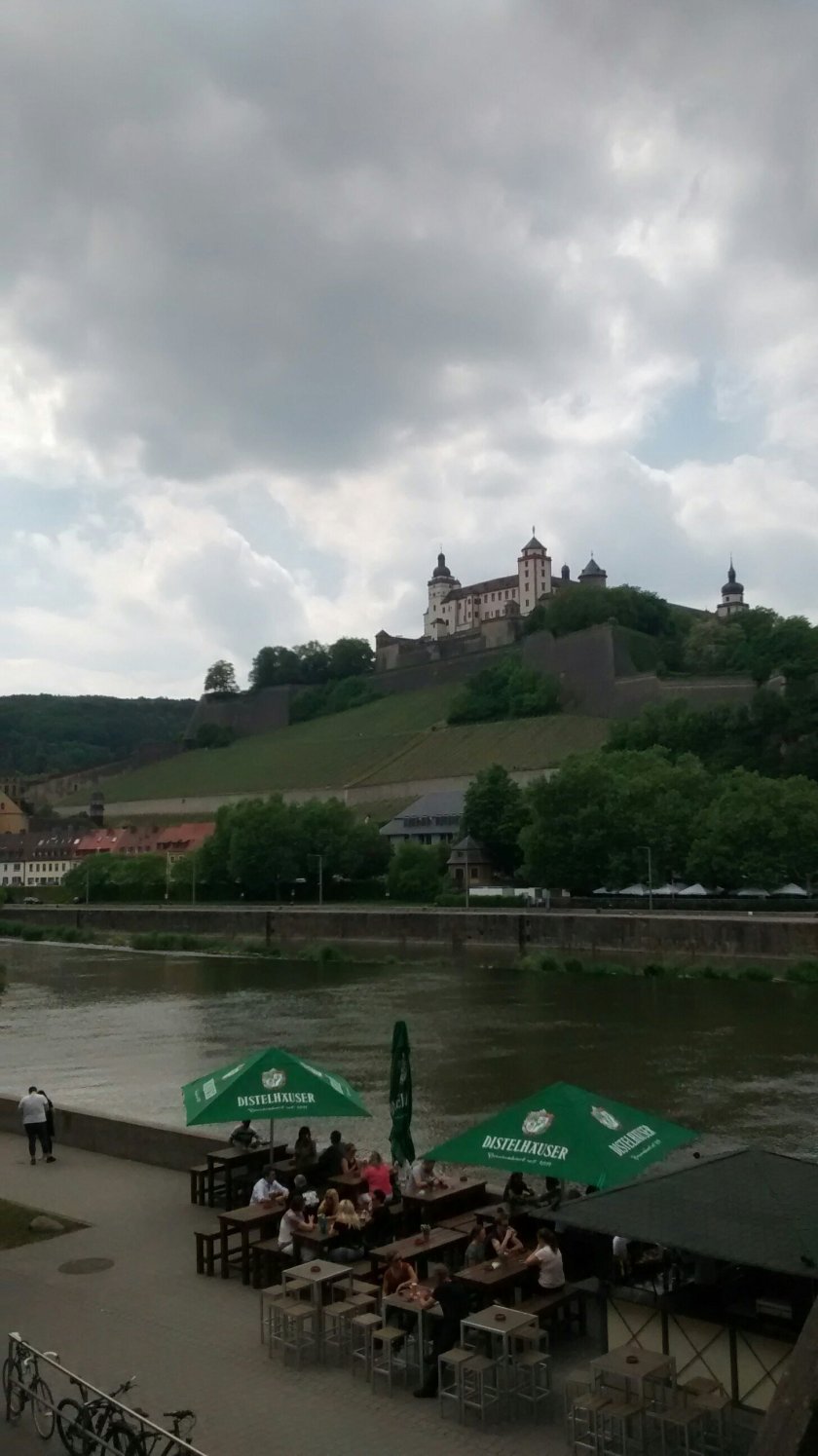
I shan’t give you a conducted tour now. That may come later. Here are a few pictures: of the Marienburg Fortress above the town

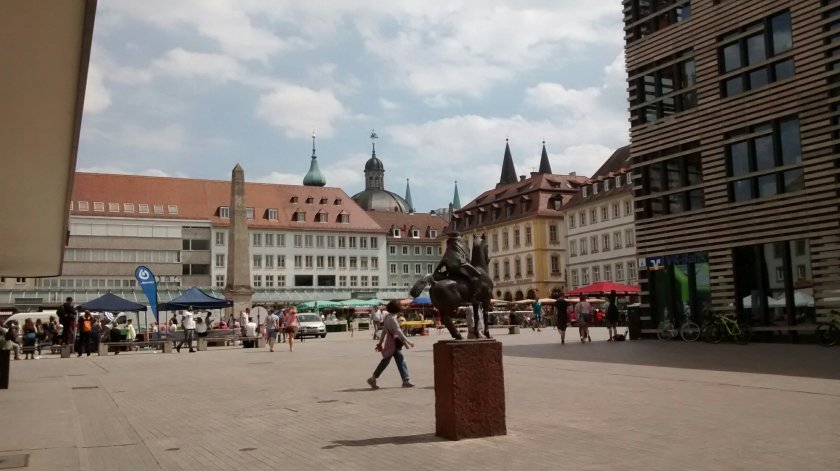
looking over towards the Market Square…

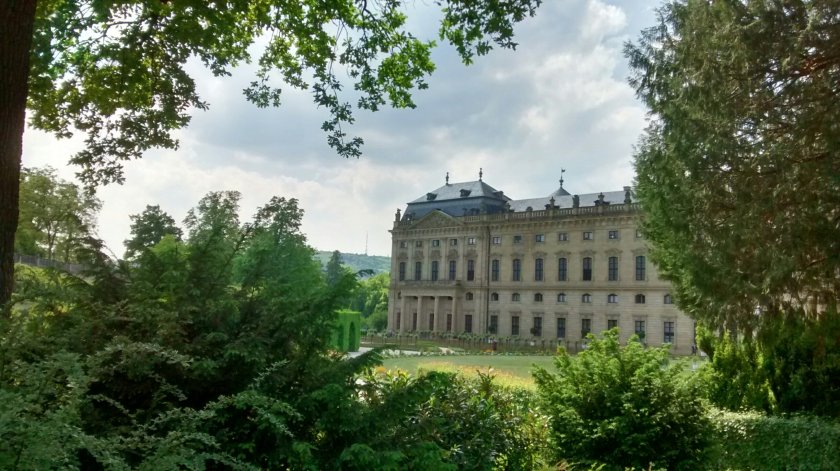
….. and from the gardens of the Residenz.

Plastic free Friday

A night on a ship. A day on the road, speeding through through the Netherlands (very flat) and then Germany (increasingly hilly as we approached Franconia, our destination).

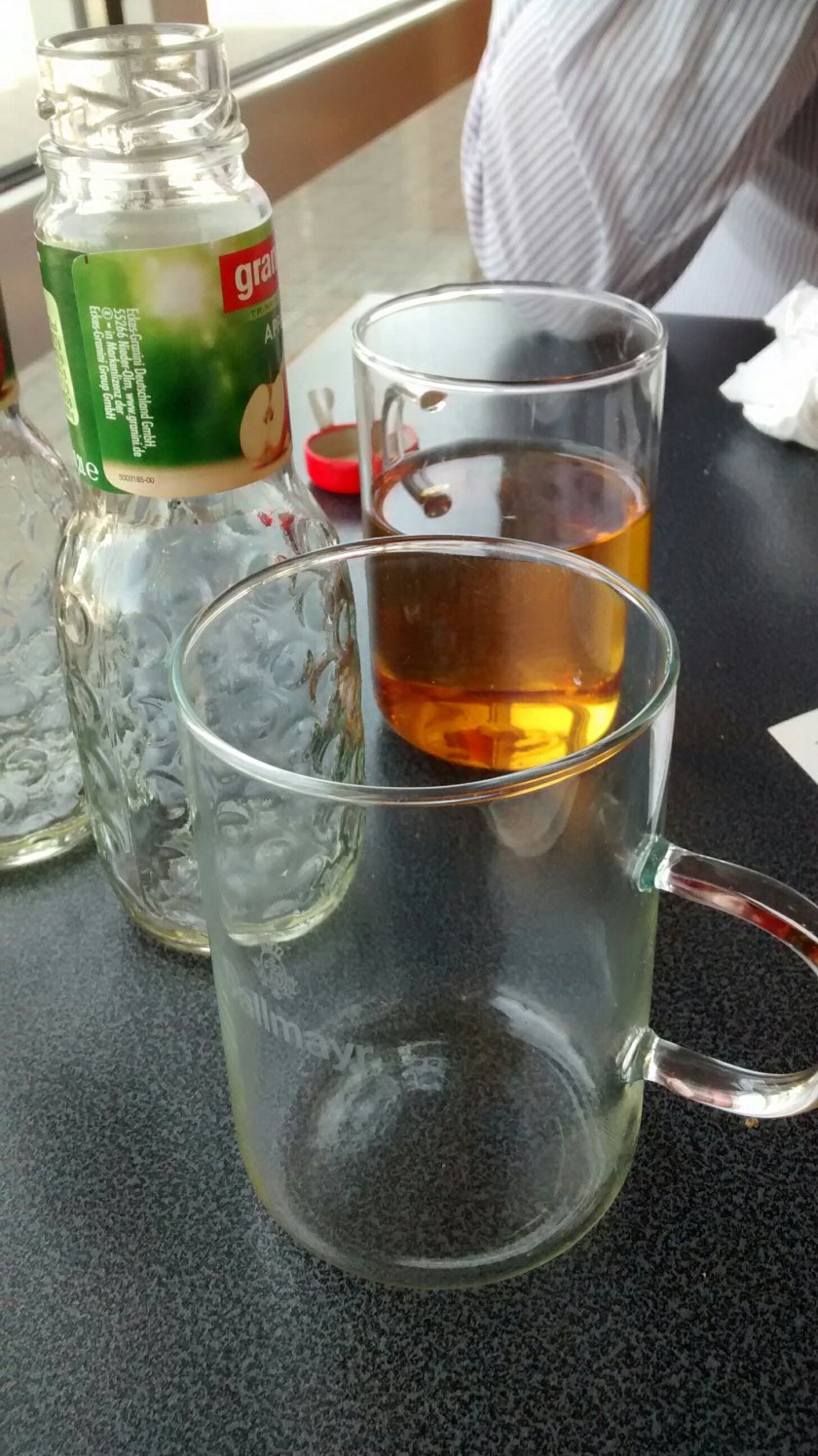
This is what German motorway service stations have to teach us. Plastic free is possible. Sandwiches are wrapped in paper. Food is served on ceramic plates with metal cutlery. Proper coffee cups. Drinks (from glass bottles) are served in glasses. Paper straws.

All the concessions we saw danced to the same tune. Apart from Burger King and Costa. There it was disposable everything as usual.

From Hull, Hell and Halifax ….

… this is an allusion to the mediaeval Yorkshire thieves’ prayer when facing justice. I can’t elaborate when blogging on a smartphone. Google it.

We’re just on board the Pride of Rotterdam, heading for …. Rotterdam, on our way to Germany.

So we spent the afternoon in Hull, a city with a proud history as a port, but these days suffering a bit from being on the road to nowhere much. Andrew Marvell, William Wilberforce and Philip Larkin were all sons of Hull, and the city makes much of them.

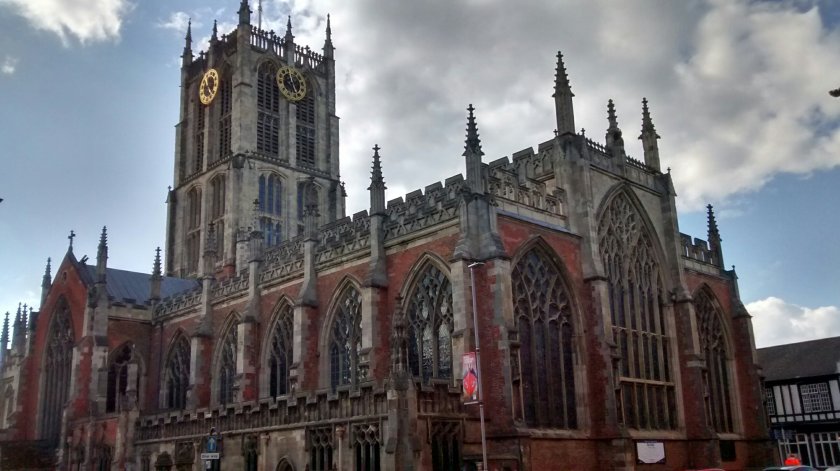
We plan to come and explore this city properly, when we’re not in transit. It deserves closer inspection. For now, I’ll share two views of England’s largest parish church, Holy Trinity, built in the 13th century. One is a conventional view. The other is the same church as seen in the windows of the office block opposite.

Litter-pick Sunday

If you’re in Ripon, you could amble down Fisher Green Lane, with the allotments to one side and the River Ure to the other.  It’s a nice enough little spot – just the place for a little stroll, or for walking the dog.  It’s best not to keep your eyes on the ground though.

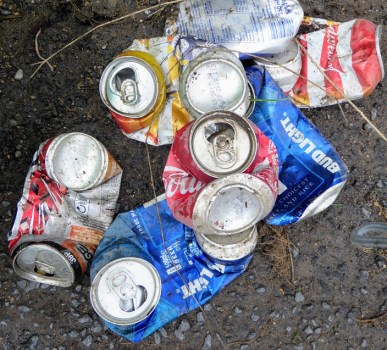
Because of the litter.  Maybe it doesn’t look too bad at the moment.  The nettles have done a sterling job of covering up old cigarette packets, discarded cups from McDonald’s (McDonald’s is a mile away for heaven’s sake), cans and bottles.  But once you start to poke around, as the litter-picking squad from Plastic Free Ripon did on Sunday morning, this is what you’d find. Armed with high-viz gilets and grabs from the council, and protective gloves from Surfers against Sewage, we searched the verges and released litter from the nettles.

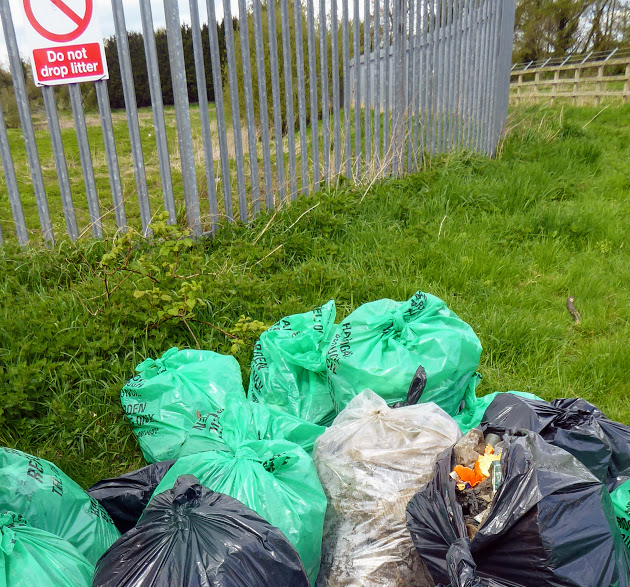
Twenty bags-worth of the stuff.  On under 200 yards-worth of road.  And that’s not counting the discarded excavator bucket from a small digger, the broken glass and a selection of planks.

We could be busy 24/7.  But we’re volunteers and we can’t do that.  It would be nice to think that people watching us working away might be encouraged to join us, or to think about whether they themselves are litter-louts.  In fact we had fun together.  And ate cake.  And fruit donated by Brian-with-the-fruit-and-veg-stall.  But it would still be better not to need to do it at all.

Note the sign top left. That worked, didn’t it?

Ellie’s Marathon

The London Marathon.  Sunday.  The hottest on record.  40,000 runners, 100,000 spectators.  Team Support Ellie, all members of her wider family, split into manageable units to chase from place to place all over the Marathon route to spot her and cheer her along.  Malcolm and I, as the oldest supporters joined up with two year old William and his mum, as Team Slow.

We all had the Tracker App.  All the runners had a device on their shoe to report where they were, and how fast they were going in real time.  100,000 users in London, and thousands more beyond ensured the poor overworked app was often on strike, so we often guessed at her whereabouts as we zipped about over London trying to  get to a vantage point before she did.  WhatsApp messages kept us all in the loop.


  • ‘We didn’t manage to spot her at the start.’
  • ‘ We missed her at Greenwich.’
  • ‘Couldn’t see her at Cutty Sark’
  • ‘Never saw her at the Isle of Dogs.’
  • ‘Where was she on the Mall?’

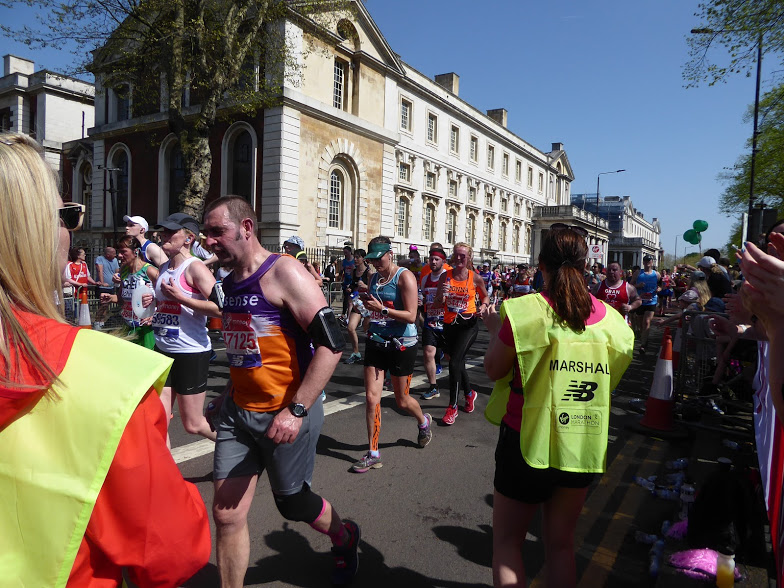
    Hmm. Maybe it’s not all that surprising that we didn’t spot her at Greenwich.

Which was all a bit disappointing for us, and more so for Ellie, who having trained in sleet and frost wasn’t looking forward to running in the temperatures of high summer and must have thought we’d all pushed off to the pub.

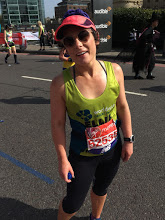
But Tom and Alex reported spotting her at the Tower of London, and sent a picture to prove it.  Team by team we reported our successes – Team Slow finally saw her only yards before she finished.

Ellie draws breath at the Tower of London.

She did it.  She got her medal.  And thanks to many many friends – and quite a few of you – she’s smashed her fundraising target to raise over £6000 towards oesophageal cancer research.  She says she’s done her first -and last – marathon.