What do you need to do to recharge your batteries? That’s the question posed by Egidio, in this week’s Lens-Artists Challenge. And my answer is the same as his: I need to get out, to surround myself with the natural world.
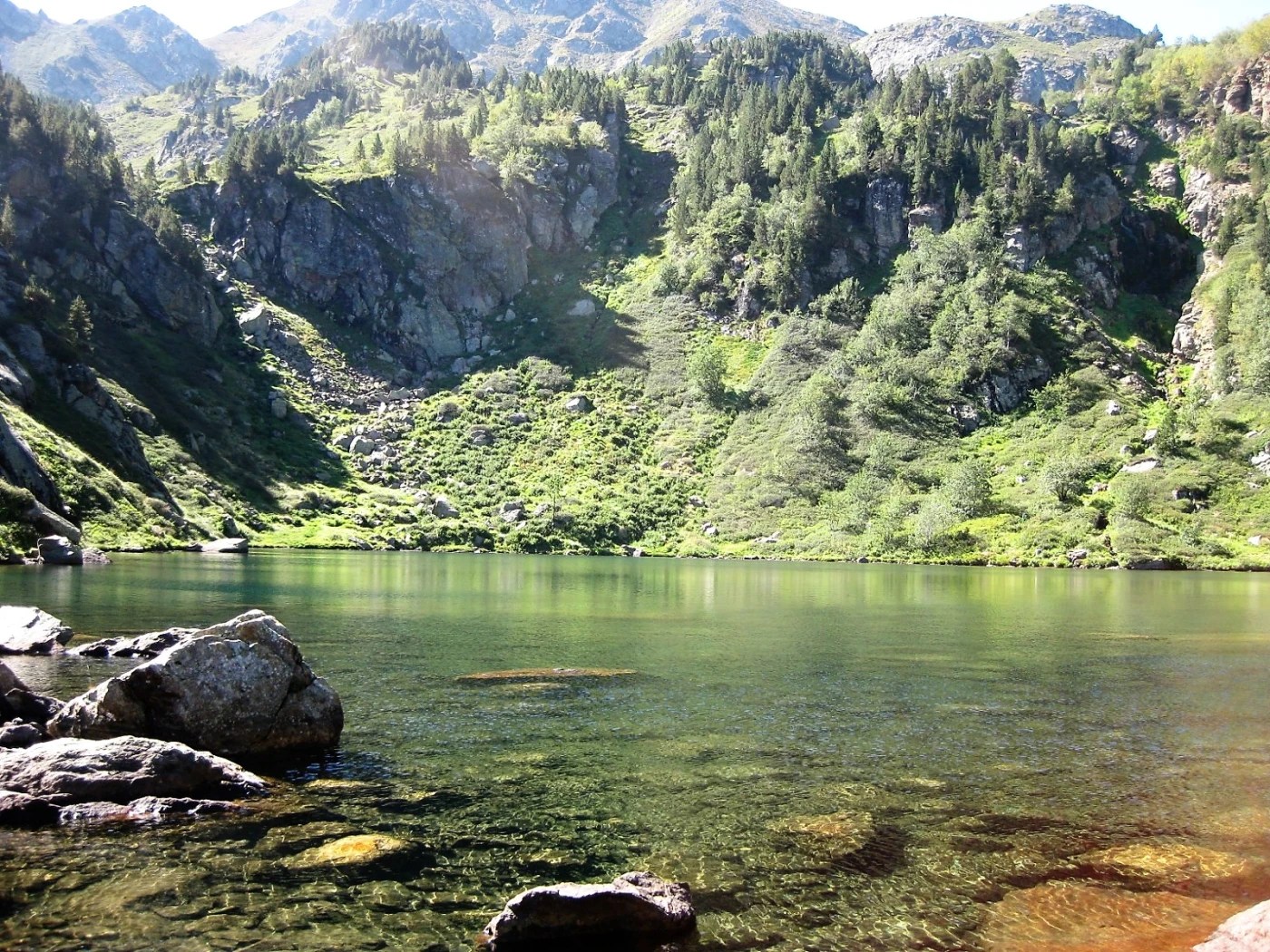
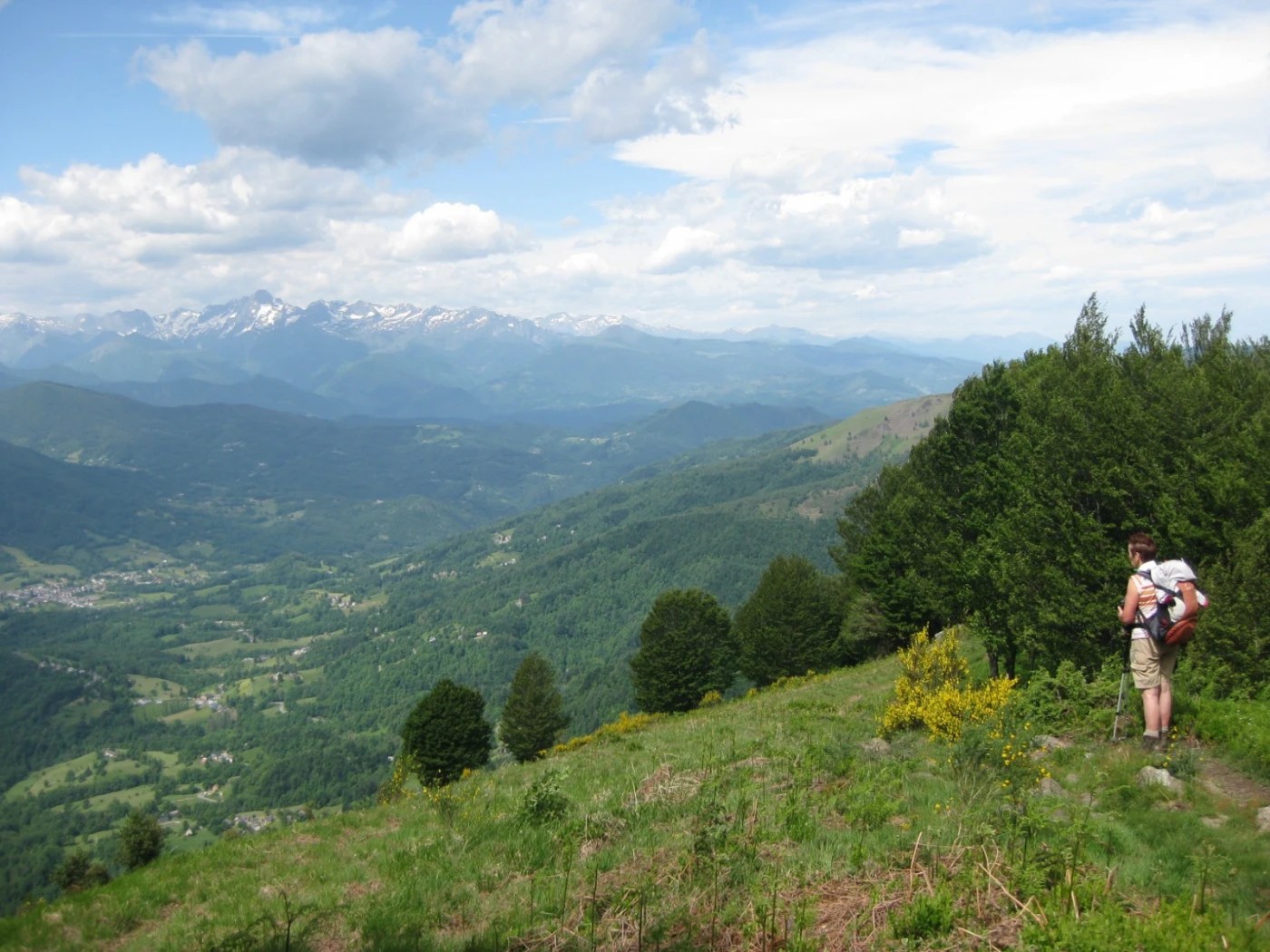
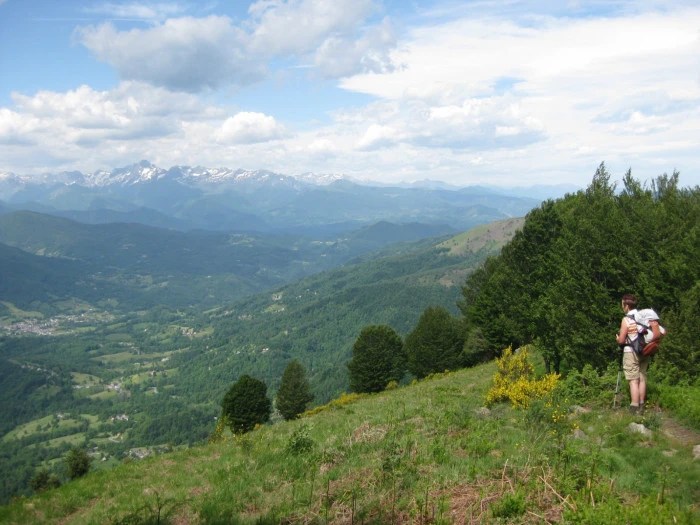
Living in France, in the foothills of the Pyrenees, the mountains grounded me in many ways. The sheer scale of them put me in my place – in a good way: reminding me how little my own concerns counted in the great scheme of things. Here’s a quiet scene from a lakeside high up the slopes not too far from our house.
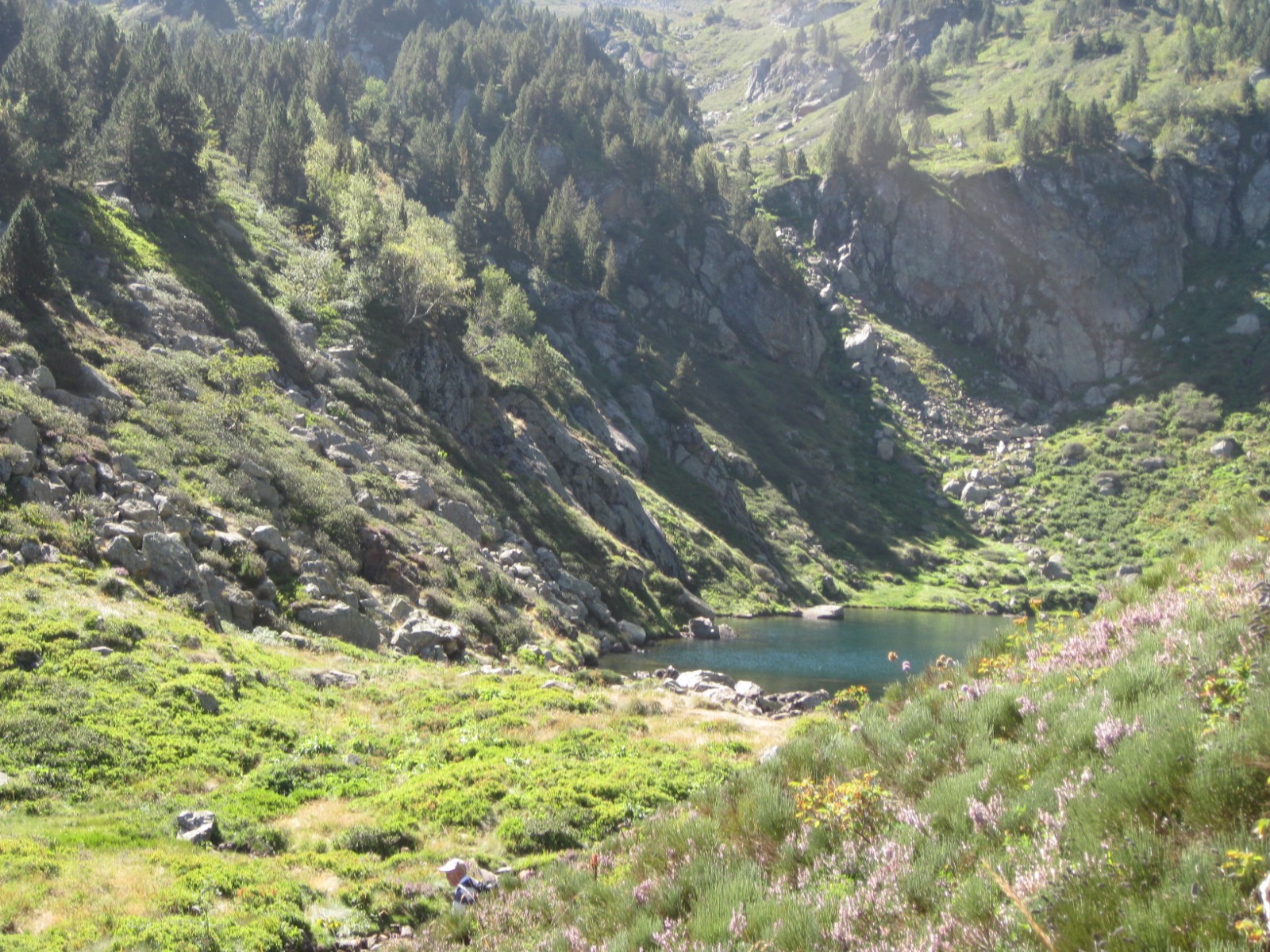
Or these, from le Cap du Carmil …
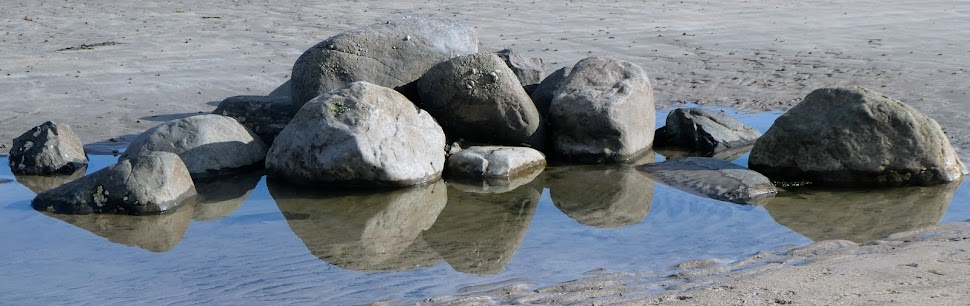
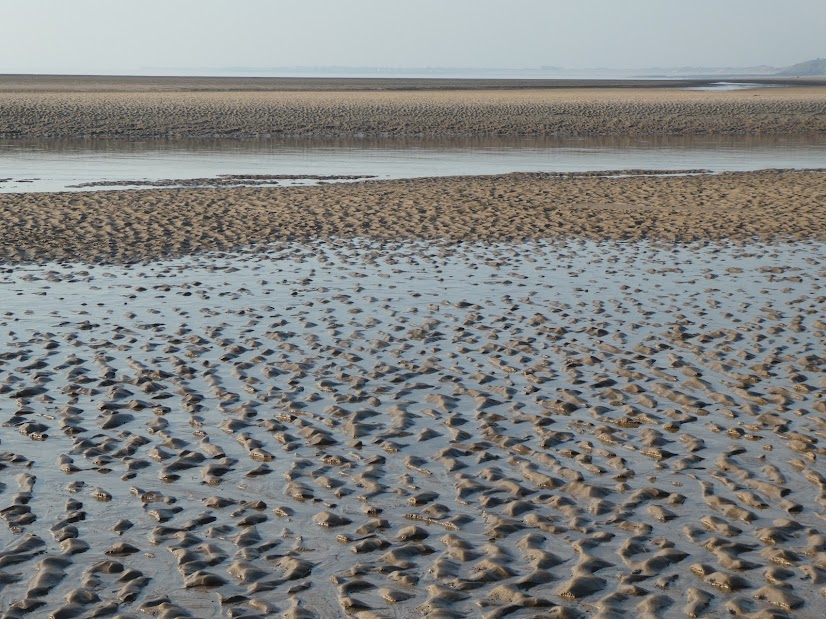
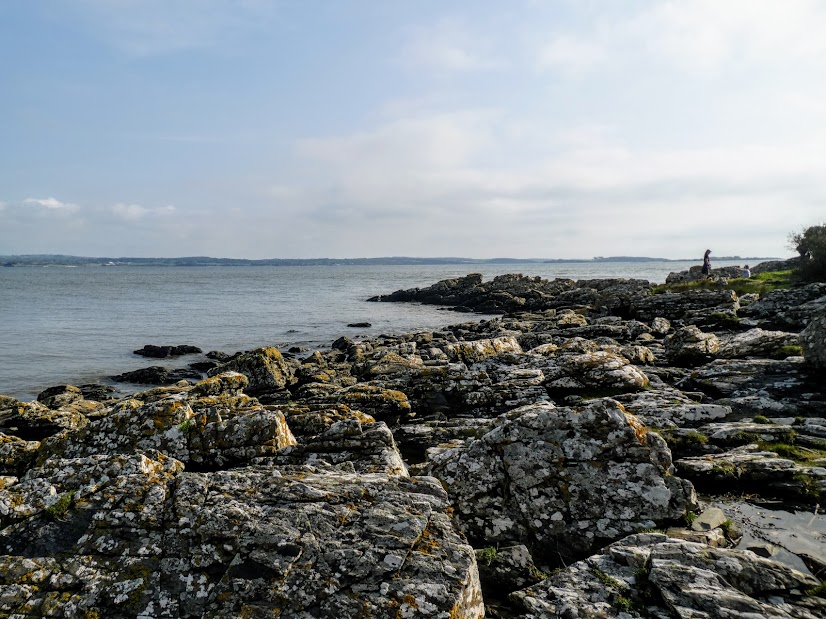
There, lakes provided the solace that being near water often provides. Back in the UK, it’s the sea.
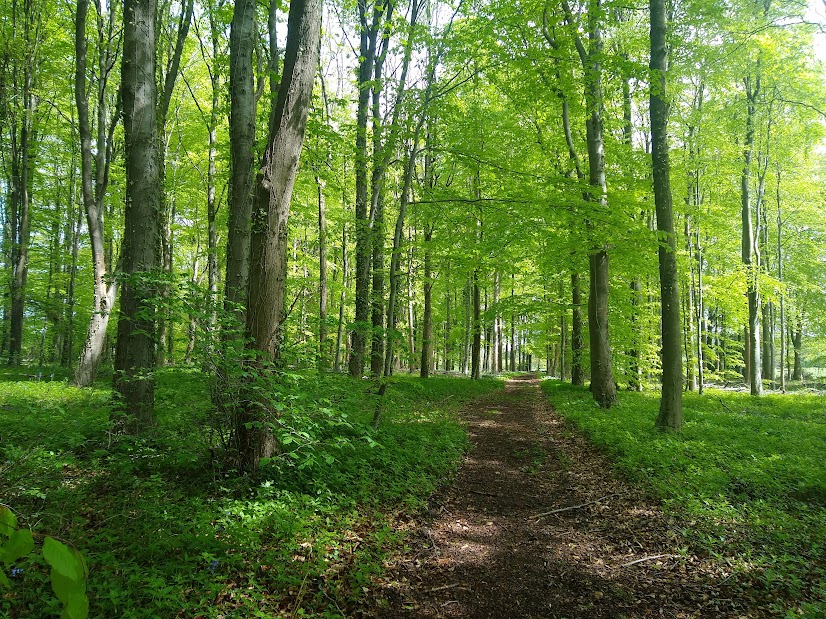
For the everyday recharge, it’s greenery, plain and simple. Local woodlands.
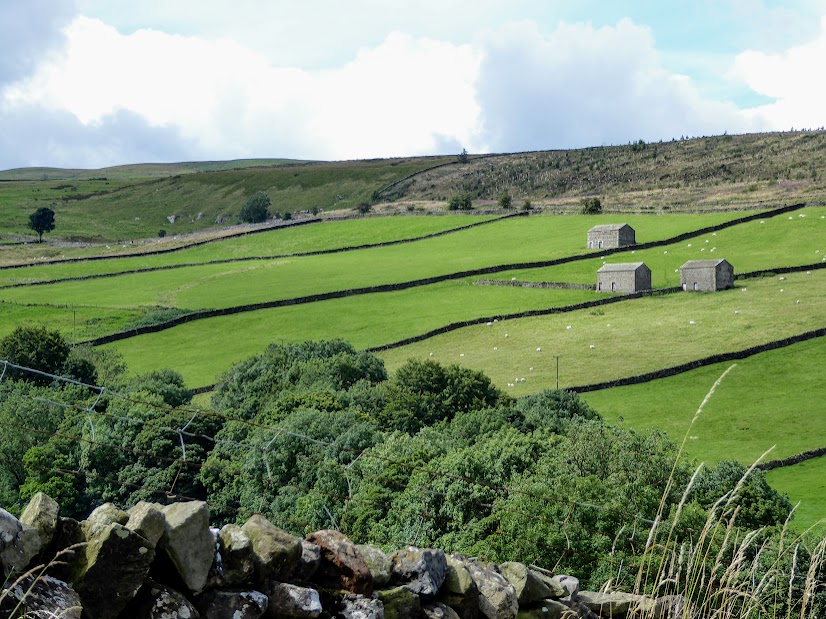
…or just a little bit more distant – Coverdale.
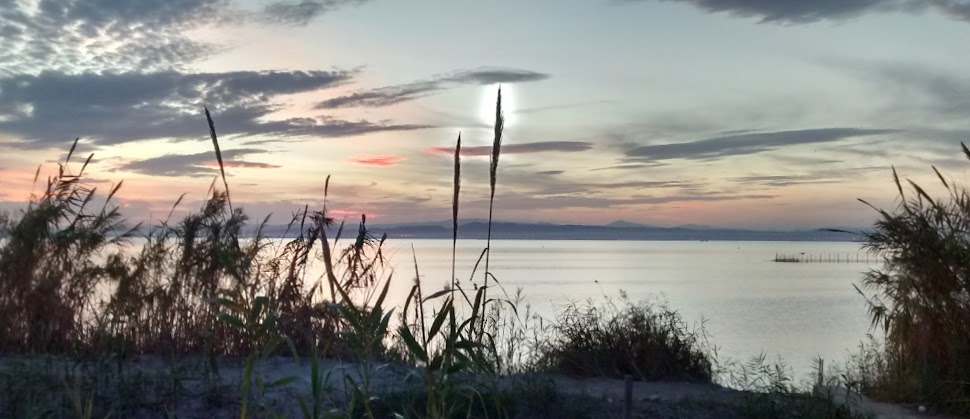
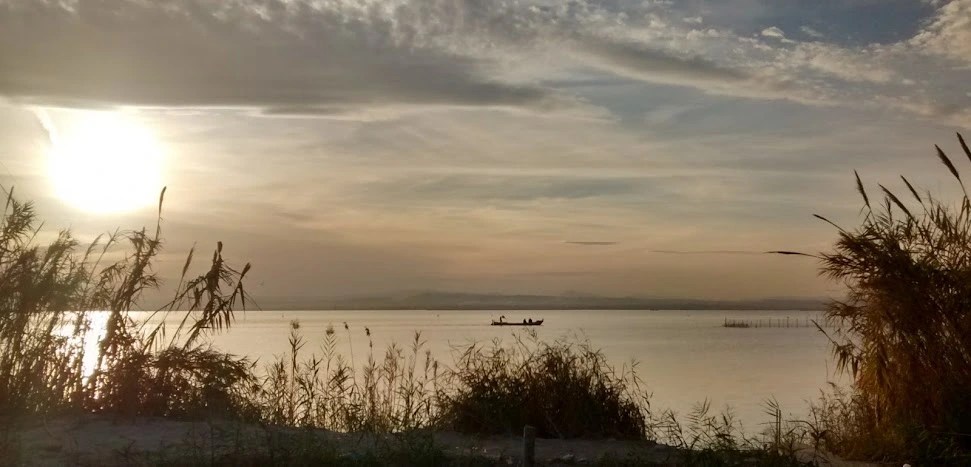
There’s just one place I need to mention though: one I’ve talked about before, more than once. A special afternoon and evening in l’Albufera, just beyond Valencia, where there is nothing but the lagoon, the sky, and wildlife … and peace. That’s my featured photo, and my best recharge ever.
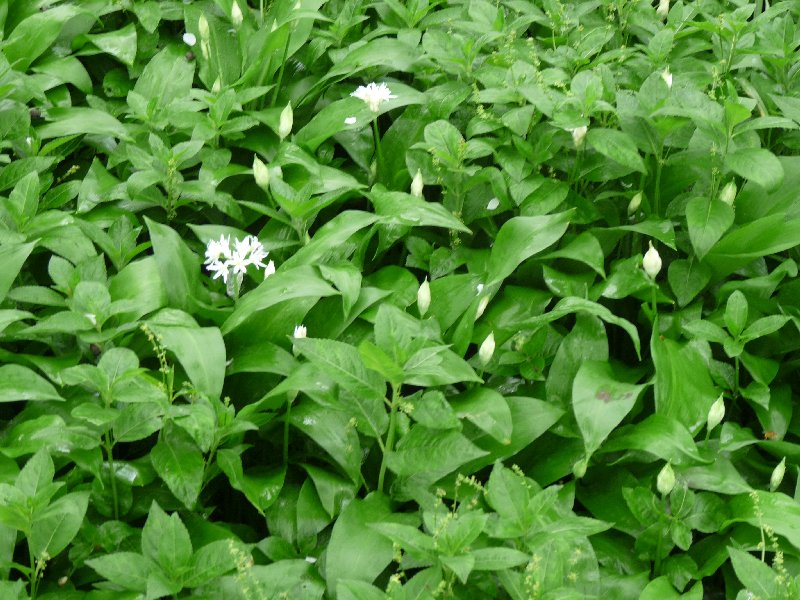
As regular readers know already, I’m a huge fan of Food for Free. Especially at this time of year, I never leave the house without a useful ‘au cas où’ bag stuffed in my pocket . This is a bag that any rural French person will have about their person always – just in case they find something useful – a few nuts, berries, fungi or leaves to add interest to the store cupboard. At the moment, this is all about the apples, blackberries, bullace and mirabelle plums all growing wild locally. At other times it might be young nettles, wild garlic or other leaves. Soon it will be puffballs. I’m not especially knowledgeable, but I do my best.Yesterday’s haul? Windfall apples (simple stewed apple) mirabelles (frangipane and jam) and bullaces (crumble and bullace cheese – think a plum version of membrillo – very labour intensive).
Although I was brought up foraging, my commitment to it was sealed when we lived in France. Here’s a post I wrote in October 2012.
‘All is safely gathered in, ere the winter storms begin’*
October 25th, 2012
Well, at this time of year, it isn’t really a case of ‘au cas où’ . You’re bound to find something. A fortnight ago, for instance, Malcolm and I went on a country stroll from Lieurac to Neylis. We had with us a rucksack and two large bags, and we came home with just under 5 kilos of walnuts, scavenged from beneath the walnut trees along the path. A walk through the hamlet of Bourlat just above Laroque produced a tidy haul of chestnuts too.
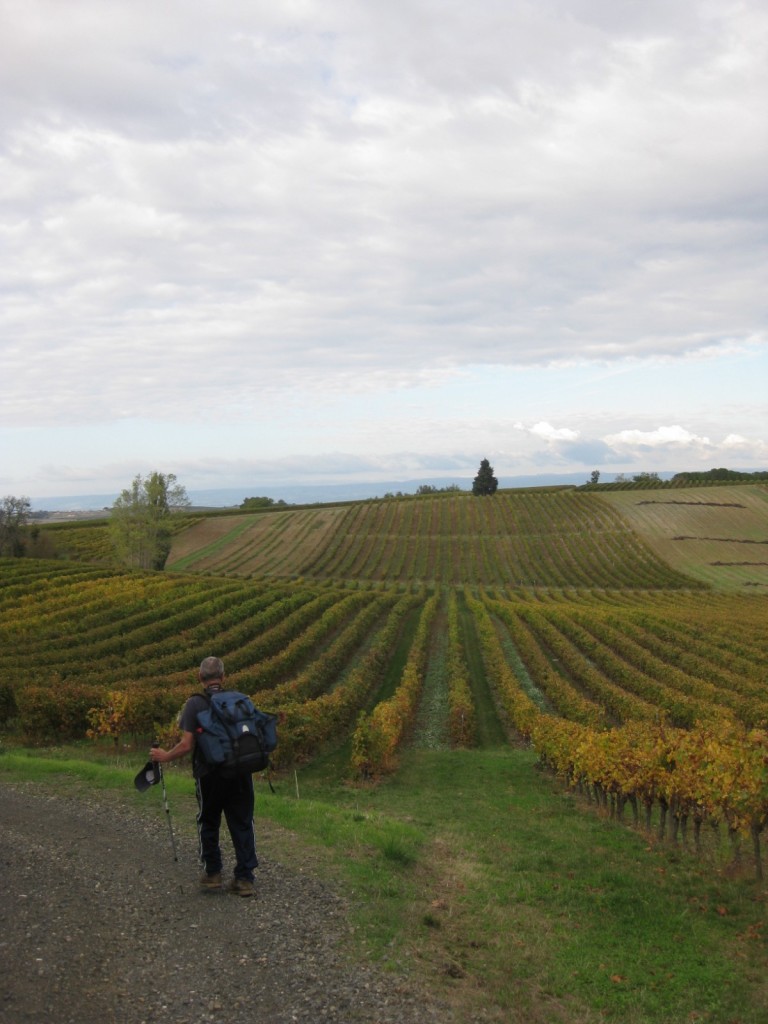
Yesterday, we Laroque walkers were among the vineyards of Belvèze-du-Razès. The grapes had all been harvested in the weeks before, but luckily for us, some bunches remained on the endless rows of vines which lined the paths we walked along. We felt no guilt as we gorged on this fruit all through the morning. The grapes had either been missed at harvest-time, or hadn’t been sufficiently ripe. They were unwanted – but not by us.
So many vines: there’ll be unharvested grapes there somewhere.
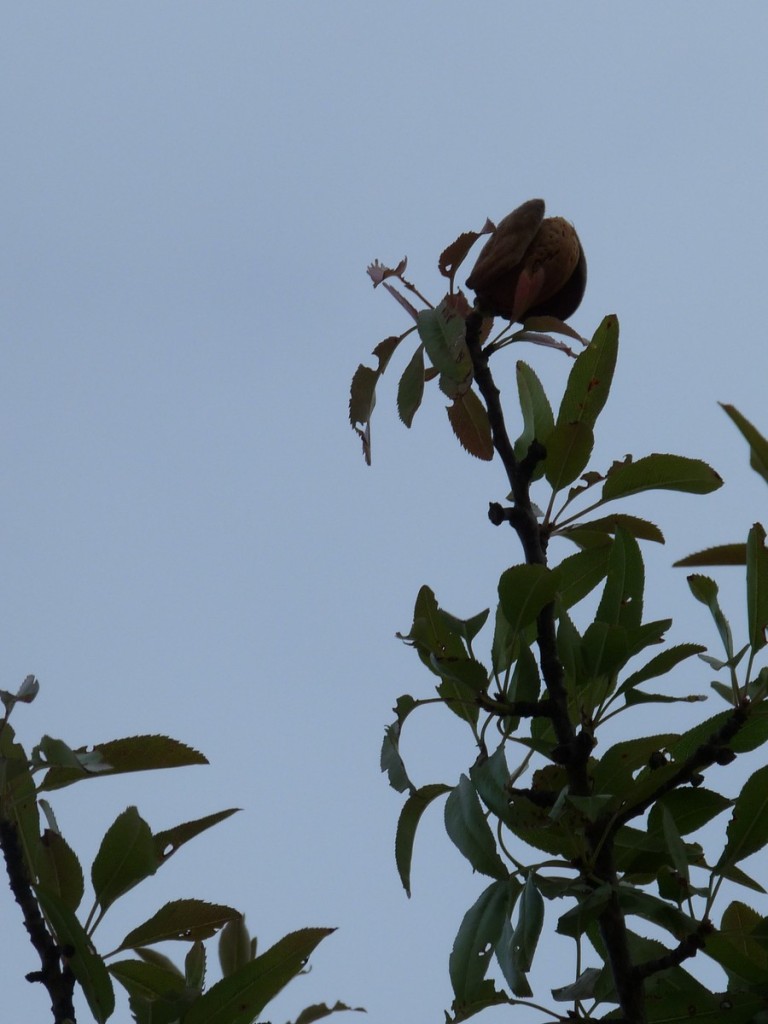
The walnuts we’re used to in the Ariège are replaced by almonds over in the Aude. You have to be careful: non-grafted trees produce bitter almonds, not the sweet ones we wanted to find. But most of us returned with a fine haul to inspect later. Some of us found field mushrooms too.
A solitary almond
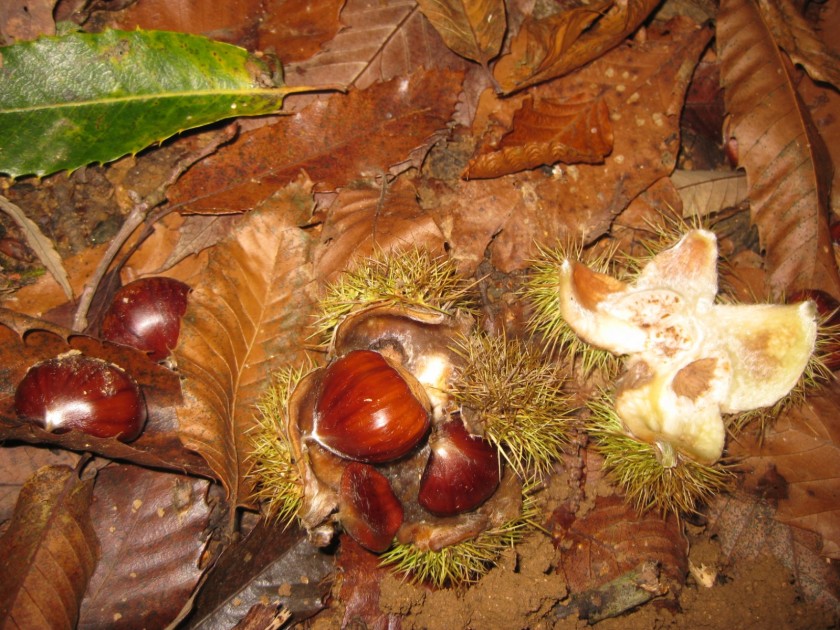
Today, the destination of the Thursday walking group was the gently rising forested and pastoral country outside Foix known as la Barguillère. It’s also known locally as an area richly provided with chestnut trees. Any wild boar with any sense really ought to arrange to spend the autumn there, snuffling and truffling for the rich pickings. We walked for 9 km or so, trying to resist the temptation to stop and gather under every tree we saw. The ground beneath our feet felt nubbly and uneven as we trod our way over thousands of chestnuts, and the trees above threw further fruits down at us, popping and exploding as their prickly casings burst on the downward journey.
Just picture whole paths, thickly covered with chestnuts like this for dozens of yards at a time.
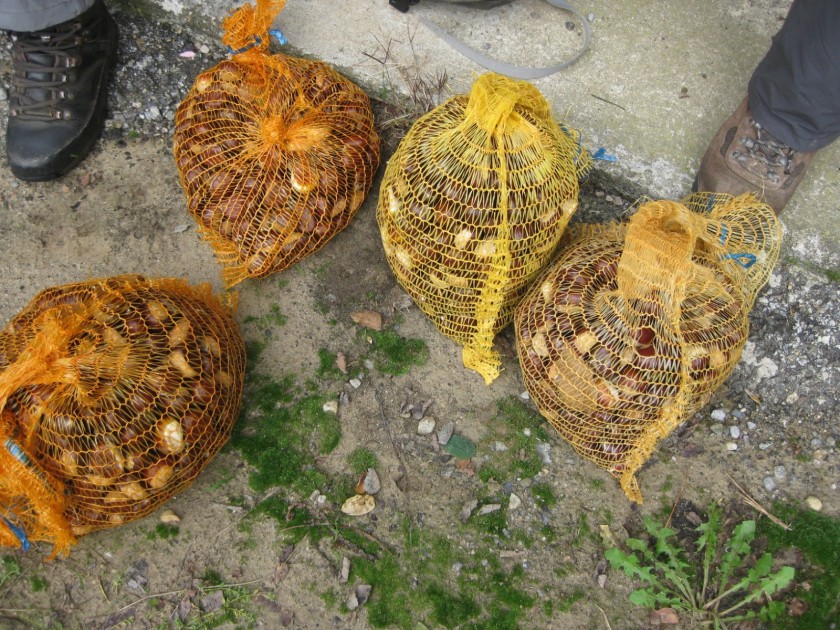
As our hike drew to an end, so did our supply of will-power. We took our bags from our rucksacks and got stuck in. So plentiful are the chestnuts here that you can be as picky as you like. Only the very largest and choicest specimens needed to make it through our rigorous quality control. I was restrained. I gathered a mere four kilos. Jacqueline and Martine probably each collected three times as much. Some we’ll use, some we’ll give to lucky friends.
I think these chestnuts represent Jacqueline, Martine and Maguy’s harvest.
Now I’d better settle myself down with a dish of roasted chestnuts at my side, and browse through my collections of recipes to find uses for all this ‘Food for Free’.
*From the words of an English hymn sung during Harvest Festival.
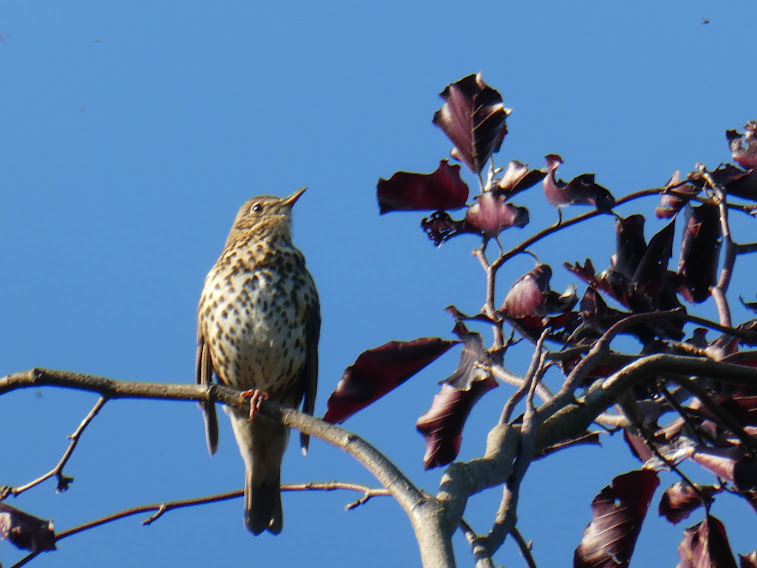
For the past few weeks, days at home have been cheered by a very vocal thrush who starts his loquacious singing at round about ten to five in the morning, and continues with almost no time off for eating, drinking or rest until about two minutes to ten at night. Here he is, in the featured photo.
For the past few weeks, our small a cappella choir has included in its repertoire a 16th century French song, composed by the German Steurlein, celebrating this very thing. I suggested it, because it brought back memories of the choir I sang with in France. Some members have cut up a bit rough, complaining their French accent wasn’t up to the challenge. In the end, I gave in and wrote an English version. I promised them cheesy, schmaltzy doggerel and that’s what they’ve got. Still, it’s all quite jolly, so why don’t you sing along with the YouTube video?
Oh, can you hear the song bird who trills and sings for me?
His joyful notes are sounding from that far-distant tree.
He banishes the darkness, casts out my dreary dreams.
Oh, can you hear the song bird who trills and sings for me?

I wander in the garden, the birds are always near.
They're trilling, crooning, fluting, and singing loud and clear.
They sound the end of winter, and welcome in the spring.
I wander in the garden, the birds are always near.

Let's greet the start of springtime, the season of rebirth,
The birds and bees and flowers, all creatures on the earth.
We'll welcome all the sunshine, and bid goodbye to chill.
Let's greet the start of springtime, the season of rebirth.
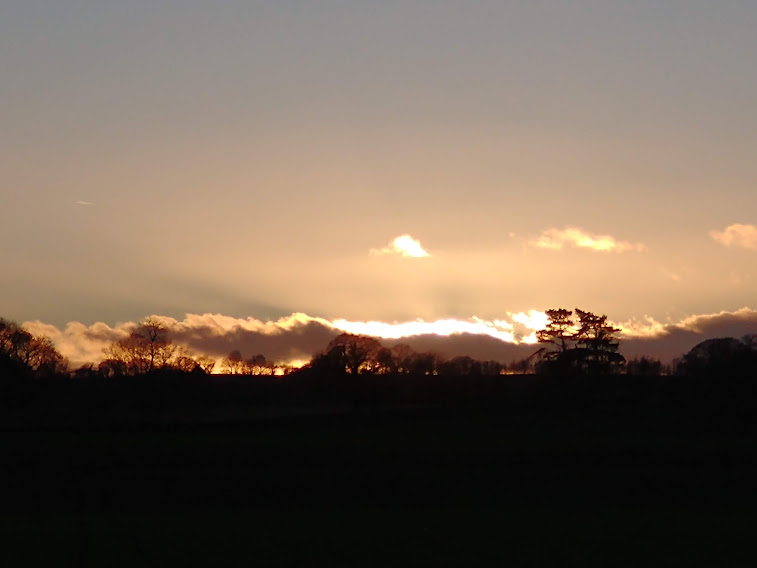
Amy has invited us to thumb through our archives for this week’s Lens-Artists Challenge #250 and choose skyscapes and clouds. I’ve found it impossible to be dispassionate about this. There’s something about these images that’s so bound up with memories that I can’t distinguish good photos from the merely ordinary. I’m transported to that place, that time, that set of souvenirs.
Take my header photo, for instance, which I’ve posted before, more than once. It takes me immediately to that special day when I was part of an evening boat trip quietly floating through the lagoons of l’Albufera near Valencia, while birds made their final flights as the sun settled below the horizon. It’s a memory which will never leave me, whether the photo is a winner or not.
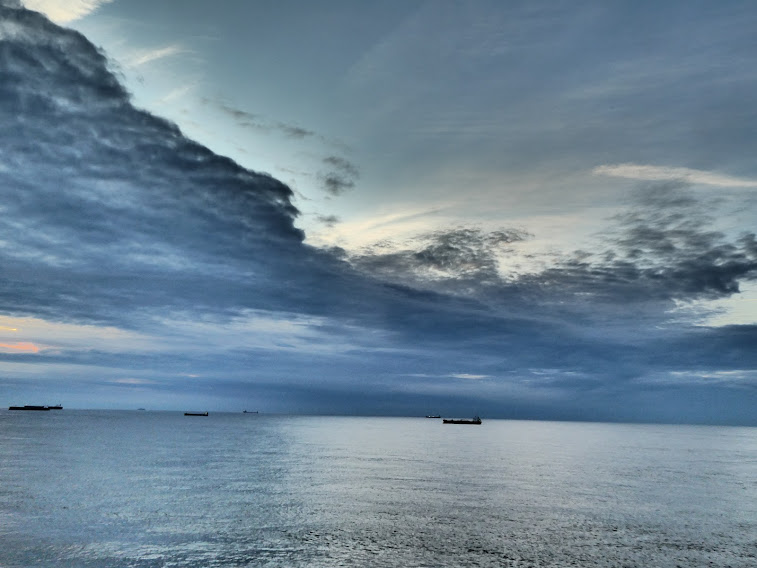
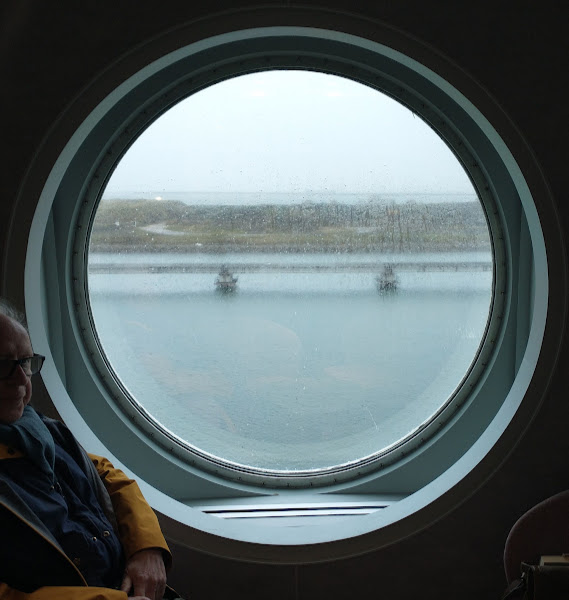
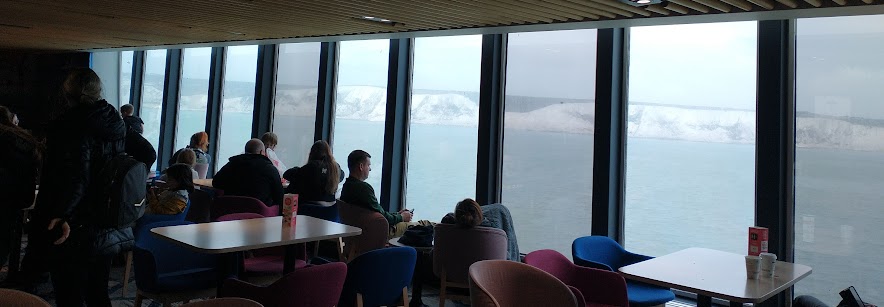
Longish sea trips to the continent bring memories of languidly looking at cloudscapes from early morning till nightfall as our ship smoothly purrs towards its destination. Here’s one …
… or this…
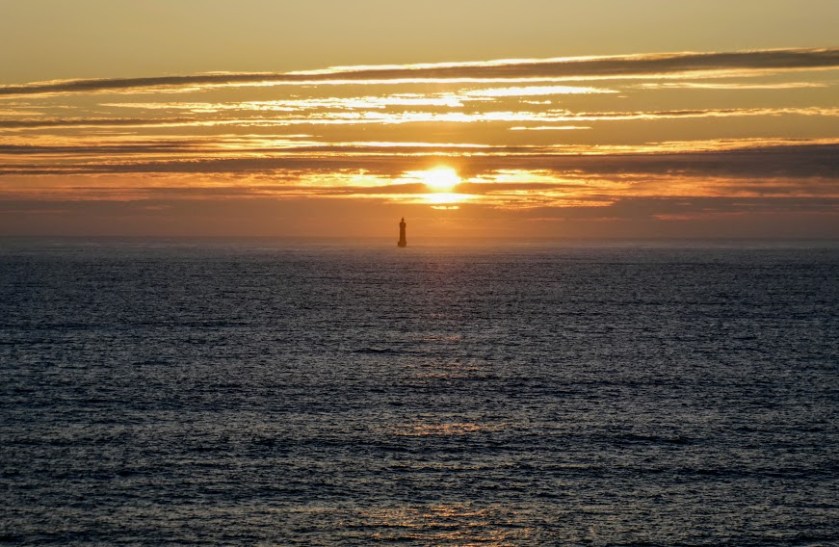
Or there are those memories of January days in Cádiz. An unmissable part of our routine was to head to the beach at dusk to watch the sun slowly disappear into the sea.
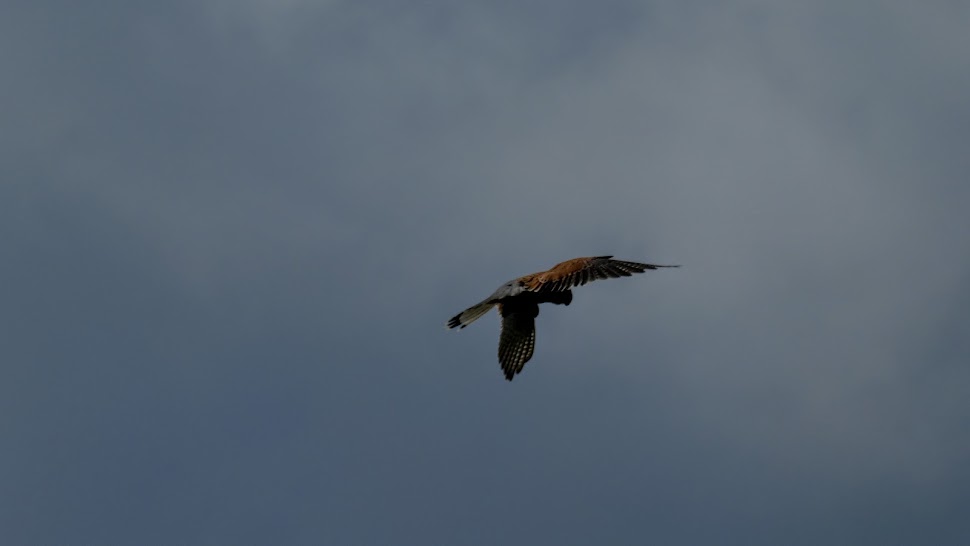
This shot, from our time in the Balkans shows that a slightly neutral skyscape can be a perfect backdrop for a questing bird of prey. And this was a holiday of birdsong, wild flowers – and memories of a still wild landscape.
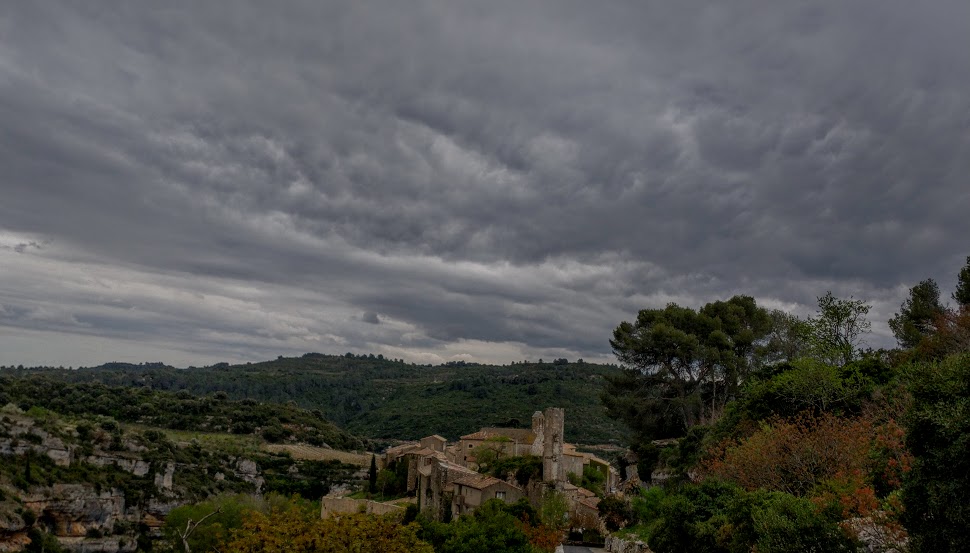
A quick visit to France, to the Minervois for a moody sky. This was a trip just a few weeks ago, when on the same day as this shot was taken, we saw tiny daffodils sheltering from the brisk wind.
I can’t leave this post without a local shot, taken as we walked a habitual path alongside our River Ure.
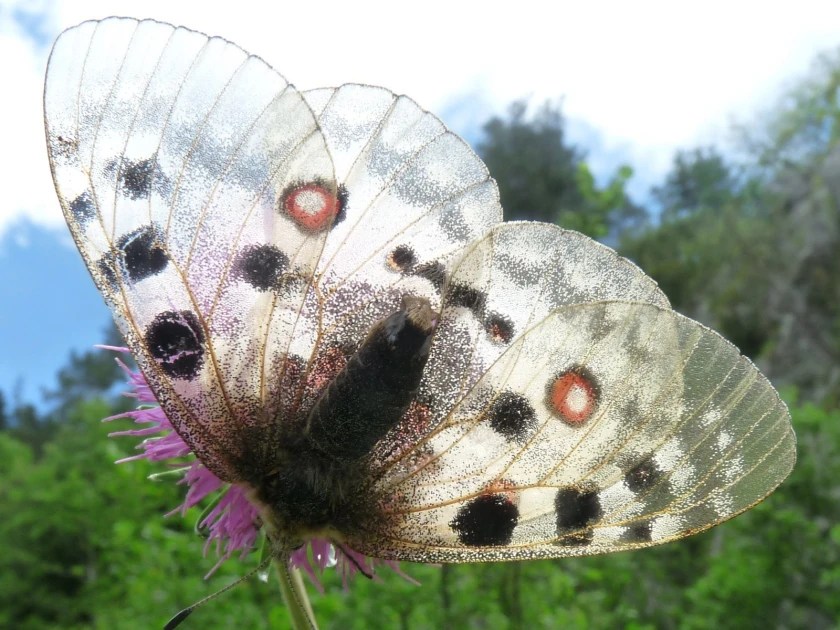
I had my photos of the much-loved butterflies of an English summer day all lined up to display for Denzils’ Nature Photo Challenge 13# Butterflies. Then I realised I wanted to share something else instead: a photo of a rare butterfly I first saw in the Pyrenees, ten years ago now: the Mountain Apollo.
Mountain Apollo
July 31st 2013
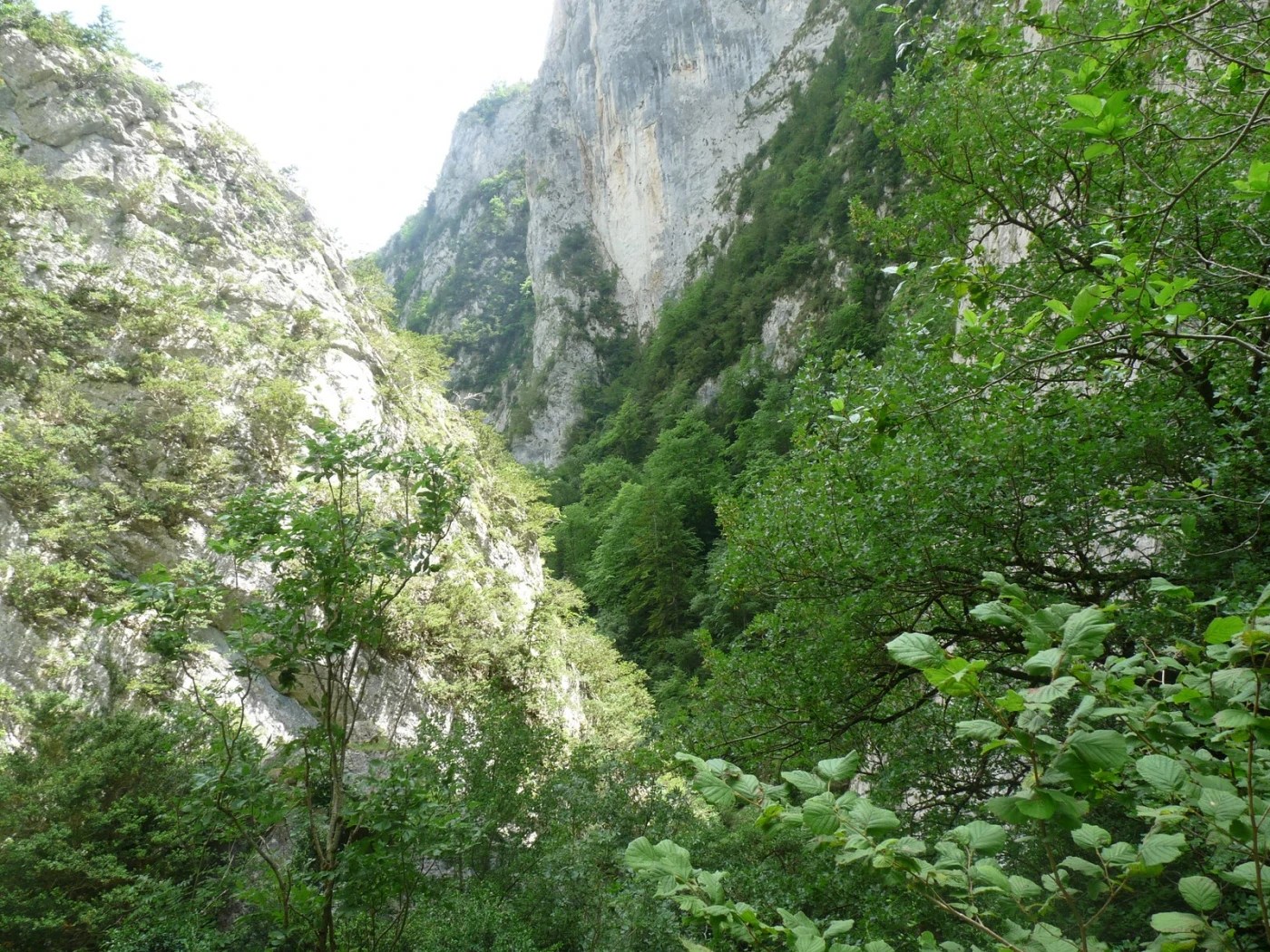
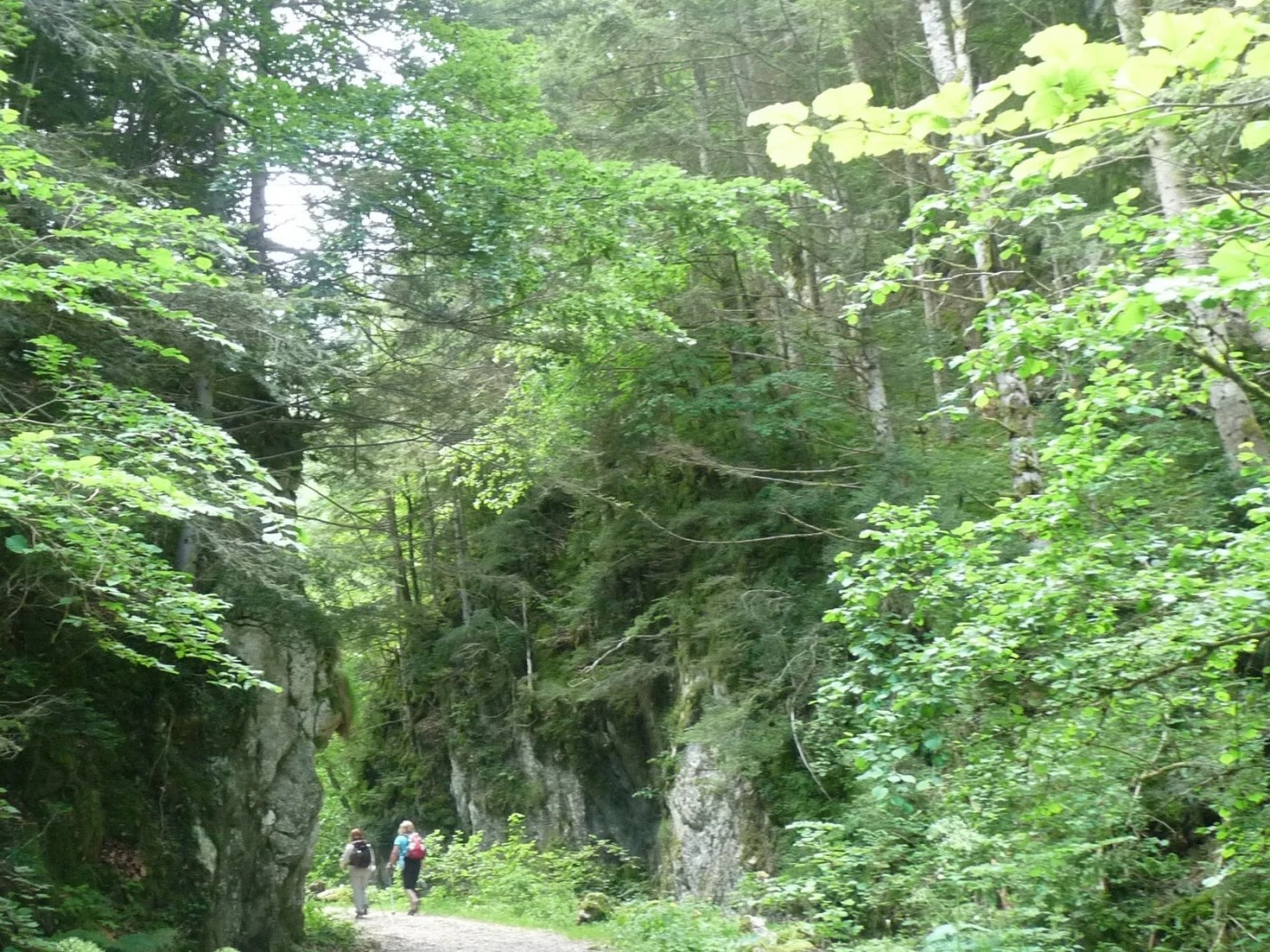
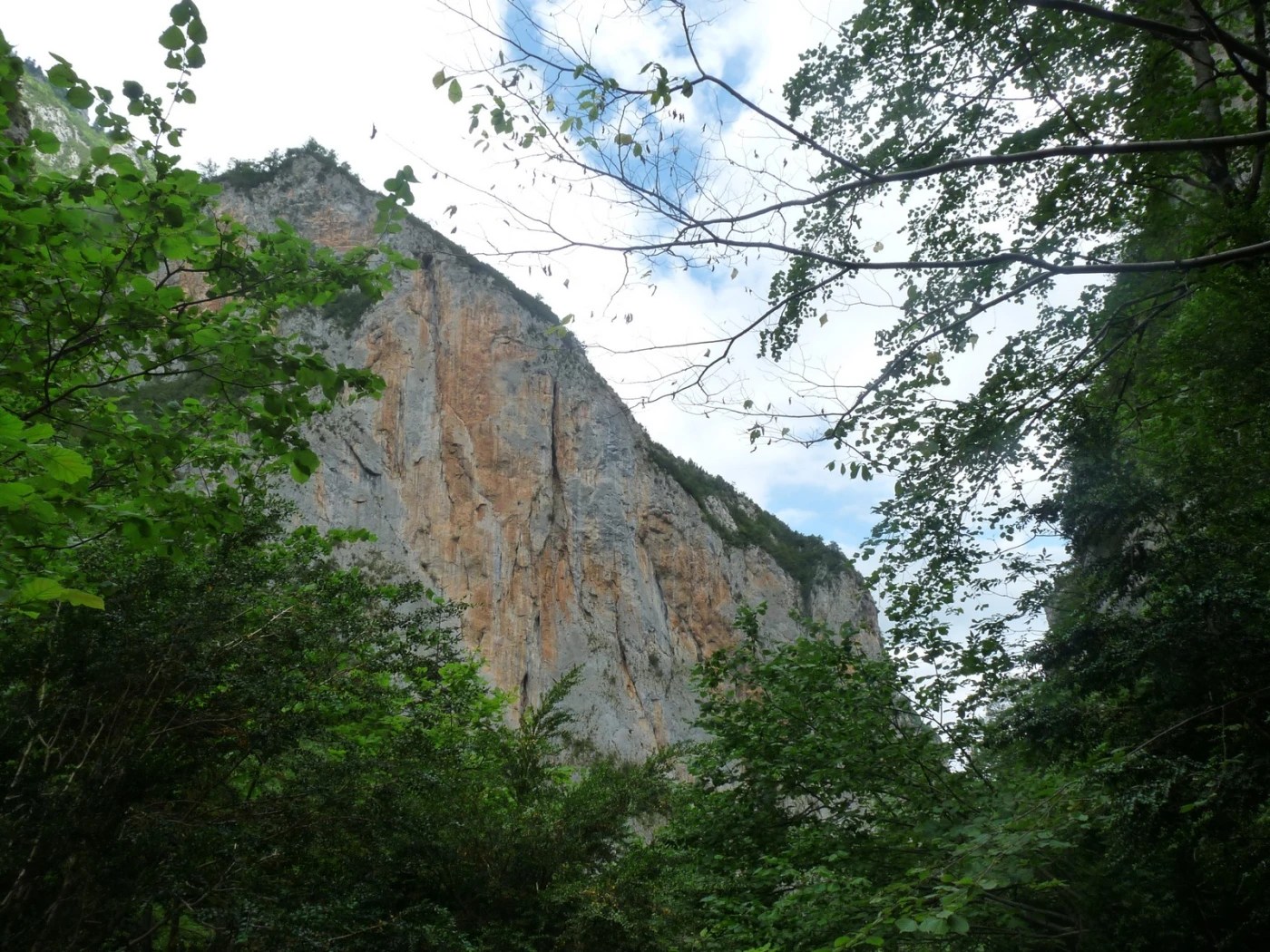
I just want to share a photo I took on our walk on Sunday, when we went to the Gorges de la Frau. This butterfly seduced us all with its distinctive spots and white grisaille wings. It turns out to be rare, a protected species, and known only in mountain regions, mainly in Southern Europe. The French know it as Apollon, and its Latin name is Parnassius Apollo. If your French is up to it, you can read about it here.
And here’s a small taste of the Gorges de la Frau, only a few miles from our house.
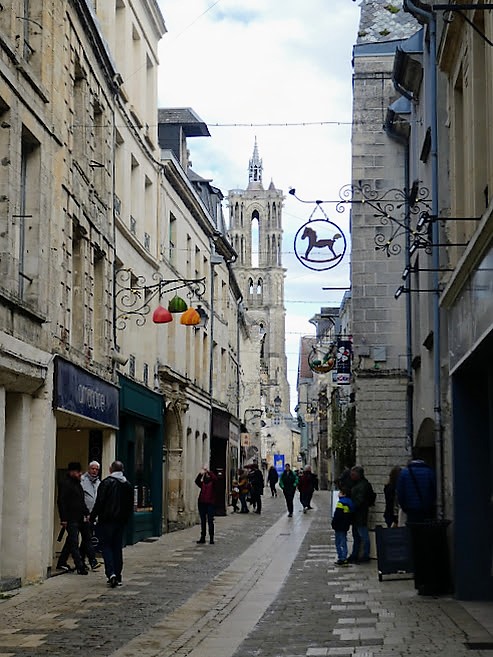
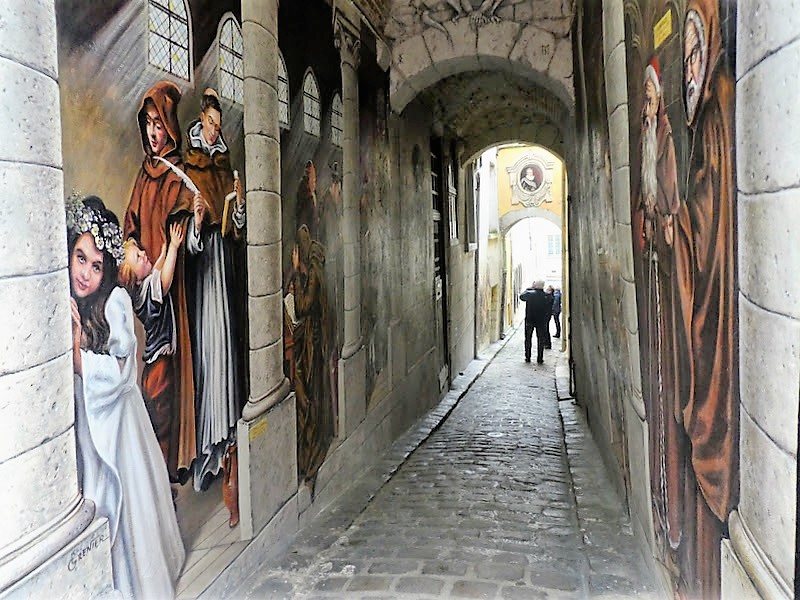
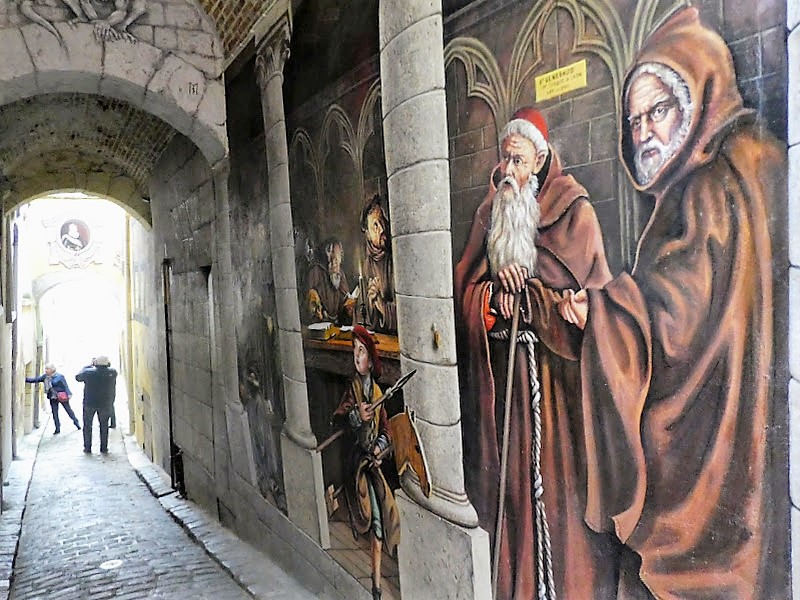
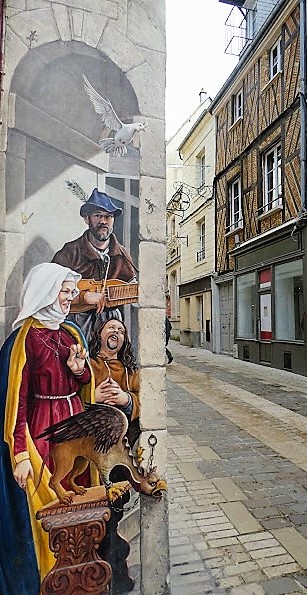
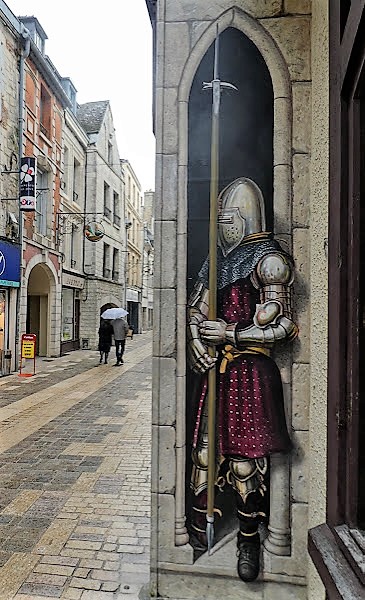
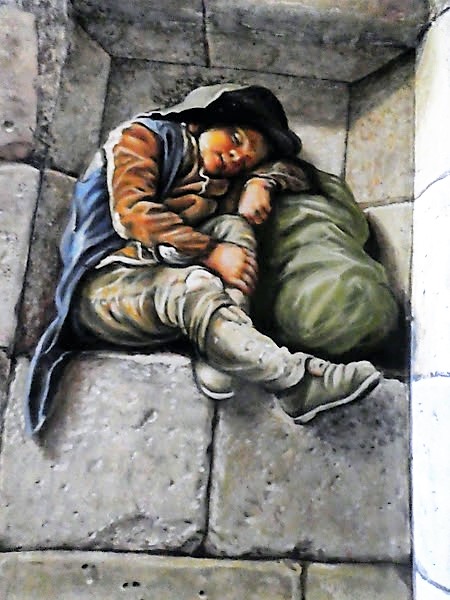
Our peregrination through France a few weeks ago took us to Laon, a city in Picardy and not too far from Reims. I wanted to see its cathedral, and we did. But we spent more time pottering about the streets of this walled city, its prosperity dating from the 12th century. We were particularly taken by its street art, perhaps more formal and commissioned than most …
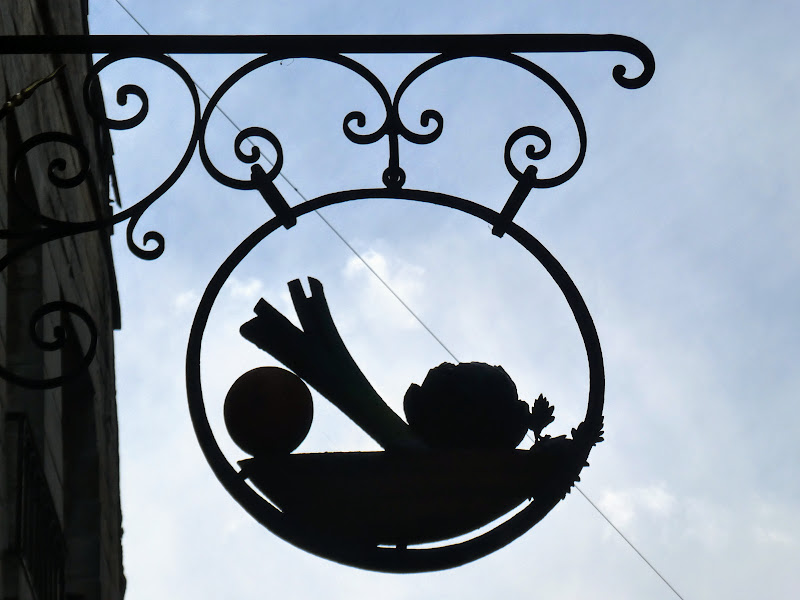
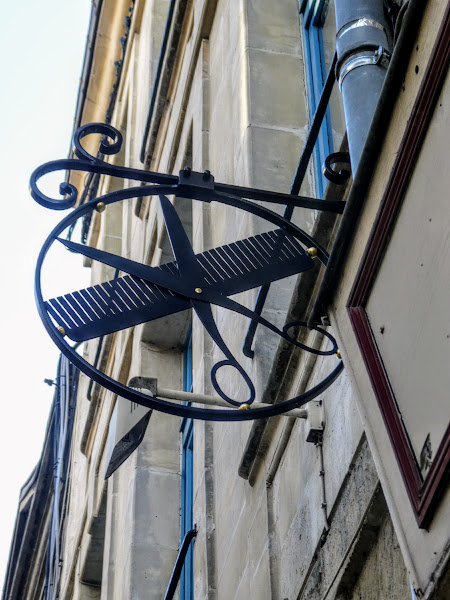
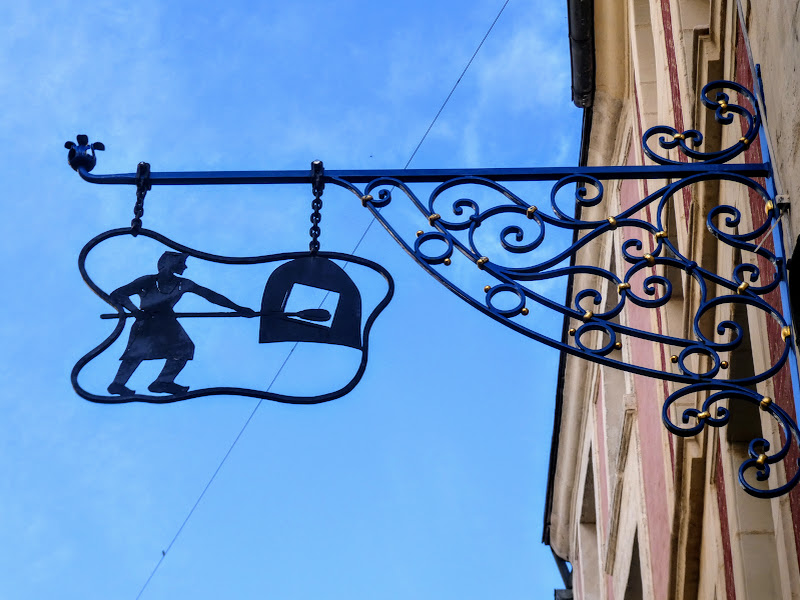
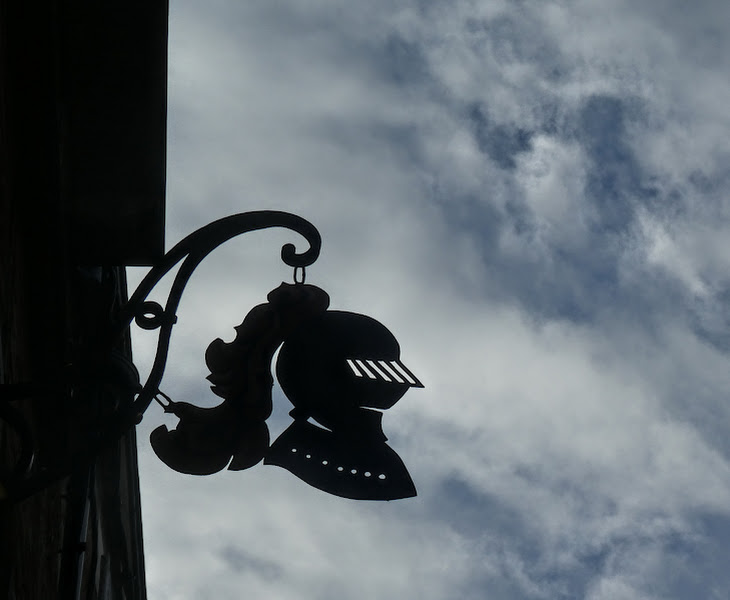
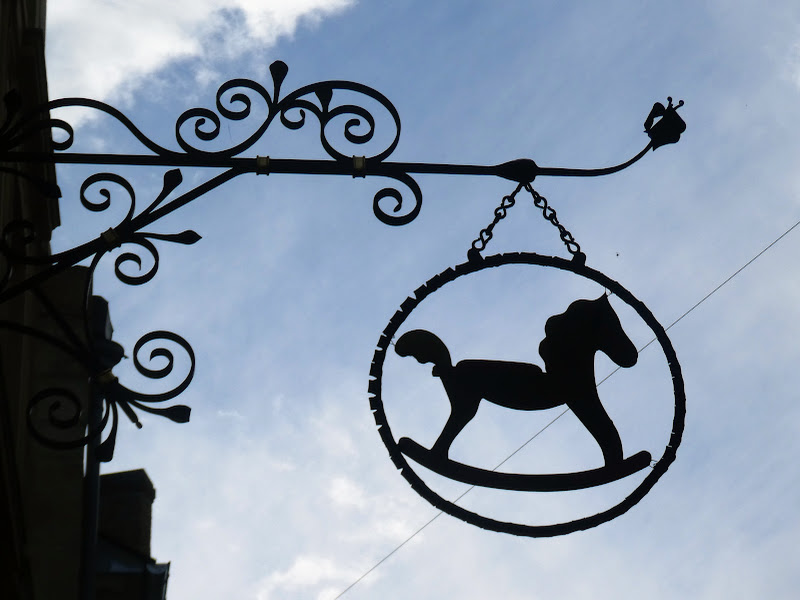
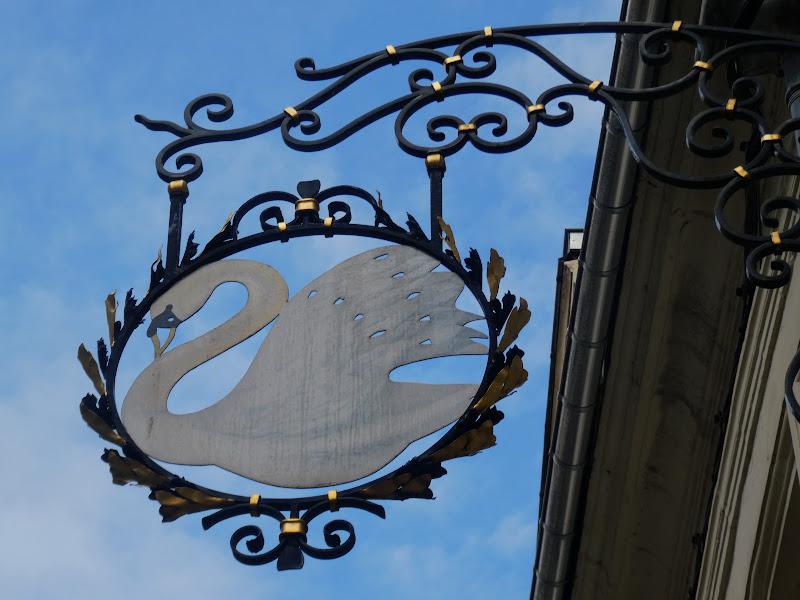
… and by one of its characterful main shopping streets in the Old Town, where every shop had a metal sign above it, describing in the mediaeval manner what kind of an enterprise it was. You can have a guess for yourselves, but in a couple of cases, I’ve forgotten the answers.
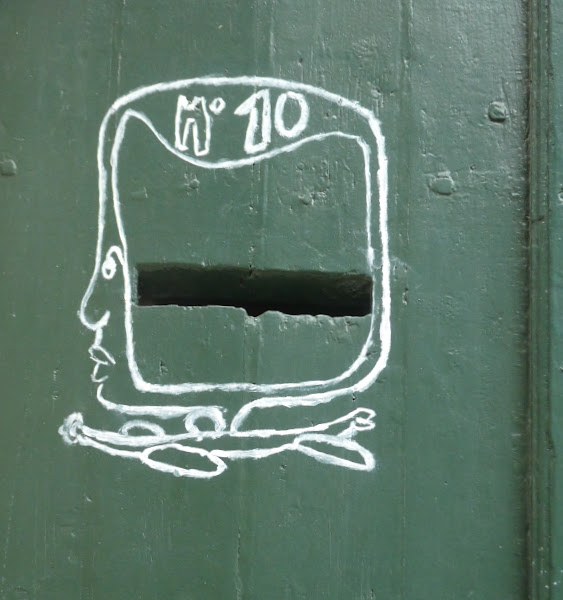
And then there were always the little touches of whimsy: as in this letter-box in a front door down a back street, and a slightly battered wall with a portrait of some inhabitant from centuries ago …
We liked Laon a lot. We’d go again. Lots more to explore.
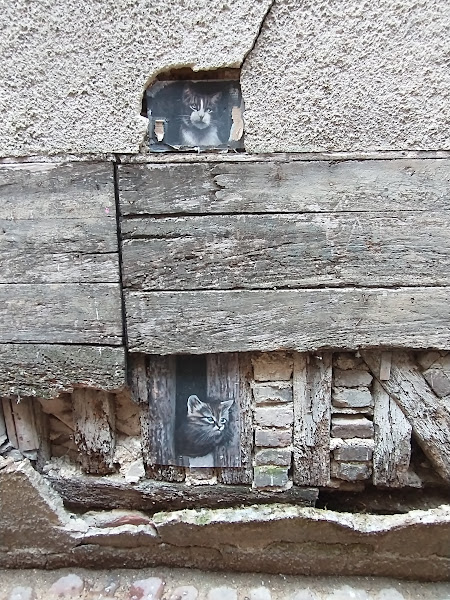
Loyal readers may remember a post of mine from three weeks ago, when I shared my enthusiasm for half-timbered Troyes. It was impressive that so many houses were still, despite lurching at improbable angles in some cases, in excellent repair and condition.
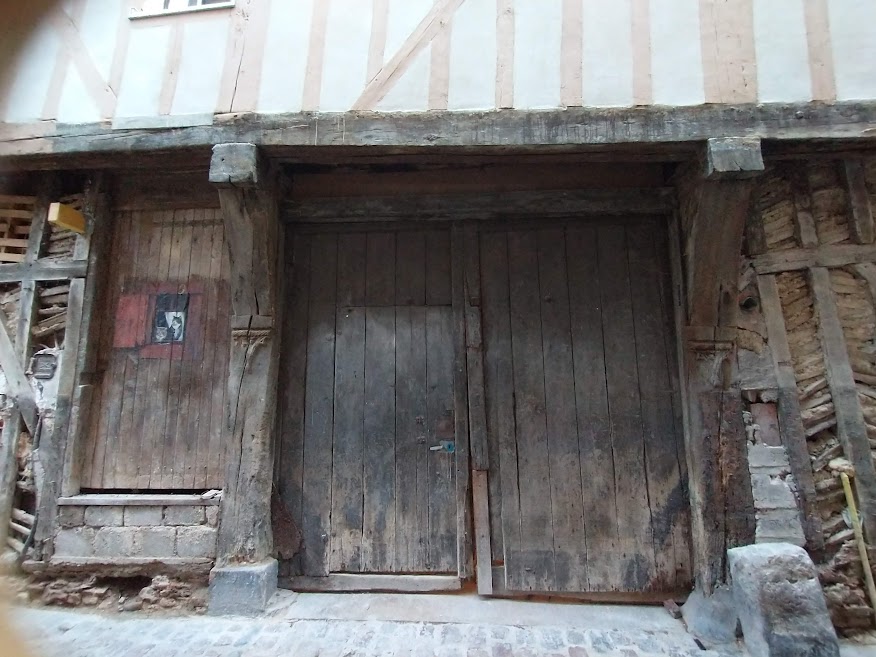
Not all though. One of our walks, back from an early evening drink found us wandering down a narrow old street which wasn’t in good nick. It gave us the opportunity to study old building techniques: wattle and daub, and wooden nails.
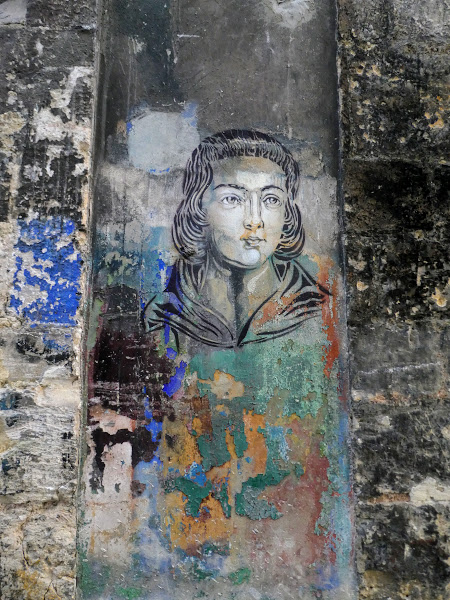
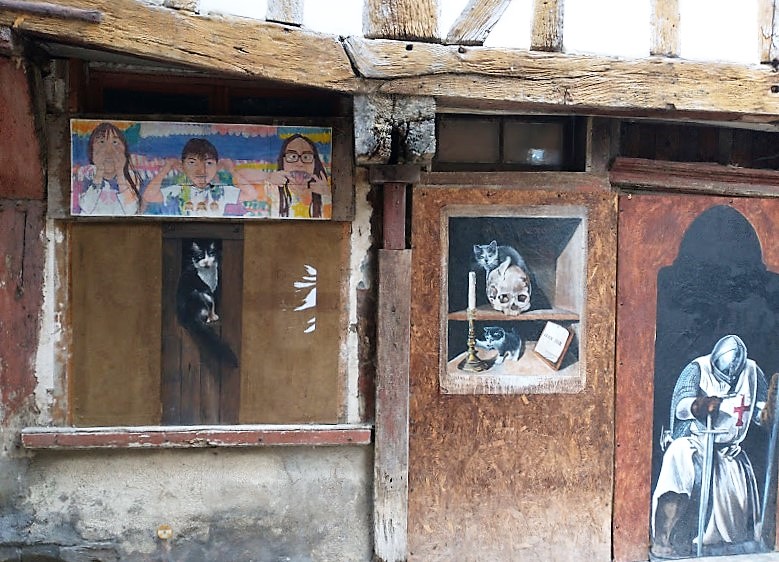
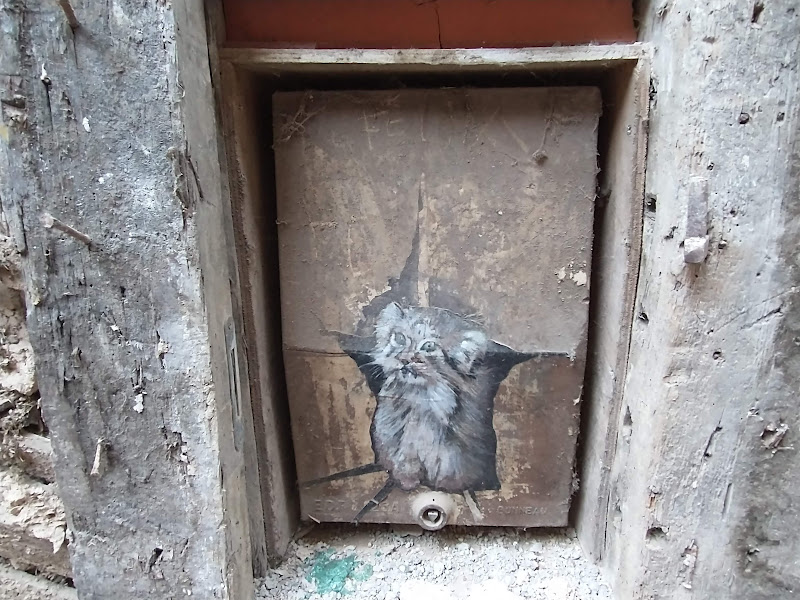
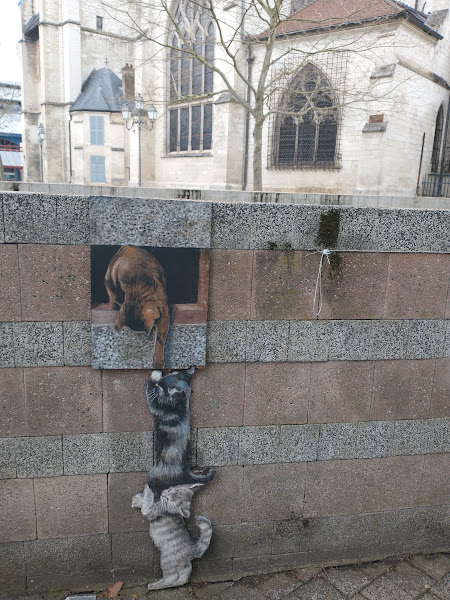
But that wasn’t all. This street was filled with one obvious piece of street art – the header photo – then many others, mainly cats, which had to be hunted for by looking up, down, and all along.
Even that wasn’t all. An elderly dog walker, noticing our interest, urged us to nip back along to the square we’d just left and look at the wall to the side of the underground car park. So we did.
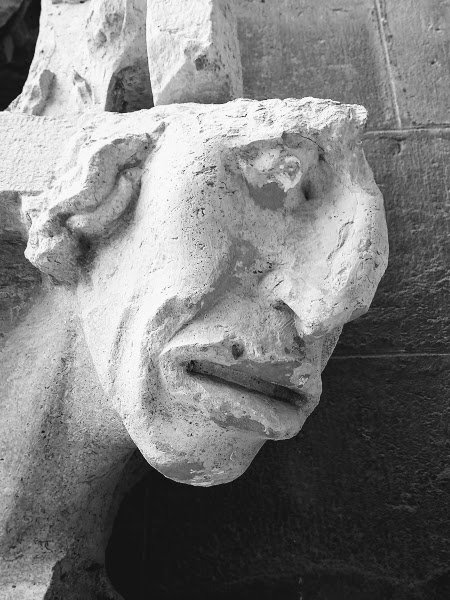
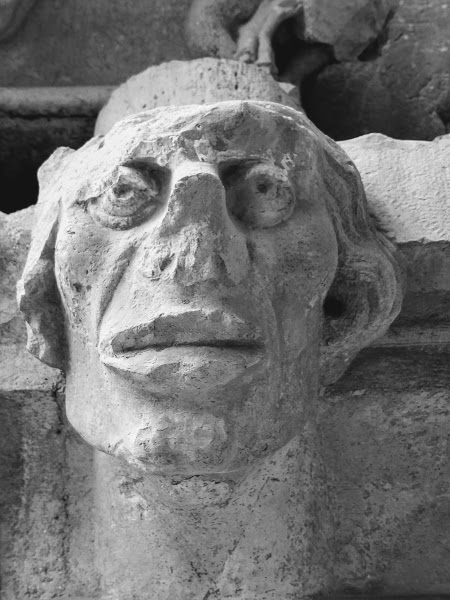
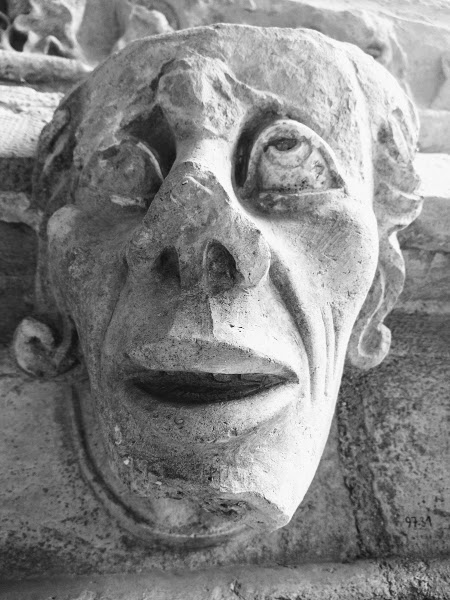
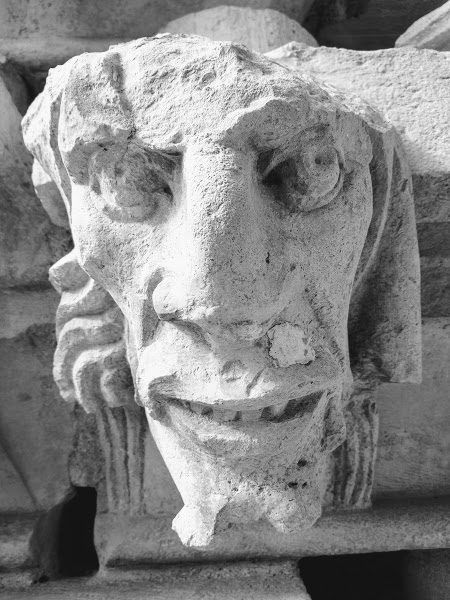
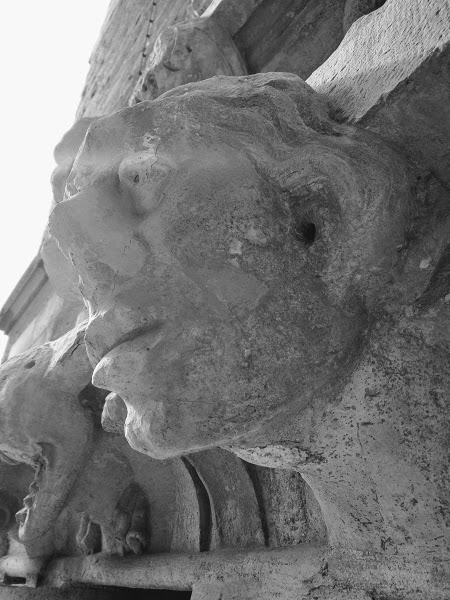
Reims and its cathedral has already qualified for a post on my blog. So has one of the images. But much as the architecture, the stained glass, the stone carving of these mediaeval cathedrals inspires awe, I just as much enjoy inspecting what the stonemasons got up to often in more hidden areas. Instead of saints, characters from the bible, earthly donors who needed their memorial, those masons seem to have relished chipping away to celebrate the more characterful inhabitants of the planet. And such statues often get more weather-beaten than most. Stacked on pallets and away from public view, I found this little lot hidden in an outside corner, awaiting a spot of restoration. They made my day.
It’s not really the time of year for fungi here in Europe, but we’ve just come back from Spain, and more importantly France, where at the right time of year, fungus-foraging is by way of being a national obsession. Find a secret cache in the woodlands, and no right thinking Frenchman will share its location with anyone: not brother, cousin, or best friend. An elderly man who lived up the road from us, back when we lived in the Ariège, took the knowledge of where his secret foraging-place was to his grave.
I too forage, as I was brought up doing. One of my earliest memories is of being got up by my mother at perhaps 5’clock to go to the local American airfield, disused since the war, to harvest field mushrooms and puffballs. I still forage – but very carefully. I’m sure only of field mushrooms and the unmistakeable puffball, as well as shaggy inkcaps and chanterelles.
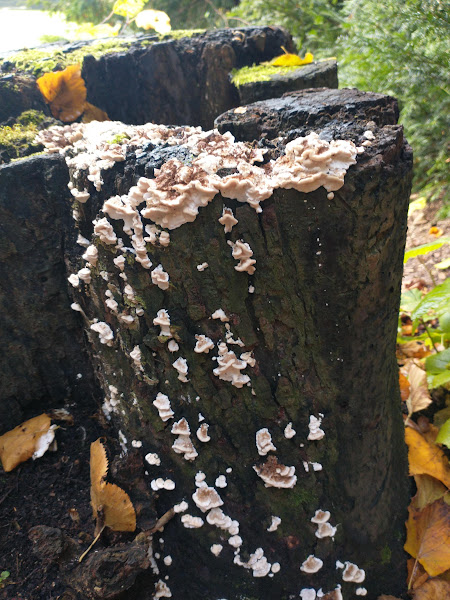
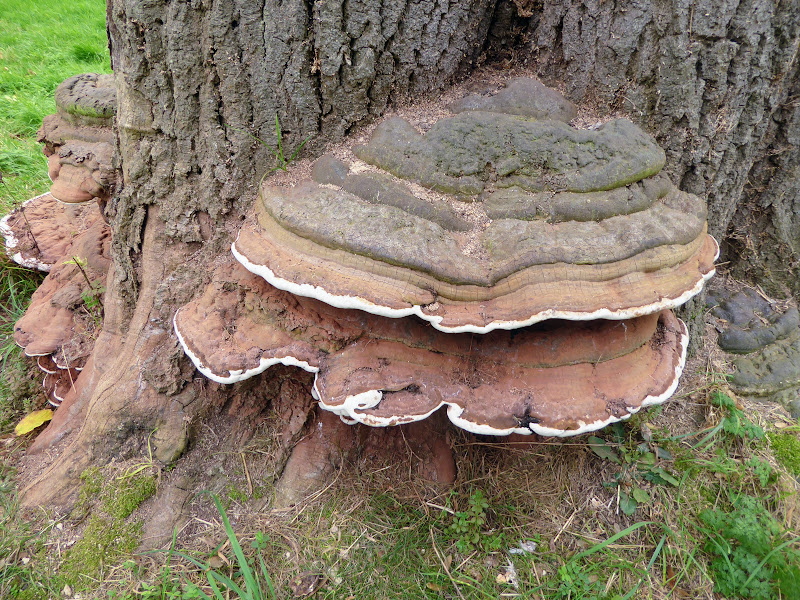
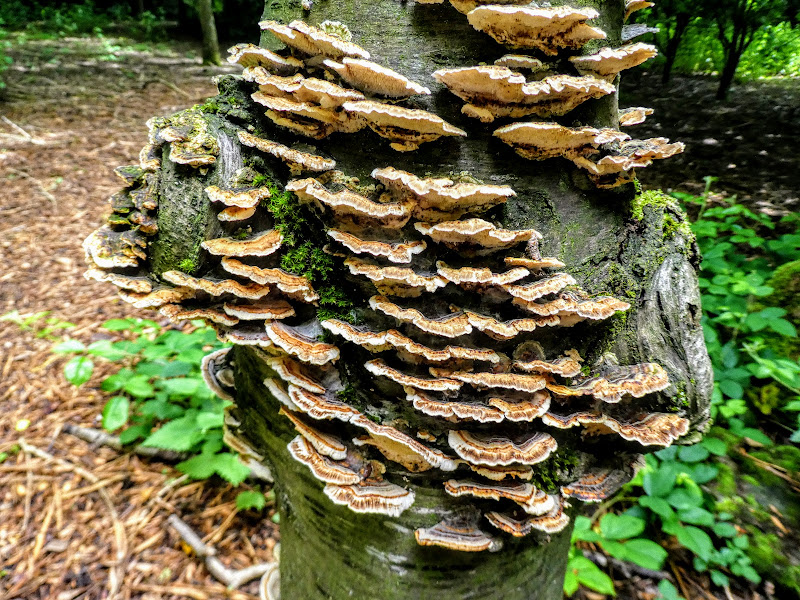
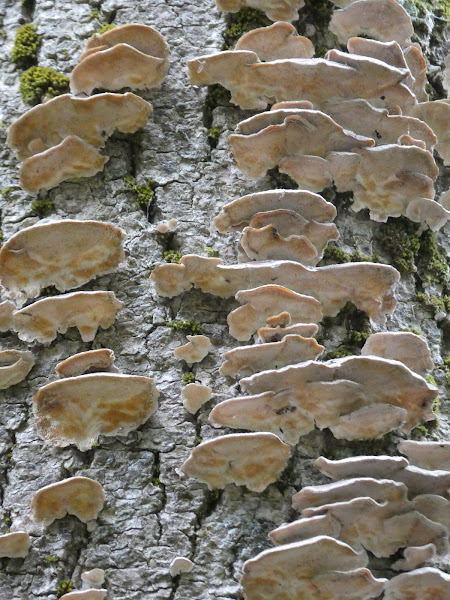
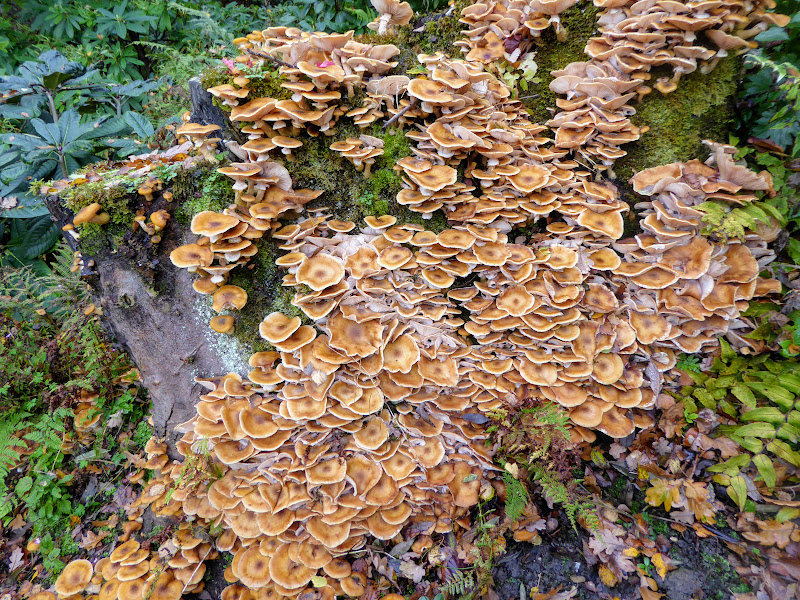
Today though, for Denzil’s Nature Photo Challenge #8: Fascinating Fungi, I’m sharing pictures of the definitely inedible. Here are bracket fungi, and others that thrive on tree trunks and fallen timbers. I’m ashamed to say I don’t know the names of a single one: can anyone help? But there are no mushrooms-on-toast opportunities here!


















You must be logged in to post a comment.