Monday portraits from Masham

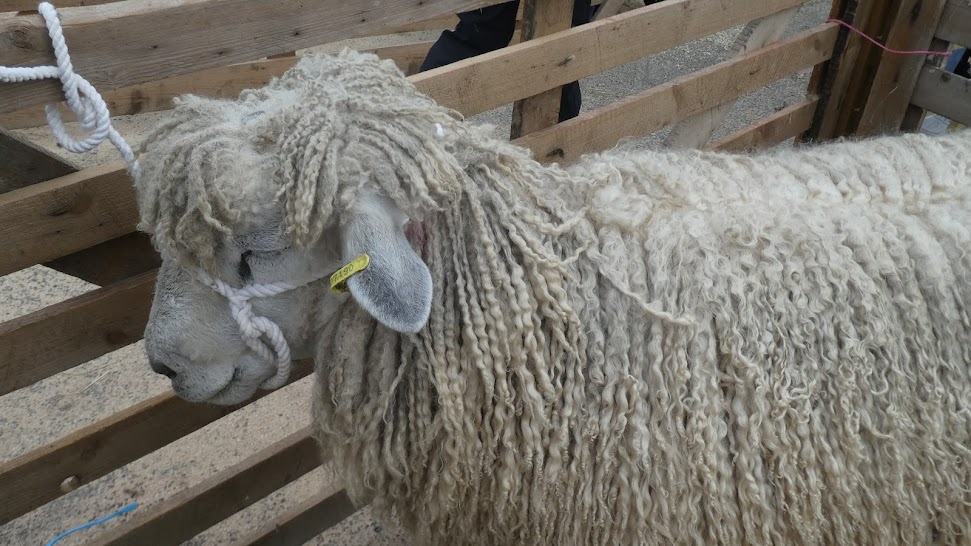
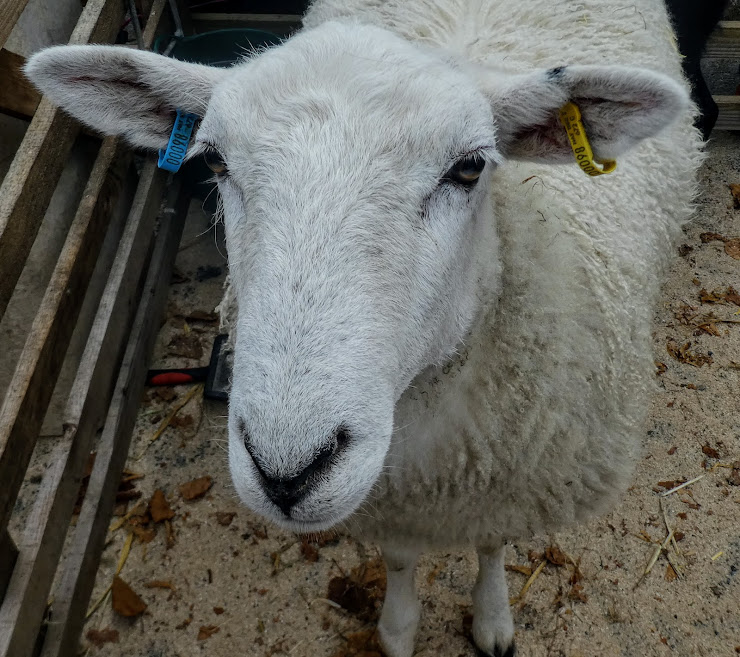
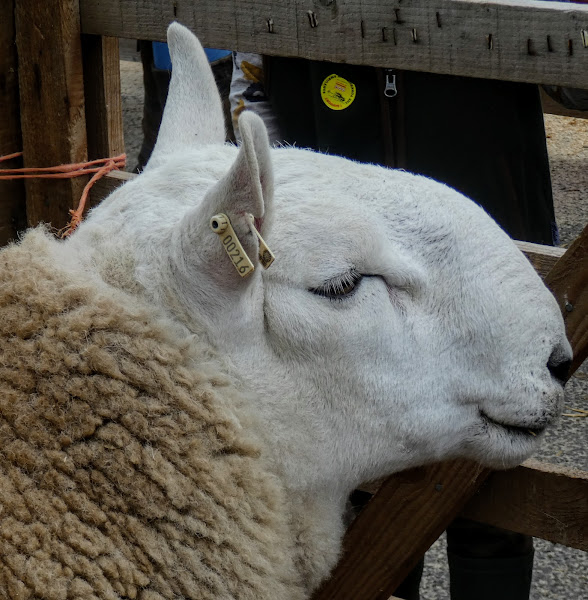
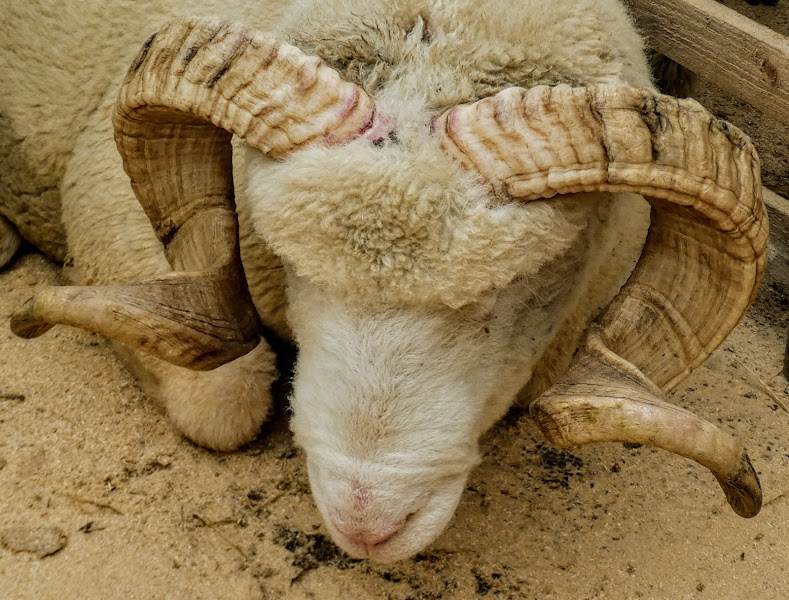
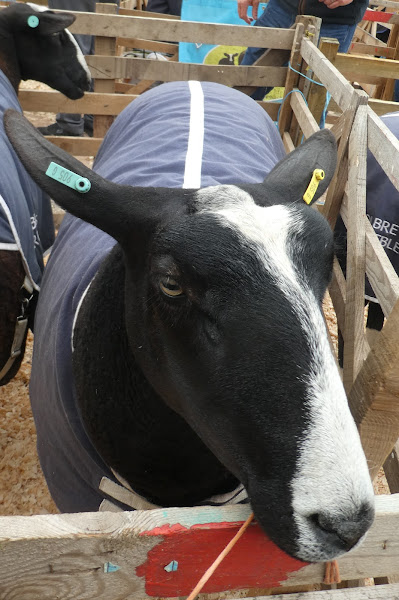
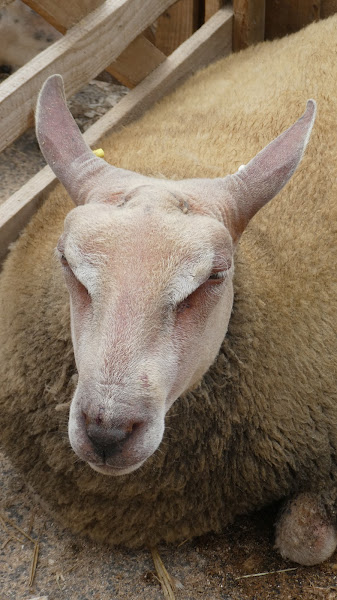
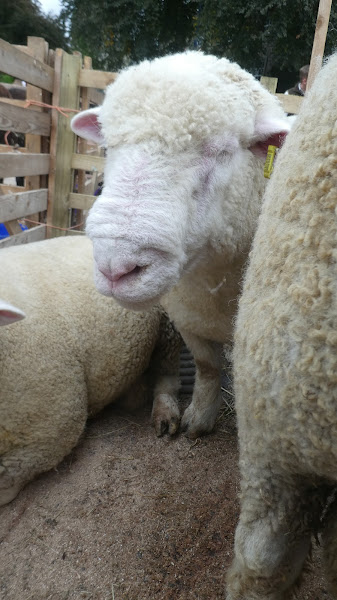
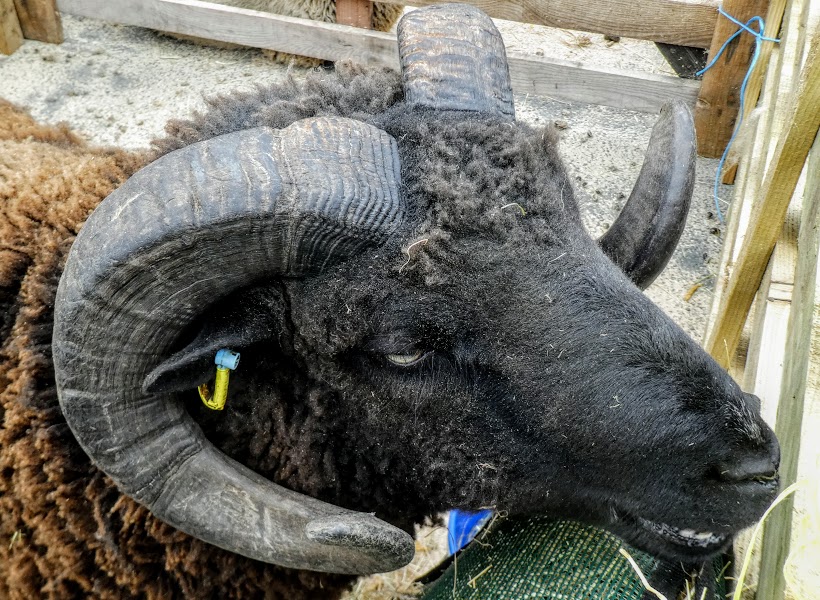
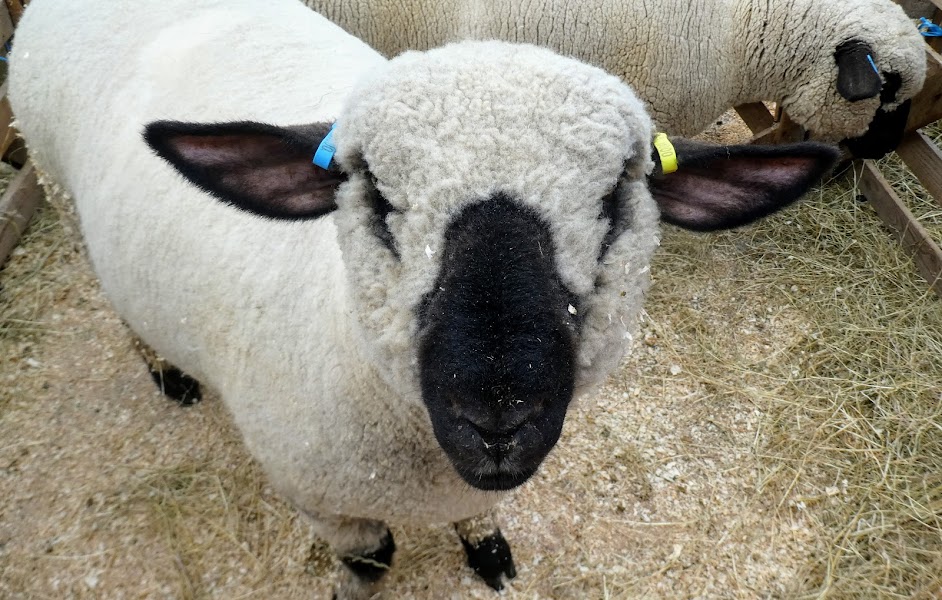
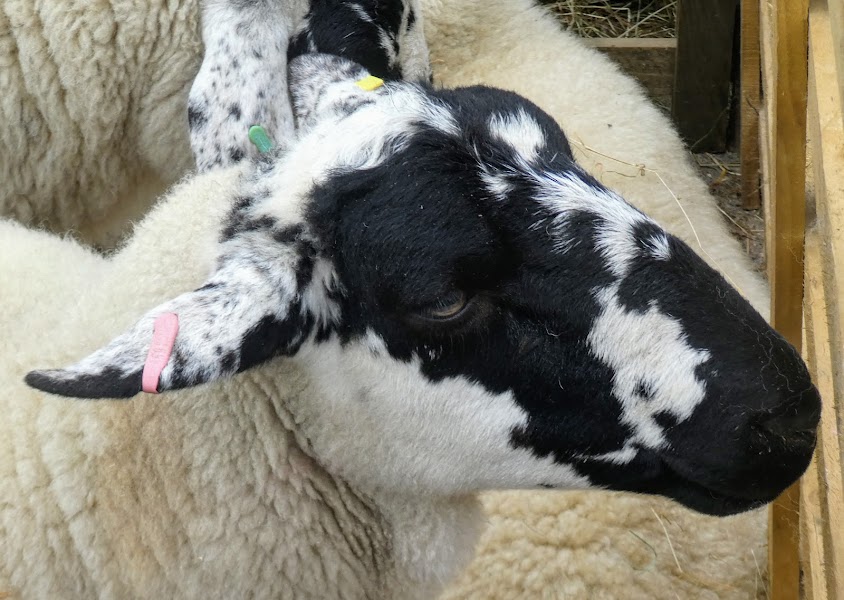
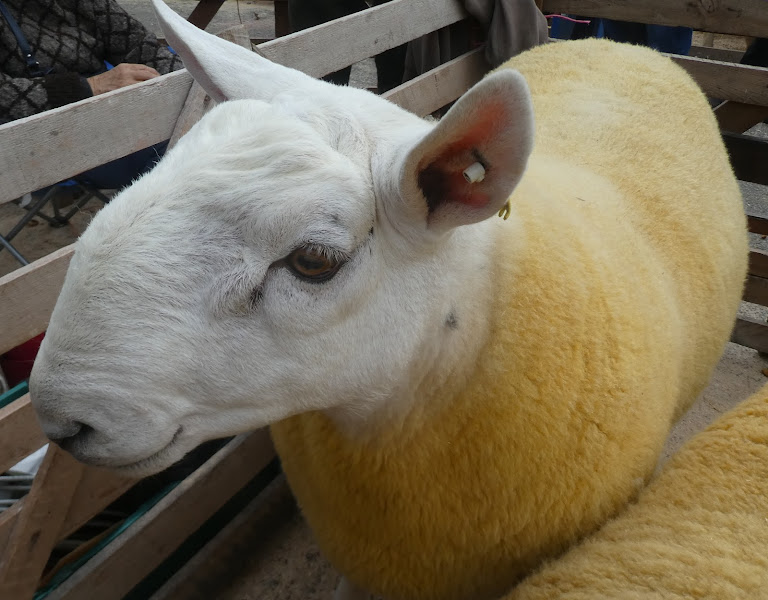
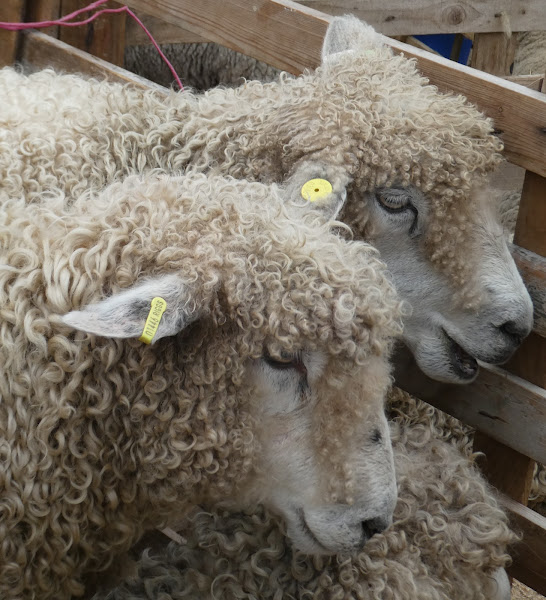
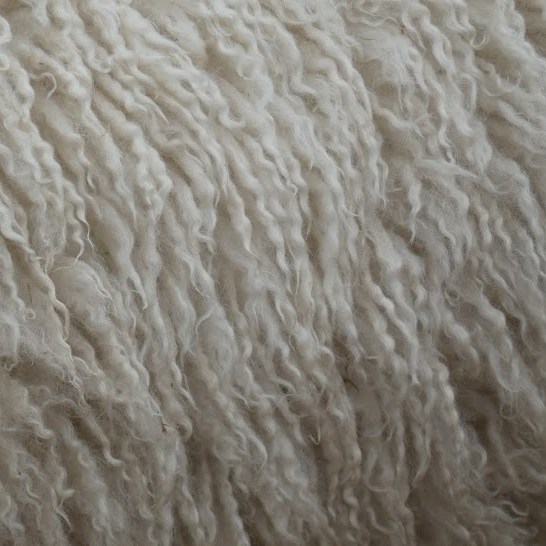
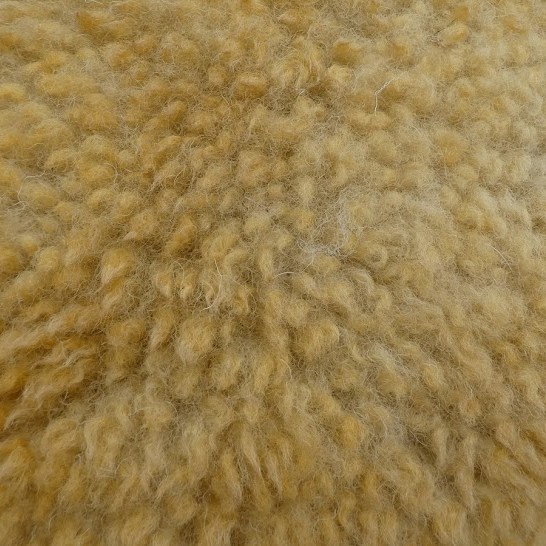
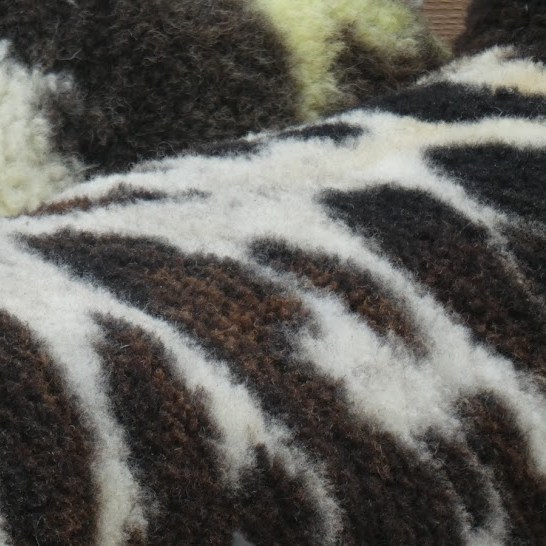
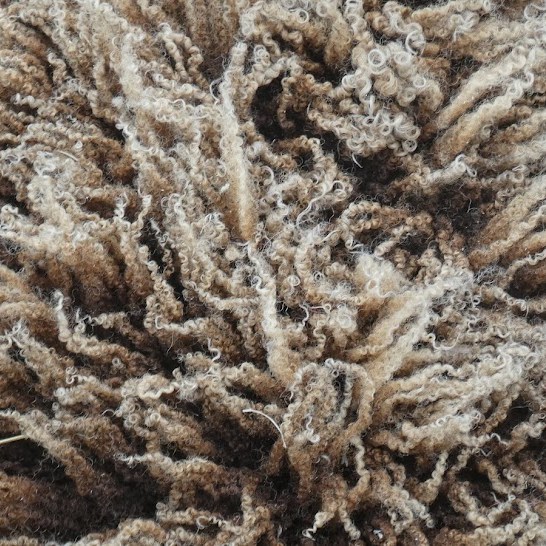
Yesterday, we went to Masham. Here were gathered sheep: dozens of sheep; hundreds of sheep, from every corner of North Yorkshire and beyond. They were all to be put through their paces and judged on whatever esoteric characteristics sheep are judged on, hoping to be awarded rosettes – even cups – as evidence of their good breeding and upbringing. We went early, and talked to owners, many of whom were keen to save rarer breeds from dying out: dying out because their meat is too slow-growing, maybe too flavourful for the mass market. And, as we discover round here every year at shearing time, the wool they provide is no longer a passport to wealth, or at any rate a steady income, but quite simply a drain on the farmer’s budget as there are shearers to be paid. With some exceptions, only traditional spinners, weavers and knitters seek out traditional wool.
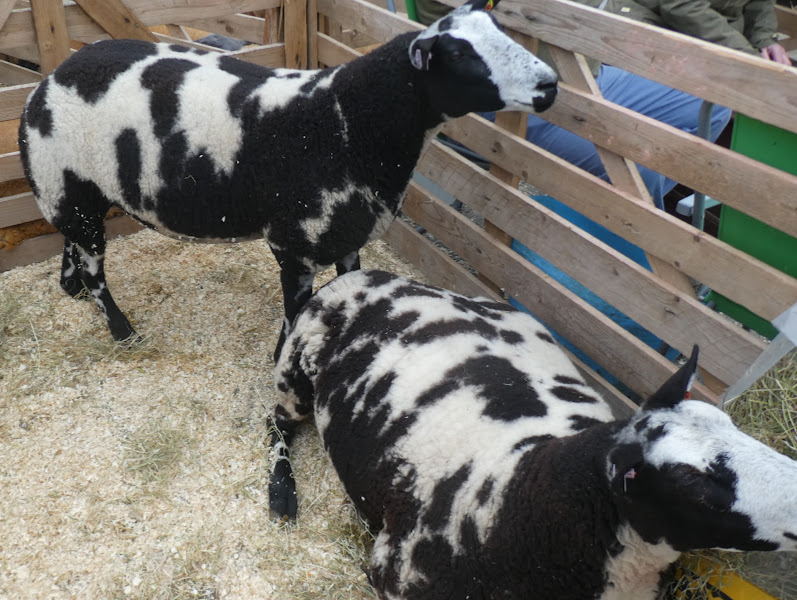
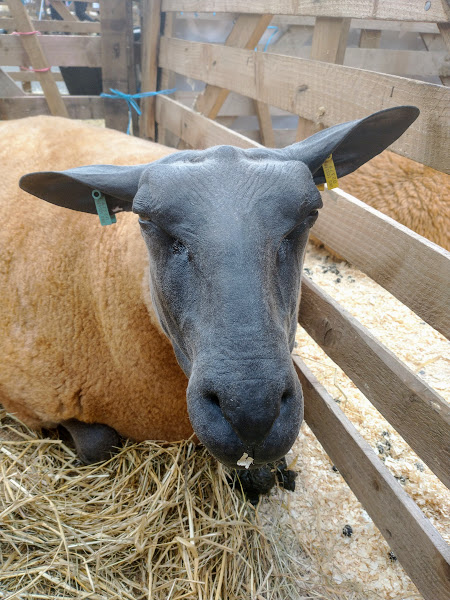
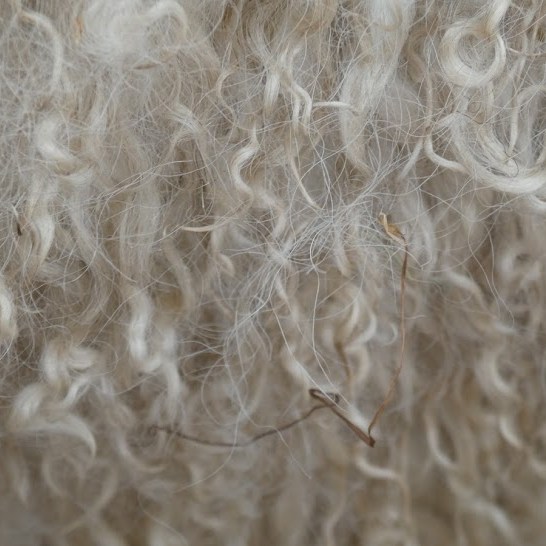
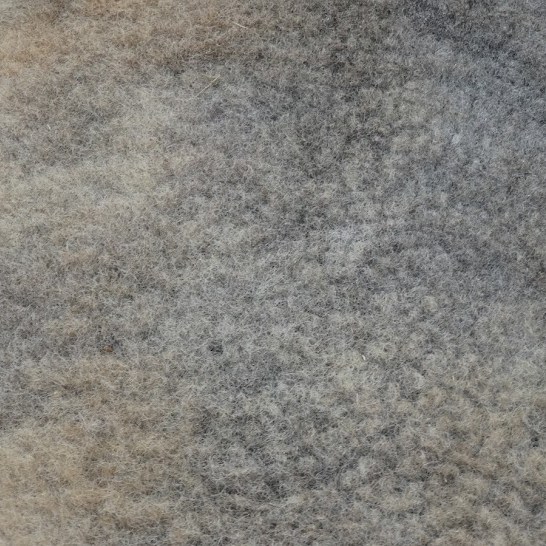
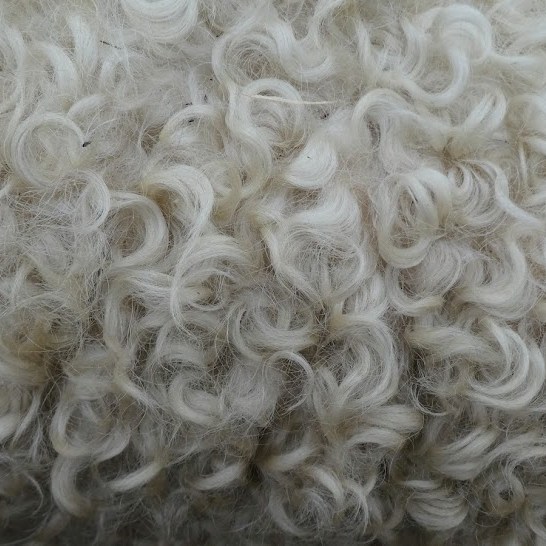
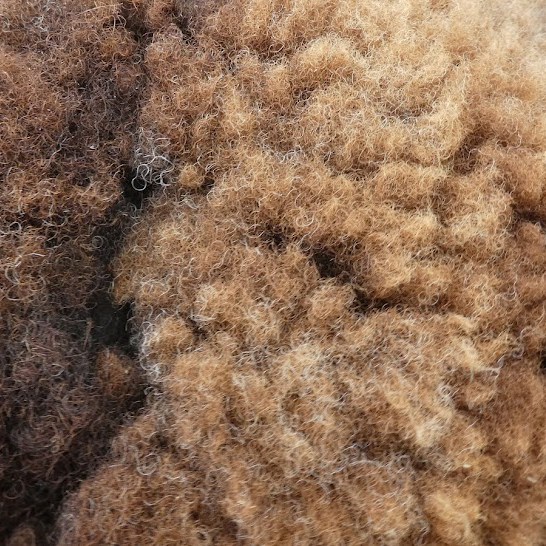
Now then, hands up if you thought a sheep was just a sheep.

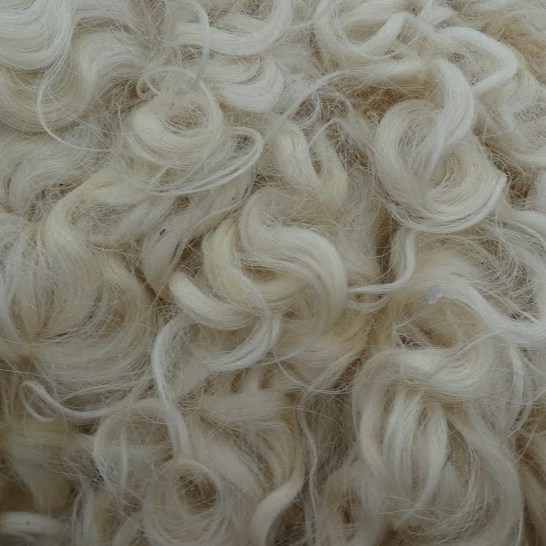
Or that wool was – quite simply – wool.
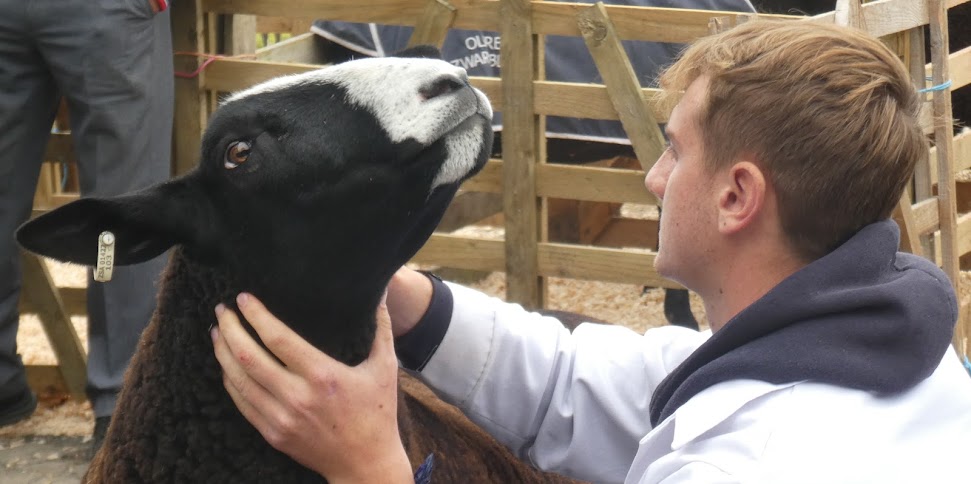
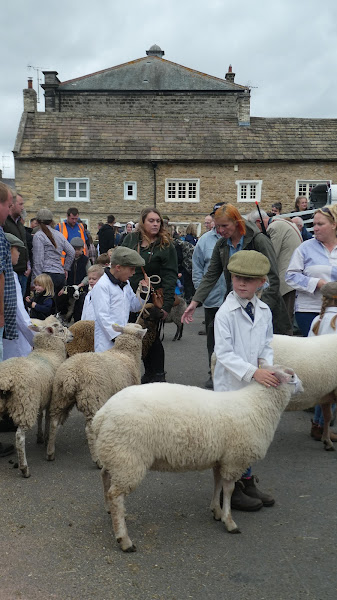
Here’s judging taking place ..

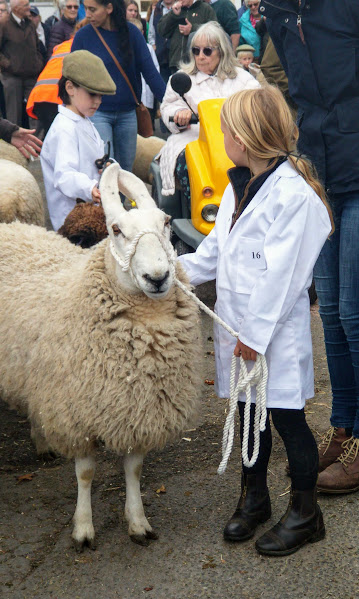
And they start ’em young here. There were classes for Young Handlers, and even an Under Fives category …
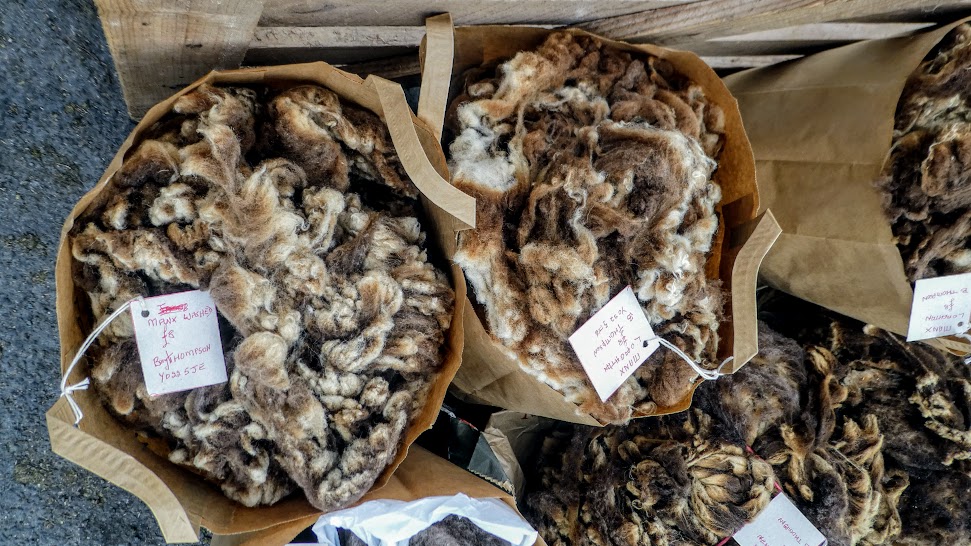
Wool, anybody?

We had to go to the Sheep Dog Demonstration, of course. But that’s worth a post all on its own. To be continued …

Five Owls for Five Monday Portraits

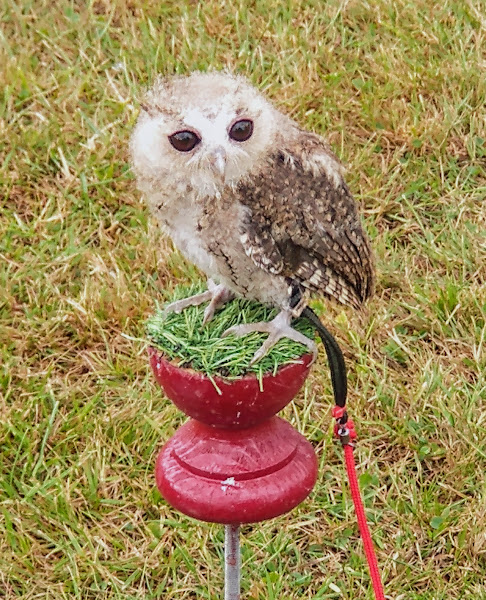
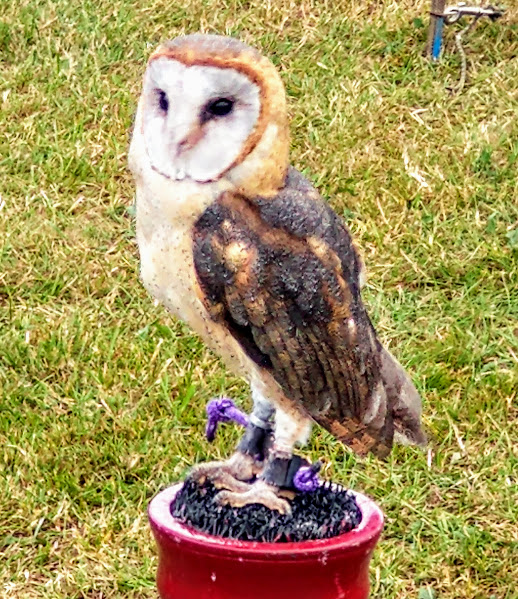
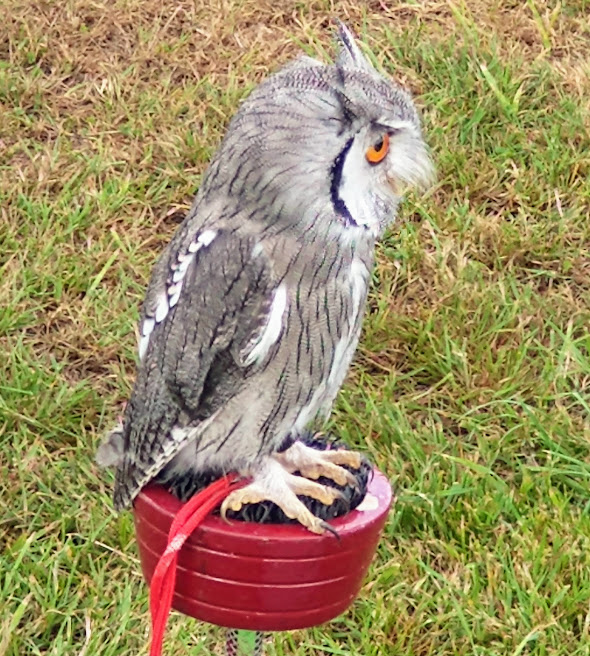
It was the first Agricultural Show of the season yesterday. A great day out for the farming community, and for all the rest of us, who can admire cattle, calves, sheep, horses, shire horses, donkeys all being judged on who knows what esoteric criteria. Tractors, machinery, country crafts and produce … and in among all that, a Birds of Prey display. I picked some owls to showcase for you today, particularly this Northern Pygmy Owl. He’s barely the size of a blackbird.

The Indian Skops Owl is hardly any bigger:

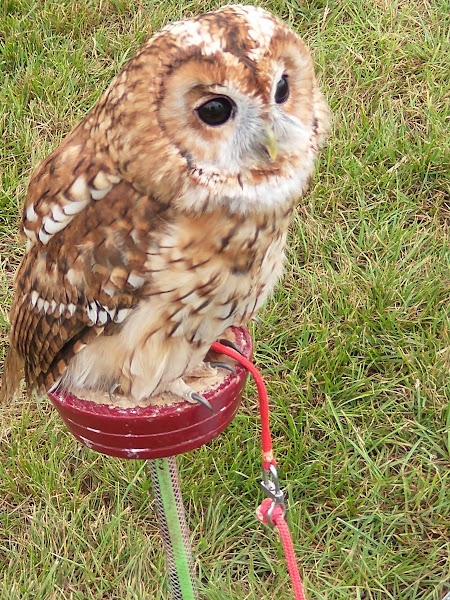
But the other three are much the size you might expect, being pretty much Barn Owl size:

I’ll probably bring you all the fun of the Agricultural Fair another week. As crops are gathered in, and young animals grow less dependent on their mothers, the season starts in earnest.

Balkan postcards 7: Pastoral Prespa.

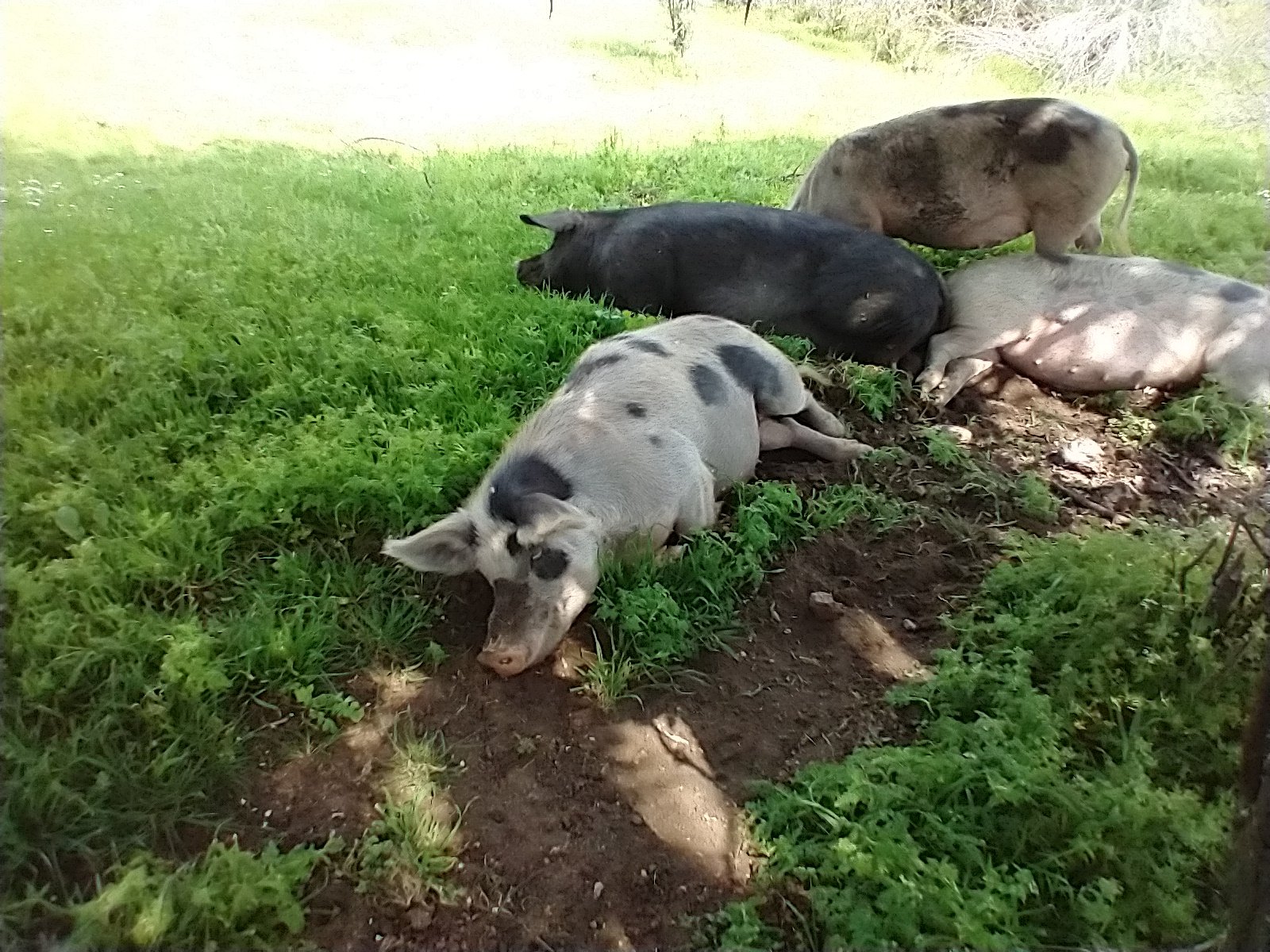
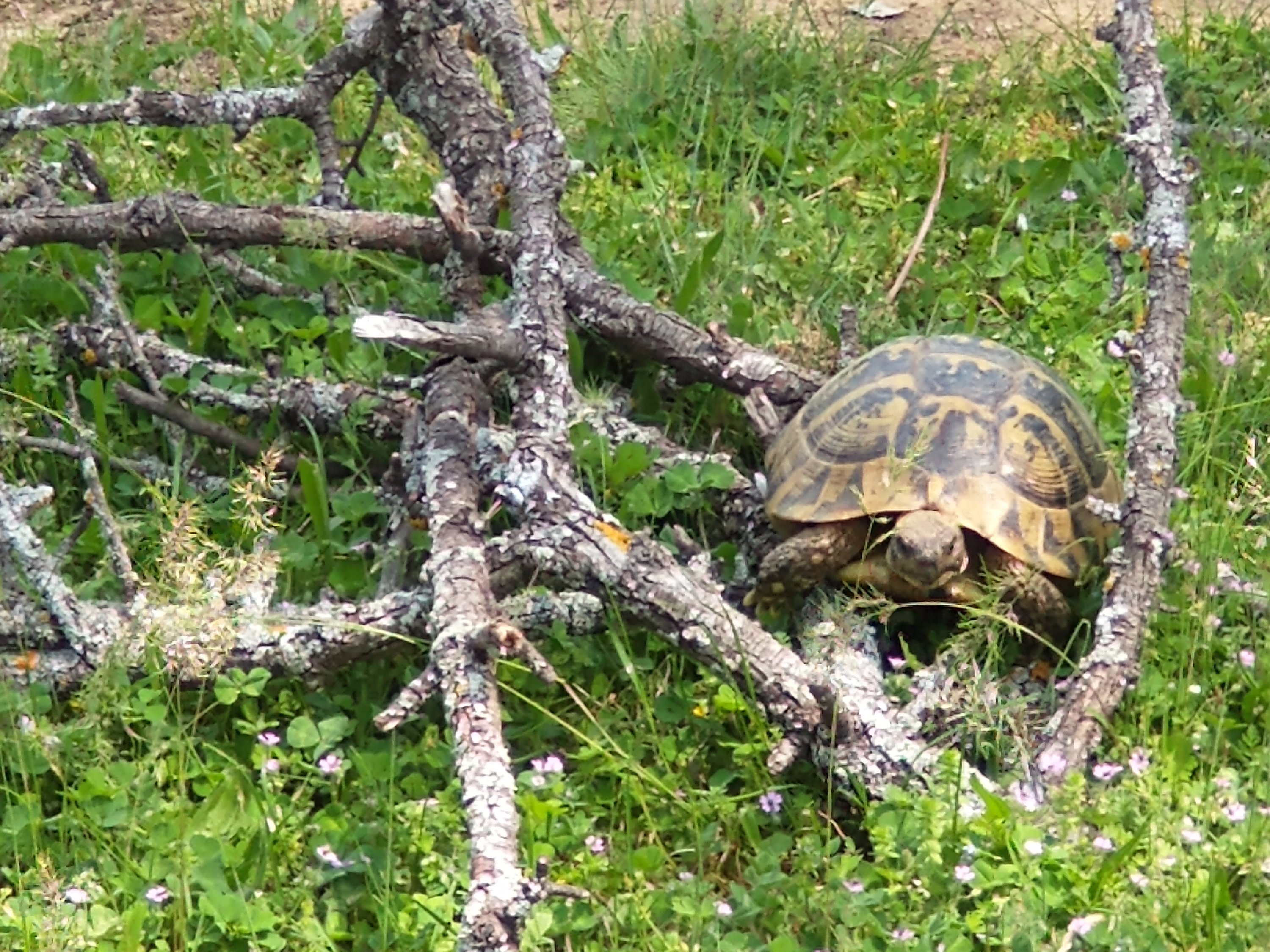
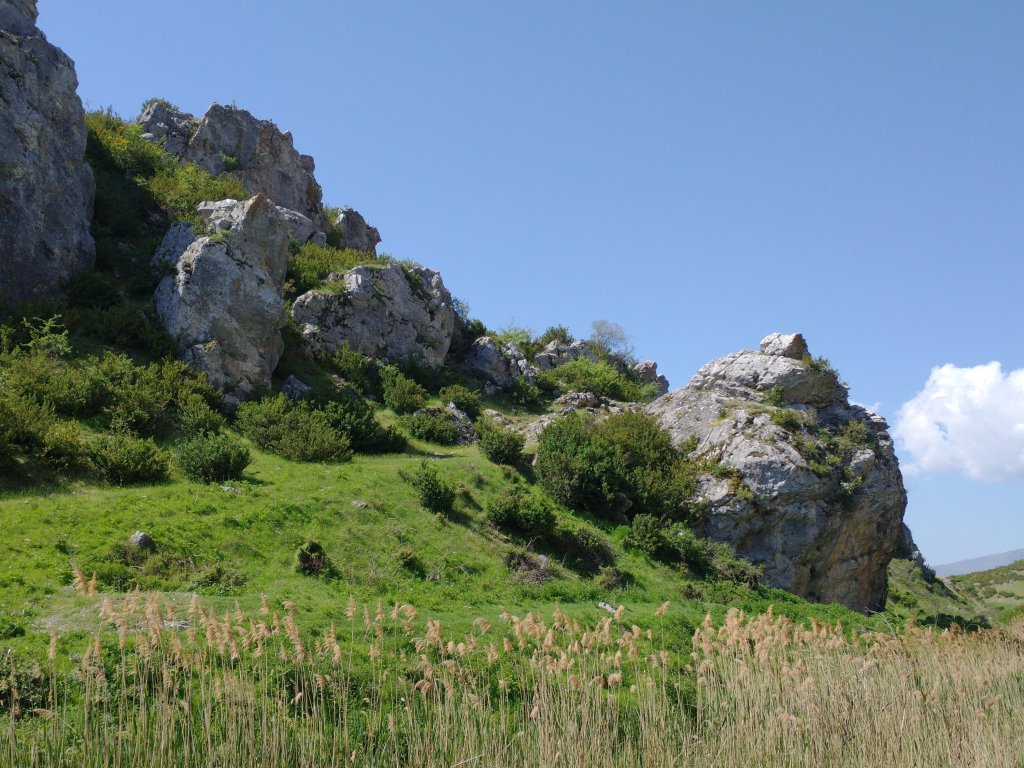
Today was a day of birdsong: of nightingales without end, of golden orioles and hoopoes. It was a day to watch bee-eaters, pelicans, grey herons, night herons flying over the lake. It was a day to watch sows idling away the morning under a shady tree, or goats commandeering the hillside. Or to see a wild tortoise lumbering across the path.

Birdsong in the woods

Balkan Postcards 5: Separating the Sheep from the Goats

I’m still in rural life mode, still observing an everyday story of country folk.

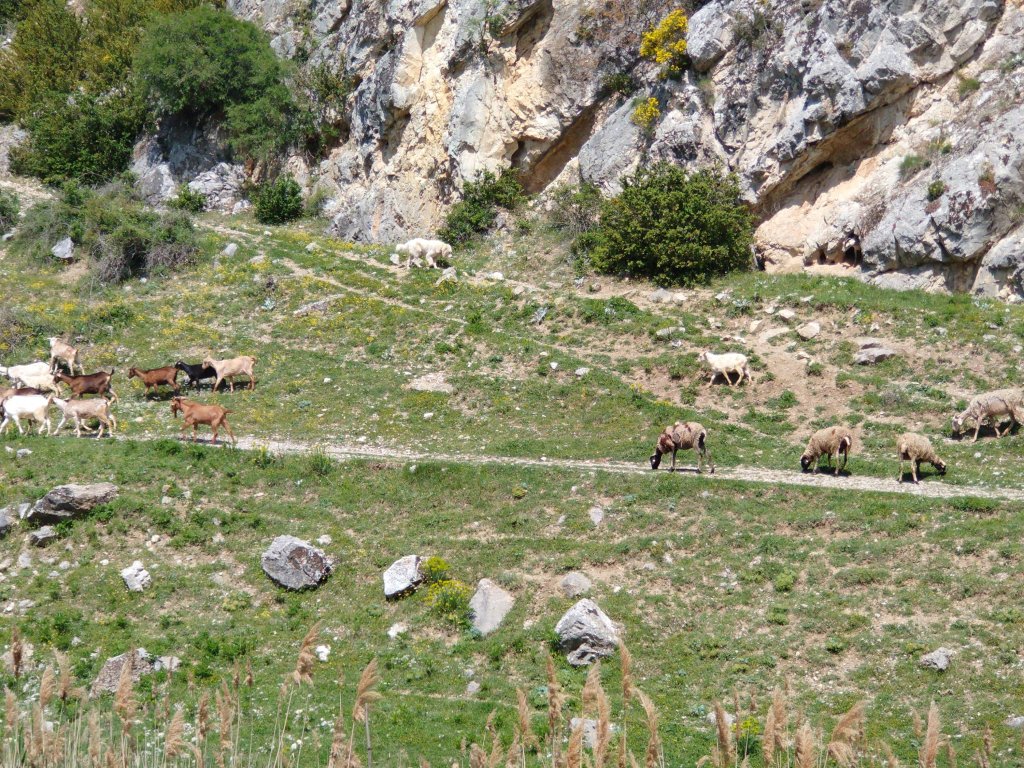
Today, we were at Little Prespa, wildlife haven for birds, lizards, butterflies and above all frogs. Yet again, we saw shepherds spending their day guiding their flocks, meandering along mountain paths. What we noticed was that goats and sheep prefer not to talk to one another. Goats in front, surging ahead to find the lushest bits of grass, sheep dawdling behind.

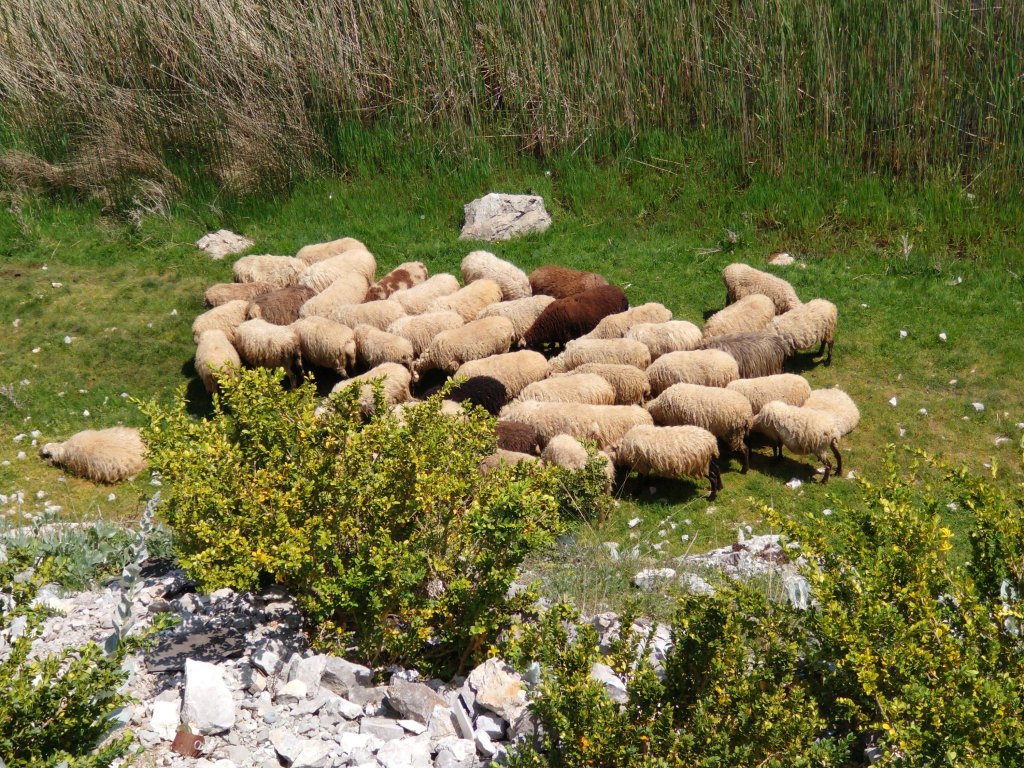
And later, as we ate our own picnics, we saw the sheep sheltering from the hot mid-day sun, huddling up close together, so that as little as possible of their bodies was exposed. Goodness knows where the goats and shepherd were at this point.

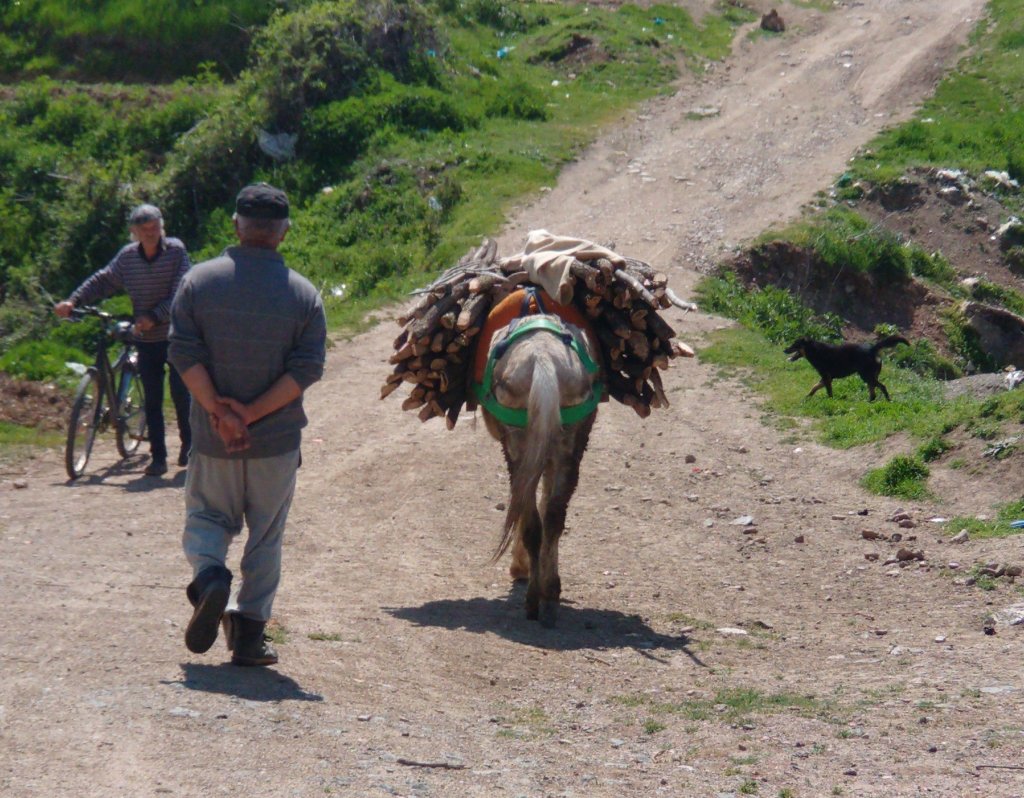
And here is a workhorse, carrying a load of wood  for his owner.

Balkan postcards 4

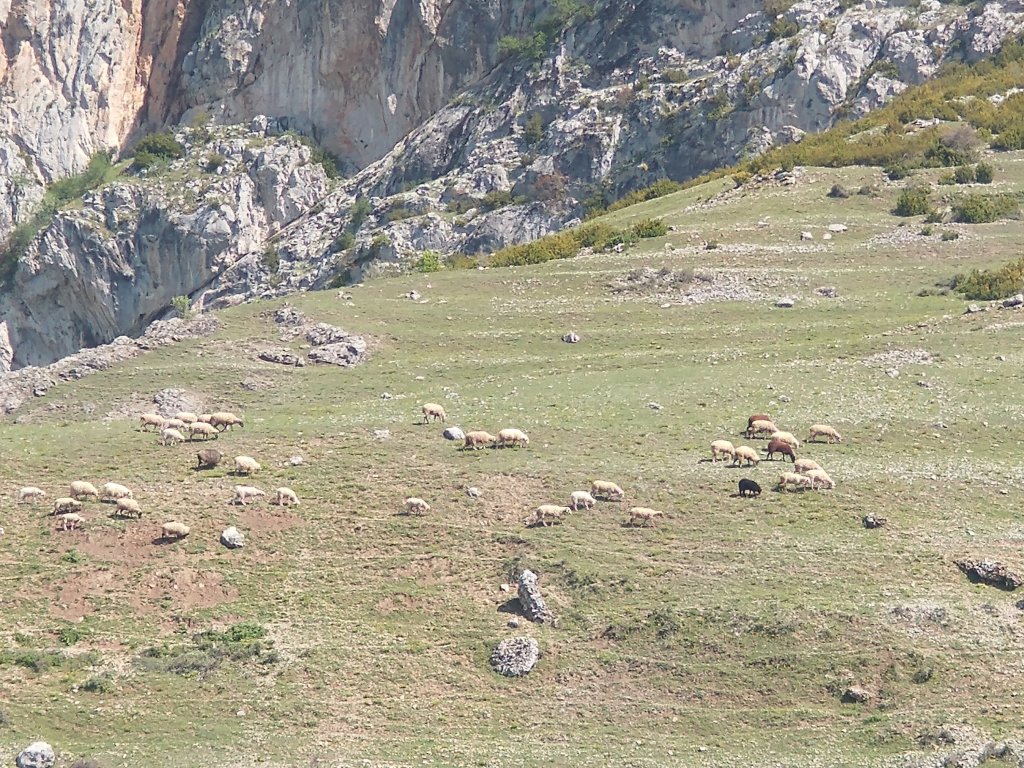
Off to the hills around Albanian Lake Prespa today, we got to see something of the tough life of a farmer here. Though the sight this morning of a shepherd with his small flock – fewer than 40 animals – of sheep and goats and three sheepdogs wandering slowly along as they grazed seemed idyllic, I’m sure the reality of this subsistence-level existence is rather different. We spotted several other such flocks throughout the day. Do take the time to look and listen to the grazing sheep with their melodious bells in the video I link to below. It all seems to be from a very different world.

A shepherd, his sheep and his goats

https://photos.app.goo.gl/MMPJTU9VDUUet97aA

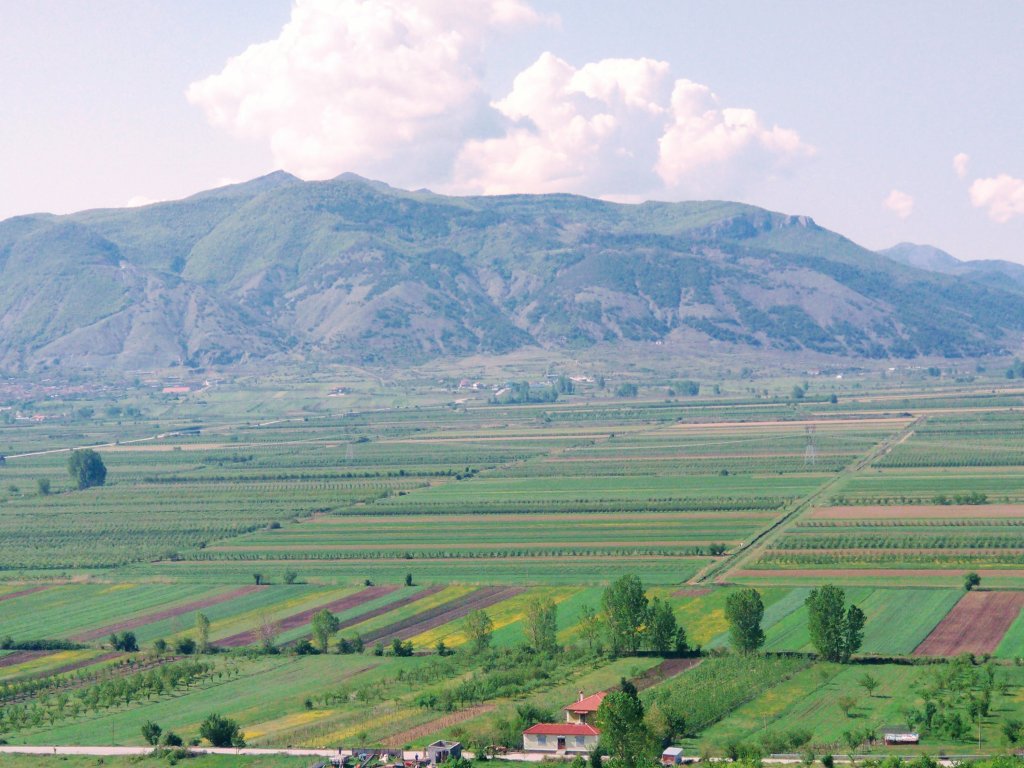
Throughout the day, we saw solitary elderly women working alone in their narrow fields, weeding and wielding heavy mattocks. We spotted distant farmers working with ancient tractors. The thin rectangular fields set in regular grid formation in the picture below are a throw-back to communist days, but have been retained because they work.

A grid of fields, shared fairly between local farmers.